

Brief

Executive Summary
- After Covid-19, many people will remain deeply cautious about returning to activities that involve human proximity. A period we call “the great reluctance” could endure well after governments lift physical restrictions.
- We expect to see a spectrum of behavior, with some people sheltering at home, and even embracing the new ways of life, while others return gradually to wider activities.
- Consumer-oriented companies have two options: reduce the risks of human proximity by reconfiguring physical spaces and setting up tailored safety protocols, or bypass the risks of proximity by adapting products or experiences for use in the home.
- In each case, companies will need to test-and-learn their way to meeting consumers’ evolving needs.
Human behavior has never changed so much, so quickly and across so many locations as it has in the past three months.
Prior cataclysms, ranging from the bubonic plague to world wars, caused more casualties than Covid-19 and no doubt altered behavior in significant ways. In each case, however, the behavioral effects took years to play out. The 1918 influenza pandemic, for instance, killed more people. Yet daily life did not change much as a result, because epidemiology was less developed, information did not spread instantly and constantly, travel was more limited and businesses were not so dependent on global supply chains.

Macro Surveillance Platform
For more detail on the business implications of coronavirus from Bain’s Macro Trends Group, log on to the Macro Surveillance Platform. Learn more about the platform >
Consider the scale and scope of behavioral shifts caused by the coronavirus and subsequent closures of physical spaces:
- Almost all dining out and cinema-going ceased throughout many countries in Europe and Asia, and in many US states, over a matter of days.
- US airline passenger volume dropped 96% in March compared with the previous year, the Transportation Security Administration reported.
- Globally, 1.37 billion students, or more than 3 out of 4 youths, were doing schoolwork at home by late March, according to UNESCO.
- Within two weeks in March, mobility of people in Delhi dropped roughly 75%–85%, except for trips in their immediate neighborhoods, according to Google’s Covid-19 Community Mobility Reports, based on tracking cell phone locations.
- About 10 million new buyers, young and old, started shopping online in the US since the start of the pandemic, Nielsen estimated.
This sudden retreat to the home front and resulting limited mobility has led to big changes in how people spend their money and time. Demand collapsed in many sectors and surged in a few (see Figure 1). In recent weeks, as the rate of new Covid-19 cases peaks or tapers off in some regions, many governments have begun to reopen public spaces and businesses, usually in stages. Still uncertain is when and at what rate people will return to the dental clinics, sporting arenas, barbershops, malls and taxis of the world, not to mention the offices, factories and stores that once anchored work.
Figure 1
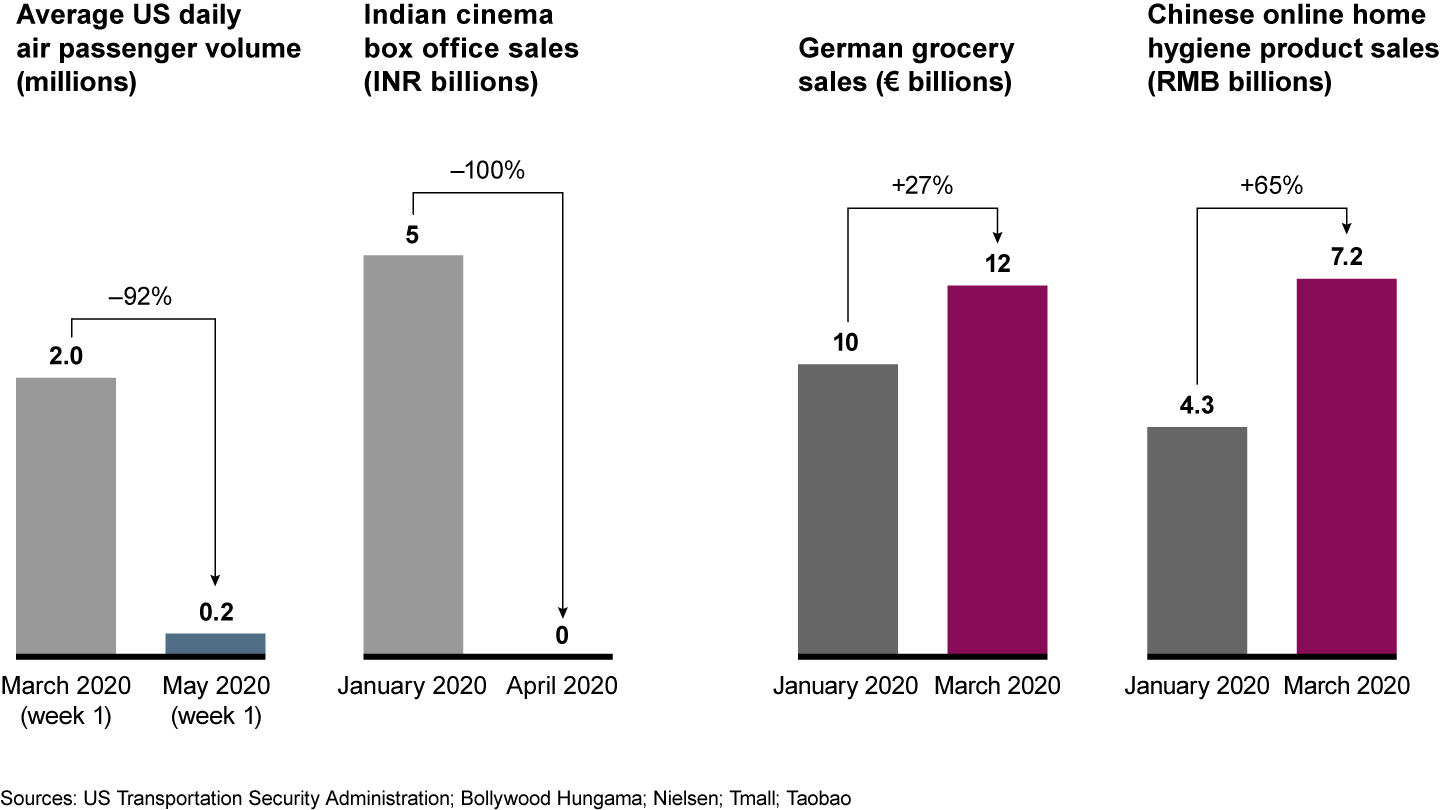

Behind the uncertainty, many people are deeply cautious about returning to activities that involve human proximity. This state of mind will likely last until well after governments lift physical restrictions, especially if new cases flare up again. Moreover, even when the first vaccines and therapeutics become widely available, no one knows how effective they will be. Bain & Company thus calls the period we have entered “the great reluctance.”
Reduced consumption, limited mobility
Evidence of the great reluctance appears even in regions where governments did not impose heavy lockdowns, or where they recently loosened restrictions.
In Sweden, where businesses stayed open throughout the pandemic without legal restrictions, household consumption is down about 30% since mid-March, the Wall Street Journal reported. New car registrations dropped by 37% in April. Many Swedes are following social-distancing recommendations or going beyond them.
Travel will likely rebound in fits and starts. In China, for instance, the number of domestic flights started to recover in mid-February but plateaued in early March at just over 40% of levels before the outbreak, according to the International Air Transport Association.
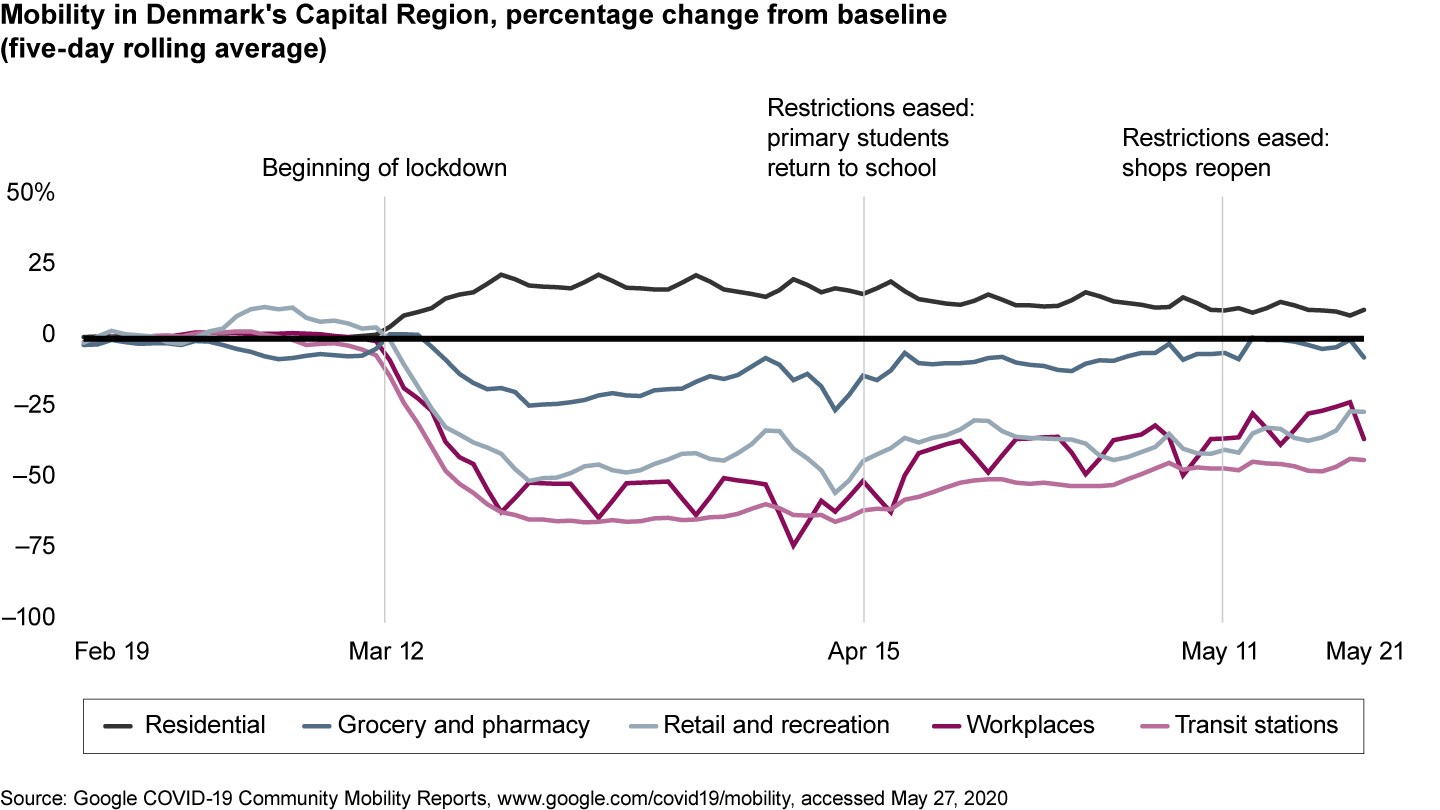
Local mobility patterns reflect a similar desire to stick close to home, as documented by Google data on cell phone locations. In the Capital Region of Denmark, which includes Copenhagen, all trips dropped steeply after the lockdown in mid-March, except for those very close to home. After the government eased restrictions on April 15, the number of trips ticked up but remains well below the norm before the pandemic (see Figure 2). We see similar patterns in other areas we analyzed, including Delhi, the North Rhine–Westphalia state of Germany, Stockholm County in Sweden, the US state of Georgia and South Korea.
Figure 2

Ready—or not—to venture forth
The great reluctance also pervades recent consumer surveys. In a Bain/Dynata survey of US consumers in early May, 26% of respondents said government restrictions remain too loose, while only 14% said they are too tight.
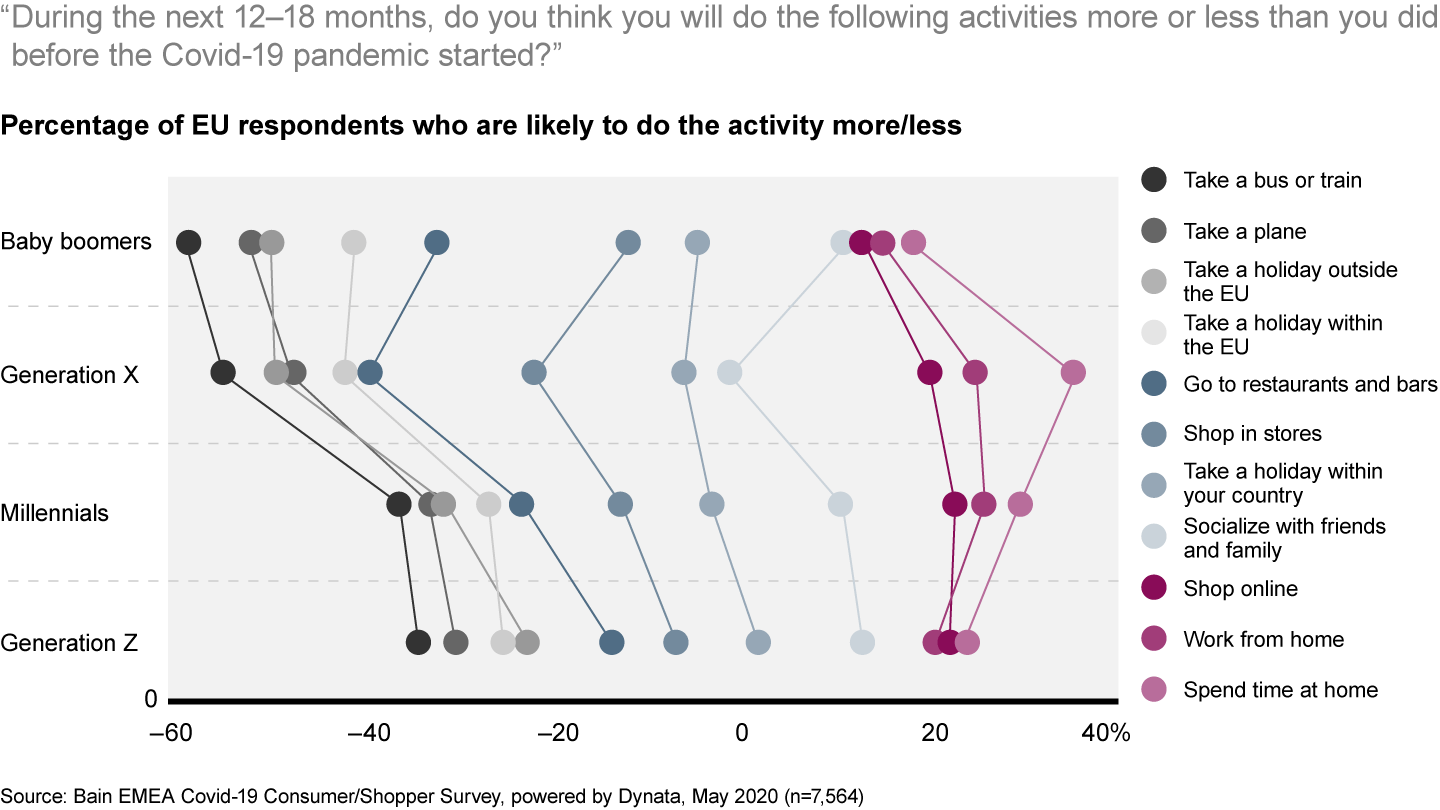
In general, people have become less willing to resume social activity, our weekly tracking shows, with 40% of respondents in early May expressing discomfort with doing so. There is some variation by age: European baby boomers on average said they would be less likely to travel over the next 12 to 18 months than younger respondents did. However, boomers expect to do more socializing with friends and dining out than do Generation X respondents (see Figure 3). Further, in the US, a significant minority—29% of respondents—are not comfortable returning to their traditional workplace.
Figure 3

Social media posts confirm this ongoing anxiety. We used a scraping tool by Synthesio to analyze social media posts containing keywords related to personal risk reduction—mask, handwashing, virus test, isolate and so on—in several countries since the first of the year. In China, such posts rose sharply in the week after the first case of Covid-19 outside of Wuhan was publicized on January 19. Although risk-reduction posts subsequently declined in China as the number of active cases dropped, the level of chatter has remained at roughly 10 times the pre-virus baseline.
During this extended period of uncertainty, we expect to see a spectrum of reluctance, based on individuals’ tolerance for health risks, on their financial situation and perhaps on how the coronavirus has affected their home region. Highly risk-averse people who have the luxury of sheltering at home will do so. Some might not be risk-averse but will still embrace the new ways of living. Others will want to return gradually to wider activities.
Certain segments of the population are eager to let loose. When Shanghai Disneyland reopened in mid-May, for example, the first week sold out almost immediately. An outbreak of new coronavirus cases in Seoul in early May was linked to reopened nightclubs and bars. Despite well-publicized outbreaks on cruise ships, during March and April CruiseCompete.com has reported a 40% increase in bookings for 2021 compared with 2019.
Indeed, it’s possible that at some point we could experience a new incarnation of last century’s Roaring Twenties, which followed the carnage of World War I and the devastation of the 1918 flu. Innovations in manufacturing and communication put products such as the automobile, telephones and electrical appliances within reach of millions of households, and there was an explosion of creativity in many art forms. Prohibition did not end alcohol consumption in the US but rather sent it underground. Much behavior, in short, broke with tradition.
Yet even if only 10% of consumers resist returning to pre-Covid patterns, a 10% clip off consumption in many categories would prevent a full recovery. A 10% decline in a company’s revenue could trigger activist moves by board members and investors, significant cost-cutting and a review of the long-term strategy.
New laws of gravity in the consumer universe
Clearly, we have entered uncharted territory, and businesses will have to grapple with a high level of uncertainty. The contours of the new normal remain fuzzy, as do the timelines for consumers to shed their anxiety. However, we can discern a few trends that are likely to endure over the medium term. Think of them as new laws of gravity affecting how people spend time and money:
- More time at home and less time in separate workplaces, restaurants, cinemas, gyms, cars, hotels, airplanes and public transit of any kind;
- More flexibility required for employees, especially parents, caretakers and others whose home life has become more complicated; and
- Lower disposable income overall, leading to a sharper focus on essential and more affordable products.
Business leaders now have a short window of time to reset strategy in ways that will address consumers’ new priorities. They can start by reexamining what their customers value at this moment. Of the 30 Elements of Value® that consumers look for in the companies serving them, our research finds that the pandemic has raised the importance of three elements: reduces risk, reduces anxiety, and provides a sense of affiliation and belonging.
Of course, other types of value also come into play depending on the product—for example, sensory appeal in food and beverages, or, in consumer banking, heirloom (a good investment for future generations). Nevertheless, the new laws of gravity require greater attention to the three elements noted above.
Based on understanding what their customers value, consumer-oriented companies have two options in the new environment. First, they can reduce the risks of human proximity by reconfiguring physical spaces and setting up tailored safety protocols. Second, they can bypass the risks of proximity by adapting products or experiences for use in the home. In each case, companies will need to adapt and tailor their offerings to a spectrum of consumer needs that will evolve over the next year or two.
Allaying risks outside the home
Reconfiguring existing retail and service spaces involves a blend of new spatial arrangements and new schedules. Plenty of companies that serve customers in person have already begun to modify their spaces.
Some airlines have temporarily abolished the middle seat, now require passengers to wear masks throughout the flight and have intensified cleaning between flights. These measures have worked while passengers are scarce, but they may need revisiting if bookings increase or if airlines consolidate flights along routes.
Restaurants and other food establishments have installed curbside pickup, facilitated by smartphone apps, to promote contact-free transactions. If customers return to eat on the premises, owners may need to widen gaps between tables, stagger seatings, take customers’ temperatures before they enter, require staff to wear masks and face shields, outfit bathrooms with new fixtures and make other expensive changes to conform to social-distancing standards. None of this will feel like last year’s dining experience.
Brick-and-mortar retailers face similar challenges. Walmart has limited stores to 20% of shopper capacity; dedicated employees to clean high-traffic, high-touch areas; and partnered with local governments to offer drive-by testing. Other retailers have taken similar measures, but it’s not clear whether these will be enough to lure back many shoppers.
Bringing experiences into the home
Bypassing the risks of human proximity by adapting a product or experience for the home is a more ambitious strategy. Yet it holds great potential if done right, because it might be sustained for years after the pandemic abates.
A few lucky companies have benefited from the new laws of gravity without having to change their core business model. Netflix saw a surge in new subscribers for its streaming entertainment content. Online furniture retailer Wayfair fielded new demand to furnish home offices and other rooms. Lululemon sold 50% more athleisure clothing in April vs. January.
Other companies will have to innovate so that the adapted product or experience meshes with consumers’ new priorities. It needs to fit in the home, accommodate a more fragmented schedule and a smaller wallet, and still deliver the essence of the out-of-home experience.
The good news is that many consumers are open to trying new brands and will quickly adopt new practices that are simple and convenient (see Figure 4). Our recent surveys have shown a rise in first-time online shoppers, many of whom said they will be more likely to shop online in the future (see Figure 5).
Figure 4
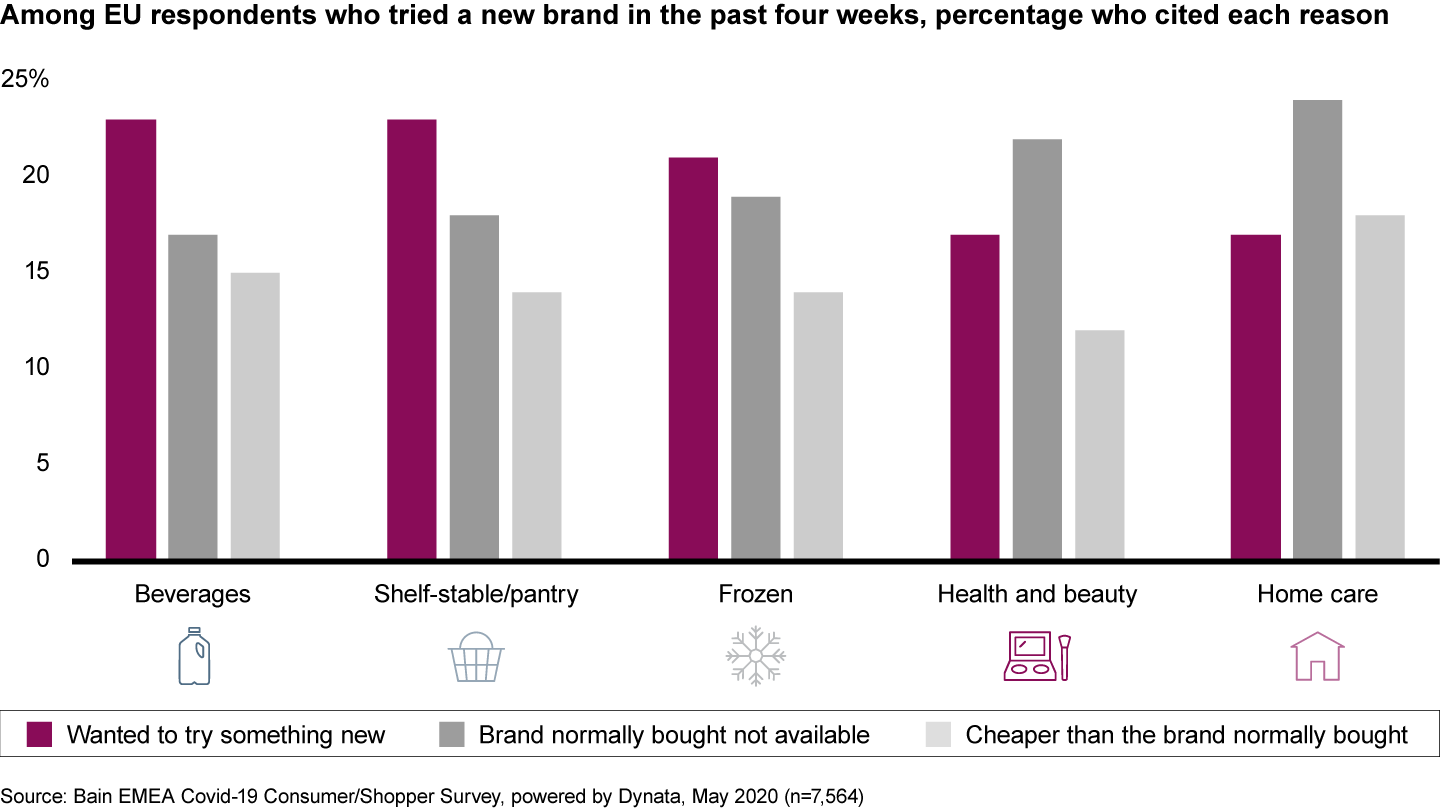

Figure 5
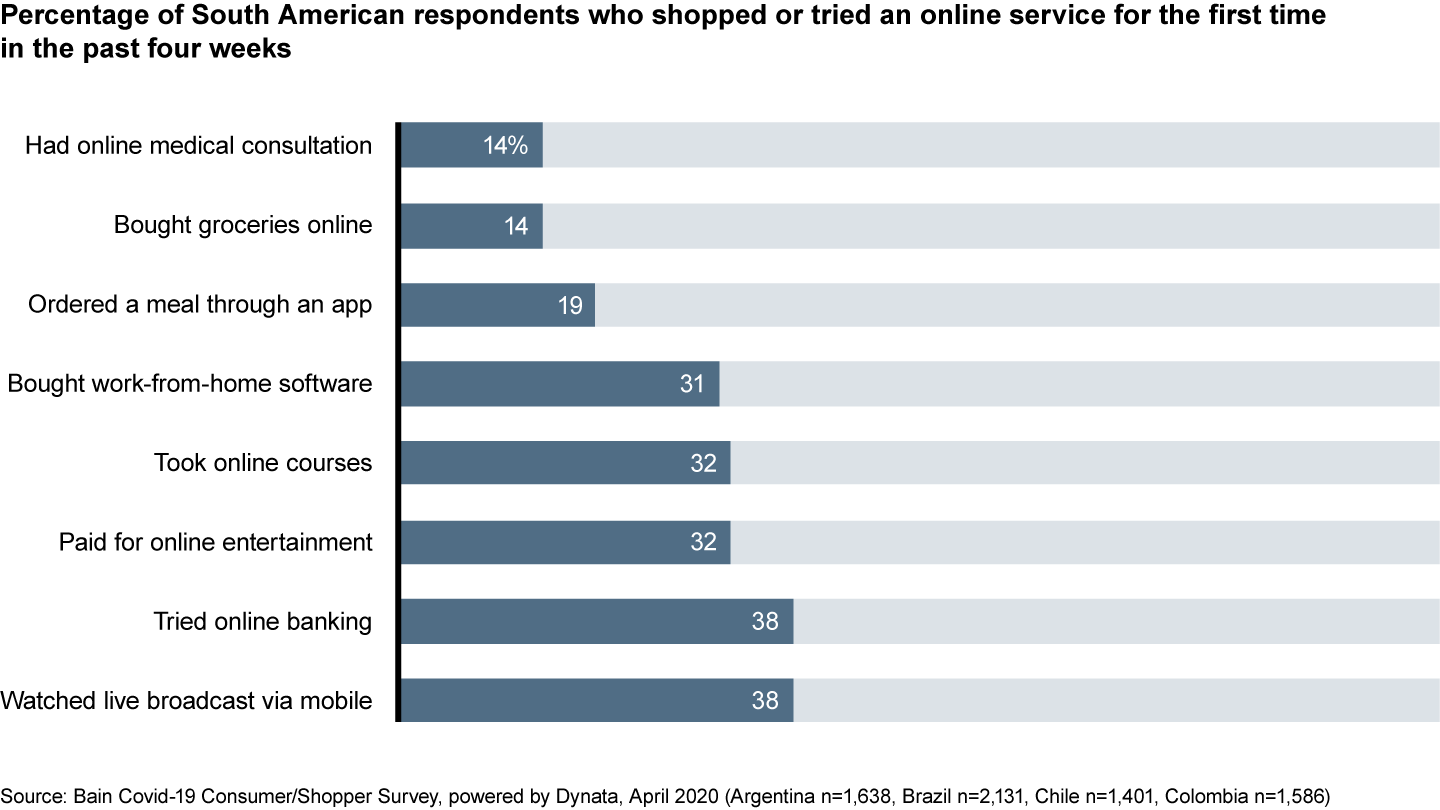

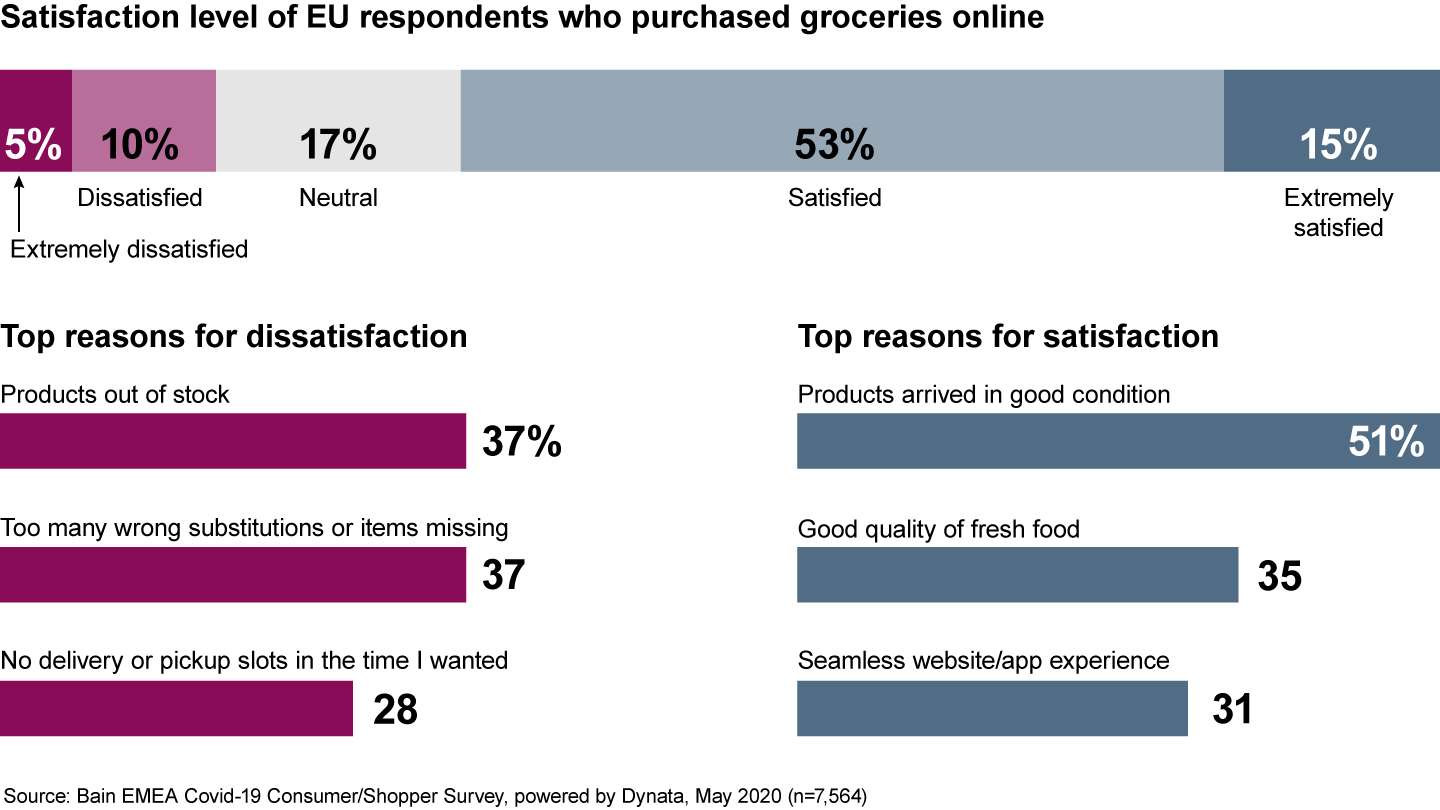
However, not with just any vendor—28% of online shoppers in the UK and 14% in France tried but failed to complete a purchase. Shoppers who successfully purchased groceries online ran into problems such as out-of-stock products and no available delivery slots (see Figure 6). Reliable product fulfillment, delivery and ordering technology have become table stakes to capture the expanding pool of online commerce.
Figure 6

Chinese cosmetics company Lin Qingxuan fits the bill. When it was forced to close 40% of its stores due to the pandemic, sales plummeted. However, the company redeployed its beauty advisers as online advisers, using platforms such as DingTalk and WeChat to engage customers virtually and drive online sales. A livestream session on Valentine’s Day attracted more than 60,000 viewers, and Lin Qingxuan sold more than 400,000 bottles of its camellia oil. The company’s February sales rose 120% over the previous year.
With a void in live sports, a few organizations have created compelling online alternatives, at least temporarily. Formula One produced virtual car races featuring its drivers and celebrities, and its inaugural Virtual Grand Prix drew 3.2 million online viewers.
Turning to the complex healthcare sector, telemedicine—bringing medical staff and patients together online—has been discussed for years but adopted in only a handful of countries and regions. Now there is more urgency to lower the regulatory, cultural and insurance barriers, and providers may make faster progress. Amwell, which provides urgent-care web conferencing in the US, among other telehealth services, has seen use of its mobile app rise by more than 150% since January. It recently introduced a digital platform for smaller physician practices, which includes clinical workflows, e-prescribing, online enrollment, staff training and payment collection.
Test and learn, test and test again
Because no one knows how the great reluctance will unfold, companies should be responsive to customers along the way. Whichever strategy they choose, frequent tests of the new offerings and messaging will allow them to optimize product features and marketing in real time. Agile principles enable fast-paced testing in sprints, with a focus on getting to market quickly with minimum complexity.
Multivariate testing, for instance, makes it possible to experiment with different messages, promotions and packaged offers. Quarantined adults age 65 and older who perhaps never would have considered buying groceries online are now trying these services. To better understand the ramifications of that change, a retailer or food company might set up a test to measure which messages are most effective with the new demographic.
Some of these concepts and messages would have been unthinkable three months ago. But trying the previously unthinkable is what it will take to tailor offerings for consumers along the spectrum—those that ache to return to pre-Covid patterns, those that remain in the sanctity of their homes, and those that test and learn new behaviors themselves over time. A clear testing hypothesis, followed by rapid adjustments based on feedback, will be essential to create value for consumers and break through their great reluctance.
The authors are grateful to Christian Short, Ben Hartwell, Nicholas Teo, Aqil Rashid and Sydney Babiak for their support in developing this brief.
Elements of Value® is a registered trademark of Bain & Company, Inc.

Coronavirus
The global Covid-19 pandemic has extracted a terrible human toll and spurred sweeping changes in the world economy. Across industries, executives have begun reassessing their strategies and repositioning their companies to thrive now and in the world beyond coronavirus.
About Dynata
Dynata is one of the world’s largest first-party data and insights platforms. With a reach that encompasses more than 62 million consumers and business professionals globally, and an extensive library of individual profile attributes collected through surveys, Dynata provides precise, trustworthy, quality data. The company has built innovative services and solutions around its robust first-party data offering to bring the voice of the customer to the entire marketing continuum―from strategy, innovation and branding to advertising, measurement and optimization. Dynata serves nearly 6,000 market research, media and advertising agencies, publishers, consulting and investment firms, and corporate customers in North America, South America, Europe and Asia-Pacific. For more information, go to www.dynata.com.
First published in junio 2020