

Report
Executive summary
Overview of the current conditions
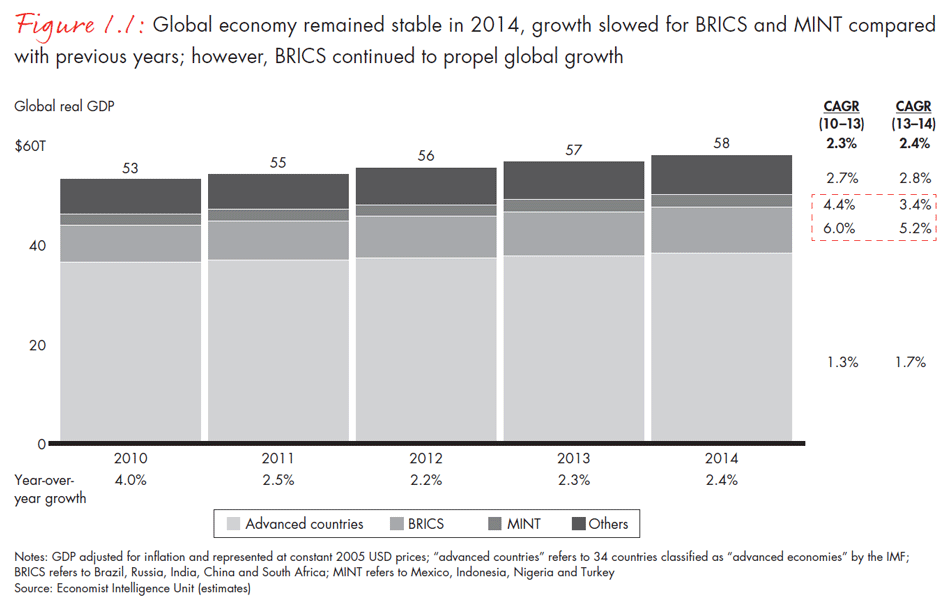
The global economy moved back on a path towards slow but stable growth in 2014, as evidenced by a 2.4% increase in global GDP. US GDP growth increased slightly, to 2.3%, driven in part by lower oil prices which spurred overall increased consumption; a number of other factors, including higher exports and increased non-federal government spending, also contributed to the rise. Europe witnessed signs of recovery, with overall GDP growth of approximately 1%. Here too, declining oil prices led to improved spending. The weakening euro also helped, making exports from countries like Germany more competitive in the world market. In addition, large European economies such as the UK and Germany saw strengthening growth.
In contrast, growth in top emerging economies slowed over the past year. The economies of BRICS (Brazil, Russia, India, China and South Africa) and MINT (Mexico, Indonesia, Nigeria and Turkey) grew at 5.2% and 3.4%, respectively, marking a decrease from 2013 levels of 5.6% and 3.5%. Combined growth for BRICS and MINT fell below 5% in 2014, a departure from the recent 6% annual growth trend which lasted from 2010 to 2013. Within BRICS, all economies but India experienced slower growth than in 2013.
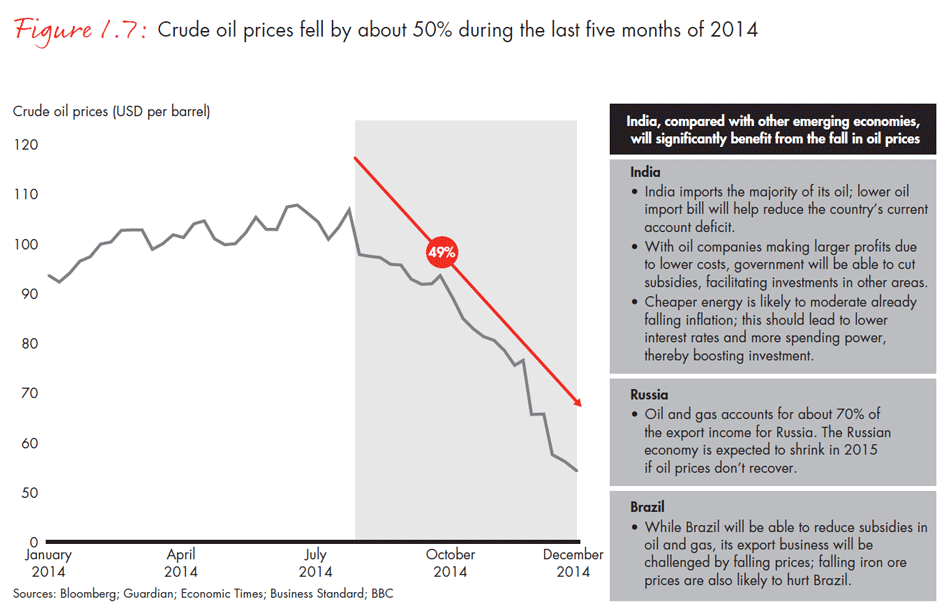
The acute drop in oil prices was a key contributor to economic growth for some and decline for others. The Russian ruble lost ground versus the US dollar, falling nearly 40% in 2014. Brazil was able to reduce subsidies in oil and gas, but its export business was challenged as a result of the declining oil prices, and its economy remained flat. Even South Africa, which benefitted from reduced inflation, suffered from the resulting impact to commodity prices. Meanwhile, the price drop is expected to help the growth of oil-importing nations, including India.
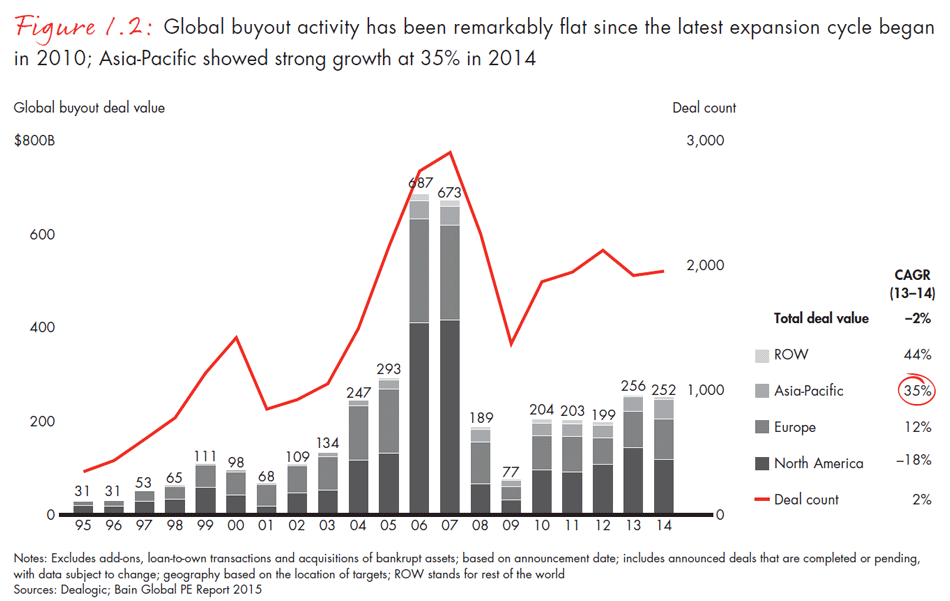
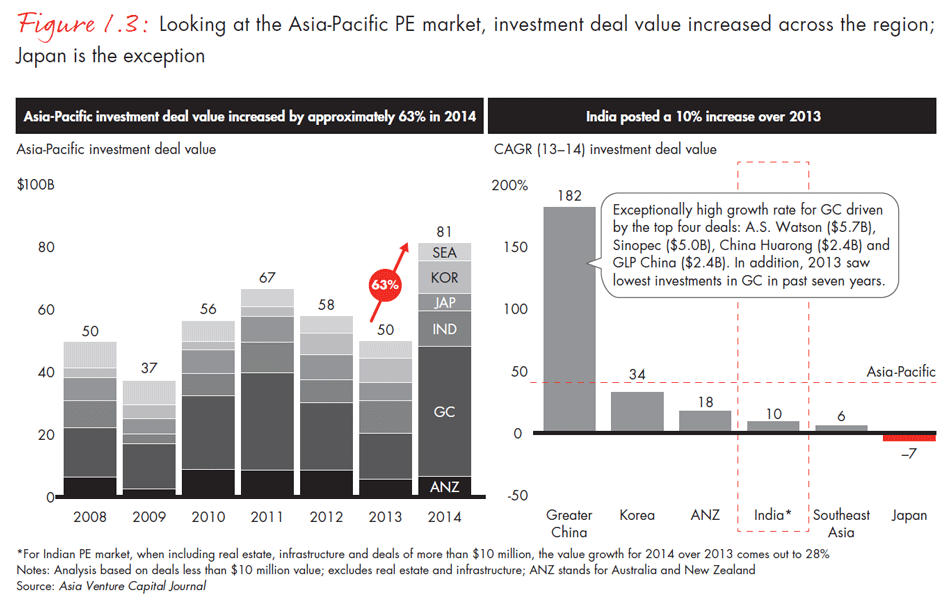
Also in 2014, global buyout value dropped 2%. North America saw an 18% decrease from the prior year, due largely to a spike during 2013 from the Dell and Heinz deals. Meanwhile the Asia-Pacific PE market set a new all-time high at $81 billion, 63% higher than in 2013.
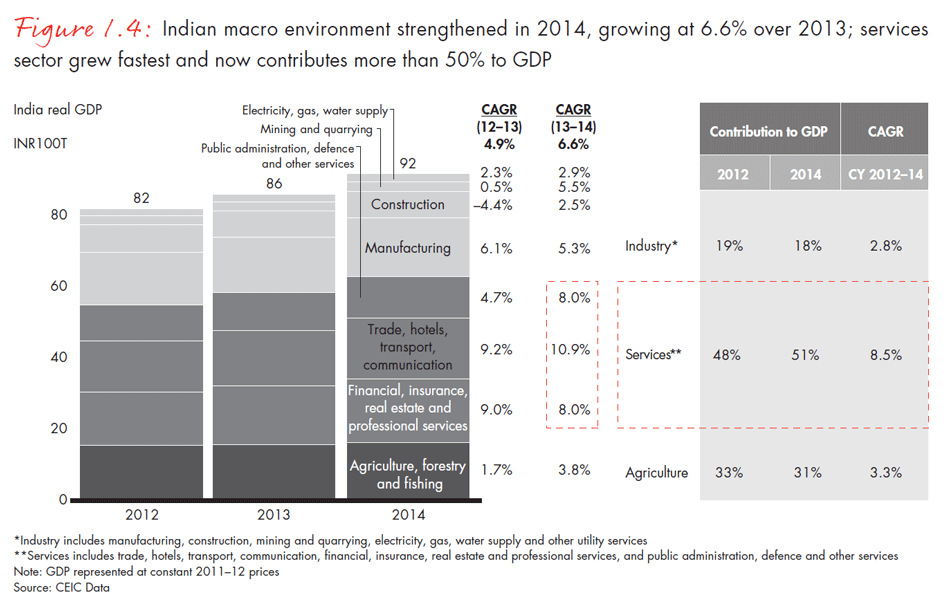
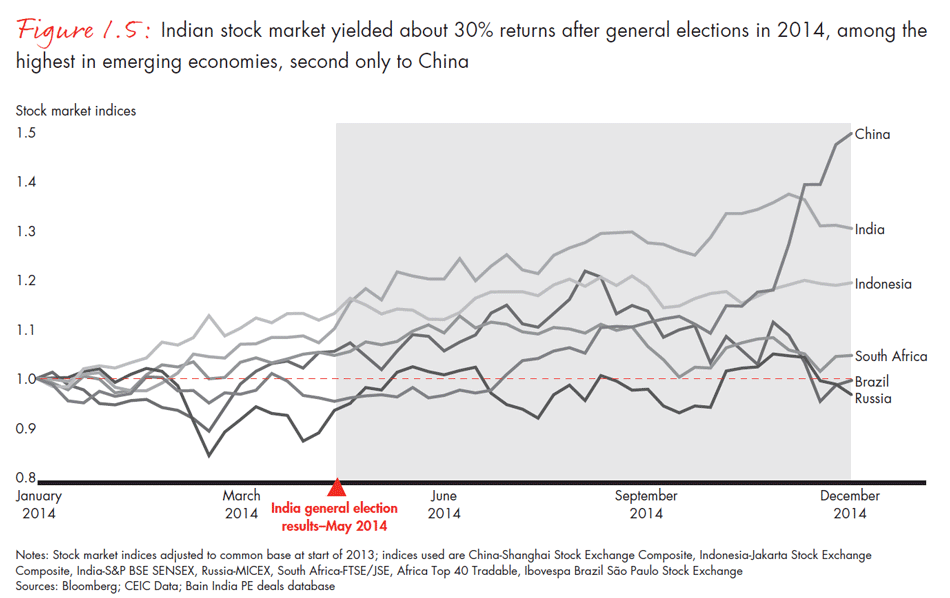
It was a year of rising optimism, expectations and aspirations for India, especially in light of its first single-party majority government in 30 years. The Indian stock market gave phenomenal returns of more than 30% over the year, compared with less than 10% in 2013. Backed by the stronger macroeconomic landscape, PE activity continued to play a pivotal role in the country’s capital needs, accounting for 53% of foreign direct investment inflows. According to CEIC Data, India’s GDP grew by 6.6% from 2013 to 2014, compared with 4.9% from 2012 to 2013. The services sector experienced particularly strong growth, and its contribution to GDP climbed to 51% in 2014. Notably, trade, hotels, transport, communication and related services grew by nearly 11%, leading the sector’s overall growth.
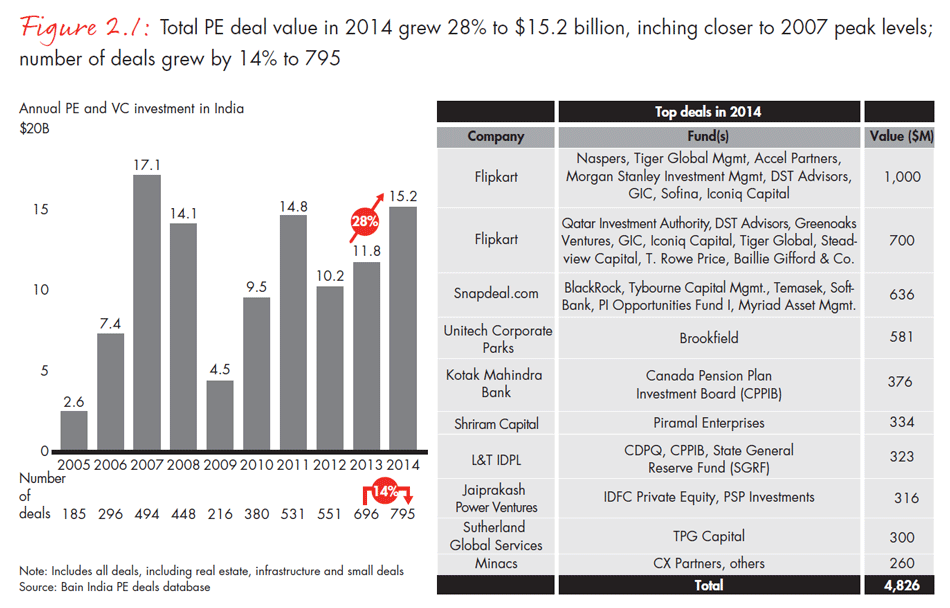
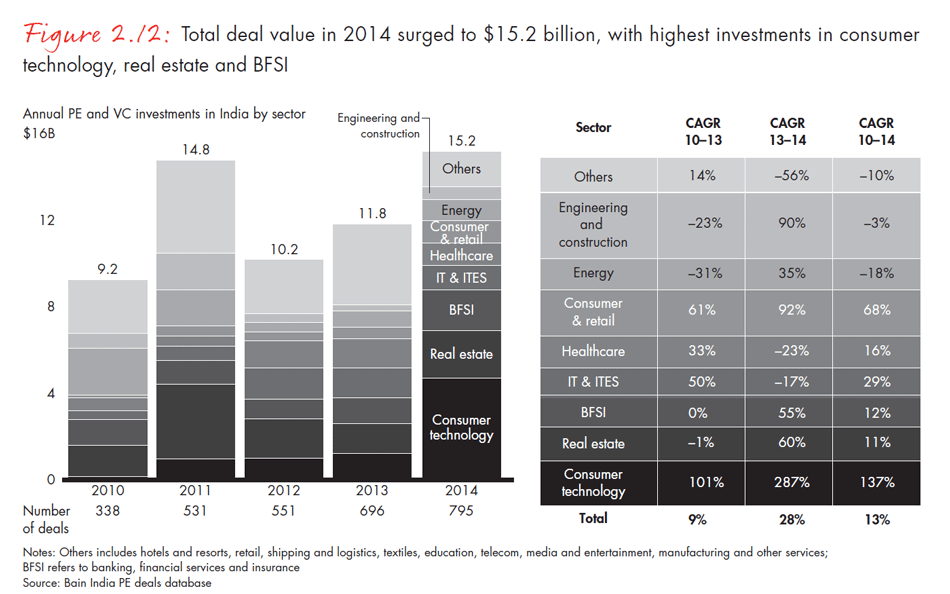
Not surprisingly, PE investments in India saw a robust increase over 2013. Deal value, including real estate, infrastructure and venture capital (VC) deals, increased by 28% to $15.2 billion—inching closer to 2007 peak levels of $17.1 billion. Overall deal volume in India grew by 14%, with early- and growth-stage deals accounting for 80% of total deals in 2014. Deal value also rose as a result of a few megadeals. The consumer technology sector led in both deal value and volume, constituting 31% of overall deal value and 35% of overall deal volume.
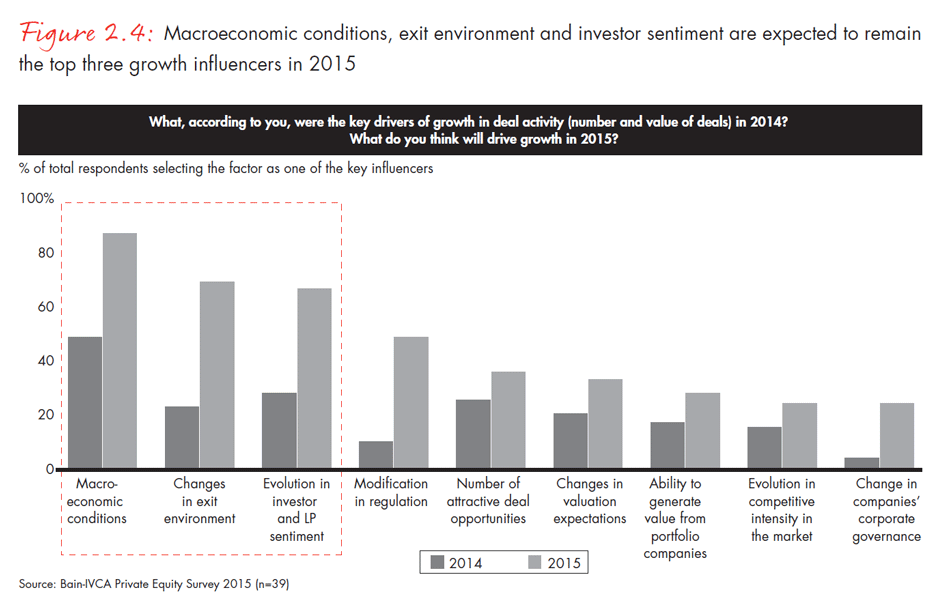
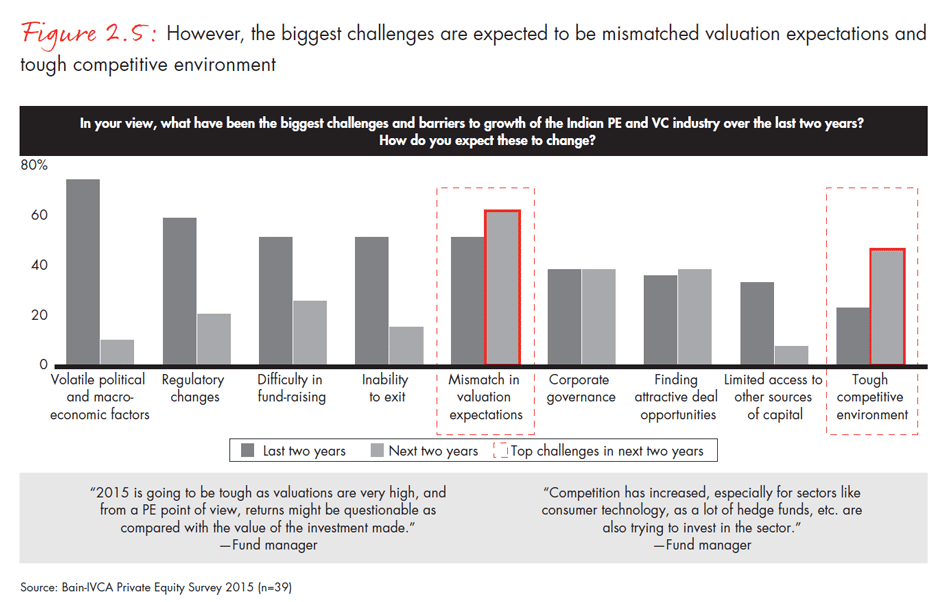
Looking at the year ahead, GPs in India expect a further increase in deal activity, propelled by macroeconomic conditions, positive investor sentiment and an improved exit environment. However, GPs remain concerned about a mismatch in valuation expectations and the tough competitive environment for good-quality deals. India needs to continue to improve the ease of doing business in the country, a large part of which involves a regulatory environment that is more conducive to business growth to attract investment. With “Make in India” as one of its top agendas, the new government has already taken steps in this direction, including reforms in labour laws and plans to introduce a goods and services tax (GST).
In terms of attracting foreign investments, India continues to face competition from other emerging economies with prospects for strong growth, including South Africa and Nigeria. That said, India boasts strong GDP growth, a vibrant entrepreneurship ecosystem and a positive future outlook, making it one of the most attractive of the emerging economies for PE investments in 2015.
Fund-raising
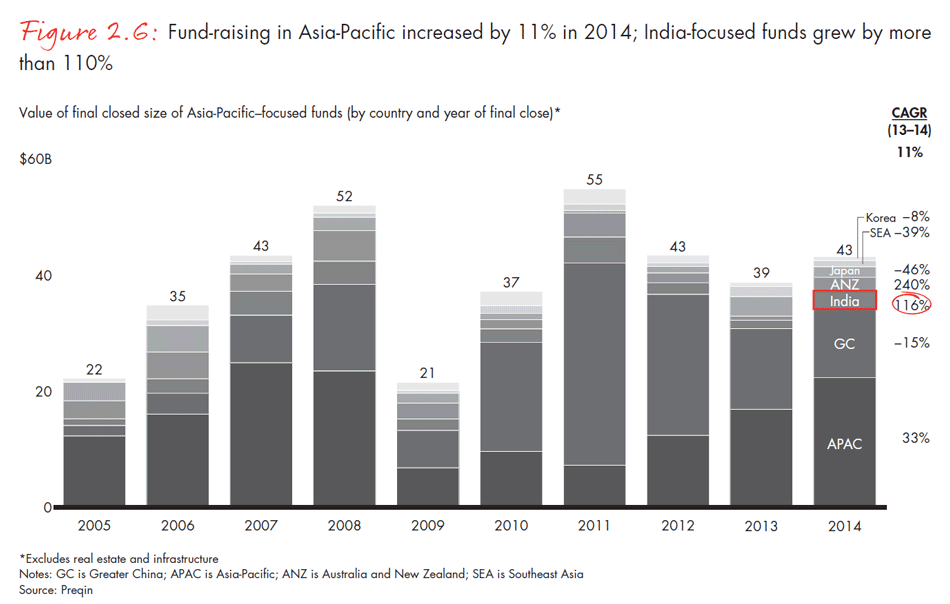
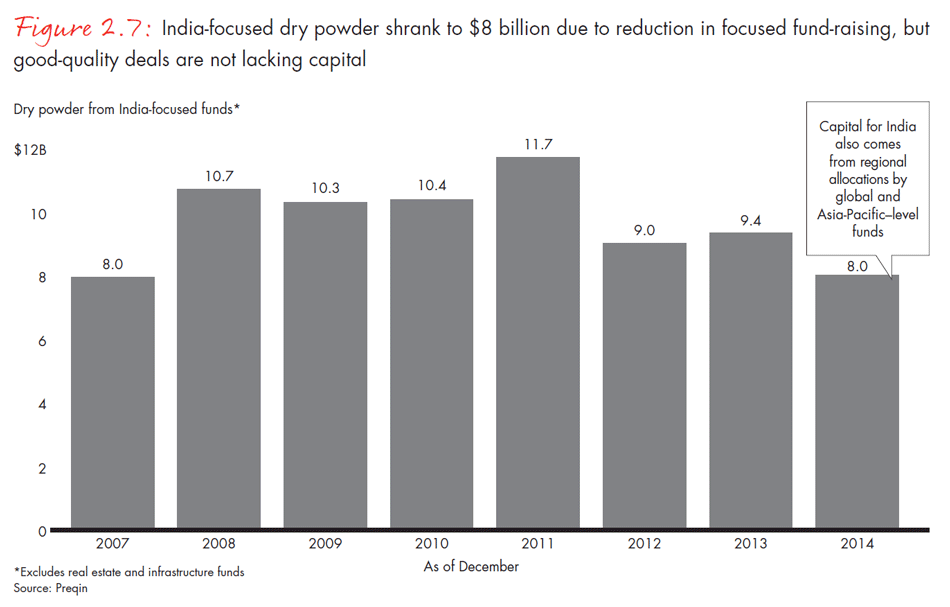
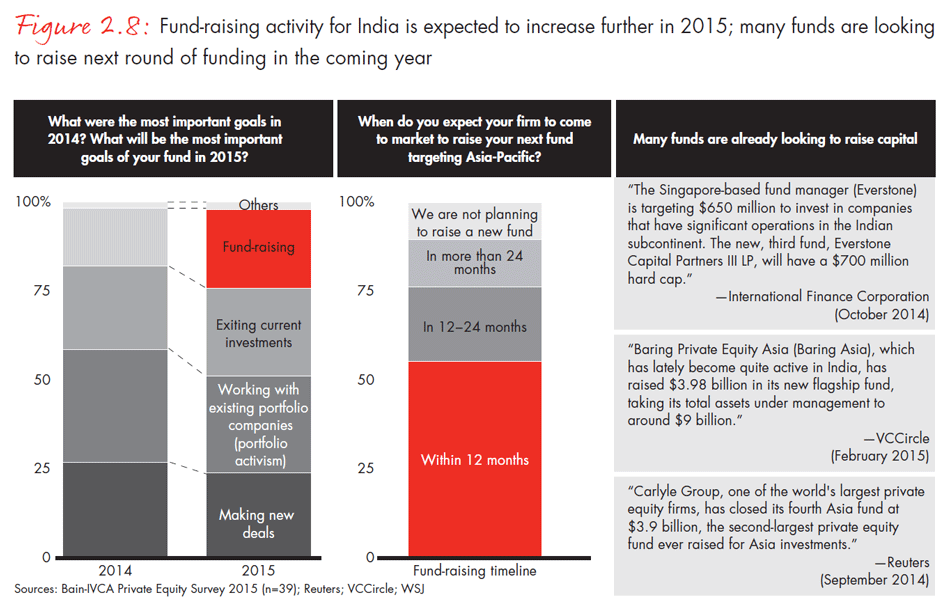
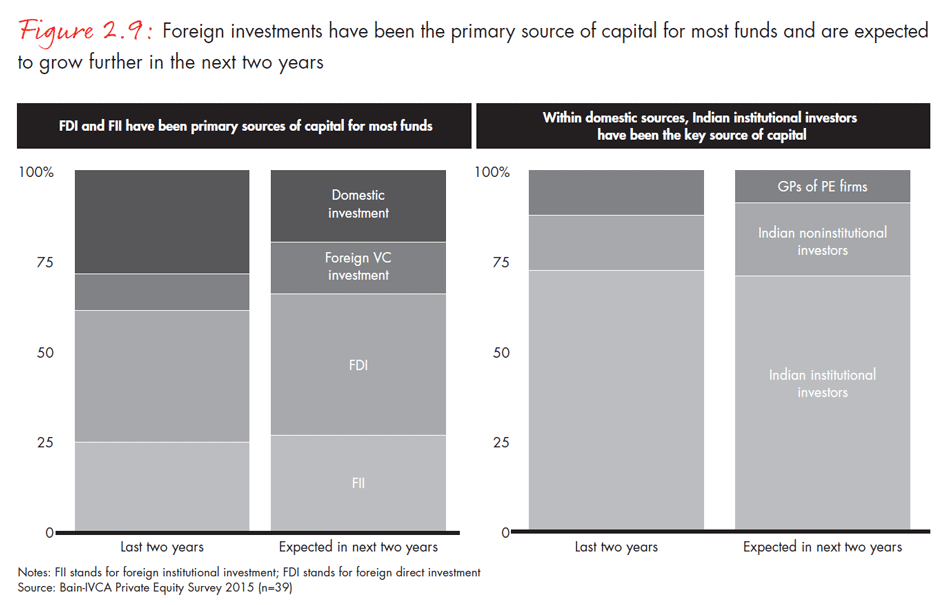
Funds allocated to Asia-Pacific on a regional level grew by 11% in 2014 to $43 billion, whilst the overall global numbers fell 7% to $375 billion (excluding real estate and infrastructure), a clear testament of LPs’ commitment to the region. In absolute terms, funds focused solely on India amounted to twice that of the prior year. Many PE firms are planning or have announced their next round of fund-raising; these firms include Everstone, Baring and Carlyle. One trend that hasn’t changed is that there continues to be enough capital chasing good deals, especially because a significant amount of capital is also drawn into India via allocations from Asia-Pacific and global funds. In addition to this, several sovereign wealth funds have made large direct investments already—for example, the $376 million PIPE into Kotak Mahindra Bank by Canada Pension Plan Investment Board (CPPIB).
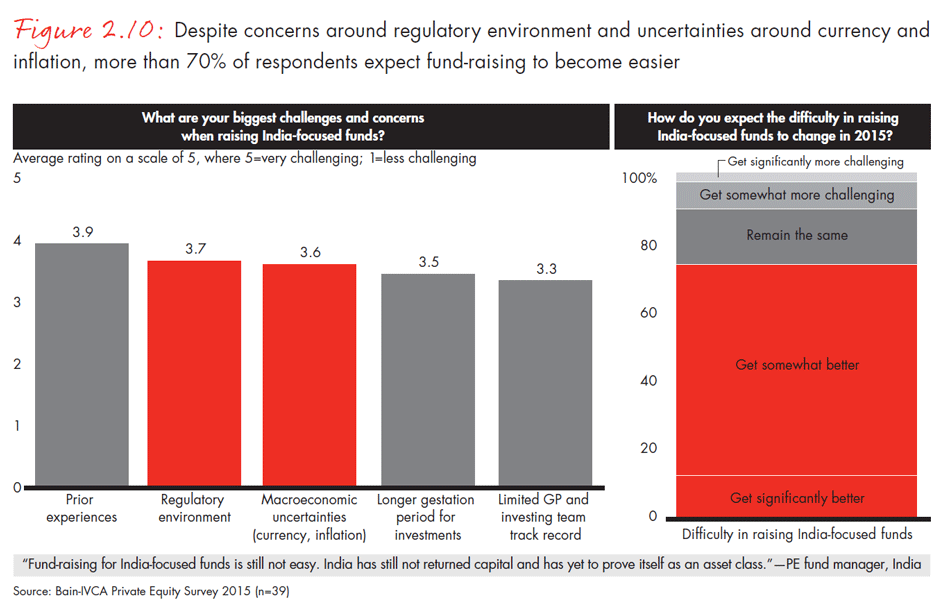
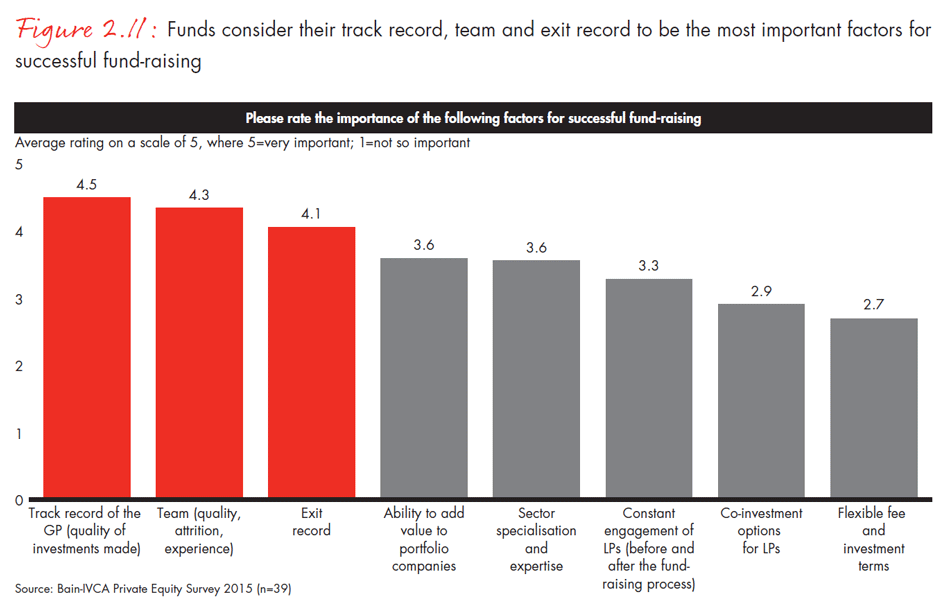
In 2015, PE firms plan to increase their focus on fund-raising, and they cite track record, team expertise and exit success as the most important factors in this regard. Yet, when it comes to raising India-focused funds, PE firms remain challenged by the regulatory environment, macroeconomic uncertainties such as currency and inflation, and the longer gestation period for investments. However, the majority still expect more fruitful fund-raising in 2015 than in past years.
Deal making
Deal volume in India grew by 14%, fuelled predominantly by the consumer technology sector. Deal value rose 28% from the prior year, driven by the consumer technology sector; the banking, financial services and insurance (BFSI) sector; and the real estate sector.
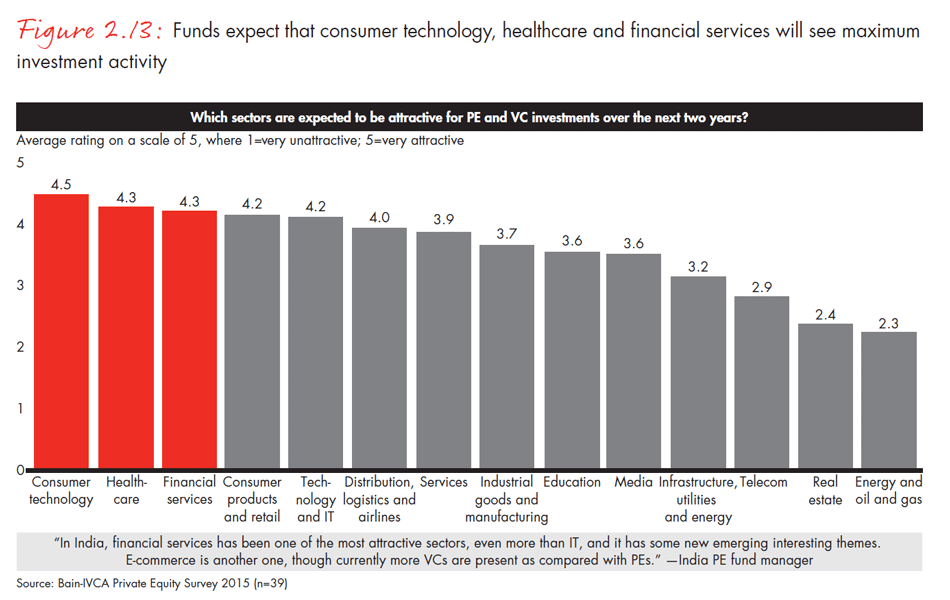
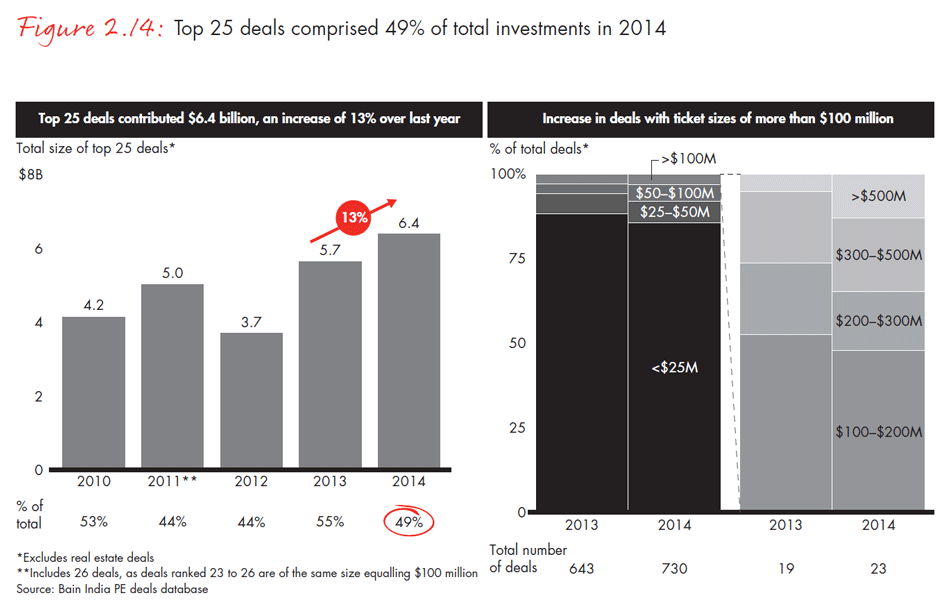
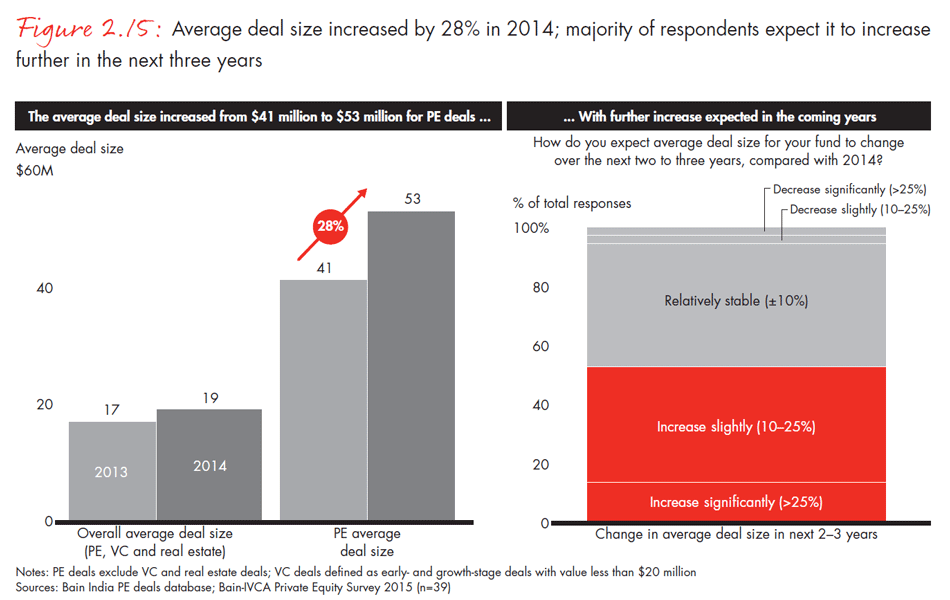
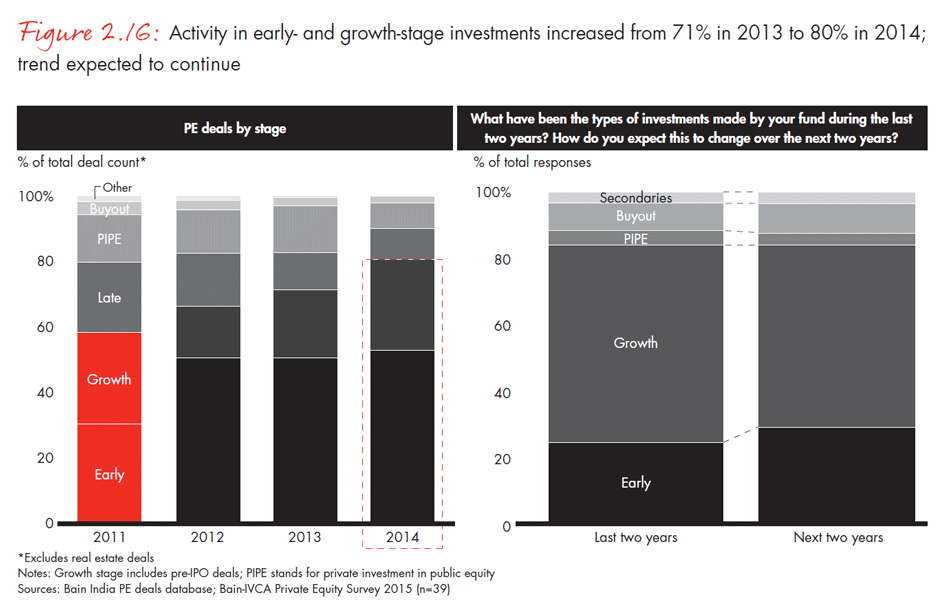
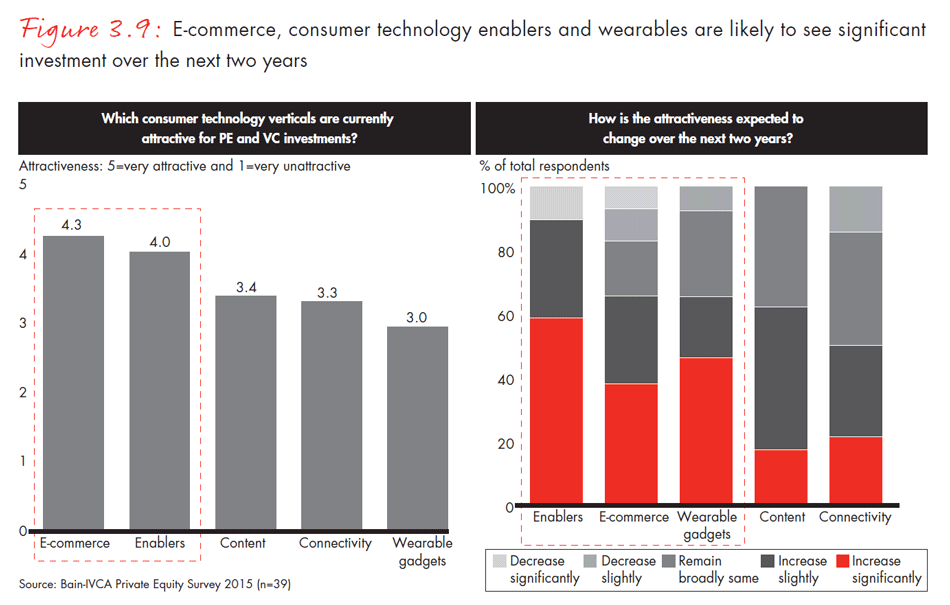
Together, the top 25 deals excluding real estate represented 49% of total investments in 2014, or $6.4 billion, climbing 13% from $5.7 billion in 2013. The $1 billion investment into Flipkart by a series of funds represented the largest of the year’s deals. Investments in early- and growth-stage deals continued to rise in 2014 and accounted for 80% of total deals, up from 71% in 2013. The average size of PE deals, excluding real estate and VC deals, increased from $41 million to $53 million. The majority of GPs we surveyed expect that average deal sizes will continue to rise over the next two to three years. And consumer technology, healthcare and financial services are expected to be the most attractive sectors in the next two years.
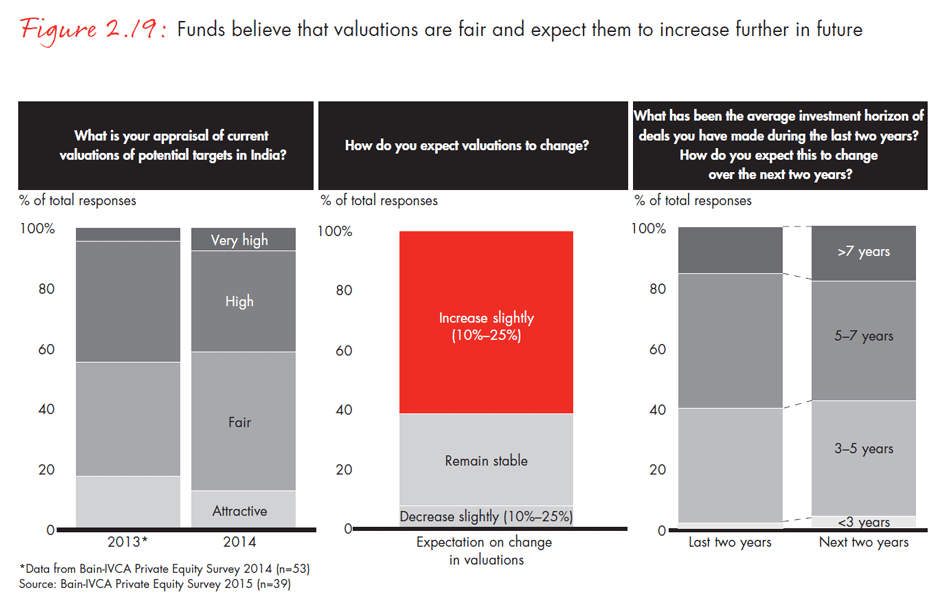
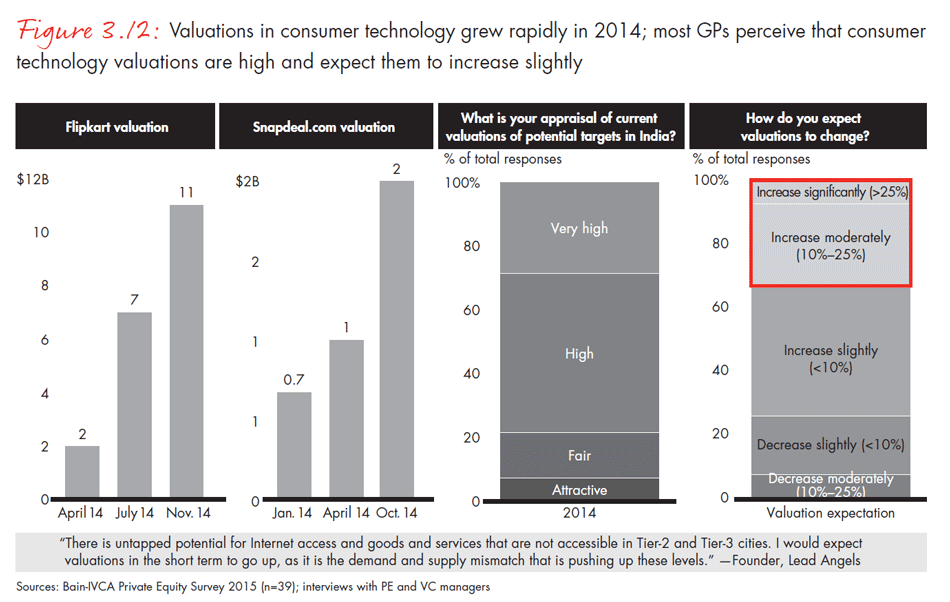
GPs perceive that valuations are tempering and becoming more fair; however, given the upward trajectory the Indian economy seems to be embarking on, they expect valuations to rise between 10% and 25% in 2015. Funds feel very positive about their potential to generate returns, and more than 60% expect the median Internal Rate of Return (IRR) to exceed 20% in the next three to five years.
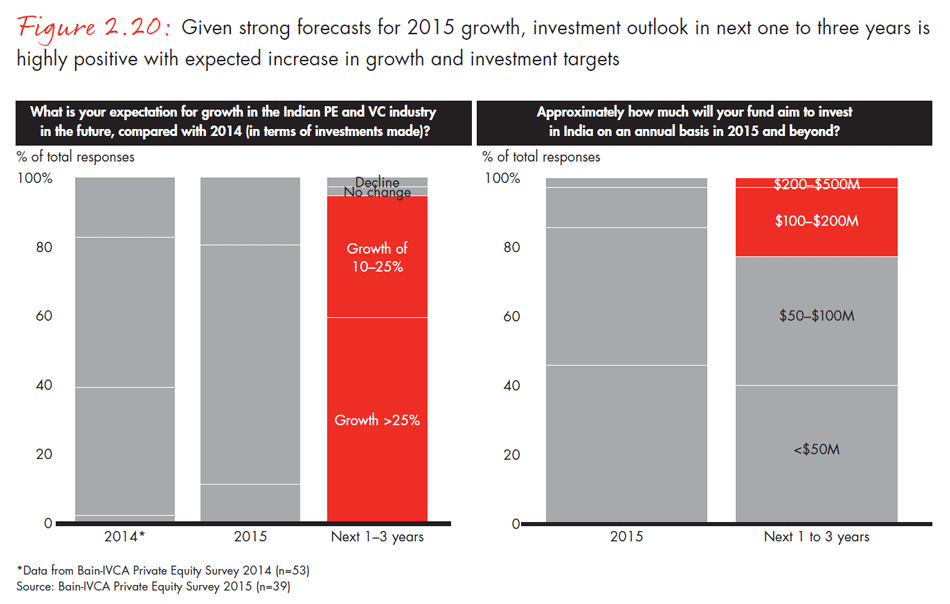
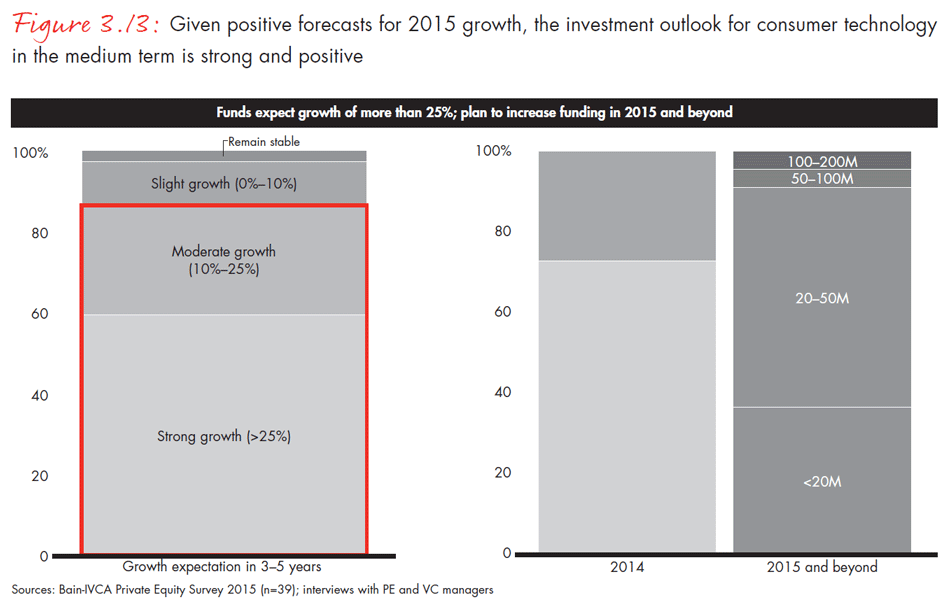
Given the country’s stable government—along with price declines for oil, strong GDP growth projections and low inflation—GPs are optimistic about the prospects of the Indian PE and VC industry. In fact, more than 50% expect to see growth on the order of 10% to 25% in 2015, and more than 25% across the next one to two years, in terms of investments made.
Portfolio management and exits
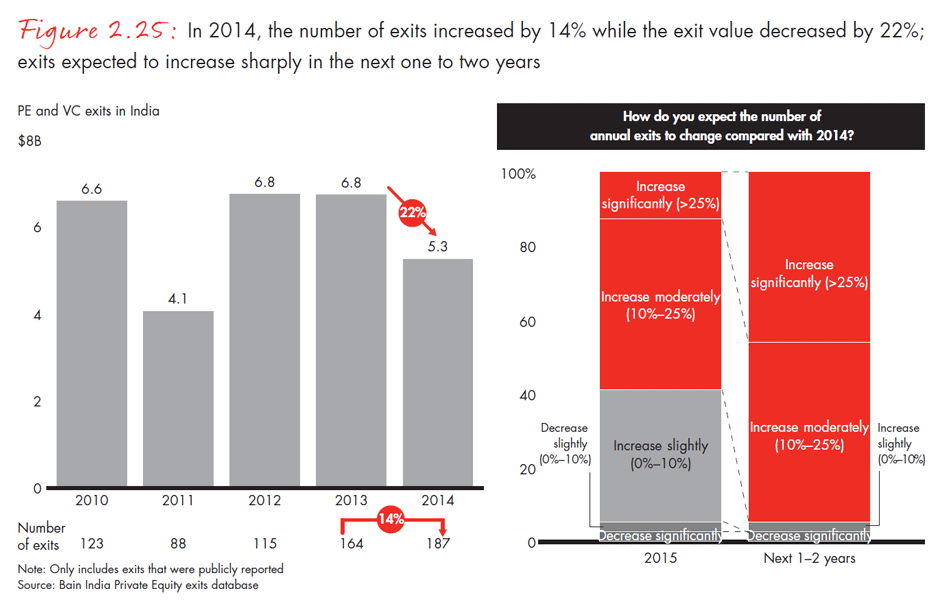
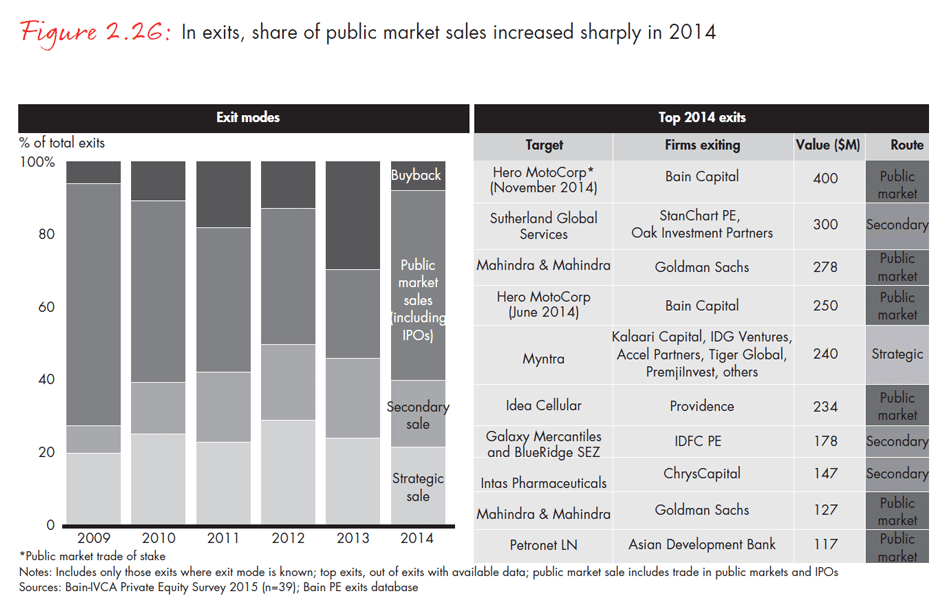
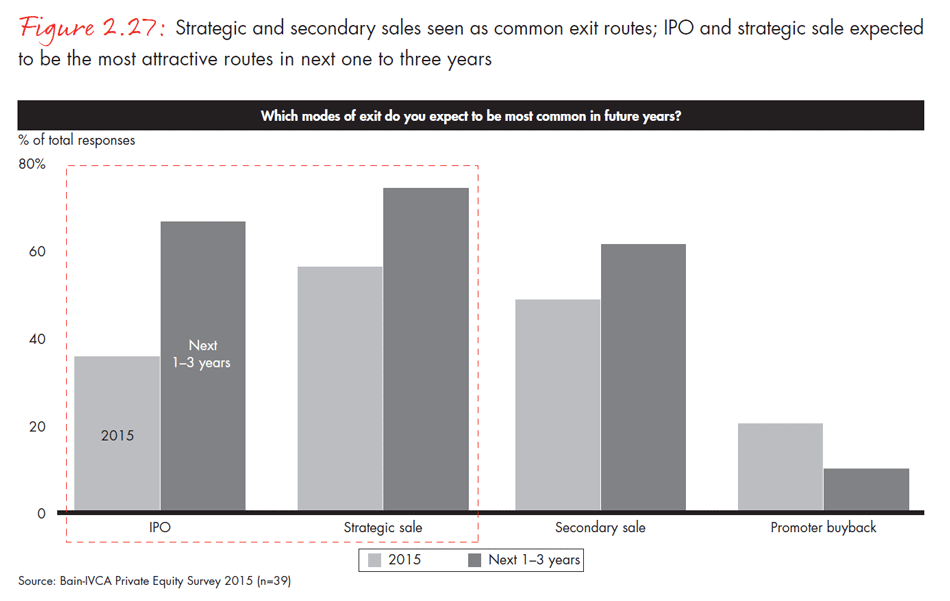
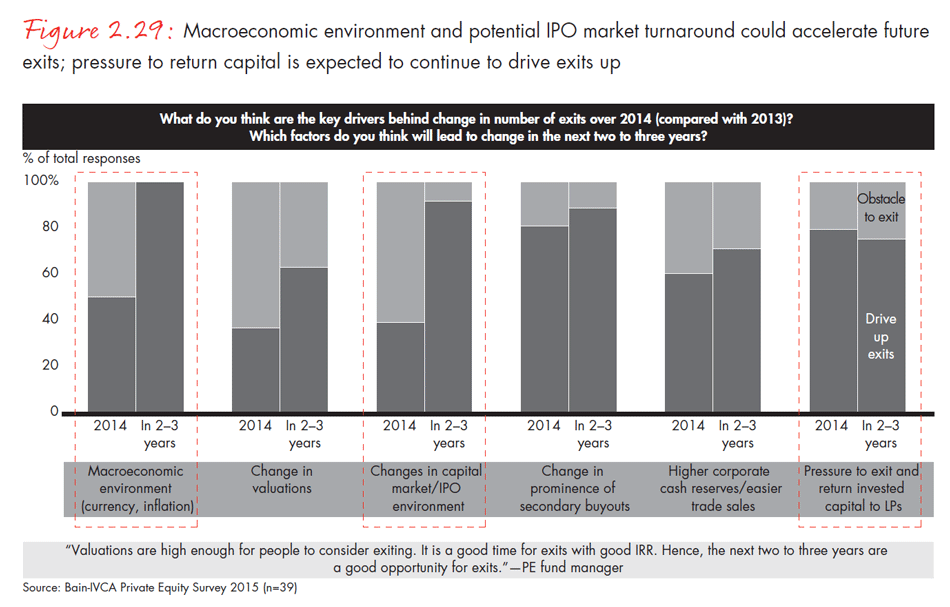
The number of reported exits in India grew 14% from 2013 to 2014, though the value of exited investments dropped by 22% to $5.3 billion compared with $6.8 billion in 2013. In 2014, the strong performance of capital markets drove up public market sales. These sales gained importance over the year, accounting for six of the top ten exits. Funds expect a further increase in the significance of IPOs, strategic sales and secondary sales. In contrast, they expect promoter buybacks to decline. Some funds have a short life, making other options infeasible.
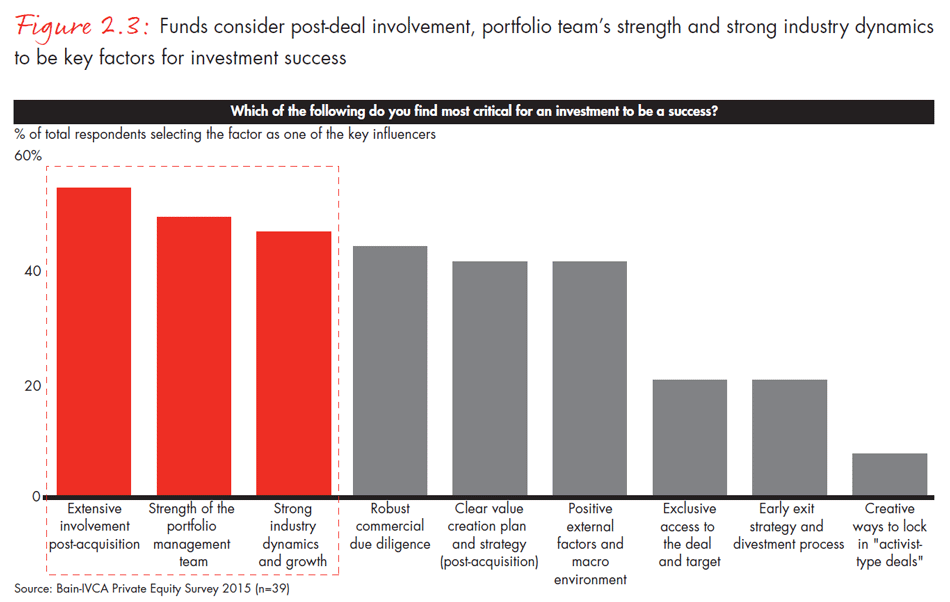
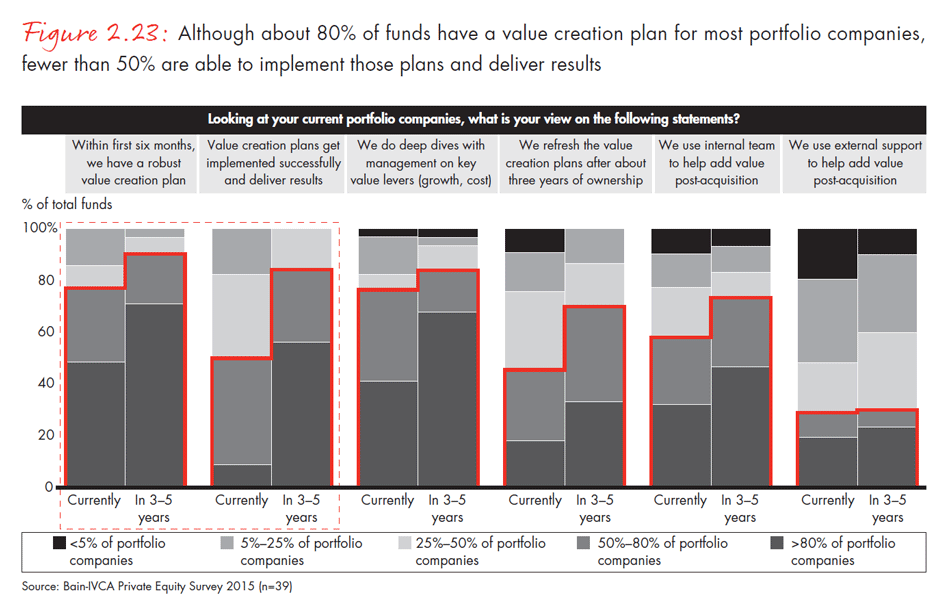
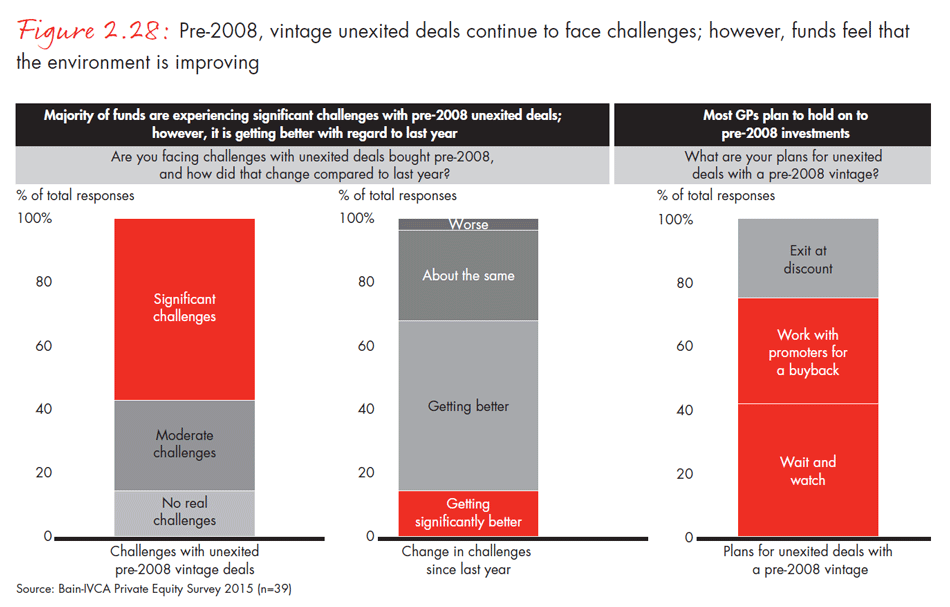
India is going through significant exit overhang, and the pressure to exit is expected to rise. Funds continue to face challenges with pre-2008–vintage unexited deals; yet, the situation is improving compared with the past two to three years. If viable exits don’t occur in the next two to three years, one could expect to see a shakeout in the industry as fund tenures come to expiry. In the meantime, PE funds aim to focus increasingly on developing and implementing value creation plans with portfolio companies to ensure that exit stories are tight and lucrative.
Sector in focus: Consumer technology
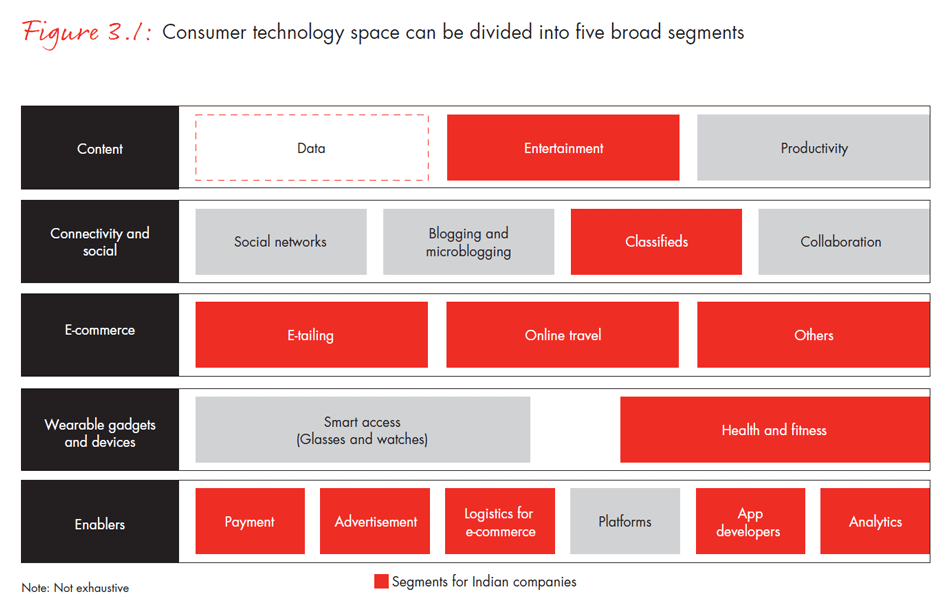
The consumer technology sector encompasses multiple segments. E-commerce—which includes e-tailers Flipkart and Snapdeal, online travel companies, as well as taxi and other providers who channel services via mobile phone and Internet—accounted for a significant chunk of investments in the sector in 2014. Social connectivity services represented the second-largest segment. Becoming increasingly popular on a daily basis, Facebook, Twitter, LinkedIn and similar services, along with online classifieds, all fall into this bucket. Content-generating and -sharing companies, including entertainment and data-generating companies, are also a part of the consumer technology sector. The new but fast-growing wearable technology segment, which includes smart access devices and fitness devices, also falls in the consumer technology sector. The last portion comprises the enablers, which aid the functioning of a part (or parts) of the operating model for other companies in this space; examples include providers of payment media, e/m-advertisers, application developers, analytics services and logistics and delivery services.
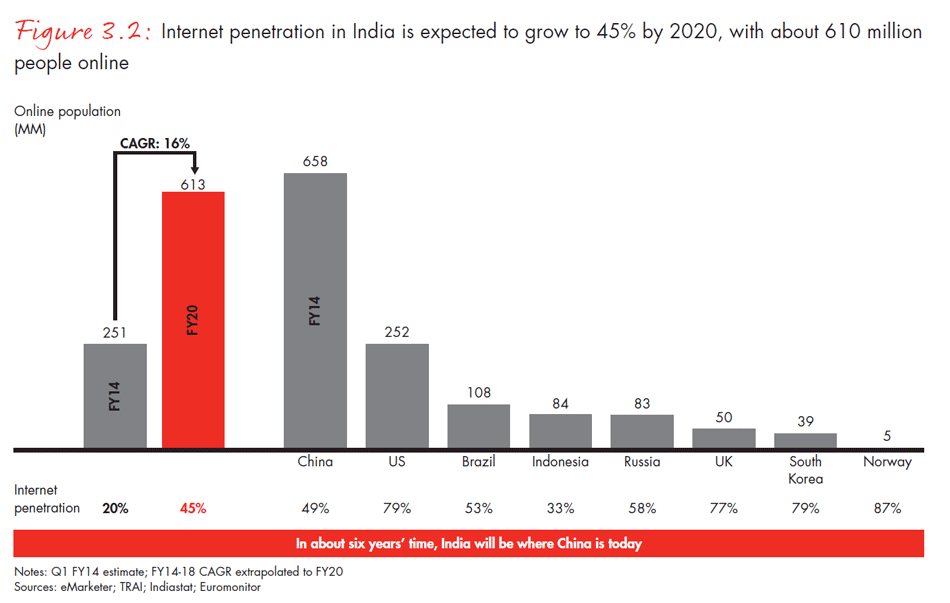
As far as the Indian market is concerned, 2014 has been a very good year for the consumer technology sector. The continued rise of Internet penetration was a key factor in the sector’s growth, and e-commerce has experienced tremendous growth. From booking a taxi to buying groceries to purchasing furniture, Indians are rapidly turning to mobile phones and computers for their transactions. With mobile Internet driving a significant portion of the Internet penetration, application development is also witnessing high growth. As mobile companies continue to focus on mobile Internet, and as logistics and payment services become even more robust, this sector is well poised for further growth.
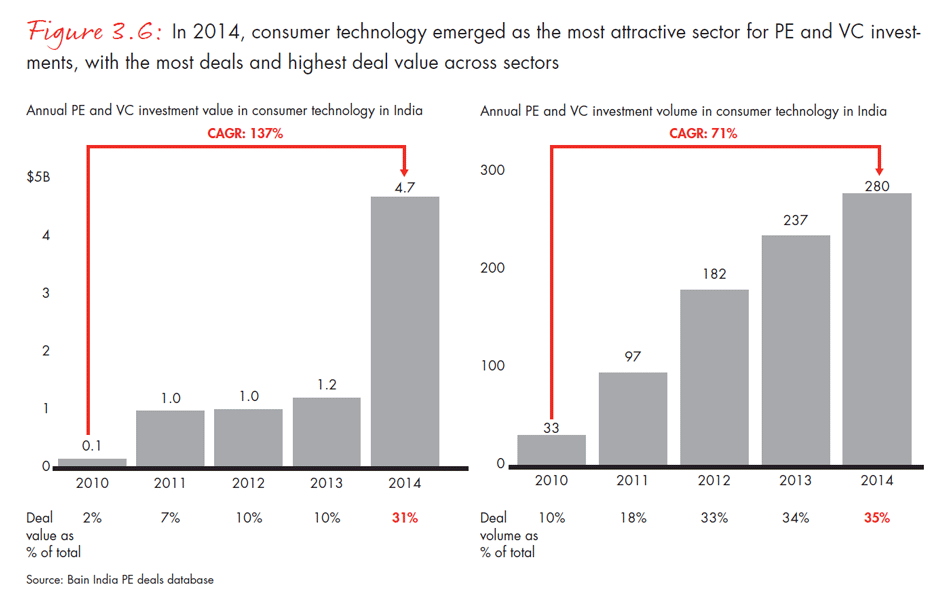
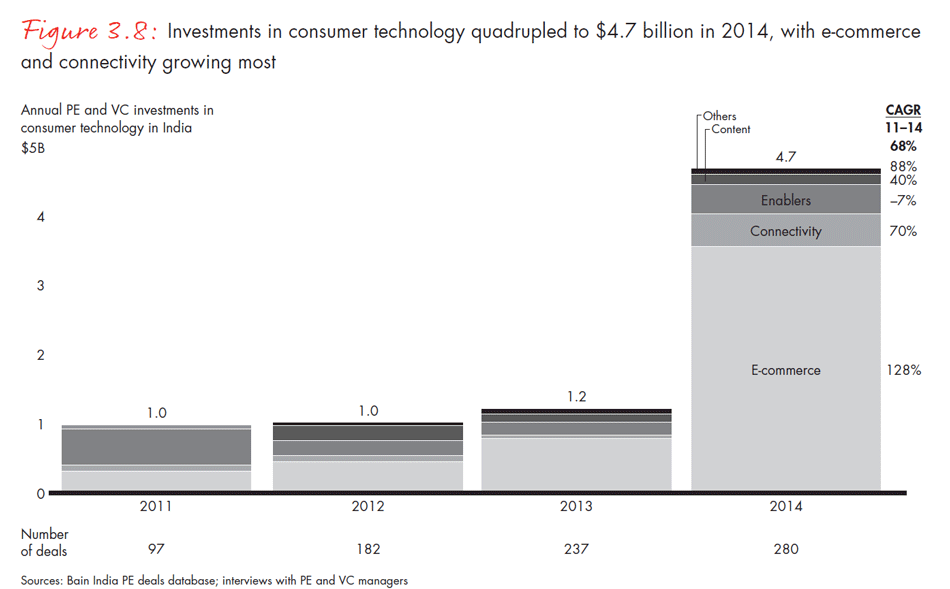
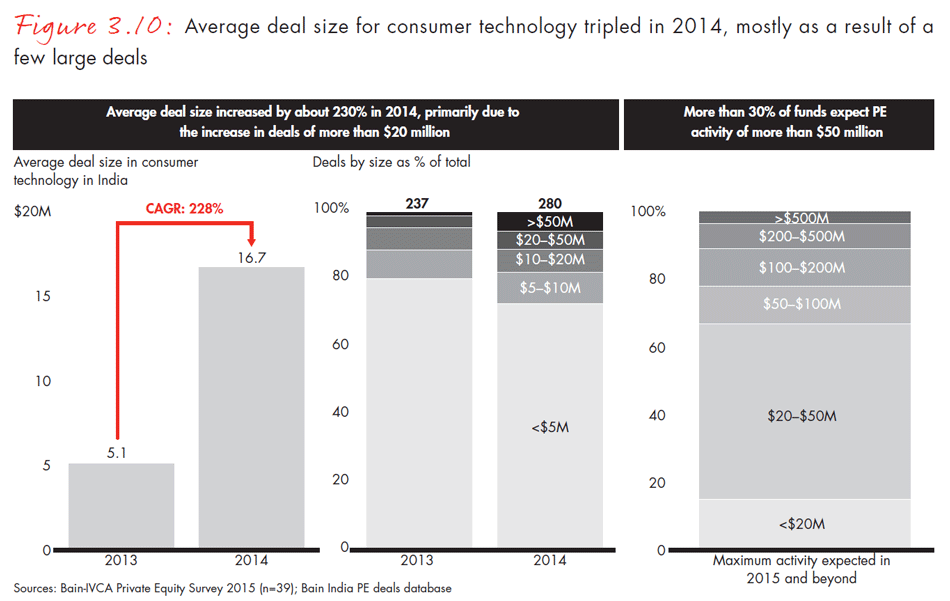
The belief in the sector’s growth potential was reflected in investments: Consumer technology was the largest sector in terms of PE and VC investments in 2014, contributing approximately 31% to overall deal value and accounting for approximately 35% of overall deal volume. Investments in the sector almost quadrupled over the past year, from $1.2 billion to $4.7 billion, and the number of deals grew by 18% to 280. Average deal size ballooned from $5 million to $17 million; the increase was driven primarily by the top three deals, which accounted for 50% of the total deployed capital in the sector.
Large consumer technology companies, including Flipkart, Snapdeal and Housing.com, raised multiple rounds of funding and saw a steep surge in valuation. Flipkart, for instance, saw its valuation grow more than fivefold in 2014, from approximately $2 billion in May to $11 billion in December, while Snapdeal’s valuation tripled, rising from about $700 million in February to $2 billion in November. GPs expect consumer technology valuations to remain high.
Some 80% of the PE funds we surveyed said that though current consumer technology sector valuations are high, they are expected to rise further in the next one to two years. Overall, the sector is well set on a high growth trajectory.
Note: Our India Private Equity Report includes deal and exit data across sizes and sectors including real estate and infrastructure, whereas our Asia-Pacific Private Equity Report excludes real estate and infrastructure sectors as well as deals smaller than $10 million; any difference in deal and exit counts or values are driven by the above-stated assumptions unless otherwise stated.
1. Global economic trends: Slow but stable growth
- The global economy continued its moderate expansion, growing approximately 2.5% in 2014, even as declining oil prices altered the course.
- While the emerging economies of BRICS and MINT grew 5% and 3%, respectively, both experienced a decline in their rate of growth. In contrast, developed economies picked up the pace, growing by slightly more than 1.5%.
- Global buyout activity was mostly flat compared with 2013, with value declining 2% and volume growing 2%. Asia-Pacific showed strong growth.
- Investment deal value rose 63% in Asia-Pacific* as each country in the region, except Japan, saw an increase. Spurred by a number of $1 billion-plus megadeals, Greater China increased its deal value by 180% over 2013. Korea, ANZ and India followed, with growth rates of 34%, 18% and 10%, respectively.
- India’s PE market (including real estate, infrastructure and deals of less than $10 million) also experienced strong growth in deal value, at 28%—an even stronger indicator of market health.
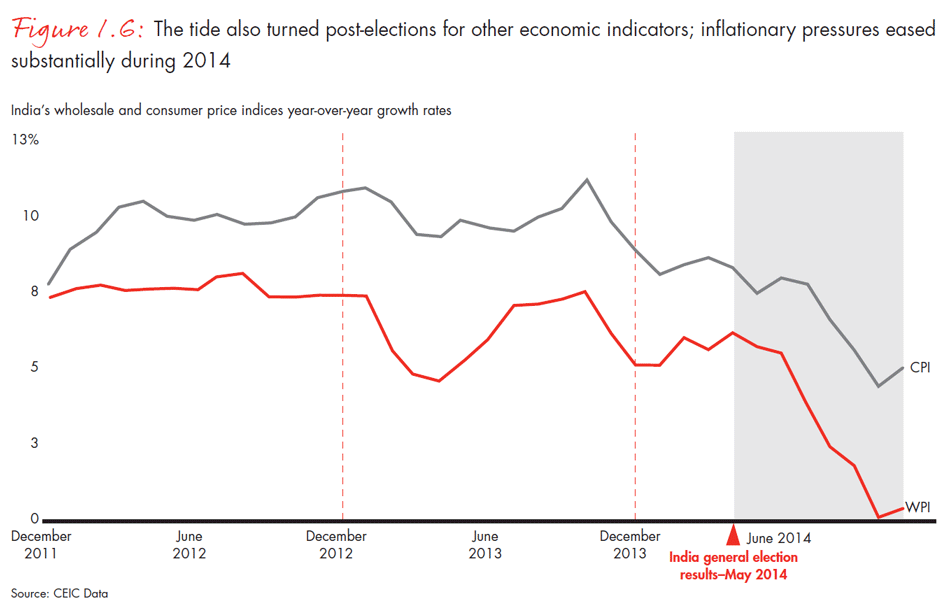
- The Indian macroeconomic environment received a big boost, riding the wave of a new government at the helm. GDP grew 6.6% in 2014, while inflationary pressures reached lows of 5%.
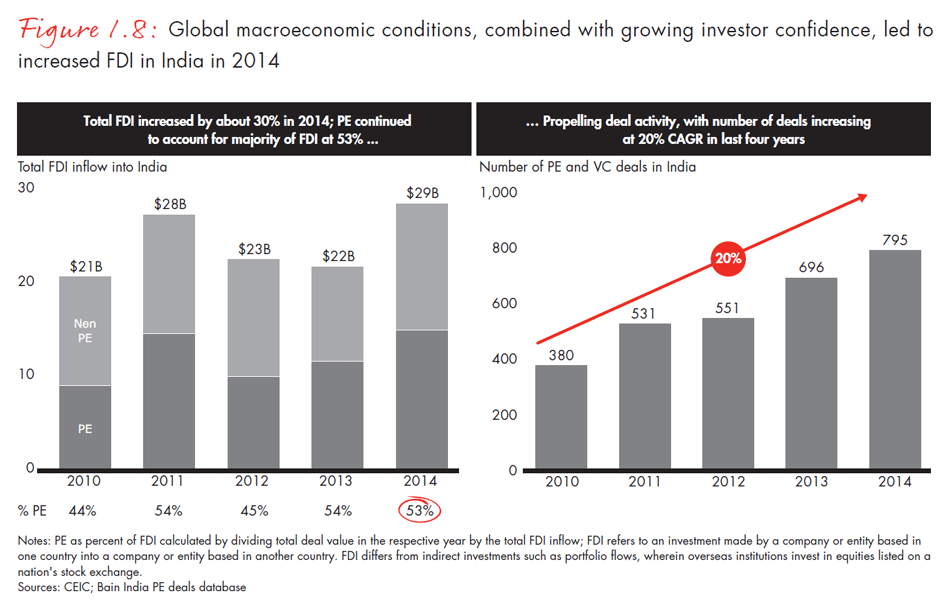
- Improved global macroeconomic conditions, coupled with growing investor confidence in India, led the Foreign Direct Investment (FDI) inflow to reach nearly $29 billion, the highest amount in the last five years. PE continued to play a major role, accounting for 53% of the inflow.
- With the new government working towards improving the country’s business environment, the future outlook for India is strongly positive.
*Excluding real estate, infrastructure and <$10M deals
2. Overview of India’s PE landscape: On the recovery path
- Indian PE and VC deal value, including deals across sizes and sectors, increased 28% to $15.2 billion in 2014, the highest in the past five years. Meanwhile, deal volume rose by 14% over 2013.
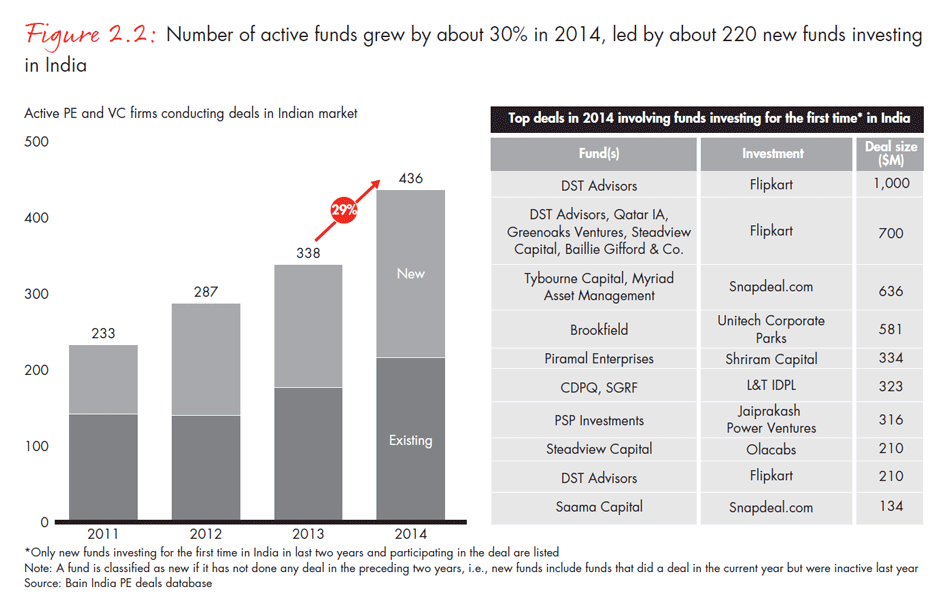
- The number of funds investing in India grew at a phenomenal rate, rising nearly 30% over 2013. Of the approximately 440 funds that invested, close to 50% were doing so for the first time in the past three years.
- The share of early- and growth-stage deals continued to rise as both PEs and VCs looked to invest via these routes.
- Deal activity is expected to surge, and GPs point to a strong macroeconomic environment, changes in the exit environment and evolving investor sentiment as the top drivers.
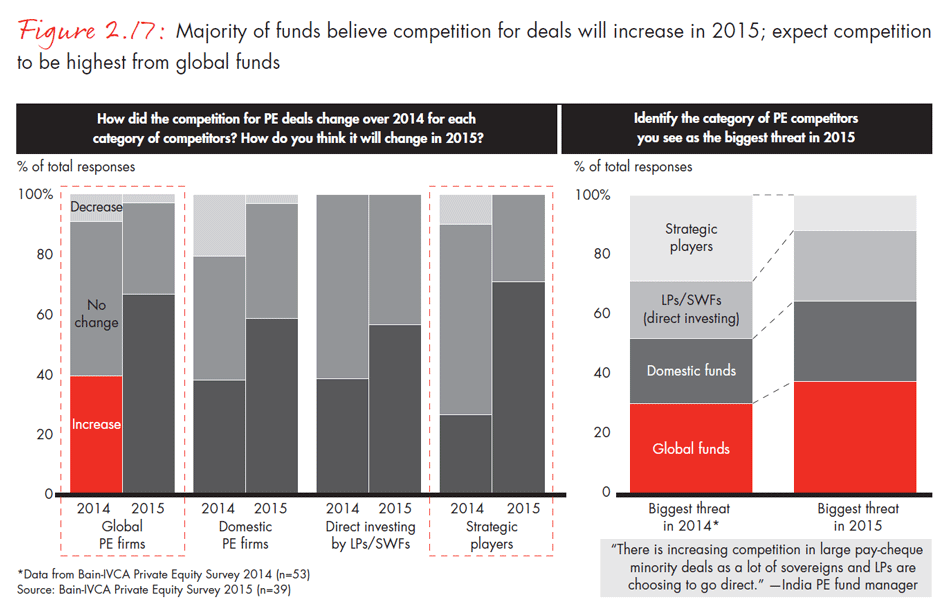
- Rising competition and a mismatch in valuation expectations are the likely near-term challenges in the PE space.
2a. Fund-raising
- Asia-Pacific–focused capital increased in 2014. Specifically, the value from India-focused funds more than doubled compared with 2013. Further increases are expected in 2015.
- India’s dry powder from India-focused funds dropped to $8 billion due to the significant deployment of investments in 2014.
- 70% of the GPs surveyed believe that fund-raising is likely to become easier in 2015, despite the regulatory challenges and macroeconomic uncertainties which were cited as the most common challenges in this area. Indian investments need to build further credibility via successful exits.
- Survey respondents pointed to track record and team expertise as the most critical factors for PE fund allocation decisions. As a result, GPs continue to focus on building strong teams.
2b. Deal making
- Deal activity was robust in 2014 as deal value and volume grew at approximately 28% and 14%, respectively. Consumer technology, real estate and BFSI were the key drivers of the increase in total deal value.
- The average deal size of PE investments rose by 28% over 2013, reaching $53 million in 2014. Moreover, nearly 50% of survey respondents expect this trend to continue.
- With an increase in the number of deals over $100 million, the top 25* deals accounted for $6.4 billion of the capital deployed, constituting 49% of the total PE deal activity in 2014.
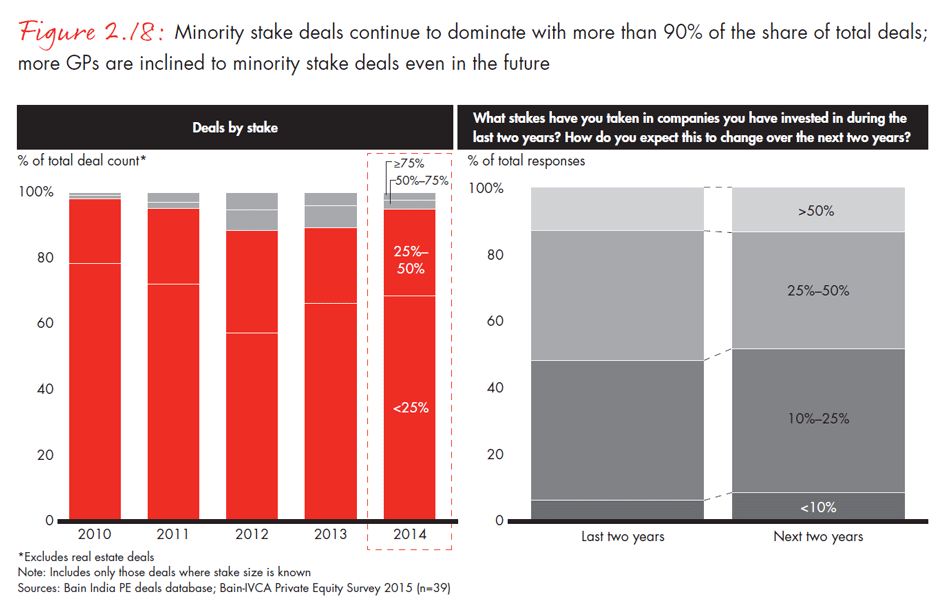
- Minority stake deals accounted for more than 90% of the total deals, and this figure is expected to rise as competition for deals intensifies.
- GPs surveyed expect early- and growth-stage deals to continue to account for more than 80% of investments.
- While valuations in 2014 are perceived to be fair, nearly 60% of GPs expect them to increase further in the near future.
- GPs surveyed identified consumer technology, healthcare and financial services as the primary growth sectors for the next two years.
- Looking ahead, GPs are optimistic about return expectations, even as horizons of investments are likely to remain stable.
*Excluding real estate deals
2c. Portfolio management with exits
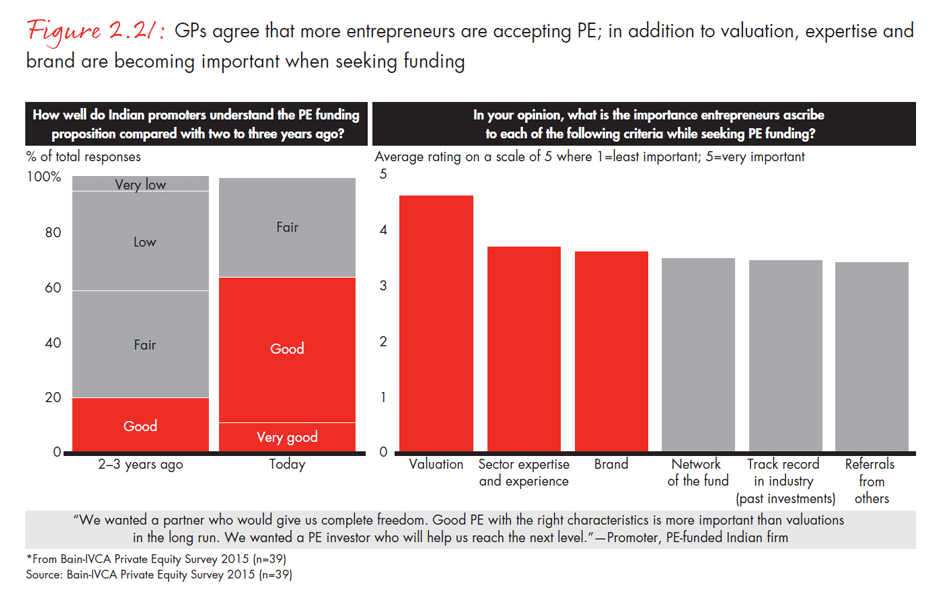
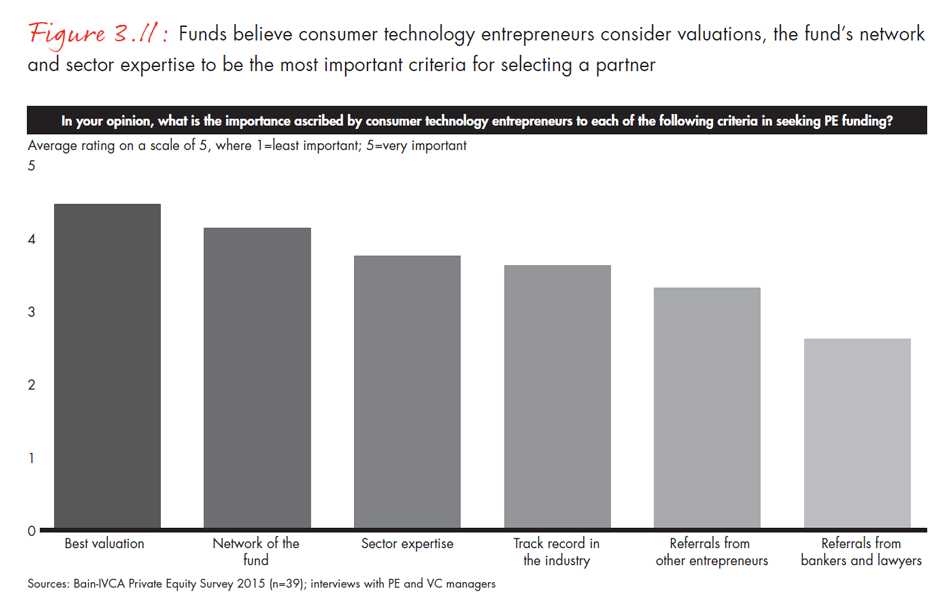
- GPs point out that a larger number of Indian promoters now better understand the PE funding proposition. Valuations, sector expertise and brand are the most important criteria for entrepreneurs who are looking for PE funding.
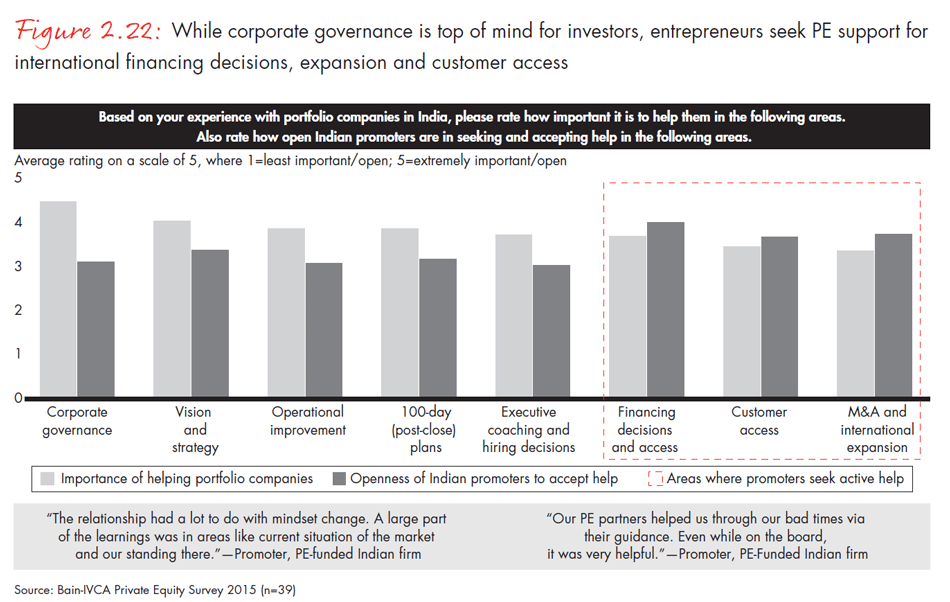
- Promoters continue to seek PE support for decisions around international financing, expansion and customer access. From a promoter point of view, operational freedom and transparency in communication are considered essential to good partnerships with PE funds throughout the deal-making process.
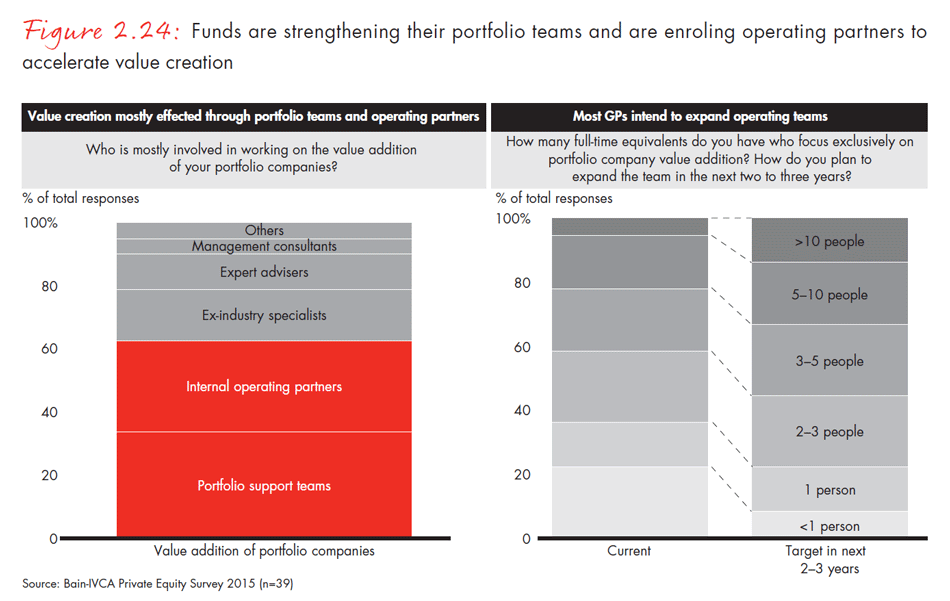
- Funds are also considering expanding their operating teams to unlock higher value in their portfolio companies.
- Exit volume grew by 14% in 2014, even as total reported exit value dropped. Exit volumes are expected to rise sharply in coming years in response to continued pressures to return capital.
- Public-market sales accounted for a sharply growing share of exits as Indian public markets continued to reach new heights. GPs surveyed pointed to IPO and strategic sales as the most attractive exit routes in the near future.
- Even as pre-2008–vintage unexited deals continue to face challenges, the situation has improved from 2013.
3. A focus on investments in consumer technology
- The consumer technology sector includes companies focused on e-commerce, social connectivity, content generation & sharing, and wearable technology; it also includes the enabler companies which aid the operating models of others in the sector.
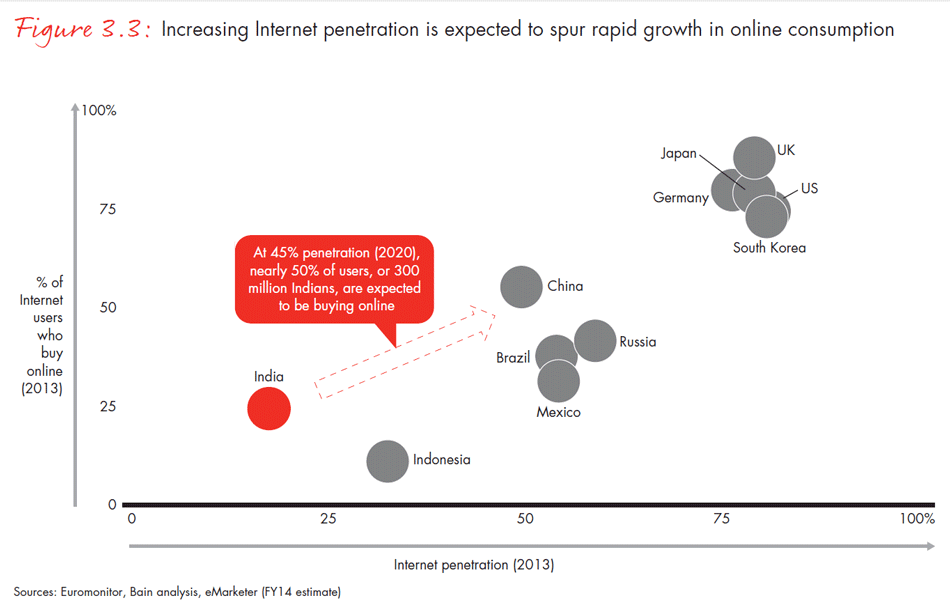
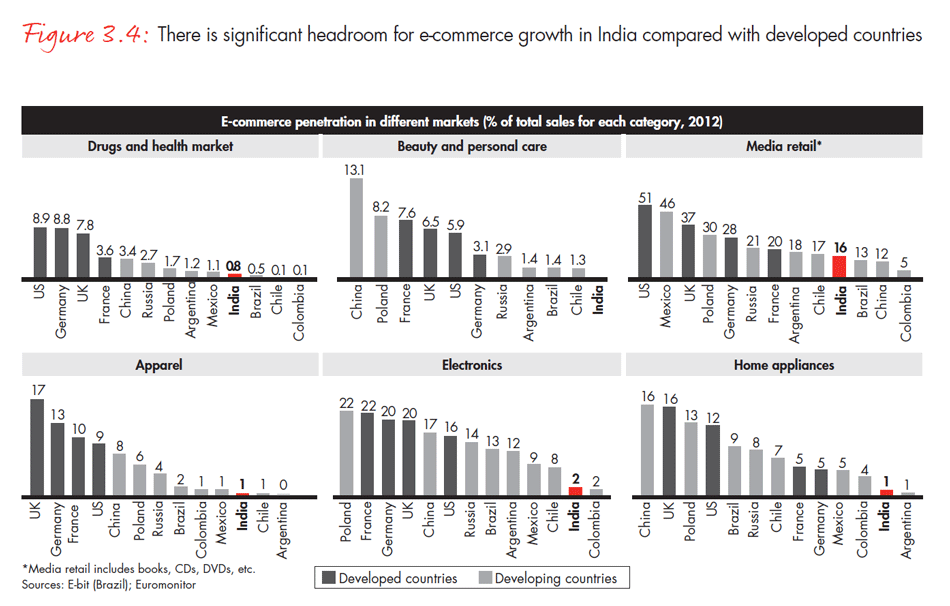
- Increasing Internet penetration translates to rapid growth in online transactions. Comparing India with other developed economies reveals significant headroom for continued e-commerce growth.
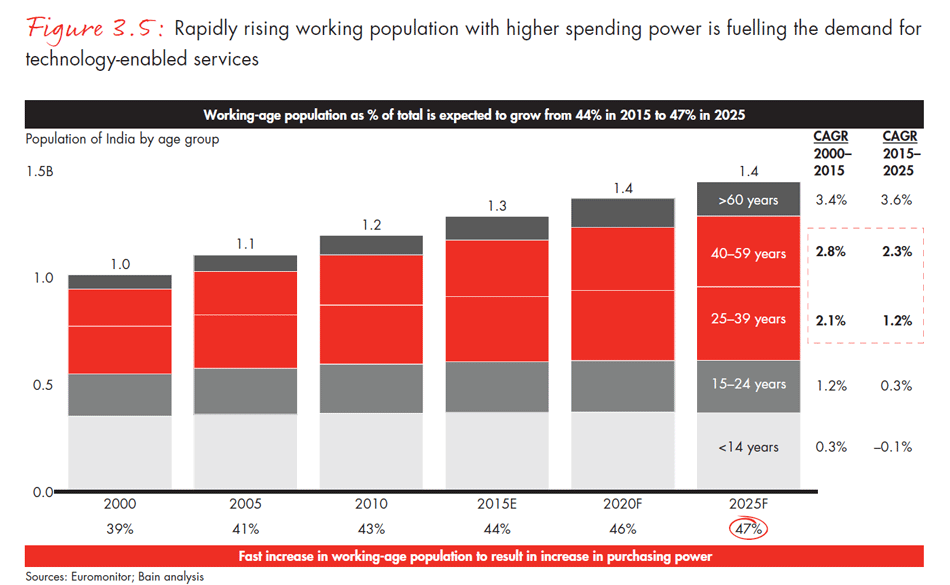
- As both working population and household incomes rise, India’s demand for technology-enabled services is expected to rise sharply. With companies adopting unique, country-specific business models, these services are already seeing rapid adoption.
- Consumer technology was the most attractive sector for PE/VCs in 2014, deal values and volumes grew by 137% and 71%, respectively, compared with 2010.
- The promise of high growth translated into investment in 2014, as $4.7 billion was invested into the sector.
- Average deal size in the sector was approximately $17 million, a threefold increase over 2013. More than 30% of funds expect deal sizes of >$50 million in coming years.
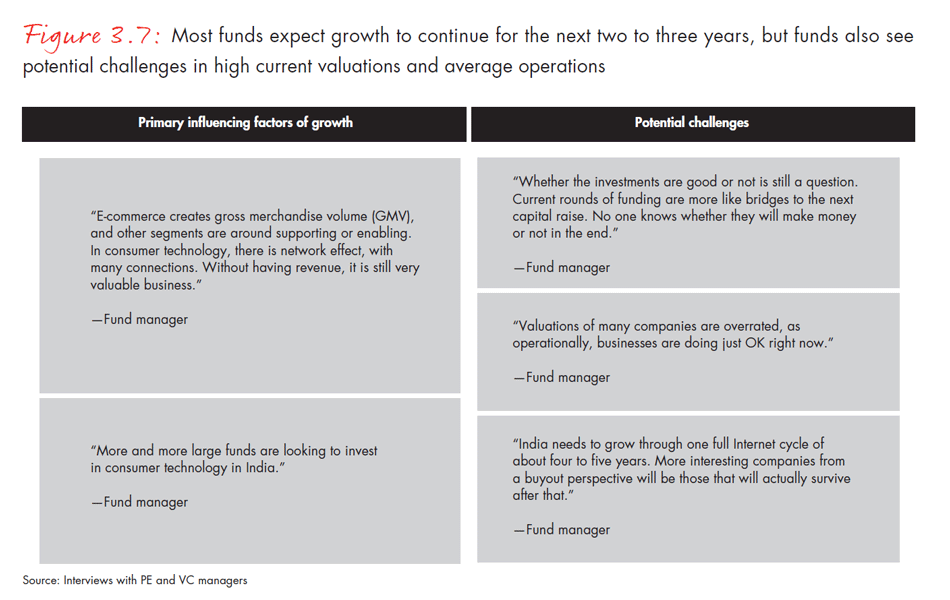
- Consumer technology-focused companies experienced a rapid rise in valuations in 2014. Nearly 70% of survey respondents expect valuations to continue to rise, despite perceiving them to be overvalued already.
- Both PEs and VCs compete to invest. While early-stage deals account for most of the investment to date, growth-stage deals increased significantly in 2014.
- Attractive valuations, fund network and sector expertise are the most critical factors that promoters consider when seeking PE funding.
- Funds expect strong growth in the next three to five years. They expect to increase their funding in 2015 and beyond.
4. Implications
- GPs should focus on building a strong team with the right credentials to attract investors and promoters. Strong operational expertise is the key to success in an extremely competitive environment.
- India stands on the brink of a major growth revival, and with it comes a big investment opportunity. However, with the competition amongst firms, LPs must carefully scrutinise the firms they are considering.
- Entrepreneurs should view PE as not only a source of funding but also an opportunity for learning and adopting best practices. Rather than focusing solely on valuations, entrepreneurs should consider partnering with a fund with the right expertise.
- The new government has set high expectations amongst investors with its pro-business speak. Policy makers should look to ensure that these words translate into action, as this is critical to maintaining investor confidence. PE can be pivotal in setting India on its desired growth trajectory.
Implications
Overall, 2014 was a year of growth for PE in India, as deal activity, deal value and deal volumes all increased throughout the year. Both fund-raising and deal making moved in a positive direction, and this trajectory is expected to continue in coming years. Consumer technology turned out to be the most attractive sector for PE and VC in 2014. Funds are sharpening their focus on early- and growth-stage deals, with continued emphasis on improving operating teams to focus on value creation as a differentiator. The change of government led to a revival of investor confidence. Funds are optimistic that this will spur a series of new initiatives and policies and promote further investment across multiple sectors.
General Partners
First, GPs need to focus on building a strong team; this is critical not only to successful fund-raising but also to building a brand that promoters want to associate themselves with. Second, doubling down on efforts to build a strong relationship with the promoter management will be advantageous in securing deals at the right valuation, which is of great importance to promoters. Third, there are attractive deals in the consumer technology sector. GPs should explore the opportunity to invest here, as exit activity is expected only to rise in coming years. GPs should look to build a strong network and sector expertise to ride this wave. Lastly, with multiple funds looking to improve their operating teams, a solid value creation and implementation plan is likely to emerge as a strong differentiator for tapping quality deals.
Indian entrepreneurs
GPs point out that a growing number of Indian entrepreneurs have come to understand the value that PE funding brings, there are multiple success stories of firms establishing themselves with the help of PE funding. In such a scenario, recognizing the fact that PE is an activist capital opens up a multitude of opportunities for entrepreneurs, and they should look to leverage the expertise of PE and VC partners, including learning and adopting best practices in financing, expansion and customer access. Entrepreneurs should also look to leverage the firm’s brand in the marketplace in order to recruit senior executives and build a strong network. Another important consideration is the fact that investors come in with a set exit time frame, and promoters should actively align with this roadmap in the early stages of the relationship.
Limited Partners
The Indian market is expected to be on the verge of a strong revival. It’s important for LPs to understand this opportunity. However, while committing capital to India, they must fully understand the risks and opportunities in order to set realistic expectations. With rising competition amongst firms, promoters have the luxury of being more selective while choosing their investment partner, according importance to the investment team and their past track record. Valuations are not the sole consideration any longer. In such a scenario, LPs should be selective about the GPs they choose to work with by investing adequate time in the process.
Public policy makers
Foreign capital, of which PE accounts for more than 50%, has played a pivotal role to date in fuelling India’s growth aspirations. India’s new government has set ambitious targets for economic growth that require a great deal of capital across multiple sectors—including infrastructure, telecom and healthcare. Investors have displayed high confidence in the functioning of this new government given its pro-business plans, and they have high expectations as a result. Against such a backdrop, policy makers need to continue to frame more business-friendly policies and ensure that these come to pass. PE has a strong capability to bring in expertise and guidance for Indian entrepreneurs while simultaneously shouldering risk. Reshaping the regulatory frameworks around private investment in key sectors can help create an environment that’s conducive to private investment to help put India on the growth trajectory the government envisions. Apart from this, policy makers should also consider opening up additional avenues for domestic investment to fund this growth story. This will only make it easier for new businesses to flourish.
Despite legacy issues in the Indian PE market, including exit overhang and currency fluctuations among others, 2014 was a boom year for the country. Funds expect that coming years hold even more promise with even better prospects for investments in India, and we believe that PE and VC investors should continue to be excited about it. It is important that all the stakeholders work together to create a healthy landscape, as India seems poised to move ahead and unlock its true potential.
Arpan Sheth, the main author of this report, is a partner with Bain & Company in Mumbai and leads the India PE practice. Coauthors include Madhur Singhal, a principal in the Mumbai office; Pankaj Taneja, a manager in the New Delhi office; and Karthik Bhaskaran, a team leader in the New Delhi office. All are members of the Private Equity practice in India.
First published in Μάιος 2015