

Brief

At a Glance
- Automation of business processes is rapidly scaling up, with fallout from the coronavirus likely accelerating adoption. Bain & Company’s survey of executives worldwide finds that companies report cost savings from automation of roughly 20% on average over the past two years.
- Other reported benefits include improved process quality and accuracy, reduced cycle times and improved compliance.
- But the path to benefits is bumpy. Some 44% of respondents said their automation projects have not delivered the expected savings. The major barriers all involve execution—notably, competing business priorities, insufficient resources or lack of skill.
- Best-practice companies overcome these execution barriers by grounding automation in the corporate strategy and customer experience; devoting significant time to what comes after automation; and actively managing automation as a transformative change.
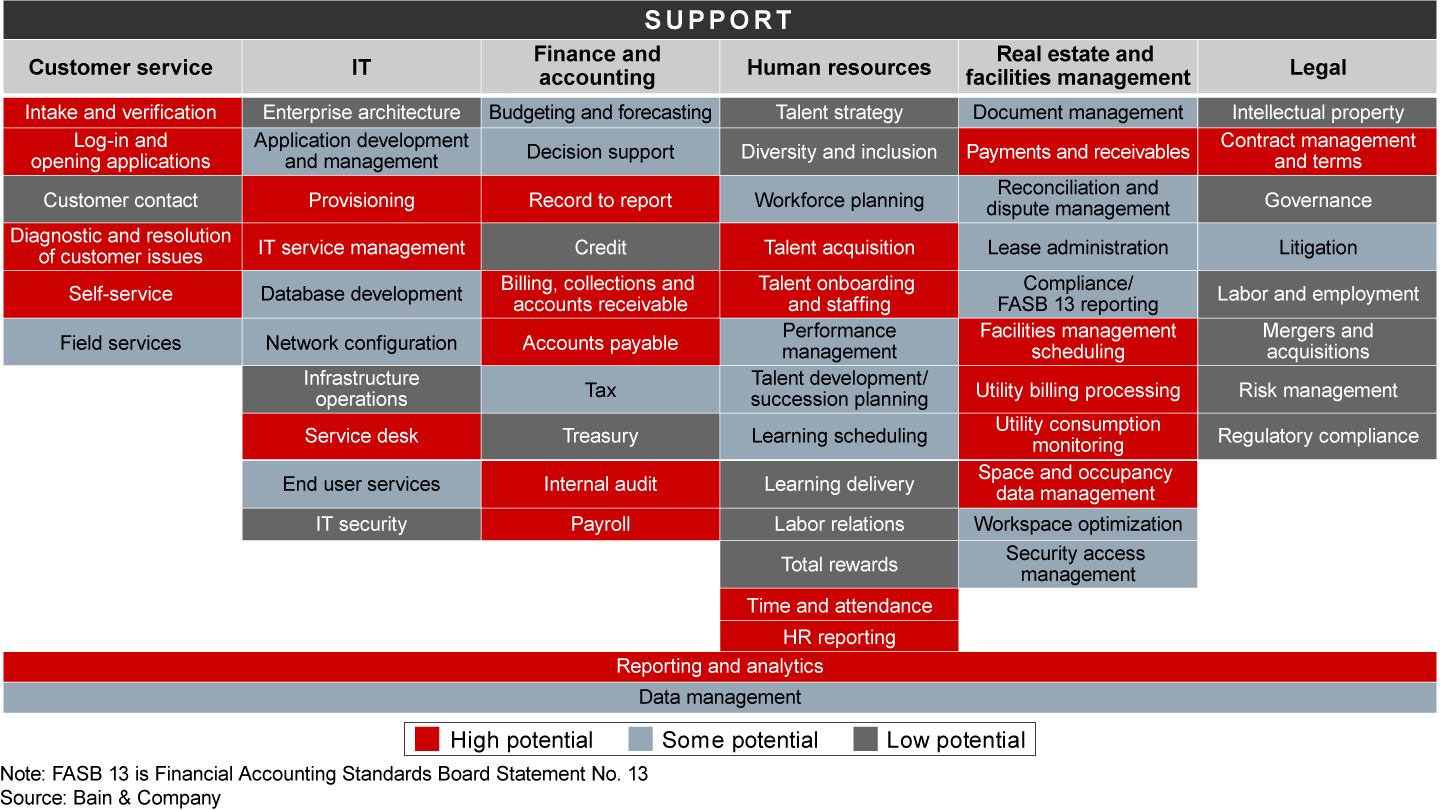
Automation is changing how companies operate and how people work across a broad range of business processes (see Figure 1). At times, the pace of adoption has been frustratingly slow for many companies. Fallout from the coronavirus outbreak may change this. As companies lose critical staff and the fragility of manual business processes is exposed, many companies will have no choice but to turn to automation to keep the business running.
Figure 1
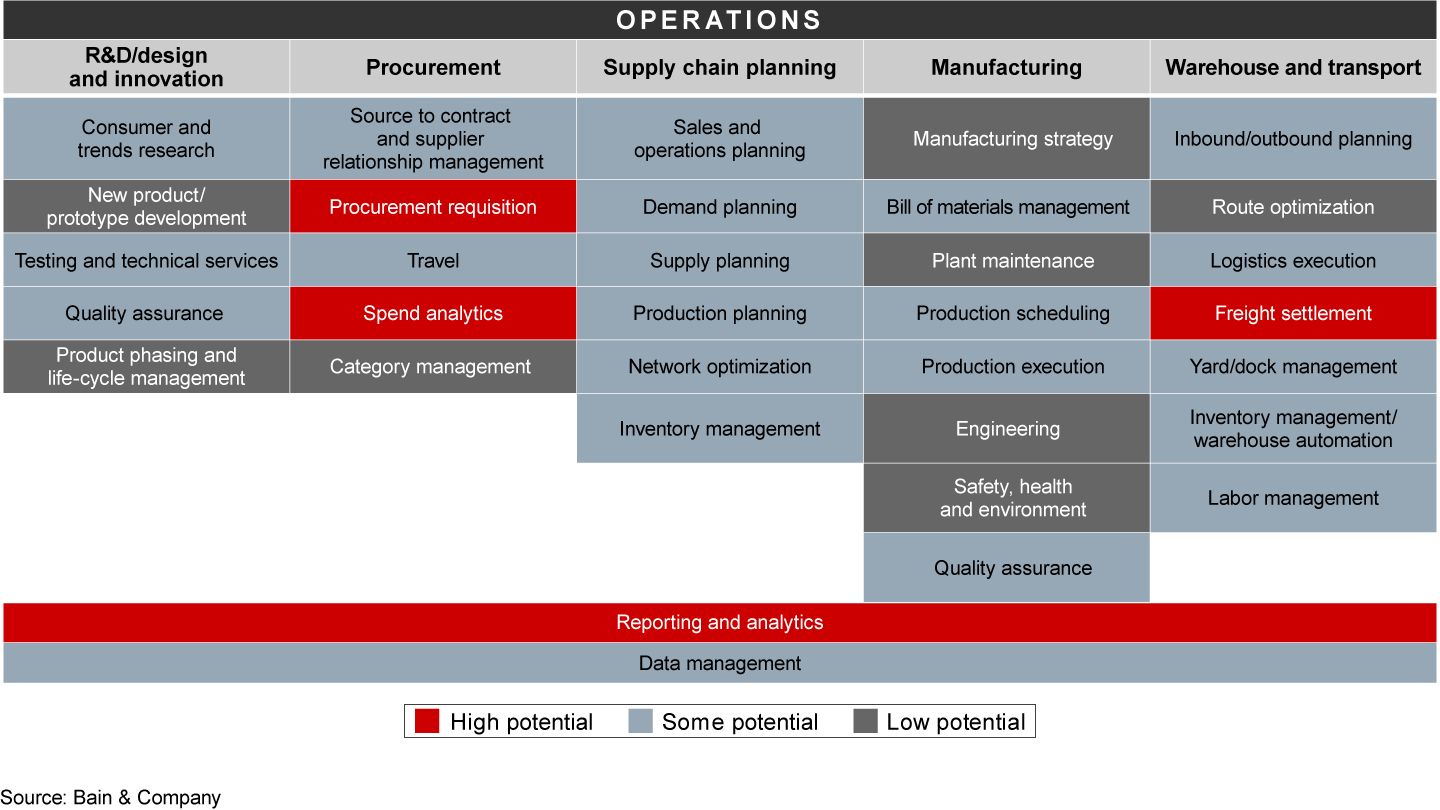

Figure 1
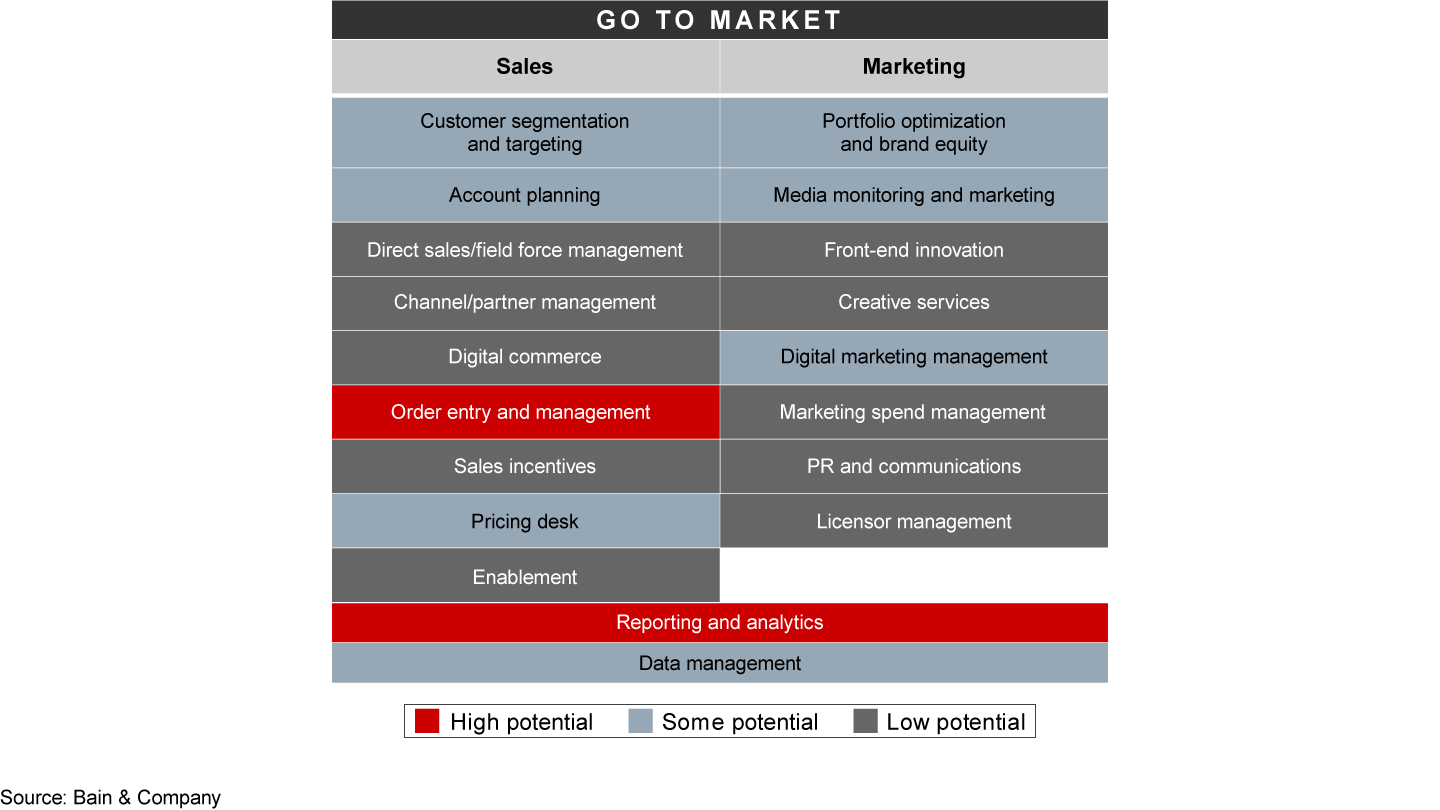

Figure 1

Bain expects that by the end of the 2020s, automation of business processes may eliminate 20% to 25% of current jobs, hitting lower-skilled workers the hardest, and benefiting highly skilled workers and the owners of capital. In the US service sector, for instance, automation could spread through companies two to three times more rapidly than in previous transformations in agriculture, manufacturing and construction.
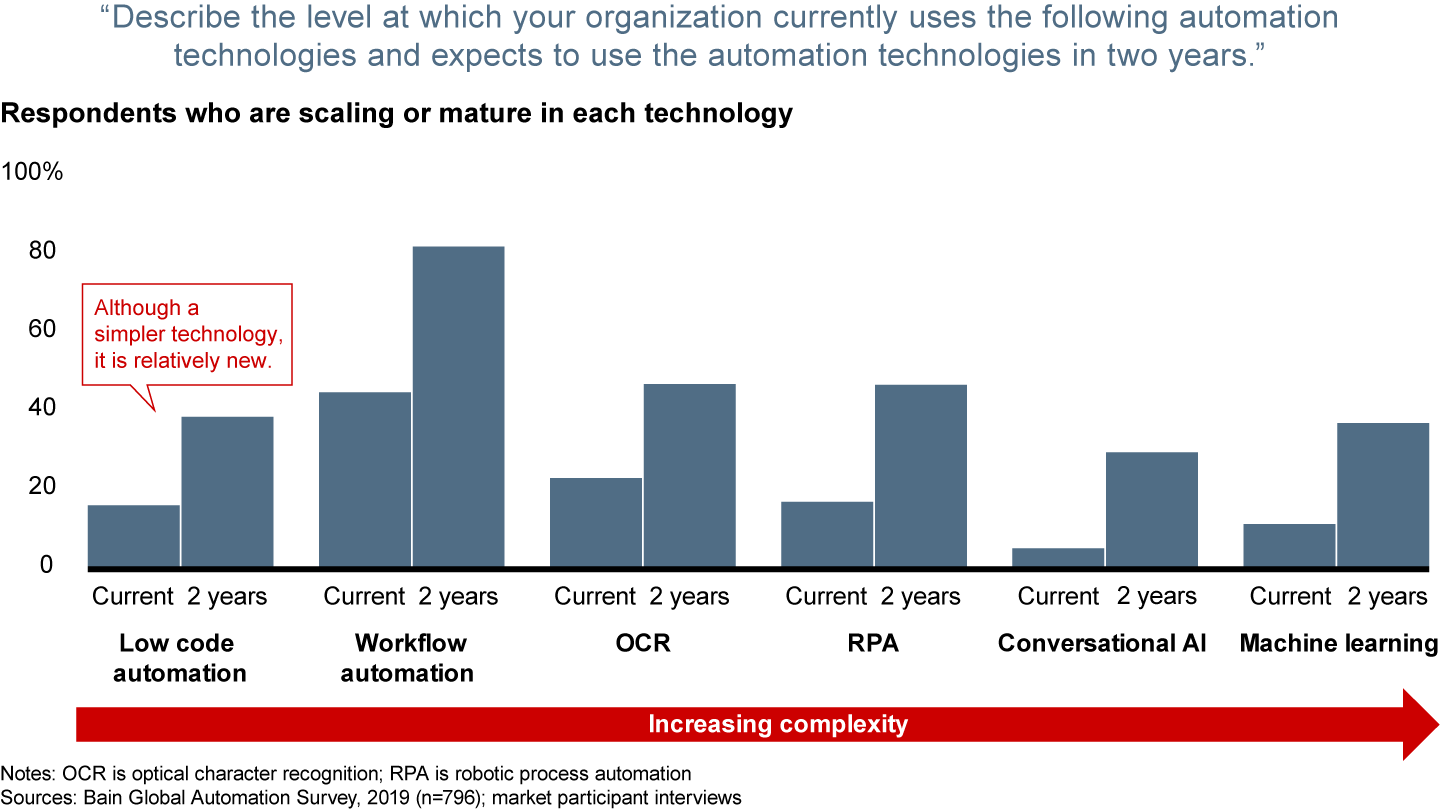
Companies that lack an ambitious and rigorous automation agenda thus risk falling behind in their industries. Over the next two years, according to a recent Bain & Company survey of nearly 800 executives worldwide, the share of companies scaling up automation technologies—ranging from low code automation, optical character recognition (OCR), robotic process automation (RPA) to conversational artificial intelligence (AI)—will at least double, depending on the particular technology (see Figure 2).
Figure 2

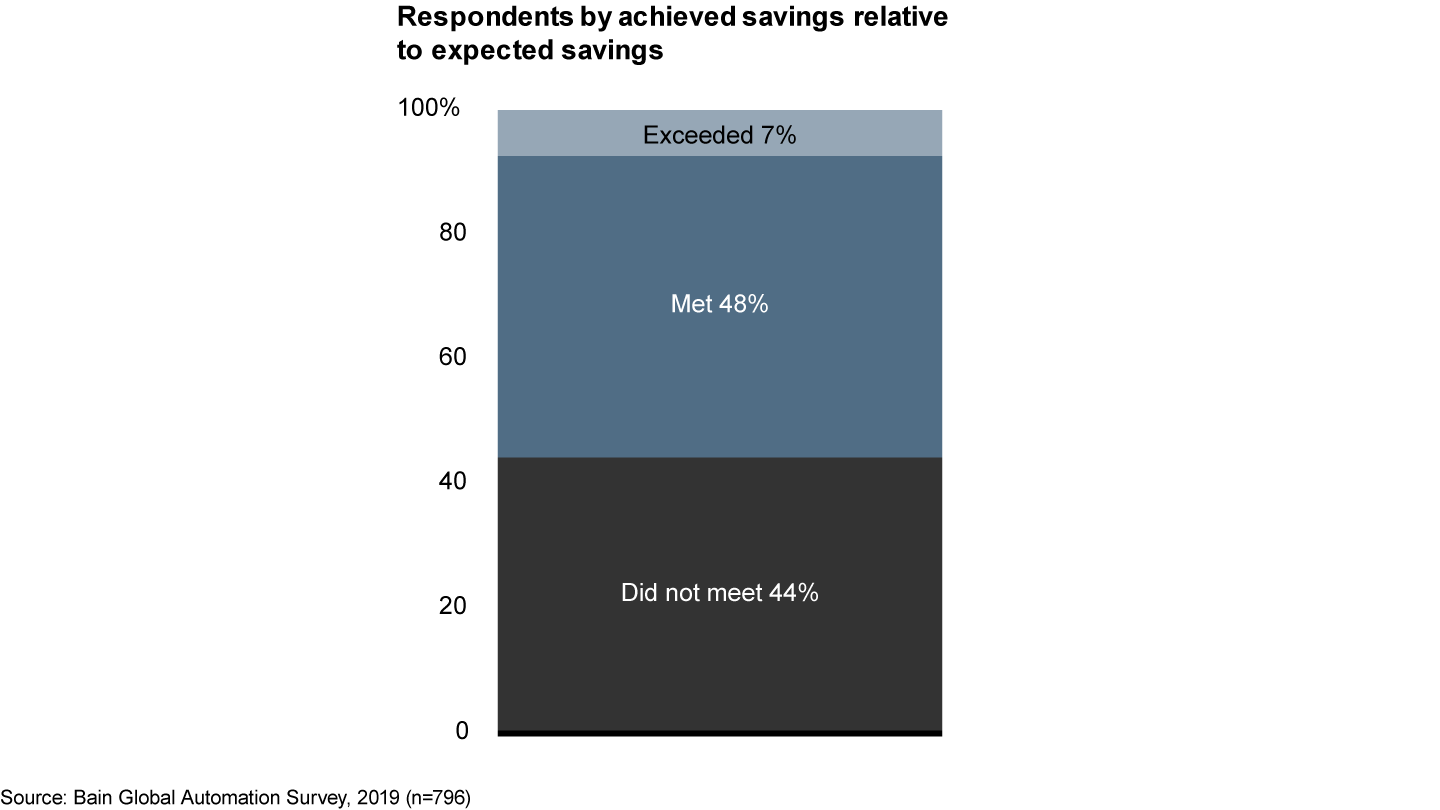
But the path to realizing the benefits of automation has been bumpy, and the journey has proved more challenging than many executives anticipated. Nearly half (44%) of survey respondents said their automation projects have not delivered the expected savings (see Figure 3).
Figure 3

What accounts for the challenge to successfully implementing automation? Are the benefits overstated, or the expectations or speed of implementation unrealistic? Do employees resist out of fear for their jobs?
Labor time savings and more
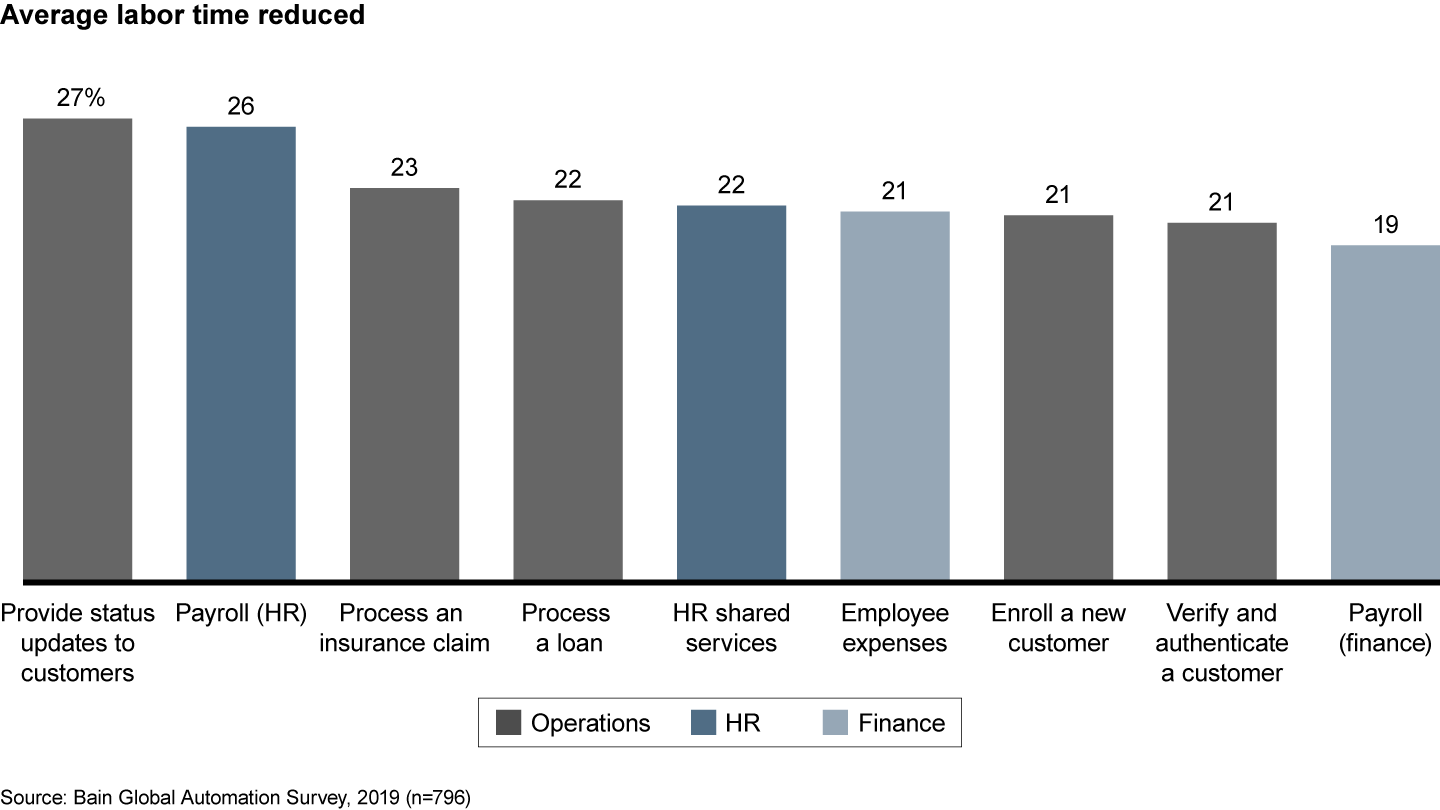
To dispense with the first objection, the benefits are clear, with labor time savings leading the list, either freeing up employees to do higher-value work, or recouped as cost savings, or both.
Microsoft’s finance group, for instance, has consolidated and simplified disparate reports, tools and content into an automated, role-based personalized portal. The group also uses bots in financial operations, credit and collections, management reporting and tax. As a result, Microsoft finance has reduced by 20% the time spent compiling and validating data, which saves over 150,000 hours of work every quarter. In addition, chatbots reduce support costs by 30%.
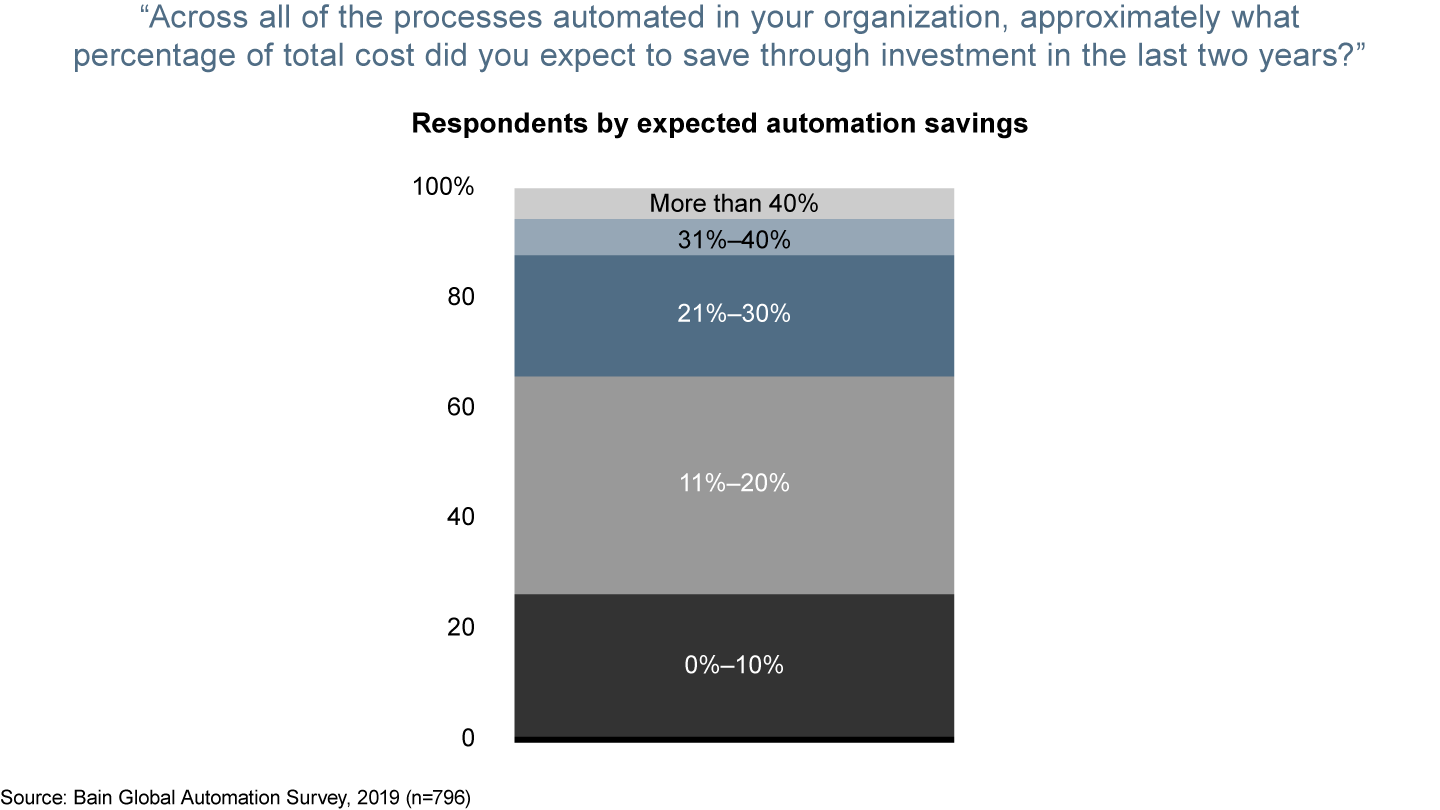
More broadly, survey respondents report cost savings of roughly 20% on average over the past two years across processes in finance, HR, supply chain and procurement, and service delivery and operations (see Figure 4). Despite the big promises made in the marketing of automation software, most organizations temper their expectations. Nearly 80% of respondents expect automation savings of less than 30%, and more than 20% expect less than 10% savings.
Figure 4

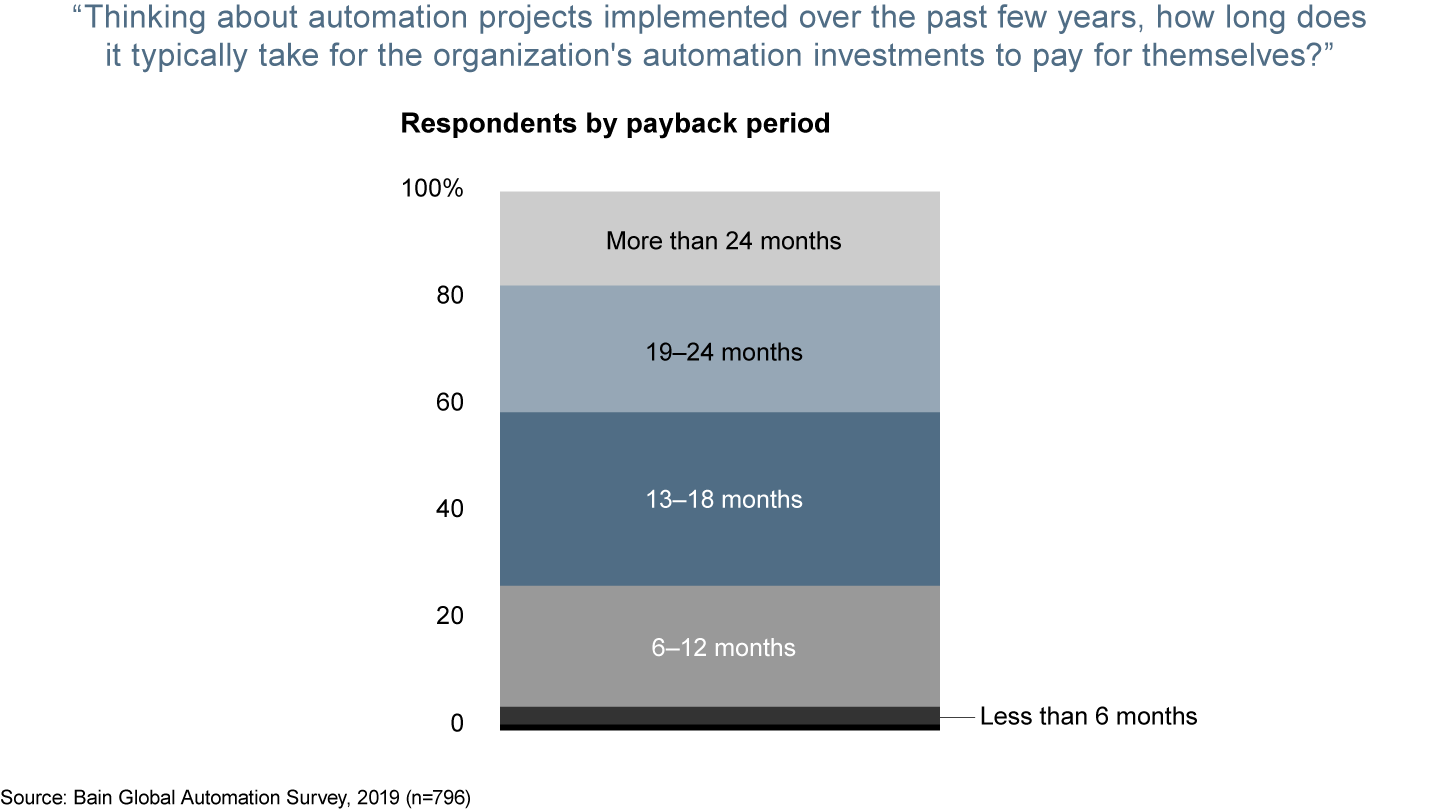
The median payback for labor cost savings takes 13 to 18 months, though it can be faster when deploying mature technology such as workflow automation and RPA, or in the early stages of implementation (see Figure 5). Executives expect time savings from automation to double on average over the next two years, as today’s technologies become mature and as more advanced forms of automation scale up.
Figure 5

The most fertile territory consists of high-volume, rules-based processes, such as scraping data from the web, copying and pasting data from one system to another, heavy data manipulations or opening emails and attachments—characteristics, for instance, of providing status updates to customers or processing a loan (see Figure 6).
Figure 6

Time savings is just the start. On the revenue side, automation can stem revenue leakage or bring revenue in the door faster.
Telecommunications carriers, for example, have many business customers that each have hundreds or thousands of routers throughout their locations. As routers break or get replaced by new models, or the customers start or stop service, keeping track of the assets has proved difficult, and use of the assets does not always flow through to billing. One major telecom in the Asia-Pacific region dealt with the issue by building scripts to identify products across all its customers, using analytics to flag the gaps, and deploying automation to reconcile and recover the leaked revenue. Automation also handled updating and billing for future assets. In this way, the carrier was able to bring in millions of dollars in previously lost revenue.
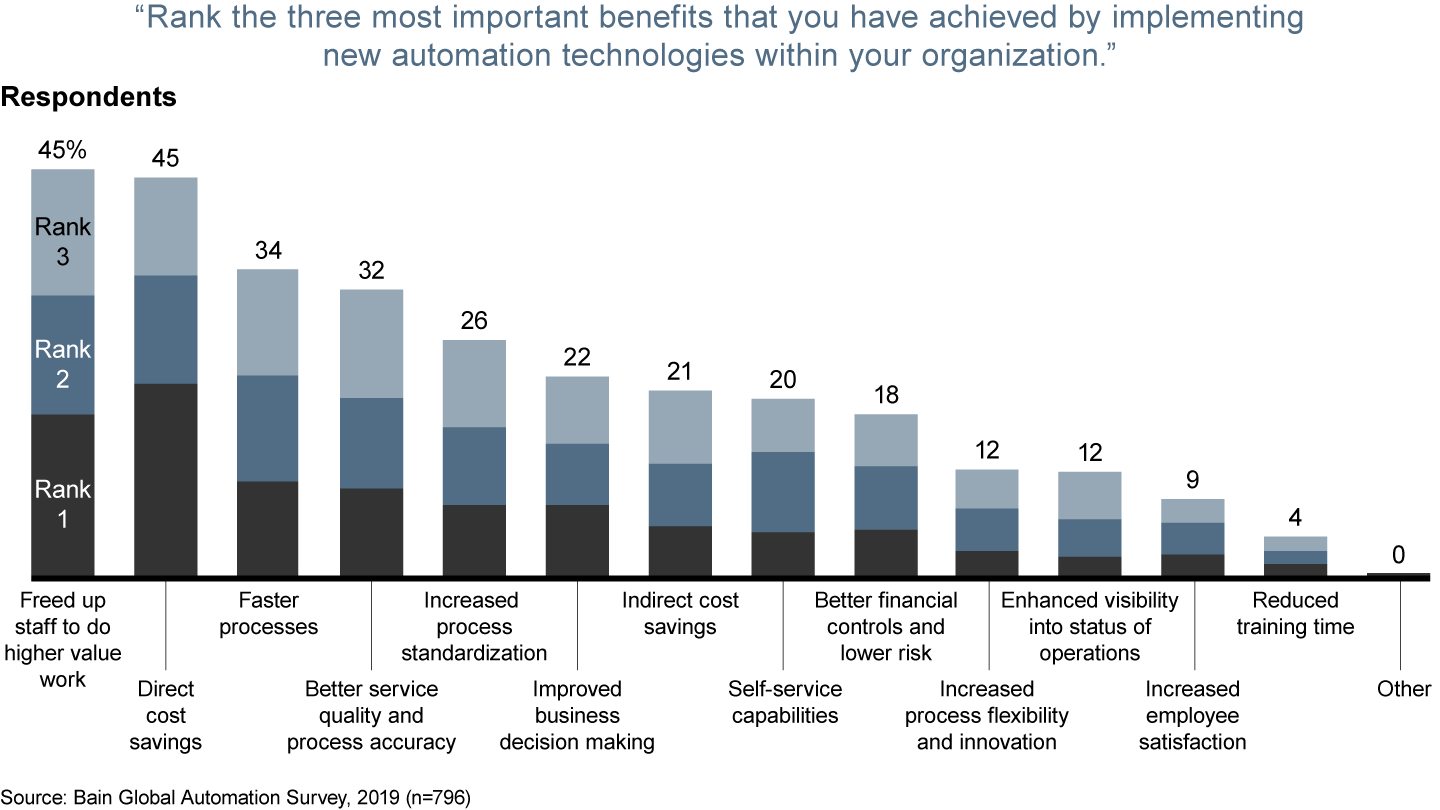
Companies have realized other benefits as well, notably improved process quality, accuracy, reduced cycle times and improved compliance (see Figure 7). All of these make for a better experience for customers.
Figure 7

In the oil and gas industry, companies long had to rely on manual inspection of pipelines for corrosion and leakage. Now companies can send pictures of a pipeline to an AI engine, compare the pictures with an existing database and alert the right employees to possible problems. This has increased pipeline uptime, reduced manual inspections, improved safety and helped pipeline crews prioritize repair of the most important types of damage.
Dealing with the execution barriers
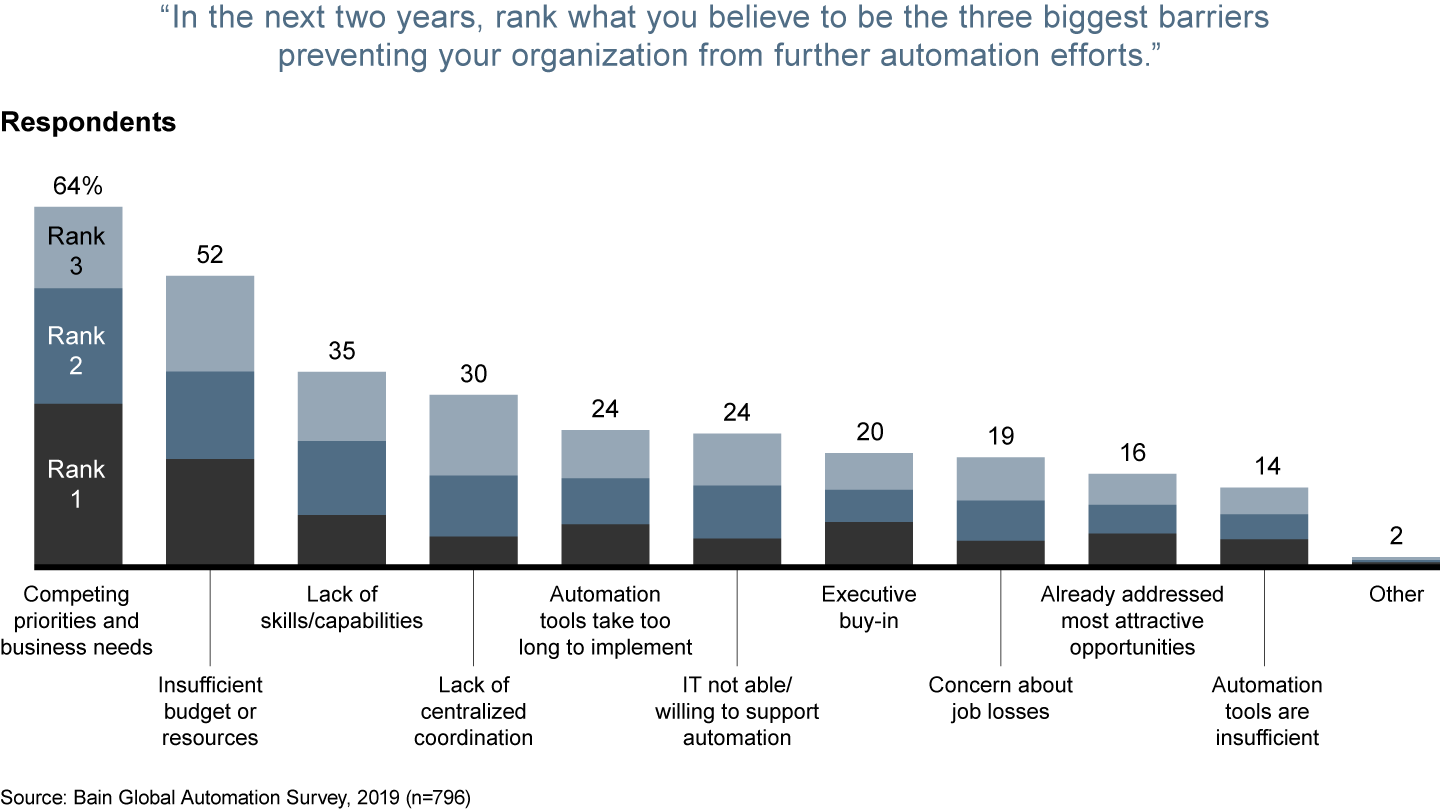
Yet significant barriers to realizing value from automation persist—and the major barriers all involve execution: competing business priorities, lack of necessary funding, and a lack of skills or centralized coordination (see Figure 8). Addressing these execution barriers requires a clear-eyed self-appraisal of the organization. Our analysis of the survey responses, combined with experience working with companies to apply automation strategically, suggests three key principles to keep in mind to overcome these execution barriers.
Figure 8

First, ground automation in the corporate strategy and customer experience rather than setting up a standalone exercise.
Too many companies fall into a bottom-up trap. They might create an automation center of excellence, appointing a midlevel project manager from the shared services organization to lead it. They then sign license agreements with automation software providers, while project teams fan out to find use cases to deploy the licenses. In the case of RPA, companies often build business cases one bot at a time. It’s no wonder that respondents most frequently cite competing business priorities as a barrier.
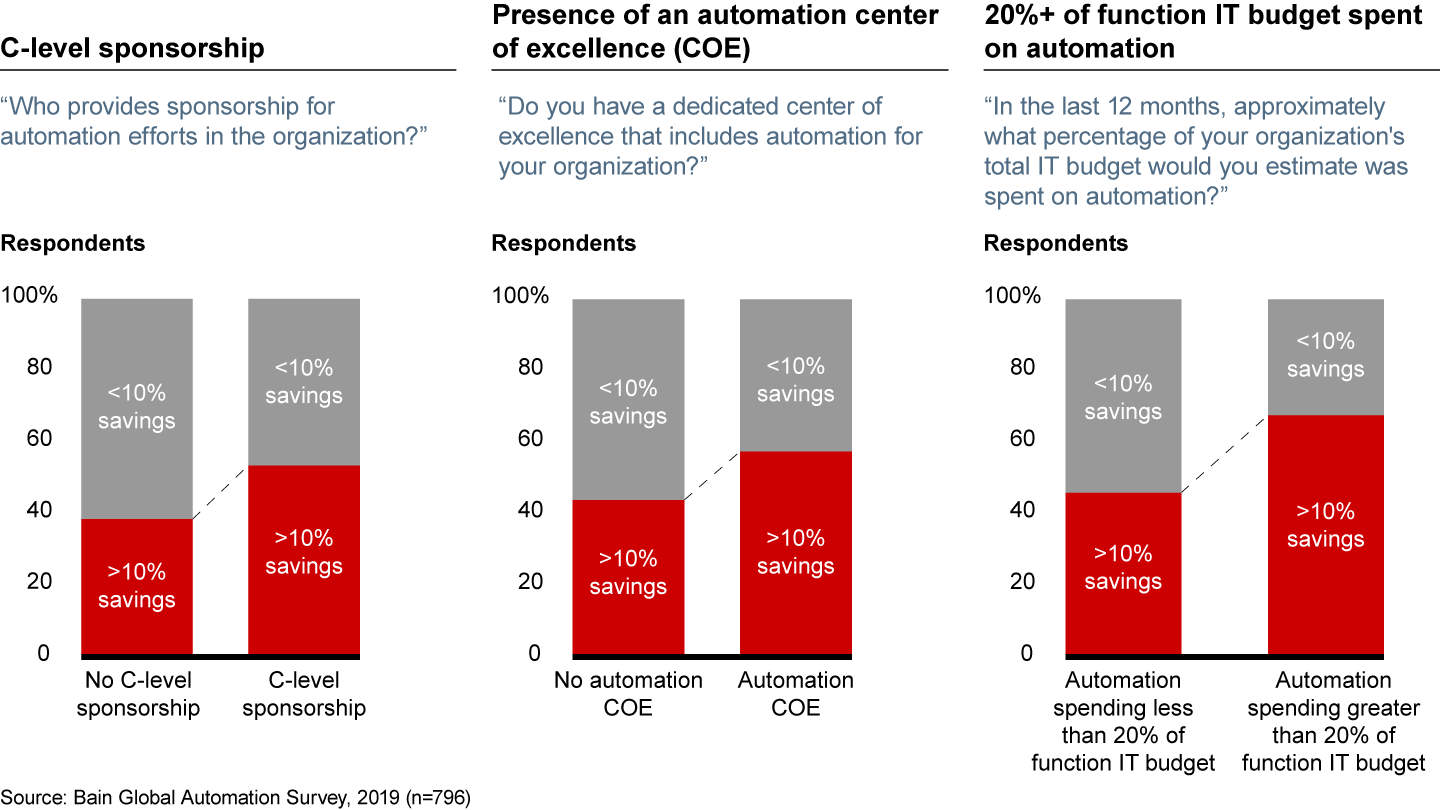
While a center of excellence can be useful for standardizing the approach for evaluating processes, and deploying people with the right skills, it cannot lead the effort alone. Automation should be part of the senior executive leadership agenda, including sponsorship from the C-suite along with ambitious targets to measure progress (see Figure 9).
Figure 9

Automation also should further the broader redesign of the customer experience, in which a cross-functional team defines the desired future state of the experience, working backward on how to achieve it through changes to people, policies, processes and systems.
Take billing of customers, for instance. Customers might not care if their provider reduces billing costs through automation; they want bills to be accurate, prompt and easily reviewed. Automating billing needs to not only reduce costs but also deliver a billing experience that customers value.
Insurance claims processing is another area that has been overly complex for customers to navigate. Some insurers, such as Ameriprise, have deployed automation to streamline the process, reducing the number of points at which employees touch that process. This has cut errors, sped up the time to resolution and increased compliance. From the customer’s standpoint, the entire process is faster and smoother—what used to take weeks has come down to a few days.
Because automation is just one tool, it often works best in tandem with other tools and as part of deliberate overall strategy. Consider the comprehensive approach taken by a global consumer products company’s senior leadership team to create a digital enterprise with three objectives: create personalized experiences for consumers, strengthen relationships with business partners and suppliers, and create a more engaging and productive workplace that could keep pace with changes in the market.
The company mapped the end-to-end experience of customers, partners and employees so that it could understand where automation would best play a role. Rather than letting the magnitude of cost savings solely inform initial automations, the company focused on the episodes that matter most to these stakeholders. The executive team set guidance based on the big goals that automation and digital technologies could enable. The company even combined the IT department with the global business services organization to accelerate adoption of automation.
Second, spend as much if not more time on what comes after automation.
Beyond developing, testing, deploying and maintaining the technology, what really matters is achieving the expected business outcomes from the automation. In this respect, it’s similar to outsourcing. Beyond selecting the right partner, negotiating a competitive contract and transitioning the work to the provider, the retained organization left behind must be sized correctly and fit for purpose, or else the savings from outsourcing won’t materialize.
The risk is even higher for automation, because much of the work automated consumes only a fraction of each employee’s time. Companies that fail to redesign the jobs impacted will not achieve their goals.
Sumitomo Mitsui Banking Corporation (SMBC), a major bank in Japan, has used RPA extensively to reduce cost and become more efficient. But first, SMBC evaluated all processes at headquarters departments, eliminated unnecessary processes and integrated duplicative operations. For the remaining tasks, it automated those that were suitable for RPA, such as notification of suspicious transactions, internal loss verification, and routine processes with high volumes related to deposits, currency exchange and loans. The RPA worked not only through servers but also on desktops, so employees could automate their own work on their own time.
By the following year, automation had saved 1.6 million work hours, worth 800 full-time employees. Those employees were able to dedicate more time to valuable tasks, and SMBC plans to generate even more savings in the coming few years.
Another effective technique is to identify in advance specific positions or tasks that will be eliminated. One global technology company established a program to eliminate 10,000 positions through automation. Executives communicated the goal to investors, set targets for business owners, priced products with the automation goal in mind, and notified some employees they would be laid off—a burn-the-boats plan. The businesses had no choice but to automate the work, because profit margins would be squeezed without automation, and employees were scheduled to depart.
Third, treat automation as a major change to be actively managed from the start.
Part of strong C-level sponsorship involves effectively managing change with the business, so that automation remains a priority. The senior team must demonstrate how automation will change the experience of employees and customers for the better, painting this picture in detail before automation goes live. Without specificity on how the experience will improve, many employees naturally will resist.
The consumer products company mentioned earlier engaged stakeholders through several streams. For example, in finance, the first discussion occurred between the finance shared services organization leading the automation and the senior commercial finance leaders. It then cascaded down to field finance leaders and operational leaders and finally to the affected employees in the business. Finance leaders demonstrated through interactive workshops and videos how each slice of work would stay the same or change with automation. It highlighted how the experiences for internal customers of finance would improve, through faster turnaround times, greater accuracy and more accessible information.
The most effective change programs clearly communicate which employee populations will be affected by automation and specifically how. Open, direct and early communications about the impact of automation, together with reskilling programs, help people start thinking about or acting on new career paths. In addition, some effective programs involve employees in identifying which points of a process are broken or inefficient.
The automation center of excellence can help objectively determine the highest value opportunities for automation. It brings a standardized approach for evaluating processes, as opposed to each business unit applying its own methodology.
Engaging IT from the start also is critical, so the group has skin in the game. Our research shows that companies dedicating at least 20% of their IT budgets to automation achieve higher savings from automation. However, the IT and compliance requirements of an automation program have become more complex, with severe implications for mishandling them, such as General Data Protection Regulation fines in Europe or customer billing errors. Business leaders thus must understand the complexity of their IT environment before signing off on the design of automation IT architecture.
A look in the mirror
Companies committed to a sustained, holistic approach to automation should answer a set of tough questions:
- Do we have genuine sponsorship by the senior executives, business unit leaders and functional leaders, not just from shared services leaders?
- Is automation a visible and prominent part of the corporate strategy and operational plan?
- Are we thinking boldly enough? Have we started from an end-to-end vision of how to improve a process and the customer experience, rather than building a business case one task or bot at a time? And do our goals extend beyond cost savings?
- Have we picked the right processes to automate?
- How will we persuade the business to embrace automation and change behavior?
- How will we ensure that we achieve the cost savings and other benefits, such as revenue improvement or better service quality, once we put automation in place?
These questions help build a framework for realizing the value that automation can generate. Without it—if a company simply sets up automation projects and lets them run—the efforts are bound to stall out.
Michael Heric is a partner with Bain & Company who leads the firm’s Corporate Support solution and Automation capabilities. Purna Doddapaneni leads Bain’s Automation Center of Excellence. Sabine Atieh is a partner with the Performance Improvement practice and Mark Soppe is a manager in the Enterprise Technology practice. They are based, respectively, in New York, Dallas, Paris and Sydney.
First published in Απρίλιος 2020