

Global Healthcare Private Equity Report

At a Glance
- Global deal activity surged in 2024, spurred by a large number of megadeals that resulted in the second-highest year on record in North America and a record-breaking year in Europe.
- Biopharma buyouts are seeing significant movement across the world, including a number of sizable deals.
- Healthcare IT continues to benefit from providers’ reliance on technology to boost operating efficiencies, investments in clinical trial IT infrastructure, and payer focus on advanced analytics.
- Key trends include innovation at mid-market funds, more carve-outs, a sharper focus on exit value maximization, and evolution of the investment landscape in Asia-Pacific.
This article is part of Bain's 2025 Global Healthcare Private Equity Report.
Global healthcare private equity (PE) soared in 2024 to an estimated $115 billion, reaching the second-highest deal value total on record. This surge was propelled by an increase in the number of large deals. In total, five transactions exceeded $5 billion, compared with two deals in 2023 and one in 2022. However, this number would likely be higher if terms were disclosed on the recent addition of new investors Mubadala, Norwest, and HarbourVest to Bain Capital and Parthenon Capital’s portfolio company, Zelis. North America continues to be the largest market, representing 65% of global deal value, with Europe and Asia-Pacific accounting for 22% and 12%, respectively (see Figure 1). Deal volumes remained steady relative to historical levels, with a wave of activity in North America and Europe offsetting a 49% decline in deal volume in Asia-Pacific since 2023.
Figure 1
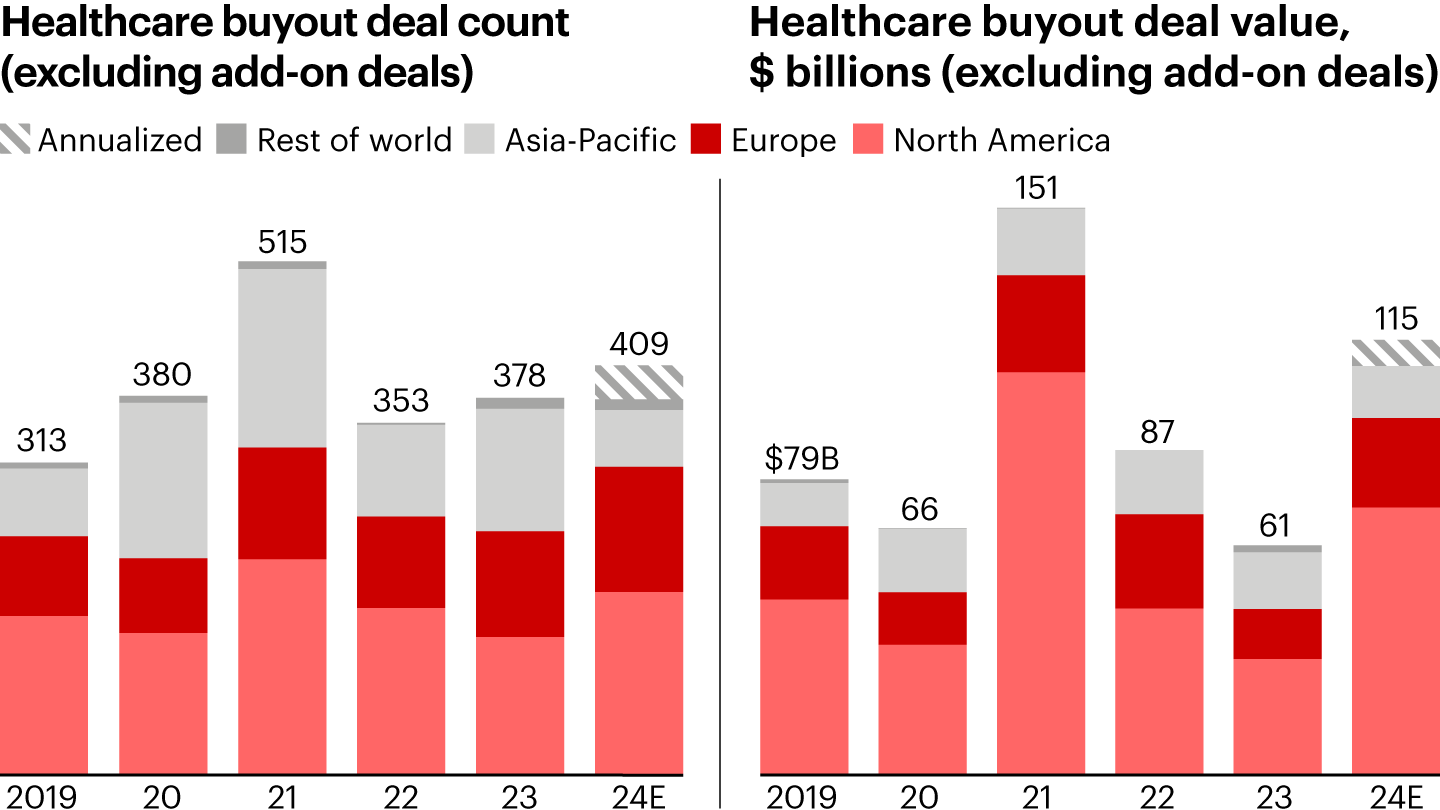

Notes: Based on announcement date; includes announced deals that are completed or pending, with data subject to change
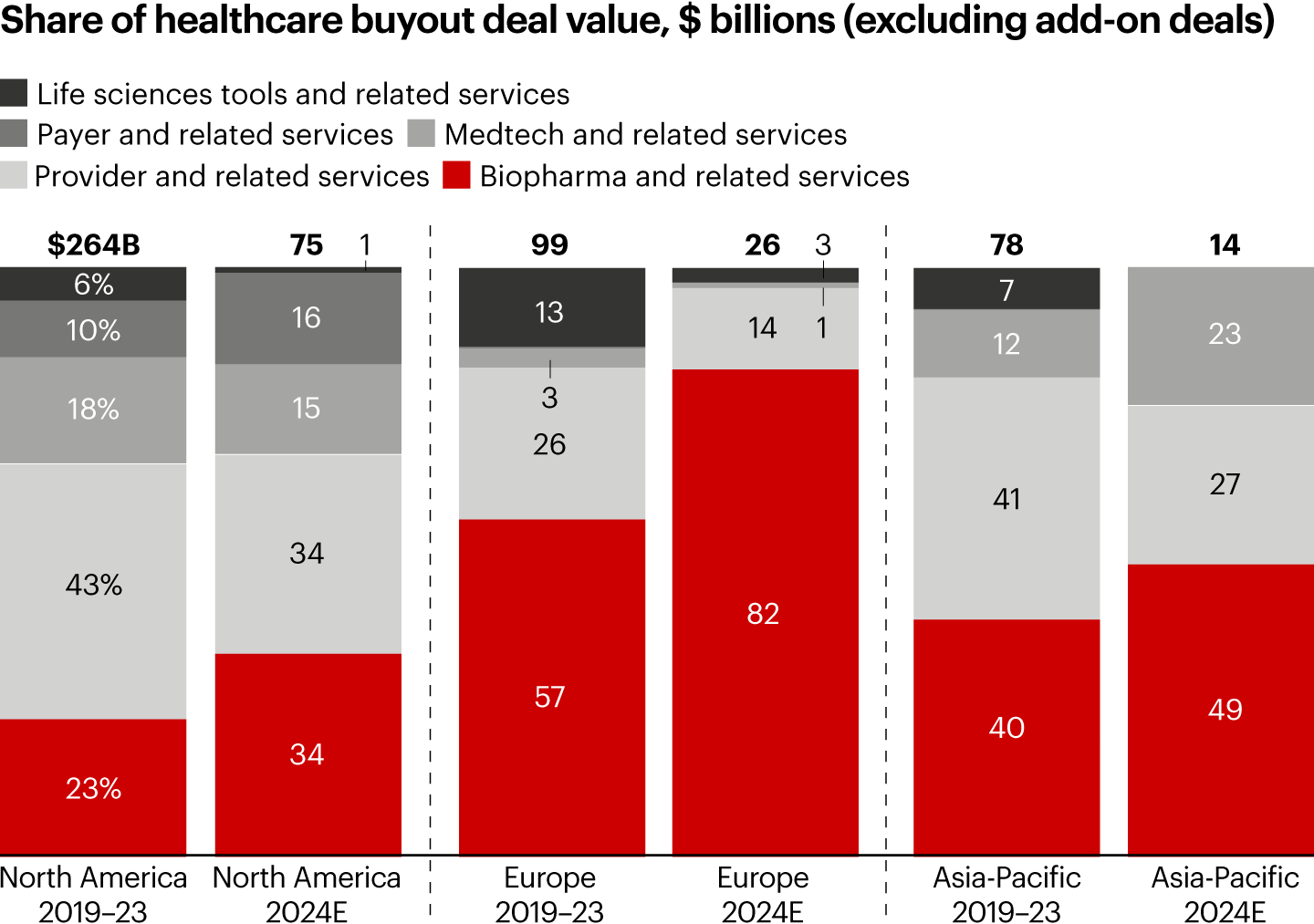
Sources: Dealogic; AVCJ; Bain analysisBiopharma led all other healthcare segments in deal value (see Figure 2). This growth was fueled by investments in clinical trial IT infrastructure (such as GI Partners’ investment in eClinical Solutions) and Novo Holdings’ purchase of Catalent, enabling its subsidiary, Novo Nordisk, to bolster manufacturing and the fill/finish capacity for its GLP-1 therapies. In North America, derivative services boosted provider deals, but in Asia-Pacific, provider investments focused on hospital chains, clinics (both multi- and single-specialty), and senior living. Other notable investments in healthcare IT targeted core systems of record and revenue cycle management within the provider space.
Figure 2

European dealmaking rebounds to record highs
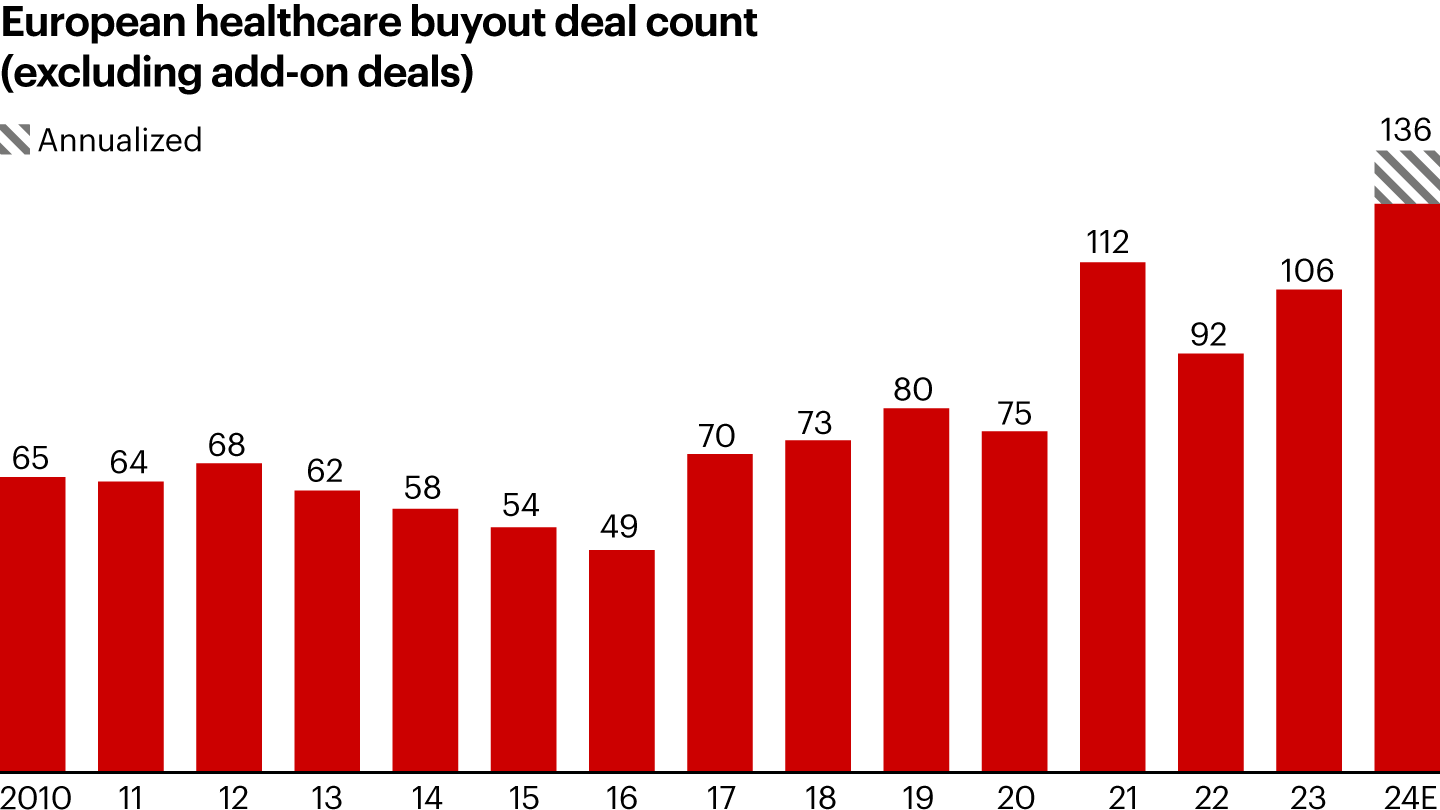
In Europe, deal volume has surged past its 2021 peak (see Figure 3), boosted by a focus on smaller deals in the first half of the year. Biopharma and medtech were two of the leading sectors in 2024, as firms that purchased assets in these sectors can easily scale up across the region.
Within biopharma and medtech services, European PE firms are investing in companies playing further up the value chain, such as equipment manufacturers and raw material vendors. This trend is exemplified by a couple of deals: first, by Novo Holdings’ acquisition of Single Use Support, which provides equipment and tools, such as liquid handling systems, that meet a high standard for the processing of sensitive biomaterials in the pharmaceutical production value chain; second, by Ardian’s acquisition of Masco Group, which provides equipment, facility solutions, and high-purity water systems to the biopharma and life sciences industries.
Katherine Wood, a partner at TPG Capital, examines trends in the competitive landscape of healthcare private equity with Nirad Jain, coleader of Bain's Healthcare Private Equity team.
While European-based contract research organizations (CROs) and contract development and manufacturing organizations (CDMOs) saw the impact of the global contraction on pharma research and development (R&D) budgets, deals in pre-clinical entities continued, with investment theses aimed at the impact of onshoring tailwinds and the ability to build scale (either through organic growth or tuck-in acquisitions). For example, Partners Group’s acquisition of FairJourney Biologics is centered on expanding the product capabilities in pre-clinical R&D and antibody development and creating scale globally.
Pressures on private provider and retail health groups have lasted longer than anticipated. In addition, the varying regulations across countries in Europe mean that assets within the provider and associated services/healthcare IT spaces often require significant operational investments to reach large scale. As a result, assets have to trade numerous times across multiple sponsors, which has been difficult, thus limiting the trade of large-scale provider assets in 2024.
Given the strong growth in buyout volume and a stabilizing macroenvironment, we are optimistic about the European market and anticipate the uptick in deal activity will continue, with the potential for more megadeals similar to CD&R’s acquisition of a 50% controlling stake in the recently announced carve-out of Sanofi’s consumer health business, Opella.
Figure 3

Large deals drive biopharma values
The biopharma sector continued to lead healthcare deals in value, fueled by several major transactions (see Figure 4). The Catalent deal ($16.5 billion) and recently announced Sanofi deal ($17.3 billion) stand as two large purchases, with other significant acquisitions including the buyout of Alinamin Pharmaceutical for $2.2 billion.
Figure 4
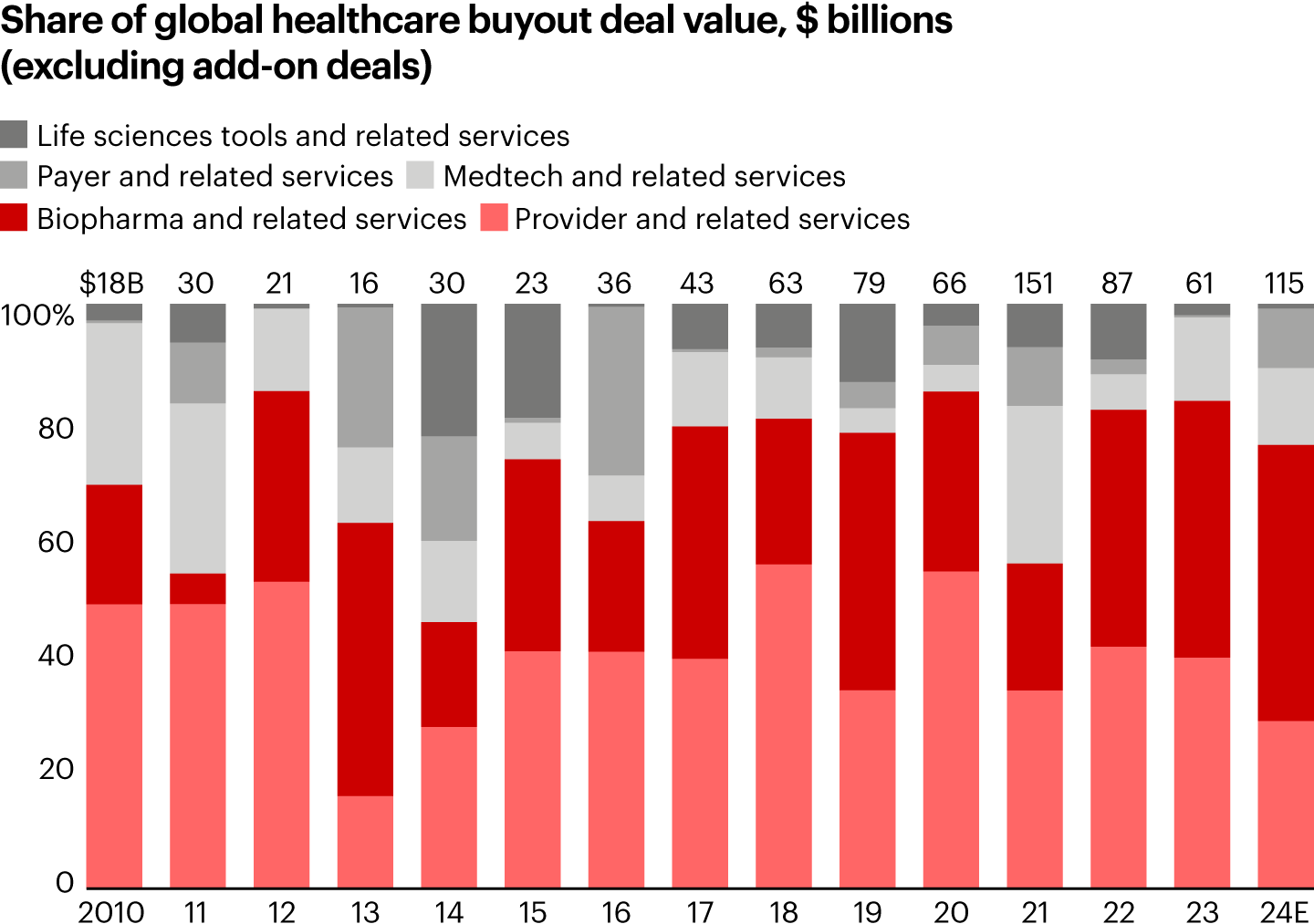

Despite the record buyout deal value in biopharma, overall volume in the biopharma and life sciences tools sectors dropped by 5% and 10%, respectively, since 2020 in terms of compound annual growth rate (CAGR). The decline likely stems from several factors:
- Bid-ask spread. Most assets coming to market struggle with alignment on the sale price between buyers and sellers, resulting from high benchmarks from quality assets that are trading, original acquisitions based on deal models during an era of historic highs for R&D spending, and significant portfolio rationalization efforts at large pharmaceutical companies affecting services spending. As a result, assets coming to market must present a clear value-creation plan that can justify the returns demanded by sellers.
- Reduced pharma services spending. Significant drug innovation, combined with loss of exclusivity for currently marketed drugs, has led to cost consciousness for large sponsors and low single-digit growth in R&D spending, resulting in fewer new clinical starts and headwinds for service vendors. In addition, changes in access to capital, specifically the biotech venture capital (VC) funding crunch (see Figure 5) and fluctuating capital costs beginning in 2022, are starting to affect R&D pipelines, and therefore the corresponding spending on services.
Figure 5
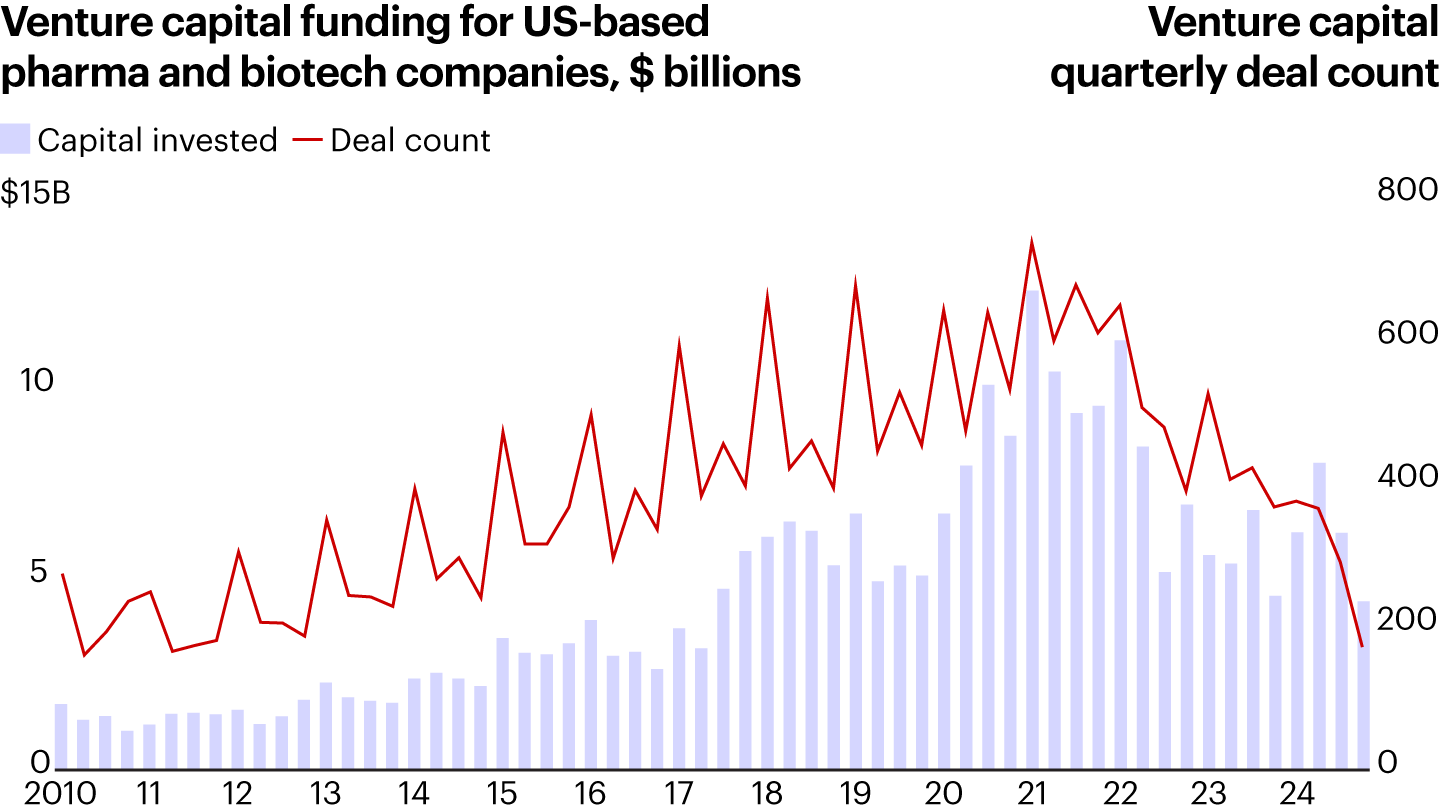

As a result, the biopharma market has seen more stalled or broken deals, with only prime assets receiving the lofty valuations expected by management and selling sponsors. Looking ahead, positive changes in biotech funding, along with a rising number of active clinical trials and increased investment in clinical trial services, may prove to be signposts of changing market fundamentals that eventually lead to broader deal markets.
A resurgence of healthcare IT deals
After declining in 2023, healthcare IT dealmaking rebounded in 2024 due to several factors. First, providers, facing financial pressures and shifting reimbursement models, are investing in core systems to boost efficiency. In response, PE firms are increasingly investing in assets supporting workflow improvements, such as TPG’s acquisition of Surescripts, an electronic prescription network.
In addition, payers, looking to improve payment integrity, are investing in advanced analytics. Investors have been capitalizing on this underlying growth, as showcased by Cotiviti’s recapitalization with Veritas and KKR for an enterprise valuation of around $11 billion.
At the same time, biopharma companies are upgrading clinical trial IT infrastructure to accelerate and improve drug development amid tighter funding and regulatory demands. Generative artificial intelligence (AI) is further transforming all three sectors by enabling automation, reducing costs, and improving decision making.
Together, these factors spur interest and growth in healthcare IT deals.
Within the provider IT segment, technology service vendors that optimize revenue cycle management (RCM) workflows to streamline billing, reimbursements, and other financial processes have gained importance. As a result, PE firms are focusing on this space—a trend highlighted by TowerBrook and CD&R’s acquisition of the R1 RCM platform. Meanwhile, core systems of record (such as Epic Systems and WellSky) are focusing on providing more capabilities that support both payers and providers on risk adjustment as their profit pools continue to converge.
In the biopharma sector, limited funding and a higher cost of capital have led companies to invest in clinical trial IT infrastructure to better meet regulatory demands and increase trial success rates. The importance of digital tools for trial efficiency and streamlined submissions can be seen in Arsenal Capital Partners’ acquisition of Endpoint Clinical, an interactive technology solutions provider for clinical trials, as well as EQT’s acquisition of CluePoints, a risk-based quality management (RBQM) platform.
Generative AI opportunities and risks now span all potential healthcare IT investments, as sponsors try to understand whether there is an opportunity for disruption in the core business or whether generative AI can help create greater value and reduce costs. That said, investment opportunities in targets primarily relying on AI within the healthcare landscape have been limited.
Four key trends
Four trends characterized deals globally and reshaped the healthcare PE landscape:
- Mid-market funds continue to innovate. Mid-market firms have demonstrated higher returns and continued dealmaking within healthcare by evolving their investment approaches.
- Carve-outs open up value in a tight deal market. Carve-outs are gaining prominence as PE firms look for alternative sources for deal volume given a decline in overall sponsor-to-sponsor activity.
- Exit value maximization is a strategic imperative. Continued lack of bid-ask convergence and higher-than-historical interest rates, which lower the probability of multiple expansion, exacerbate the decline in sponsor exits. To reverse this trend, sellers need to sharpen their focus on building comprehensive value-creation strategies with supporting proof points well in advance of bringing assets to market.
- Asia-Pacific investment has evolved. With deal activity declining in China, the region is seeing deal volume shift toward India, Japan, and South Korea due to these countries’ macroeconomic fundamentals.
Key questions to shape the future
Many facets of the healthcare PE market point to an optimistic outlook. Deal multiples are beginning to plateau, paving the way for better bid-ask alignment, while the base of tradable assets has grown. The US Federal Reserve began reducing interest rates in the second half of 2024, lowering borrowing costs and reflecting confidence in the resilience of the economy. Meanwhile, Japan and India have seen stable economic growth and favorable investment conditions. Looking ahead, asset buildup in PE portfolios (see Figure 6), together with increased pressure from limited partners (LPs) to provide liquidity, suggests an imminent increase in sponsor exits.
Figure 6
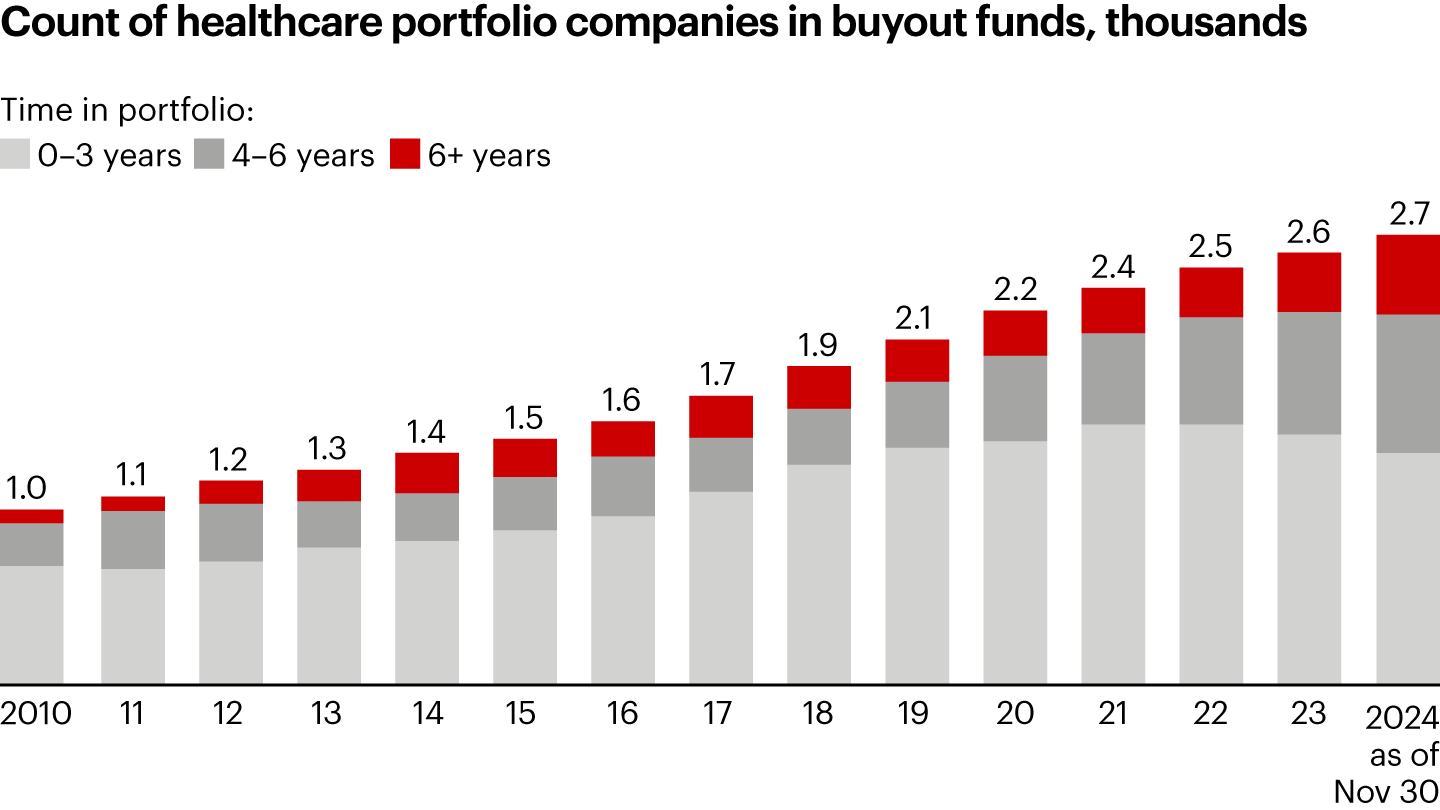

Notes: For time in portfolio for 2023, “0–3 years” means the investments were made in 2020 onward; “4–6 years” means the investments were made in 2017–2019; and “6+ years” means the investments were made prior to 2017
Source: PitchbookTo prepare for the near future, investors should consider several issues:
- Will bid-ask convergence accelerate as multiples begin to plateau? How will sponsor competition for assets evolve as the need for LP liquidity rises and sellers’ multiple expectations fall? To what extent will deal activity increase as more investors look to capitalize on an improving landscape to realize exits and return capital to LPs, especially with multiples steadying and macro conditions improving?
- How will macroeconomic factors affect long-term investing in biopharma? To what extent will increased investment in early-stage biotech, greater spending on clinical trials and associated services, and more clinical trial research alleviate the potential slowdown in the biopharma sector? Will that ease the stress on current portfolio assets and increase PE investing?
- How will sponsors begin to exit aging assets within their portfolios, specifically provider groups? With provider assets beginning to change hands, such as Goldman Sachs’ acquisition of Xpress Wellness from Latticework Capital Management, and sponsors continuing to drive increased value, who might be the most likely buyer—another sponsor or a strategic buyer, like a health system, payer, or a distributor (such as Cencora’s acquisition of Retina Consultants of America from Webster Partners)?
Will buyers increase partnerships with corporate entities to purchase or build provider assets? One example here is TPG and Cencora partnering to purchase OneOncology in 2023 and adding on United Urology Group in 2024. Another is CD&R and Elevance Health contributing assets to launch Mosaic Health.
Finally, how will the Medicare V28 initiative affect sponsor desire to invest in strong risk-bearing assets? - How will the Asia-Pacific landscape evolve? As investors become increasingly comfortable with the macroeconomic conditions across the region, how will deal volume evolve in India, Japan, and South Korea, especially if Chinese deal markets regain traction?
- How will the regulatory environment evolve? In light of the US election and Republican control of the White House and both houses of Congress, what changes could come that affect innovation, supply chains, coverage, and delivery of care in the largest healthcare market in the world? What could the resulting impacts be for other countries, particularly those with net export economies?
- To what extent will investors continue to seek alternative avenues to deploy capital? Will the number of carve-outs continue to grow, such as Astorg acquiring Cook Medical’s Reproductive Health unit and combining it with the take-private deal of Hamilton Thorne to create a global assisted reproductive technology medtech company?