

Brief

Executive Summary
Fashion: A changing landscape
The fashion and lifestyle space is India’s second largest consumer category, valued at $110 billion with approximately 10% online at $11 billion. The online fashion market overall is expected to grow to approximately $35 billion by financial year 2028 (FY28) at a 25% CAGR. This market has been historically fragmented into several small brands and sellers. The vibrant local manufacturing ecosystem and rich tradition of native fabrics have led to a structurally unbranded market (particularly in certain categories such as ethnic wear). Venture capital/private equity funding in the lifestyle space has historically been relatively muted. However, this market is undergoing a significant change.
Written in collaboration with
Written in collaboration with

Consumer preferences are shifting, with an increasing willingness to experiment with new brands and a growing desire to wear aspirational brands. E-commerce has democratized access to fashion, including fashion brands. The category has seen around 30% historical growth, compounded annually, since 2019. Certain historically fragmented subcategories, such as ethnic wear and kids wear, are also undergoing significant transformation with the growth and scaling of new digitally led brands.
This report focuses on understanding the historical growth patterns in the online fashion and lifestyle market, especially for digital disruptor brands. The report aims to do the following:
- Identify key factors that will drive growth for digital disruptors
- Identify shifts in consumer behavior affecting digital growth
- Decode the path to profitability basis learnings from brands in this space
- Crystallize the growth playbook for digital disruptor brands in the next phase of market evolution
Market “brand-ification”
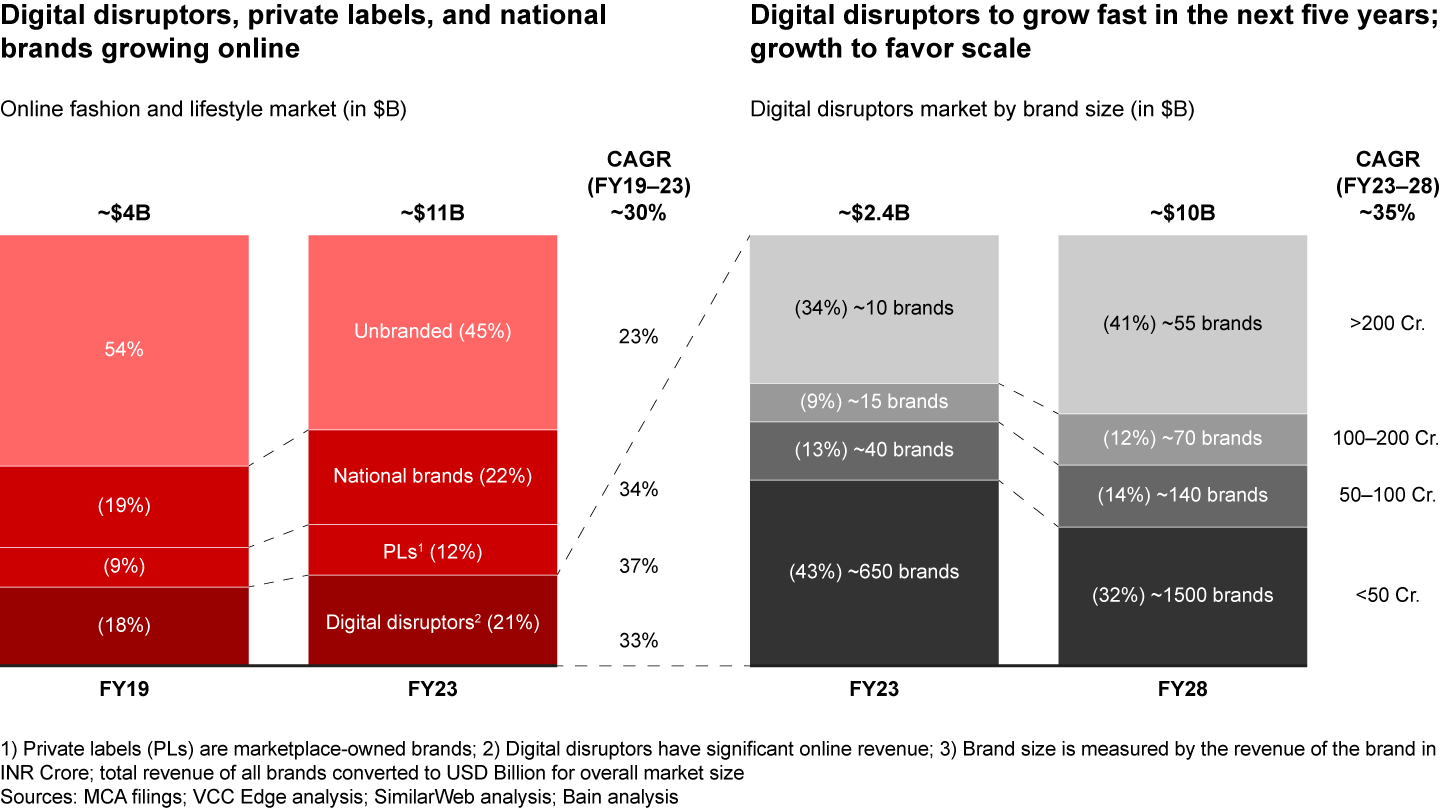
The online fashion market is approximately $11 billion and has grown at around 30% per year since 2019, led by four categories of players: national brands, private labels, digital disruptor brands, and unbranded sellers. National brands are historically established and began largely offline. These include brands such as Louis Philippe, Puma, and Biba. Private labels such as Avaasa from AJIO have been created and scaled by online retailers to expand assortment and fill price gaps. Digital disruptor brands, such as The Souled Store and Bewakoof, were born online and have taken a radically different direct-to-consumer (D2C) approach to scaling the business. Finally, the fashion market has always had a long tail of unbranded sellers with an attractive price-led value proposition.
These players have seen different trajectories over the past four years:
- National brands have turbocharged their online businesses, doubling online share, and now constitute $2.5 billion online in FY23, having grown at 34% between 2019 and 2023. However, most national brands expect to see a more balanced growth pattern with offline channels as the impact of the pandemic wanes.
- Private labels have scaled to address underserved categories and price points, thereby expanding the target consumer base for branded products.
- Digital disruptors have grown, especially in certain fragmented categories, to $2.4 billion, with 33% growth yearly since 2019. These new brands have focused on underserved parts of the market and created new offerings that index on value, design aesthetics, speed to market with new trends, or community engagement. Their digital-first operating model enables speed and data-led decision making.
Bain research suggests that the digital disruptor segment will grow rapidly. With a large current market size of approximately $2.4 billion and a projected annual growth rate of around 35%, digital disruptors have the potential to reach a value of $10 billion by FY28. Four major factors will underpin this shift:
- Young audiences have a greater propensity to try to buy from new brands. As they constitute a growing share of online fashion purchases, the market for digital disruptors will grow.
- Certain categories with underserved niches and brand fragmentation, such as expressive wear, ethnic wear, and fashion jewelry, allow digital disruptors to create new-scale brands.
- Brands that have invested in creating greater awareness are already seeing nonlinear returns on conversion and share of wallet (SoW). Increasingly, this will support returns to scale for such brands to achieve significant leadership positions.
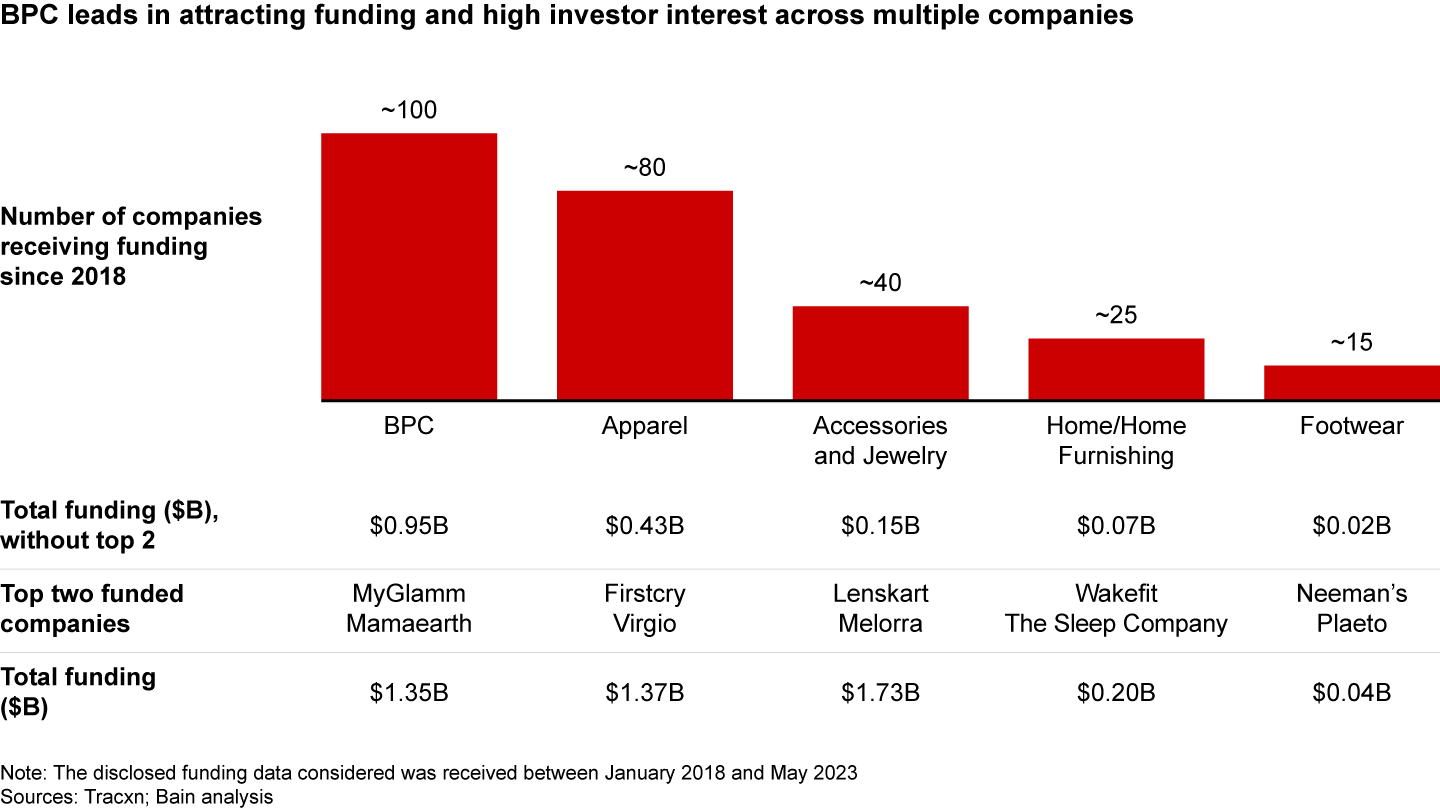
- Over the last five years, beauty and personal care (BPC) ($950 million) attracted more funding than apparel ($430 million), excluding the top two outliers in each category. However, as brands demonstrate their scaling playbook, apparel is expected to attract more money.
Disruptor growth and path to profitability
Fashion—apparel, in particular—has relatively low barriers to entry. Nimble digital disruptors with a deep consumer understanding and a focused niche have entered the market in large numbers. Over 700 brands exist today that have created a high-quality product, have invested in customer engagement, and often have a direct-to-customer relationship on social media or via their site. However, Bain analysis suggests that, currently, less than 10% of these brands have scaled beyond INR 50 crore.
Fashion brands face four common challenges on their scaling journeys:
- Managing assortment complexity: Relative to beauty and personal care where 12% of stock keeping units (SKUs) drive most sales, fashion has a long tail where the top 20% of SKUs drive less than 50% of sales.
- New category expansion: Following the customer would help to identify adjacent categories and expand the SoW. However, customers often buy only two subcategories from a fashion brand.
- Investing in building the brand: There is a need to balance the trade-off between immediate customer acquisition spending and medium-term brand investments that have a three-to-four-year payoff.
- Running efficient operations: Managing inventory and returns and running agile data-led pricing and markdown optimization can be challenging but is critical.
Learnings from brands that have broken through the initial scale threshold suggest four clear patterns:
- In fashion, the threshold scale for hitting profitability is low. Brands can be profitable even at INR 100 crore while retaining enough firepower for growth. Using outsourced production, riding on marketplace infrastructure (physical and digital), and achieving healthy gross margins in the category enable this. Houses of Brands further create significant leverage through shared horizontal investments and capabilities (including in technology and data science).
- Brands need to address underlying inefficiencies during the growth phase. During the first three to four years of explosive growth, while customer acquisition costs are elevated, it’s often possible for brands to lose sight of other core metrics such as gross margin and realized price. Irrespective of brand stage or type, discipline in range is critical to sustained economics.
- What you plan is not what you get. The complexity of assortment management for fashion can affect price realization, inventory, and returns, with a 4 to 5 percentage point (pp) impact on earnings before interest, tax, depreciation, and amortization (EBITDA).
- Brands, not platforms. Well-developed e-commerce infrastructure enables brands to run very lean operations. However, some brands that have attempted to build their own infrastructure have incurred high overheads, which can change EBITDA to the extent of 5 to 10 pp.
The next wave of winning brands will not follow the platform playbook but will be true fashion brands, built on differentiated propositions, memorable branding, a sharp understanding of assortment, and tight data-led operations.
Lifestyle market and brand dynamics
Market “brand-ification”
Online fashion is a significant $11 billion category in FY23, growing at 30% per annum historically since 2019. Growth in the online fashion space, which was previously largely unbranded, is now driven by brands at various price points.
Over the past four years, the online share of national brands has more than doubled, with leading Indian public brands experiencing more than five times the growth in scale compared to pre-Covid levels. Strengthened online distribution, increased marketing efforts, and higher investments in co-creation with e-commerce platforms have driven this.
Private labels have also played a material role in driving online growth, expanding into key category and price point gaps.
Digital disruptors are projected to outpace the overall market growth with 35% annual growth, reaching $10 billion by FY28 from the current size of $2.4 billion (see Figure 1). The expectation is that the number of brands exceeding INR 250 crore in revenue will jump five times by FY28, with categories such as expressive wear, ethnic wear, and jewelry having multiple scale brands, while categories such as athleisure/activewear will see a smaller but equally scaled number of brands.
Figure 1

Disruptors: Driven by young customers in fragmented categories
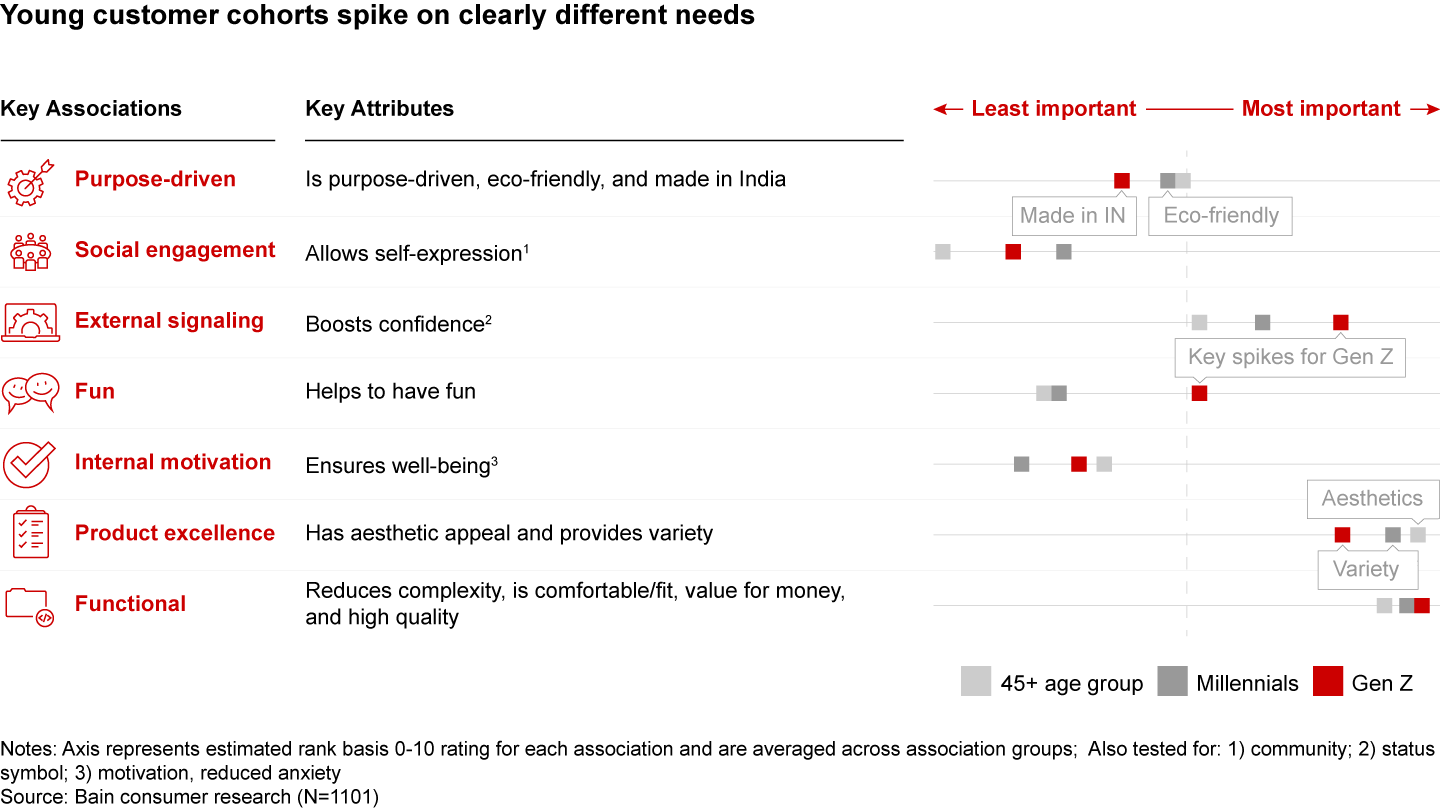
The growth of digital disruptors will be primarily driven by Gen Z and millennials, who have a high propensity to buy fashion online. Website and app data analysis shows that 70% to 80% of the traffic to digital disruptors originates from these segments, with Gen Z accounting for 30% to 35% and millennials for 40% to 45% of the total traffic. Consumer spending analysis shows that 24% of 18-to-24-year-olds buy from digital disruptor brands, compared to just 13% of 45-year-olds and older. Gen Z and millennials will account for approximately 75% of spending on disruptors by FY28, up from approximately 70% today.
Digital disruptors are also addressing younger customers through relevant associations, for example, staying current through merchandising based on the latest pop culture themes or collaborating with end users to co-create “designs of the week” that talk to users directly (see Figure 2).
Figure 2

Digital disruptors have made their presence felt more in categories that are fragmented and have a long tail of sellers. It is here that their agile business models have provided these brands with an edge (see Figure 3).
Figure 3
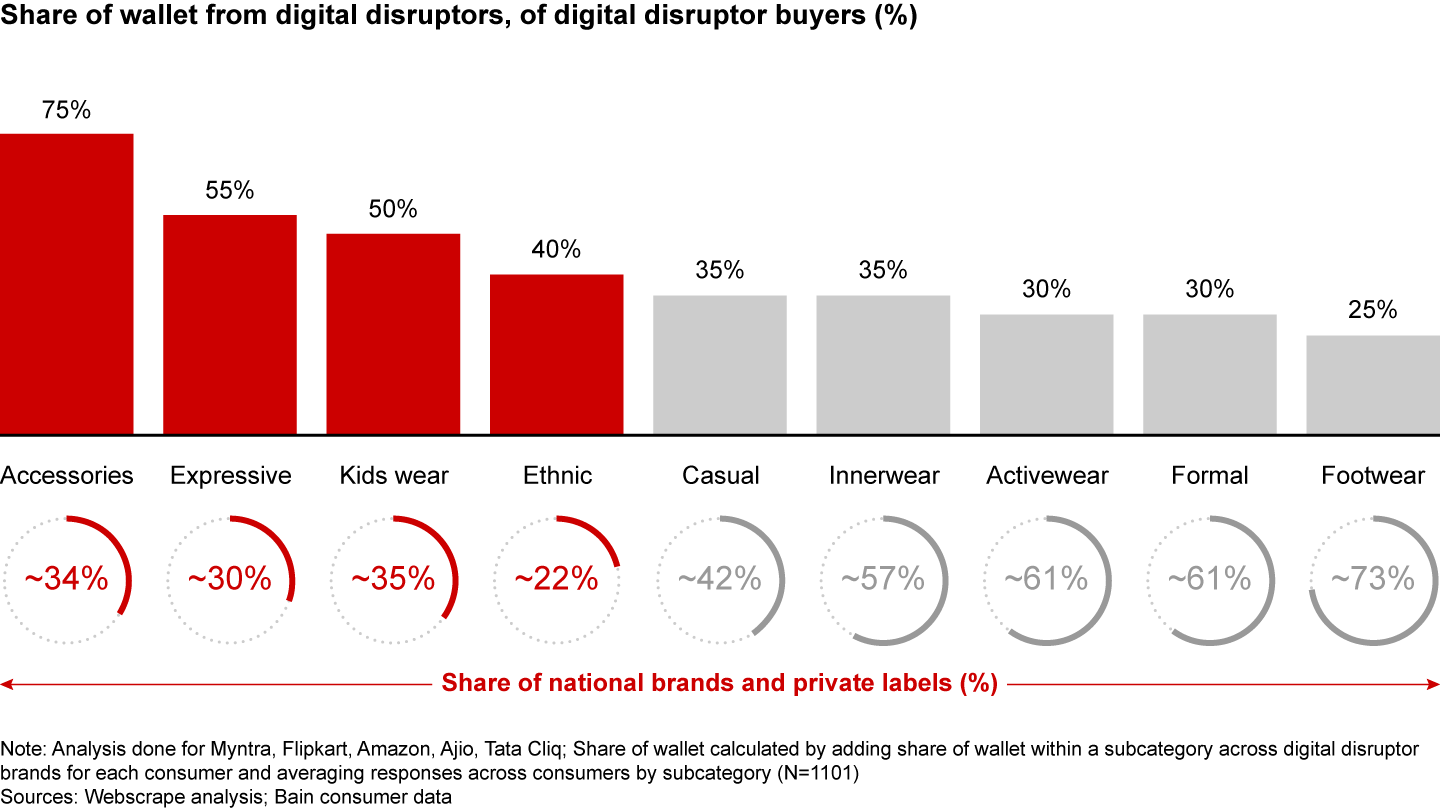

For example, fashion accessories has historically been a fragmented category with few national brands. This category demands a very wide range, which can be hard to manage. Disruptor jewelry brands have redefined the business model here. One rapidly scaling brand has positioned itself as a “fast fashion destination” for gold jewelry. With over 17,000 designs (and an incremental approximate 1,000 added every quarter), the brand still runs on close to zero finished inventory. Reconfiguring the supply model with technology has made this possible.
Kids wear is another fragmented category with complexity arising from the number of occasions to be served, multiple sizes, and the need to provide quality products in a category with very limited willingness to pay a premium. A leading brand in this space has turned these challenges into an advantage, creating a kids wear destination serving all occasions. Depth in core products enables sharp pricing along with gross margin management. At the same time, full-funnel customer intent data enables flexible inventory management, thus keeping turns as high as six or seven, even with more than 12,000 products. Finally, the full ownership of the customer journey enables true customer lifetime value maximization.
Unlocking the potential of digital disruptors
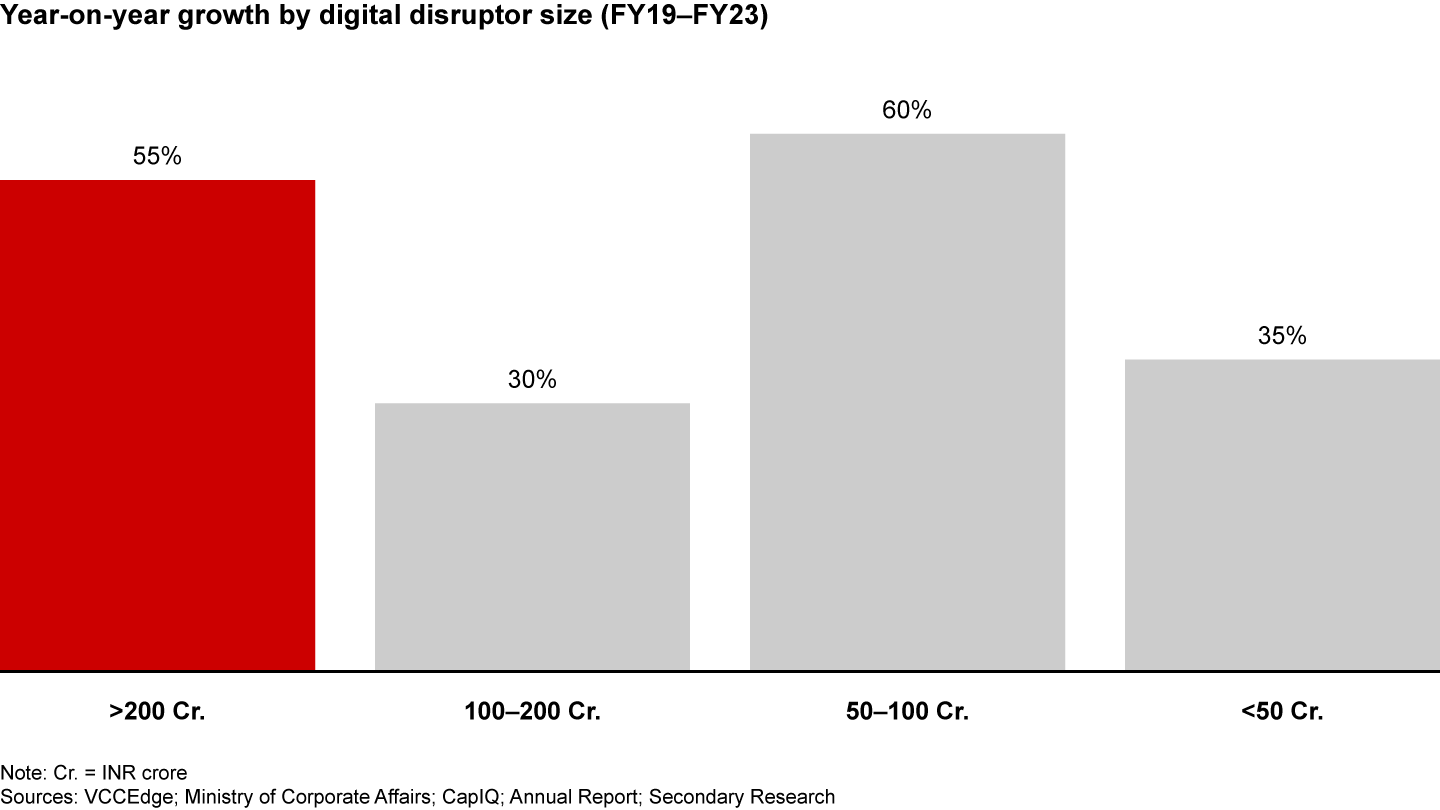
In recent years, favorable macroeconomic conditions have propelled the scaling of multiple digital disruptors. The initial growth phase up to INR 50 crore primarily revolves around establishing a product–market fit and developing a standout product to generate growth momentum. Subsequently, brands experience a breakout phase, usually between INR 50 crore and INR 100 crore, facilitated by funding that enables investments in assortment expansion, marketing, and channel expansion.
However, as brands surpass the INR 100 crore mark, they often encounter challenges in sustaining growth. These challenges arise due to unrelated product proliferation and inefficient marketing, resulting in operational complexities.
Brands that successfully break out and achieve more than INR 200 crore exhibit disciplined product expansion, structured channels, market strategies, and innovative supply chain management. Crossing the complexity barrier between INR 100 crore and INR 200 crore often leads to accelerated growth for these brands (see Figure 4).
Figure 4

Fashion demands a heightened level of discipline due to the ease of entering subcategories through outsourced production, coupled with the inherent difficulty in scaling within new subcategories. Brands often lose sight of sustainable growth and profitability by attempting to build technology infrastructure for scaling or pursuing expansions into unrelated categories requiring substantial upfront investments. Brands can scale when they prioritize a strong focus on product development and customer-centric strategies rather than pursuing blanket channel and business expansions.
Funding to shift toward apparel
In the last five years, the highest investor interest in terms of the number of companies invested in and fund value was observed in the BPC sector, followed by apparel (see Figure 5). However, it is likely funding will shift toward apparel brands as more fashion brands demonstrate a path to profitability or scaled growth.
Figure 5

Brand learnings
Brand archetypes
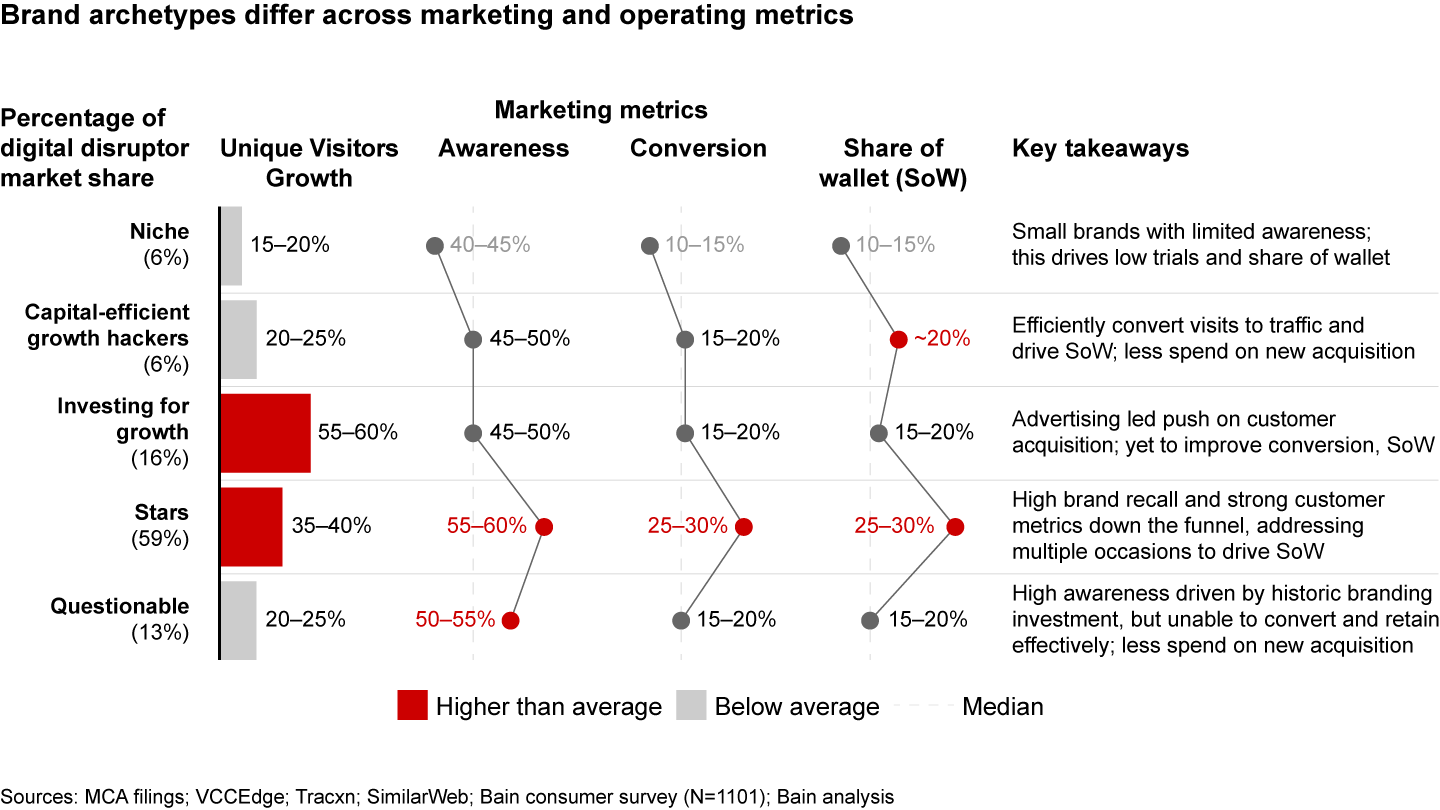
Analysis of the financial and operational metrics of over 150 digital disruptor fashion and lifestyle brands reveals five distinct growth patterns (see Figure 6). These archetypes are defined based on revenue, growth, profitability, marketing, and channel focus of brands:
- Niche brands: Typically up to INR 50 crore in revenue, and with 20% to 50% growth despite their low bases. Many of these brands have narrow product ranges and very focused marketing investments. Approximately 50% of brands are not funded.
- Capital-efficient growth hackers: Approximately 50% of these brands are also not funded. However, they have scaled to approximately INR 100 crore in revenue and grow fast, often at 70% year on year (YoY), despite limited but effective marketing spending. These brands usually have a focused product range with sharp value-led pricing and lean operations.
- Investing for growth: Some brands prioritize rapid growth, typically above 70% YoY from the outset, and often spend up to 50% of their revenue on marketing and brand awareness. For these brands, it’s crucial to achieve profitability within a defined time frame by reducing marketing investments as organic growth gains momentum.
- Stars: Typically brands that have scaled profitably to more than INR 300 crore with growth above 50% YoY and positive EBITDA between 5% and 20%. Their historic investments in a sharp brand and product enabled threshold scale. The brand typically owns the customer via a strong direct to-consumer (D2C) channel, while focused technology investments enable smart pricing, range and inventory management, and lean operations.
- Questionable: Several brands, particularly those generating revenue between INR 100 crore and INR 400 crore, face stagnation or high losses in their business. Historic investments are in the sharp brand and product-building-enabled threshold scale. However, poor execution (inefficient marketing and lack of product discipline) has hampered profitability. This further hampers the ability to continue to invest in customer acquisition.
Figure 6

Five key traits of winning brands can be summarized as follows:
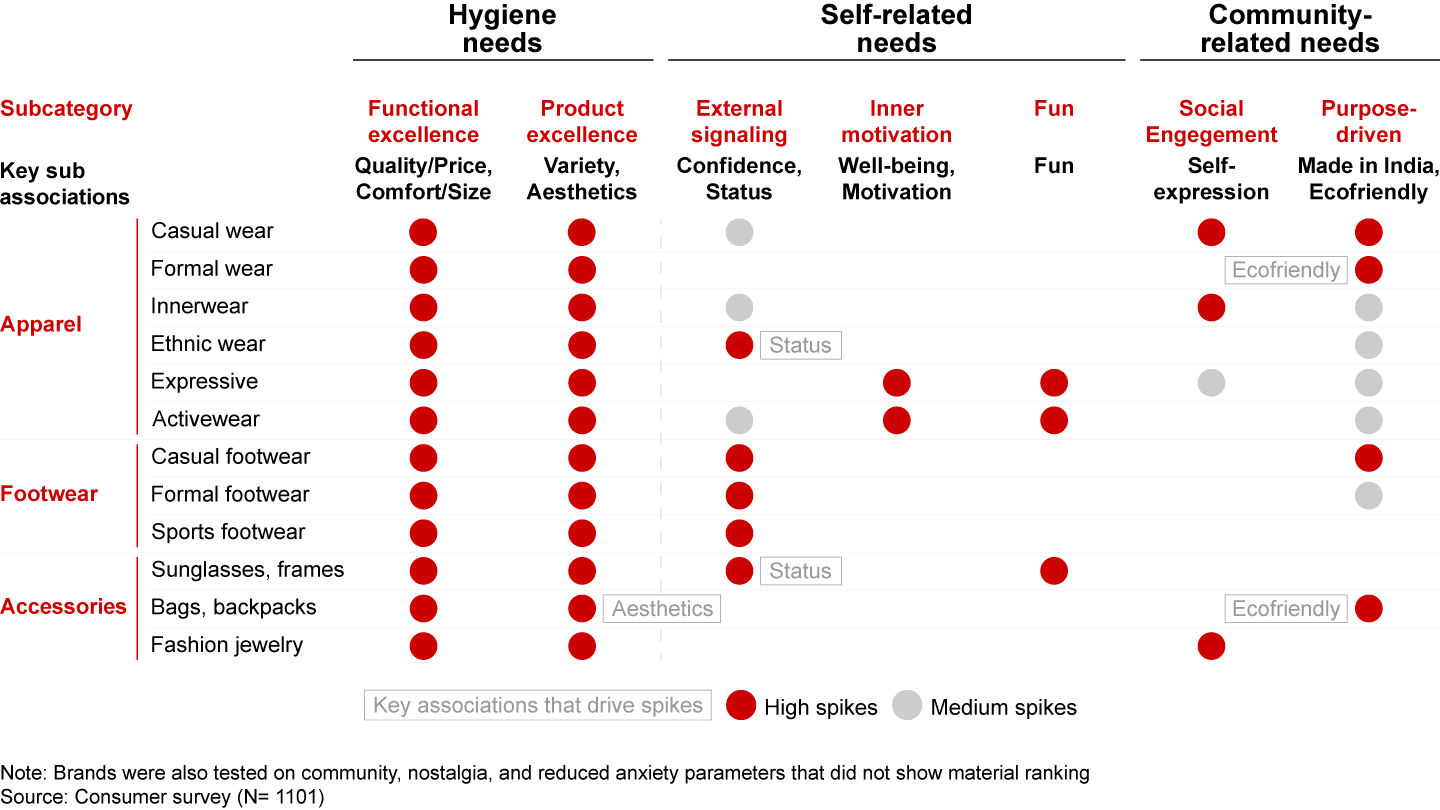
1. Sharp value proposition: Functional excellence is hygiene; winning brands need to spike on at least one more dimension
In recent years, rapidly growing new age brands across categories have developed distinct value propositions. At the same time, functional aspects, such as price, comfort, and fit, as well as product excellence factors, such as aesthetic appeal and variety, have become hygiene customer expectations.
For example, a rapidly growing women’s activewear brand emphasizes body positivity and confidence through inclusive sizing and relevant fits for Indians. Bain customer data suggests that their spikes on well-being, fun, and comfort mirror the expectations of customers from that category (see Figure 7). The brand carries this forward into marketing choices by eschewing big celebrities in favor of relatable people like gym instructors. The theme of mental well-being is reinforced by fun user-generated content that has high engagement on social media.
Another rapidly growing expressive wear brand anchors on fun memes by giving expression to them in trending products. This brand has also successfully driven premiumization by tapping into the latest media content to create branded merchandise that enables young customers to express themselves and their affiliations. Analysis of their social media traffic suggests that relevant mid-sized influencers who more authentically appeal to specific moments in time drive as much (if not more) interest and engagement than celebrities. Authenticity and relevance matter more than ever.
Figure 7

2. Building memorable brands: Nonlinear returns to brand awareness
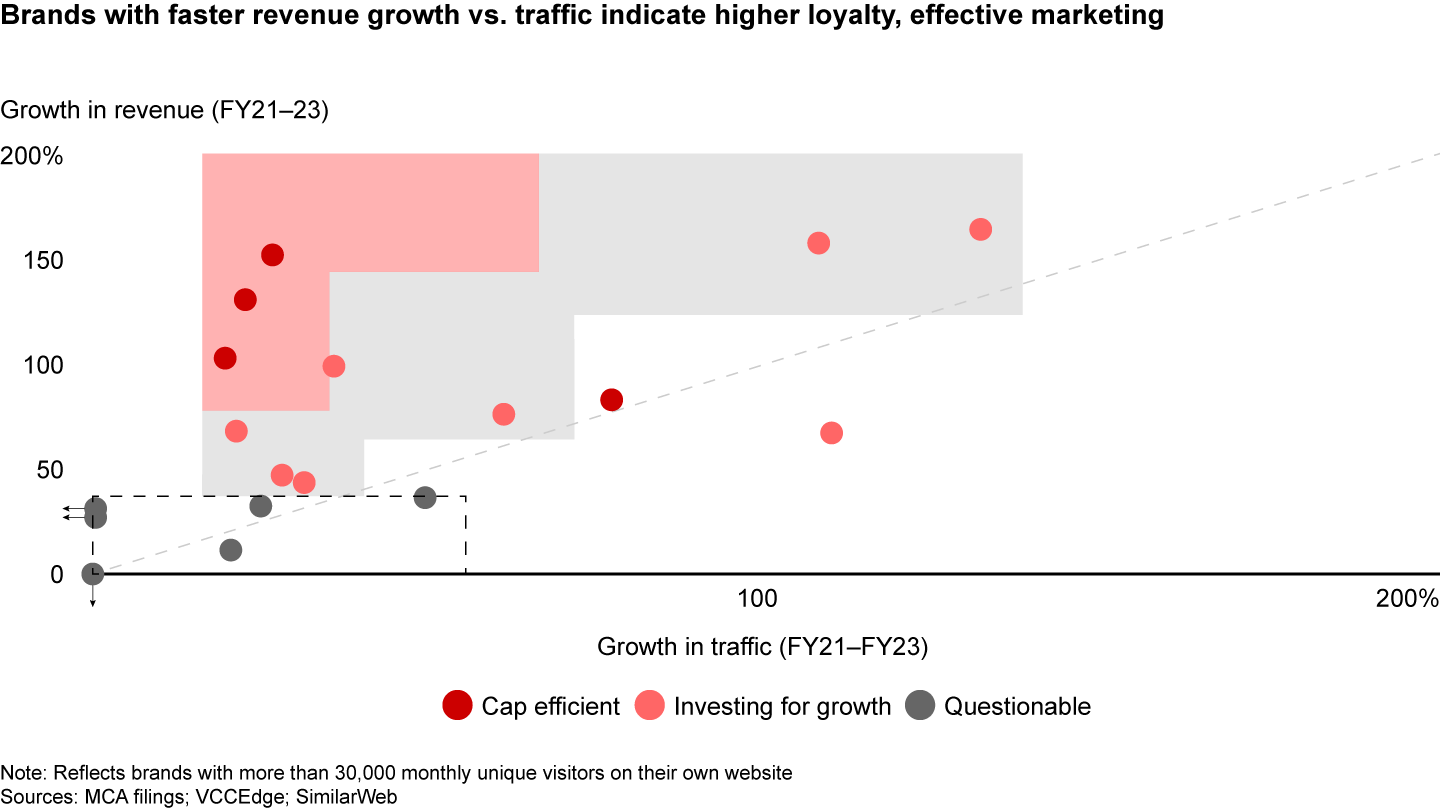
Building brand awareness is important since this also encourages a nonlinear increase in purchases. Brands with 60% awareness among the target audience have a 30% purchase rate, whereas brands with 30% awareness have a less than 10% purchase rate. With meticulous branding, including the creation of memorable and distinct brand assets, revenue growth typically outpaces customer traffic growth over time, driven by loyalty- and retention-led growth. Brands that have successfully scaled have typically allocated 40% to 50% of their early marketing spending on brand building, as opposed to being fully focused on performance marketing.
Capital-efficient brands show the ability to convert limited spending and traffic growth into high conversion and revenue growth (see Figure 8). Brands investing for growth are still buying traffic that converts linearly into revenue, but over time they should be able to find efficiencies from the higher investments in awareness.
Brand marketing can take different but equally successful paths. Successful digital disruptors are increasingly engaging customers through trending content translated to social media and further, to product design, for example, focusing the spotlight on young content creators and comedians in the case of expressive wear-led brands. At the other end of the spectrum, a popular celebrity-led lifestyle brand has managed to cut through the extreme clutter of the casual wear space. Tapping into India’s craze for sports celebrities, it has built a youth-focused and aspirational brand.
Successful brands typically manage marketing spends on marketplaces at approximately 10% of channel revenue for mass brands and 10% to 15% for mass premium and premium brands. For the D2C channel, marketing costs tend to increase, going up to 30% to 40% of revenue. Marketing spending decreases with scale and growth in customer base as organic and repeat sales increase.
Figure 8

3. Strategic product diversification in line with customer associations
Fashion assortments are typically broader than other categories. If 12% of products drive approximately 80% of revenue in BPC, the corresponding number is approximately 34% of revenue for kids wear, given the need for variety and various sizes. Brands catering to younger audiences with a fast fashion orientation can be even more distributed. For instance, even a brand that generates less than INR 100 crore in revenue in the specifically defined athleisure space carries around 290 options and has added four categories and approximately 220 options in the last year.
Fashion as a category is challenging given the need to balance width, depth, and freshness. Fashion brands, therefore, have a more pressing set of imperatives than brands in other categories:
- Tight planning and manufacturing flywheel based on demand sensing and customer listening, rapid and flexible manufacturing, performance marketing, and sales input that feeds back into demand planning. A fashion-focused casual wear brand with its own just-in-time manufacturing is able to maintain ready stock of blank T-shirts of approximately 10 core and seasonal colors and convert them into hundreds of graphic printed options quickly, based on demand trends.
- Optimal price and margin management based on quick feedback from sales translating into dynamic price and discount management.
Brands can retain relevance by owning a category across occasions and category entry points. The kids wear destination mentioned earlier has scaled by being the go-to choice for occasion wear across a wide range of occasions, while still maintaining a focused core assortment. However, unplanned category expansion typically does not scale well.
Significant category expansion potential may differ depending on the starting point of the brands. Typical expansion paths by subcategories include:
- Casual wear has multiple potential adjacencies in expressive wear, activewear, formal wear, innerwear, and sunglasses and accessories with meaningful scale. Most consumers consider casual wear the entry category, even for other categories.
- Activewear has strong inroads into casual wear and some potential for expansion to innerwear, sports footwear, and expressive wear.
- Innerwear brands have some potential to expand to activewear and casual wear.
- Sports footwear brands have shown strong inroads into casual footwear and some potential for activewear expansion.
- Some segments, such as ethnic and fashion jewelry, typically operate within core categories.
4. Optimizing the choice of channels as a lever to scale
The choice of channel entry depends on the brand’s value proposition, price segment, growth objective, and channel costs. Channel choices typically evolve over the brand’s lifecycle and with changing brand objectives. Having a balanced channel mix is critical as the brand grows to a meaningful scale, particularly with one channel feeding the other to establish a differentiated growth flywheel.
Owned customer channels (website and app) provide control over the customer experience and engagement and generate meaningful insights into customer cohort-wise behavior, cross-shopping patterns, etc. However, customer acquisition costs can be high on D2C channels (incrementally 20% or more of revenue vs. marketplaces).
Marketplaces provide the leverage of e-commerce infrastructure and higher traffic. However, the economics of selling on marketplaces is not without trade-offs. Mass brands can often leverage the traffic on marketplaces effectively. However, the cost of visibility and generating revenue can be higher for more premium brands. The choice and mix of online channels require a balance across categories, parts of the portfolio, and different target customers.
Digital disruptors are also increasingly looking to pursue (selective) offline expansion for brand building or revenue growth. Premium brands often opt for early offline expansion to enhance brand awareness and generate trial opportunities. Increasingly, most brands will shift toward a Pareto mix of sales-driven online and supported offline to manage brand visibility, engagement, and trials. Smart brands will also work with retailers to partner on customer data sharing and insights.
For example, a leading online-first eyewear company has rapidly moved to create an omnichannel presence to enhance customer experience after around three years of purely online sales. Within 10 years of starting offline, this brand has expanded to approximately 2,000 retail stores across India and currently drives most of its revenue from offline channels.
5. Driving efficiency and agility with operational levers
Digital disruptors must effectively track and employ key strategic levers to ensure efficient and streamlined operations with minimal overhead:
- Demand sensing: Utilize real-time sales data to promptly identify emerging styles and attributes for accelerated product development.
- Sourcing excellence: Cultivate a strategic supplier network for enhanced service-level agreements.
- Agile manufacturing: Implement modular production techniques, such as fabric blocking and increased throughput, coupled with delayed differentiation.
- Efficient logistics and warehousing: Establish a regional warehouse presence and optimize inventory management and operational processes to achieve low turnaround time.
- Stock clearance mechanism: Proactively sell slow-moving items at higher discounts to maintain inventory flow.
- Returns management: Enhance product description pages, size, and fit tools to provide comprehensive guidance to customers. Increase consumer inputs through reviews and FAQs to facilitate prepurchase decision making. Employ a transparent return process with a shorter return window of approximately 30 days post-purchase.
- Lean corporate structure: Employ a streamlined organizational setup to effectively manage costs and make targeted investments in technology that align with the brand’s proposition, thus avoiding high overhead costs.

About TMRW
TMRW is a tech-led “House of Brands” venture from the Aditya Birla Group. With an emphasis on fashion and lifestyle, the company’s strategic vision entails crafting a dominant House of Brands enterprise, exceeding the $1 billion benchmark, within the upcoming 5–7 years. Functioning as both a coach and a catalyst, TMRW assumes the pivotal role of nurturing these brands, steering them toward becoming the next generation of revered, consumer-adored labels. TMRW’s competitive edge derives from an extraordinary amalgamation of expertise in category and brand cultivation, blended seamlessly with cutting-edge digital-first capabilities and adept leadership. TMRW is focused on building large, enduring brands and deploying a balanced growth path with strong fundamentals and unit-economics.
Published in Eylül 2023