

Report

Executive summary
For the fourth consecutive year, Bain & Company partnered with Kantar Worldpanel to study the shopping behaviors of 40,000 Chinese households. As in previous years, we equipped research participants with barcode scanners to track what they purchased, rather than relying on what they said they’d purchased. This unique approach gives us a clear picture of the purchase activity of shoppers across 106 categories of fast-moving consumer goods (FMCG).
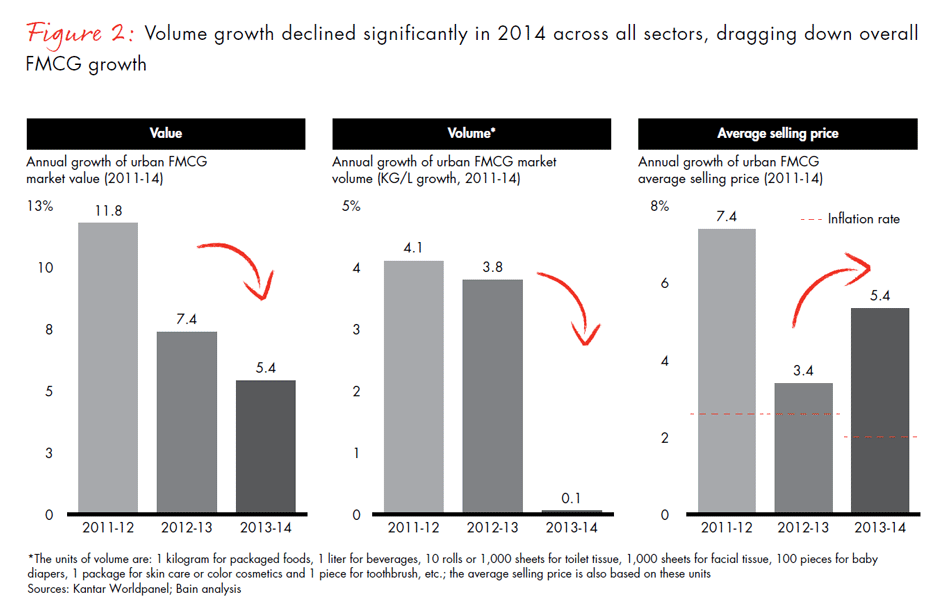
As expected, our findings showed a continued deceleration in growth for most categories of FMCG. In terms of total value, China’s FMCG market growth has moderated in recent years, dropping from 11.8% in 2012 to 7.4% in 2013 to 5.4% in 2014. This period of moderate growth has introduced a “new normal” for makers of FMCG, and winning brands will work quickly to understand its dimensions and adapt.
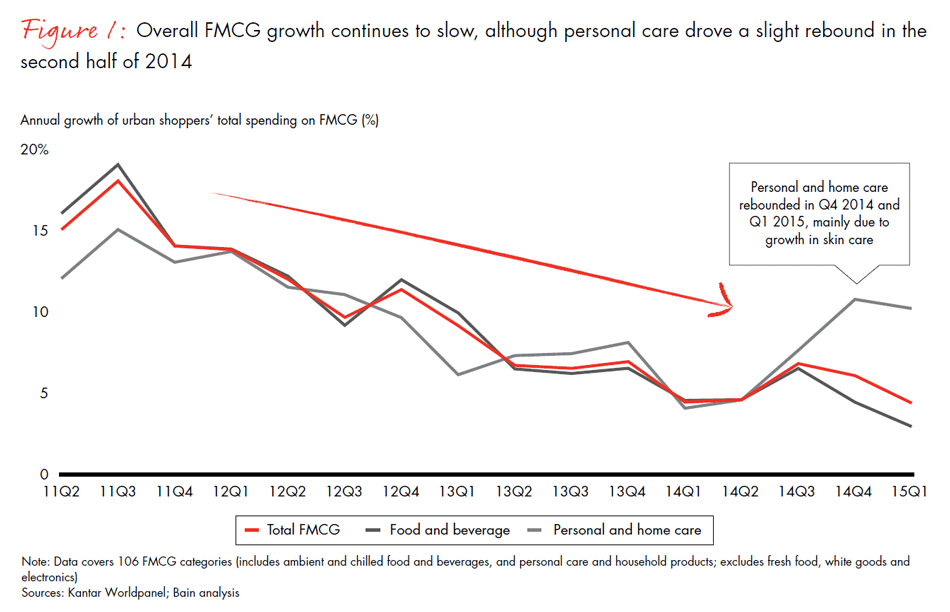
We conducted a deep analysis of 26 categories1 spanning four large consumer goods sectors—personal care, home care, beverage and packaged food—that represent about 80% of all FMCG purchases. In 2014, sales growth declined in each sector except personal care, which maintained its growth rate of around 8% in 2014 (see Figure 1). Sales growth was much higher in lower-tier cities (Tiers 3, 4 and 5) at nearly 8%, while it was 2% in Tier-1 and Tier-2 cities.
This year, we wanted to understand an important distinction within this slowdown: How much of it was coming from volume as opposed to pricing? In addition to analyzing pricing dynamics, as in previous years, we also researched channel performance and compared the success of Chinese FMCG companies with their foreign counterparts.
Among our key findings: Total FMCG volume remained flat in 2014 compared with 2013, the result of slowing growth across most sectors and a decline in volume for the packaged food and beverage sectors. On the positive side, price levels recovered in 2014 after a drop in the previous year, mainly due to higher average selling prices in the beverage and personal care sectors (see Figure 2). Our analysis also found a huge range in average price growth among categories every year from 2012 to 2014: Some categories’ average prices rose as much as 14% annually; others fell below the inflation rate of 2.5%, with a couple reaching negative price growth.
As modern trade expanded across China, FMCG value purchased from traditional grocery stores grew by less than 1%. However, the expansion of modern trade reflects a major contrast. Under pressure, hypermarkets grew by only 3.7% in 2014, while supermarkets, mini-marts and convenience stores grew by 9%. Online shopping continued to boom, with total FMCG categories gaining in online penetration, frequency and volumes per order.
In aggregate, local brands gained share over foreign competitors for the third year in a row. In 2014, local brands gained share in 18 of the 26 categories in our study, and grew on average by 10%; meanwhile, the foreign brands gained share in only eight categories and grew by a mere 3%.
These trends can help FMCG companies not only better understand the directions that markets are taking but also determine the best ways to use those trends to succeed amid the slowing growth. Despite the tougher environment, shoppers do display predictable purchase patterns and companies can outperform rivals by understanding those patterns.
Above all, brands can win by remembering that penetration is the primary way to build big brands. (Penetration is defined as the percentage of households in a market buying a particular brand at least once in a given year.) This is a key insight from the research of the Ehrenberg-Bass Institute for Marketing Science, summarized by Professor Byron Sharp, director of the Institute, in his book How Brands Grow, based on decades of observations of buying behavior. As we have shown in previous China Shopper Reports, penetration is the critical factor for gaining market share in China. Brands can take advantage of the opportunity to expand in faster-growing, lower-tier cities, where consumers are still developing their aspirations for quality products by understanding the nuances of category dynamics. They’ll know, for example, if their category lends itself to premiumization or if it’s a category with little room for higher prices—in which case, brands can improve performance through targeted and efficient promotional activities. It’s also important to pursue FMCG growth opportunities in China’s still-booming e-commerce market, which provides an increasingly efficient way to reach and recruit shoppers across China.
Full report
China’s decelerating FMCG market
In line with the deceleration of China’s overall economy, sales value growth continued to slow across most of the FMCG sectors we studied—packaged food, beverage and home care. The moderated growth took place across all city tiers, though sales in lower-tier cities grew at higher rates than in China’s biggest cities.
The change is dramatic. Growth steadily declined from nearly 12% in 2011–2012 to 5.4% in 2013–2014 to 4.4% in the first quarter of 2015. Our research shows a slight uptick in sales value growth in the second half of 2014, which was primarily due to healthy sales of skin care products, especially smaller brands (overall, the larger brands lost share to the smaller brands) and mask and toner products, as well as strong sales for specialty stores and from online and overseas purchases.
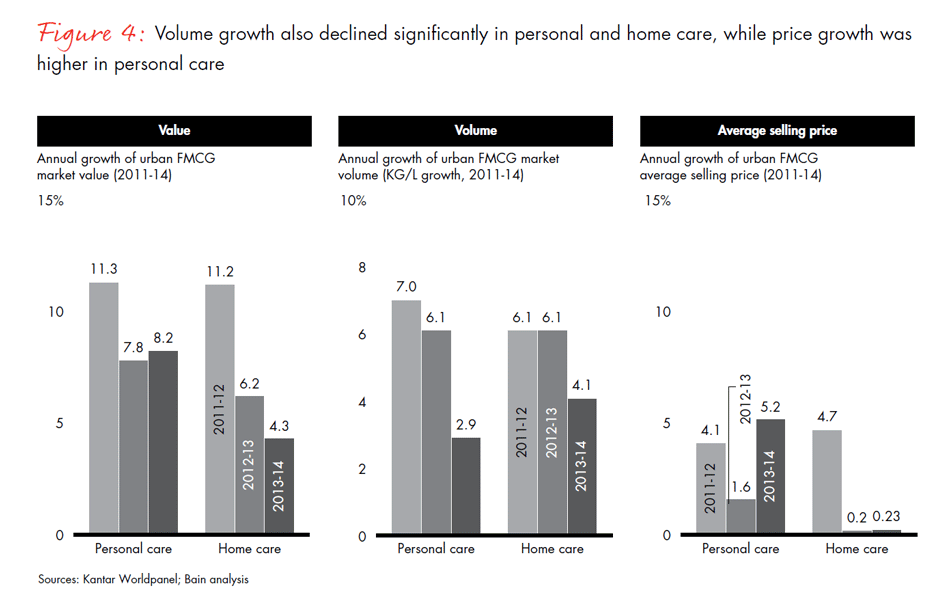
The value growth decline was due to a dip in volume growth across the home care and personal care sectors as well as an actual decline in volume for the packaged food and beverage sectors (see Figure 3) compared with the prior year. Higher average prices in 2014 compared with 2013 in total FMCG partially offset the adverse volume growth trend. In fact, average prices rose by 5.4%, more than twice the rate of inflation, with beverage and personal care products making the biggest gains (see Figure 4). Consider yogurt and milk, two of the largest beverage categories: The average selling price of yogurt jumped nearly 17%, and the price of milk rose by more than 9%.
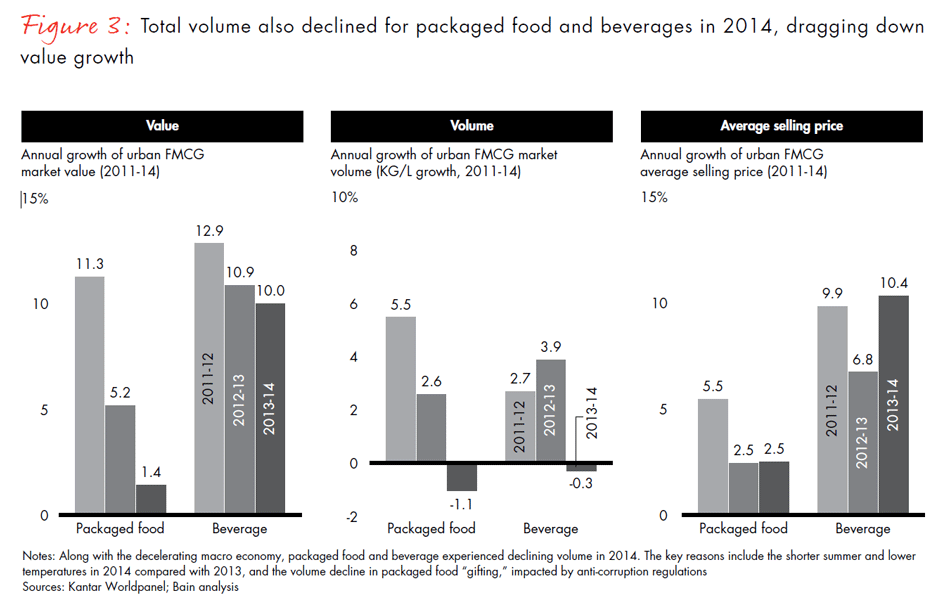
There are distinct reasons for the dramatic drop in volume growth in some categories. For example, weather played a major role for the beverage category. China experienced an unusually hot summer in 2013, contributing to higher beverage volume that year. By comparison, the summer of 2014 was cooler, so consumers bought fewer beverages. Anti-corruption efforts that continued throughout 2014 also took a toll on the packaged food and beverage categories, which consumers traditionally receive as gifts.
According to China’s National Bureau of Statistics, the number of urban households steadily increased at 2.6% per year since 2011, contributing to volume growth. However, the growth in spending per household slowed to the rate of inflation and remains much lower than the disposable income growth rate (see Figure 5). The bottom line: Chinese consumers are spending less of their disposable income on consumer goods.
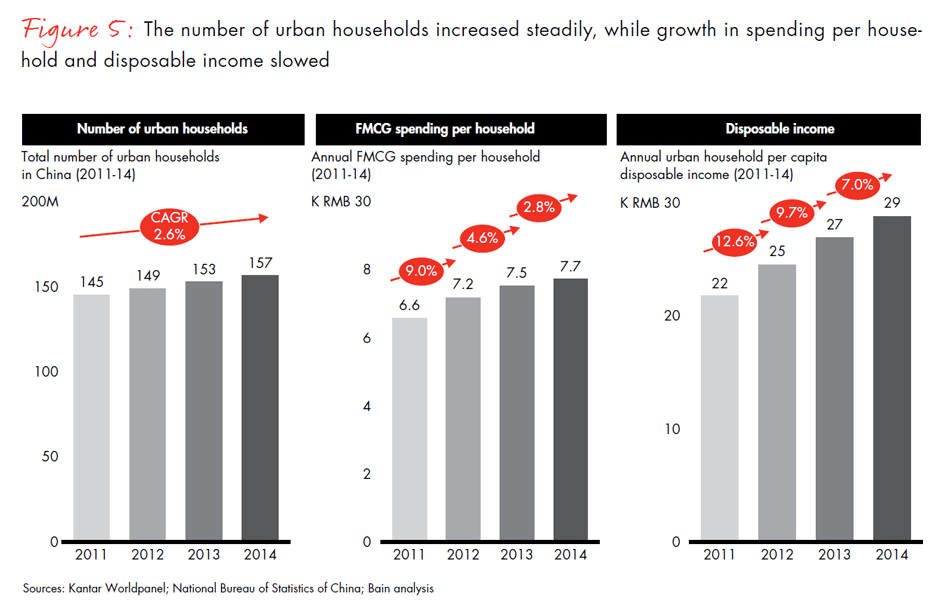
A possible explanation for this trend is that Chinese consumers spend more in other consumer categories such as travel and leisure, cars, smartphones, and environment-related products such as air purifiers and water purifiers, all of which achieved double-digit growth. This trend also reflects the maturing stage of the Chinese consumer market: Shoppers are spending less of their disposable income on daily necessities and more on lifestyle categories.
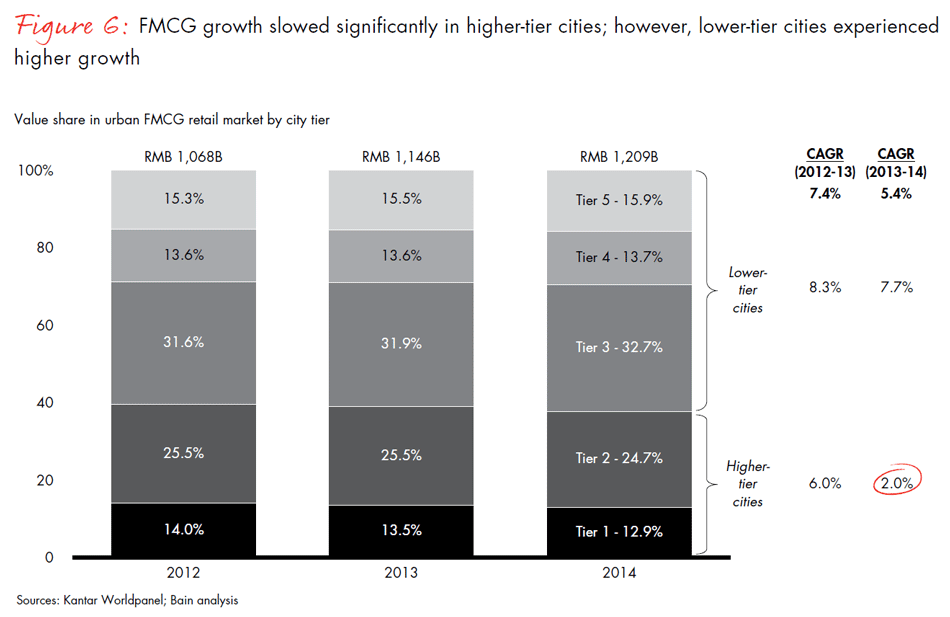
China’s higher-tier cities remain a critical market for FMCG players. However, that’s not where the growth is strongest (see Figure 6). FMCG growth slowed significantly in Tier-1 and Tier-2 cities. There, the value of the overall urban retail market only rose by a compounded annual rate of 2% in 2014, compared with 7.7% annual growth in lower-tier cities (Tiers 3, 4 and 5). Following a similar slow-growth pattern set by Tier-1 cities in recent years, Tier-2 cities have witnessed a substantial deceleration—from 7.4% growth in 2013 to 2.3% in 2014. Not surprisingly, we see many FMCG companies redeploying their marketing and sales resources toward lower-tier cities.
Pricing dynamics: Premiumization vs. commoditization
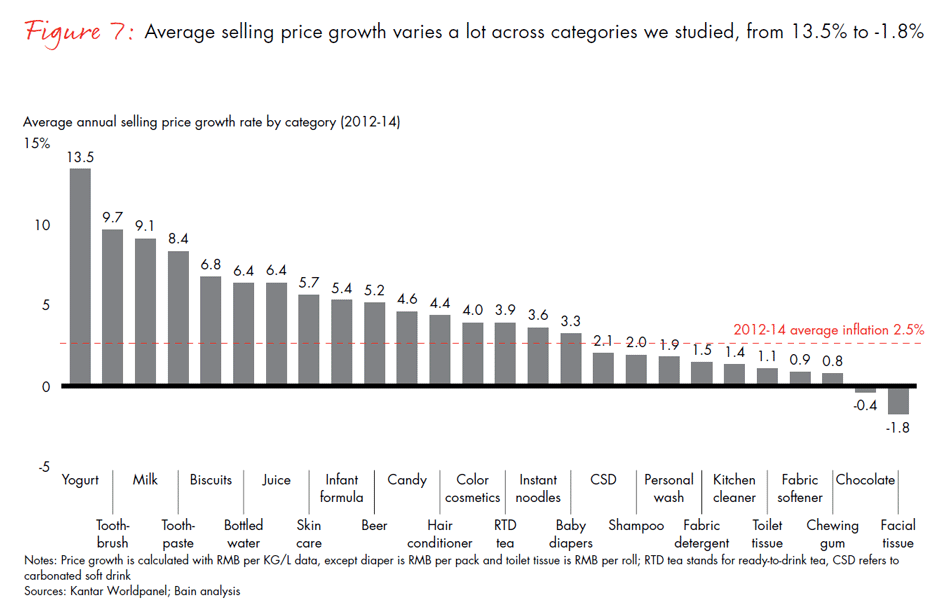
When it comes to pricing, not all consumer categories are alike. In some, Chinese shoppers are willing to pay higher prices. Indeed, we found a huge range in average price growth every year from 2012 to 2014 across the categories we analyzed. For example, the average selling price for yogurt jumped by 13.5% annually, while facial tissue suffered a 1.8% annual drop in average price from 2012 to 2014 (see Figure 7).
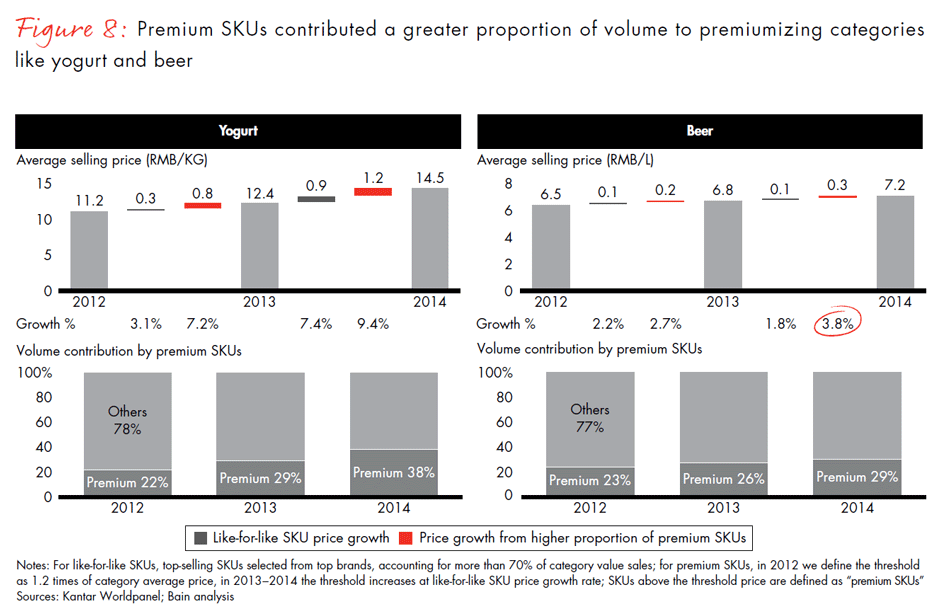
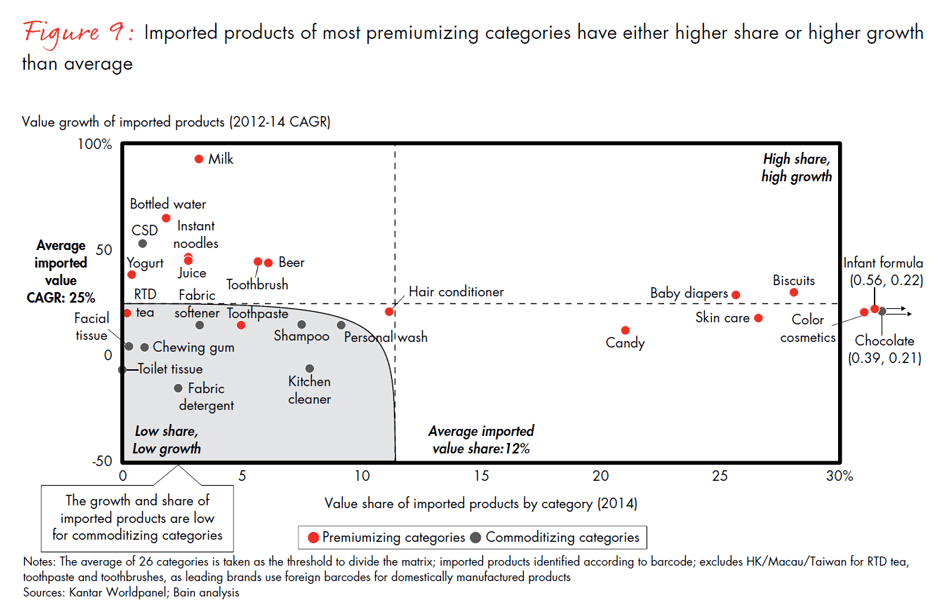
We segmented categories into those in which average prices grew more than China’s inflation rate (premiumizing categories) and those that grew less than inflation (commoditizing categories). The 16 premiumizing categories were related to health, improving the quality of a consumer’s life or ones in which consumers had the option to trade up to more premium SKUs (we define premiumness as the percentage of a category sold at a 20% price premium to the average category price). For example, such trading up occurred in yogurt, beer, bottled water and skin care, all of which showed a significant increase in the share represented by premium SKUs. In fact, a full 38% of the volume in yogurt sales came from premium SKUs. Imported products account for a large portion of these premium SKUs, and these are growing at a faster rate than domestic products (see Figures 8 and 9). This is particularly true in categories where health concerns are an issue for consumers, who may view imported goods as safer than domestic products.
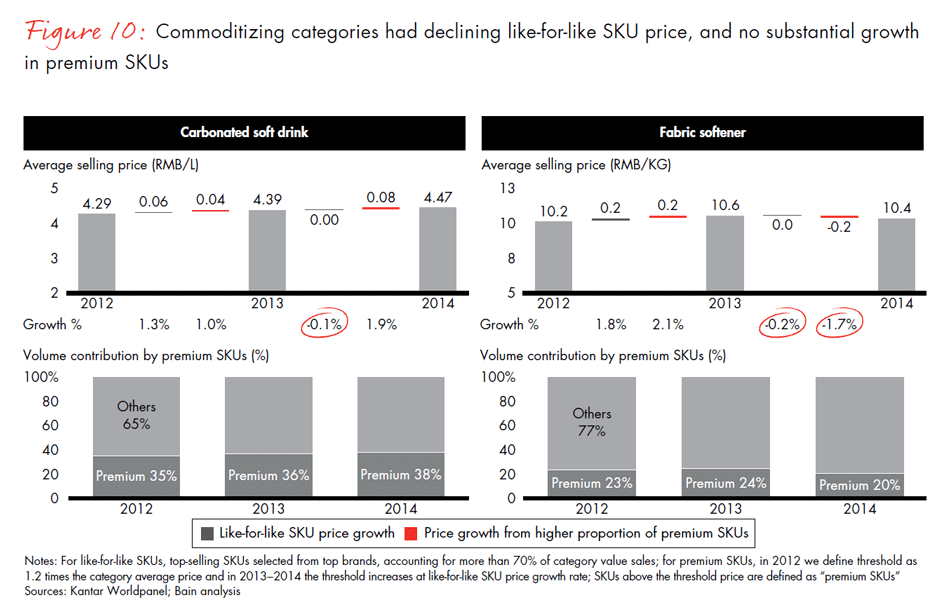
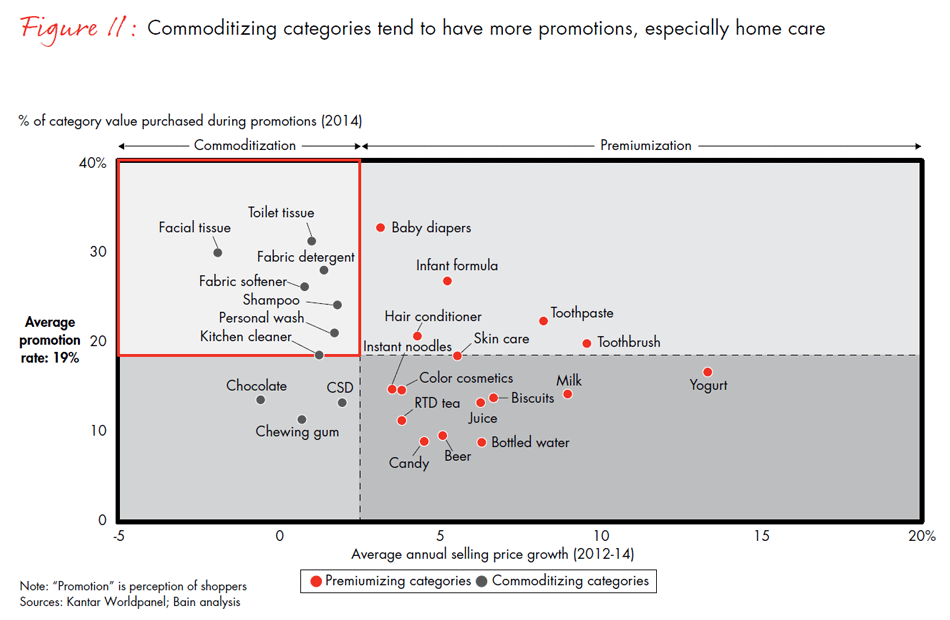
By comparison, we identified 10 categories, such as carbonated soft drinks and fabric softener, where the opposite pricing dynamic occurred. For example, the average selling price of carbonated soft drinks rose only 2.1% annually from 2012 to 2014 and the price of fabric detergent rose only 1.5% annually. The price of toilet tissue rose only 1.1% annually, the price of chocolate decreased by 0.4% annually and the price of facial tissue decreased by 1.8% annually from 2012 to 2014. We found that, as a rule, products in low-price-growth categories are bought on promotion more frequently than products in other categories. Consider that, on average, 19% of FMCG goods were purchased on promotion in 2014. But 32% of toilet tissue and 28% of fabric detergent, both commoditizing categories, were bought on promotion last year (see Figures 10 and 11).
Channel evolution: China embraces smaller modern formats and online shopping
China’s shoppers have eagerly embraced the two major revolutions in retailing: the continued expansion of modern trade and the wildfire growth of e-commerce. Modern trade’s expansion has encroached on traditional trade. The growth rate for traditional grocery stores fell to 0.6%, lower than the inflation rate (see Figure 12).
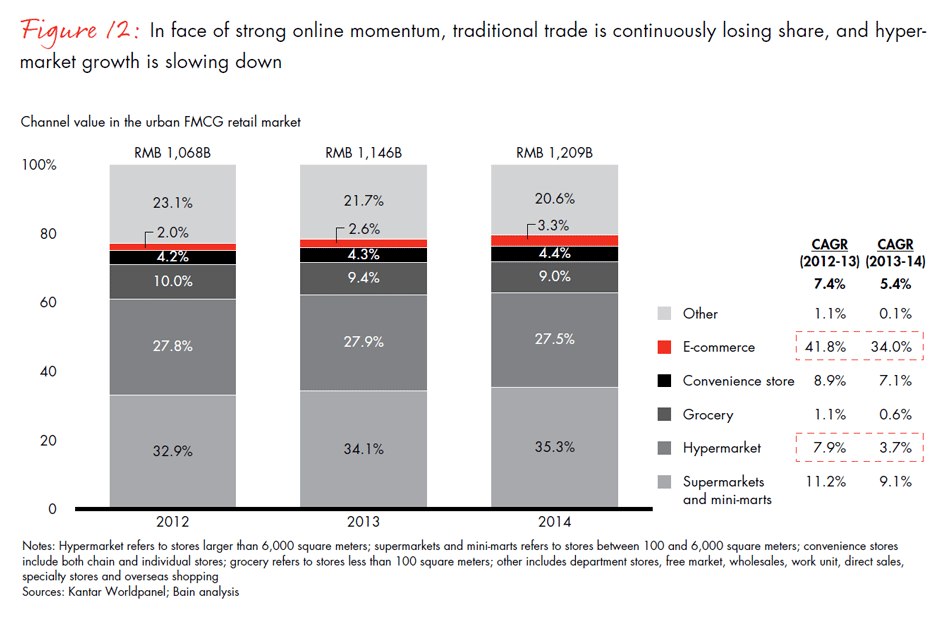
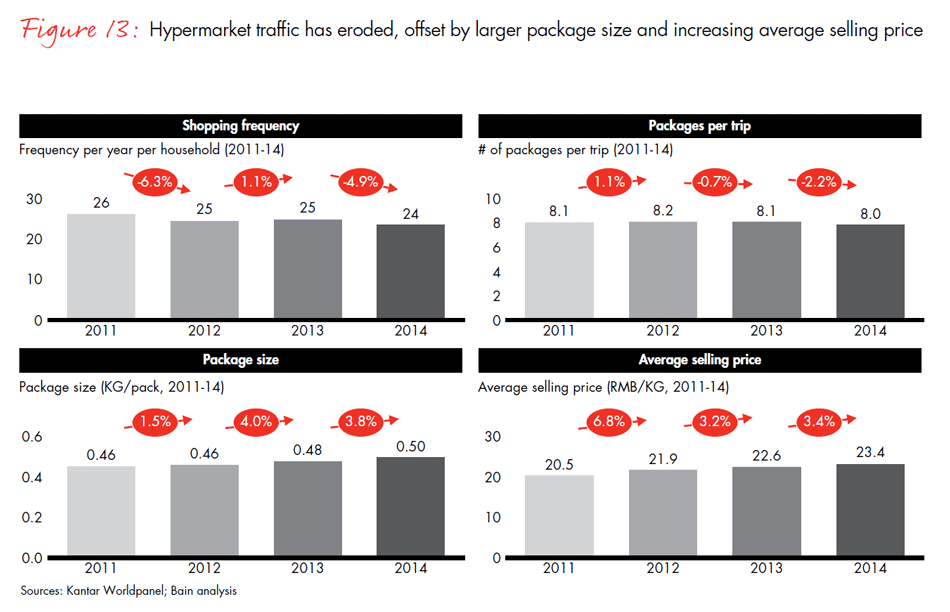
However, modern trade is expanding unevenly, so for the first time we separately tracked the performance of hypermarkets and that of supermarkets, mini-marts and convenience stores. Hypermarket growth rate slowed by more than half, declining from 7.9% in 2013 to 3.7% in 2014. Families made 5% fewer trips to hypermarkets in 2014 and bought fewer packs per visit, although larger pack sizes with higher average sale price helped compensate (see Figure 13).
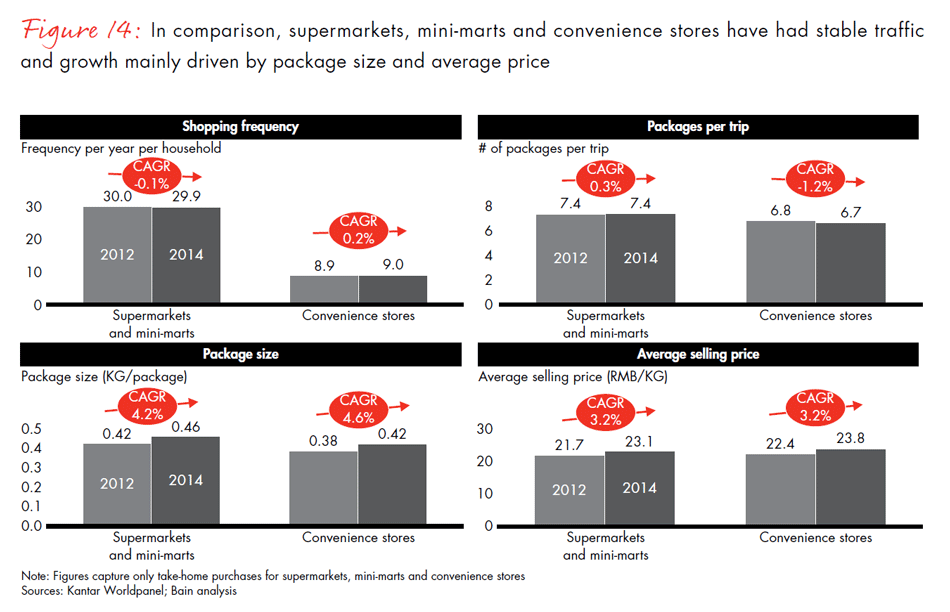
While traffic eroded and growth slowed dramatically for hypermarkets, traffic remained stable for smaller-format supermarkets, mini-marts and convenience stores. This dynamic represents an opportunity for retailers to offer stores that provide convenience for increasingly cash-rich, time-poor urban consumers. Growth for supermarkets and mini-marts only decelerated from 11.2% in 2013 to 9.1% in 2014. Convenience store rate of growth dropped from 8.9% to 7.1%. Both channels expanded faster than the 5.4% overall urban FMCG retail market rate. These smaller-format channels also are benefiting from increases in both package size and average selling price (see Figure 14).
Just as mini-marts and other brick-and-mortar stores spread across the country, China has emerged as the world’s largest digital retail market. Online sales now represent 3.3% of all FMCG sold, with the promising channel’s sales growing by 34% in 2014. Online penetration reached 36% in 2014, with the average shopper making four FMCG purchases online in 2014—a 7% increase over 2013. Volumes per order have risen, too (see Figure 15). Online shopping kept this momentum throughout the country and across all categories in 2014.
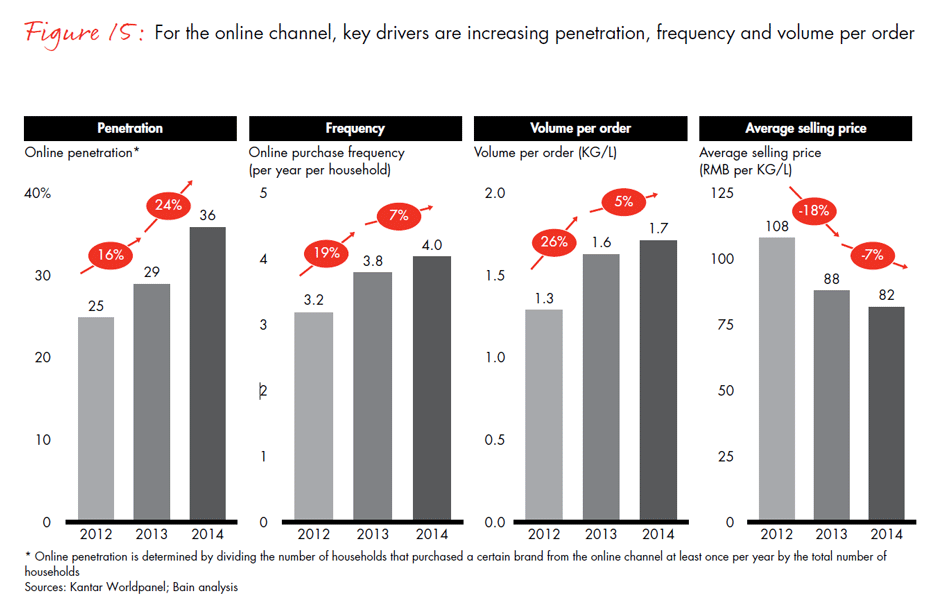
Our research found that 76% of online shoppers purchased no more than four times a year. As a group, these infrequent shoppers represent 36% of online spending. This suggests further room for growth in the future.
Online penetration and purchasing frequency increased across all city tiers in 2014, with notable patterns evolving. The highest penetration and purchasing frequency is in Tier-1 cities, more than twice the rate of Tier-5 cities. But in Tier-1 cities, volumes per order remained stagnant and average selling prices have fallen below those in any other city tier (see Figure 16).
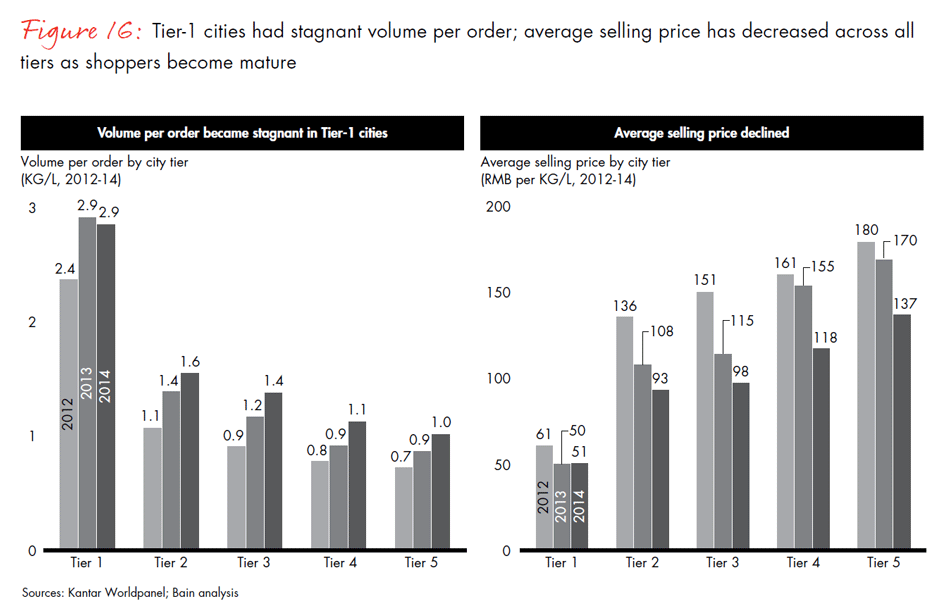
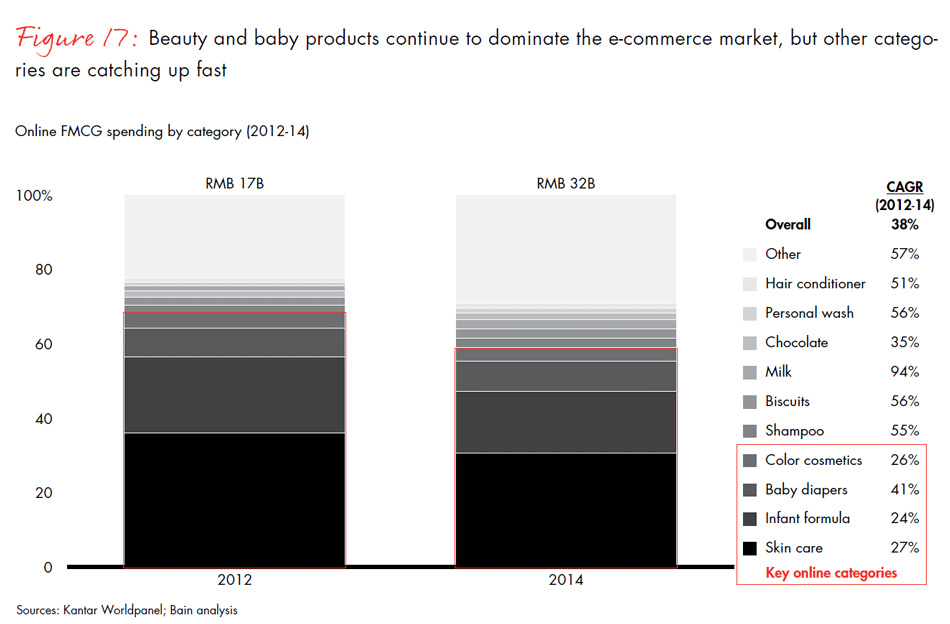
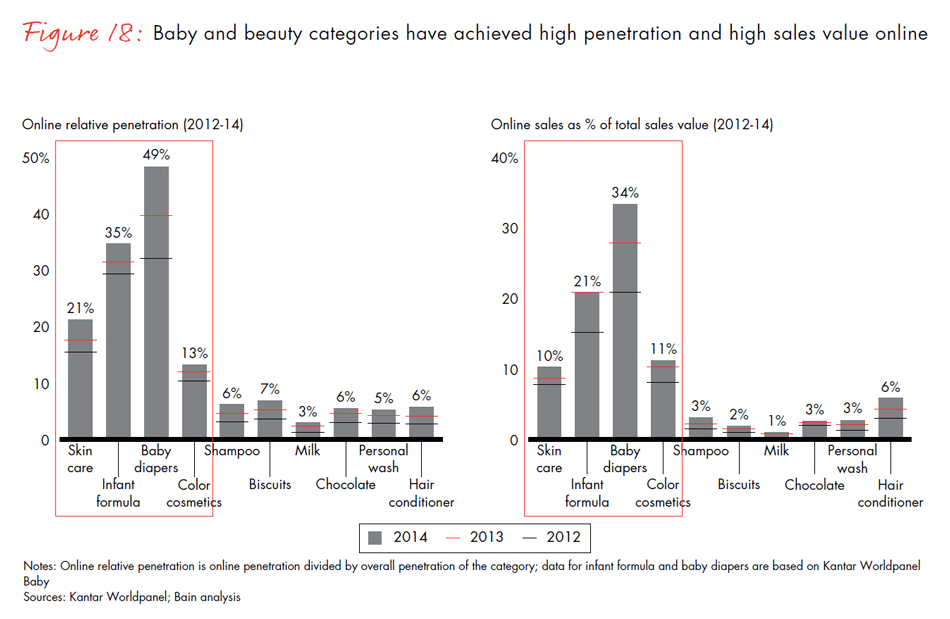
An interesting trend has surfaced in our research: As shoppers become more comfortable with online shopping, the average selling price for FMCG products purchased online has declined. Among FMCG categories, beauty and baby products dominate online sales (see Figure 17). It’s to the point where skin care products, infant formula and baby diapers account for more than half of all FMCG online sales. These dominant categories outpace other consumer goods categories in both online penetration and sales (see Figure 18). The typical online consumer goods shopper starts out with these relatively high-priced categories. However, as they become more active online, they usually expand their purchasing activity to categories with lower average selling prices. Despite this pattern, the average price point online remains significantly higher than in modern trade, reflecting a very different mix of purchases online and offline.
Online sales in China are supported by a rapid expansion of the infrastructure that is smoothing the flow of e-commerce and quickly making it a more viable alternative to traditional retail channels for FMCG consumers. For example, the country’s third-party online payment systems are sophisticated by any standards, and they have flourished in part because of their convenience.
Meanwhile, China’s logistics system has also advanced in dramatic fashion. Last year, express companies delivered 9.2 billion parcels, with six large, branded shipping companies each distributing more than 1 million packages a day. Economies of scale have helped these logistics companies to cut the cost of deliveries by about half. Thanks to heavy investment by logistics players, an e-commerce retailer now can deliver merchandise to the majority of Tier-1, Tier-2 and Tier-3 cities within two days—and to the rest of the country within four days.
China’s shoppers are also rapidly making the leap to mobile retail. In fact, the country may lead the world in mobile commerce sales this year. Bain analysis found that fully 80% of Chinese consumers who bought online in 2013 made at least one purchase from a smartphone; 20% are weekly mobile shoppers. That’s why some companies have invested in mobile apps that make it easy for customers to browse and purchase from their phones.
Chinese vs. foreign brands: The battle continues
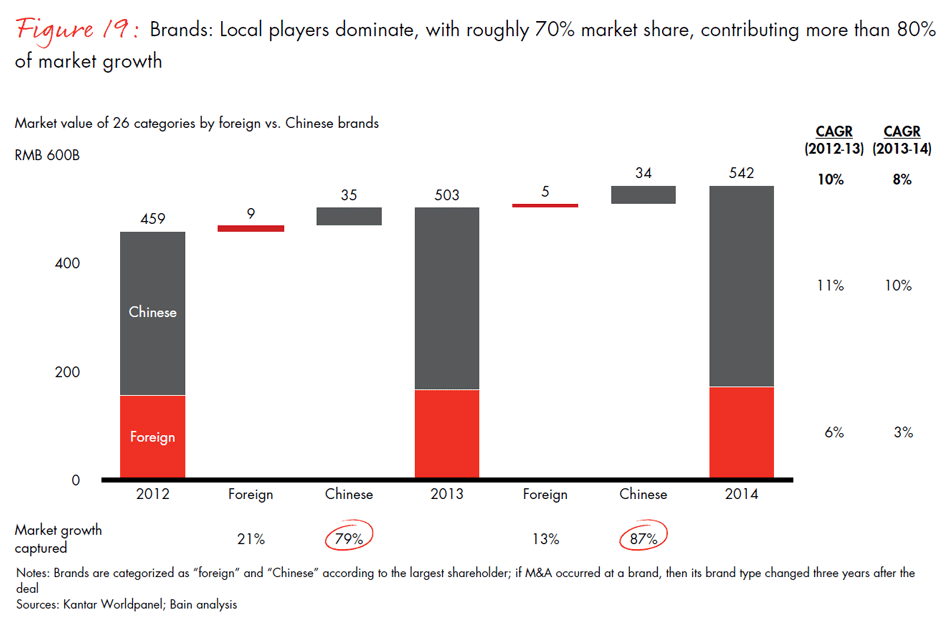
For the third year in a row, domestic brands gained share over their foreign competitors in the selected 26 categories. Domestic companies grew by 10% in 2014, on an aggregate basis, and continue to rule the market. They now account for approximately 70% of the market value of these 26 categories (see Figure 19). These local brands have contributed the lion’s share of market growth in 2014—as much as 87%. Local companies won share over foreign companies in 18 categories, with the biggest gains occurring in skin care, fabric softener, color cosmetics, infant formula, juice and biscuits.
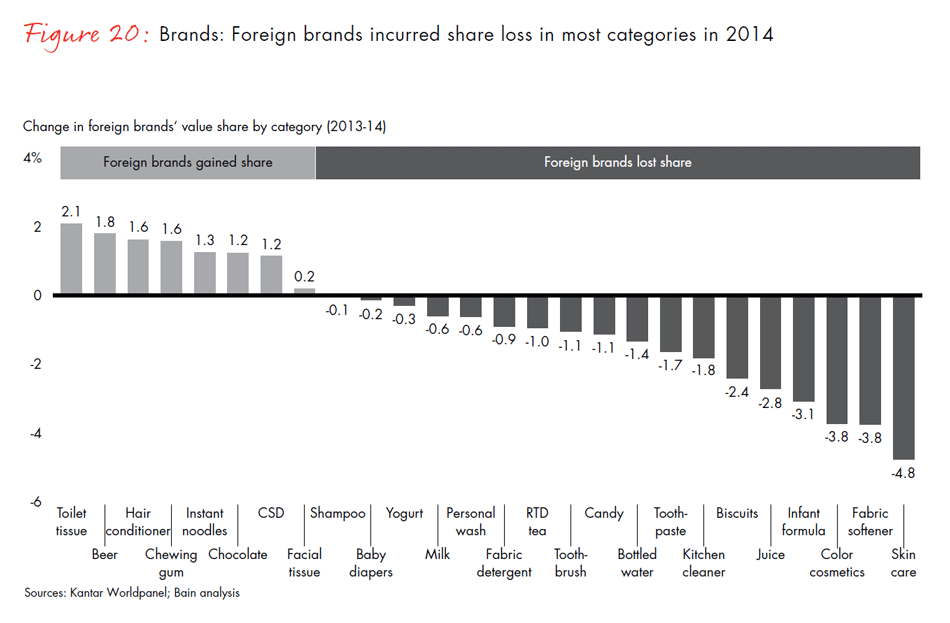
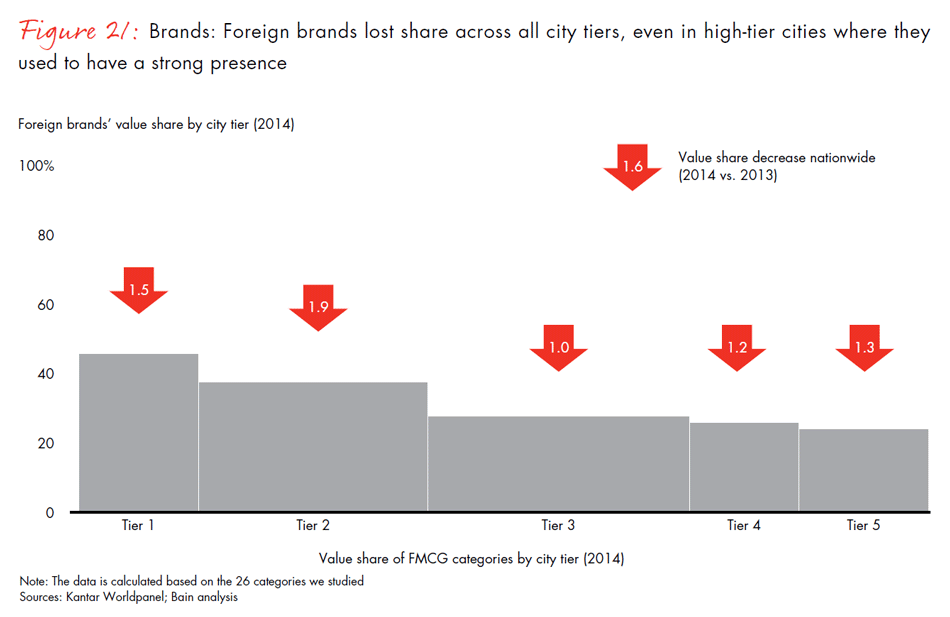
Overall, their foreign counterparts experienced 3% growth. Foreign brands lost share in most categories, gaining share in only eight categories, including toilet tissue, beer, hair conditioner and chewing gum (see Figure 20). These foreign companies lost share in all city tiers but particularly in China’s biggest cities, where they previously were competitive (see Figure 21). This analysis represents an overall view by category and city tier. It doesn’t mean that individual foreign brands are failing to gain share in their respective categories. It does show that, generally speaking, Chinese companies are becoming more competitive over time, and are able to leverage their stronger presence in lower-tier cities, which are achieving higher market growth.
Among the 26 categories analyzed for this report, Chinese brands took the largest shares in many food and beverage categories. The only exceptions are categories like chocolate, chewing gum, carbonated soft drinks and infant formula—categories that foreign companies introduced.
Local brands made gains across 18 categories by relying on well-devised and well-executed strategies designed to appeal to China’s shoppers. For example, in skin care, domestic brand Pechoin advanced by starting from lower-tier cities and expanding its penetration into larger markets with upgraded products and a premium brand image. Fabric softener maker Guangzhou Liby made its gains through increased and targeted marketing investments, such as its sponsorship of the popular TV program I Am a Singer.
A similarly media-heavy investment helped cosmetics brand Kans boost its penetration in offline channels to gain share against foreign competitors. In the juice category, Tian Di No. 1 won because its product portfolio serves Chinese consumers’ increasing demand for nutritious and healthy beverages. Another new brand, Mushroom, won in biscuits by innovation based on its local health heritage. Mushroom was launched by a pharmaceutical company in late 2013 and promotes an image of both health and premium quality. In 2014, it gained nearly 2% market share against foreign rivals. As a new brand, it now faces the challenge of sustaining that success over time.
Despite the strong performance by local brands, foreign FMCG companies gained share in eight categories. For example, Breeze (part of Asia Pulp & Paper group) toilet tissue’s heavy promotion of key SKUs contributed to a 2.1% increase in market share. Both Budweiser and Heineken took share from local beer brands, the result of consumers’ desire to trade up. In the hair conditioner category, L’Oréal gained market share by expanding distribution in lower-tier cities, deploying in-store hair care advisors and launching new products such as Mythic Oil and Extraordinary Oil. Schwarzkopf advanced by introducing premium product lines like Freshlight and Ultime. And Stride’s channel expansion and product line extension helped it capture an additional 2.4% market share in the gum category.
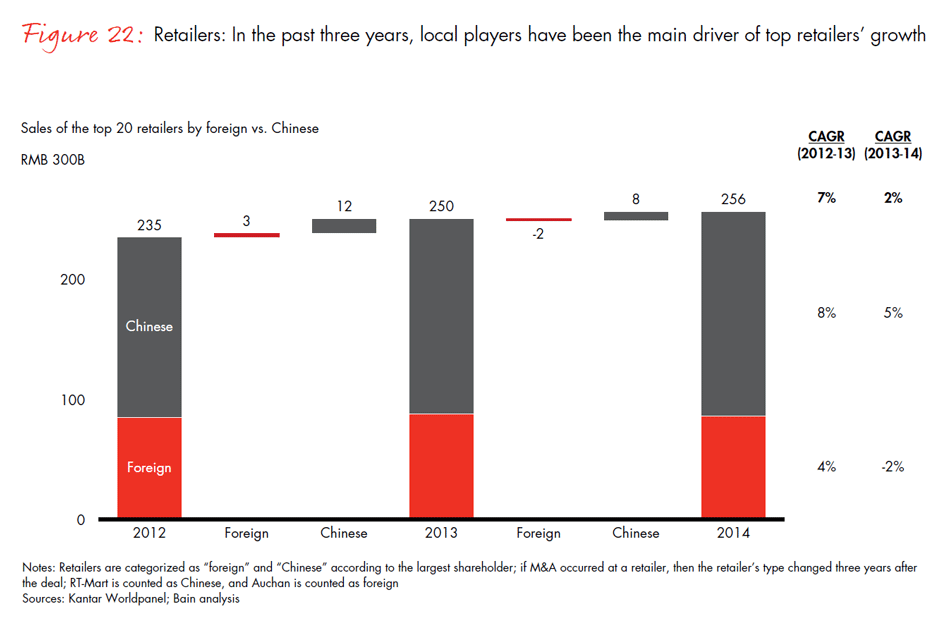
As part of our research, we also tracked the performance of local and foreign retailers. We determined that in retailing, as in consumer products, local companies achieved most of the growth (see Figure 22). We will elaborate on this retailing research in volume 2 of the China Shopper Report 2015.
Implications for brands
These findings reflect a new normal for FMCG players in China. Slower growth—especially in the biggest cities— has become the standard. Pricing dynamics are coming into sharper focus. Channels are shifting. Domestic brands continue to gain ground. These trends have led consumer goods companies, both foreign and local, to take a hard look at their cost structures and their operating models. Saving costs and speeding up decision making and execution are key enablers that allow additional investments in brands and route-to-market capabilities. The trends offer opportunities, and FMCG companies that wish to grasp them should be focusing on the following:
- As higher-tier cities mature, target shoppers in faster-growth, lower-tier cities who are still developing their aspirations for quality products.
- Clearly understand your category dynamics. If your category lends itself to premiumization, consider creating an appropriate product portfolio or investing in innovation to allow a price premium. Because relatively few innovations contribute to sustainable growth, focus on innovating or renovating “hero” SKUs—those with the highest potential to win with shoppers and retailers today and tomorrow. In commoditizing categories, make efficient use of targeted promotions to add value and encourage new shoppers.
- Invest to understand how to use China’s booming e-commerce market to reach and recruit new customers to boost penetration. Prioritizing a digital strategy is necessary, as consumers and competitors are going digital. Some companies will even consider a full digital transformation, in which their entire operating model is redefined around new digital capabilities in marketing, e-commerce, logistics and customer relationship management (CRM).
- Make the most of the growth in supermarkets, mini-marts and convenience stores by adapting product offerings to these smaller store formats and shopping occasions. Drawing heavily on shopper insights, understand the rules of your category and the sales drivers you need to pursue.
- Both local and foreign brands must find the most relevant and well-executed strategies to win Chinese shoppers by adapting and evolving rapidly to the “new normal.”
All of these opportunities should be executed in the broader context of the fundamental focus on driving household penetration, which is the primary way to build big brands.
The steady path for brands to earn penetration requires continuous investment in three key assets: building on existing memory structure to get more shoppers to think about a particular brand as they shop, simplifying and rationalizing product portfolios to focus on critical hero SKUs that have the highest potential to win with shoppers, and perfecting in-store activation at the point of sale to ensure superior visibility and distinctiveness and to make the shopper’s decision to purchase your brand an easy one.
Bruno Lannes is a partner with Bain’s Shanghai office and leads the Consumer Products and Retail practices for Greater China. Weiwen Han is a partner with Bain’s Shanghai office. Jason Ding is a partner with Bain’s Beijing office. Fiona Liu is a manager with Bain’s Shanghai office. Marcy Kou is CEO at Kantar Worldpanel Asia. Jason Yu is general manager at Kantar Worldpanel China.
1 These 26 categories are a) packaged food: biscuits, chocolate, instant noodles, candy, chewing gum and infant formula; b) beverage: milk, yogurt, juice, beer, ready-to-drink (RTD) tea, carbonated soft drink (CSD) and bottled water; c) personal care: skin care, shampoos, personal wash, toothpaste, color cosmetics, hair conditioners, baby diapers and toothbrushes; and d) home care: toilet tissue, fabric detergent, facial tissue, kitchen cleaner and fabric softener.
Published in Temmuz 2015