


Article


|
|
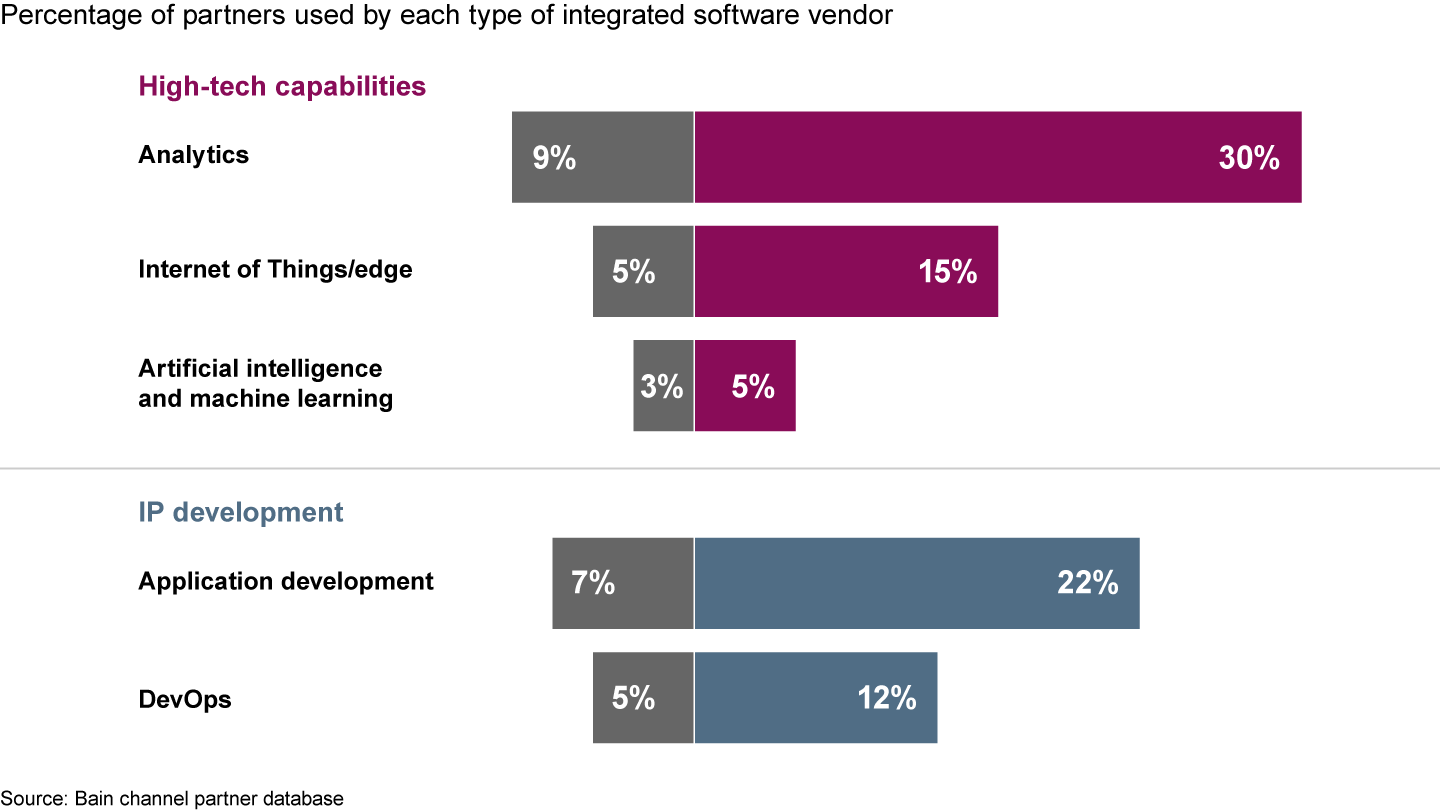
Software-as-a-service (SaaS) business models are changing the way large software companies work with their channel partners and creating new opportunities for partners that can adapt to their needs. In the past, integrated software vendors (ISVs) traditionally relied on transactional, “order taking” partners for smaller, standard deals. But in a SaaS ecosystem in which vendors can sell directly to clients, ISVs are turning to partners with more advanced capabilities—that is, those that can contribute to customer success efforts and encourage adoption, consumption and renewals. This is particularly true for ISVs born in the cloud that see less need for transactional partners and rely more heavily on partners that can add value by bringing advanced capabilities, including analytics, Internet of Things and edge computing experience, artificial intelligence and machine learning, and application development and DevOps skills (see Figures 1 and 2).
Figure 1
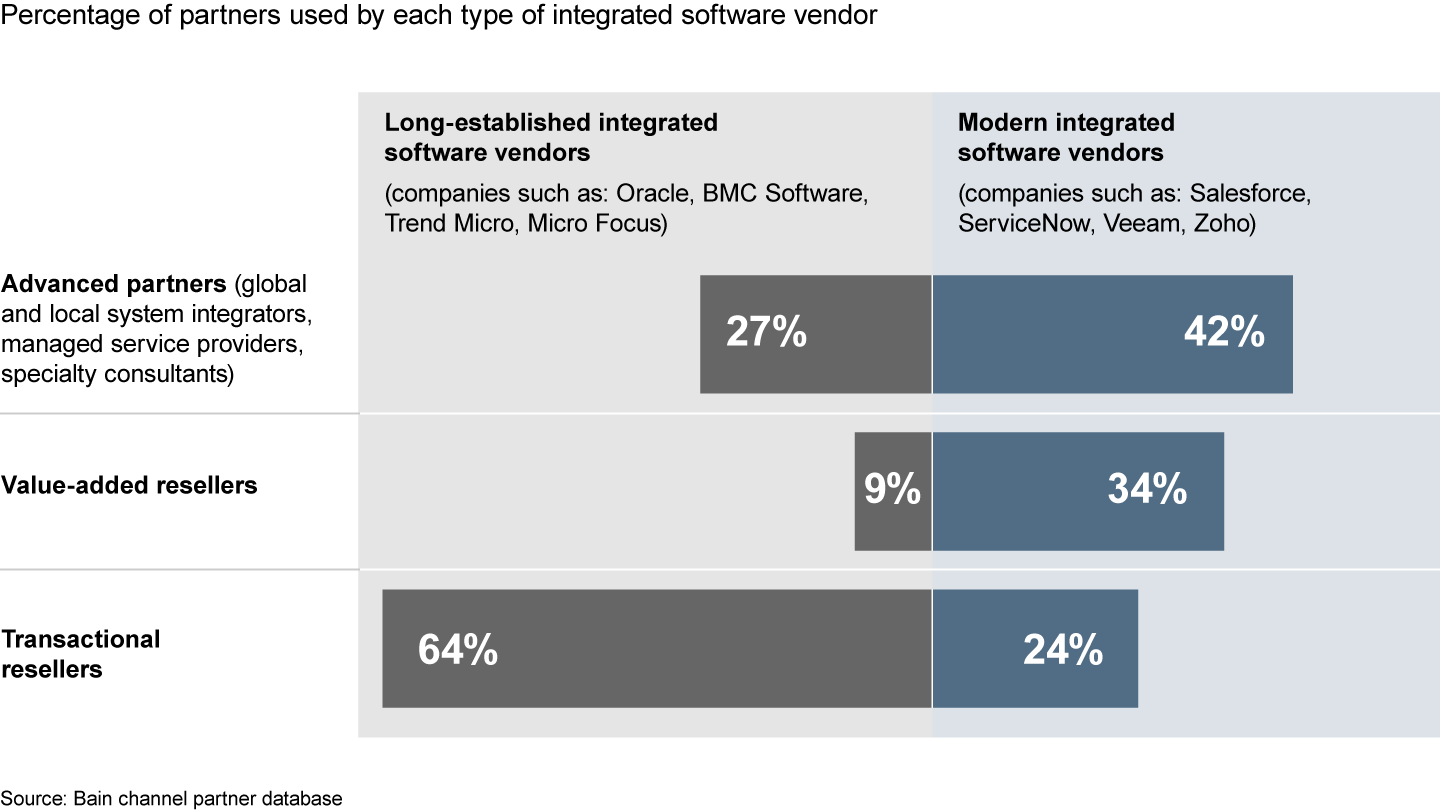

Figure 2

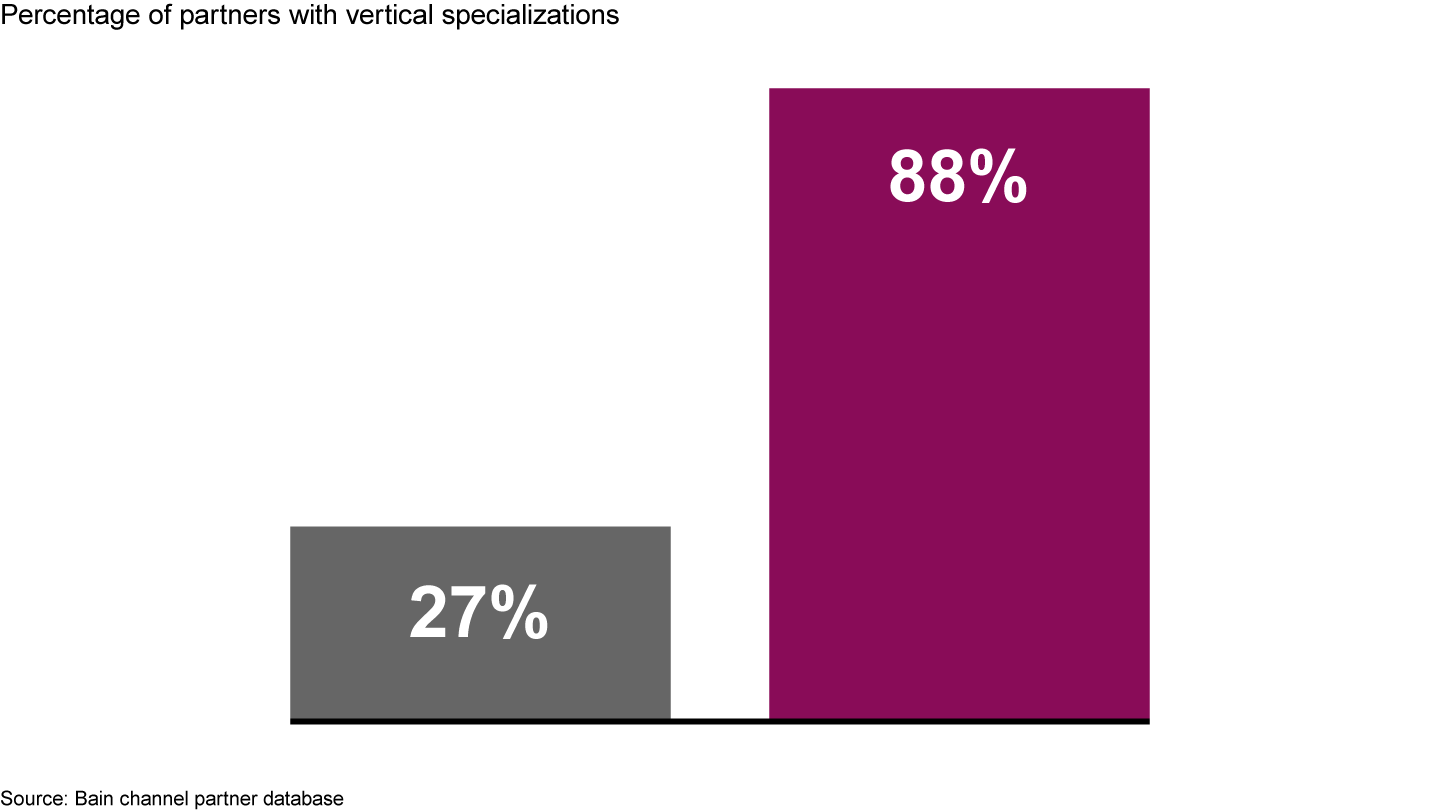
Modern ISVs are also more likely to work with partners that bring industry-specific skills and knowledge to the table (see Figure 3). Enterprise resource planning developers are increasingly looking to work with partners that have deep industry specialization and that can help tailor offerings to specific customer needs.
Figure 3

Although these trends are more pronounced in native SaaS ISVs, traditional software makers are following the trend. When Adobe shifted to a SaaS ecosystem for Creative Cloud, the company moved away from transactional partners to an automated e-commerce portal. More recently, Microsoft added a digital purchase option for Azure in 2019, and it’s investing in its telesales capabilities to handle smaller transactions in-house. Across the industry, ISVs are investing in direct sales channels and revamping their partner incentive structures to reward behaviors that increase renewal rates and customer lifetime values. Channel partners are also looking for more from ISVs: Their metrics on customer usage and account plans can help create a harmonized, cooperative sales effort that’s becoming increasingly critical across the customer engagement life cycle. But to maintain their competitive edge in a rapidly shifting environment, channel partners will need to develop new capabilities that add significant value to the end customer.
The changes to the channel are significant and permanent, but they offer as much new opportunity to channel partners as they do threats. By investing in advanced capabilities, developing industry specialization, and working closely with ISVs to improve renewal rates and customer lifetime values, they can weather the cloud transition and emerge in a stronger position in an increasingly SaaS world. |