


Report


|
||
|
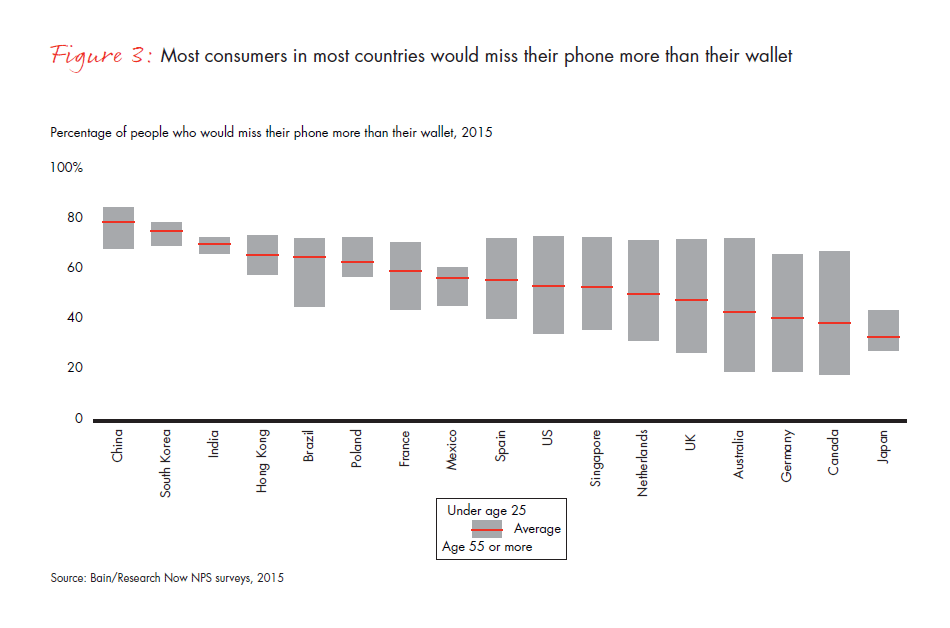
Explore Bain’s latest Customer Loyalty in Banking insights. Mobile first A global race is on to “mobilize” banking. Banks around the world have been working furiously to improve their mobile applications and optimize their websites for customers’ smartphones and tablets. Yet the race has just begun. Leading banks are still learning how to take a mobile-first approach to reimagine customer experiences in everything from buying a home to resolving an incident of fraud. By migrating customers to digital channels, banks have begun to reap significant cost savings as they drive bad and avoidable interactions (generated by errors or better routed to lower-cost and more convenient digital channels) out of the branch and call center. And the benefits extend well beyond cost. Mobile channels are far more likely to delight and less likely to annoy than the branch or call center experiences, leading to increased loyalty with higher customer retention, repeat purchases and referrals. This shift entails new roles for the branch and frontline employees. Complex sales and service activities, for instance, now usually start with the customer turning first to digital, often mobile, channels. Customers increasingly expect to follow up with bank staff through digital chat, video or other real-time options rather than having to visit a branch or separately call a contact center. As a result, most branches no longer need their own product specialists, because pooled specialists can deliver better service with higher productivity. So not only is the branch’s role in routine transactions rapidly diminishing, configuration of sales and service in the branch network is not so clear. Consumers continue to lead the mobile charge in most markets, spurred by the ease and convenience of mobile through leaders in other categories, from Alibaba to Uber. As a quick indicator, consider that when Bain & Company’s 2015 global survey asked 114,696 consumers which they’d miss more for a day, their mobile phone or physical wallet, more than half chose their phone, with the share reaching 79% in China. Mobile clearly has advanced past the tipping point.
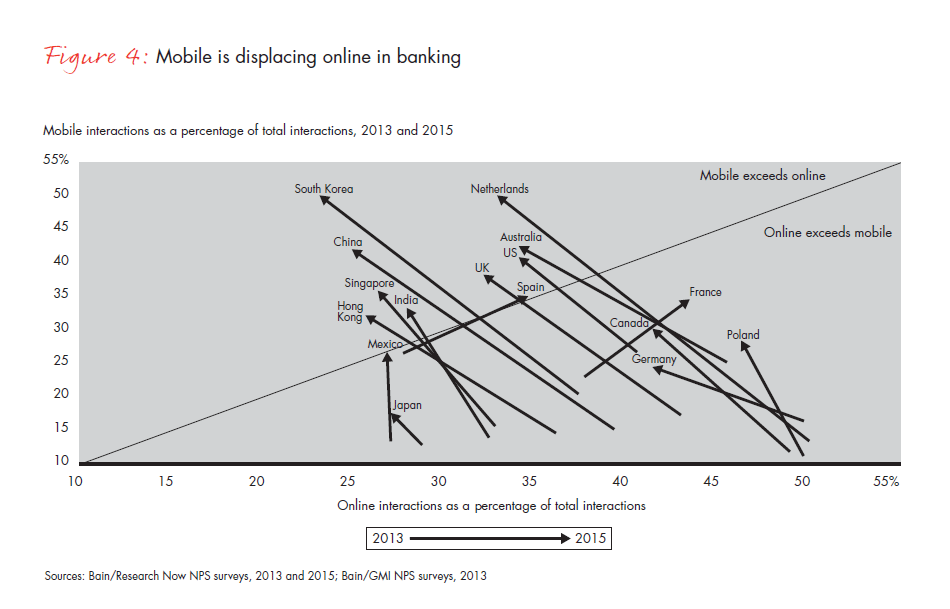
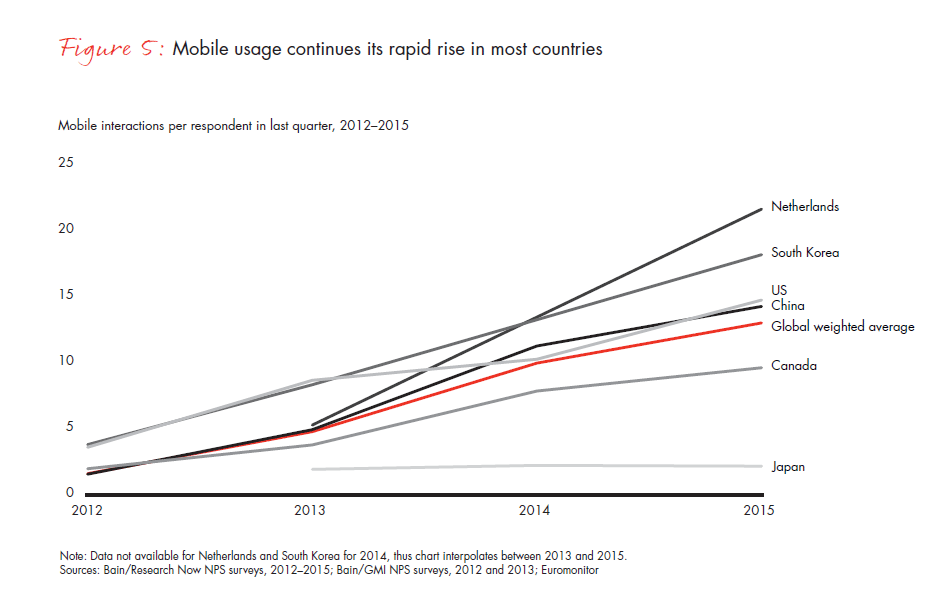
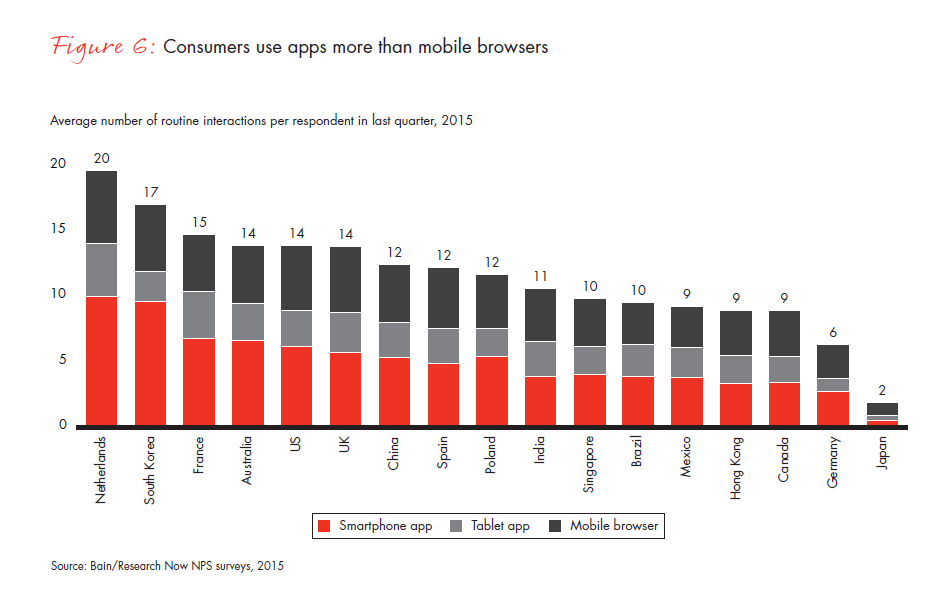
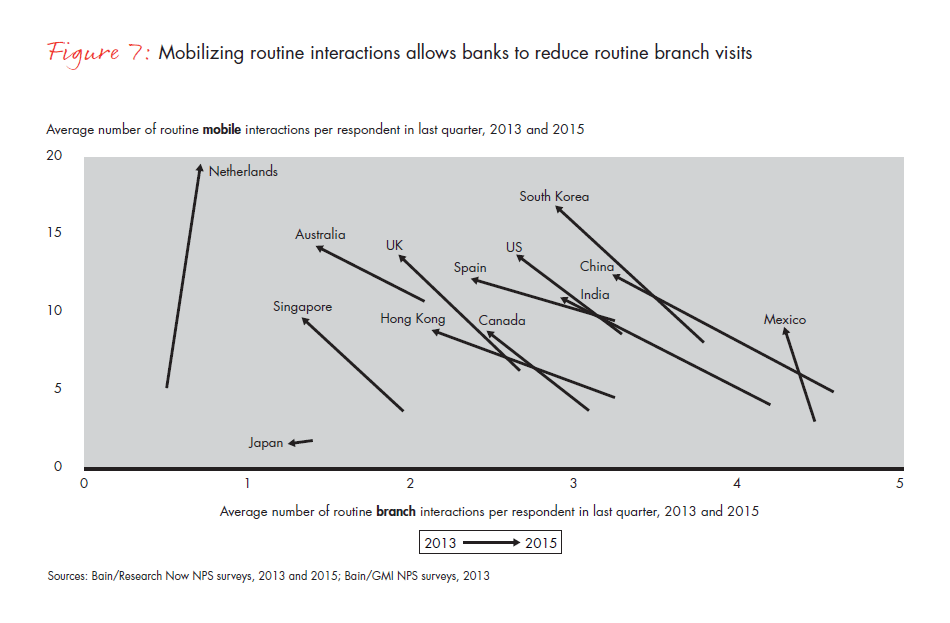
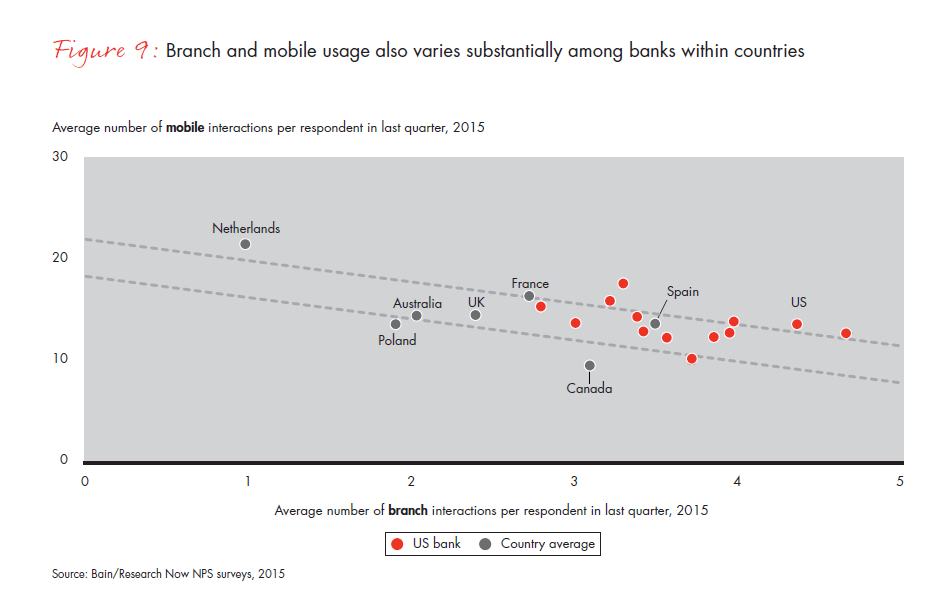
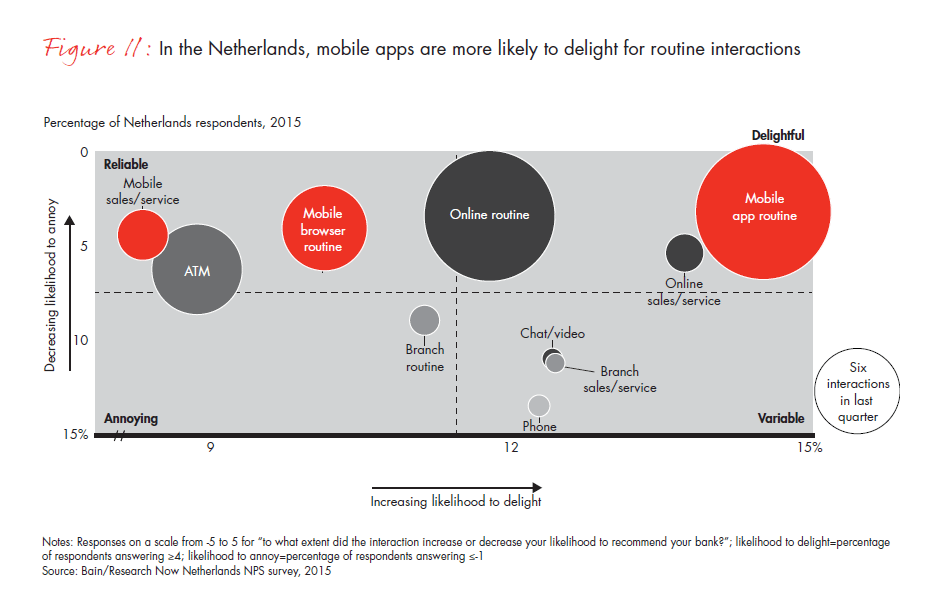
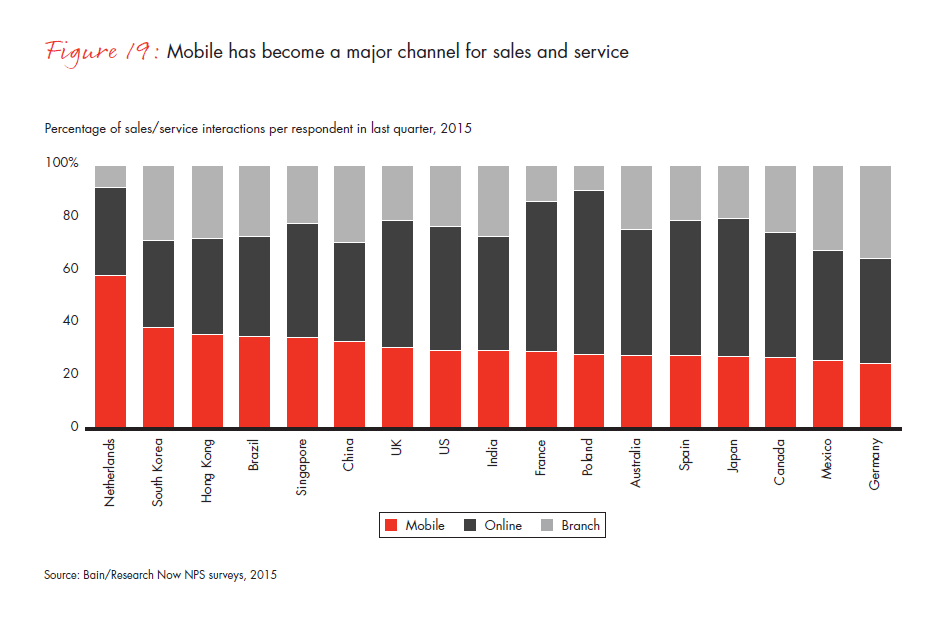
But the pace of progress in encouraging customers to migrate from branches to digital channels varies dramatically from country to country and from bank to bank within countries. The Netherlands and South Korea may provide a view of the future as they have the highest mobile adoption of countries surveyed, both in total and for sales and service; Dutch respondents’ mobile usage has risen fourfold in two years while the branch plays a minor role. Similarly, the inroads made by digital insurgent companies vary around the globe, with China demonstrating the most comprehensive examples so far. So banks can learn from the global leaders that have advanced furthest down the experience curve, not just from their competitors next door. As more banking activities go mobile, a major challenge for bankers has been to identify the right priorities and sequence of moves—right both for earning greater customer loyalty and for funding investments in digital channels through cost reductions in the branch network. Bain’s latest consumer research and statistical analysis, summarized below, points the way to the right priorities by shedding light on the relationship between specific channel experiences and customer loyalty. Maureen Burns, a partner in Bain's Financial Services practice, shares some of the ways that leading banks are using mobile technology to reinvent the customer experience. The new hub of personal finance Our analysis shows that for the average bank, a high priority is to migrate routine activities out of the branch, where they are more likely to annoy customers, into self-service digital channels, including mobile. That means improving the mobile experience to the extent that it truly delights customers, making the experience fast, intuitive, convenient, and capable of handling the most common transactions and service requests. Moreover, given scarce resources, it’s more valuable to focus on improving a mobile app than a website because, on average, customers use apps almost twice as often as mobile web browsing for routine interactions, and apps are consistently more likely to delight. Indeed, mobile has evolved from a separate channel to become the hub of personal finance. To succeed in banking, therefore, demands new capabilities of bank organizations:
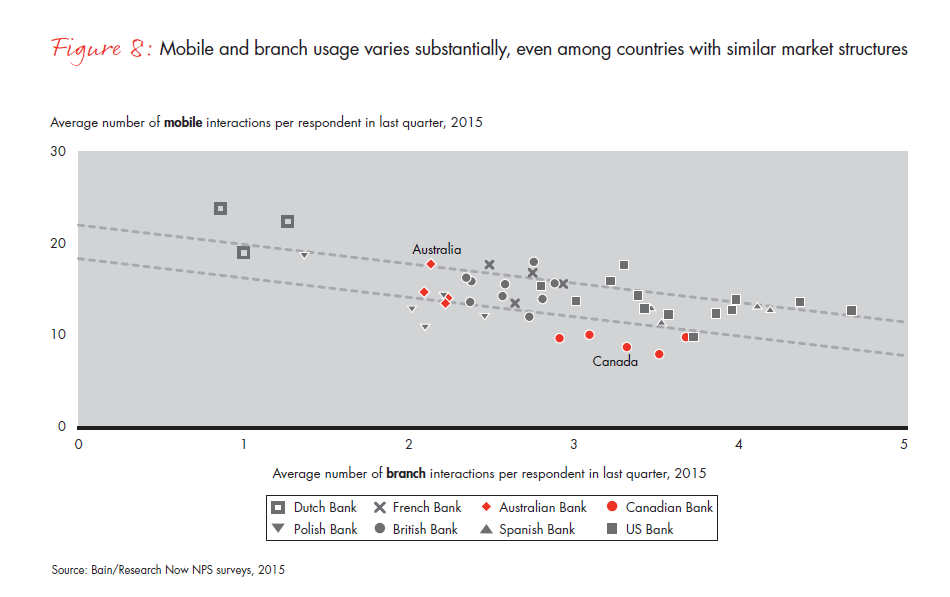
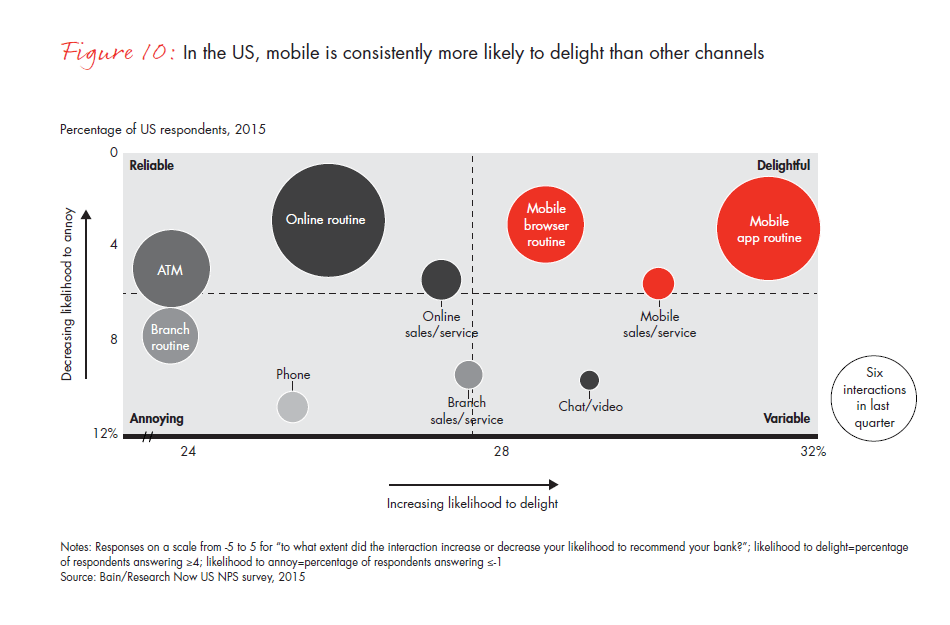
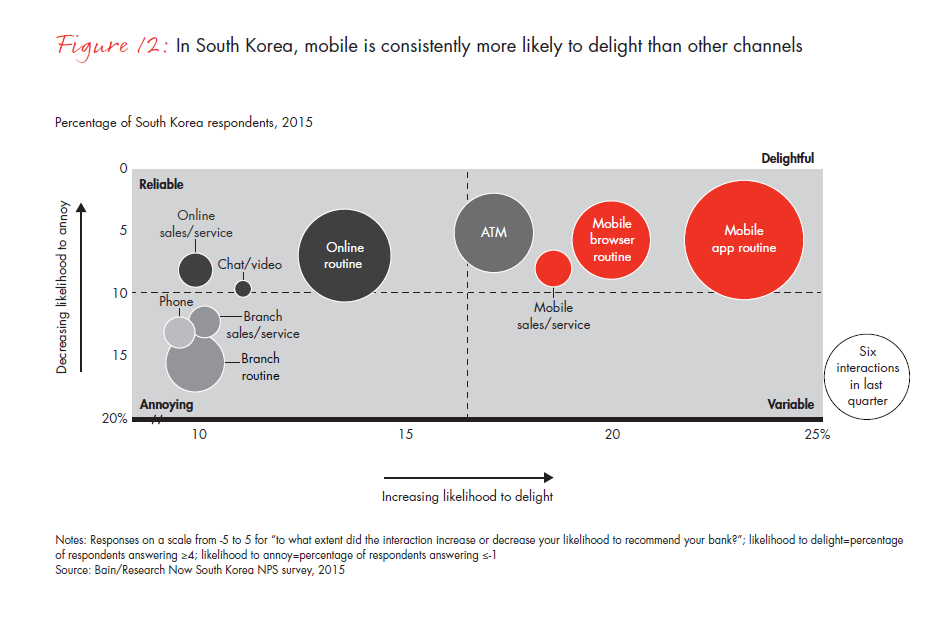
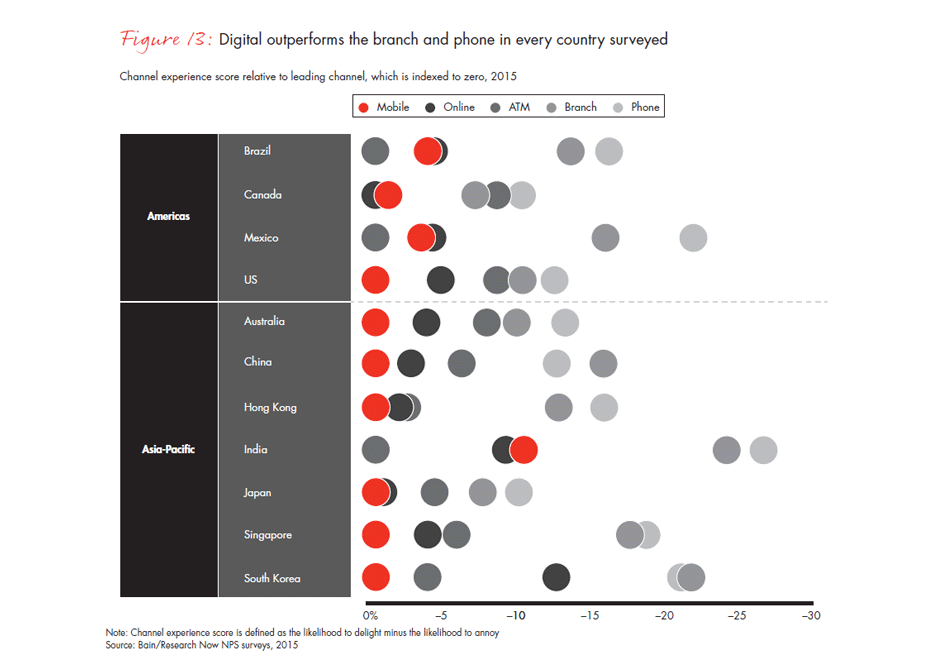
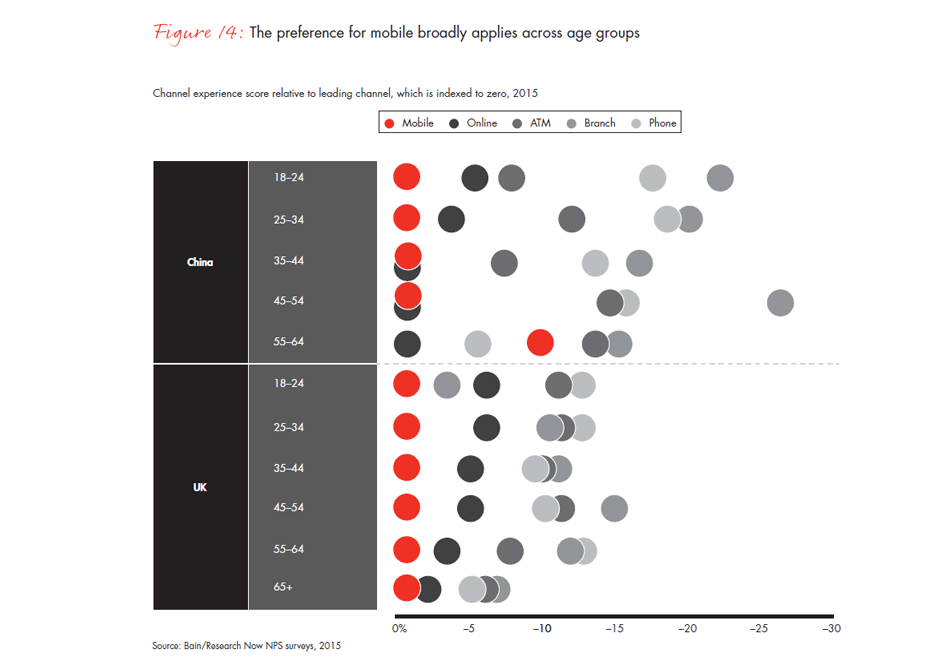
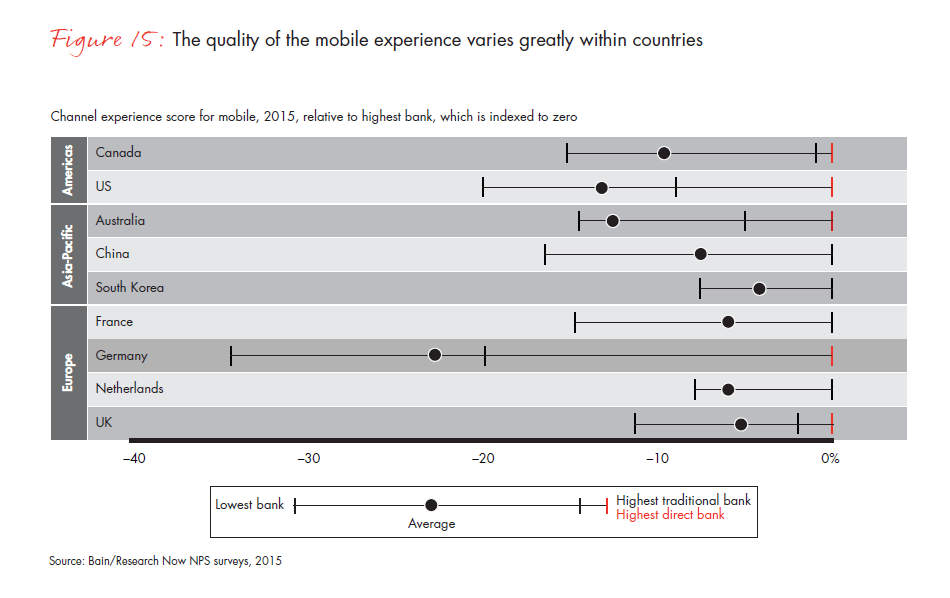
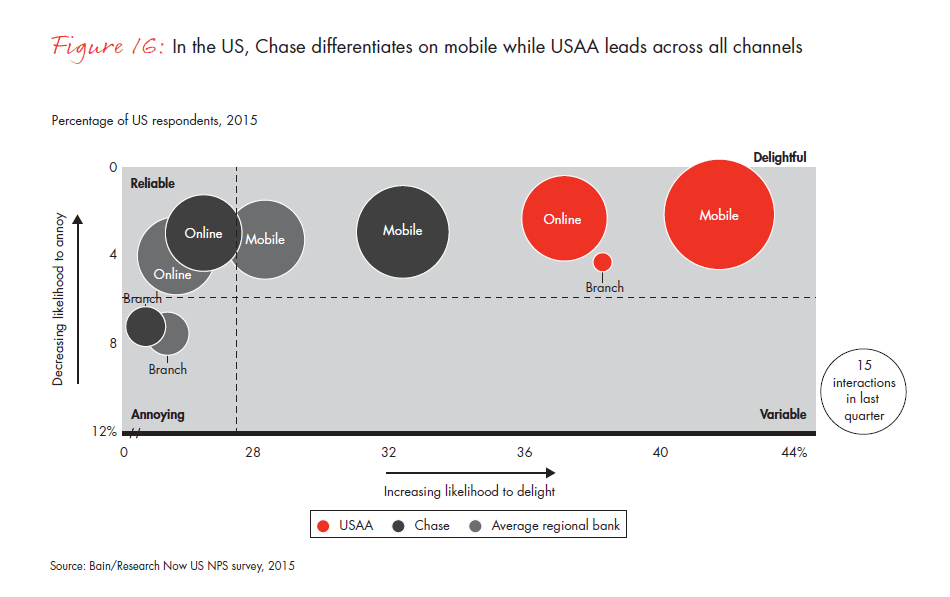
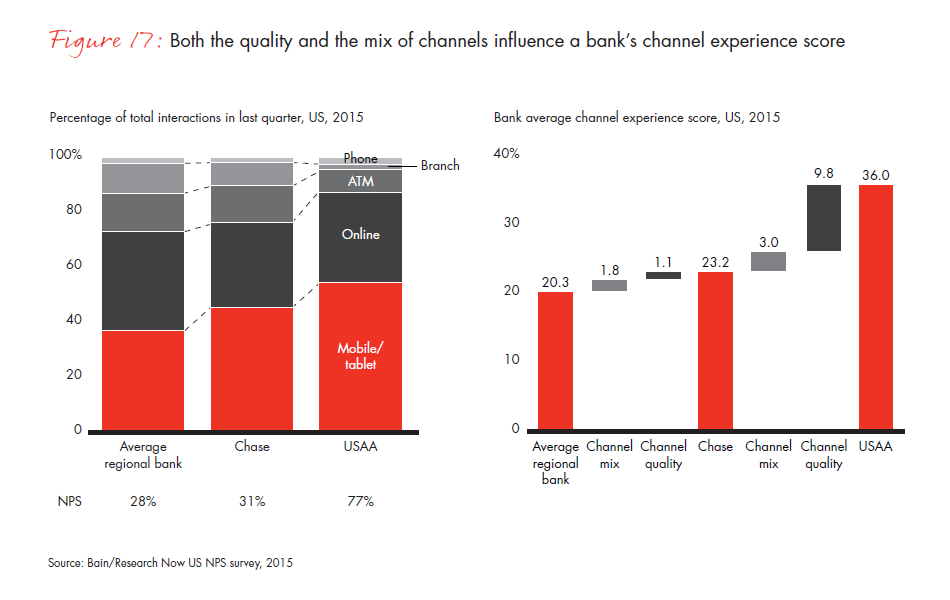
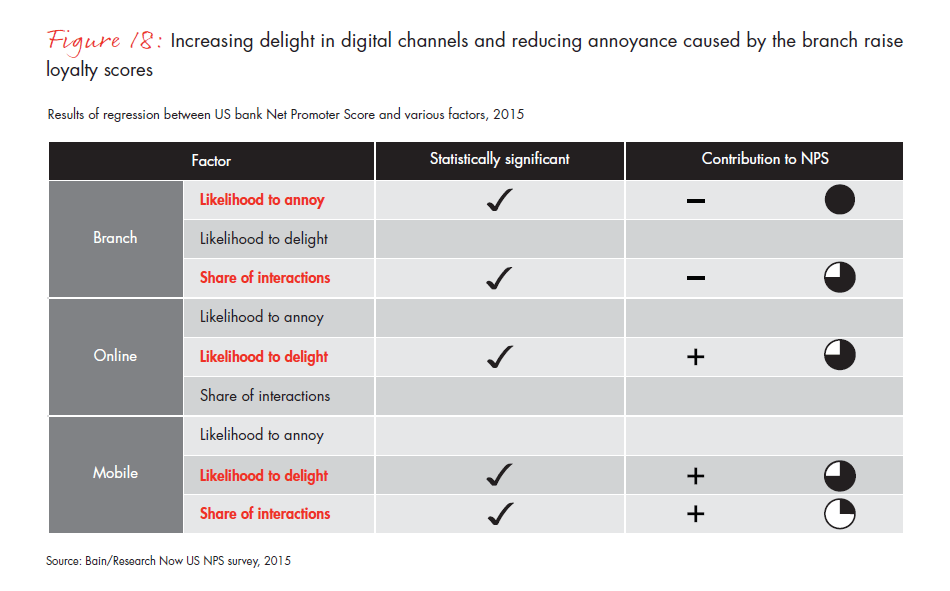
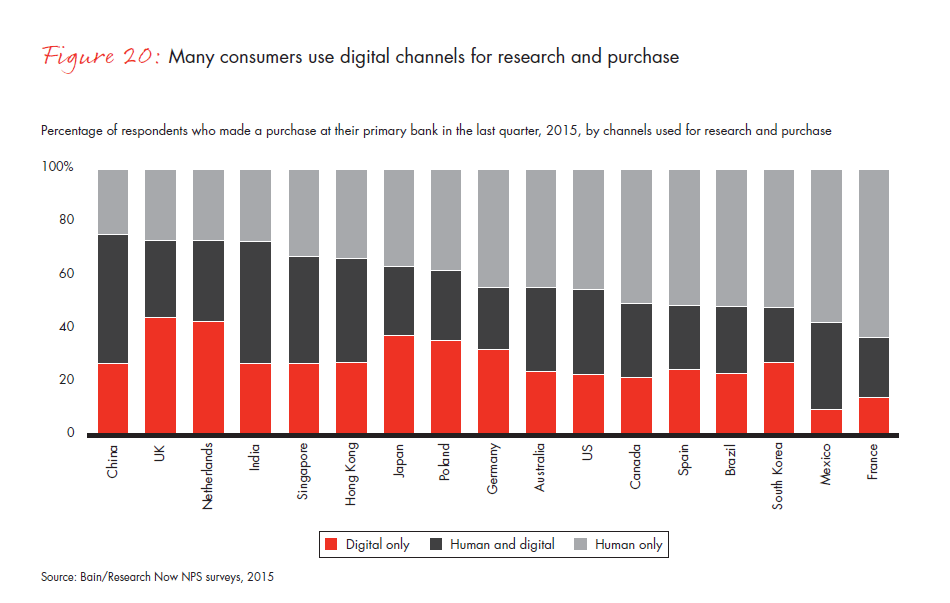
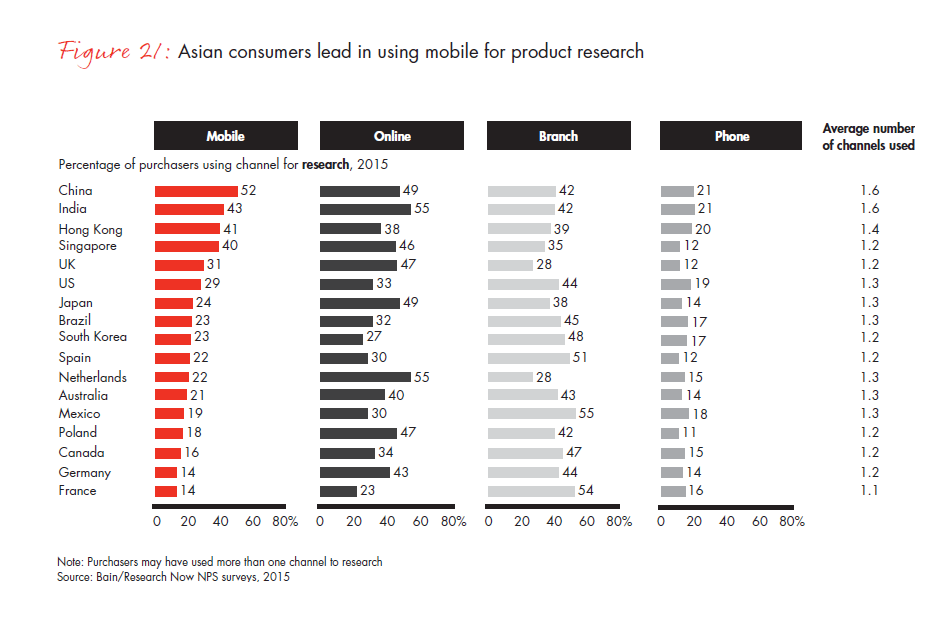
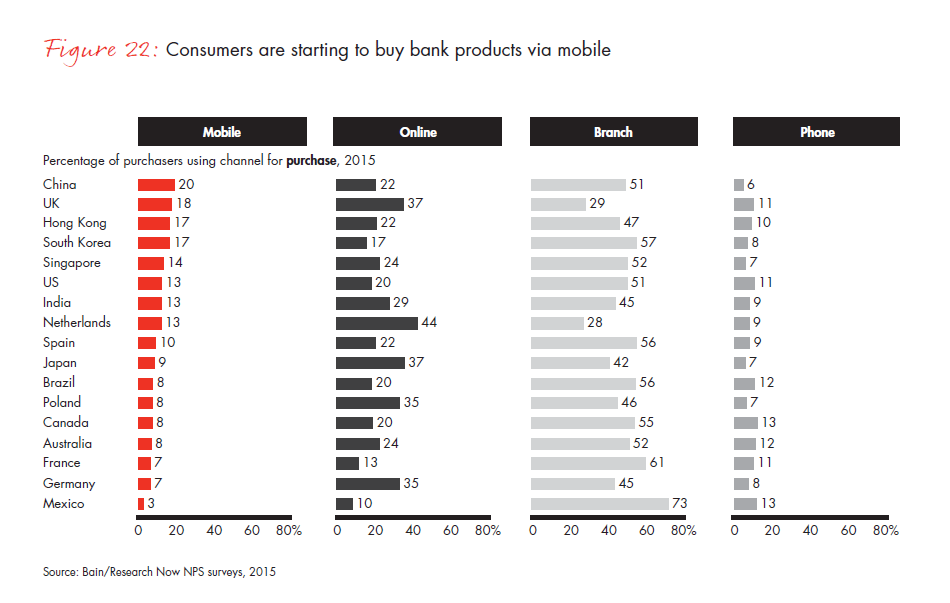
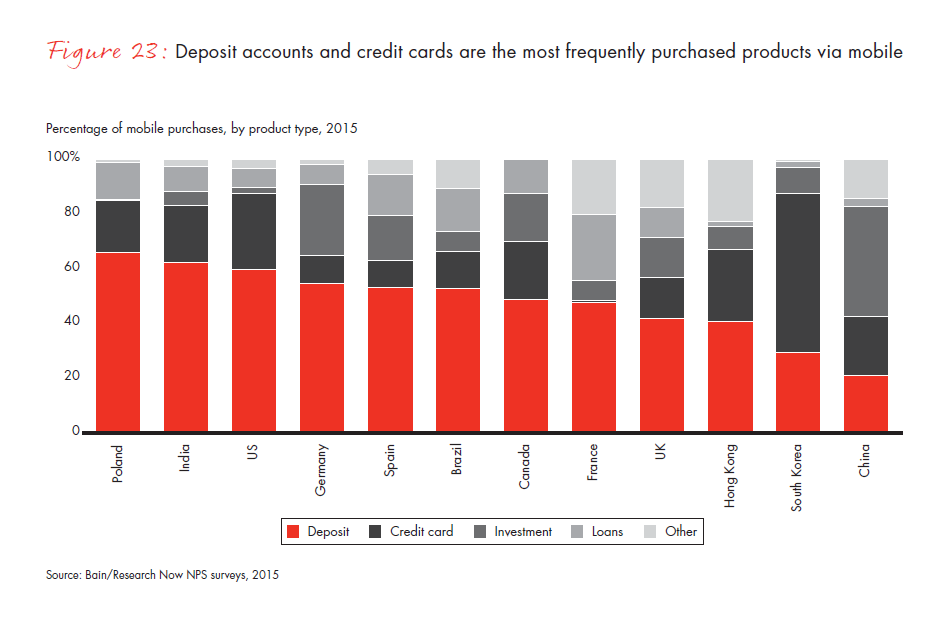
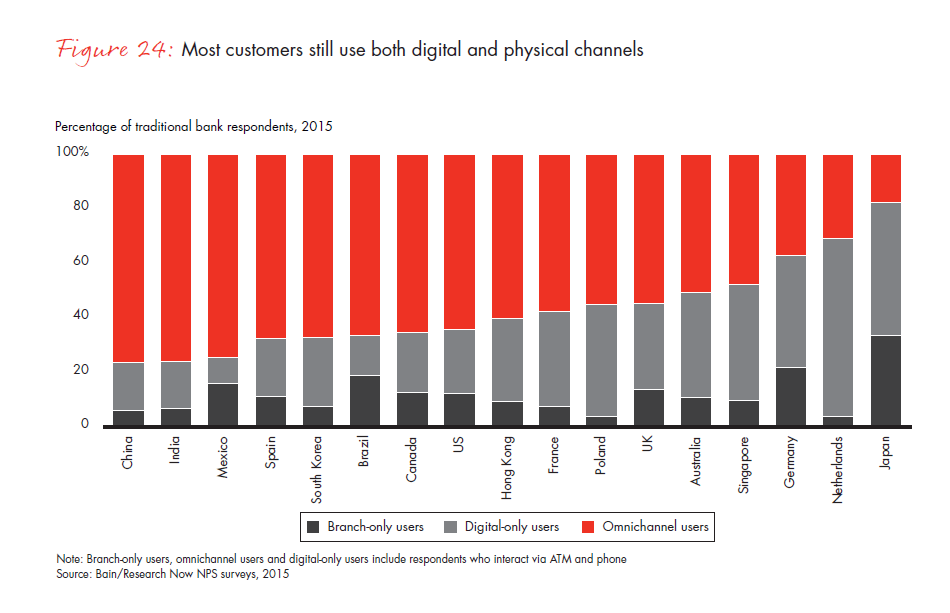
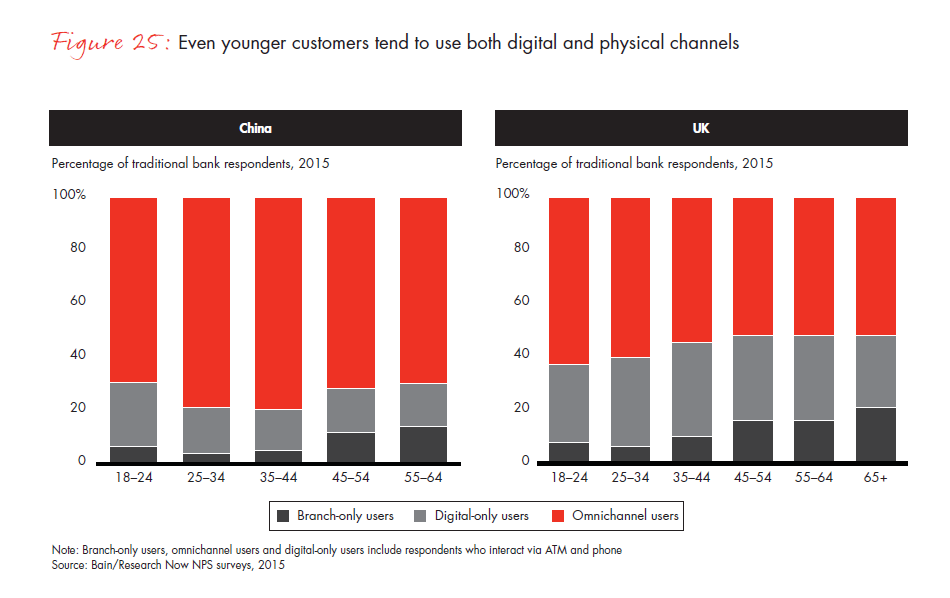
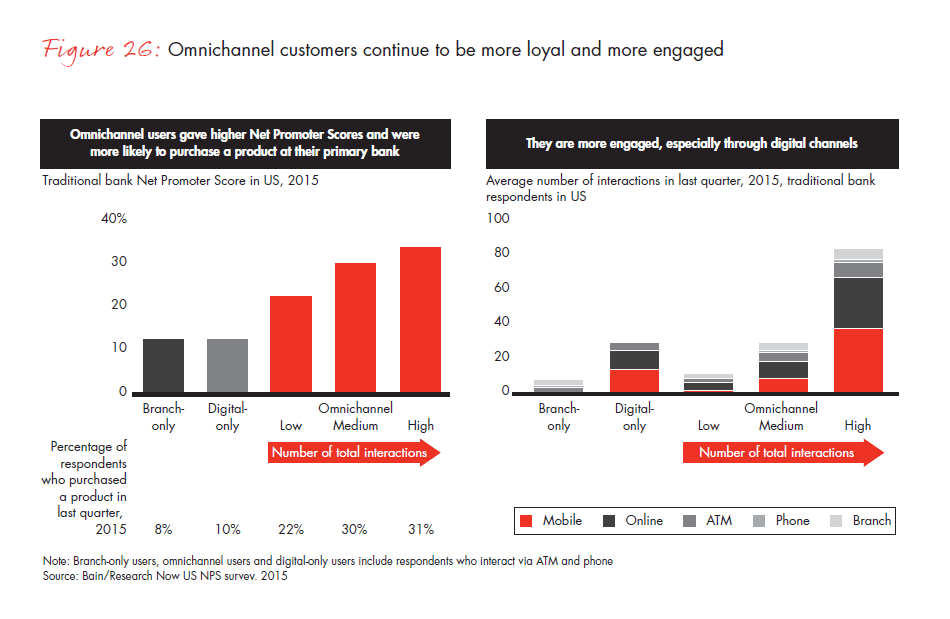
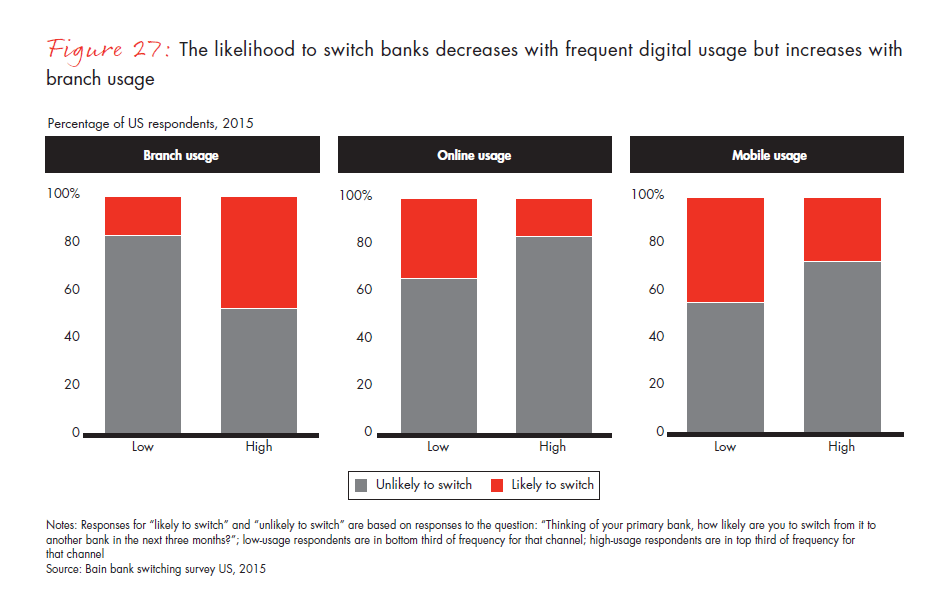
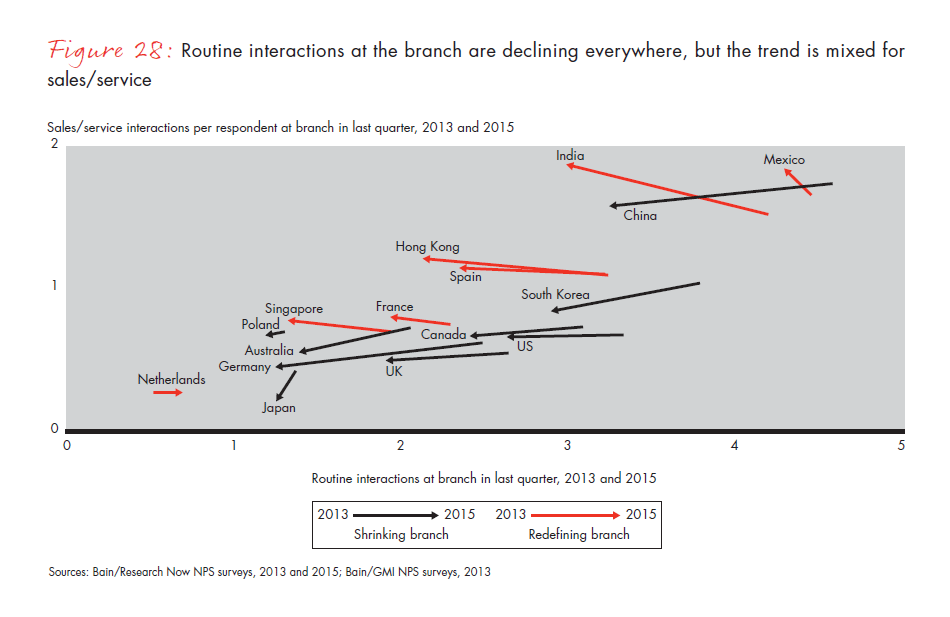
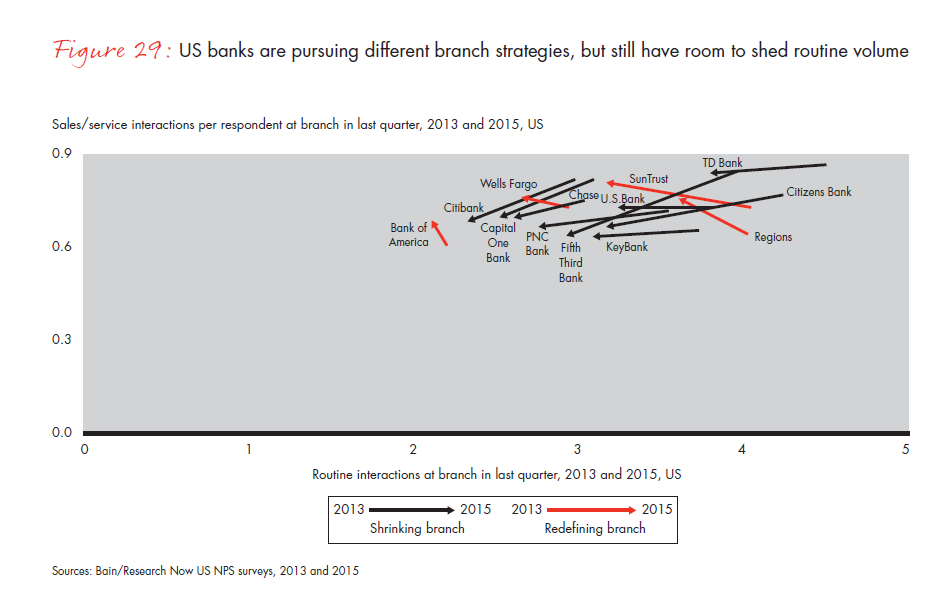
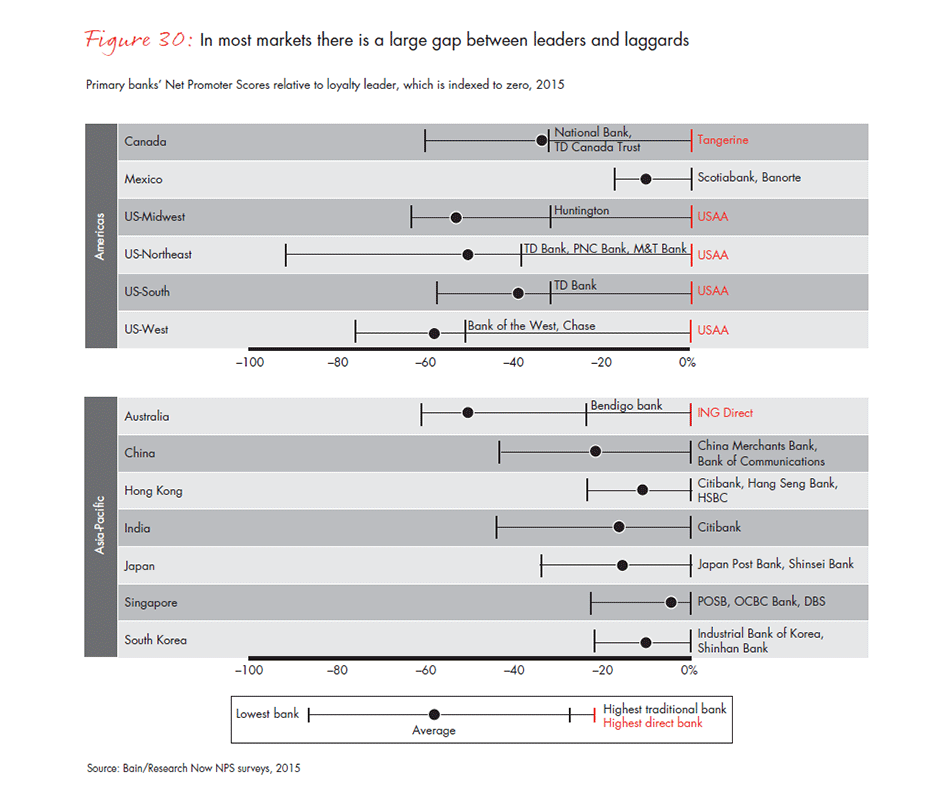
Both the quality of the channel experience and the mix of channel volumes matter when creating a great experience for customers. Among US banks, 70% of the difference in channel experience scores (defined as the channel’s likelihood to delight minus its likelihood to annoy) between the average regional bank and top performer USAA is due to quality of the experience as rated by consumers; the mix of channels accounts for the other 30%. These factors also have a strong influence on a bank’s Net Promoter ScoreSM, Bain’s key metric for customer loyalty. Our statistical analysis shows that the most significant factors for a bank’s Net Promoter Score are annoyance with the branch experience, the branch’s share of interactions, and delight in the mobile and online experiences. Investing in mobile, in part to reduce branch transactions, clearly pays off in greater loyalty. Apps used for routine transactions, for instance, are one-third more likely to delight US customers than similar transactions at the branch and only half as likely to annoy (see Figure 1). Mobile beats phone and ATM channels as well; in fact, phone interactions are most likely, on average, to cause annoyance. 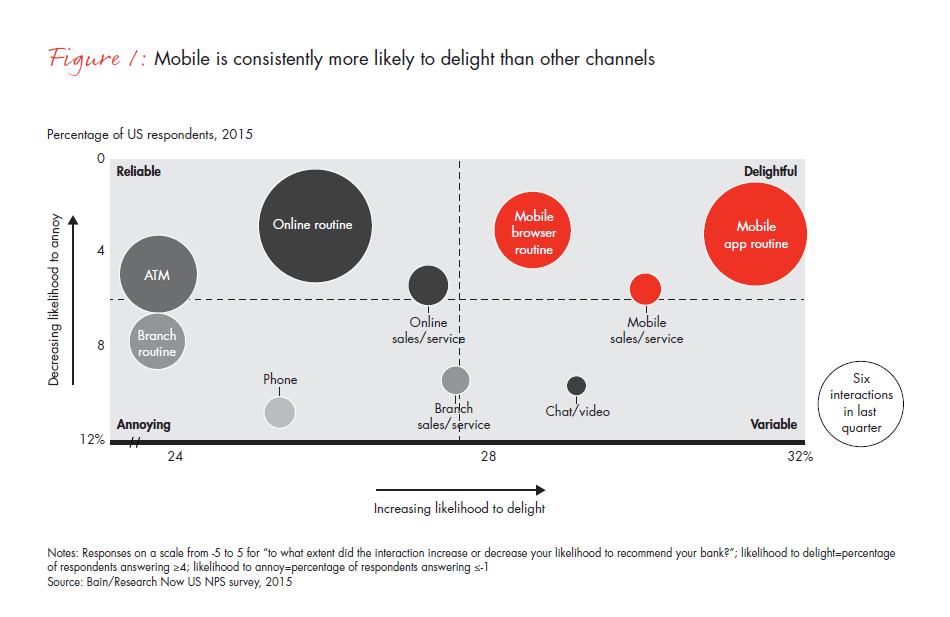 The mobile payoff also shows up in consumers’ propensity to switch banks. In the US, customers who use a bank’s mobile channel frequently are 40% less likely to switch to another bank as customers who use mobile rarely. Conversely, customers who use branches frequently are almost three times more likely to switch banks as customers who rarely use branches. Reimagining the branch Banks cannot rely exclusively on mobile, of course. Human interactions still offer a means to excel in customers’ eyes, and those customers who use both physical and digital channels still tend to be more loyal and more valuable to their primary bank. Interactions with bank staff, a bank’s product value proposition (including rates and fees), and the emotional connection (or lack thereof) to the brand all play important roles in loyalty. However, the role of the branch and frontline staff is changing rapidly. Our consumer surveys and evidence from leading bank initiatives all show that routine interactions work better and cost less when done digitally, without requiring a customer to visit a branch or call a contact center. Many banks have started down this path. In Germany, for example, banks have cut routine interactions at the branch by half over the past two years by migrating those interactions online and to ATMs. Employees still play essential roles in more complex sales, service and advice, but the way they interact with customers is changing as well. They’re increasingly communicating not in a branch but via chat or video. Dutch bank ABN Amro, for instance, has been advising on and processing mortgages via webcam so that customers don’t have to physically hand over documents at a branch. As banks plug their frontline staff into the mobile hub, they can raise sales and service productivity by reaching more customers and reducing paperwork. The writing is on the wall: Customers increasingly view having to use branches and call centers as an inconvenience for many transactions. We estimate that 50% to 70% of call volumes at a typical bank are bad or avoidable. So although omnichannel customers still give higher loyalty scores than digital-only or branch-only customers, the branch as currently configured will not survive. At all cost, banks should avoid policies (such as ceilings on remote deposits) that force customers to go to a branch and stand in line. Some banks, including mBank in Poland, Hana Bank in South Korea and NatWest in the UK, have made exceptional progress in mobile and point the way for others. Since launching its app in 2011, mBank has kept innovating the mobile experience. For example, users can access basic financial information without needing to log in, obtain one-click loans with 30-second approval and disbursement, and make peer-to-peer money transfers using their smartphone’s contact list. These banks have discovered that mobile adoption in conjunction with advanced ATM functionality that can eliminate cash handling from branches offer the best opportunity in decades for cost take-outs. Once banks have established solid apps for routine transactions, the next big mobile opportunity is to improve product sales capabilities. Already, 26% of respondents globally use mobile channels to research or purchase banking products, and that behavior is even more pronounced in Asia. In China and India, 52% and 43% of respondents, respectively, do their product research through mobile. In China and the UK, 20% and 18%, respectively, actually buy through mobile. Banks that lead in mobile purchases as a share of all purchases include Barclays in the UK, China Minsheng Bank, and Commonwealth Bank of Australia (CBA). Consumer pull, bank push The pace of mobile innovation varies substantially around the world. In some countries, such as South Korea and China, consumer enthusiasm for mobile has led to stunningly rapid adoption; roughly half of all bank interactions in South Korea happen through mobile devices. Elsewhere, such as in Japan and Germany, consumer adoption of mobile commerce has been much slower, and banks have been slow to push the pace of change. This raises a classic chicken-and-egg question: Does consumer pull or bank push influence mobile adoption? Evidence suggests that banks have a significant ability to push consumers along, and the differences in mobile adoption depend on how aggressively banks compete with each other on mobile innovation rather than on the structure of their markets. Consider the different trajectories of Australia and Canada, which have similar market structures, income distributions, smartphone adoption and regulatory regimes. Australia has roughly 50% greater mobile banking usage and two-thirds the branch usage as Canada. The explanation for this disparity lies in early moves by CBA to pursue mobile innovations and thereby distinguish itself with customers. That prompted other big banks in Australia to invest in mobile in order to maintain their share. By contrast, no big bank in Canada made an early bid to out-invest in mobile, and innovation and customer adoption have lagged, leaving banks there to play global catch-up. And catch up they must. In product after product, consumers have proven more willing than suppliers anticipated to transact via mobile or online. Just as the share of customers who would pursue online flight check-in soared past the airlines’ notional maximum, the adoption rate of mobile banking will significantly exceed what many banks are planning for today. And if one bank won’t make it easy enough to do so, another one will. China leads the disruption With customers’ expectations for the mobile experience rising, bankers will be forced to measure their offerings against competitors around the world, not just within their home country. The biggest threat comes not from banks but from insurgent companies devising better ways to deliver banking services through mobile. Much of the industry’s attention has focused on companies based in Silicon Valley, including LendingTree, Betterment and Apple Pay. Yet these Western insurgents have not yet managed to achieve large scale or the coveted network effect in their banking and payments offerings. Chinese insurgents such as Alipay and WeChat, meanwhile, have leapfrogged the West and offer a compelling example of what Silicon Valley has been threatening to do at scale. In China, for instance, some 600 million users active on Tencent Holdings’ WeChat messaging app can pay merchants and utilities, send money to friends, deposit investments into money market accounts, book travel tickets, borrow money, and carry out other daily financial transactions with just a touch or two. WeChat shows how payments, commerce and social media can converge. More than half of users open the app at least 10 times a day, and purchase volume to date has been 11 billion yuan ($1.7 billion) through WeChat Wallet. On the most recent Chinese Lunar New Year’s Eve, WeChat users sent 1 billion virtual red envelopes, inspired by the Chinese holiday tradition of gifting cash-stuffed red envelopes—hongbao in Chinese—to friends and family (see Figure 2). 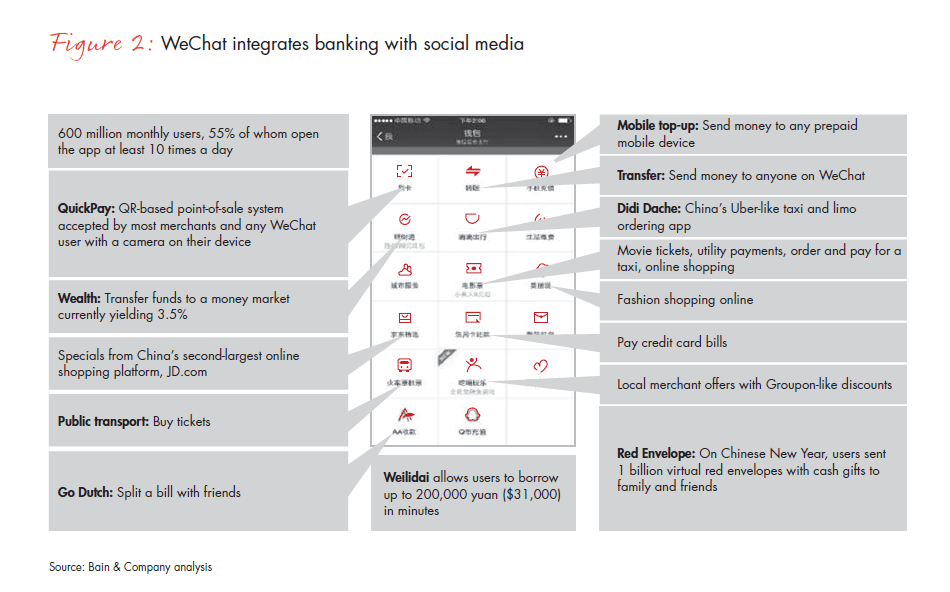
The scariest part for bankers: While WeChat’s wallet functionality currently operates only in mainland China, WeChat now has more than 100 million users abroad. Other messaging platforms such as WhatsApp, which has 900 million active users and was acquired in 2014 by Facebook, also aspire to add similar broad wallet functionality, further pressuring banks. The chapters that follow explore the 2015 survey data on the rise of mobile usage and its propensity to delight or annoy, the next horizon in mobile sales, customers’ channel behavior, and global loyalty trends. The data and insights can help banks accelerate their transition to a leaner, more balanced model in which each channel is designed for both efficiency and delight—and to mount a strong response to the digital insurgents. 1. The rapid rise of mobile
2. Creating customer delight through mobile
3. On the horizon, mobilizing sales
4. The branch will change or die
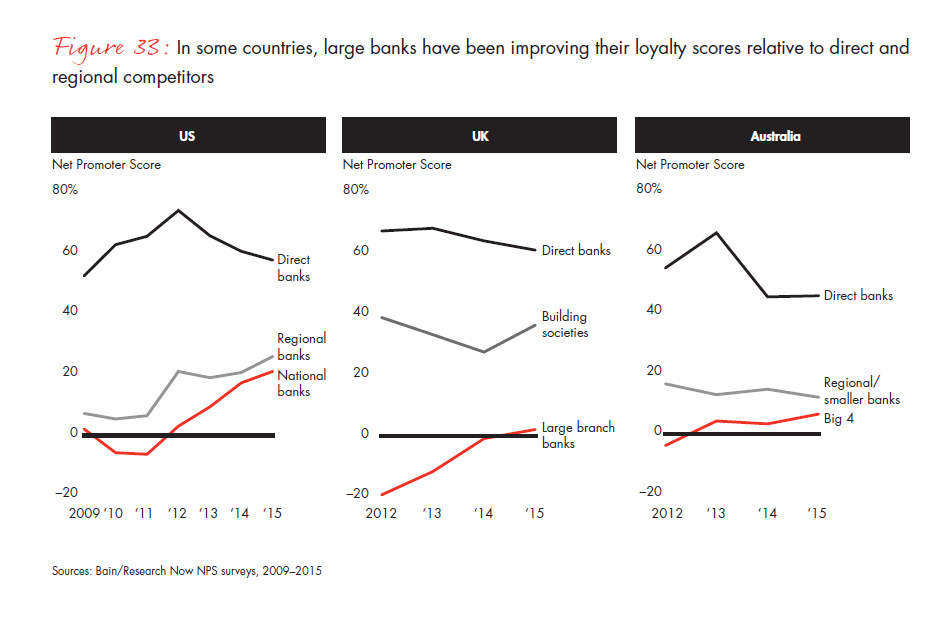
5. Movement on the loyalty leader boards
Appendix: Methodology Bain & Company partnered with Research Now, the online global market research organization, to survey consumer panels in Australia, Brazil, Canada, China, France, Germany, Hong Kong, India, Japan, Mexico, the Netherlands, Poland, Singapore, South Korea, Spain, the UK and the US. The survey’s purpose was to gauge customers’ loyalty to their principal bank and the underlying reasons customers hold the views they do. Conducted between July and September 2015, the survey polled 114,696 respondent consumers of national branch network banks, regional banks, private banks, direct banks, community banks and credit unions in these countries. In the Americas and Europe, for the individual bank analysis, we included only those banks for which we received at least 200 valid responses. In Asia, we included banks with at least 100 responses. In many instances, sample sizes exceeded these thresholds. Survey questions Respondents were first asked to identify their primary bank, after which they were asked the following questions to assess their loyalty to that institution:
We asked which channels respondents use to do their banking. For each channel used, we asked whether the interaction increased or decreased their likelihood to recommend their bank. We also asked respondents whether they’d purchased a product in the last three months. If so, we asked further questions about which products were purchased and which channels they used to research and actually buy their banking product. The remaining questions elicited demographic profile information: household income, investable assets and region of residence. On the question of statistical significance, the results of our data analysis are robust both for the measurement of bank Net Promoter Scores by country and for respondent Net Promoter Scores for each demographic category. For the Americas and Europe, the Net Promoter Scores measured for each bank in the country and US regional rankings are statistically significant to an 80% confidence level, with a two-tailed test of the confidence interval ranging from ±2.4% (n=992) to ±7.5% (n=200). In Asia, where sample sizes were smaller, confidence intervals are wider, with a maximum of ±9.1%. This report was prepared by Gerard du Toit and Maureen Burns, partners in Bain’s Financial Services practice, and a team led by Christy de Gooyer, a practice area director. Team members are Rahul Agarwal, Lakshya Agrawal, Tarun Gupta, Vidhi Lohia and Pranav Singh. The authors thank Bain partners in each of the countries covered in the report for their valuable input and John Campbell for his editorial support. 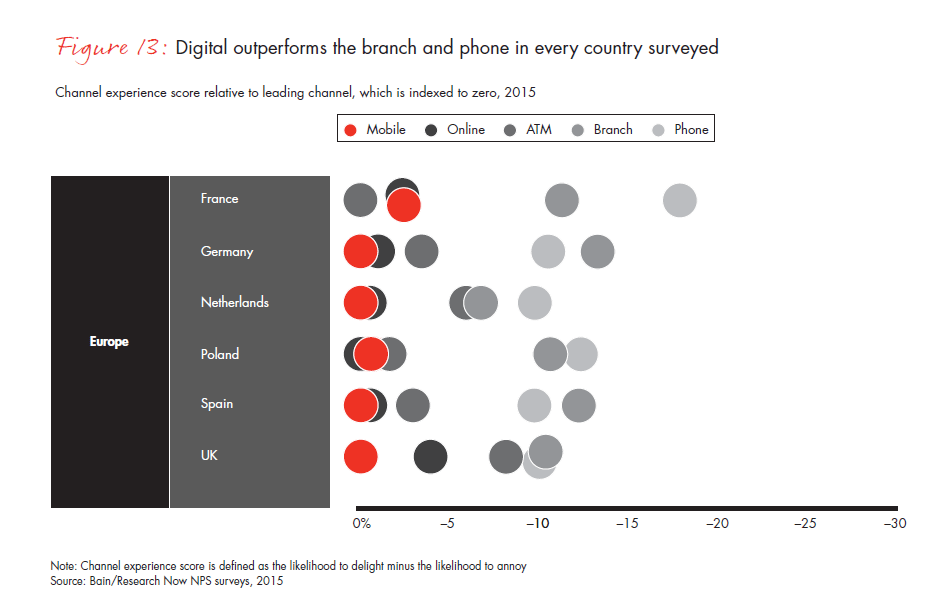 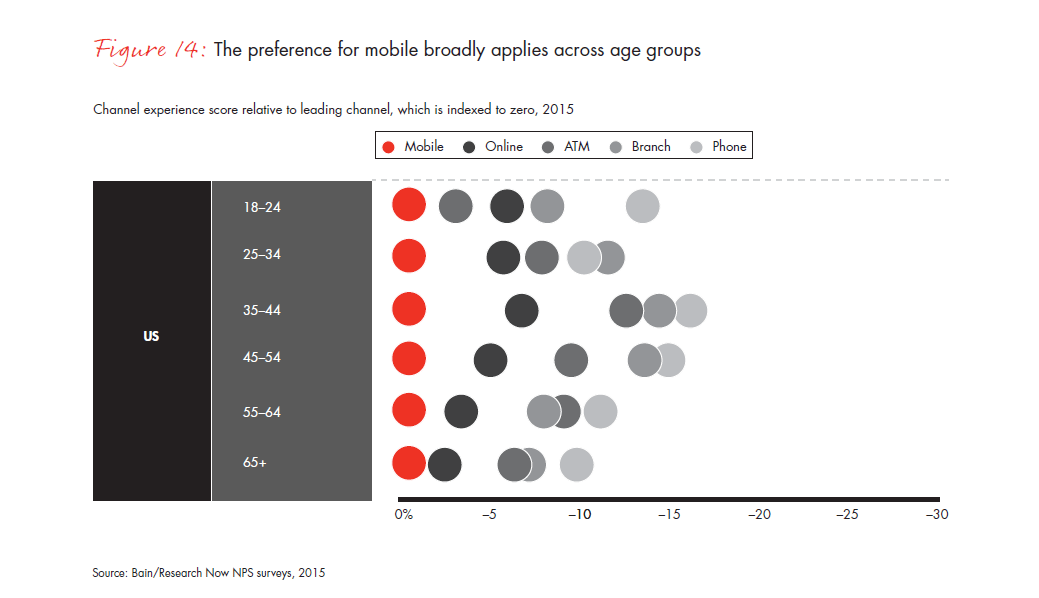 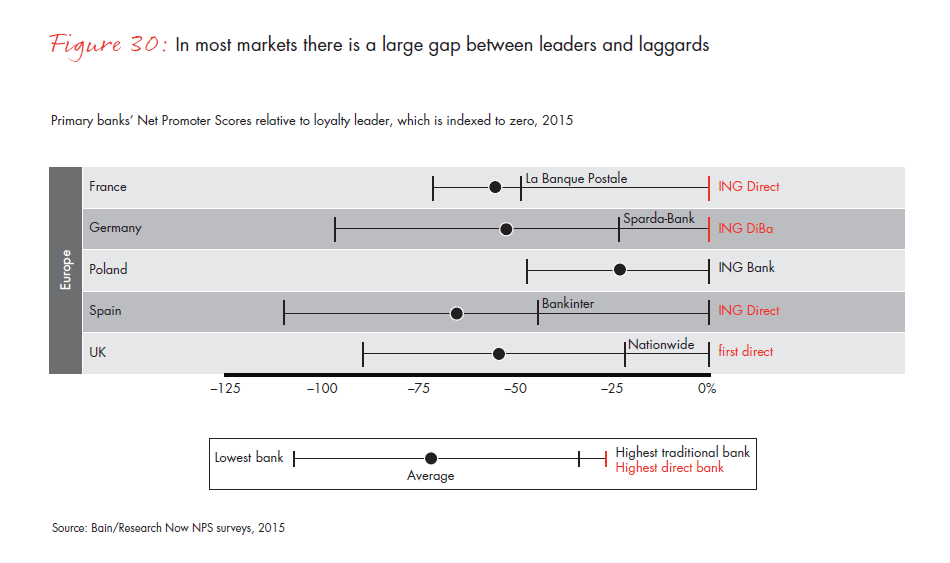 |
