


Report


|
At a Glance
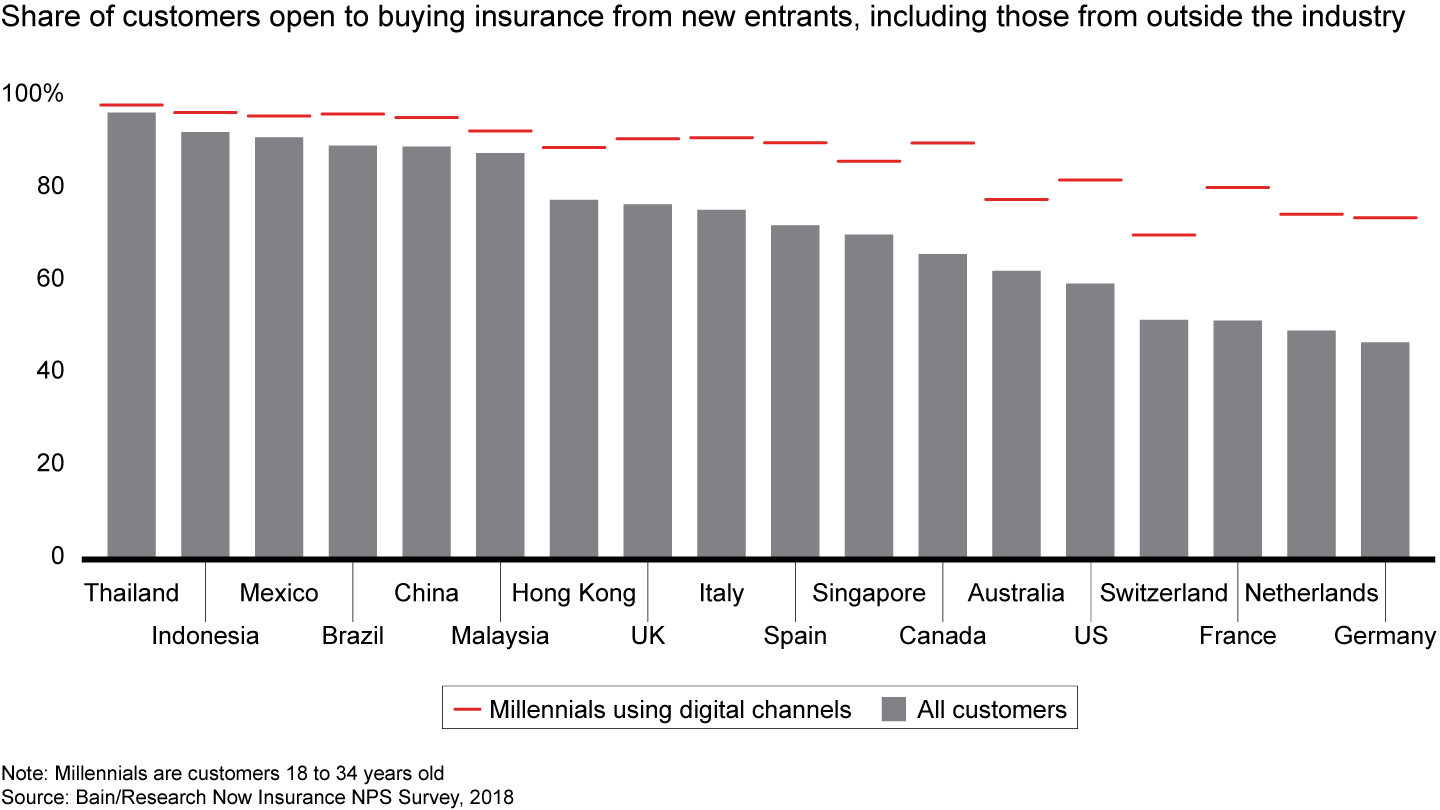
Insurance customers don’t have complicated needs. They want to be able to choose from a good selection of policies at reasonable prices. They want clear, transparent information, and they want smooth, hassle-free interactions. When they’re filing a claim after an accident, theft or injury—often a time of great stress—they expect their insurers to help alleviate their anxiety, not add to it. Increasingly, insurance customers also want their insurers to provide additional services, such as roadside assistance and advice on leading healthy lives. The handful of established insurers that do all these things well earn the trust and loyalty of their customers. But the harsh reality is that most insurance companies still don’t consistently deliver the value their customers are seeking. They don’t manage to differentiate themselves and often end up competing on price, with products that, in the eyes of consumers, look more and more like commodities. Small wonder then that an increasing number of consumers shop for policies at aggregator sites, or that insurtechs and other newcomers to the industry are gaining traction in the marketplace. Insurance is ripe for the kind of disruption that has roiled many other industries, from retailing to travel to banking. All across the commercial landscape, digital innovators are upending markets with products and services that they sell directly to consumers, bypassing established companies by creating more value. This revolution has been slow to hit insurance, but it’s coming. Bain & Company’s fourth global survey of retail insurance customers shows that consumers, especially digitally active millennials, are very open to switching to another provider, including one from outside the industry, such as a retailer, automaker or tech company (see Figure 1). The question is, are incumbent insurers ready for a new kind of competition?
Figure 1

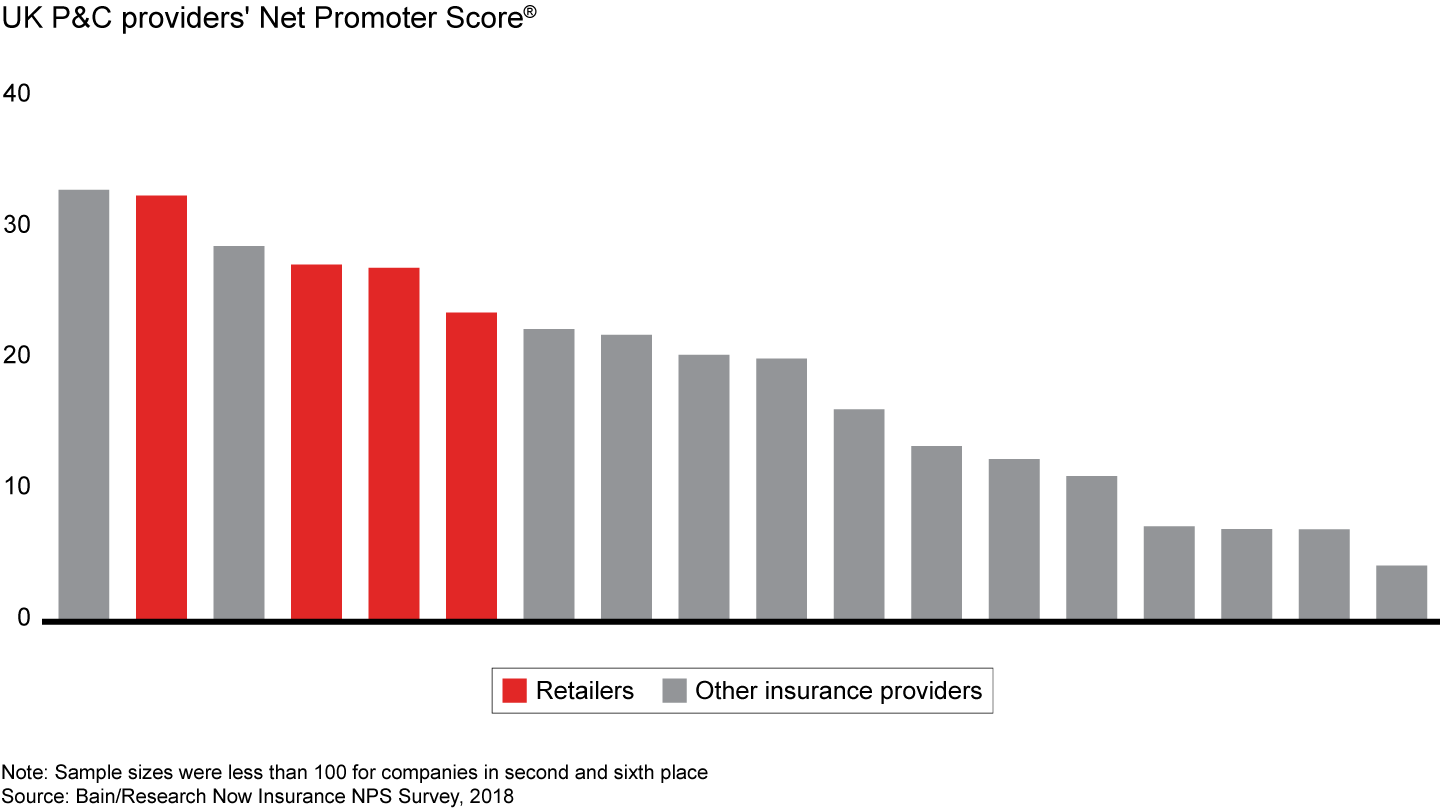
Some—but by no means all—of these new competitors are gaining ground. Lemonade, a digital-first company launched in 2016 that provides low-cost insurance to homeowners and renters in the US, is clearly outperforming incumbents on key dimensions that matter to consumers. The company has quickly built up customer loyalty by being at once personalized in its approach and simple to use. However, our survey shows that many insurance upstarts are underperforming compared with incumbents and failing to attract sufficient customer interest. Insurtechs aren’t the only players vying for control of the crucial customer interface. In the UK, Tesco, the giant supermarket chain, garners high loyalty rankings among consumers of its “white-label” insurance, which is actually underwritten by prominent incumbent carriers. Earlier this year, Amazon, JPMorgan Chase and Berkshire Hathaway sent a frisson through the insurance world when they announced plans to form a company that would reinvent healthcare delivery—including health insurance—for their US employees. What would happen if Amazon, the avatar of customer centricity, entered insurance in a big way? Incumbent insurers aren’t waiting around to find out. Many recognize that sweeping changes are called for, but struggle to make progress quickly. Some are trying to disrupt themselves by creating a company-within-a-company that aims to be digitally oriented, low-cost and customer-centric. The jury is still out on most of these efforts, but insurers are learning that they can’t just put a low-cost, digital veneer on old-school products and processes. They need to radically reimagine their approach. The findings of Bain’s survey signal the way forward for incumbents—and insurgents—that want to do a better job of delighting their customers and winning their loyalty. Working with Research Now SSI, we canvassed more than 174,000 insurance policyholders in 18 countries to gauge how loyal they are and what they expect from their providers. As we did in past years, we asked consumers how likely they were to recommend their insurer to a friend or colleague. From that, we derived a Net Promoter Score®, a key measure of customer loyalty and advocacy for each company (see the appendix for a description of how the score is calculated). This year, for the first time, we also asked consumers to rank the qualities they value most in an insurer. We based our questions on the Elements of Value®, 30 fundamental attributes identified by Bain that help companies gain an edge with consumers (see “The Elements of Value,” Harvard Business Review, September 2016). Our Elements of Value model traces its conceptual roots to the hierarchy of personal needs that psychologist Abraham Maslow first delineated in 1943. Like the needs in Maslow’s taxonomy, the 30 elements in Bain’s model form a pyramid. At the base of the four-level construct are functional elements, which include “quality,” “saves time” and “avoids hassles.” In the next level up are emotional elements, such as “reduces anxiety,” “rewards me” and “fun/entertainment.” The next-higher level, life-changing elements, includes such traits as “motivation,” “affiliation/belonging” and “heirloom” (meaning a product or service that holds its value for future generations). At the top of the pyramid is social impact, which encompasses just one attribute, “self-transcendence” (see Figure 2).
Figure 2
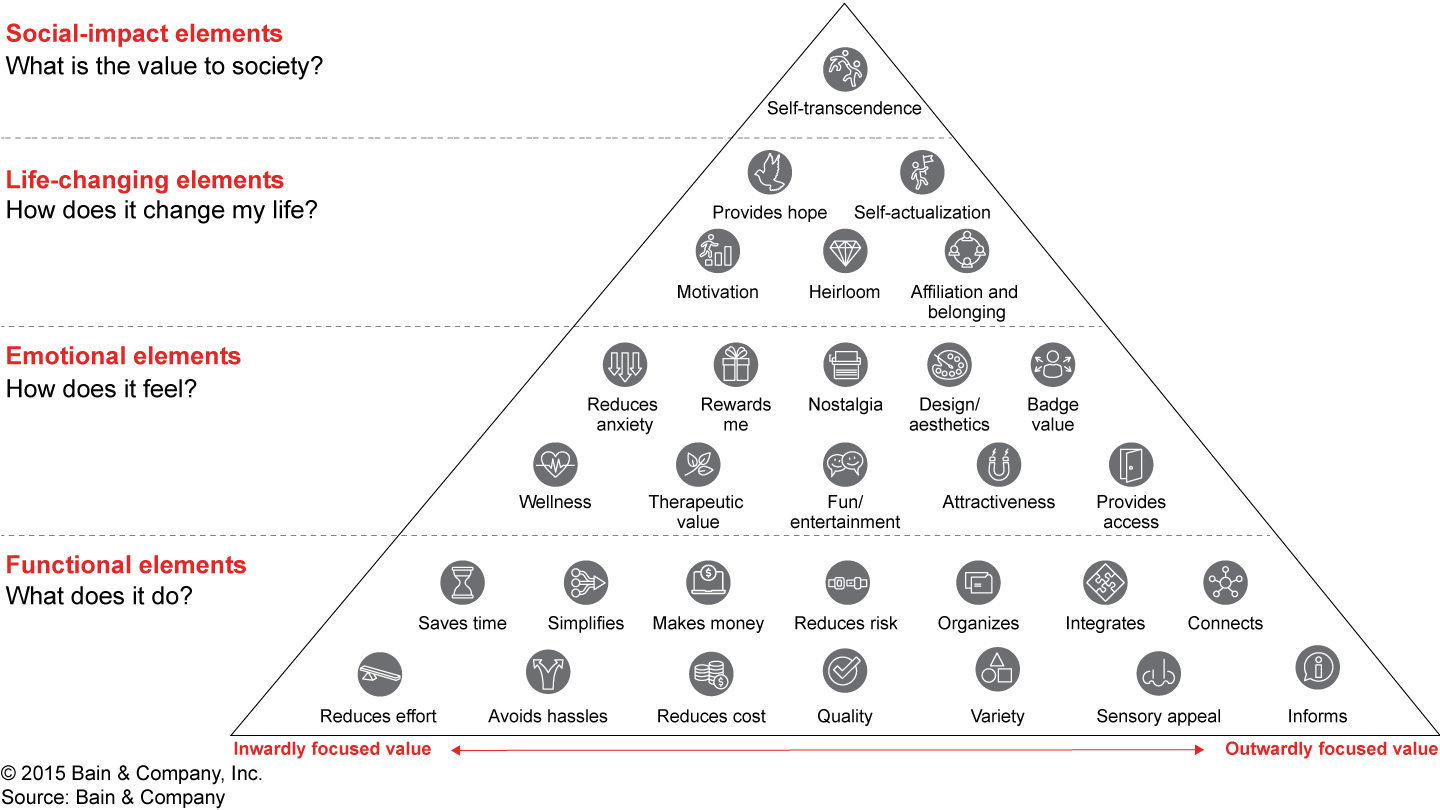

Figure 3
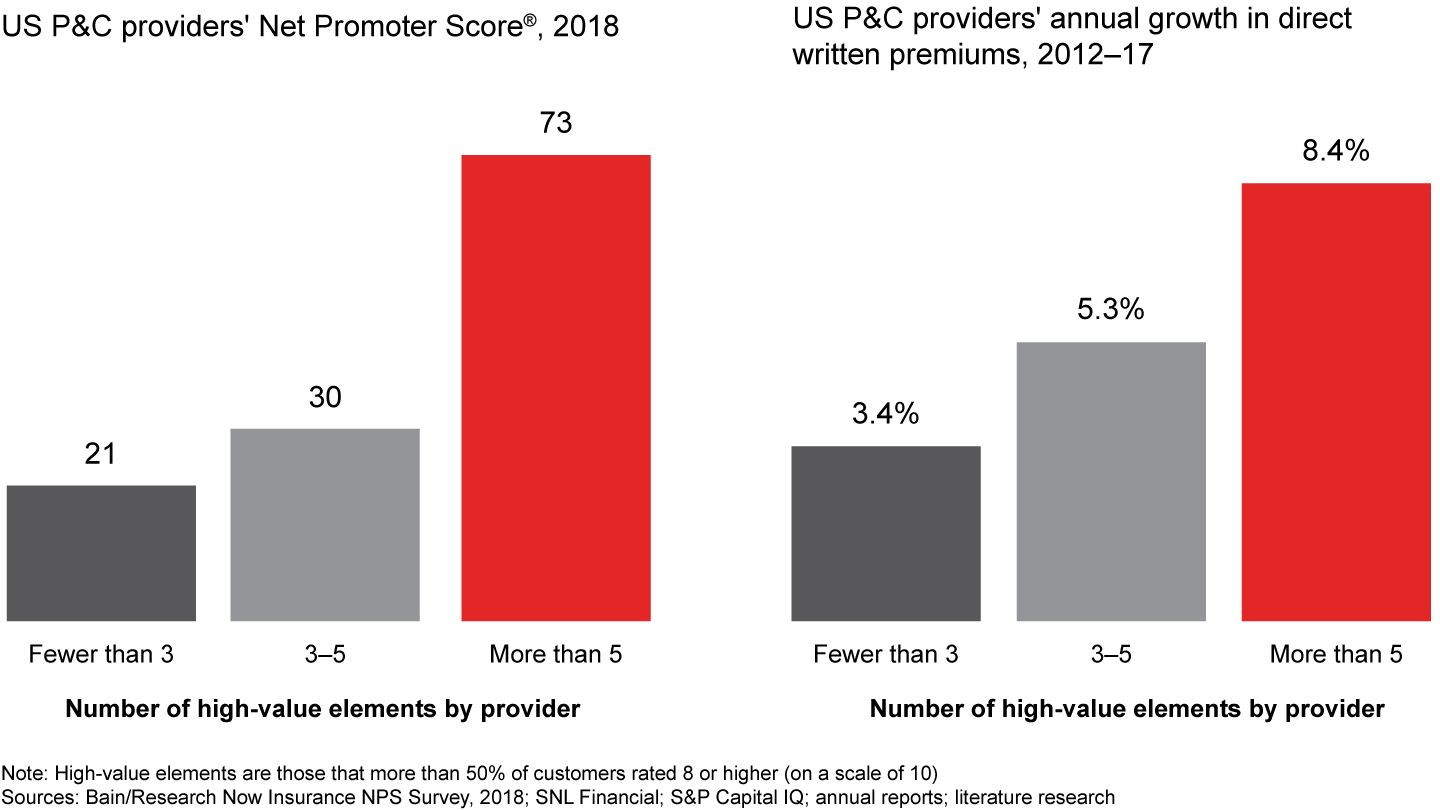

We found that insurers that excel on more Elements of Value achieve higher Net Promoter® ratings from their customers and experience above-average growth. In other words, delivering value to customers creates loyalty and boosts revenues (see Figure 3). Our survey shows that most insurers have a long way to go when it comes to consistently meeting the needs of their customers. While many incumbent insurers perform adequately on functional elements such as quality of products and reducing risk, they often fail to make interactions simple and easy, even though their customers consider ease of use very important. Across markets, our survey shows, the insurers that consistently lead in loyalty find distinctive ways to deliver value. HUK-Coburg, the P&C loyalty leader in Germany, has roughly double the number of elements that are highly rated by its customers, compared with the average among its peers. The company combines low-cost products with anxiety-reducing and time-saving services. When auto insurance customers file an accident claim, for example, HUK-Coburg can leverage its extensive repair shop network to help them get their vehicles repaired reliably and promptly. USAA, the perennial loyalty leader in both P&C and life insurance in the US, excels at fostering a sense of affiliation and belonging among its members, who are current and former members of the US military and their families. Compared with its rivals, the company delivers significantly more functional value for customers, for example, in avoiding hassles and saving time. USAA also scores high on “heirloom,” achieving resonance with the proposition that its products are good not just for its customers, but for their dependents. Insurers that create superior value stand out in three broad areas, helping them keep up with evolving customer expectations and stay a step ahead of insurgents:
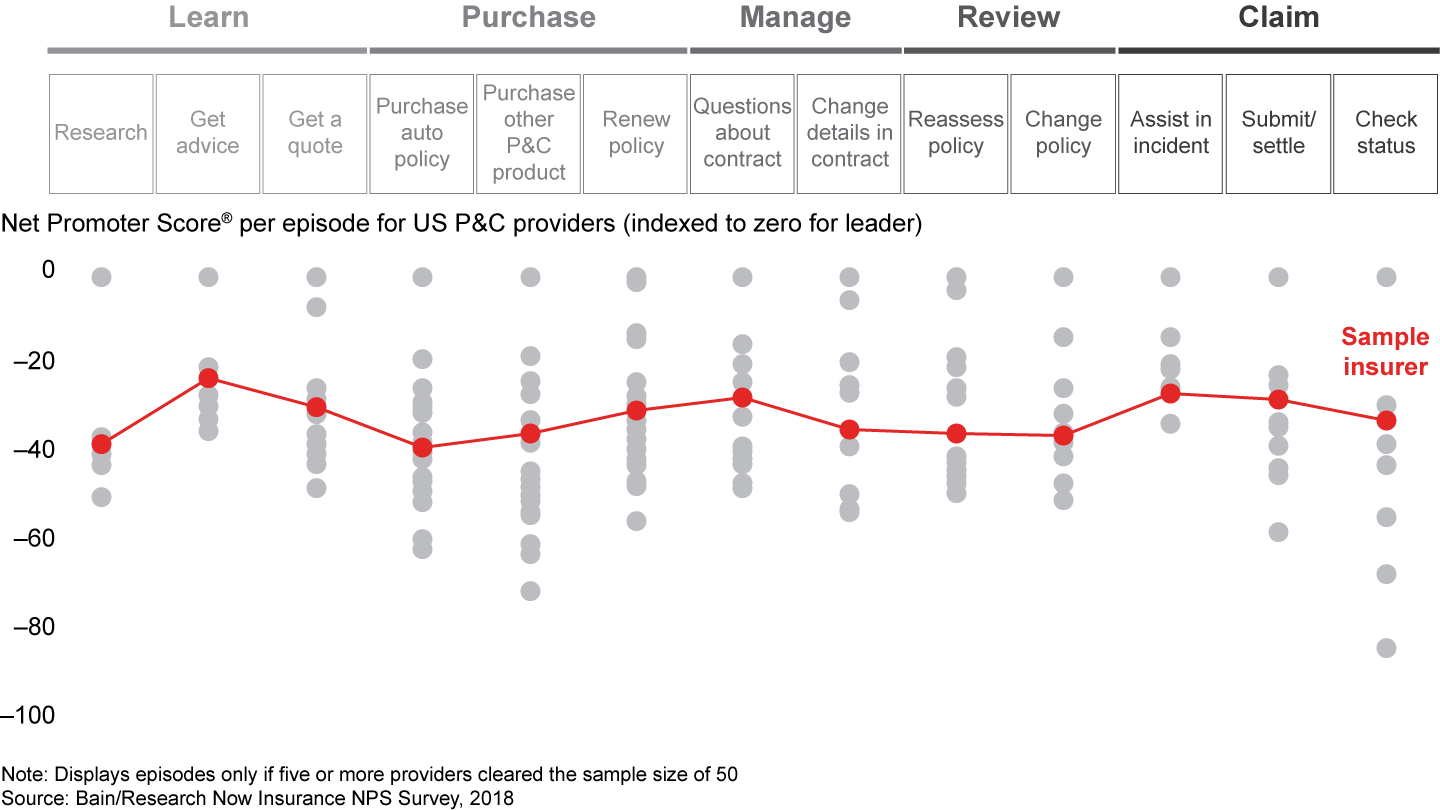
Core strength: be there when customers need youAcross countries and insurance sectors, quality is consistently the element that customers rank as the most important. Most incumbent insurers do get high marks for quality from their customers. Yet quality by itself is no guarantee of loyalty. In many of the countries we surveyed, the loyalty leaders in both P&C and life outscore their competitors by wide margins. In Germany, for example, HUK-Coburg, the leader in both P&C and life, outperforms its nearest rival in each category by approximately 20 points. Clearly, these loyalty leaders are delivering something besides quality, something that makes them stand apart from their rivals. What is it? Loyalty leaders delight their customers at the episode level. They understand the importance of pleasing customers at the “moments of truth”—those times when policyholders need support after an incident such as an accident, injury, fire or theft, particularly when they’re ready to file a claim. However, customers don’t report incidents or file claims very often. That means customers frequently judge their carriers on seemingly less consequential episodes such as a request to change a billing address or a question about coverage. Loyalty leaders know that one bad experience, even during a routine interaction, can have serious ramifications. They work hard to constantly improve the customer experience for all episodes. 
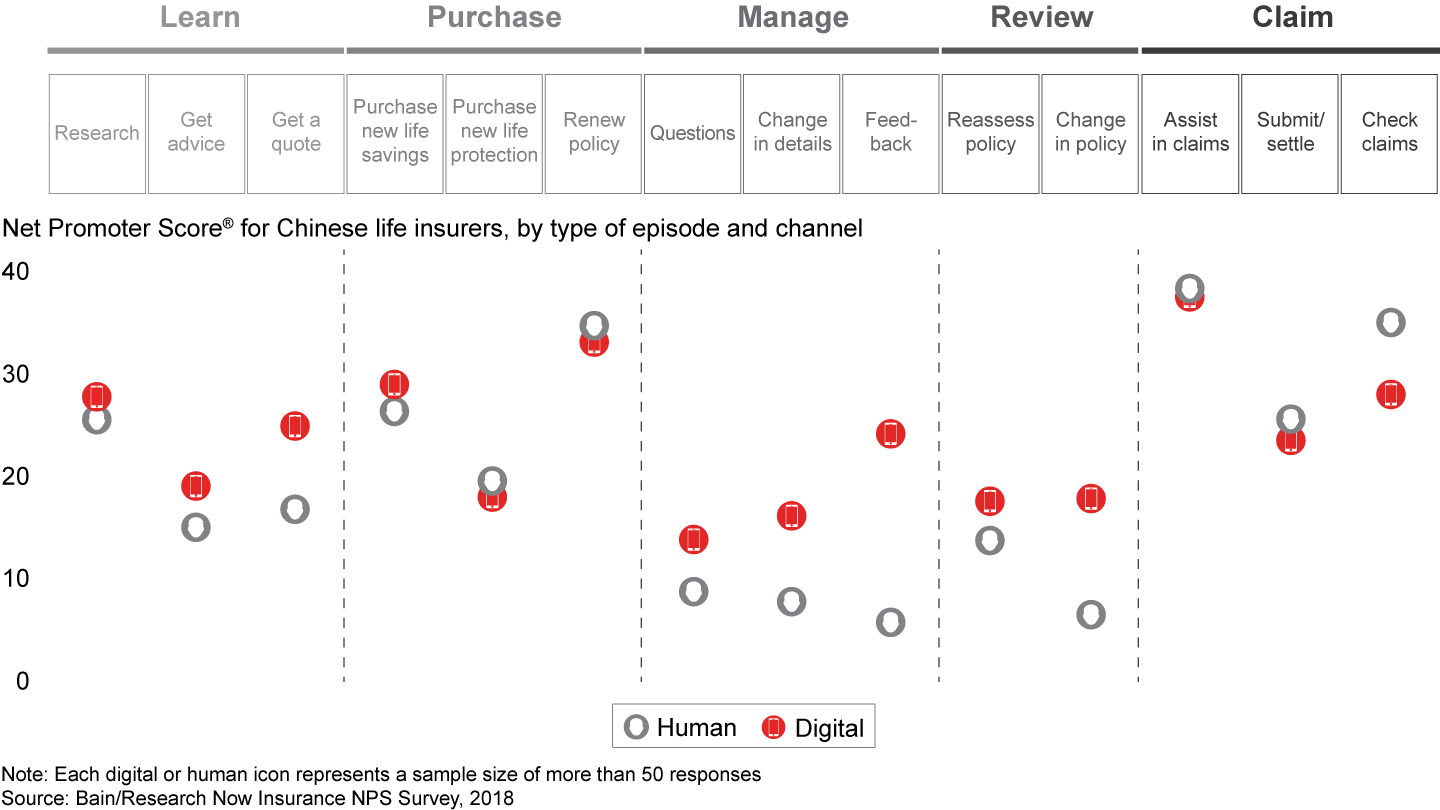
Live a LittleOur imaginative but informed look at how auto insurance may work in the not-too-distant future. Loyalty leaders also strive to delight customers across multiple channels. While the use of digital channels is growing rapidly, digital-only customers give their carriers lower loyalty scores than do multichannel customers. One of the trickiest questions insurers face today is how to manage the transition away from human-based interactions and toward a digital-first environment. In just the 12 months since our last survey, the share of customers using browsers and apps on mobile phones has increased by an average of more than 70%. Younger customers are particularly strong users of mobile channels. Nearly 70% of millennial life insurance customers in China, for example, have used their mobile phone for research and/or interactions in the past year. However, in most countries we surveyed, insurance customers aren’t thrilled with their digital experiences. They find interacting with humans easier and more personalized. Incumbents that don’t manage to delight their digital customers at the episode level run the risk of being disrupted by insurgents that get it right. Insurers face pressure to show that digital can be as easy and personal as—or even better than—a human touch, especially for relatively simple transactions. There are some signs that insurers are heeding the call. This trend is most noticeable in China, where leading insurers have widely embraced advanced analytics, artificial intelligence and a wide variety of other technologies. About three-quarters of Chinese life insurance customers use digital channels for at least some transactions, and they tend to give their carriers Net Promoter ratings that are on par with, or higher than, customers who use human channels. Beyond insurance: creating loyalty with ecosystem servicesThe more meaningful interactions customers have with their insurers, the more loyal they are likely to be. One problem insurers face is the low-touch nature of the business. Insurers interact infrequently with their customers, sometimes less than once a year. With ecosystem services, insurers can engage with their customers more often and, in the process, build sustained relationships with them. Instead of simply providing accident and theft coverage for cars, for example, an insurer can be part of an ecosystem that offers roadside assistance, devices and apps that monitor and reward safe driving habits, and maintenance notifications and discounts for repairs. About 80% of insurance customers around the world are open to the idea of ecosystem services, and many of them are open to having insurers provide those services. Darci Darnell, who leads Bain's Global Customer Strategy & Marketing practice, explains why insurers need to create an ecosystem of services that addresses the concerns of the younger generation. Ecosystems foster loyalty. The more ecosystem services an insurer offers, the higher its Net Promoter ratings. Ecosystems also help insurers attract new customers. In major markets, a large share of customers are willing to switch to another provider if that company offers an ecosystem service in which they are interested. Ecosystem services can also reduce price sensitivity. A significant portion of customers who use ecosystem services are willing to pay higher premiums for them. (For an in-depth discussion of insurance ecosystems and customers’ service preferences, see Customer Behavior and Loyalty in Insurance: Global Edition 2017 and "Ecosystems: How Insurers Can Reinvent Customer Relationships," September 2017.) Our research this year provides new insights into how insurers can use ecosystems to create value. Customers give insurers higher Elements of Value ratings when the companies offer ecosystem services. When customers actually use these services, the scores go even higher. Tellingly, insurers that offer ecosystem services are able to connect with consumers on emotional and life-changing elements. Insurers that delight their customers with ecosystem services receive scores significantly above the market average on higher-tier values such as “motivation,” “provides hope” and “self-actualization.” One ecosystem provider that has achieved above-average Elements of Value ratings is Vitality UK, a British subsidiary of Discovery, a South African health and life insurer. Vitality promotes and rewards healthy living by offering discounts for preventative examinations and screenings, fitness club memberships, health foods, active travel, and health monitoring apps and devices. With ecosystems, insurers not only serve their customers in new ways and at higher levels, they also find out more about them. With this information, companies can further refine and personalize their offerings and interactions, thus creating a virtuous circle. The innovation imperativeNo insurgent has yet achieved the critical mass necessary to become a power player in a major insurance market. There’s no Apple or Google of insurance visible on the horizon. Insurance is a highly regulated industry, creating barriers to entry. But, as innovators have shown in other industries, such obstacles can be overcome. Incumbent insurers can’t afford to be complacent. Their customers, especially young, digitally savvy ones, are very open to taking their business to a newcomer. As in any mature industry, large players that have done business the same way for decades often find change challenging. They must contend with legacy IT systems, inefficient and labor-intensive processes, and, often, ingrained corporate cultures that are averse to risk and resistant to change. Smart insurers recognize they can’t do everything on their own; they’re teaming up with insurtechs and other companies to modernize their operations, from distribution to claims processing. Forward-looking companies are committing themselves to an Agile, companywide, customer-centric transformation. USAA, for example, has more than 500 Agile teams providing simple and digital experiences and meeting the ever-evolving needs of its members. Leading insurers understand that revamping their core activities—including making processes more efficient and improving customer service—is essential. Such measures, which involve relatively little risk, have considerable upside, but to achieve truly transformative innovation, some companies are taking the bolder step of creating new business models. These efforts include digital-first platforms that either work in coordination with the core or exist as standalone units. The most proactive insurers are taking innovation even further by radically reinventing their entire business, not just discrete units. This strategy carries the greatest risk, but also has the potential to deliver the greatest rewards. In a time of disruption, the insurers that emerge as winners will be those that consistently deliver quality at competitive prices and delight their customers in each and every episode, using a variety of channels, with a growing emphasis on digital. They’ll expand and intensify their connections—and maintain their command of the customer interface—by positioning themselves at the center of an ecosystem of services that meets their policyholders’ evolving needs. Insurers that do the hard work of understanding and delivering the Elements of Value that matter most to today’s and tomorrow’s customers can put themselves on a path to sustained loyalty and lasting growth. 
1. Value generates loyalty
Figure 4
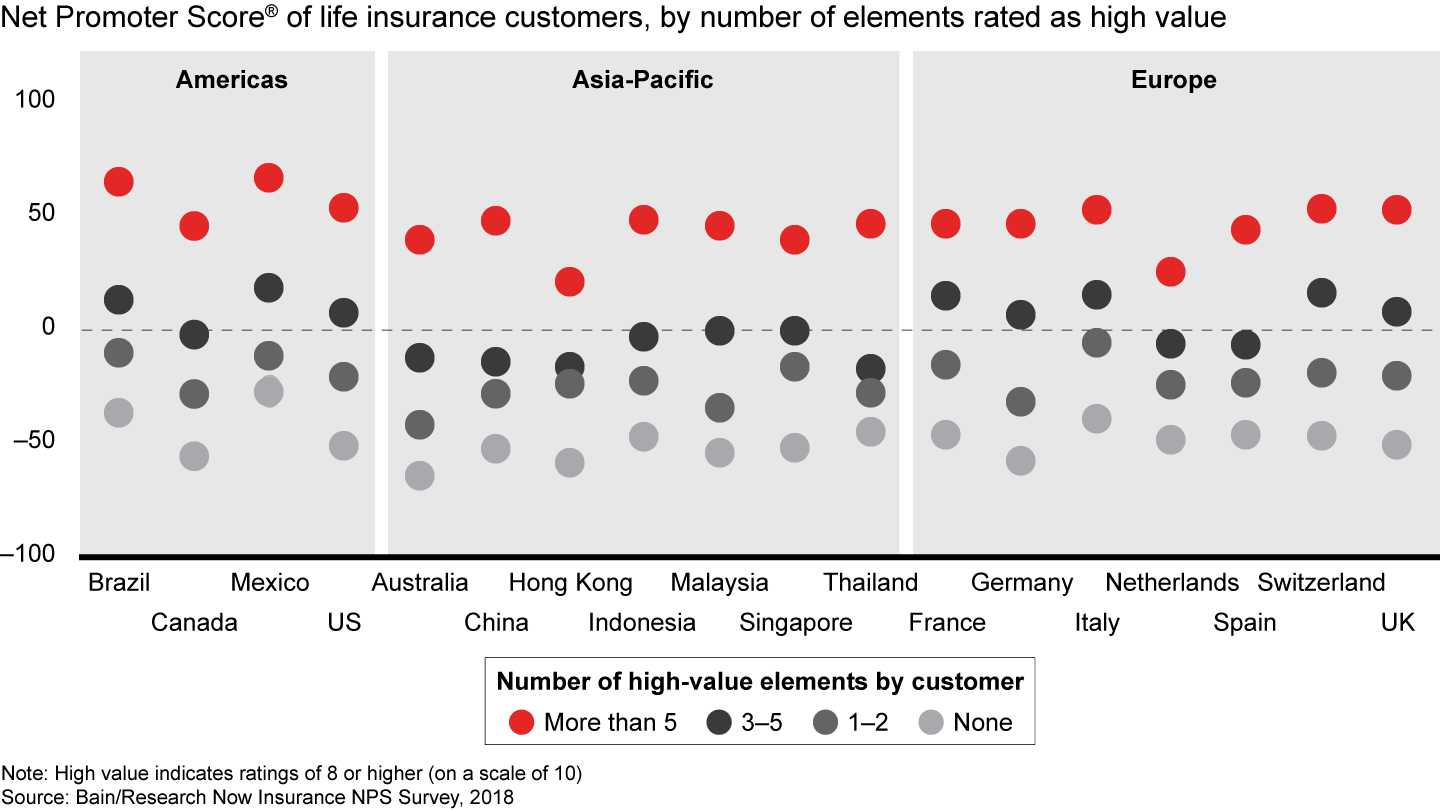

Figure 5
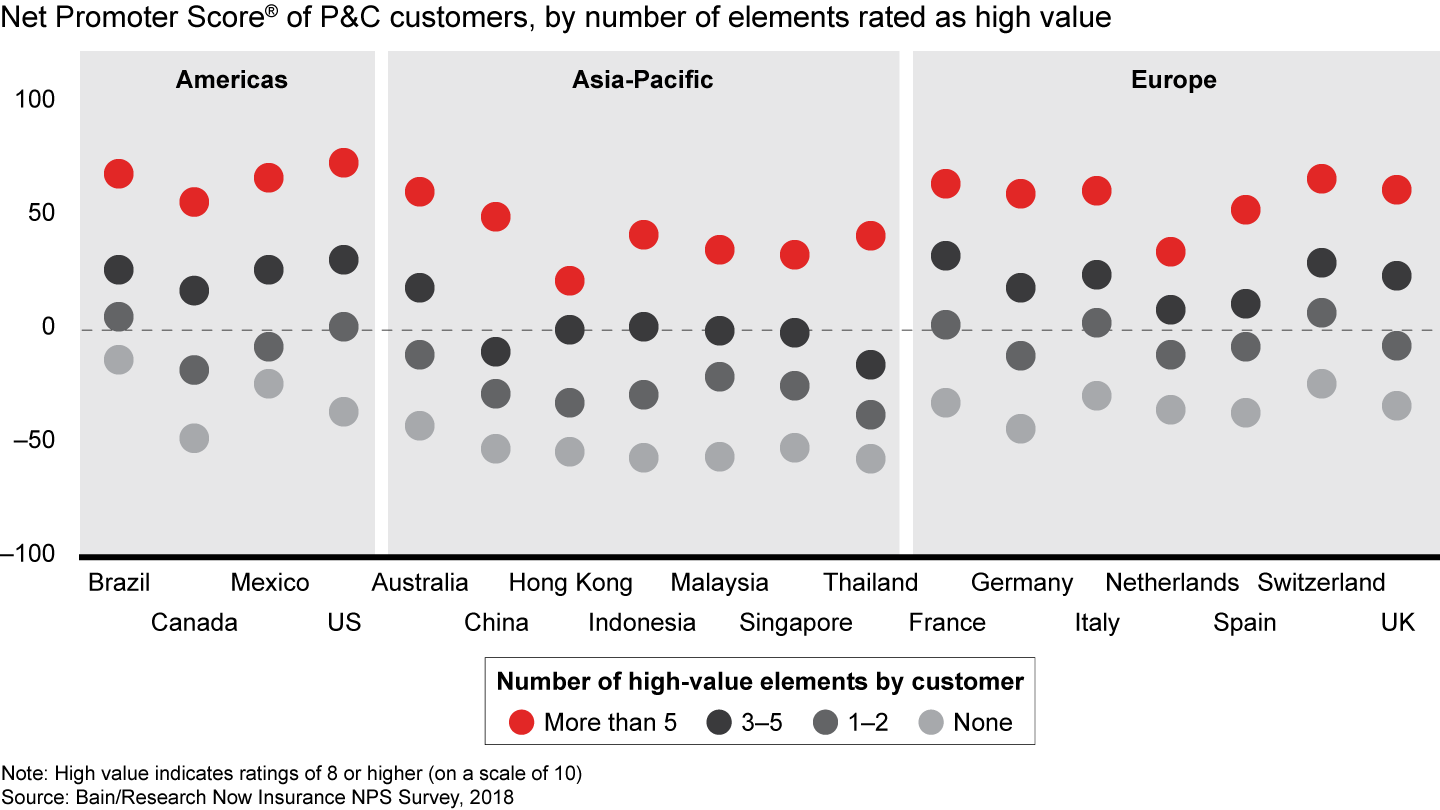

Figure 6
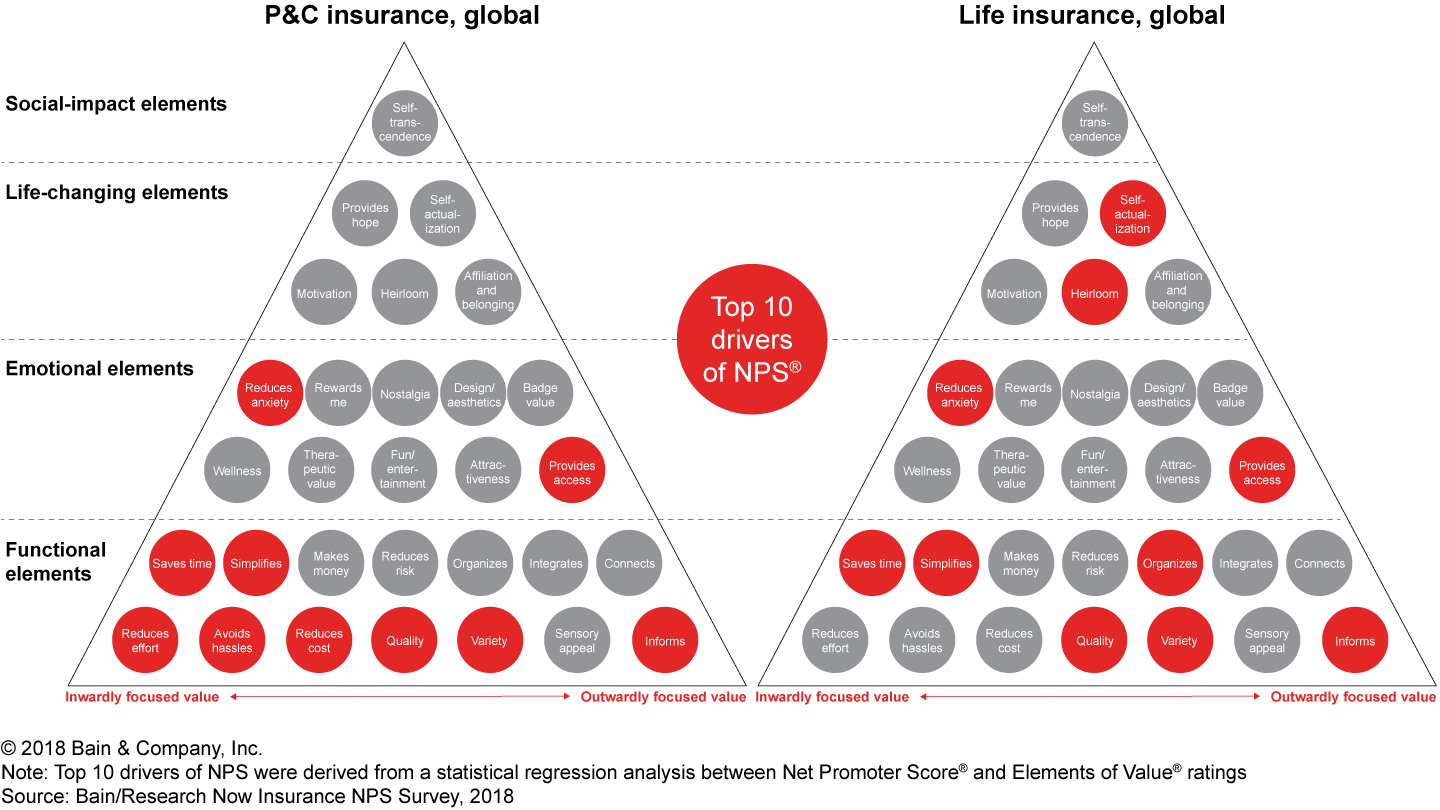

Figure 7
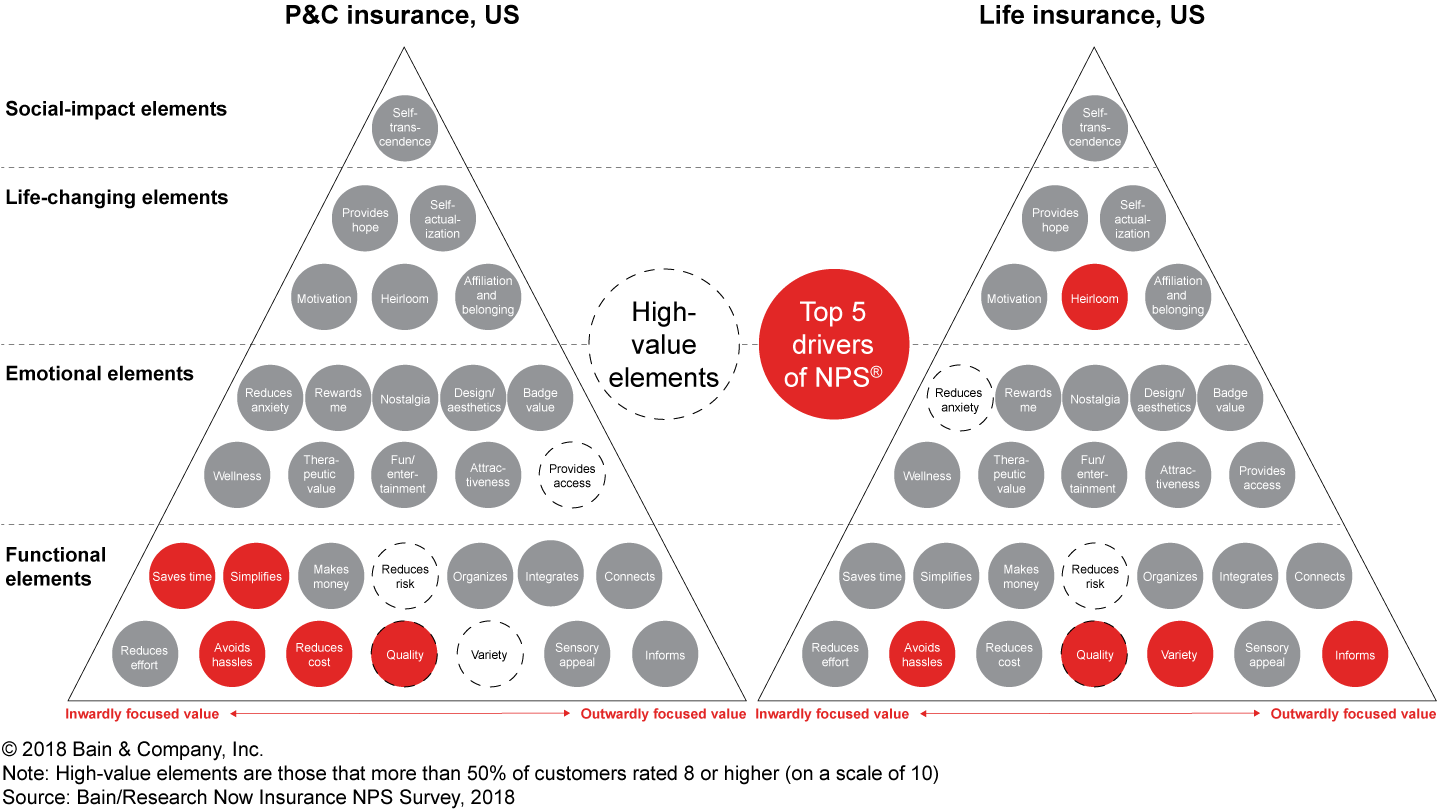

Figure 8
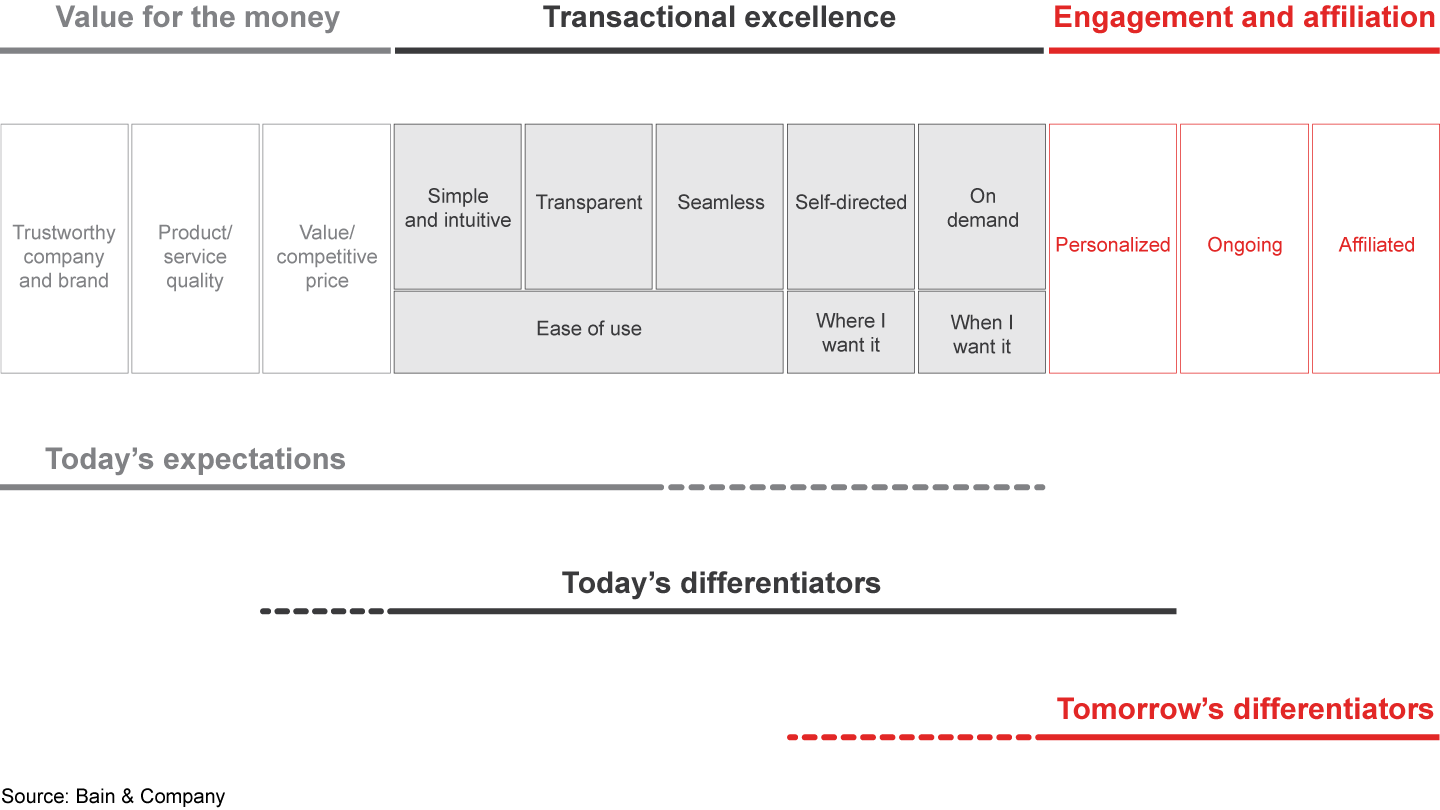

2. Rise of the insurgents
Figure 9
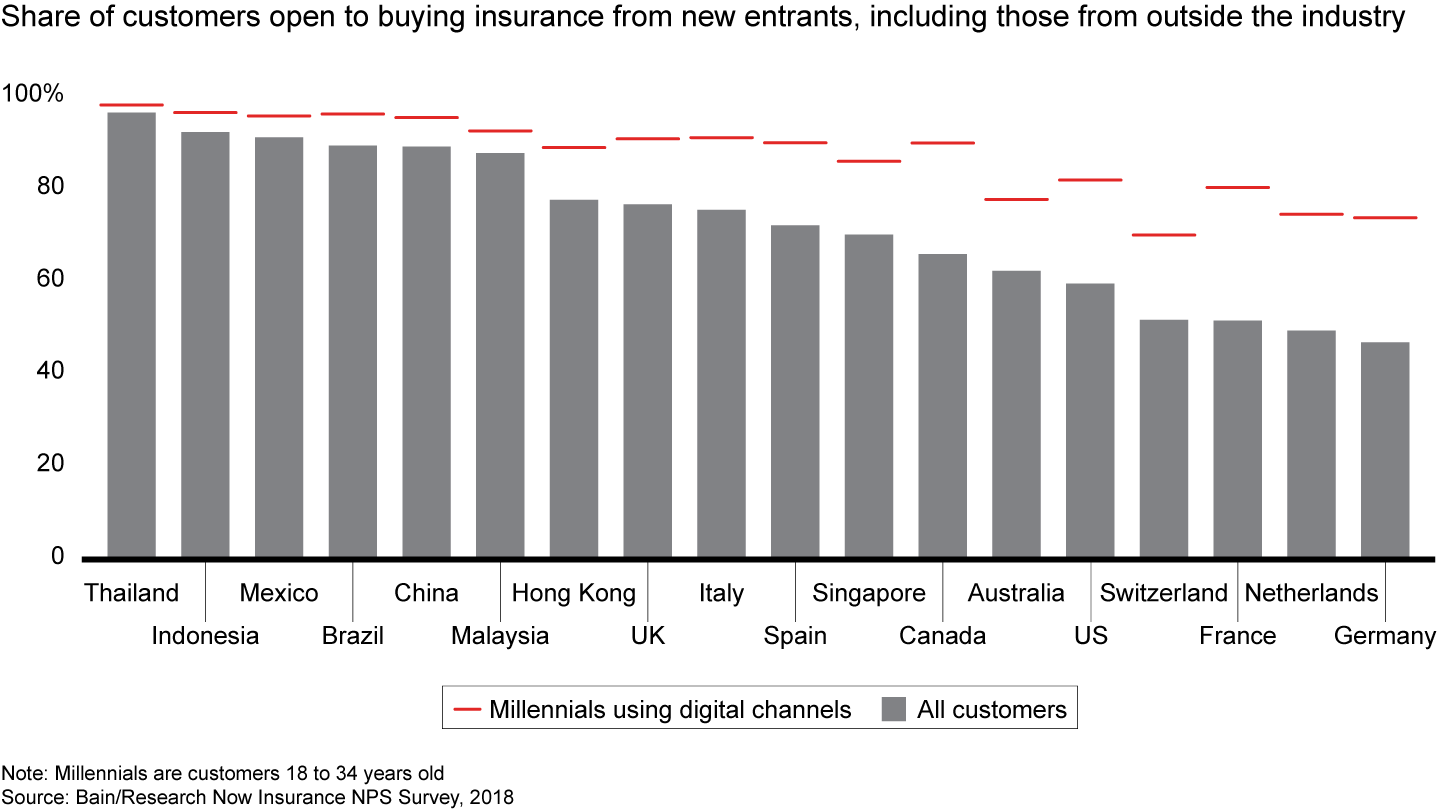

Figure 10


Figure 11
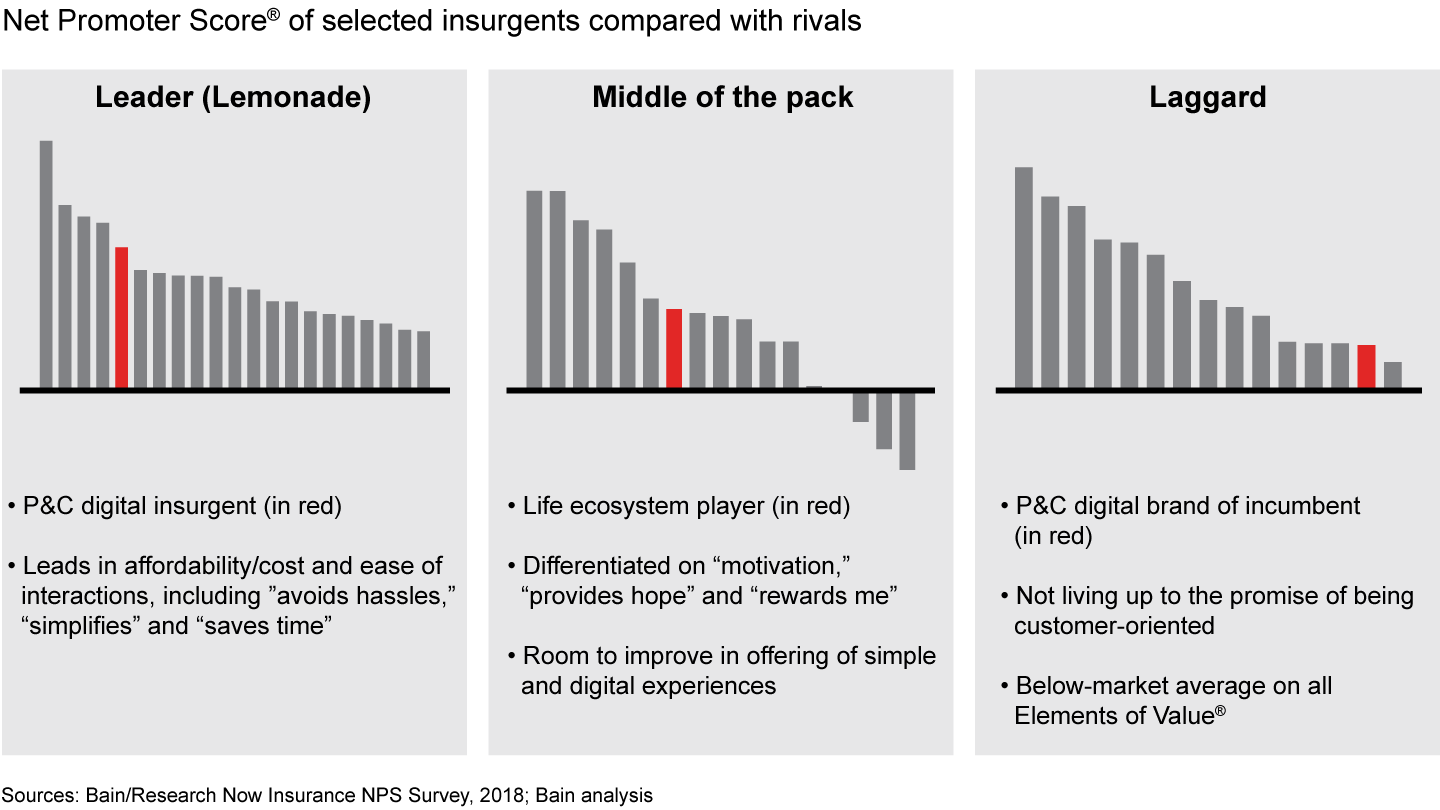

Figure 12
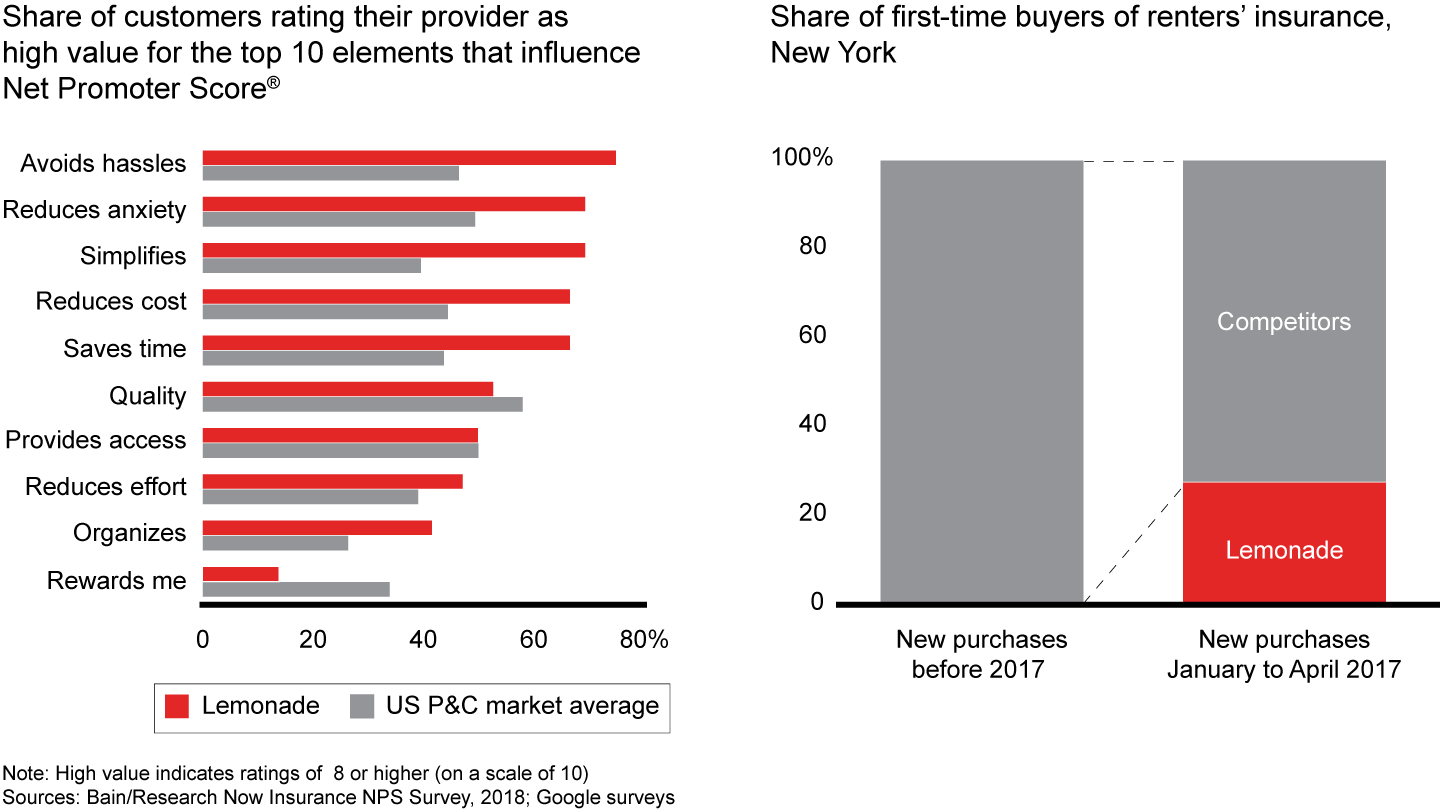

Figure 13

3. Episodes matter
Figure 14
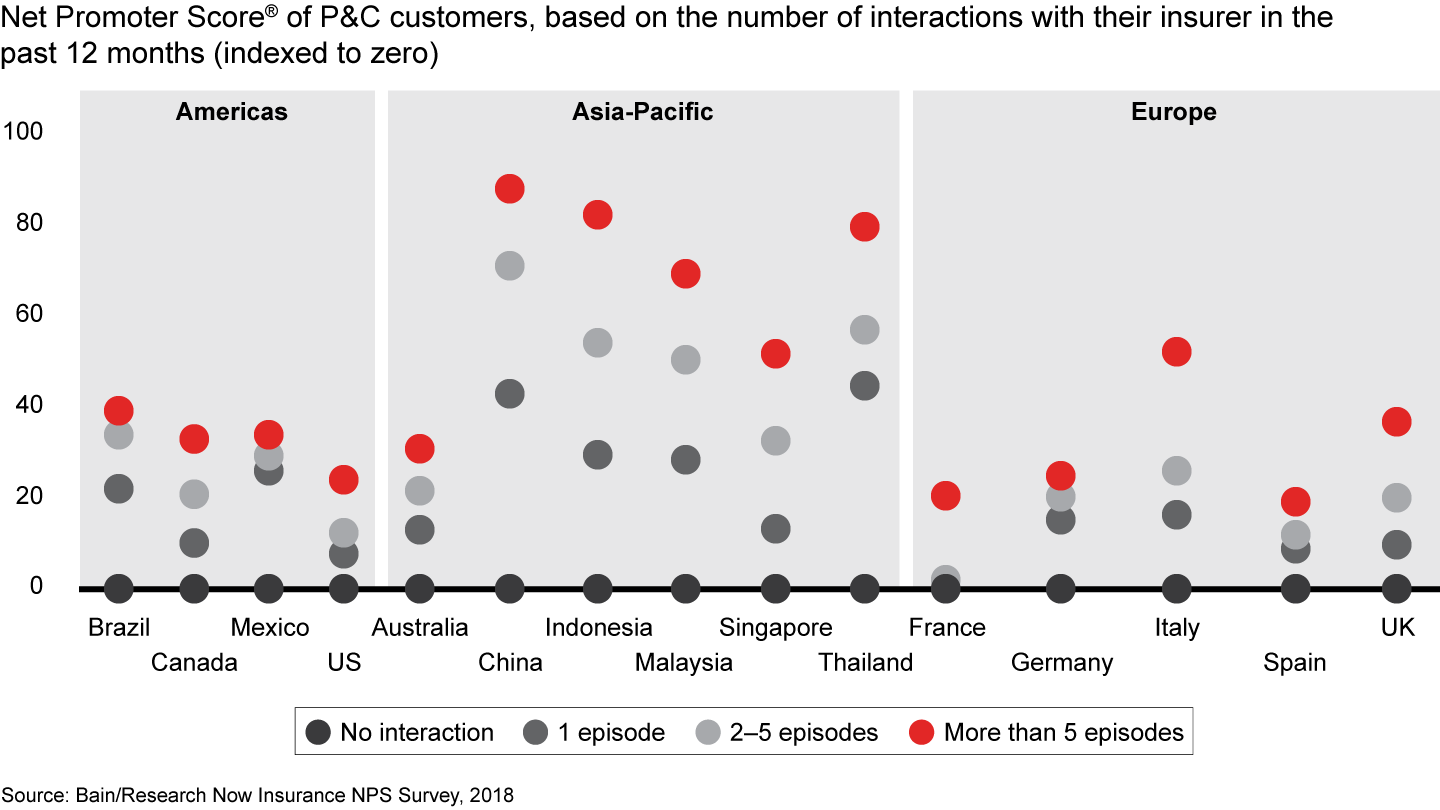

Figure 15
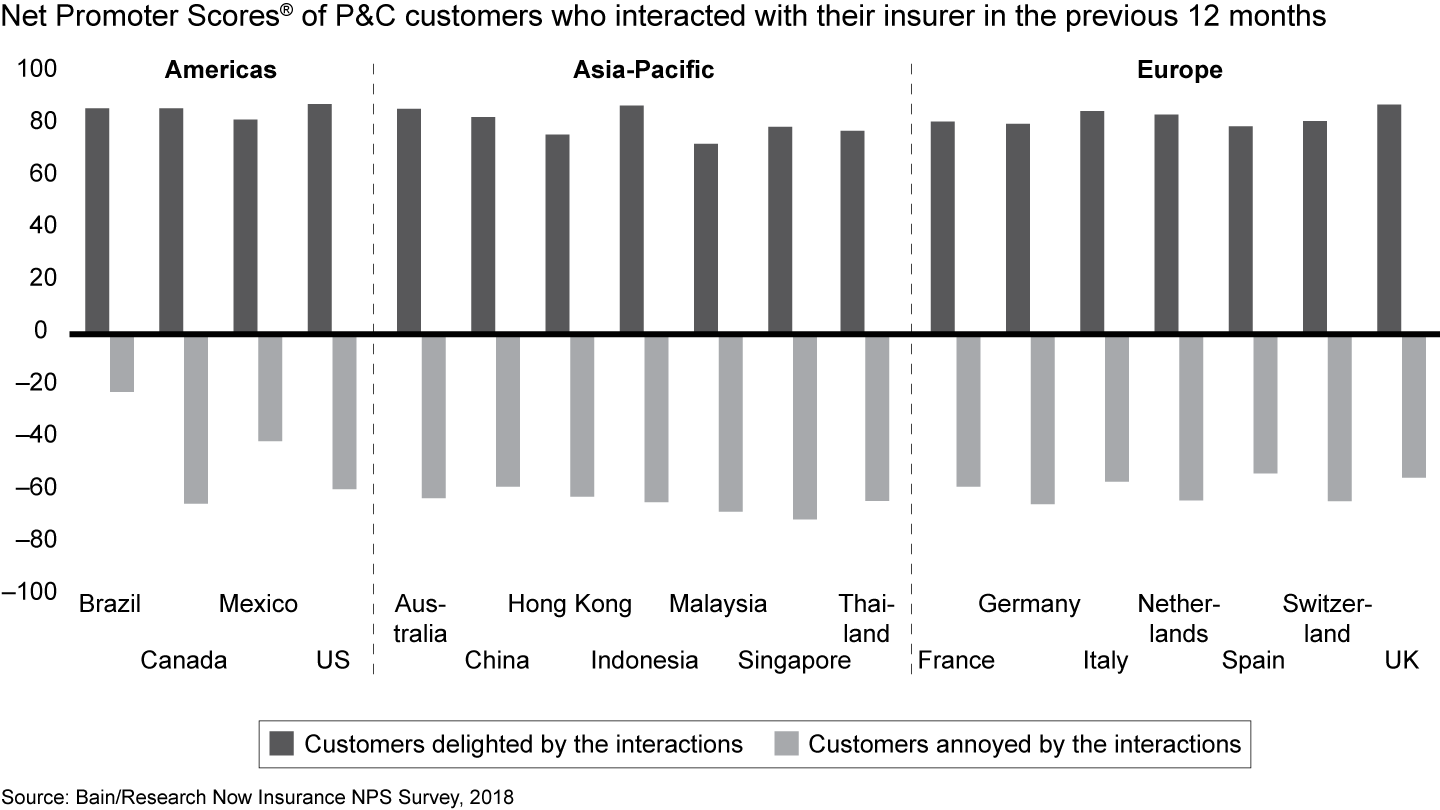

Figure 16
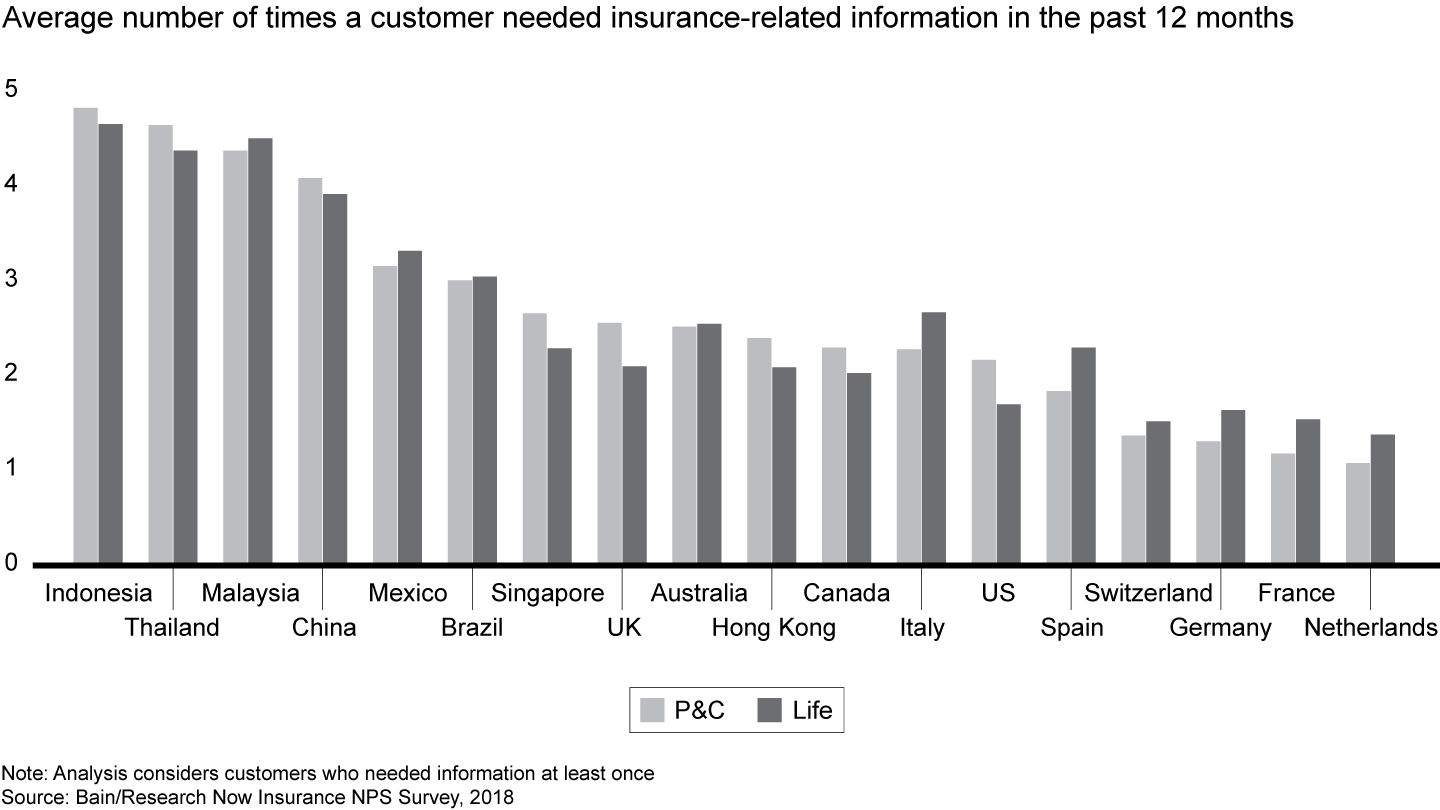

Figure 17
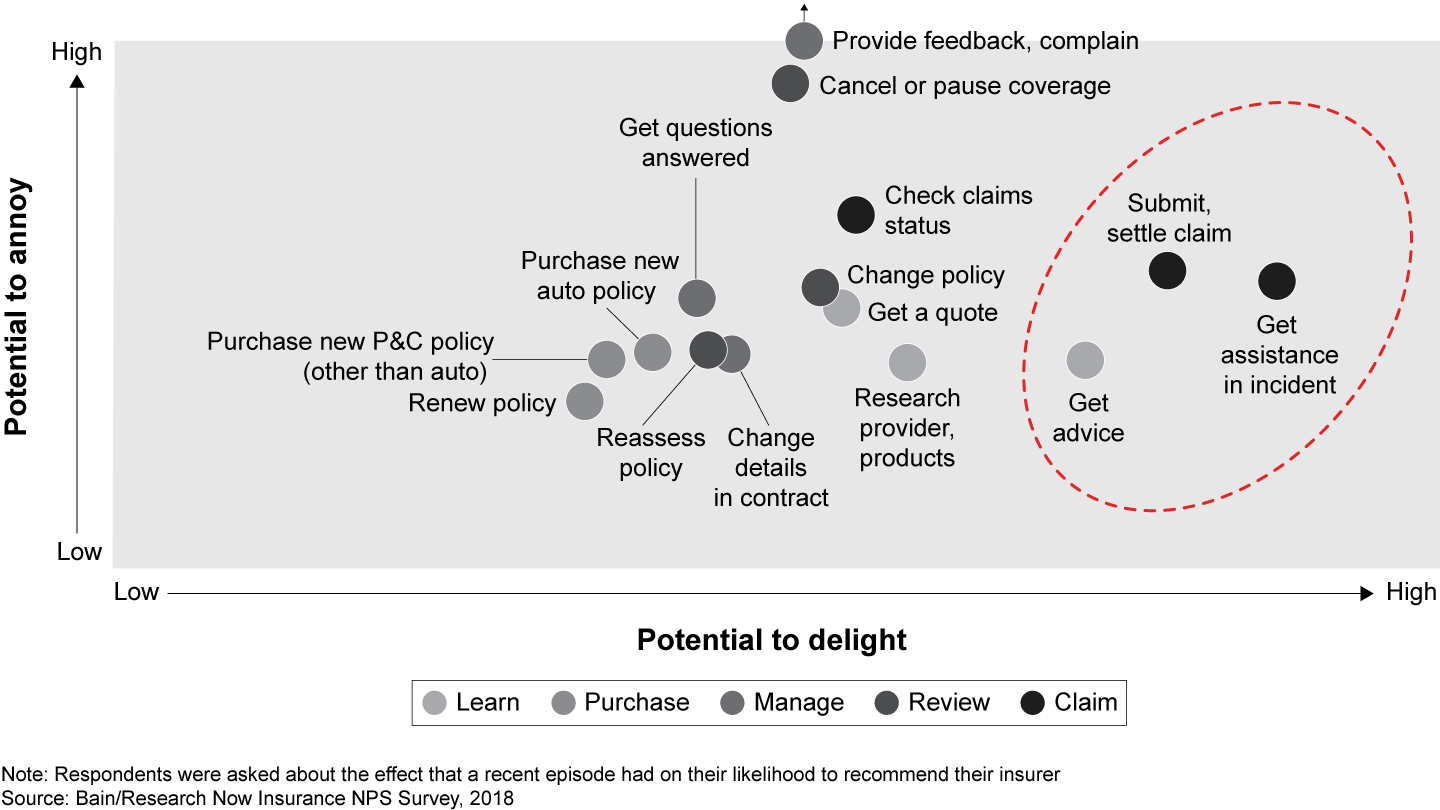

Figure 18

4. Managing the transition from human to digital
Figure 19
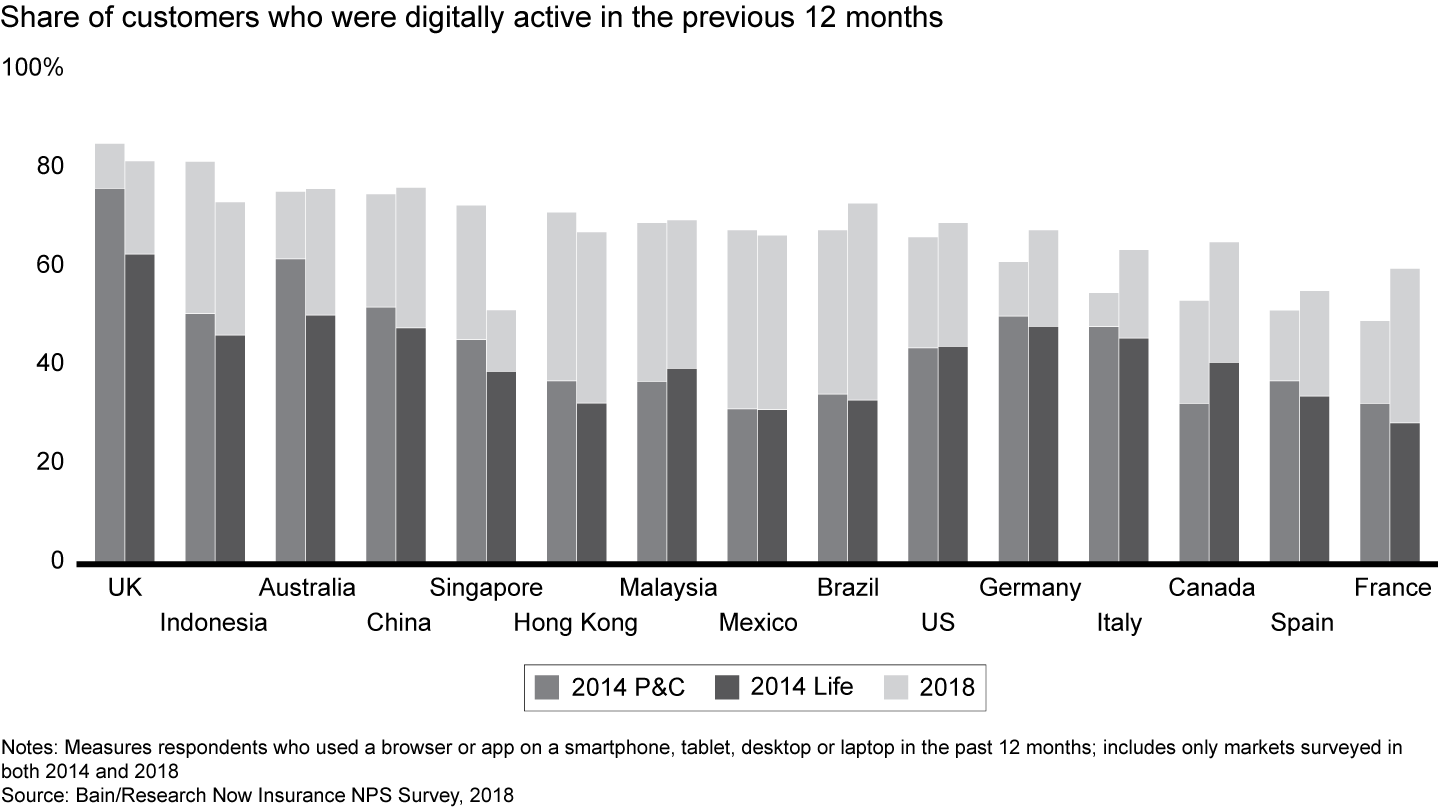

Figure 20
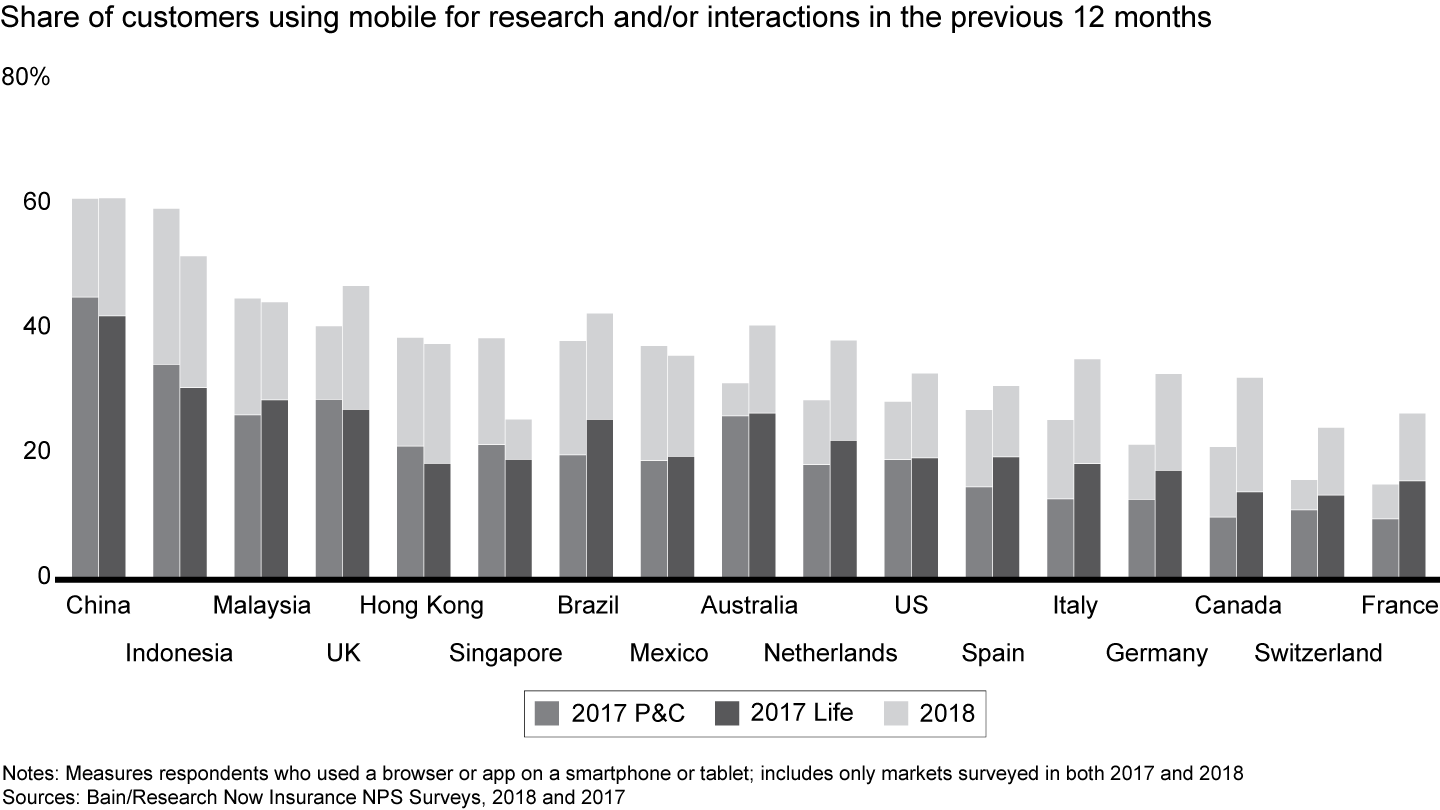

Figure 21
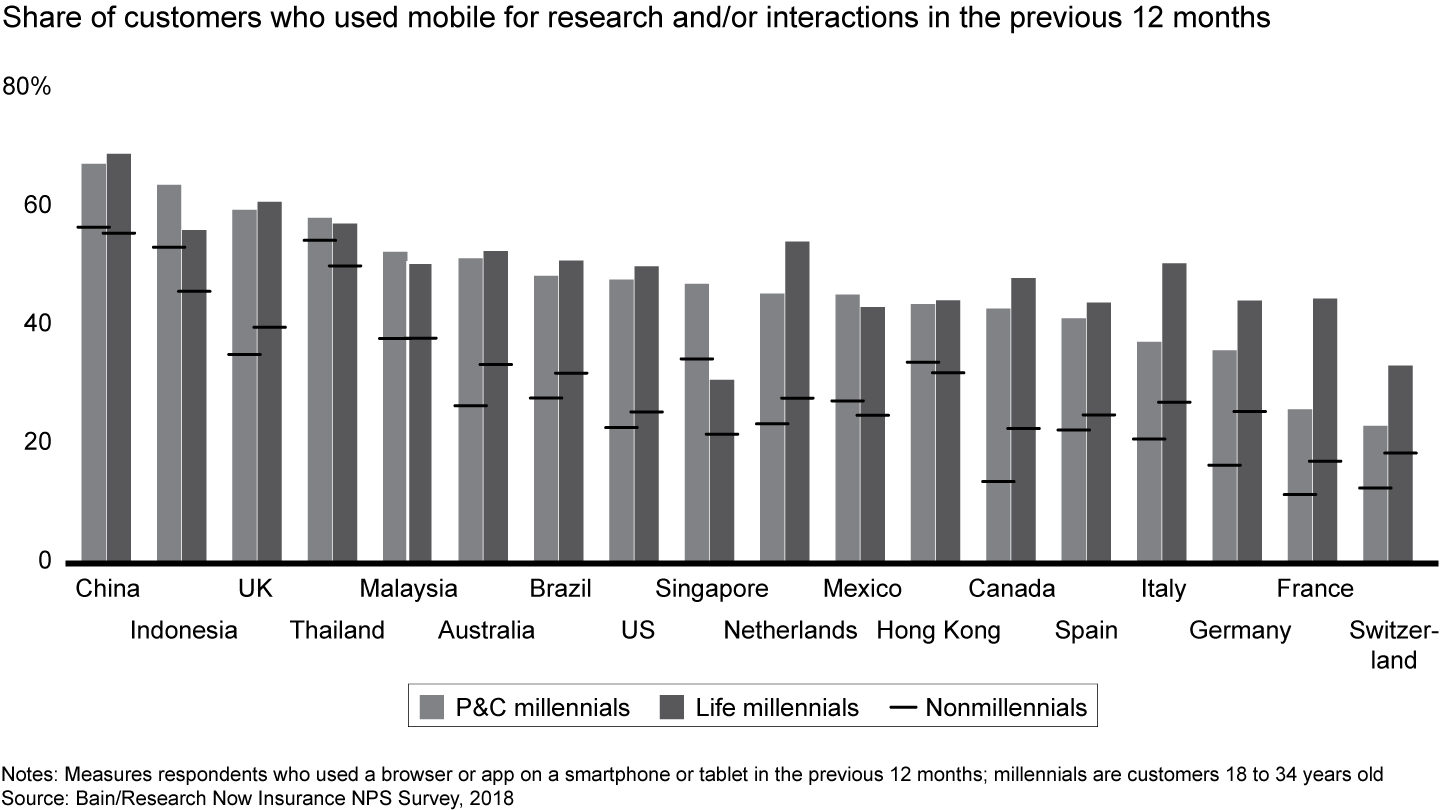

Figure 22
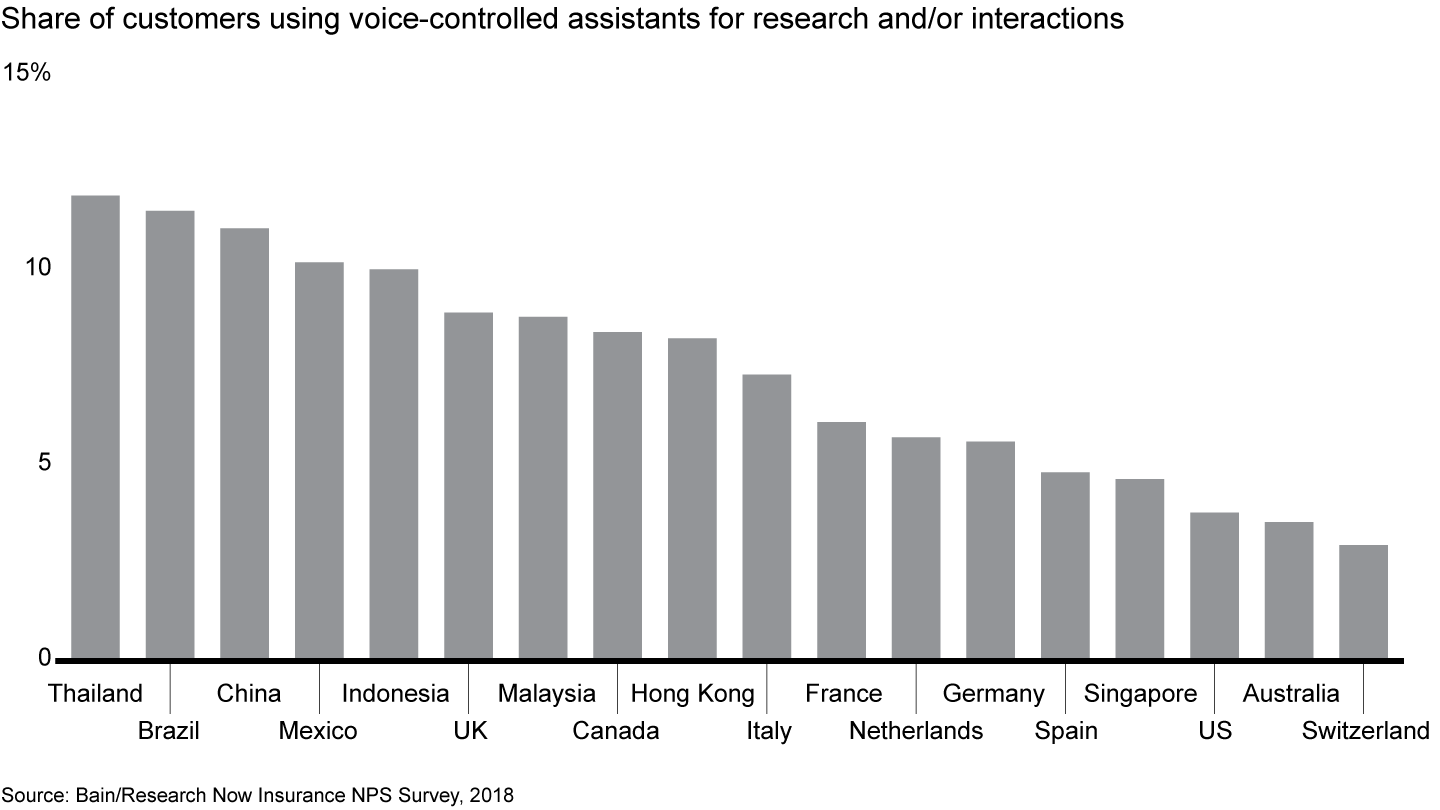

Figure 23
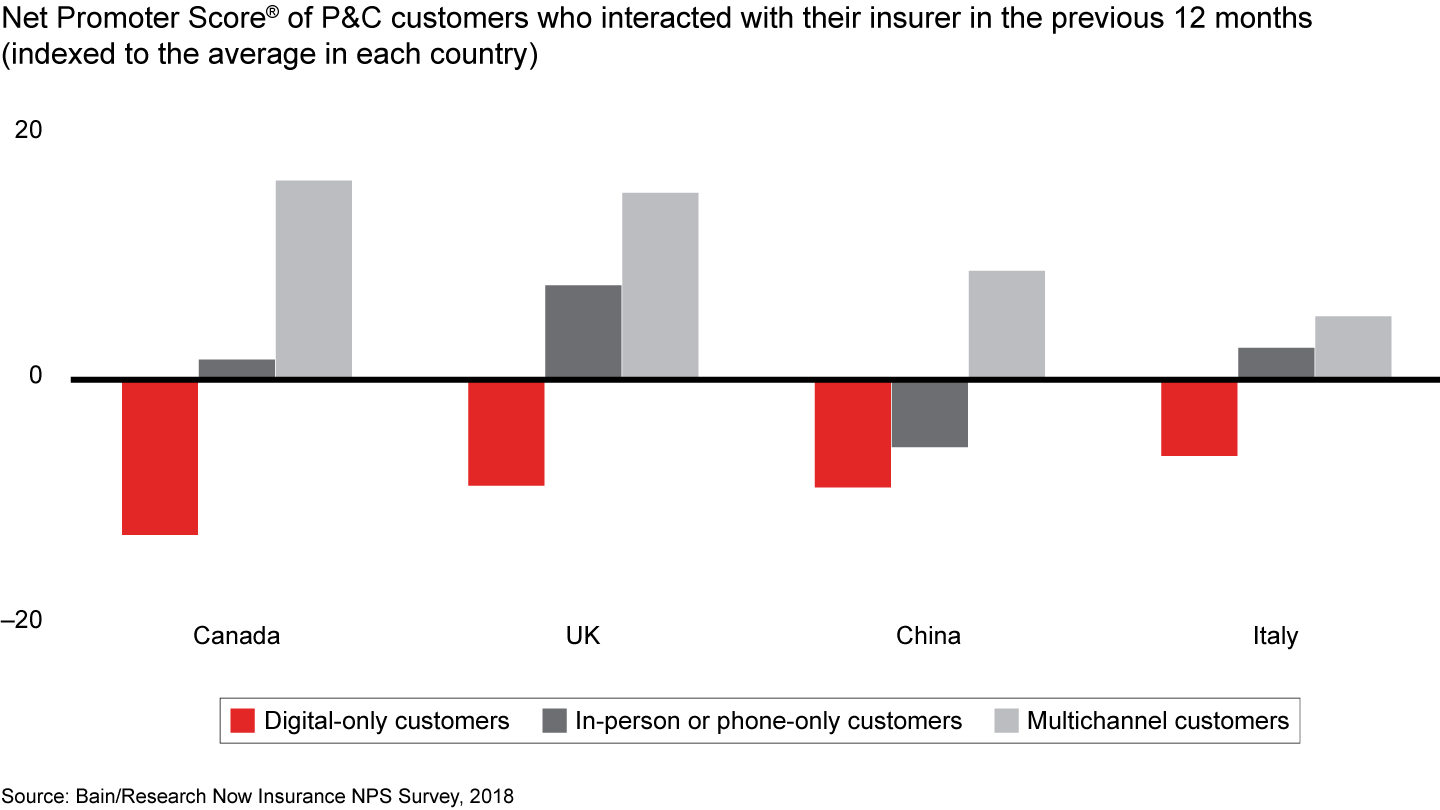

Figure 24
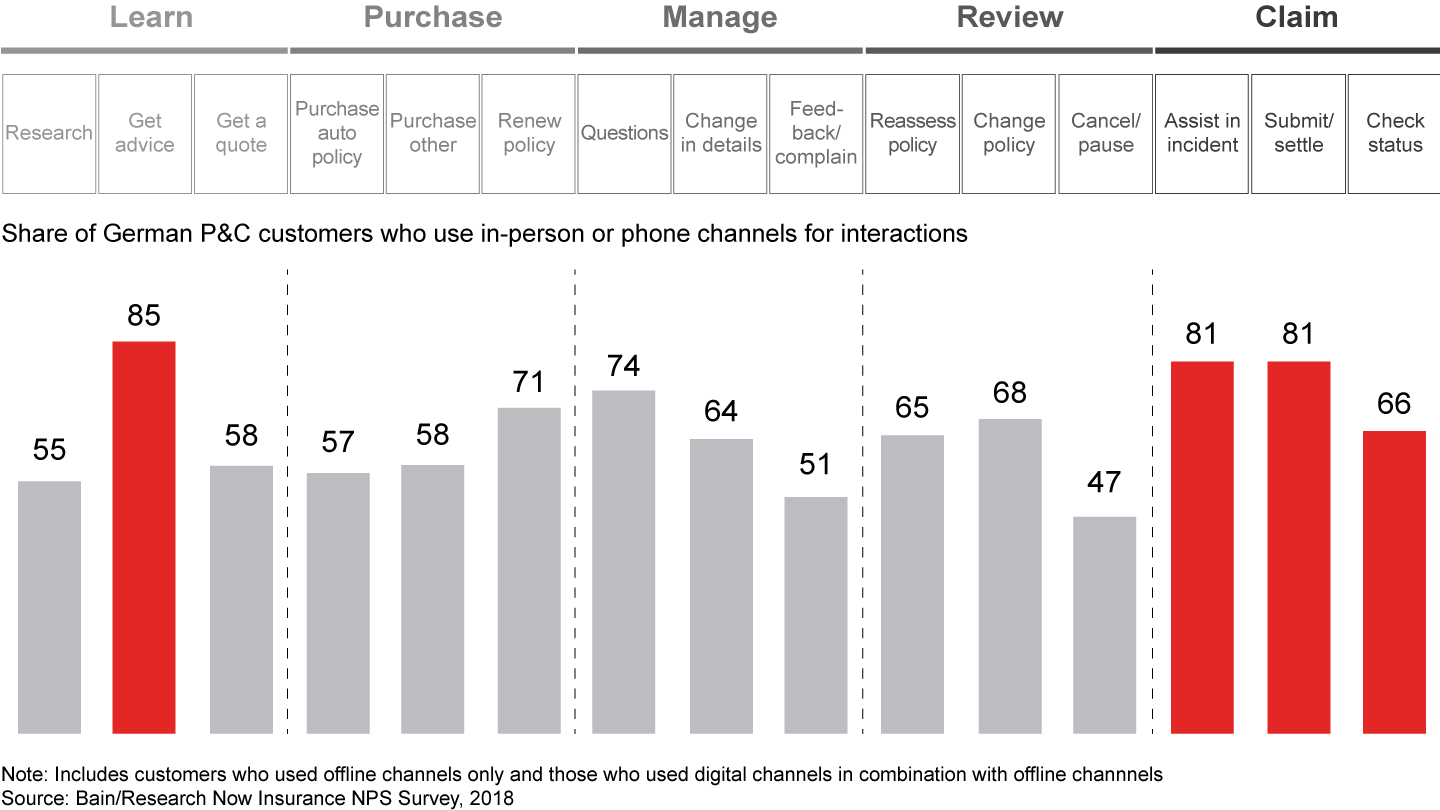

Figure 25
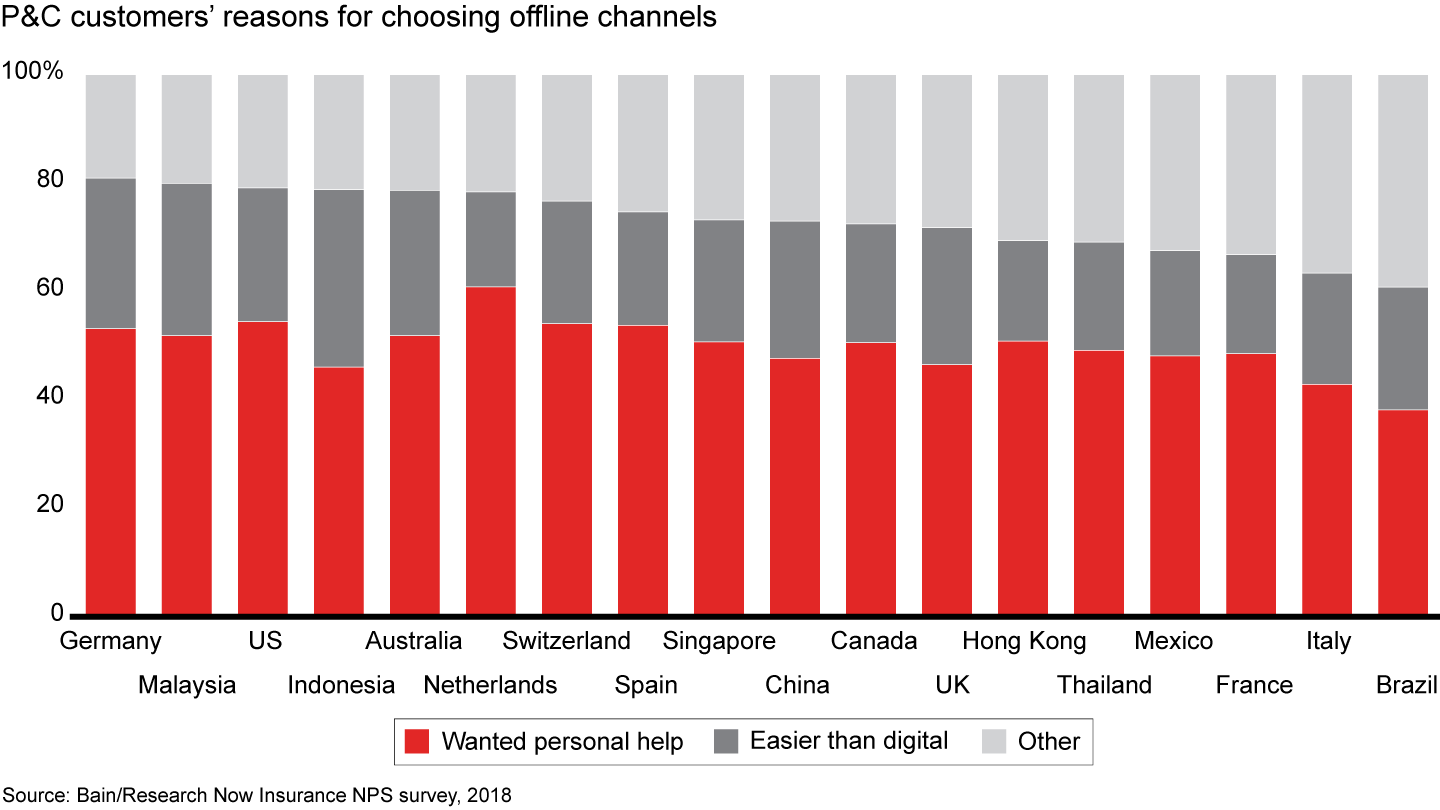

Figure 26

5. Ecosystems: reimagining value
Figure 27
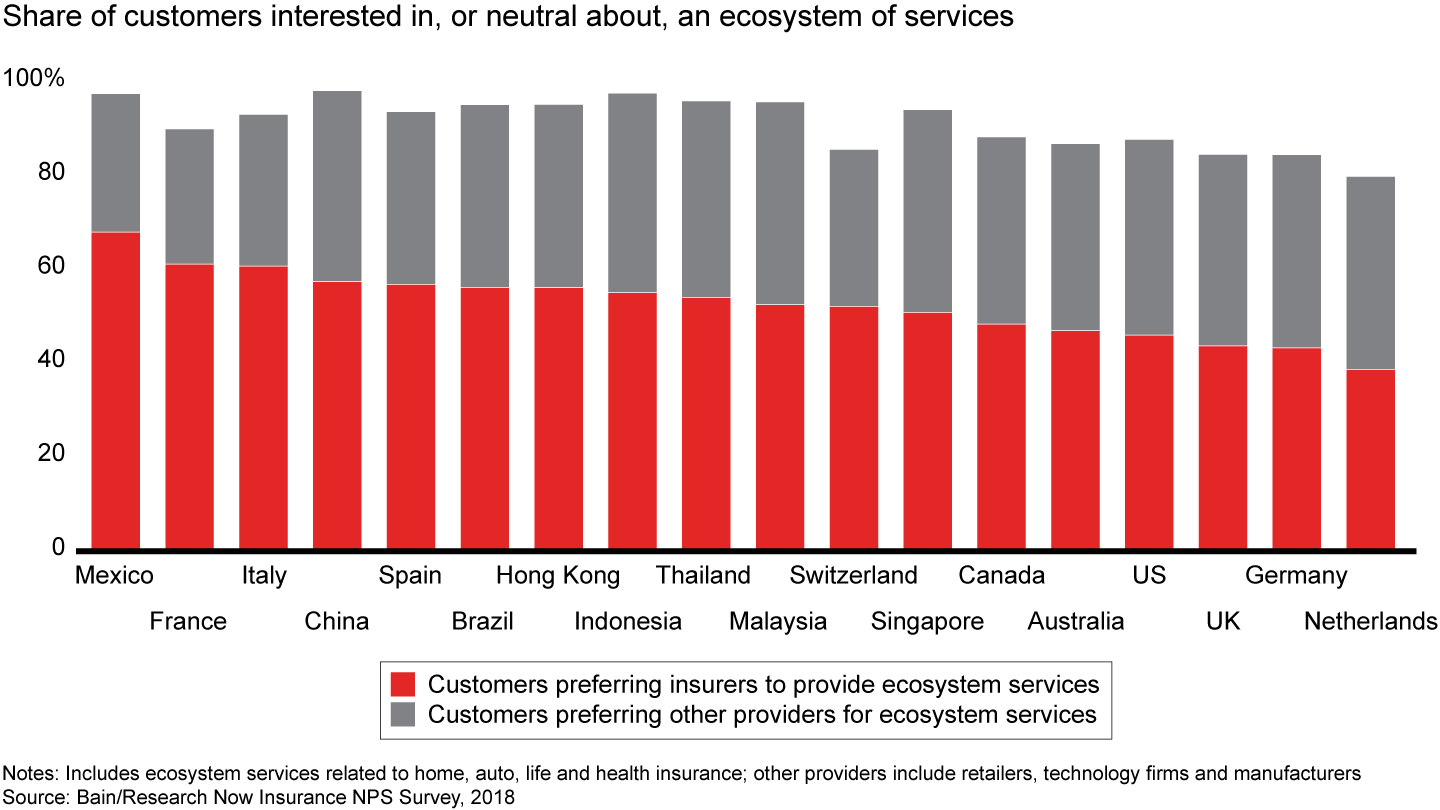

Figure 28
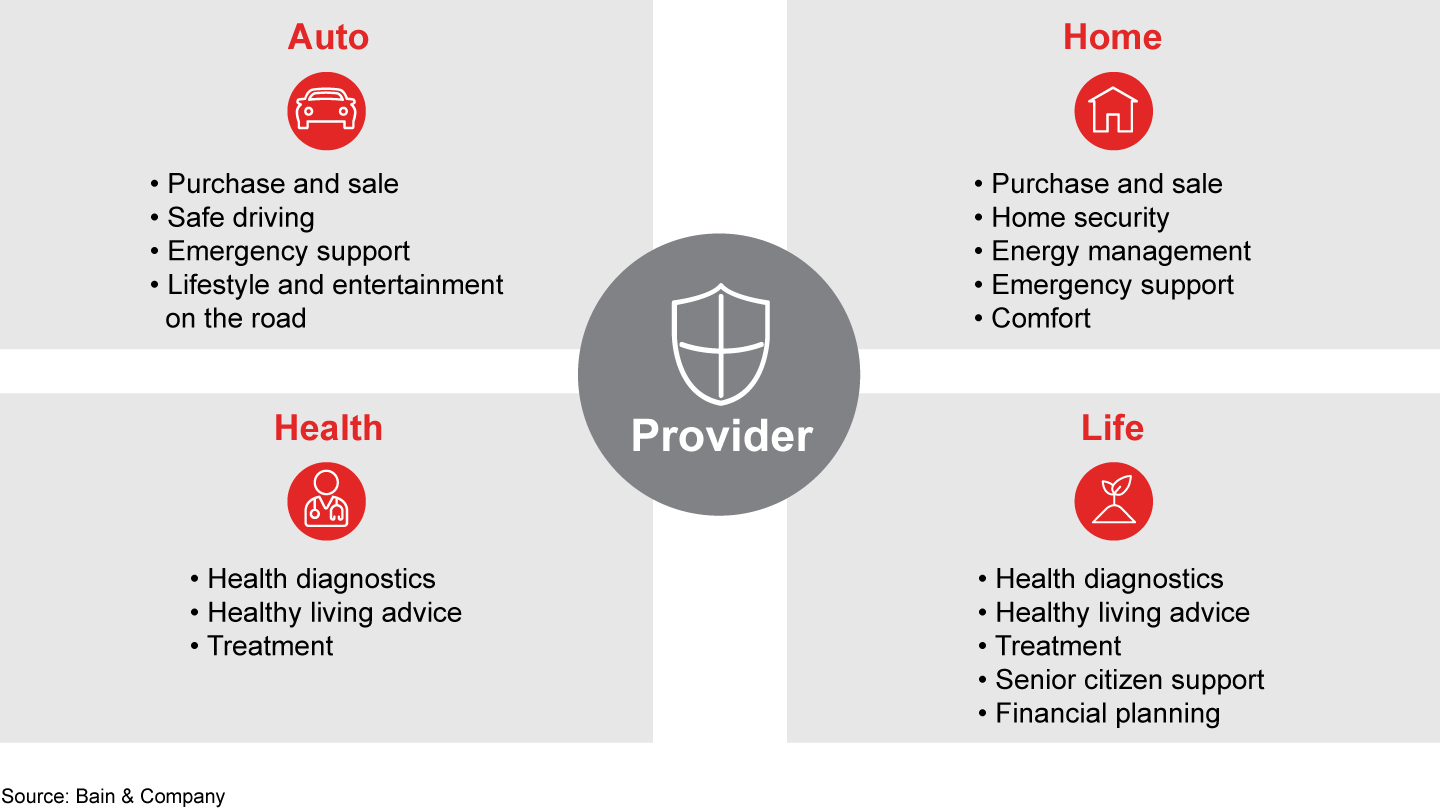

Figure 29
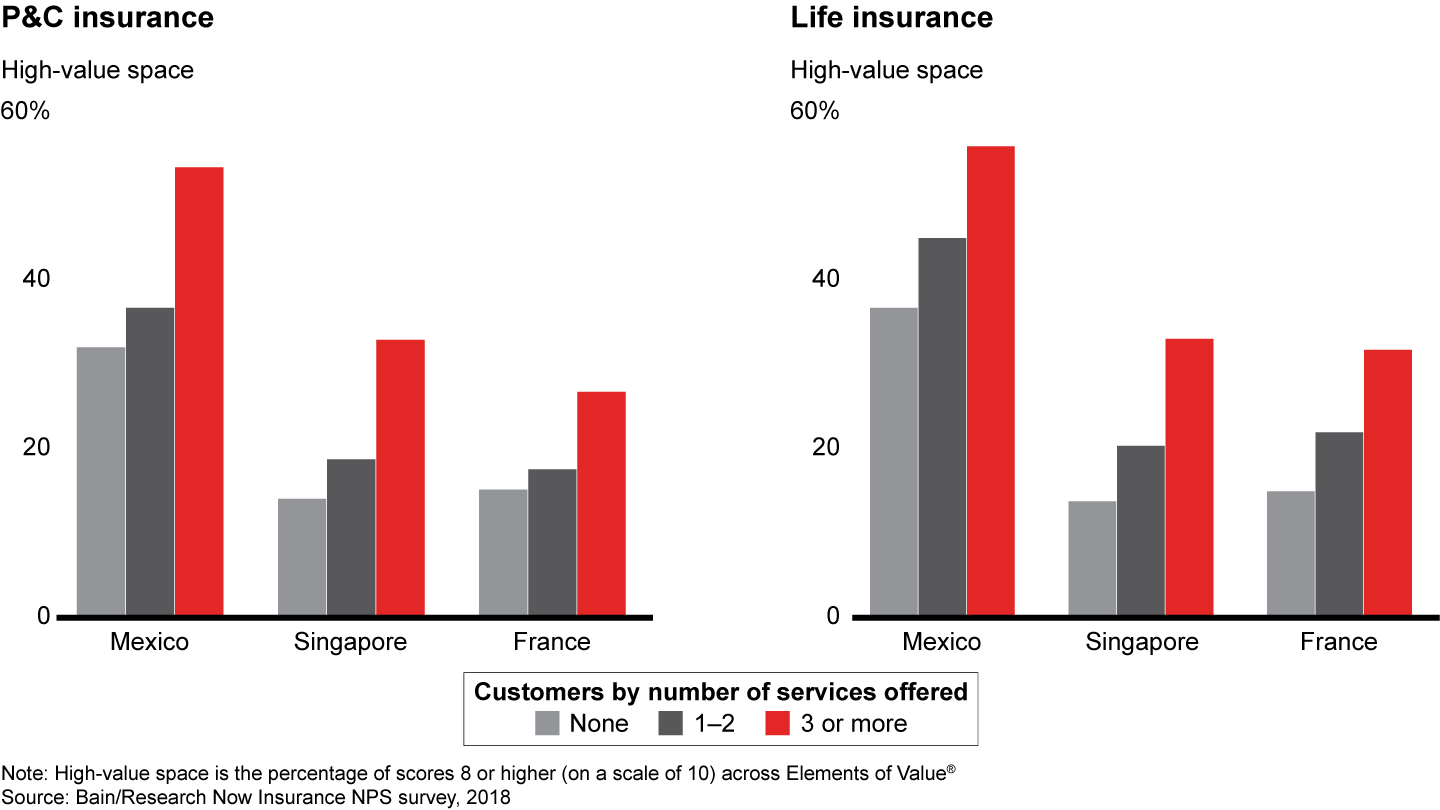

Figure 30
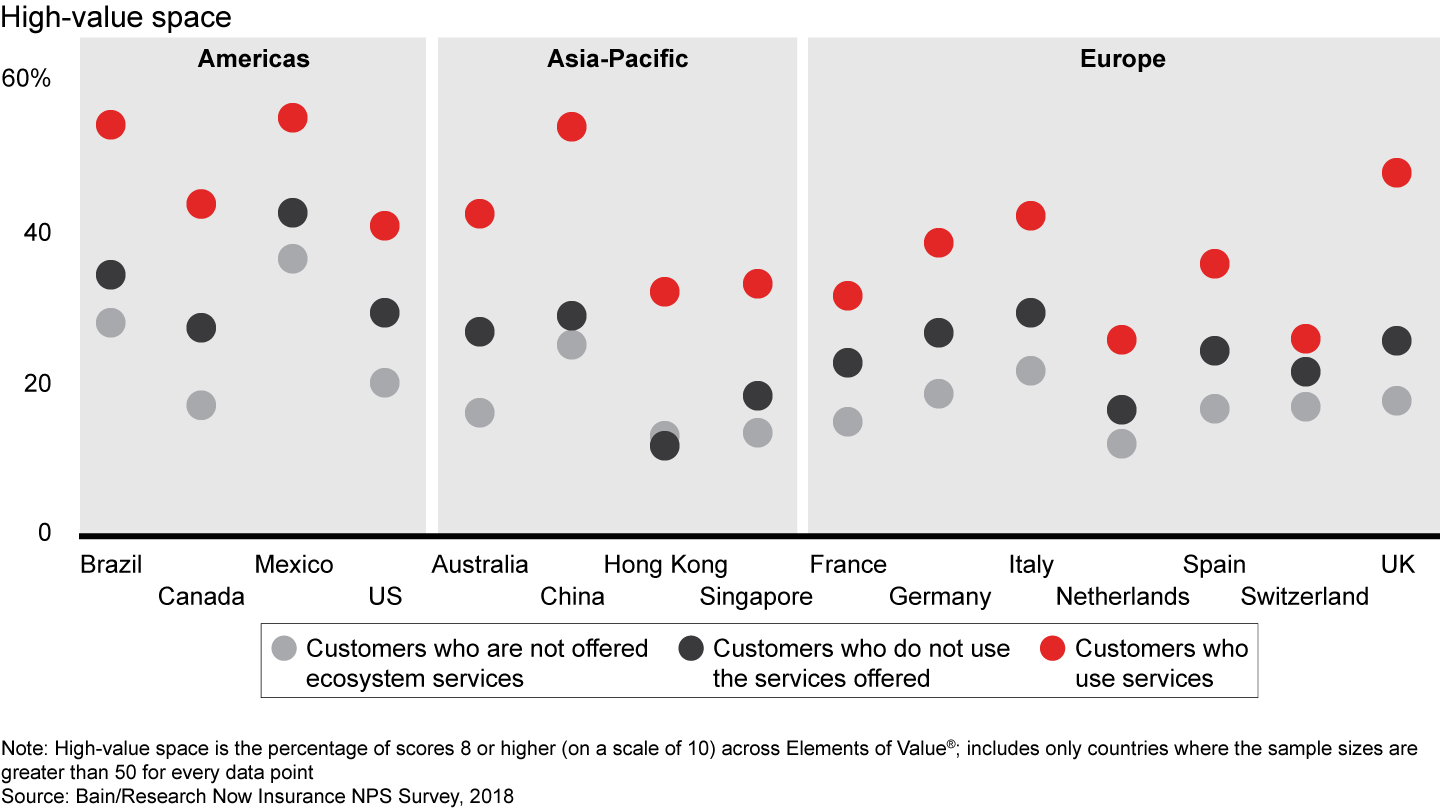

Figure 31
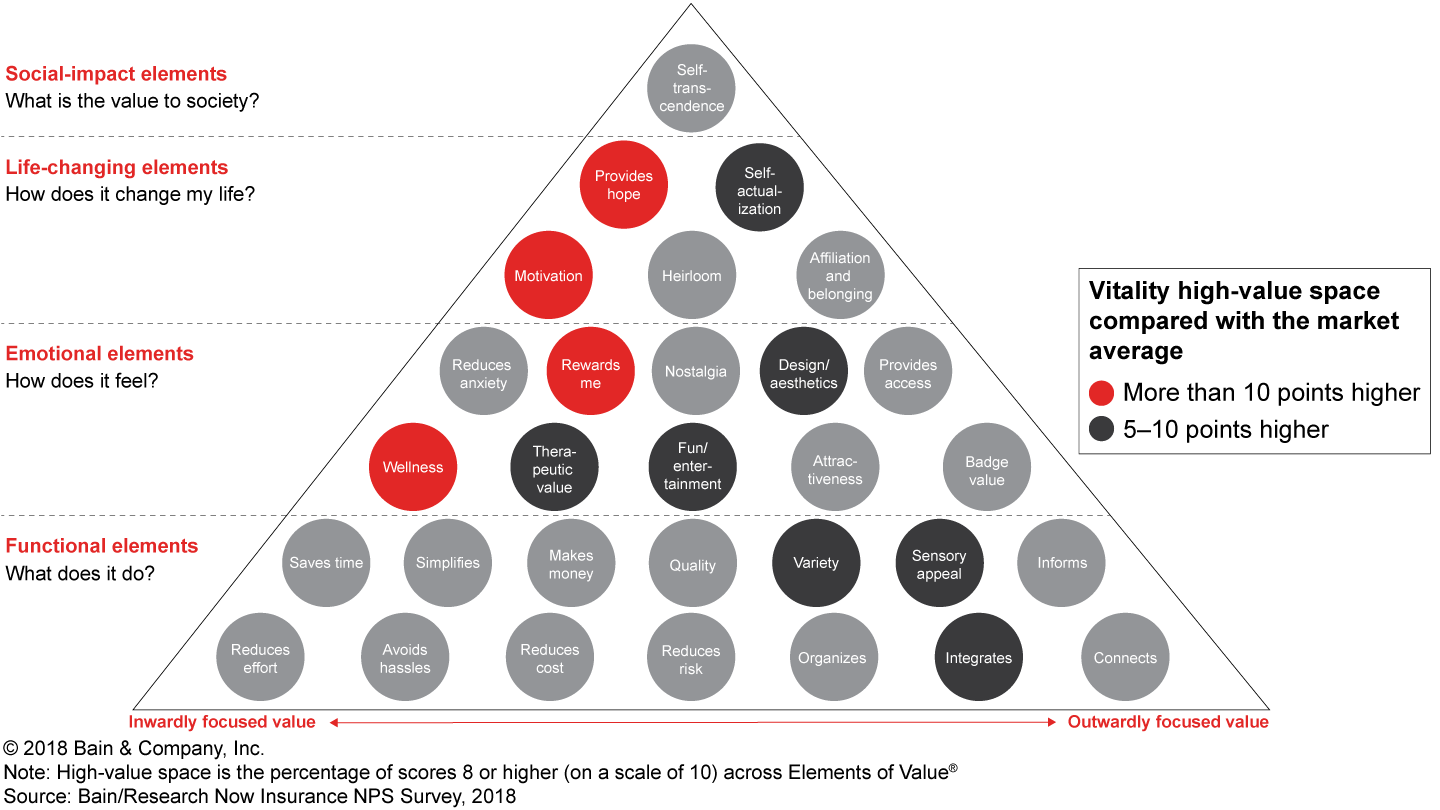

Figure 32
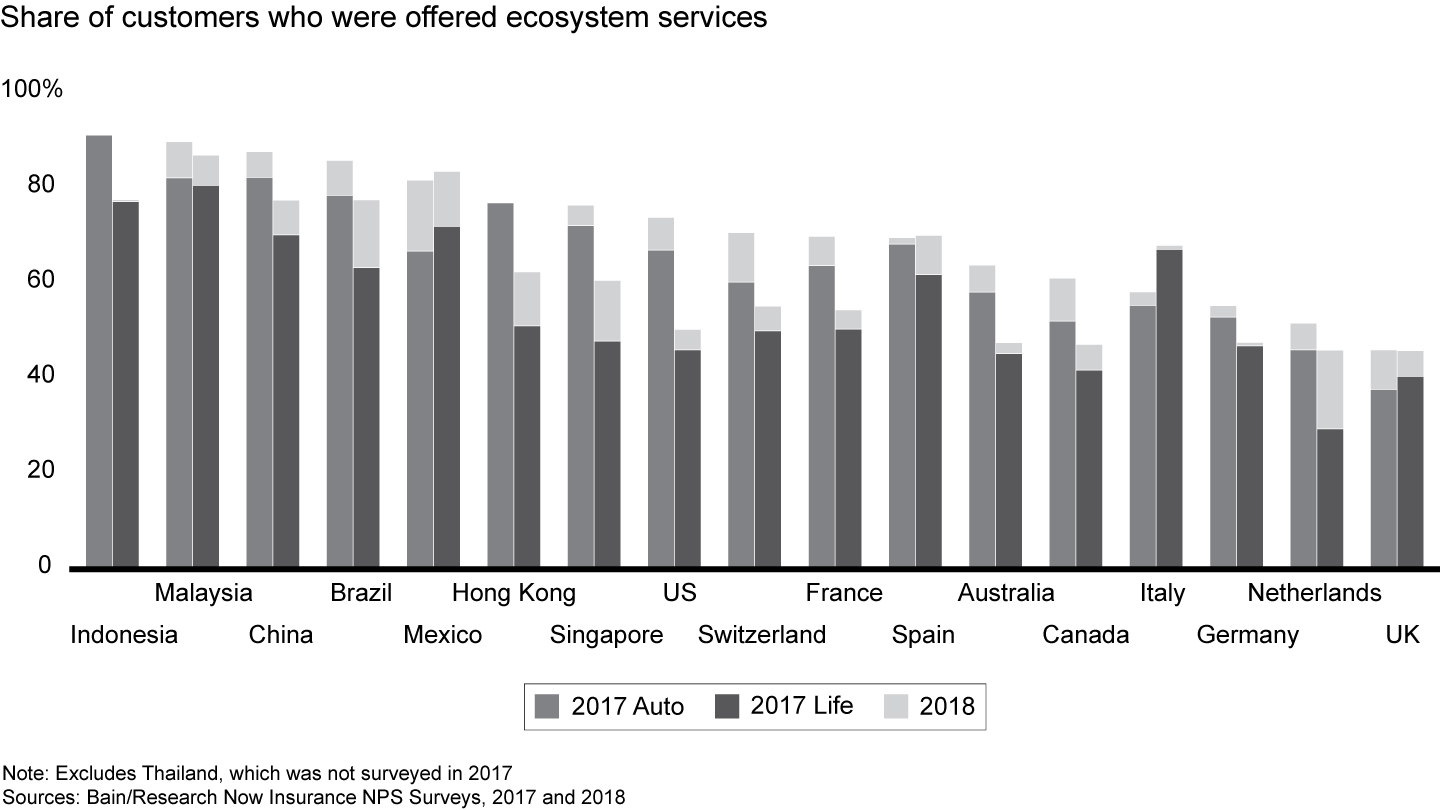

Figure 33
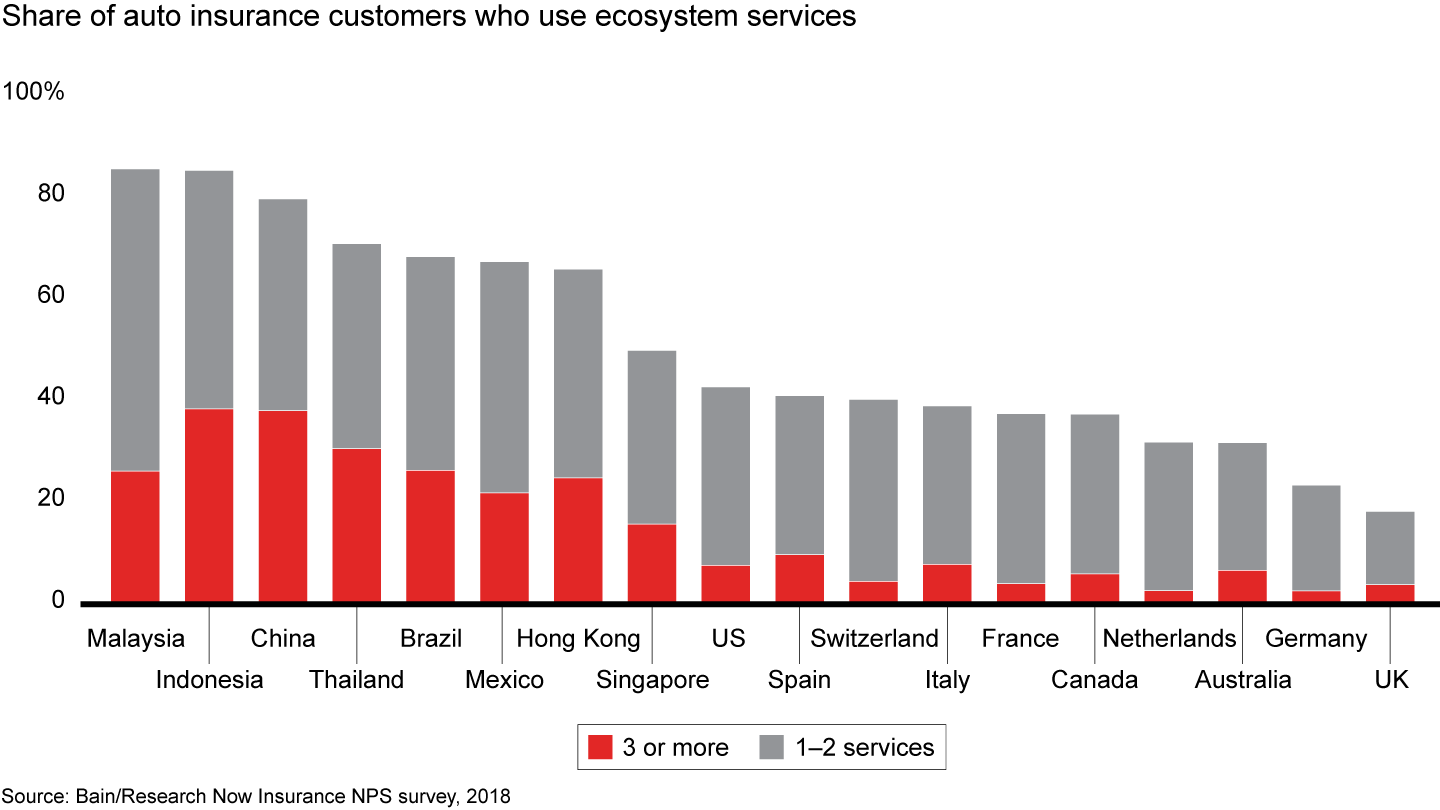

Figure 34
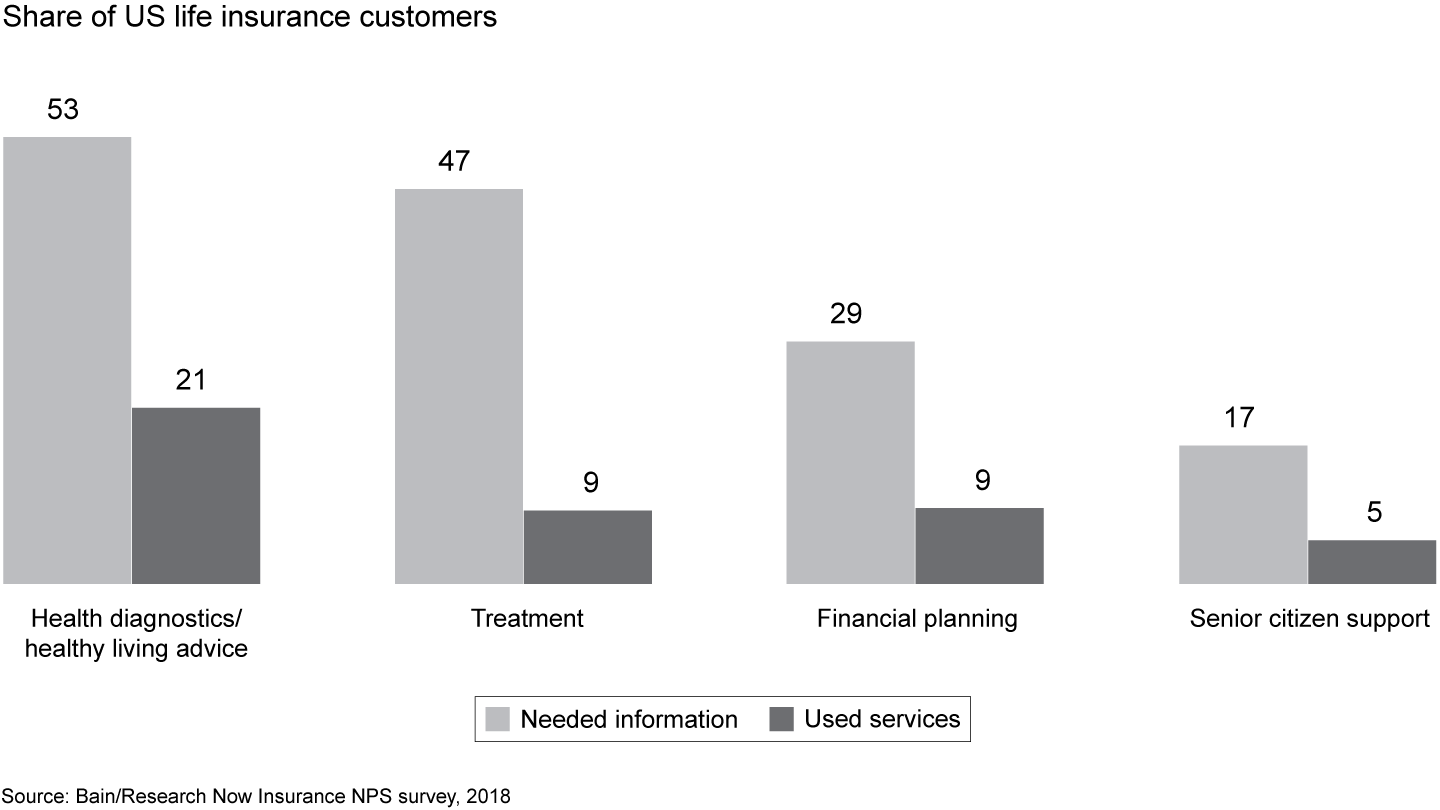

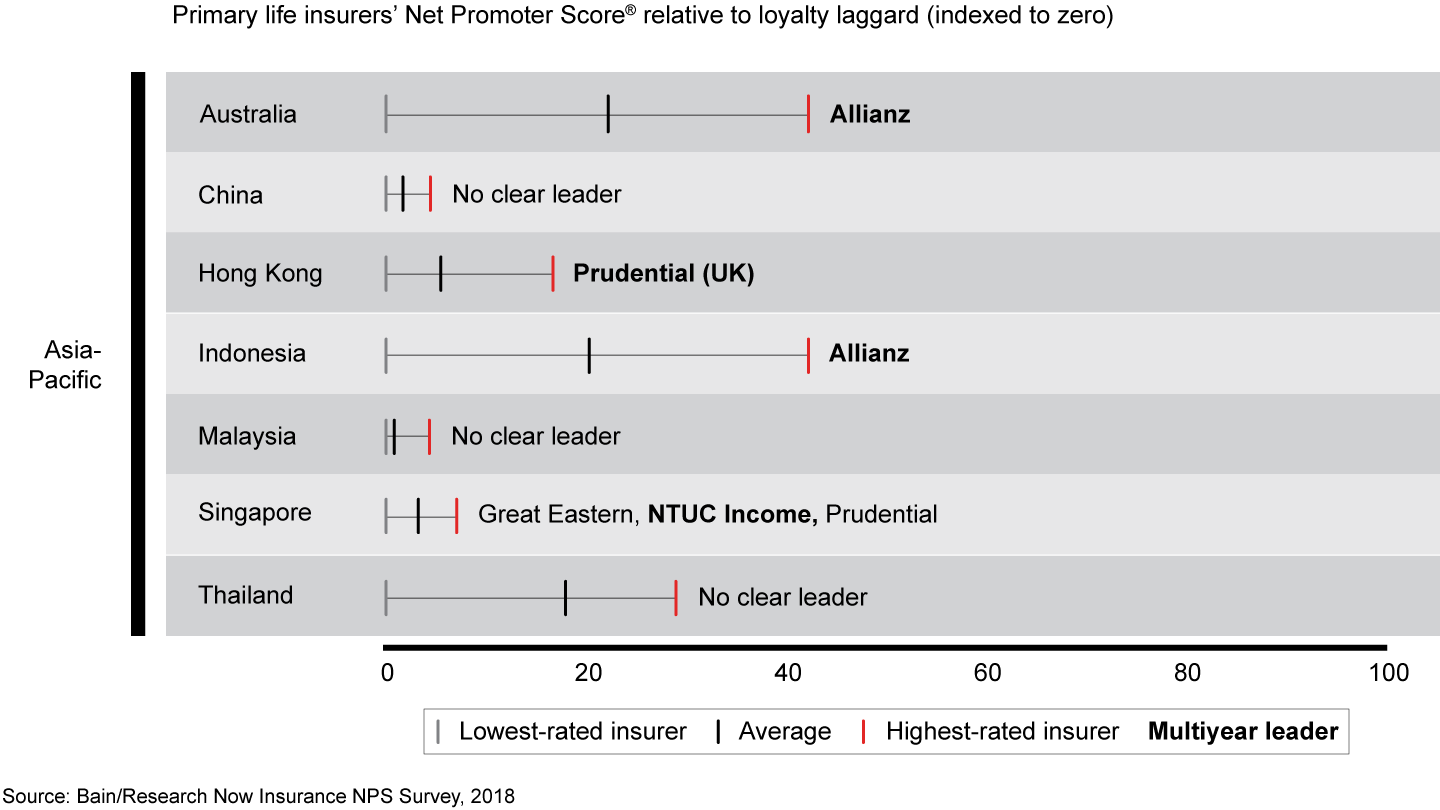
Appendix: MethodologyBain & Company partnered with Research Now SSI, an online global market research company, to survey insurance customers in 18 countries: Australia, Brazil, Canada, China, France, Germany, Hong Kong, Indonesia, Italy, Malaysia, Mexico, the Netherlands, Singapore, Spain, Switzerland, Thailand, the UK and the US. The survey’s purpose was to gauge customers’ loyalty to their main insurance provider in life insurance and property and casualty insurance, to capture the underlying reasons they hold the views they do and to understand the provider’s performance on 30 fundamental Elements of Value. Conducted from April to August 2018, the survey polled 174,003 insurance customers. In the Americas, Australia and Europe, for the individual insurance provider analysis, we included only companies for which we received at least 200 valid responses. In Asia and Mexico, we included providers that had at least 100 customer responses. In many instances, sample sizes exceeded these thresholds. For some insurgents, sample size was lower than the threshold. Any reference to millennials in this report means customers 18 to 34 years old. Survey questionsIn the first part of the survey, respondents were asked to list the insurance products they purchased and name the corresponding provider. They were asked to designate their main insurance provider both in P&C and life insurance. They were then routed to either the P&C or life insurance questionnaire. They were asked the following two questions to assess their loyalty to their main insurance provider (either P&C or life insurance): On a scale of zero to 10, where zero represents “not at all likely” and 10 represents “extremely likely,” how likely are you to recommend your main insurance provider to a friend or colleague? Why did you give your main insurance provider the score you did? Ratings of zero to 6 signified detractors, 7 and 8 signified passives, and 9 and 10 signified promoters. The Net Promoter Score was calculated by subtracting the percentage of detractors from the percentage of promoters. Based on these ratings, we determined the loyalty leaders and laggards for P&C and life insurance in each country (see Figures 35 to 38). In the second part of the survey, we asked which channels respondents used in the past 12 months to gather information about an insurance provider and to interact with a provider for 15 discrete episodes related to researching, purchasing a product, managing contracts, reviewing policies and filing claims. Further, we asked questions to assess their experience in each episode: Based on your overall experience in each of these interactions, on a scale of zero to 10, where zero represents “not at all likely” and 10 represents “extremely likely,” how likely are you to recommend your main insurance provider to a friend or colleague? Based on your last interaction with your main insurance provider, how did it impact your likelihood to recommend your insurance provider to a friend or colleague? Why did you give your main insurance provider the score you did? From the answers to the first question, the episode-level Net Promoter Score was calculated by using the same methodology as for overall provider-level Net Promoter Score. From the answers to the second question, we determined whether there was potential to delight or annoy a customer by the experience in each episode. Ratings of 1 and 2 signified potential to annoy and a rating of 5 signified potential to delight. This year, for the first time, we also asked consumers to rank the qualities they value most in an insurer. We based our questions on the Elements of Value, 30 fundamental attributes identified by Bain that help companies forge a visceral connection with their customers. We asked respondents to describe their main insurance provider for these 30 discrete elements on a scale of zero to 10, where zero means “does not describe at all” and 10 means “describes completely.” From these customer ratings, we determined how much value a company created both overall and at the level of individual elements. We measured this value creation in two ways, first by calculating the percentage of responses at each company that received scores of 8 or higher. We labeled this zone as “high-value space.” Second, we counted the number of “high-value elements” at each company, i.e., elements for which half or more of the customer scores were 8 or higher. We ran Random Forest regressions between Elements of Value ratings and the Net Promoter Score to identify the elements that had the biggest impact on customer loyalty. The Random Forest regression is an extension of CHAID/CART analysis, which is a tree-based statistical technique that explores the relationship between a target variable and various factors that are hypothesized to affect the target variable. In the next section, we asked customers about their openness to purchase insurance products from new entrants such as established technology companies, insurtechs, service or manufacturing firms and retailers. Lastly, we asked customers about their willingness to use services beyond insurance in auto and life ecosystems, as well as which services their auto and life insurance providers had offered them and which of those services they were currently using. Statistical significanceThe results of our data analysis are robust both for the measurement of insurance providers’ Net Promoter Scores in the different countries and for respondents’ Net Promoter Scores for each demographic category. The score measured for each insurance provider is statistically significant to an 80% confidence level, with a one-tailed test ranging from plus-or minus-1.2% for a sample size of 5,886, to plus-or minus-10% for a sample size of 101.
Figure 35
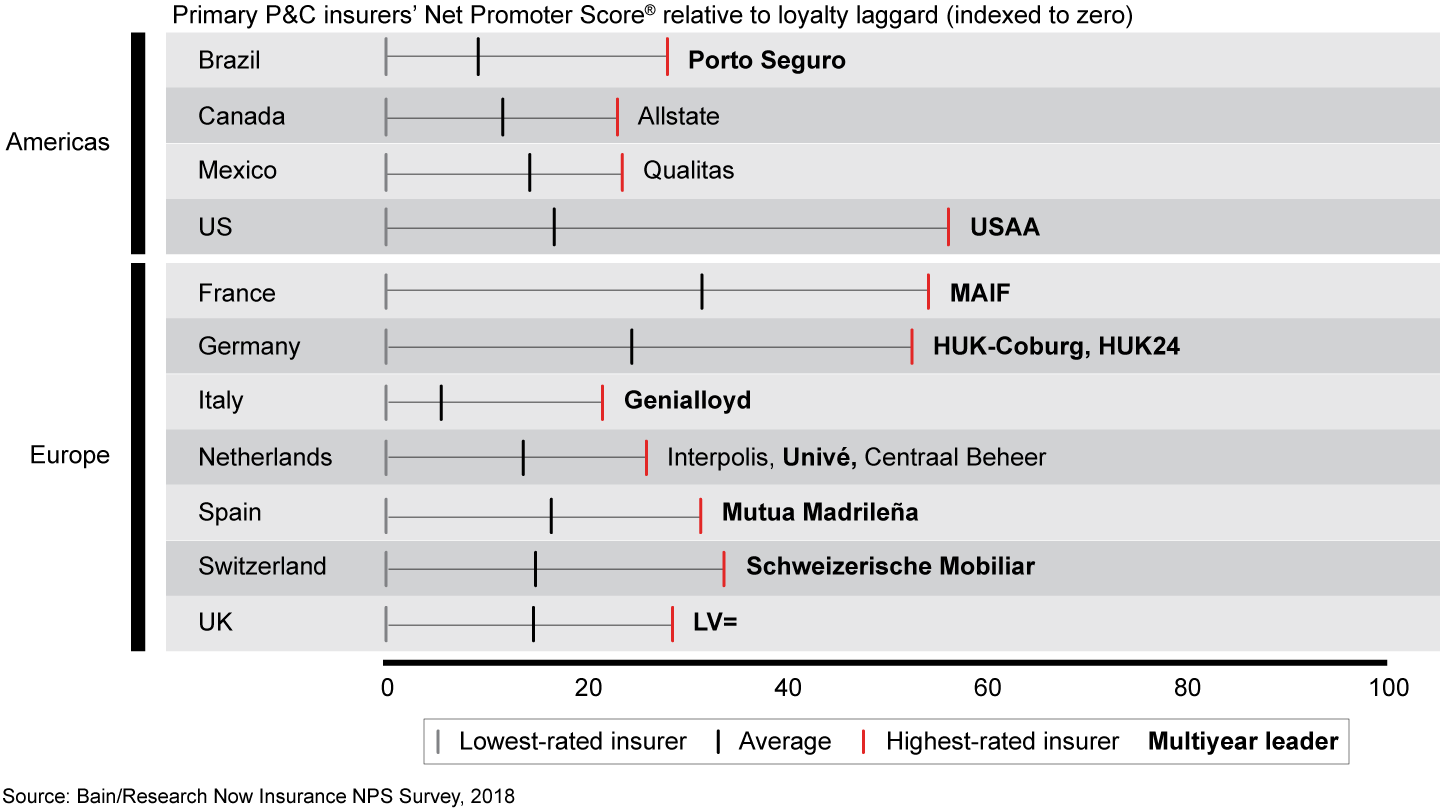

Figure 36
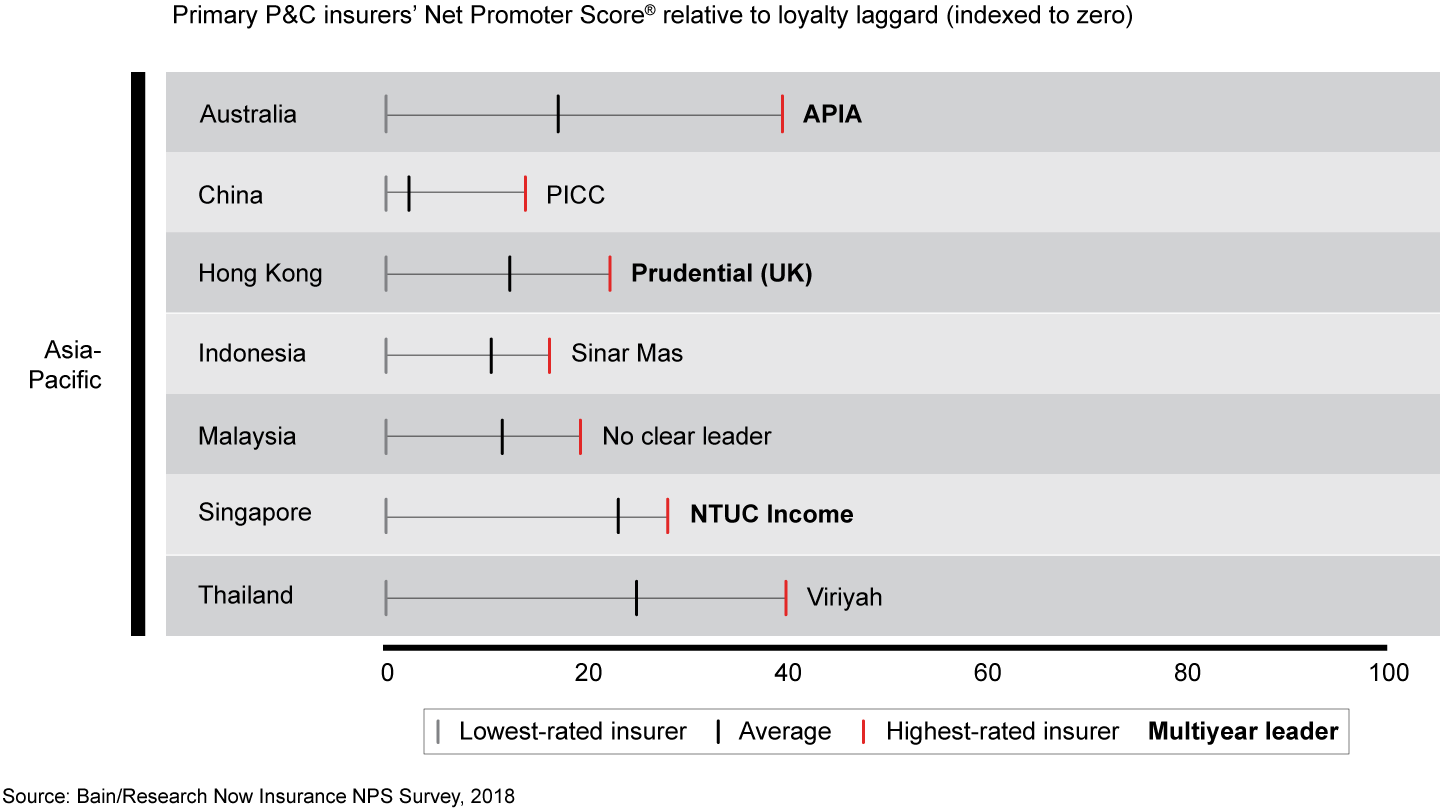

Figure 37
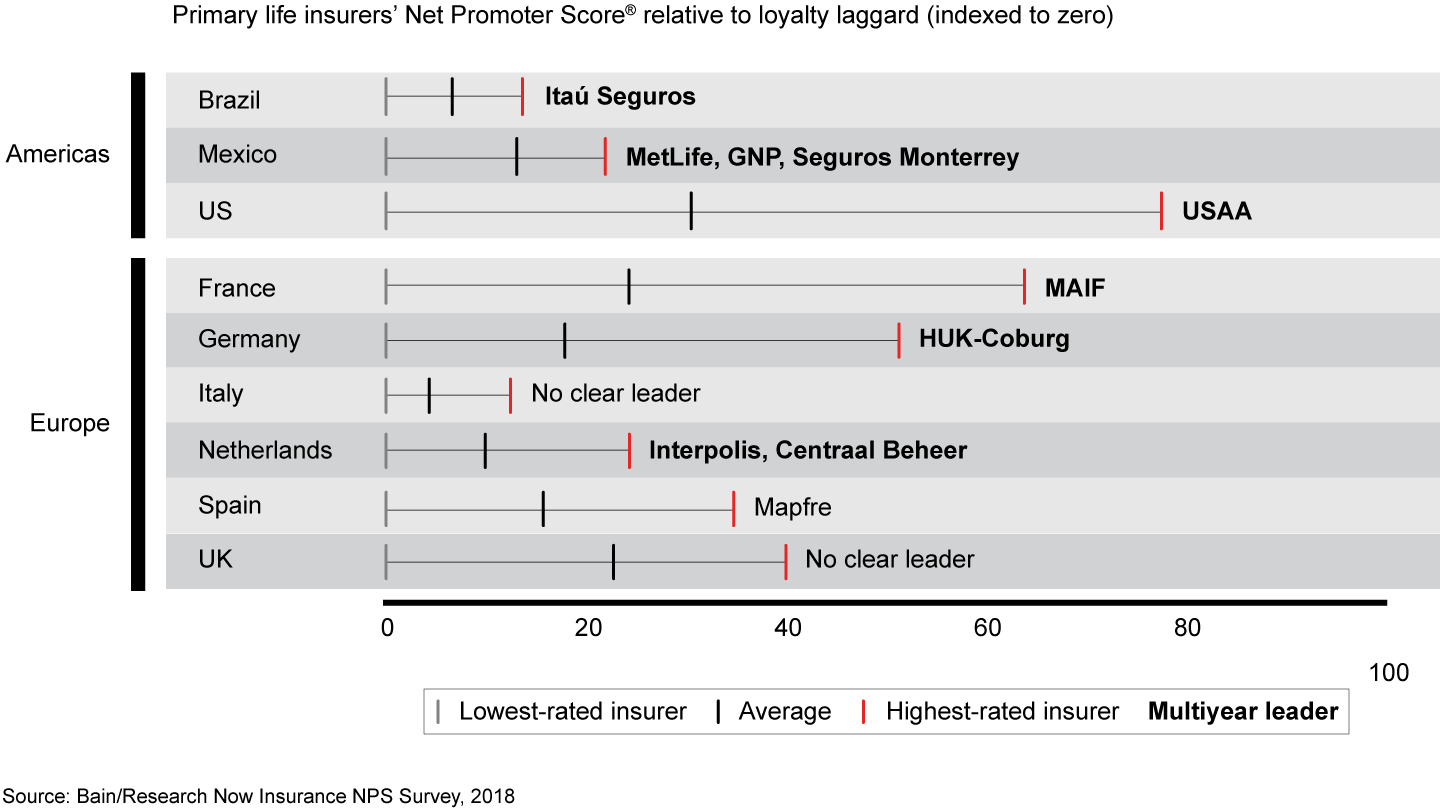

Figure 38

AcknowledgmentsFor this report, Bain & Company worked with Research Now SSI, an online data sampling company, to survey 174,003 retail insurance customers in 18 countries. The report was prepared under the leadership of Henrik Naujoks, leader of Bain’s Financial Services practice in Europe, the Middle East and Africa; Tanja Brettel, practice director in the Financial Services practice in EMEA; and Financial Services partners Darci Darnell, Andrew Schwedel and Harshveer Singh. They were supported by Eric Almquist and Gunther Schwarz, who are partners in Bain’s Financial Services practice, and Christy DeGooyer, practice director in the Americas. Team members were Shilpi Gupta, Pranav Singh, Lakshay Kataria, Abhishek Sethi, Sameer Gurijala, Shikhar Sachdeva; Yogendra Patel, Camille Lefebvre, Alix Pany, Gabrielle Jourdain, Ilker Carikcioglu and Entis Sutisna. The authors thank Bain partners in each of the countries covered in the report for their valuable input, and Ron Henkoff for his editorial support. Research Now SSI is a leading global provider of first-party consumer and professional data based on extensive, proprietary market research panels. Research Now SSI serves more than 5,800 market research agencies, media and advertising agencies, consulting and investment firms, and healthcare and corporate customers in the Americas, Europe, and Asia-Pacific. For more information on Research Now SSI’s range of data-driven offerings, go to www.researchnow.com and www.surveysampling.com. |