
Report


|
|
Artificial intelligence (AI) is no longer a fringe technology for Indian companies. According to International Data Corporation (IDC), India’s AI market was valued at $3 billion in 2020, which is approximately 1% of the global pie. However, the market is expected to grow at the second-fastest rate of 20% among major economies over the next five years, behind only China. Over the last few years, India has demonstrated rapid adoption of different technologies with rise in penetration of the internet, fintech, e-commerce, edtech, healthtech, and uptick in enterprise investment in cloud and information technology (IT). This has created a foundation of knowledge, data, and infrastructure which can drive value through AI. India is also a global source for talent in data and AI skills; it produces 16% of the world’s AI talent pool, placing it among the top three talent markets. This report was written in collaboration with Microsoft and IAMAI.
Firms in India have seen a significant uptick in their interest in adopting AI to drive business outcomes. However, there is plenty of hype and hyperbole around what constitutes AI—companies are not shy about making AI claims around systems that are rules-based at best. In this report, we look at India’s AI landscape from the perspective of enterprises and providers. Enterprises are organisations that have embedded AI or machine learning (ML) into their end products or leveraged it across their internal operations. Providers are technology players that provide building blocks for enterprises to incorporate AI into their systems or products, or companies that offer products and services with AI as a central functionality. This report aims to help enterprises and providers understand how companies are leveraging AI to drive business value and provide a view of high-value AI use cases within their industries. It also provides a framework to help them assess their relative position compared to industry peers on the extent of AI adoption and the relative strength of crucial technology enablers. In the case of providers, the report provides insights on capabilities required to win in the AI market for each provider segment and the buying preferences regarding AI solutions and tools among end user enterprises. The findings of this report are based on the results of a comprehensive survey completed by 148 providers and 343 enterprises. The survey respondents were C-level executives, senior vice-presidents, vice-presidents, and heads of business units/verticals who are responsible for their company’s decisions related to AI and ML. The enterprises covered were spread across multiple sectors such as financial services, healthcare, consumer packaged goods (CPG) and retail, while for providers we had representation from segments such as cloud platforms, enterprise and consumer software/SaaS players, and system integrators. The target companies included both SMEs and large enterprises headquartered and founded in India, and Indian offices of multinational corporations. The pervasiveness and interest in AI among Indian enterprises is evidenced by majority of the respondents reporting that they are considering the adoption of AI. Among providers, 64% have AI/ML as a core element in most of their products, while the same is true for 56% of their global counterparts. However, most organisations are still in the early stages of AI adoption, implementing just a few use cases. The thrust in adoption for enterprises is maximum in sectors such as communication, over-the-top (OTT) and gaming, technology, and financial services, which have seen broad AI adoption (more than three AI/ML models in production at scale) among 40%–55% of organisations. Providers in India are either ahead of or on par with their global counterparts when it comes to AI capability on scale implementations. Indian providers state that 65% of their prototypes reach production scale—a significant lead over global providers’ 49% success rate. However, there is scope to improve model maturity, such as the use of self-learning/autonomous models enabled by feedback loops (e.g., contextual instead of rule-based chatbots) and managing large data sets.
Among providers, cloud platforms (Microsoft, Amazon Web Services, Google, etc.) are leading through their approach to managing their data, using AI/ML techniques, and scaling their products. Cloud platforms have played a dominant role in the Indian market by offering an end-to-end ecosystem of infrastructure, tools, libraries, and frameworks to encourage experimentation, accelerate development, and enable scaled deployment. The provision of fail-safe mechanisms (e.g., charging solely for production application programming interface calls, shutting off the instance as soon as data processing is done) helps in cost optimisation for platform users. Other providers are increasingly building their solutions with the help of the infrastructure and tools provided by cloud platforms. “Attribution of value” to AI is challenging for an enterprise given the embedded nature of AI with the software, but 85% of executives from early adopters who have leveraged AI at scale feel it has driven substantial and differentiating value. The level of value added is consistently high, especially among the more mature organisation. Such organisations spend ~0.4%–0.7% of their revenues on AI/ ML and realize an ROI of about 2–4x. In our experience, value addition by AI is not a gradual curve but a binary one. Well-executed AI can significantly differentiate enterprises from their competitors. Enterprises have realised value from AI investments in two ways: (1) cost optimisation through AI/ ML-enabled automation across multiple verticals (e.g., optimisation of supply chain and logistics and automated diagnostics) and (2) personalisation at scale for end customers (e.g., targeted and personalised marketing and customer experience), predominantly limited to CPG and retail. Adoption of these use cases is expected to broaden as data quality and infrastructure scalability improve. High adoption of cost optimisation use cases stems from a clear articulation of return on investment (operational cost savings) and progression of use cases (spending analytics, logistics, and forecast optimisation) from advanced analytics to ML. We expect healthcare and CPG and retail to grow fastest in AI/ML spending (~25% year-over-year) with high-value use cases such as drug discovery (healthcare) and targeted personalised marketing (CPG and retail), respectively. A clear and increasing requirement among Indian enterprises is to ‘build’ for their own customised needs while leveraging the market’s building blocks, tools, and infrastructure. In the next three years, 49% of enterprises plan to increase the proportion of build, compared to 29% that plan to increase the proportion of ‘buy’. A higher preference to increase the proportion of build is seen in industries such as technology (70%), CPG and retail (52%), and industrial goods and manufacturing (48%) fuelled by industry-specific nuances and unique data sets required for AI implementation.
The need for customisation and integration provides an opportunity for providers to offer professional services for customising models and integrating with existing systems and data for training and deployment. SaaS companies that have traditionally relied on standardised multi-tenant offerings have recognised the sensitivities around data sets and are offering customised AI solutions with bespoke integration. Compared to large enterprises, small and medium-sized enterprises have predominantly used pre-built models due to their limited ability to build AI in-house. They experiment with easily accessible open-source tools and frameworks for cases they want to develop. AI leaders differentiate themselves by employing best practices in data management and model development. Currently, data quality, scale infrastructure, and sensitivity/risk emerge as the top barriers for enterprises, hindering greater adoption. On the other hand, providers face constraints in scoping features and developing the minimum viable product (MVP) due to inadequacy in processes, infrastructure, and tools. In terms of talent, providers have observed a lack of skills in data science and data operations. Enterprises report a lack of domain-specific expertise, data analytics, and data engineering. Companies are looking to retrain and upskill their existing employees in AI/ML building blocks to bridge the talent gap. To characterise enterprises and providers in terms of AI maturity, we created an index to chart their relative strengths across metrics such as level of adoption, deployment of use cases, data management, technology adoption, and talent. Among enterprises, communication, OTT and gaming, technology, and auto logistics fare better than other industries. In contrast, cloud platforms and Internet of Things (IoT) providers emerge ahead of different segments of providers. Market dynamics: How enterprises adopt AI
ROI articulation for customer-facing AI is a challenge—customers pay for the complete experience of the software or product, not just the AI components. Pricing attribution independently for AI remains a challenge. Figures 1-3: Figure 1 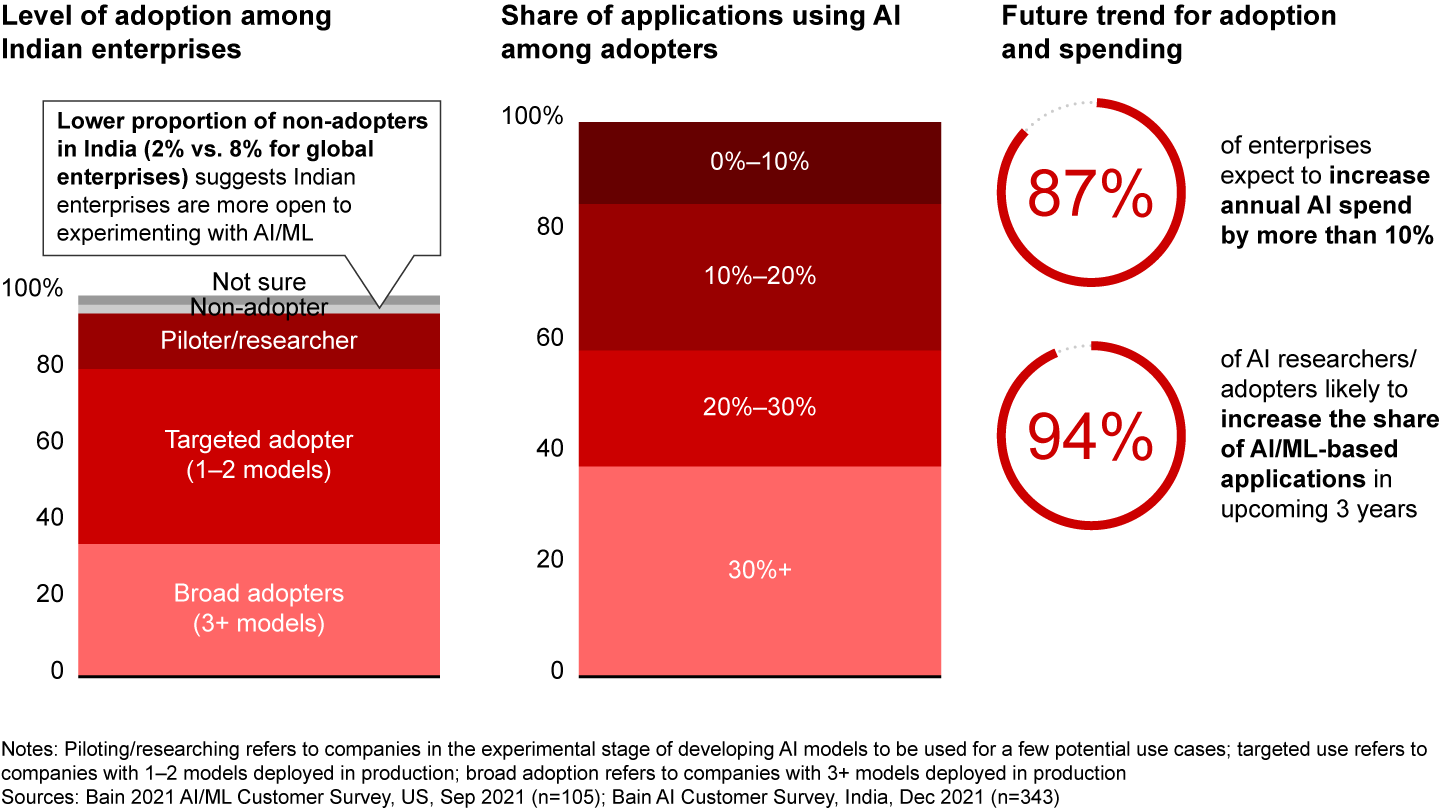

Figures 1-3: Figure 2 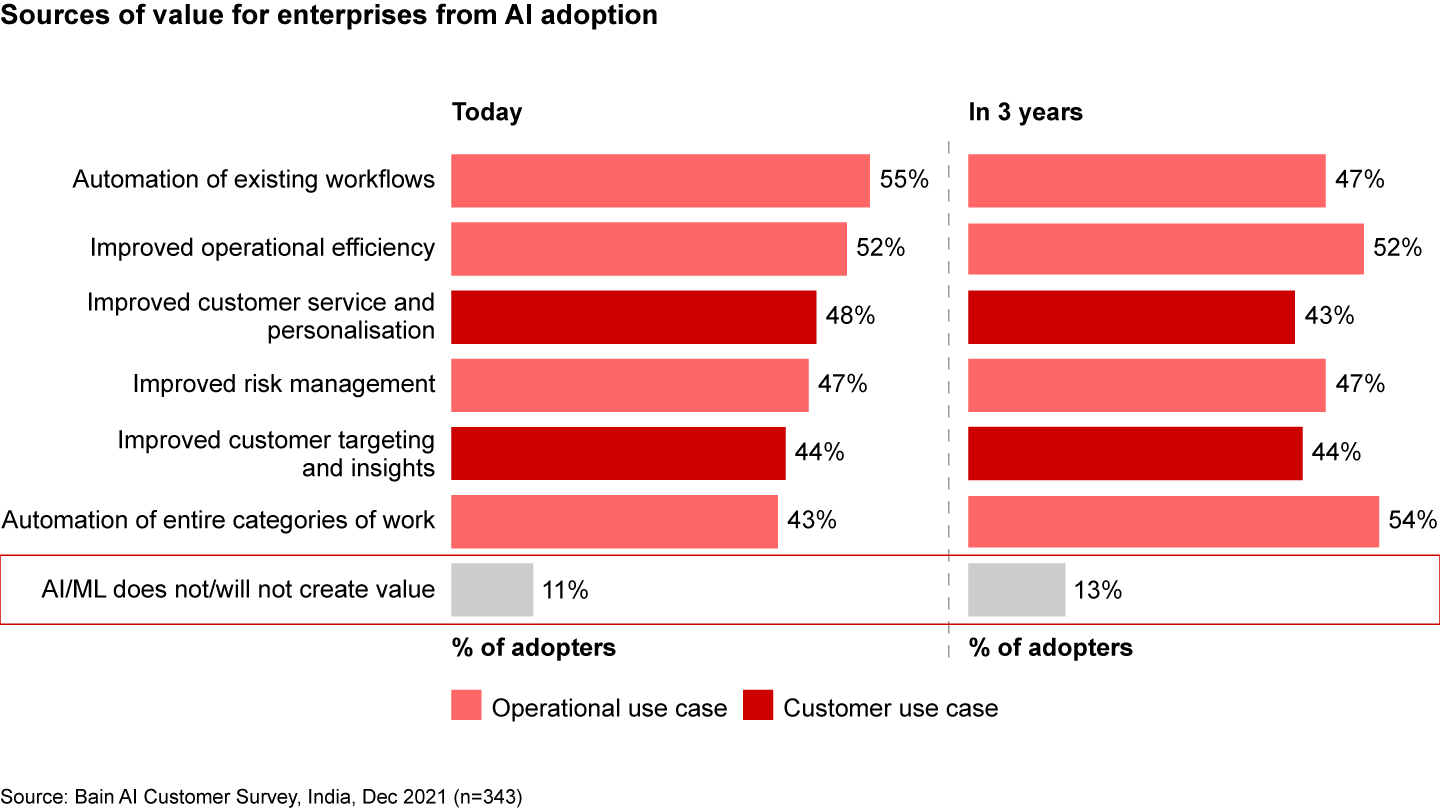

Figures 1-3: Figure 3 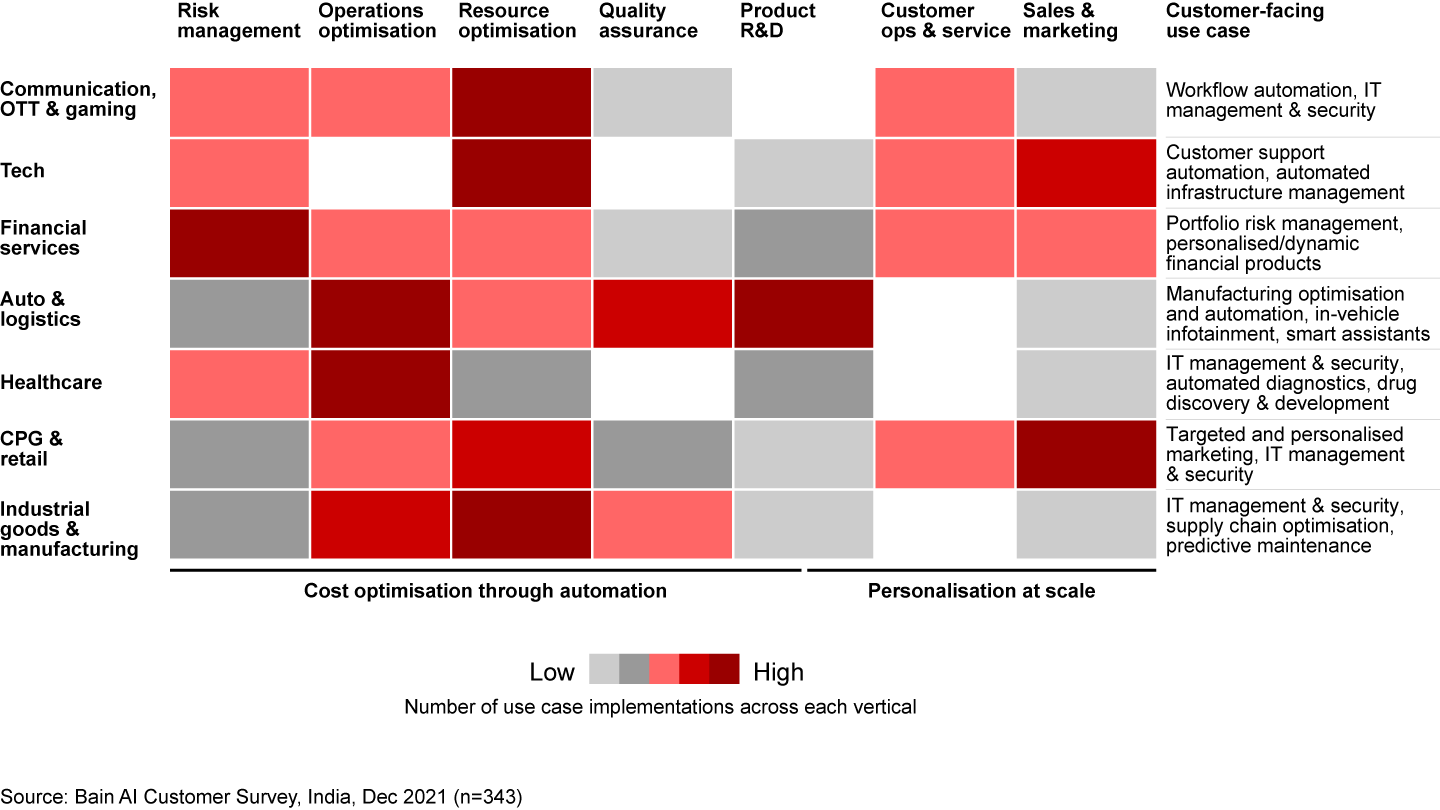

Market dynamics: How providers approach AI
While providers in India are doing well in their experimentation with new AI features, some of the attempted innovations do not achieve the planned scale. This is mostly because providers face challenges in scoping the feature and developing the MVP due to inadequacy of development processes. Figures 4-7: Figure 4 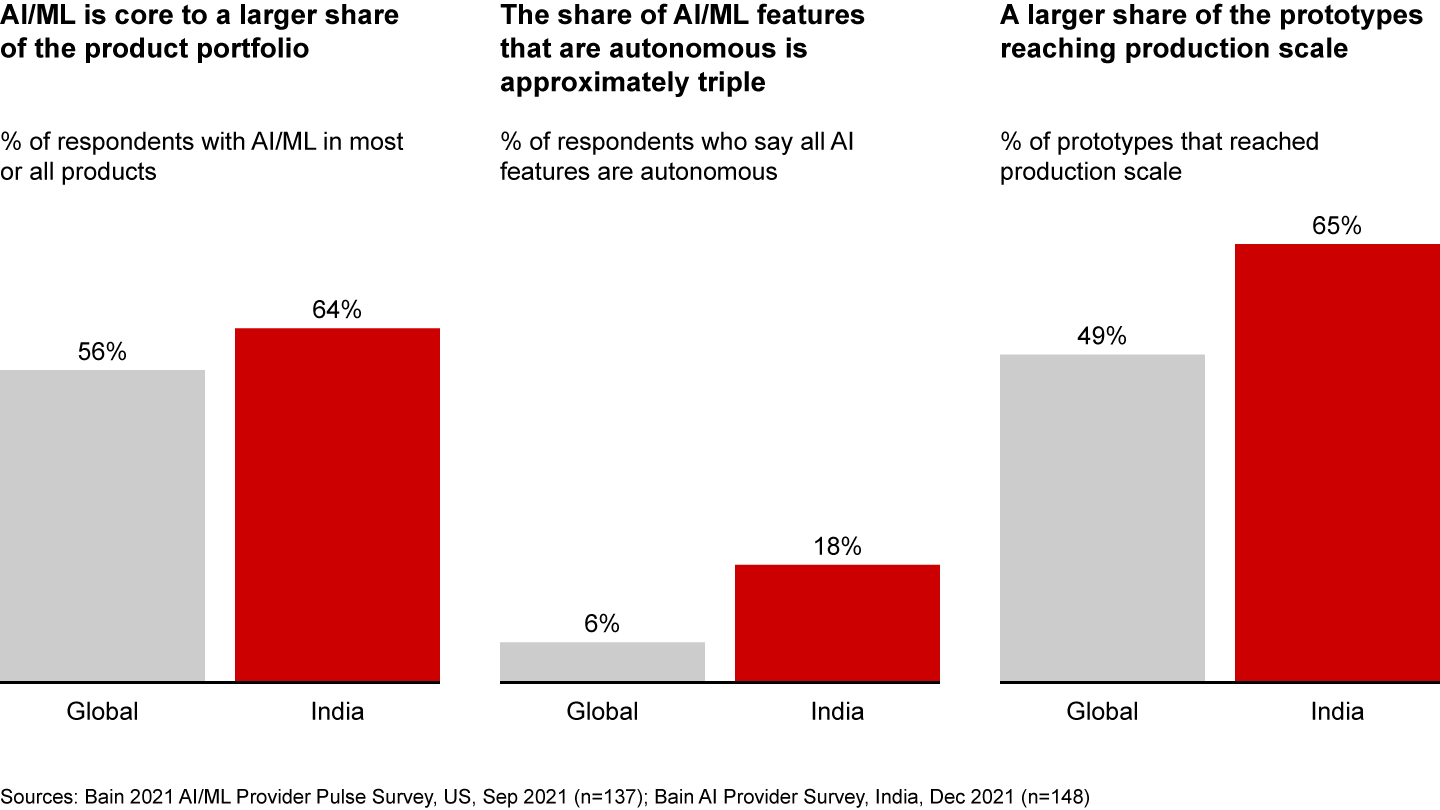

Figures 4-7: Figure 5 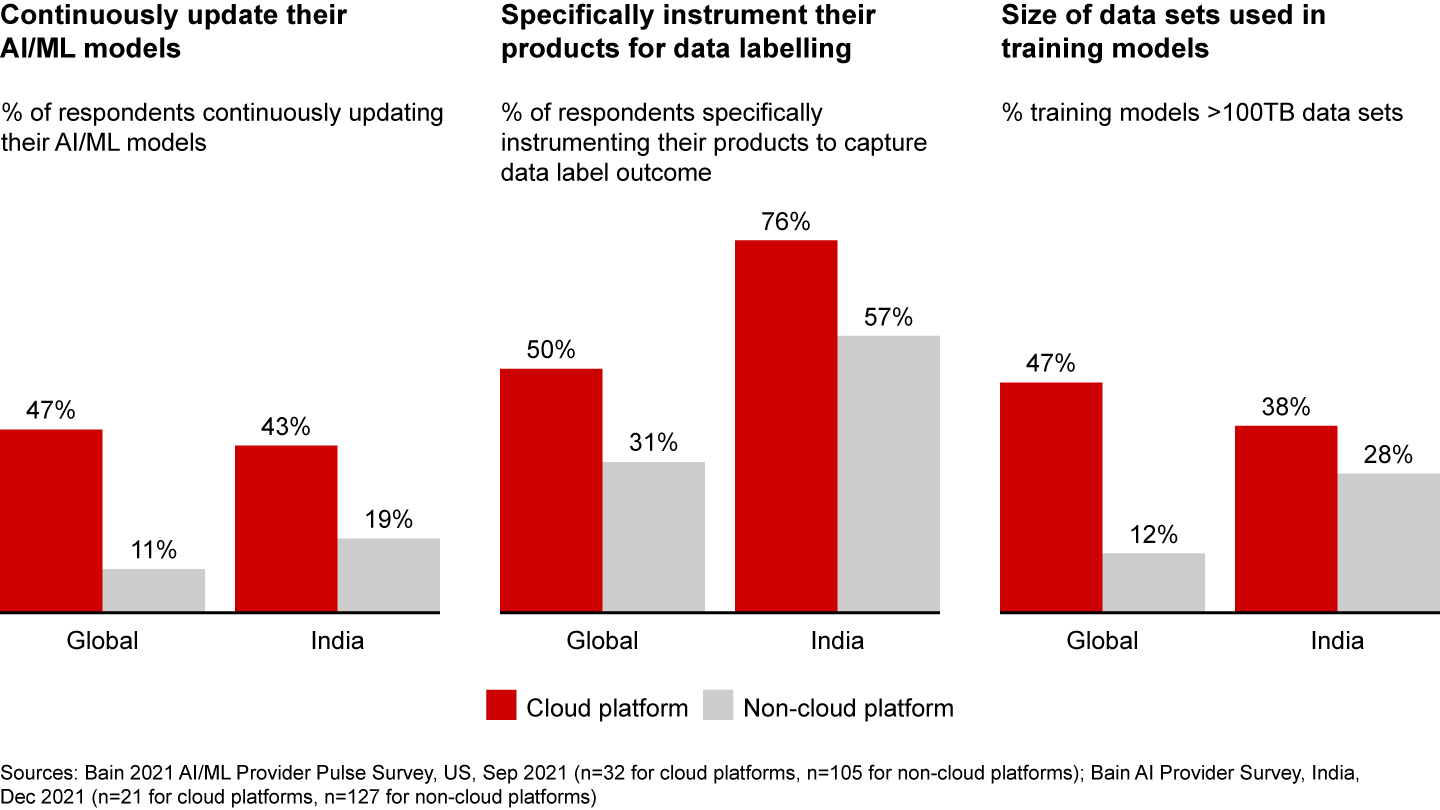

Figures 4-7: Figure 6 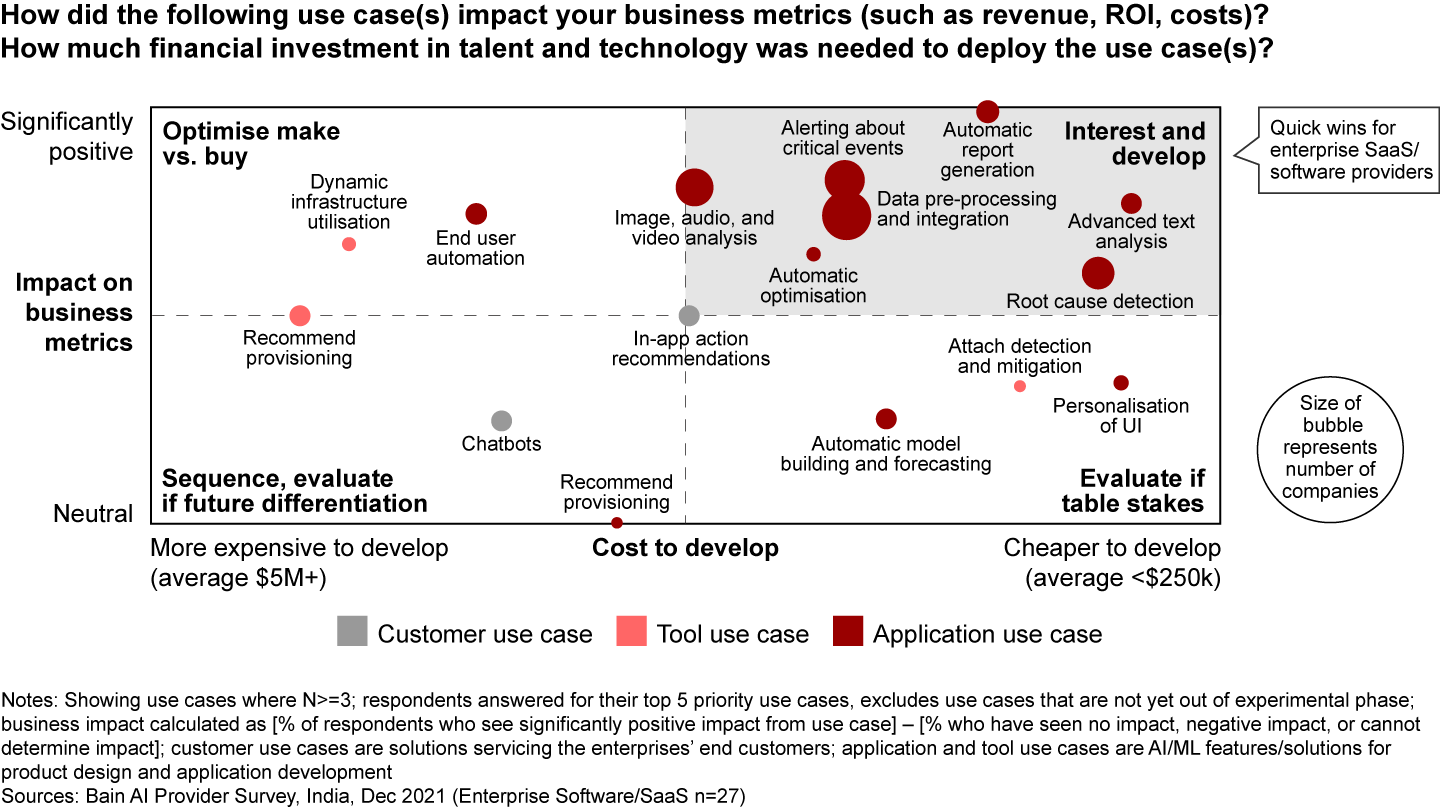

Figures 4-7: Figure 7 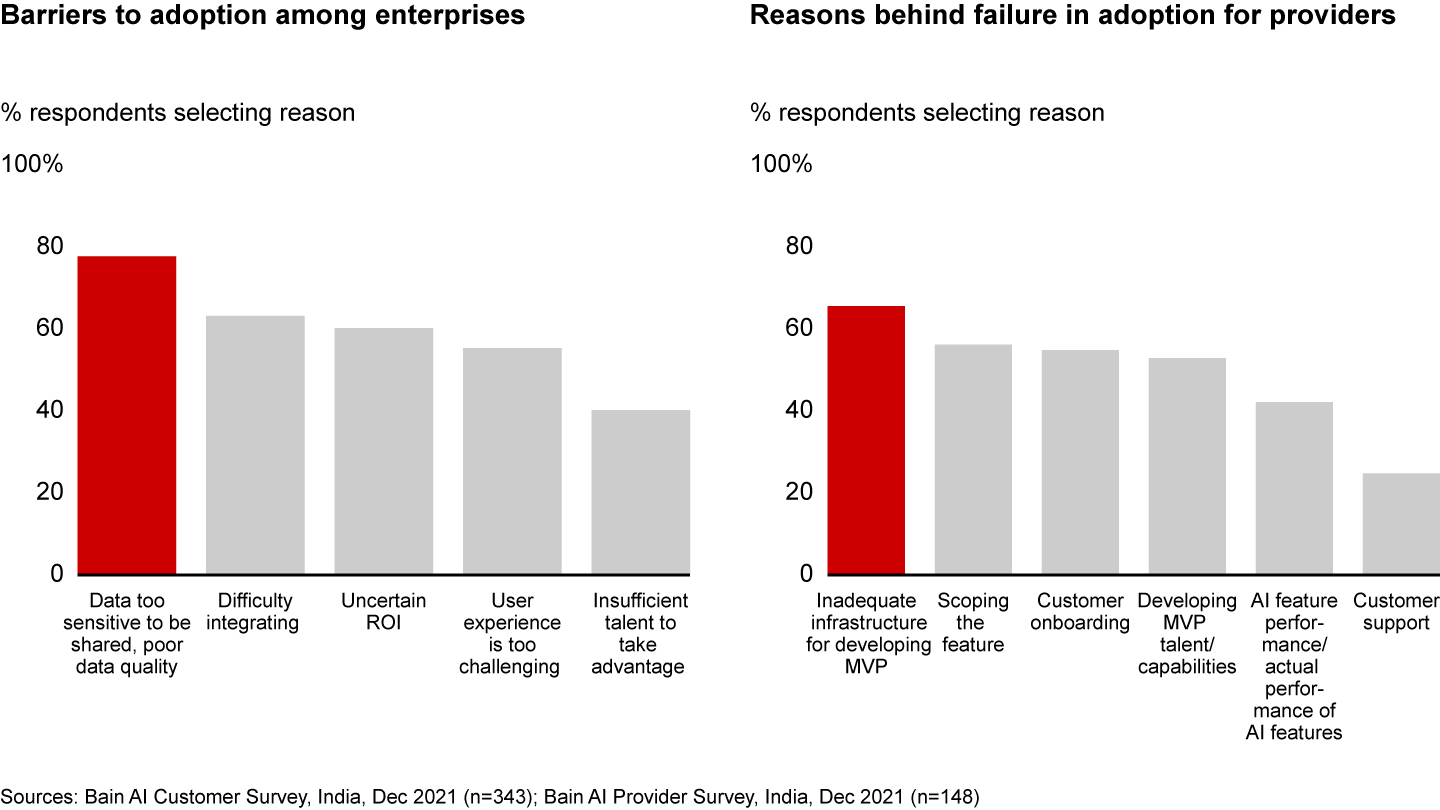

Build vs. buy: Which way are enterprises and providers leaning?
Based on the level of adoption and the build vs. buy preferences, Indian enterprises can be characterised into four major segments: (1) ‘Innovators’ that are broad adopters and have a high preference to build custom models internally, (2) ‘Traditionalists’ that are broad adopters looking to implement AI across the organisation but burdened by legacy infrastructure and data quality issues, (3) ‘Opportunists’ that are looking to implement AI for only high-value use cases and would prefer easy-to-integrate and easy-to-use tools, and (4) ‘Experimenters’ that are about to start on their AI implementation journey and are looking for ecosystem support and solutions that can be integrated seamlessly. Providers can shape their strategies according to the segment they wish to target. Figures 8-11: Figure 8 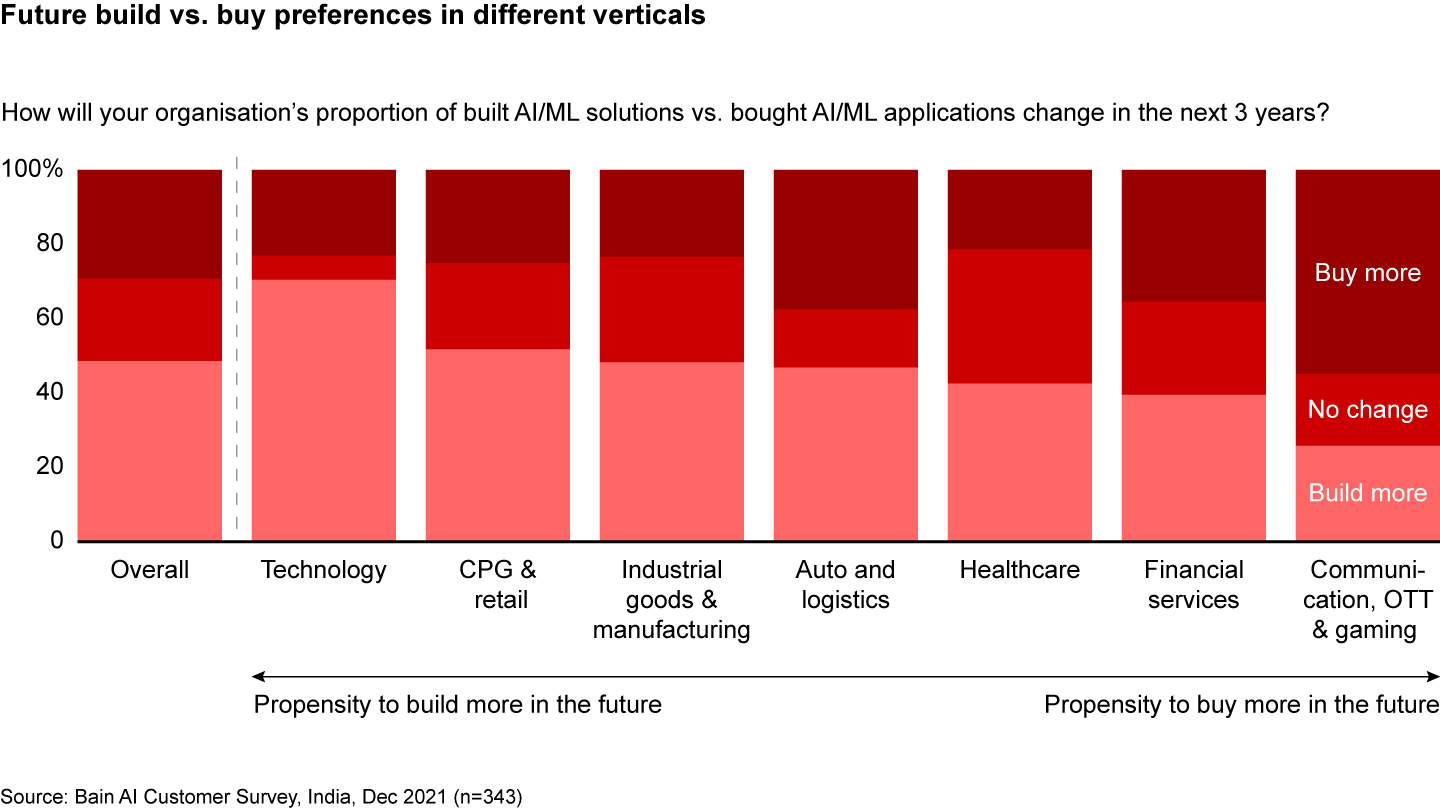

Figures 8-11: Figure 9 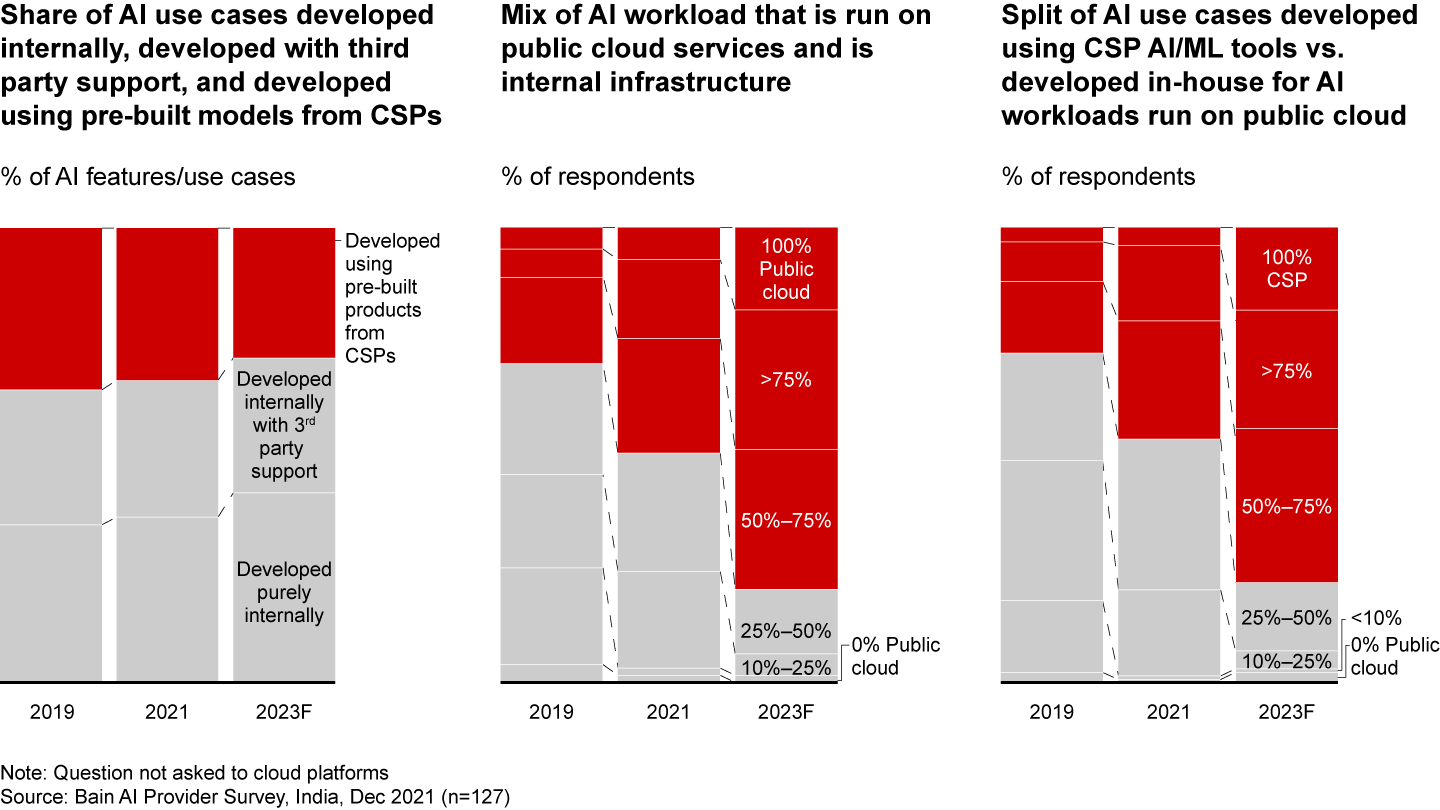

Figures 8-11: Figure 10 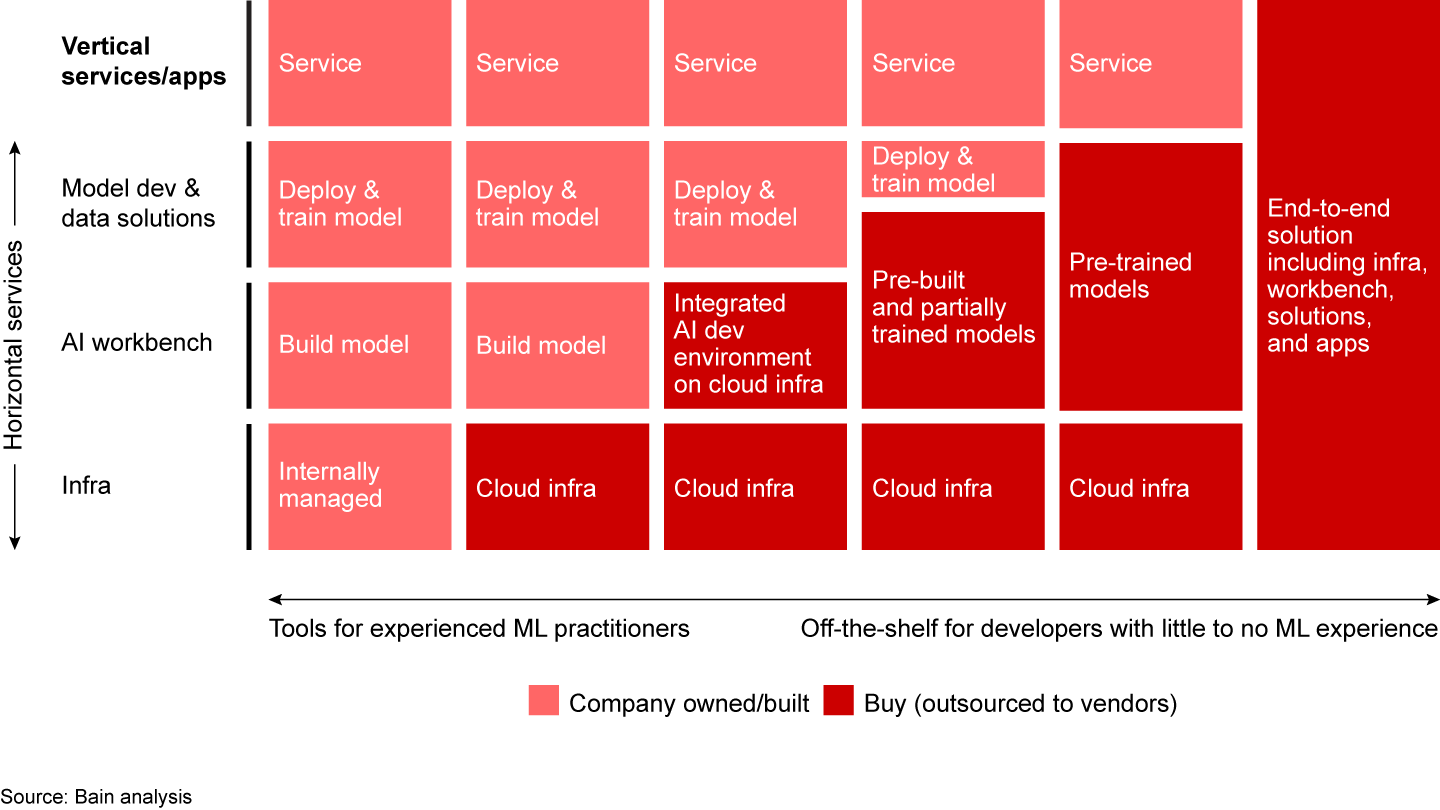

Figures 8-11: Figure 11 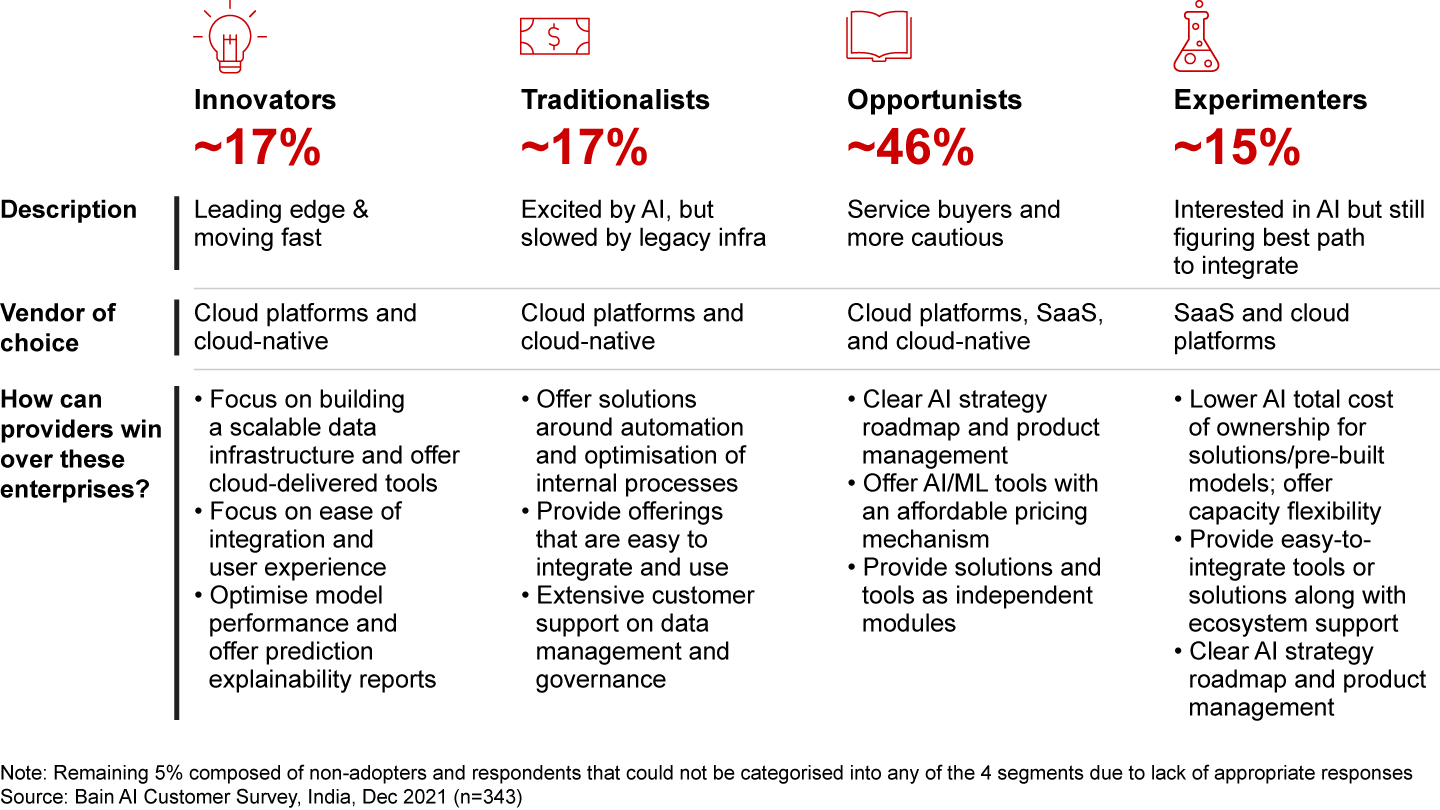

Data and technology: Key enablers for AI success
Among enterprises and providers that have succeeded in their AI endeavours, the leaders have differentiated themselves by following certain best practices regarding data management and use of different techniques and technologies. Some of these common best practices include instrumenting products to capture labelled outcomes; using failure injection during testing, online learning, model monitoring, graceful degradation of models in production; and having a centralised repository of ML models with documentation. Figures 8-11: Figure 12 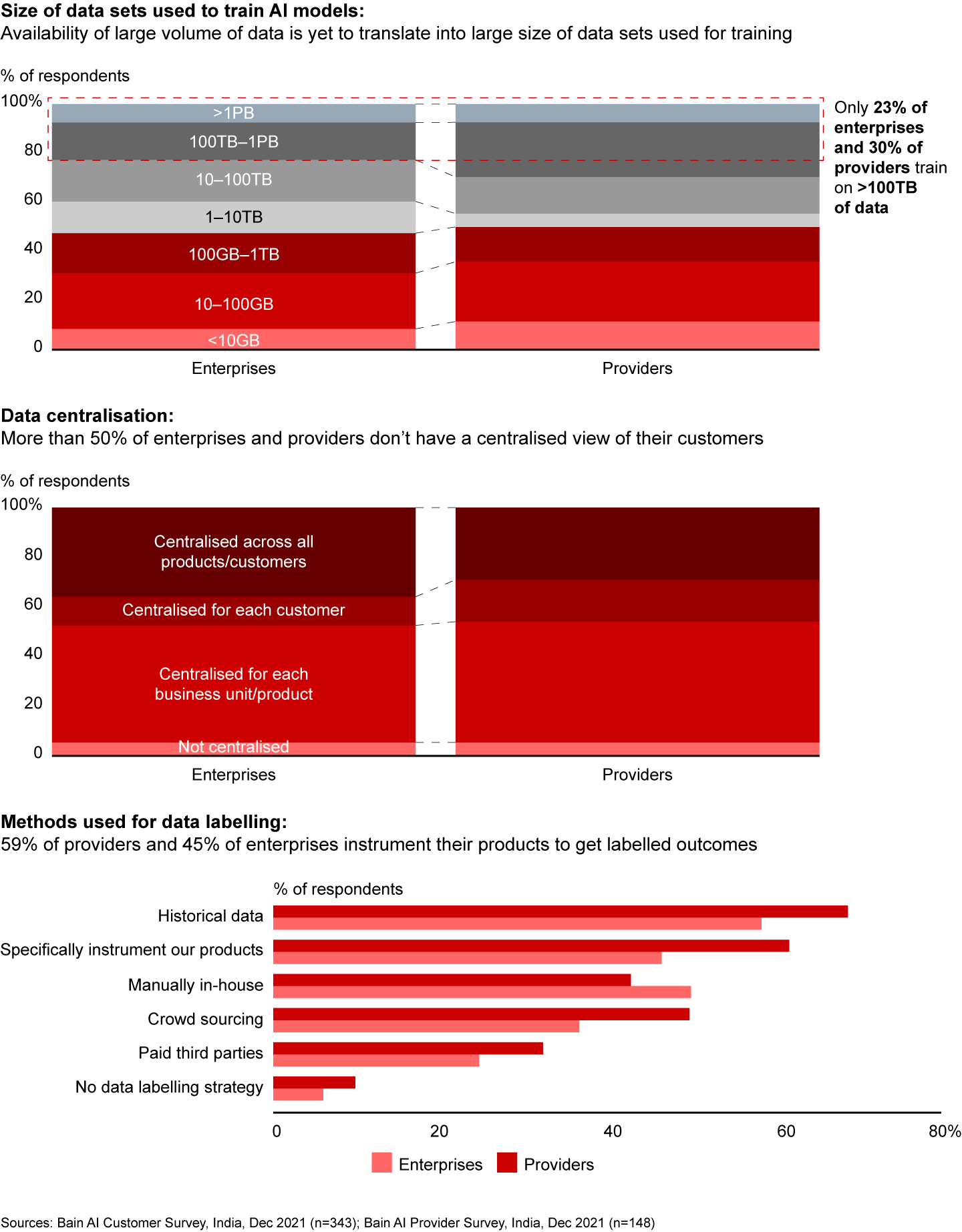

Talent: Key enablers for AI success
Figures 13-14: Figure 13 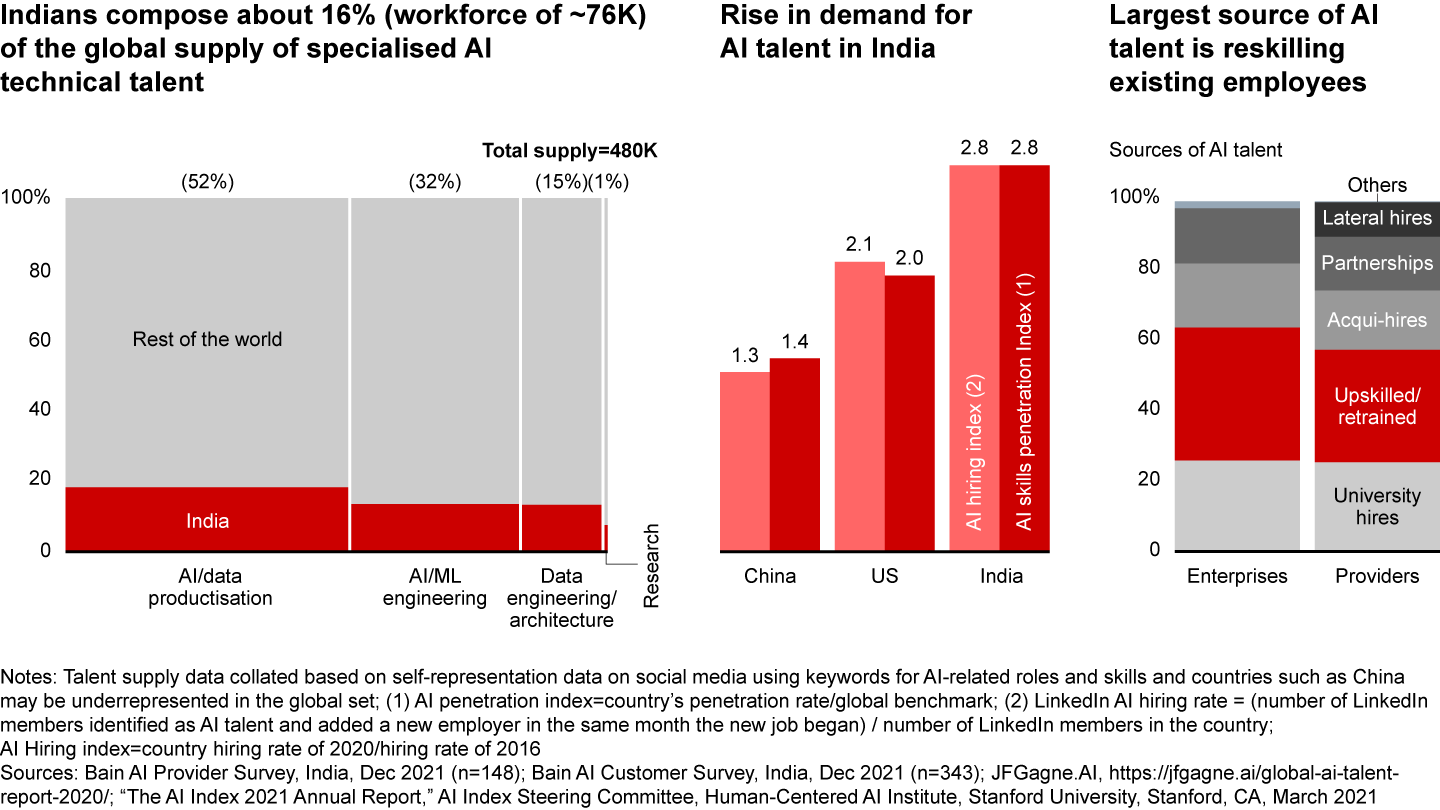

Figures 13-14: Figure 14 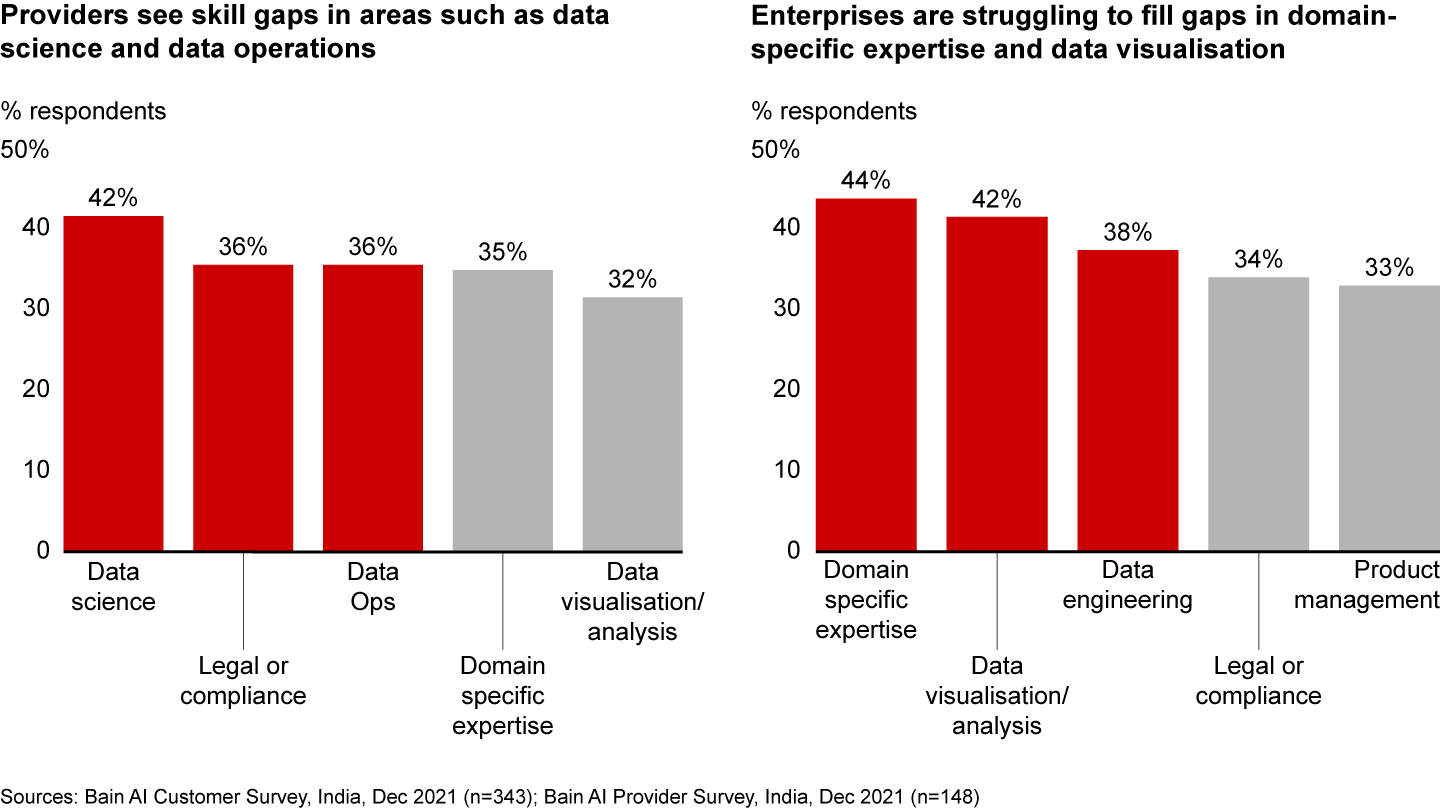

Key battlegrounds: How to win
Figures 15-21: Figure 15 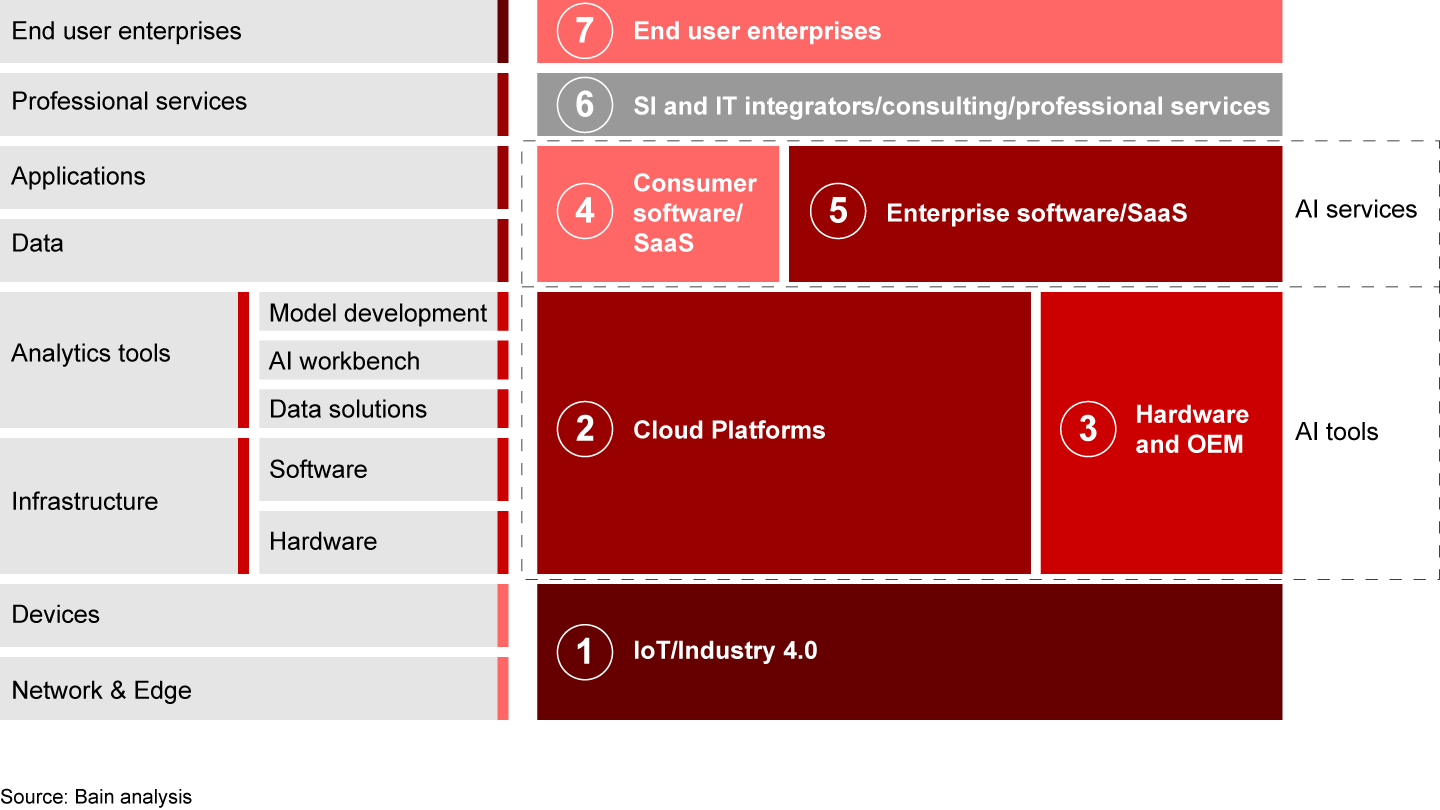

Figures 15-21: Figure 16 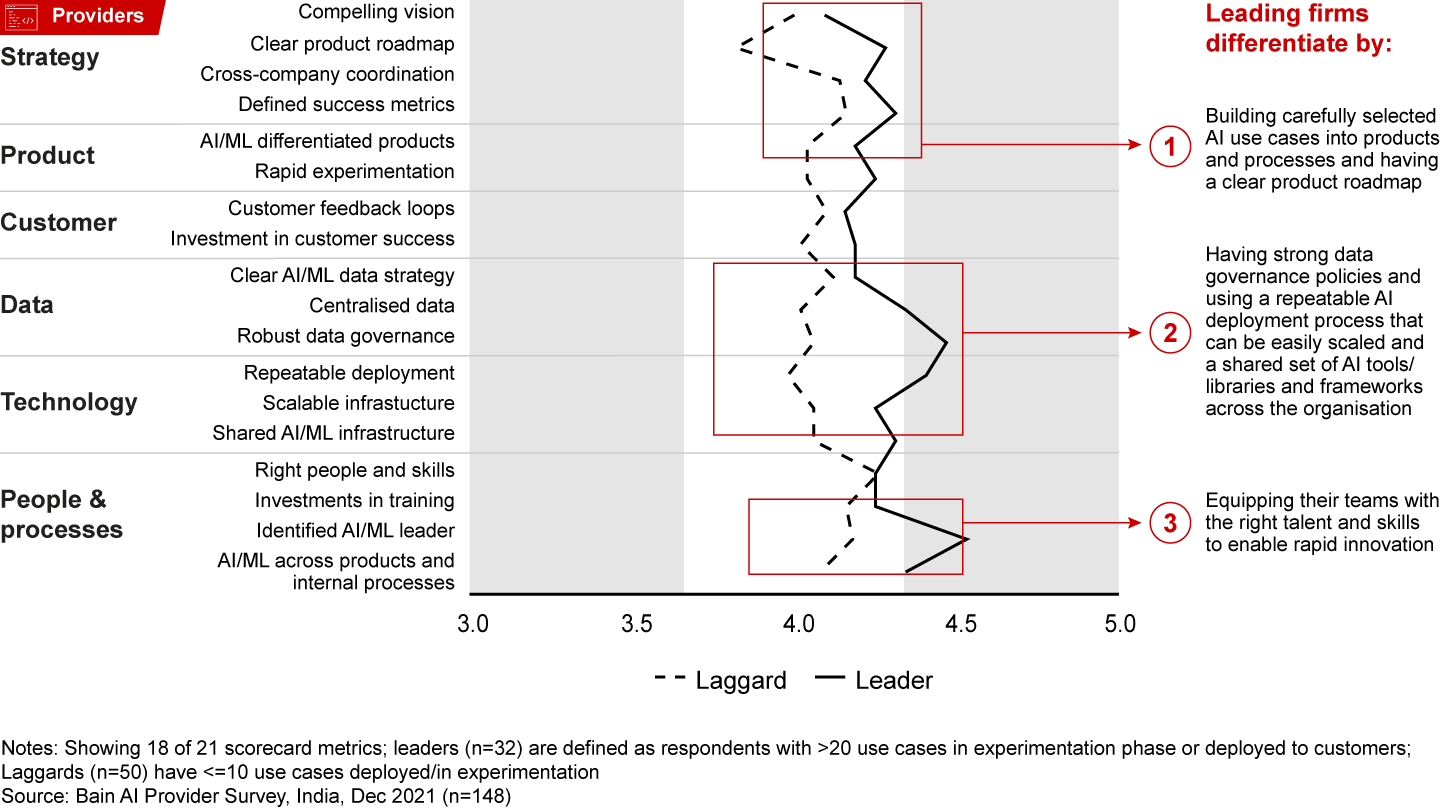

Figures 15-21: Figure 17 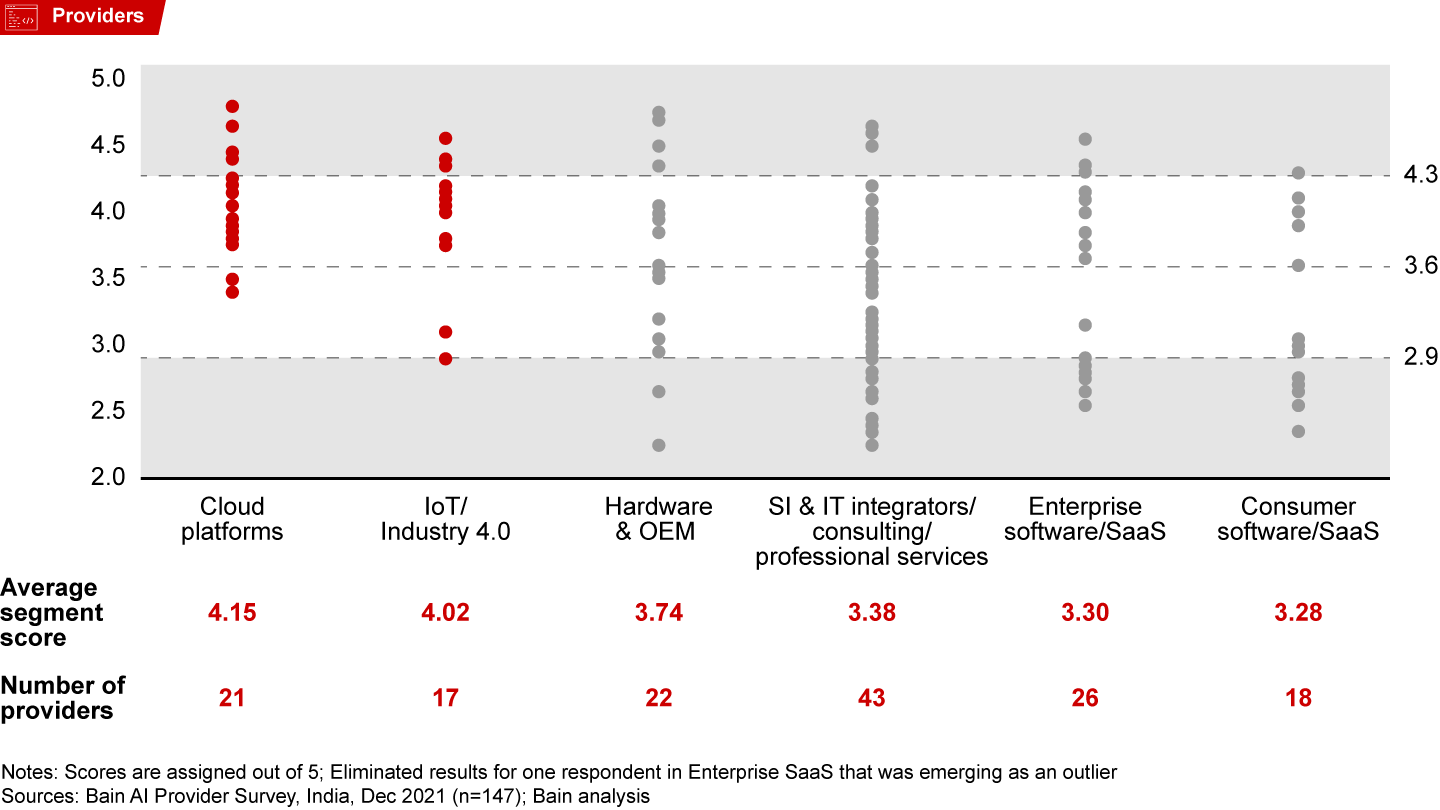

Figures 15-21: Figure 18 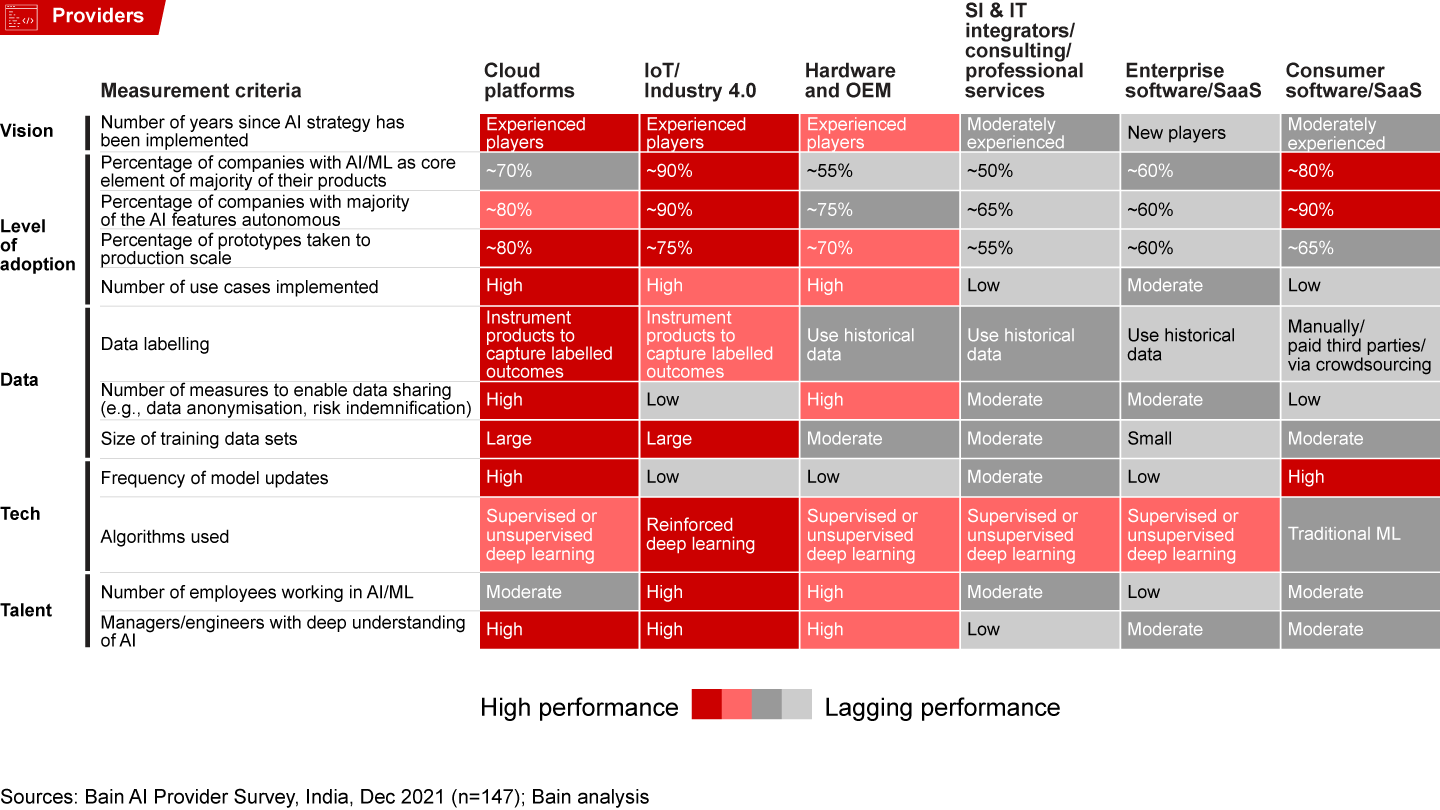

Figures 15-21: Figure 19 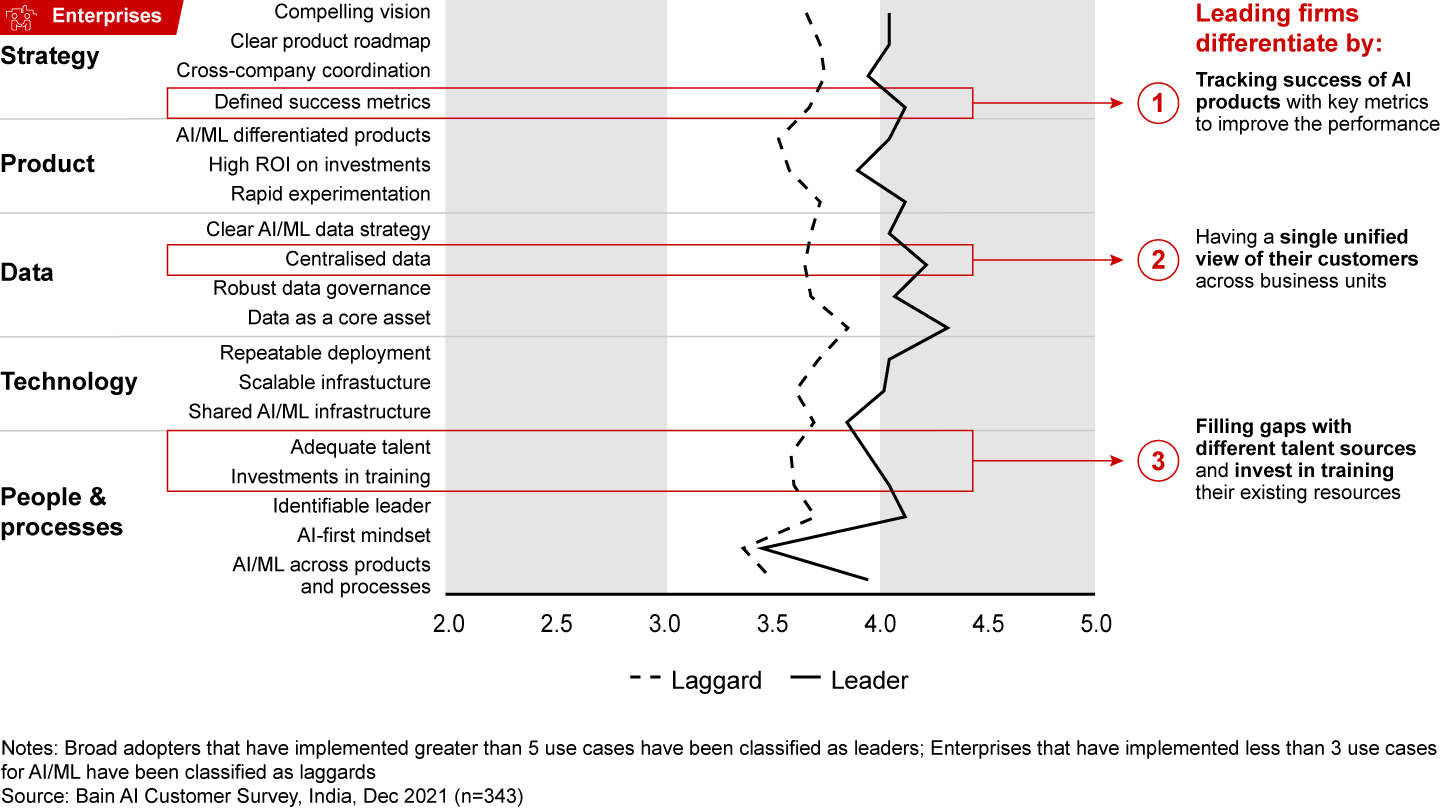

Figures 15-21: Figure 20 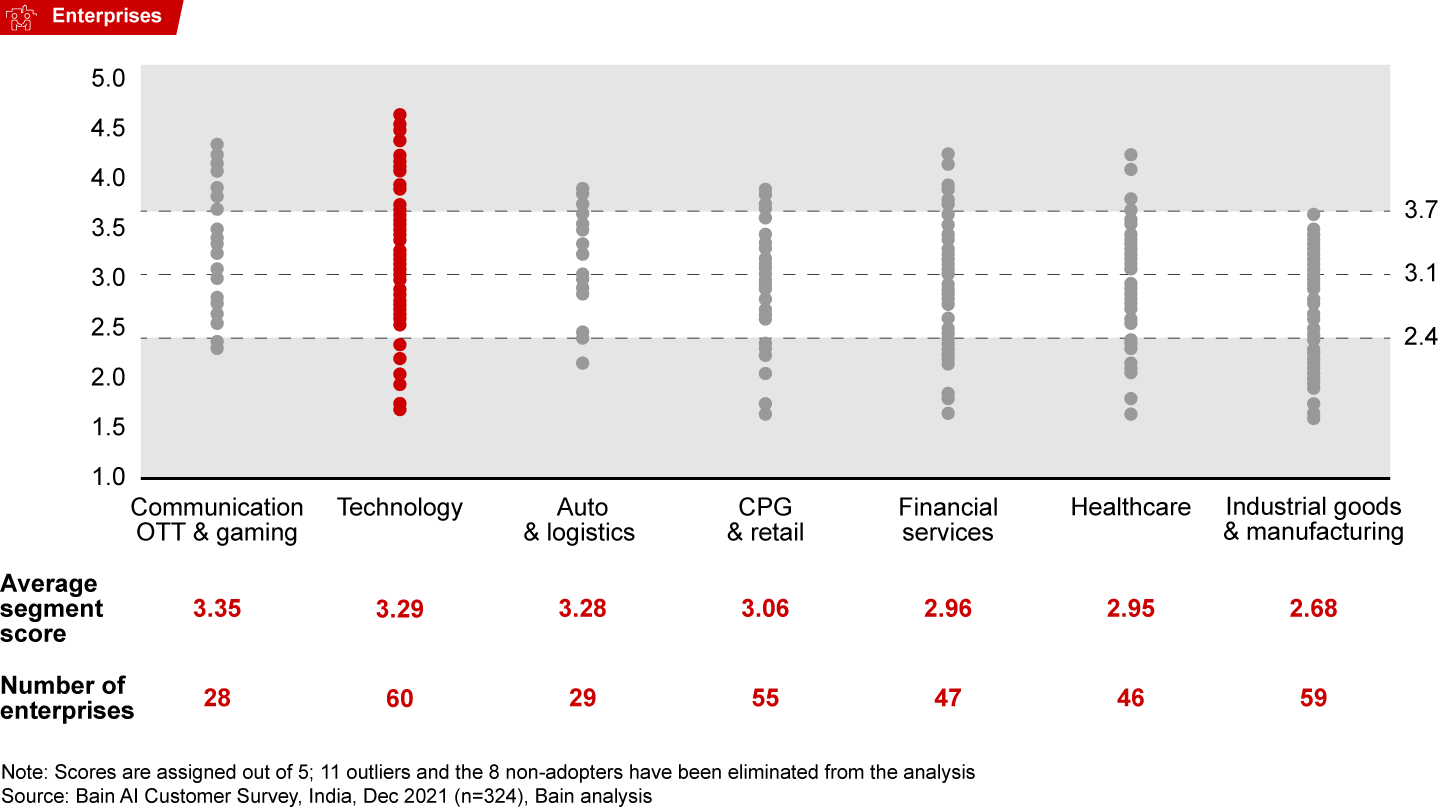

Figures 15-21: Figure 21 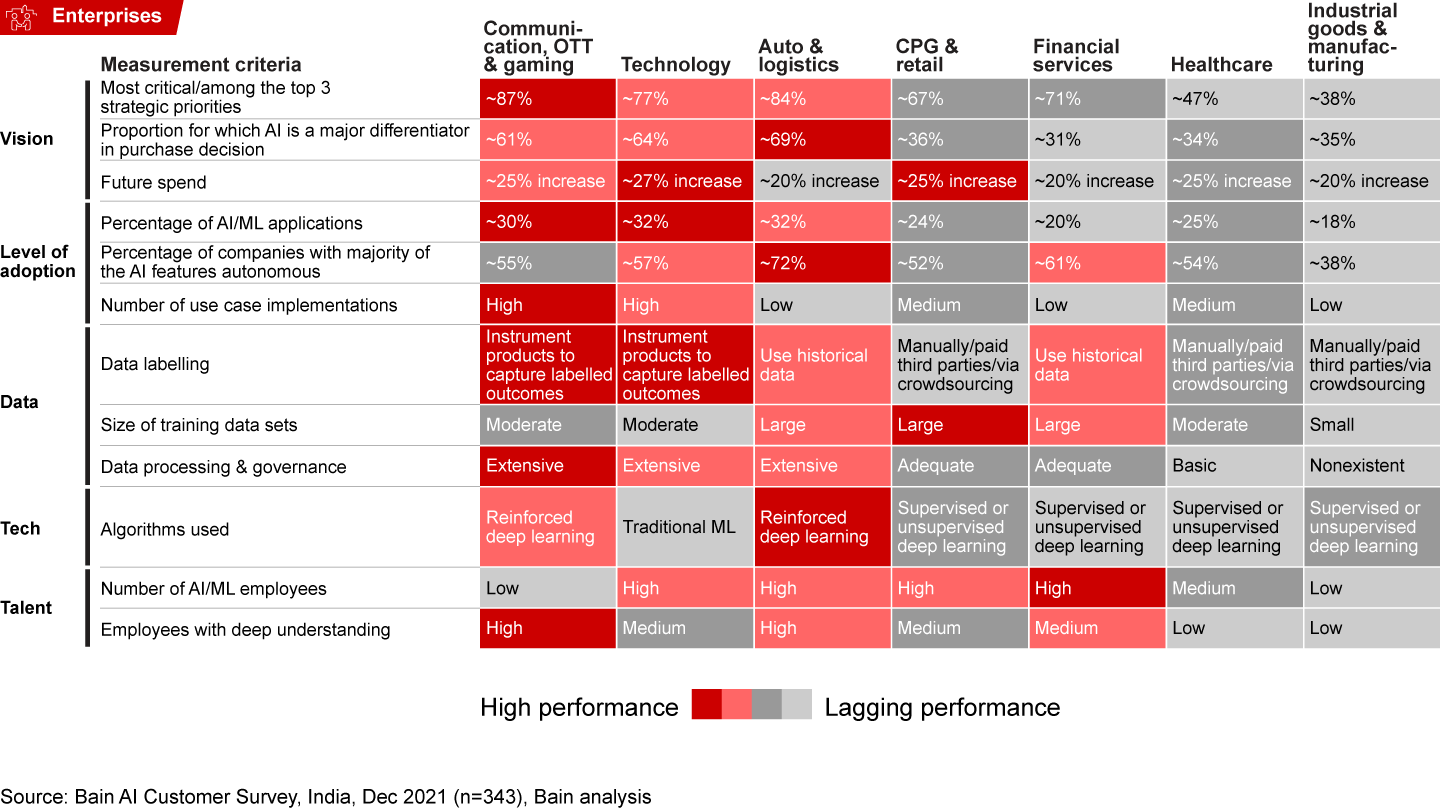

Figures 15-21: Figure 22 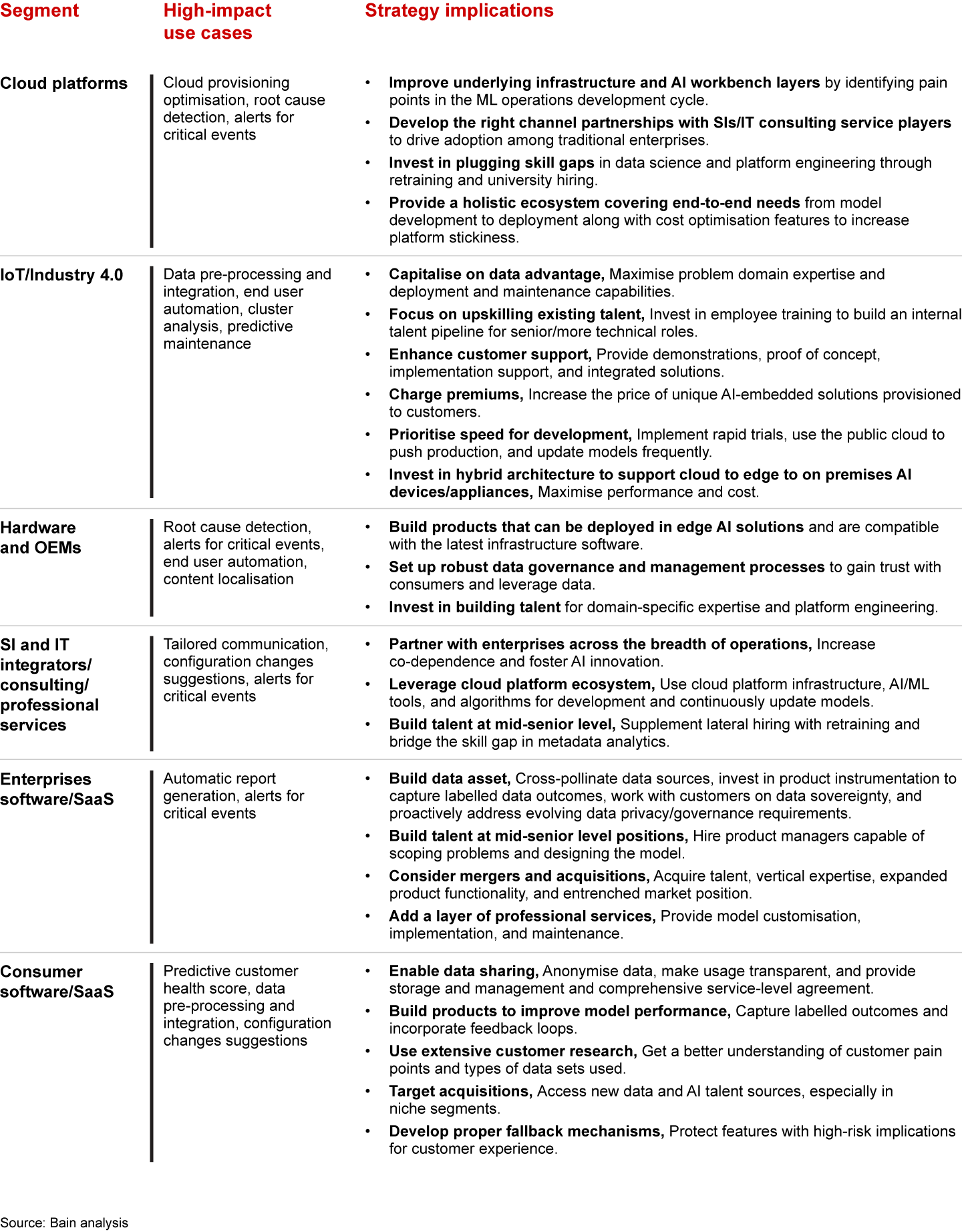

Figures 15-21: Figure 23 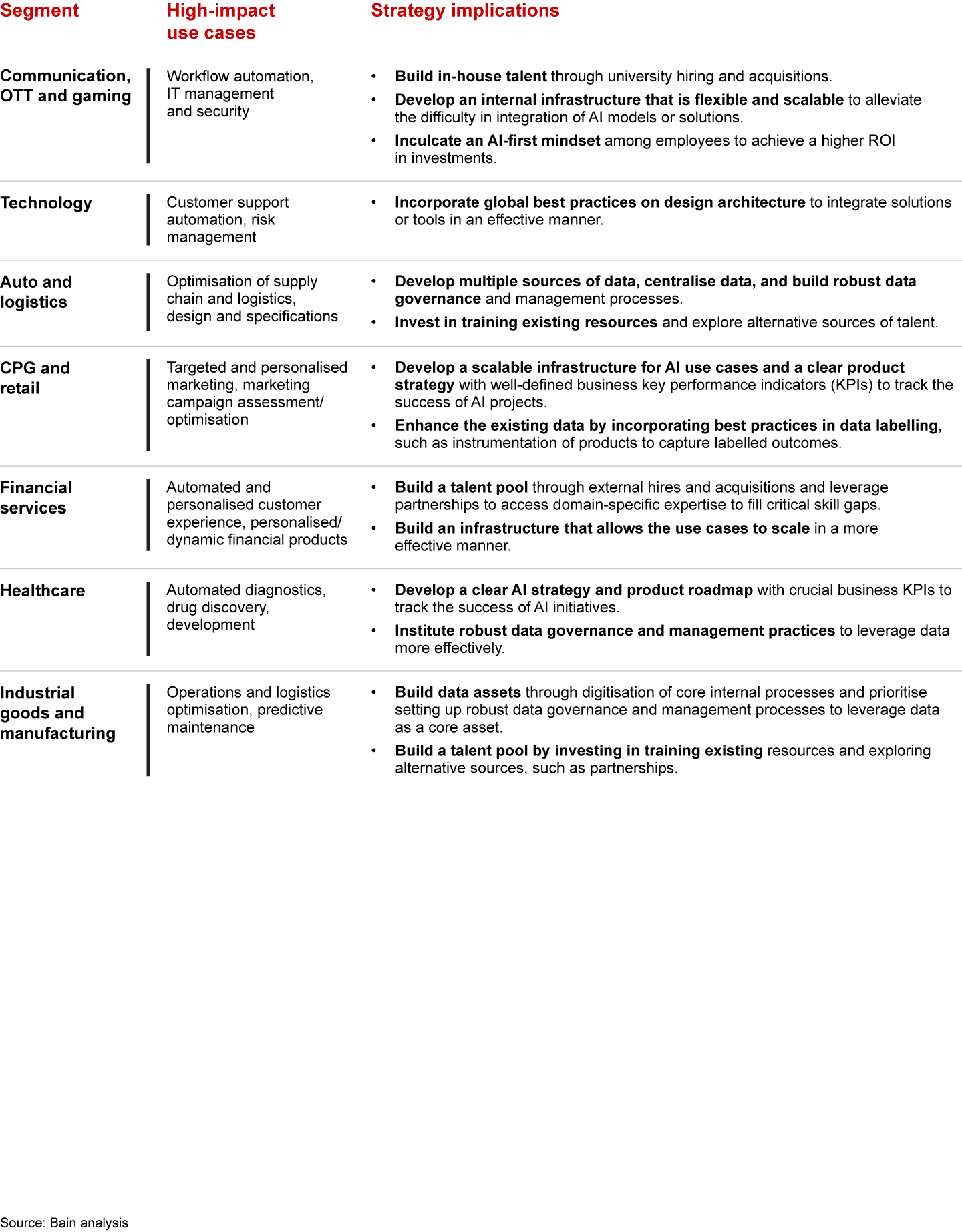


About MicrosoftMicrosoft (Nasdaq “MSFT” @microsoft) enables digital transformation for the era of an intelligent cloud and an intelligent edge. Its mission is to empower every person and every organisation on the planet to achieve more. Microsoft set up its India operations in 1990. Today, Microsoft entities in India have over 18,000 employees, engaged in sales and marketing, research, development, and customer services and support, across 11 Indian cities—Ahmedabad, Bengaluru, Chennai, New Delhi, Gurugram, Hyderabad, Kochi, Kolkata, Mumbai, Noida, and Pune. Microsoft offers its global cloud services from local data centers to accelerate digital transformation across Indian start-ups, businesses, and government organisations. 
About the Internet & Mobile Association of IndiaEstablished in 2004, the Internet & Mobile Association of India (IAMAI) is a not-for-profit industry body and the country’s only organisation representing the digital services industry with over 400 Indian and multinational corporations as its members, which include established companies in diverse sectors of the digital ecosystem as well as start-ups. Its mandate is to expand and enhance the online and mobile value-added services sectors. It is dedicated to presenting a unified voice of the businesses it represents to the government, investors, consumers, and other stakeholders. IAMAI represents varied sectors, such as digital advertising, digital entertainment, traveltech, online gaming, digital payments, fintech, digital commerce, edtech, healthtech, agritech, blockchain, big data, ML, AI & IoT, AR/ VR, and logisticstech to name a few. |