
Report


|
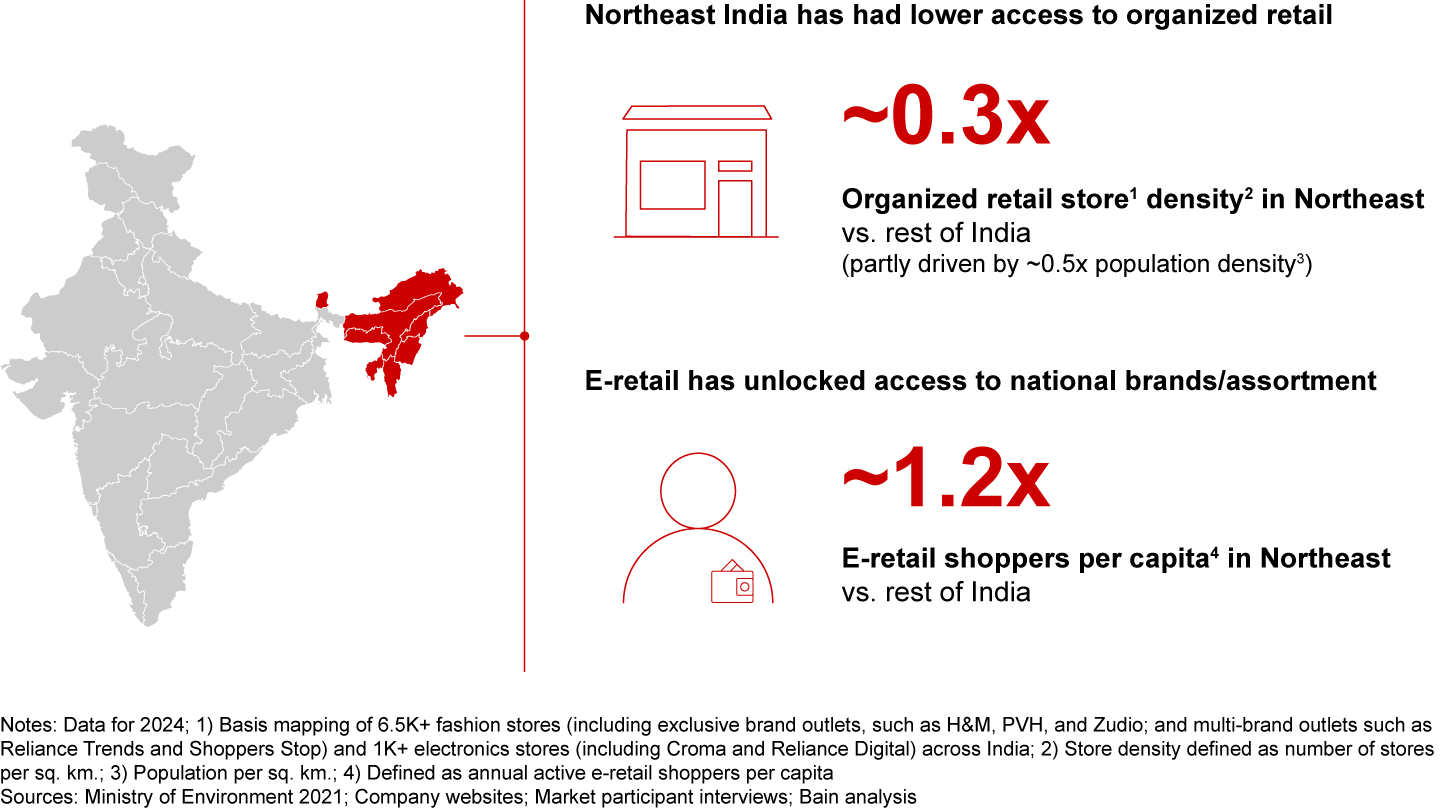
Executive summaryIndia has become a retail powerhouse over the last decade, ascending to the third largest retail market globally in 2024. The Indian e-retail market has surged to approximately $60 billion in gross merchandise value (GMV), boasting the world’s second-largest online shopper base. India’s consumption and discretionary spending have faced headwinds in recent years, with private consumption growth slowing from 11% pre-Covid (2017–19) to ~8% post-Covid (2022–24). This decline is driven by higher inflation and a stagnation of real wages. The stress in consumption is evident in e-retail growth in 2024 being 10%–12%, compared to historical growth rates of over 20%. However, the recent fiscal and monetary policy interventions are expected to drive a rebound in e-retail growth, especially from the festive period of 2025, on account of revival in the consumption cycle. Long-term market fundamentals remain robust, with e-retail projected to exceed 18% growth over the next six years, reaching an estimated $170–$190 billion in GMV, with nearly 1 in 10 retail dollars spent on e-retail by 2030. This growth will be fueled by increased discretionary spending as India’s per capita GDP surpasses $3,500–$4,000—a crucial tipping point unlocking discretionary and e-retail spending globally. States in India with per capita GDP above $3,500 already exhibit 1.2 times higher e-retail penetration than other regions. High-frequency categories such as grocery, lifestyle, and general merchandise will drive e-retail growth, accounting for two out of every three dollars spent on e-retail by 2030. These categories are set to see a two- to fourfold increase in e-retail penetration over this period. Growth will continue to reshape India’s shopping landscape. User adoption is already spreading from Tier-2 to Tier-3 cities, with three in five new shoppers since 2020 coming from cities designated Tier-3 or smaller. This growth is unlocking access for consumers in remote, brand-starved areas, as evidenced by the 1.2 times higher e-retail shopper penetration in the Northeast compared to the rest of India. The seller base is also diversifying, with 60% of new sellers since 2021 hailing from Tier-2 or smaller cities. Written in collaboration withWritten in collaboration with
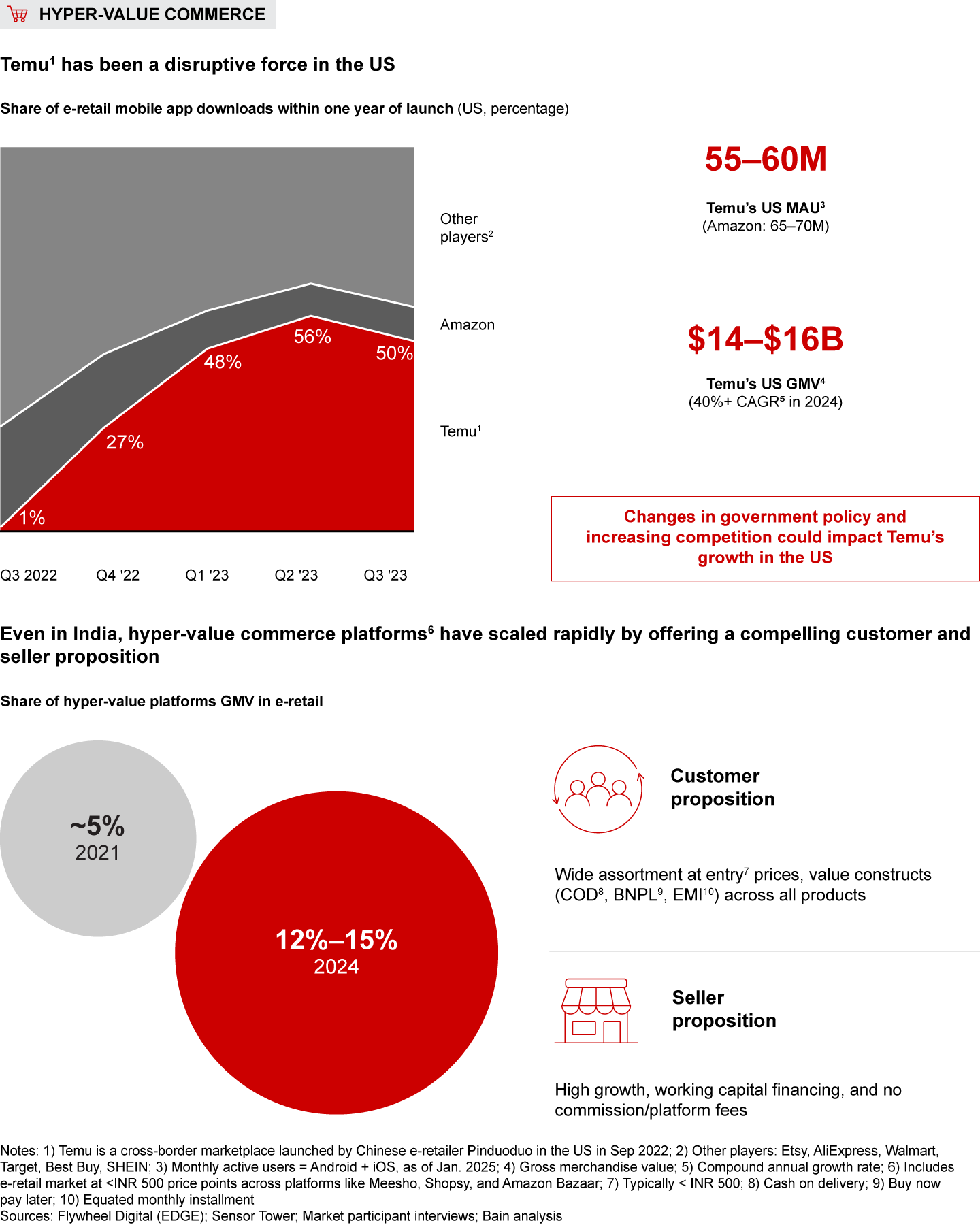
Three disruptions—quick commerce, trend-first commerce (especially in fashion), and hyper-value commerce—will define the next chapter of growth. Each of these models is at a different level of maturity. Together, their evolution will shape the future of India’s e-retail landscape. Quick commerce (Q-commerce; less than 30-minute delivery): Q-commerce is revolutionizing how consumers buy in India, with over two-thirds of all e-grocery orders and a tenth of overall e-retail dollars spent on these platforms. Indian q-commerce players have bucked global trends and scaled profitably. India’s unique structural advantages, including high population density and close access to a network of low-rent dark stores, have enabled this growth. Q-commerce has since attracted multiple players, which has made the consumer value proposition richer. Q-commerce is projected to grow at over 40% annually through 2030, driven by expansion across categories, geographies, and customer segments. While q-commerce began with grocery, 15%–20% of its GMV now comes from categories such as general merchandise, mobile phones, electronics, and apparel. Expansion beyond major cities has also fueled growth, though the top six metros still account for the lion’s share of GMV. Q-commerce players have improved unit economics by increasing order values, lowering supply chain costs, and enhancing gross margins (via direct sourcing from producers and farmers, and deploying monetization levers such as advertising and platform fees). However, to sustain profitable growth, companies must adapt their business models for markets beyond major metros, manage rising competition, and optimize supply chains as the market evolves into a two-speed proposition—offering select products in under 15 minutes and a wider assortment within an hour. Trend-first commerce (frequent launches of trendy collections at affordable prices): This model is rapidly gaining momentum in India. Trend-first fashion alone is expected to grow fourfold, reaching approximately $8 to $10 billion by 2028, with more than half of this revenue from online sales. Interestingly, this model is also quickly expanding beyond fashion, with the role of trendy assortment expanding in categories such as beauty (e.g., Korean glass skin routine), electronics (e.g., vibrantly colored smartwatches), and luggage. India’s unique demographics—with a large base of young, value-conscious consumers who are active on social media—position it perfectly for the trend-first commerce boom. The rapidly expanding influencer and supplier ecosystems will only further accelerate this growth. Globally, trend-first fashion has thrived by following a tech-driven, repeatable playbook involving four key components: (1) investing in social media to target Gen Z; (2) offering hyper-trendy, low-priced collections with daily launches driven by advanced trend-spotting algorithms; (3) utilizing a test-and-scale model to quickly introduce and restock popular styles; and (4) providing a bespoke user experience that emphasizes novelty and rewards user engagement. In India, multiple players are looking to capture a slice of this market. Offline brands such as Zudio (by Trent), H&M, and Zara have successfully offered a compelling “trends-first” proposition to Indian consumers. Meanwhile, online platforms, such as Flipkart Spoyl, Myntra Fwd and Shein, along with emerging brands like Urbanic, Snitch, and NewMe, are also looking to win over Gen Z consumers and trend-savvy millennials. Hyper-value commerce (ultra-low price assortment): Hyper-value commerce has seen a global surge, exemplified by the success of Temu in the US, which accounted for roughly half of all American e-retail app downloads within a year of launch. Temu’s 55–60 million monthly active users were just shy of Amazon’s 65–70 million US users as of January 2025, with GMV having grown at over 40% annually to between $14–$16 billion by the end of 2024. In India, hyper-value commerce’s contribution to e-retail has scaled from around 5% of e-retail GMV in 2021 to more than 12% in 2024. These platforms have gained strong traction among lower-middle-income consumers, particularly in Tier-2 or smaller cities, by focusing on an affordable product assortment. Additionally, these platforms have rapidly expanded their seller base by offering seller financing and zero-commission models. India’s e-retail market, akin to the broader retail landscape, is diverse, with purchase behavior varying dramatically by age, region, city tier, and e-retail maturity:
These differences in purchase behavior indicate massive opportunity for retailers. Brands and sellers can harness the diversity of consumer preferences across India by (1) tailoring their range and assortment to reflect regional variation in features and price points; (2) creating products that align with emerging trends (e.g., Korean-inspired fashion) and market whitespaces; (3) using targeted e-retail advertising (display and search) to enhance brand awareness and drive sales; and (4) improving conversion by focusing on ratings and reviews, offering faster delivery options, and enhancing catalogs. E-retail market overview
Figure 1
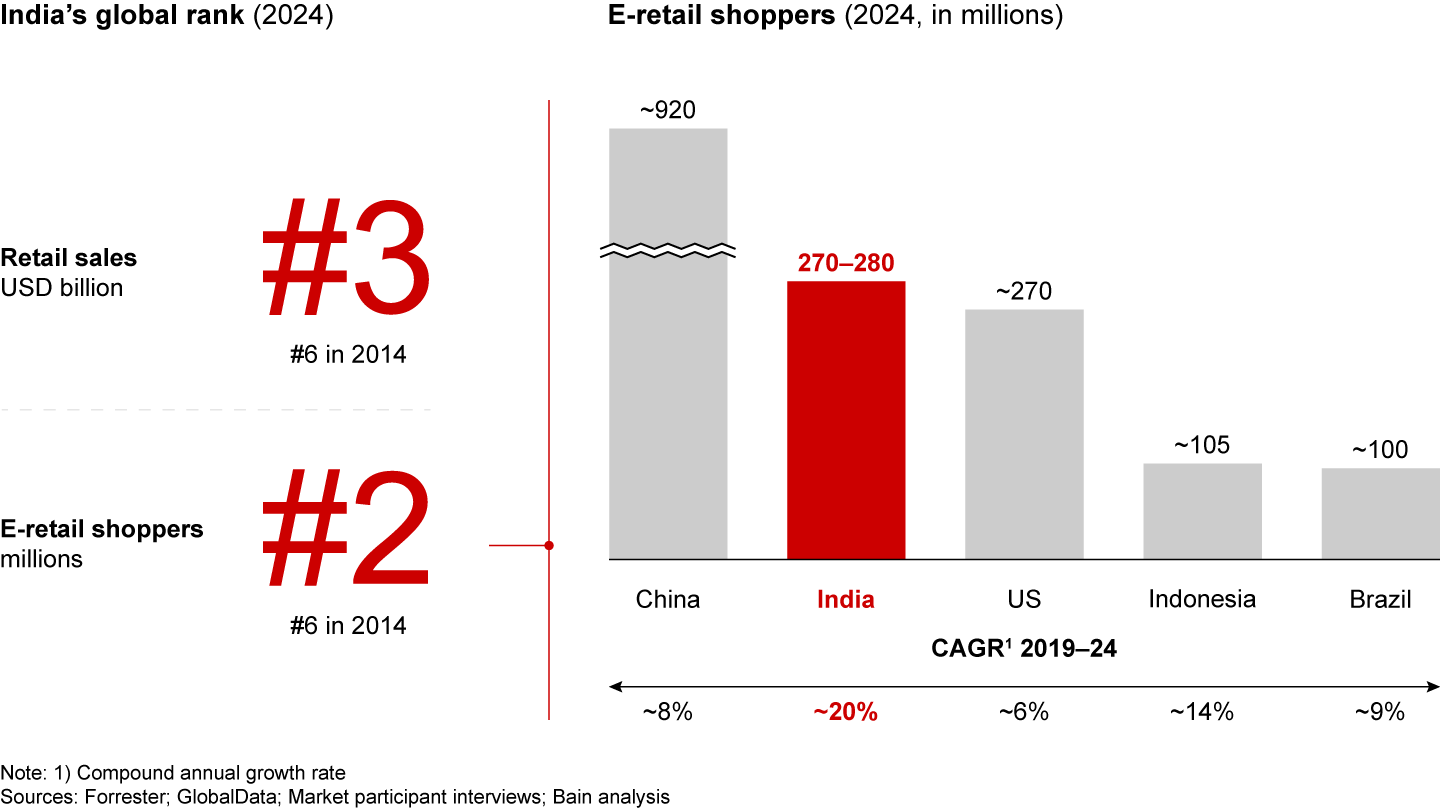

Figure 2
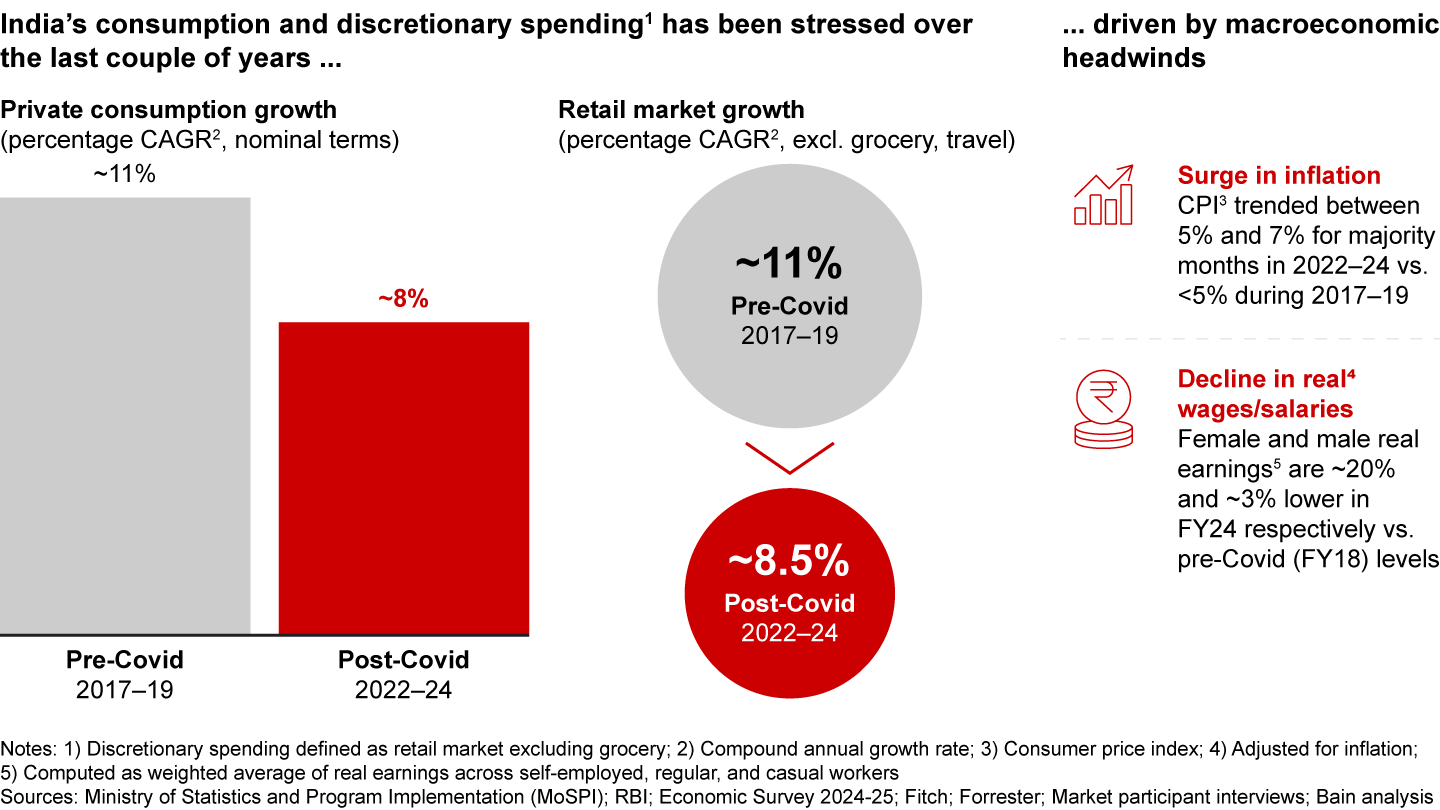

Figure 3
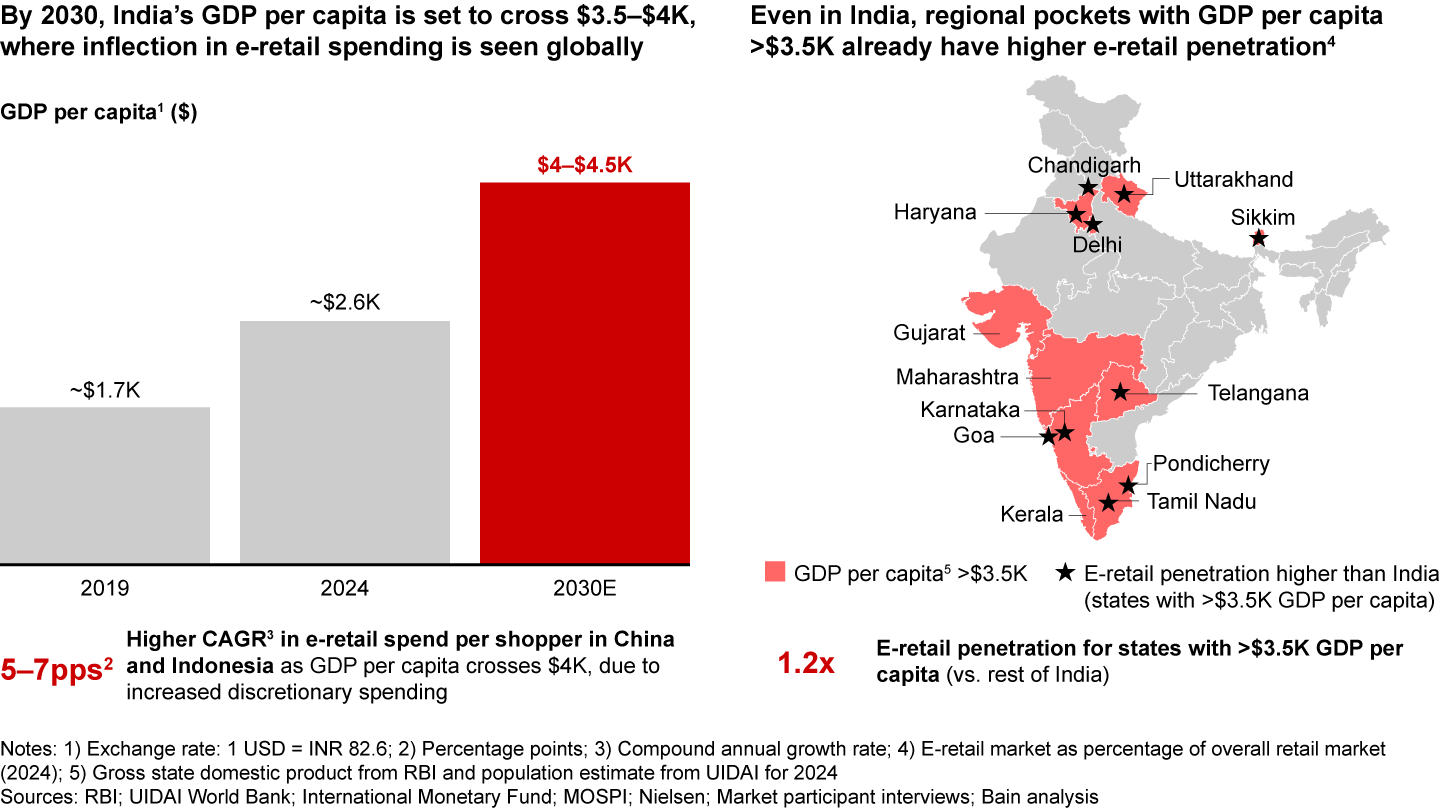

Figure 4
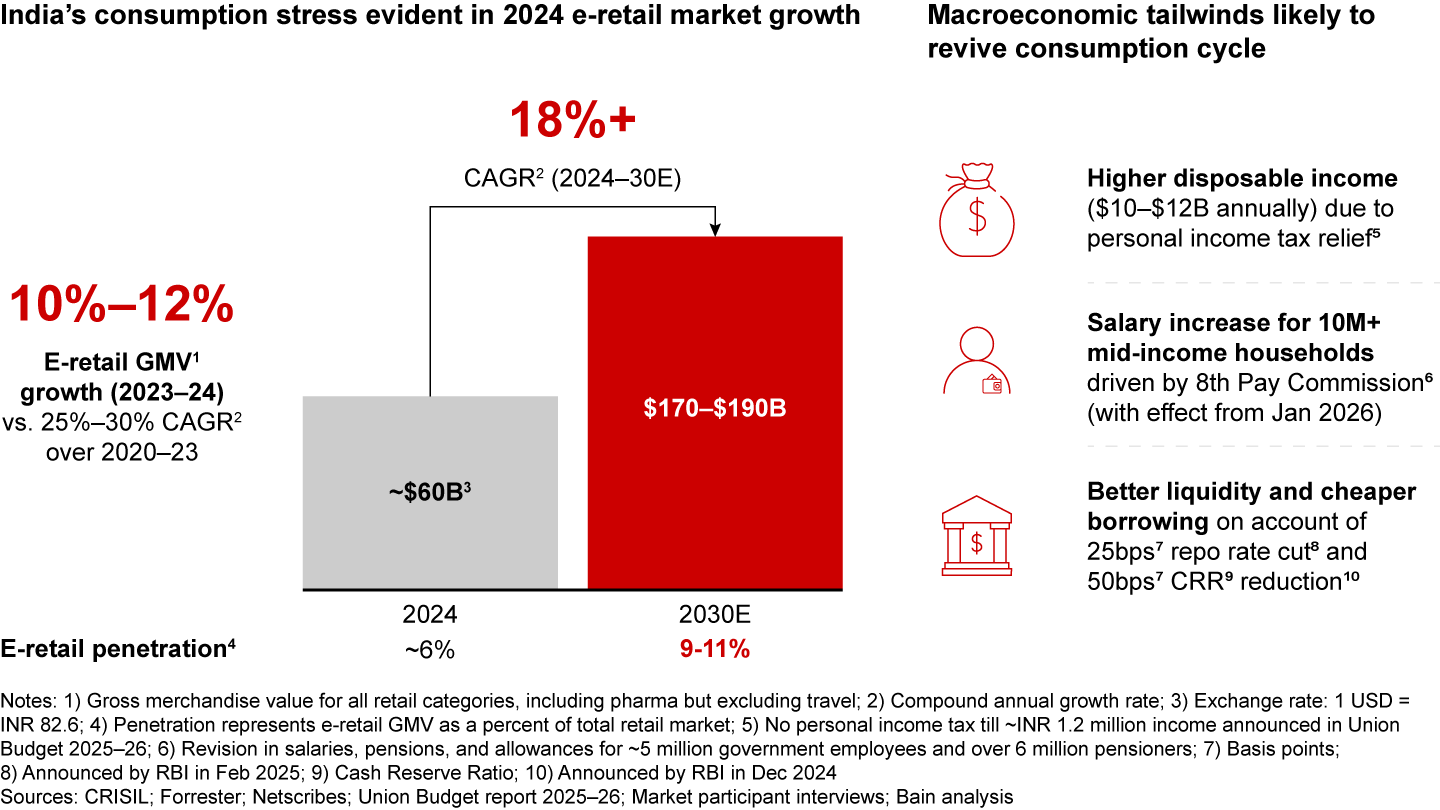

Figure 5
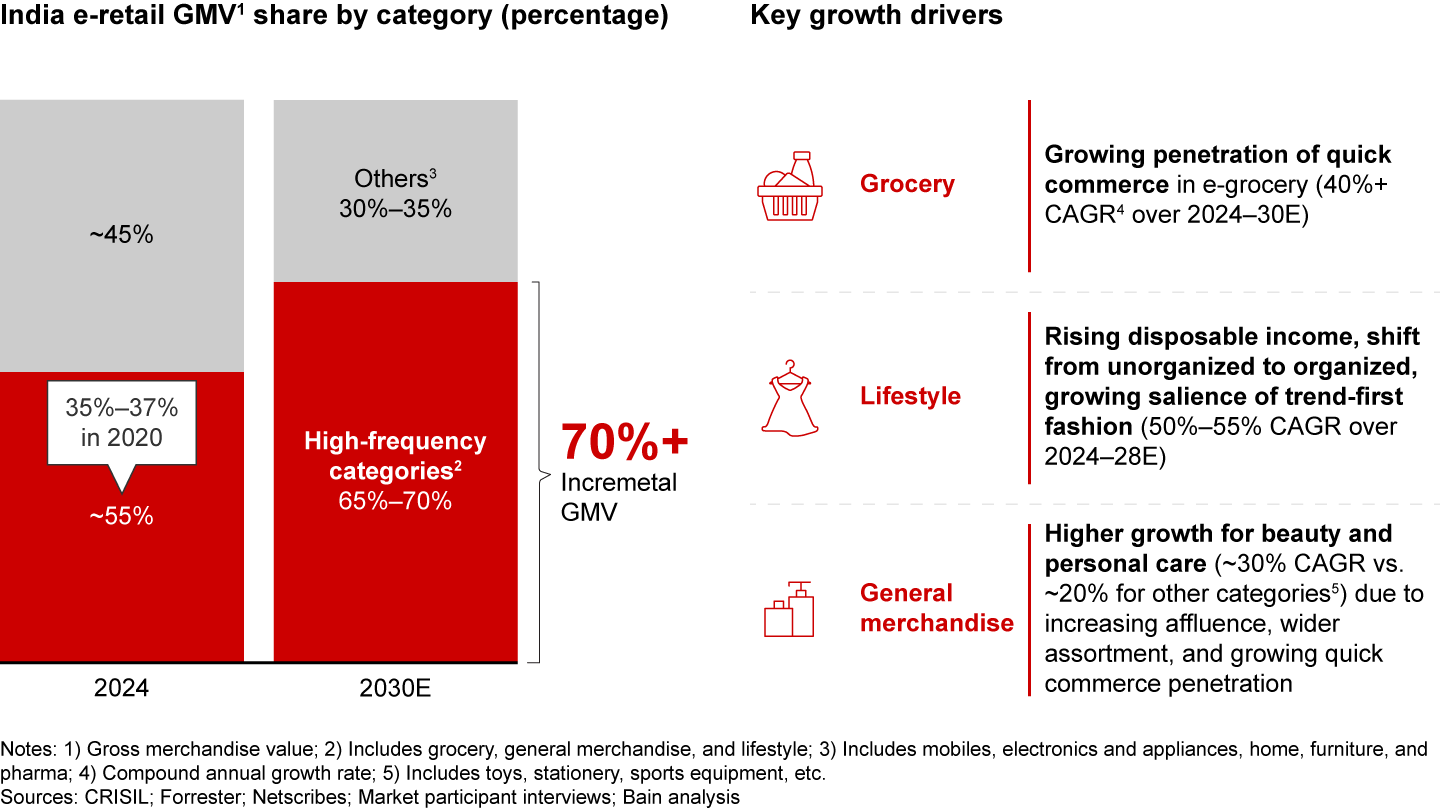

Figure 6
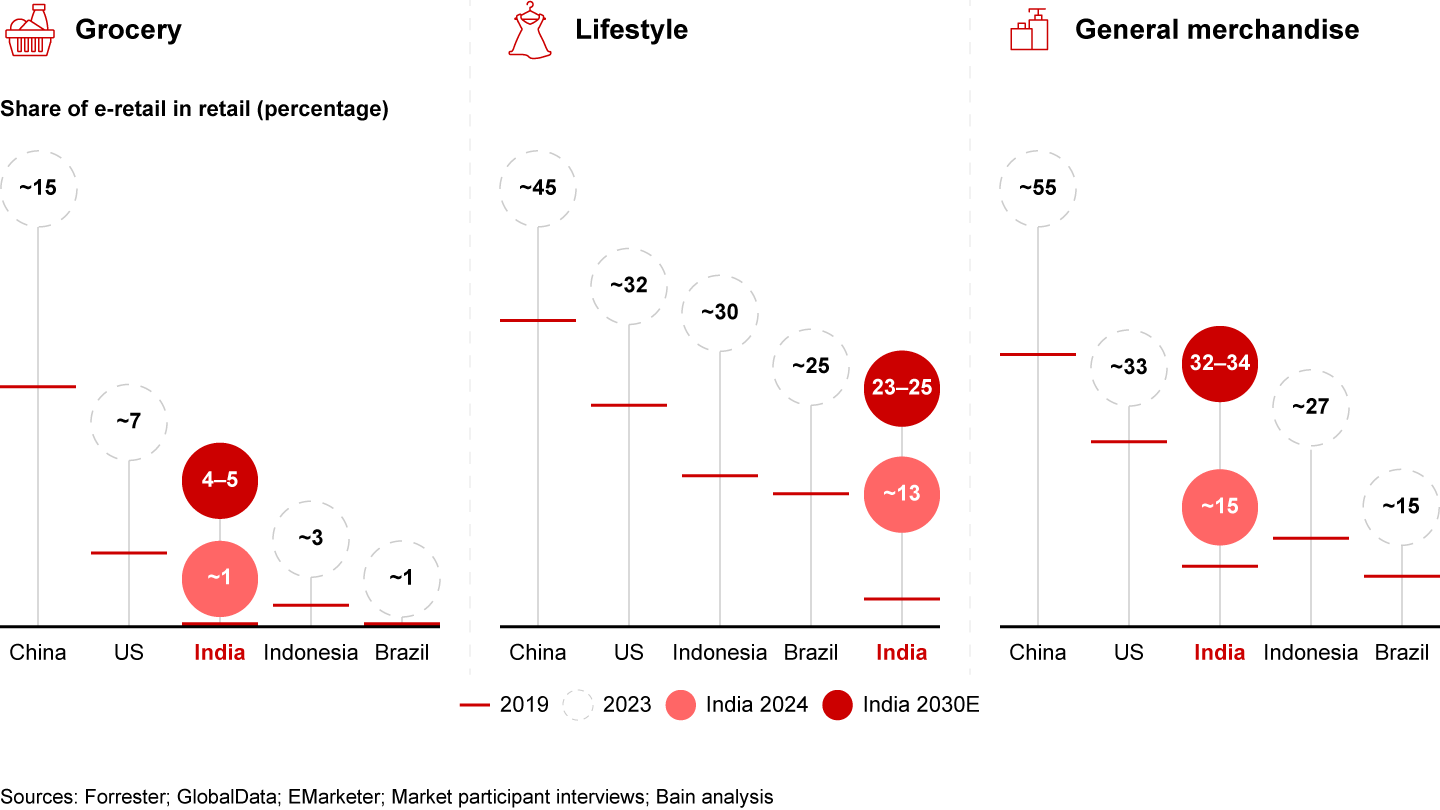

Figure 7
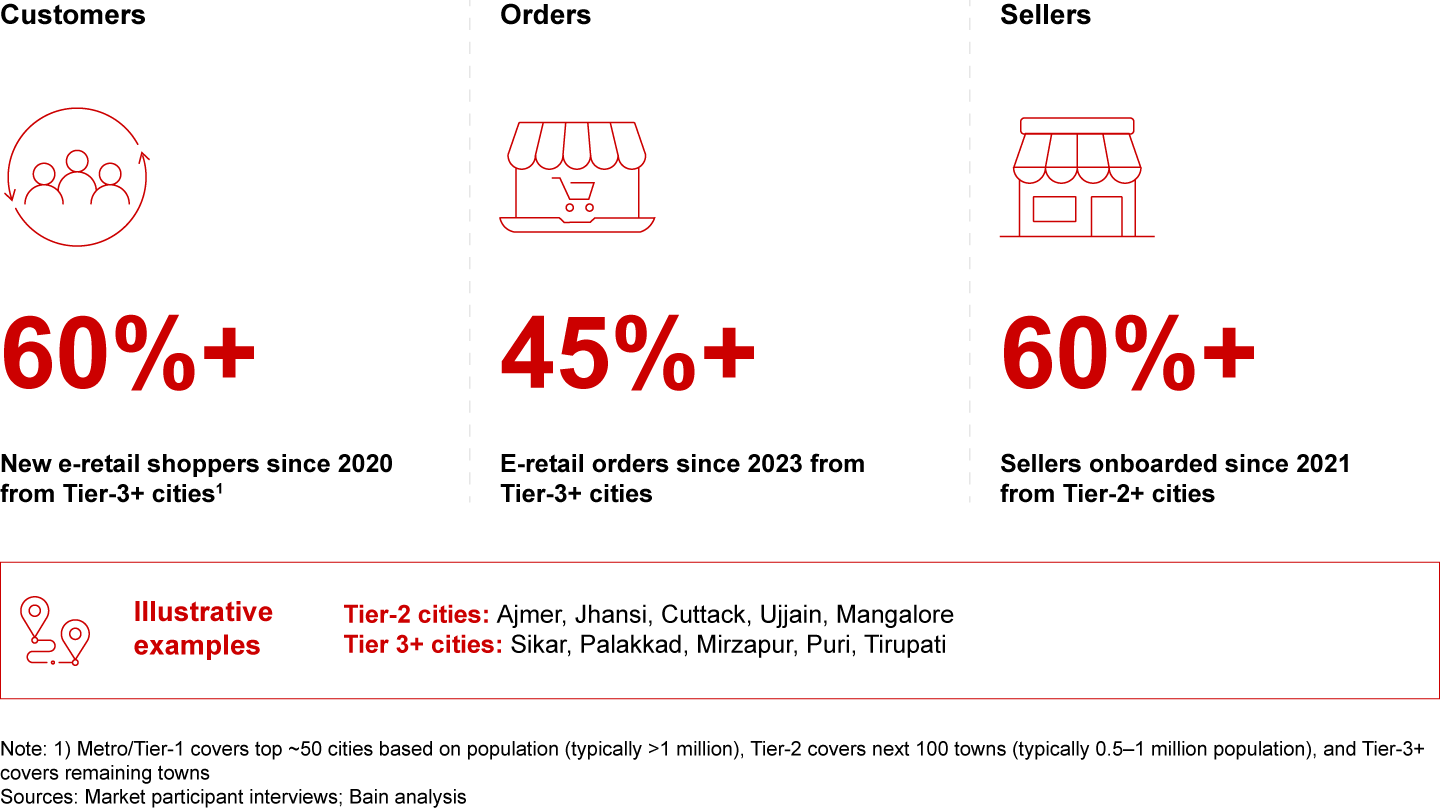

Figure 8

Disruption in e-retailThree disruptive business models—quick commerce, trend-first commerce, and hyper-value commerce—are changing the tapestry of India’s e-retail market:
Figure 9
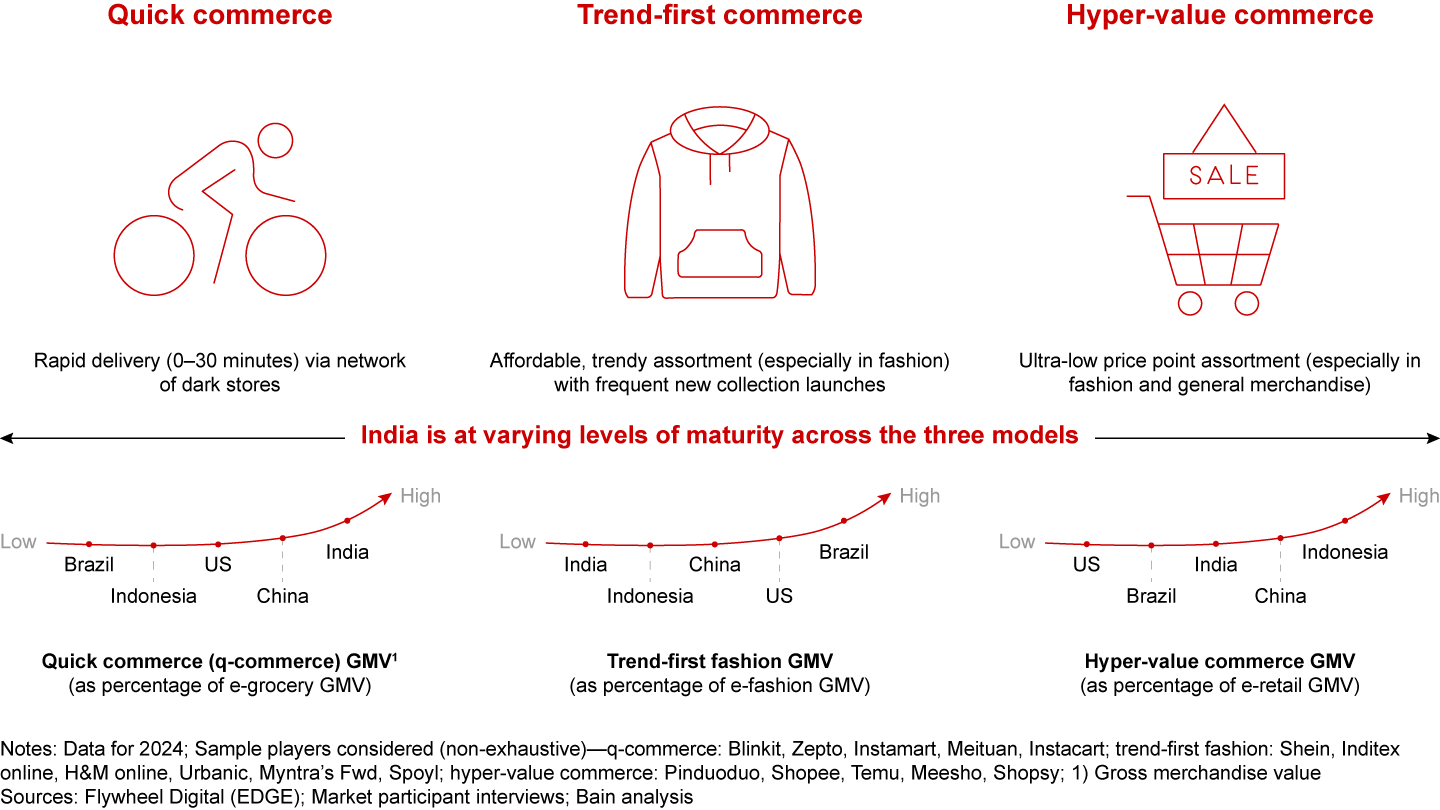

Figure 10
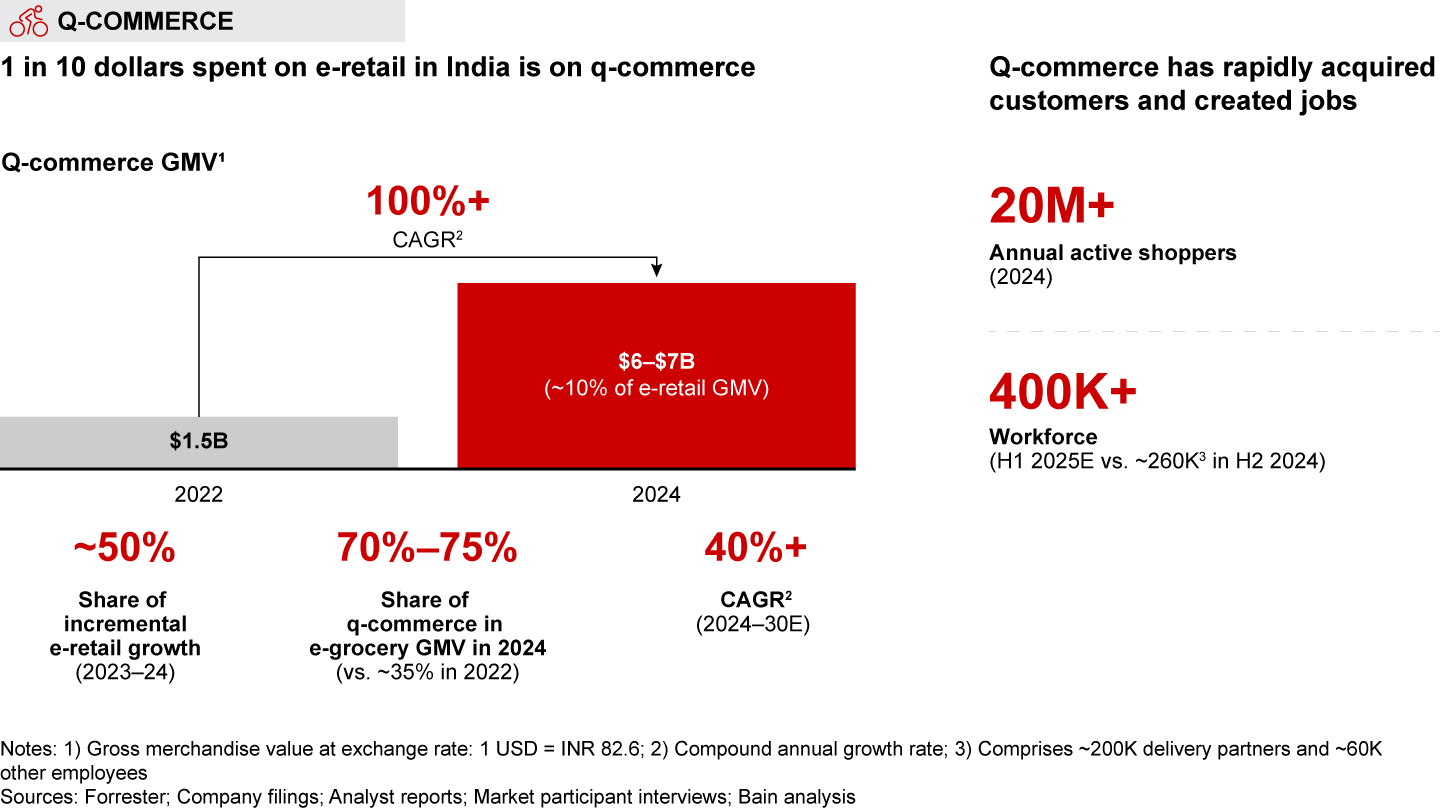

Figure 11
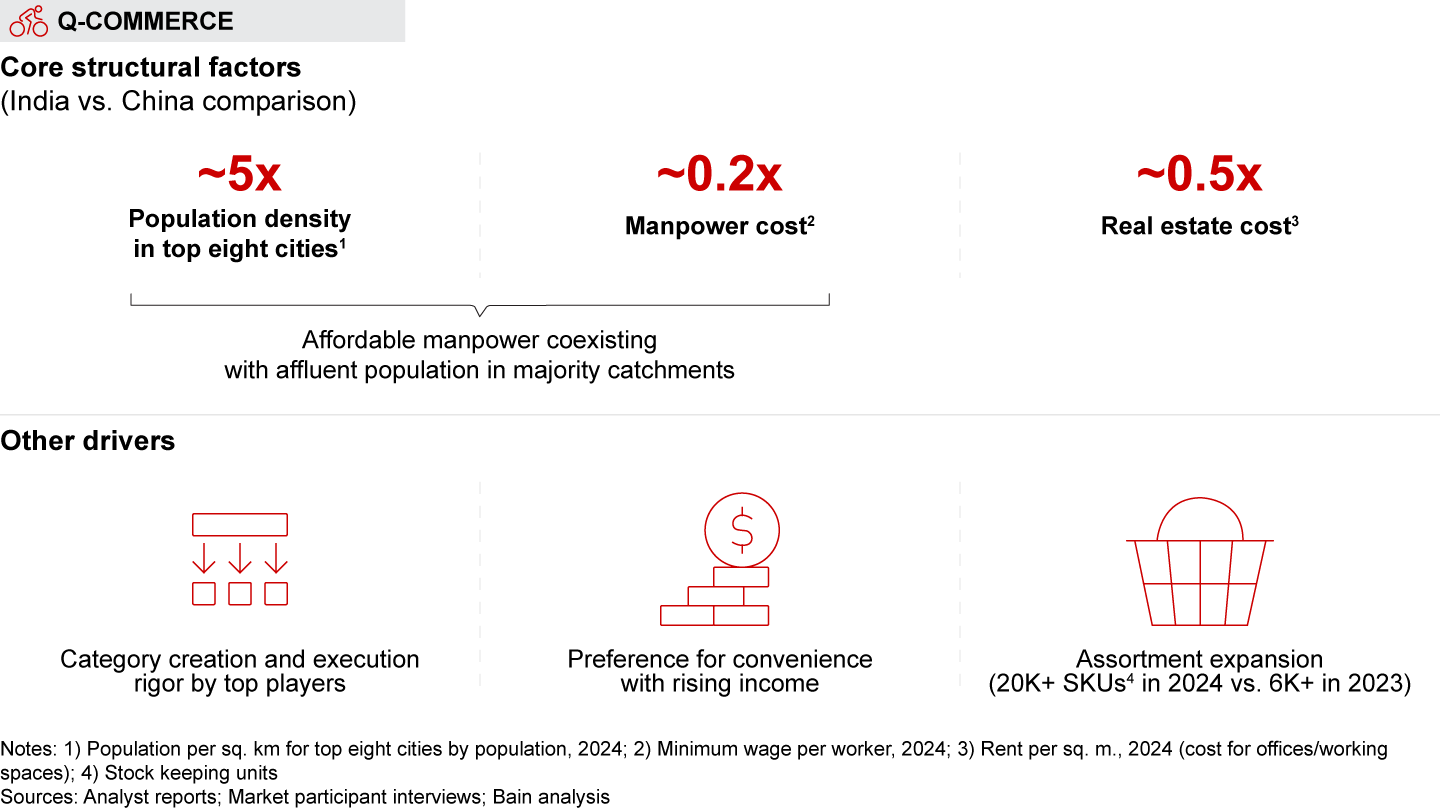

Figure 12
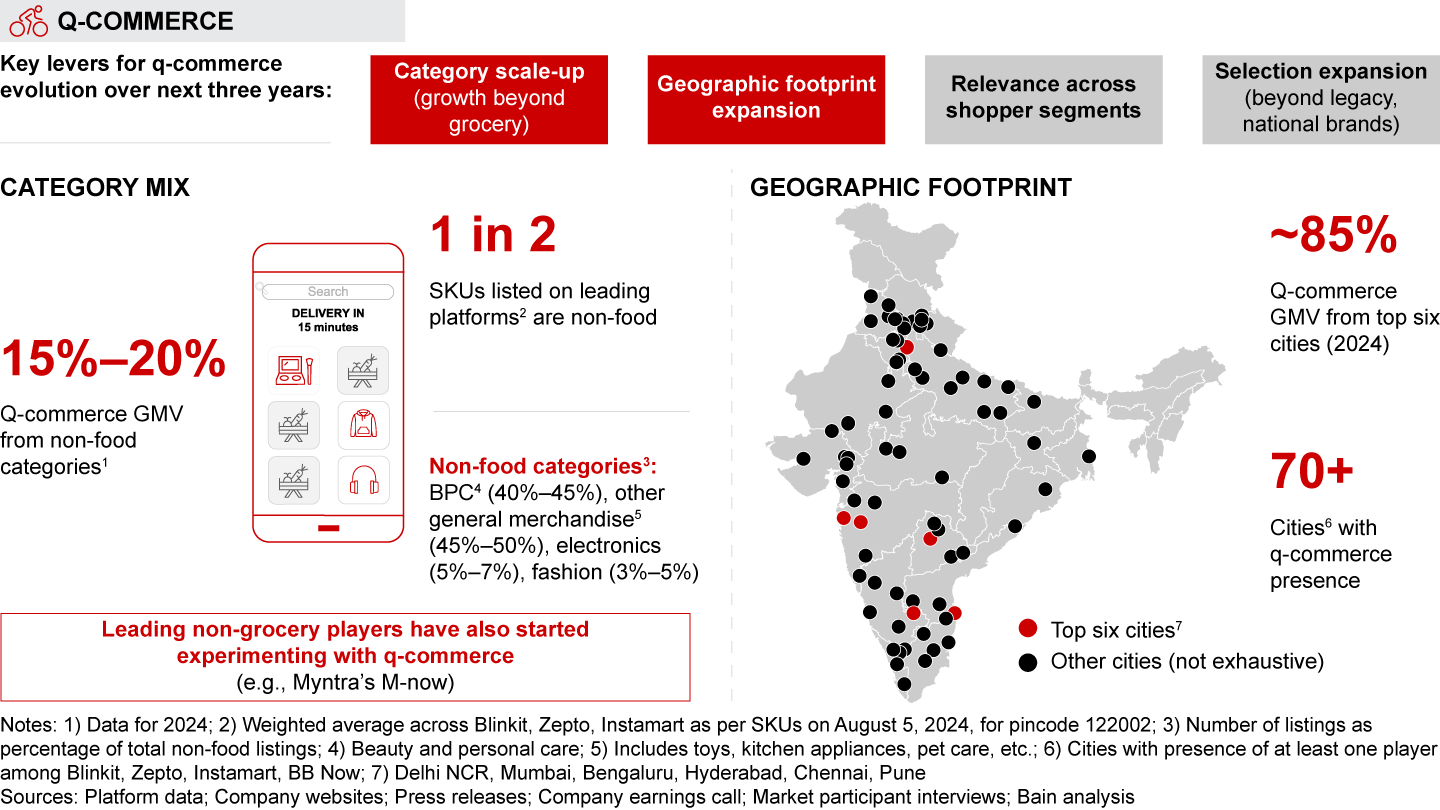

Figure 13
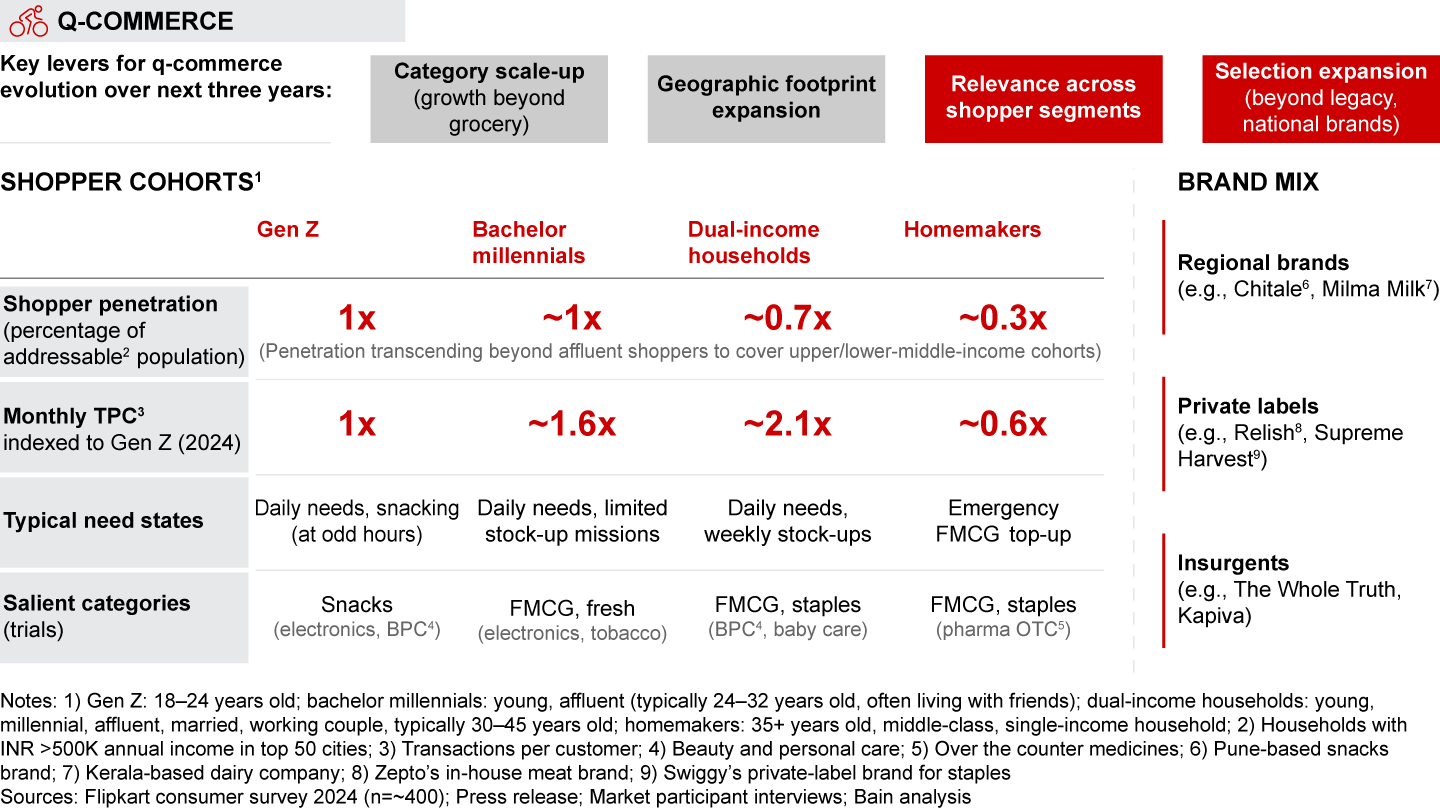

Figure 14
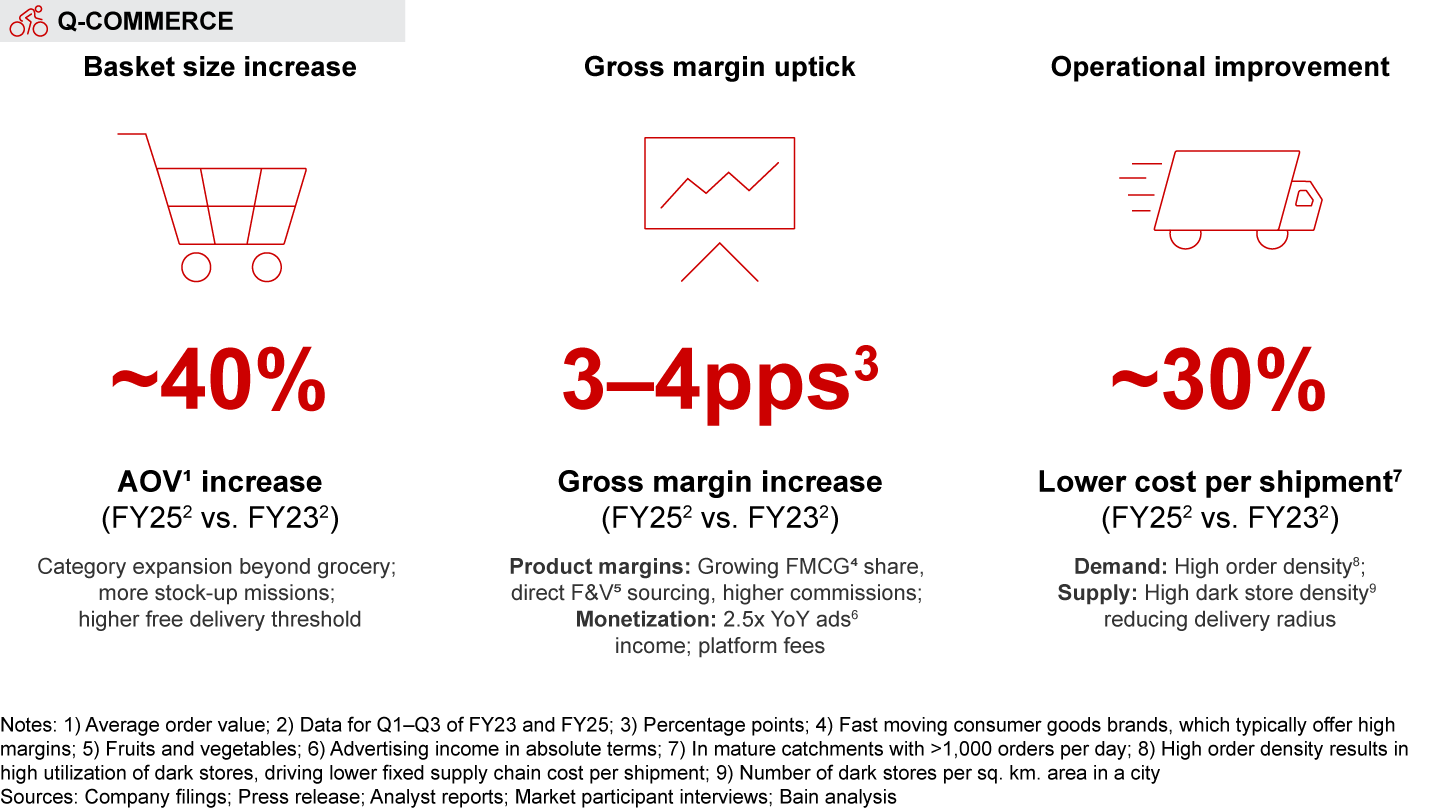

Figure 15
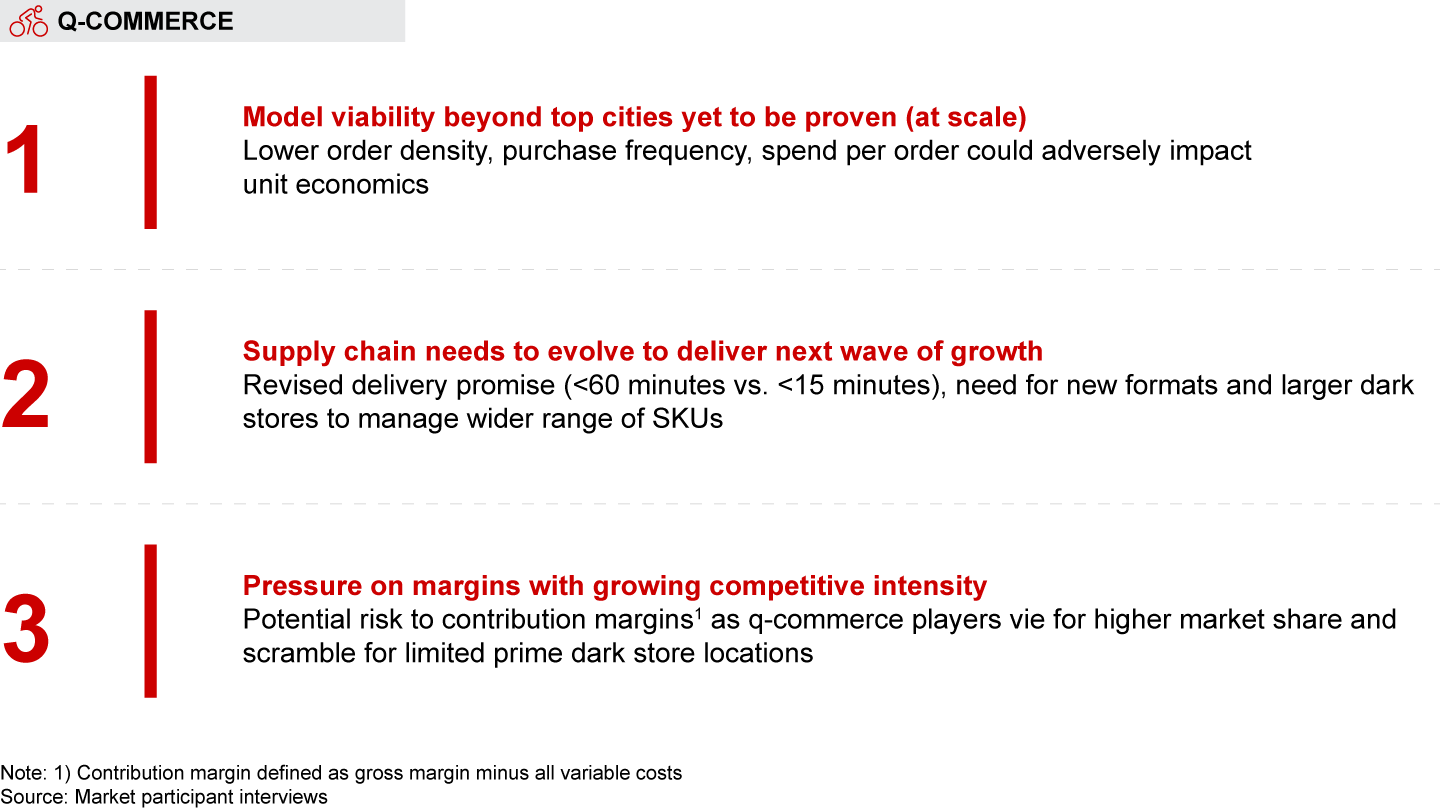

Figure 16
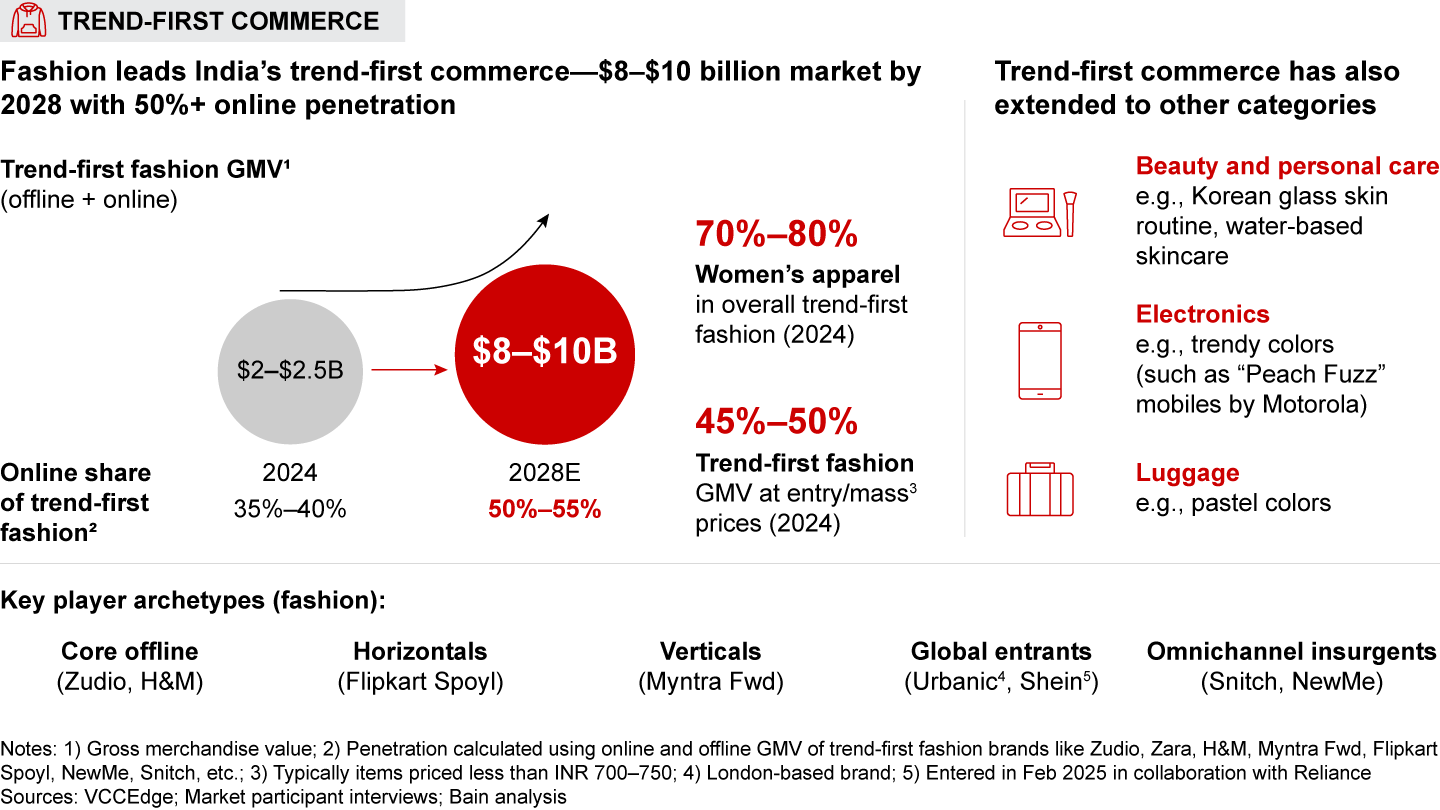

Figure 17
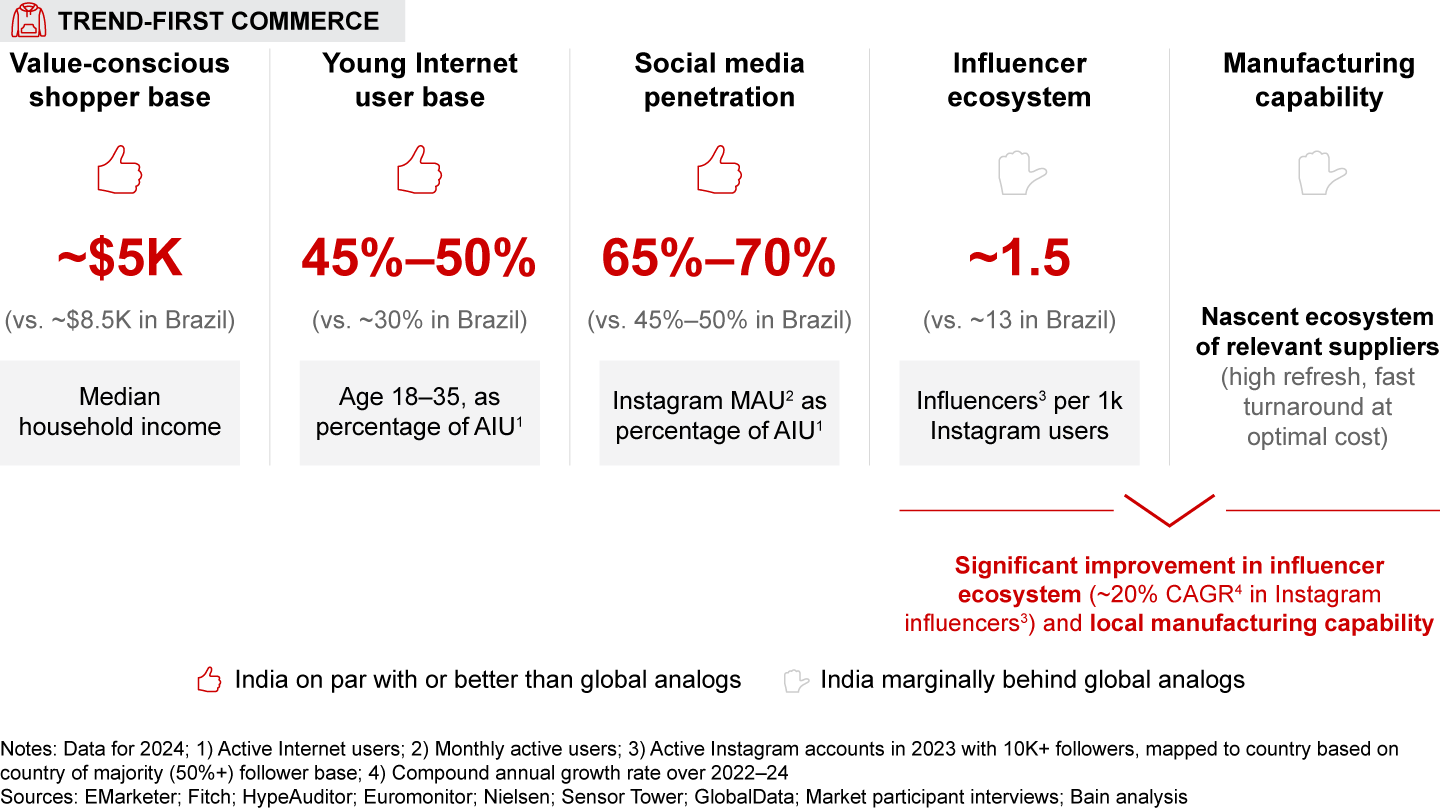

Figure 18
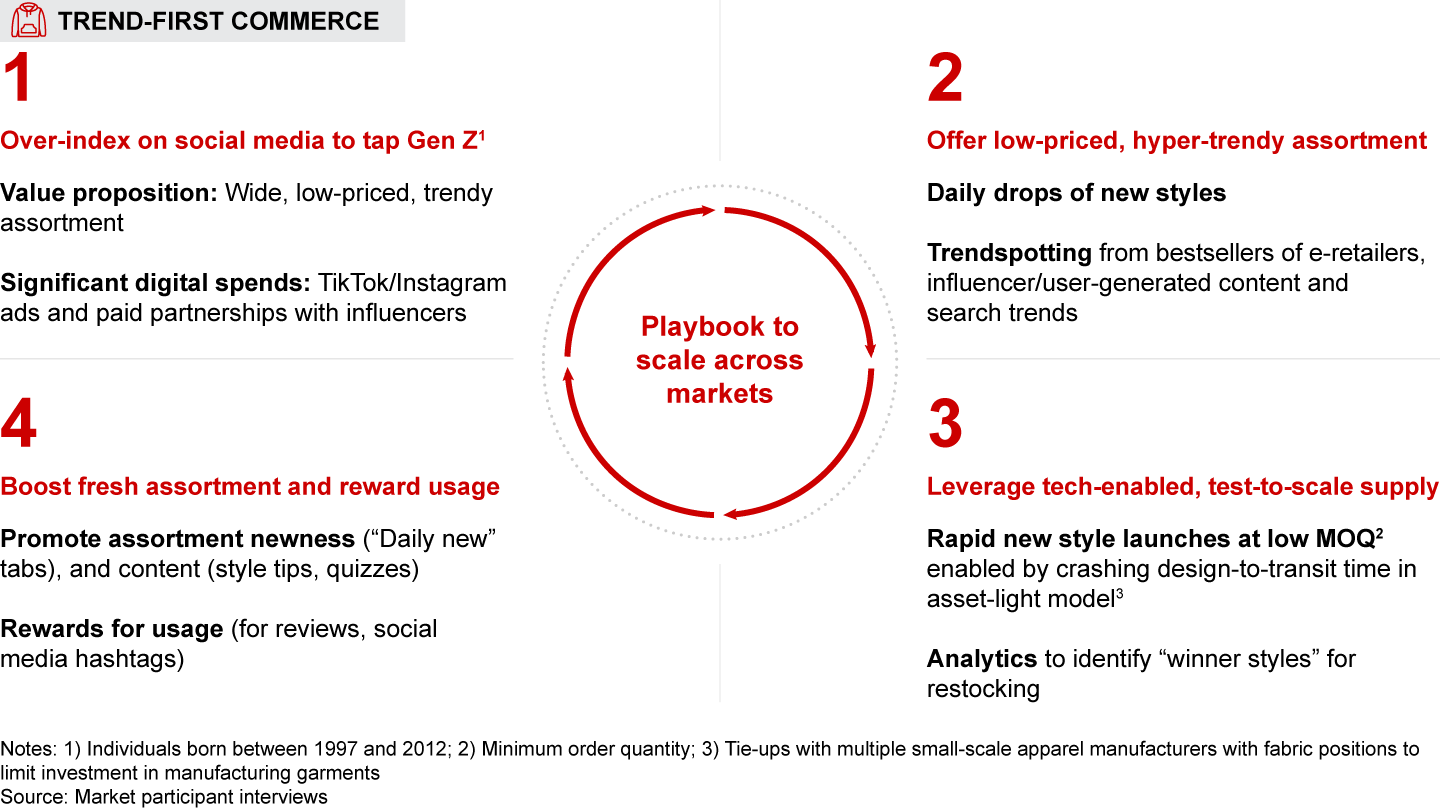

Figure 19

Winning in “many Indias”India’s e-retail landscape is heterogeneous, reflecting “many Indias.” Variations in purchase behavior exist across age, region, city tier, and e-retail maturity:
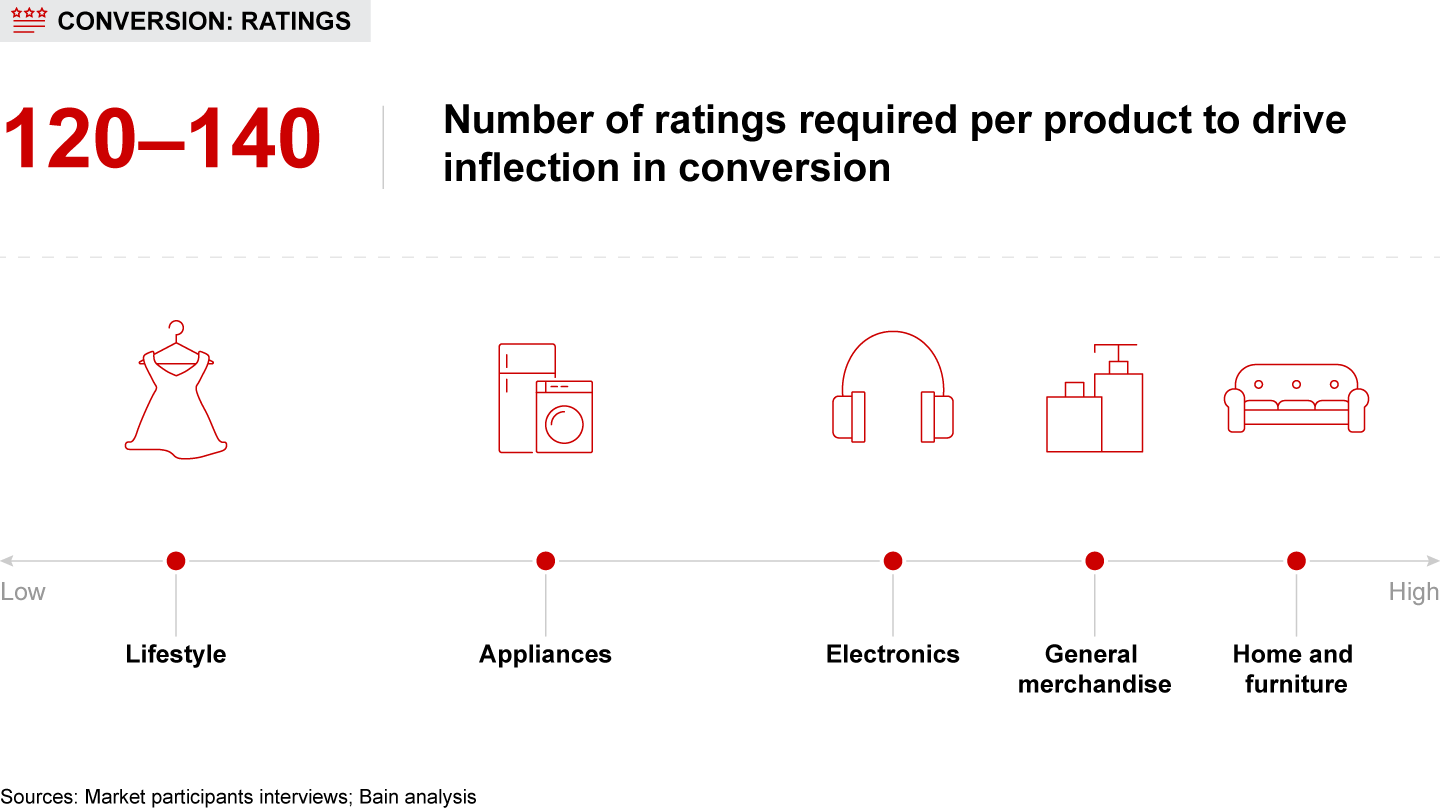
Brands and sellers can capitalize on the nuances of “many Indias” by (a) adapting their product range and assortment, (b) developing new products aligned with evolving trends and market whitespaces, (c) leveraging targeted e-retail advertising (display and search) to improve brand awareness and kick-start a growth flywheel, and (d) enhancing conversion by building a critical mass of ratings, offering faster delivery options, and optimizing product catalogs.
Figure 20
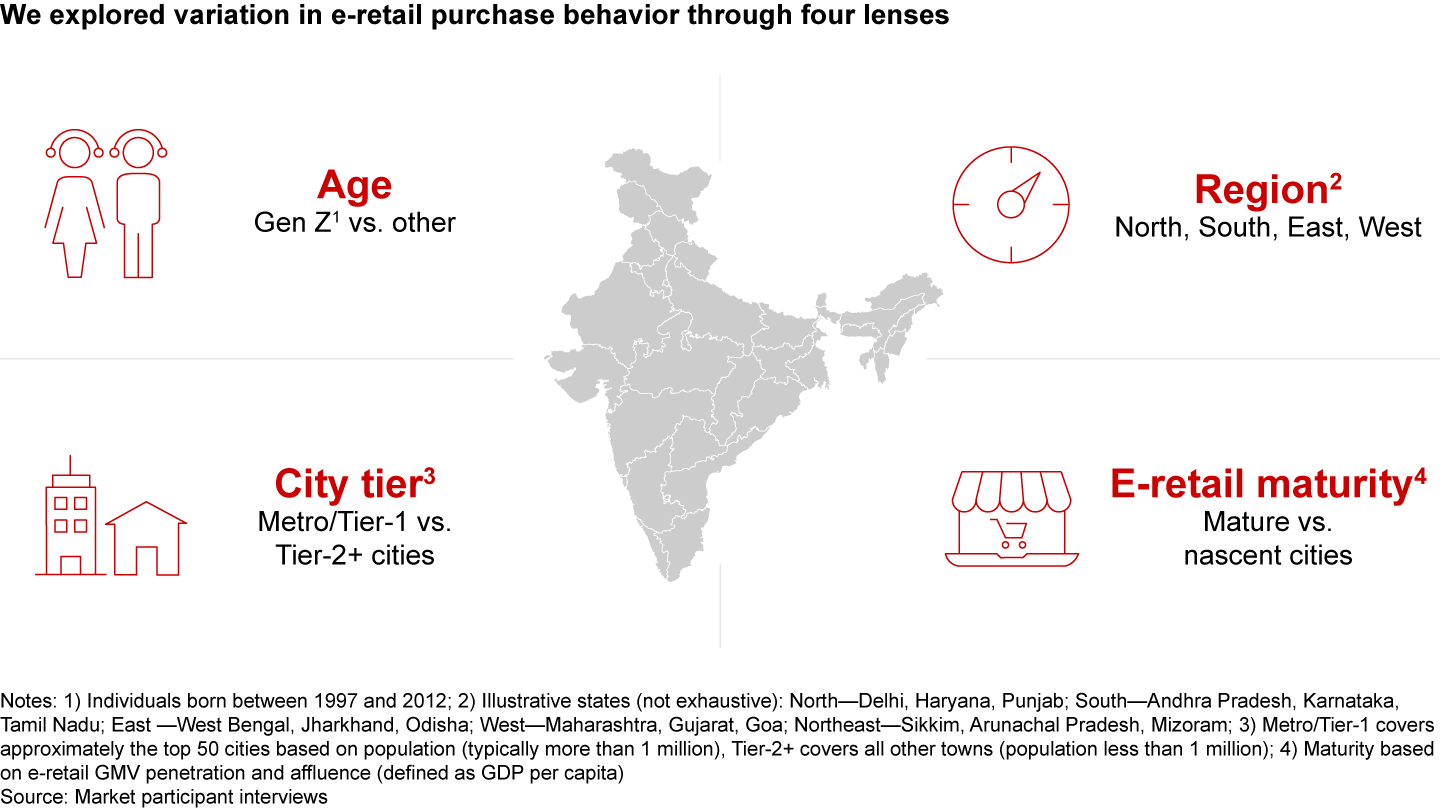

Figure 21
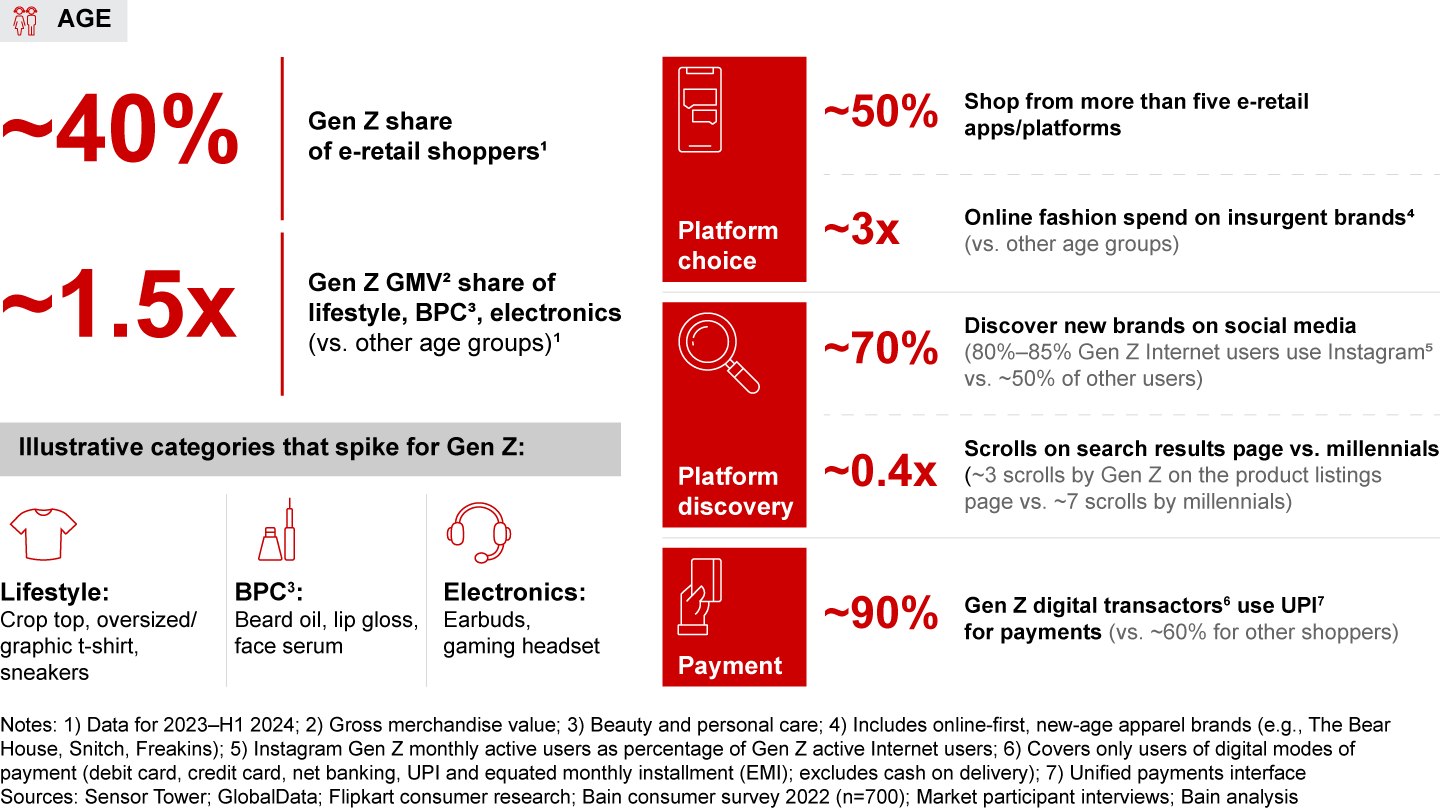

Figure 22
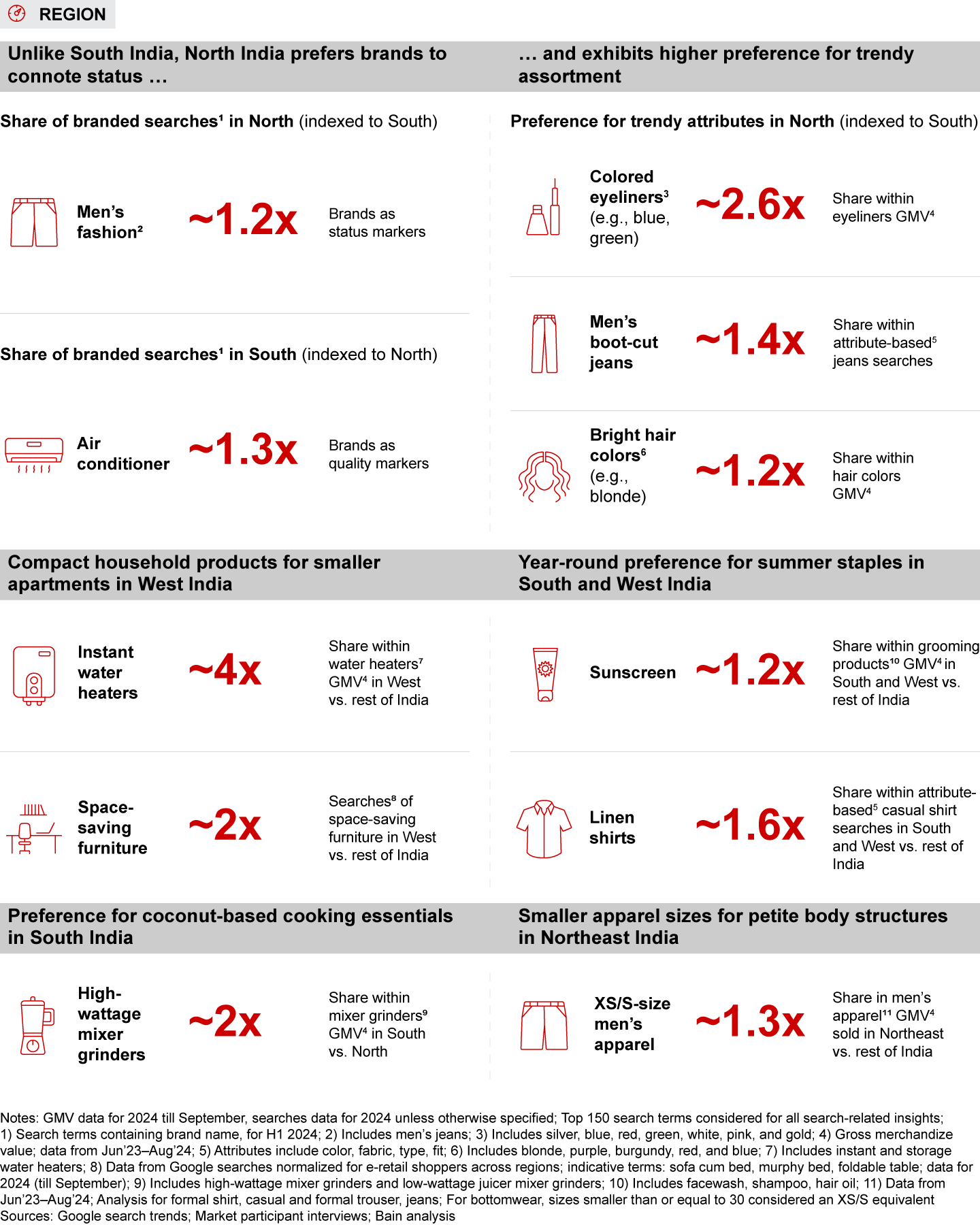

Figure 23
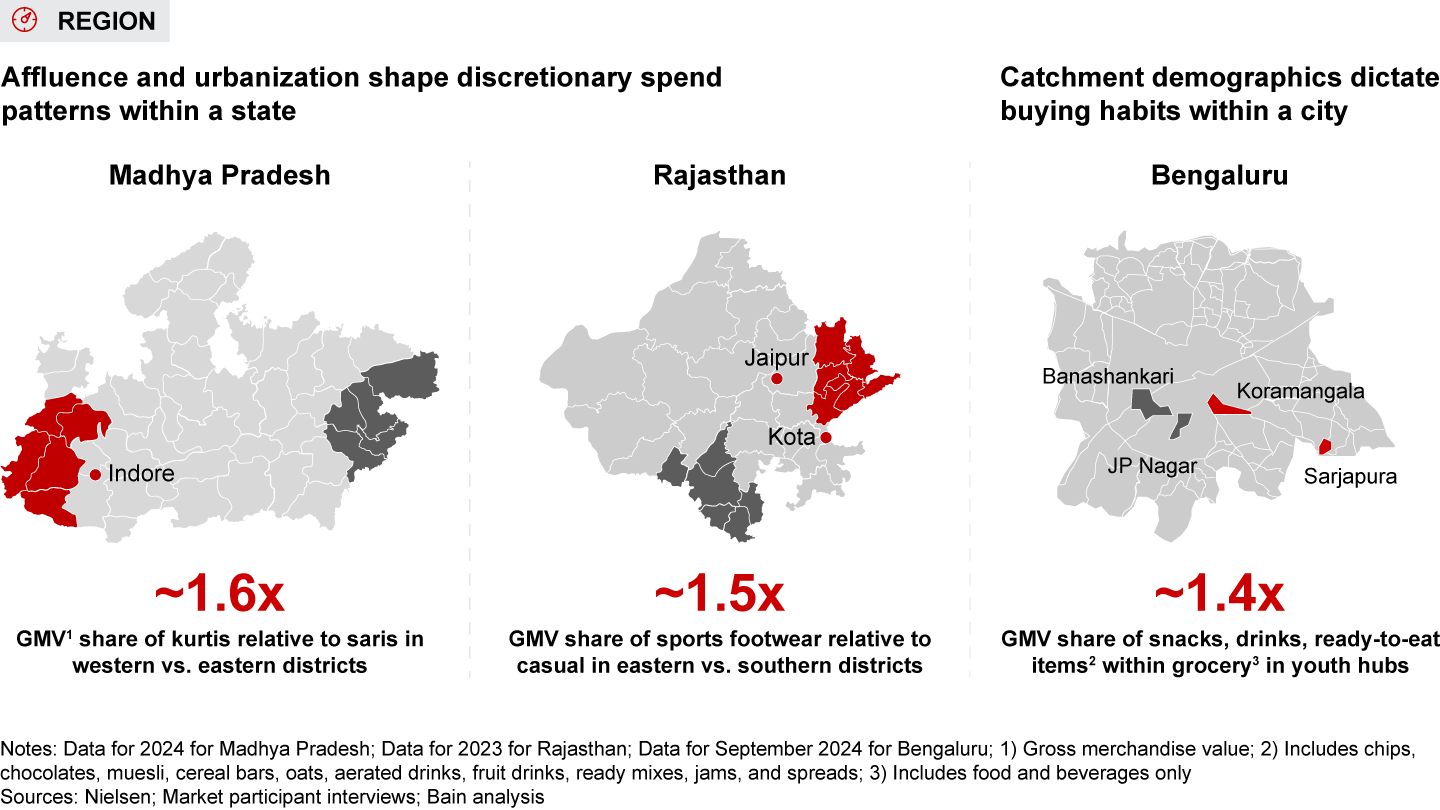

Figure 24
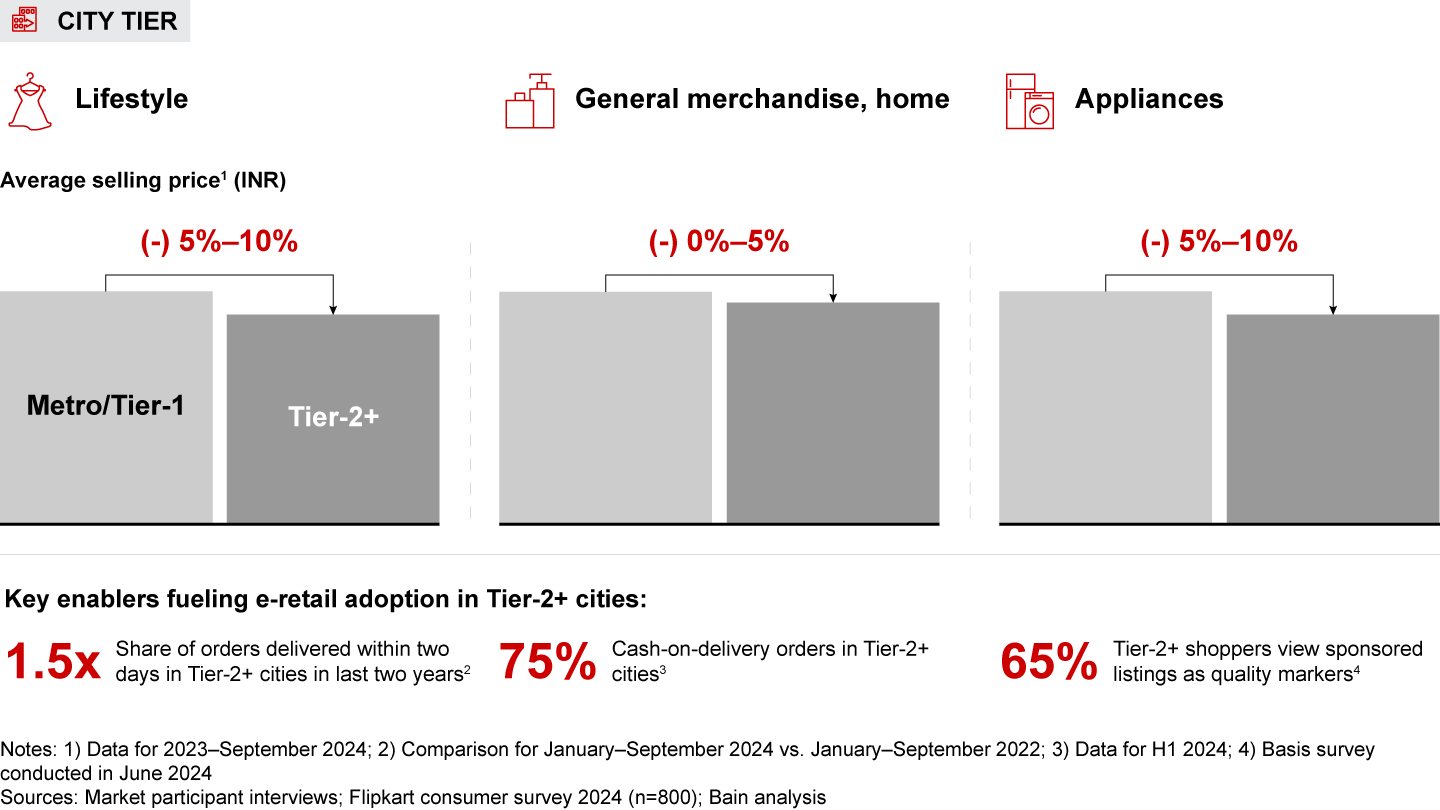

Figure 25
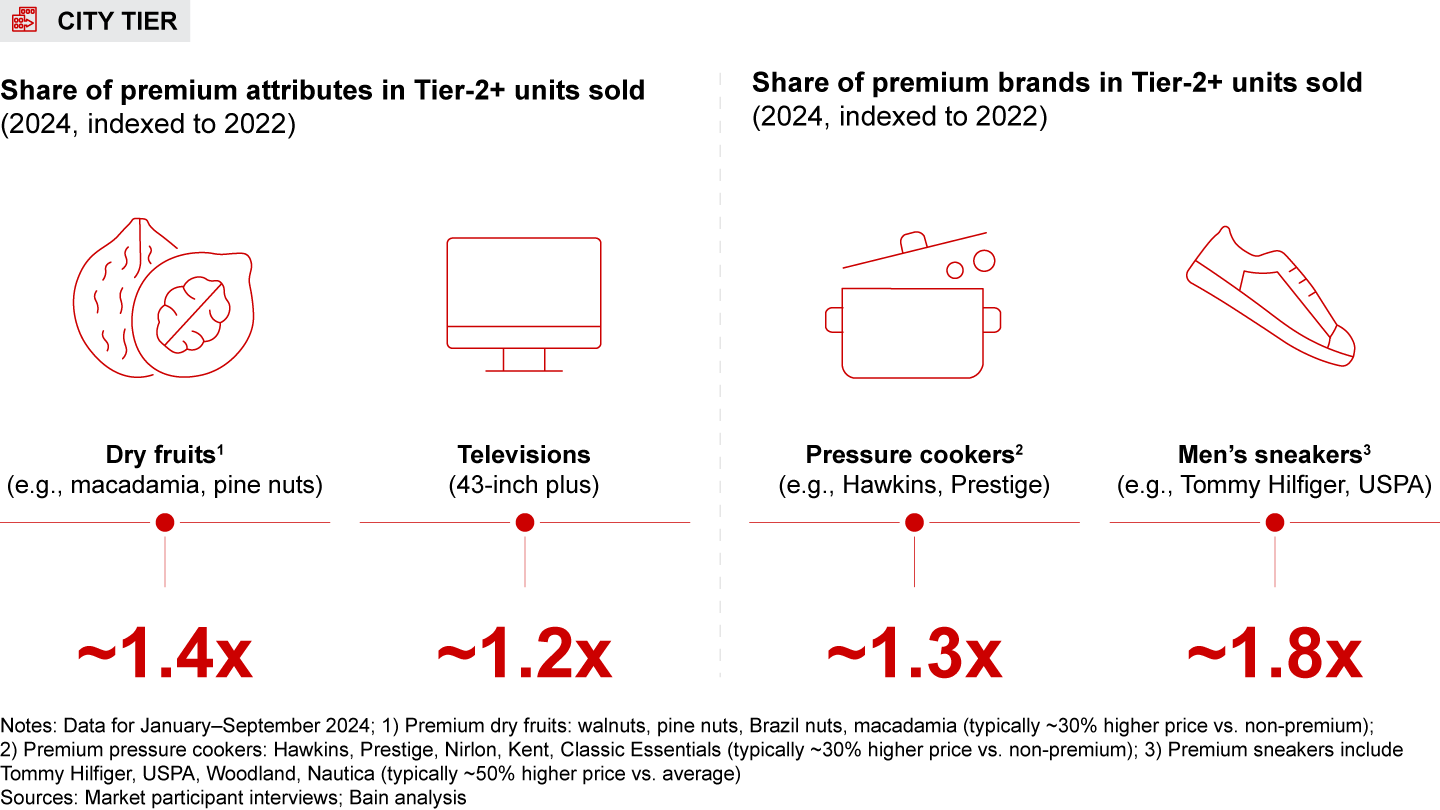

Figure 26
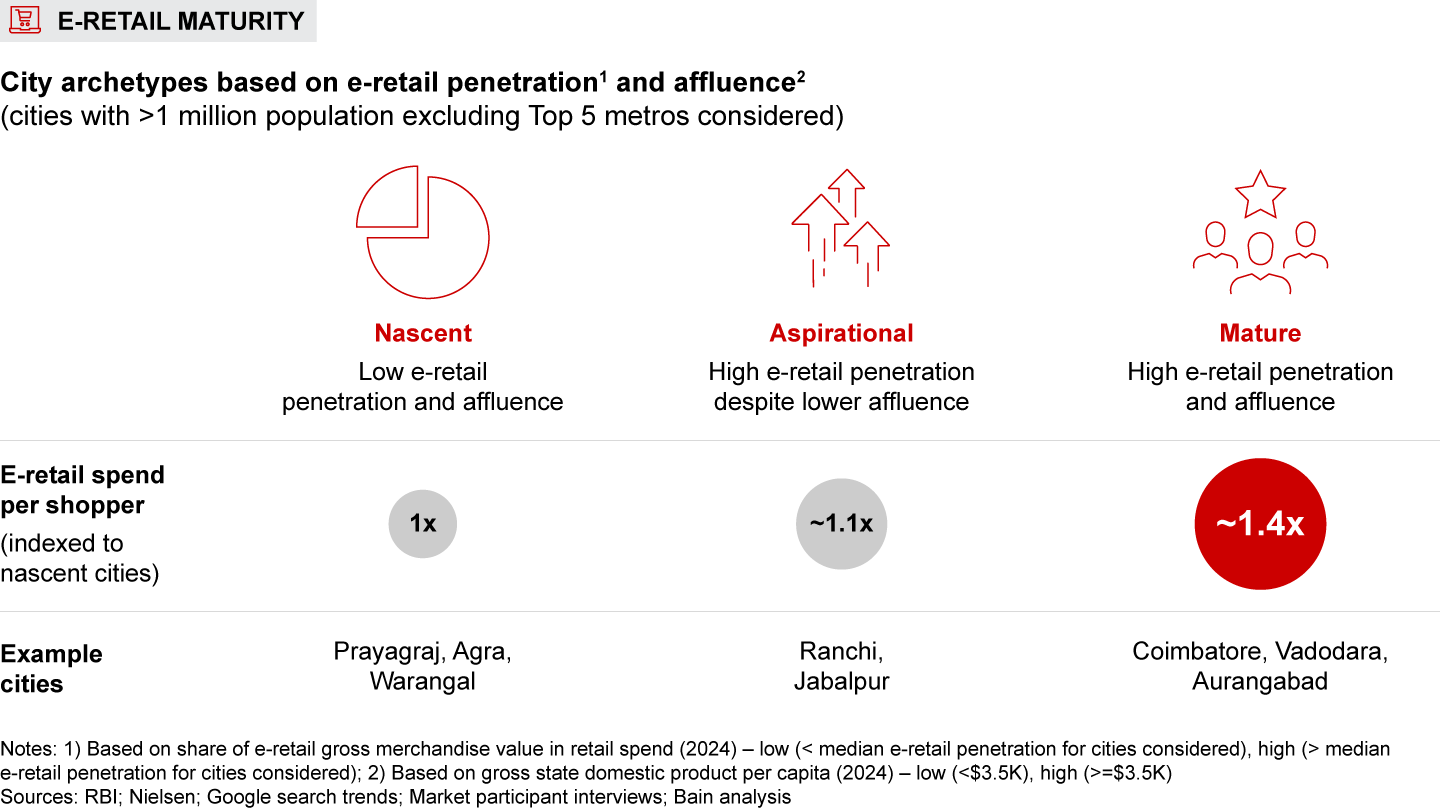

Figure 27
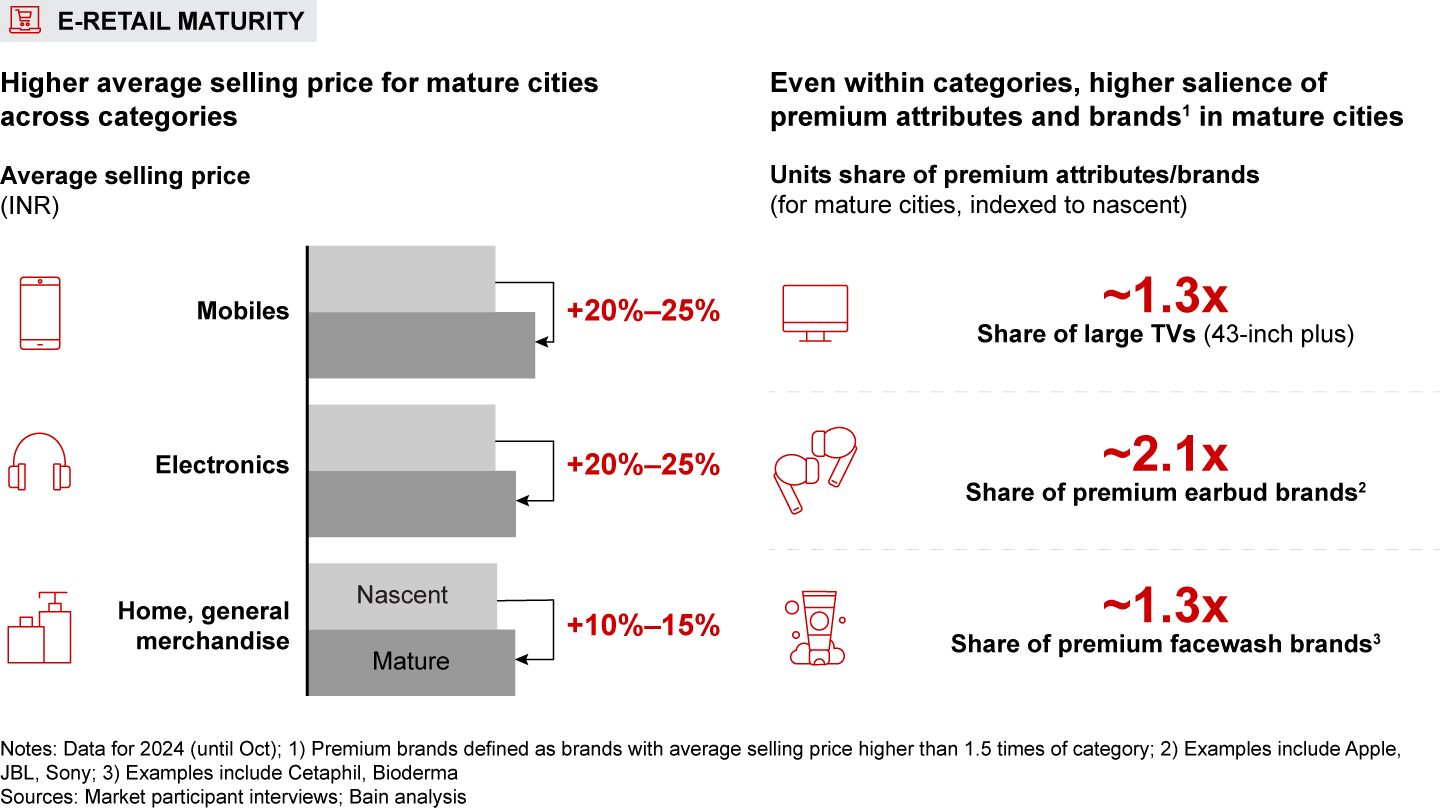

Figure 28
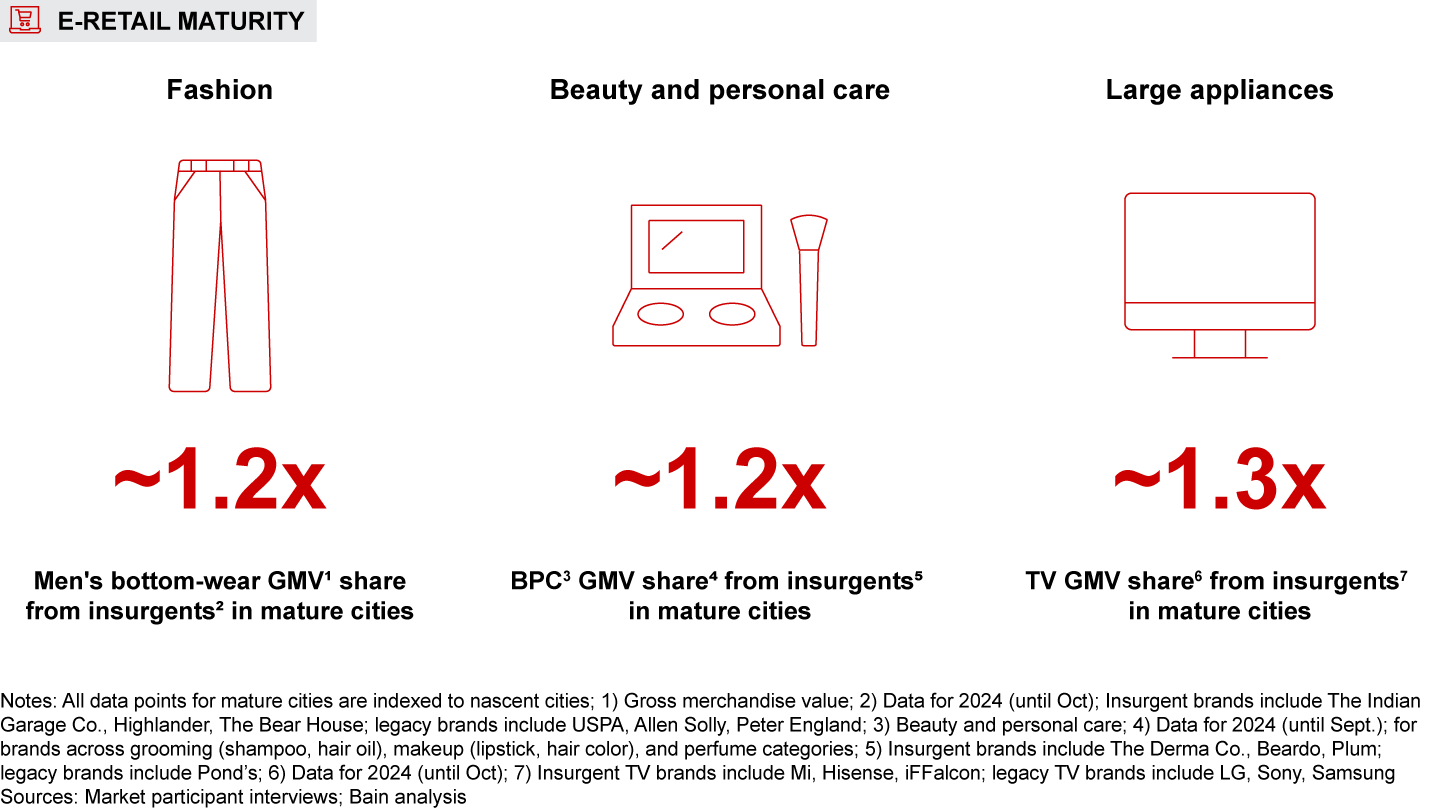

Figure 29
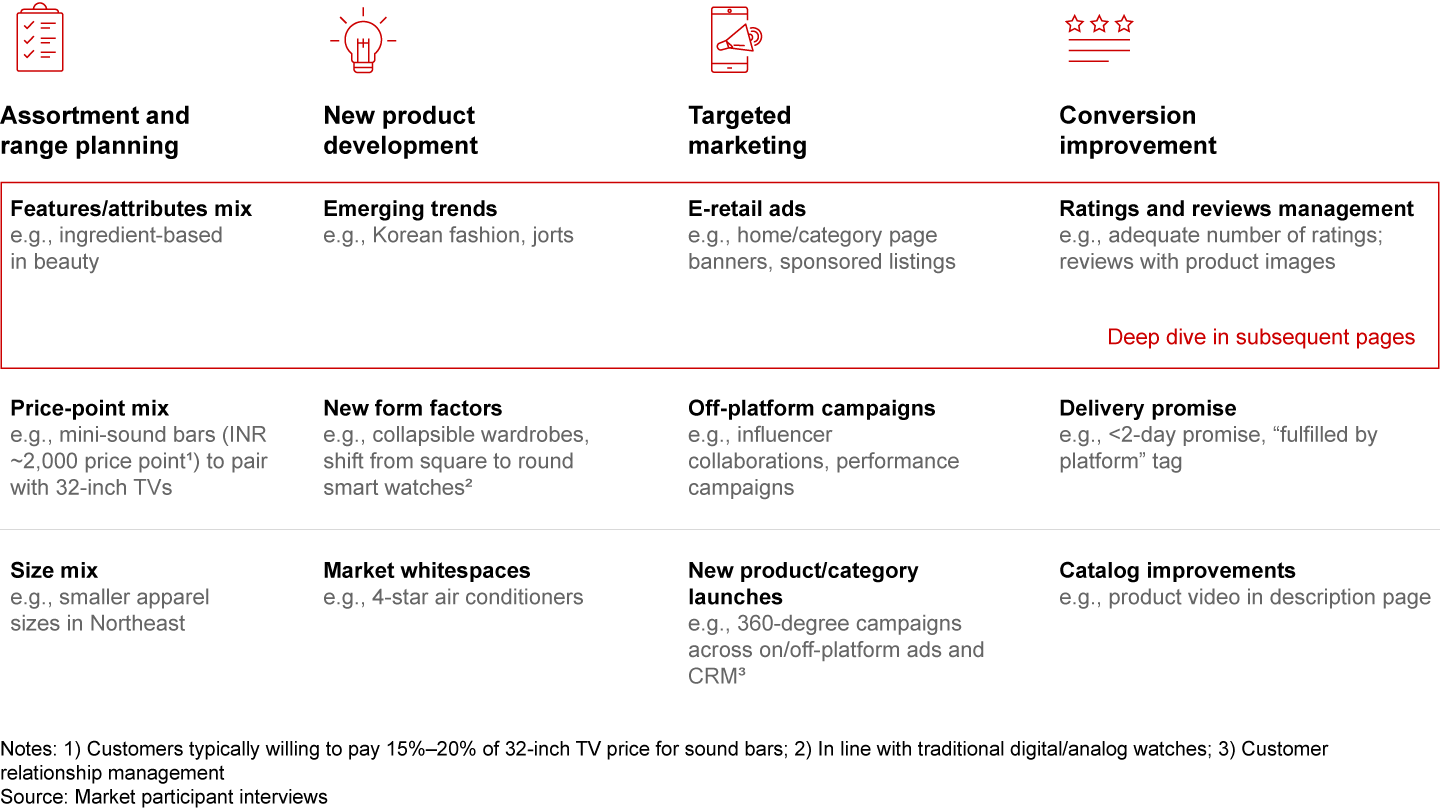

Figure 30


Figure 31
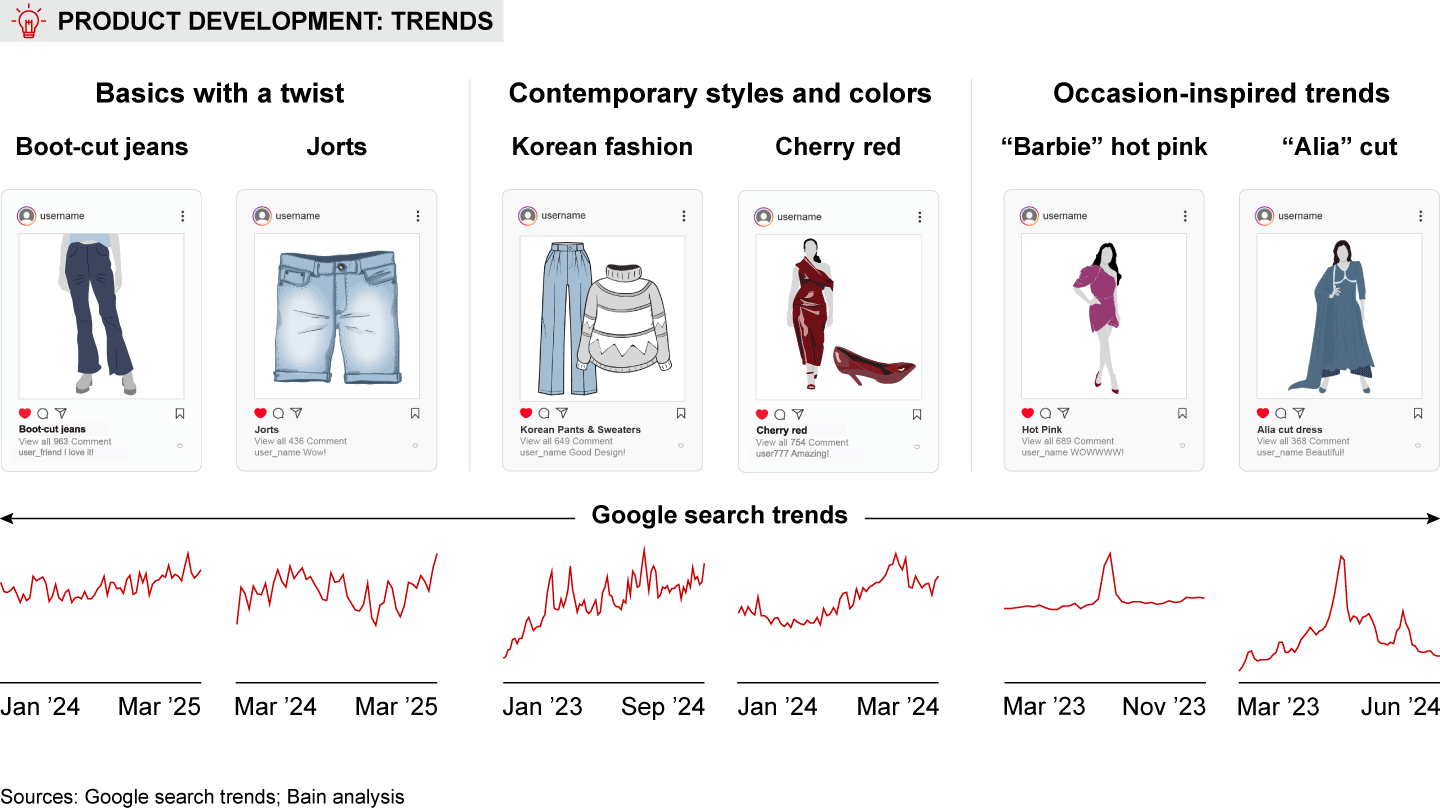

Figure 32
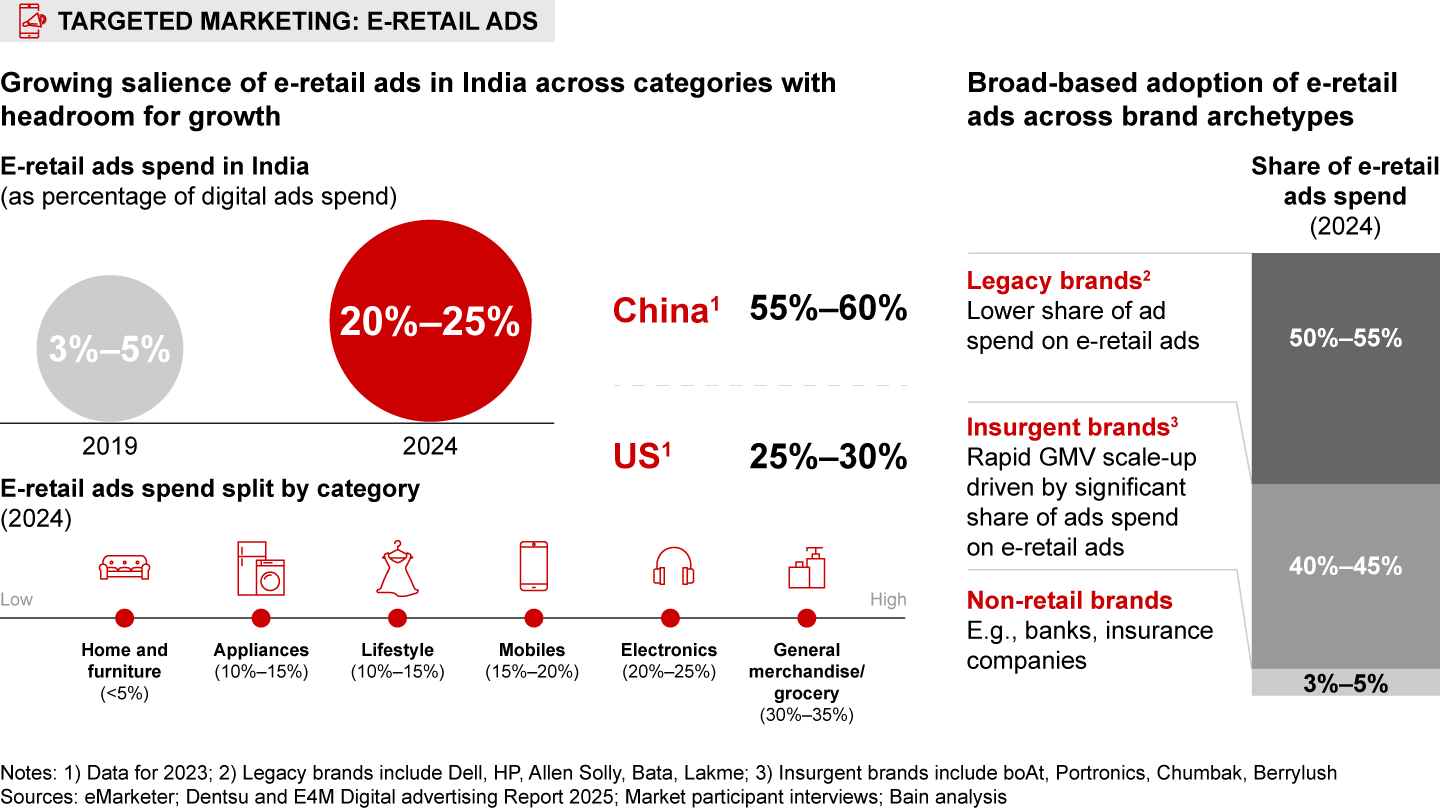

Figure 33
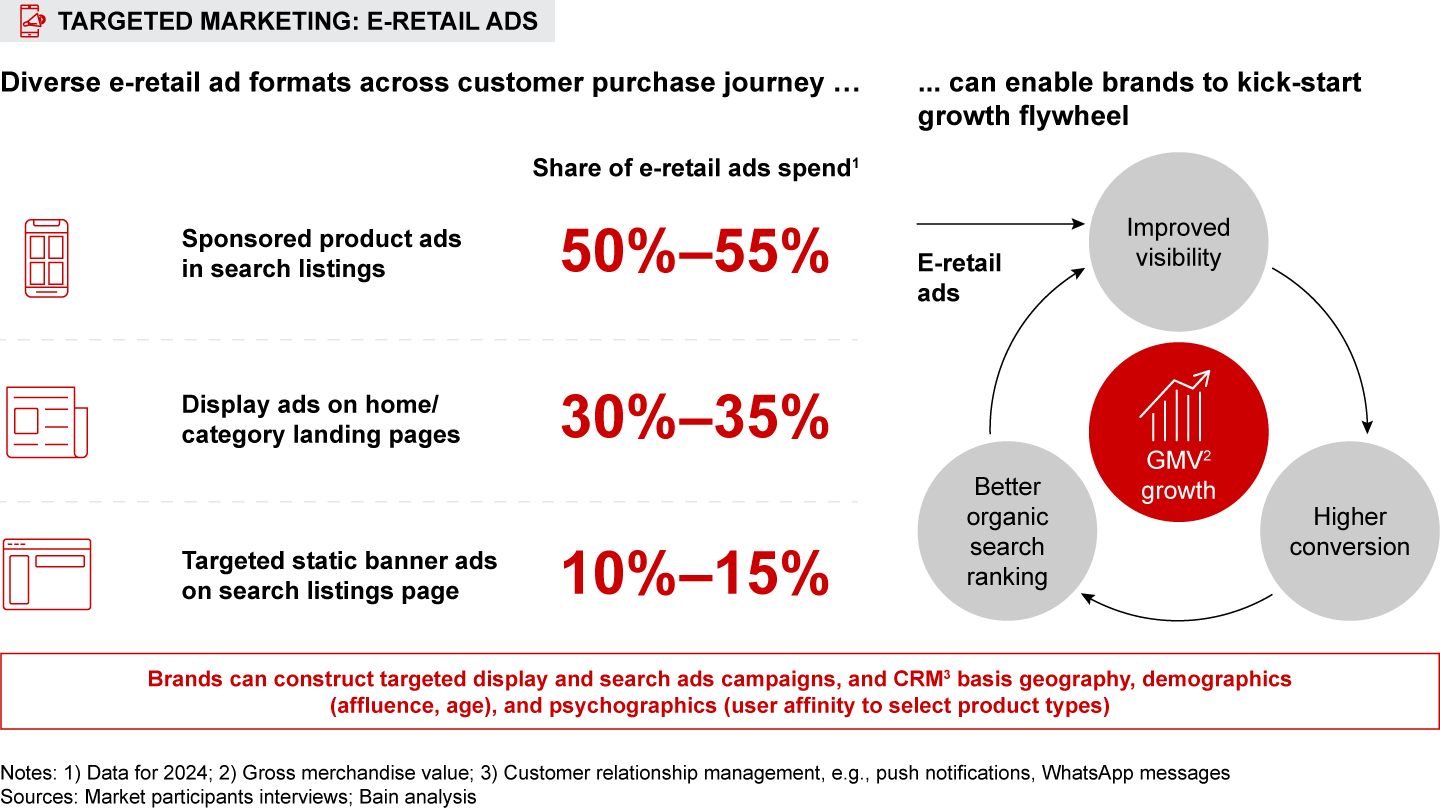

Figure 34

Brand Speak


|