


Brief


|
At a Glance
The waitlist—and public dissatisfaction—will get worseThe UK’s National Health Service (NHS) hospitals managed to treat millions of people with non–Covid-19 conditions whilst also admitting more than 400,000 severely ill Covid-19 patients. Still, delays in accessing elective diagnostics and treatments have grown rapidly—exacerbating issues that were building even before the pandemic. How much irreversible harm will result is yet to be fully realised, but the subsequent anxiety and discomfort is already very real for millions of patients. A significant growth in the total elective waiting list (from 4.4 million in February 2020 to 5.0 million in March 2021) also masks two alarming shifts over such a short period:
As the waiting list lengthens and levels of NHS satisfaction ratings decline, the need for a solution is becoming an increasingly urgent and public priority. Our forecasts show that by the end of the 2021–22 fiscal year, the total waiting list could range from 8 million to 10 million, driven by the return of millions of missing RTTs that did not present as expected during the height of the pandemic (see Figure 1).
Figure 1
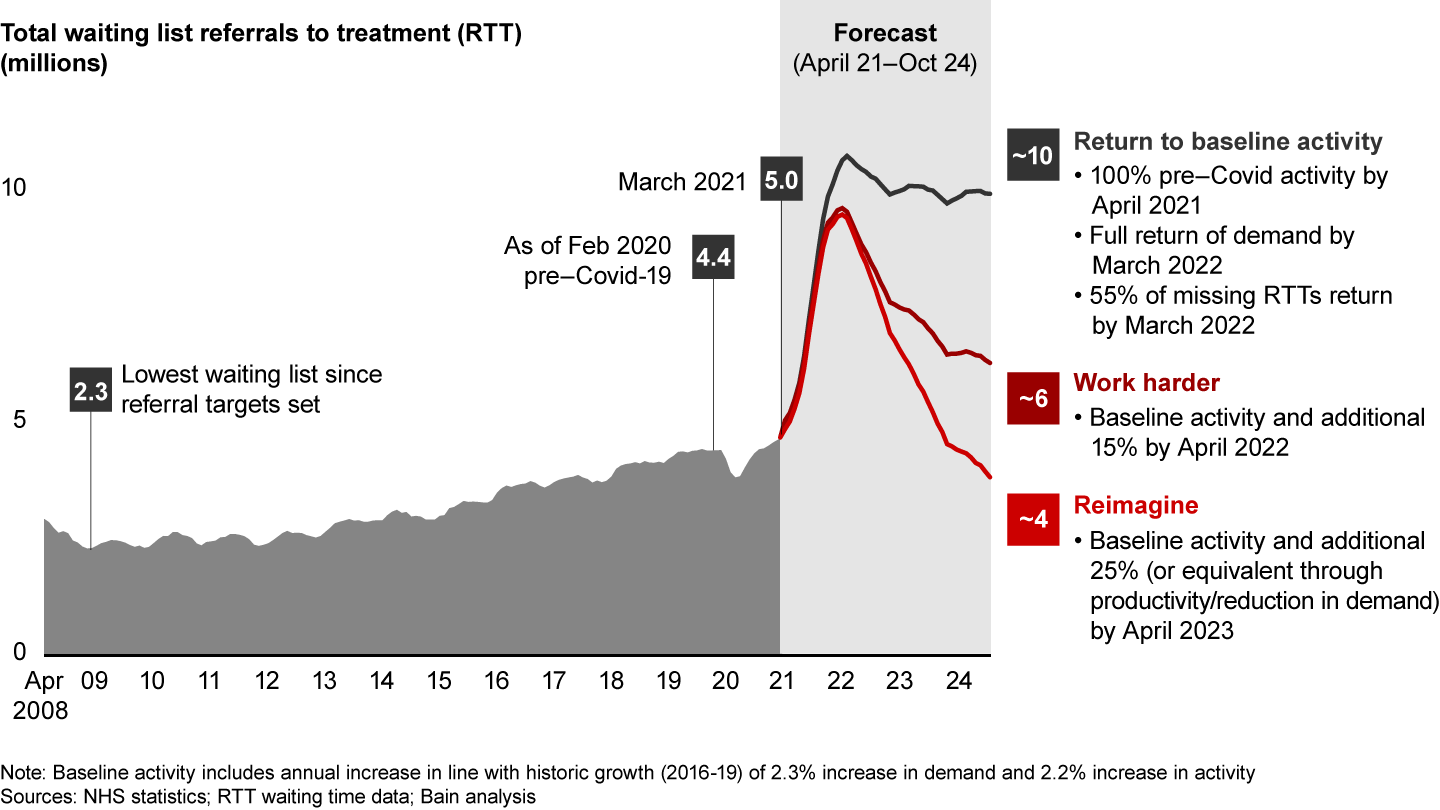

Success requires transformation, not just more money or workIn the past (e.g., the 2000s), the NHS was able to reduce waiting lists through massive amounts of additional funding or by squeezing more work out of already thinly stretched staff and assets. Now, however, neither of these options by themselves are recommended—politically, practically, or physically. This is the next great challenge for the NHS. We’ve modelled three possible scenarios for addressing the waitlist and elective care demand:
Following the success of its vaccine campaign, the NHS can reimagine the future of universal healthcare. Our ambition is to reengineer care pathways equivalent to 125% of pre-pandemic activity levels. Funding alone is not the answer; training, recruiting, and retaining sufficient skilled clinicians to generate 125% capacity within the necessary timeline is not feasible. Rather, the NHS will need collaboration, innovation, rapid testing and learning, and diffusion of winning initiatives to promote faster treatments, improved productivity, and earlier alternatives to costly and risky late-stage treatments.
Past successes point the wayTransforming patient treatment at scale is not new to the NHS. Past examples provide important lessons on what works—and what does not. Six efforts illustrate the possibilities (see Figure 2).
Figure 2
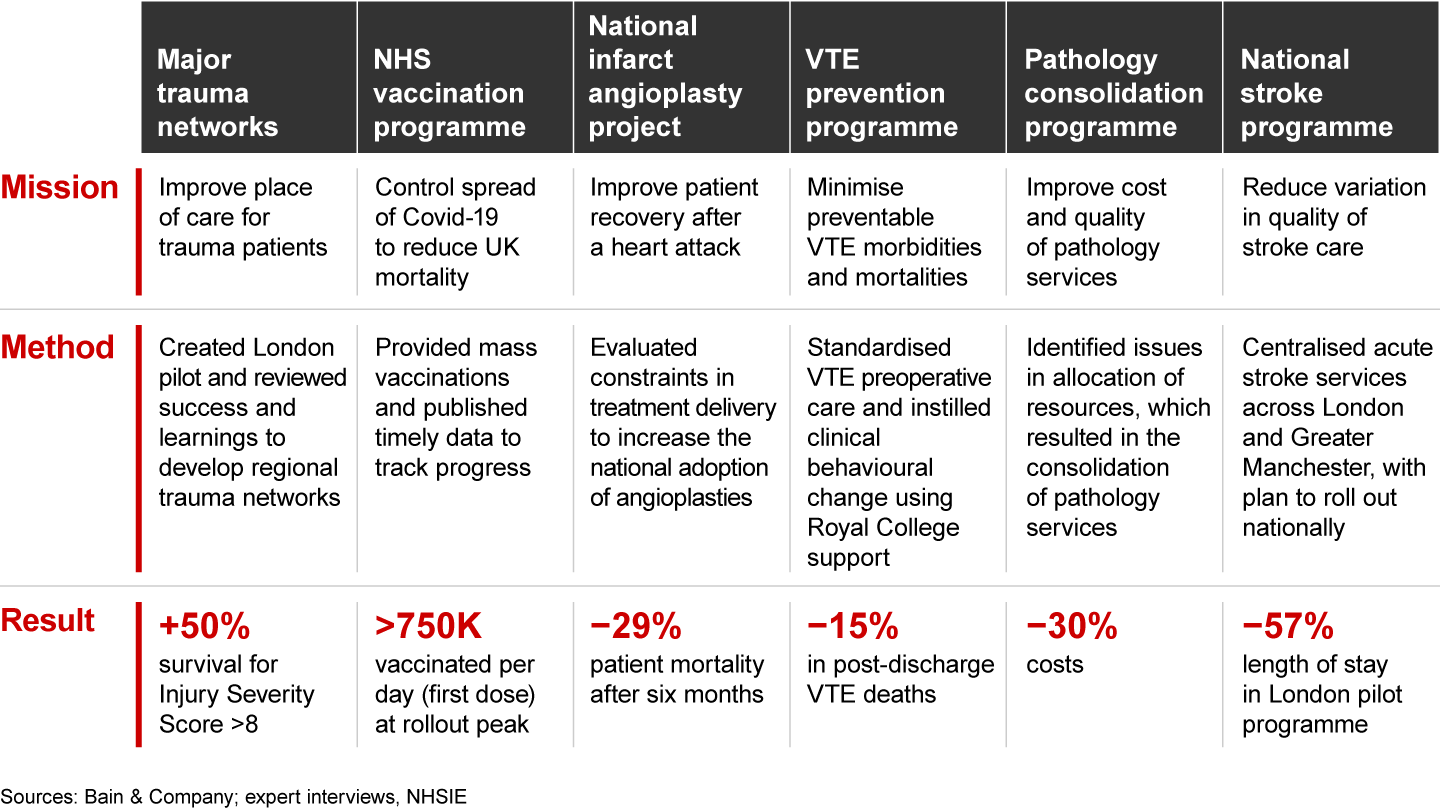

These examples provide powerful insights into how best to tackle the elective backlog and reimagine the possible. Each of the six demonstrates four critical success factors:
A micro-battles approach and Win-Scale-Amplify model can achieve successThese lessons, which align with those learnt from other large-scale transformations, lead us to propose a micro-battles approach (see Figure 3). This tried and tested approach enables the development of systemwide solutions for the highest-priority pathways, which can then scale across the NHS via peer-to-peer sharing.
Figure 3
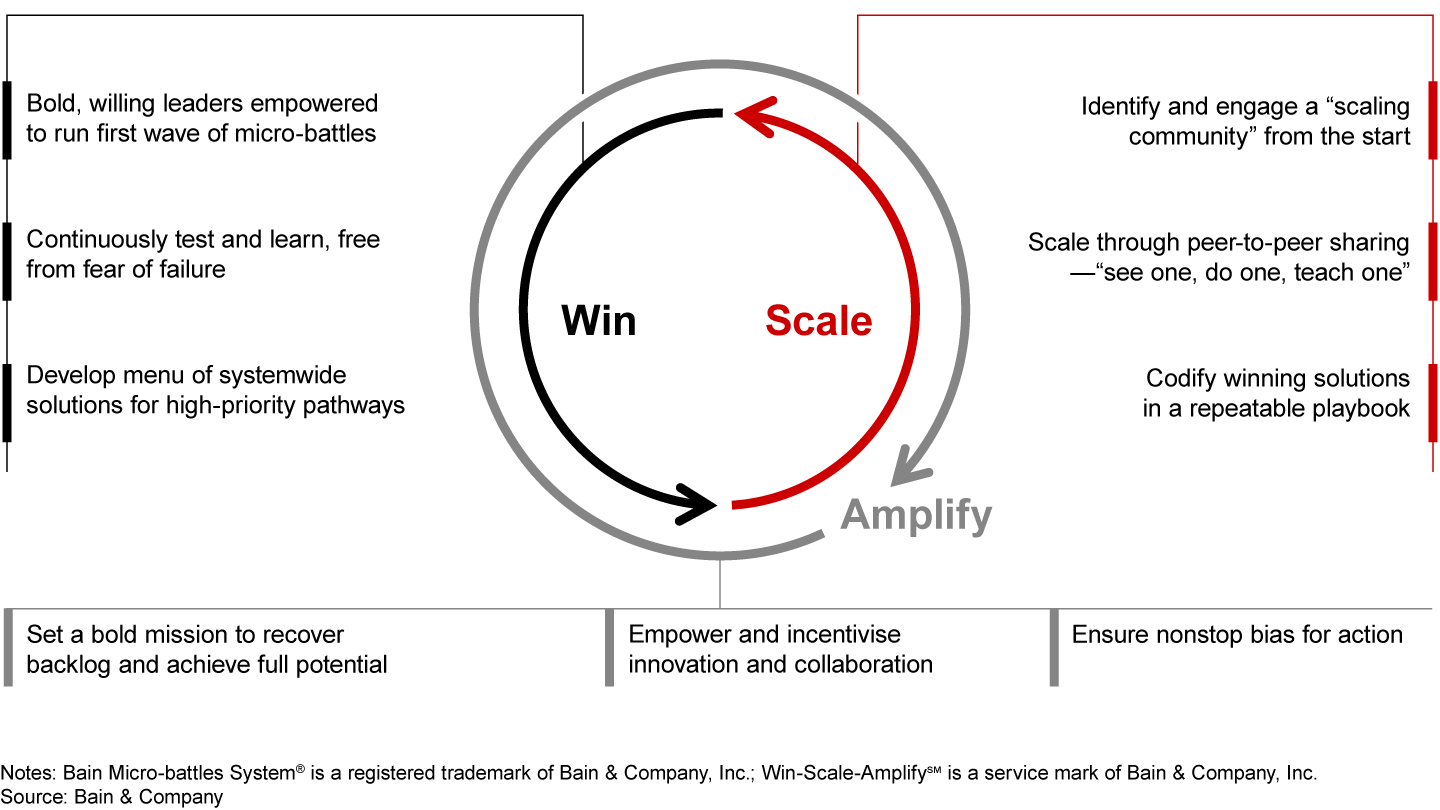

The Bain Micro-battles System® follows a Win-Scale-Amplify model. For the NHS, this model would look like the following:
How to win: The role of bold provider collaborativesNHS systems have a key role in rapidly identifying winning solutions that can accelerate recovery. The boldest and most willing will lead this mission. A first wave of systems with the potential to excel must have the operational freedom and financial incentives to shrink the problem. Following the micro-battle approach, each system will first translate the mission to eliminate the waiting list into the constraining themes (e.g., shrink the orthopaedic waiting list), then break each theme into specific issues and actions within each provider organisation and specialty (e.g., increase orthopaedic theatre throughput). Within this first wave, agility, speed, and a test-and-learn mindset are crucial. Freedom to solve by providers, for providersEven the most willing and capable providers will require critical freedoms, incentives, and support from the NHSE/I to win faster and better:
Figure 4
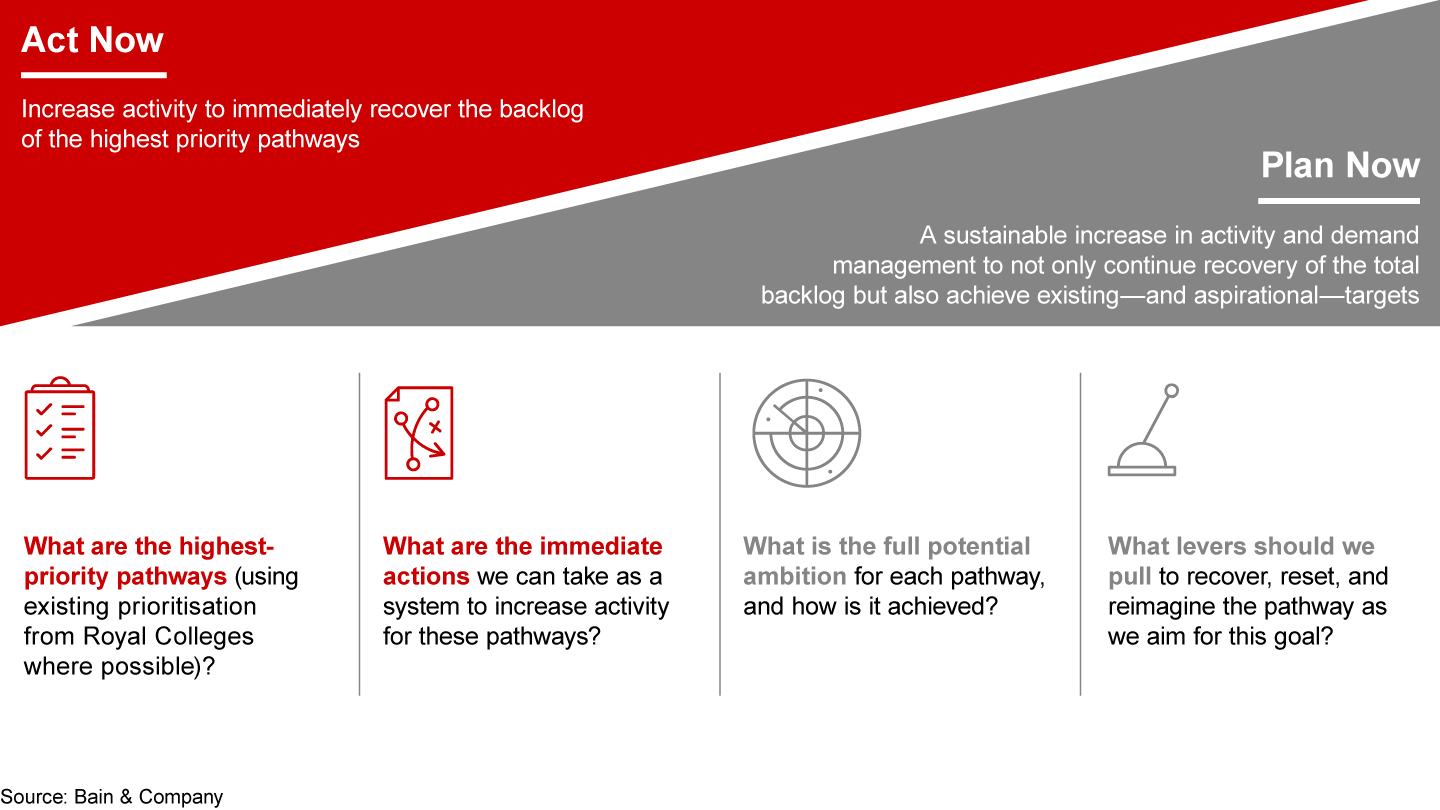

Pathway transformation, be it in the best way to care for and inform patients as they wait or in how to offer clinically suitable alternatives and diversions for specialist medical and surgical treatments, must also become an essential part of primary care. Equally, solutions can and should address ongoing care and rehabilitation where appropriate.
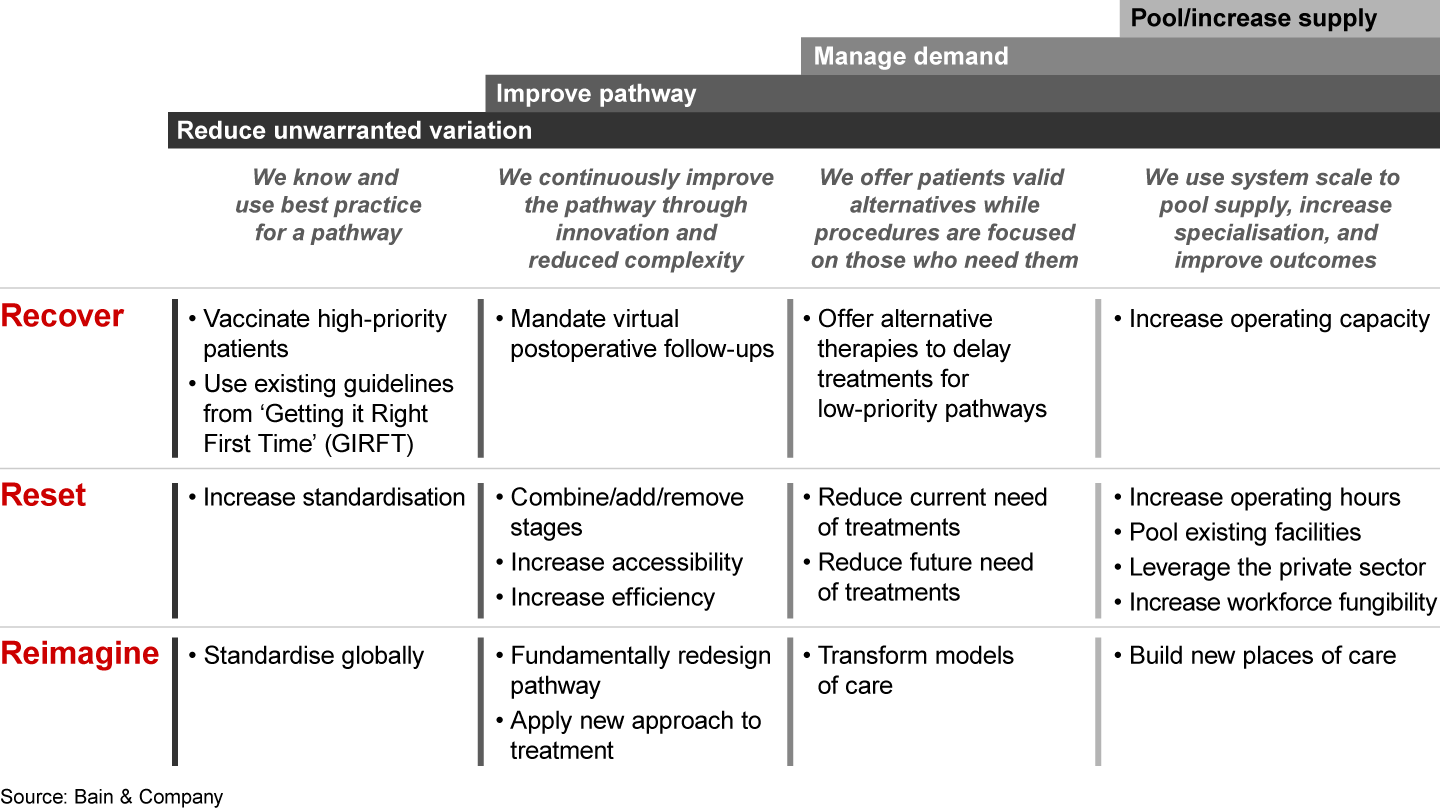
In all of this, early engagement of independent-sector providers can generate additional capacity in the short term, provide valuable perspectives in the test-and-learn process, and establish important relationships for many collaboratives. Most importantly, these providers can immediately increase activity, reduce the backlog, and improve the patient experience by increasing standardisation, improving and transforming pathways, reducing demand, and pooling or increasing supply (see Figure 5). In addition, they will provide the NHSE/I with investment business cases, trajectories for full recovery by mid-2024, a motivated and retained workforce, and evidence and input for how to scale to other systems.
Figure 5

Great systems are already on the journeyProviders are already tackling their own backlogs, and excellent examples of solutions are emerging:
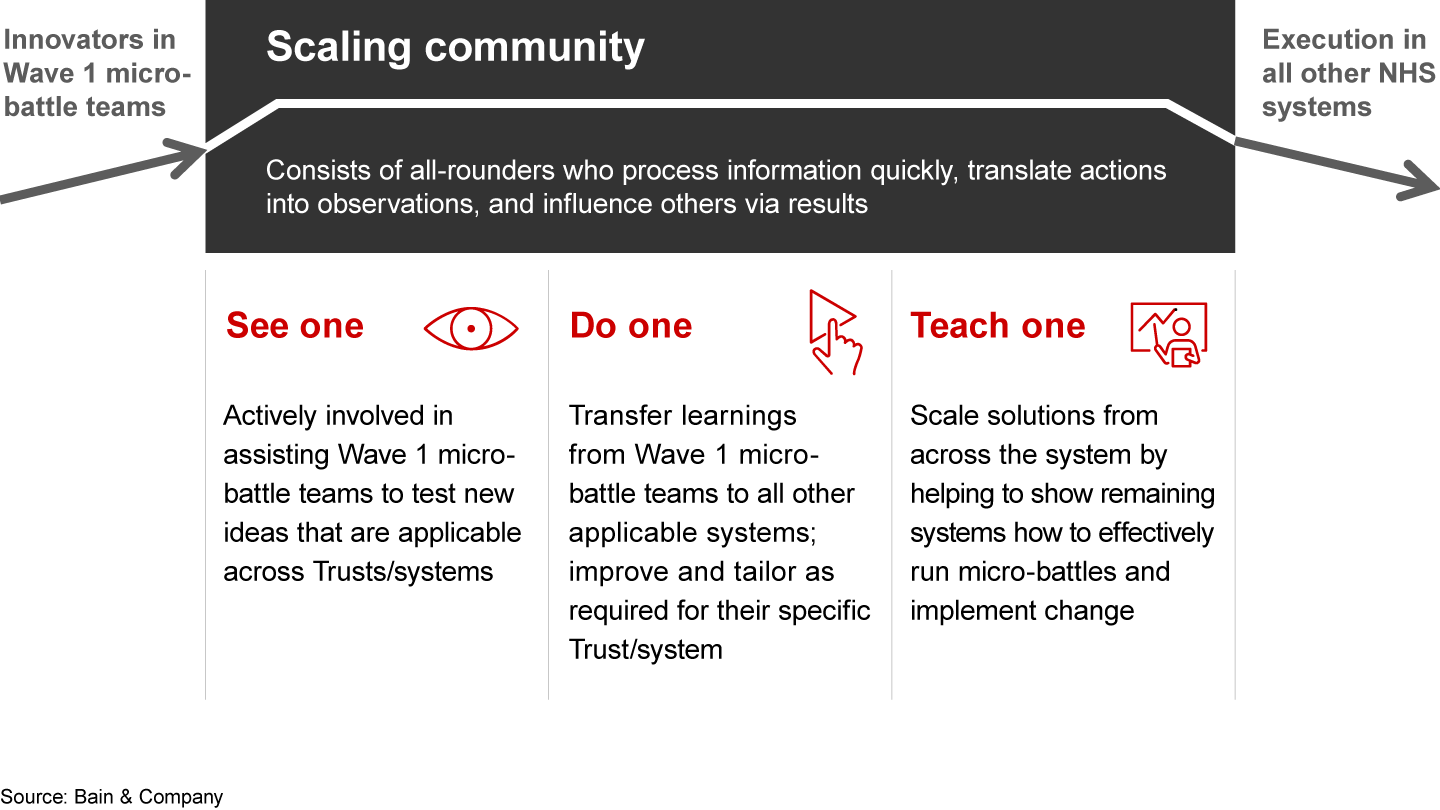
However, providers lack a clear, common target as well as a standard mechanism for rapidly scaling these isolated successes nationwide. How to scale: See one, do one, teach oneScaling of winning ideas in parallel with the first wave of system transformations will be crucial to resolving the elective backlog. We suggest a “see one, do one, teach one” approach, in which ideas spread through a scaling community: engaged and inspired individuals who take successes back to their home provider or system (see Figure 6). To encourage this viral scaling, we encourage a three-step process:
Figure 6

Amplify: The role of NHSE/I in supporting systemsWith a wave of systems and innovation underway, NHSE/I and other national agencies can, in parallel, help to deliver rapid results at scale. To do this they can:
Everyone has a role in reimagined careWhether you are a system leader or frontline worker, in the heart of NHSE/I or partnering with the NHS through the independent sector, you have a role in achieving the bold mission to reimagine the approach to elective care. Now is the time to trust and empower the frontline to improve patient services. Now is the time to encourage peer-to-peer collaboration and the scaling of winning solutions. The sooner the first wave gets to work, the better—just don’t forget to invite the second wave along to be inspired. The authors wish to thank Freddie Quiney, orthopaedic trainee and Bain senior associate consultant, for his support and for the benefit of his clinical experience, and Mythili Sutharson for her analytic modelling support. Win-Scale-AmplifySM is a service mark of Bain & Company, Inc. Bain Micro-battles System® is a registered trademark of Bain & Company, Inc. |