


Article


|
|
It’s not news that legacy, on-premise compute and storage infrastructure is losing ground. What is stunning, however, is the rate at which CIOs predict this to happen. Bain’s recent survey found that these IT leaders expect to cut spending in this category by as much as 25% by 2023, even as overall investment in enterprise technology infrastructure grows. Just as interesting is that public and hybrid cloud are not the only alternatives to these legacy systems: Hyperconverged infrastructure (HCI), which improves performance with software-defined compute and storage systems, is also gaining ground (see Figure 1).
Figure 1
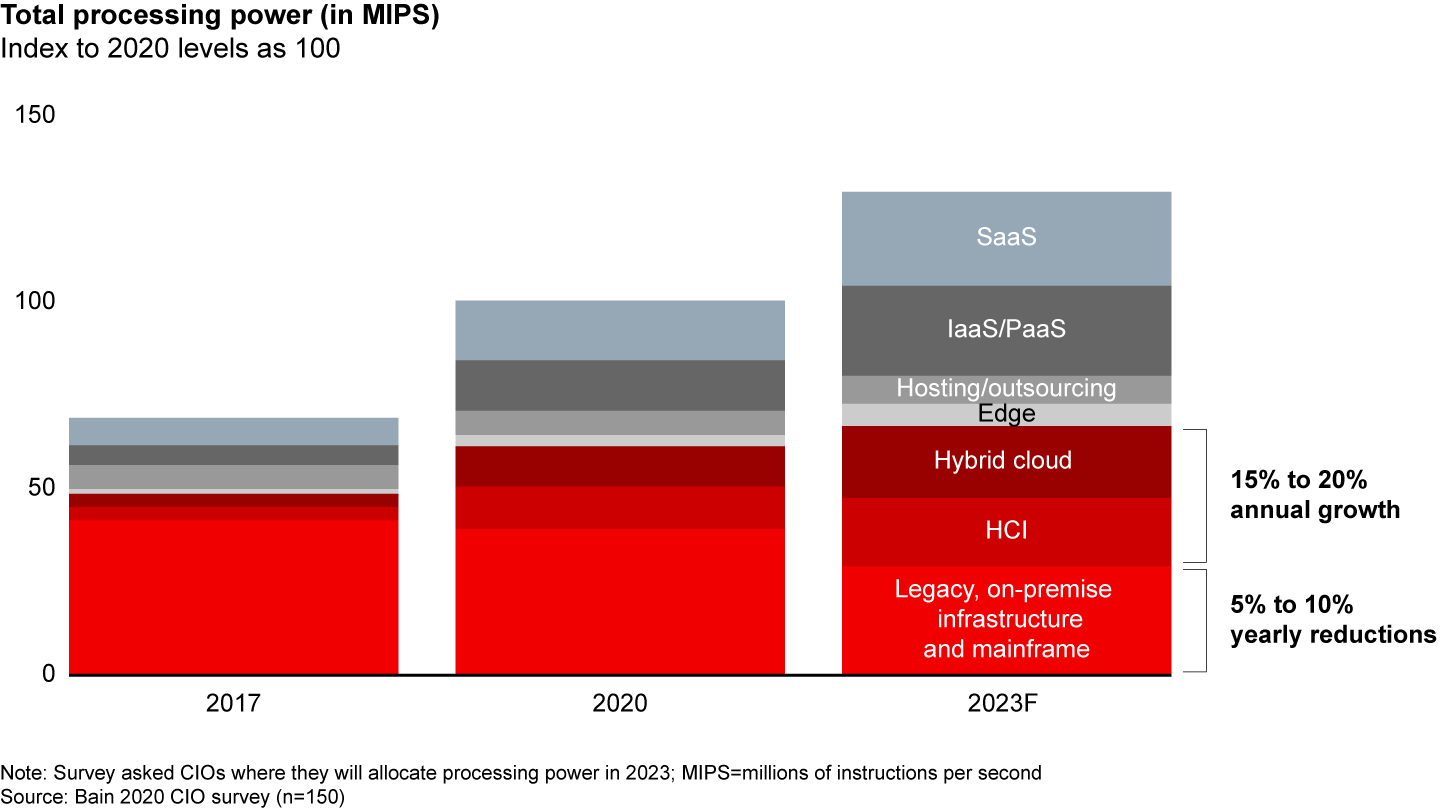

HCI represents a critical opportunity for technology vendors and the channel, which have had to watch as the cloud service providers took market share and emerged as dominant compute and storage providers over the past five years. Now, the dramatic rise in enthusiasm for HCI over the past few years demonstrates customers’ appetite for a solution that improves performance without having to shift to a cloud platform. It’s more good news for vendors that their customers are most interested in buying HCI solutions from technology equipment manufacturers and value-added resellers, less so from the cloud service providers (see Figure 2).
Figure 2
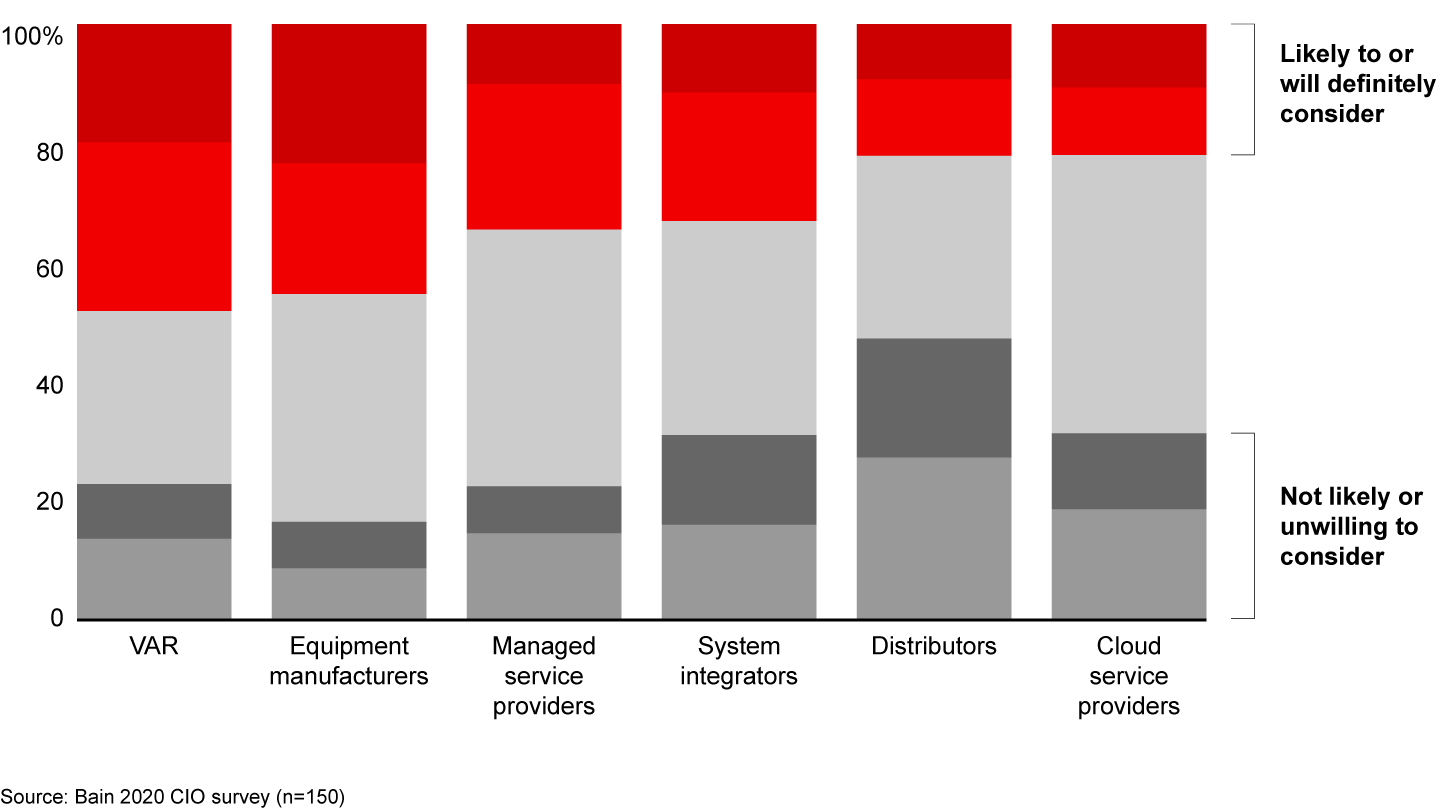

Whether or not these incumbents can meet the market’s needs will depend on how well they understand their customers’ requirements and whether they are capable of delivering. Since some customers have shown an interest in remaining with their existing providers, the market is theirs to lose. Here are four principles that can help them hold this market.
Figure 3

|