


Report


|
At a Glance
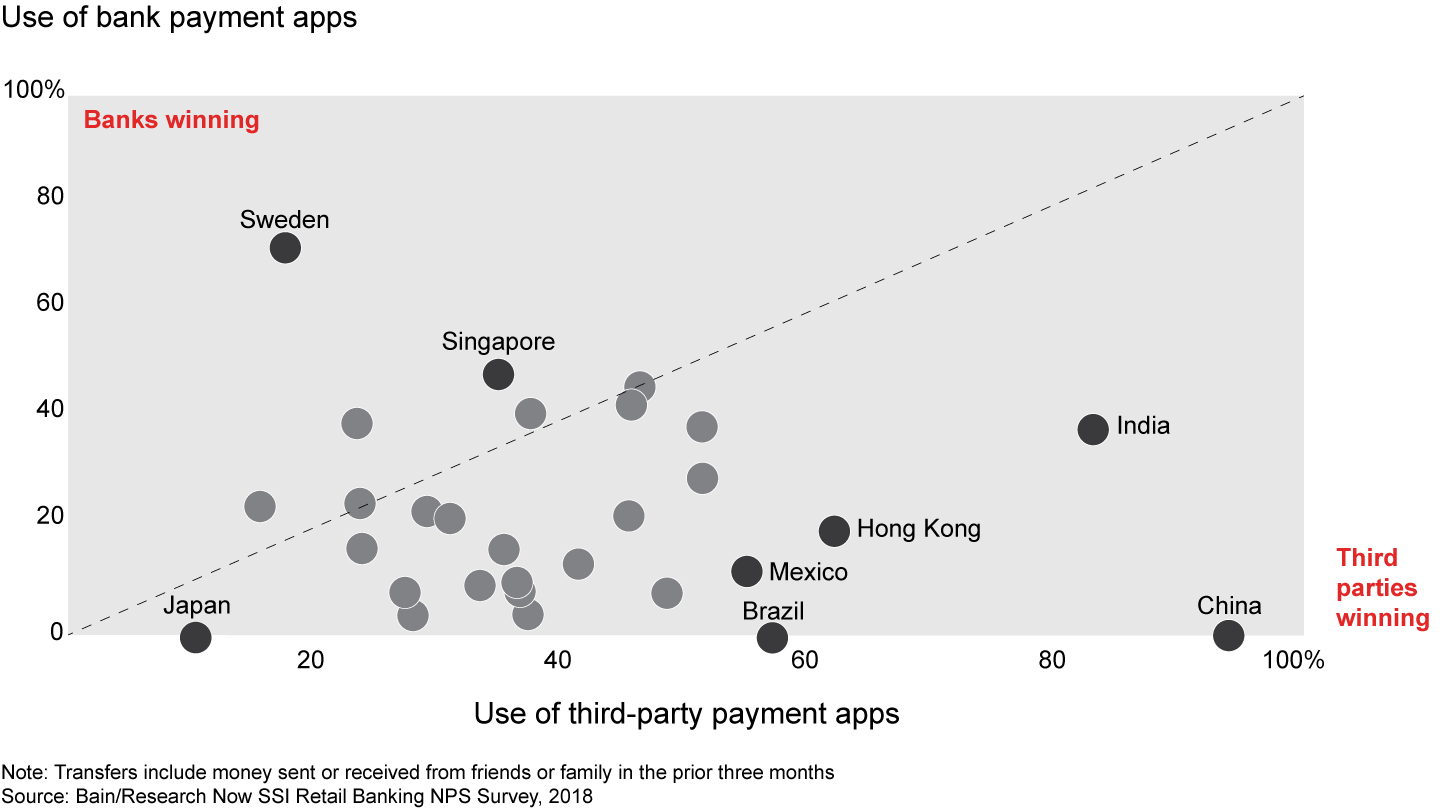
Explore Bain’s latest Customer Loyalty in Banking insights. It’s no secret that banks are under attack from many quarters. Insurgents have been attacking the weak points—picking off individual aspects of the banking experience and delivering better value propositions. In payments, for instance, nonbank providers have become strong and even dominant in many countries, including Brazil, Hong Kong, Germany and India. Unless banks sharply improve the convenience and quality of the experience, insurgent competitors will continue to gain converts and win new customers. To be sure, earning customer loyalty is harder than ever, as powerful trends benefit the insurgents. Regulators have been granting nonbank companies access to existing payment networks, which has spurred rapid growth of providers such as KakaoPay in South Korea. Open data rules, launched in the UK, give challengers such as Monzo and Mint access to core customer data they can use to expand, and will spread to other countries. Combined with looser licensing restrictions, open data has spawned about 20 new banks in the UK over the past few years, the most since the late 19th century. 
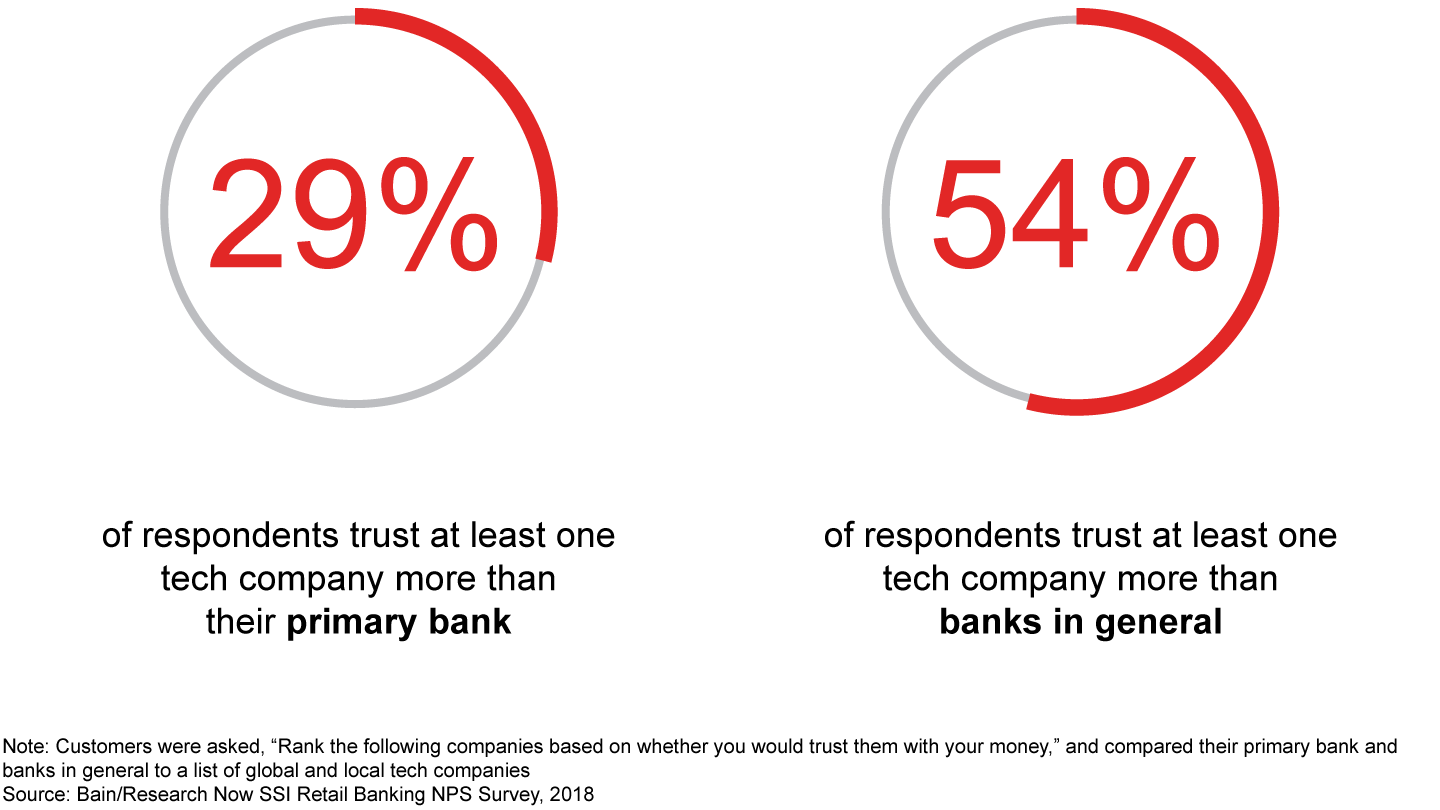
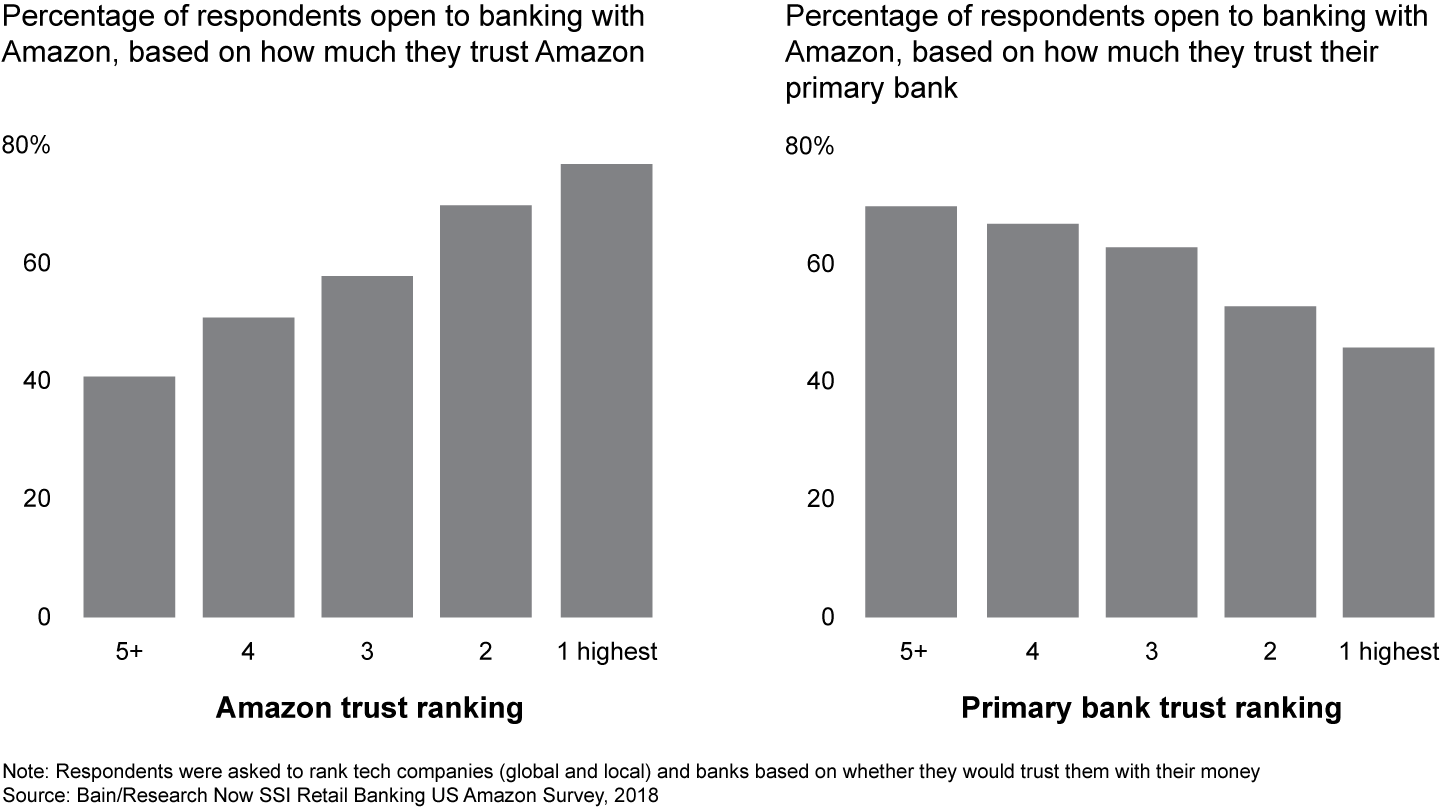
Can Banks Get Some Love?As tech firms explore financial services, big banks can fight back by focusing on the customer. Big technology and social media firms are leveraging their huge customer bases and war chests. Ant Financial, for instance, an affiliate of Alibaba in China, used its core e-commerce business to move into payments, consumer lending, insurance, wealth management, credit scoring and more. Many of these firms excel at easy, simple, high-quality digital—increasingly, mobile—interactions that consumers demand. Besides their digital expertise, technology firms are marching into financial services on the strength of consumer trust. Firms such as PayPal and Amazon garner a level of trust with consumers almost as high as banks in general, Bain & Company’s new survey of 151,894 consumers in 29 countries finds (see Figure 1). These findings reinforce an earlier survey showing that 65% of Amazon Prime respondents (who pay an annual fee for such perks as free two-day shipping) would try a free online bank account offered by Amazon, with 2% cash back on Amazon purchases, similar to the company’s cobranded credit card.
Figure 1

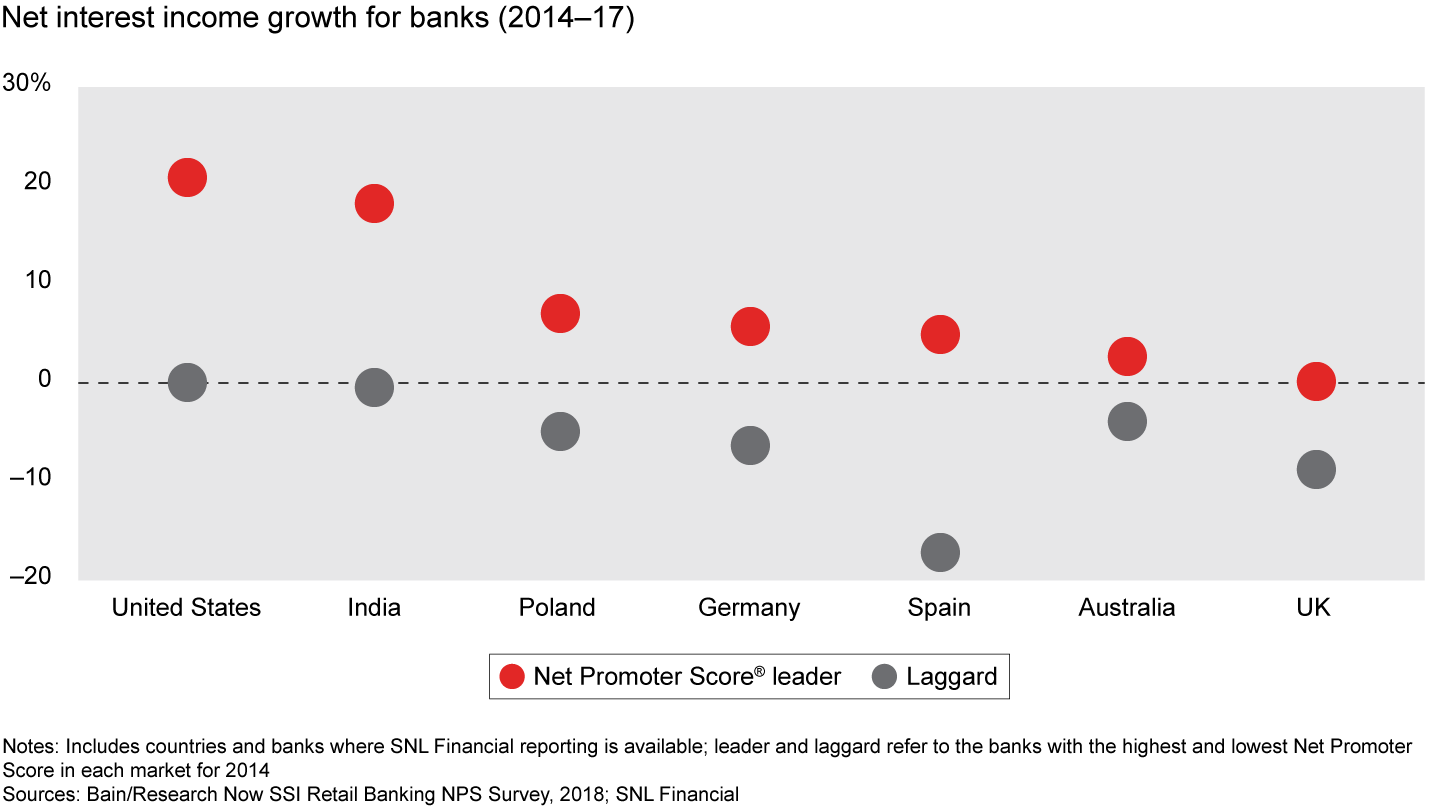
As the number and clout of challenger banks and technology firms grow, traditional banks find their interactions and engagement with customers diminishing. When disruptors nibble away at payments-related products, for instance, banks lose not only direct profits, but also frequent customer engagement and valuable transaction data. The Elements of Value that matter in retail bankingAll of these trends put pressure on banks to improve the experience and earn customers’ loyalty. Going back to first principles, it is important to remember that loyalty drives growth and better economics. Banks that lead in Net Promoter Score®, which measures the likelihood that a consumer would recommend the bank to others, outperform laggards in net interest income growth (see Figure 2). For example, US banks with a high Net Promoter Score had net interest income growth of 13% from 2014 through 2017, compared with 5% for laggards and 6% for banks with a middling Net Promoter Score.
Figure 2

Many factors contribute to loyalty, but in essence, loyalty stems from how well banks deliver value as perceived by consumers. The amount and nature of value in a particular product or service always lies in the eye of the beholder. Yet universal building blocks of value do exist. As first described in a 2016 Harvard Business Review article, Bain has identified 30 Elements of Value that fall into four categories in consumer markets: functional, emotional, life-changing and social impact. Our model traces its conceptual roots to psychologist Abraham Maslow’s “hierarchy of needs,” published in 1943. Maslow argued that human actions arise from an innate desire to fulfill needs ranging from the very basic (security, warmth, food, rest) to the complex (self-esteem, altruism). The Elements of Value approach extends his insights by focusing on people as consumers, describing their behavior around products and services. To see how the Elements of Value link to bank performance, we asked each respondent to rate his or her primary bank on each element, using a zero-to-10 scale. We then looked at the relationship to each bank’s Net Promoter Score, and found a close correlation. That is, the more elements on which a bank excelled, the higher its Net Promoter Score. More broadly, across consumer industries including banking, companies that perform well on four or more elements have, on average, more than twice the Net Promoter Score of companies with a high score on just one element, and more than five times the score of companies with no high score on an element. Furthermore, companies that perform well on additional elements see a sharp increase in their Net Promoter Score. Strong performance on multiple elements also correlates closely with higher and sustained revenue growth, market share growth and consumers’ willingness to pay a premium price. For a given industry, of course, certain elements matter more than others to consumers. In banking, the five elements that have the greatest impact on Net Promoter Score are, first, quality by a wide margin, followed by saves time, reduces anxiety, simplifies and heirloom—a good investment for future generations (see Figure 3). Here, banks’ performance leaves much to be desired. Consumers on average give their primary bank a lower rating on these elements than at least one of the major tech firms, Amazon, Apple, Google and PayPal (see Figure 4). Banks will have to close the larger gaps on quality, saves time and simplifies, especially with Amazon reportedly planning to launch a no-frills account with a banking partner. And banks will want to take the lead over PayPal in reduces anxiety. Large technology firms have the cash, digital expertise, consumer trust and strong performance in core Elements of Value to make further inroads into banking services. However, some banks have successfully defended their position by reorganizing how customers experience their products and services. The key unit for managing experiences is now the customer “episode,” which consists of all the activities involved in fulfilling a customer’s need. For example, the “I need to replace a lost credit card” episode ends successfully when the customer receives and activates the new card, allowing her to make purchases again. Episodes range from a single interaction (paying a bill online) to an intricate series of interactions (buying a new home). A bank can identify its most important episodes and the sources of friction in each one, then mobilize dedicated teams to overhaul those episodes, usually by making them more simple and digital.
Figure 3
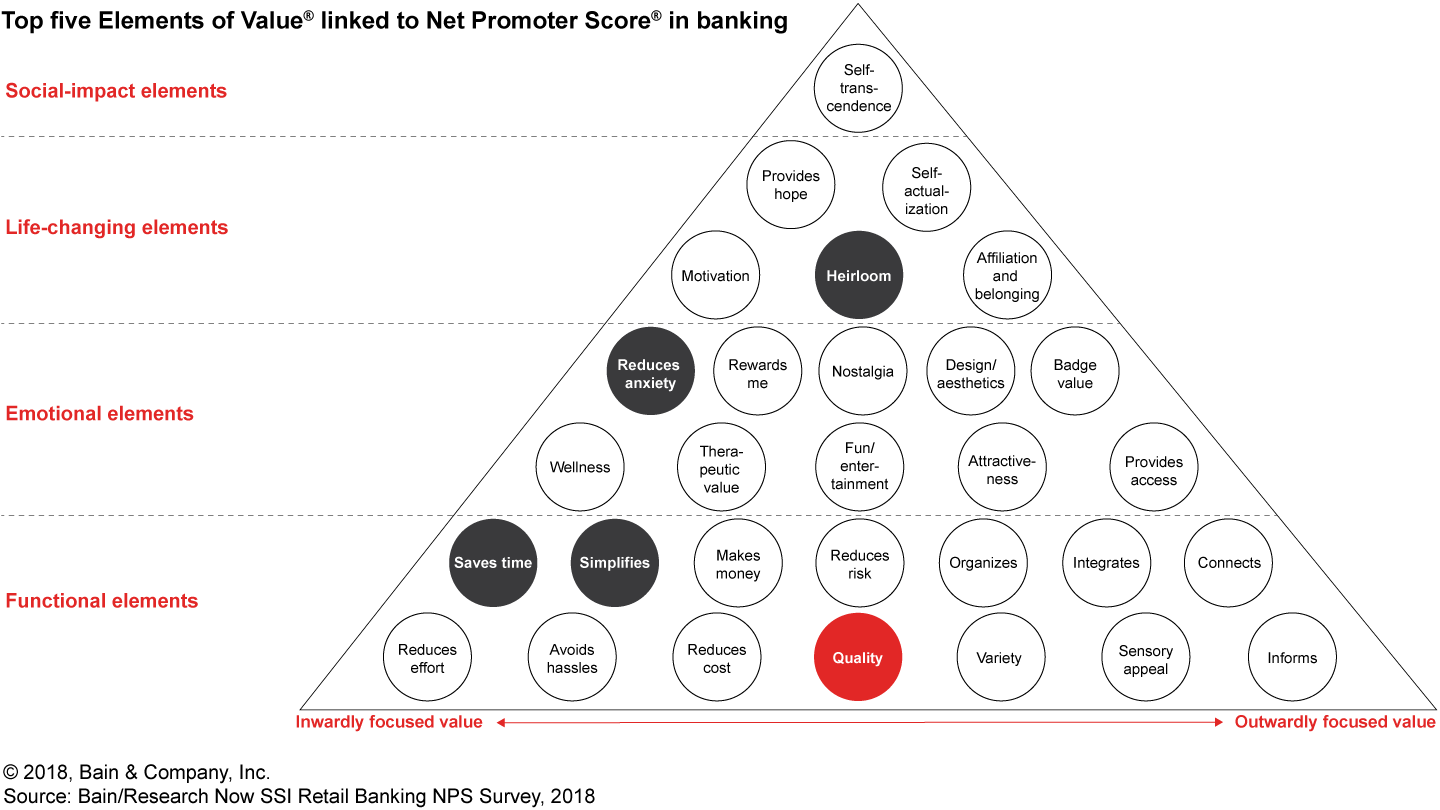

Figure 4


How some banks are winning in paymentsThere are precedents for banks taking on an episode and competing successfully with nonbank companies, notably in the recent history of payments. Alternative payment methods are catching on in many countries, often with third parties such as Mercado Pago in Mexico and Argentina or Alipay in China leading the way. Third parties play an especially prominent role in emerging markets that lack a robust card infrastructure, such as India (see Figure 5).
Figure 5
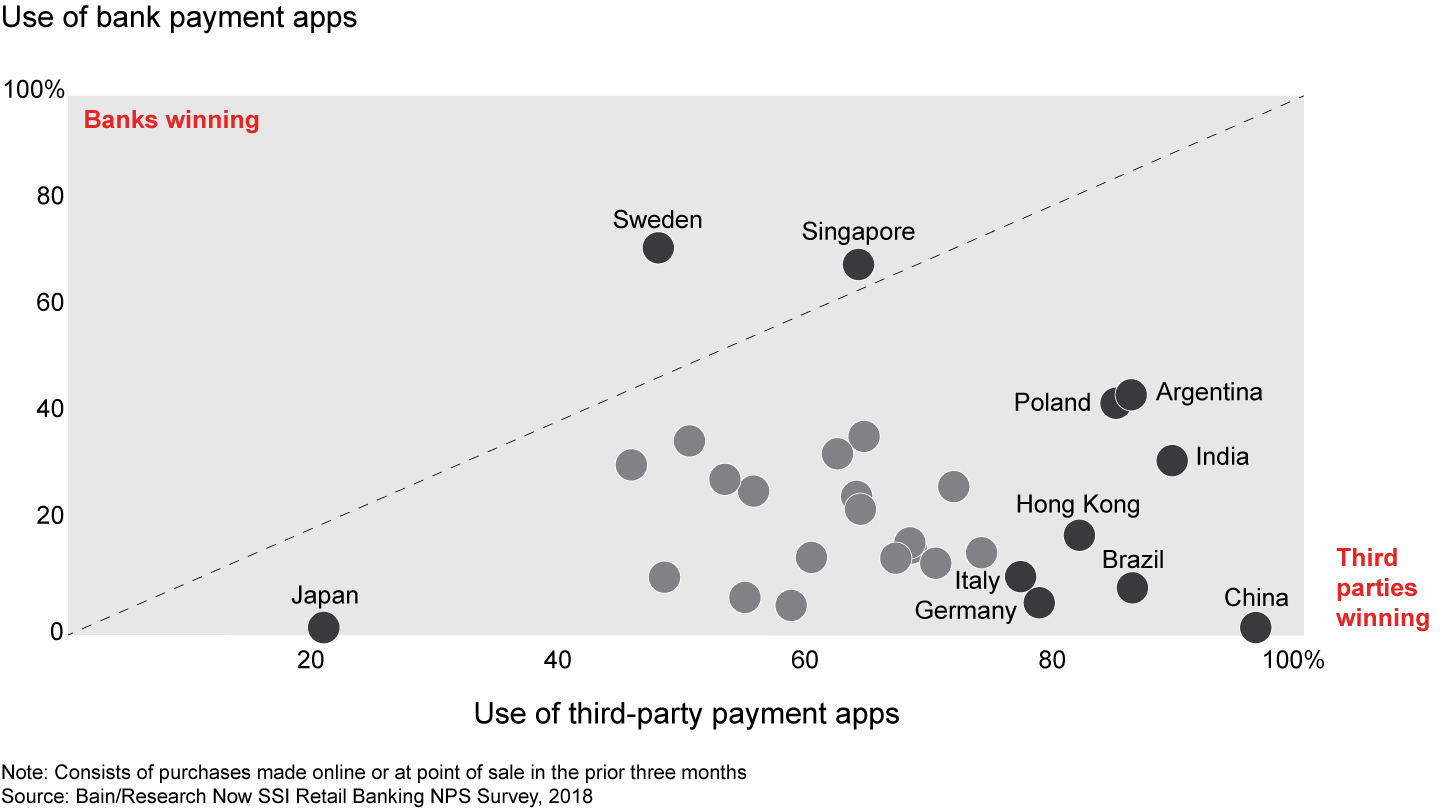

Yet banks have managed to hold their own in payments in a few other countries, notably Sweden, Poland and Singapore. Sweden’s Swish app, which a consortium of seven large banks started in 2012, now dominates peer-to-peer payment and merchant purchases. The app benefits from Swedish law, which does not require retailers to accept cash. Swish transfers funds instantly at no charge to consumers. In Poland, the insurgent payments solution firms PayU and Przelewy24 lead in adoption among survey respondents. But Blik, an app started by the country’s six largest banks in 2015 and now available from the dominant nine banks, has also taken off, building on its strong functionality. These experiences suggest that although the payments episode exhibits some winner-take-all characteristics due to network effects, the winning position is still fluid in many countries. Banks can catch up to leading insurgents if they join forces to create an industrywide platform that is highly functional and consumer-friendly. But if banks don’t figure out how to appeal to mobile-first customers, competitors will. 
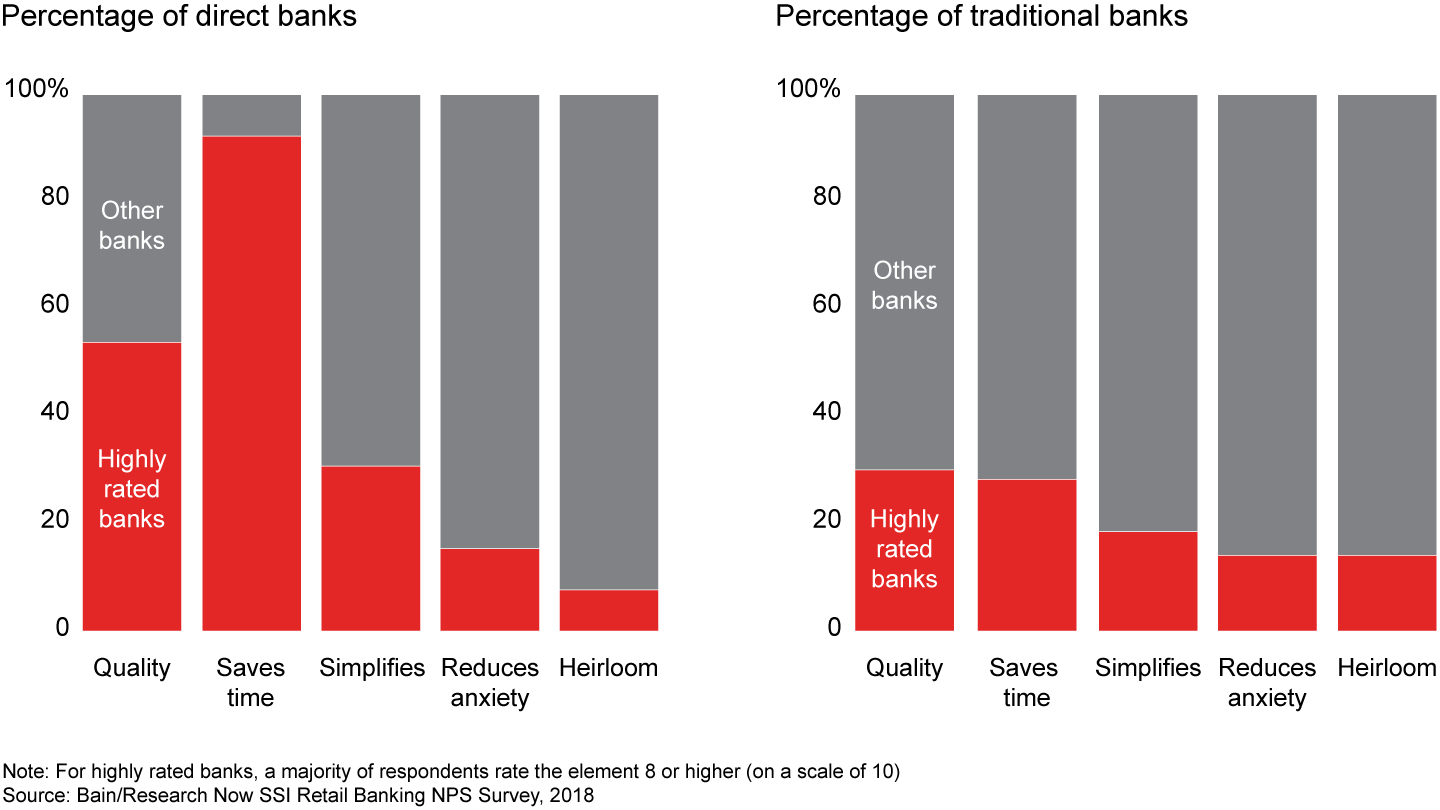
Make mine simple and digitalSimple and digital are critical characteristics in other episodes as well. This partly explains why direct banks such as ING outperform traditional banks on Elements of Value as well as Net Promoter Score. For instance, 92% of direct banks were highly rated by respondents on saves time, compared with 28% of traditional banks. It also explains the rise of online fintechs like Quicken Loans, which has grown from less than 1% of retail mortgage originations in the US in 2008 to almost 6% at the end of 2017. Quicken Loans recently overtook Wells Fargo to become the leading direct-to-consumer mortgage lender in the country. When the company launched Rocket Mortgage, Quicken Loans said a team of 500 software developers took three years to streamline the mortgage process. That’s a level of investment that most banks hesitate to commit to. When traditional banks excel on the Elements of Value and on loyalty, we find that most of them accelerated their digital transition early on. Consider DBS in Singapore, which has actively encouraged its customers to shift to digital interactions. DBS reports financials separately for digital customers, with digital defined by share of transactions, product purchases or upgrades via digital channels. The bank’s digital customers may cost 1.5 times more to serve than traditional customers, because they have more products and interact more online. But they generate nearly twice the income, because they also have higher deposits, loans and investments, and they cost much less to acquire. Regional banks often worry they will be outinvested by larger national banks, yet even smaller banks can thrive as digital innovators. Frost, based in the US state of Texas, was one of the first regional banks to launch Internet banking (in 2000), to offer digital deposits, to join the Zelle virtual wallet network and to allow customers to freeze their debit card by replying to a text message. Frost’s digitally enabled experience has helped the bank ascend to the lead of traditional US banks on Net Promoter Score and Elements of Value performance. Gwendolyn Lim, a partner with Bain's Financial Services practice, describes three strategies for incumbent banks to defend against threats from new players. Playing the long gameBain’s global survey analysis, augmented by our experience working with banks, large technology firms and fintechs, suggests certain moves that banks can take to increase loyalty and improve their economics.
Figure 6
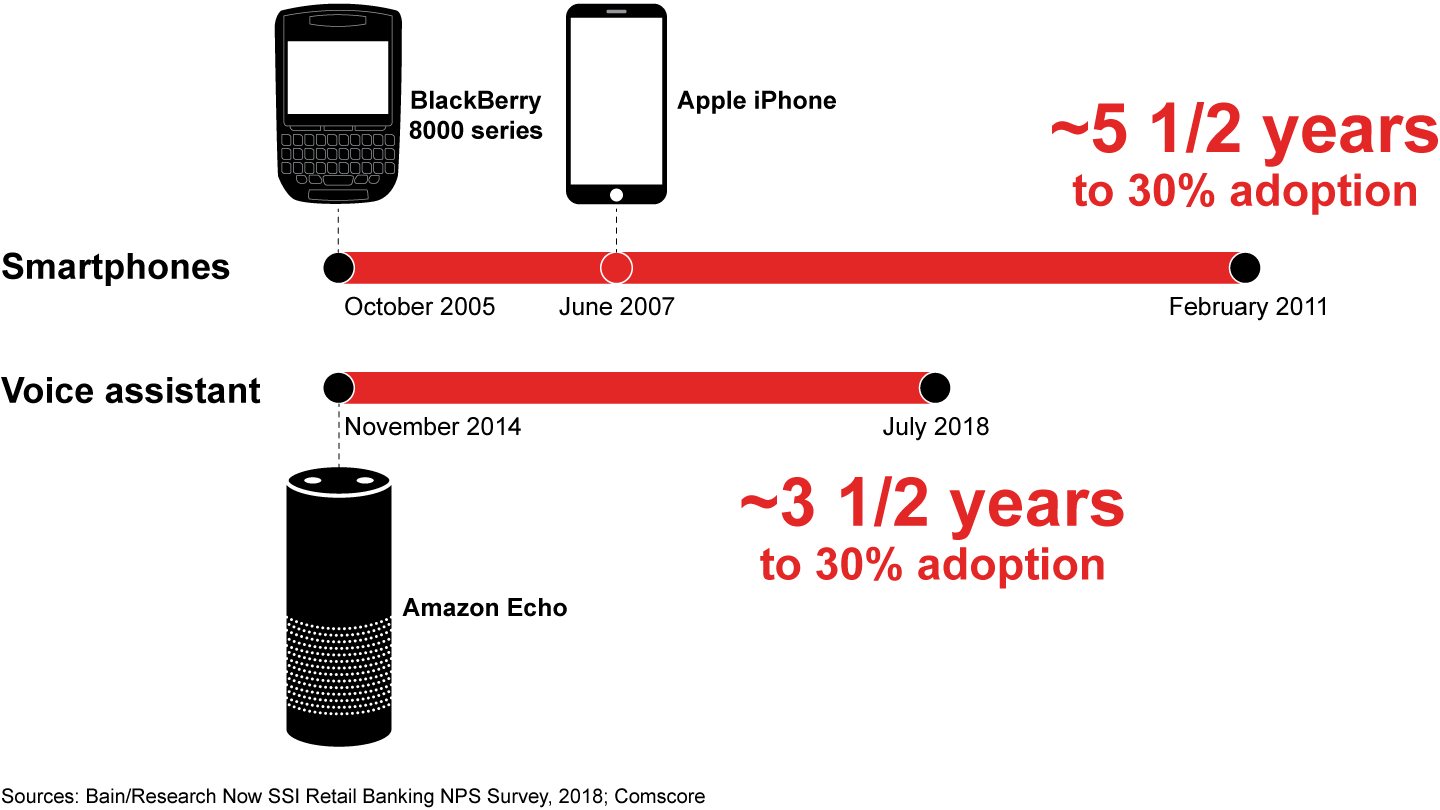

These components reinforce each other in a chicken-and-egg cycle. Each bank will thrive or decline according to its ability to deliver elements that engender greater loyalty, incorporating digital tools where possible to improve the customer’s experience. No doubt, technology firms and direct banks will continue to make inroads, some of them substantial. So banks that dawdle will risk being left with the most unprofitable customers and a shrinking share. 
1. The battle for digital payments is still fluid
Figure 7
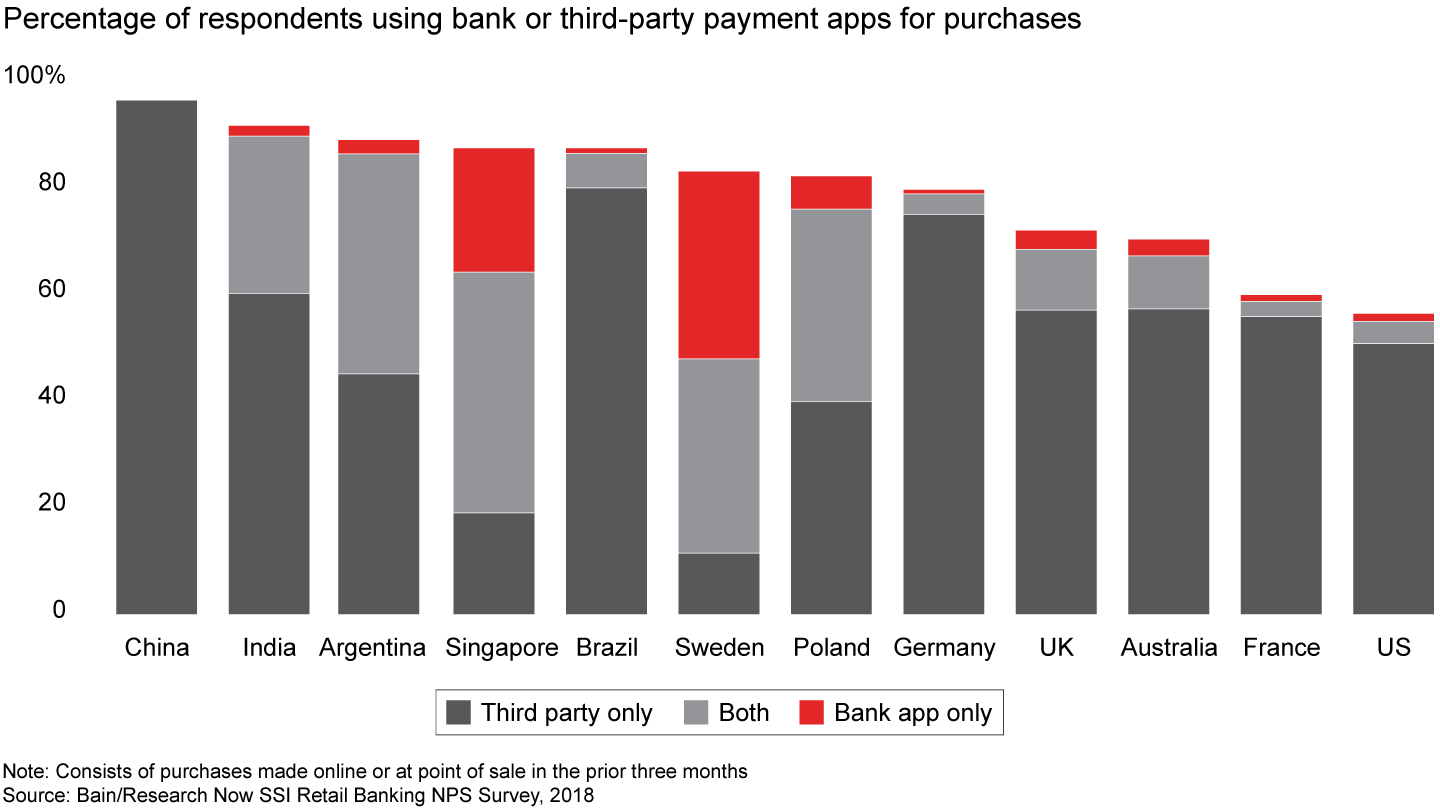

Figure 8


Figure 9

2. How the Elements of Value affect loyalty
Figure 10
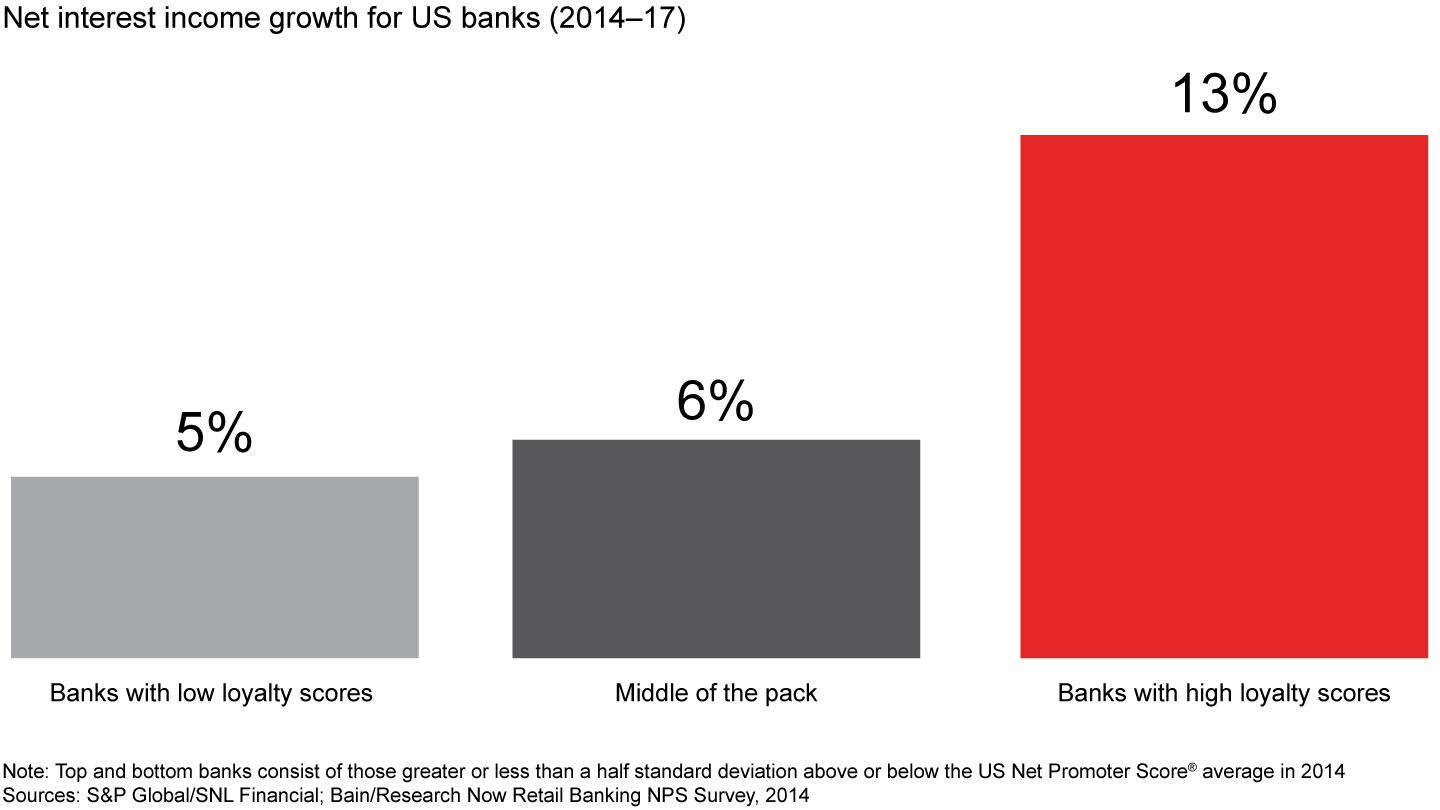

Figure 11
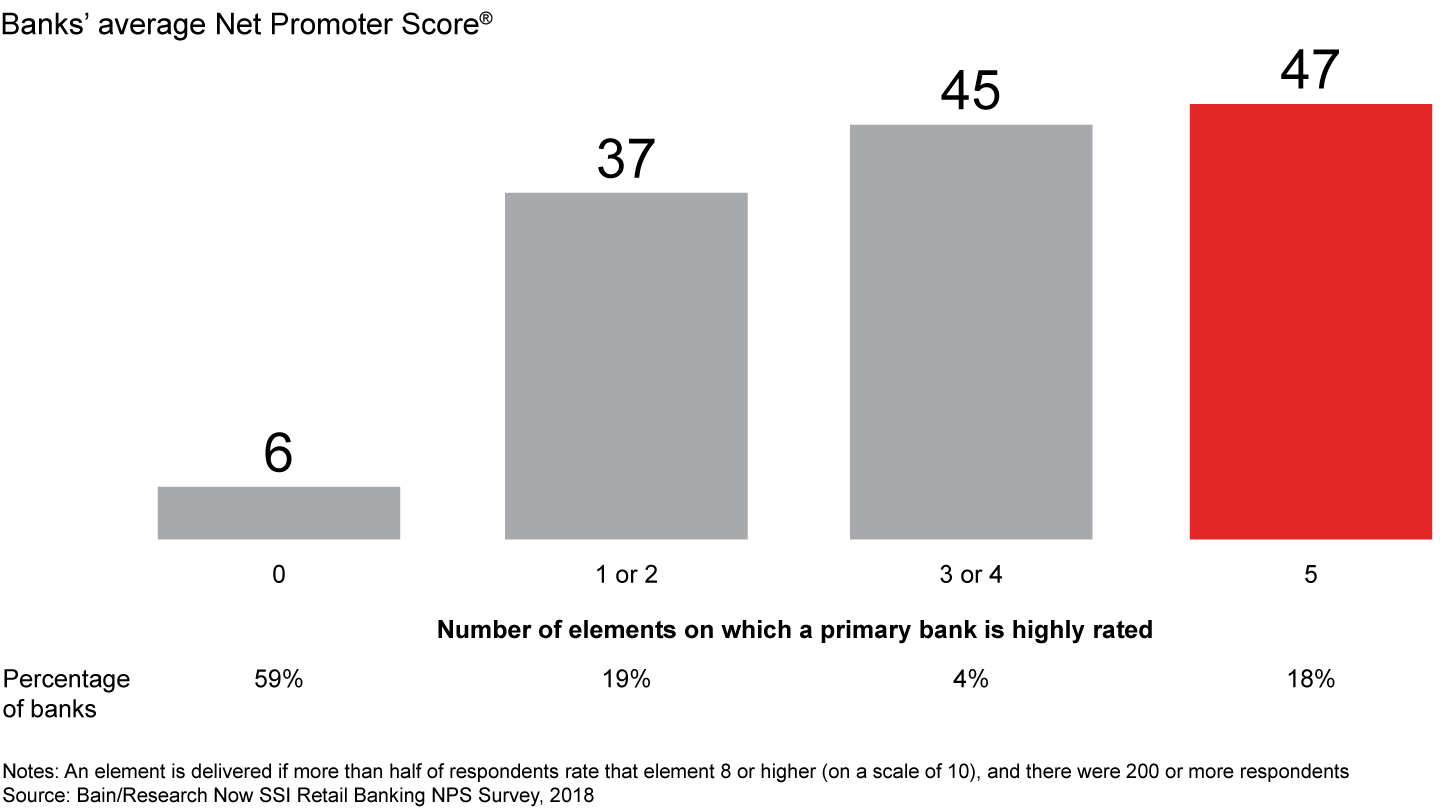

Figure 12
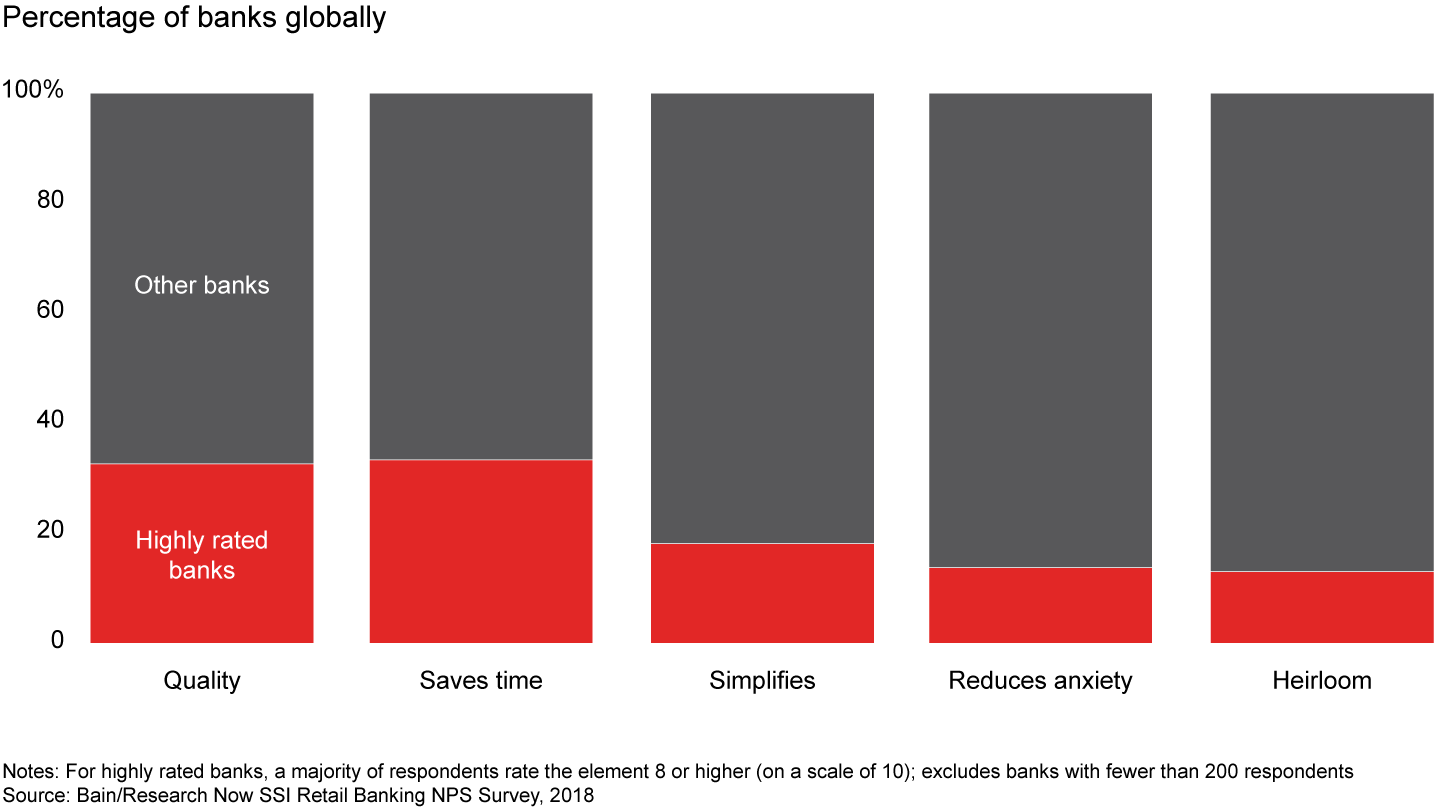

Figure 13

3. Consumers have relatively favorable perceptions of technology companies
Figure 14
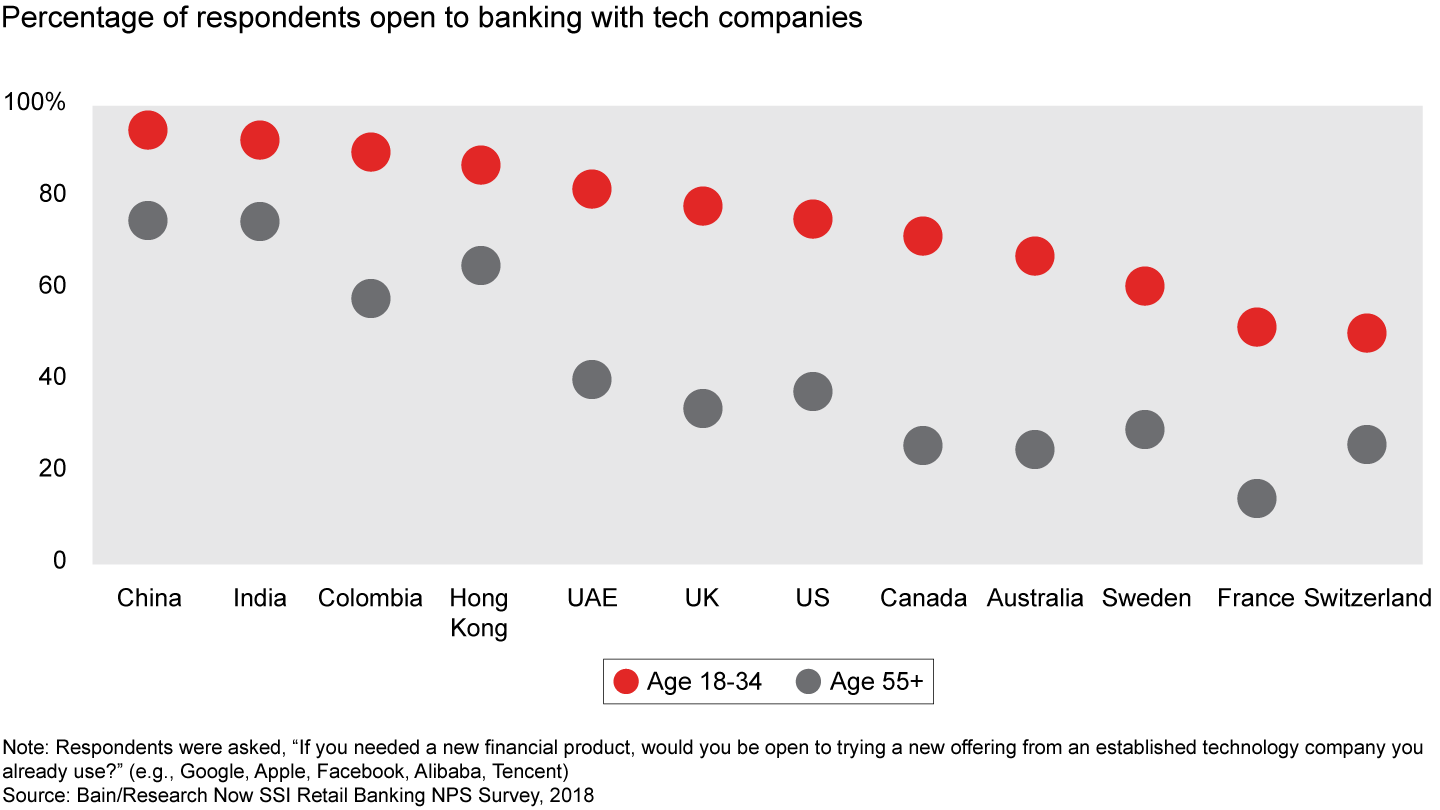

Figure 15
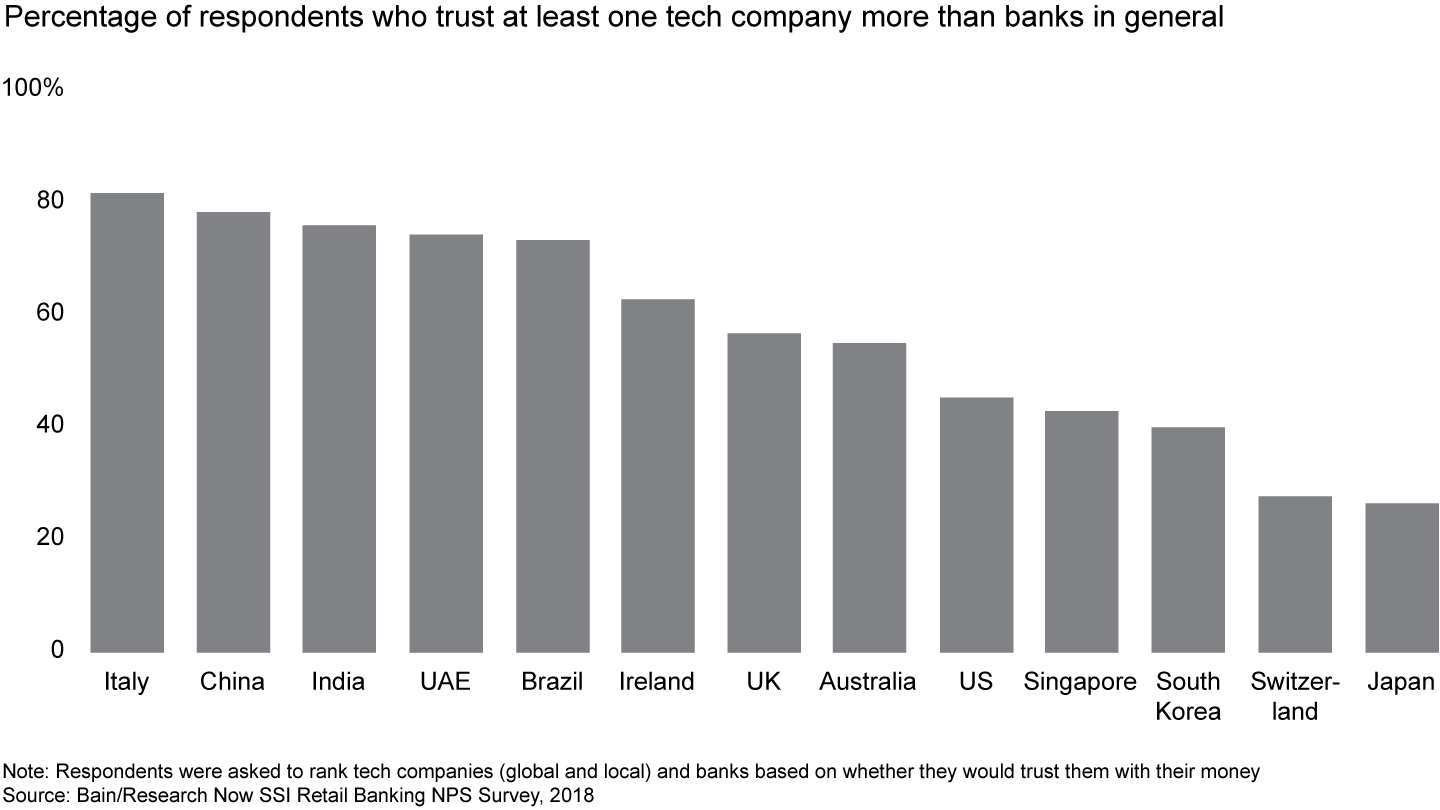

Figure 16

4. Digital channels are evolving quickly, with voice assistants coming on strong
Figure 17
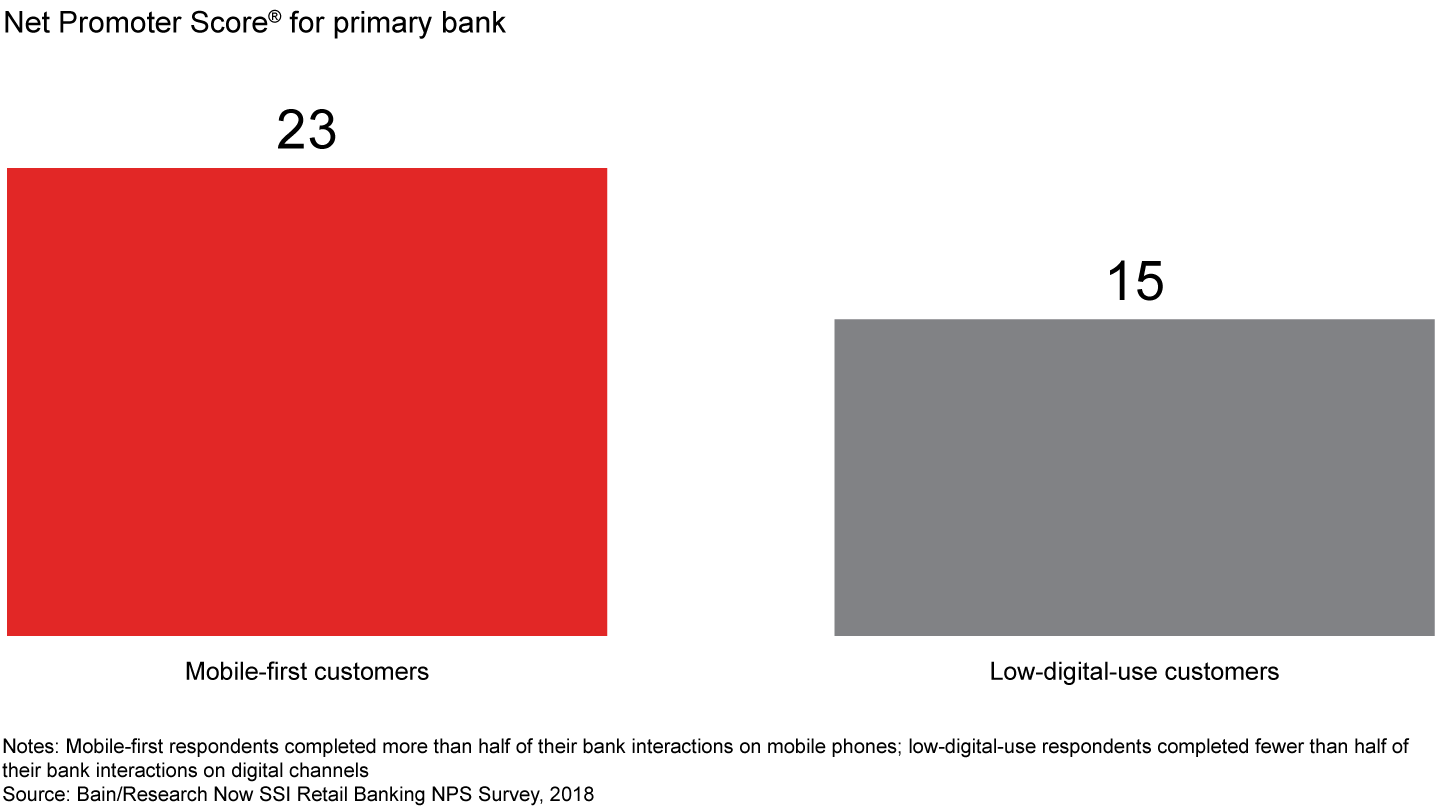

Figure 18
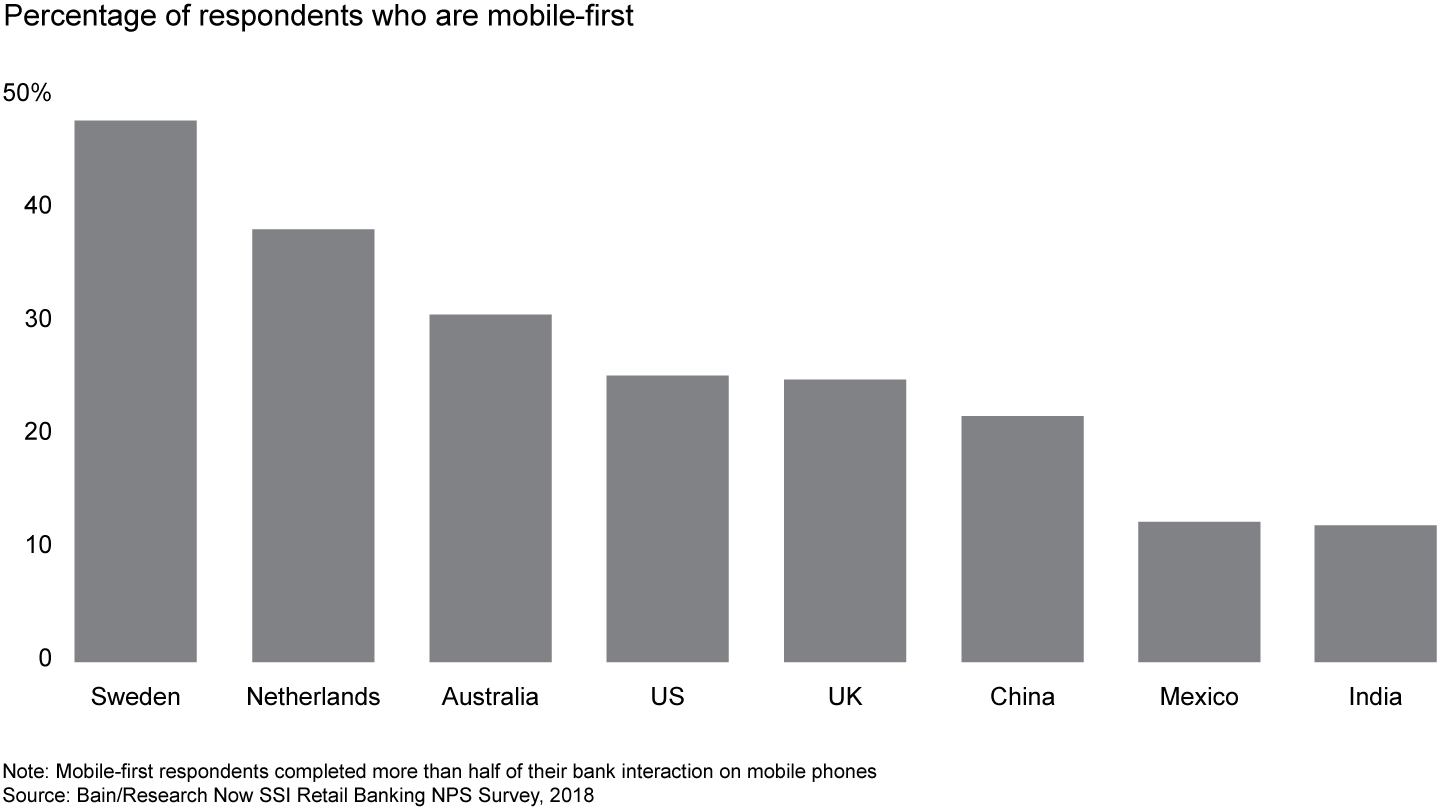

Figure 19
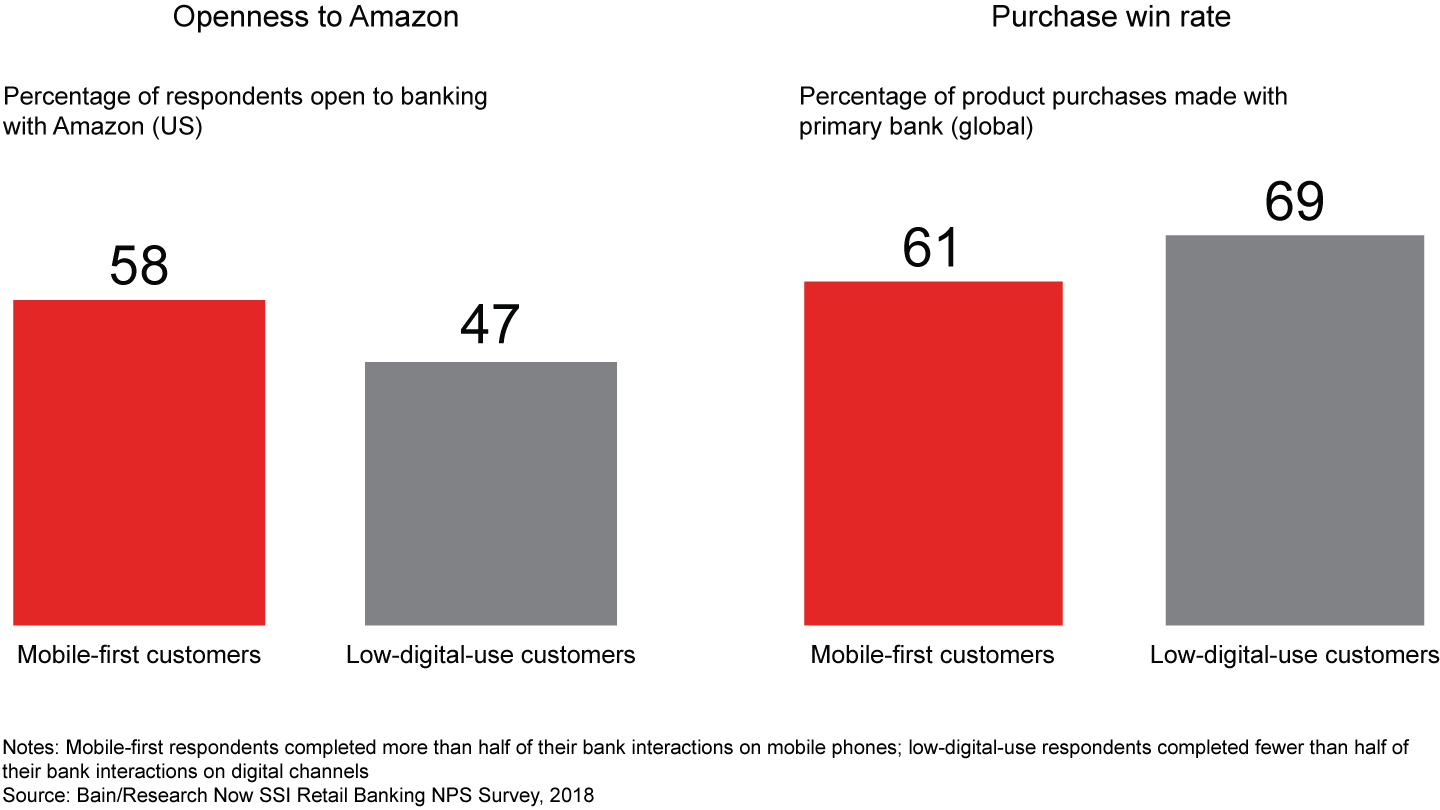

Figure 20
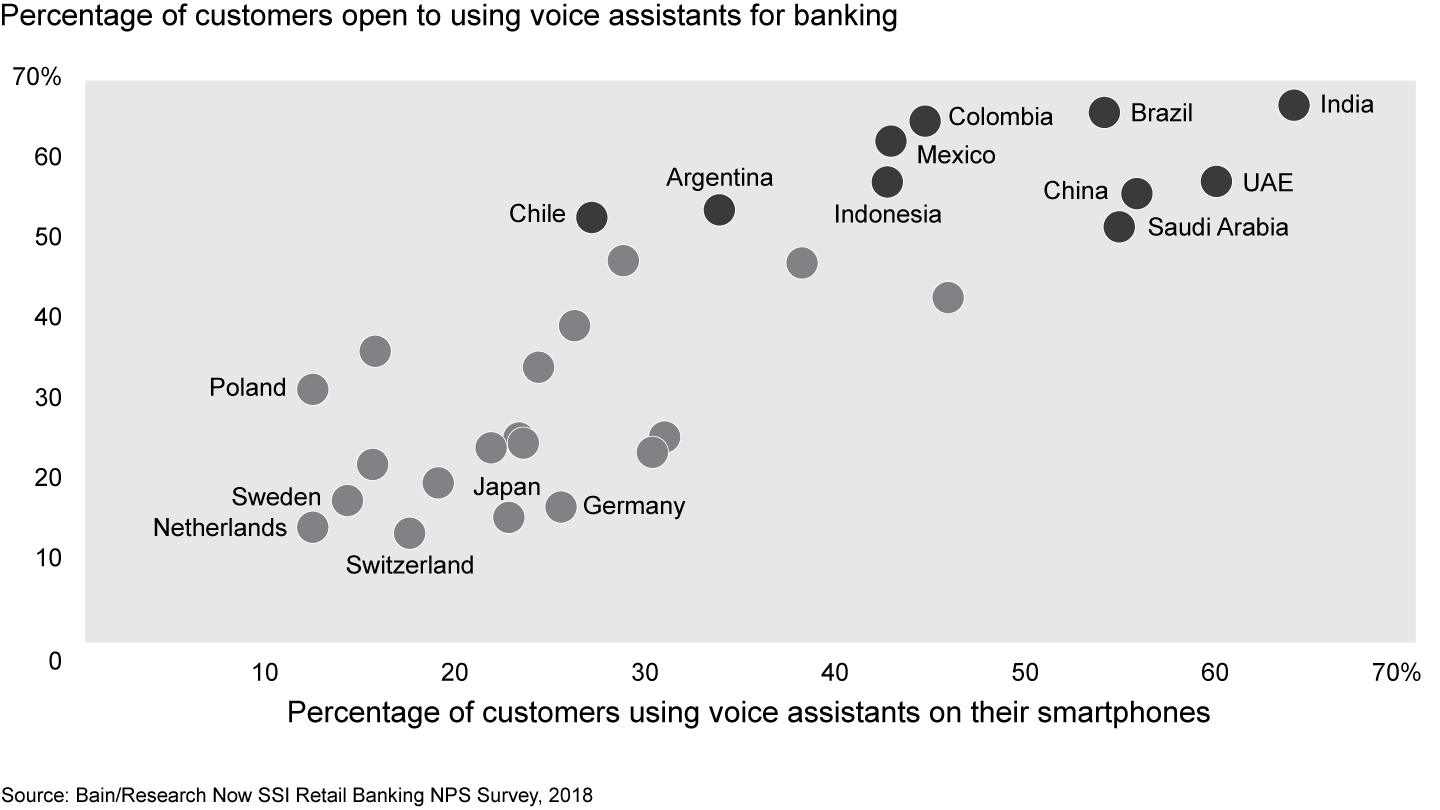

5. Movement on the loyalty leader boards
Figure 21
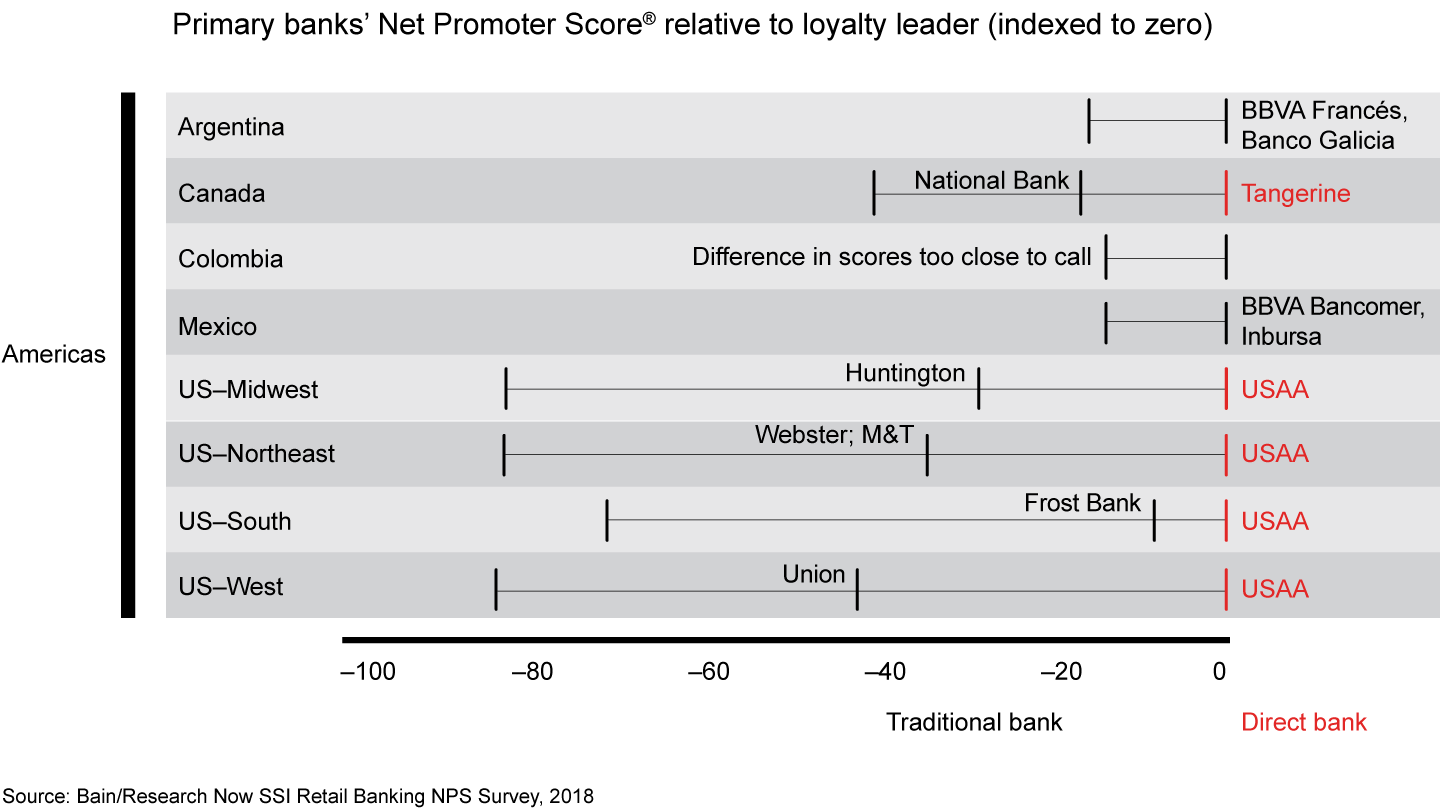

Figure 22
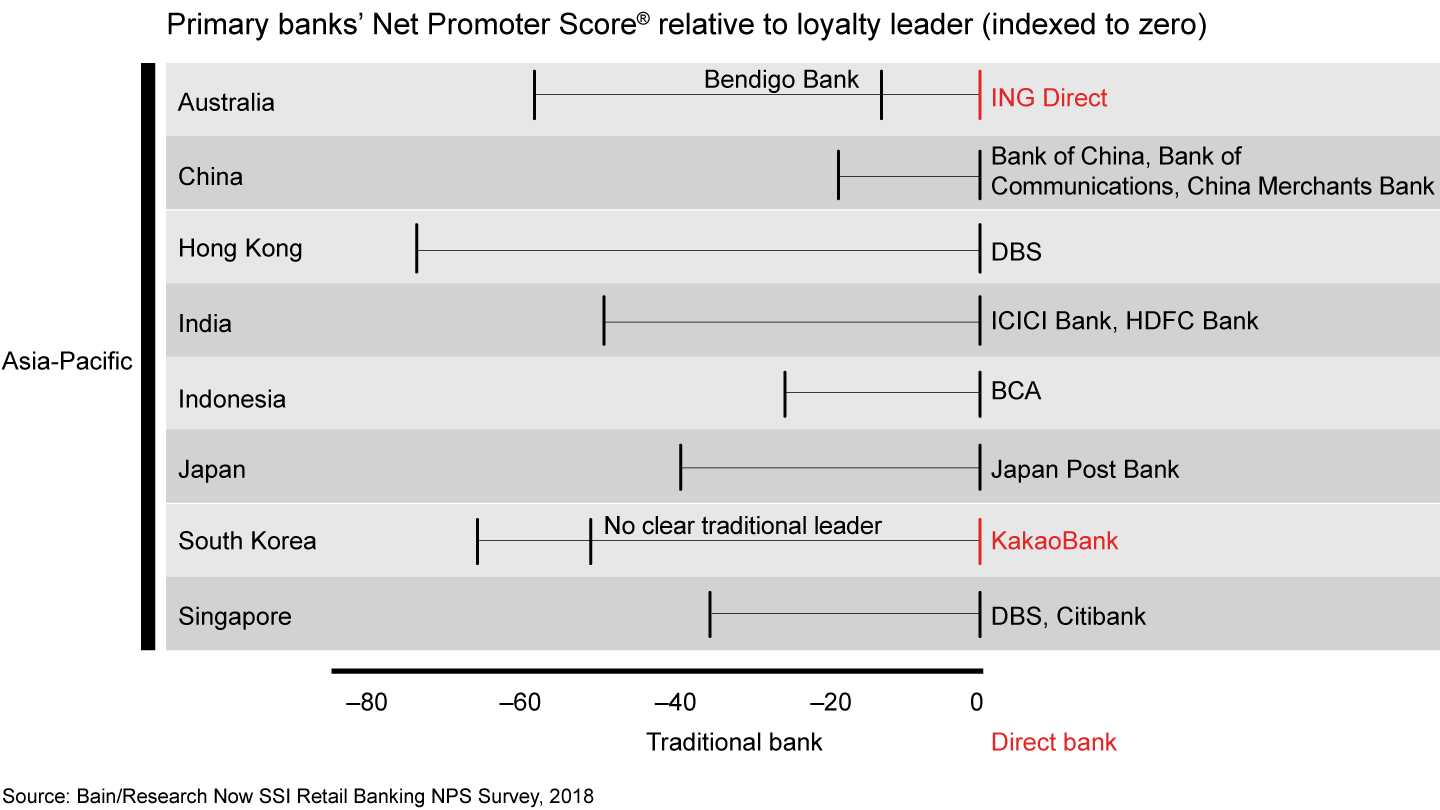

Figure 23
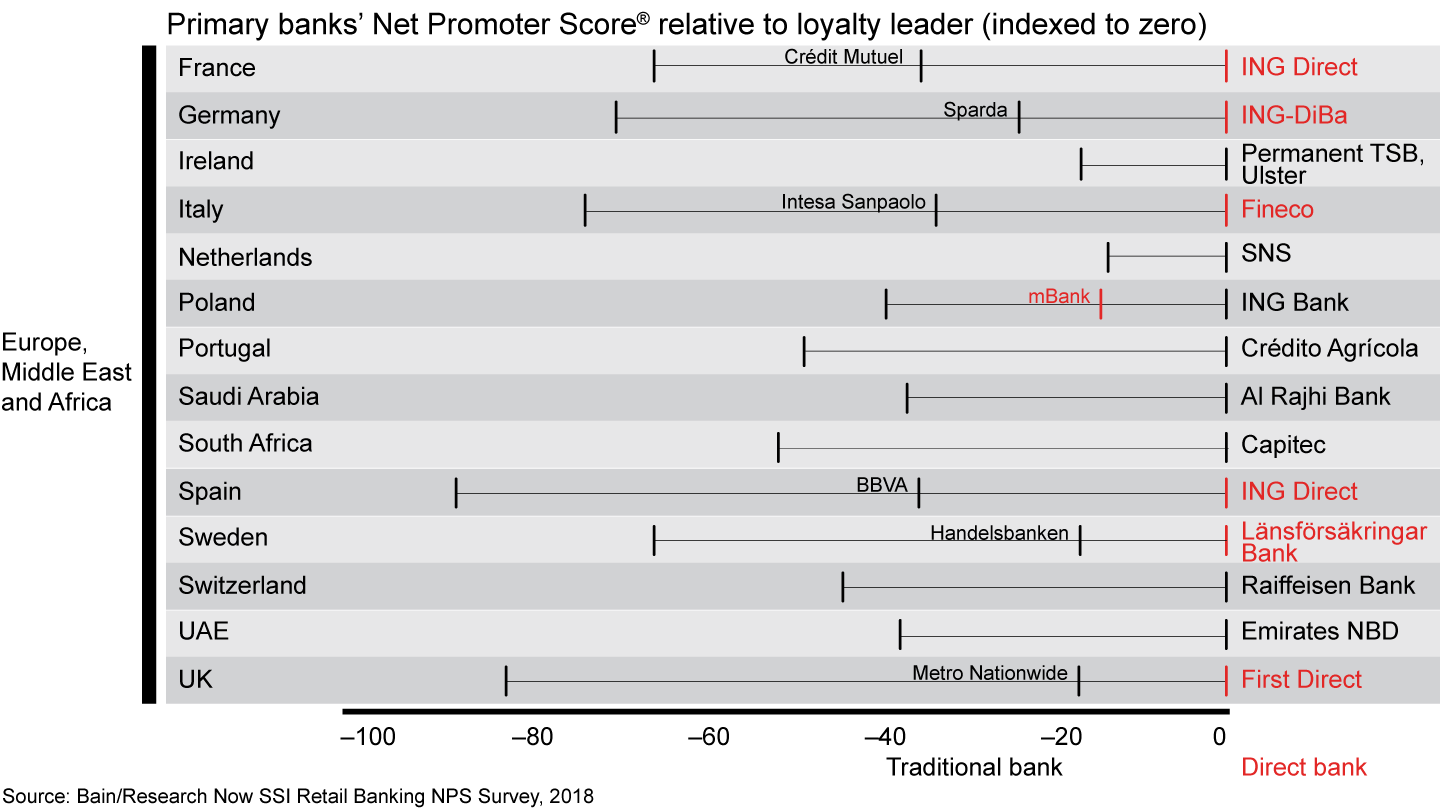

Figure 24
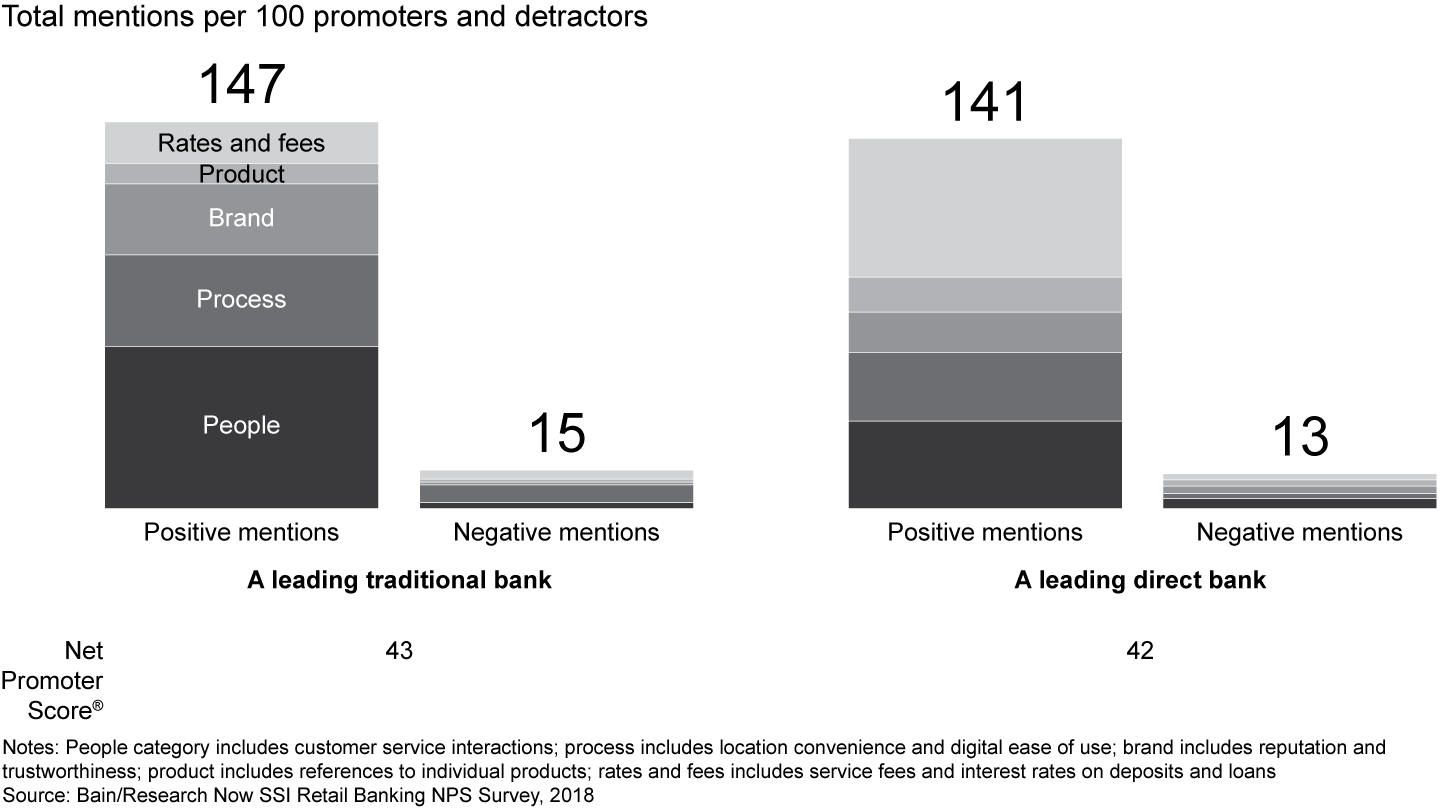

Appendix: MethodologyBain & Company partnered with Research Now SSI, an online global market-research organization, to survey consumer panels in Argentina, Australia, Brazil, Canada, Chile, China, Colombia, France, Germany, Hong Kong, India, Indonesia, Ireland, Italy, Japan, Mexico, the Netherlands, Poland, Portugal, Saudi Arabia, Singapore, South Africa, South Korea, Spain, Sweden, Switzerland, the UAE, the UK and the US. The survey’s purpose was to gauge customers’ loyalty to their principal bank and the underlying reasons customers hold their views. Conducted from July to September 2018, the survey polled 151,894 respondent consumers of national branch network banks, regional banks, private banks, direct banks, community banks and credit unions in these countries. For most individual bank analysis, we included only banks for which we received at least 200 valid responses. In Hong Kong, Indonesia, Saudi Arabia, Singapore, South Korea, Switzerland and UAE, we included banks with at least 100 responses. In many instances, sample sizes exceeded these thresholds. Survey questionsRespondents were first asked to identify their primary bank, then were asked the following questions to assess their loyalty to that institution:
Ratings of zero to 6 signify detractors, 7 and 8 signify passives, and 9 and 10 signify promoters. A Net Promoter Score is calculated by subtracting the percentage of detractors from the percentage of promoters. A positive score indicates advocacy and support, while a negative score shows the opposite. We asked what major products respondents hold with their primary bank and with other banks, and which of these products were purchased in the past year. We also asked respondents what their most recent purchase had been, and the bank and channels they used to make this purchase. Further, we asked how often they interacted through various channels to do their banking in the past three months. We also asked respondents to rate their bank on a list of 30 Elements of Value. And we asked questions about respondents’ attitudes toward using technology companies for financial products. The remaining questions elicited demographic profile information: household income, investable assets and region of residence. For statistical significance, the results of our data analysis are robust for the measurement of bank Net Promoter Score by country or US region. Where our threshold for the bank’s inclusion in the Net Promoter Score rankings is a sample size of 200, the score measured for each bank is statistically significant to an 80% confidence level, with a one-tailed test of the confidence interval ranging from plus or minus 2.3% for a sample size of 1,648, to plus or minus 11.8% for a sample size of 101. In countries where sample sizes were smaller, confidence intervals are wider, with a maximum of plus or minus 10%. This report was prepared by Gerard du Toit, Katrina Bradley, Stanford Swinton and Maureen Burns, partners in Bain’s Financial Services practice, Christy de Gooyer, a practice director, and a team led by David Phillips, a practice senior consultant. Team members are Rachita Arora, Sonal Chawla, Shanav Kakkar, Lakshay Kataria, Yogendra Patel, Shikhar Sachdeva and Pranav Singh. The authors thank Bain partners in each of the countries covered in the report for their valuable input and John Campbell for his editorial support. Elements of Value® is a registered trademark of Bain & Company, Inc. Net Promoter System®, Net Promoter Score®, Net Promoter® and NPS® are registered trademarks of Bain & Company, Inc., Fred Reichheld and Satmetrix Systems, Inc. 
Elements of Value® InsightsWhat do customers want? Bain's Elements of Value® represent the deeper aspirations behind the purchasing decisions of B2B and B2C customers. Our insights explore the ways companies can go beyond price to offer more value.
Can Banks Get Some Love?As tech firms explore financial services, big banks can fight back by focusing on the customer. |