
Report


|
|
2021 has been a banner year that saw India private equity (PE) and venture capital (VC) bounce back from a pandemic-induced slowdown with fury. Reaching approximately $70 billion in investments, the PE-VC market was buzzing with frenetic deal activity and a complementary acceleration in exit momentum. While the first half of the year stuttered as India faced a devastating second wave of Covid-19 and experienced lockdowns and various uncertainties, the economy shifted back into gear in the second half in a quick rebound as a rapid vaccination rollout was undertaken. Written in collaboration withWritten in collaboration with
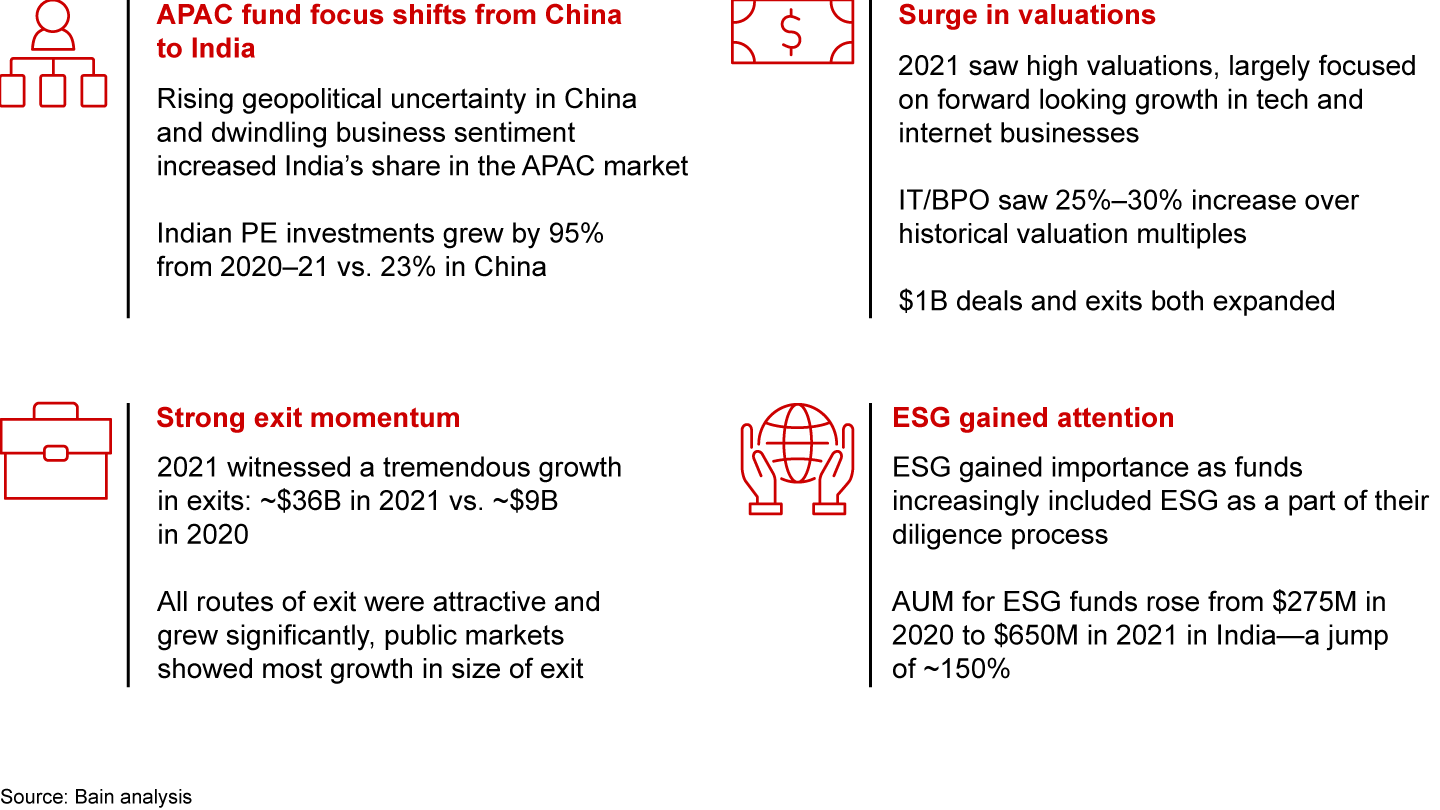
Indian investments grew faster in 2021 than most major economies, including China, with 96% growth over 2020 (excluding the mega deals of Jio Platforms and Reliance Retail). Coupled with the flight of capital away from China due to political uncertainties, the growth helped India increase its share of the overall Asia-Pacific (APAC) market—a signal of a trend expected to continue. India looks to consolidate its position as the market of choice for investors in what can be seen as a phase transition for the market. The country has demonstrated political and economic stability, coupled with a confluence of various factors enabling depth in the investment ecosystem—a maturing investments landscape with diversity of fund sizes and types, improving asset quality and governance, an abundance of ready capital, and a vibrant market for exits. 2021 was a milestone year for India, and a slight moderation should be anticipated as the market looks to consolidate the year’s wins and step into a new phase, with higher deal values and wider exit opportunities supported by a larger pool of quality assets. Many records were set and milestones were reached in 2021 for the Indian PE-VC market, with:
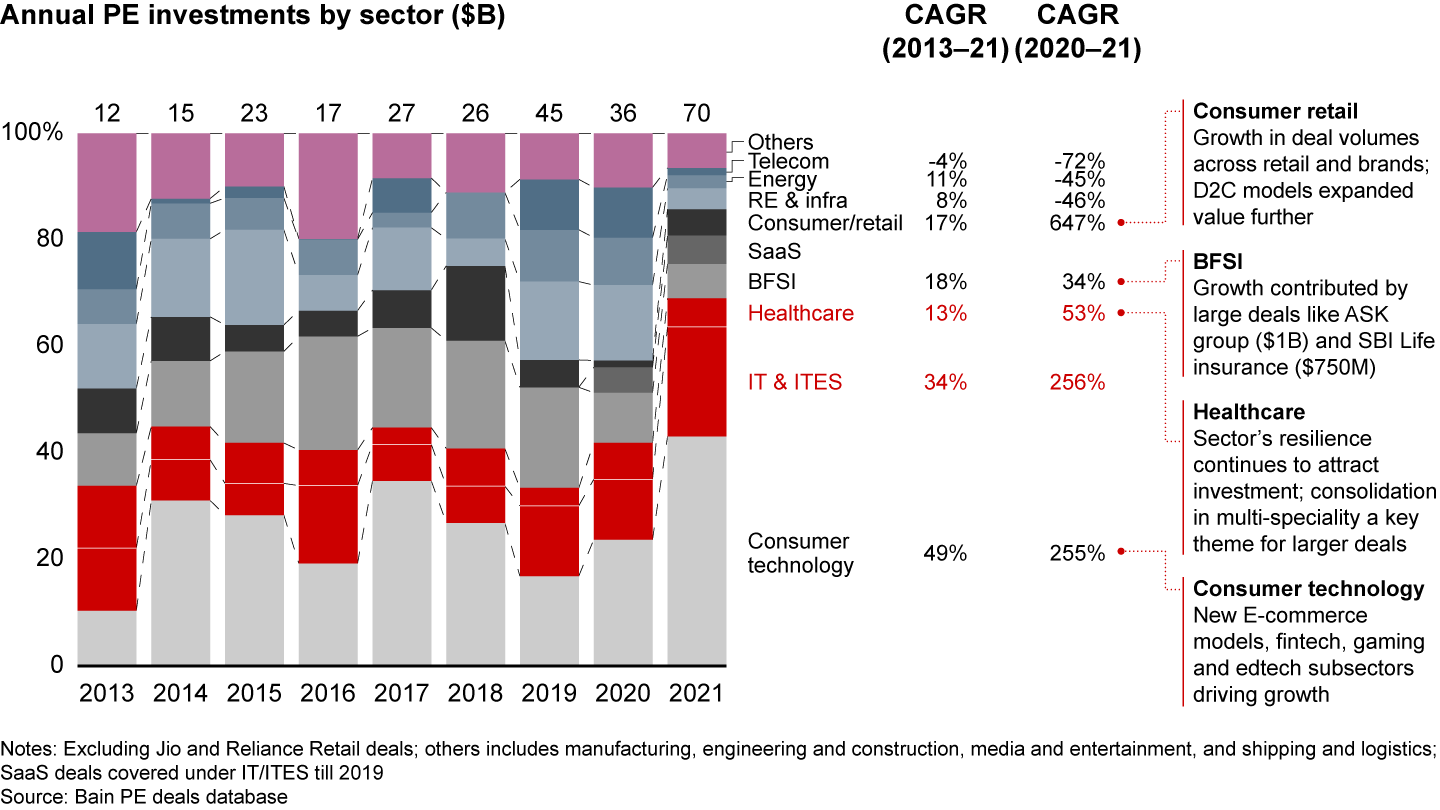
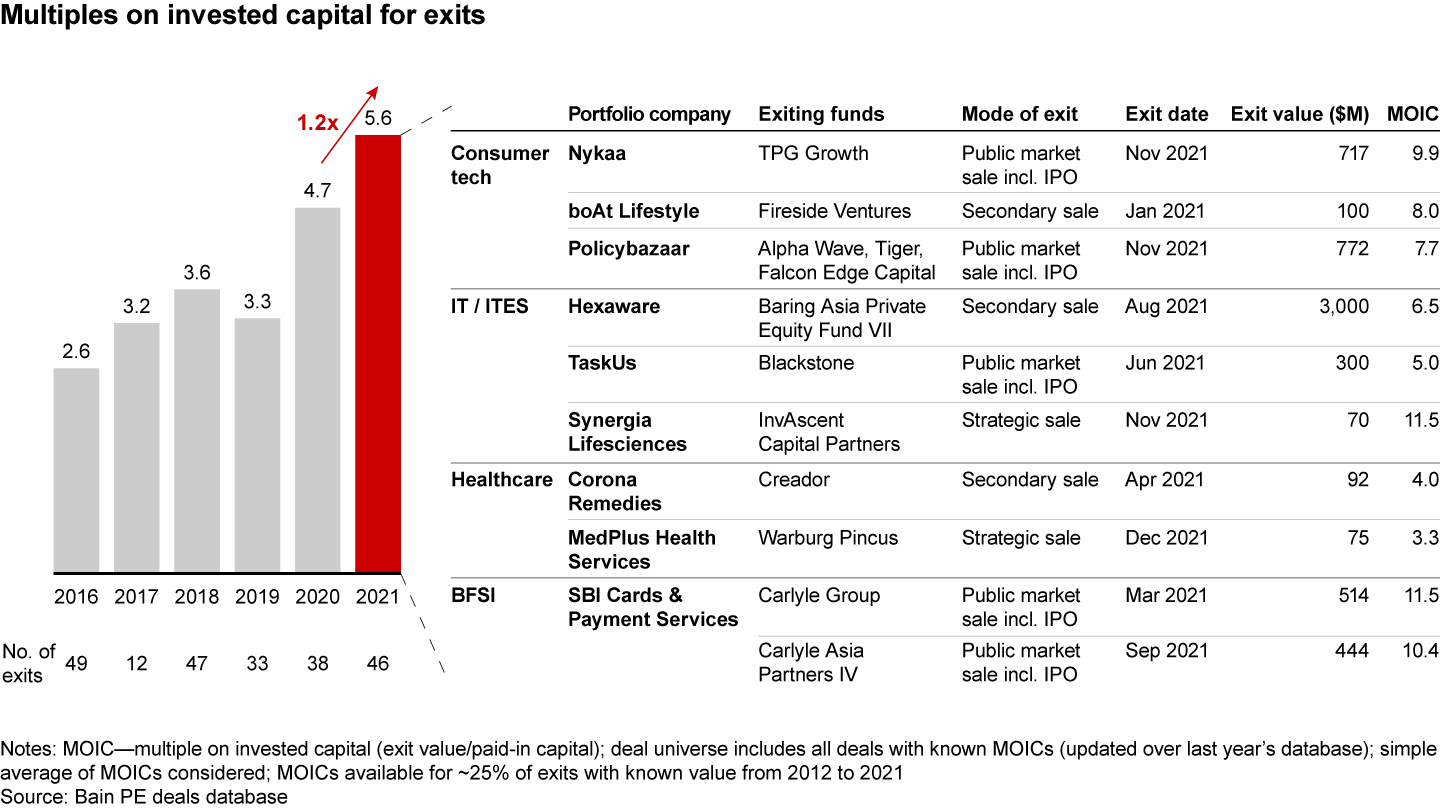
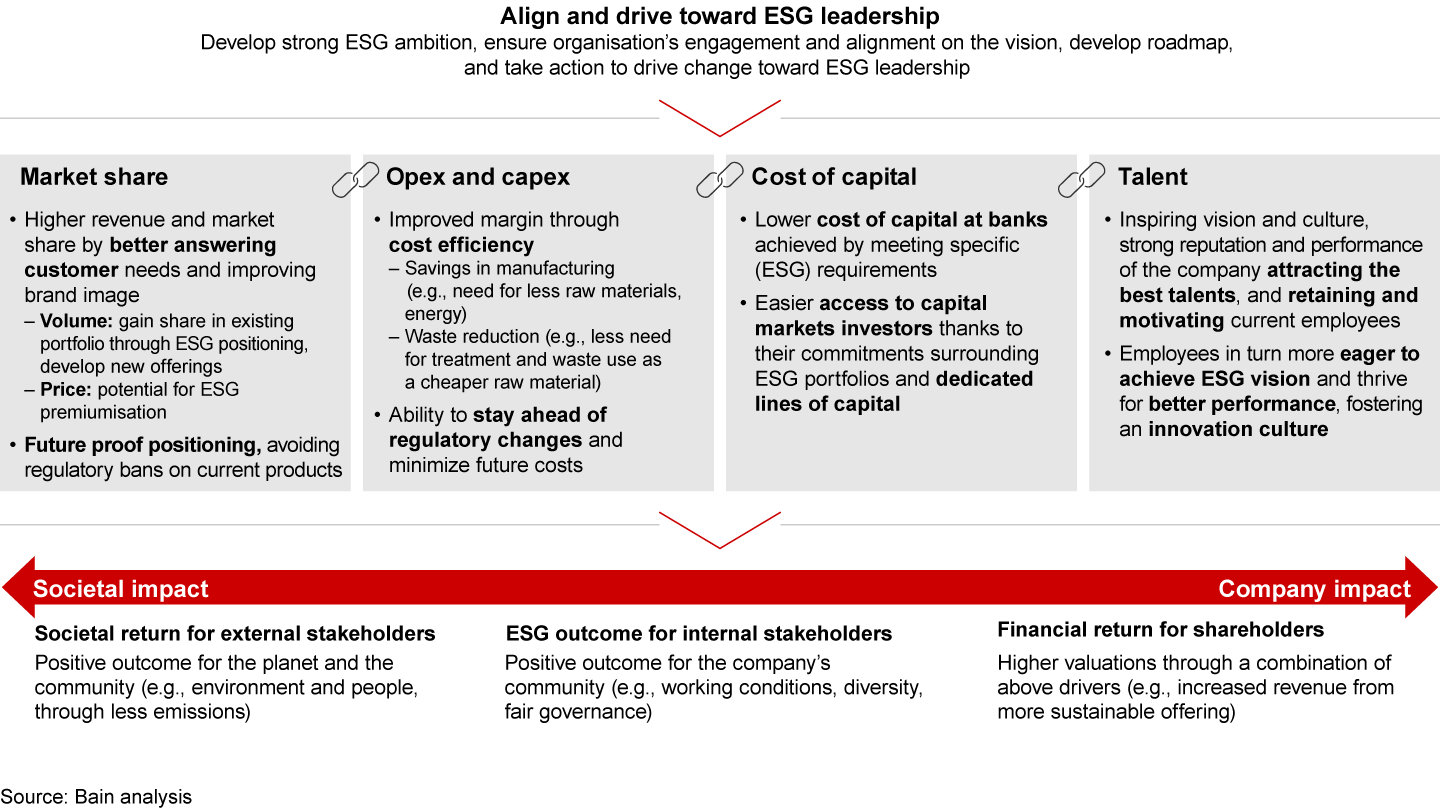
2021 saw many themes from the previous years continue. The strong deal flow from previous years continued and accelerated even further, with an 87% increase over last year’s volumes. The number of large cheque size investments also witnessed a significant increase. 11 investments of more than $1 billion were seen in 2021, compared to 6 in 2020. Much of 2021’s deal activity was in consumer tech and IT/ITES, an indication of the expanding share of growth captured by the tech and internet sectors. The two sectors combined represented more than 60% of the year’s deal value at nearly $44 billion, and represent the sector’s resilience and attractiveness through uncertainties as business models in these sectors adapted faster than traditional models in other sectors. Further, VC and growth equity surpassed all growth estimates, soaring to $38.5 billion from approximately $10 billion in 2020. In parallel, the momentum in exits and the shift away from China were new trends that unfolded. Secondary sales, public market exits, and strategic sales all picked up, and the average size of exits across these routes have seen a significant expansion since 2019. 2021 also saw a massive increase in valuations, as a seller-friendly market emerged with huge multiples for heightened growth, especially in the tech and internet sectors. Another important trend was the attention to environmental, social, and governance (ESG) criteria in investing, as assets under management (AUM) for ESG funds scaled up. This trend is expected to accelerate in the coming years as ESG becomes the norm rather than the exception. A survey amongst Indian funds revealed that they expect ESG considerations over their PE AUM to grow to 90% in five years from now, up from 39% five years ago. Led by Carlyle’s $3 billion deal into Hexaware and Blackstone’s $2.8 billion Mphasis deal, IT/ITES witnessed a significant expansion in 2021. Larger deals were unlocked in 2021, and valuations were higher by 25%–30% over past averages. Five deals of more than $1 billion were also seen for the first time in a single year in the sector. The IT/BPO subsector saw significant traction within verticalised business niches and benefited from the convergence of tailwinds enabled by pandemic-induced business transformation agendas. Market opportunities in digital IT services are expected to grow at 18%–20% and will invite larger investments into the sector. Healthcare witnessed increased traction in 2021. Healthcare provider activity picked up from 2020’s lull as Covid-induced operational stresses reduced, while pharma managed to maintain the deal values unlocked last year. The provider space, including hospitals, single speciality formats and diagnostics grew 2x over 2020’s invested value, with the Manipal-NIIF and Apollo-Sands Capital deals driving a significant chunk of the deal value. The sector is driven by five discernible themes such as scale through consolidation, niche speciality play, out-of-hospital (or daycare) formats, high-end speciality diagnostics & AI, and platform play for operational efficiencies. In the most celebrated milestone for 2021, exits worth more than $36 billion were unlocked. Strategic sales constituted 50% of the exit volumes, while the share of value was almost equally split across secondary sales, public market exits, and strategic sales. Strategic sales were anchored by a few marquee deals, such as BillDesk acquisition by PayU at $4.5 billion and Tata’s acquisition of Bigbasket at $1.3 billion. However, initial public offering (IPO)-led exits stole the show in 2021. In a significant milestone, the Securities and Exchange Board of India relaxed norms for loss-making firms to list on the public bourses, paving the way for future public market exits and clearing a significant roadblock that had existed for years. In a vindication of the importance of this move, public market exits worth $11 billion took place, expanding by $7 billion over 2020’s value. This is further emboldened by the 95% year-over-year (YoY) growth seen in average value of exits via the public market route. Exit multiples continued to increase with the average reported multiples growing by 20% to 5.6. Key exits in consumer tech, IT, and BFSI, such as TPG-Nykaa, Baring-Hexaware, and Carlyle-SBI Cards significantly surpassed the average. Furthering the moderation of public markets due to inflation and global uncertainties, exit momentum is expected to temper in the near term, especially with the portfolio age for major funds declining post-2021’s activity. The depth witnessed in the exits market across all routes in 2021 is expected to provide buoyant exits in the longer term, after a temporary slowdown. The competitive landscape within PE is undergoing some important shifts as the Indian market becomes more mature and the number of active funds increases. The competition within funds and increased participation of limited partners (LPs) are driving up valuations and making deal sourcing and faster execution increasingly critical. Funds are shifting their strategy to adapt to these changes by expanding cheque sizes, investing in deeper target relationships, and increasing value-creation capabilities, especially by setting up portfolio teams. Traditional funds are increasingly seeking buyout opportunities, with Blackstone, Baring, Carlyle, Advent, GIC, and KKR each investing more than $1 billion each in buyouts over the last three years, with an increasing outlay over years. Buyouts are attractive as they give funds more control over value creation for high-value deals—enabled through operational turnarounds and deep sectoral focus. We expect to see more such differentiated fund strategies as India’s market attracts more investors. As India-focused funds look toward the next phase of the Indian investments ecosystem, they are looking to embrace ESG toward meeting net zero and responsible investing goals. Leading funds are expected to pave the way for other funds to follow toward improved shareholder return while maintaining or improving the resilience of immediate stakeholders and society. The path forward will see funds generating differentiated value from their ESG interventions as they pivot from a risk mitigation view of ESG to a value-creation view of the same, and we expect ESG leadership to emerge as a key priority for funds going forward. After an exuberant year for both deal activity and exits in 2021, the outlook for 2022 is expected to be sobering. The global economy entered 2022 coping with macro stresses of runaway inflation, global political uncertainties and escalating tensions, supply chain disruptions, and calls for urgent climate action. The market sentiment has been further dampened by the crash in blue chip tech stocks in the public markets which has eroded the optimism around tech & internet businesses that saw them at extremely high valuations in Q4 2021. Domestically as well, funds in India are anticipating corrections from last year’s high valuations and frenetic activity across deals and exits. We anticipate a significant tempering of pace as these macro and micro trends converge, but see this as an opportunity for the consolidation of last year’s gains which should make India see annual PE-VC deal values of around $50+ billion more frequently. Already in 2022, even as the bullish sentiment has waned, more than $24 billion of PE-VC investments in ~630 deals were recorded by May (vs. 775 for ~$19 billion in value by May 2021), riding on last year’s momentum. However, VC and growth equity have slowed significantly, with 20% lesser deals this year compared to last year’s run rate of 130 deals every month. Average VC cheque sizes have also declined from $25 million to $20 million. On the other hand, private equity continues to demonstrate strength with deal count per month growing by around 27% over an annualised base of 165 deals. The average realised cheque size of $168 million this year keeps PE deals within the range of $150–$200 million seen over last five years. An important reversal of trend that is expected to last is the dampening of the vigorous exit activity of 2021 which saw exits grow 4x to $36 billion. This year has seen exit activity of $5.9 billion so far, in a 56% decline over the last year’s activity over a similar duration—and the exit activity is expected to weaken further. The bearish sentiment in public markets coupled with the younger portfolios of top funds could see exits dip to pre-2021 stages again. Even though the pace of deals is slowing down, large funds like Baring, TPG, ChrysCapital, ADIA and Warburg Pincus continue to keep pace with their activity over last year, vindicating confidence in the fundamentals of the Indian market.
Figure 1
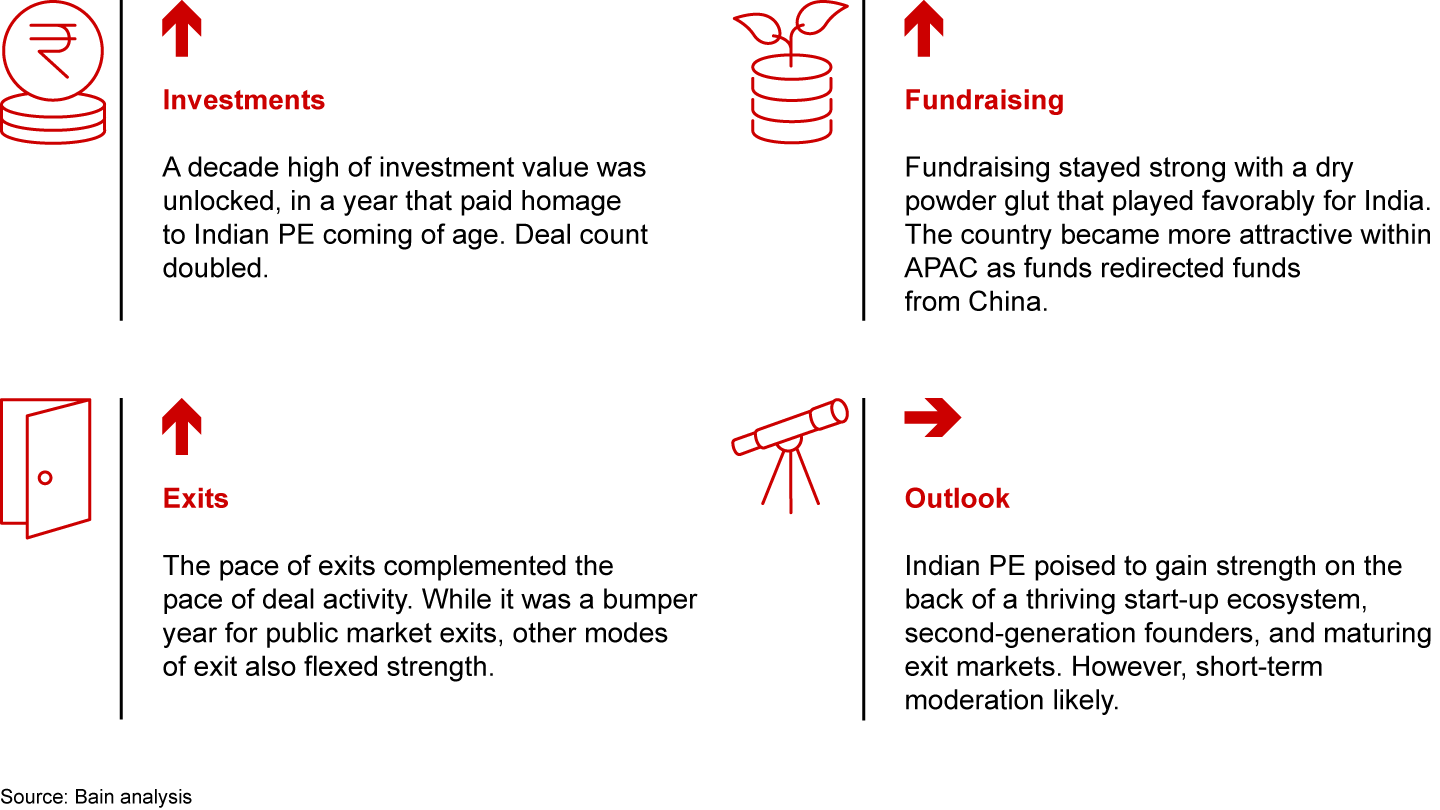

Figure 2
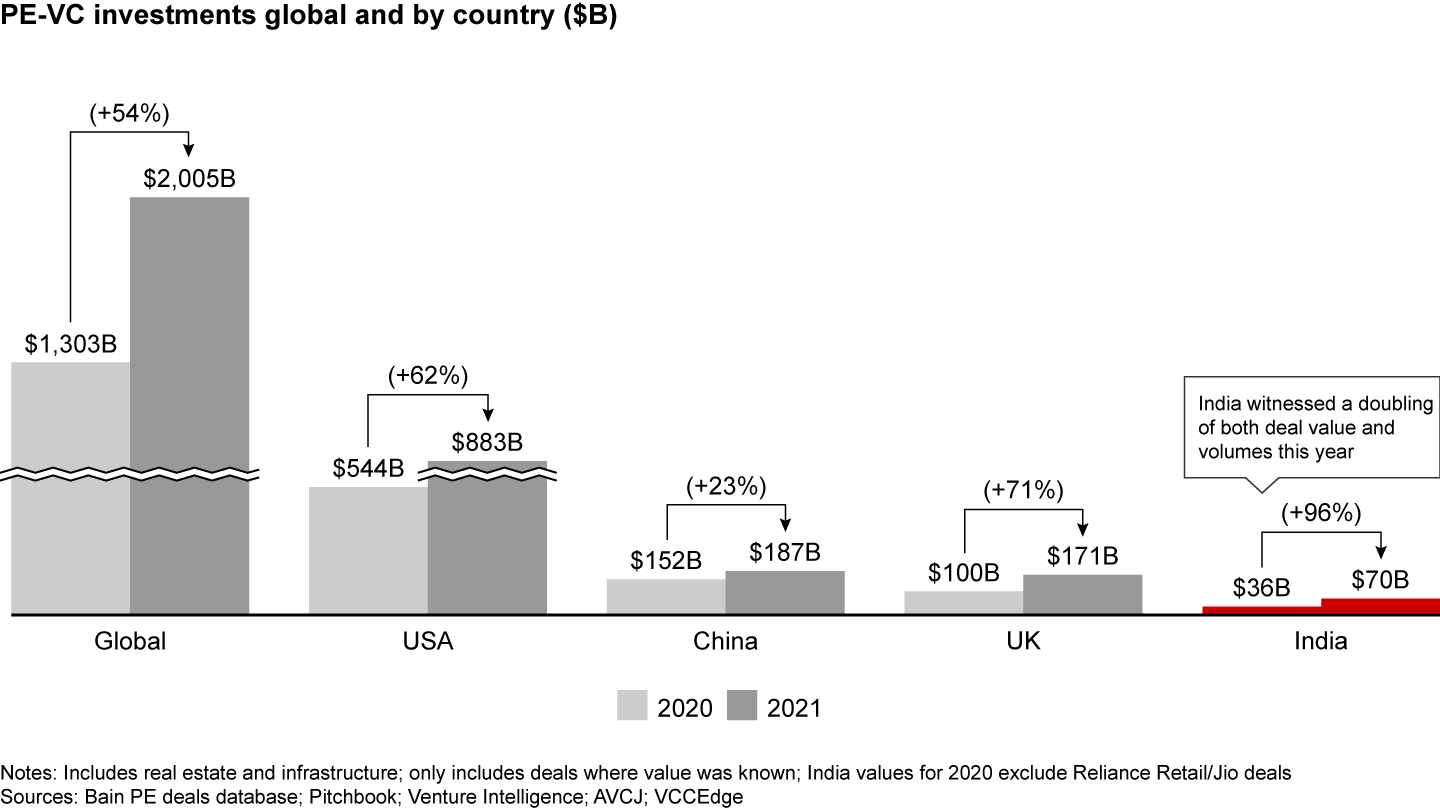

Figure 3
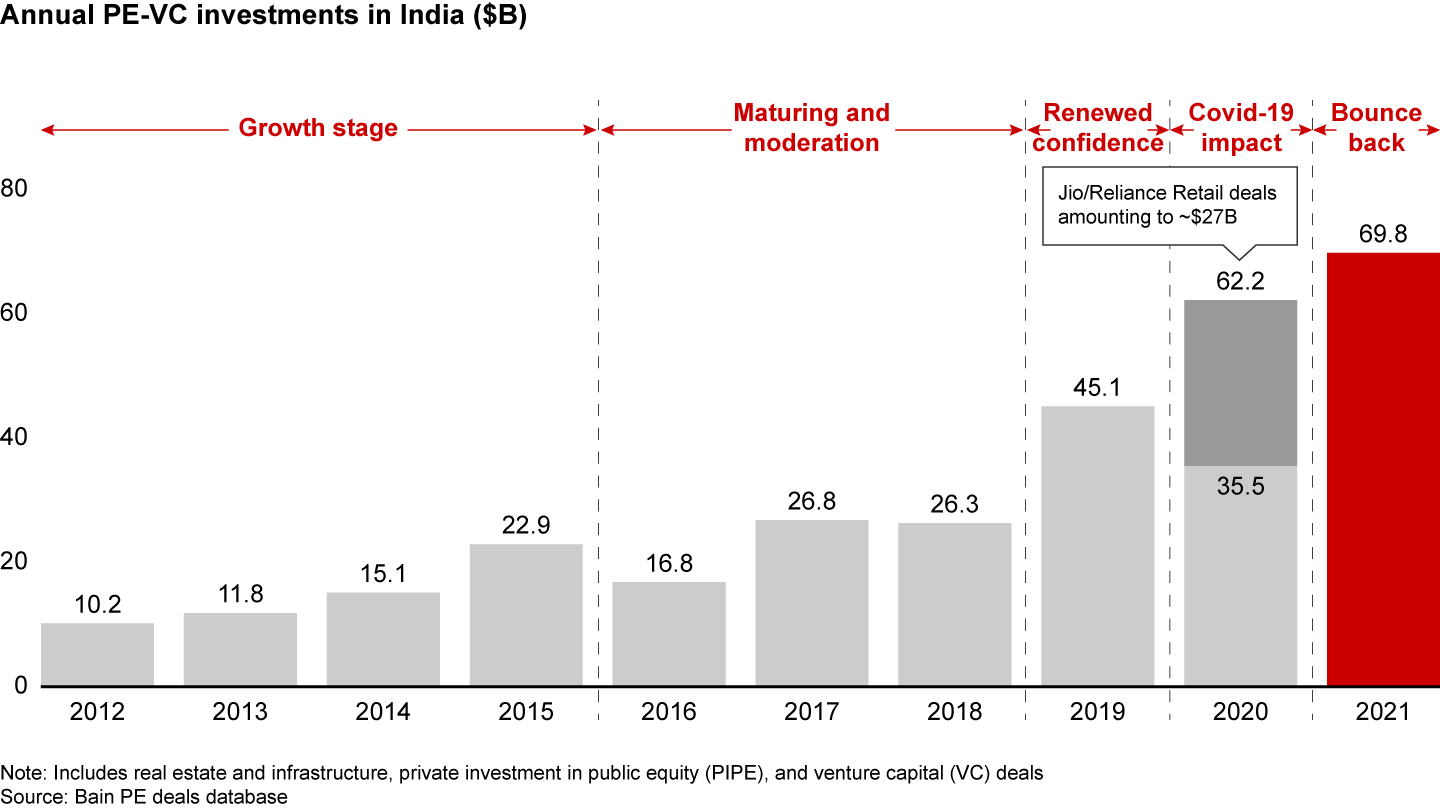

Figure 4
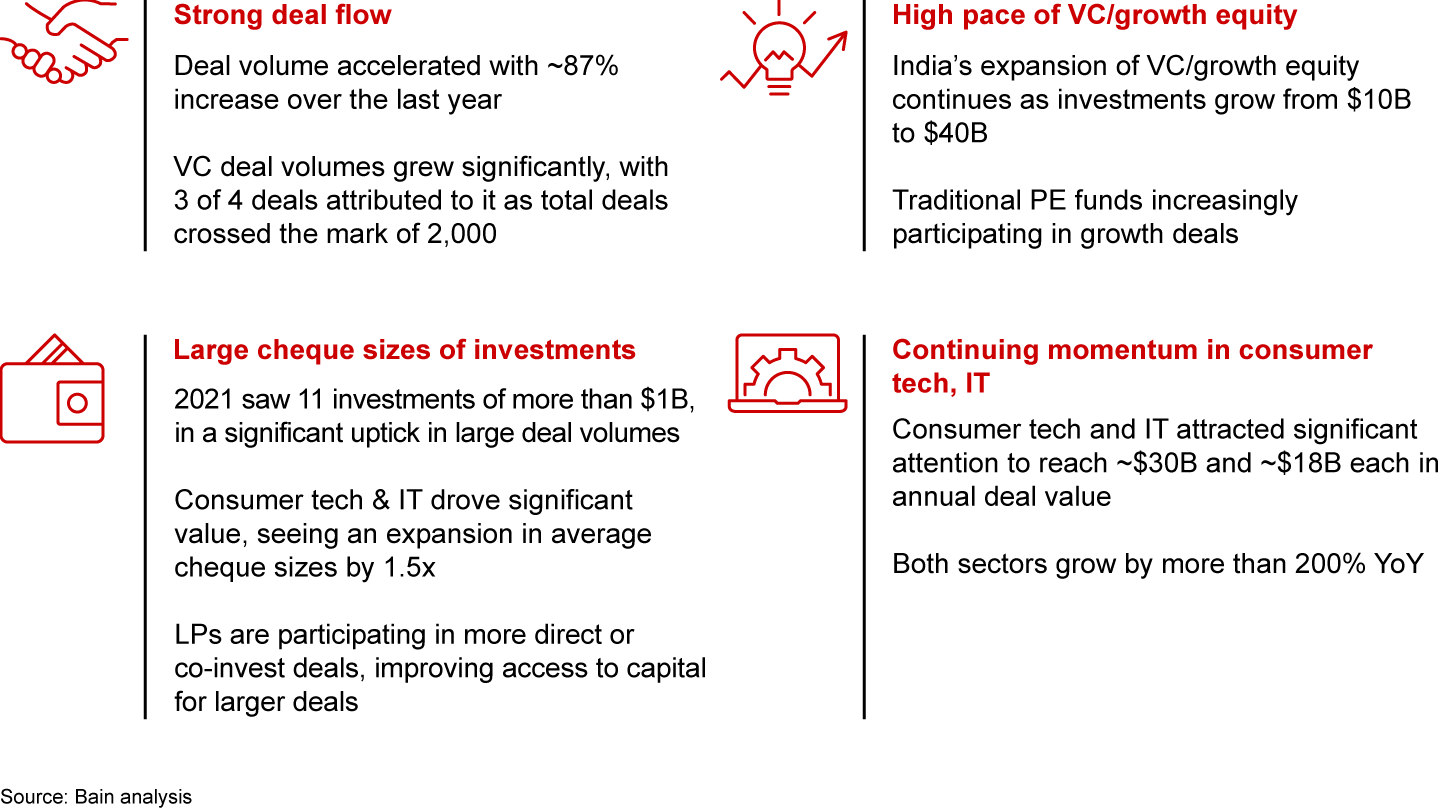

Figure 5

Deals landscape: A year of milestones
Figure 6
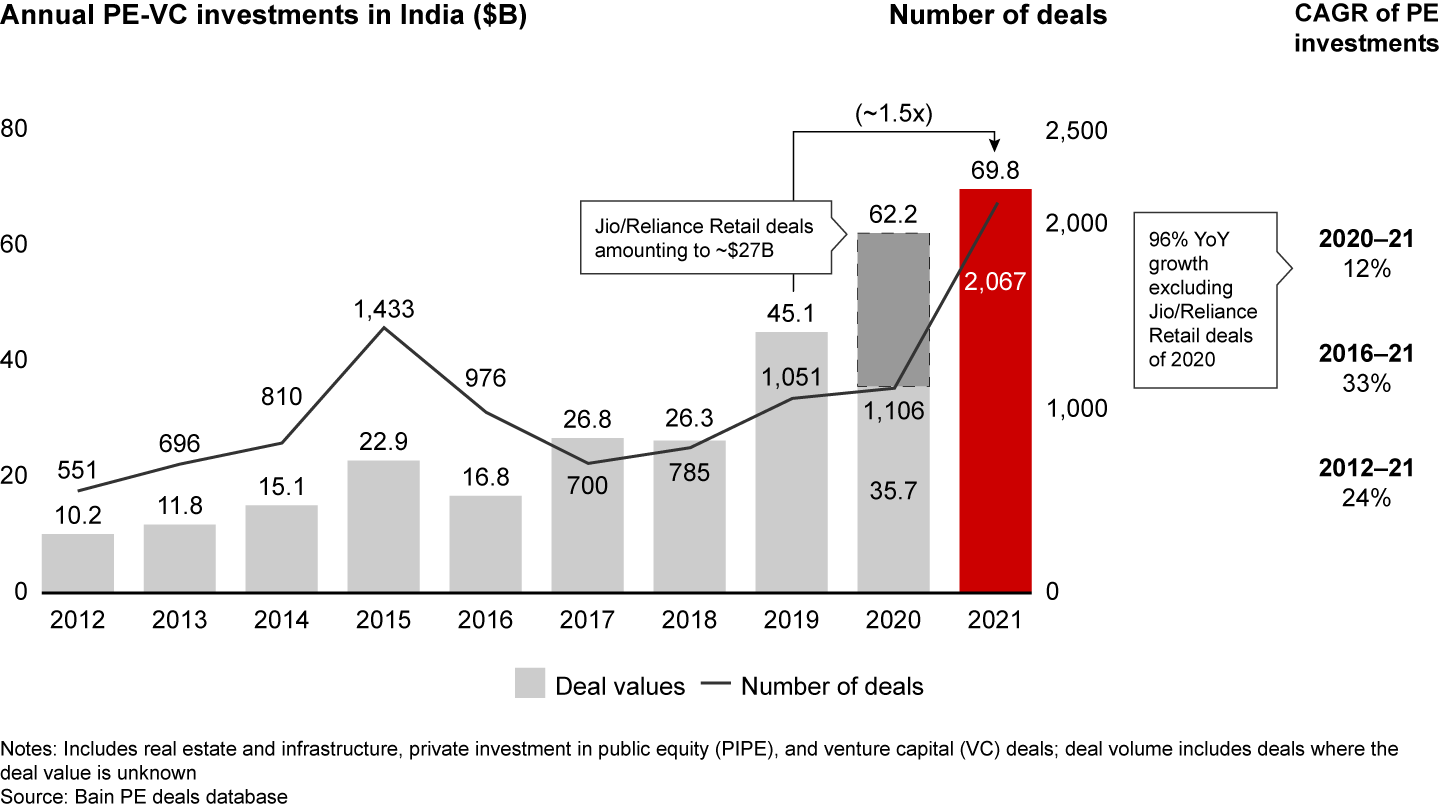

Figure 7a
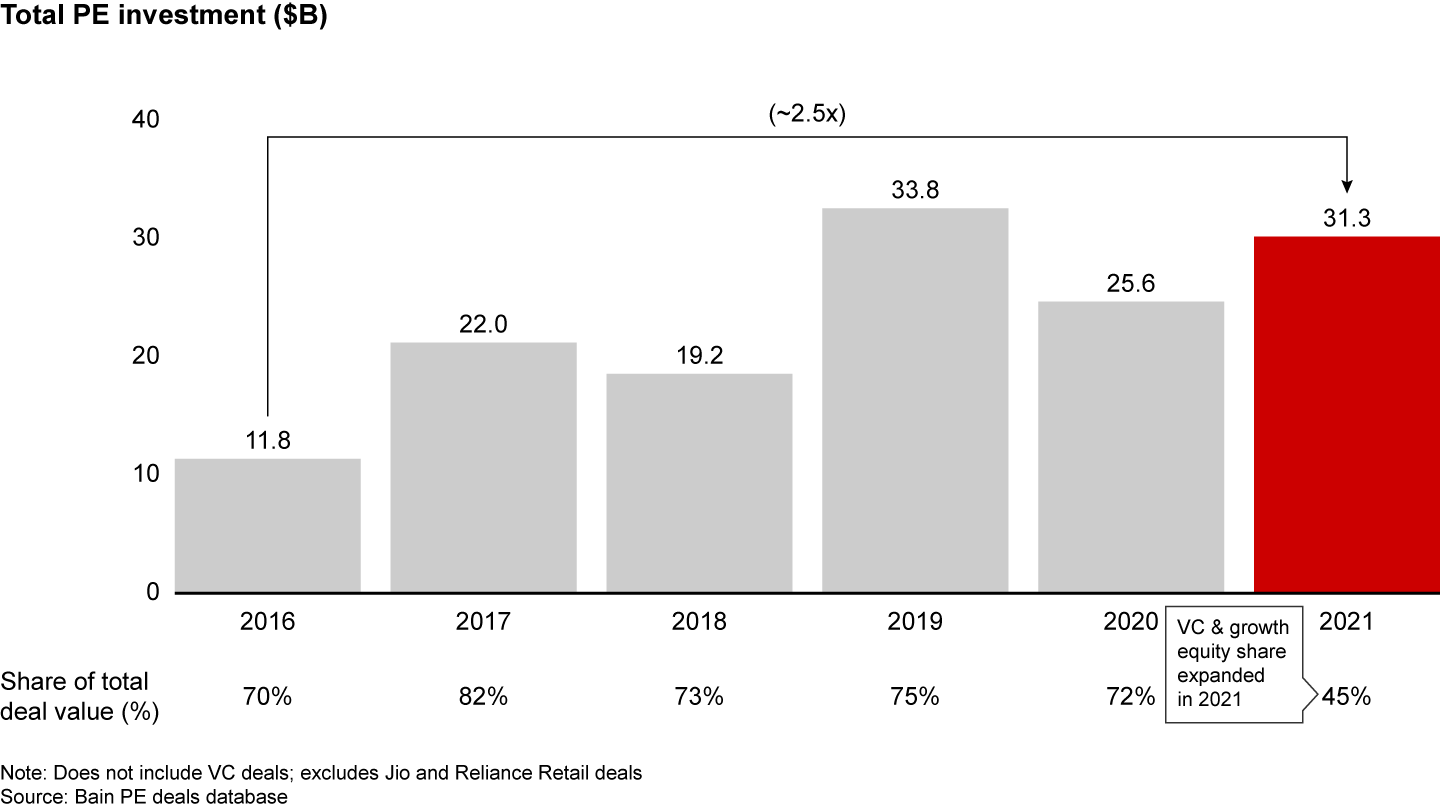

Figure 7b
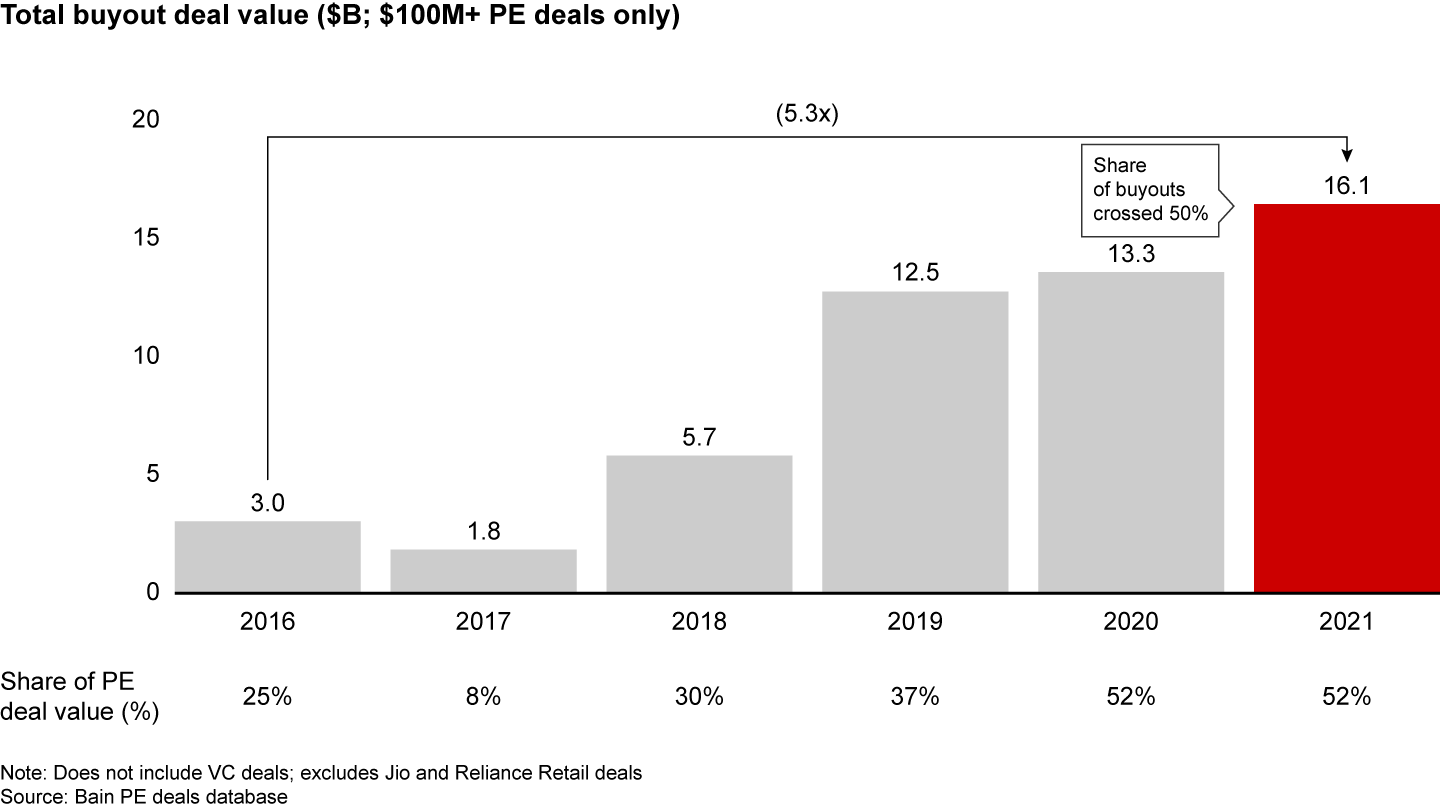

Figure 8
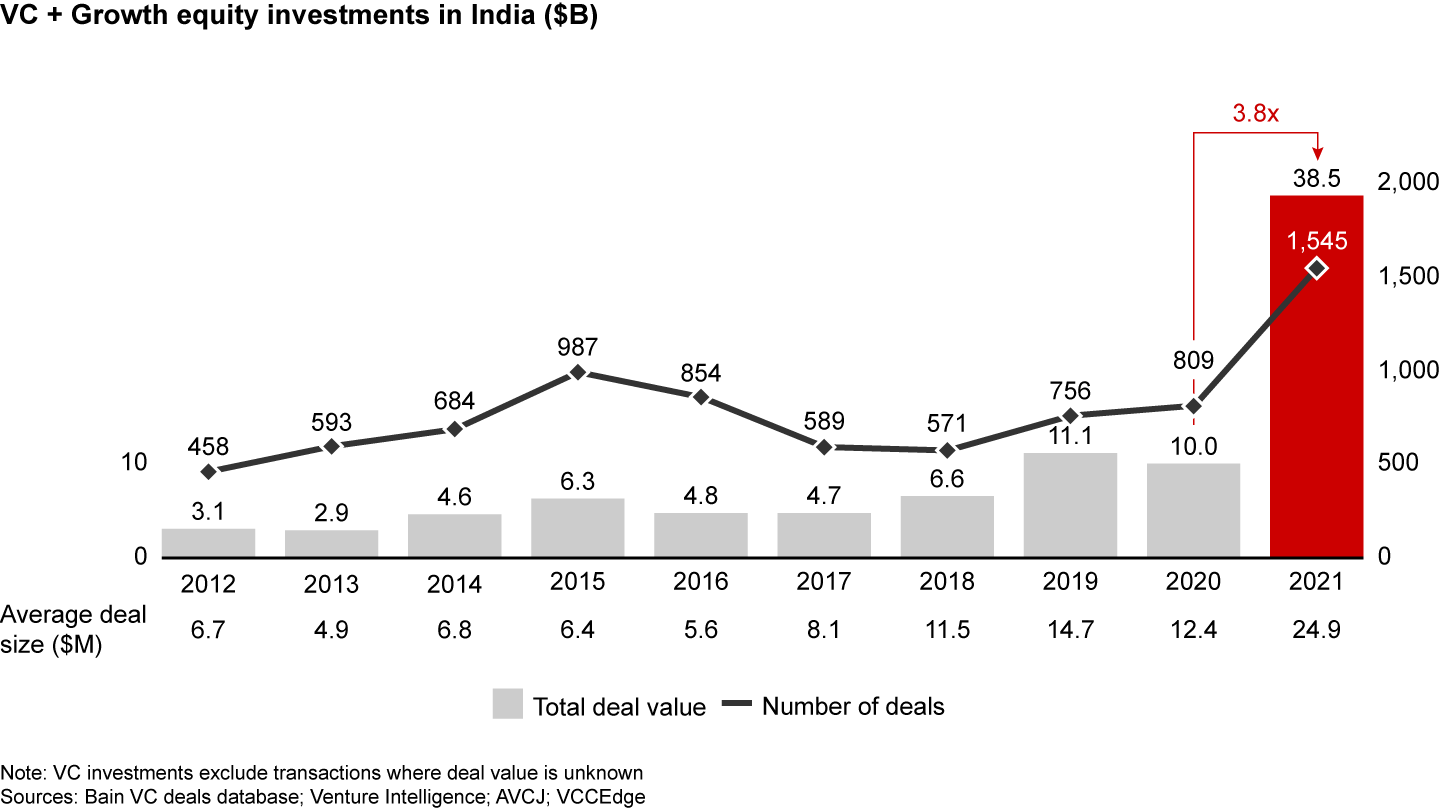

Figure 9
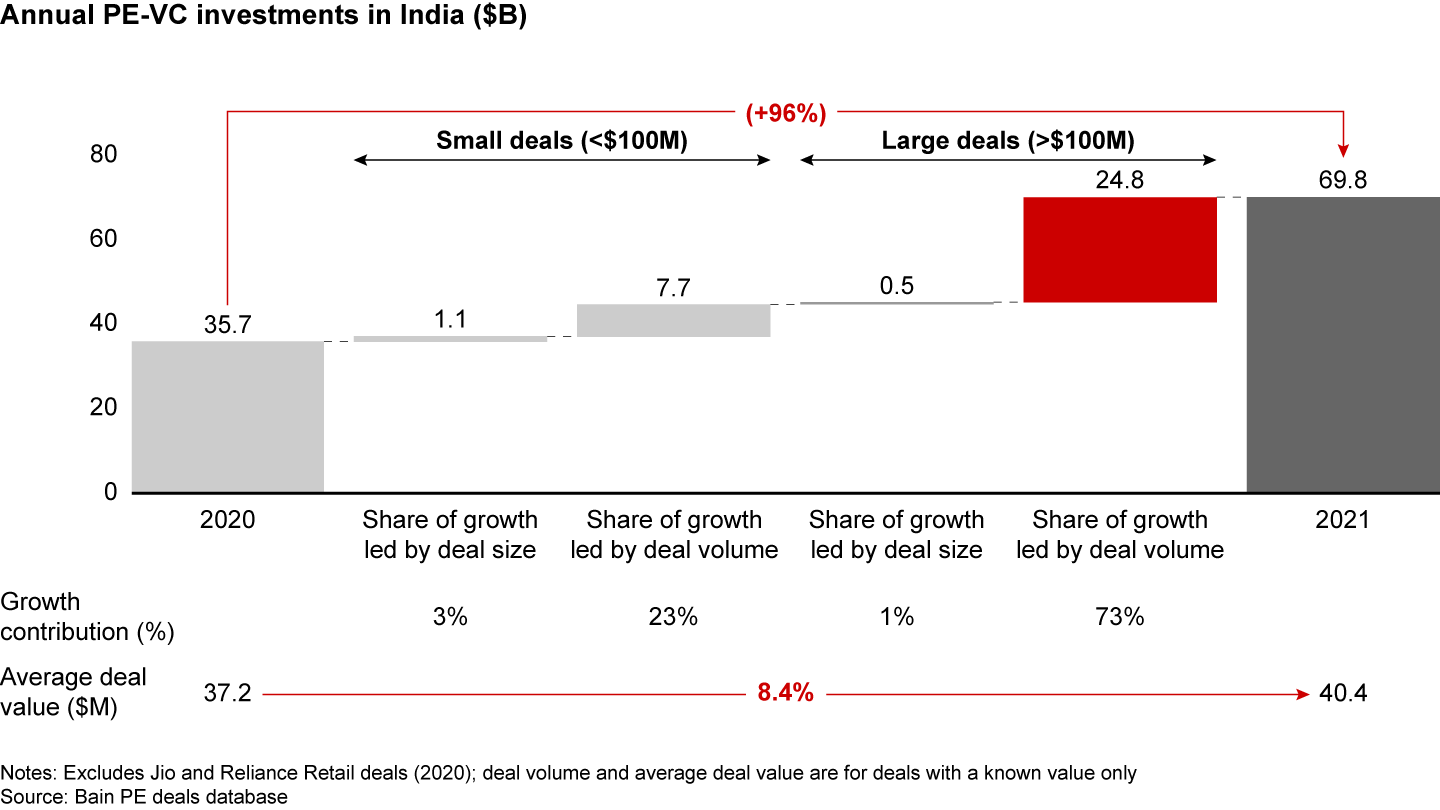

Figure 10
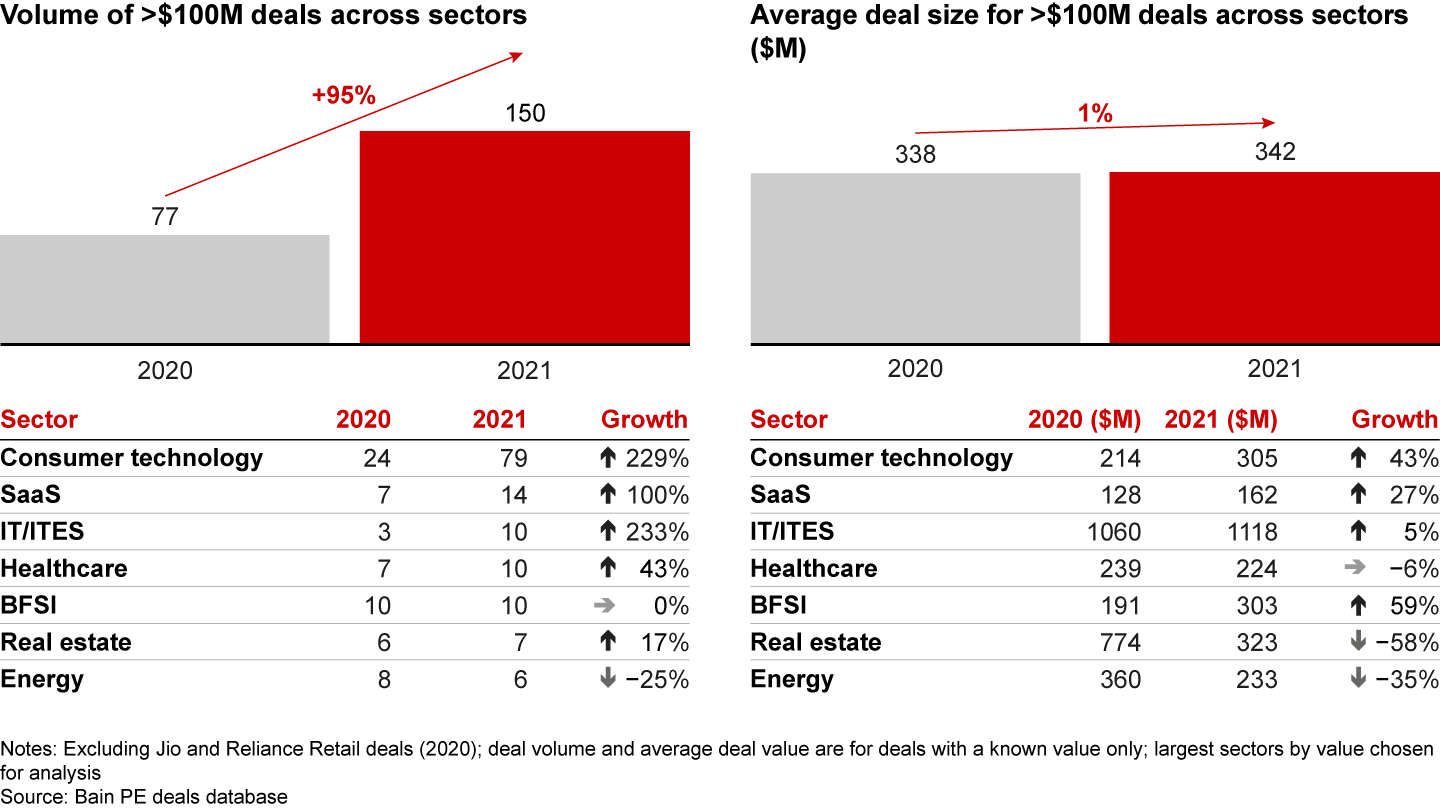

Figure 11
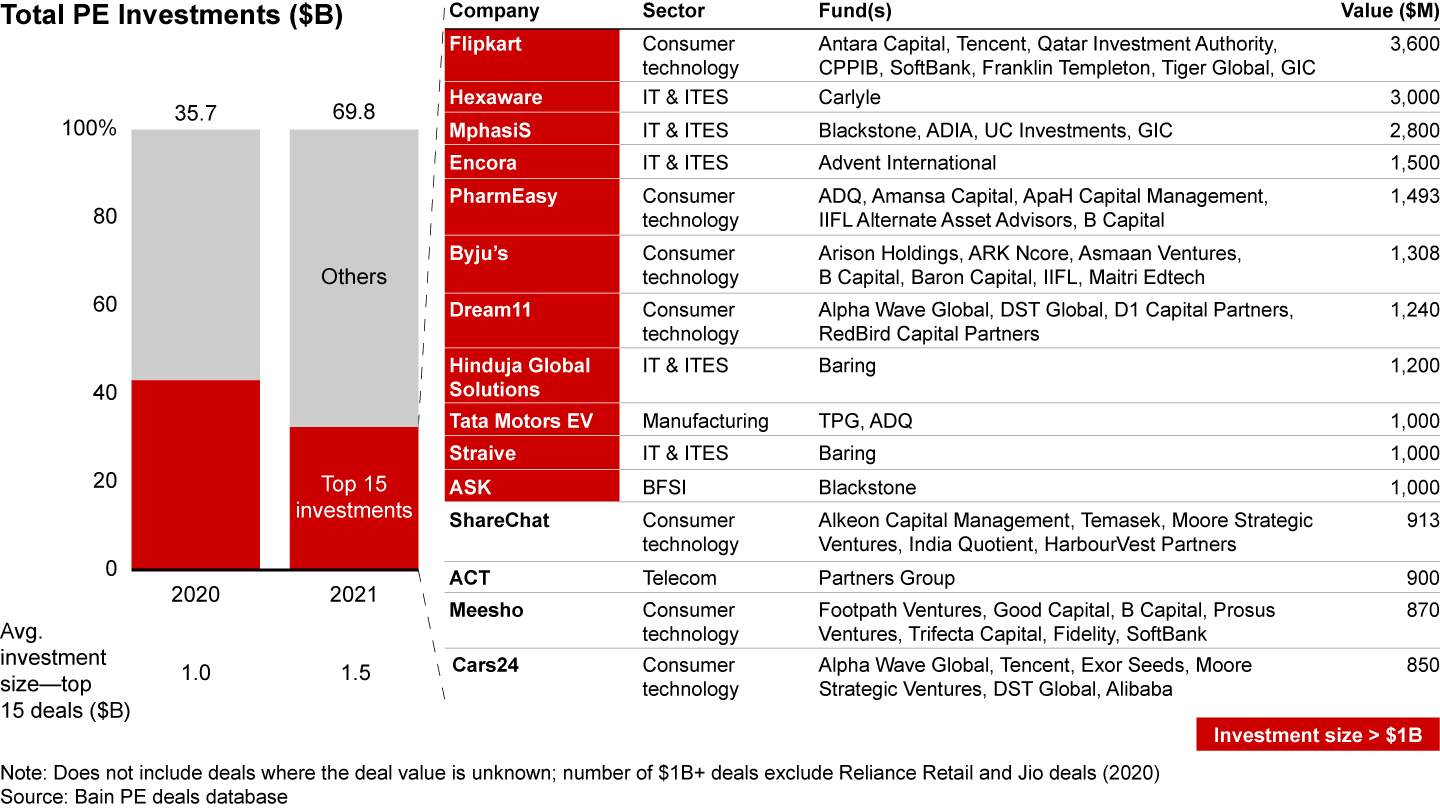

Figure 12
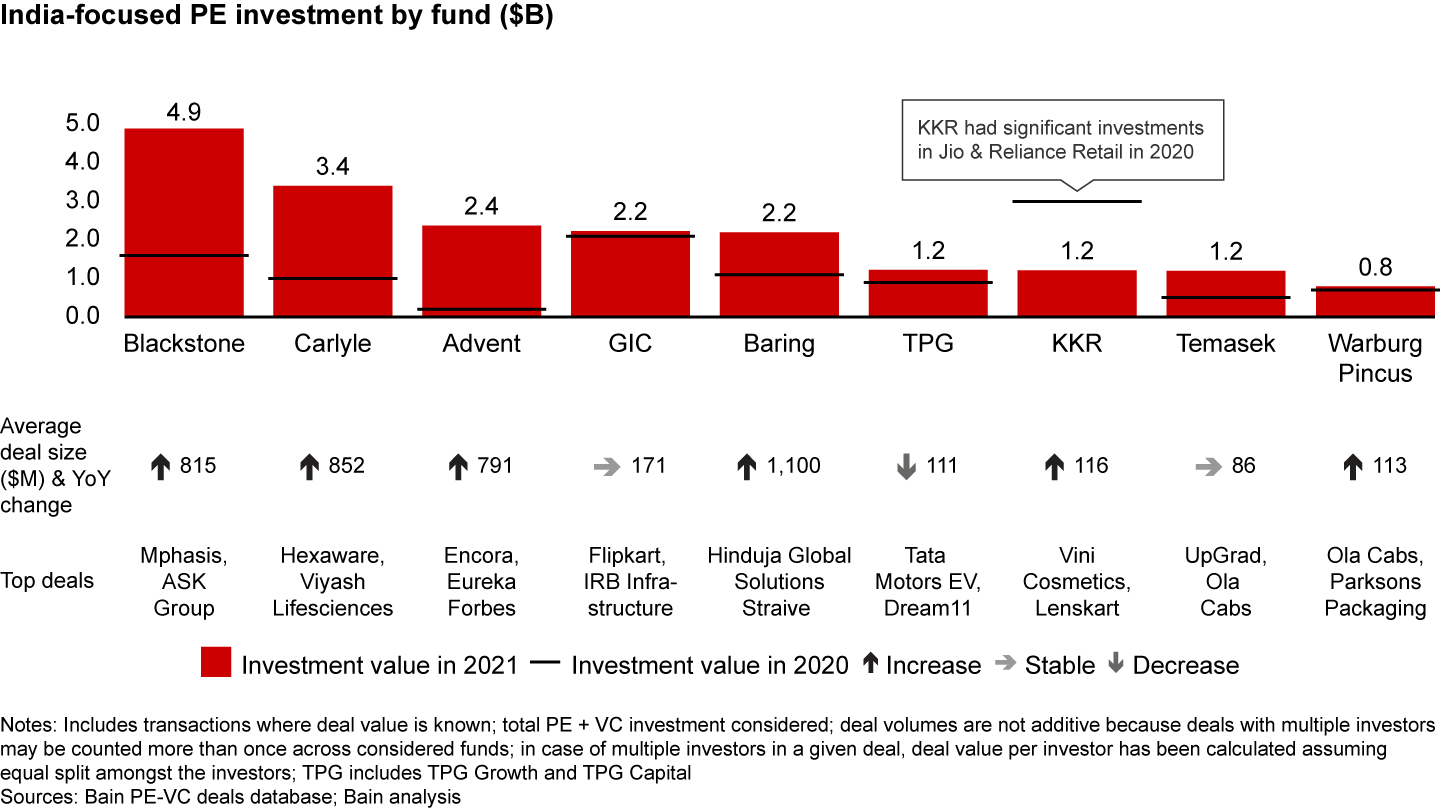

Figure 13


Figure 14

Sectors in focus: IT/ITES and healthcare—maturing ecosystems
Figure 15
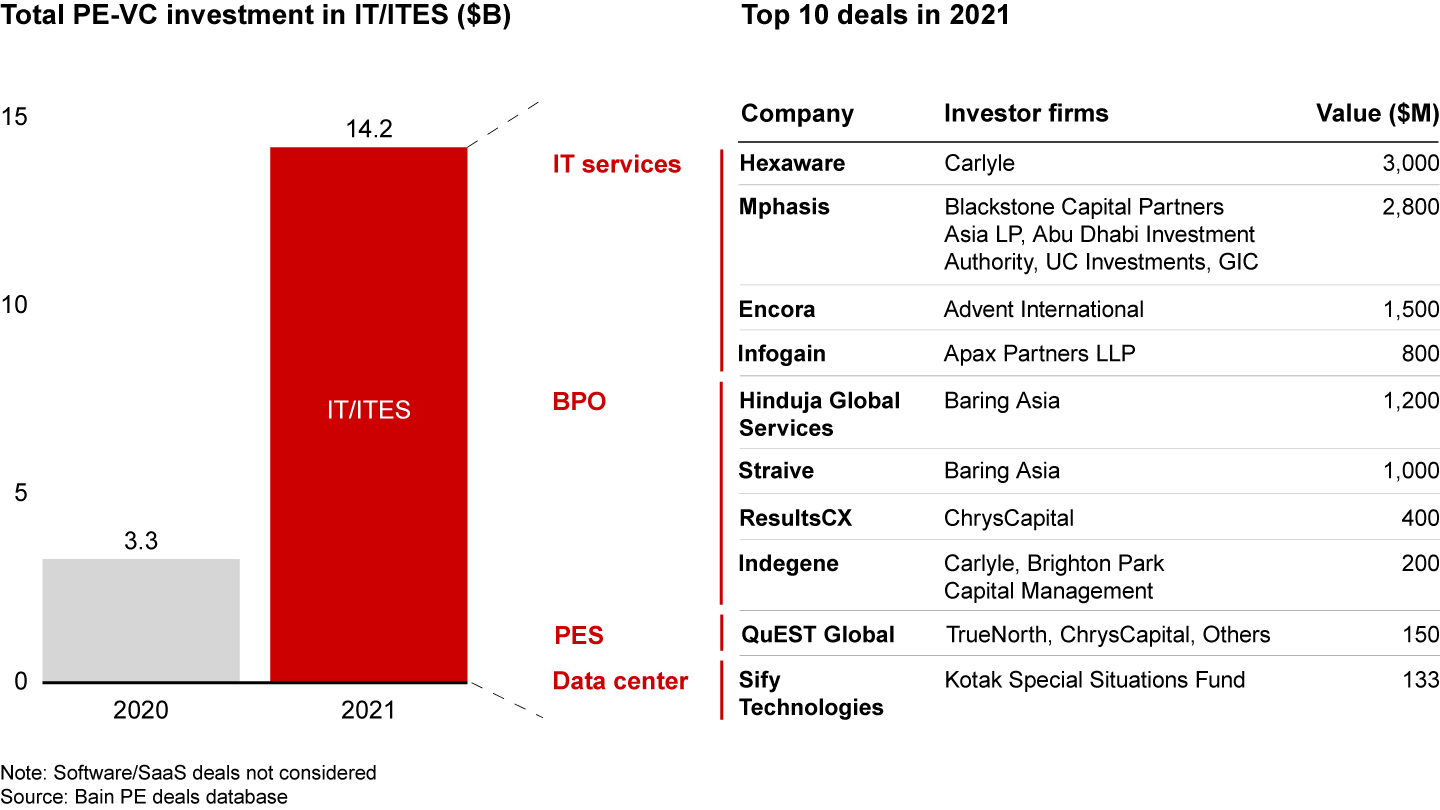

Figure 16


Figure 17
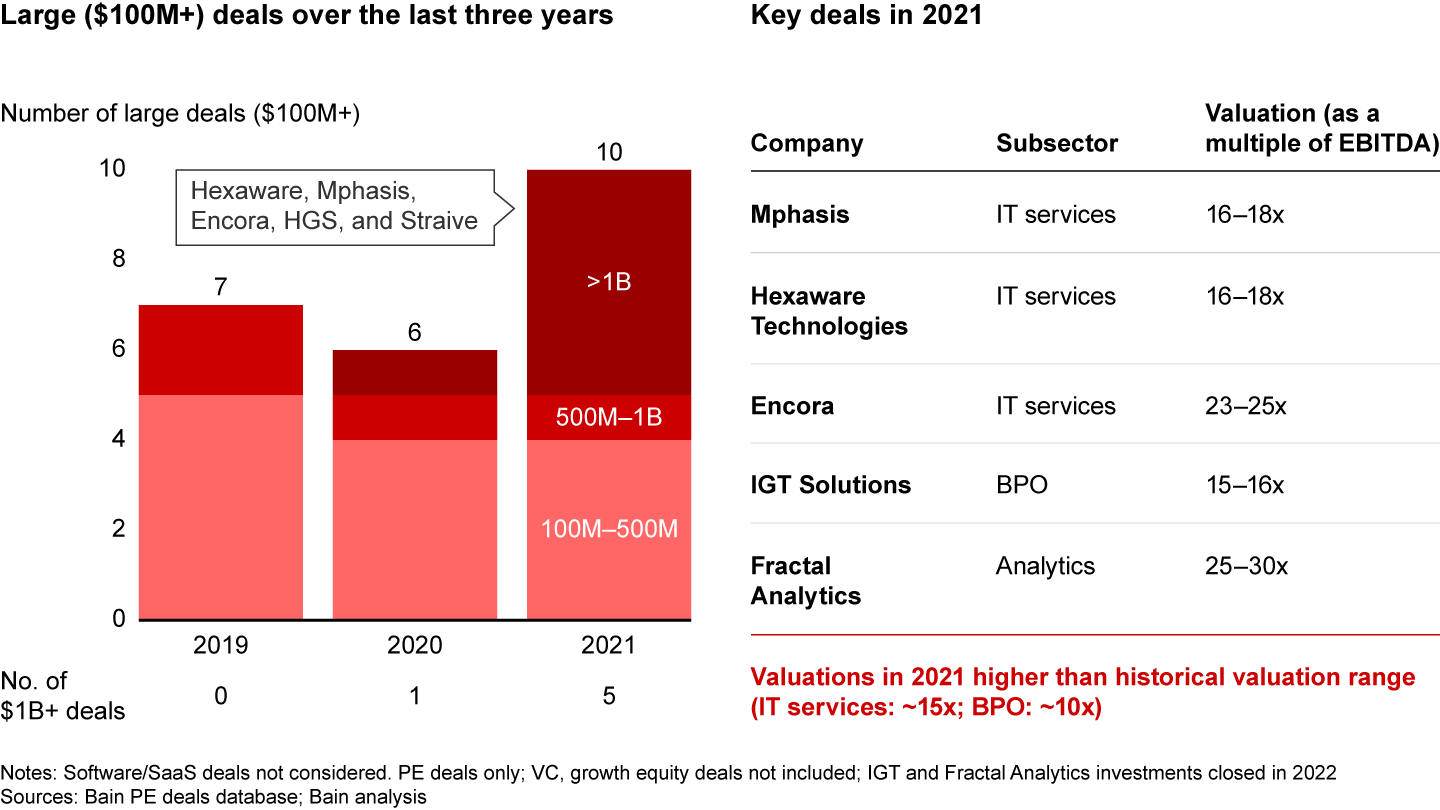

Figure 18
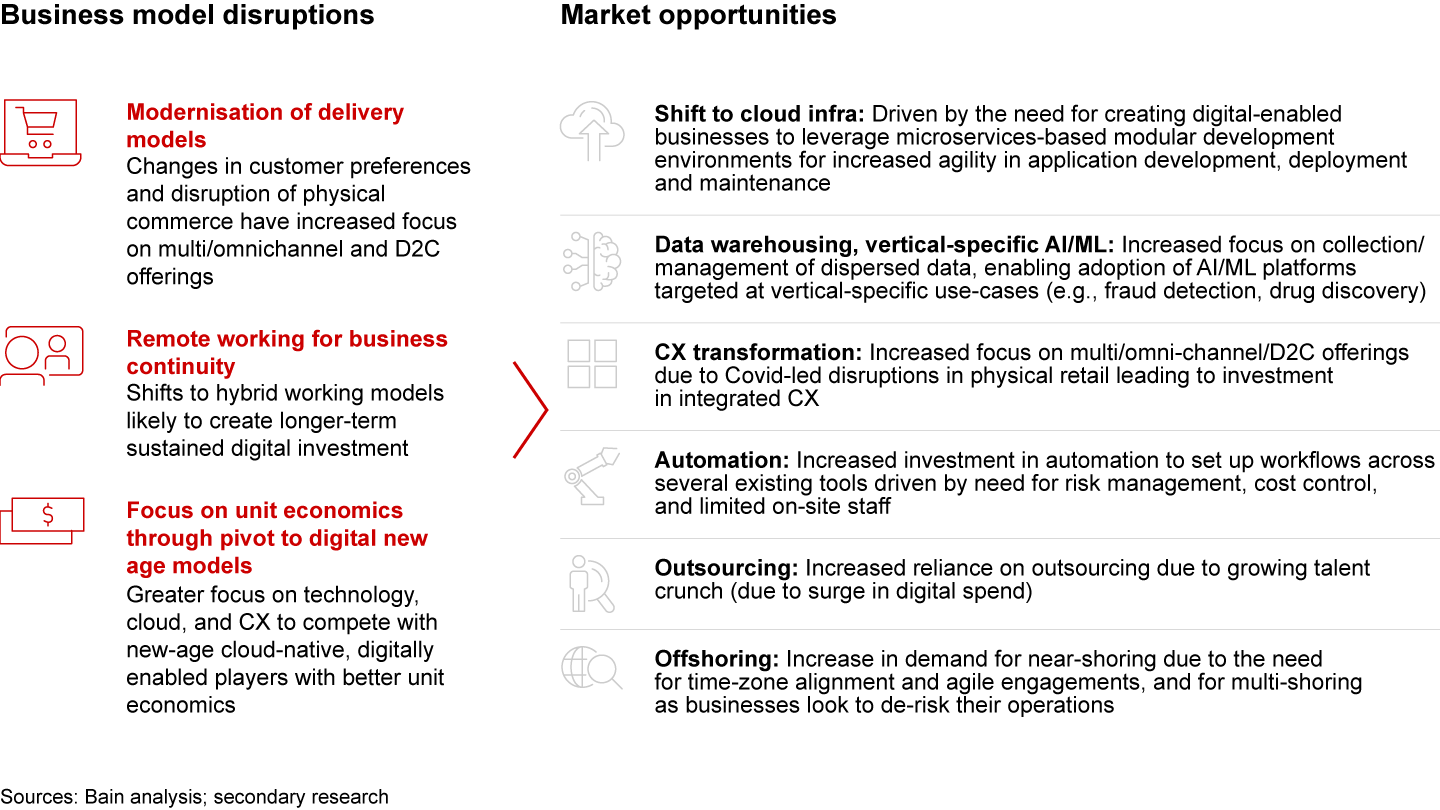

Figure 19
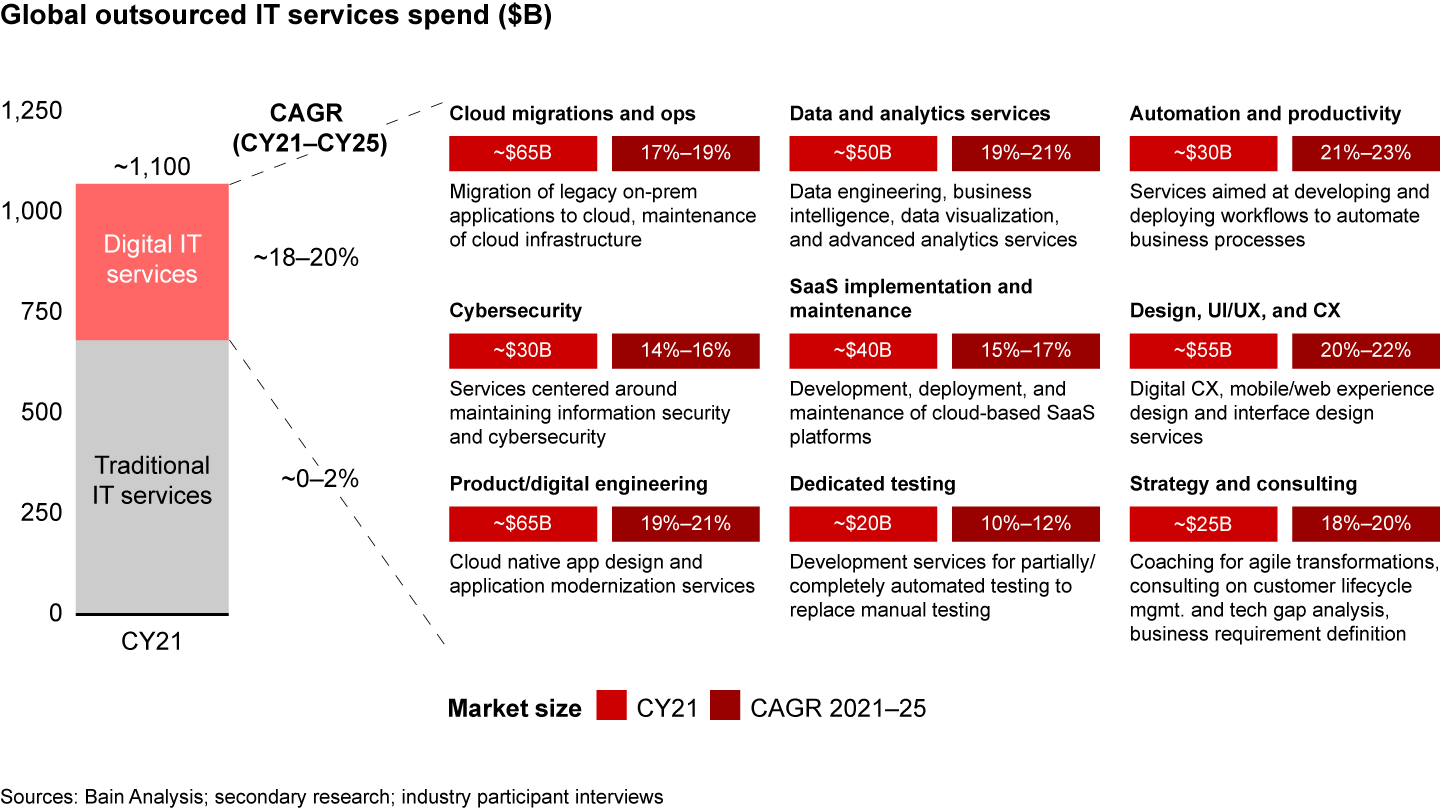

Figure 20
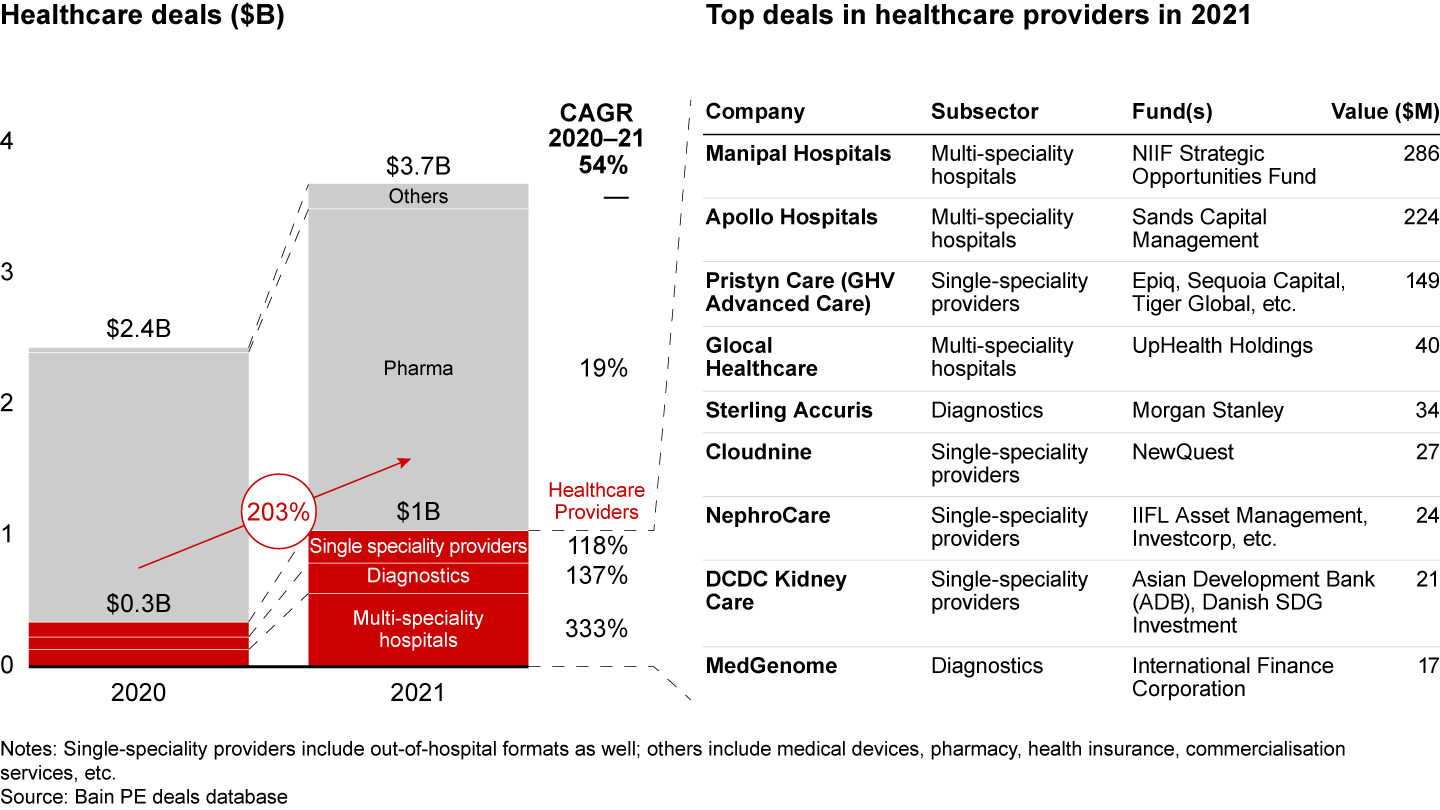

Figure 21
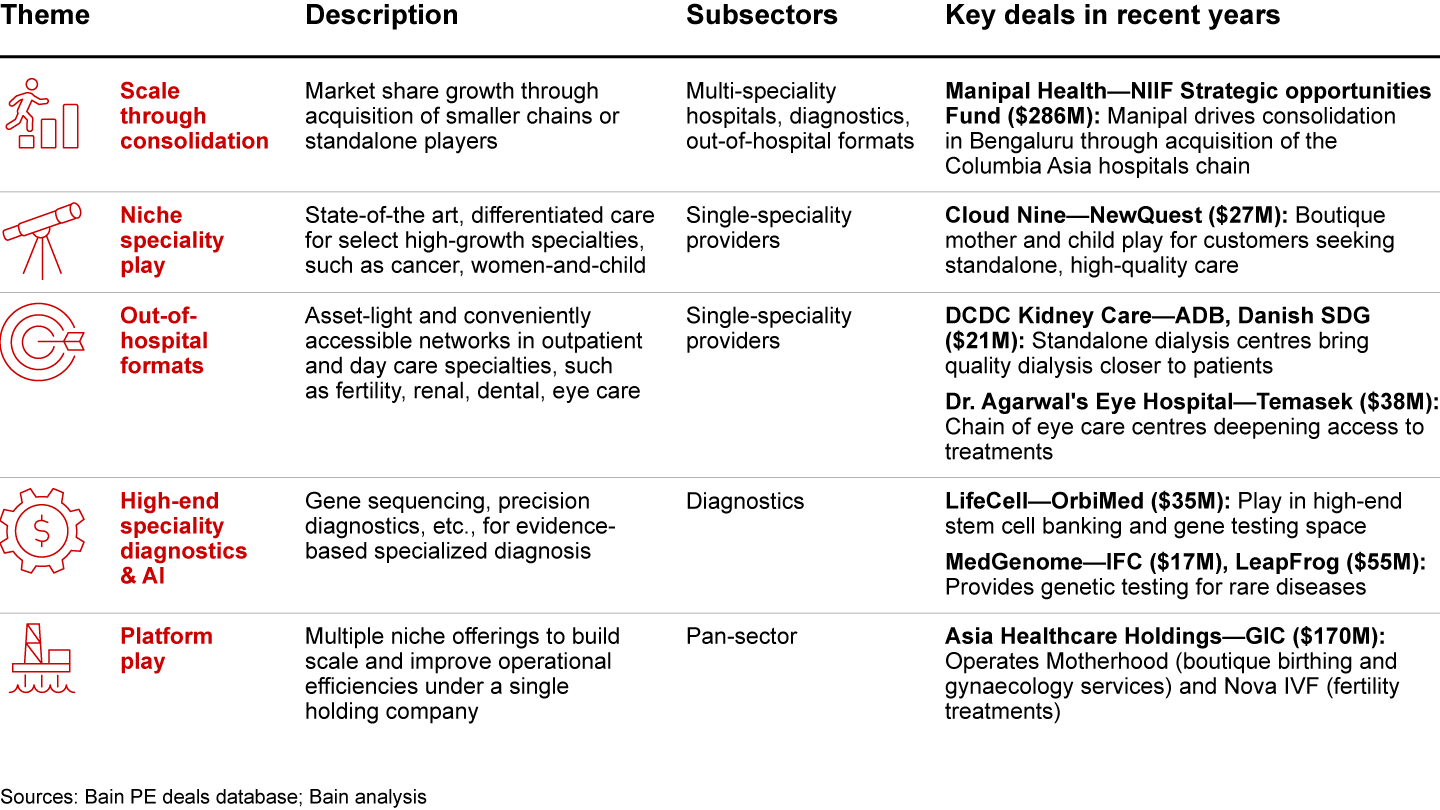

Figure 22
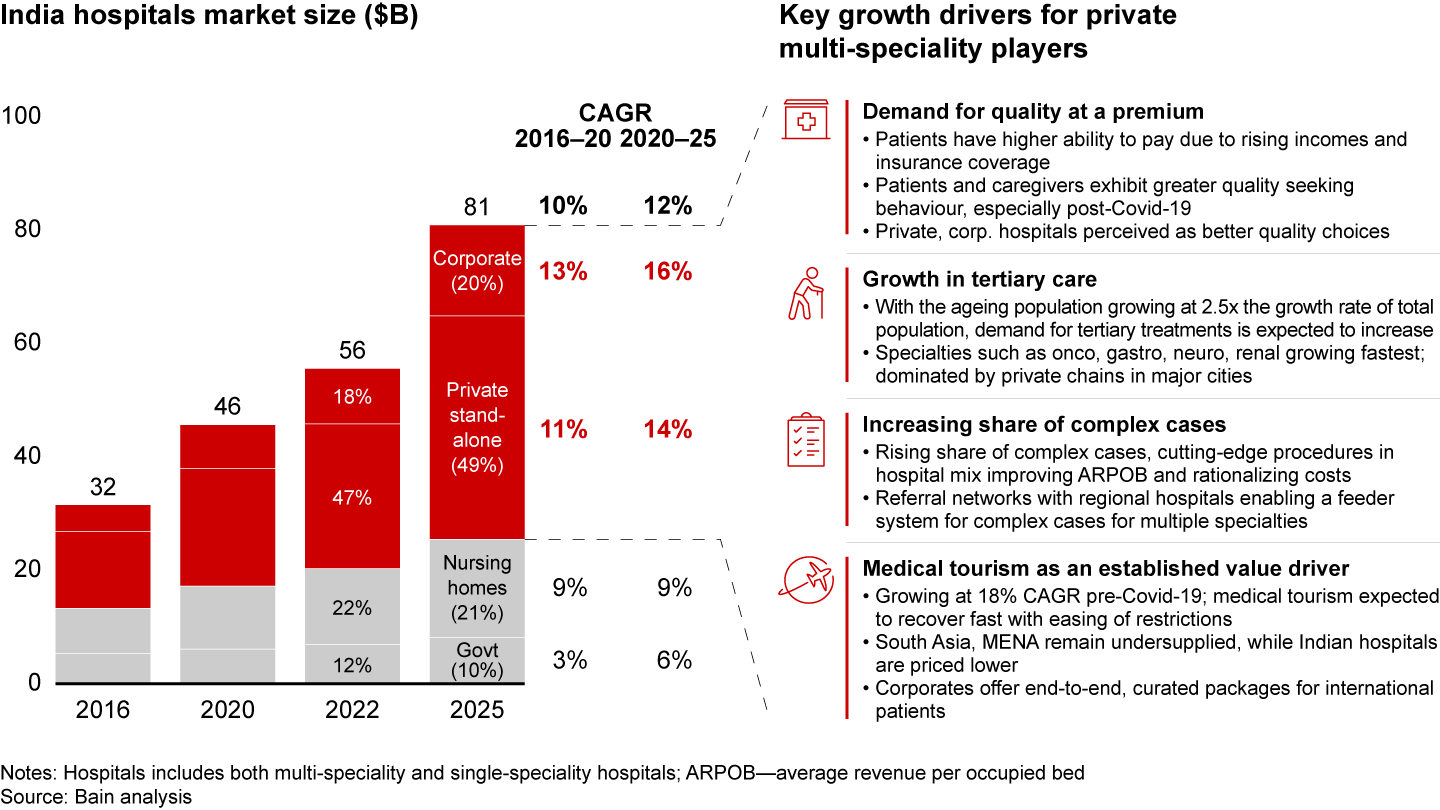

Figure 23
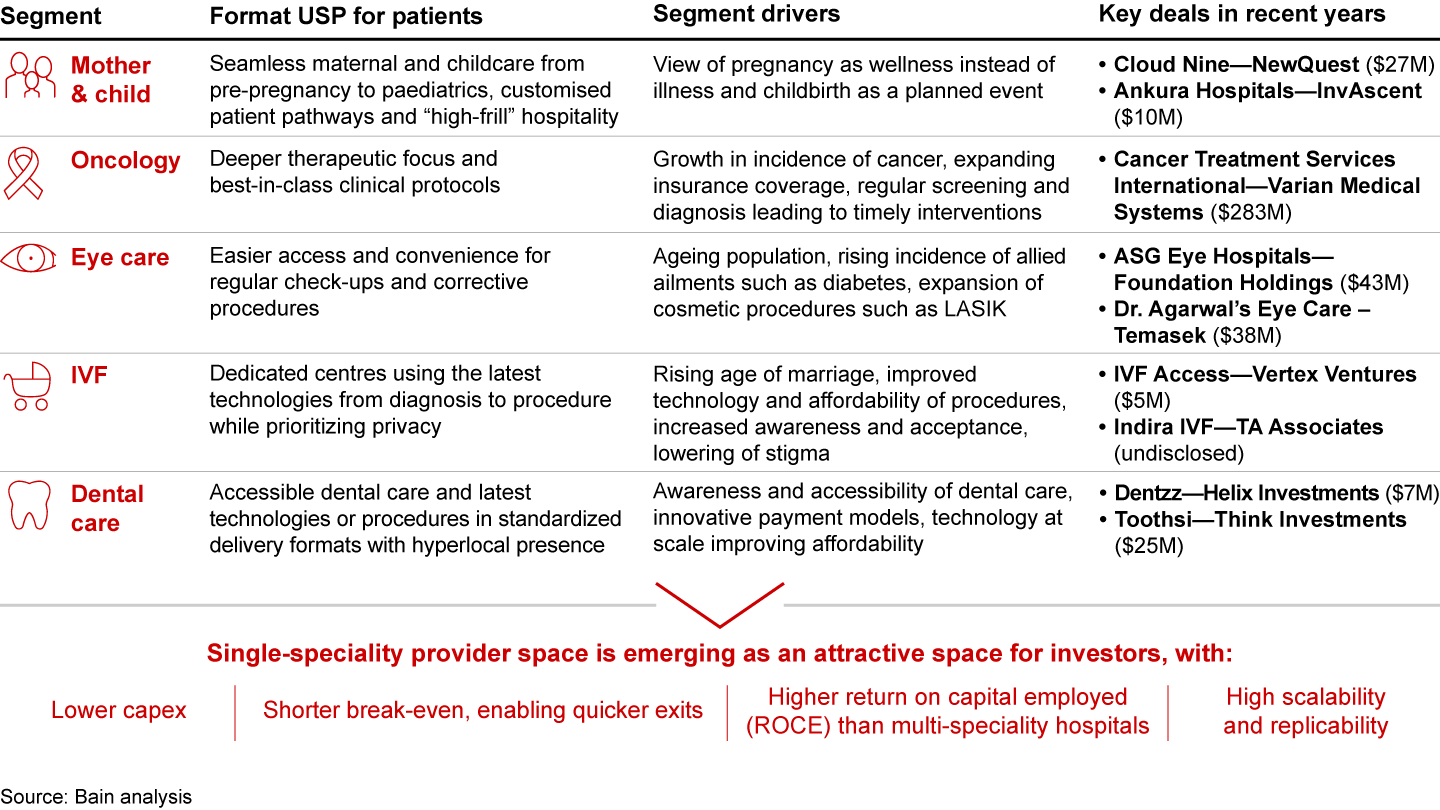

Figure 24
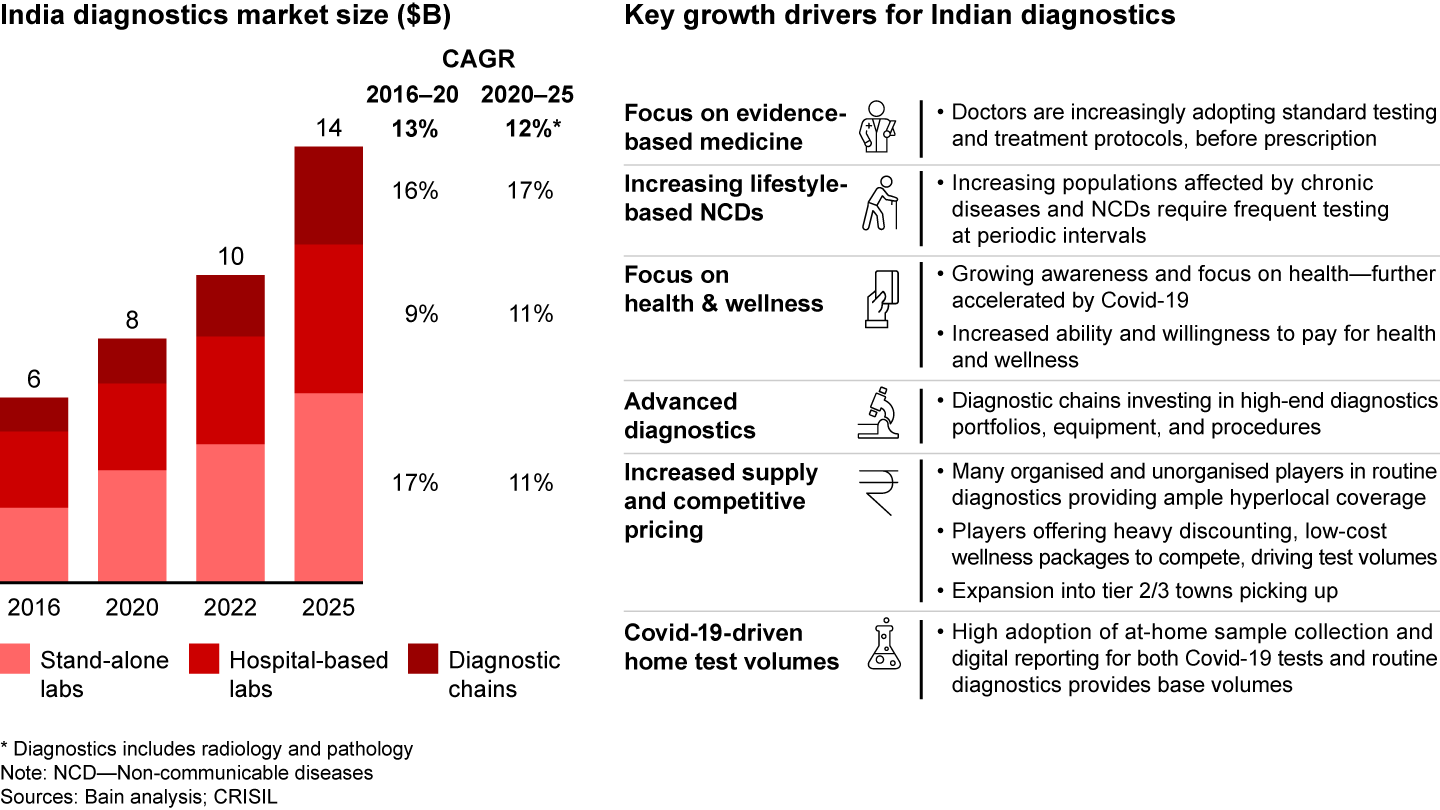

Fund landscape: An evolving investor ecosystem for value creation
Figure 25


Figure 26
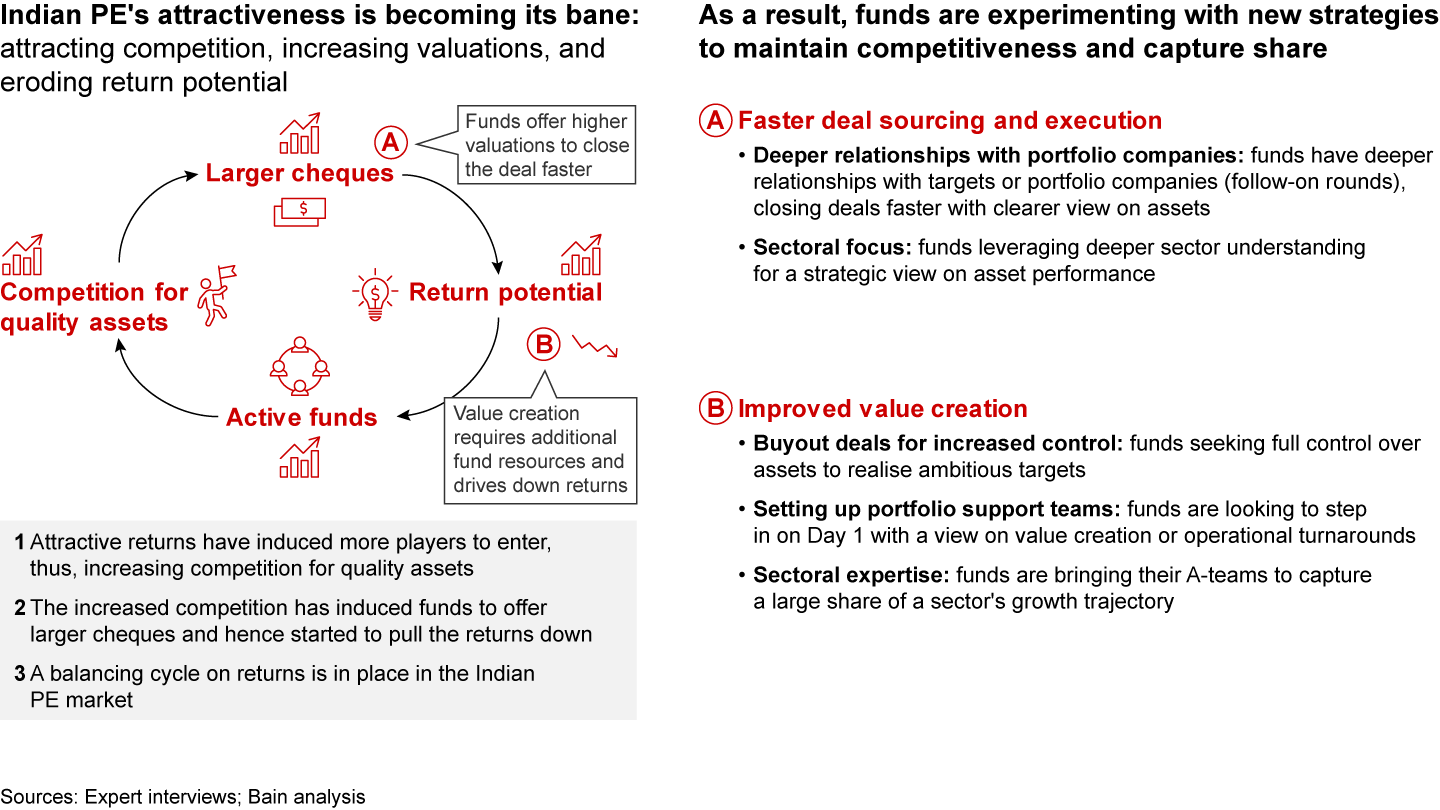

Figure 27
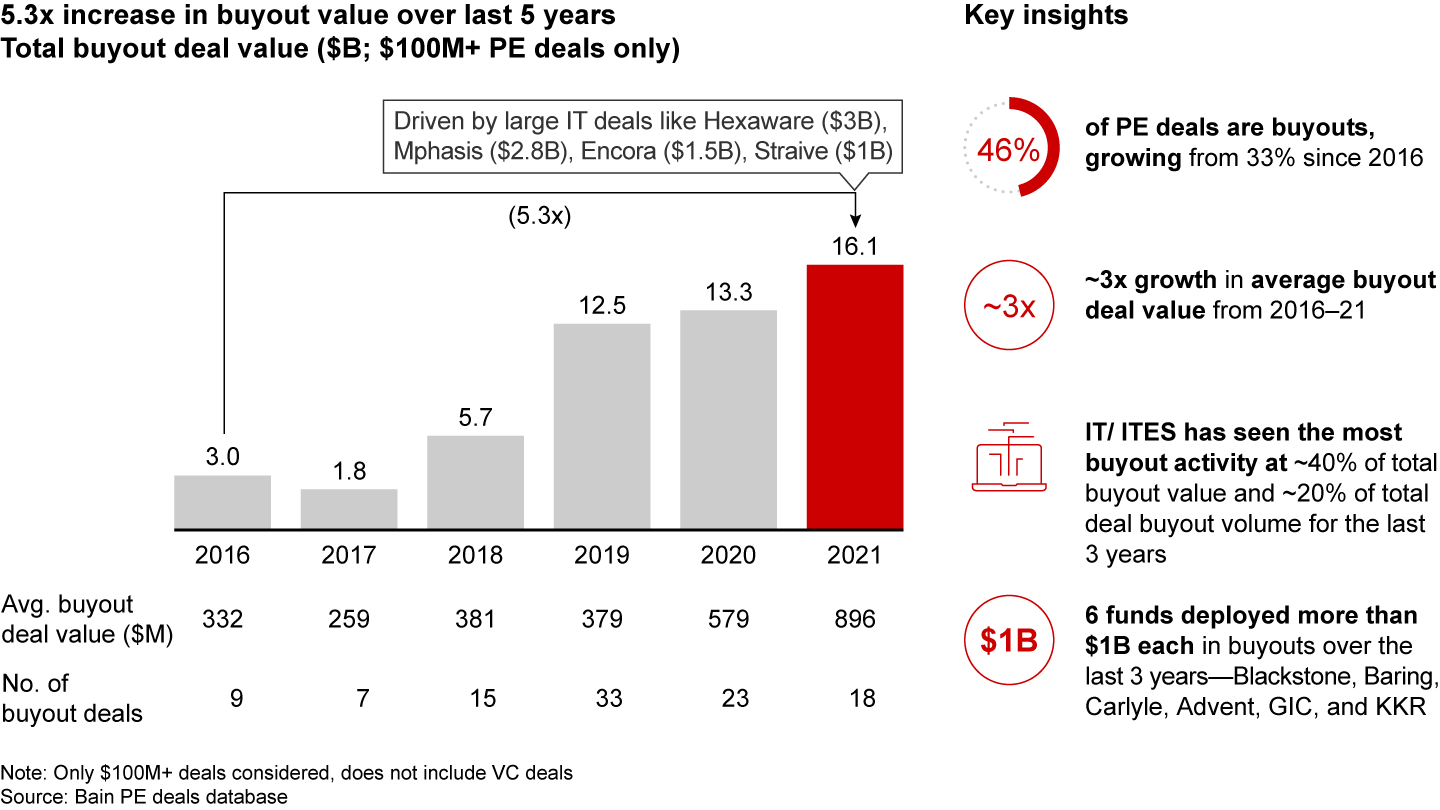

Figure 28


Exits: Hitting the peak
Figure 29
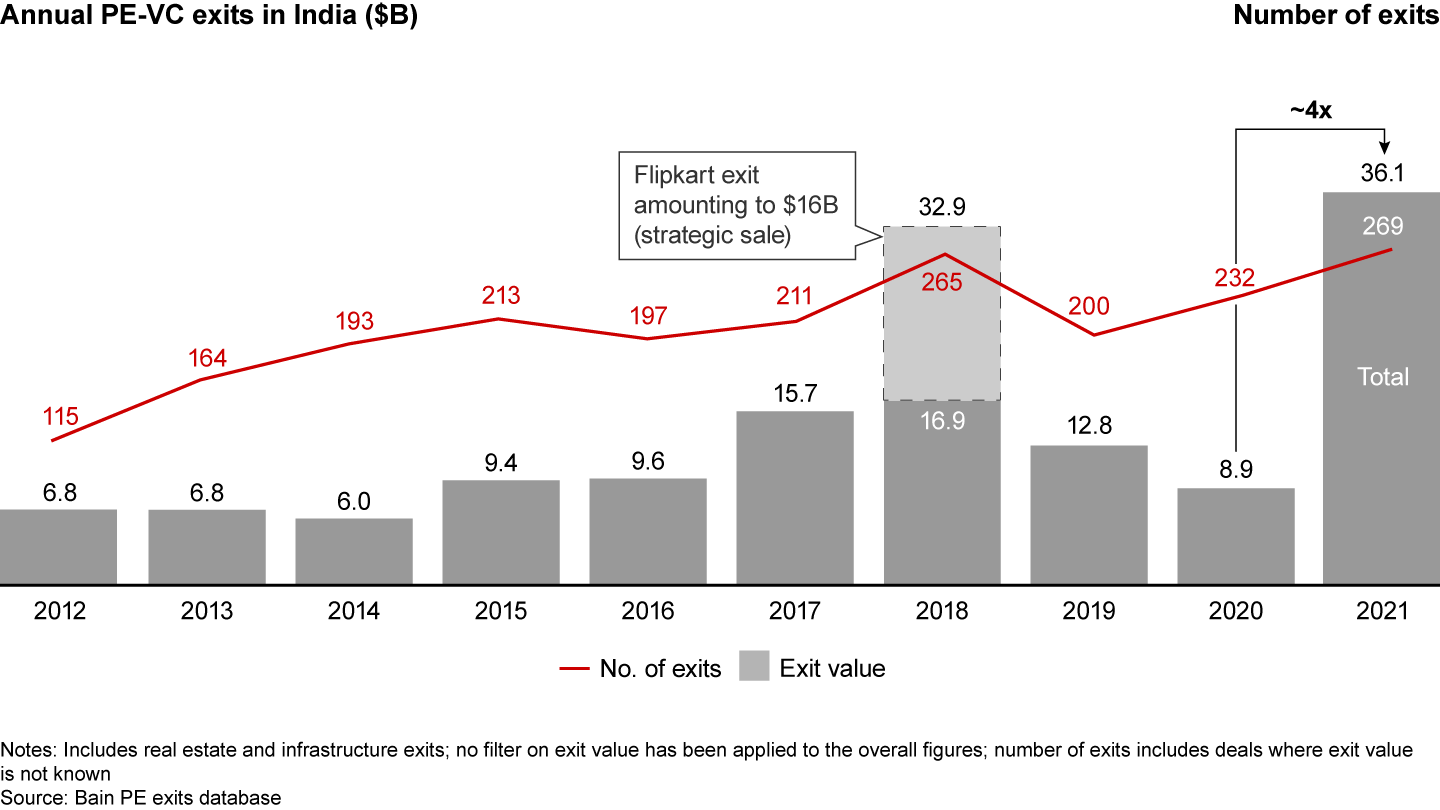

Figure 30
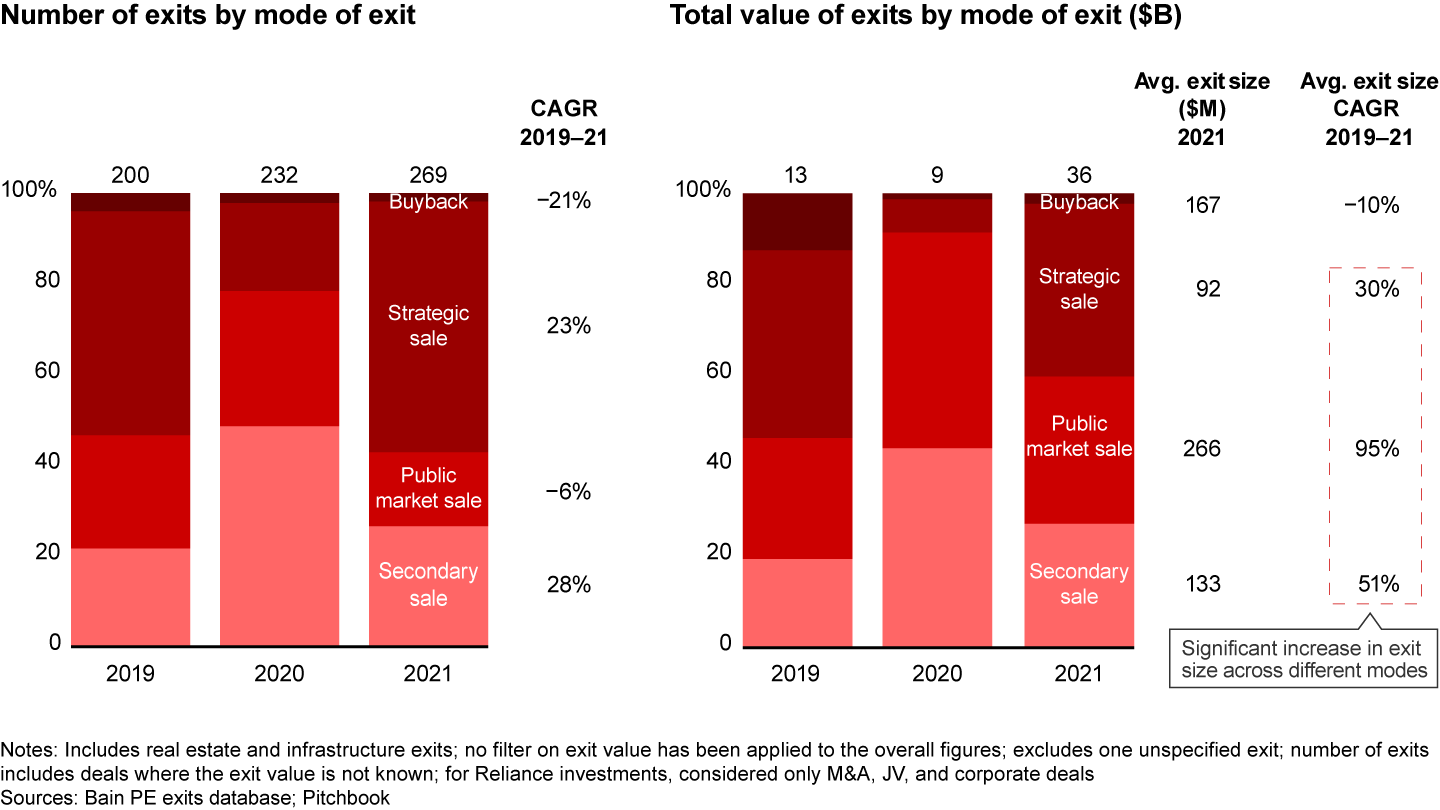

Figure 31
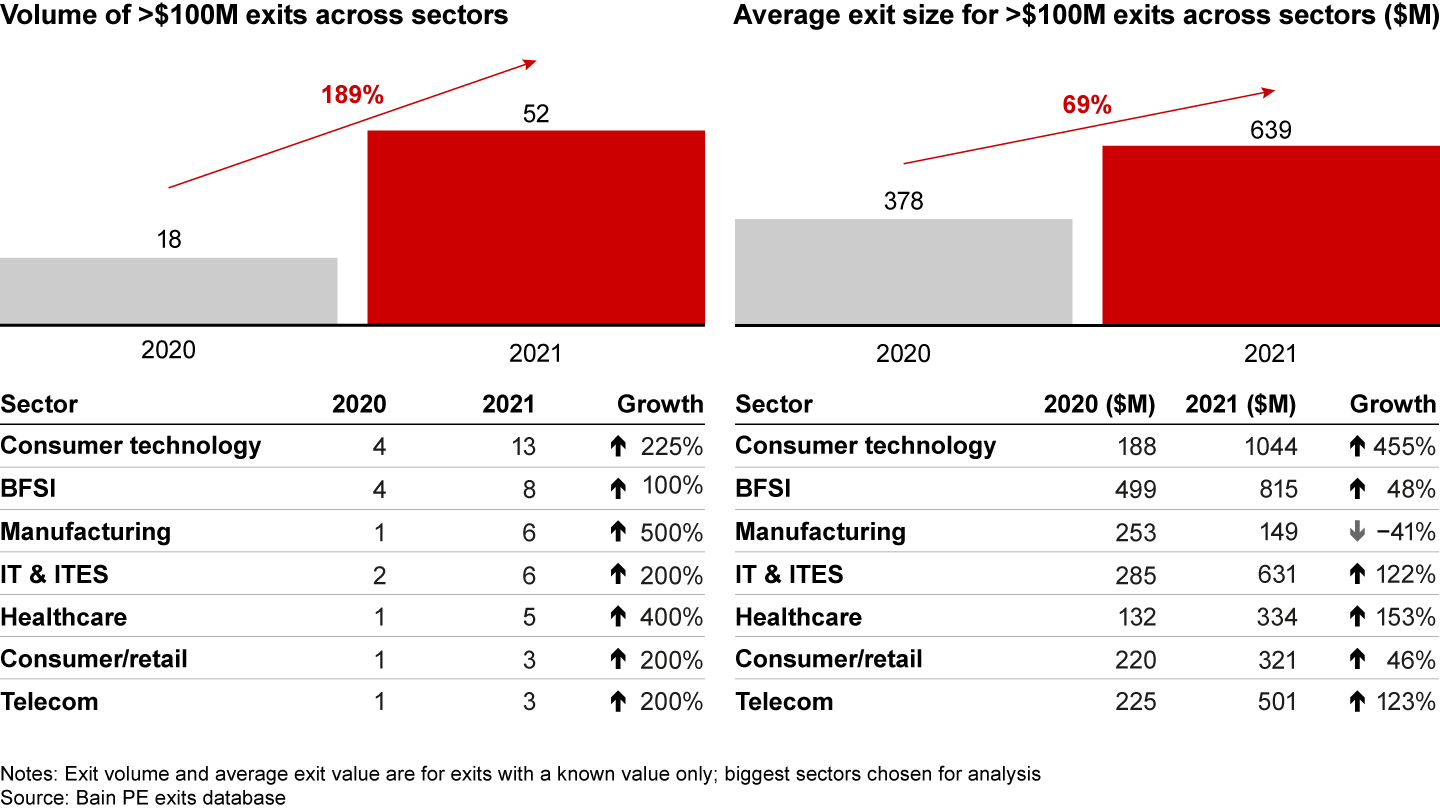

Figure 32
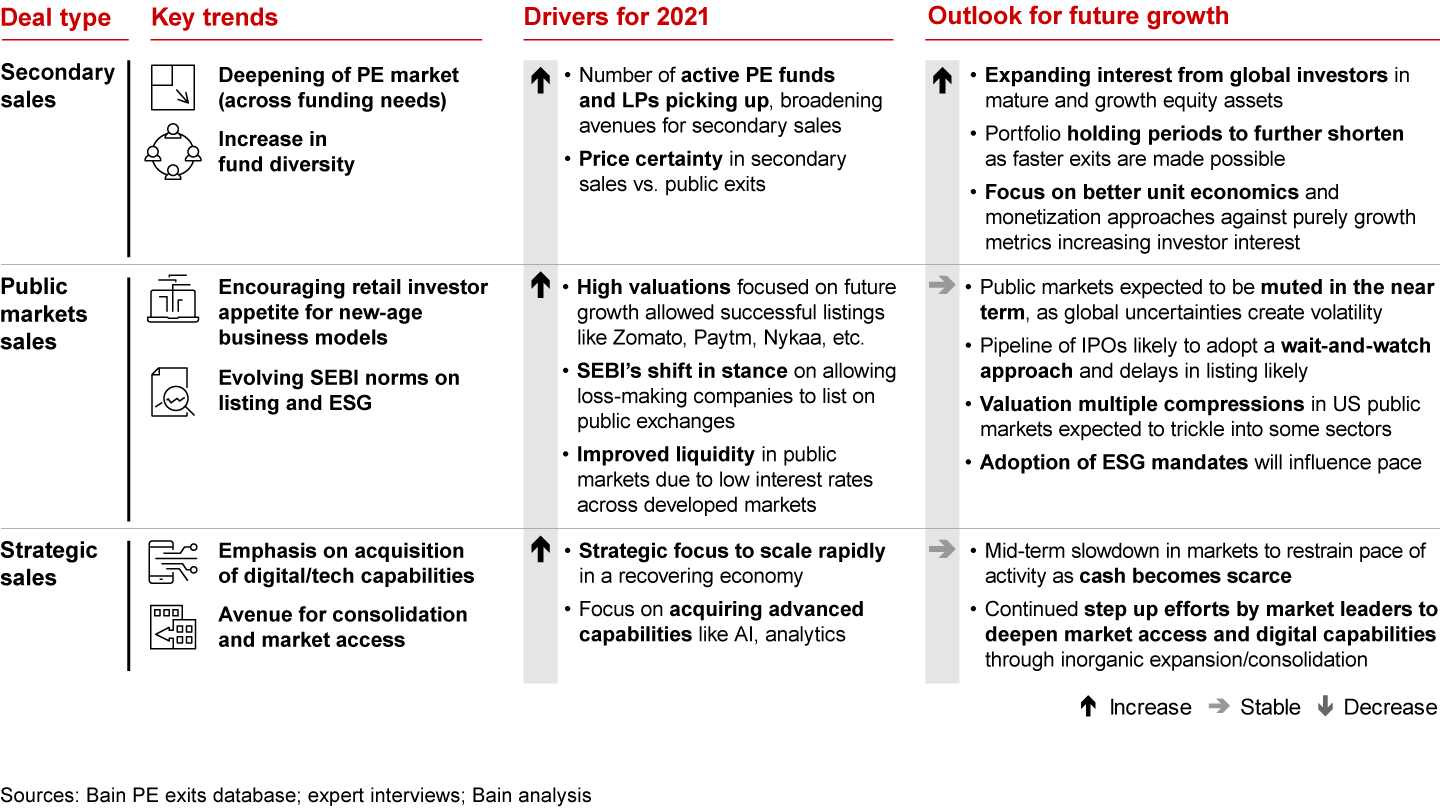

Figure 33
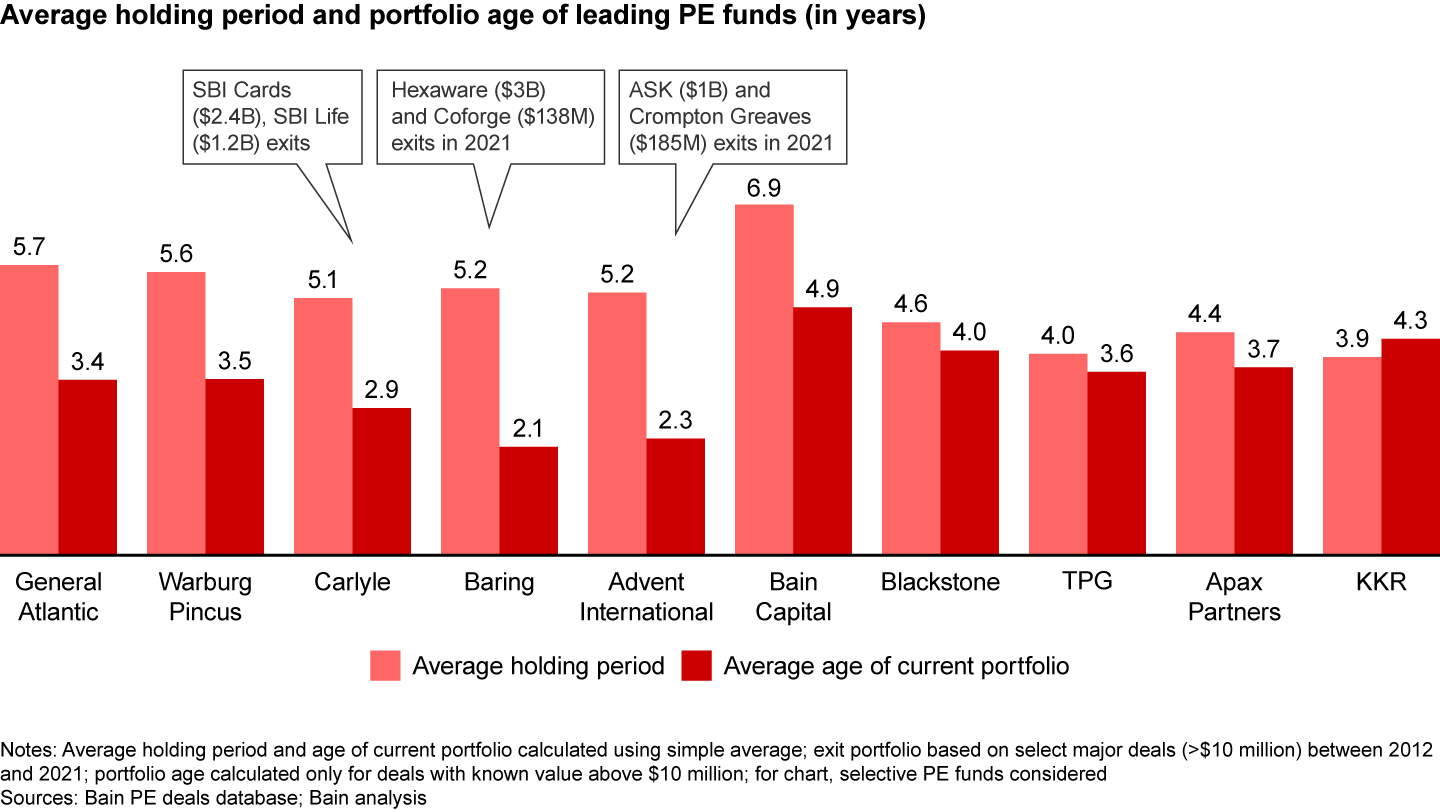

Figure 34
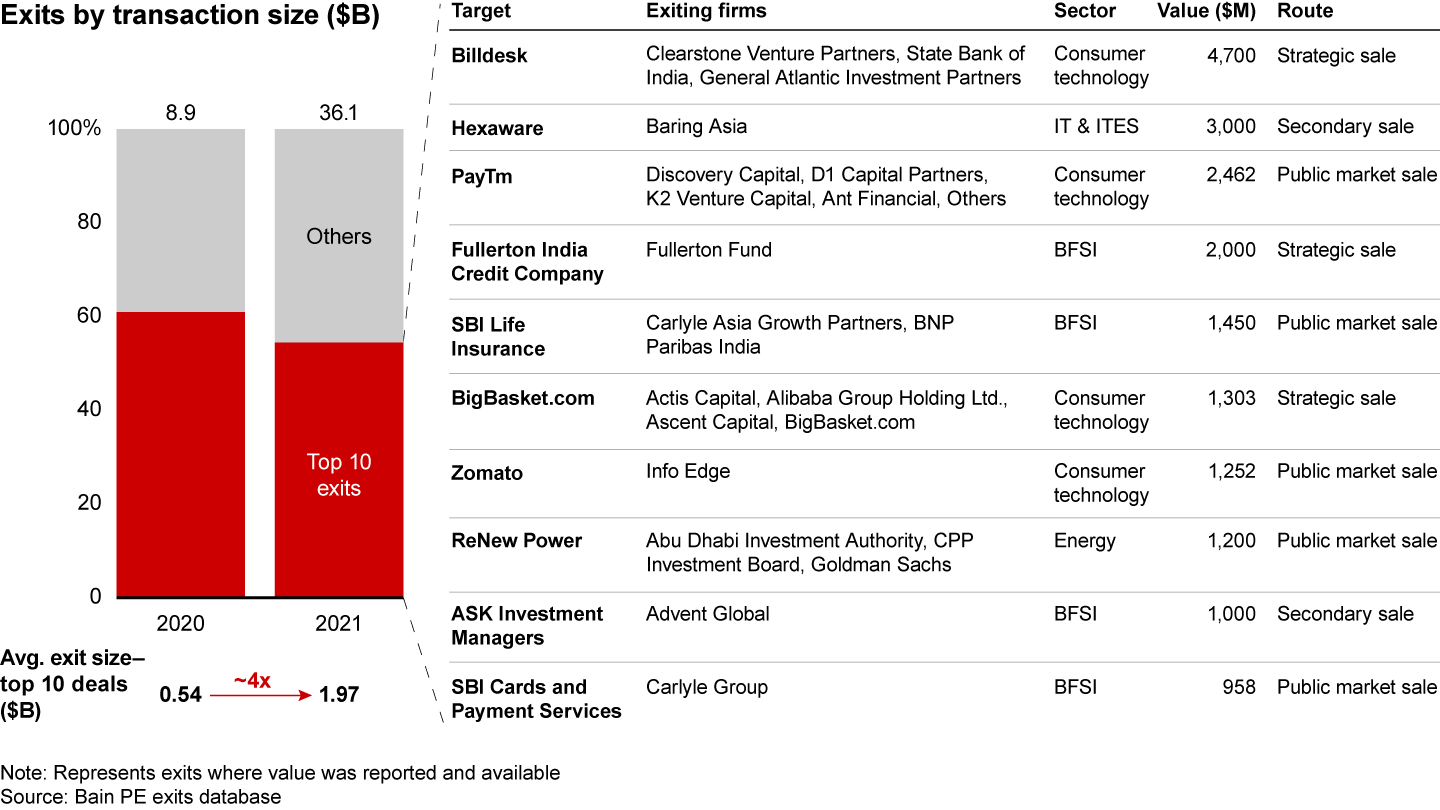

Figure 35
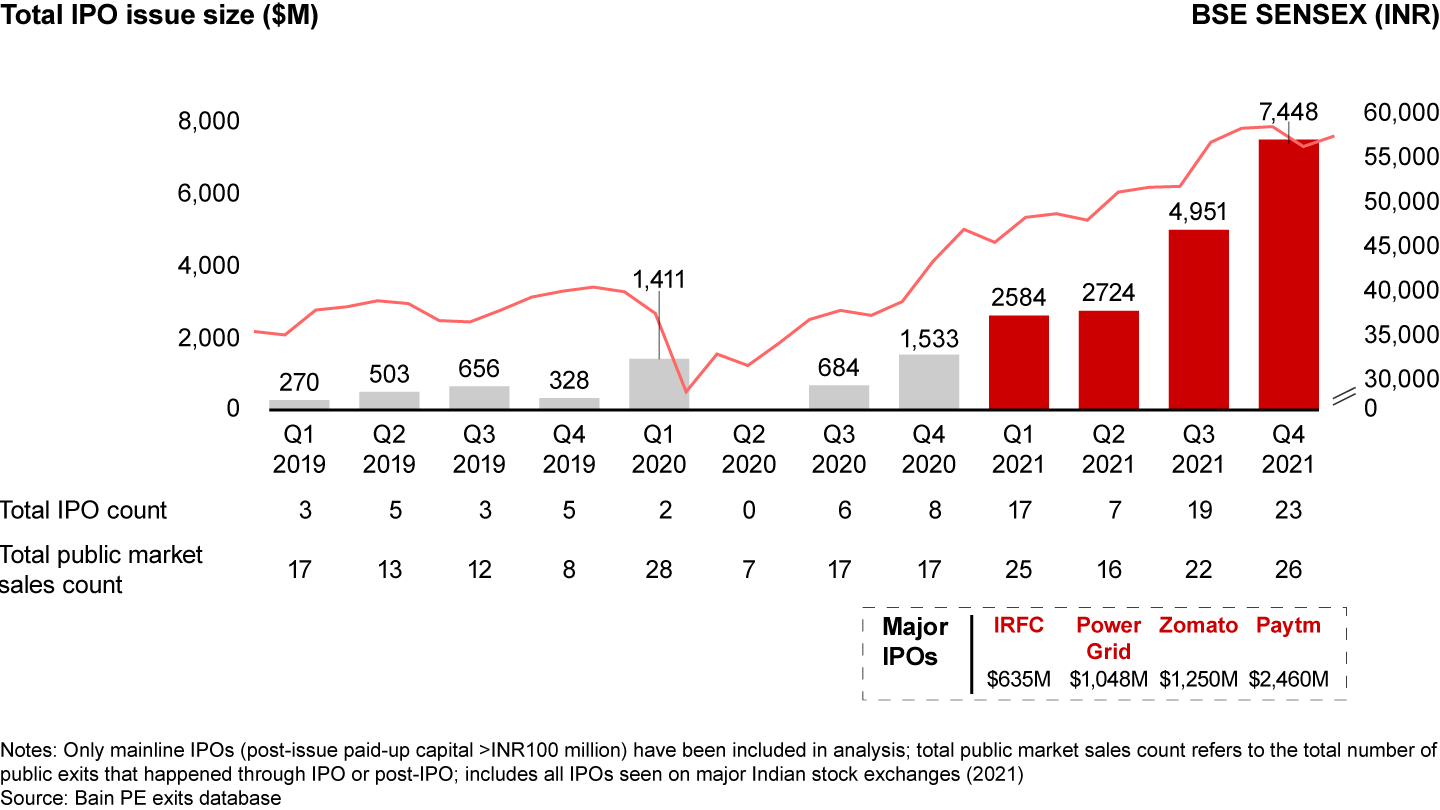

Figure 36

The ESG opportunity: Moving from compliance to value

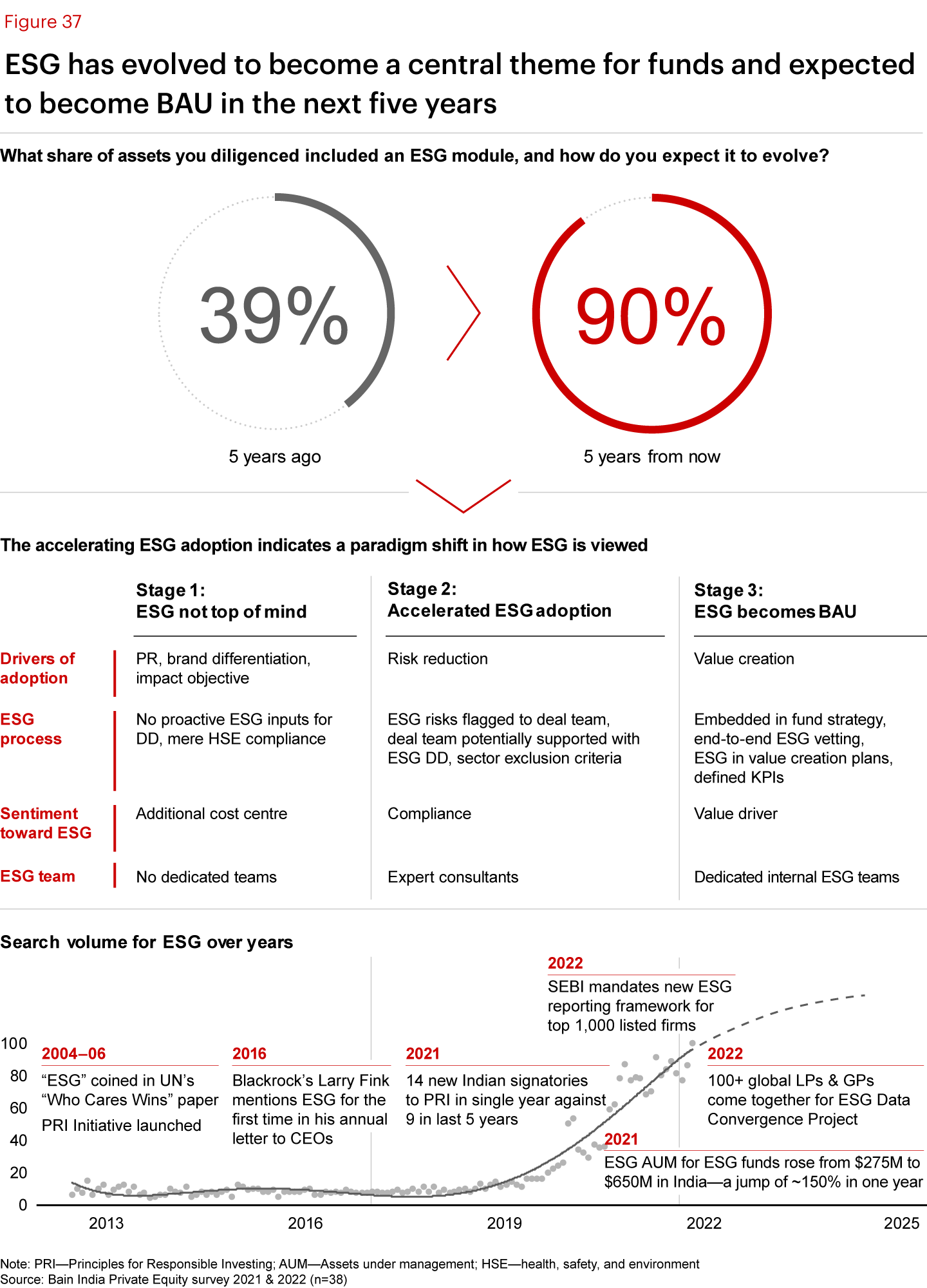
Figure 38
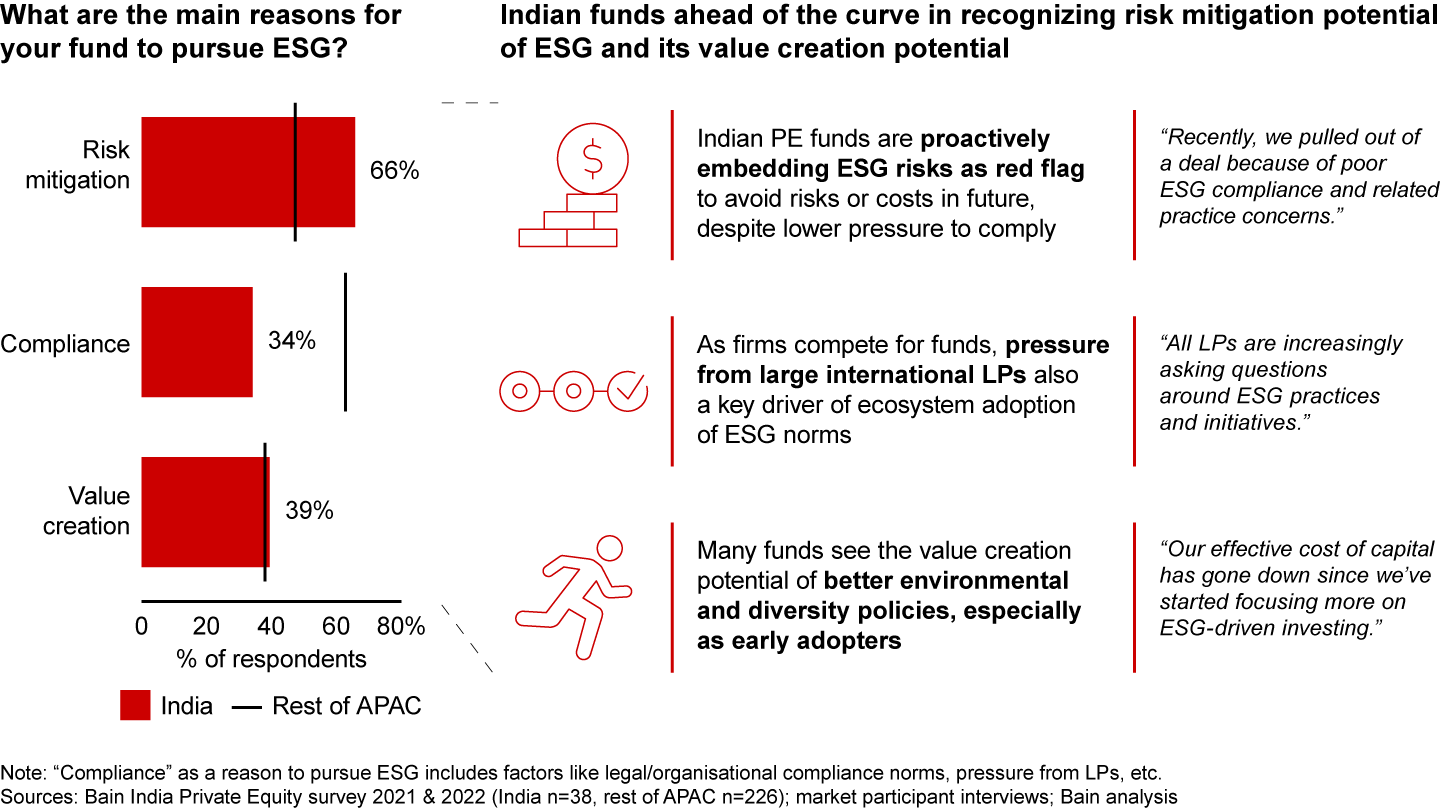

Figure 39

Figure 40
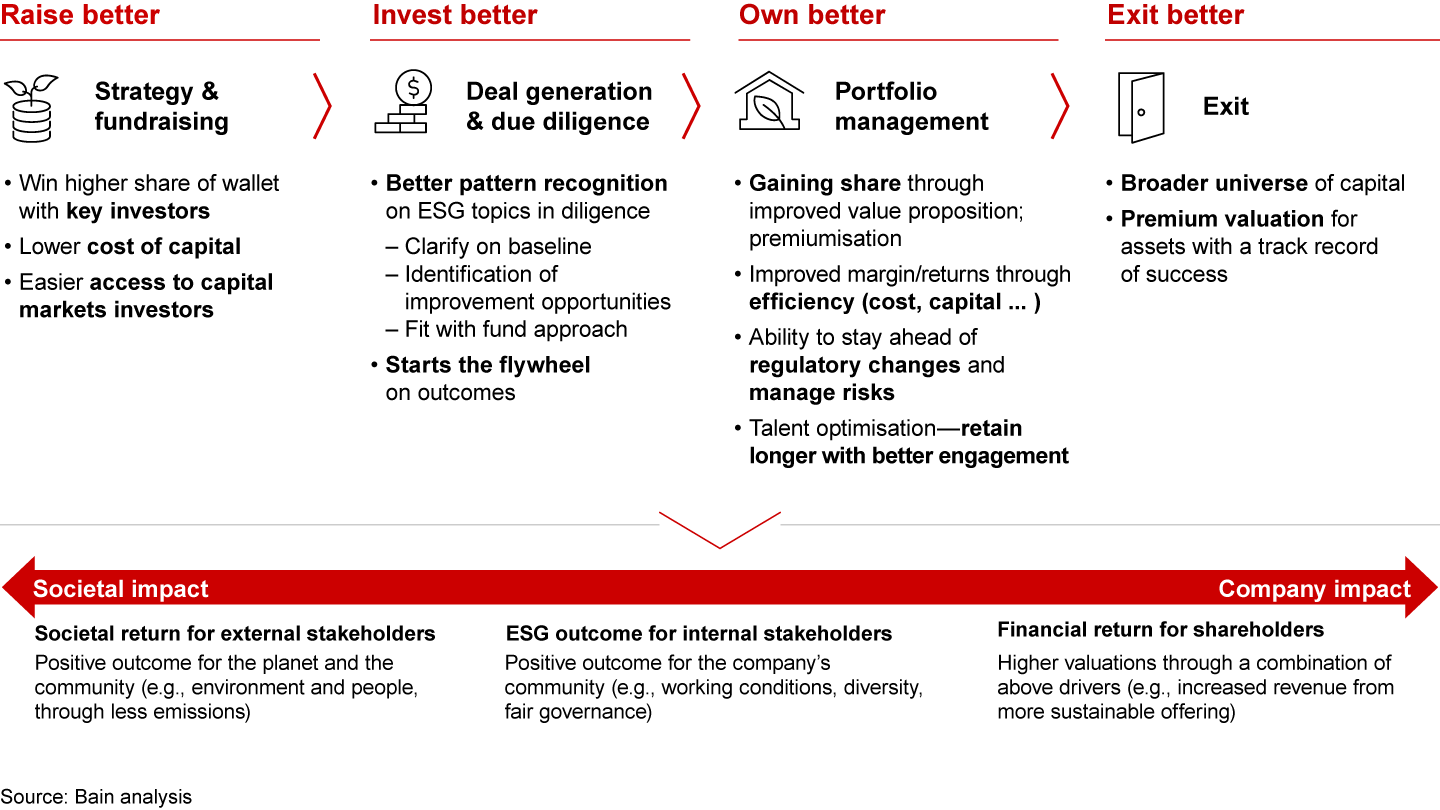

Figure 41
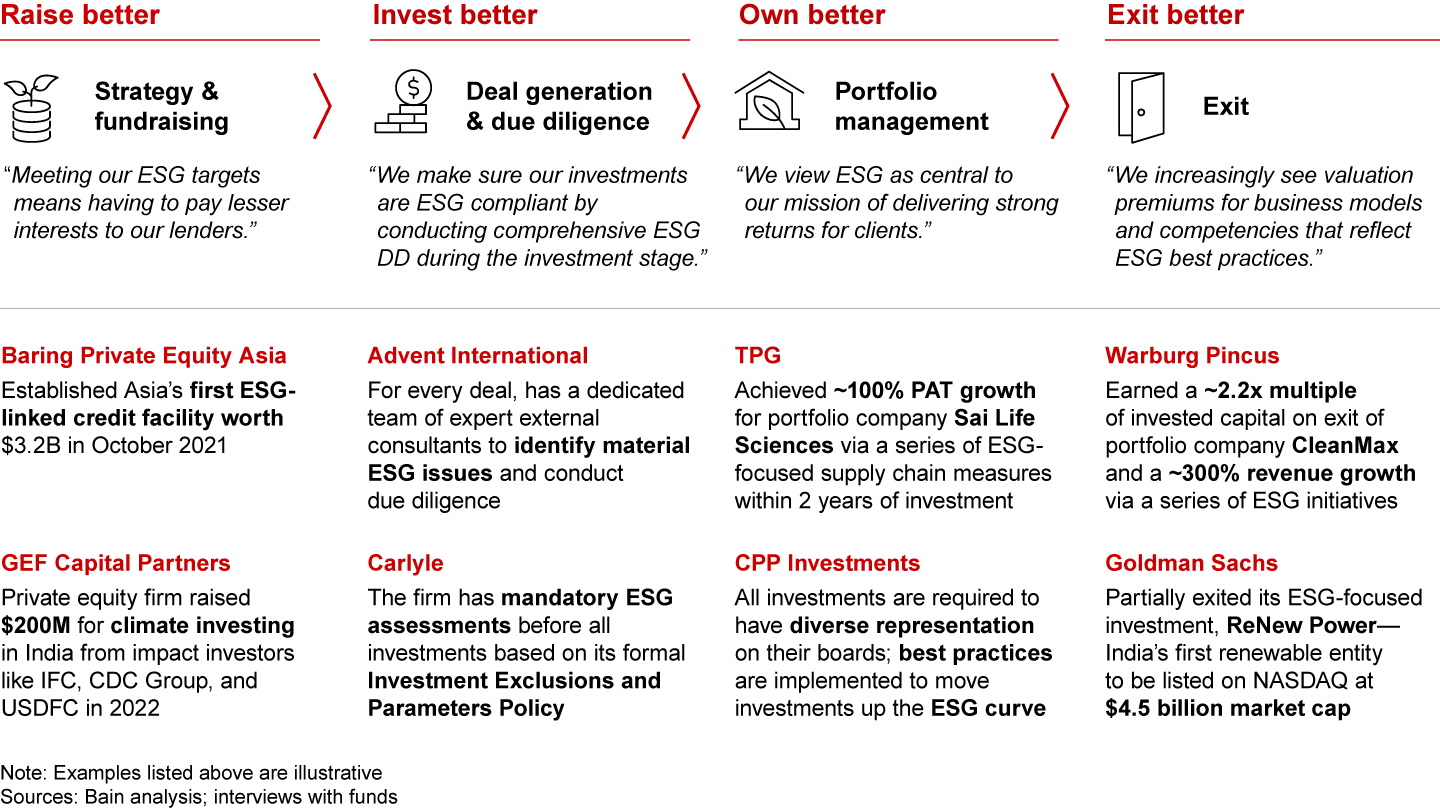

Figure 42
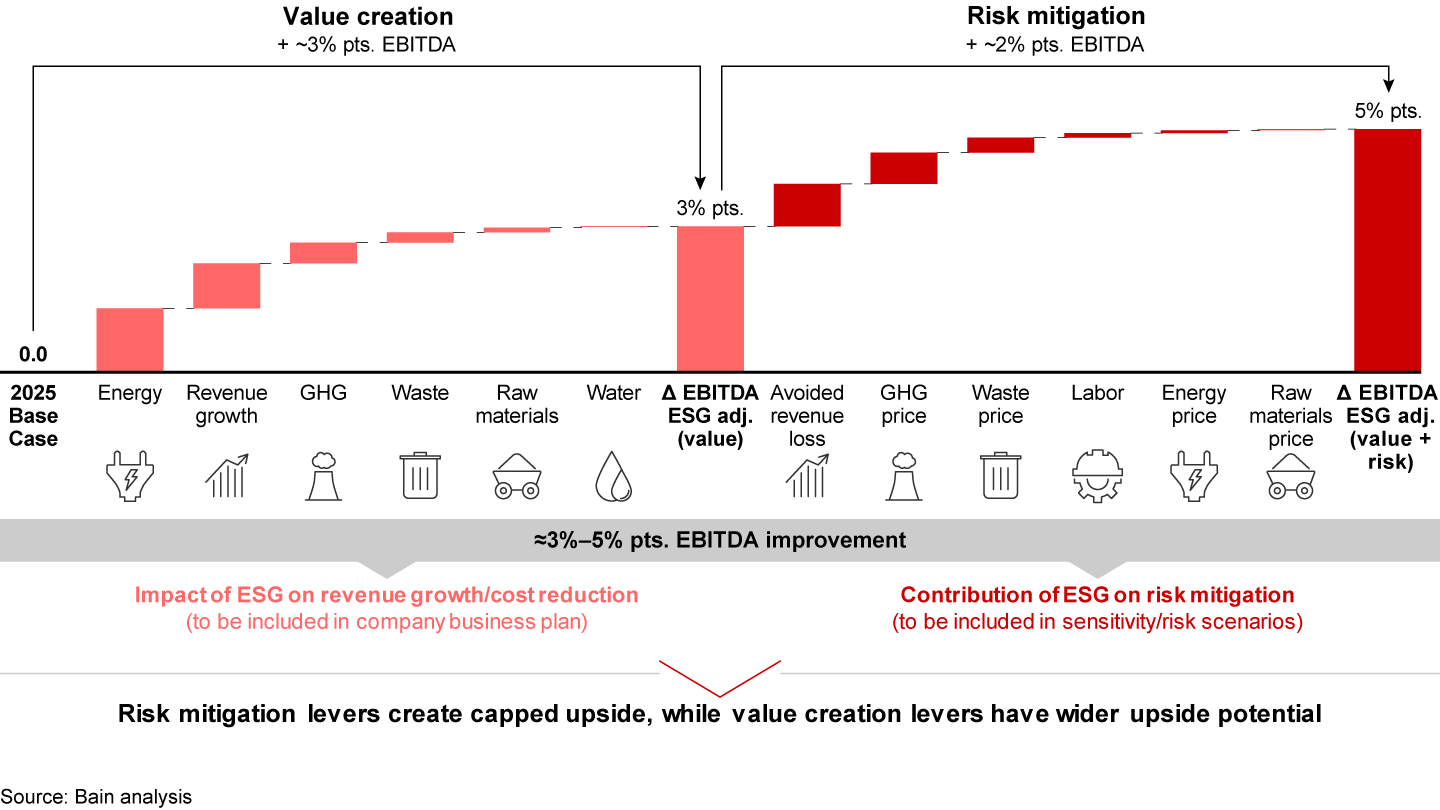

Figure 43
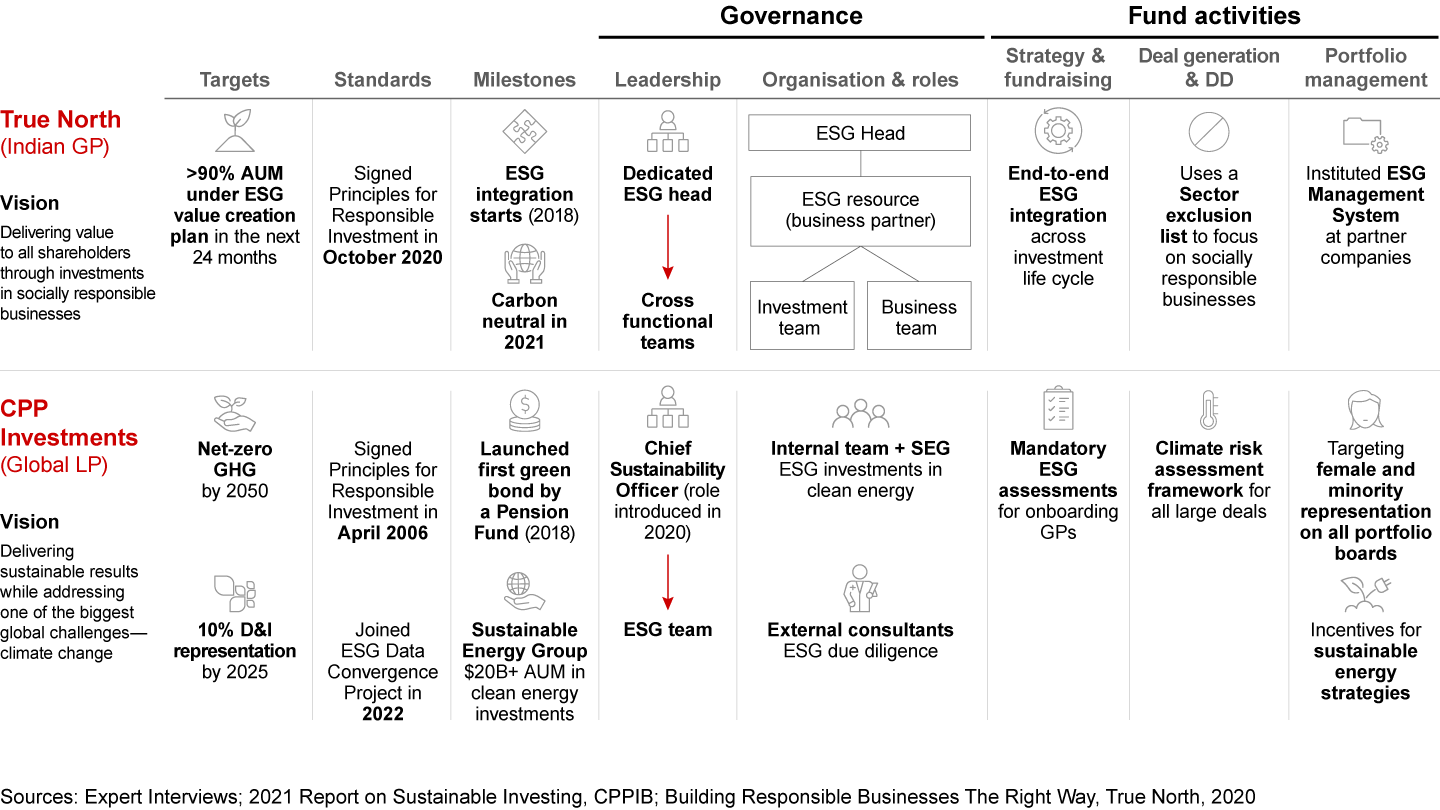

Figure 44

|