


Brief


|
|
Beyond the many deaths and illnesses caused by the coronavirus, the economic consequences of social distancing and widespread business closures have strained every sector of the economy. Software is no exception. While some software providers such as Zoom have seen huge spikes in demand, and high recurring revenues moderate the effects felt by other industries, many have still felt the squeeze as their customers’ revenues have plunged. 
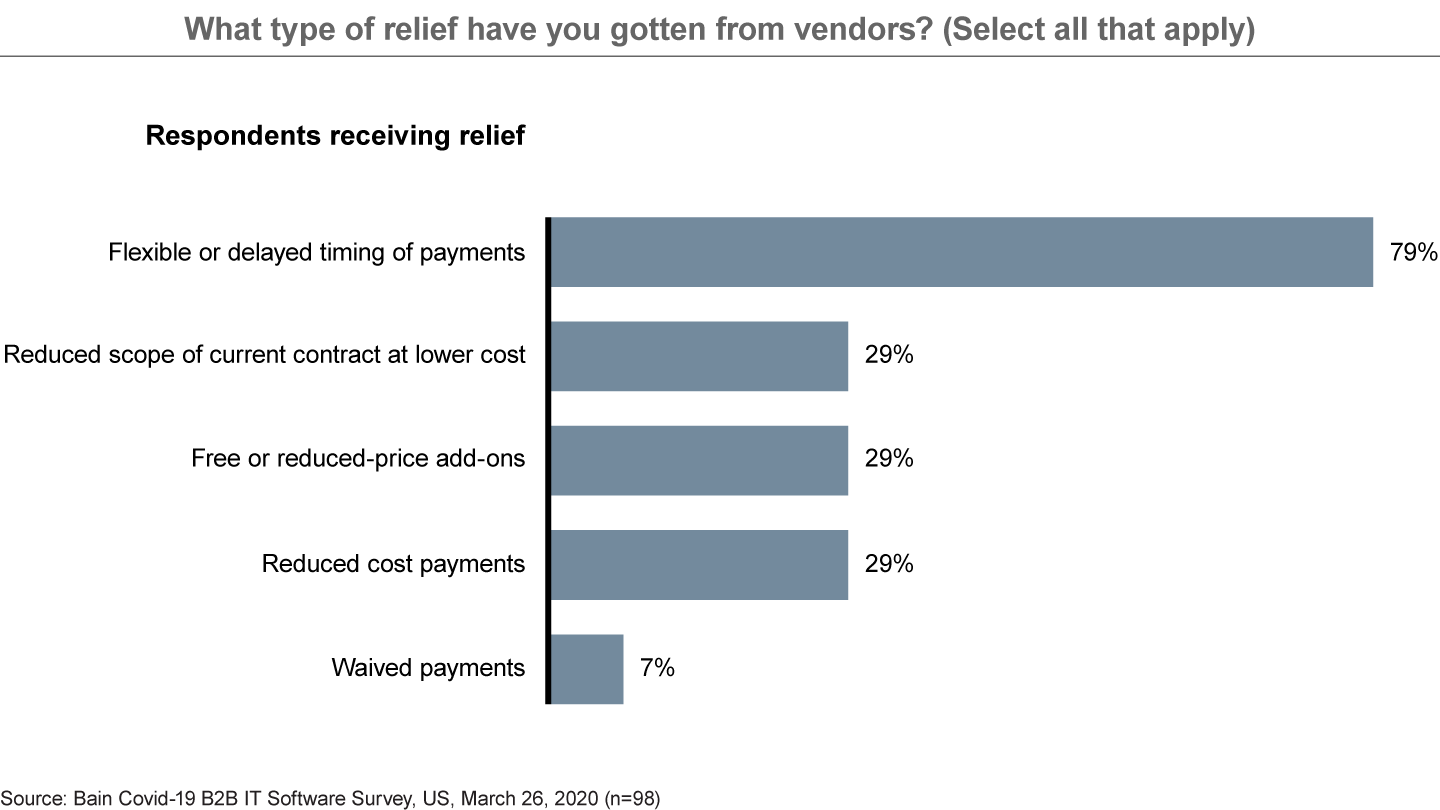
Macro Surveillance PlatformFor more detail on the business implications of coronavirus from Bain’s Macro Trends Group, log on to the Macro Surveillance Platform. Learn more about the platform > A recent Bain & Company survey of more than 200 chief information officers across industries in the US, Canada and Europe found that almost one-third of respondents had asked for payment relief from their software vendors as of April 25, and about three-quarters of those asking for relief received it in some form (see Figure 1). That relief takes several forms, mainly flexible or delayed timing of payments (see Figure 2).
Figure 1
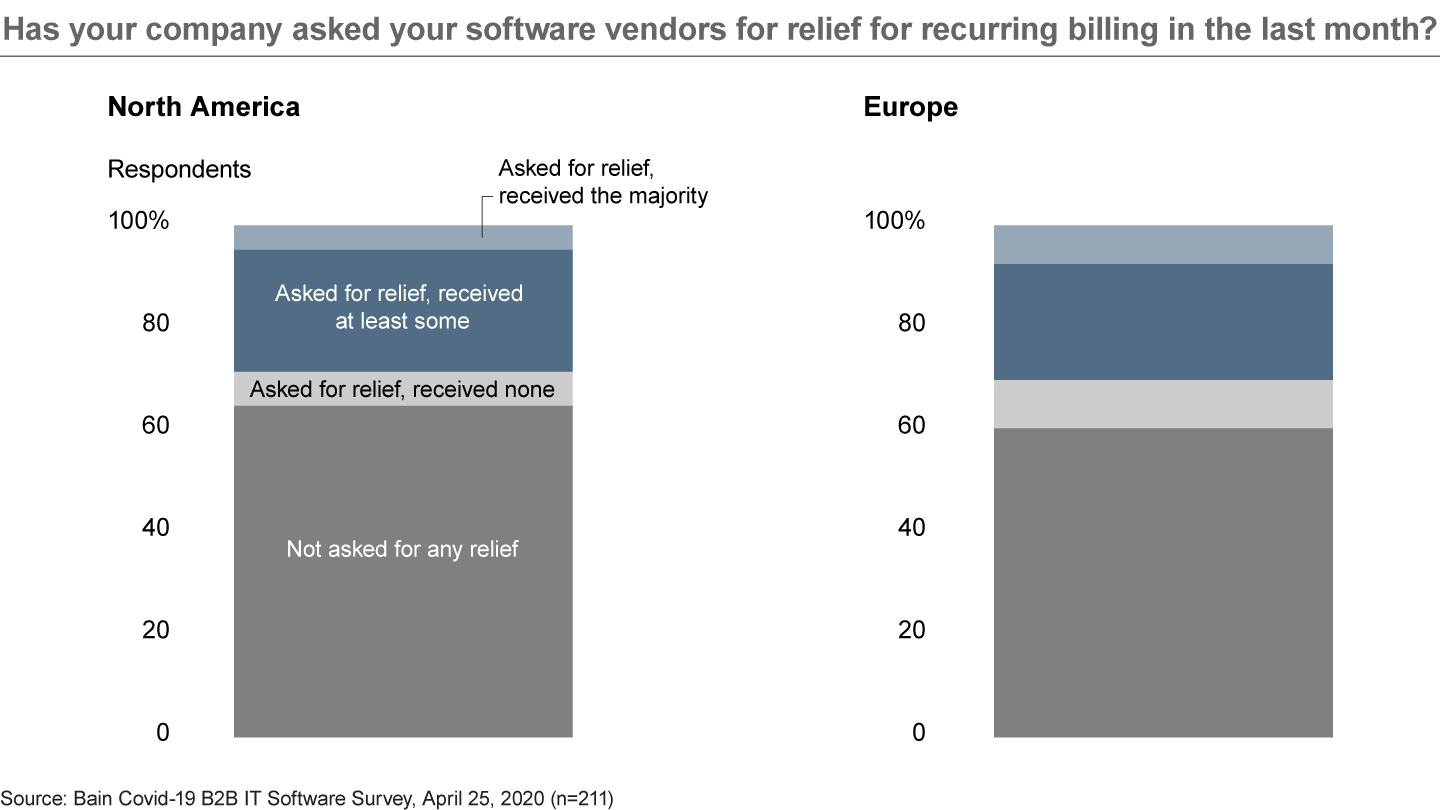

Figure 2

Most software companies have already fielded such requests or should expect them soon. How should they respond? On one hand, executives no doubt sympathize with customers who have financial hardships. On the other hand, the payments-over-time nature of software business models means that taking a tough stance now could hurt relationships and dampen revenue in the future. Moreover, executives must deliver on fiduciary commitments to shareholders and maintain the health of the enterprise, which requires collecting cash. Some leading companies have managed to turn this challenge into an opportunity. They are meeting the needs of their customers while also enhancing the value of that relationship over time. Their actions hold lessons for other software companies, and for firms in other sectors as well. Tactics to benefit both partiesWhat do these leaders do differently? At a high level, many have segmented their customer base to understand which customers have the highest potential lifetime value, and which have relatively low potential value. That baseline allows them to be strategic in their approach, discuss more than the current monthly or annual payment terms, and to consider the following tactics:
Figure 3
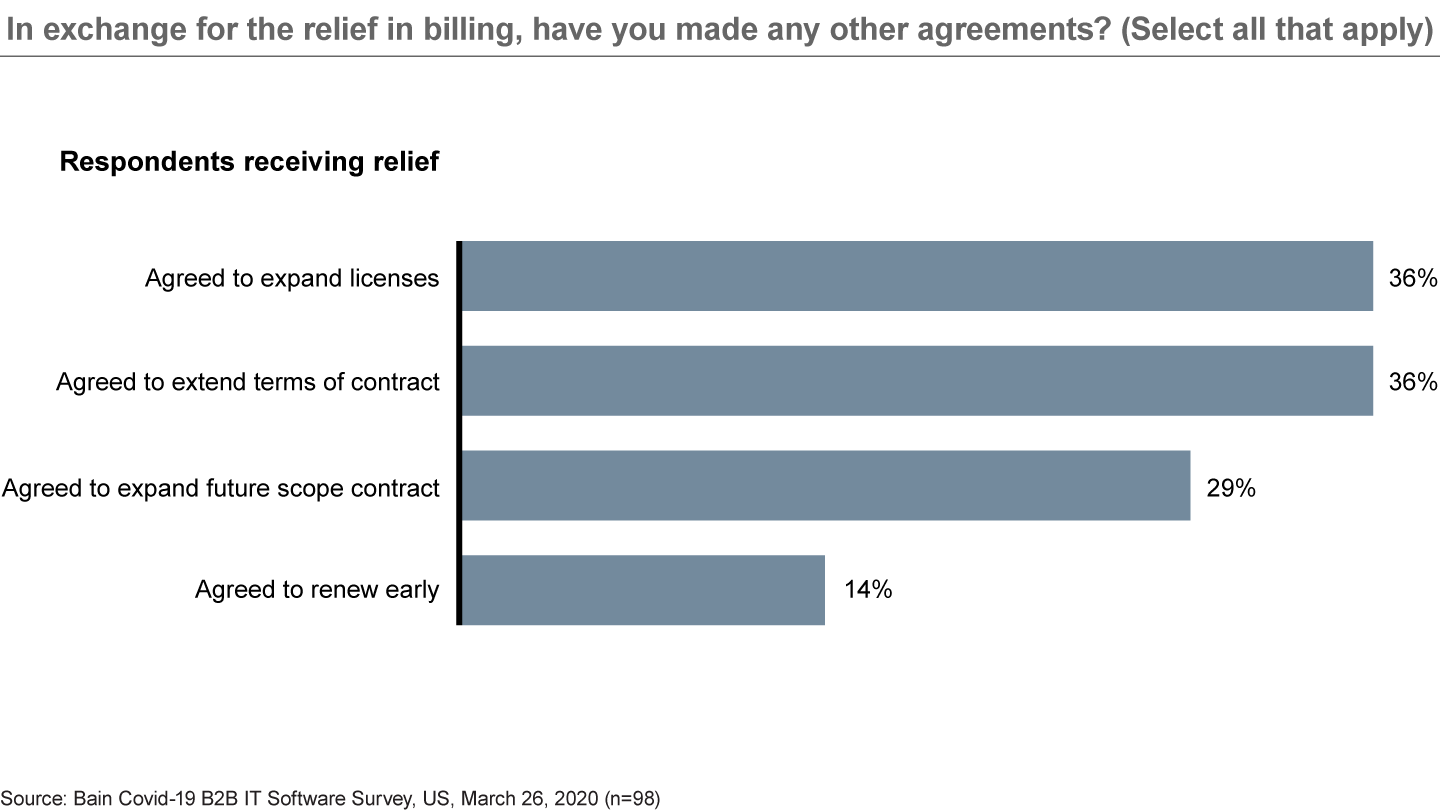

Each tactic can be arrayed in a concessions matrix that makes for thoughtful choices during discussions with customers. To make these discussions productive, it’s important to train representatives who have the direct conversations with customers on best practices; for instance, reps should understand how canceling contracts requires restating earnings, so that the company must get something in return for relief. In addition, the relief plan should have a clear expiration in order to avoid accidentally creating sustained exceptions that will damage the vendor. Payment relief offers a temporary solution to customers with stalled businesses. But the upheavals caused by Covid-19 also merit planning for greater pricing flexibility over the longer term. Our experience working with B2B companies during past periods of disruption suggest a small set of actions that are not wedded to any single scenario:
By adopting these and other steps, software and other B2B companies can stake out a much better position to thrive for years after the pandemic abates. For instance, going back to the global financial crisis that began in 2008, Bain’s analysis of nearly 3,900 companies worldwide found that winners diverged from losers during that recession and widened the profit and market cap gap during the subsequent expansion. Winners grew at a 17% compound annual growth rate (CAGR) during the downturn, compared with 0% among the losers. Even after the downturn, the winners grew at an average 13% CAGR while the losers stalled at 1%. Payment relief that’s both fair to customers and shores up an IT provider’s revenue stream can strengthen relationships. The goodwill generated will serve each side well. 
CoronavirusThe global Covid-19 pandemic has extracted a terrible human toll and spurred sweeping changes in the world economy. Across industries, executives have begun reassessing their strategies and repositioning their companies to thrive now and in the world beyond coronavirus. |