

Brief


|
At a Glance
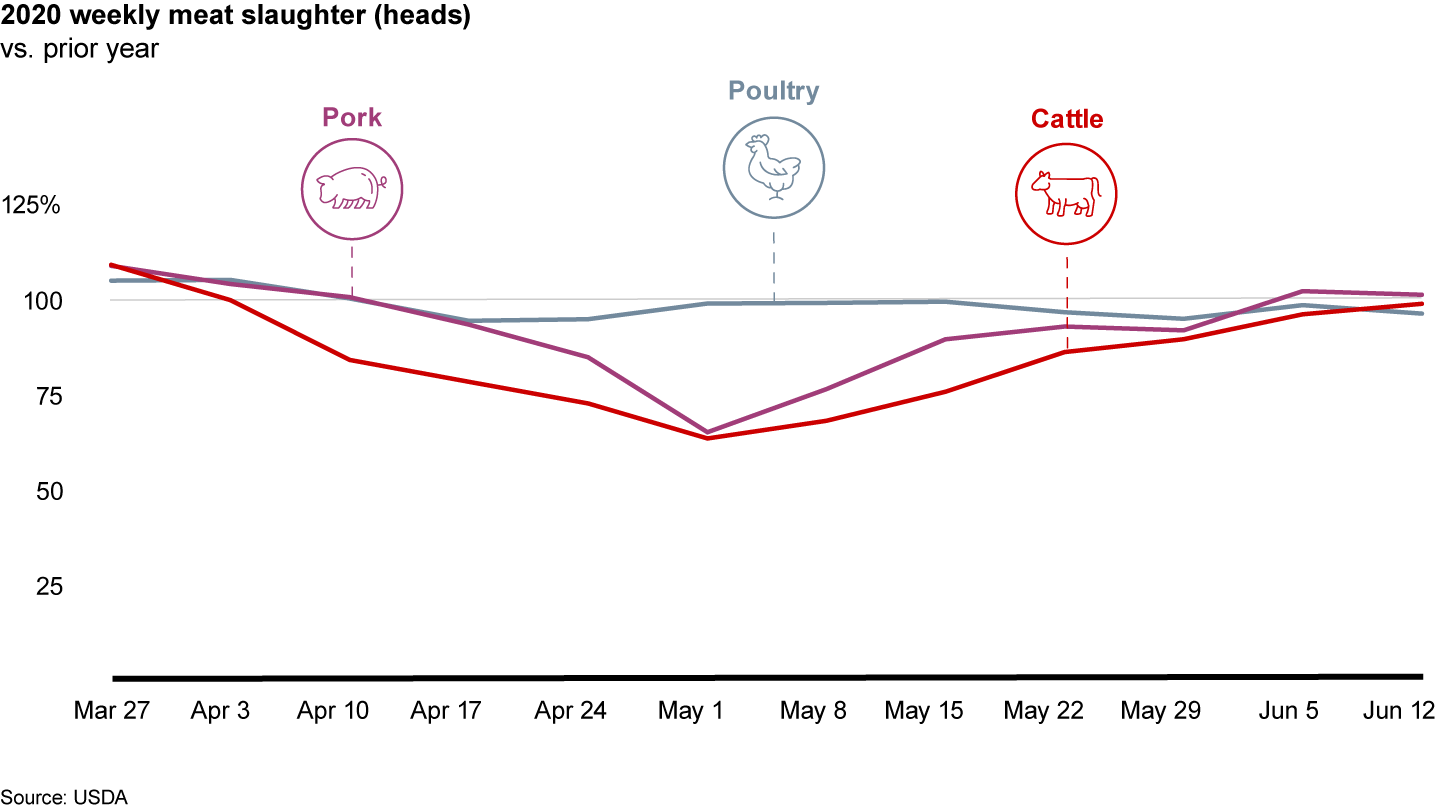
The Covid-19 pandemic is unlike any previous crisis. The speed and spread of the pandemic, combined with the global reaction that has kept people at home and separated employees from their work and consumers from their favorite restaurants, has forced rapid changes in the food supply chain. Crop growers and animal producers, as well as the companies that supply them, are only beginning to understand how the pandemic will affect the agricultural value chain—including biofuel production, food processing, protein production, crop production and prices, land use, crop inputs and equipment sales. While the agriculture industry faces intrinsic uncertainty with every growing season, few leadership teams have experienced this level of uncertainty across this many variables, with outcomes dependent not only on the weather and global markets, but also on the vagaries of a virus and the reaction by individuals, businesses and governments. Without precedent, there’s no clear roadmap to follow. But the way forward is to understand the connections among these dynamics and watch for signposts that indicate which scenarios are unfolding. Disruptions to the agriculture supply chainThe pandemic has already proved highly disruptive to agriculture, globally and in the US, with impacts that include:
Figure 1
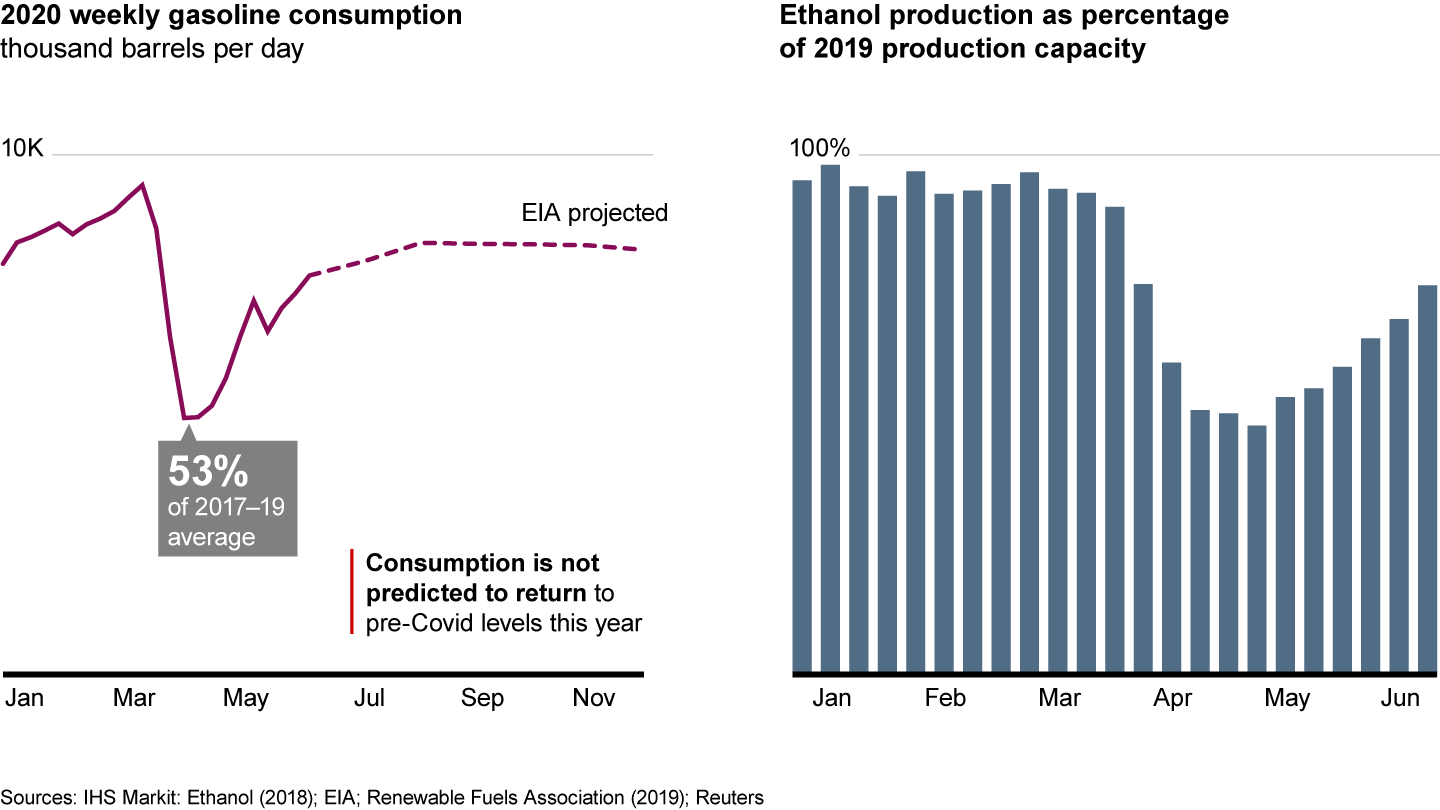

Figure 2

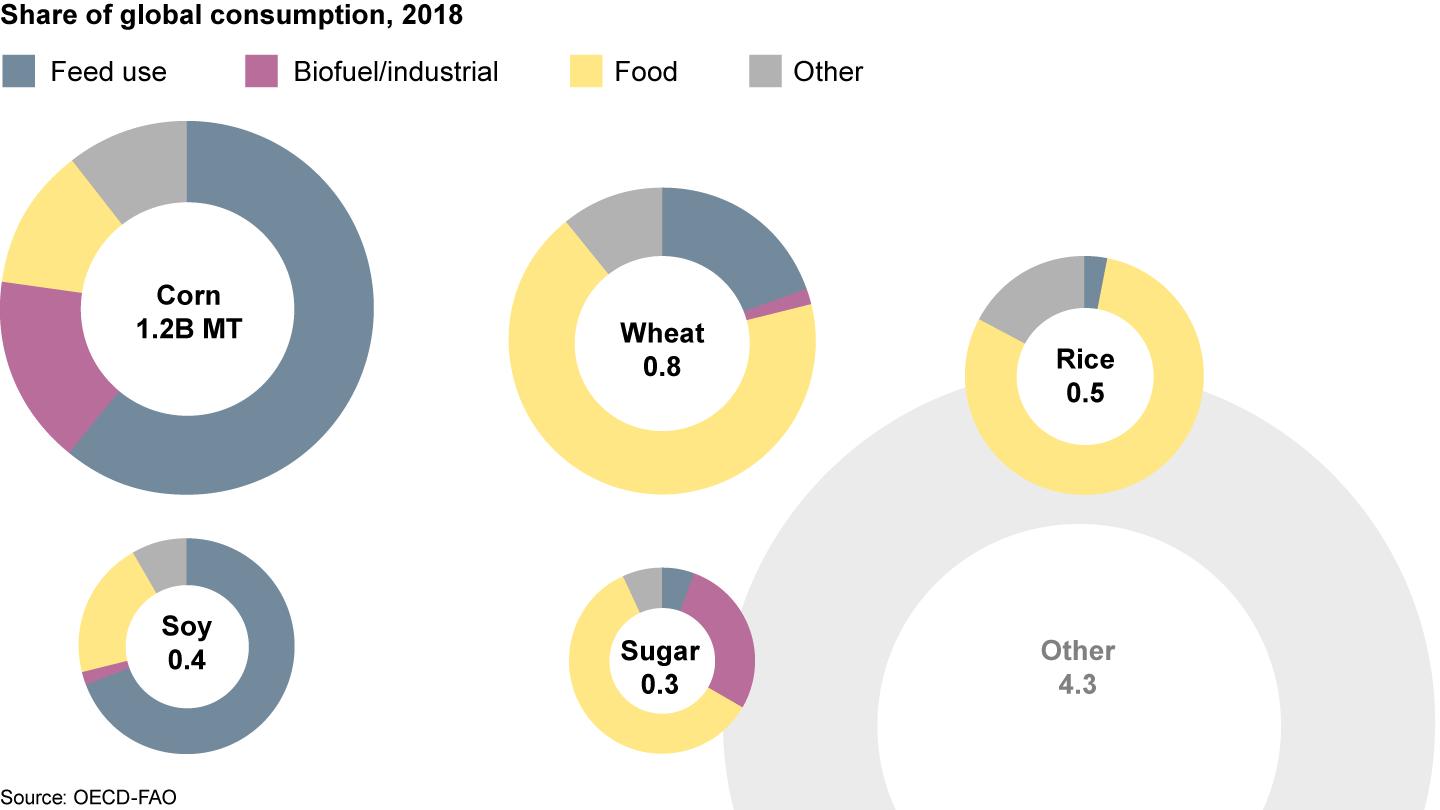
Effects on prices and spendingThese disruptions could reduce prices significantly for three of the world’s most important crops: corn, soy and sugarcane (see Figure 3). Crop prices could continue to drop significantly, driven by a perfect storm of high beginning stocks, a potentially robust 2020 growing season, and demand destruction across both biofuels and animal feed. Wheat prices have proved more resilient in this crisis compared with corn and soy, partly due to consumers returning to the center of the supermarket to stock up on traditional staples like flour, pasta and processed foods. While other sectors may recover more rapidly, the high stocks-to-use ratios of primary row crops could depress prices beyond the current season, as growers hold on to their surpluses, hoping to wait out the current low prices.
Figure 3

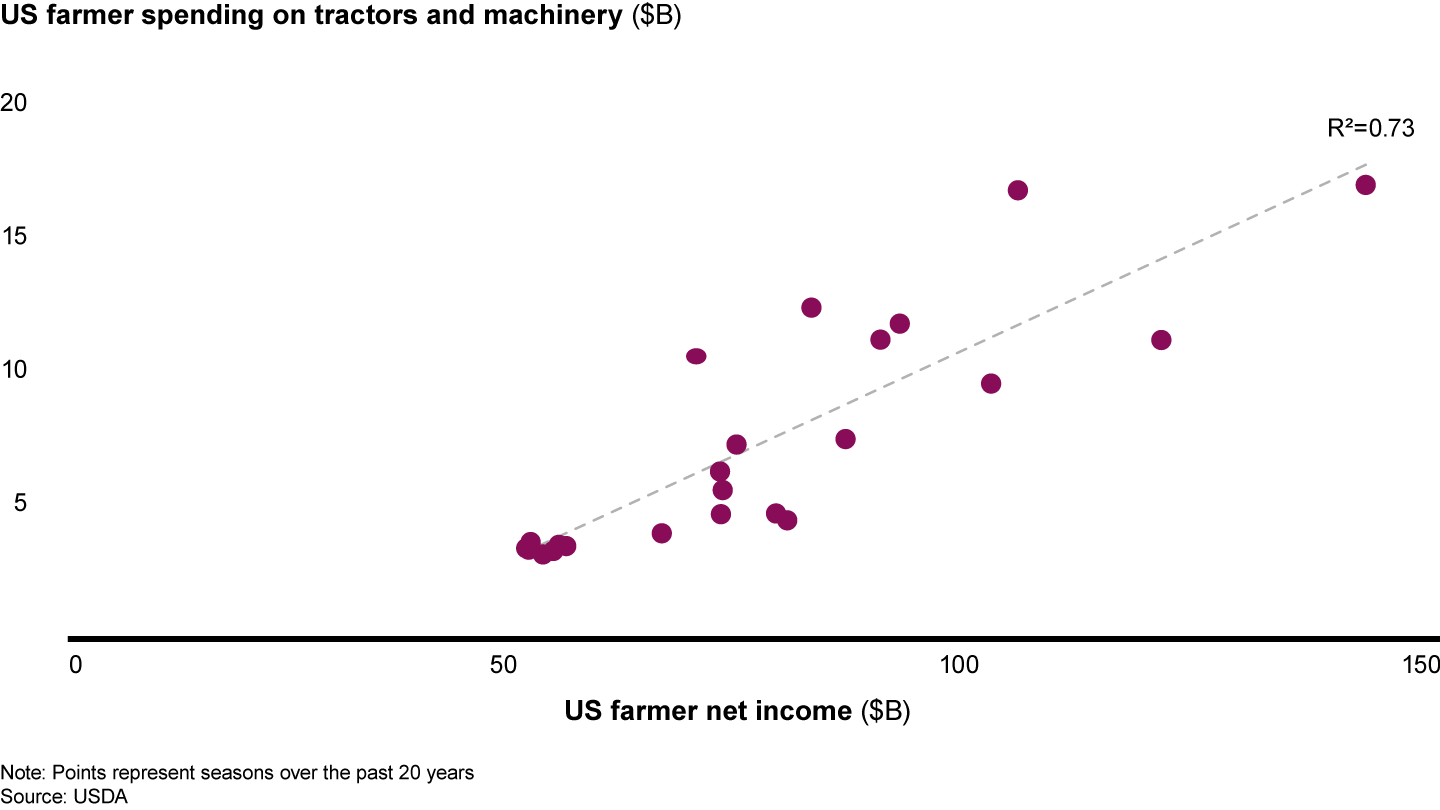
Lower prices will create significant financial stress for growers, who traditionally respond to income shocks by reducing their operating and capital expenses. About 40% of a grower’s operating expenses are variable, spent mostly on crop inputs—so their decisions will materially affect providers of seed, fertilizers and chemicals. In terms of capex, Bain’s analysis finds that, over the past 20 years, grower income has proved a good indicator of how farmers will spend on equipment, with a correlation better than 70% (see Figure 4). Given that, low crop prices could impede the long-hoped-for recovery of the agricultural equipment sector in the US and Europe.
Figure 4

Tracking possible scenariosExecutives who work in agriculture are accustomed to dealing with uncertainty; this season puts their skills to the test. In thinking about what the short term will bring and how they ought to respond, two things matter more than the rest: the end of pandemic-response behaviors (dining out and a return to normal driving patterns in particular), and the crop yields over the next season in the US and Brazil. Growers, protein producers and the businesses that supply them will need to pay close attention to these factors, as they can provide insight about future demand and pricing. This year, they’ll need to pay close attention to other critical signposts as well.
Looking aheadThe next few years are likely to continue to be a difficult period for growers, producers and others in the agricultural sector, as lower crop prices continue to exert pressure on farmer incomes. Among protein producers, declines in animal feed prices may begin to ameliorate some of the damage wreaked by demand destruction and continued uncertainty in production capacity. In recession periods, consumers tend to switch to lower-value proteins, so producers will want to monitor economic conditions closely to help make decisions about herd size and relevant investments. Few sectors offer as much uncertainty as agriculture faces in 2020, but companies have to determine strategy under uncertain conditions all the time. Fortunately, there are proven ways to navigate a wide range of outcomes that growers, producers and others supporting the sector can be doing today to ensure a robust and resilient strategy in the face of these uncertainties.
The authors would like to thank Derek Tarlecki, a Bain principal based in Dallas, for his contributions. |