


Brief

|
|
Many of the factors squeezing margins on some types of thermal power generation are beyond the control of utility executives: the rise of renewables and distributed generation, low natural gas prices in North America, greater availability of coal in Europe and, in developed markets, a leveling off in demand due to greater energy efficiency. In some places, margins from power generation have declined by more than half over the past five years, leaving many coal plants in North America and combined-cycle gas turbine (CCGT) plants in Europe unprofitable. But some factors are within executives’ control, such as determining the right portfolio of power generation assets and keeping those plants running as efficiently as possible by reducing fixed and variable costs. Getting the most out of a generation portfolio begins with stepping back and reviewing strategic goals for the larger organization, then examining performance targets and clarifying the role that power generation plays in hitting those targets. Vertically integrated companies should review their business model to decide whether power generation is still vital to their business and a source of differentiation from their competitors. Executives should consider not only the current value of a scaled and balanced thermal generation portfolio, but also its future value given potential market changes. They should also assess how this value compares with other models, such as generation from renewables or a pure retail model (see Figure 1). 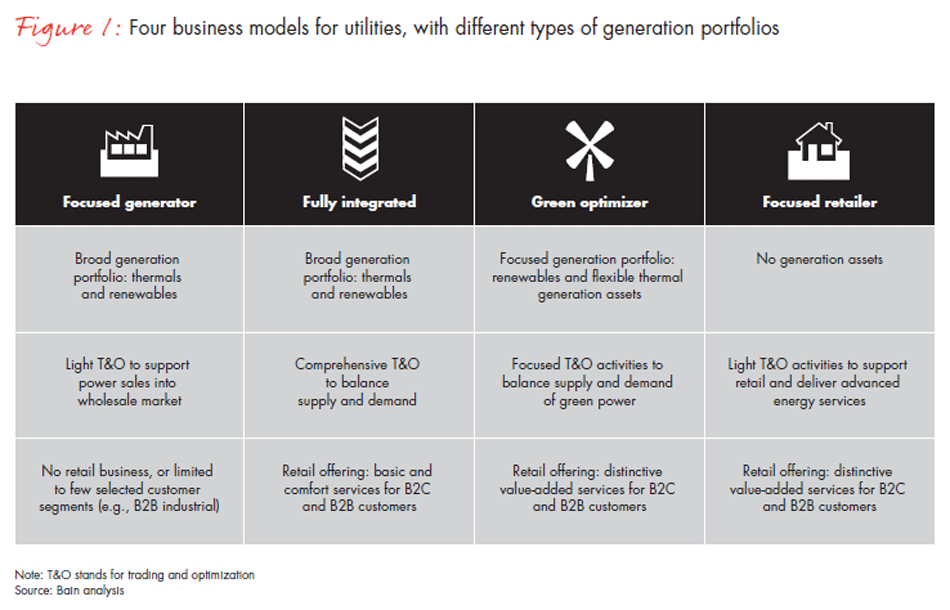
The next critical step is reviewing the entire power generation portfolio to identify the least profitable plants. Executives can then evaluate strategic options for those plants while also identifying tactical levers to improve operational excellence, reduce costs and operate more efficiently across the portfolio. These reviews should consider different scenarios that could affect future profitability, such as changes in electricity demand and the cost of fuel. These insights can inform decisions about which plants to close, mothball or convert. Executives can then put measures in place to reduce costs and boost efficiency at the remaining plants. One utility was able to raise margins and, over three years, bring the portfolio back to profitability by closing a single large plant (saving about 40% of operating costs), implementing a stringent cost-reduction program (cutting about 25% of operating expenses) and maximizing revenue from the rest of its portfolio (an uplift of 15%). Assess the portfolio’s potential A thorough evaluation of the potential within a power generation portfolio begins with a review of the current and future profitability of each plant (see Figure 2). These reviews should assess the operating expenses and profitability of each site, and consider any investments and capital expenses that may be necessary to keep the plant running. 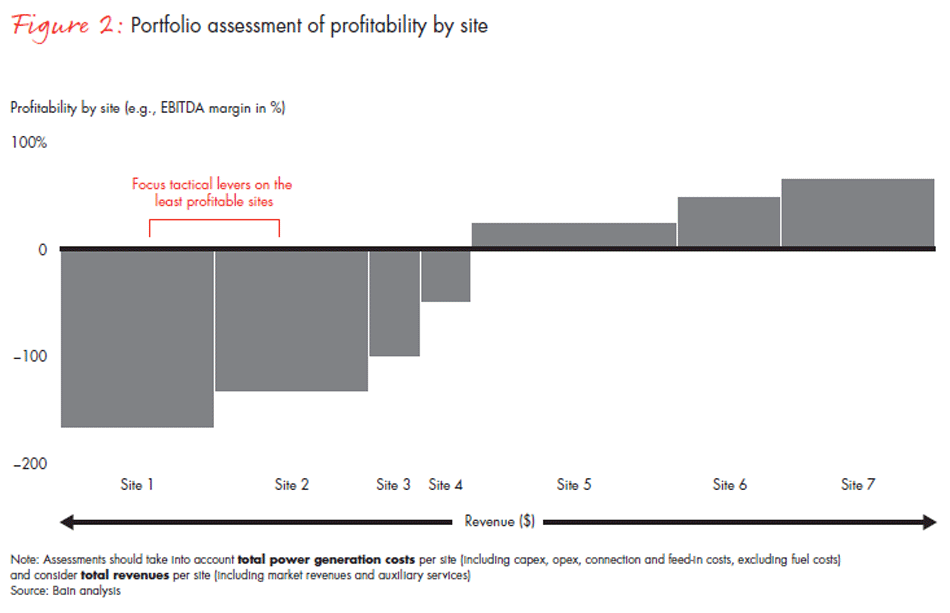
Once executives have a clear picture of each plant’s profitability, they should consider different tactical measures to improve the portfolio’s performance. Three measures offer the greatest potential to raise profitability:
In addition to implementing these tactical measures, utilities should assess the future profitability of their power generation portfolio and the assets in it. They should calculate profitability under a range of scenarios and factors, including fluctuations in demand, wholesale prices and fuel costs, and also consider the effects of shifting to renewables and distributed generation. Evaluate strategic options Once executives have a clear understanding of the portfolio’s profitability potential, they can consider broader and more strategic options, including converting plants (for example, from a combined cycle to an open cycle or a cogeneration system) or mothballing or closing them. Because utilities need to consider the technical and regulatory constraints of closing plants, this process should include discussions with regulators to explore how plant closures could affect the region’s energy capacity. These conversations should include the possibility of obtaining support for unprofitable plants, such as annual compensation for maintaining sufficient reserve capacity to prevent the risk of blackouts. Executives can then assess the economics of each scenario by applying four best practices:
Utilities should then perform a detailed risk assessment on each of the potential options with a positive economic return, including technical, regulatory, social and legal risks. These assessments should consider revenue uncertainty as market conditions change and the possibility of disruption in the competitive market if other utilities change their portfolios. Armed with these key recommendations, the senior executive team can make long-term strategic decisions about their power generation portfolio. These decisions will inform a comprehensive plan that includes a vision of the future portfolio, a detailed roadmap with milestones and a cross-functional governance structure that clarifies accountability. When to review While most utility executives continually scan the horizon as they consider their long-term strategic options, dramatic shifts or sustained trends can serve as a specific prompt for reviewing the power generation portfolio. Among the indicators that could spark a broad review:
These and other factors should lead executives to take a measure of their options and consider the range of appropriate actions designed to position their organizations for long-term sustainability and profitability in the power sector. Arnaud Leroi is a partner in Bain & Company’s Paris office, where Julien Jaulin is a manager. Jim Wininger is a Bain partner in Atlanta. All three work with Bain’s Global Utilities practice. |