

World Economic Forum


|
At a Glance
This article originally appeared in the World Economic Forum. The world is facing an energy trilemma of access, cost, and emissions. As we drive toward a decarbonized future, we are also witnessing more frequent blackouts and fuel-price spikes from global supply chain disruptions and extreme weather events. Geopolitical tensions exposed the fragility of global energy systems—and the importance of a consistent and affordable supply of energy as we move toward net zero. The MENA region sits at the fulcrum of this trilemma. As a reliable source of global energy for decades, the region’s oil is among the cheapest to produce and the least polluting globally. On average, each barrel produced in the Gulf Cooperation Council (GCC) countries of MENA produces 40 kilograms of carbon dioxide, compared to a global average of 60 kilograms of carbon dioxide per barrel. Countries in the MENA region produce about one-third of the global oil supply and will continue to play a pivotal role in the global energy mix. At the same time, they must demonstrate results on the decarbonization commitments they made in their Nationally Determined Contributions and net-zero pledges. How can MENA’s countries rapidly cut emissions and ensure the world’s energy needs? By thinking locallyEvery country seeks to reduce their emissions. The optimal pathway for decarbonization is different for each country, however. This is dependent on local environmental factors that determine the reduction potential and abatement costs. Each region should tailor its decarbonization strategies accordingly. To illustrate the impact of regional differences, we compared the abatement cost and abatement potentials of decarbonization pathways for two archetypal countries: one in the Gulf Cooperation Council (GCC) and one from North America/Europe. We chose archetypes with comparable energy exports, similar gross emissions, and a significant share of global oil production. More importantly, they have vastly different climates, topographies, and natural resources, which resulted in different choices for decarbonization. We compared abatement costs and resource availability across two broad pathways: technology-based solutions and nature-based solutions. Both contain emissions avoidance and emissions removal strategies.
Figure 1
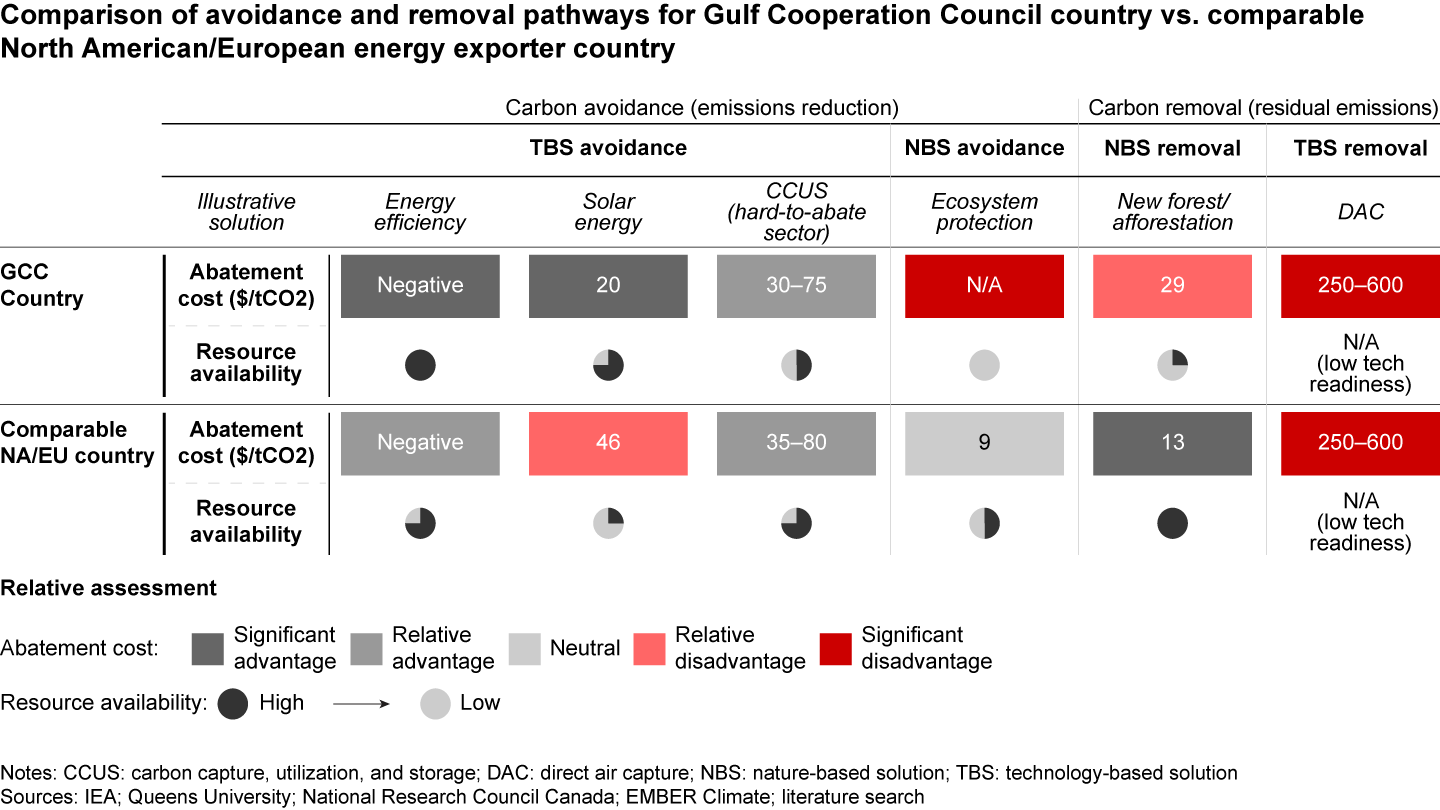

This exercise demonstrated how regional differences affect the direction, cost, and scale of emissions abatement. We learned that:
Lifetime abatement potential per unit of investmentThe operational life, capital expenditure, and operational expenditure of each pathway vary, too. We measured the lifetime abatement potential per unit of investment for each strategy to determine how companies can get the biggest “bang for their buck” and identify optimal pathways to net zero.
Figure 2
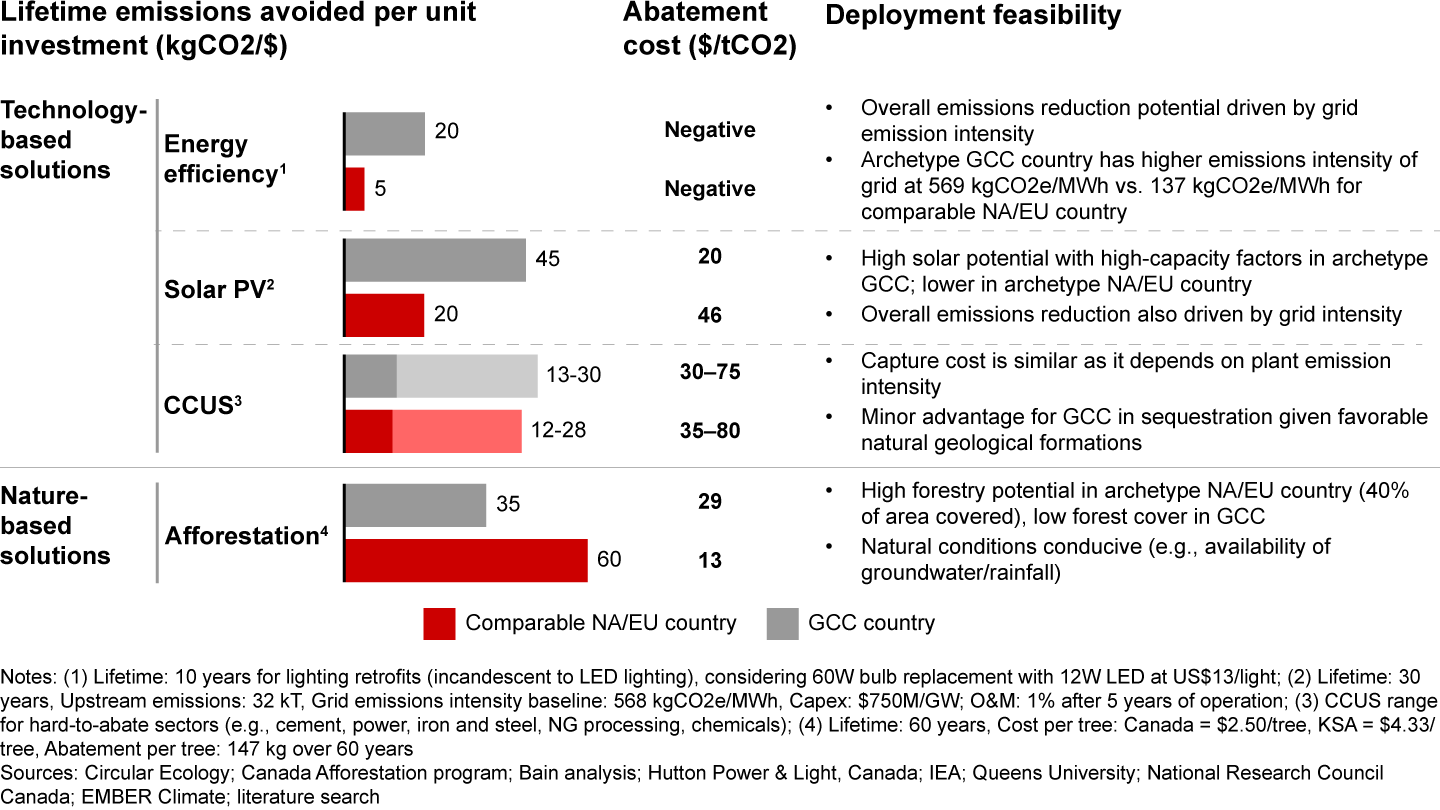

Our analysis revealed a wide variation in lifetime abatement potential across the two archetypes:
A MENA route to abatementBased on this analysis, the optimal pathway to emissions reduction in MENA will differ from other regions. Its natural resources and climatic conditions require MENA countries to focus more on technology-based solutions. Emissions reduction is likely to cost significantly more in MENA than in other regions. For example, the optimal decarbonization pathway for the North American/European country was afforestation, which has a 33% higher abatement potential per unit of investment than the optimal pathway in MENA (solar). However, in this journey toward TbS-led decarbonization, there is an inherent need to contextualize global emissions measurements, reporting, and verification (MRV) guidelines and net-zero frameworks to be applied locally to the MENA ecosystem. This must be done in the context of regional optimal pathways and socio-economic development journeys. Multiple technology pathways must be pursued simultaneously to drive decarbonization in the MENA region. MENA businesses should pursue five key actions for decarbonization:
There are signs that the MENA region is taking up the challenge. The Gulf states already account for 10% of carbon captured worldwide, with more investment planned, and various companies are investing in renewables across MENA. As the region prepares to host its second consecutive United Nations Climate Change Conference (COP) summit in the United Arab Emirates this year, there is growing awareness that significantly more investment needs to flow into technology-based solutions for MENA to reach its net zero targets. Leaders for a Sustainable MENA, a World Economic Forum community of policymakers, businesses, and investors dedicated to accelerating climate action in the region, has identified the need to contextualize reporting standards and decarbonization frameworks for the MENA region. To drive a meaningful sustainability agenda in the region, leaders must align on a shared roadmap of best practices that can mobilize all segments of society towards a climate-resilient future for the region. |