Growth Under Pressure: Value-seeking Shoppers and New Channel Battlegrounds in China FMCG
China Shopper Report 2026, vol. 1
By Derek Deng, Bruno Lannes, and Rachel Lee
Report
Growth Under Pressure: Value-seeking Shoppers and New Channel Battlegrounds in China FMCG
Growth Under Pressure: Value-seeking Shoppers and New Channel Battlegrounds in China FMCG
China Shopper Report 2026, vol. 1
By Derek Deng, Bruno Lannes, and Rachel Lee
First published on Ιουνίου 16, 2026
min read
Report
Growth Under Pressure: Value-seeking Shoppers and New Channel Battlegrounds in China FMCG
en
Written in collaboration with
Written in collaboration with
Executive summary
This is the 15th consecutive year that Bain & Company and Worldpanel by Numerator have collaborated to track and analyze the shopping behaviors of Chinese consumers. Over this period, we have built a rich, longitudinal view across 27 fast-moving consumer goods (FMCG) categories that households purchase for in-home consumption in China. These categories span four major sectors—packaged food, beverage, personal care, and home care—and together capture how Chinese consumers meet their everyday needs for eating, drinking, and caring for themselves and their homes.
In this report, the term FMCG is used in a deliberately narrow and consistent way. It covers daily-necessity categories that are typically purchased with high frequency (daily, weekly, or monthly), such as staple foods, beverages, cleaning products, and personal care items. It does not include discretionary or durable categories such as apparel, consumer electronics, home appliances, travel, or restaurant spending.
Broad structural shifts are reshaping China’s consumption landscape. The country is moving from a long period of rapid population growth and rising incomes into slower growth, with deflationary pressure and weaker confidence. Meanwhile, the demographic and household profile of consumers is changing in ways that will define where and how FMCG growth appears over the next decade.
China has fewer people overall: The population has been declining. This means brands can no longer rely on headcount growth to support volumes and must instead work harder on penetration, mix, and occasion expansion.
China is also getting older. Around 320 million people are now aged 60 or above, and this cohort will keep expanding. These older consumers are still willing to pay for quality and trusted brands, particularly in health, nutrition, and home care categories, but they need offerings and communication that are tailored to their needs, usage patterns, and channels.
Finally, China is getting more solo. Roughly a quarter of households are now one-person households, concentrated in top-tier cities. Solo consumers have different shopping baskets and missions: They look for smaller or multiportion packs to manage waste, formats that are easy to store and prepare, and brands that offer emotional connection as well as functional value.
Together, these structural shifts underpin the value-seeking behavior we observe in the data and carry significant implications for innovation, pack/format strategy, pricing architecture, and route-to-market choices. The rest of the report should be read with these demographic forces in mind.
The picture that emerges from 2025 and early 2026 is one of growth under pressure. Overall FMCG spending in 2025 edged up only slightly, and that modest value growth was almost entirely driven by higher volumes rather than higher prices. Households bought more units of FMCG, but at lower average prices, as deflation, intense competition, and value-seeking behavior kept a firm lid on monetization. By Q1 2026, this pattern had become even more pronounced. Volumes continued to grow, but total FMCG value turned negative year on year, confirming that China’s FMCG sector is operating in a structurally deflationary environment.
At the same time, where and by whom growth is generated is changing. Incremental FMCG value is increasingly coming from lower-tier cities and older households, particularly mid-life households and families in Tier 3 to Tier 5 markets. Channels are polarizing: E-commerce and online to offline (O2O), along with fast-growing offline formats such as membership clubs, snack collection stores, and discounters, are capturing volume and share, while legacy formats like hypermarkets and convenience stores for in-home consumption continue to lose relevance. Domestic brands and retailers’ private labels are steadily gaining ground, reshaping competitive dynamics for incumbent brands.
Against this backdrop, consumers chasing value in a deflationary market pose a challenge for brands. The chapters that follow first examine FMCG performance in 2025 by category; then explore how channels are evolving; look at brand performance across multiple lenses; and, for the first time in our report, explore the role and challenges of innovation to drive brand growth. It finally looks at Q1 2026 through the lens of pricing and seasonality. The report closes with a focused set of implications for brands, outlining how to win with lower-tier and aging shoppers, how to re-architect portfolios and pack-price ladders around occasions, how to make the most of e-commerce/O2O and new offline formats, and how to successfully drive brand growth in this highly competitive market.
FMCG overview in 2025: Growth in a deflationary world
Headline performance and medium-term context
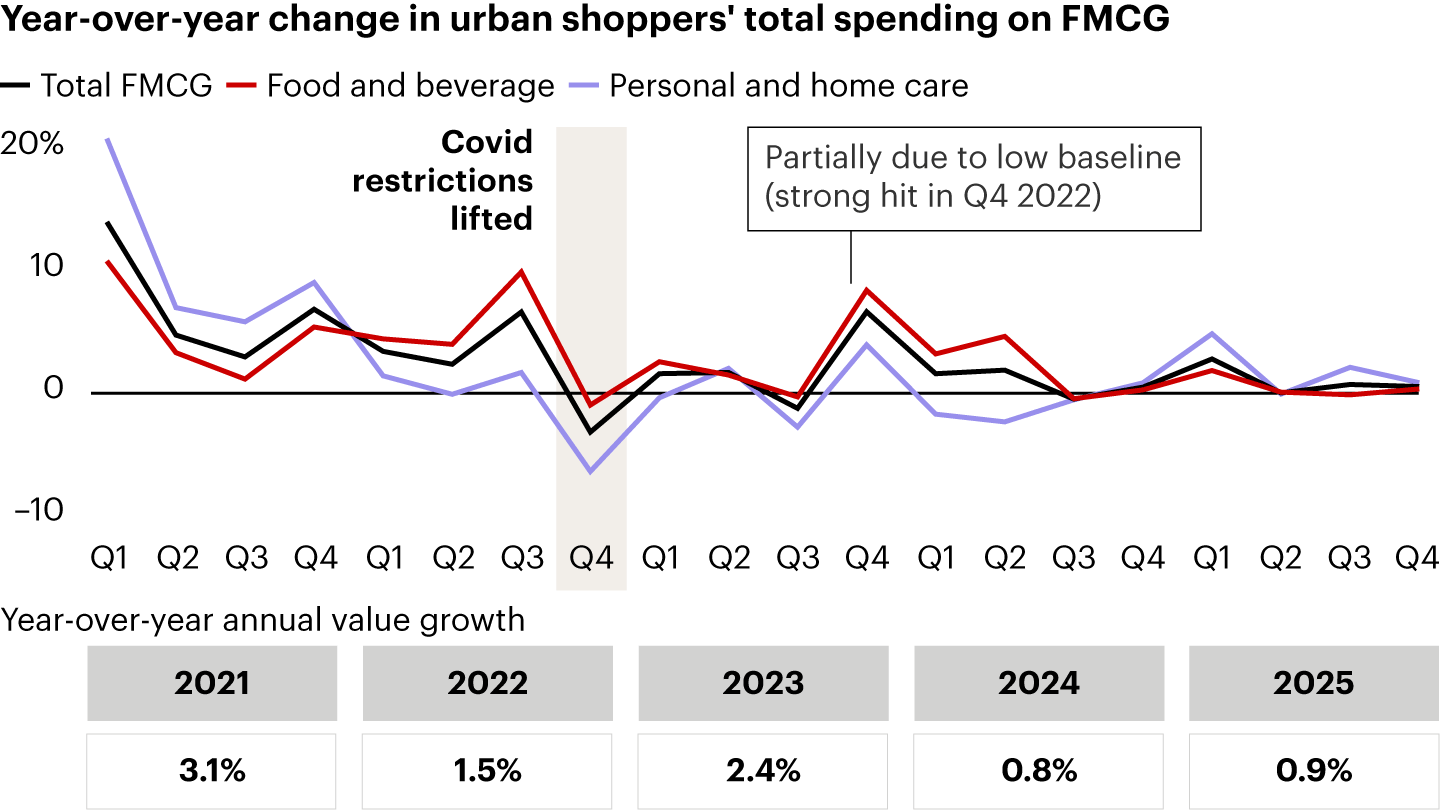
The starting point for understanding 2025 is simple: FMCG value grew, but only just. In urban China, total FMCG spending increased by around 1%, extending the low-single-digit growth pattern that has characterized the post-pandemic years (see Figure 1). This is a far cry from the high growth rates of a decade ago, but it also represents a degree of stabilization after the volatility and stop-start recovery of 2020–23.
Figure 1
Year-over-year change in urban China FMCG spending
Notes: Worldpanel updated the consumer universe, leading to some inconsistencies with previous years’ data; FMCG is fast-moving consumer goods
Sources: Worldpanel by Numerator; Bain analysis
When trends are viewed over several years, three shifts stand out:
Slower top-line growth has become the norm as the market matures.
Macro volatility, from Covid-19 to property market stress, has left households more cautious; they are less willing to spend freely and more intent on preserving their savings and managing household budgets carefully.
Structural changes in channels and competition have made it much harder to sustain price increases without losing share.
These forces came together in 2025 to produce a market that is still growing in physical terms, but struggling to translate that into revenue.
Volume vs. ASP: The anatomy of deflation
To see this clearly, it helps to separate how much consumers buy from what they pay per unit.
On the volume side:
Unit volumes continued to grow at a steady pace, driven by population-level stabilization in urban areas, and ongoing urbanization into lower-tier cities.
Many everyday categories saw stable volumes, as they are deeply embedded in routine household behavior.
On the pricing side:
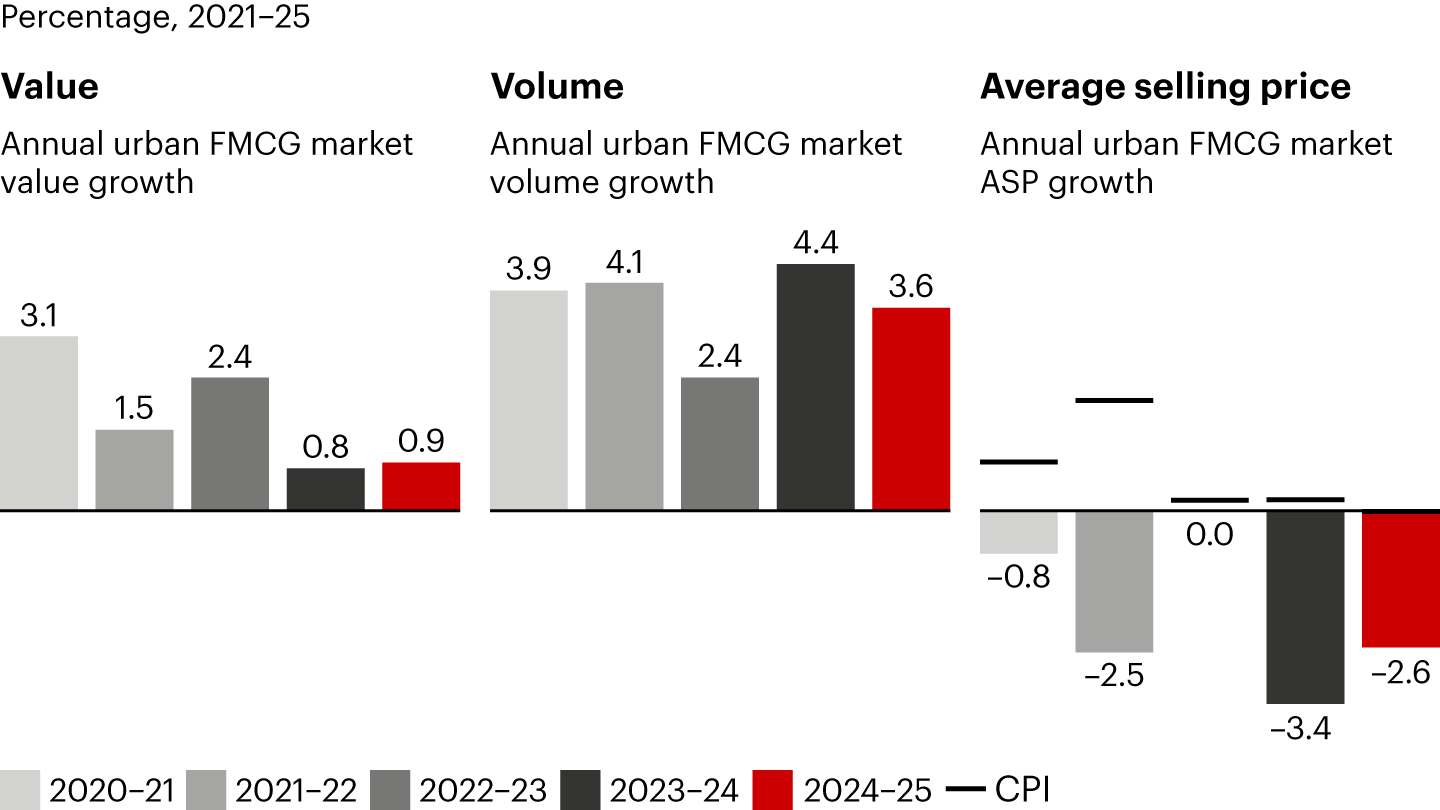
Average selling price (ASP) declined across most major FMCG sectors. This was an extension of a trend that began in 2021 and reflects intensified price competition, promotion, and mix shifts toward cheaper brands, cheaper packs, and cheaper channels.
In some categories, the decline in ASP accelerated where e-commerce and O2O played a bigger role in the mix, or where private-label penetration increased quickly.
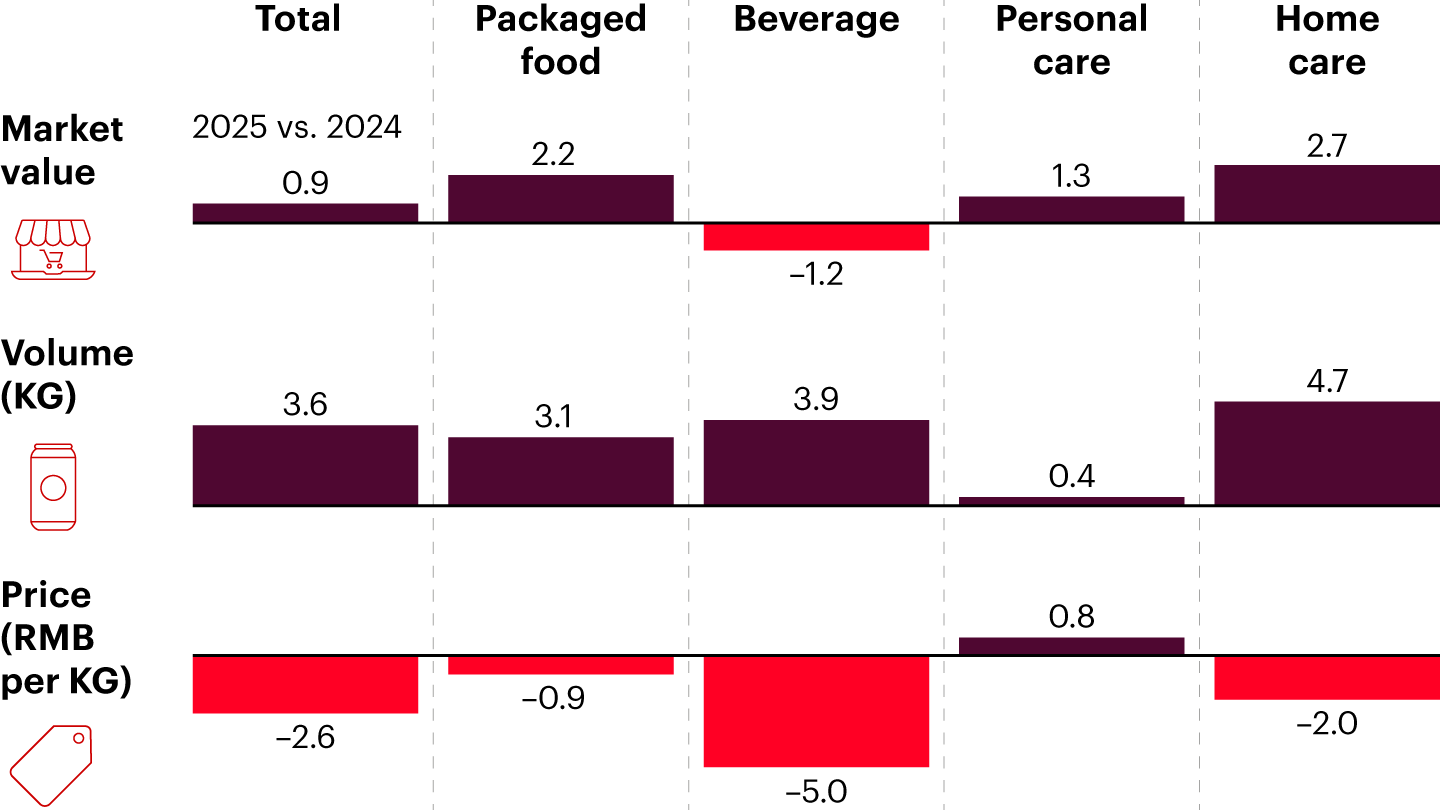
The net effect is growth without pricing power: Brands and categories can still grow by selling more units, but they cannot rely on price-per-unit as a lever. In this environment, penetration, frequency, and occasion-driven growth become more important than ever (see Figure 2).
Figure 2
Urban FMCG growth in 2025 remained volume-led as ASP pressure persisted
Notes: ASP is average selling price; FMCG is fast-moving consumer goods
Sources: Worldpanel by Numerator; National Bureau of Statistics; Bain analysis
Where growth really comes from: City tiers and household segments
Behind the aggregate numbers lies a pronounced shift in where growth is generated and which households are driving it.
From a city-tier perspective:
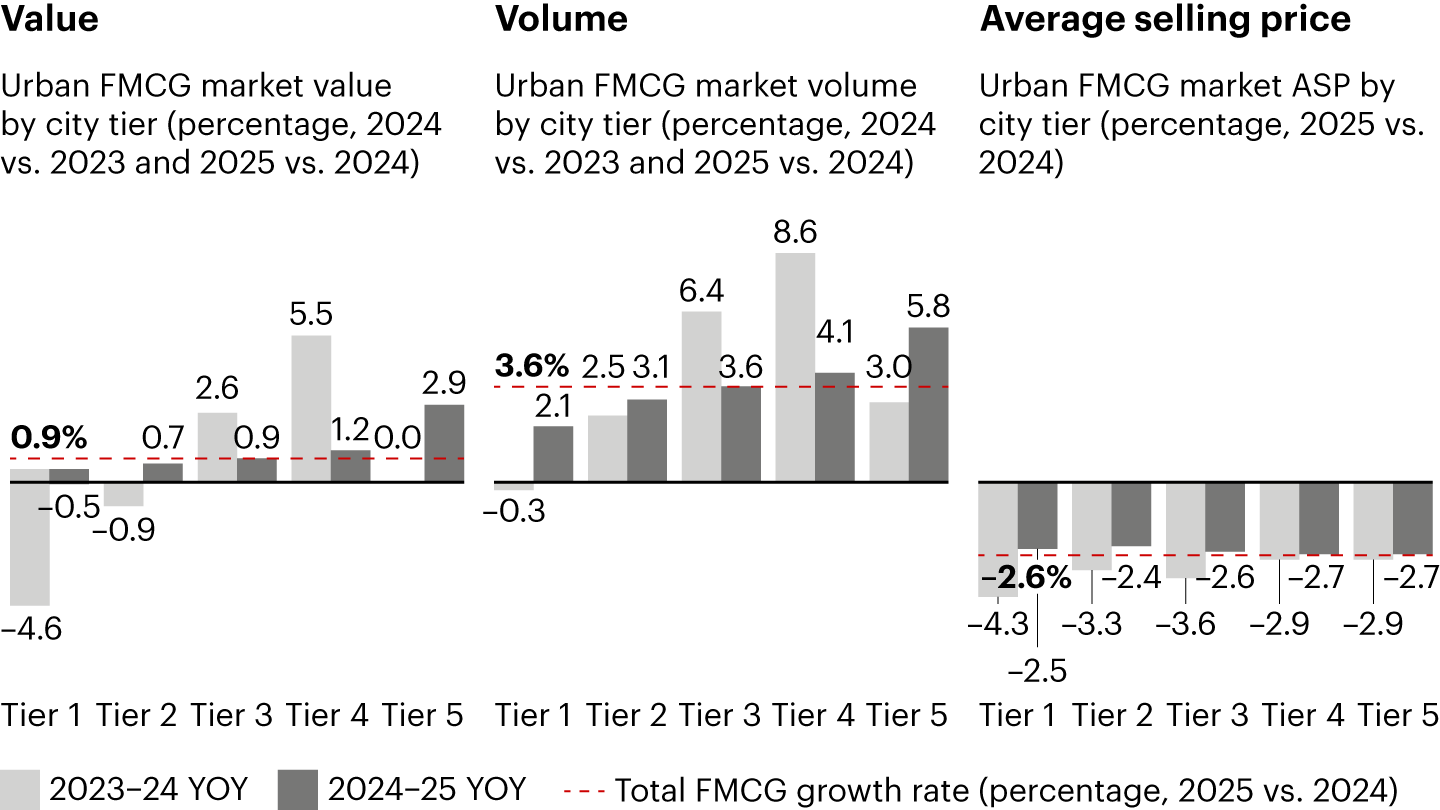
Tier 1 cities recorded low or slightly negative FMCG value growth. Consumers in these markets face higher living costs and they are particularly sensitive to price and perceived value.
Tier 2 to Tier 3 cities broadly tracked the national average, with modest volume growth offset by ASP declines.
Tier 4 to Tier 5 cities, especially Tier 5, accounted for a disproportionate share of incremental FMCG value. These markets benefited from ongoing urbanization, and the continued rollout of modern retail and digital channels, which expanded assortment and access (see Figure 3).
Figure 3
Urban FMCG growth was stronger in lower-tier cities, despite broad-based ASP pressure
Notes: Tier 1 cities include Beijing, Shanghai, Guangzhou, Chengdu; Tier 2 cities include provincial capital cities, excluding Guangzhou and Chengdu, plus Tianjin, Chongqing, Shenzhen, Dalian, Qingdao; Tier 3 cities include prefecture-level cities, excluding Dalian and Qingdao; Tier 4 cities include county-level cities; Tier 5 cities include residences of county government; ASP is average selling price; FMCG is fast-moving consumer goods
Sources: Worldpanel by Numerator; Bain analysis
From a household-segment (life stage) perspective:
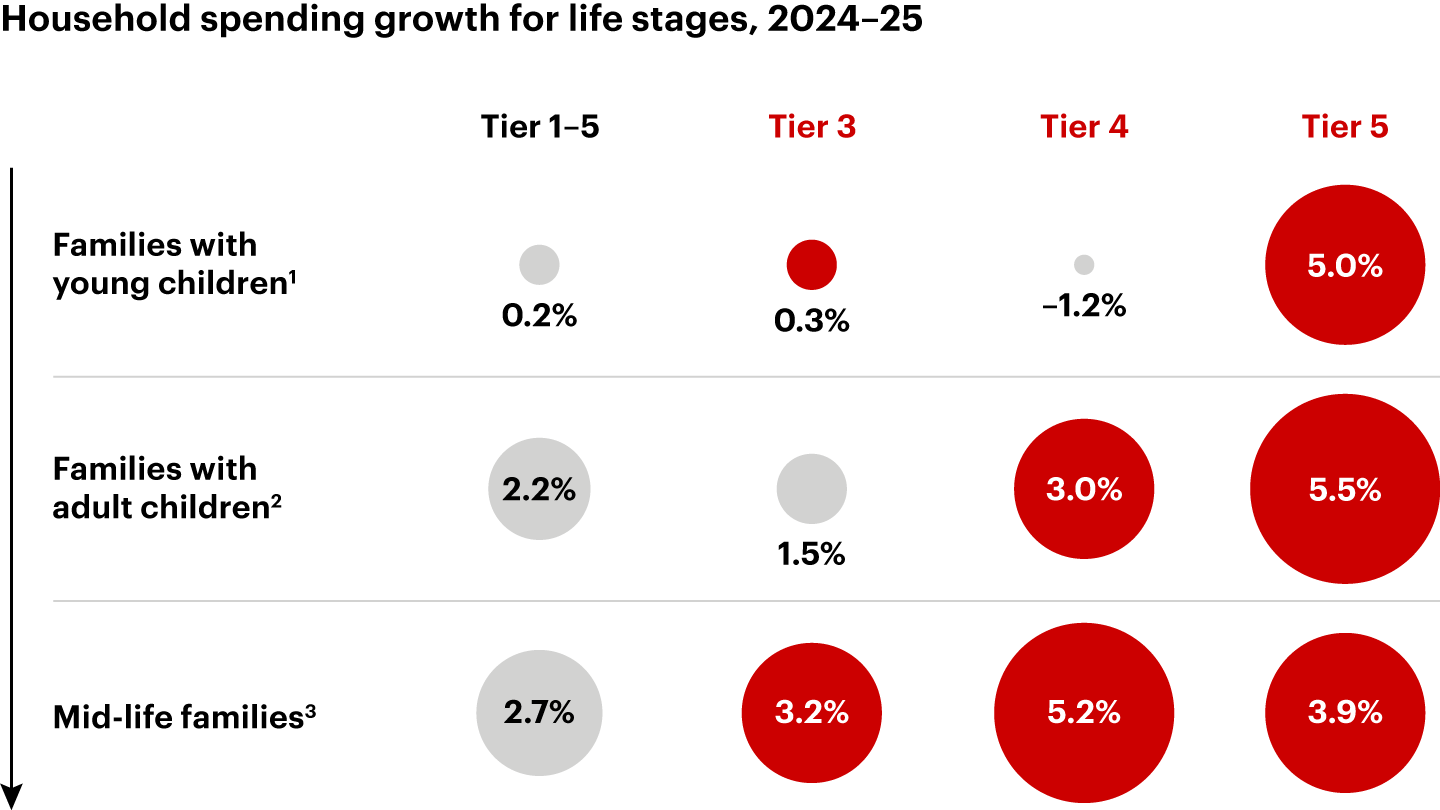
Mid-life and older households in lower-tier cities increased their FMCG spending faster than younger households in top-tier markets. These households tend to prioritize stability, health, nutrition, and home comfort, and they respond positively when they can get better quality for a fair price.
Families with children played an outsized role in Tier 5 cities. This reflects their higher consumption intensity and continued willingness to prioritize child-related everyday FMCG needs despite a value-seeking environment (see Figure 4).
Figure 4
Household spending growth was stronger among key family segments in lower-tier cities, especially Tier 4–5
Notes: (1) Families with children aged 0–14; (2) All members >=18, with at least one >=35 years old; (3) All members >=45 years old, with at least one aged 45–60; FMCG is fast-moving consumer goods
Sources: Worldpanel by Numerator; Bain analysis
These patterns suggest that the “average Chinese consumer” is an increasingly misleading construct. Brand and channel strategies need to catch up with this reality.
Sector and category clusters: Resilience vs. pressure
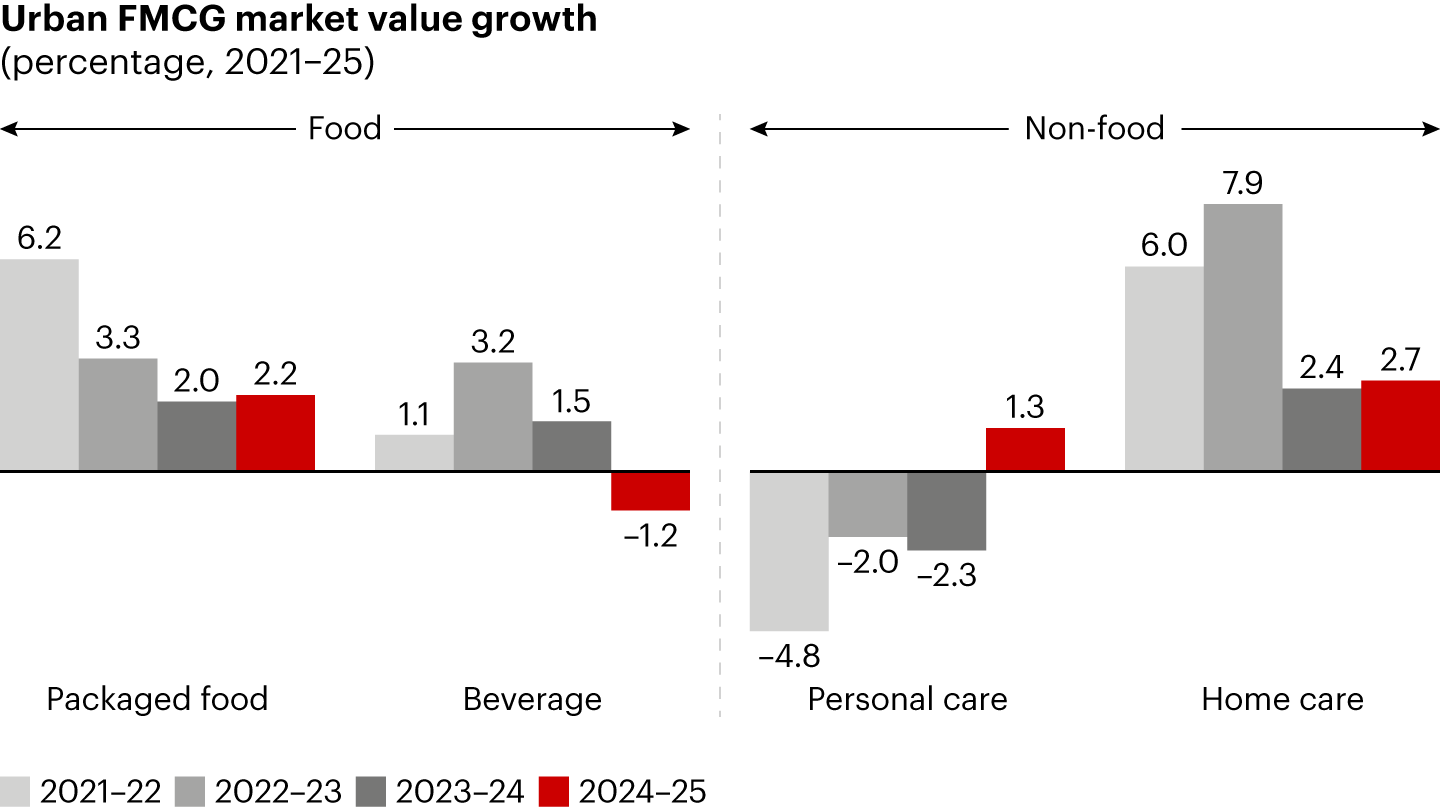
The four major FMCG sectors tell different versions of the same story (see Figures 5 and 6).
Packaged food remained resilient in 2025, supported by steady volume demand and relatively limited price pressure. Value growth held at +2.2%, broadly stable vs. the prior year, while volume rose +3.1% and ASP declined modestly by −0.9%. Compared with beverage, where strong volume growth was more than offset by deep price deflation, packaged food showed a healthier balance between demand resilience and pricing pressure. Growth was led by more functional and everyday categories, including instant noodles (+6.1%), nutrition supplements (+3.5%), infant formula (+2.3%), and biscuits (+1.8%), while some discretionary categories such as chocolate (−3.2%) remained weak.
Beverage contrasted sharply vs. previous years, slipping into value decline. Despite a +3.9% increase in volume, category value declined −1.2% as ASP fell −5.0%. Strong volume in some segments (e.g., ready-to-drink (RTD) tea, juice) was outweighed by steep price erosion. Performance was polarized across sub-categories: juice (+18.7%) was the clear standout, while beer (+5.3%), packaged water (+4.6%), and RTD tea (+3.0%) also grew. In contrast, dairy-related categories such as milk (−5.0%) and yogurt (−4.9%) remained weak, and instant coffee (−1.1%) also declined.
Home care maintained solid growth, supported by sustained attention to cleanliness and hygiene. Value increased +2.7%, supported by +4.7% volume growth, reflecting continued demand for household cleaning and hygiene products. Yet ASP declined −2.0%, suggesting that brands still faced meaningful price pressure as consumers became more value-conscious and compared options across pack formats and channels. Within the sector, facial tissue (+3.8%), kitchen cleaner (+1.8%), and fabric detergent (+1.0%) continued to grow, while toilet tissue (−6.8%) lagged.
Personal care returned to modest growth. Value growth turned positive at +1.3% after three years of decline, supported more by price/mix improvement than by volume expansion. ASP increased +0.8%, making personal care the only major sector with positive pricing, while volume rose only +0.4%. Volumes recovered as social and out-of-home occasions normalized, and consumers may have been buying slightly “better quality” items. Recovery was selective: makeup (+4.6%) rebounded the most, while sanitary pads (+3.4%) and toothpaste (+2.7%) also performed well. By contrast, core daily-use categories were softer, including shampoo (+1.1%), personal wash (+0.4%), skincare (+0.5%), and hair conditioner (−0.4%).
Figure 5
Urban FMCG market value growth by major category, 2021–25
Note: FMCG is fast-moving consumer goods
Sources: Worldpanel by Numerator; Bain analysis
Figure 6
FMCG growth in 2025 was driven by volume, while price deflation weighed on most categories
Sources: Worldpanel by Numerator; Bain analysis
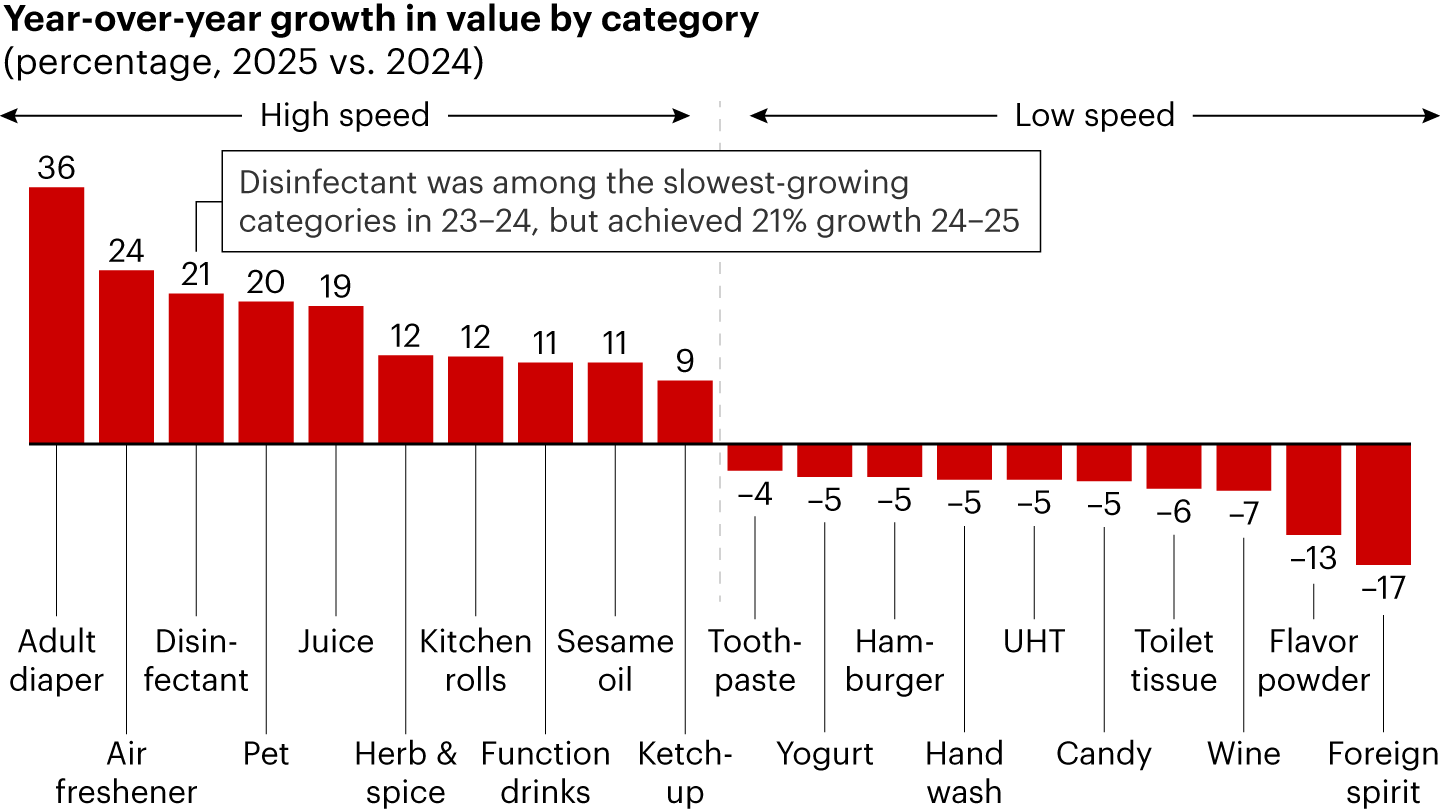
Grouping categories into fast- and slow-growth clusters reveals a consistent two-speed phenomenon: Categories with clear demand expansion logic—from health, hygiene, and home comfort to broader usage occasions—tended to outperform (see Figure 7). Adult diapers led growth at +36%, reflecting aging-related demand, while air freshener grew +24%, supported by continued household hygiene needs. Pet food also grew strongly at +20%, consistent with the growing role of pets in smaller or later-marriage households. Two categories in particular have taken a leap in growth in the past year:
Disinfectant (+21%): Growth was driven by format innovation, especially disinfectant spray, whose share rose from 2% to 9% and value grew more than fourfold in 2025. Dettol led the shift, growing +39% and increasing share from 46% to 52%. This expansion was supported by new spray launches, alongside more targeted dilutable products such as natural and pet-friendly disinfectants. This shows how brands can refresh long-standing categories by identifying new everyday occasions and responding with the right innovation.
Ketchup (+9%): This category shows how packaged food categories can grow through usage-occasion expansion. Heinz’s China market value rose 31% from 2024 to 2025, with penetration increasing from 11% to 13%. Growth was supported by efforts to reposition ketchup from a Western-style dipping sauce into a Chinese cooking ingredient, notably through the “Roller Shutter” Chinese New Year (CNY) campaign, which turned closed restaurant shutters into recipe-led billboards for familiar Chinese dishes. Salience-building activations such as the 2025 National Games campaign further reinforced brand relevance. Together, these efforts refreshed a mature category by linking the product to local cooking rituals, culture, and everyday food moments.
By contrast, some discretionary or commoditized categories bore the brunt of deflation and downtrading. The low-growth cluster included discretionary categories such as foreign spirits (−17%), wine (−7%), and candy (−5%), as well as everyday categories including toilet tissue (−6%), ultra-high-temperature milk (−5%), hand wash (−5%), and yogurt (−5%). This suggests that weaker categories were affected by multiple forces: maturity, substitution, price pressure, and changing consumption frequency.
Figure 7
Year-over-year growth in urban FMCG value by category
Notes: Two-speed growth is calculated based on the categories applicable to all households; baby categories (e.g., infant formula and diapers) are not included; RTD tea is ready-to-drink tea; UHT is ultra-high-temperature milk
Sources: Worldpanel by Numerator; Bain analysis
Foreign brands vs. domestic brands
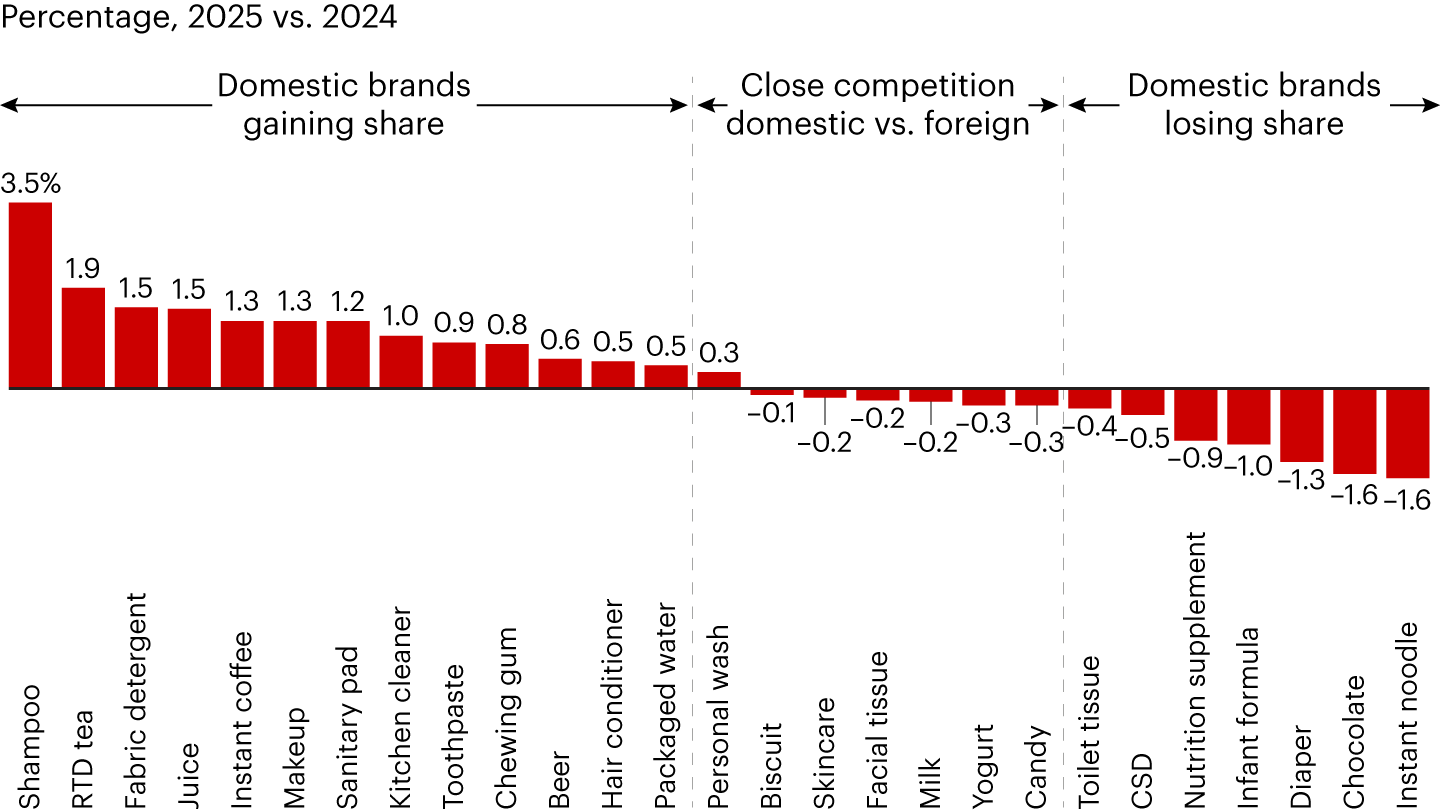
Finally, 2025 was another year in which domestic brands and private labels reshaped the competitive landscape (see Figure 8).
Domestic players continued to gain share in more categories than they lost, often by combining sharp pricing with credible quality and fast innovation cycles. The strongest gains appeared in categories such as shampoo (+3.5 percentage points [pp]), RTD tea (+1.9 pp), fabric detergent, and juice (+1.5 pp each), as well as instant coffee and makeup (+1.3 pp each). These gains suggest that domestic players are increasingly competitive in categories where they can combine local consumer insight, fast innovation cycles, and value-for-money propositions.
Domestic brands made the strongest inroads in categories where local players have been able to pair efficacy claims and ingredient innovation with sharper price points. In shampoo, brands such as Little Dream Garden (半亩花田) (+0.7 pp) and Spes (诗裴丝) (+0.4 pp) continued to take share with scalp-care and fragrance-led propositions priced below comparable foreign offerings. RTD tea saw Nongfu East Leaf (东方树叶) (+3.9 pp) and Genki Forest (元气森林) (+0.2 pp) gain ground with zero-sugar and functional positionings, while in fabric detergent, Liby (立白) (+1.4 pp) strengthened their lead through liquid and pod formats. In makeup, domestic brands, including Mao Geping (毛戈平) (+0.7 pp) and Timage (彩棠) (+0.2 pp), continued to gain at the expense of foreign incumbents, particularly in the “masstige” price band on Douyin.
One notable exception was instant noodles, where domestic players lost 1.6 pp of share in 2025. Korean brands have been driving most of the foreign-brand gains, led by Samyang (+0.9 pp), followed by Ottogi (+0.5 pp) and Nongshim (+0.3 pp). This suggests that foreign brands can be better positioned where trend-driven innovation and distinct brand imagery matter more.
Foreign brands also held or strengthened positions in chocolate, infant formula, diapers, and nutrition supplements. In chocolate, Meiji (+0.7 pp) is gaining share as a trusted imported brand with a reputation for high quality and Japanese craftsmanship, whereas premium gifting demand continues to favor brands such as Lindt (+0.6 pp). In infant formula and diapers, declining birth rates have shrunk the prize but raised the bar on safety and trust, advantaging multi-nationals such as Aptamil (+1.3 pp) and A2 (+0.6 pp); Pampers (+3.2 pp) and Huggies (+1.8 pp). In nutrition supplements, foreign science-led brands including Schiff Move Free (+0.4 pp) and Blackmores (+0.1 pp) reasserted themselves on efficacy and trust.
Figure 8
Share gain or loss of domestic brands by FMCG category
Notes: Two-speed growth is calculated based on the categories applicable to all households; baby categories (e.g., infant formula and diapers) are not included; RTD tea is ready-to-drink tea; UHT is ultra-high-temperature milk
Sources: Worldpanel by Numerator; Bain analysis
Channel and ecosystem transformation in 2025
Channel mix evolution: Online, offline, and O2O
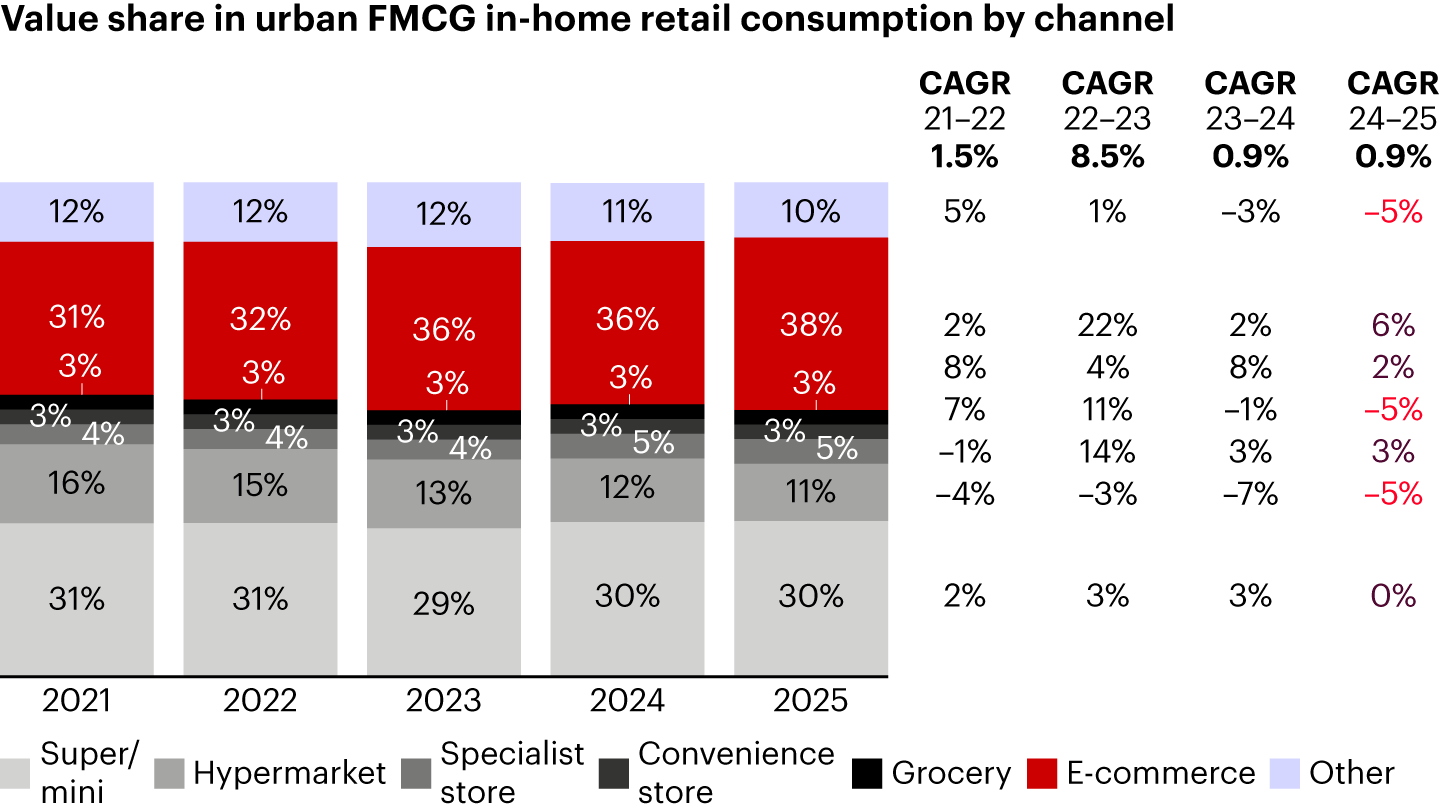
We next turn from what and who to where: how shoppers are splitting their FMCG budgets across channels (see Figure 9).
The 2025 landscape confirms a long-running pattern:
E-commerce has become a default planning channel for many shoppers. Its share of urban FMCG spending rose to 38% in 2025, with growth accelerating to +6% in 2024–25. This reinforces the growing importance of online channels in FMCG purchase journeys, particularly as consumers continue to seek broader choice, convenience, and value.
Offline channels still account for a large share of FMCG spending, but roles are rebalancing. Super/mini stores stayed broadly stable at 30% share, while hypermarkets continued to lose ground, falling from 16% share in 2021 to 11% in 2025. Convenience stores (for in-home consumption) and hypermarkets both declined −5% in 2024–25, whereas grocery and specialist formats still posted modest growth. This points to a more fragmented offline landscape, where growth is shifting away from traditional large-format retail toward more targeted, value-oriented or occasion-specific formats.
Figure 9
E-commerce continued to gain share in urban FMCG, while offline channels rebalanced across formats
Notes: Worldpanel updated the consumer universe in 2023 and 2024, leading to some inconsistencies with previous years’ data; gift channel value is allocated into each channel by its respective weight; FMCG is fast-moving consumer goods
Sources: Worldpanel by Numerator; Bain analysis
In this more fragmented channel landscape, brands need a more differentiated channel strategy, defining each format’s role across distinct missions—from stock-up and routine replenishment to urgent needs and treat/impulse occasions—rather than relying on a one-size-fits-all distribution approach. There is also a need to design packs, pricing, and assortments around higher-frequency, lower-ticket missions rather than only traditional bulk-buy or pantry-loading occasions.
O2O and instant retail in 2025
O2O (online-to-offline) sits at the intersection of digital convenience and local retail, and appears across most channels (see Figure 10). 2025 marked a clear turning point after two volatile years. What started as a subsidy-fueled “delivery war” has now settled into a more sustainable model.
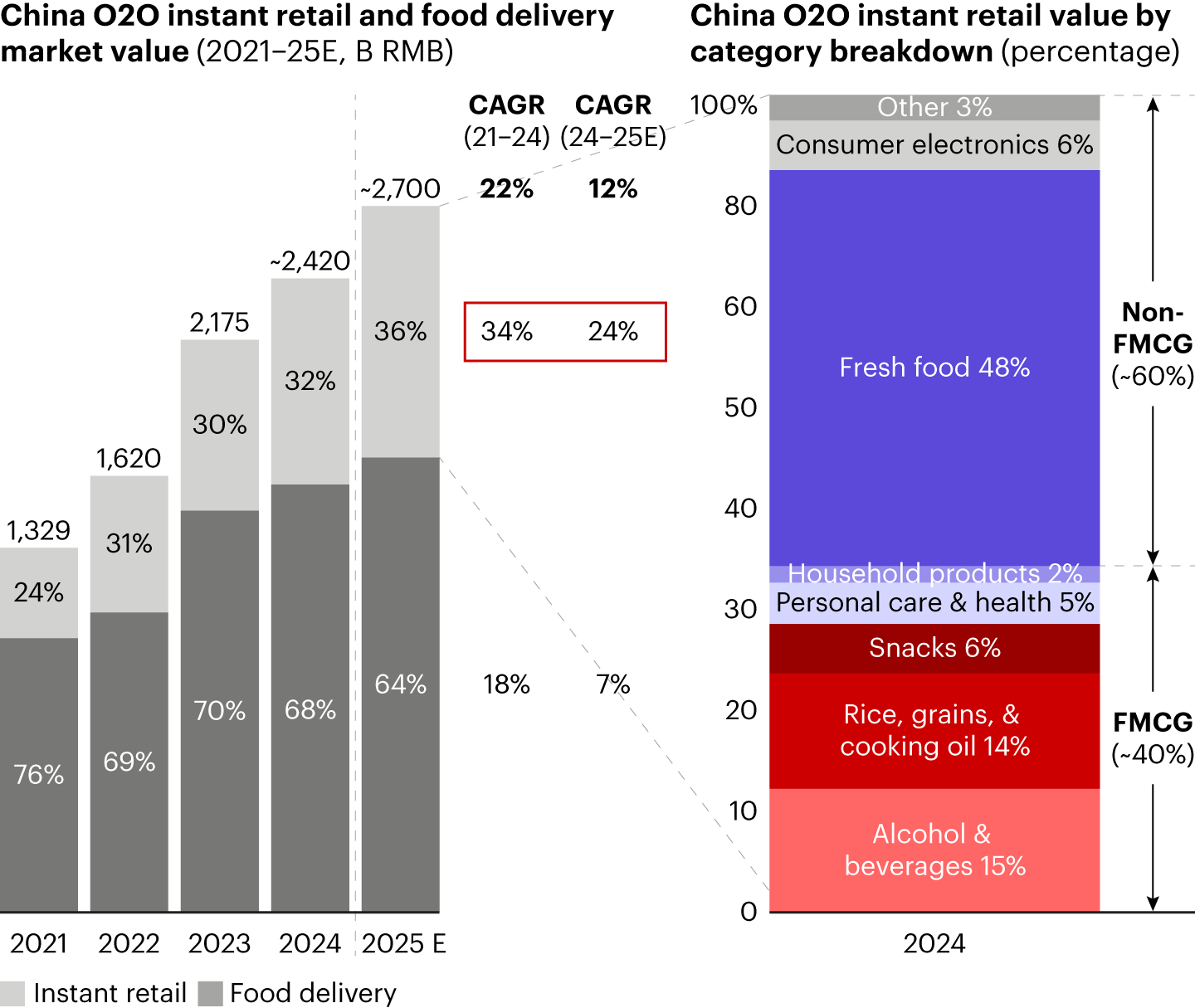
External market data shows that China’s broader O2O delivery market expanded rapidly, growing from RMB 1.3 trillion in 2021 to RMB 2.4 trillion in 2024, equivalent to a 22% compound annual growth rate (CAGR), with the market growing further to approximately RMB 2.7 trillion in 2025. Food delivery remains the larger segment, but instant retail has grown faster, at 34% CAGR from 2021 to 2024, vs. 18% for food delivery, indicating that on-demand platforms are moving beyond prepared meals and becoming a more regular route for physical goods that address immediate household and lifestyle needs.
FMCG is already a meaningful part of that shift. In 2024, FMCG-related categories—including alcohol and beverages; rice, grains, and cooking oil; snacks; and personal care and home care—accounted for about 40% of instant retail value. This indicates that instant retail is increasingly embedded in everyday consumption.
Figure 10
China’s O2O delivery market continued to scale rapidly, with instant retail gaining share and FMCG accounting for ~40% of instant retail value
Notes: O2O is online to offline; the O2O retail market does not include the O2O in-store fulfillment or home service market; O2O delivery is the umbrella term covering both food delivery and instant retail; food delivery refers to prepared meals delivered from restaurants, while instant retail refers to physical goods delivered on demand from local retailers; the latter spans multiple categories, including FMCG and non-FMCG; FMCG is fast-moving consumer goods
Sources: Lit. search; instant retail market development reports; Bain analysis
Three shifts are especially important in the in-home FMCG O2O market:
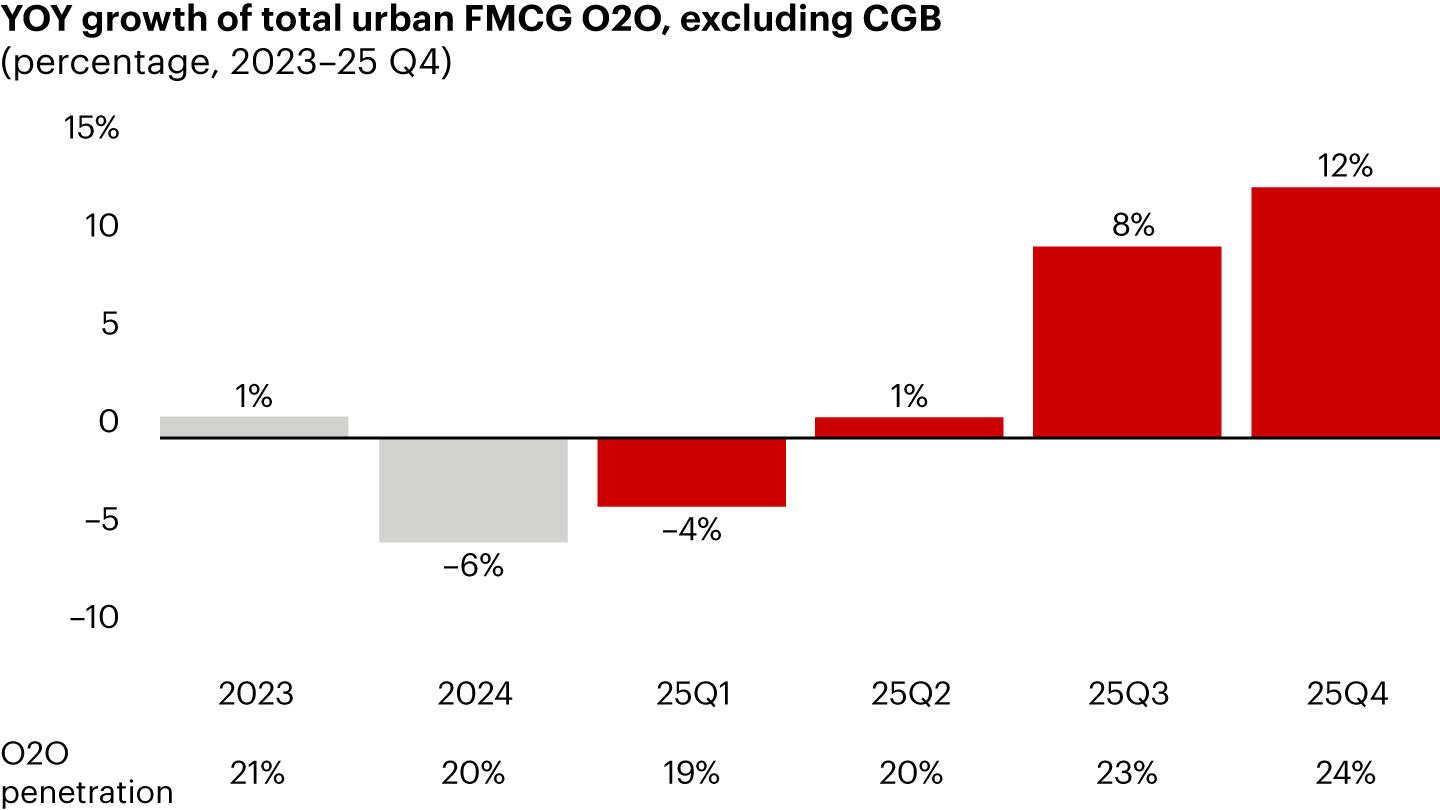
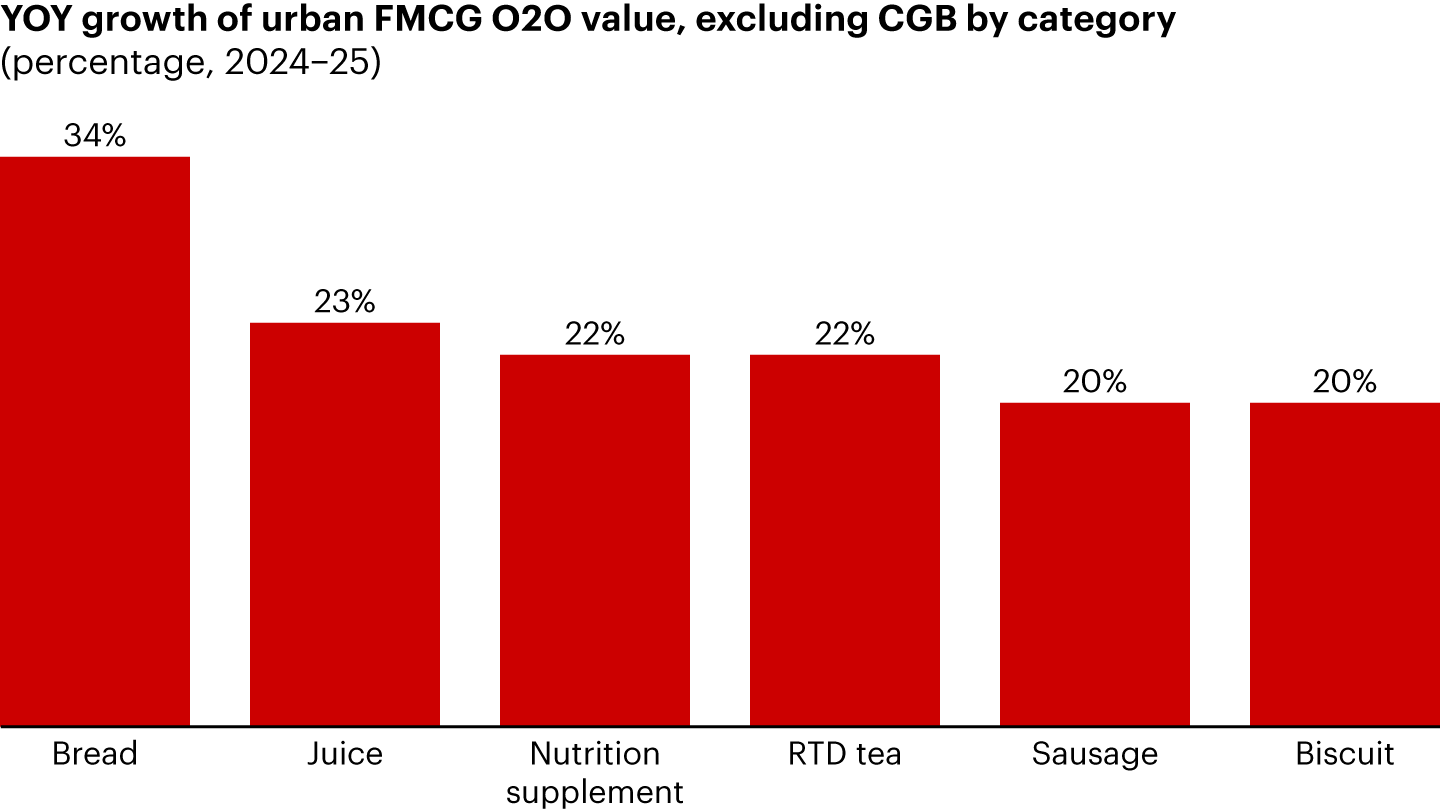
1. O2O regained momentum in 2025, with particularly strong growth in the second half of the year (see Figure 11). In Q3, for example, total urban FMCG O2O value grew by almost 8% year on year, helped by faster delivery services, coordinated promotions across major platforms as well as the broadening of category participation: O2O players expanded beyond fresh produce into a wide range of FMCG categories. Bread was one of the standout categories (+34%), with growth primarily driven by hypermarket and supermarket bakery brands such as Sam’s Club and Hema (盒马), suggesting that O2O is increasingly being used not only for packaged staples, but also for bakery and food occasions (see Figure 12). Juice (+23%), nutrient supplements (+22%), and RTD tea (+22%) also posted strong growth, reinforcing that O2O is becoming a more important route for routine replenishment and selected incremental consumption occasions.
Figure 11
Urban FMCG O2O growth accelerated in H2 2025
Notes: O2O is online to offline, the shopping journey starting from online platforms, leading to offline purchases and reaching consumers; total urban FMCG O2O value is calculated by O2O value share multiplied by total channel value (excluding gift and work unit channel); historical data refreshed by Worldpanel based on latest China National Population Census results; CGB is community group buying
Sources: Worldpanel by Numerator; Bain analysis
Figure 12
Urban FMCG O2O value growth was strongest in bread and selected food and beverage categories in 2025
Notes: O2O is online to offline, the shopping journey starting from online platforms, leading to offline purchases and reaching consumers; total urban FMCG O2O value is calculated by O2O value share multiplied by total channel value (excluding gift and work unit channel); historical data refreshed by Worldpanel based on latest China National Population Census results; CGB is community group buying; FMCG is fast-moving consumer goods; RTD tea is ready-to-drink tea
Sources: Worldpanel by Numerator; Bain analysis
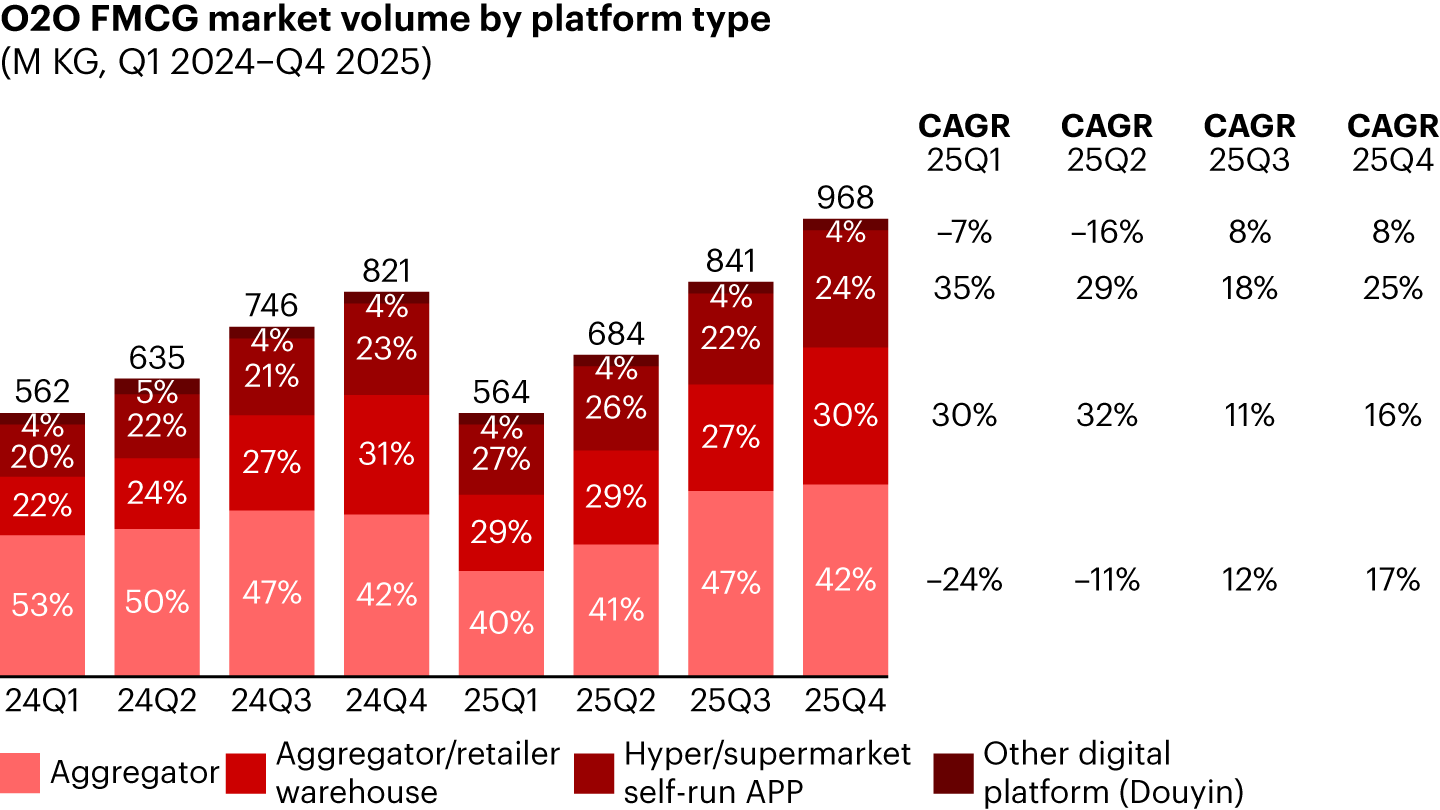
2. Habits stuck even after subsidies faded. O2O growth accelerated during the 2025 food delivery and instant retail subsidy war, as aggressive platform promotions drove higher trial and order activity (see Figure 13). Subsidy intensity appears to have peaked around the summer and moderated later in the year, yet O2O volume still increased in Q4. This suggests that part of the subsidy-driven uplift was converted into more regular usage, particularly for convenience-led products such as snacks and RTD beverages and for time-sensitive occasions such as urgent replenishment and last-minute household needs. As price gaps vs. offline channels narrow, sustained growth will depend on whether consumers continue to value the speed, availability, and convenience of O2O enough to keep using the channel.
Figure 13
O2O FMCG volume continued to expand through Q4 2025, with growth supported across platforms
Notes: O2O is online to offline, the shopping journey starting from online platforms, leading to offline purchases and reaching consumers; total urban FMCG O2O value is calculated by O2O value share multiplied by total channel value (excluding gift and work unit channel); other digital platform refers to Douyin Instant Retail; FMCG is fast-moving consumer goods
Sources: Worldpanel by Numerator; Bain analysis
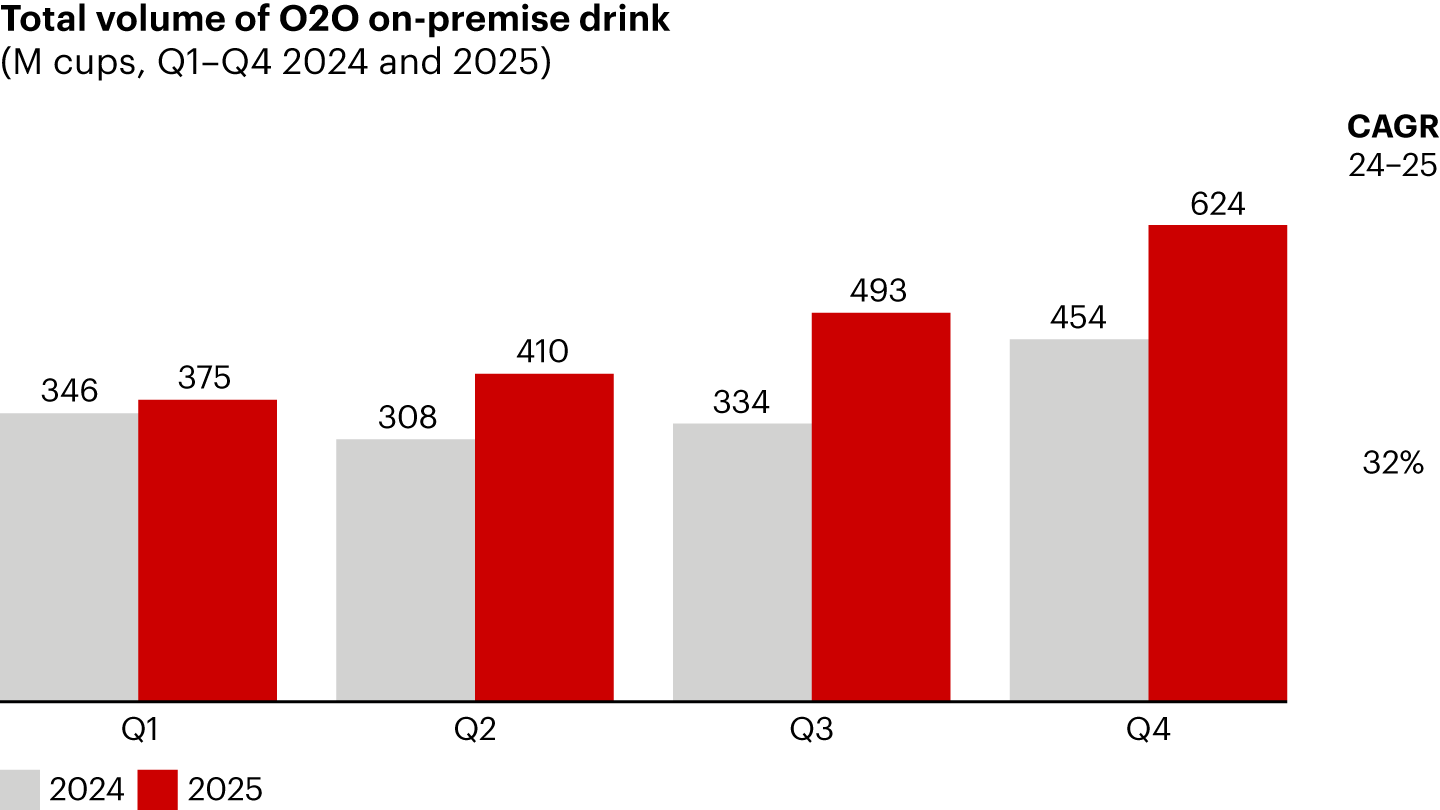
3. Quick commerce is reshaping beverage occasions beyond traditional FMCG. Quick commerce expanded rapidly in 2025, supported by intensified platform competition and broader adoption of on-demand fulfillment. While online penetration continued to rise across most beverage categories; this shift was particularly visible in freshly prepared/on-premise drinks, where O2O volume increased across all quarters (see Figure 14). This creates a new competition with packaged RTD beverages, as consumers increasingly compare the two on price, taste, convenience, and immediacy.
Figure 14
O2O on-premise drink volume expanded rapidly in 2025
Notes: O2O is online to offline, the shopping journey starting from online platforms, leading to offline purchases and reaching consumers; on-premise drinks are drinks made on premises upon customers’ orders
Sources: Worldpanel by Numerator; Bain analysis
For FMCG players, the implication is that O2O can no longer be treated as a bolt-on to e-commerce or offline. It demands mission-specific packs, clear price ladders, and a tailored promotional calendar that reflects its unique role in shoppers’ lives. Winners will be those who design for distinct O2O missions—“forgotten items,” “tonight’s meal,” “treats now,” “last-minute gifting”—rather than simply mirroring their offline or e-commerce assortments.
New offline formats: Membership clubs, snack collection stores, and discount stores
Three offline formats continued to grow even as much of traditional offline retail remained under pressure:
Membership clubs: Led by players such as Sam’s Club and Costco, membership stores continued to gain traction in China, with Sam’s Club reaching 63 stores by 2025. Channel share rose from 1.3% in 2023 to 2% in 2025, lifting share of total channel value from 1.3% to 2.0%. Growth accelerated in 2025 and was driven mainly by higher penetration (+36%), rather than larger baskets, as spending per trip declined slightly (−4%). The format appeals to urban upper-middle-class and affluent families seeking quality at attractive value, especially for regular family purchases and festival/holiday stock-up. Its proposition is built around large packs, premium-at-value products, and trusted assortments across categories such as bread, yogurt, biscuit, nutrition supplement, and cooking oil.
Snack collection stores: Often located in high-traffic areas, snack collection stores are built around novelty, broad assortment, and low price points that make the shopping experience more dynamic. Leading players have scaled rapidly, with Busy Ming Group (鸣鸣很忙集团), operator of Busy for You (零食很忙) and Super Ming (赵一鸣零食), and Wanchen Group (万辰集团), operator of Hao Xiang Lai (好想来), reaching approximately 22,000 and 18,000 stores in China by 2025, respectively. The overall format also continued to scale quickly, with channel share increasing from 0.5% in 2023 to 1.1% in 2025. Growth was driven primarily by higher penetration (+15%) and purchase frequency (+29%), positioning the format as a frequent, low-ticket destination for impulse purchases, affordable treats, and casual browsing. The format has been particularly successful in lower-tier cities, where growth reached a ~65% CAGR in Tier 3–4 cities from 2023 to 2025, far ahead of ~17% in Tier 1 cities.
Discount stores: With tight assortments and simple merchandising, discount chains offer shoppers a clear, low-effort way to save money. HotMaxx (好特卖) has led the format’s expansion and is the largest player by scale, with around 900 stores by 2025, followed by HitGOO, Hema NB (Hema’s value-oriented community supermarket banner), and Aldi. Although the format remains relatively small, it has grown rapidly: Channel share rose from 0.1% in 2023 to 0.4% in 2025, while share of total channel value rose from 0.1% to 0.4%. Discount stores are becoming increasingly relevant for high-frequency essentials and stock-up occasions, helping households manage monthly budgets through practical, value-led purchases.
These formats are structurally well suited to a value-seeking market. As growth shifts toward channels with clearer value propositions, retailers are looking for more control over assortment, pricing and differentiation. Private labels become a natural next step, enabling retailers to make value more tangible, improve economics, and build propositions that are harder for national brands to match.
Private labels and retailers’ strategy in 2025
Private labels (“retailer as a brand”) are becoming an increasingly important strategic lever for retailers, helping them to make value more visible and build differentiated propositions. In 2025, they continued to visibly reshape channel dynamics, even though their absolute share remains modest.
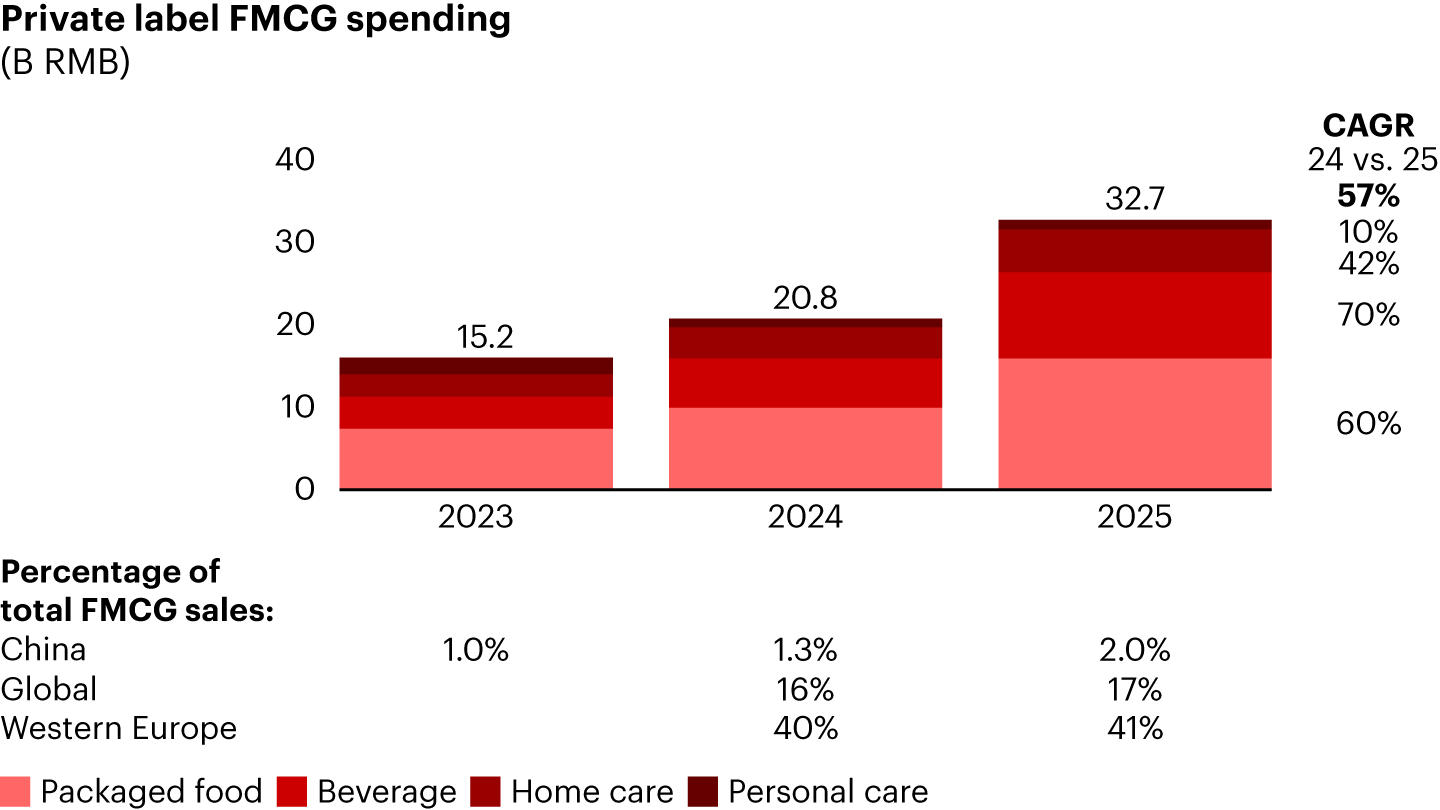
Private labels are still small in China compared with many Western markets, but they are growing quickly. In 2025, private labels reached roughly 2% of total FMCG sales in urban China (see Figure 15).
Figure 15
Private-label FMCG spending accelerated, but value contribution remains low vs. developed markets
Note: FMCG is fast-moving consumer goods
Sources: Worldpanel by Numerator; lit. search; annual reports; Bain analysis
Two clear patterns emerge from the category-level data:
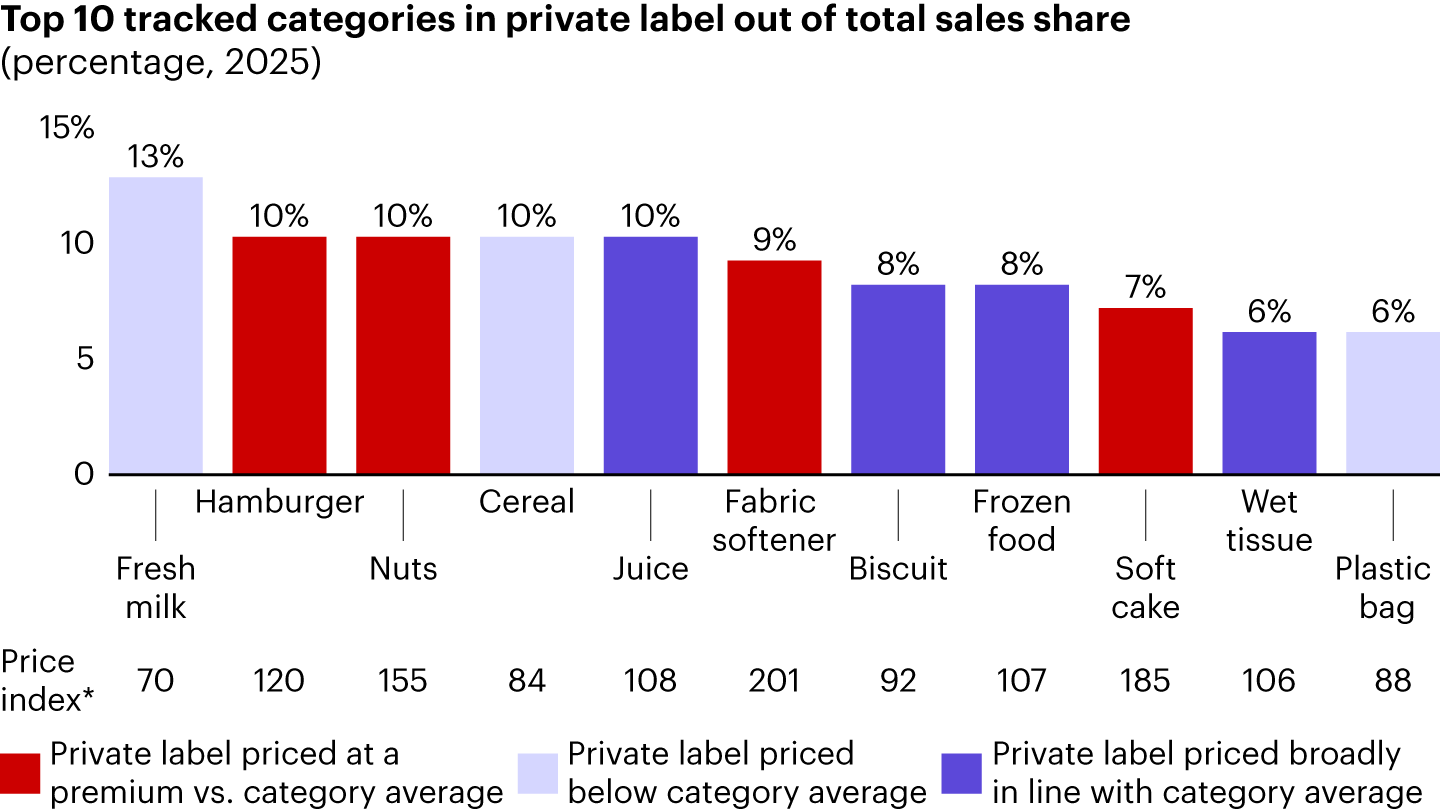
Private labels have already built meaningful shares in a few high-relevance categories: Fresh milk leads among tracked categories, with private label reaching 13% of category sales in 2025. Several other categories—hamburgers, nuts, cereals, and juice—cluster around 10%, suggesting that private-label adoption is gaining traction where retailers can offer strong value, trusted quality, or differentiated propositions.
Price positioning is not uniformly value-led; private labels are also playing in premium spaces. Some categories signal a clear price advantage to shoppers, such as fresh milk and cereals, where private-label price indexes are below category average (see Figure 16). However, in categories such as fabric softener, soft cake, nuts, and hamburgers, private labels are priced at a premium. This suggests that private labels are evolving beyond low-price substitution and increasingly being used to capture premium or differentiated needs.
Figure 16
Private label has meaningful share in select categories, with price positioning ranging from value-led to premium-priced
Note: (*) Price index refers to the average price of private label products relative to the category average price
Sources: Worldpanel by Numerator; Bain analysis
Across channels, two patterns stand out:
Membership clubs and large hypermarkets used private-label ranges to anchor their price-value image and to differentiate from competitors. In membership clubs, club-branded ranges span from large-pack snacks and beverages to household staples and selected personal care items. In hypermarkets, private labels increasingly occupy high-traffic categories such as paper products, cleaning, cooking oil, and ambient foods. In 2025, Sam’s Club, Costco, and Hema already had high private-label sales shares, reaching around 38%, 41%, and 35% respectively.
Value-oriented discount banners are using private labels to make low-price propositions more visible and defensible. Aldi represents the most mature model, with private labels accounting for around 90% of sales in both 2024 and 2025, making store brands central to its hard-discount proposition. Other value-oriented and mainstream retailers are also scaling private labels from lower bases. For example, Yonghui increased from around 5% to 8%, RT-Mart from around 3% to 4%, and Walmart from around 11% to 13% from 2024 to 2025.
Innovation trends in the China FMCG market
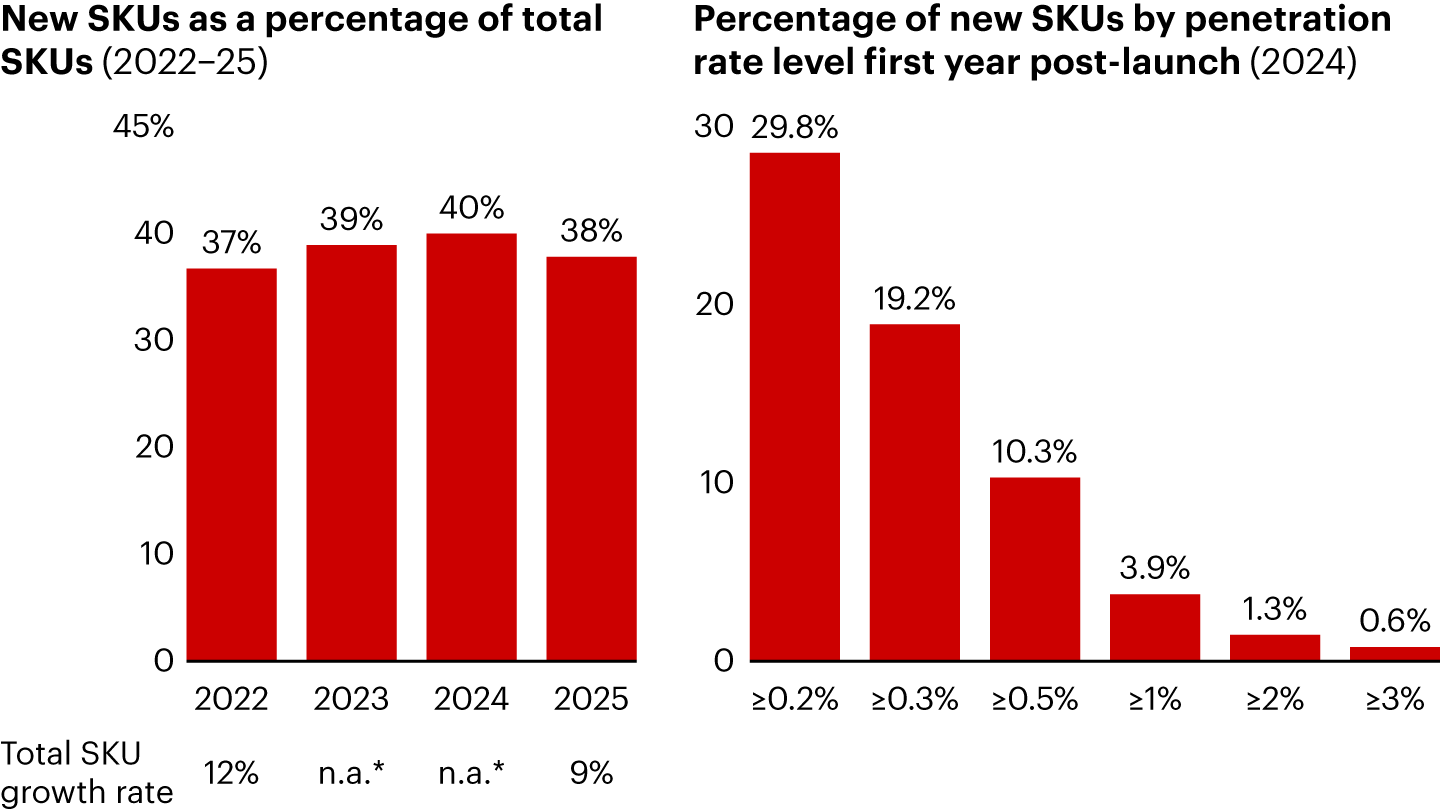
Innovation remained highly active in China FMCG, but innovation productivity continued to deteriorate. New SKUs consistently accounted for close to 40% of total SKUs from 2022 to 2025, indicating that launch activity remained elevated. The market is not short of innovation, adding more choices to the shelf without necessarily creating durable consumer adoption.
Among 2024 launches, just 3.9% achieved ≥1% penetration in the first year post-launch, implying that many products remain niche and face a limited window to prove relevance. In this environment, launching more SKUs is no longer enough; successful innovations need to address a clearer consumer need, fit a sharper occasion, and demonstrate a stronger reason to stay on shelf (see Figure 17).
Figure 17
Despite continued SKU launches, only a small minority reach meaningful scale in year one
Note: Penetration rate is the absolute penetration rate of the product
Sources: Worldpanel by Numerator; Bain analysis
The case examples suggest that successful innovations shared common traits: they addressed familiar occasions from a new angle or addressed new occasions, and they made adoption easier for consumers.
Dettol disinfectant spray converted disinfection from a more deliberate household cleaning task into an easy add-on to daily routines. Despite a high price index of 411 (vs. total disinfectant), it reached 1.1% penetration one year after launch, suggesting that consumers were willing to pay for a format that made hygiene protection more convenient, immediate, and occasion-specific.
Hearttex’s (心相印) hanging-pull tissue reframed tissue from a tabletop item into a space-saving, wall-hung format. With 3.6% penetration one year after launch and a price index of 119 (vs. facial tissues), the product improved convenience and accessibility for tissue-use occasions.
Eastroc Beverage’s (东鹏饮料) electrolyte drink (补水啦) broadened electrolyte beverages from sports recovery into everyday hydration and wellness occasions. Its 1.3% penetration one year after launch reflects meaningful traction, supported by accessible positioning within the premium sports drinks category and clear differentiation vs. packaged water.
Genki Forest’s (元气森林) red bean and coix seed drink modernized a traditional home-cooked wellness drink into a ready-to-drink format. With 1.2% penetration one year after launch and a price index of 138 (vs. total soft drinks), the product created a light-wellness hydration occasion between plain water, tea, and functional beverages.
Together, these examples suggest that successful innovation in a value-seeking market is not necessarily about launching cheaper products, and more about making the value proposition immediately clear. Consumers are still willing to adopt new offerings when the benefit is intuitive, the occasion is well defined, and the format makes the product easier to use. The strongest innovations reduce friction, expand usage occasions, or make existing behaviors more convenient and relevant.
Q1 2026 perspectives and early pricing trends
Macro and festival context: Low inflation and a more selective CNY effect
Q1 2026 needs to be understood in the context of both the macro environment and the holiday calendar.
On the macro side, China entered 2026 with:
GDP growth roughly in line with official targets, but with less momentum than in earlier boom years.
Consumer Price Index hovering around zero to slightly positive, consistent with a broader narrative
of low inflation and occasional deflation in specific categories.
Consumer confidence that was fragile and uneven geographically, with many households expressing caution about big-ticket spending and a desire to manage regular expenses tightly.
The Chinese New Year effect also became more complex:
Travels from lower-tier hometowns to top-tier cities diluted traditional at-home gifting occasions in some lower-tier cities, as more consumption and gifting happened in transit or abroad.
Traditional FMCG gifting categories faced more pressure for festival wallets. Some historically important gifting categories, such as dairy products, benefited less from the holiday season than they might have in earlier cycles.
These factors contributed to headline growth rates for Q1 2026 blending structural trends (ongoing deflation, channel shifts, demographic change) with one-off calendar effects. The rest of this section disentangles these effects, with particular focus on pricing, category divergence, and the persistence of value-seeking behavior.
Market and pricing performance in Q1 2026
The high-level numbers for Q1 2026 are:
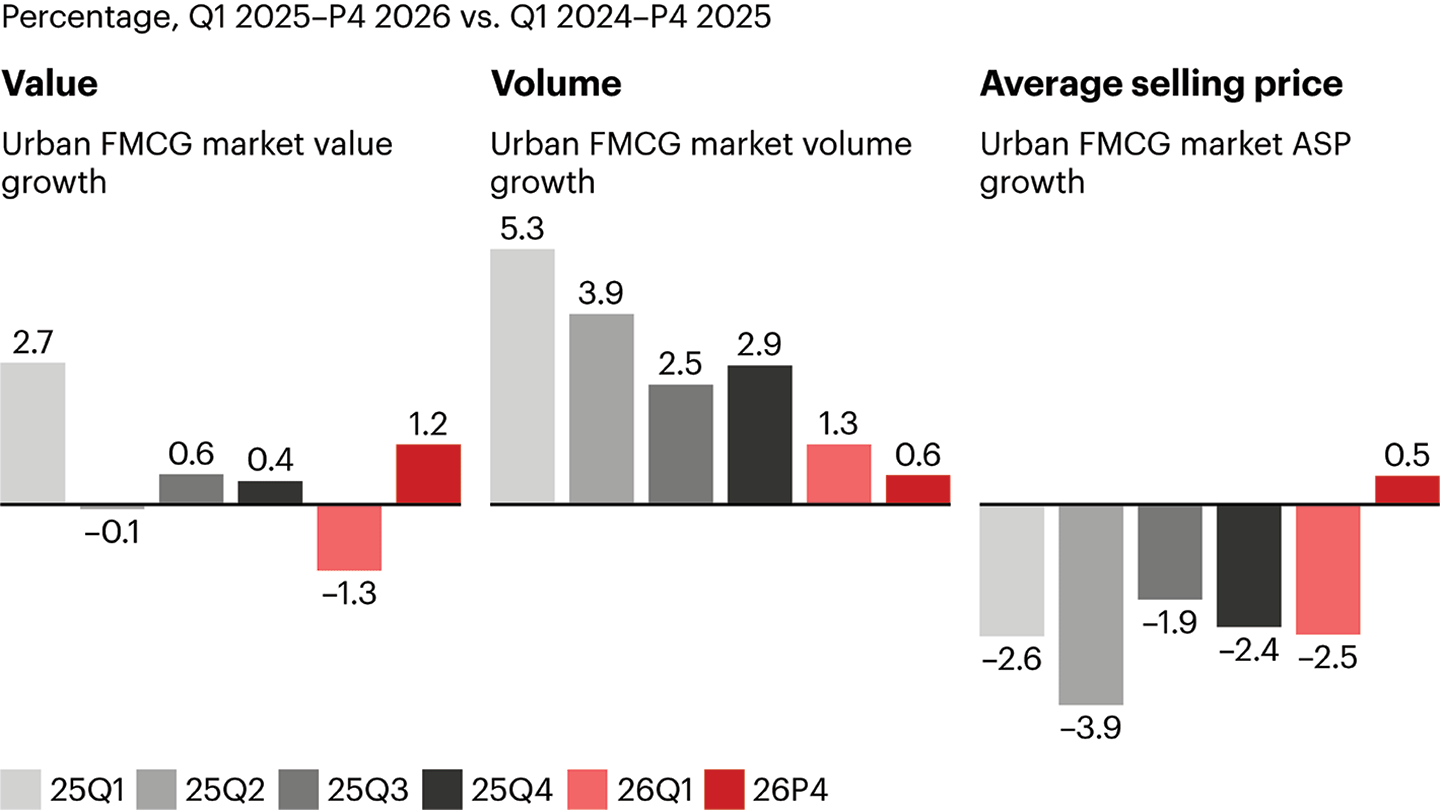
Value: Around −1.3% vs Q1 2025, indicating that total FMCG sales revenue declined year over year.
Volume: Around +1.3% vs Q1 2025, showing that households bought more units than a year earlier.
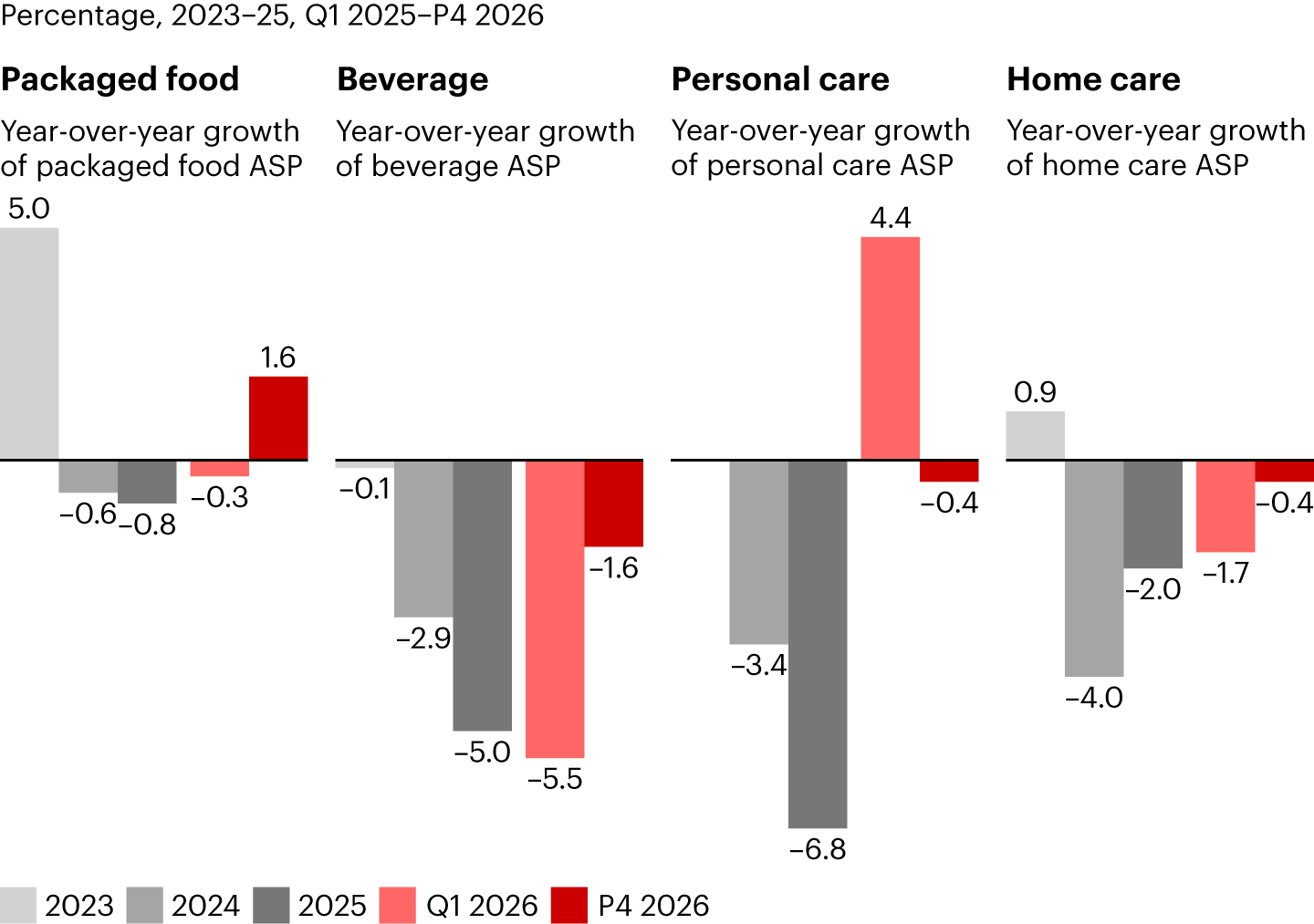
ASP: The implied price per unit (value divided by volume) therefore fell again, broadly in line with 2025’s decline rates (see Figure 18).
Figure 18
Urban FMCG growth weakened in Q1 2026 due to continued ASP pressure
Notes: Worldpanel updated the consumer universe, leading to some inconsistencies with previous years’ data; all average selling prices are calculated based on RMB per Kg/L except diapers per piece, skincare and makeup per pack, and toilet and facial tissue per 100 sheets/rolls; ASP is average selling price; FMCG is fast-moving consumer goods
Sources: Worldpanel by Numerator; Bain analysis
Weakness was concentrated in the earlier part of the quarter. With Chinese New Year falling in late February (P2), FMCG value declined sharply in January (P1) (−11.9%) and remained negative in P2 (−3.7%), before rebounding in March (P3) (+13.4%) as holiday-related effects normalized. However, the late-quarter recovery was not enough to offset the earlier weakness, leaving total Q1 value slightly negative at −1.3% year over year.
The release of P4 2026 data adds nuance to the Q1 picture, indicating that early-year weakness may have been amplified by calendar effects and should not yet be read as a clear break in the market trajectory. FMCG value returned to positive growth at +1.2%, supported by continued volume growth (+0.6%) and a modest recovery in ASP (+0.5%), indicating that the market was not on a straight-line deterioration path after Q1. The outlook for 2026 will likely be similar to 2025, growing at low single digits.
Category dynamics in Q1 2026
Looking across categories:
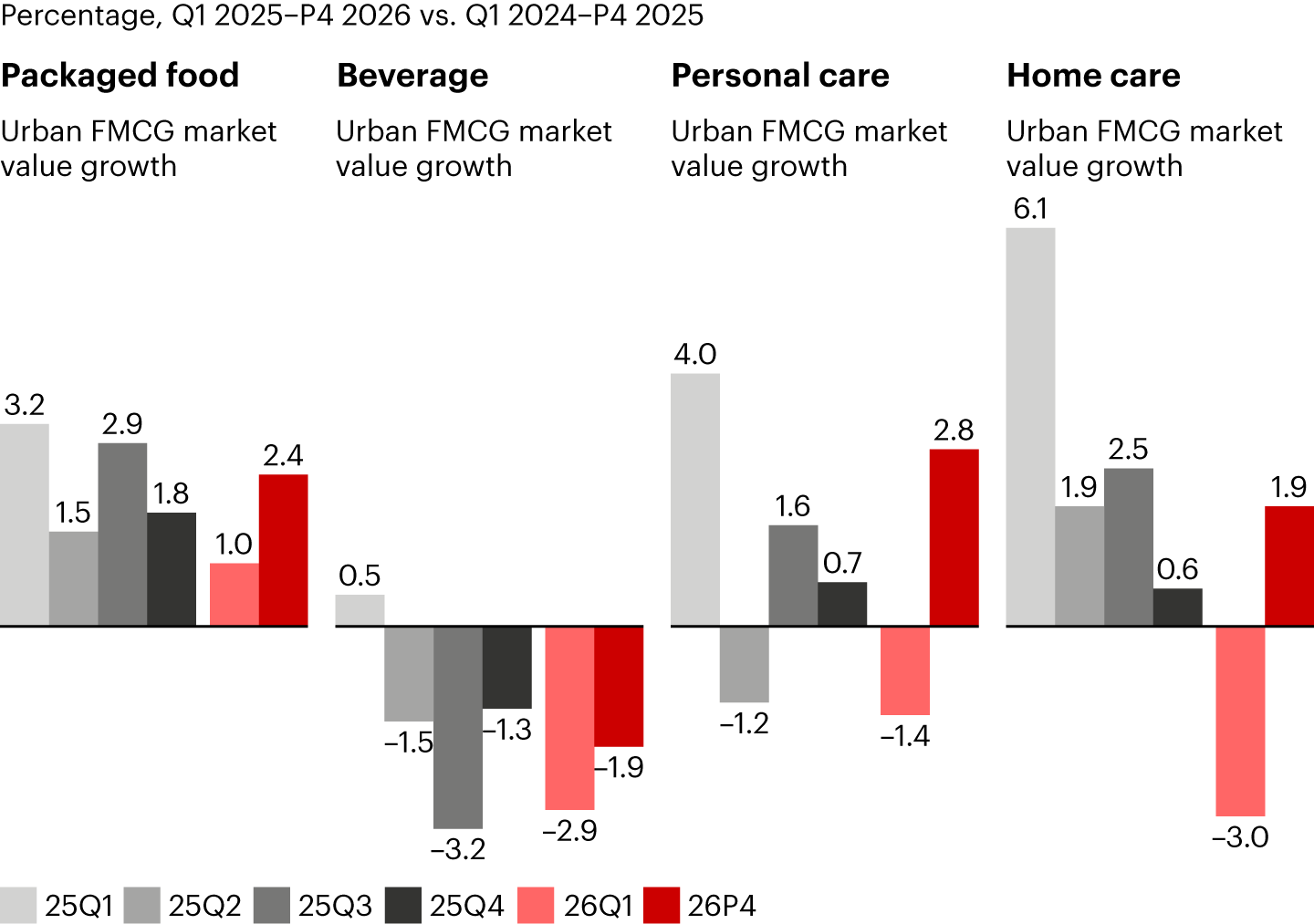
Packaged food remained the most resilient major category in Q1 2026, with value growth still positive at +1.0%. The category continued to hold up better than others, supported by everyday household needs and selected propositions around convenience, health, and small indulgence. Price pressure was present, but less severe than in beverage or home care. Within the category, instant noodles (+5.8%) clearly outperformed and nutrition supplements (+0.4%) stayed stable, while candy (−8.6%), chocolate (−1.8%), biscuits (−0.5%), and infant formula (−0.2%) were softer.
Beverage continued to struggle in Q1 2026, with value growth remaining negative at −2.9%. Persistent price deflation reflected continued promotion intensity and heightened channel competition, including pressure from O2O and value-oriented offline formats. Price-tier performance also pointed to broad trading down: In sub-categories such as packaged water, juice, beer, and yogurt, premium tiers generally lagged, while mass and mid-range offerings proved more resilient. Performance was not uniformly weak: RTD tea (+4.1%), packaged water (+2.9%), juice (+1.4%), and CSD (+0.7%) still delivered growth. This suggests that underlying demand remained present in selected beverage occasions, but even strong beverage brands struggled to sustain price premiums as shoppers faced more visible, lower-priced alternatives across shelves and digital platforms.
Personal care showed a mixed picture, with value growth turning negative at −1.4%. ASP recovered sharply, suggesting resilience in selected higher-value propositions. However, category value growth still turned negative, reflecting a pattern of buying less, but buying more selectively, rather than a full category recovery. Performance was concentrated in a few appearance-led segments: makeup (+4.6%) rebounded strongly and hair conditioner (+1.2%) returned to growth. Most routine categories stayed under pressure, including shampoo (−2.3%), toothpaste (−2.9%), sanitary pads (−2.3%), personal wash (−5.5%), and skincare (−0.2%).
Home care weakened most sharply, with value growth falling to −3.0% in Q1 2026. The category experienced a combination of volume normalization and pricing pressure. Even for products supported by household cleaning and hygiene needs, shoppers remained focused on practical value and were more willing to trade down where product benefits were perceived as less differentiated. This weakness was visible across most tracked sub-categories: facial tissue (−3.4%), fabric detergent (−2.3%), kitchen cleaner (−6.7%), and especially toilet tissue (−10.2%) all declined (see Figures 19 and 20).
Figure 19
Category value growth softened in Q1 2026, led by declines in beverage and home care
Note: FMCG is fast-moving consumer goods
Sources: Worldpanel by Numerator; Bain analysis
Figure 20
ASP pressure persisted in most categories in Q1 2026, except for a sharp rebound in personal care
Note: ASP is average selling price
Sources: Worldpanel by Numerator; Bain analysis
Pricing trends and dynamics in Q1 2026
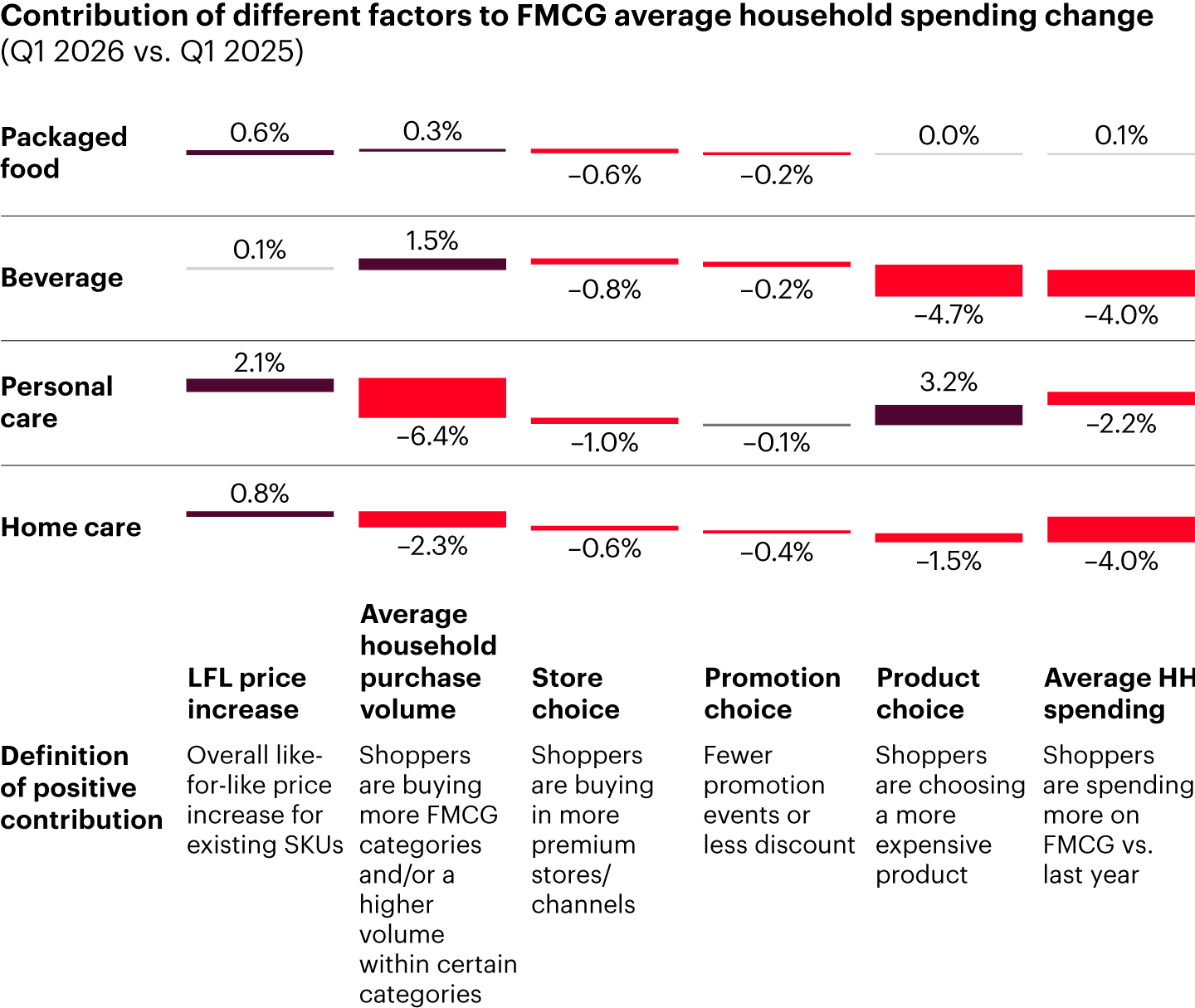
Waterfall analysis shows that Q1 2026 average household FMCG spending was driven primarily by softer purchase volumes and downtrading within and across brands, rather than direct like-for-like price declines. Positive price increases on existing SKUs were offset by shoppers buying less, shifting toward less premium stores or channels, and choosing lower-priced products. This points to a more cautious consumption pattern, with households managing spending through both reduced volume and more value-oriented choices (see Figure 21).
Figure 21
Lower purchase volume and value-oriented choices drove weaker household FMCG spending in Q1 2026, despite like-for-like price increases
Notes: Analysis only reflects the average shopping behavior of single households and is not comparable to the total FMCG trend; FMCG is fast-moving consumer goods; HH is household; LFL is like for like
Source: Worldpanel by Numerator advanced analytics
From a sub-categoryperspective:
Deflationary pressure persisted across most FMCG categories:Many everyday categories—including packaged water, toilet tissue, and personal wash—continued to see ASP declines.
Premiumization remained limited to a small set of categories: Chocolate, toothpaste, and infant formula continued to show positive ASP growth, suggesting that stronger brand propositions, higher-end products, and cost-driven price increases still supported pricing in select areas.
From a price-tier perspective:
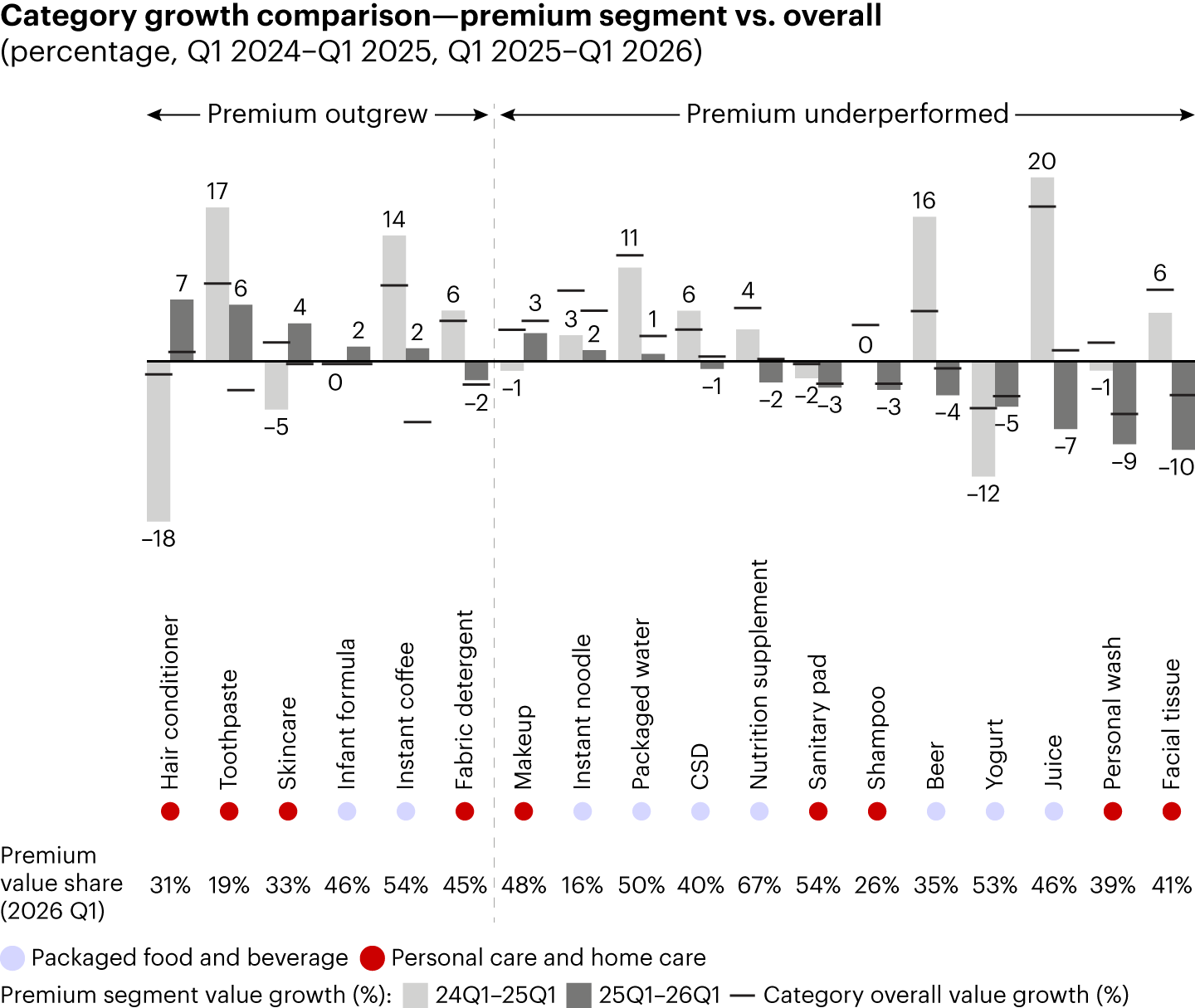
Mass and mid tiers outgrew premium in most categories, especially in food and beverage, as households sought more affordable ways to meet everyday needs. This was particularly evident in routine or more substitutable categories, where shoppers appeared more willing to trade down or shift toward lower-priced alternatives.
Premium tiers still grew in a limited set of categories, shoppers appeared willing to make trade-offs elsewhere in the basket to afford small luxuries (see Figure 22).
Figure 22
Premium outperformance was selective, while many food and beverage categories lagged
Notes: For personal wash/makeup/shampoo/skincare/yogurt/hair conditioner/toothpaste/sanitary pad, price tier is defined by which price tier the specific brand belongs to; for facial tissue/packaged water/juice/instant coffee, price tier is defined by the comparison of product ASP vs. category ASP, where price greater than a price index of 120% counts as premium, 80%–120% counts as mid-range, and below 80% counts as mass; premium underperform means when premium value growth rate is lower than the overall category growth rate by more than 2% and the category premium share is not significantly higher than average; premium outgrew means when premium value growth rate is higher than the overall growth rate by more than 2%; ASP is average selling price; CSD is carbonated soft drinks
Sources: Worldpanel by Numerator; Bain analysis
Implications for brands: How to win while consumers chase value
China’s FMCG market has now moved from post-Covid-19 turbulence into a structurally deflationary, volume-led reality. 2025 confirmed that most categories can still grow volumes, but prices continue to fall; Q1 2026 showed that value can slip into negative territory even when units rise. At the same time, growth is shifting toward lower-tier cities and older households, while O2O, emerging offline formats, and private labels are resetting how shoppers define value.
Four structural shifts should shape brand priorities over the next 12–24 months:
Deflation as the new baseline: Persistent ASP declines mean brands cannot rely on broad price increases to grow or protect margins. Value creation will depend more on penetration, mix, pack-price architecture, and cost discipline.
Aging, lower-tier China as the growth engine: Incremental FMCG value is increasingly coming from Tier 4 to Tier 5 cities and mid-life/older households, which have different needs, channels, and value expectations.
O2O and new formats redefining missions: O2O’s rebound and the rise of membership clubs, snack collection stores, and discounters show that missions like stock-up, treat, top-up, and immediate need are now fulfilled through very different routes than a few years ago.
Value-barbell competition intensified by domestic and retailer brands: Consumers are stretching budgets with mass/value offers and private labels, while still selectively trading up in narrow premium pockets. Domestic brands and retailer-owned ranges are capturing much of this demand.
To win in this environment, brands need to move beyond incremental optimization and reframe their growth agenda around an updated CORE framework—Circumstances, Offerings, Routes, and Execution:
C—Re-anchor on value-seeking Circumstances
Demand is fragmenting by mission and occasion. Brands should use shopper and panel data to identify the strongest demand cells across city tier, life stage, and mission, resegment occasions by budget from “must-have” to “nice-to-have,” and build plans for a more volatile calendar with structural resets in traditional peaks and emerging micro-occasions.
O—Design Offerings that deliver more value
Pack-price ladders need a rebuild to retain stretched households with credible entry points while reserving premium for clearly differentiated propositions. Reinforce mass and value tiers with simple, proof-based claims on safety, efficacy, and origin, and design with private-label competition in mind by staying clearly superior on performance, emotional connection, or specialized formats.
R—Choose Routes that match missions and economics
Channels are polarizing, so assortments and packs should be tailored route-by-route, matching SKUs tightly to missions (e.g., pantry-load packs for membership clubs, high-rotation packs for O2O, trial packs for snacking). Deepen joint business planning with priority partners while rationalizing exposure to structurally declining formats.
E—Execute for resilience in a low-growth, high-volatility market
Protect margin while funding growth through disciplined revenue management with clear guardrails on discount depth, frequency, and share of volume on deal. Align incentives and KPIs to value-driven growth (contribution margin, healthy penetration, loyalty) and accelerate local test-and-learn cells to rapidly trial, scale, or exit new packs and commercial models.
Brands that embrace this updated CORE approach—grounded in deflation, changing shopper mix, O2O-centric missions, and rising retailer power—will be best positioned to win as Chinese consumers continue to chase value more actively than ever.
This report is a joint effort between Bain & Company and Worldpanel by Numerator. The authors extend gratitude to all who contributed, especially Karen Yung, Yi You, and Angela Wang from Bain, as well as Tina Qin and Sallian He from Worldpanel by Numerator.