

Report


|
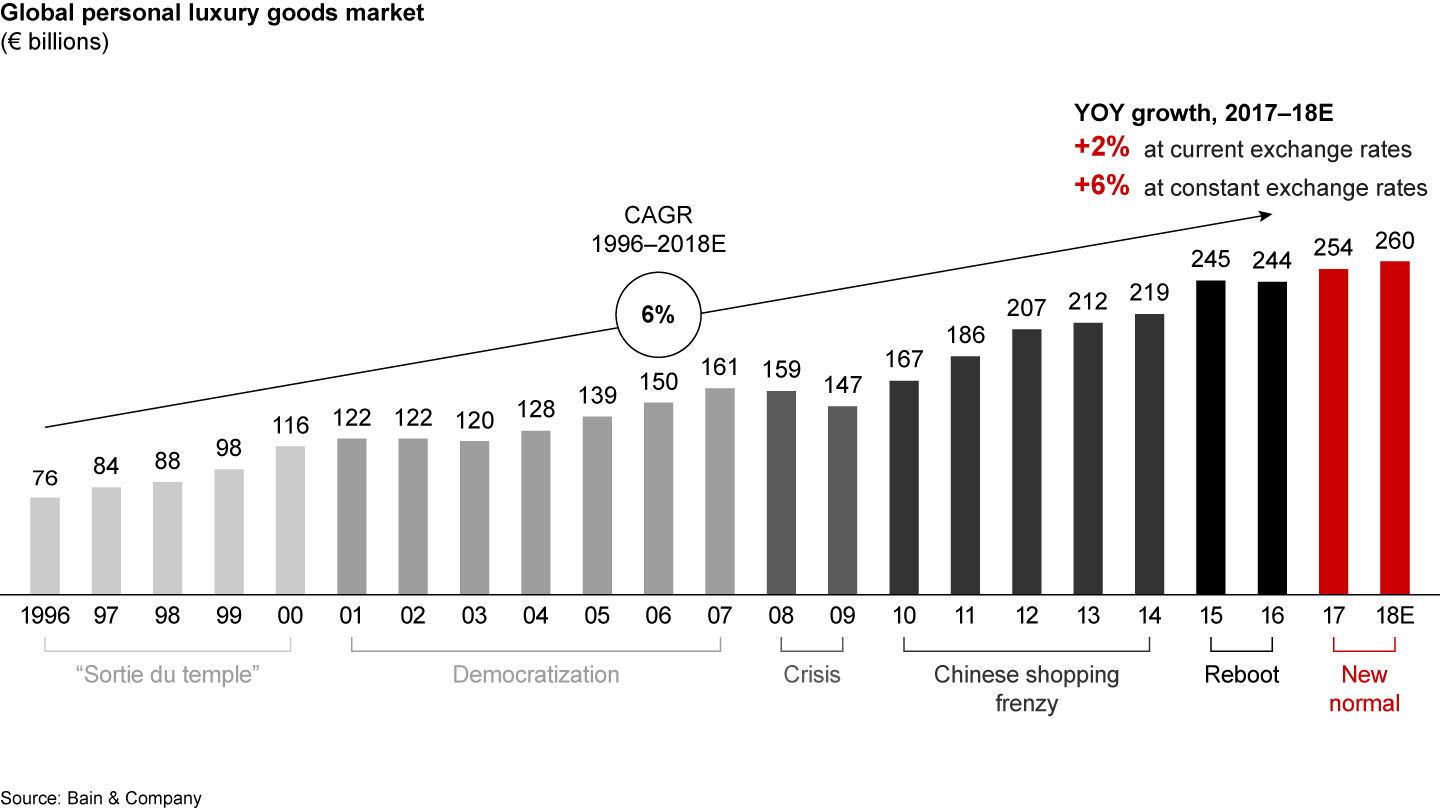
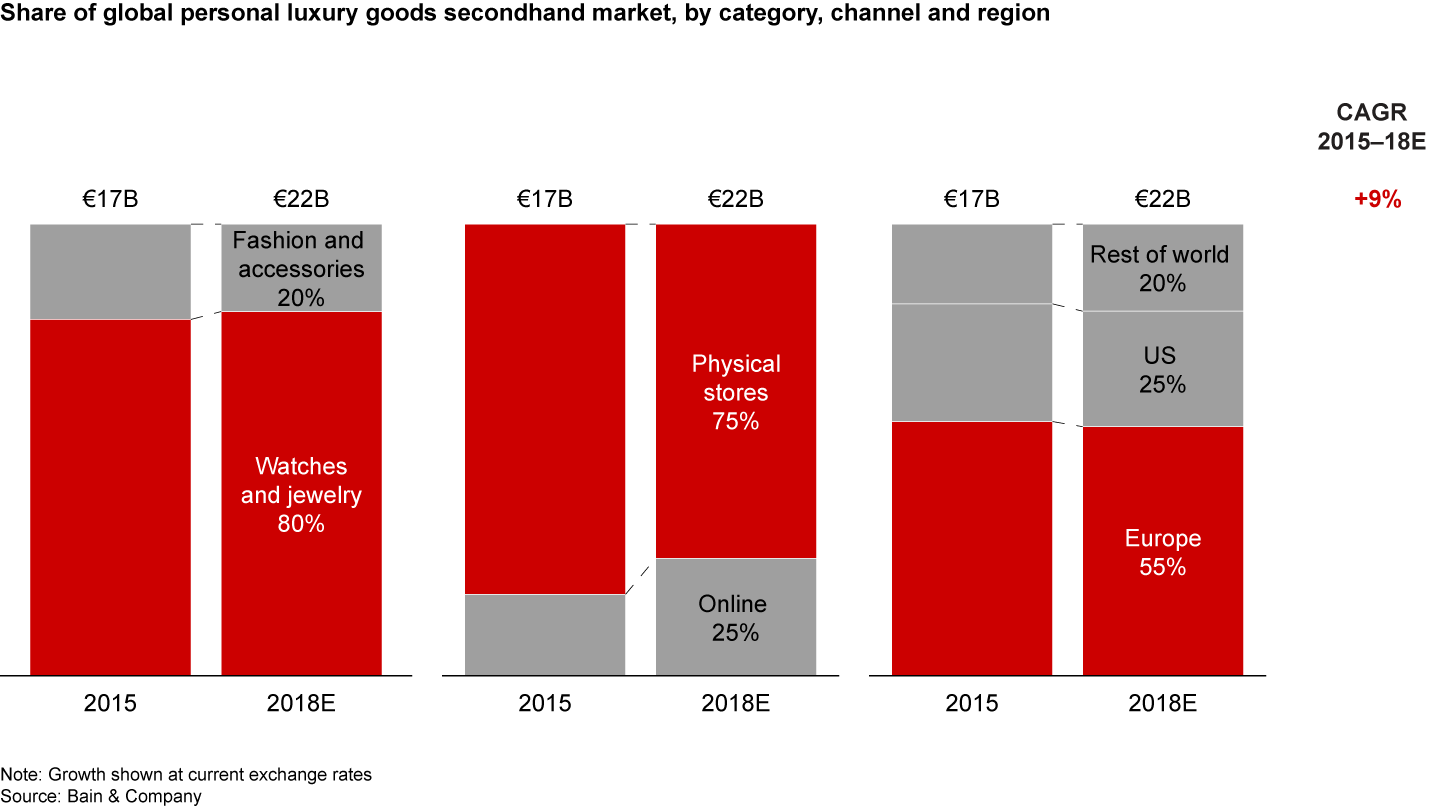
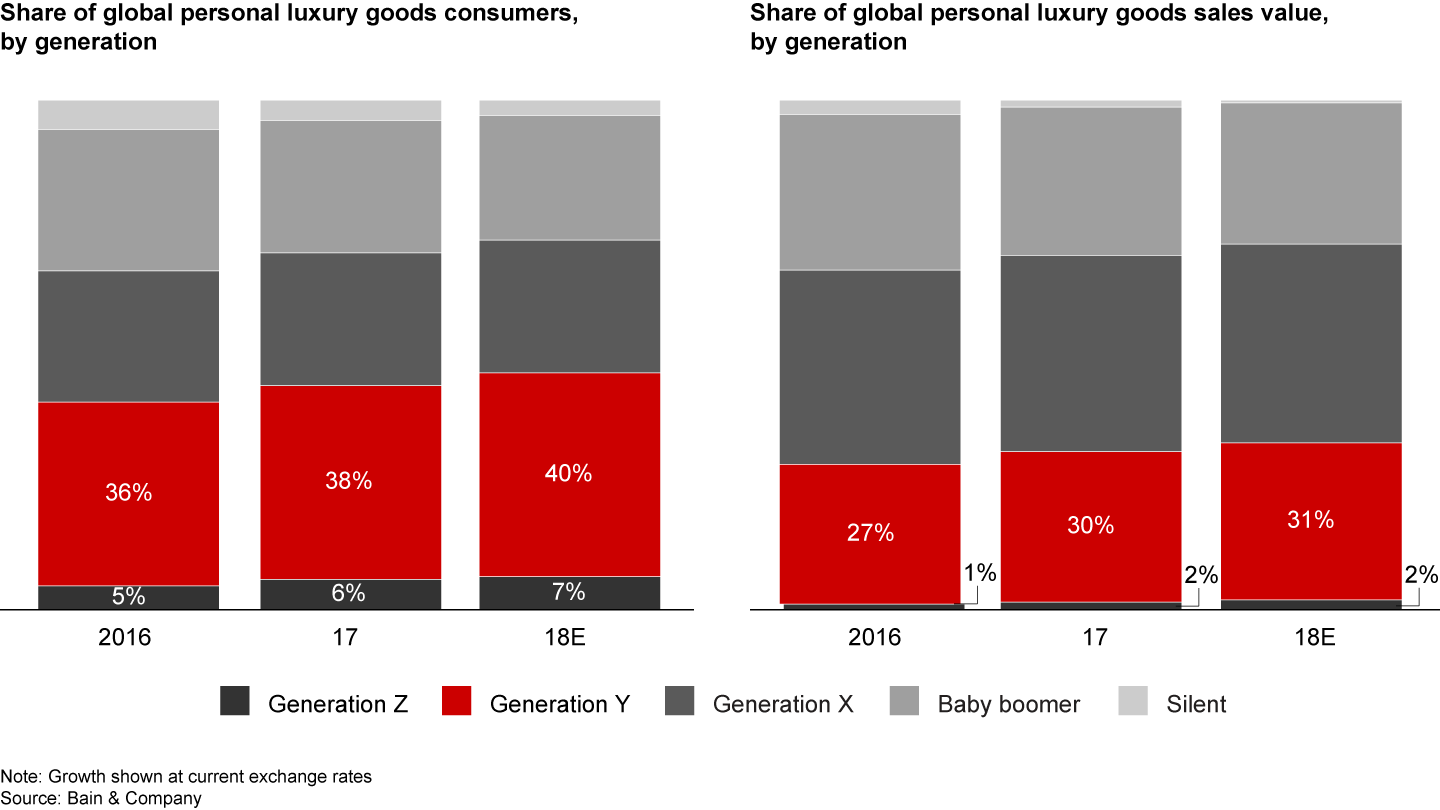
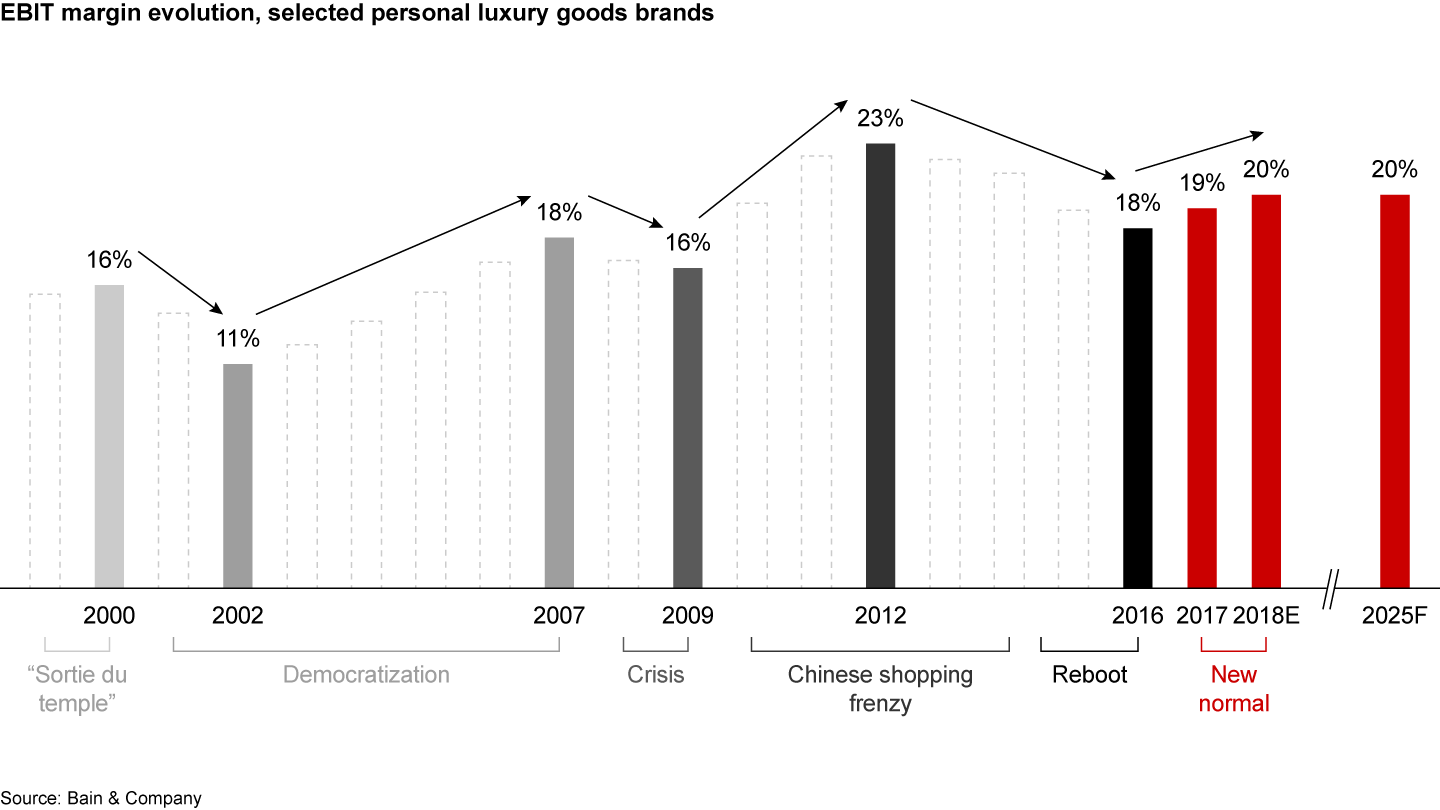
Executive SummaryThe luxury goods market continues to shineThe 17th edition of the Bain Luxury Study, published by Bain & Company for Fondazione Altagamma, the trade association of Italian luxury goods manufacturers, analyzed recent developments in the global luxury goods industry, as well as the future outlook. The luxury industry as tracked by Bain encompasses both luxury goods and experiences. It comprises nine segments, led by luxury cars, luxury hospitality and personal luxury goods, which together account for more than 80% of the total market. Overall, the luxury market grew 5% in 2018, to an estimated €1.2 trillion globally, with positive performance across most segments. Sales of luxury cars continued to dominate the market, growing 5% at constant exchange rates to €495 billion. Luxury experiences remained very attractive to consumers, as illustrated by sales growth of luxury hospitality (up 5% from last year), gourmet food and fine dining (up 6%) and luxury cruises (up 7%). Personal luxury goods segment posts healthy growthThe market for personal luxury goods—the “core of the core” and the focus of this analysis—reached a record high of €260 billion, representing 6% growth (2% at current exchange rates). Worldwide, the personal luxury goods market experienced growth across most regions, driven primarily by more robust local consumption (up 4% globally at current exchange rates). In contrast, purchases among tourists remained flat on average. Overall, shoes and jewelry were the top luxury growth categories, gaining 7% each, followed by handbags and beauty. Watches remained flat while apparel suffered, mainly due to lackluster sales in the menswear segment. Chinese consumers’ appetite for luxury remains unrivaledChinese consumers led the positive growth trend around the world. Their share of global luxury spending continued to rise (now 33% of the total, up from 32% in 2017), while mainland China’s share rose to 9% (up from 8% in 2017). In mainland China, luxury sales grew 20% to €23 billion, driven by rising demand. Between 2015 and 2018, Chinese consumers’ local spending contributed twice as much growth in absolute value as their spending abroad. Europe lagged in 2018, as strong currencies limited tourists’ purchasing power. Local consumption was positive overall, despite mixed performance across countries, helping to push retail sales up 3% to €84 billion. Luxury sales in the Americas reached €80 billion, representing a growth rate of 5%. A positive US economy boosted disposable income and overall luxury spending by local consumers. However, the strong dollar curbed spending by tourists from Asia and Latin America. Canada and Mexico were strong markets in the region, while political uncertainties derailed Brazil’s performance. In Japan, luxury sales eased slightly, rising 6% to €22 billion. Across the rest of Asia, sales grew 9% to €39 billion. In other areas of the world, growth was flat, with sales holding at €12 billion, mainly due to stagnation in the Middle East. Increasingly, luxury consumers are shopping onlineThe retail channel grew 4% in 2018, with three-quarters of that increase coming from same-store sales growth. The wholesale channel grew only 1%, hampered by department store performance and a slowdown among specialty stores facing tough competition from the online channel. Online luxury shopping continued to accelerate in 2018, growing 22% to nearly €27 billion; it now represents 10% of all luxury sales. The Americas market made up 44% of online sales, but Asia is emerging as a new growth engine for luxury online, slightly ahead of Europe. Accessories remained the top category sold online, ahead of apparel. The beauty and “hard luxury” (jewelry and watches) categories were both on the rise. The biggest online channels for luxury sales were e-tailers, brands’ own websites and retailers’ websites. Meanwhile, the secondhand market for luxury goods surged to €22 billion on strong growth in Europe and among online platforms. Luxury consumers are getting younger and more diverseLuxury brands can no longer deny the influence of younger consumers. Generations Y and Z accounted for 47% of luxury consumers in 2018 and for 33% of luxury purchases. However, they contributed virtually all of the market’s growth, compared with 85% in 2017. To capitalize, luxury brands are adapting to the preferences of younger consumers in terms of product offerings, communication and engagement strategies, and distribution channels. The luxury industry is also increasingly acknowledging cultural and size preferences. Modest fashion, comprising garments that can be worn by Muslim consumers, accounted for approximately 40% of luxury women’s ready-to-wear in 2018, while “inclusive” fashion, targeted to curvy or plus-size consumers, represented about 20%. Seven macro trends will shape the market through 2025Looking ahead, we expect market fundamentals to remain favorable for the personal luxury goods segment, resulting in growth of 3% to 5% per year through 2025, for a total value of €320 billion to €365 billion. However, sociopolitical issues, commercial policies and potential soft recessions could make for a bumpy road in the short term. Based on our analysis, we identified seven trends that will shape the future of luxury. Chinese shoppers ramp up their purchasing, especially in China. By 2025, Chinese consumers will account for 46% of the global market (up from 33% in 2018), and they will make half of their purchases at home in China (up from 24% in 2017). Digital permeates every purchase. By 2025, the online channel will represent 25% of the market’s value, up from 10% today. Approximately half of all luxury purchases will be digitally enabled thanks to new technologies along the value chain, and nearly all luxury purchases will be influenced by online interactions. Network consolidation redefines the store of the future. Reduced foot traffic at physical stores will lead to consolidation in retail networks, similar to what has already happened in sectors such as music, books and consumer electronics. The role of the store will evolve from a simple point of sale to a true touchpoint for consumer engagement. The influence of younger consumers grows. New generations will be the primary engine of growth for the luxury market in the coming years. Generations Y and Z will represent approximately 55% of the 2025 market and will contribute 130% of market growth between now and then, offsetting the decline in sales among older generations. Cultures and subcultures drive consumption trends. Evolving cultures and subcultures (religious, ethnic and others) will gain increasing influence. Luxury brands will need to acknowledge and address these groups to remain relevant. One market will serve “markets of one.” Brands in 2025 will see a blurring of typical competitive boundaries. The standard model of growth—in which brands either become a specialist in a category or diversify across a broader set of products and services—will be taken to the extreme as companies strive to address individual consumers’ unique needs. Nimble becomes the new black. EBIT margins rose from 19% in 2017 to 20% in 2018, confirming the recent trend of higher profitability. However, digital disruption will continue to affect brands’ P&Ls, and profitability should stabilize. Brands will need to become more agile in order to sustain their profitability levels. To weather these disruptions, brands should focus on three priorities:
Underpinning all of these strategies are new technologies, which will play a crucial role as a fundamental enabler across the luxury value chain through 2025. 1. Luxury spending trends in 2018
Figure 1
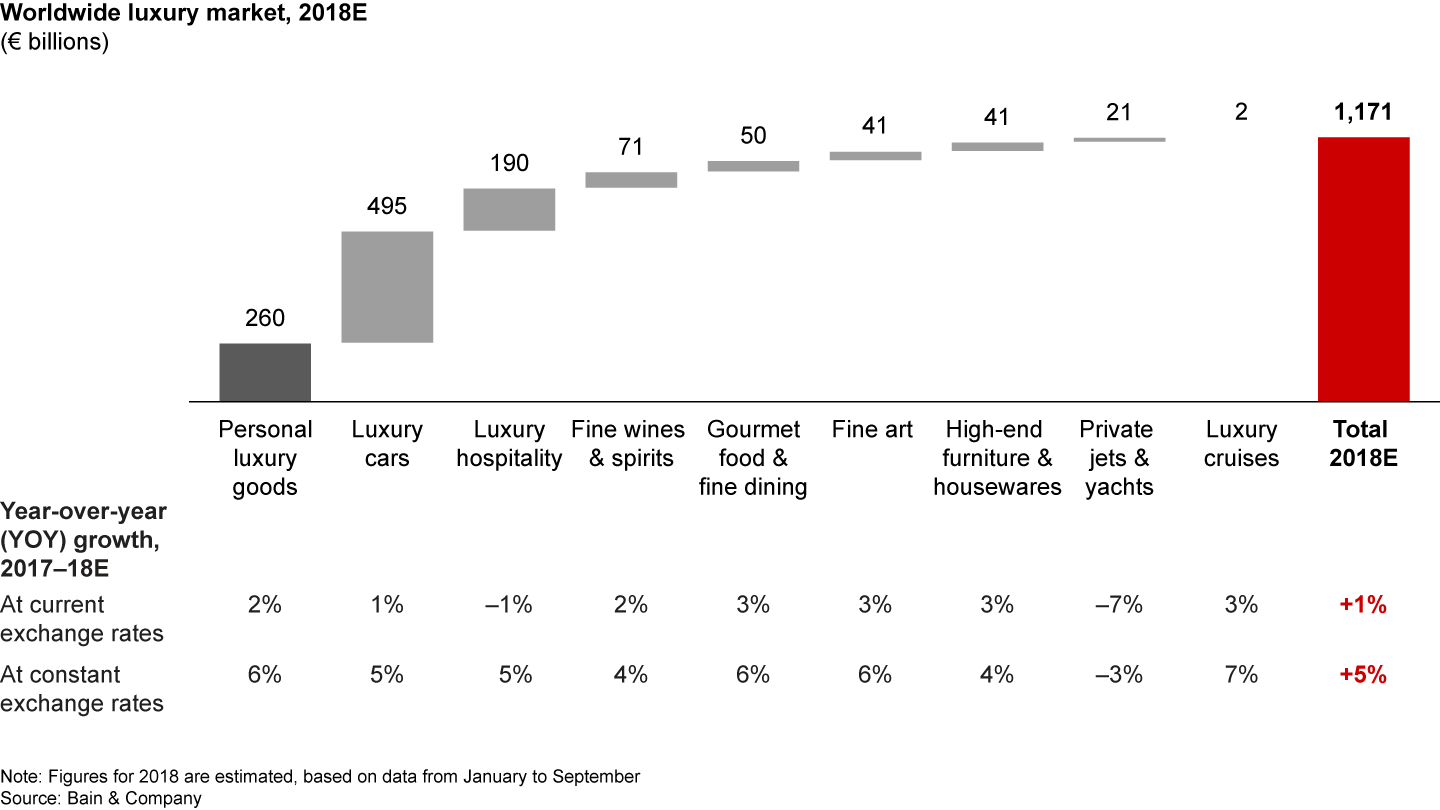

Figure 2
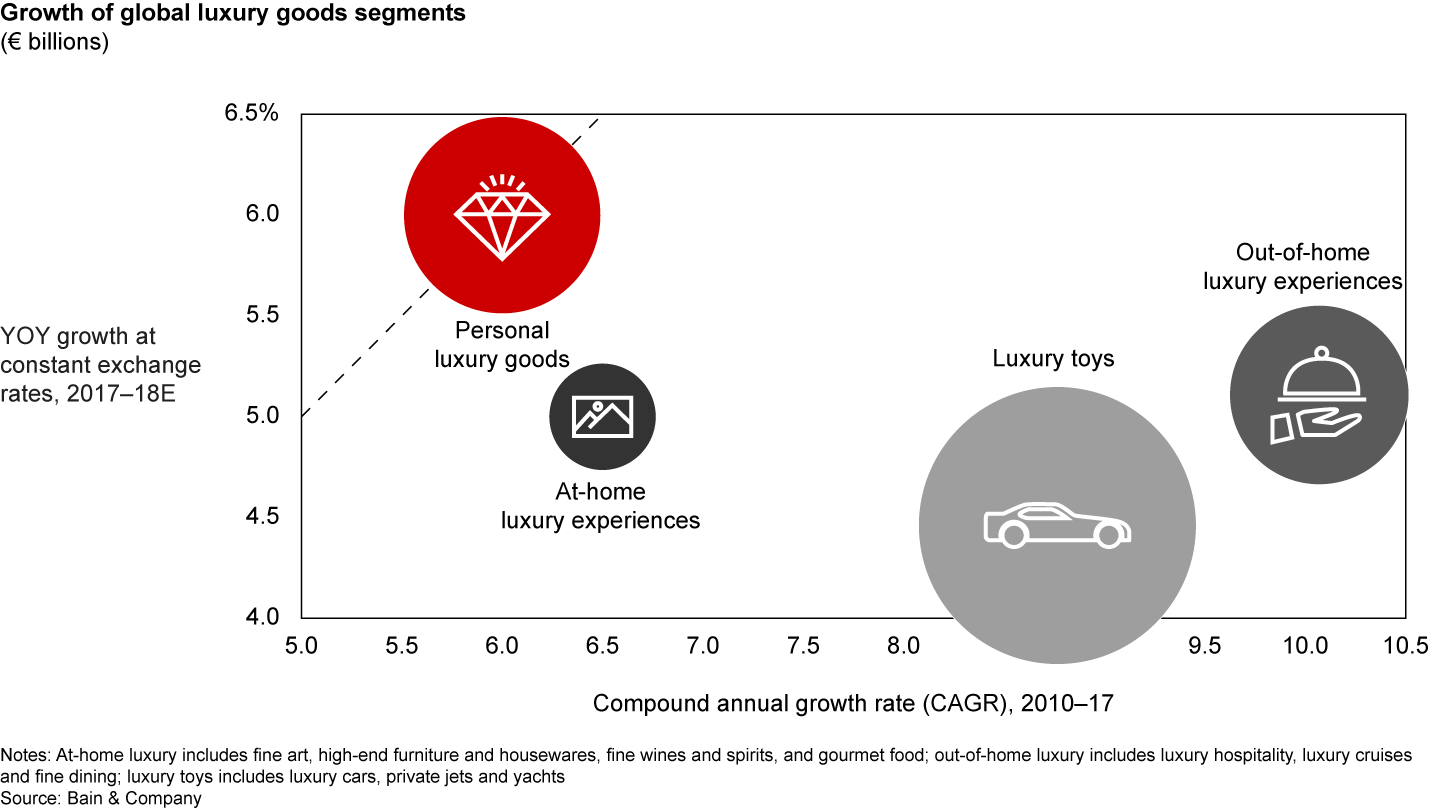

Figure 3


Claudia D'Arpizio: The State of the Luxury Goods MarketBain Partner Claudia D'Arpizio discusses the positive outlook in the luxury market after a couple of years of stagnation. 2. Regional highlights
Figure 4
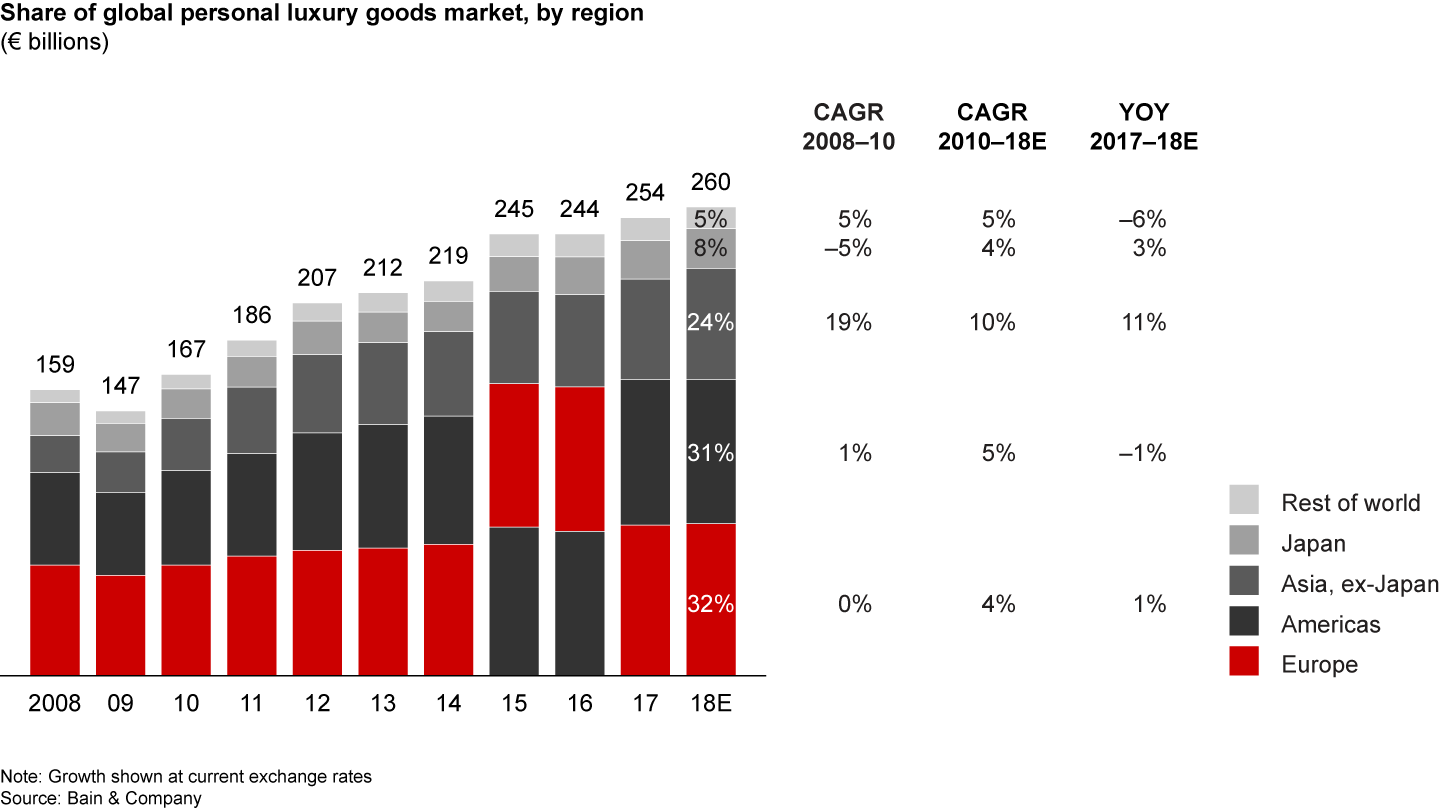

Figure 5
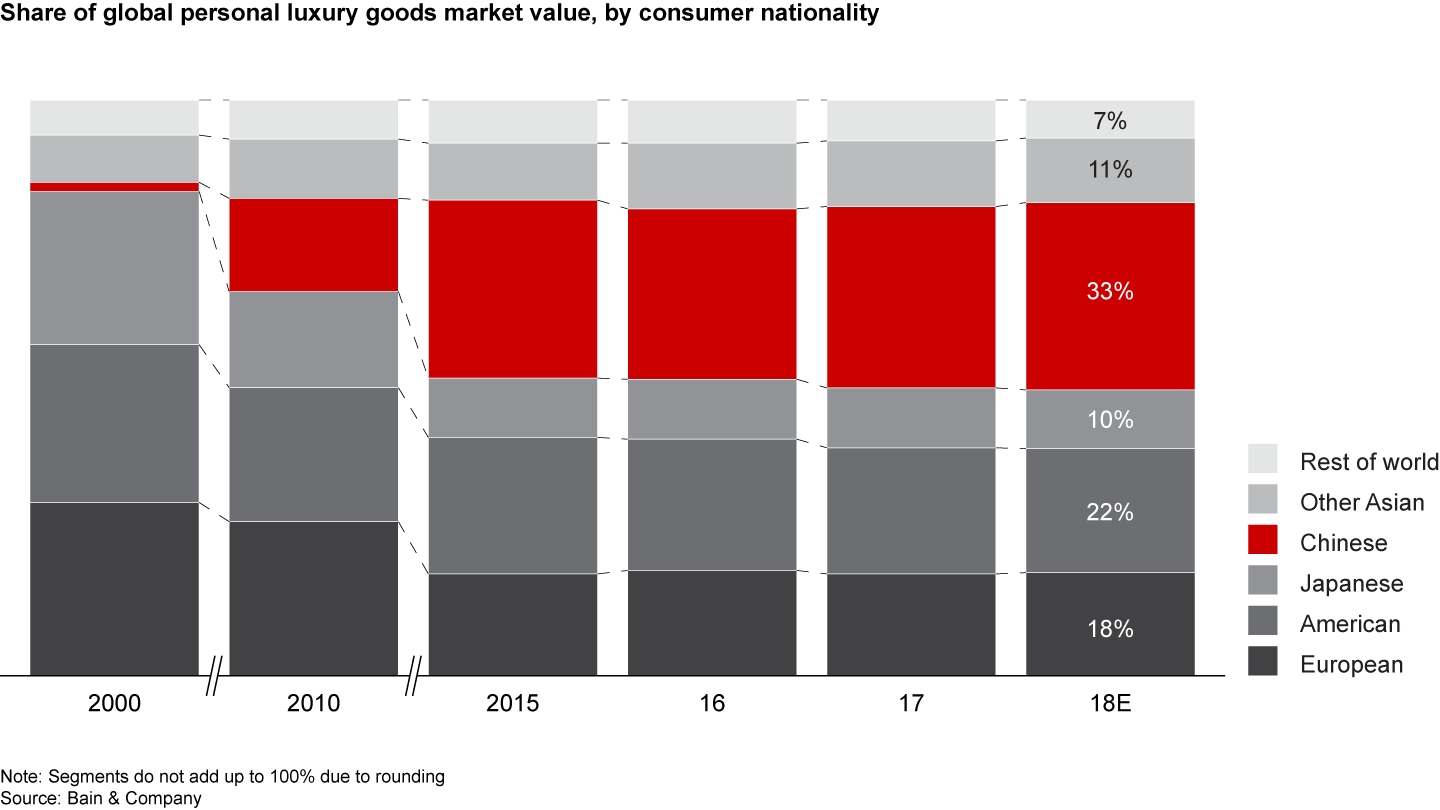

Figure 6
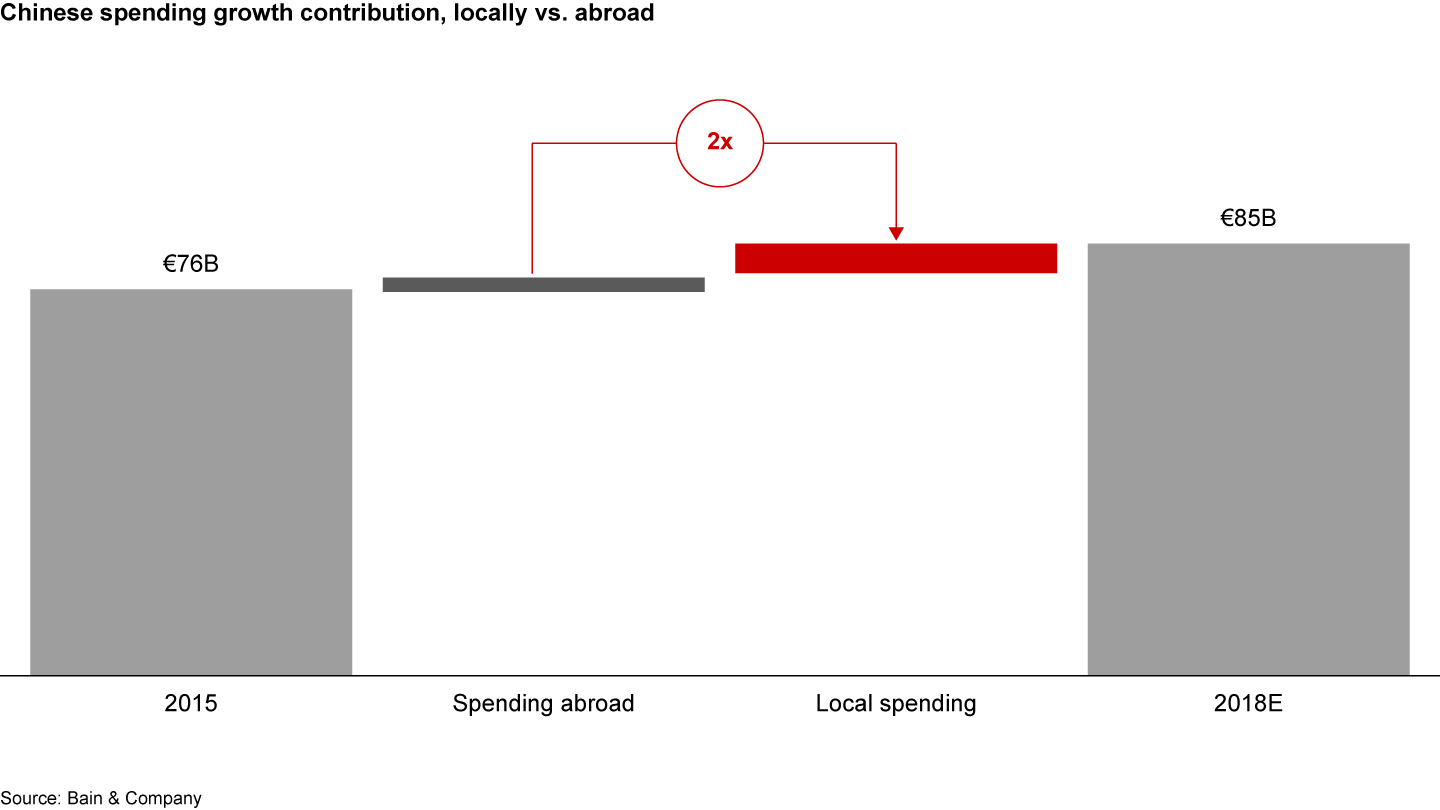

Figure 7
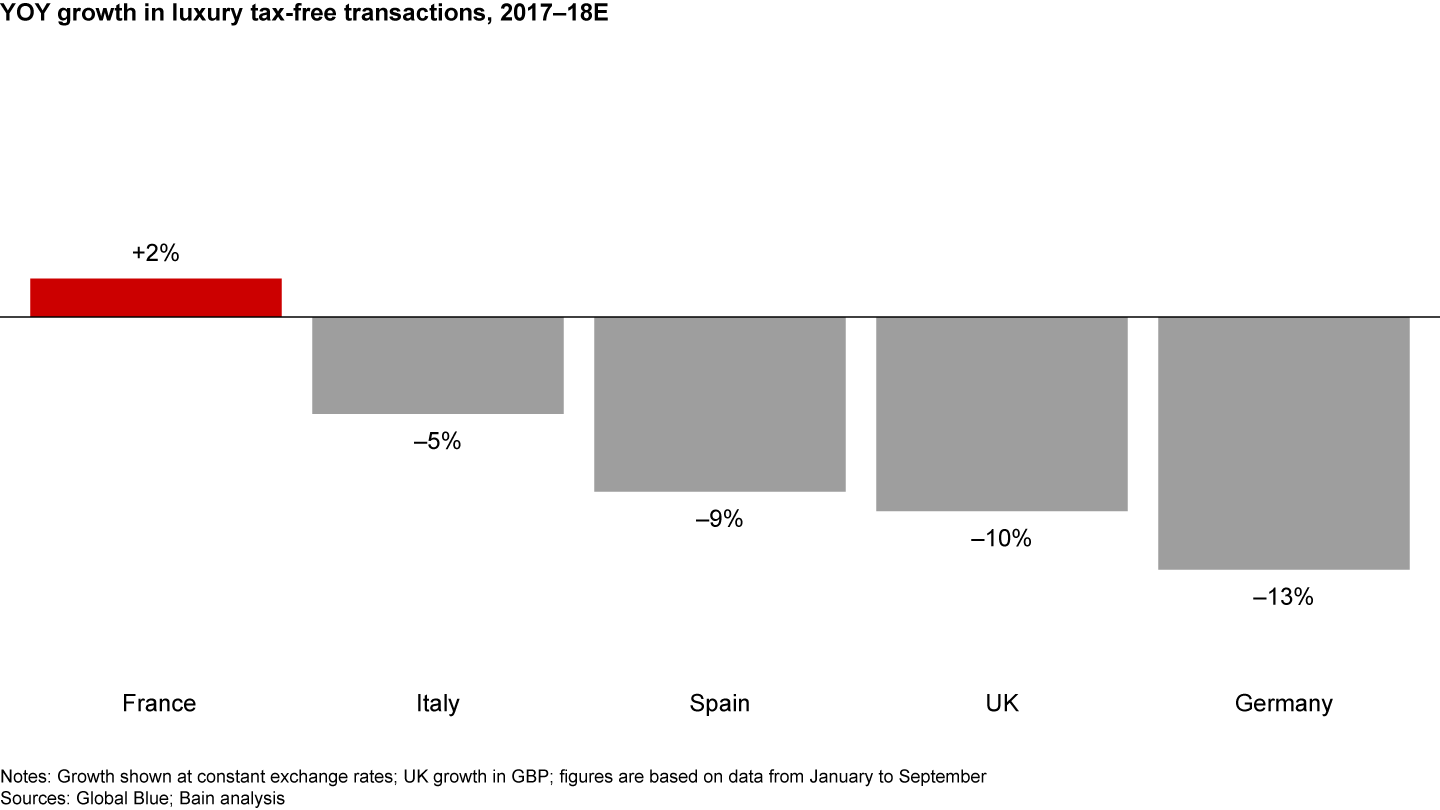

3. Distribution trends
Figure 8
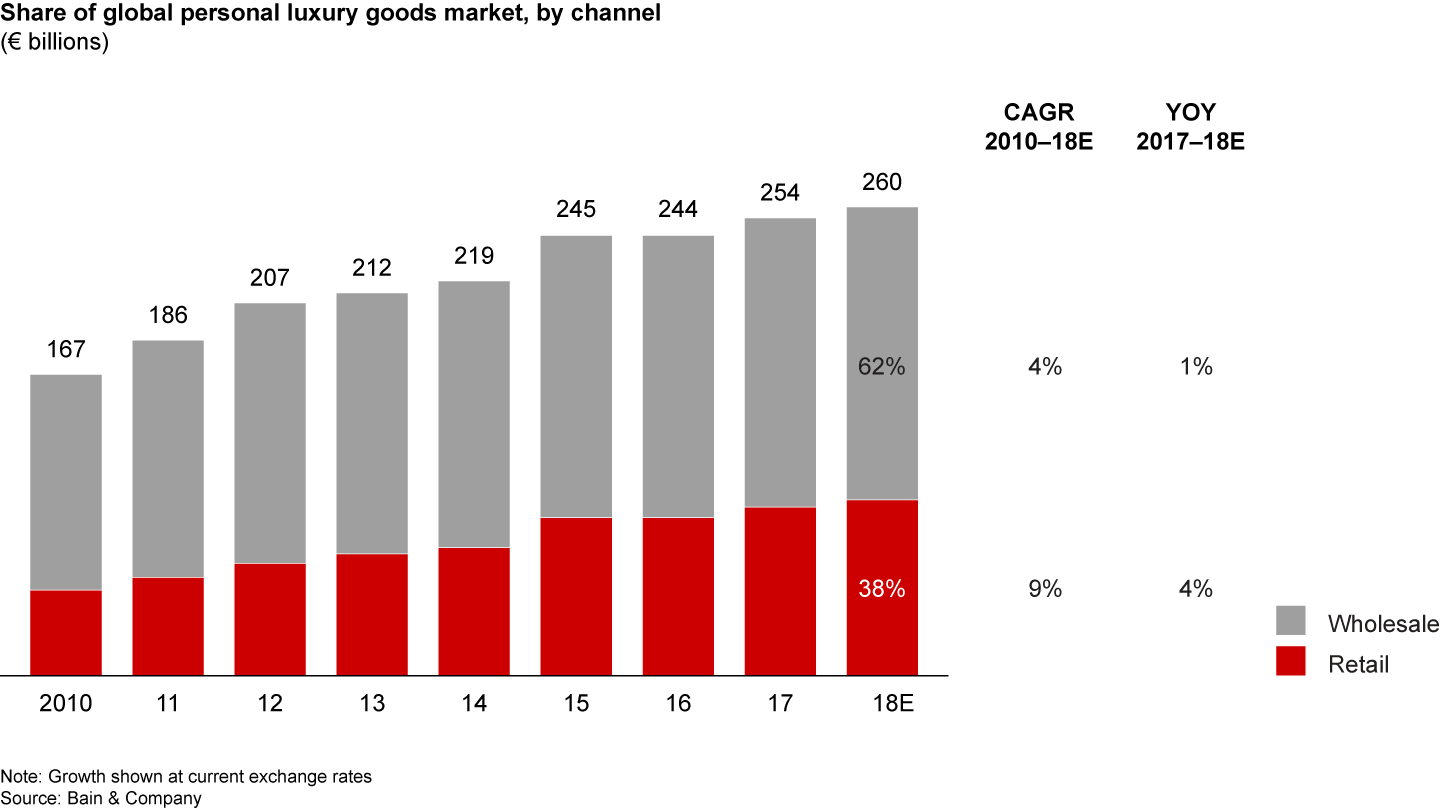

Figure 9
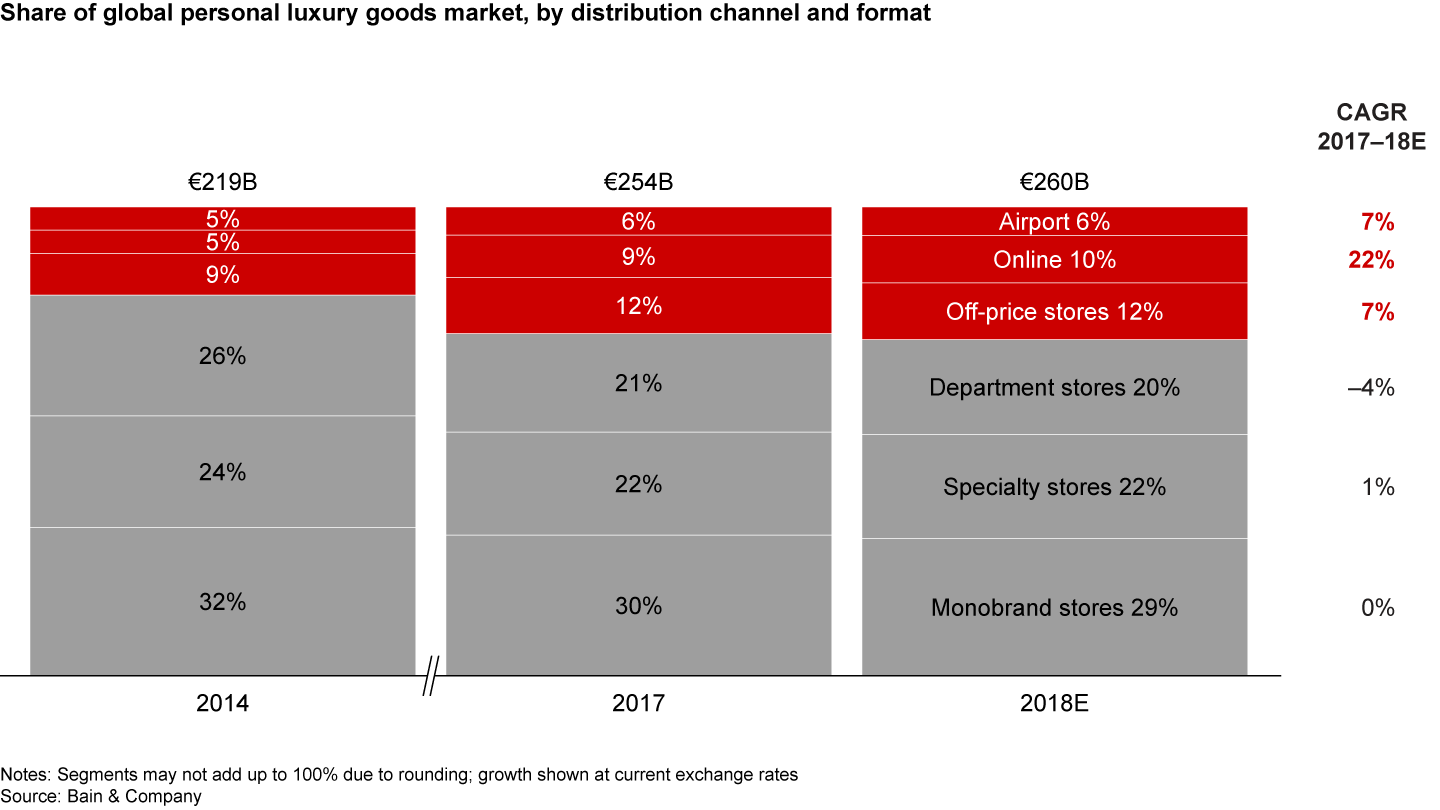

Figure 10
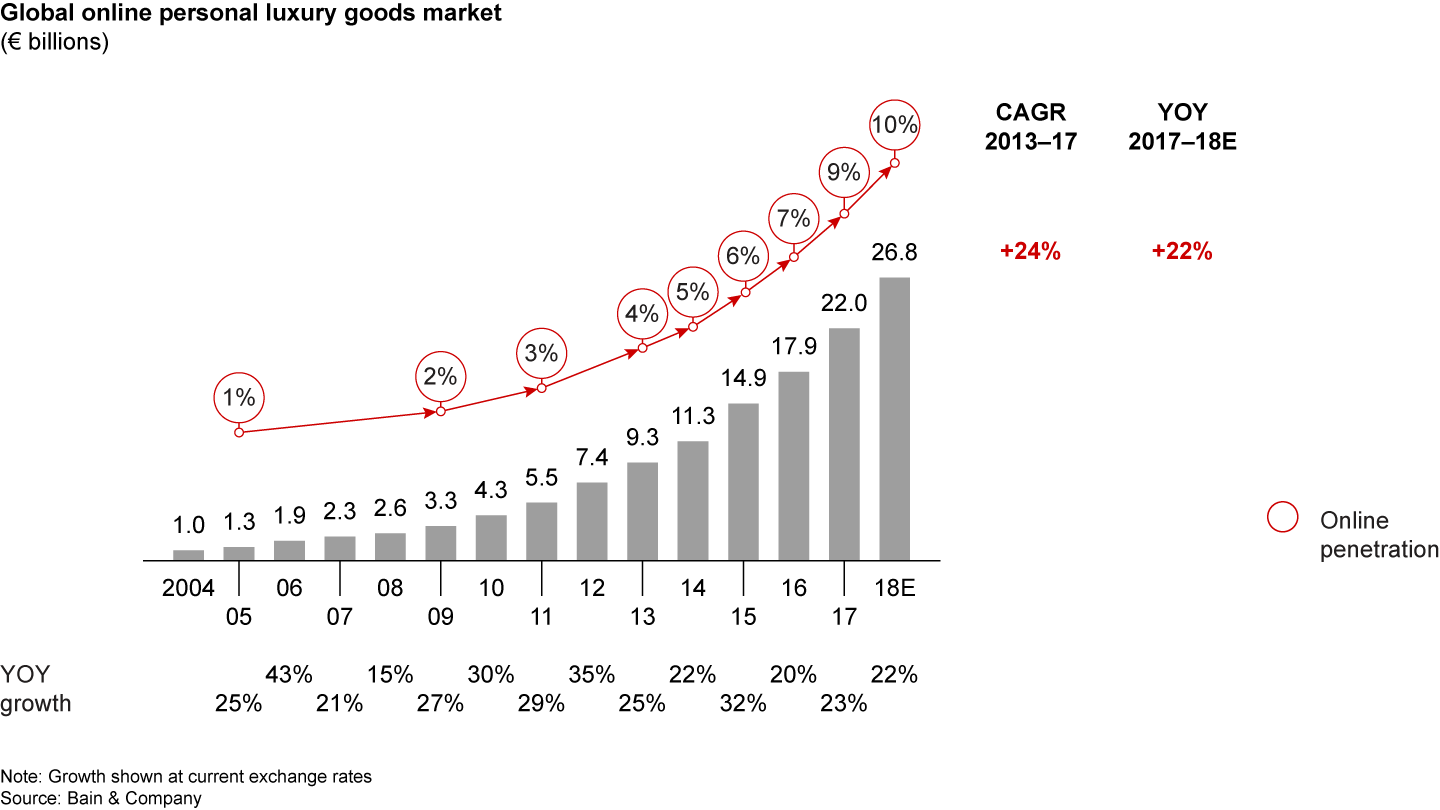

Figure 11
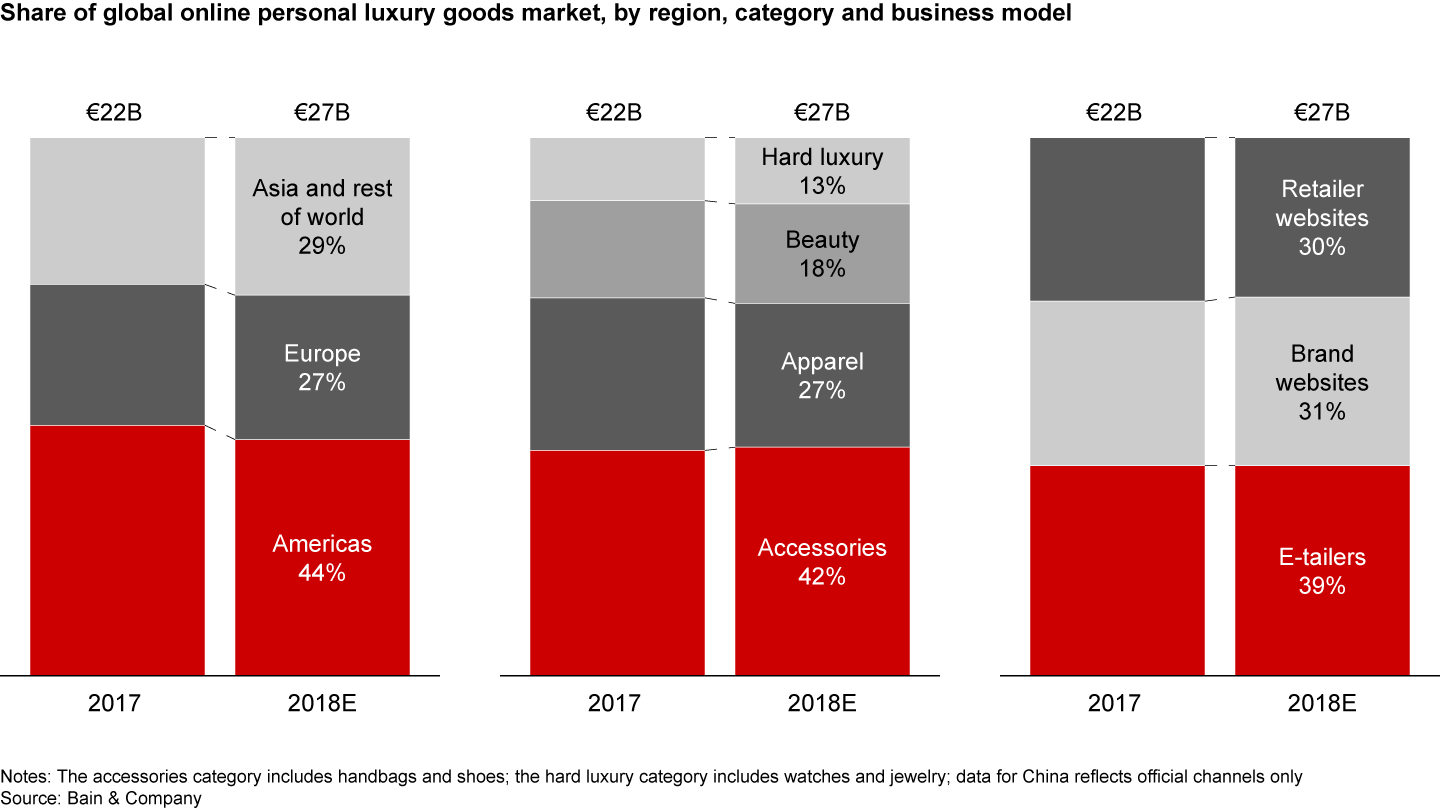

Figure 12


Federica Levato: The Changing Role of the Luxury StoreBrands can capitalize on the growth opportunities in the industry by investing more in their stores. 4. Individual category performance and customer shifts
Figure 13
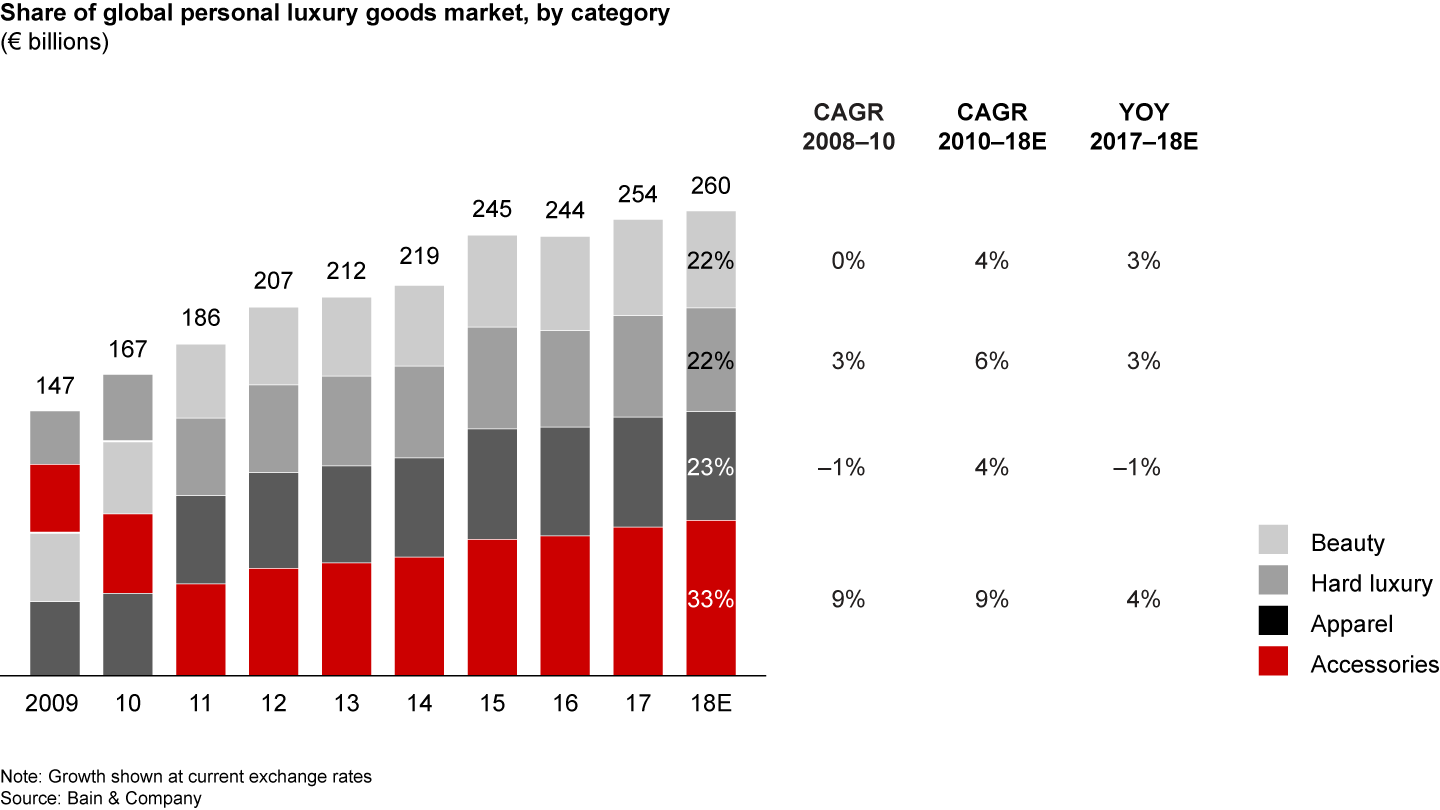

Figure 14
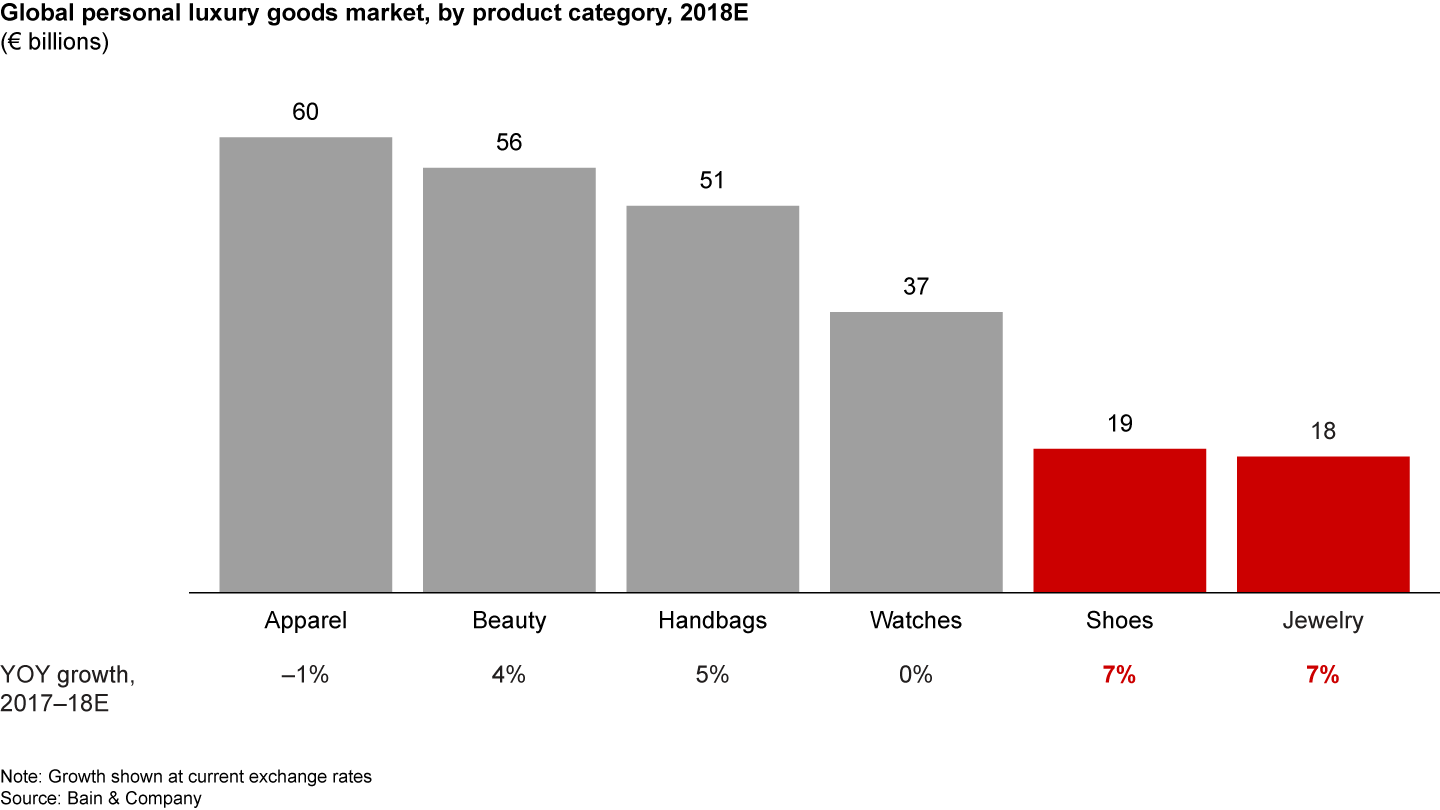

Figure 15

5. Outlook for the future
Figure 16
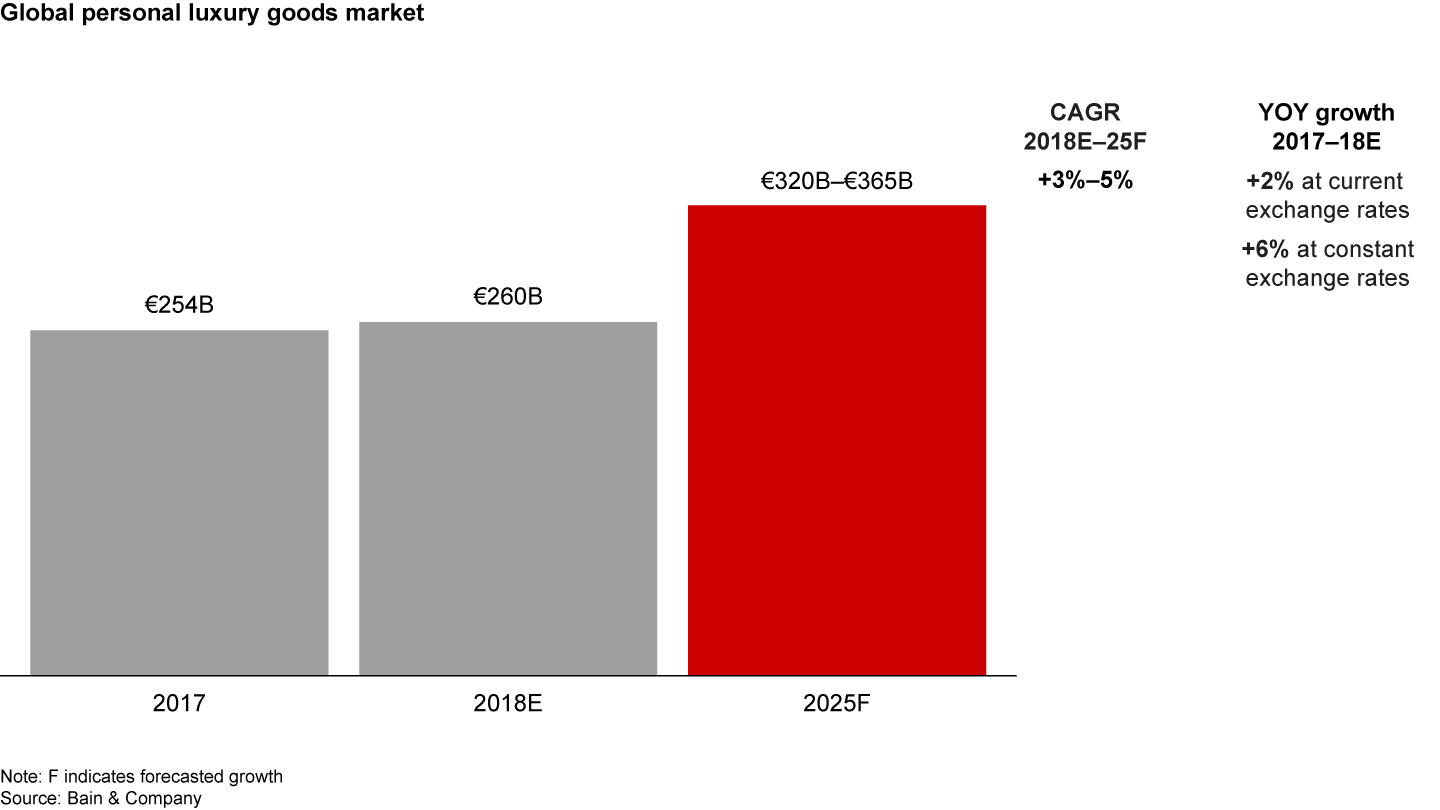

Figure 17
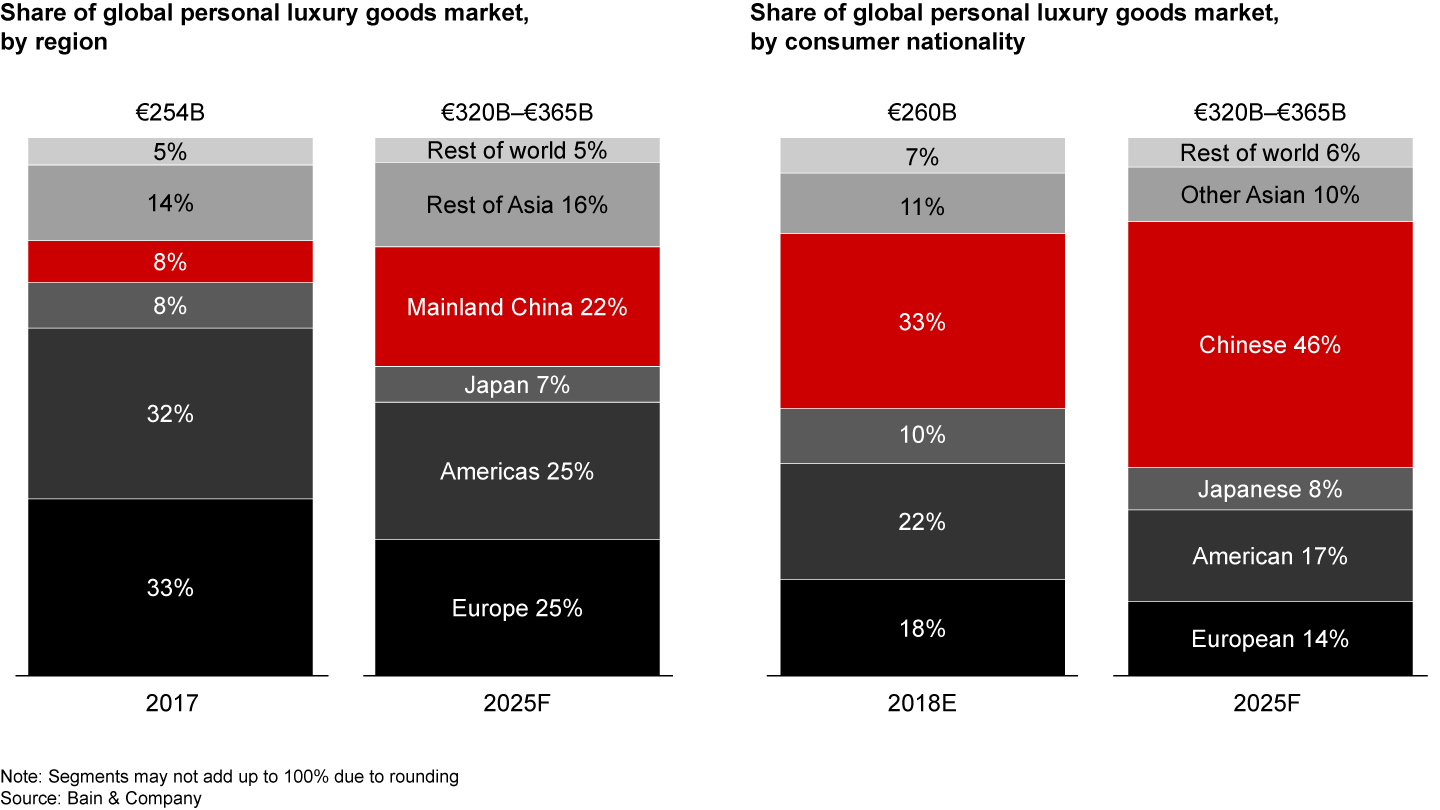

Figure 18
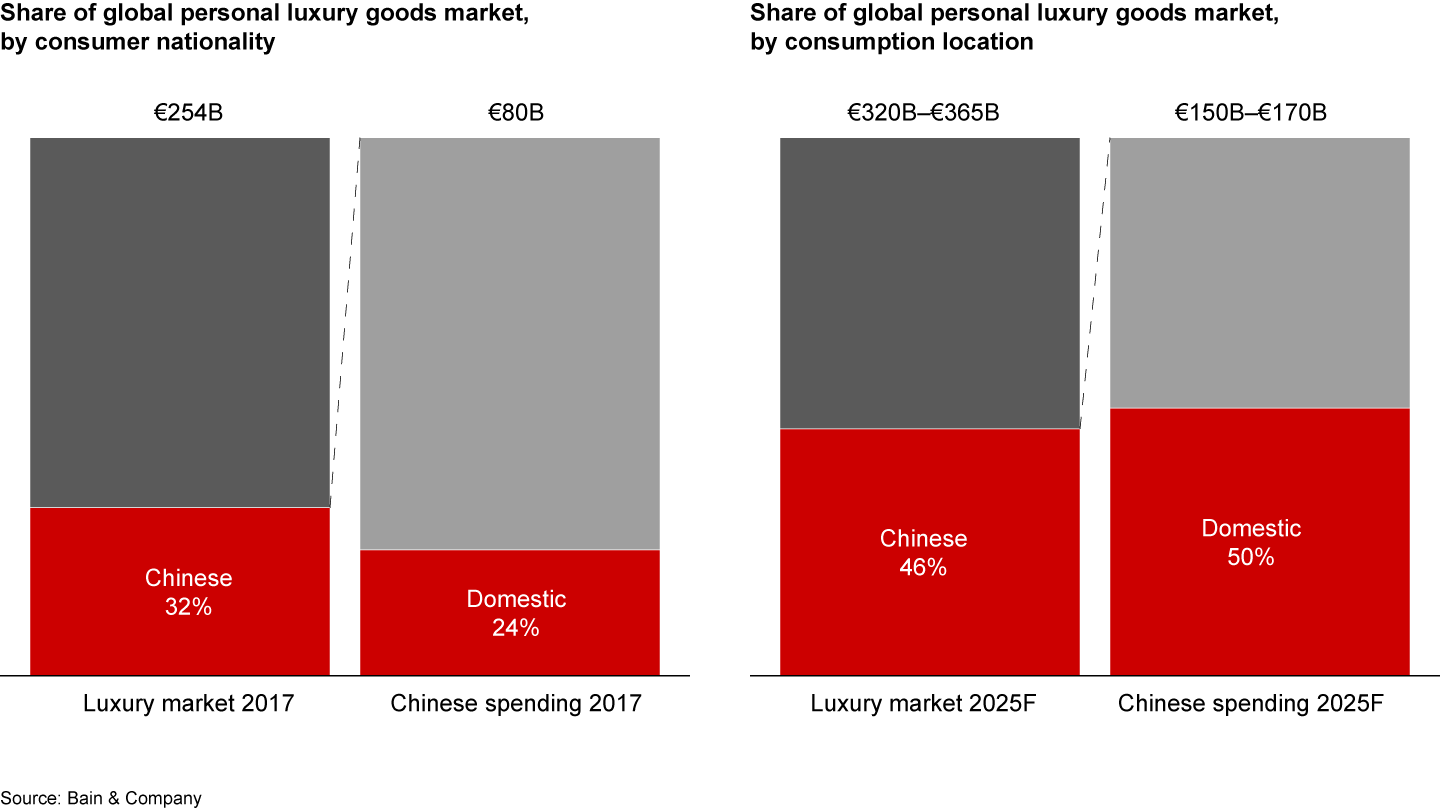

Figure 19
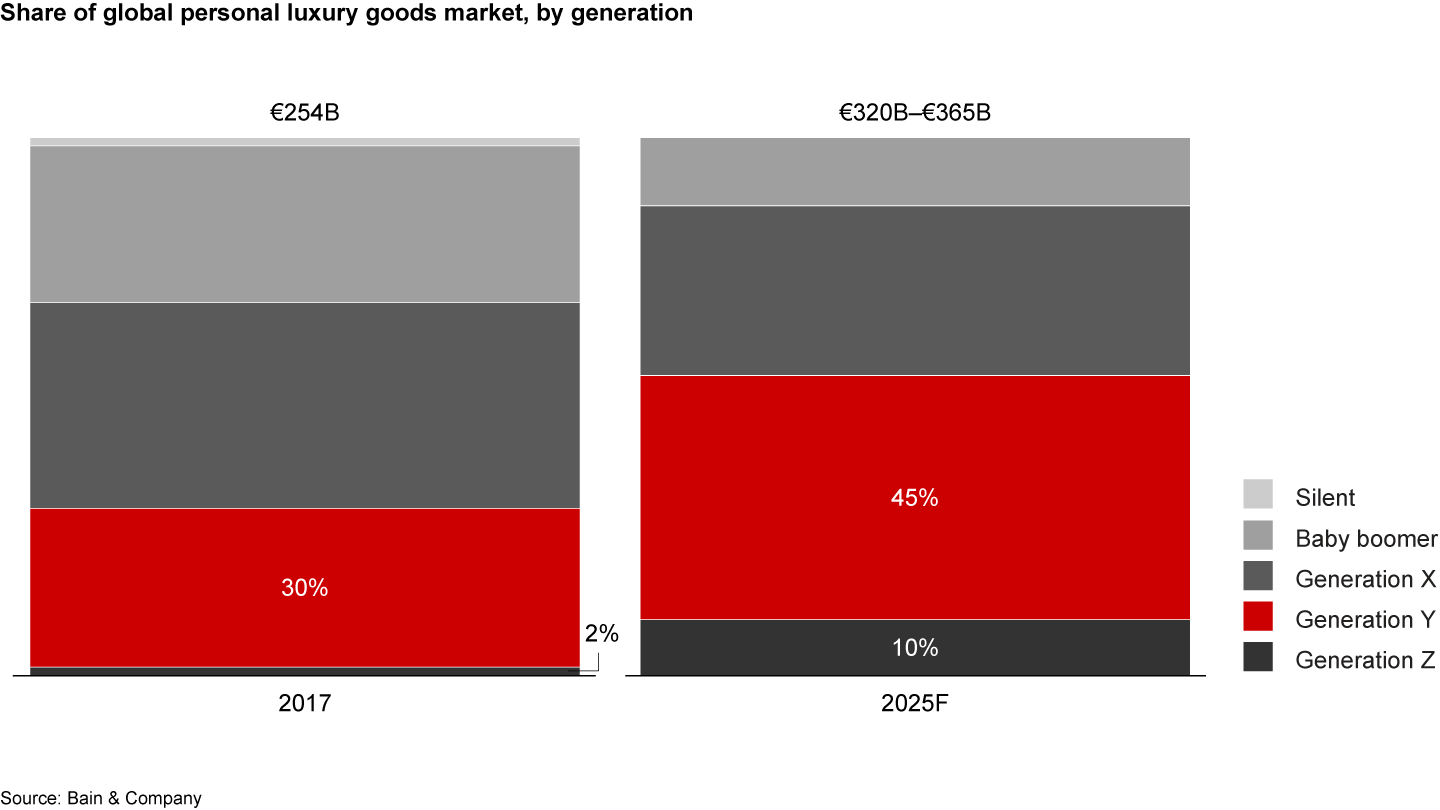

Figure 20
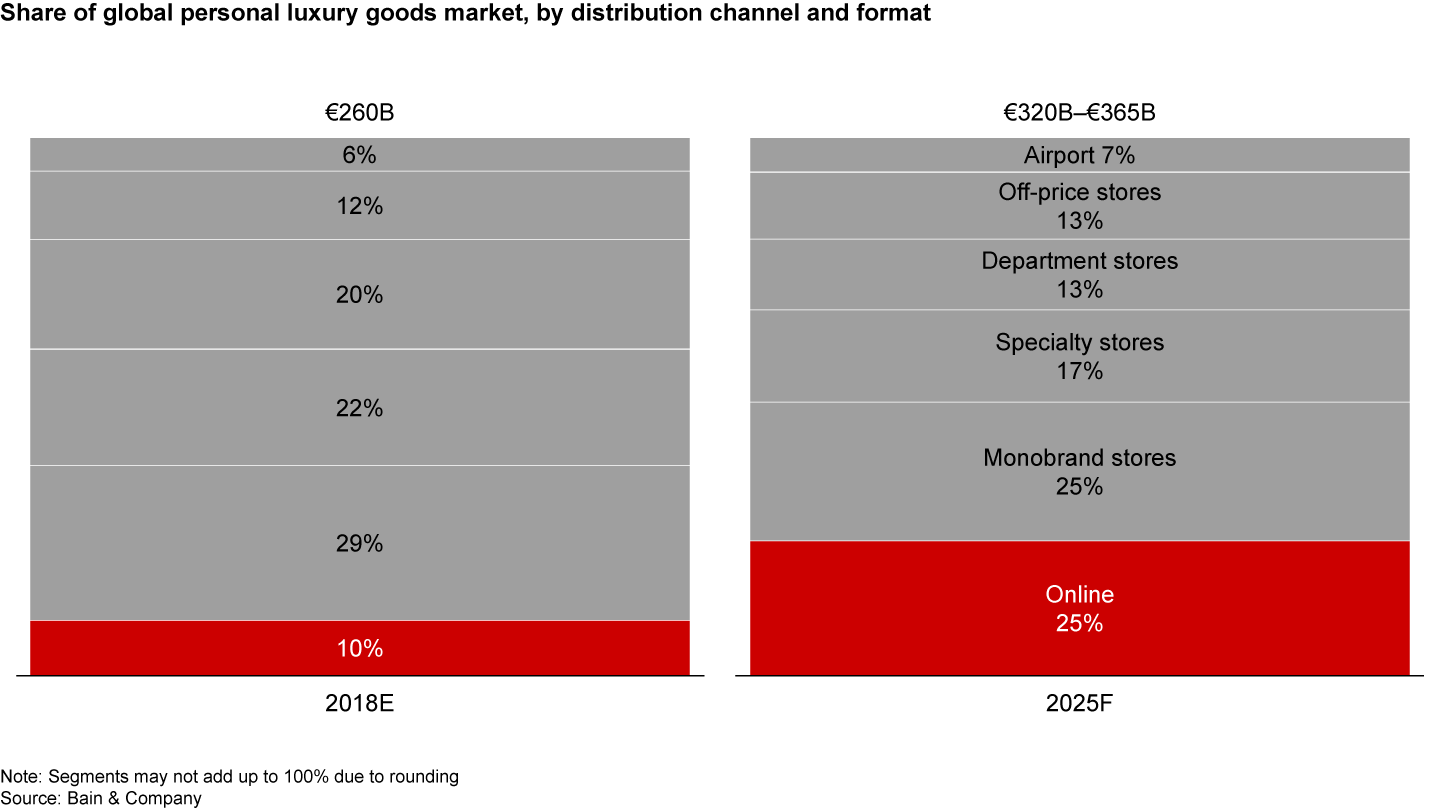

Figure 21

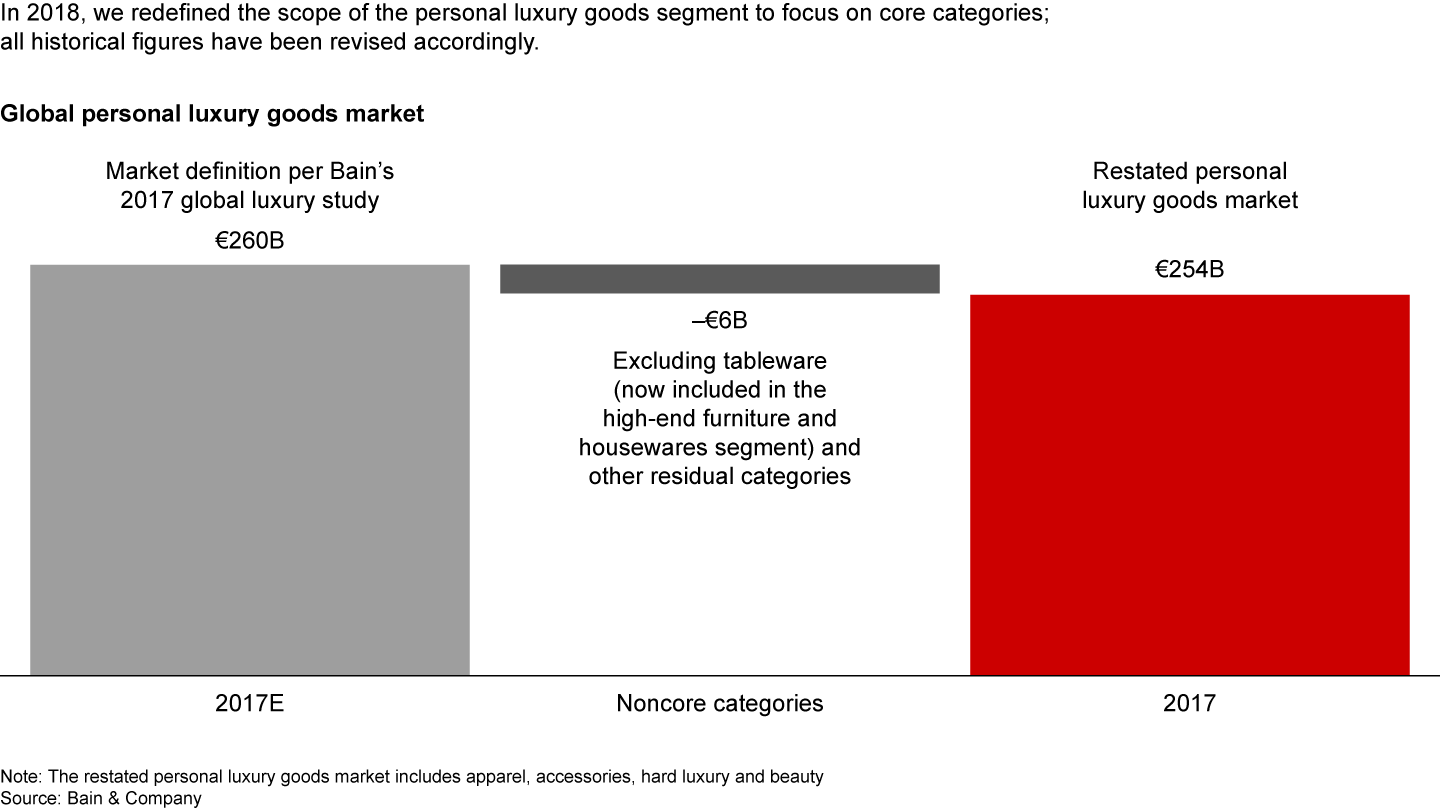
AppendixAbout the Bain Luxury Goods Worldwide Market StudyBain & Company analyzes for Fondazione Altagamma the market and financial performance of nearly 300 leading luxury goods companies and brands. This database, known as the Luxury Goods Worldwide Market Observatory, has become a leading and much-studied source in the international luxury goods industry. Bain has published its annual findings in the Luxury Goods Worldwide Market Study since 2000. The study’s lead author is Claudia D’Arpizio, a Bain partner in Milan. Fondazione Altagamma is led by Andrea Illy, who was named chairman in 2013.
Figure 22
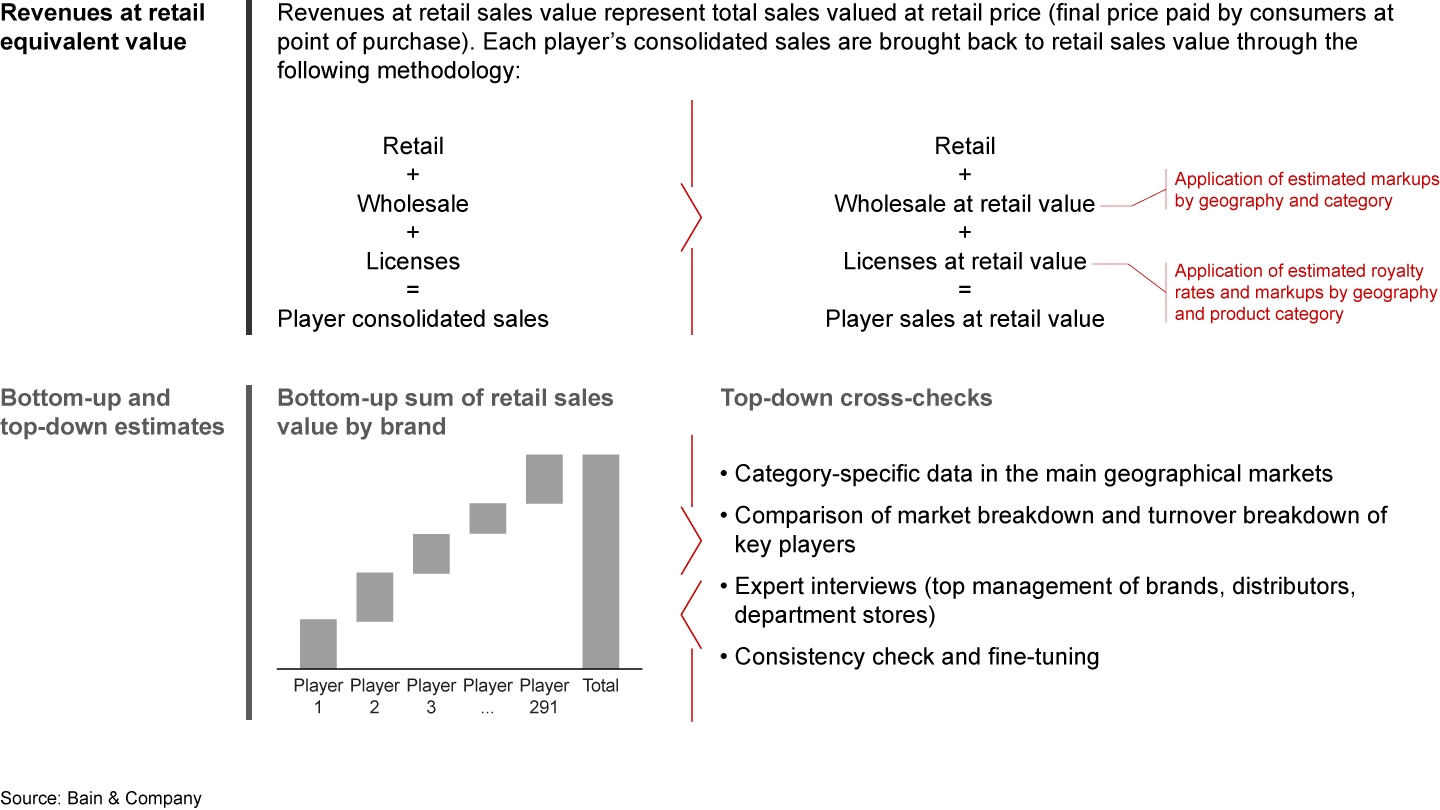

Figure 23

Claudia D'Arpizio (claudia.darpizio@bain.com) is the global leader of the Luxury and Fashion vertical at Bain & Company. Federica Levato (federica.levato@bain.com) is a leading member of the Luxury and Fashion vertical. Both are Bain partners based in Milan. Filippo Prete (filippo.prete@bain.com) is a manager, and Elisa Del Fabbro (elisa.delfabbro@bain.com) is a consultant, both in Bain’s Milan office. They also work with the firm's Luxury and Fashion vertical. Joëlle de Montgolfier (joelle.demontgolfier@bain.com) is the practice area senior director for Retail, Luxury and Consumer Products in Europe, the Middle East and Africa. She is based in Bain’s Paris office. |