


Global Healthcare Private Equity Report


|
At a Glance
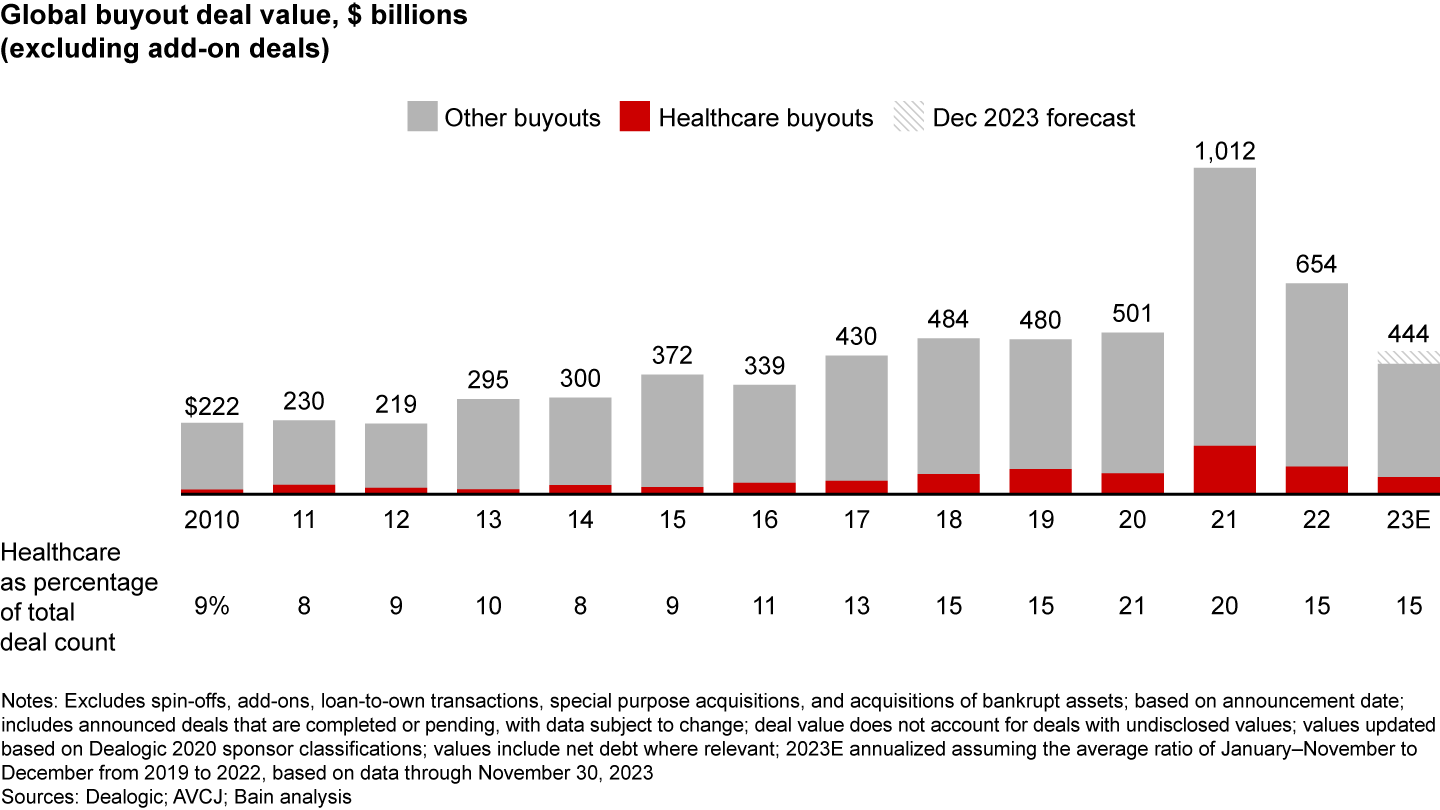
This article is part of Bain's 2024 Global Healthcare Private Equity Report. The healthcare sector continued to be a hub of private equity (PE) deal activity in 2023, relative to all PE deals across the world, despite higher global interest rates, inflationary pressures, and broader geopolitical uncertainty (see Figure 1).
Figure 1

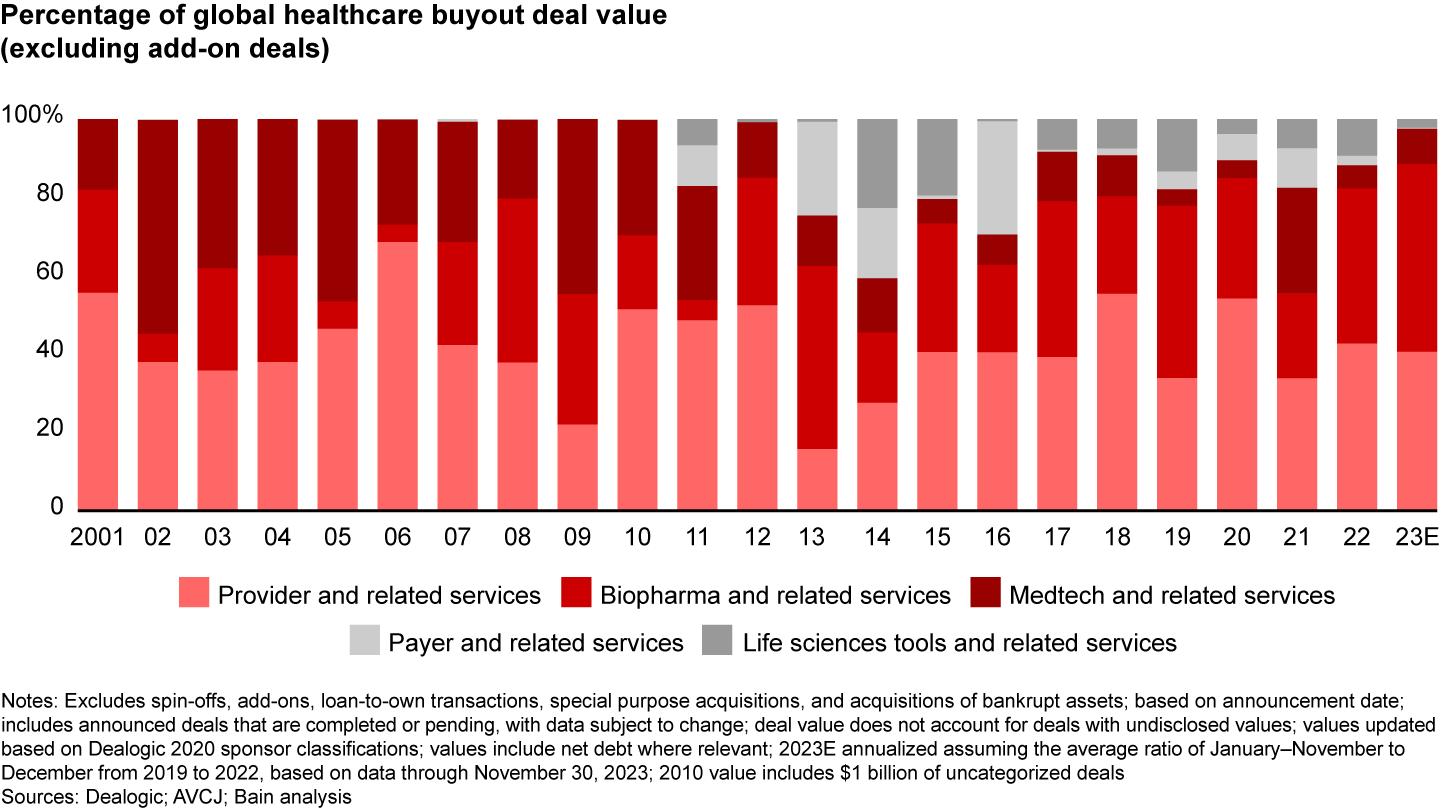
Across all regions, a number of common themes emerged. To start, biopharma deals along with transactions involving related services, such as contract research organizations (CROs) and contract development and manufacturing organizations (CDMOs), made up the largest share of global deal value at 48% (see Figure 2). Meanwhile, in the healthcare information technology (HCIT) space, deals for electronic medical and health record providers underscored the importance of next-generation IT in healthcare. We also tracked the continued rise of glucagon-like peptide-1 agonists (GLP-1s), which will have implications across the sector, including supporting continued growth in the sterile fill finish market, where the leader, Baxter BioPharma Solutions (now Simtra), was acquired by Warburg Pincus and Advent International.
Figure 2

The year saw six deals in excess of $2 billion—the largest being the taking private of Syneos Health by Elliott Investment Management, Patient Square Capital, and Veritas Capital—compared with 13 in 2022 and 14 in 2021, though with some large deals in flux. There have also been around 375 deals below the $2 billion mark, a testament to high levels of activity at the middle and small levels. Within North America, announced deal values came in around $29 billion, with biopharma accounting for 25% of deal activity and 54% of deal value (see Figure 3). Activity in provider businesses (historically a large share of US deals) slowed as those businesses experienced inflationary and labor market pressures. Nonetheless, a number of provider deals closed across specialties such as oncology, orthopedics, and cardiology with the opportunity to drive ancillary expansions relatively insulated from broader healthcare and macroeconomic pressures. Case in point: TPG and Cencora’s (formerly known as AmerisourceBergen) acquisition of OneOncology from General Atlantic for $2.1 billion.
Figure 3
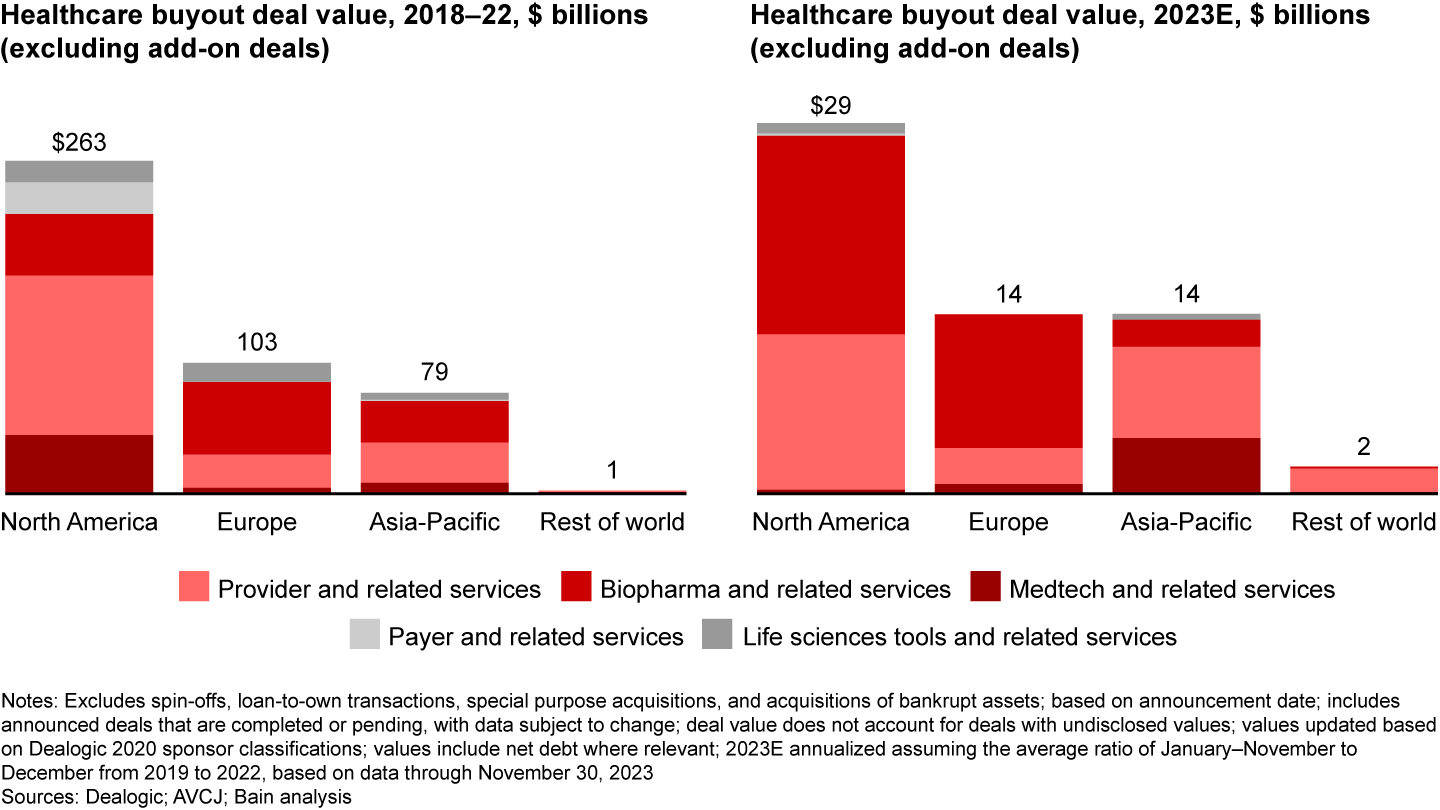

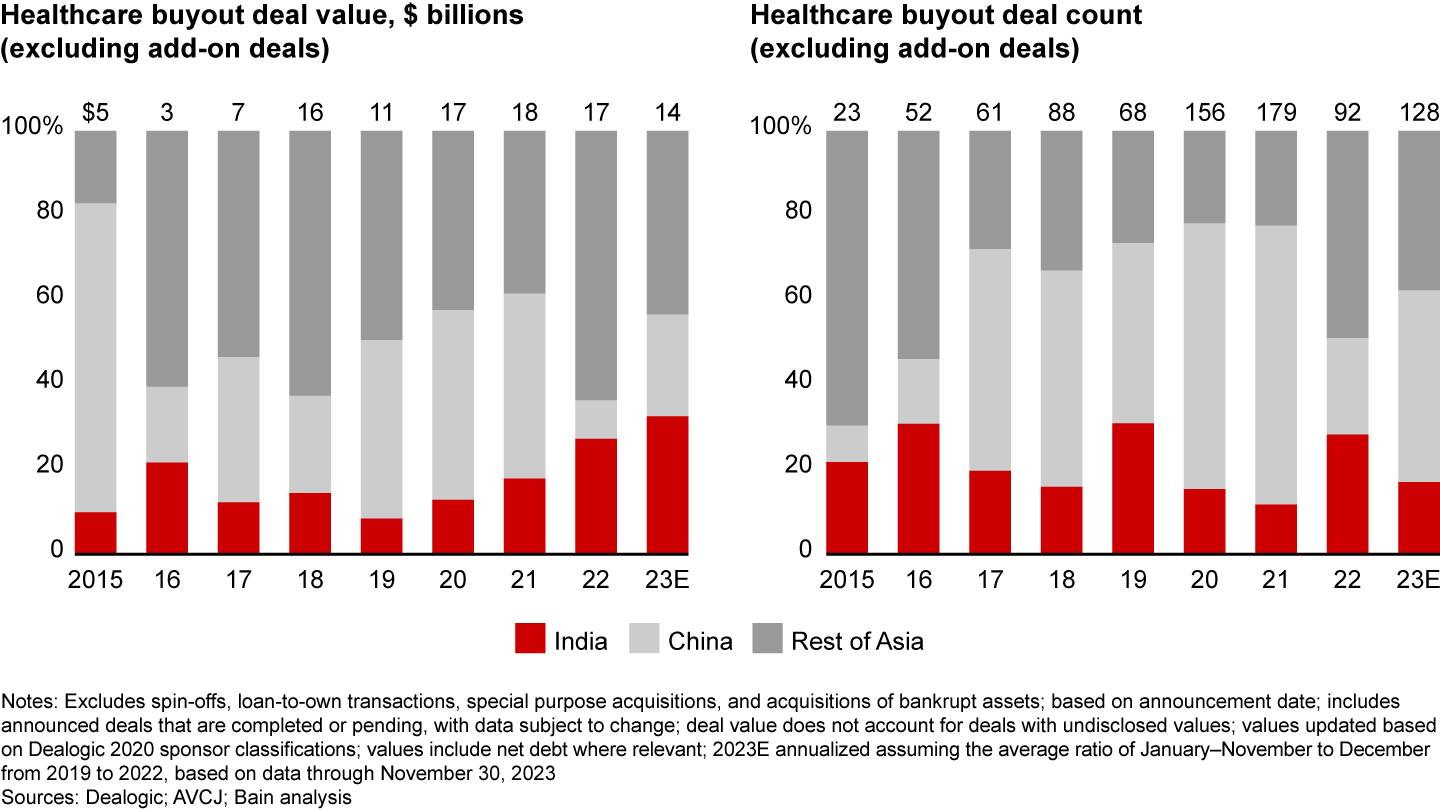
In Europe, announced deal value fell approximately 44% year over year from $25 billion in 2022 to $14 billion in 2023. Excluding EQT/Luxinva’s acquisition of Dechra Pharmaceuticals, the announced deal value would have declined by about 70%. Constrained credit markets and continued disruption from labor and cost inflation dampened activity in the retail health and provider sectors. Europe also saw several announced processes that did not result in a transaction, as buyers and sellers failed to align on valuations. Diversification of investments in the Asia-Pacific regionIn the Asia-Pacific region, deal activity was slightly lower than 2018–22 levels, with announced deal value at around $14 billion (see Figure 4). China remains very relevant for investment, while India represented the largest share of announced deal value. That said, investors seeking to manage geopolitical risk began to broaden their horizons to other Asia-Pacific countries. India, in particular, has seen a long-term rise in biopharma-related activity (for example, in generics and active pharmaceutical ingredient manufacturing), albeit with a slowdown year over year, while also seeing growth in domestic demand driven by an expanding middle class and government insurance programs (see Figure 5). These macroeconomic dynamics, coupled with a number of successful exits from early investors in India—such as TPG’s sale of a controlling stake in Care Hospitals to Blackstone—have propelled private equity sponsors to regard India as a place to deploy healthcare capital at scale.
Figure 4
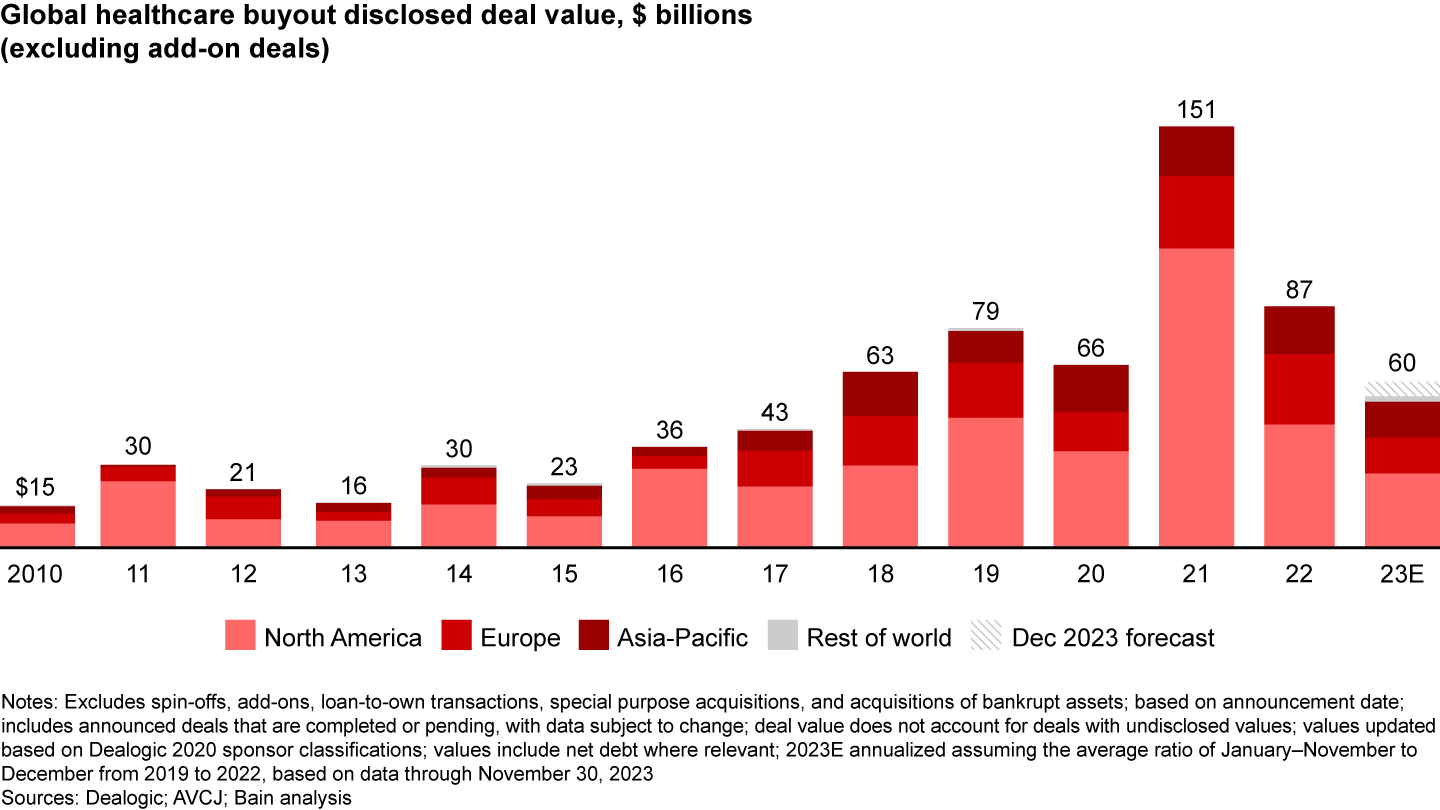

Figure 5

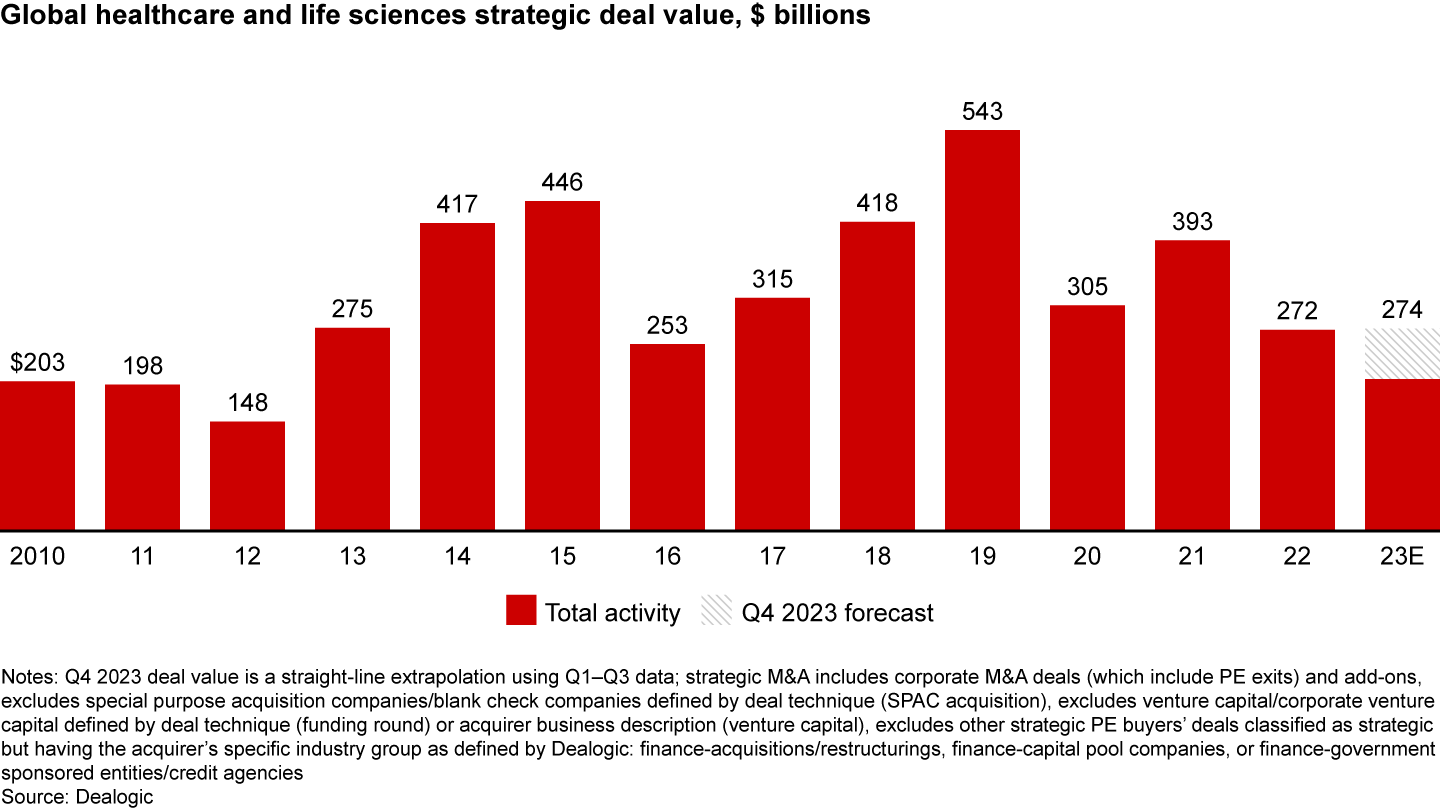
Responses to liquidity challenges: value creation and secondary transactionsSponsors faced a challenging fund-raising environment in 2023, at a time when overall exit volume was decreasing and competition for fresh capital was increasing. In line with the overall PE markets, sponsor exits in healthcare declined in 2023, setting up PE funds for a conflict in 2024 between prolonging holding periods and the desire among limited partners for liquidity. Fund sponsors have been strategizing about how to offset the impact on the internal rate of return from longer holding periods via two mechanisms: first, by investing in incremental value-creation opportunities, with an emphasis on commercial excellence, pricing, and margin expansion, and second, by exploring alternative avenues for liquidity, both for the funds and their limited partners. The latter approach has triggered a rise in the exploration of secondary transactions (partial/early exits) including continuation vehicles. In 2023, many buyout funds initiated secondary-dedicated funds; notably, Blackstone raised $24.9 billion, $2.7 billion of which is earmarked to its inaugural GP-led continuation fund strategy. In addition, Ardian, Lexington Partners, and Goldman Sachs collectively fund-raised more than $50 billion for their secondary vehicles. Several factors make these instruments attractive: secondaries provide GPs an early, often partial exit opportunity, allowing them to secure liquidity to finance growth ambitions or return capital to investors, and boosting a fund’s distributions to paid-in capital. Continuation funds, another form of secondary transaction, buy time until the market appropriately prices a holding’s potential. Moreover, bid-ask spreads for secondary market continuation funds, where the seller is often a partial buyer, tend to be narrower than the bid-ask spreads in primary markets. (Bain’s upcoming Global Private Equity Report 2024 will feature further insight into secondaries.) PE firms have also sought to navigate the current environment by joining with other firms to tackle larger targets, in addition to seeking partnerships with and capital from sovereign wealth funds (as in the acquisition of Dechra Pharmaceuticals). PE firms are not immune to broader fund-raising challenges: Preqin estimates that in 2023 there has been $3.3 trillion of global private capital targeted by funds, but only $1 trillion raised. Large funds are capturing a greater share of allocations, benefiting from strong fund strategies, commercial motions, differentiated pitches, and sector-specialized investment teams. Corporate M&A: Strategics’ access to lower-cost capital enabled sustained biopharma deal activityHealthcare corporate M&A value was up from 2022, bucking headwinds on biopharma from the Inflation Reduction Act (IRA) in the US. Pfizer announced its acquisition of Seagen for just under $45 billion in the largest acquisition in biopharma since Abbvie’s acquisition of Allergan for $63 billion in 2019. Strategics, especially large-cap biopharmas, have retained access to lower-cost capital, which has fueled higher levels of activity compared with buyout funds. This level of activity occurred despite intensified scrutiny from the Federal Trade Commission (FTC), as seen in suits over Amgen’s acquisition of Horizon, a deal announced in 2022 and closed recently. In reaction to heightened FTC scrutiny, strategics appear to be prioritizing more modest acquisitions that advance specific strategic goals and are less likely to arouse antitrust scrutiny—for example, Merck’s acquisition of Prometheus Biosciences (see Figure 6). That said, corporate healthcare M&A has seen 19 deals in excess of $2 billion in the first three quarters of 2023. (Bain’s upcoming Global M&A Report 2024 will feature full details on healthcare and life sciences dealmaking.)
Figure 6

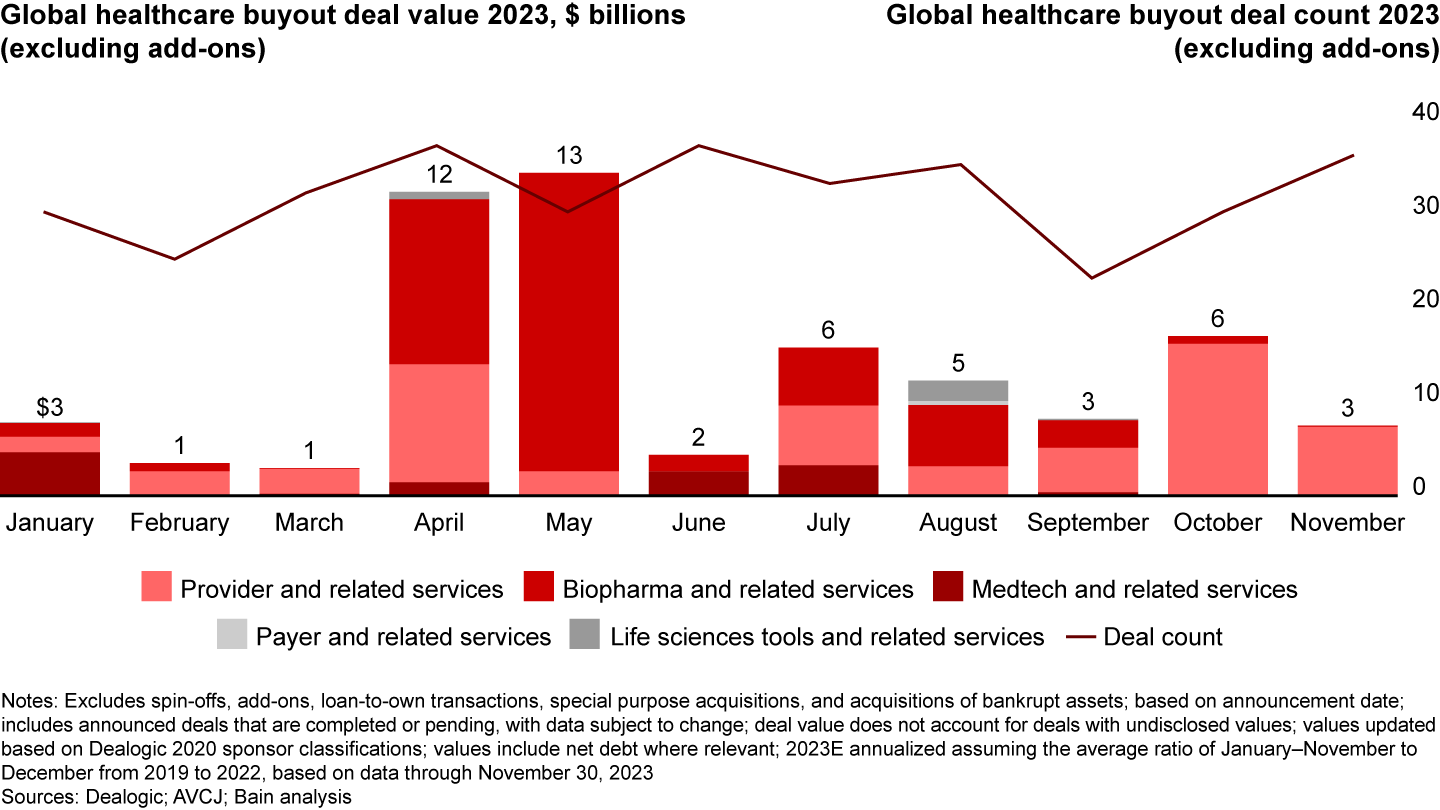
Macroeconomic headwinds buffet healthcareHealthcare PE has outperformed other sectors across multiple market cycles and recessionary periods; however, the reasons for this resilience have varied from cycle to cycle. Over the past decade, deal returns were driven by revenue growth and multiple expansion—the latter a byproduct of low interest rates and abundant credit. By contrast, the current inflationary climate has taken a heavy toll on labor-intensive businesses, as labor shortages challenge many healthcare sectors. Still, we see positive momentum generated from innovation triggered by the pandemic, which has led to a range of new healthcare delivery models and modalities (such as remote physiologic and therapeutic monitoring and at-home care), and new life-sciences capabilities (such as CDMOs’ supply expansion and Covid vaccine distribution). Segments propelled by this innovation have continued to power deals, while segments with a more challenging cost structure look for ways to improve margin profile. No two cycles are the same, but there are reasons for optimism about the future of healthcare investing. What to look for in 2024 and beyondFollowing a slow start to 2023, growth signals have reemerged in the buyout market (see Figure 7). In many geographies, inflation is cooling as the impact of higher interest rates take effect; at the same time, elevated material and labor costs are showing up as higher reimbursements for healthcare goods and services. In credit markets, rates are projected to remain elevated through 2024. As investors adjust to these realities, we expect sponsor-to-sponsor and secondary transactions to increase in 2024. Meanwhile, take-privates, carve-outs, and secondaries will continue to represent an elevated share of deal activity as investors seek to unlock value.
Figure 7

Given an improving macroeconomic backdrop, investors should consider these questions for 2024 and beyond:
Given the mountain of capital waiting on the sidelines, competition for in-market deals is expected to remain strong. Internal rates of return historically have been driven by revenue and multiple expansion, which will be more challenging to achieve. PE sponsors will need to establish higher confidence in value creation opportunities earlier, such that they can commit greater capital. It is critical for sponsors to think beyond pure commercial diligence and evaluate a wider set of operational, technological, and other factors such as environmental, social, and governance considerations early in their process to create value quickly. Only a clear fund strategy paired with strong investment screening, integrated diligence, focused teams, and post-acquisition value creation plans will set the most successful investors apart in the year ahead. Read our 2024 Global Healthcare Private Equity ReportMore from the report |