


Brief


|
At a Glance
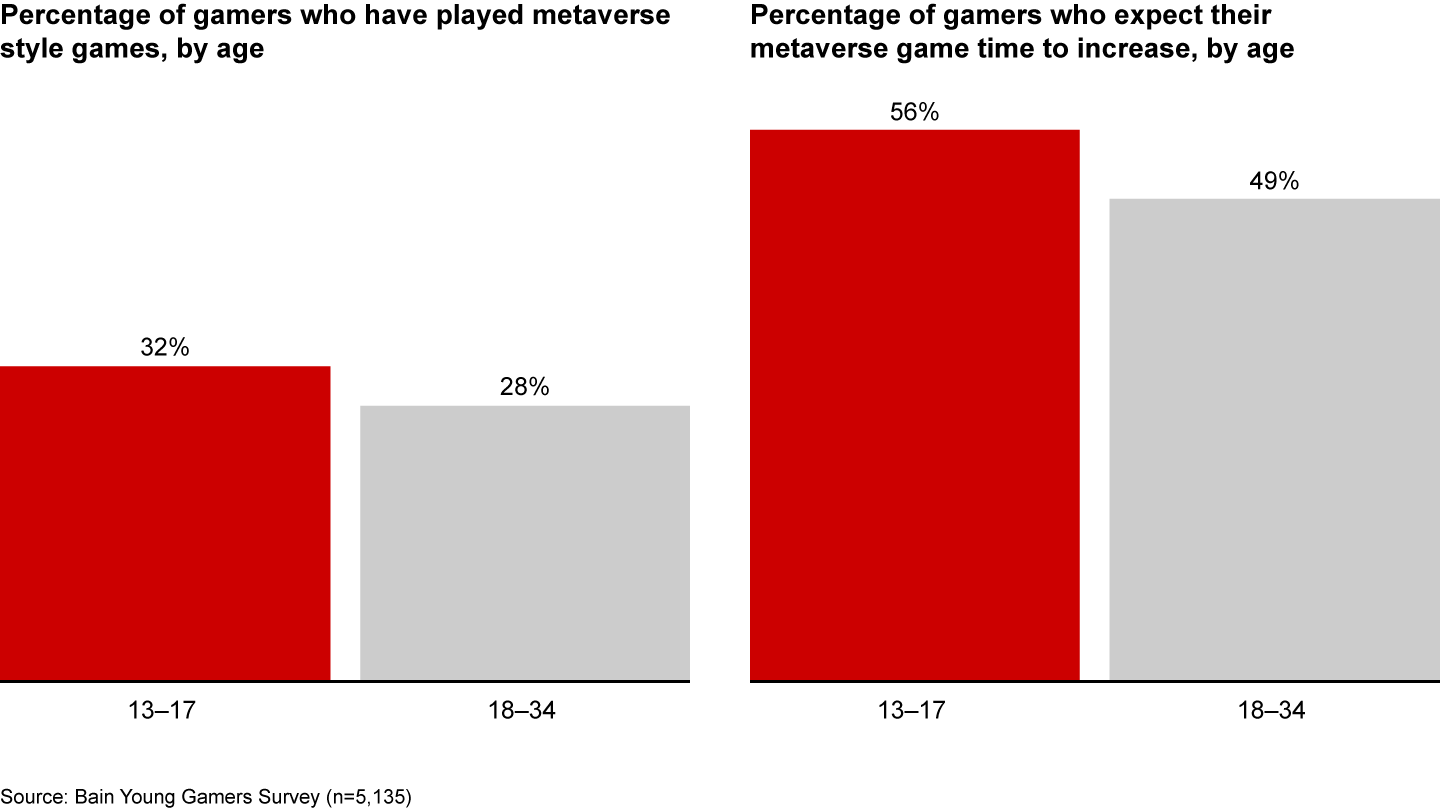
There’s been a fair amount of buzz over the advent of the metaverse over the past year or two, and more than a few observers have taken a gimlet eye to the bold claims about life and commerce shifting so far into the digital realm. But one large group of consumers has been comfortable spending a lot of time in virtual worlds for years: gamers. Younger gamers in particular, those from 13 to 17 years of age, have adopted metaverse-style games quicker and tend to be more interested in them than players a few years older (18 to 34). They’re also more likely to believe that they’ll spend more time in the future with metaverse games, by which we mean persistent and immersive virtual environments that overlap with the physical world, where players go not just for the game, but also to socialize, create things, and sometimes even attend events (see Figure 1). Even younger gamers who haven’t played in the metaverse say they’ll probably do so in the future. And half of younger gamers who don’t play online games at all say they’re interested in metaverse technology.
Figure 1

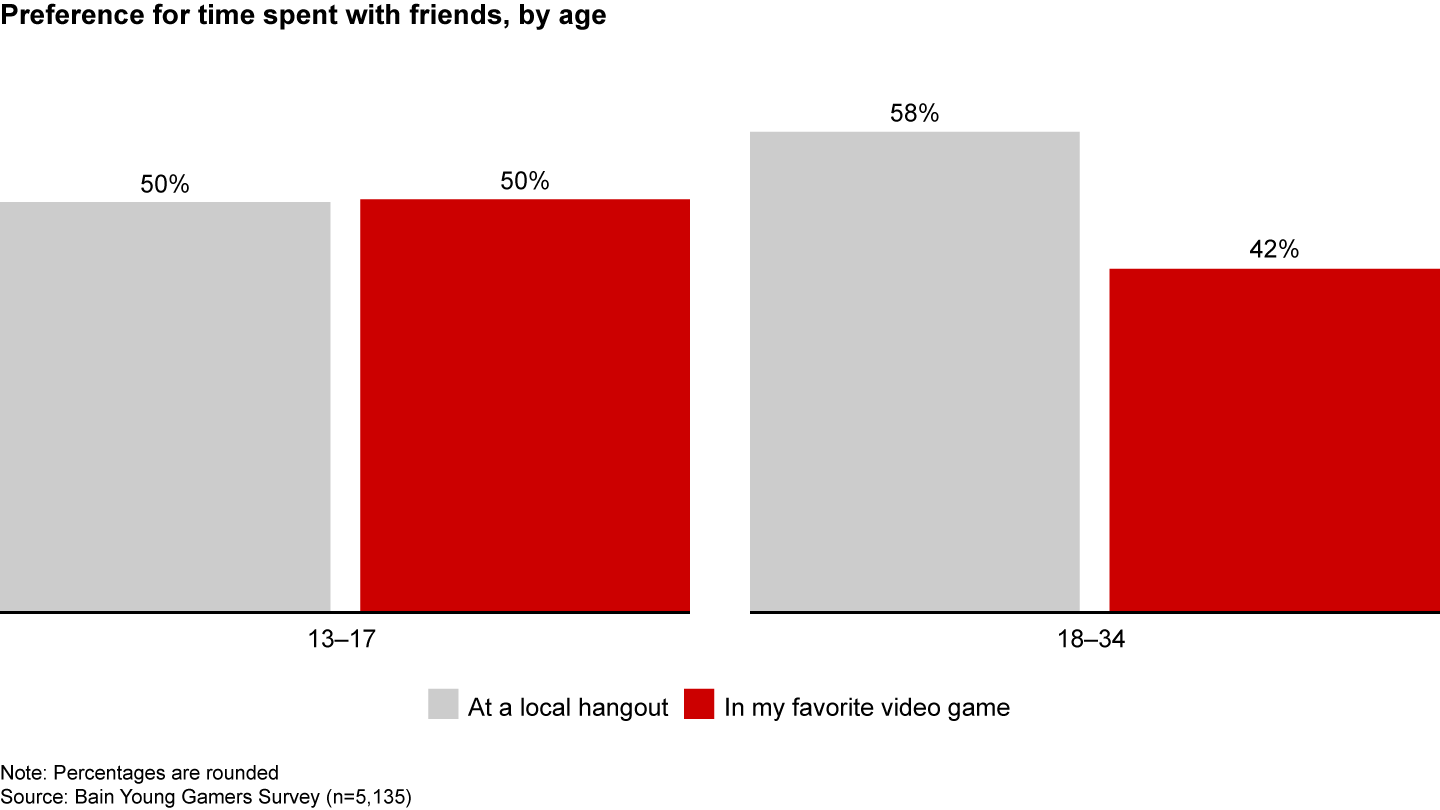
This preference is consistent: About half of younger gamers said they would rather attend school events in the metaverse, and half said they would rather play with their friends online than in person (see Figure 2).
Figure 2

This is just one example of how gamers’ preferences are changing as the delineation between digital and real-world experiences recedes, and video games become the foundation for a far broader collection of entertainment experiences. These shifting preferences have major implications for the companies that develop and distribute these gaming experiences. We found trends toward metaverse gaming are true in all five of the markets we surveyed (Japan, South Korea, China, the US, and Brazil), with limited differences among geographies. Our survey also indicates that gamers place greater importance on metaverse experiences that (see Figure 3):
Figure 3


While most of these features are similarly important for younger gamers (13 to 17) and adults, we see a few differences. For instance, younger gamers place greater importance on the ability to make in-game purchases (44%) than adult gamers do (34%).
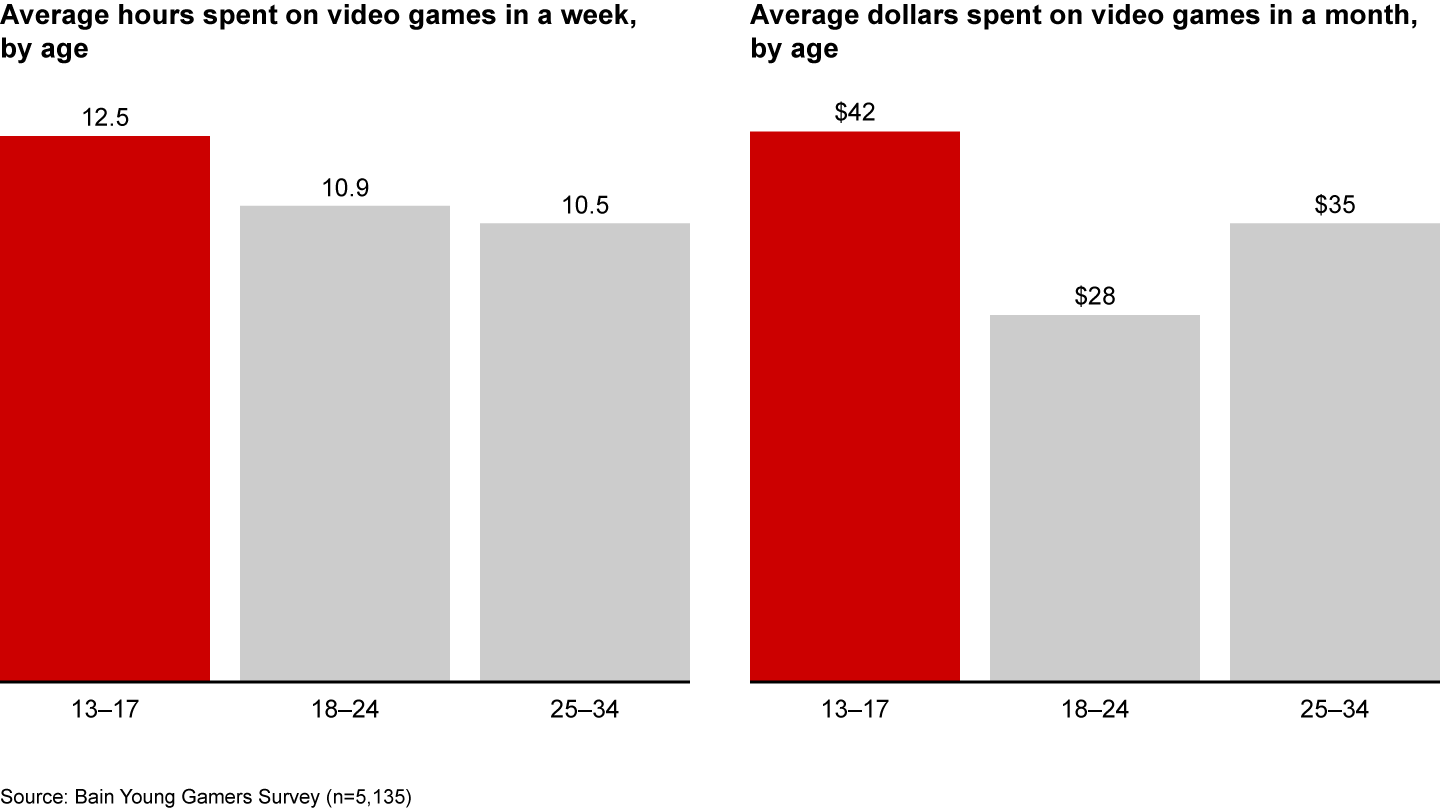
Social experiences in game spaces lay the foundation for other online activities, such as concerts, sporting events, and other aspects of life, including work and commerce. The growing demand for community experiences is becoming a catalyst for a broader metaverse. Time online and limits to customizationAccording to our research, this younger group of gamers spends more time and money on video games than the age group above them (see Figure 4).
Figure 4

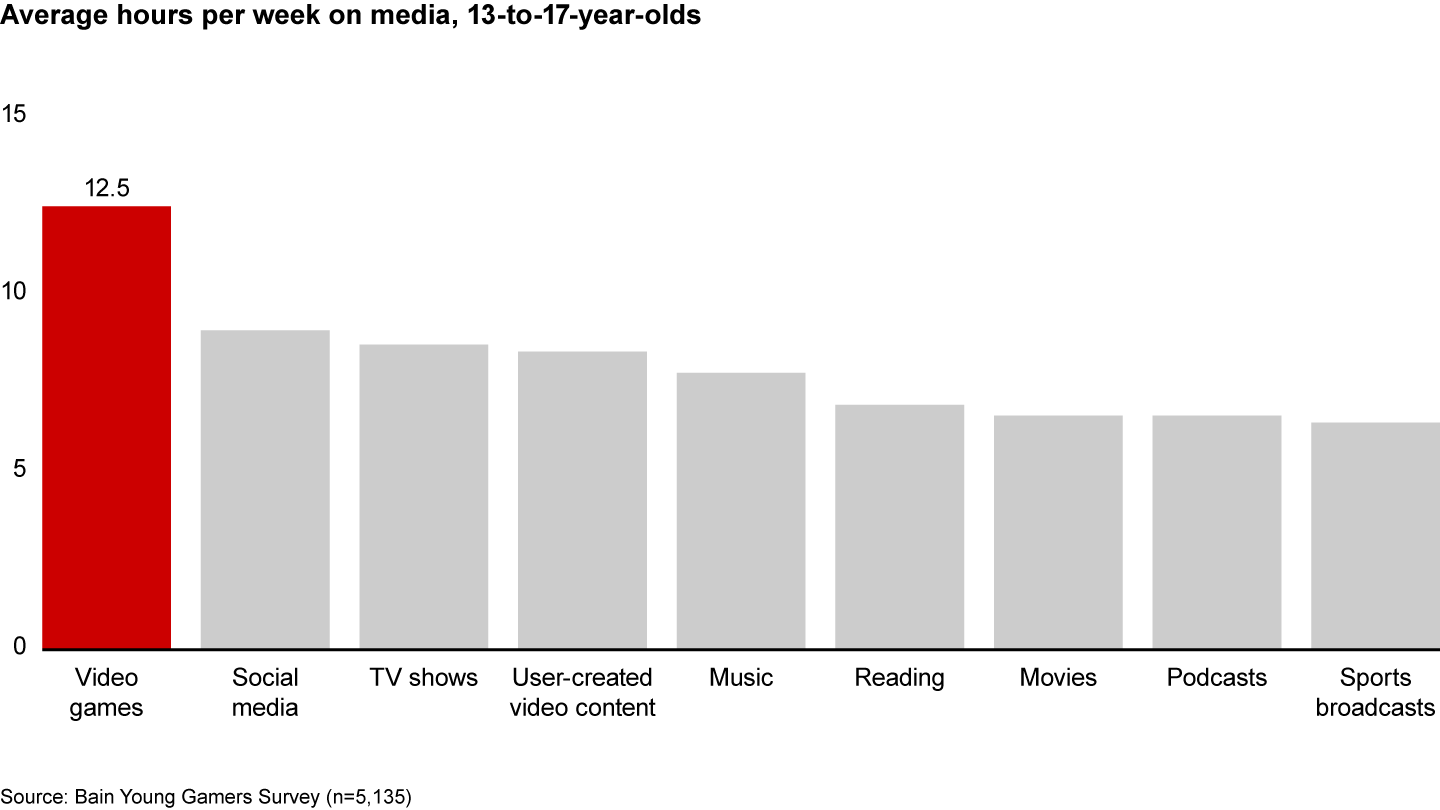
Younger gamers also spend more time on video games than any other form of media (see Figure 5).
Figure 5

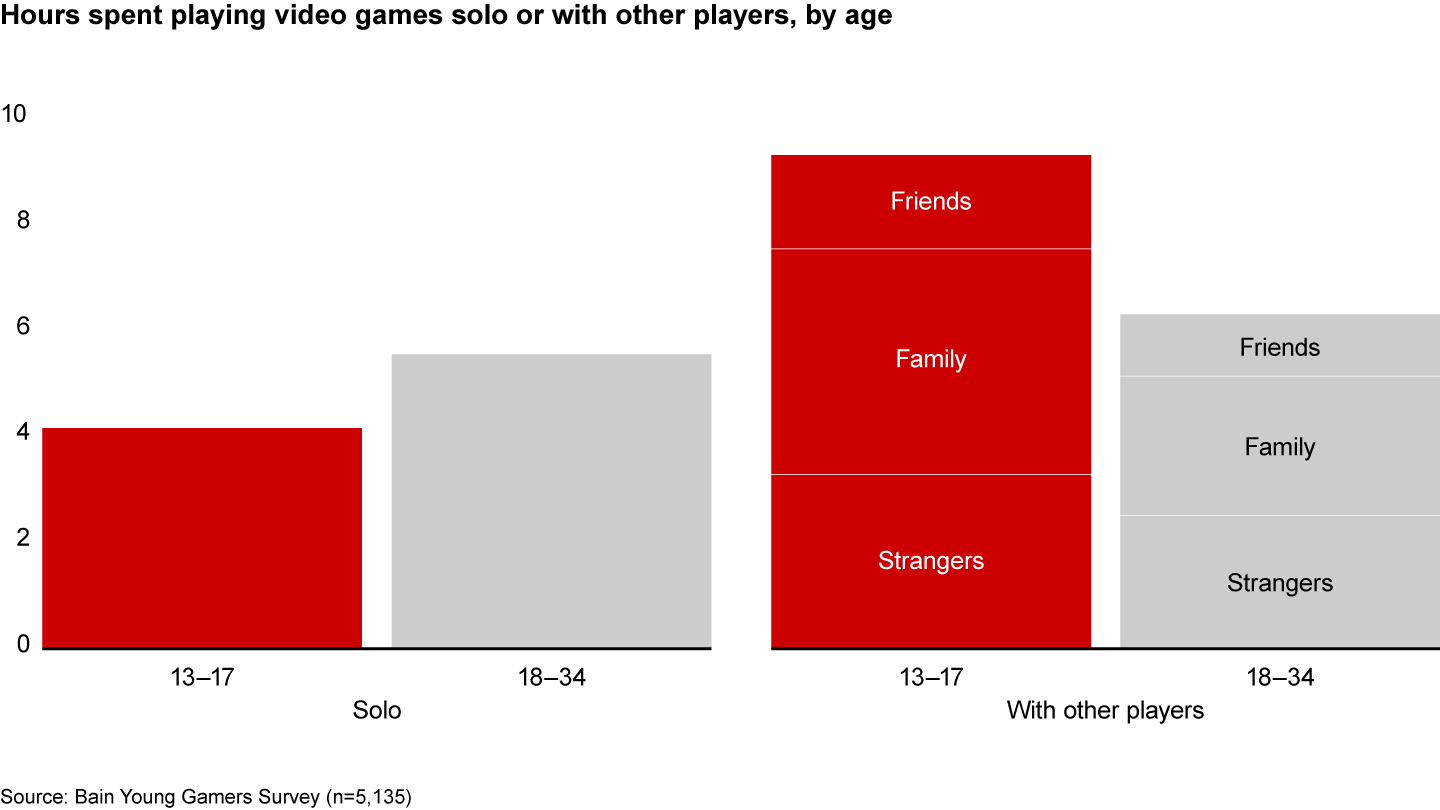
This evolving preference bodes well for growth of the gaming industry. The rise of new payment models like monthly subscriptions to game libraries (such as Xbox Game Pass and Apple Arcade) along with the global dominance of free-to-play games have improved average revenue per user (ARPUs). This trend is likely to accelerate as video games become the foundation for other paid entertainment experiences. Within free-to-play models, there has been some backlash against features that let gamers pay for better performance, such as buying special capabilities or a more powerful weapon. Our survey found that 56% of younger gamers said they were comfortable paying to unlock features that improve their performance, while more older players were not. Developers and publishers that get this right through experimentation and listening to gamer feedback should benefit from higher engagement among Gen Z, which includes the 13-to-17 age group. Younger gamers are also more likely to play online games to compete with friends, family, and strangers, compared with adult gamers who tend to play for fun and are more likely to play solo (see Figure 6).
Figure 6

Not all models are a guaranteed home run. While players show a strong desire for control over basic user-generated content (UGC), such as customizing their appearance and making simple mods, there are limits to that interest. The demand for more extensive creative capabilities, such as creating mini games within larger platforms, is significantly lower. More than 55% of gamers who plan to increase time spent on UGC-enabled platforms don’t see customization as essential to their overall gaming experience. Even among active players of virtual reality and augmented reality games, more than 50% don’t see the technology as essential. Advances in technology will continue to play a major role in delivering more realistic and compelling game playing experiences. Our research shows greater demand for interoperability among young players—for example, the ability to take an avatar or skin from one game into another. However, delivering a fun, immersive experience 5 to 10 years from now will probably not depend on replicating the immersive experience of Ready Player One! Rules of playBain’s research also indicates that although there are some differences between younger gamer motivations and preferences across geographies, similarities are growing. As the structural barriers that resulted in regional content recede, this demand clears the path for more global successes. These findings have significant implications for the priorities of developers and publishers.
Figure 7
The development of metaverse gaming environments is changing the baseline expectations for young gamers and creating new worlds of opportunities for online experiences, including entertainment events, commerce, and community building. Gaming companies are experimenting with ways to generate new value from these developments. To remain competitive, gaming companies will need to gain a deep understanding of these younger players while building the capabilities within their organizations to delight and engage them. Developing core IP that lends itself to franchise extensions will be critical—and increasingly, gaming companies will need to make sure that the IP suits the preferences of the younger gamers who are already spending their time and money in the metaverse. 
Six Shifts Changing the Future of MediaInvestment capital is flowing into start-ups and new technologies to meet the evolving demands of media and entertainment consumers. |