

How to prepare for a Bain interview as an experienced hire
How to prepare for a Bain interview as an experienced hire
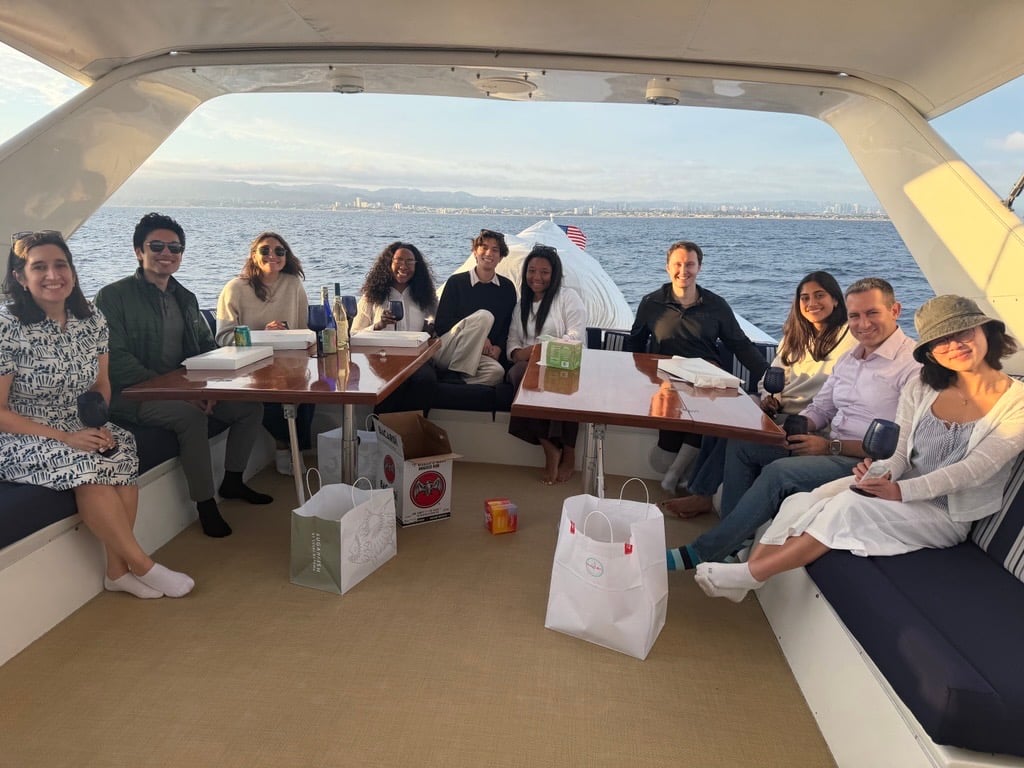
A consultant from our Los Angeles office shares his path from Amazon to Bain and the strategies that helped him land the role
Russell Tagawa is a consultant in Bain’s Los Angeles office. Before joining Bain, he spent his career across consulting, tech strategy, and P&L management, most recently as a senior vendor manager at Amazon. In this Q&A, he shares what drew him to Bain as an experienced hire, how he approached case prep while working full time, and what he’d tell anyone considering a Bain interview from an experienced hire background.
Take extra care with how you walk through your thought process and math. Strong communication gives the interviewer a better opportunity to engage with your thinking.
Russell Tagawa
Consultant
Can you tell us a bit about your background?
Before Bain, I worked across consulting, tech strategy, and P&L management roles, earning my MBA from Northwestern University’s Kellogg School of Management, and most recently working as a senior vendor manager at Amazon. As an experienced hire, I was looking for a place where I could build on what I had already learned in industry while continuing to push myself by working on new problems, with new clients, and across new industries. What particularly drew me to Bain was the combination of challenging strategy work and a culture that felt genuinely collaborative, supportive, and invested in developing its people.
How did you prepare for your interviews at Bain?
Staying ruthlessly organized was essential to my preparation, especially while balancing case prep with a full-time job. To make the most of my free time, I kept track of exactly which cases I had completed, the types of problems I was seeing, and the specific areas where I needed more repetition so that every practice session had a purpose.
I wish I had known earlier that taking breaks was just as important as putting in the hours; stepping away when I was tired and coming back refreshed often made my practice much more productive.
How did you approach case prep?
Using effective solo drills in addition to live cases was especially helpful because, unlike traditional recruiting through undergrad or an MBA, you may not always have access to a group of eager casing partners. When I had a live case, I treated it like the full interview experience, while using shorter solo sessions to sharpen specific skills like outlining frameworks, practicing mental math, and brainstorming. That approach helped me make the most of limited prep time and ensured I was still improving even when I had to practice on my own.

Russell and fellow Bainies scuba diving in the Great Barrier Reef.
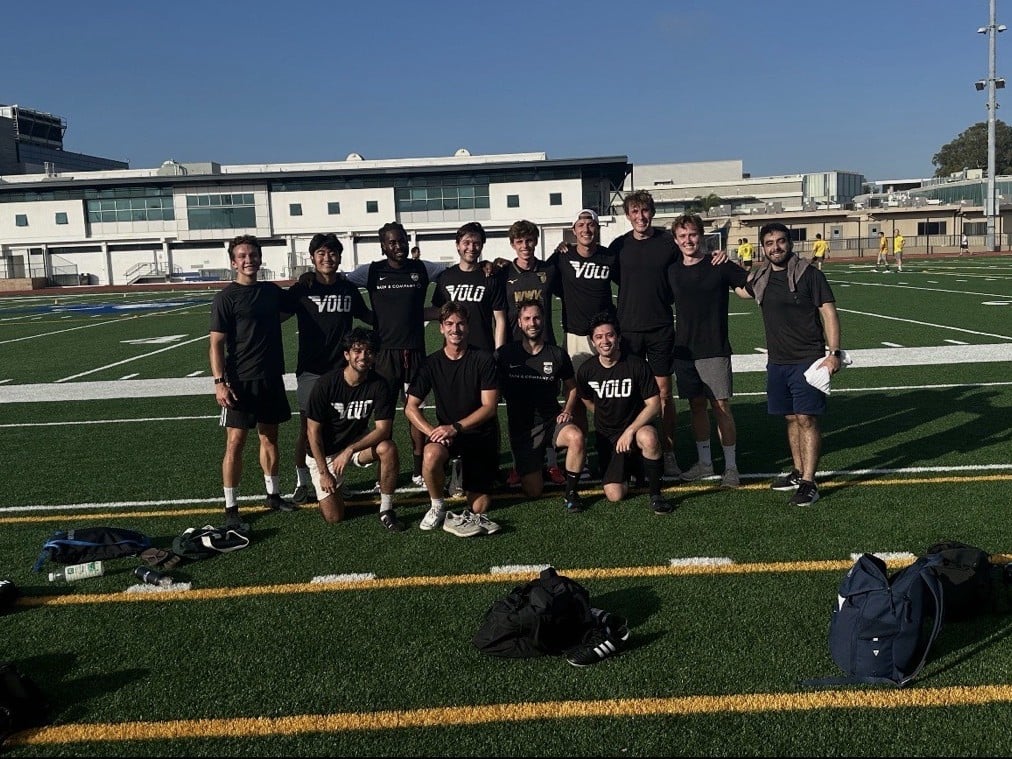
Russell and his Bain LA teammates celebrate a championship win at the summer soccer league.
What does Bain look for in experienced hire candidates?
In my experience, beyond what people typically expect of a Bain consultant — core problem-solving, communication, and teamwork — adaptability and the ability to work autonomously are especially important for experienced hires. You may be joining with a different professional background and less familiarity with the Bain toolkit, so being able to quickly get up to speed, navigate ambiguity, and independently drive your work forward makes a big difference. At the same time, it is important to know when to ask for guidance and incorporate feedback quickly.
What advice would you give to someone preparing for a Bain interview?
Take extra care with how you walk your interviewer through your thought process and your math. What feels completely clear in your head may not immediately click with the person across the table, even more so for a virtual interview, so make your reasoning explicit and bring them along with you at every step as you solve the problem. Strong communication gives the interviewer a better opportunity to engage with your thinking and help course-correct you if you start to stray from the answer.
How has your background shaped the way you approach your work?
My previous experience at Amazon has been especially helpful in my day-to-day work at Bain because I spent a significant amount of time leading external meetings, negotiating terms, and managing relationships. On my current project, there is a substantial client-facing component, so I regularly draw on those experiences when preparing for meetings, building deliverables, and crafting communications. That operating experience has helped me think not only about what the analysis says, but also about how to communicate it in a way that resonates with the client and translates into action.


