

Founder's Mentality Blog

|
|
Over the past six weeks, I’ve had the same conversation eight times with new CEOs: They explain to me how insanely busy they are and I suggest to them that they need to assign a “chief time officer” (CTO)—aka a really effective executive assistant. Time is a CEO’s most precious resource. As we noted in an article called “Resolving the CEO’s dilemma,” the first step in getting control of a job so demanding is establishing careful time management. An effective CEO can accomplish an amazing amount, but nobody can do it all. Leaders are constantly forced to make trade-offs between extremely important priorities. By definition, focusing on any one thing means neglecting something else. What consistently surprises me, however, is how many otherwise brilliant CEOs underinvest in developing a strong partnership with their EA to help manage their time. Some CEOs, of course, are masters at creating these partnerships, and I’ll try to summarize their best practices below. But too many ignore this crucial relationship and expose themselves to severe energy drain as a result. 
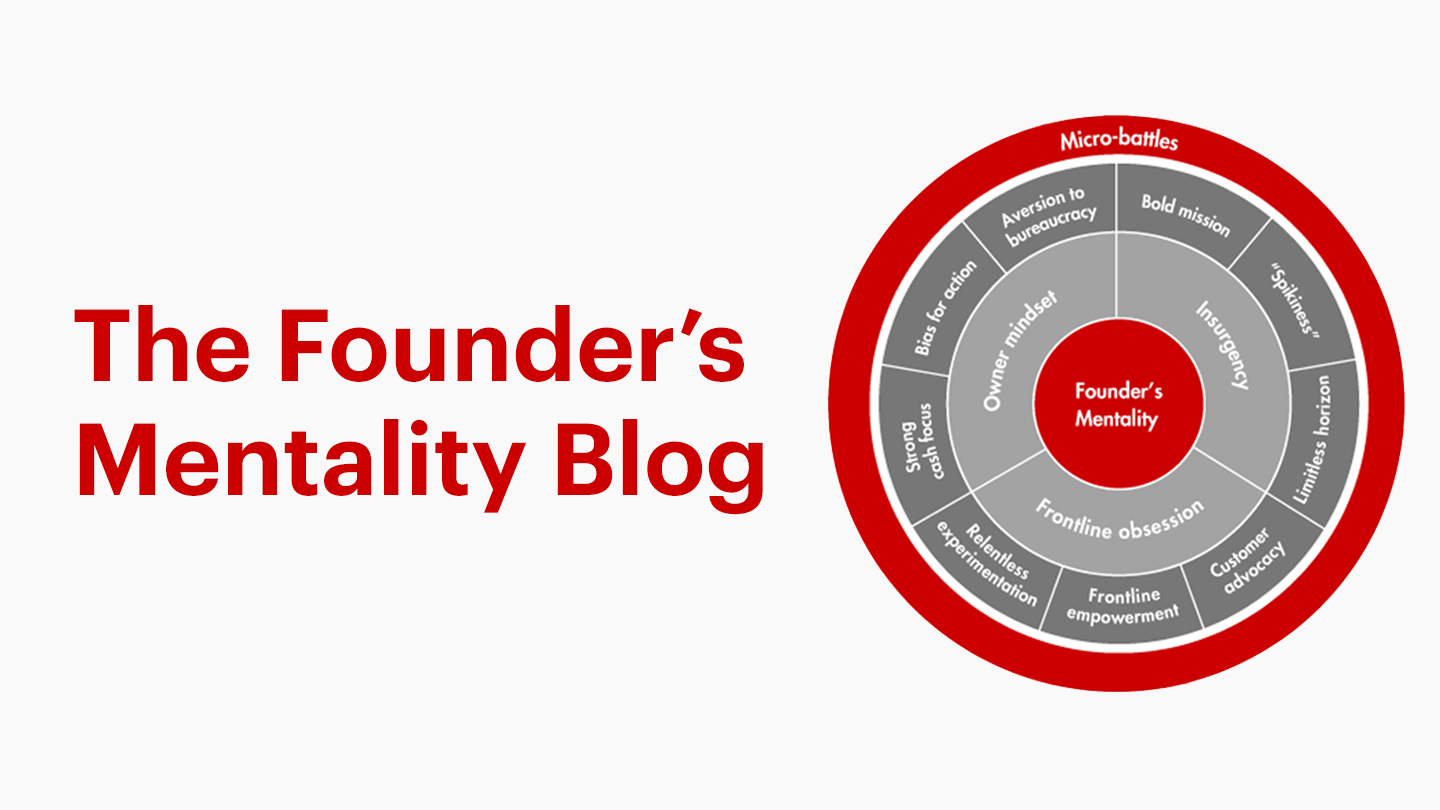
About the Founder's MentalityThe three elements of the Founder's Mentality help companies sustain performance while avoiding the inevitable crises of growth. If your EA is a bad partner in terms of managing time, the partnership can break you. First, your agenda fills up with ceremonial calls on the “office of the CEO”—for retirements, customer-care-center openings, speeches, interviews, meet-and-greets, etc. These meetings fire a shotgun blast of distracting moments into your weekly agenda. Second, a bad EA will open your calendar to the world, leading to lots of tug-and-war matches among members of your leadership team seeking to lay claim to your time. You probably don’t even know this is happening, but take a look outside your door sometime to see if two or three of these folks are hovering over the shoulder of your assistant, peering through your personal diary. They are deciding where and when you should be during the week and, in the end, the loudest or most manipulative is probably deciding your agenda. Third, a bad EA can leave you breathless, with every second of the day packed with every request to talk to you. It feels efficient, because your days are fun and filled. But you will find yourself looking back each Friday and trying to figure out a single thing you accomplished. You’ll find your own to-do list has been given less priority than everyone else’s. You will be exhausted but ineffective, treading water instead of swimming forward. In contrast, developing a great EA into a chief time officer can transform your effectiveness. Here are five best practices to get you thinking:
These are five simple ideas. They assume that your EA is extremely good at managing your diary and making sure you are in all the key meetings to do your job. But these ideas also suggest how you can use time management to actually master the job, not just survive it. Time is as important to you as talent and capital are to the company. You have a chief talent officer and a chief finance officer. There’s a chief time officer sitting outside your door. Sign ‘em up. |