Skip to Content
  • Offices

    Offices

    North & Latin America
    • Atlanta
    • Austin
    • Bogota
    • Boston
    • Buenos Aires
    • Chicago
    • Dallas
    • Denver
    • Houston
    • Los Angeles
    • Mexico City
    • Minneapolis
    • Monterrey
    • Montreal
    • New York
    • Rio de Janeiro
    • San Francisco
    • Santiago
    • São Paulo
    • Seattle
    • Silicon Valley
    • Toronto
    • Washington, DC
    Europe & Africa
    • Amsterdam
    • Athens
    • Berlin
    • Brussels
    • Copenhagen
    • Dusseldorf
    • Frankfurt
    • Helsinki
    • Istanbul
    • Johannesburg
    • Kyiv
    • Lisbon
    • London
    • Madrid
    • Milan
    • Munich
    • Oslo
    • Paris
    • Rome
    • Stockholm
    • Vienna
    • Warsaw
    • Zurich
    Middle East
    • Doha
    • Dubai
    • Riyadh
    Asia & Australia
    • Bangkok
    • Beijing
    • Bengaluru
    • Brisbane
    • Ho Chi Minh City
    • Hong Kong
    • Jakarta
    • Kuala Lumpur
    • Manila
    • Melbourne
    • Mumbai
    • New Delhi
    • Perth
    • Seoul
    • Shanghai
    • Singapore
    • Sydney
    • Tokyo
    See all offices
  • Alumni
  • Media Center
  • Subscribe
  • Contact
  • Chile | Español

    Select your region and language

    Global
    • Global (English)
    North & Latin America
    • Brazil (Português)
    • Argentina (Español)
    • Canada (Français)
    • Chile (Español)
    • Colombia (Español)
    Europe, Middle East, & Africa
    • France (Français)
    • DACH Region (Deutsch)
    • Italy (Italiano)
    • Spain (Español)
    • Greece (Elliniká)
    Asia & Australia
    • China (中文版)
    • Korea (한국어)
    • Japan (日本語)
  • Saved items (0)
    Saved items (0)

    You have no saved items.

    Bookmark content that interests you and it will be saved here for you to read or share later.

    Explore Bain Insights
  • Industries
    Main menu

    Industries

    • Aeroespacial y Defensa
    • Agroindustria
    • Químicos
    • Construcción e Infraestructura
    • Productos de Consumo
    • Servicios Financieros
    • Salud y Ciencias de la Vida
    • Maquinaria y Equipo Industrial
    • Medios y Entretenimiento
      Industries
      Medios y Entretenimiento
      • Media Lab
    • Metales
    • Minería
    • Petróleo y Gas
    • Papel y Empaque
    • Private Equity
      Industries
      Private Equity
      • Due Diligence
      • Exit Planning
      • Firm Strategy & Operations
      • Portfolio Value Creation
    • Sector Público y Social
    • Retail
    • Tecnología
    • Telecomunicaciones
      Industries
      Telecomunicaciones
      • Capital Expenditure
      • Telco Digital Transformation
    • Transporte
    • Viajes y Turismo
    • Servicios Públicos y Energías Renovables
  • Consulting Services
    Main menu

    Consulting Services

    • Customer Experience
    • Sustainability
    • Innovation
    • M&A
    • Operations
    • People & Organization
    • Private Equity
    • Sales & Marketing
    • Strategy
    • AI, Insights, and Solutions
    • Technology
    • Transformation
  • Digital
  • Insights
    Main menu

    Insights

    • Industry Insights
    • Services Insights
    • Bain Books
    • Webinars
    • Bain Futures
    View all Insights
    Featured topics
    • Tariff Response
    • Artificial Intelligence
    • Thriving in Uncertainty
    • Executive Conversations
    • Macro Trends
    • M&A Report
    • Healthcare Private Equity Report
    • Paper & Packaging Report
    • Technology Report
    • CEO's Guide to Sustainability
    • CEO Insights
    • CFO Insights
    • COO Insights
    • CIO Insights
    • CMO Insights
    View all featured topics
  • About
    Main menu

    About

    • What We Do
    • What We Believe
    • Our People & Leadership
    • Client Results
    • Awards & Recognition
    • Global Affiliations
    Further: Our global responsibility
    • Sustainability
    • Social Impact
    • World Economic Forum
    Learn more about Further
  • Carreras
    Main menu

    Carreras

    • Trabaja con Nosotros
      Carreras
      Trabaja con Nosotros
      • Find Your Place
      • Nuestras Áreas de Trabajo
      • Equipos Integrados
      • Estudiantes
      • Internships & Programs
      • Eventos de Reclutamiento
    • La Vida en Bain
      Carreras
      La Vida en Bain
      • Historias Profesionales
      • Nuestra Gente
      • Dónde Trabajamos
      • Apoyando tu Crecimiento
      • Grupos de Afinidad
      • Beneficios
    • Impact Stories
    • Nuestro Proceso
      Carreras
      Nuestro Proceso
      • Qué Esperar
      • Entrevistas
    FIND JOBS
  • Offices
    Main menu

    Offices

    • North & Latin America
      Offices
      North & Latin America
      • Atlanta
      • Austin
      • Bogota
      • Boston
      • Buenos Aires
      • Chicago
      • Dallas
      • Denver
      • Houston
      • Los Angeles
      • Mexico City
      • Minneapolis
      • Monterrey
      • Montreal
      • New York
      • Rio de Janeiro
      • San Francisco
      • Santiago
      • São Paulo
      • Seattle
      • Silicon Valley
      • Toronto
      • Washington, DC
    • Europe & Africa
      Offices
      Europe & Africa
      • Amsterdam
      • Athens
      • Berlin
      • Brussels
      • Copenhagen
      • Dusseldorf
      • Frankfurt
      • Helsinki
      • Istanbul
      • Johannesburg
      • Kyiv
      • Lisbon
      • London
      • Madrid
      • Milan
      • Munich
      • Oslo
      • Paris
      • Rome
      • Stockholm
      • Vienna
      • Warsaw
      • Zurich
    • Middle East
      Offices
      Middle East
      • Doha
      • Dubai
      • Riyadh
    • Asia & Australia
      Offices
      Asia & Australia
      • Bangkok
      • Beijing
      • Bengaluru
      • Brisbane
      • Ho Chi Minh City
      • Hong Kong
      • Jakarta
      • Kuala Lumpur
      • Manila
      • Melbourne
      • Mumbai
      • New Delhi
      • Perth
      • Seoul
      • Shanghai
      • Singapore
      • Sydney
      • Tokyo
    See all offices
  • Alumni
  • Media Center
  • Subscribe
  • Contact
  • Chile | Español
    Main menu

    Select your region and language

    • Global
      Select your region and language
      Global
      • Global (English)
    • North & Latin America
      Select your region and language
      North & Latin America
      • Brazil (Português)
      • Argentina (Español)
      • Canada (Français)
      • Chile (Español)
      • Colombia (Español)
    • Europe, Middle East, & Africa
      Select your region and language
      Europe, Middle East, & Africa
      • France (Français)
      • DACH Region (Deutsch)
      • Italy (Italiano)
      • Spain (Español)
      • Greece (Elliniká)
    • Asia & Australia
      Select your region and language
      Asia & Australia
      • China (中文版)
      • Korea (한국어)
      • Japan (日本語)
  • Saved items  (0)
    Main menu
    Saved items (0)

    You have no saved items.

    Bookmark content that interests you and it will be saved here for you to read or share later.

    Explore Bain Insights
  • Industries
    • Industries

      • Aeroespacial y Defensa
      • Agroindustria
      • Químicos
      • Construcción e Infraestructura
      • Productos de Consumo
      • Servicios Financieros
      • Salud y Ciencias de la Vida
      • Maquinaria y Equipo Industrial
      • Medios y Entretenimiento
      • Metales
      • Minería
      • Petróleo y Gas
      • Papel y Empaque
      • Private Equity
      • Sector Público y Social
      • Retail
      • Tecnología
      • Telecomunicaciones
      • Transporte
      • Viajes y Turismo
      • Servicios Públicos y Energías Renovables
  • Consulting Services
    • Consulting Services

      • Customer Experience
      • Sustainability
      • Innovation
      • M&A
      • Operations
      • People & Organization
      • Private Equity
      • Sales & Marketing
      • Strategy
      • AI, Insights, and Solutions
      • Technology
      • Transformation
  • Digital
  • Insights
    • Insights

      • Industry Insights
      • Services Insights
      • Bain Books
      • Webinars
      • Bain Futures
      View all Insights
      Featured topics
      • Tariff Response
      • Artificial Intelligence
      • Thriving in Uncertainty
      • Executive Conversations
      • Macro Trends
      • M&A Report
      • Healthcare Private Equity Report
      • Paper & Packaging Report
      • Technology Report
      • CEO's Guide to Sustainability
      • CEO Insights
      • CFO Insights
      • COO Insights
      • CIO Insights
      • CMO Insights
      View all featured topics
  • About
    • About

      • What We Do
      • What We Believe
      • Our People & Leadership
      • Client Results
      • Awards & Recognition
      • Global Affiliations
      Further: Our global responsibility
      • Sustainability
      • Social Impact
      • World Economic Forum
      Learn more about Further
  • Carreras
    Popular Searches
    • Agile
    • Digital
    • Strategy
    Your Previous Searches
      Recently Visited Pages

      Content added to saved items

      Saved items (0)

      Removed from saved items

      Saved items (0)

      Report

      What’s Powering China’s Market for Luxury Goods?

      What’s Powering China’s Market for Luxury Goods?

      Sales are growing at a healthy 20% rate, but not all brands are celebrating.

      By Bruno Lannes

      • min read
      }

      Report

      What’s Powering China’s Market for Luxury Goods?
      en

      China’s luxury goods market is humming along nicely, with a second straight year of 20% growth in 2018 (see Figure 1). Think of it as a powerful machine running on four engines operating in perfect alignment.

      Figure 1
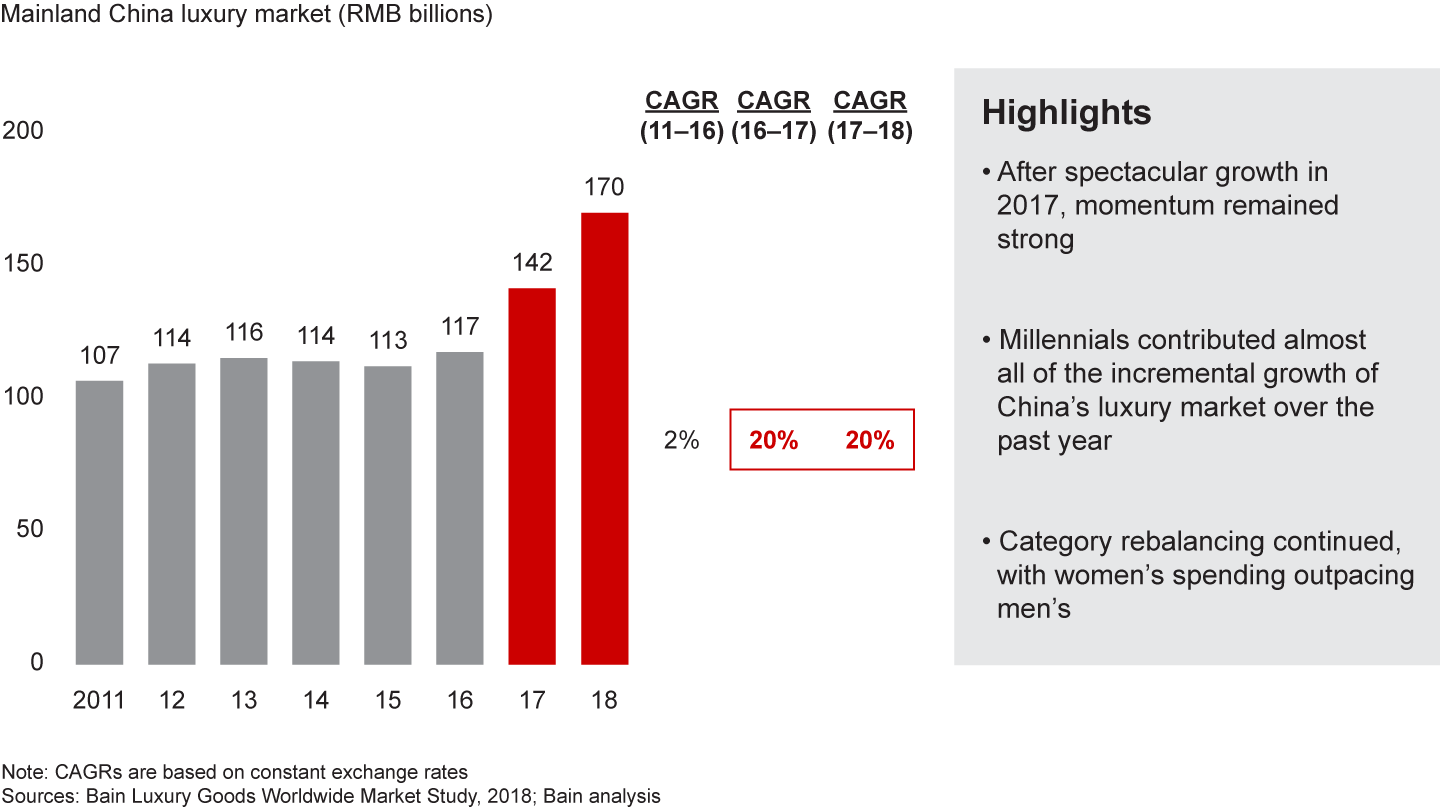
      The domestic luxury market posted 20% growth in 2018, driven by millennials and women
      The domestic luxury market posted 20% growth in 2018, driven by millennials and women
      The domestic luxury market posted 20% growth in 2018, driven by millennials and women

      Engine 1: Repatriation

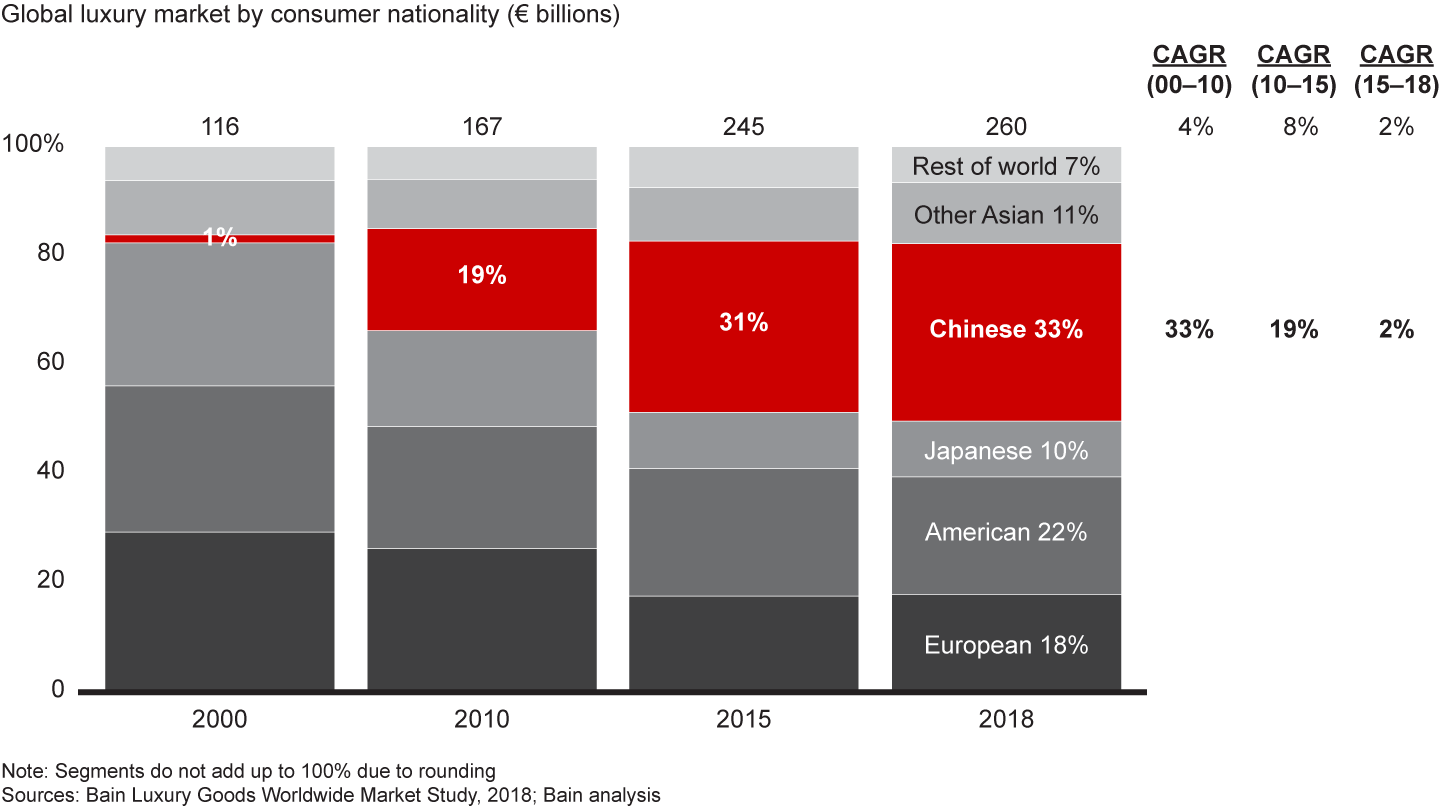
      The Chinese government’s reduction in import duties and stricter controls over gray markets—combined with brands’ efforts to narrow the price gap with overseas markets—have led more Chinese consumers to make their luxury purchases in China, instead of traveling to previous bargain locales such as Hong Kong, Seoul, Tokyo and cities in Europe. Chinese consumers made 27% of their luxury purchases in China in 2018, up from 23% in 2015, and we anticipate that this share will increase to 50% by 2025 (see Figure 2). But this doesn’t mean that Chinese consumers are buying less abroad. Luxury spending by Chinese shoppers now represents 33% of the global market (see Figure 3).

      Figure 2
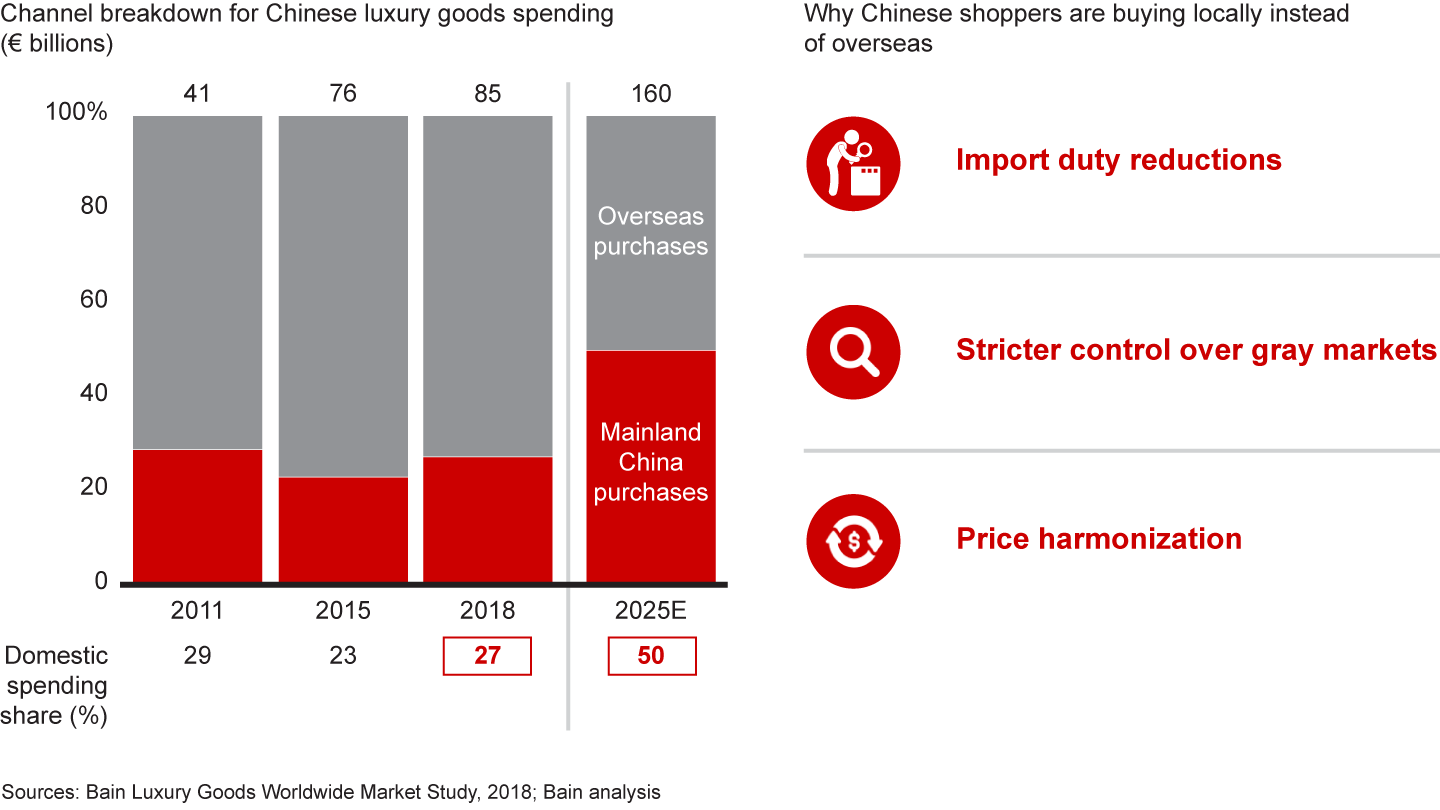
      The repatriation of spending will continue in the coming years
      The repatriation of spending will continue in the coming years
      The repatriation of spending will continue in the coming years
      Figure 3
      Chinese spending represented 33% of the global luxury market in 2018
      Chinese spending represented 33% of the global luxury market in 2018
      Chinese spending represented 33% of the global luxury market in 2018

      Engine 2: Millennials

      Consumers aged 23 to 38 are willing to spend on luxury brands, and financially able to do so. Fully 70% of China’s millennials own their own homes—twice the rate of US millennials, according to HSBC’s Beyond the Bricks study (see Figure 4). And they can get funding from their parents if they want to buy luxury goods. Moreover, these young consumers are well informed about luxury and eager to embrace innovative trends, such as the convergence of high fashion and sportswear. Millennials are the big market for luxury sportswear products like Balenciaga’s Triple S sneaker, which was introduced in 2017 and maintained its popularity throughout 2018, and accessories cocreated by Louis Vuitton and Supreme, a fashion brand with roots in skateboarding.

      Figure 4
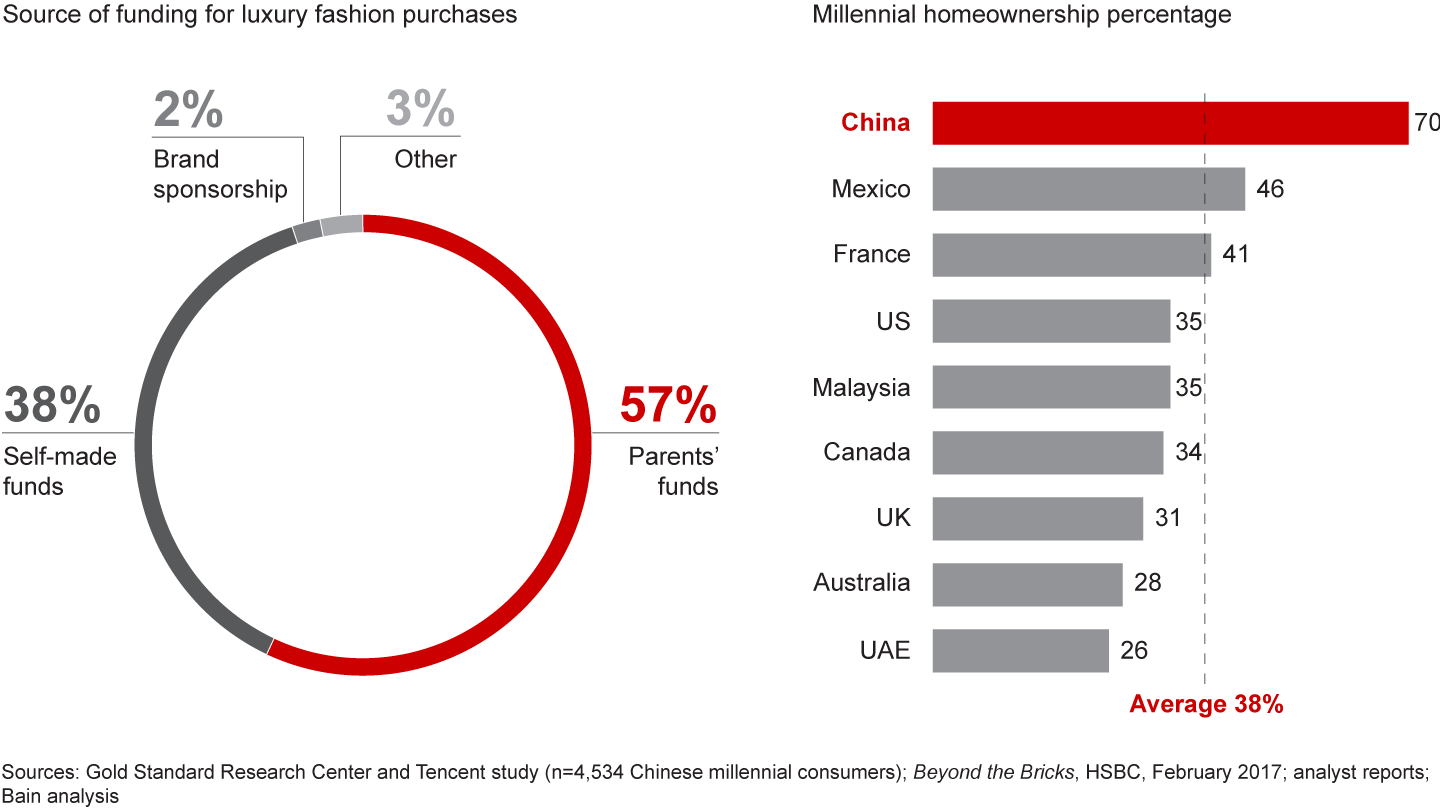
      Chinese millennials are financially able to spend on luxury brands
      Chinese millennials are financially able to spend on luxury brands
      Chinese millennials are financially able to spend on luxury brands

      Unlike older generations, millennials are more heavily influenced by what they consider to be cool than by brand names or product pricing. They value newness more than discounts. They rely on social media and freely share their opinions online. Like their counterparts in all age groups, millennial women buy more luxury goods than men do. Cosmetics, a traditionally female category, grew by more than 25% in 2018, for example, while watches, a predominantly male category, grew by less than 10%.

      Engine 3: Digitalization

      The third engine powering luxury sales in China, digitalization covers both e-commerce and consumer engagement through digital platforms. There has been much progress in terms of engaging customers, but little progress on the e-commerce front (despite plenty of activity). Online luxury sales increased by 27% in 2018 to reach 10% of total luxury sales (see Figure 5), but this growth is still driven by cosmetics, while online penetration in other categories remains very low.

      Figure 5
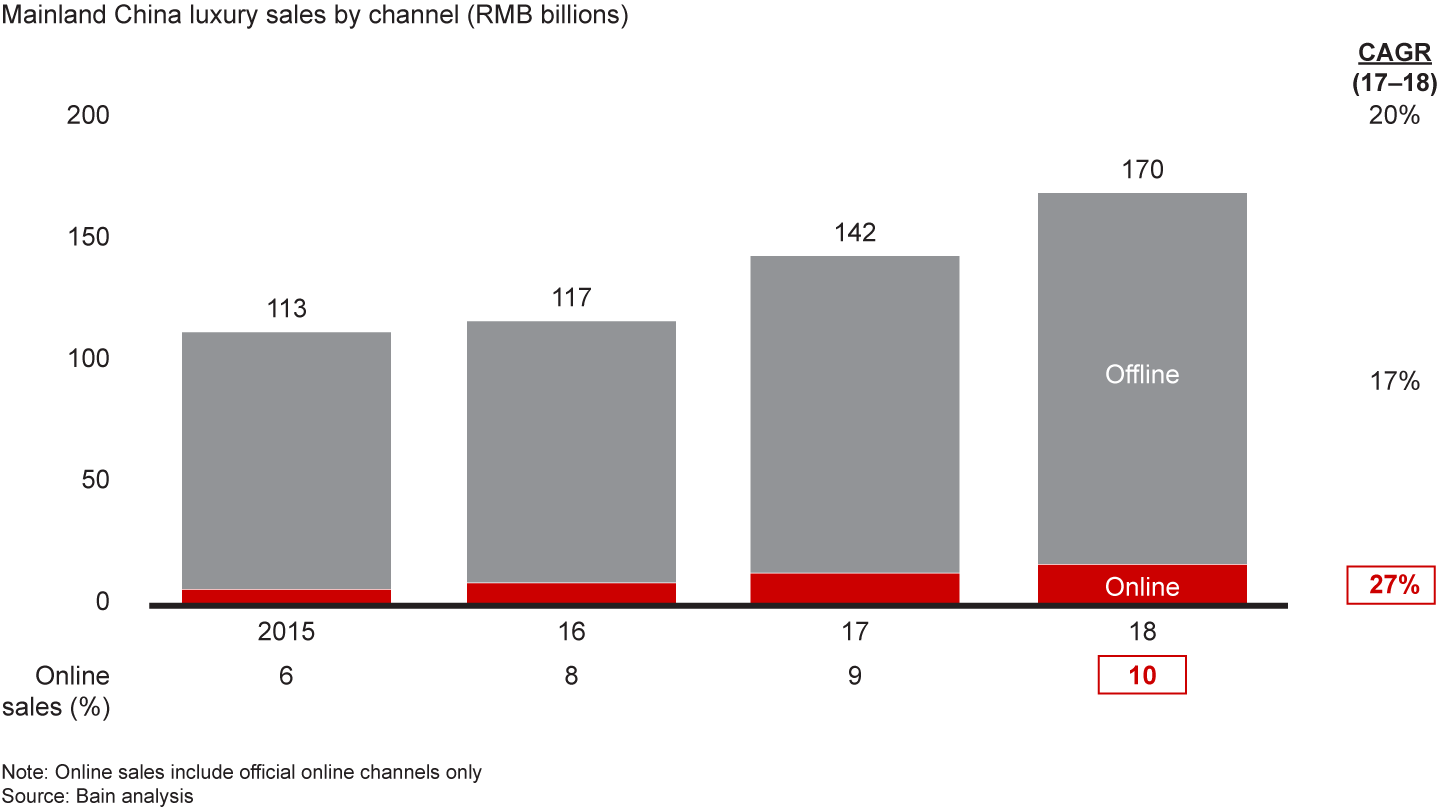
      Online luxury sales outgrew the overall market in 2018, but online penetration remains low—except in cosmetics
      Online luxury sales outgrew the overall market in 2018, but online penetration remains low—except in cosmetics
      Online luxury sales outgrew the overall market in 2018, but online penetration remains low—except in cosmetics

      Four types of online channels have been active in the domestic luxury market (see Figure 6). Brand-owned channels like Hermes.com.cn—we refer to them as “brand.com”—give companies ultimate control and the ability to charge full price. Cooperator channels like Tmall flagship stores and WeChat commerce give brands some control while allowing them to benefit from the platform’s steady flow of traffic. Aggregators such as JD.com’s Toplife and Tmall’s Luxury Pavilion enable brands to outsource the responsibility of building and operating high-traffic channels. Finally, luxury vertical sites such as Secoo and Mei.com make it possible to move goods at a discount.

      Figure 6
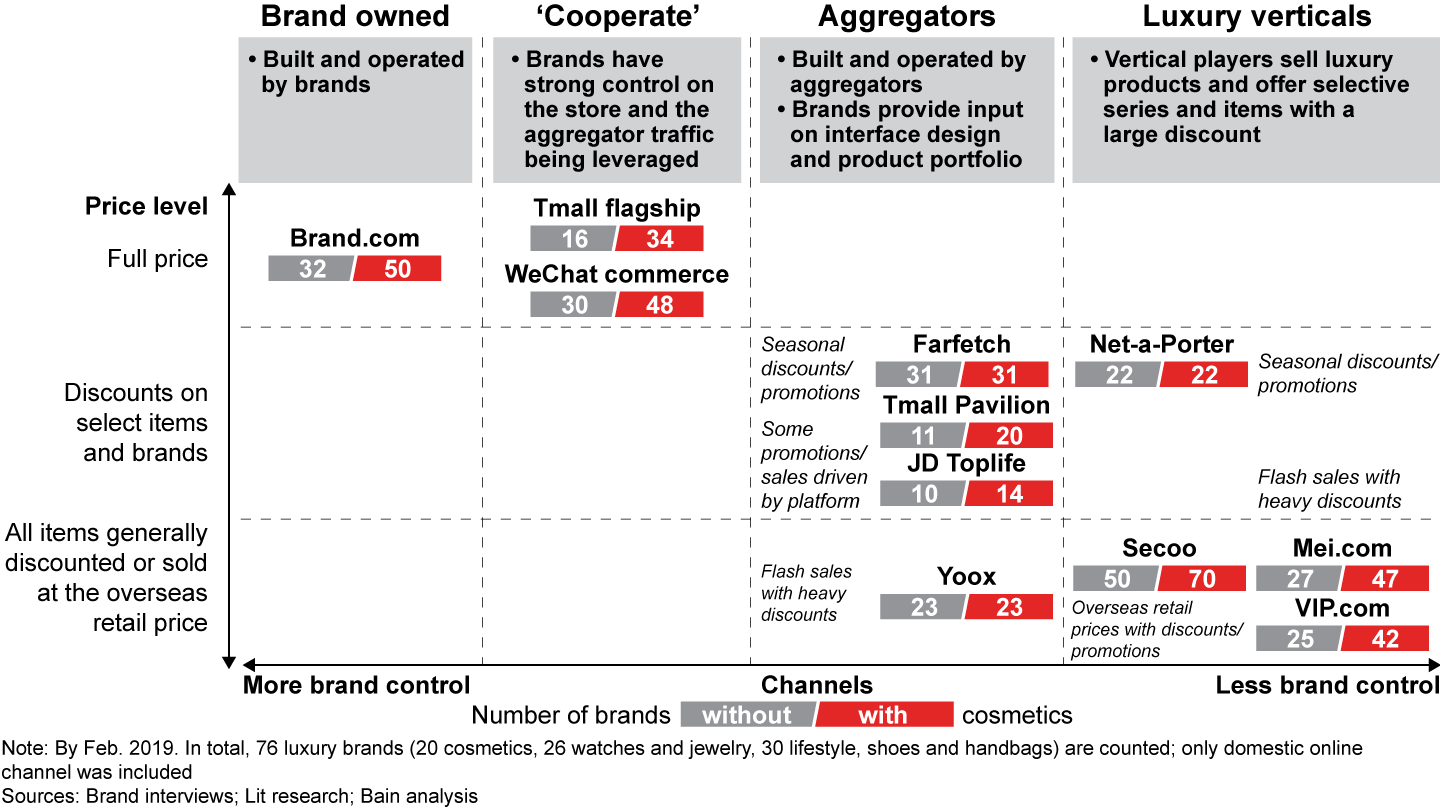
      Four types of online channels were active in the domestic luxury market
      Four types of online channels were active in the domestic luxury market
      Four types of online channels were active in the domestic luxury market

      In 2018, more brands looked for ways to expand their online presence through collaborations with leading e-commerce platforms, while others maintained a focus on their brand.com.

      It was also a year of heavy deal activity, including the following highlights:

      • JD.com and L Catterton’s $175 million investment in Secoo
      • Richemont’s acquisition of Yoox Net-a-Porter (YNAP)
      • YNAP’s strategic partnership with Alibaba Group
      • The merger of JD.com’s Toplife with Farfetch

      As a result of this intense dealmaking, we see three types of ecosystems emerging: those centered around a brand.com and those built in collaboration with either Alibaba Group or JD.com (see Figure 7).

      Figure 7
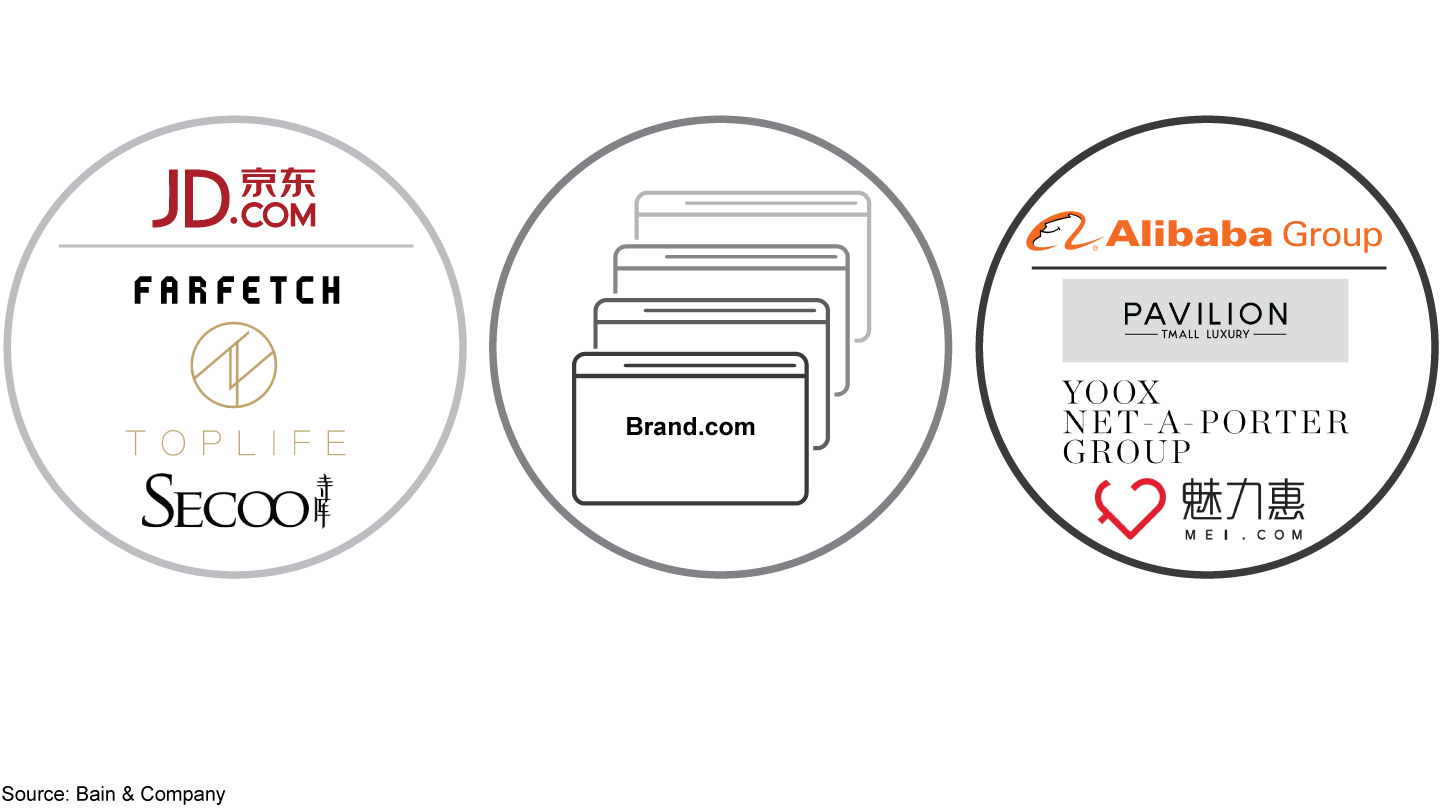
      Recent deals among online platforms have led to the emergence of three online ecosystems for luxury brands in China
      Recent deals among online platforms have led to the emergence of three online ecosystems for luxury brands in China
      Recent deals among online platforms have led to the emergence of three online ecosystems for luxury brands in China

      It is, after all, an omnichannel world. As each year passes, luxury brands learn more about how to integrate online and offline sales, how to use digital engagement campaigns to get customers into their stores and how to improve the in-store experience. Winning brands are taking these omnichannel lessons to heart. For instance, they are thoughtfully adjusting their physical footprint, with increasing emphasis on larger stores and like-for-like growth. The “Silk Mix” event by Hermès in Beijing was a great example of a true omnichannel initiative: an innovative combination of a pop-up store with a WeChat mini-program that increased traffic to the Hermès official account and attracted thousands of guests to the event.

      Engine 4: A rapidly expanding middle class

      Middle-class consumers will represent an estimated 65% of all Chinese households by 2027, according to research conducted by Bain & Company for the World Economic Forum. All signs point to a continuing rise in average per-capita income among China’s urban population. This expanding middle class continues to produce first-time buyers of luxury goods.

      Why some luxury brands aren’t celebrating

      While luxury sales are robust in China, not every brand executive feels euphoric. As their incomes rise, and as they spend more on luxury goods, Chinese consumers are becoming increasingly discerning. Some brands are more successful than others at serving these needs, resulting in a distinct polarization in luxury brands’ performance, similar to what we saw in 2017.

      The reality is that some brands have done better for the second year in a row, and some have done worse for a second year. How dramatic is this division? Consider the top 20 luxury fashion and lifestyle brands by revenue. For every brand that grew by more than 25% in 2018, there were two brands that grew by less than 10% (see Figure 8).

      Figure 8
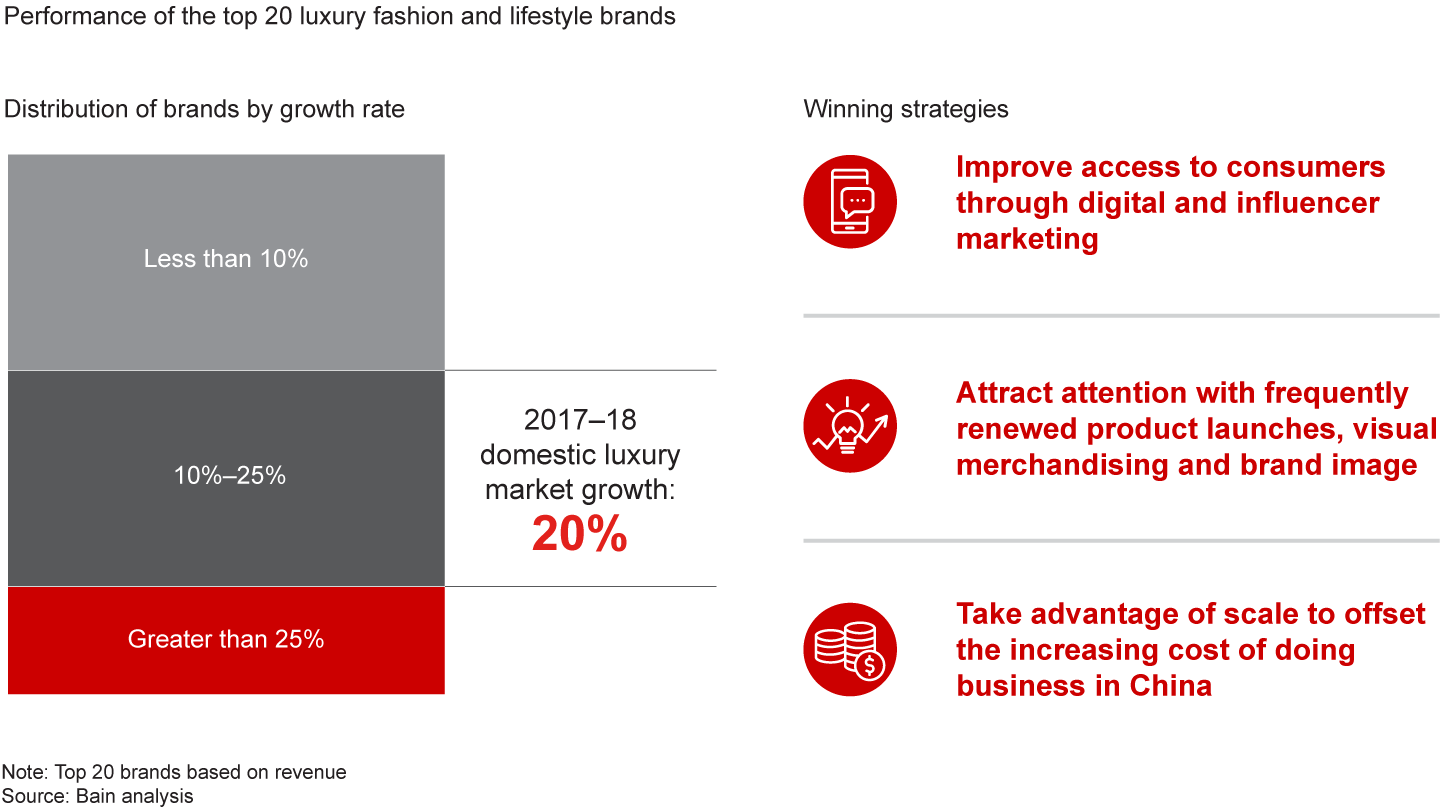
      Luxury brand performance varied in 2018, but outperformers followed several winning strategies
      Luxury brand performance varied in 2018, but outperformers followed several winning strategies
      Luxury brand performance varied in 2018, but outperformers followed several winning strategies

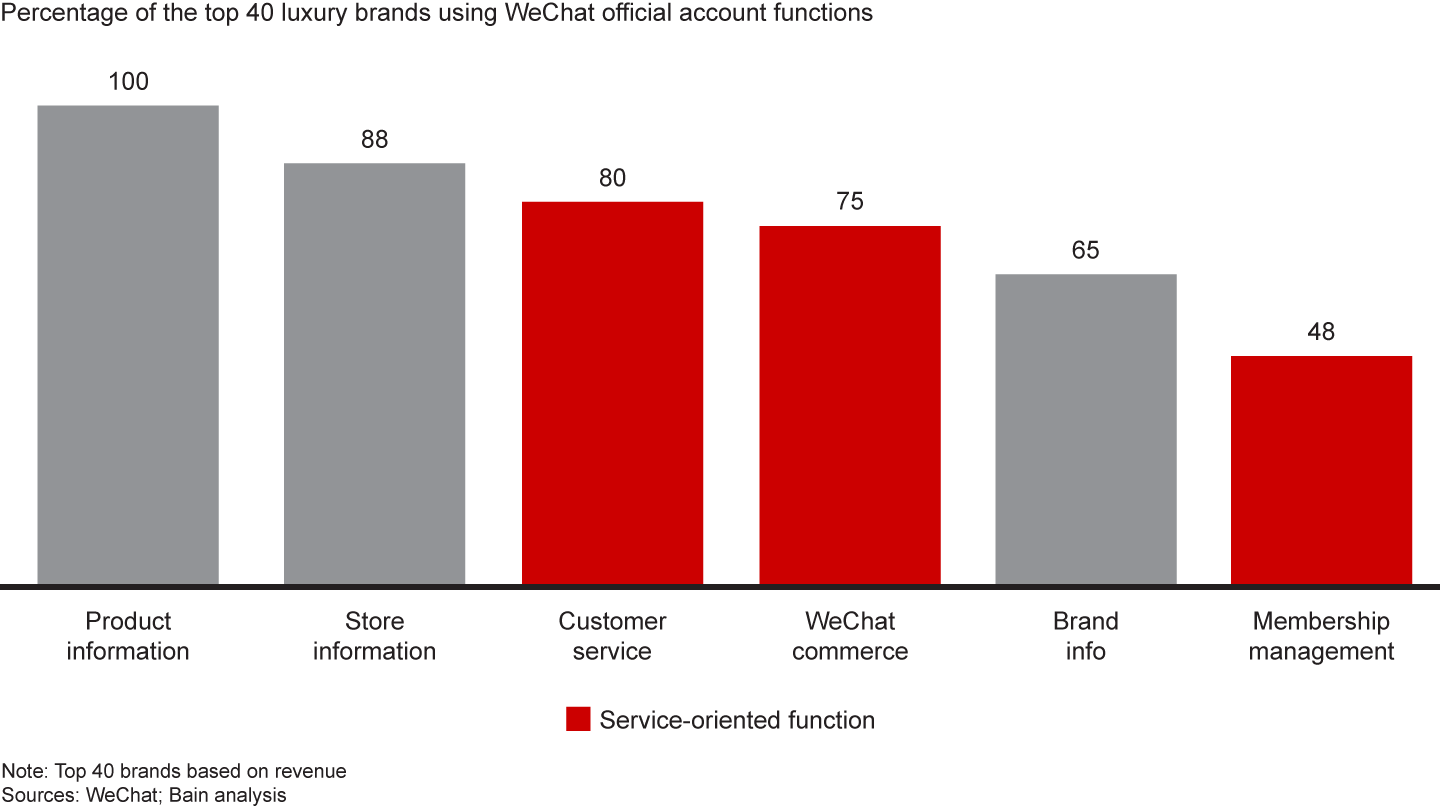
      We looked deeper into the performance results to determine why some companies make such good progress while others lag. Among our findings: Winners strive to enhance their access to consumers through digital and influencer marketing, often attracting millennials with younger and more casual collections. Since 2015, the top 40 luxury brands in China have nearly doubled the portion of their marketing budget devoted to digital, spending between 40% and 70% of that on WeChat (see Figure 9). These leading brands use WeChat to identify and target consumers for online and offline sales (see Figure 10). For example, Estée Lauder consumers can use WeChat to book facial treatments, and Coach allows consumers to access coupons and manage their membership cards on the ubiquitous social media platform.

      Figure 9
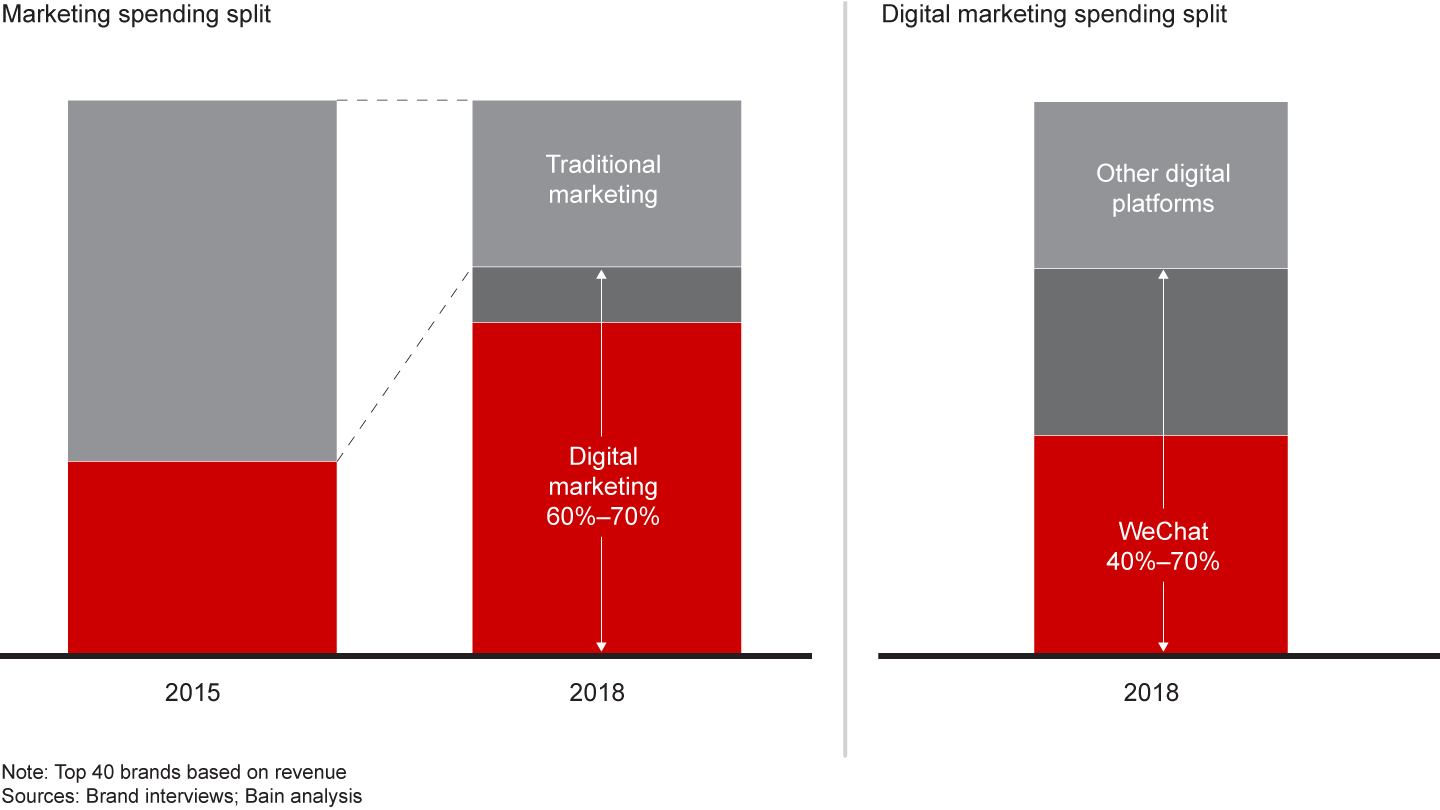
      Brands are increasing their spending on various online and social media platforms, with many favoring WeChat
      Brands are increasing their spending on various online and social media platforms, with many favoring WeChat
      Brands are increasing their spending on various online and social media platforms, with many favoring WeChat
      Figure 10
      Brands use WeChat to identify and target consumers, eventually leading to both online and offline sales
      Brands use WeChat to identify and target consumers, eventually leading to both online and offline sales
      Brands use WeChat to identify and target consumers, eventually leading to both online and offline sales

      A second theme we identified among the winners was a focus on accelerating product launches and visual merchandising changes, moves that address millennials’ need for newness.

      And there was a final differentiator: Many larger, more established brands benefited from their scale advantage. With everything from rents to salaries to marketing events and engaging key opinion leaders getting more expensive, the cost of doing business is rising in China. The trend tended to favor bigger brands in 2018.

      Looking ahead

      Turbocharged engines inevitably lose steam. China’s economic growth is slowing, albeit in a controlled manner. Real estate prices are likely to flatten, reducing the positive wealth effect on Chinese households.

      Still, luxury brands can expect a promising year ahead in China. Luxury sales will remain healthy, though they are unlikely to keep pace with 20% growth. Growth in the low-to-mid teens seems more probable in 2019.

      That expansion will result from the same positive forces that made 2017 and 2018 so strong. The Chinese government is expected to maintain its adjustment of import duties to encourage domestic consumption, as well as to reduce the VAT rate. It is also likely to continue imposing strict control over passengers and parcels at customs, and to more carefully supervise the army of “daigou agents” who purchase overseas for local consumers. And brands will continue to narrow the price gap with overseas markets.

      China’s millennials will not lose their taste for luxury goods, nor their willingness to buy. A recent UBS survey found that 71% of millennials have a positive financial outlook, and 81% expect their income to increase. Meanwhile, China’s middle class will continue to expand.

      The engines thrusting luxury goods sales in China may not be unstoppable. But they show no signs of stalling out.

      This report was authored by Bruno Lannes, a Bain & Company partner based in Shanghai and a member of the firm’s Retail and Consumer Products practices.

      Authors
      • Headshot of Bruno Lannes
        Bruno Lannes
        Advisory Partner, Shanghai
      Related Industries
      • Consumer Products
      • Retail
      Related Consulting Services
      • Sales and Marketing
      • Strategy
      Emerging Markets
      Nikhil Prasad Ojha: The Growth of Connected Consumers in India

      The growth of connectivity and technology-savvy consumers will define the consumption trend in India.

      Read more
      Retail
      US Consumer Health Update

      Upper-income earners seem to be adopting a defensive position but are not yet reporting negative spending intentions.

      Read more
      Sales and Marketing
      After Years of Customer Loyalty Programs in Insurance, What Works, and What’s Next?

      Based on Bain’s 10 years of research, five themes describe the progress and challenges of earning customers’ advocacy in an increasingly digital experience.

      Read more
      Emerging Markets
      Nikhil Prasad Ojha: The Future of Consumption in India

      The coming decade presents numerous opportunities for businesses to serve the growing needs and demands of consumers in India.

      Read more
      Retail
      Weight-Loss Drug Users Spend Less on Groceries, Fast Food

      GLP-1 drugs result in notable drops in food spending. By 2030, as many as one in four Americans may have tried them.

      Read more
      First published in marzo 2019
      Tags
      • Consumer Products
      • Digital Transformation
      • Emerging Markets
      • Retail
      • Sales and Marketing
      • Strategy

      How We've Helped Clients

      A Manufacturer Vows to “Push to Zero” Carbon Emissions

      See more related case studies

      Inspiring retail employees to think and act like owners

      See more related case studies

      Focus on core delivers growth for retailer

      See more related case studies

      Want to continue the conversation

      We help global leaders with their organization's most critical issues and opportunities. Together, we create enduring change and results

      Bain Insights. Our perspectives on critical issues global businesses face in today's challenging environment, delivered monthly.

      *I have read and understand Bain’s Privacy Notice.

      Please read and agree to the Privacy Policy.
      Bain & Company
      Contact us Sustainability Accessibility Terms of use Privacy Modern Slavery Act Statement Cookie Policy Sitemap Log In

      © 1996-2026 Bain & Company, Inc.

      Contact Bain

      How can we help you?

      • Business inquiry
      • Career information
      • Press relations
      • Partnership request
      • Speaker request
      See all offices