


Report


|
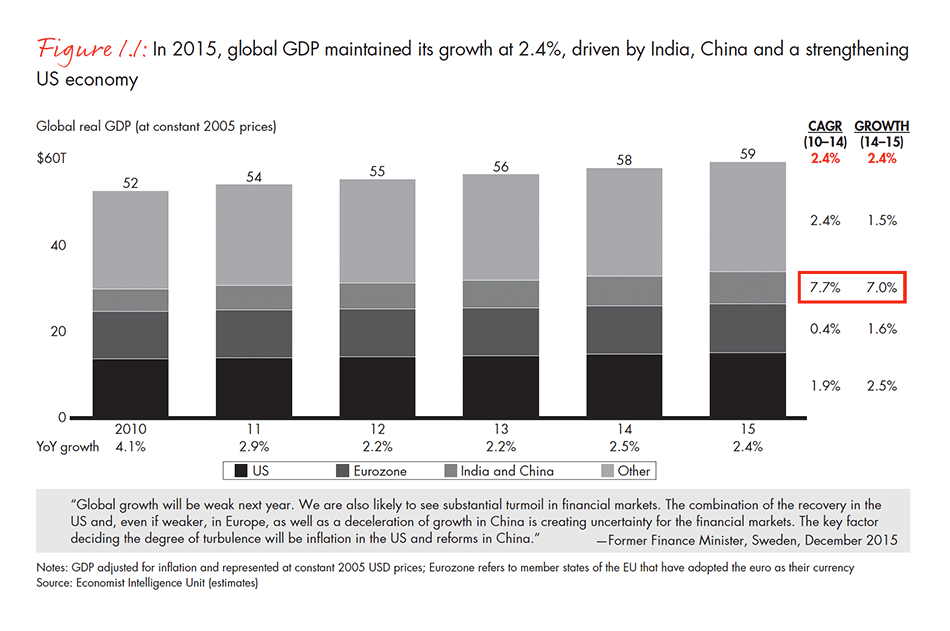
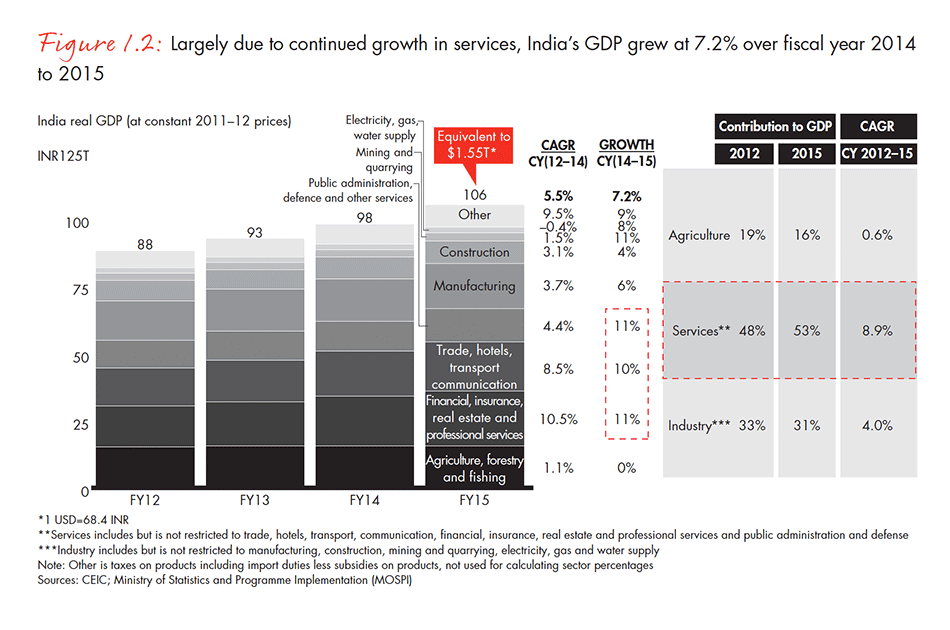
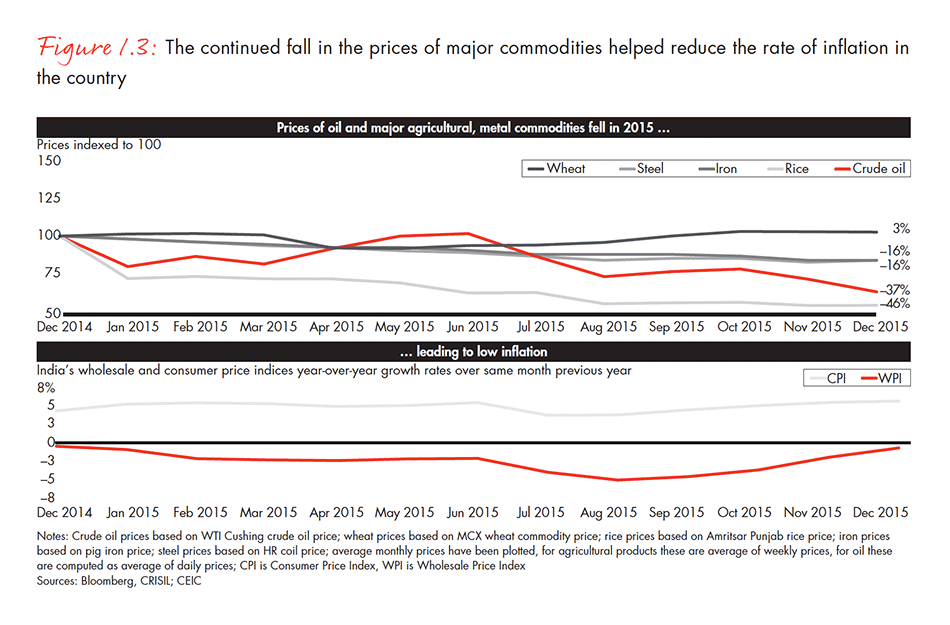
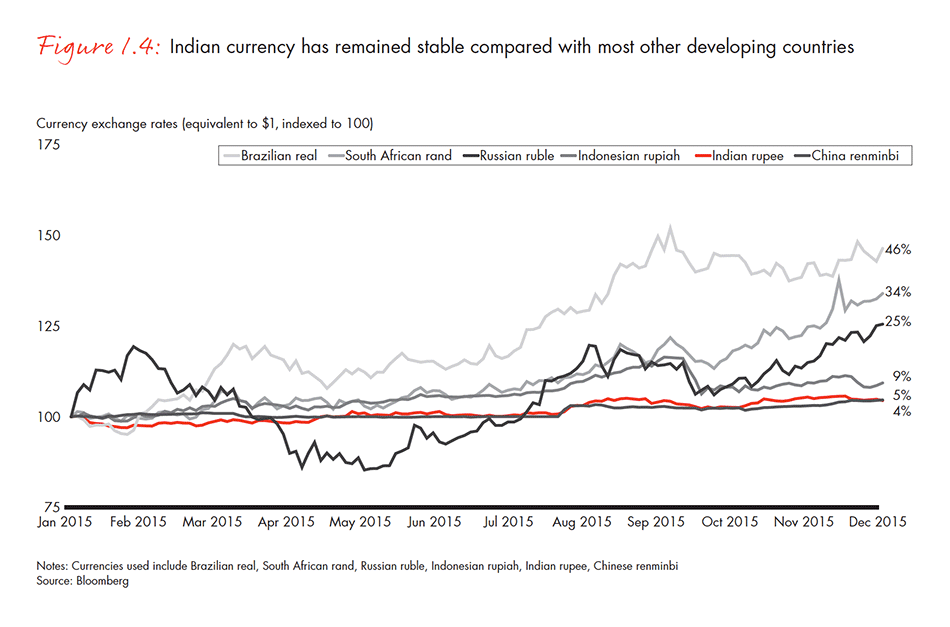
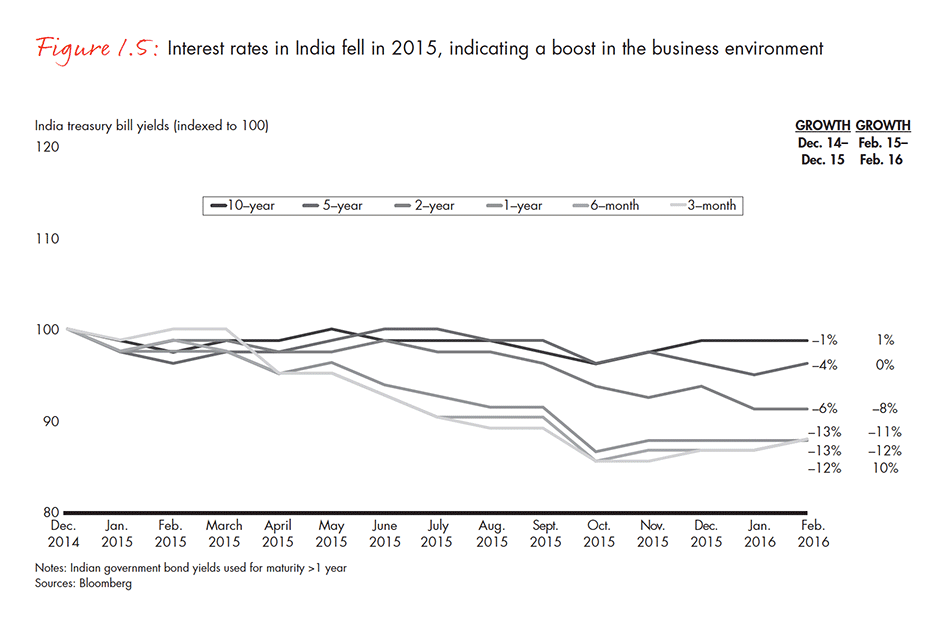
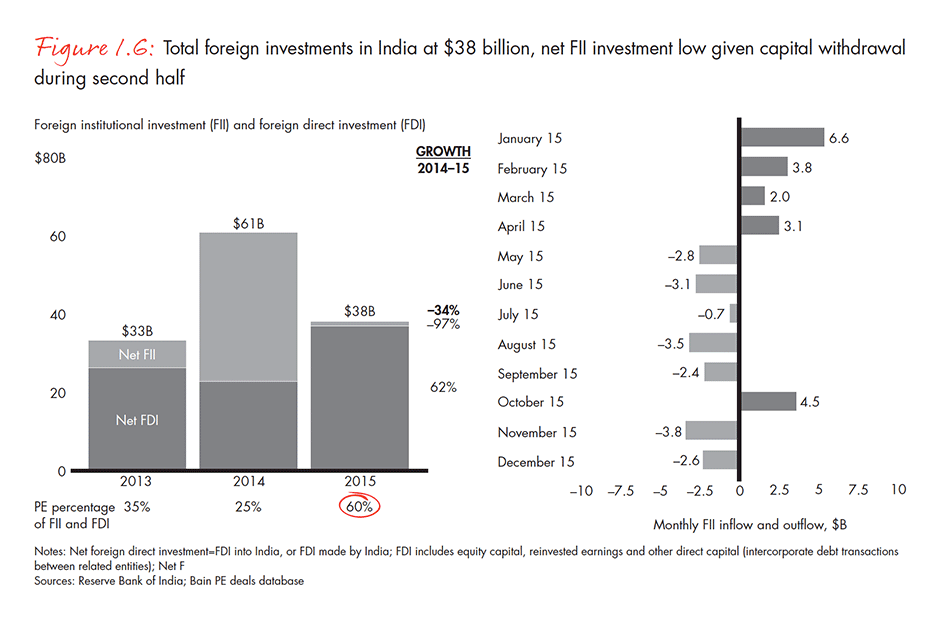
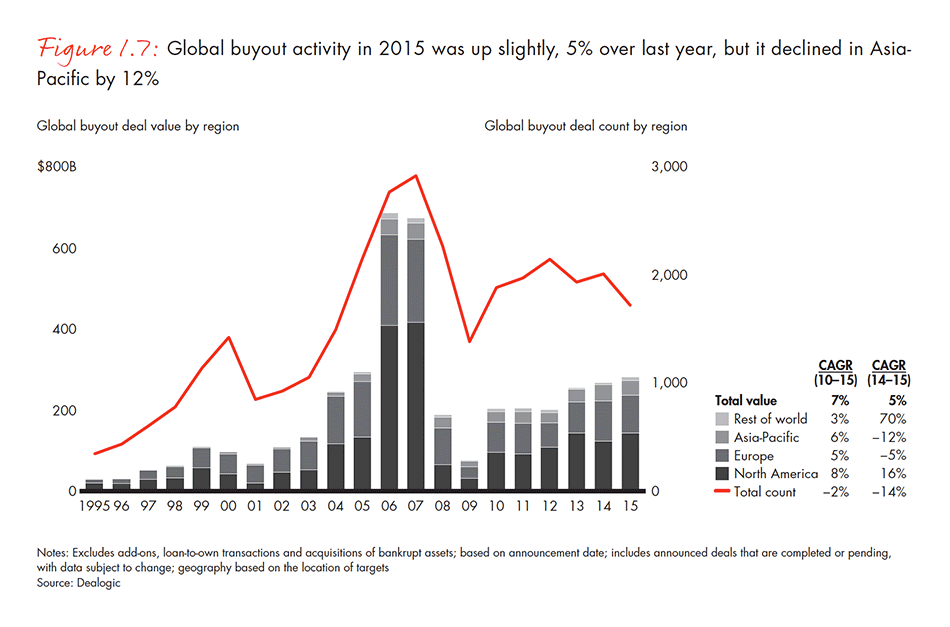
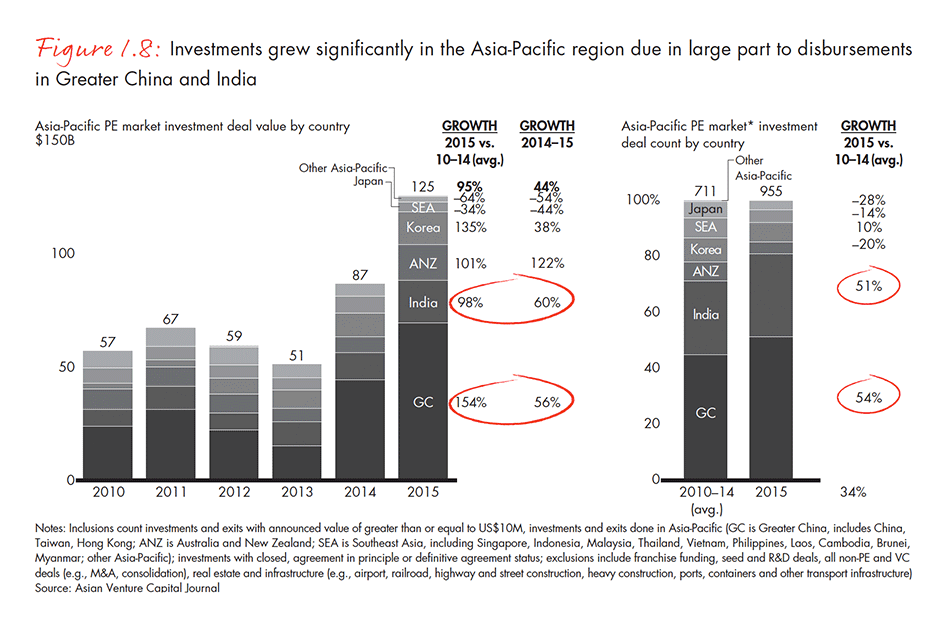
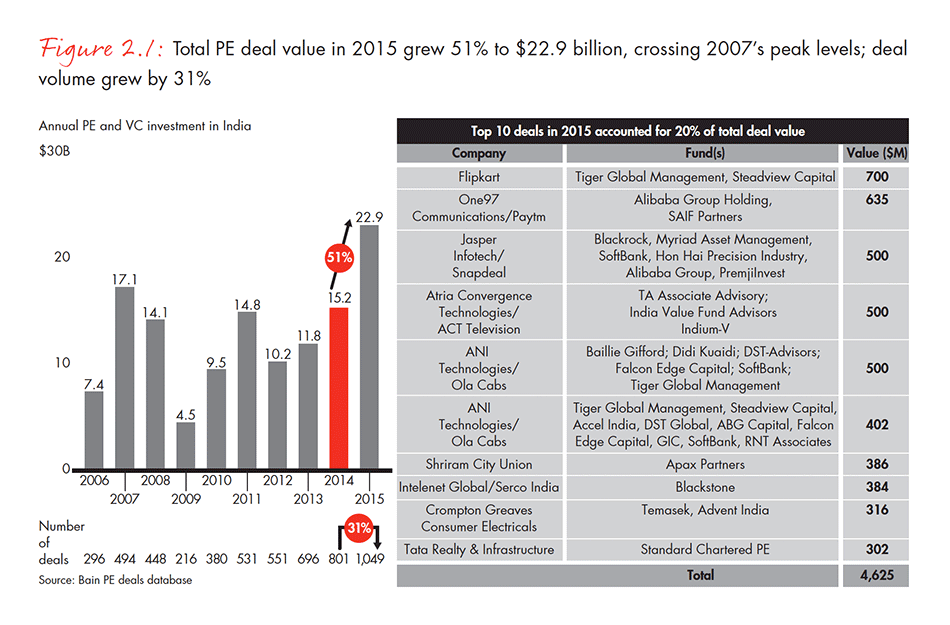
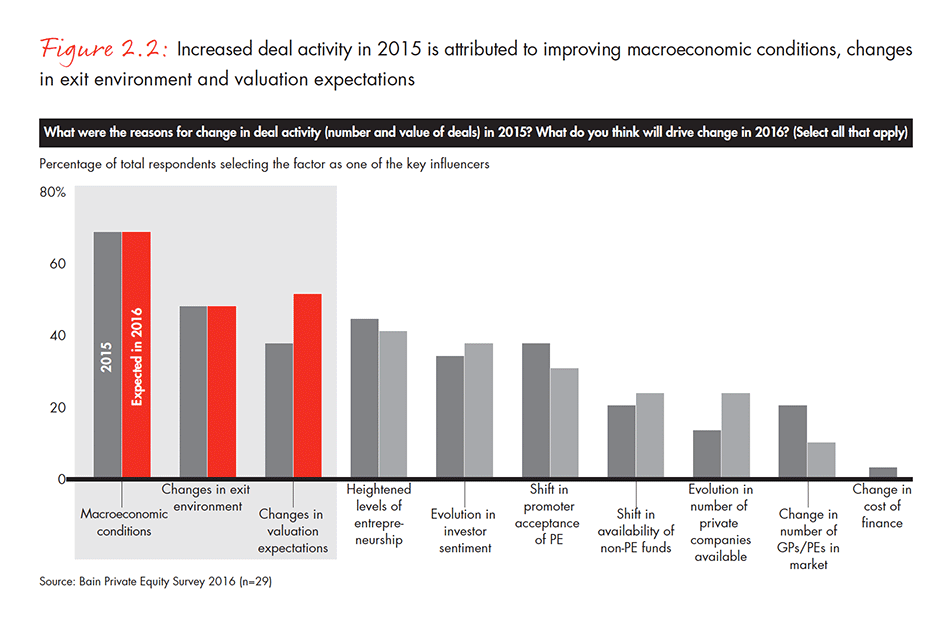
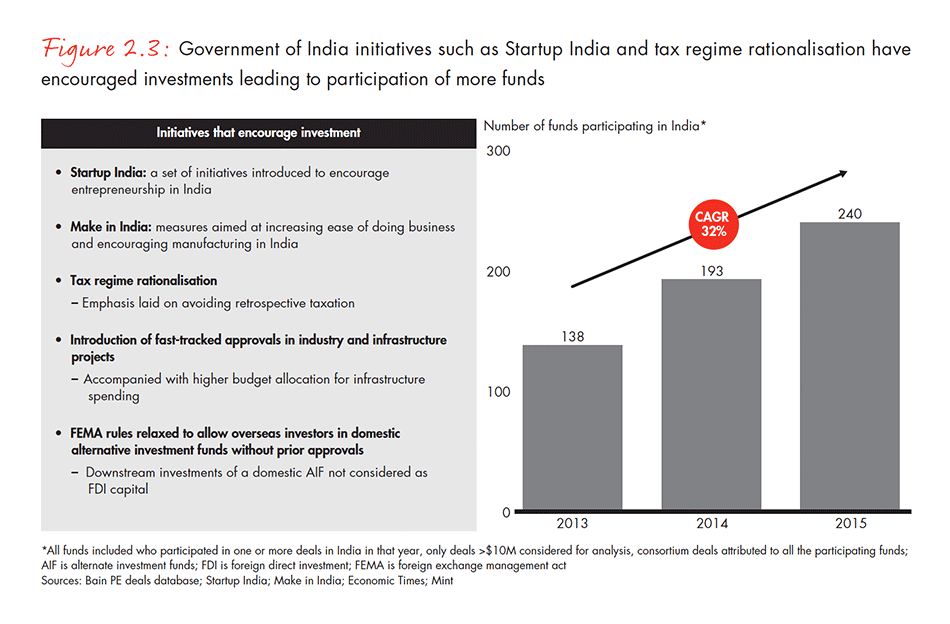
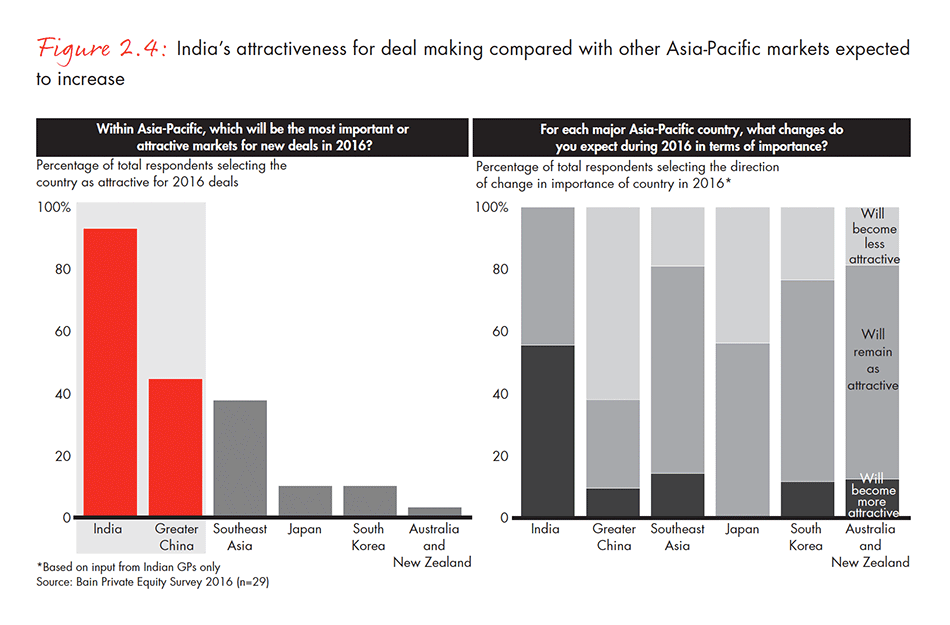
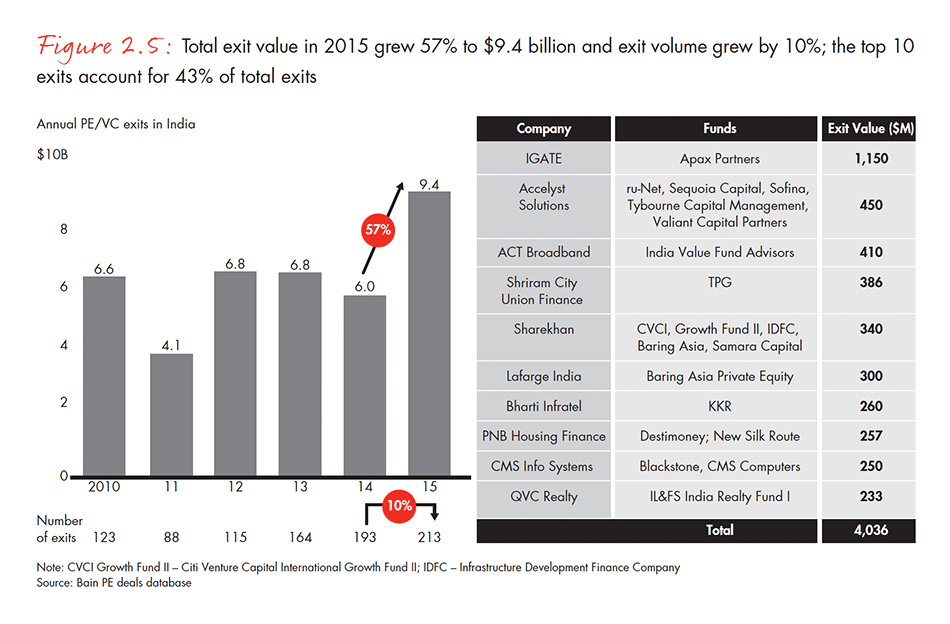
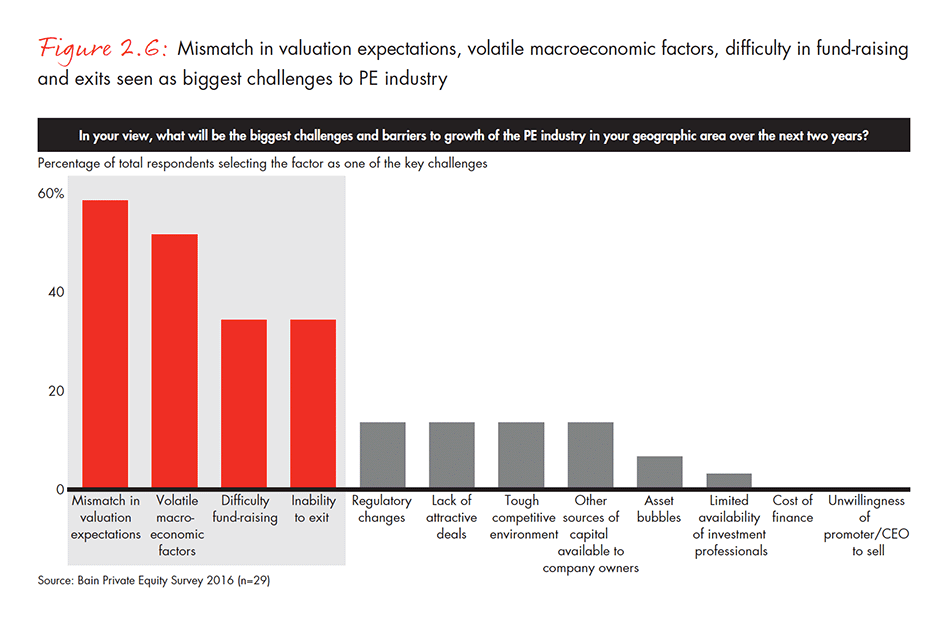
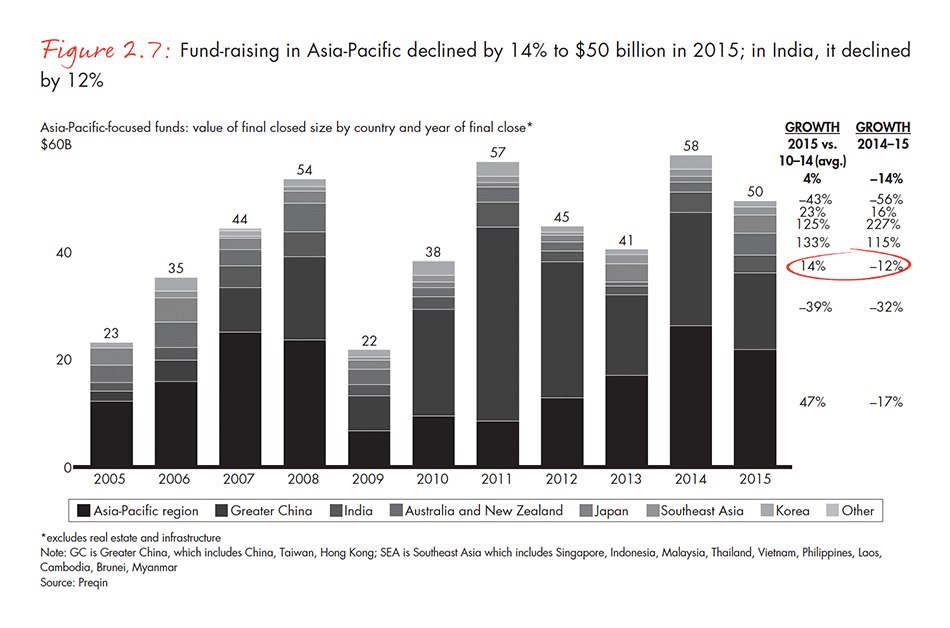
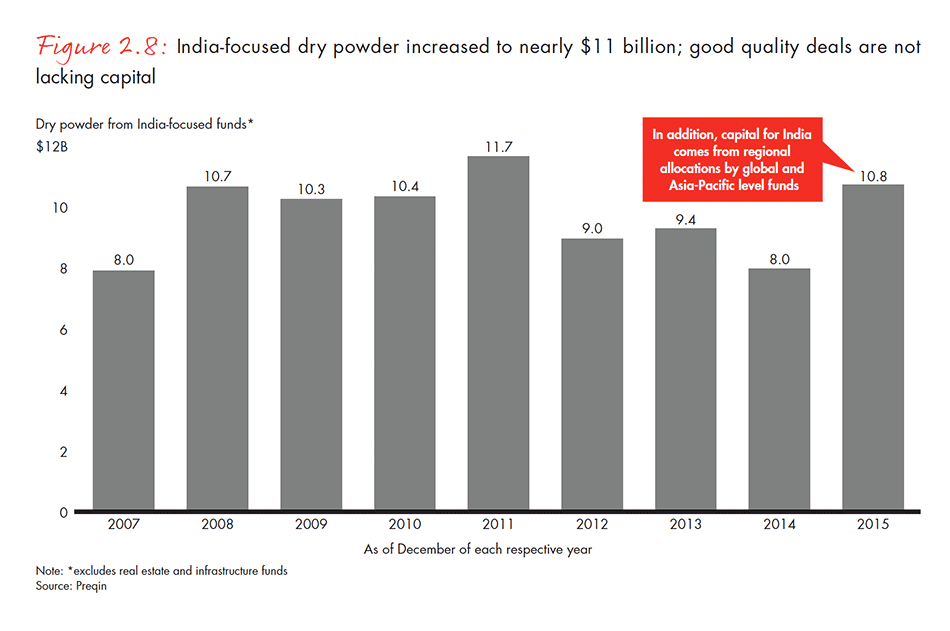
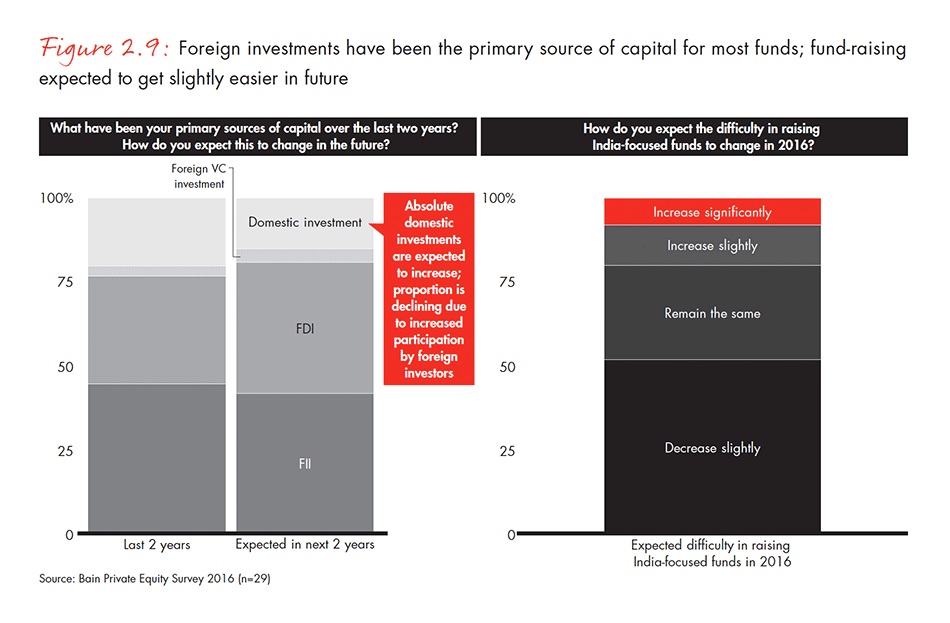
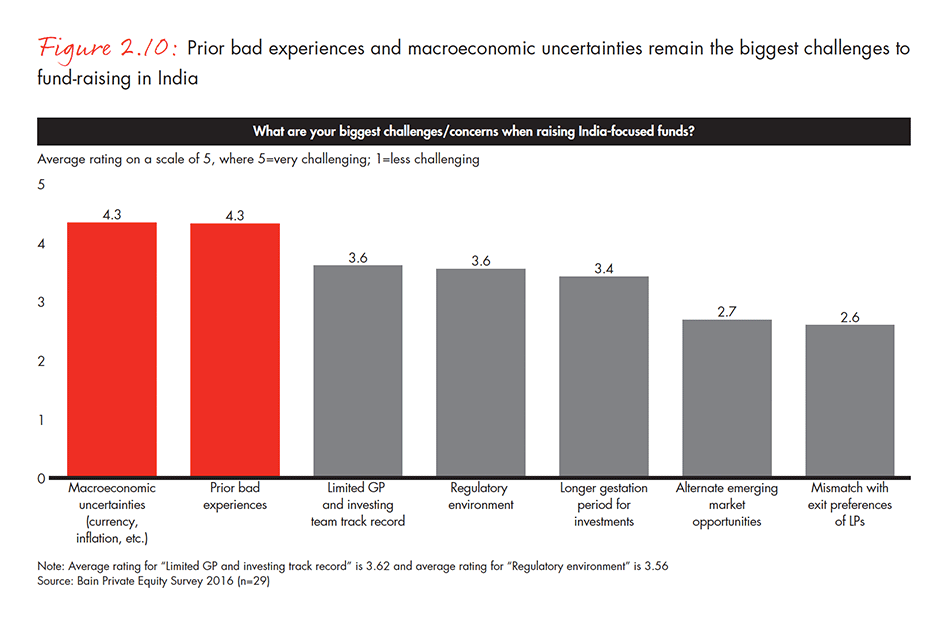
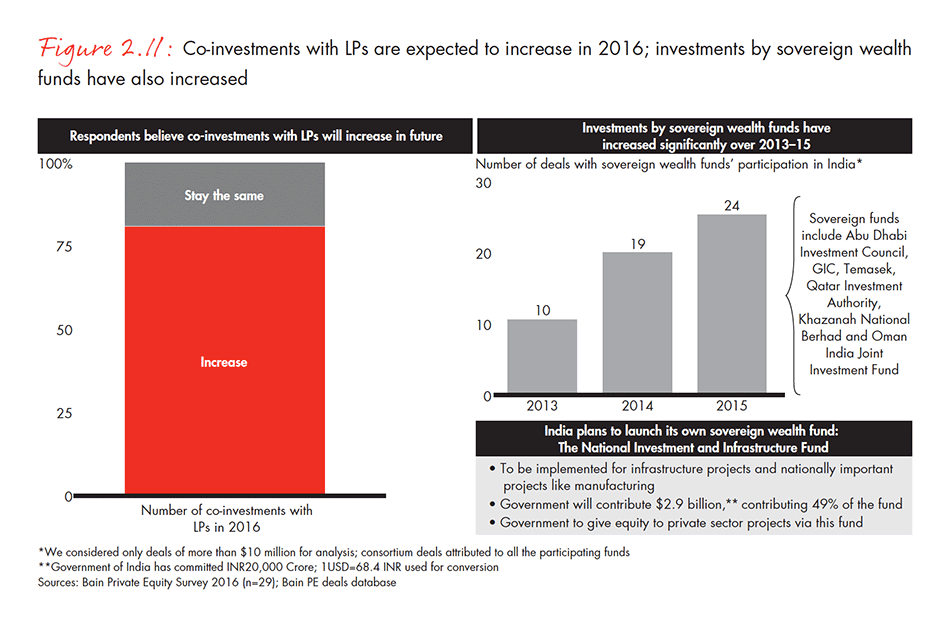
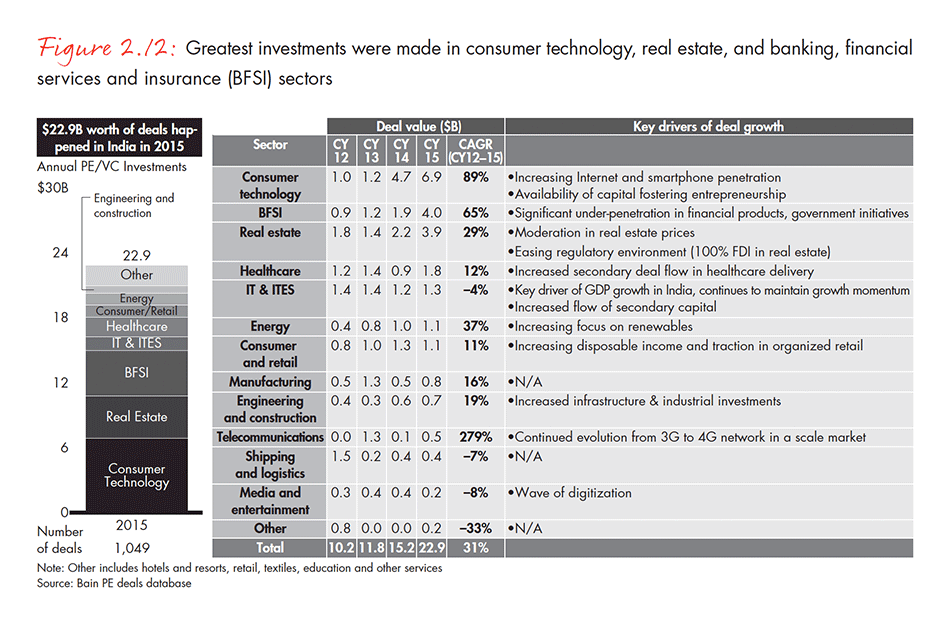
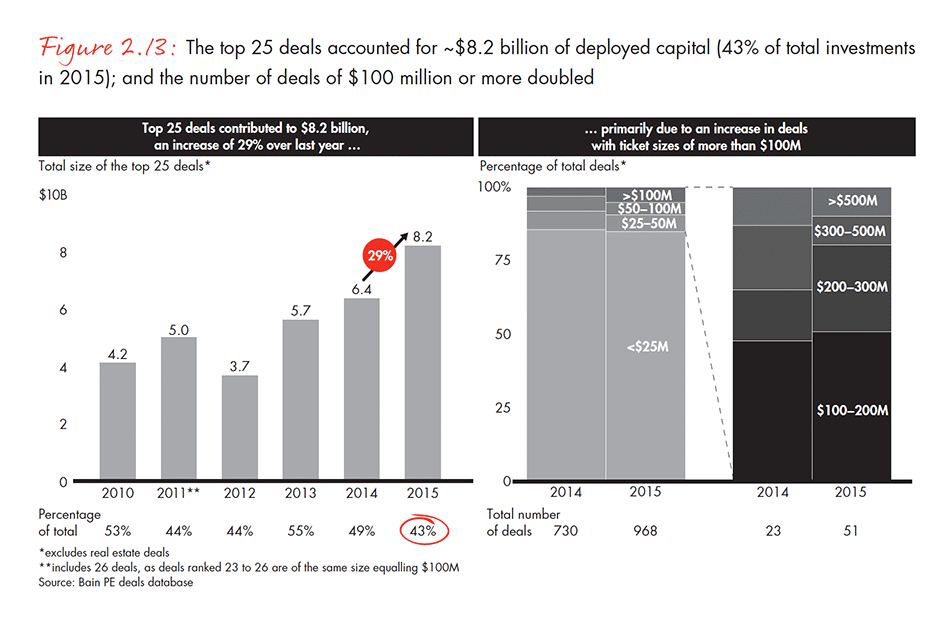
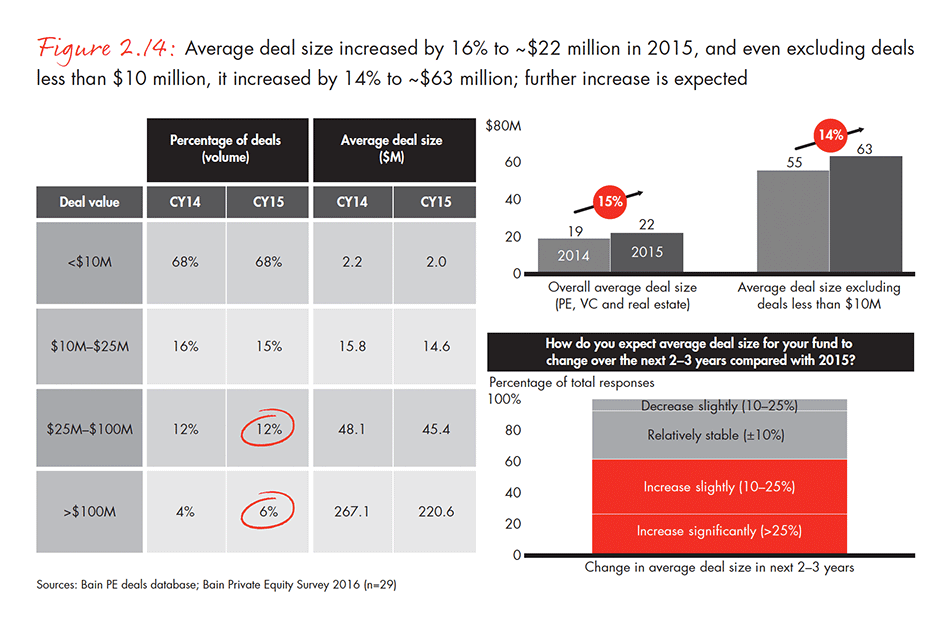
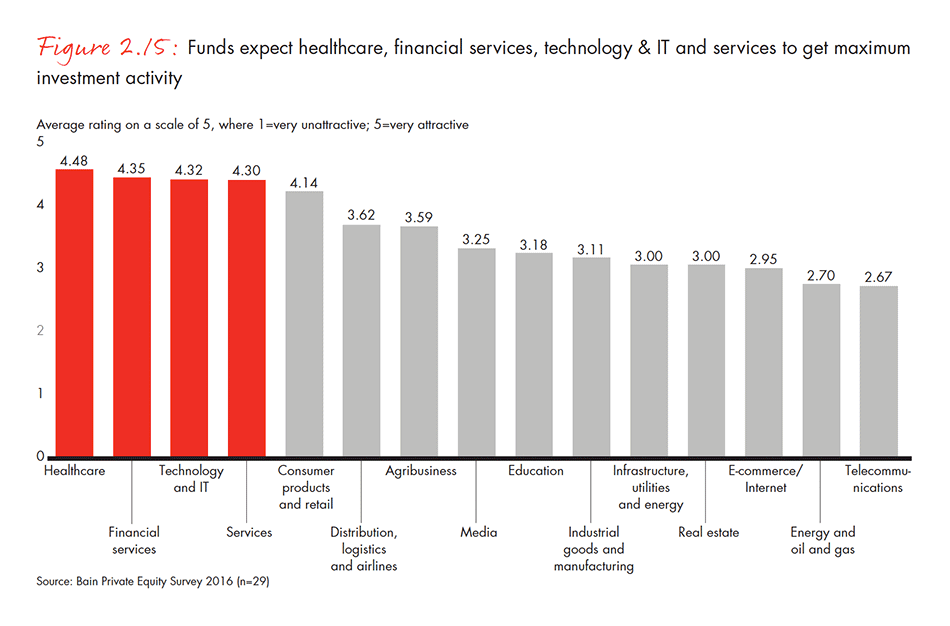
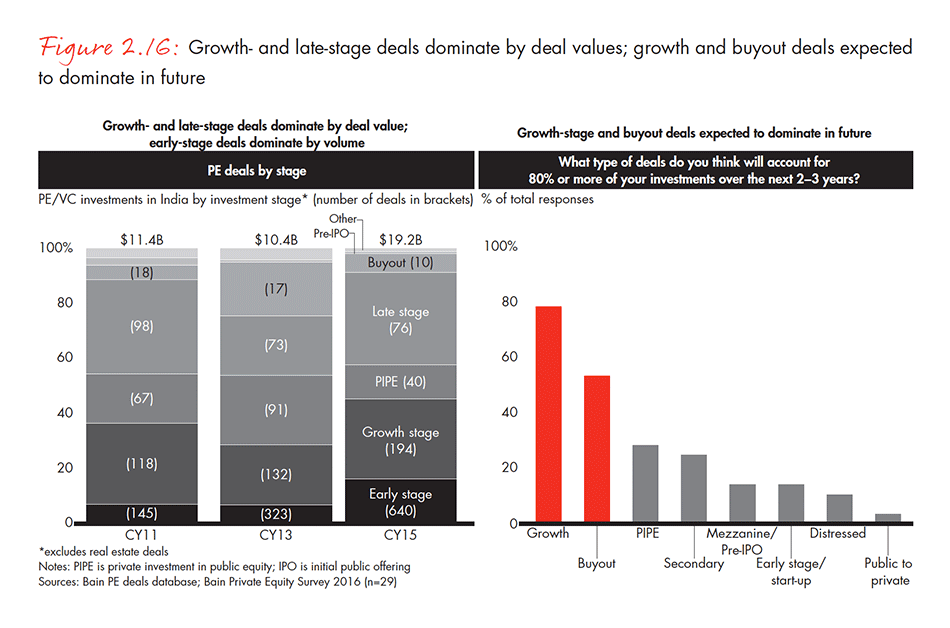
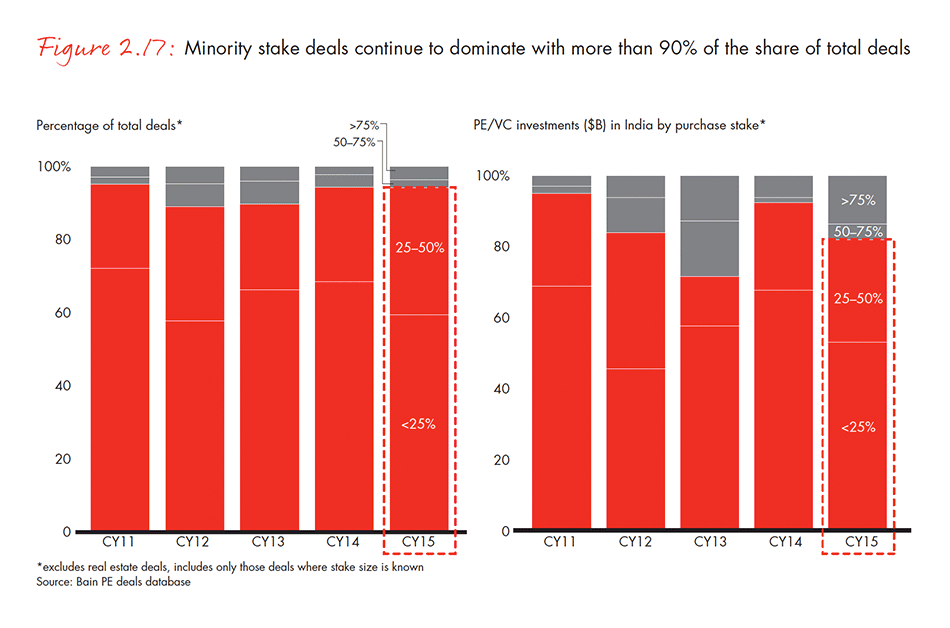
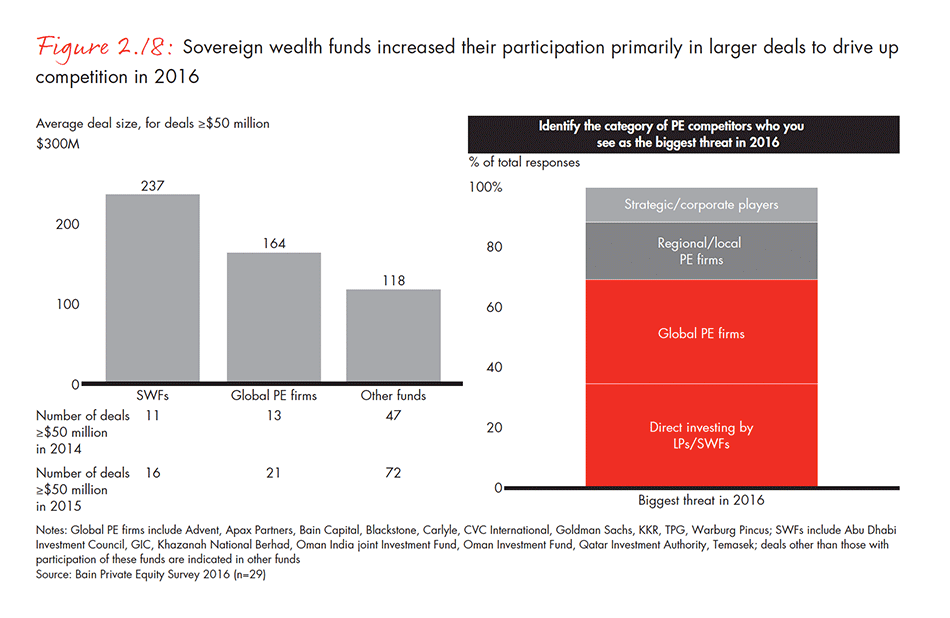
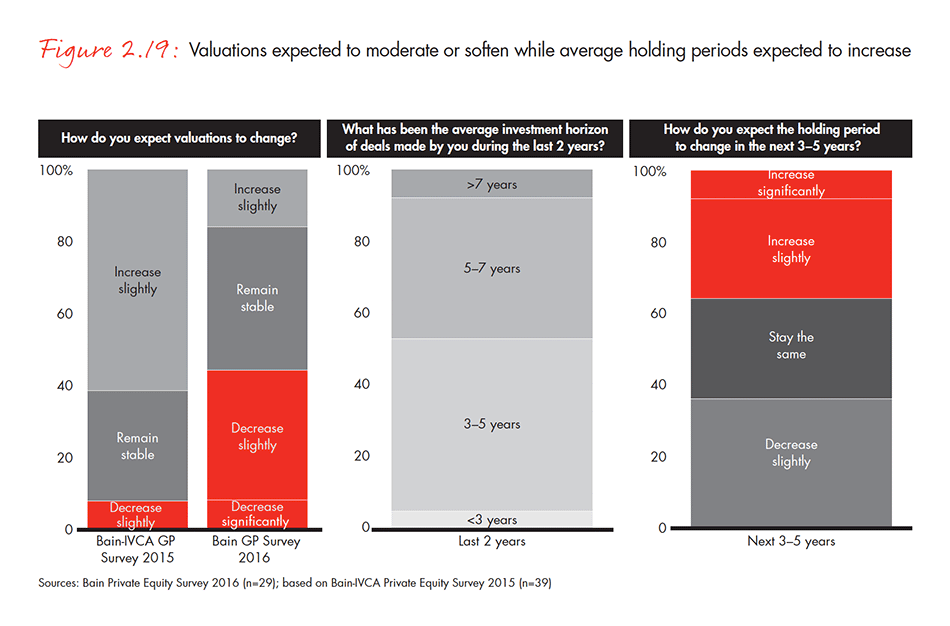
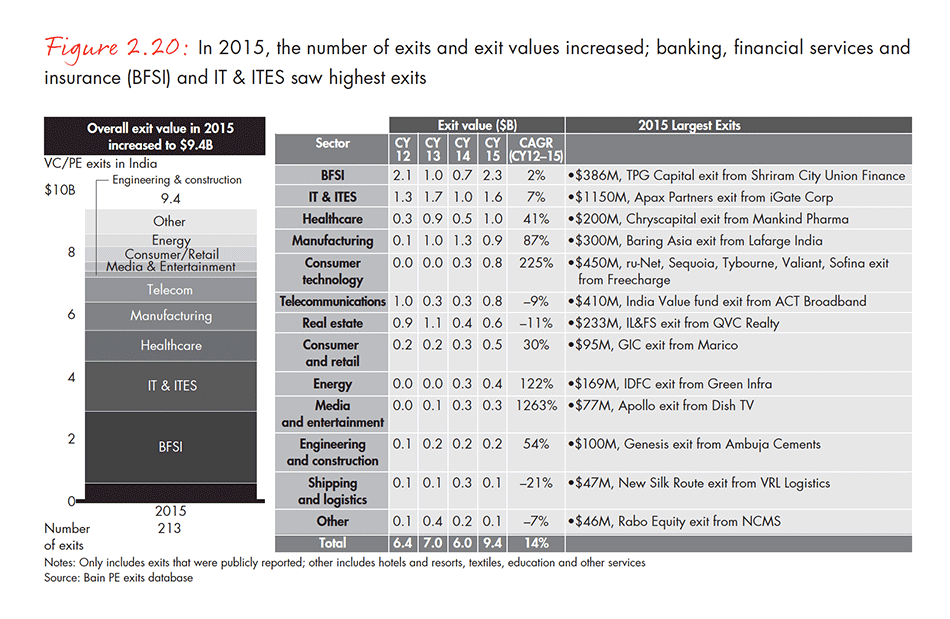
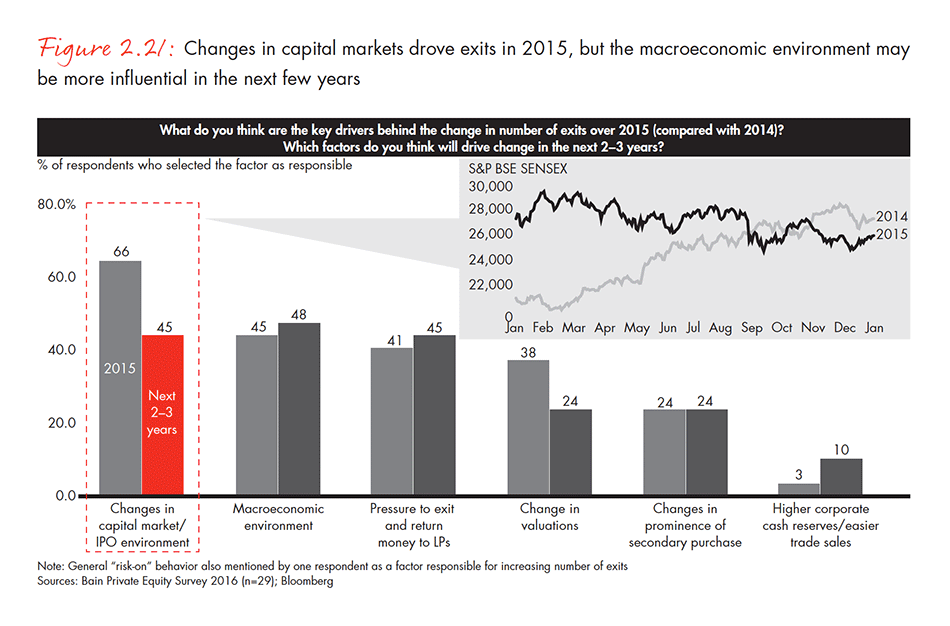
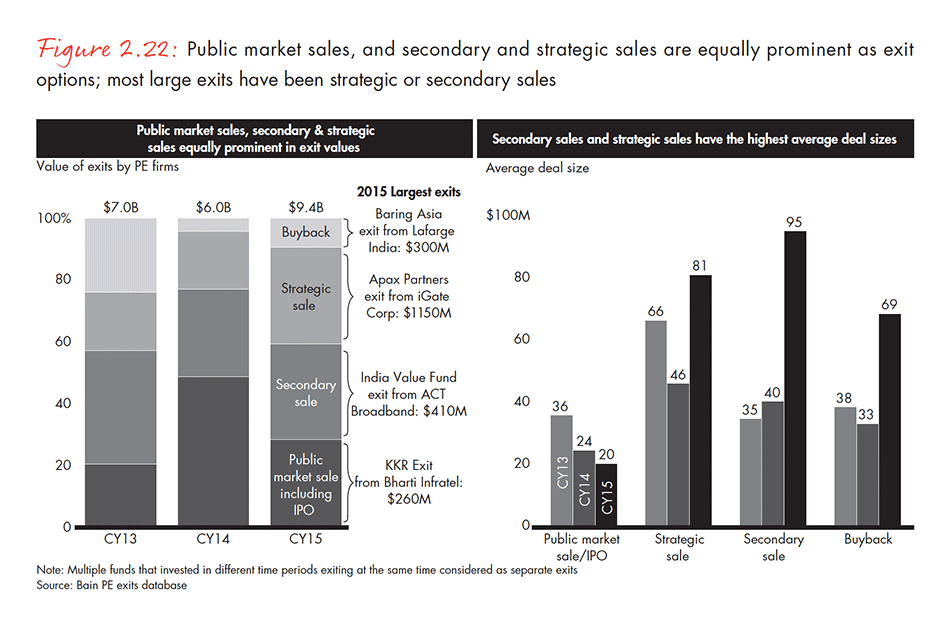
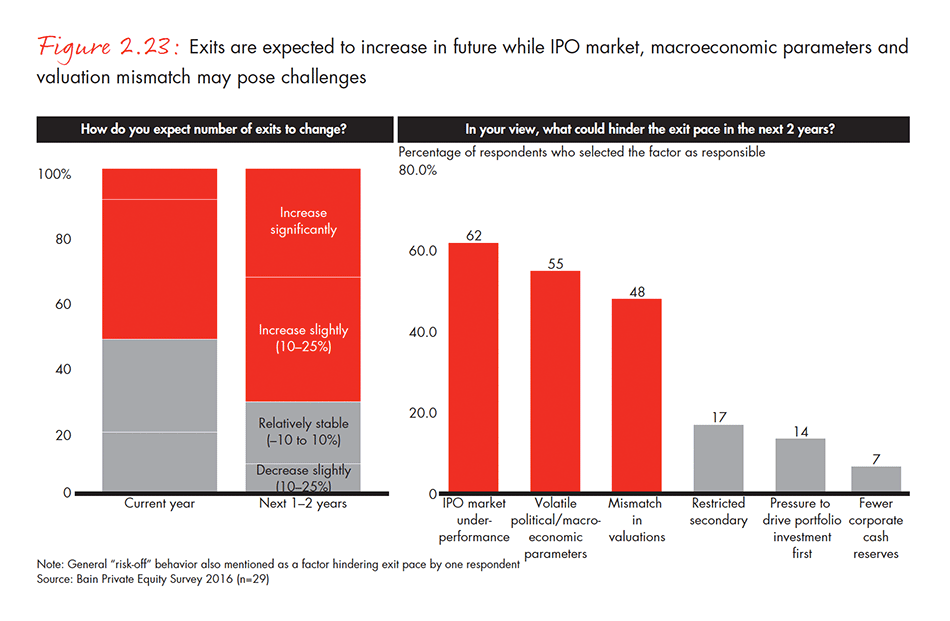
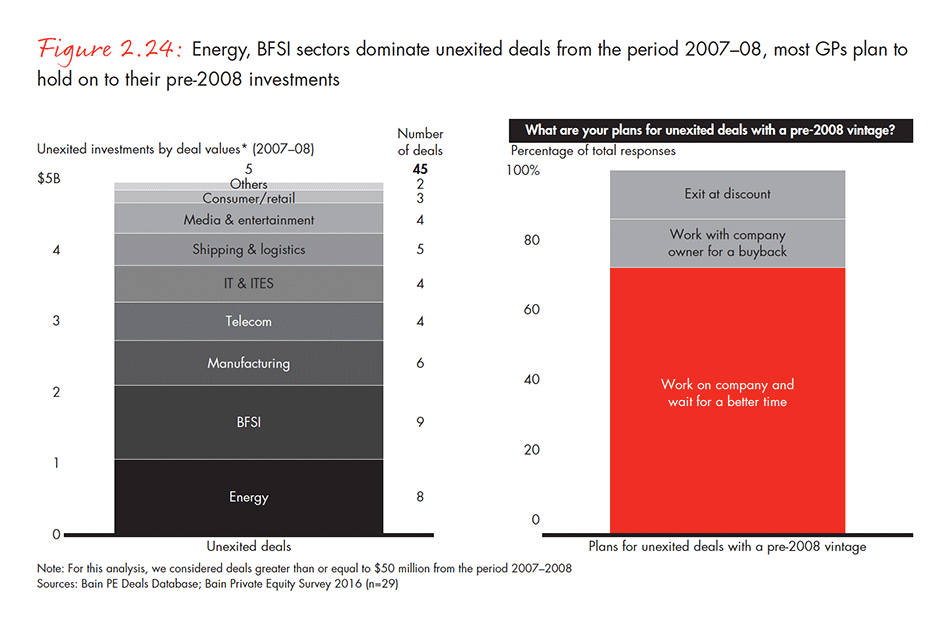
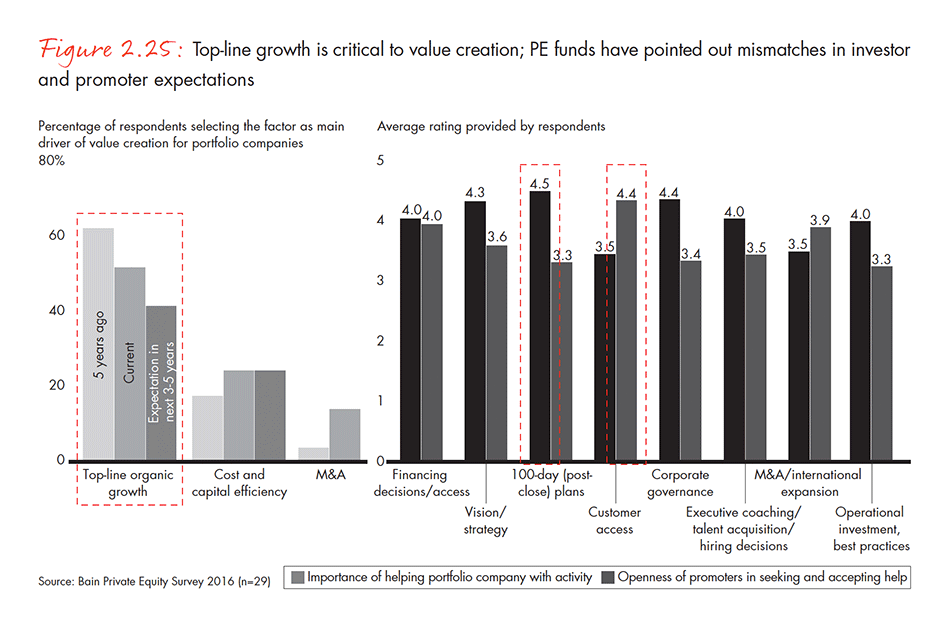
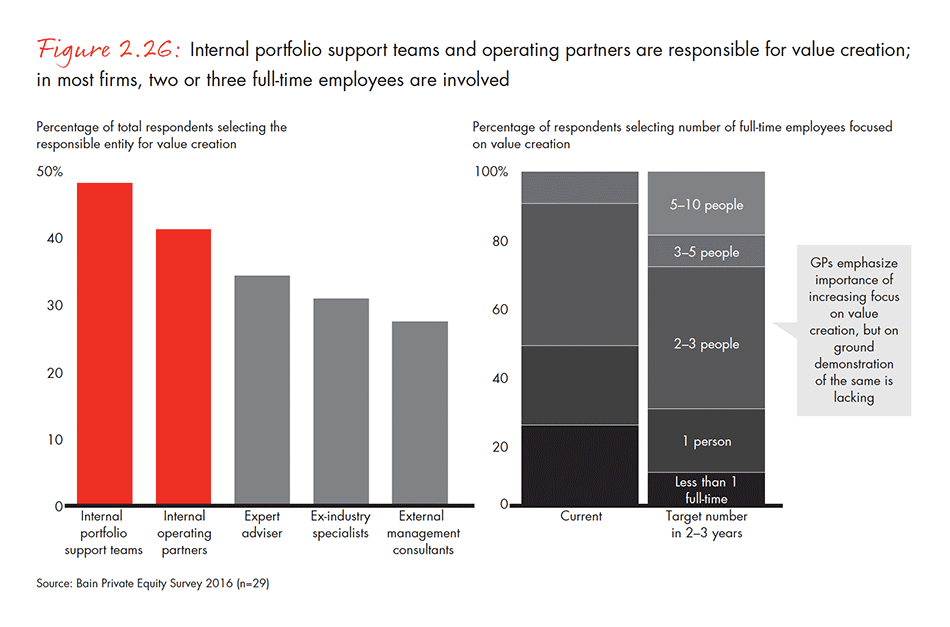
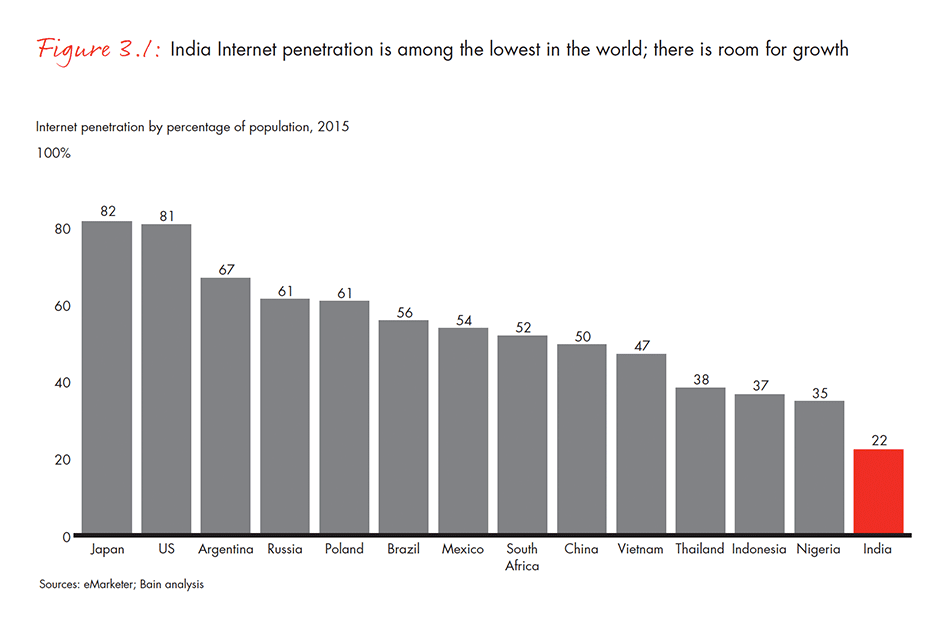
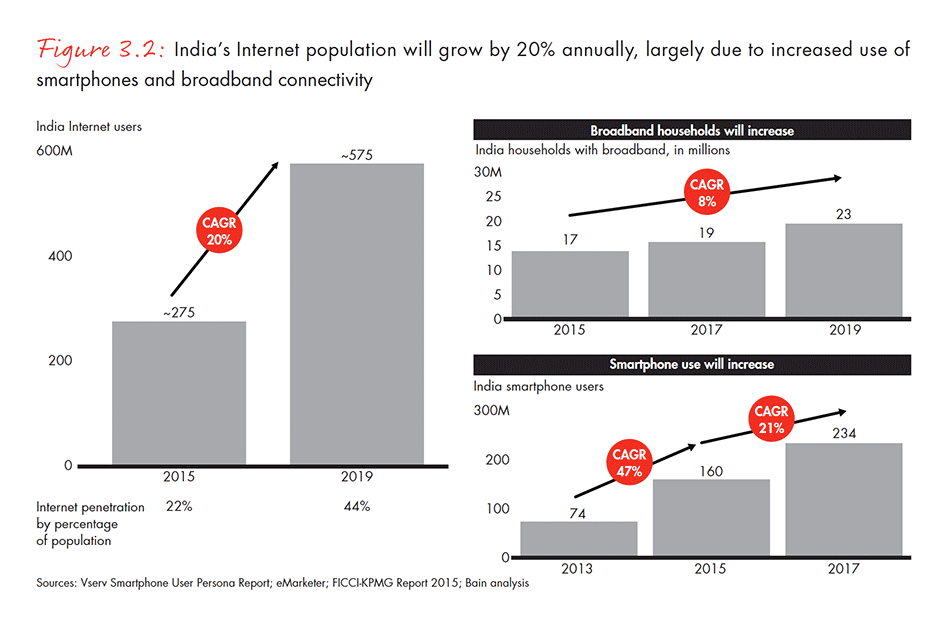
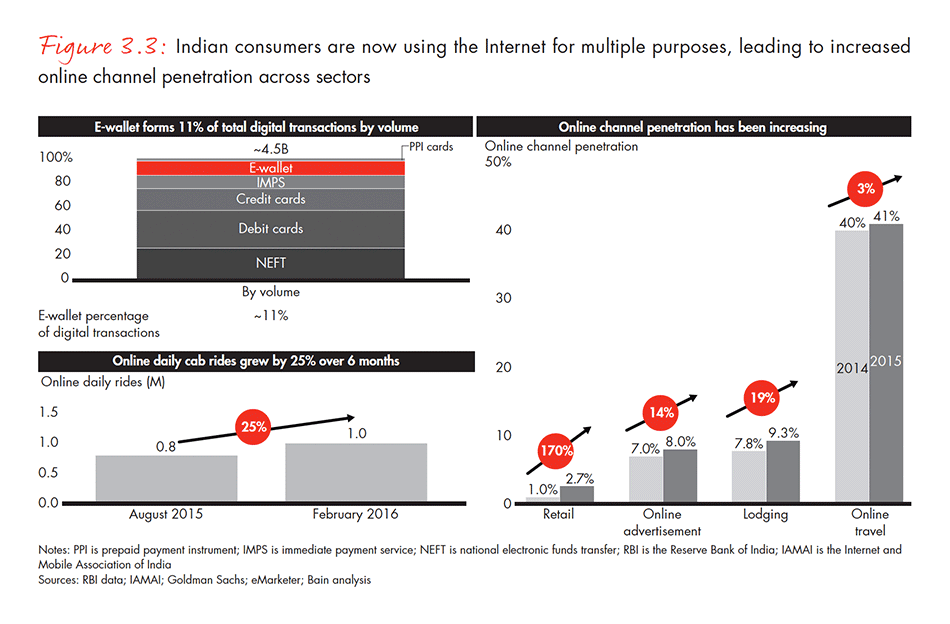
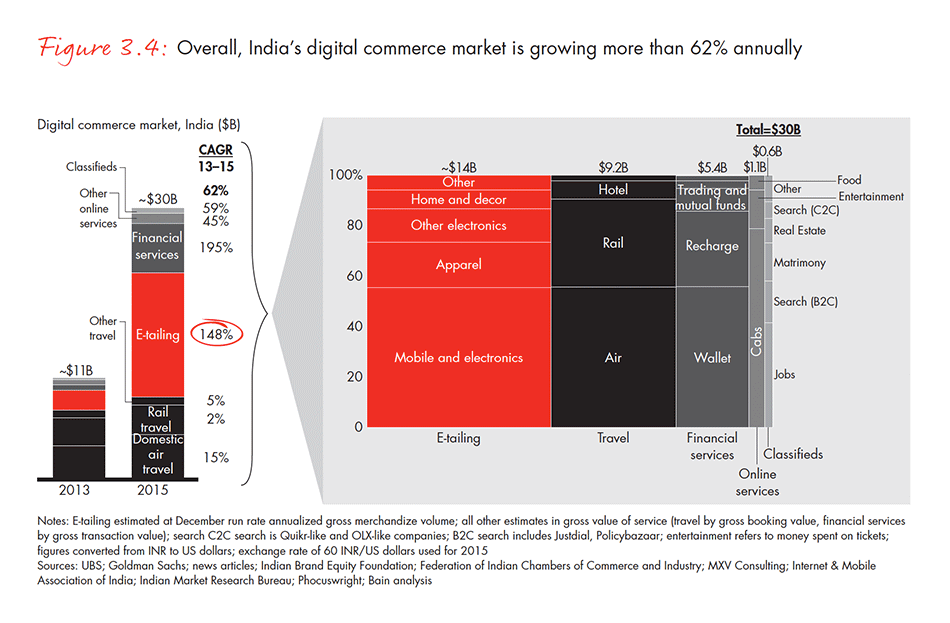
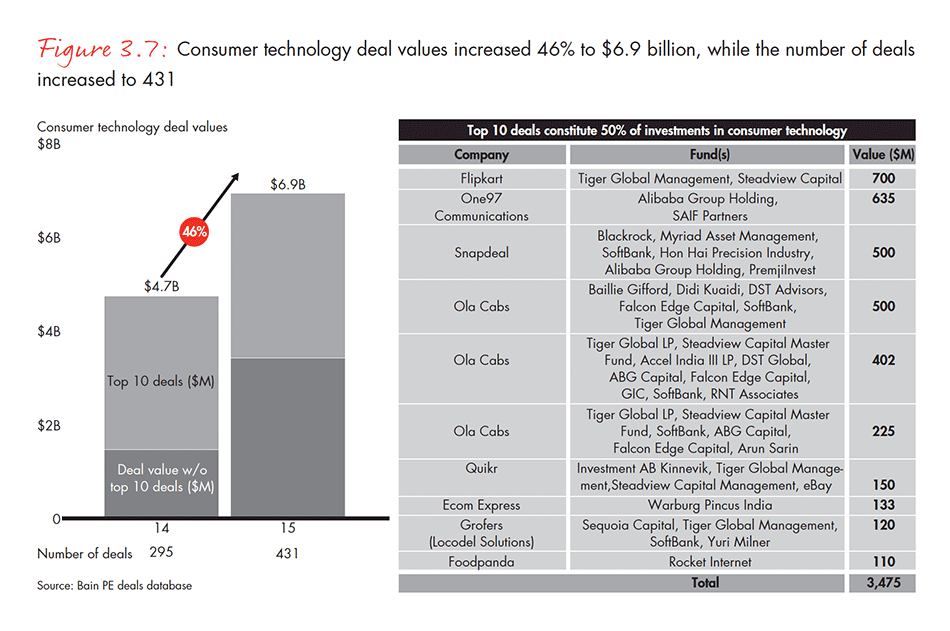
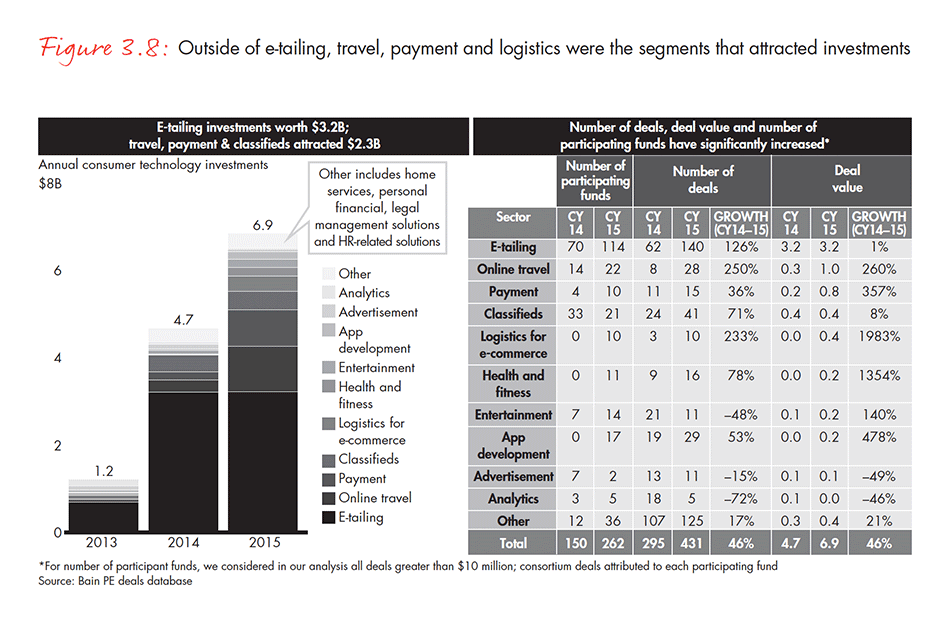
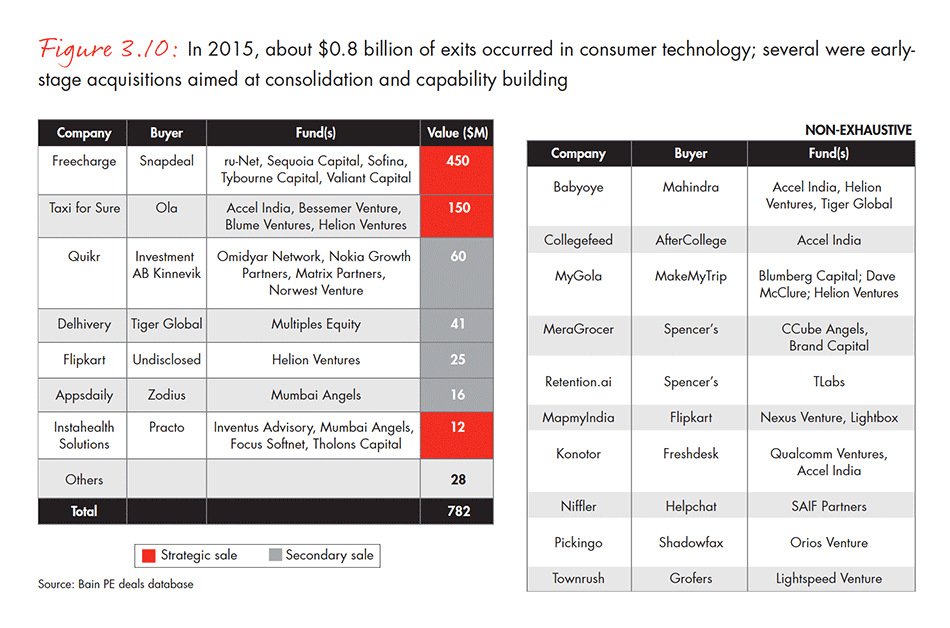
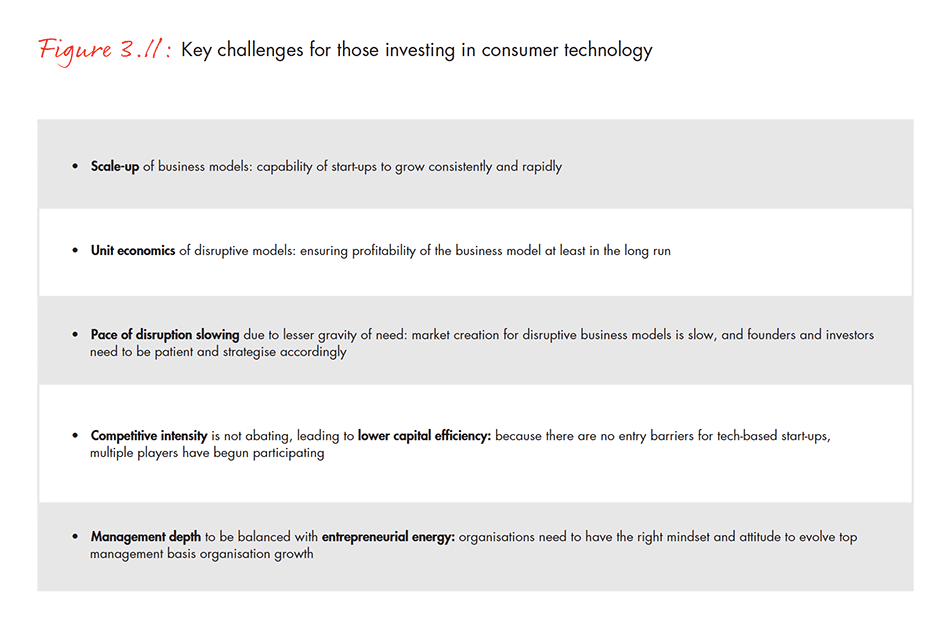
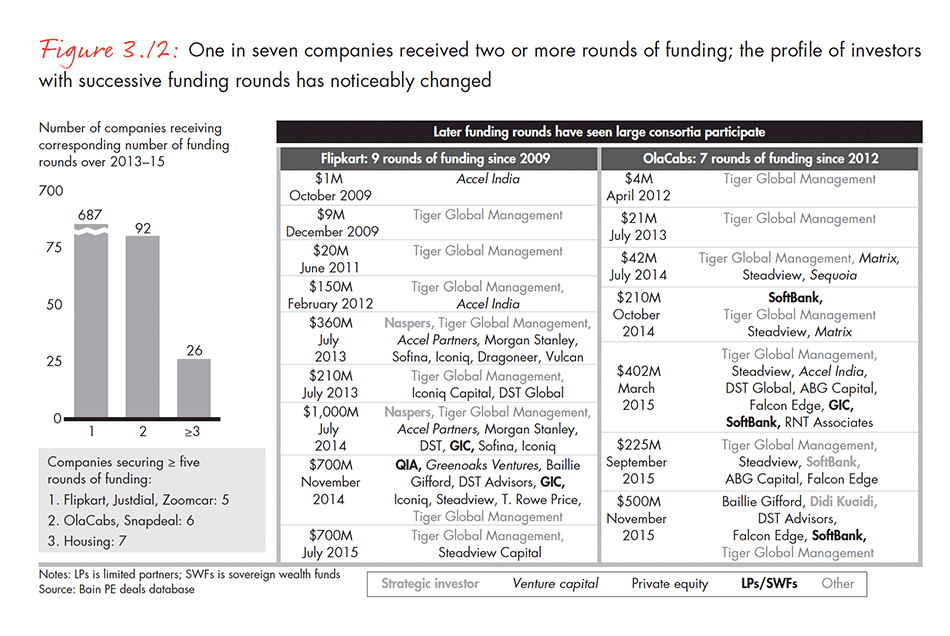
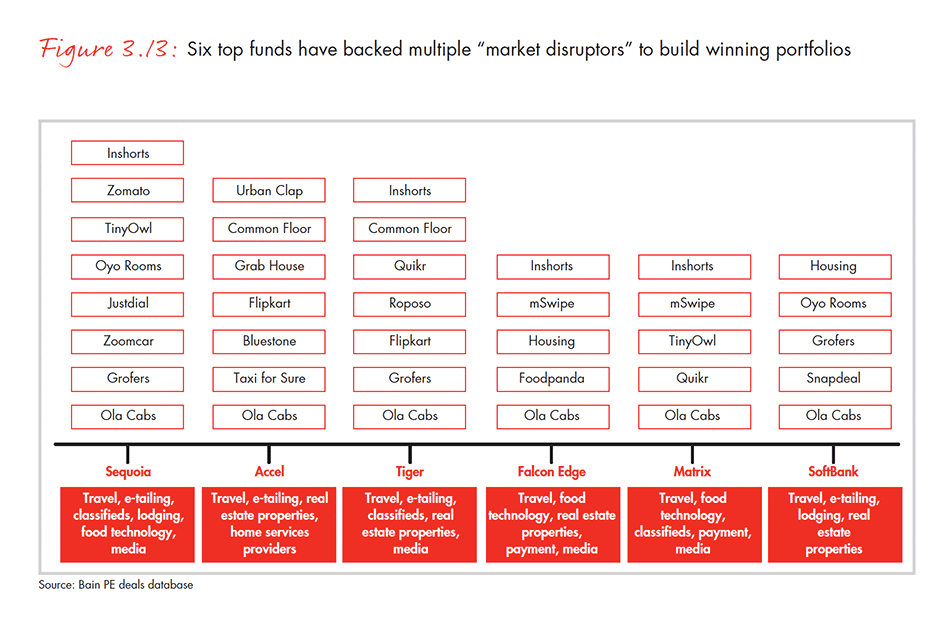
Executive summaryOverview of the current conditions The global economy maintained slow but stable growth in 2015, evidenced by a 2.4% increase in global GDP. In the US, GDP growth increased slightly, to 2.5%, largely due to increased consumer and government spending, business investments and exports. Europe witnessed signs of recovery, with overall GDP growth of approximately 1.6%; this was due primarily to exchange rate depreciation, low oil prices and quantitative easing by the European Central Bank (ECB). However, uncertainties about the global macroeconomic scenario remain, mostly as a result of the unclear stance of the US Federal Reserve on raising the federal funds rate, fallout from the Greek economic crisis on Europe and other countries, and China’s stock exchange crash. In contrast, growth in the top emerging economies slowed over the past year. The Economist Intelligence Unit estimates that the economies of BRICS (Brazil, Russia, India, China and South Africa) grew at 4.3%, marking a decrease from 2014 levels of 5.4%. Within BRICS, India showed higher growth in 2015 compared with 2014, while all other economies showed slower growth. A decline in commodity prices and the acute drop in oil prices tempered inflationary pressure in India. India meets approximately 80% of its oil needs through imports, and since oil prices have declined, its oil bill decreased by almost half. In addition, the continued decline in commodities prices helped reduce the overall rate of inflation. Interest rates in India also fell, contributing to growth; notably, yields on one-year government bonds dropped to 7.2% by January 2016, compared with 8.1% in January 2015. Currencies depreciated across BRICS in 2015, driven primarily by the exodus of capital resulting from the expectation that the US Federal Reserve would raise short-term interest rates. The Indian rupee remained relatively stable in comparison with currencies in other developing countries, depreciating only about 5%. Meanwhile, Brazil experienced a real GDP growth rate of negative 4%, and its currency depreciated by more than 46% across the same period. Bolstered by all of the considerations mentioned, India’s GDP grew by 7.2% in FY15, compared with 5.4% in FY14. The services sector experienced particularly strong growth, and its contribution to GDP climbed to 53% in 2015. Notably, financial services, insurance, real estate and professional services grew by 11%, leading the sector’s overall growth. In 2015, global buyout value increased by a marginal 5% to $282 billion. North America saw a 16% increase to $143 billion, and Asia-Pacific saw a 12% decrease to $36 billion. Meanwhile, the Asia-Pacific private equity (PE) market set a new all-time high at $125 billion, 44% higher than 2014. Not surprisingly, PE investments in India experienced a robust increase over 2015. Deal value, including real estate, infrastructure and venture capital (VC) deals, increased by 51% to $22.9 billion—surpassing 2007 peak levels of $17.1 billion. Overall deal volume in India grew by 31%. Overall deal value also rose as a result of a few megadeals. Looking at the year ahead, GPs in India expect a further increase in deal activity, propelled by macroeconomic conditions, an improved exit environment and changes in valuation expectations. To attract investment, India needs to continue to improve the ease of doing business in the country, a large part of which involves a regulatory environment that is more conducive to business growth. India’s government continues to focus on encouraging investments within the country through policies such as Make in India, tax regime rationalisation and Startup India. The government is also fast-tracking approvals for industry and infrastructure projects and relaxing FEMA rules to provide easier access to capital for domestic investment funds. In terms of attracting PE investments, India remains the most attractive market in Asia-Pacific, followed closely by China. India boasts strong GDP growth, a vibrant entrepreneurship ecosystem and a positive outlook, making it one of the most attractive of the emerging economies for PE investments in 2016. Fund-raising Funds allocated to Asia-Pacific on a regional level declined by 14% in 2015 to $50 billion. Similarly, funds allocated to India dropped by 12%. Indian dry powder continued to increase and stood at $11 billion in 2015, suggesting there is no dearth of capital. To add to this, there is additional capital drawn into India via allocations from global and APAC funds, which is not reflected in the number above. In addition, several sovereign wealth funds (SWFs) have increased direct participation in India deals: The number of deals SWFs participated in directly increased to 24 in 2015 from 19 in 2014. PE firms expect co-investments with limited partners (LPs) to further increase in 2016. In 2015, foreign direct investments (FDI) remained the biggest source of capital for most PE firms, and this trend is expected to continue in the next two years. The majority of funds expect fund-raising to get slightly easier in 2016. However, they cite macroeconomic uncertainties and prior bad experiences as major potential hindrances. Deal making Deal volume in India grew by 31%, driven by the consumer technology sector; the banking, financial services and insurance (BFSI) sector; and the real estate sector. Together, the top 25 deals, excluding real estate, represented 43% of total investments in 2015, or $8.2 billion, climbing 29% from $6.4 billion in 2014. The $700 million investment into Flipkart by a series of funds represented the year’s largest deal. Growth-stage and late-stage deals were the most prominent in 2015 by deal value, and funds expect growth-stage and buyout deals to dominate in the future. The average deal size across all deals increased by 15%, from $19 million in 2014 to $22 million in 2015. Excluding deals smaller than $10 million, the average deal size increased from $55 million in 2014 to $63 million in 2015. The majority of GPs we surveyed expect average deal sizes to continue to rise over the next two to three years. They feel that healthcare and financial services will be the most attractive sectors in the next two years. GPs expect valuations to slightly temper in the future. SWFs have increased participation in India, especially in larger deals. Funds expect global PE firms, LPs and SWFs to remain the biggest threats in 2016. Portfolio management and exits The exit market in India performed exceedingly well in 2015. The number of reported exits in the country grew 10% from 2014 to 2015, and the value of exited investments increased by 57% across the same period, rising from $6 billion in 2014 to $9.4 billion in 2015. Also in 2015, public market sales, secondary sales and strategic sales were equally prominent as exit options. Average deal sizes were significantly higher for secondary and strategic sales. Funds cited improvements in capital markets and the macroeconomic environment as the primary factors for the increased exits in 2015. Funds further expect exits to increase in the next two to three years. However, they believe that underperformance within the IPO market, macroeconomic instability and a mismatch in valuations could be potential hindrances. Of the several pre-2008 deals that remain unexited, most are in the energy and BFSI sectors. PE funds aim to adopt a wait-and-see policy for these deals in 2016. Funds cite top-line growth as the leading cause of value creation in portfolio companies. They also emphasise the need to build strong internal portfolio support teams and develop operating partners to create value in a disciplined manner. However, this intent has not translated into action as the scaling up of portfolio teams has been muted. Sector in focus: Consumer technology: Still the flavour of the month As far as the Indian market is concerned, 2015 has been a very good year for the consumer technology sector. The continued rise of Internet penetration was a key factor in the sector’s growth. India today has approximately 275 million individuals with Internet access, and this figure is projected to grow to approximately 575 million by 2019, driven by increasing penetration of smartphones and broadband. Some estimates show that the number of smartphone users in the country will increase to approximately 230 million in 2017 from about 160 million in 2015. In addition, online channel penetration has increased across most traditional sectors, representing a trend that could significantly boost consumer technology investments. From booking a taxi to buying groceries to purchasing furniture, Indians are rapidly turning to mobile phones and computers for their transactions. We estimate the total Indian digital commerce market to be about $30 billion in 2015. Investments reflected the belief in the sector’s growth potential: Consumer technology was the largest sector in terms of PE and VC investments in 2015, contributing approximately 30% to overall deal value and accounting for approximately 41% of overall deal volume. Deal values in the sector grew by 46% (from $4.7 billion in 2014 to $6.9 billion in 2015), as did deal volume (from 295 in 2014 to 432 in 2015). The top 10 deals in the sector accounted for approximately $3.5 billion, representing half of the total investments. Flipkart, One97 Communications/ Paytm and Snapdeal fund-raising were the top three deals of 2015—with values of $700 million, $635 million and $500 million, respectively. Exits in the sector were worth approximately $800 million. And several early-stage acquisitions focused on consolidation and capability-building. Still, investors in consumer tech space face several challenges: the capability of start-ups to scale up consistently and rapidly, market creation for disruptive business models, the work of ensuring profitability of the business model in the long run, a growing competitive intensity that is leading to lower capital efficiency and the need for management depth as companies progress. Only one in seven companies have been able to scale up and receive two or more rounds of funding. Major investors have backed multiple disruptors in the hope of finding clear winners. ImplicationsOverall, 2015 was a growth year for PE in India, as deal activity, deal value and deal volume all increased. And that trajectory should continue in coming years. Consumer technology turned out to be the most attractive sector for PE and VC in 2015. Funds are sharpening their focus on early- and growth-stage deals, with continued emphasis on improving operating teams to focus on value creation. The government is also trying to do its part by announcing a series of new initiatives to promote investment across sectors. Investors (GPs/LPs) The investment scenario in India is positive thanks to strong GDP growth and a low inflationary environment as commodity prices decline, especially for crude oil. This is an opportune time for GPs to increase their investments in India. They need to develop strong teams for fund-raising, deal making and portfolio management. A solid value creation and implementation plan could be a differentiator for tapping quality deals. The consumer technology sector, with its increasing growth, continues to present a strong opportunity for investments. GPs should continue to actively participate in this sector, but they should focus on generating value from their existing investments. Five key takeaways should be top of mind: 1) reexamine the portfolio and assess risks; 2) invest in winners, and back them so they can scale and win; 3) back entrepreneurs and ideas, but selectively; 4) help existing portfolio companies grow and be profitable; 5) develop sustainable and robust models that will be easier to exit. Additionally, investors should be mindful of the delay in implementation of key government reforms and further depreciation of currency, as these factors heavily influence returns. Indian entrepreneurs Entrepreneurs need to recognise the value of PE investors, including learning and adopting best practices in financing, expansion and customer access. Our survey suggests that there are still significant differences between the expectations of investors and promoters after they make the investment. Entrepreneurs should align with the investors early in the partnership and develop a robust collaboration plan. Another important consideration is the fact that investors come with a predetermined exit time frame that company founders or owners should actively align with early in the relationship. Public policymakers PE accounts for more than 50% of foreign capital, which has played a pivotal role to date in fuelling India’s growth aspirations. Policymakers have an important role to play in terms of maintaining investor confidence. Further growth in India’s economy depends on the government delivering its promised reforms of the goods and services tax (GST), the land acquisition bill and the tax regime rationalisation. It is imperative that it focuses on those initiatives because they could unlock tremendous value for the economy. 1. Global macroeconomic trends
2. Overview of India’s PE landscape
2a. Fund-raising
2b. Deal making
2c. Exits and portfolio management
3. Consumer tech: Riding the Internet wave
Arpan Sheth is a partner with Bain & Company in Mumbai and leads the Private Equity practice in India. Madhur Singhal is a partner with Bain’s Mumbai office and is a leader in the Private Equity practice in India. Srivatsan Rajan is a partner in the New Delhi office and is a leader in the Private Equity practice in India. Karthik Bhaskaran is a manager with Bain’s Bangalore office and is a member of the Private Equity practice in India. |