

Brief

|
Executive Summary
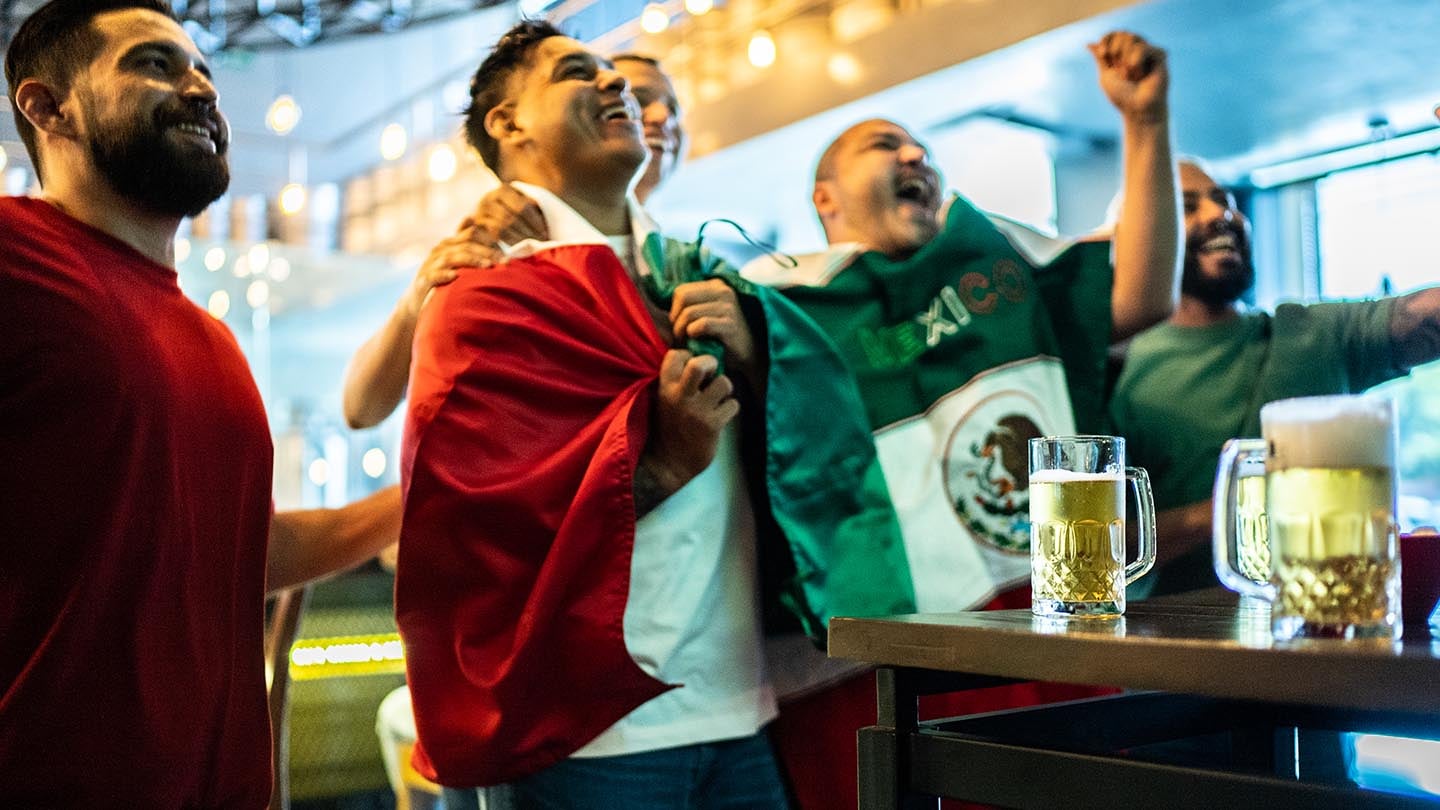
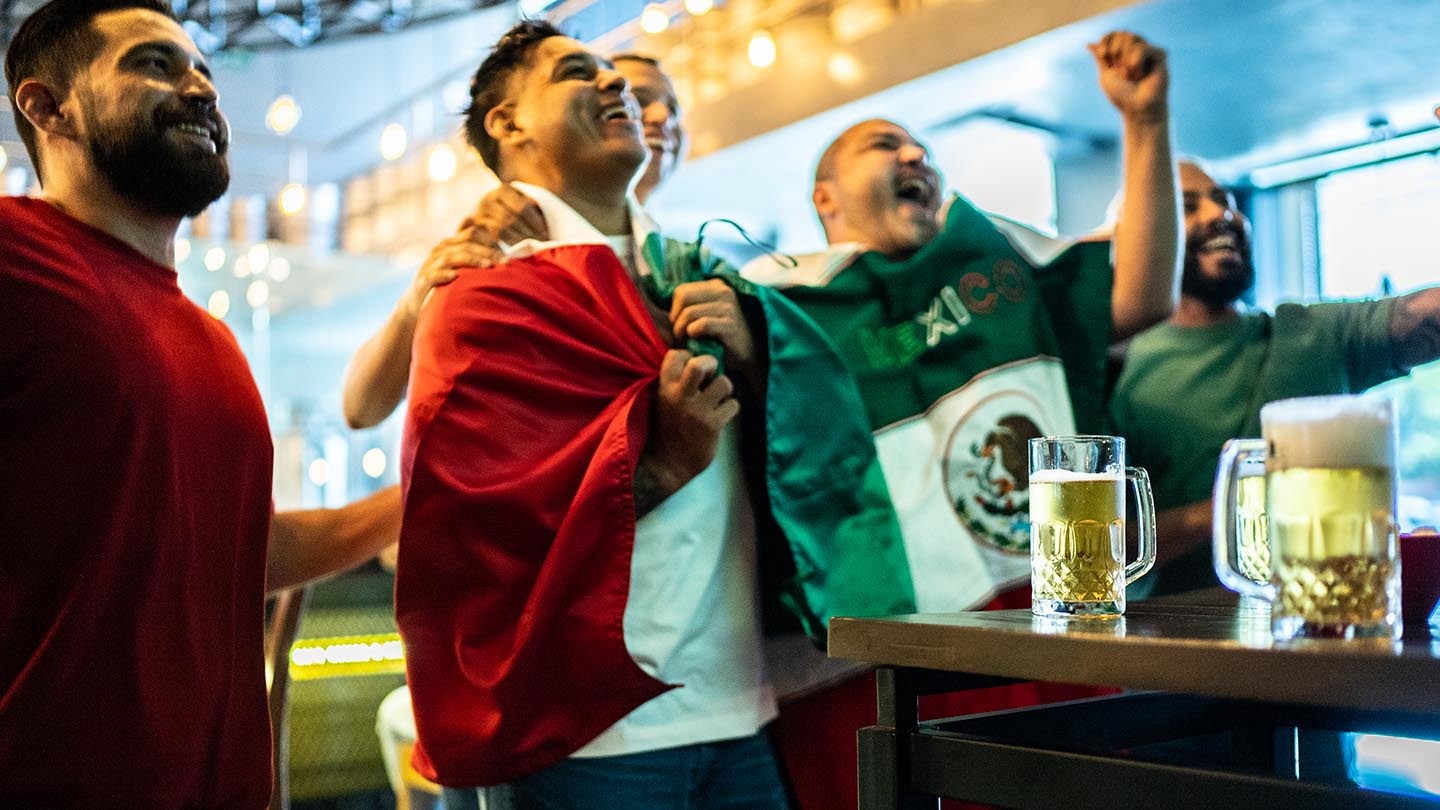
Algorithms and AI agents are fundamentally changing how customers discover brands. As search fragments and differentiation compresses, companies can no longer rely solely on digital performance marketing to create demand. In this zero-click search environment, sports sponsorships remain one of the few scalable ways to build emotional connection, cultural relevance, and commercial preference—before the moment of purchase. This reality is fueling a surge in investment; the global sports sponsorship market is projected to reach $100 billion by 2029, according to Technavio. North America alone accounts for 31.8% of that expansion. Brands are doubling down on sports to anchor their identities in authentic, real-world experiences that algorithms cannot replicate. Played right, sports sponsorships are strategic growth levers. Yet, most brands still treat them as visibility plays measured by logo placements and impressions. Winning brands treat sponsorships differently: They plan and measure them as strategic investment decisions, not line-item marketing tactics. The sponsorship performance gapMost CMOs struggle to identify which sponsorships deserve incremental investment and which should be cut. This uncertainty stems from a lack of reliable, performance-linked data. According to Bain’s 2026 Marketing Leaders survey (n=1,397), 58% of CFOs do not trust marketing metrics as reliable for decision making because of quality or consistency issues. Consequently, brands often underinvest in sponsorships that connect with target audiences in cost-effective ways. Sponsorships are not standard media buys. They are platforms for “in real life” (IRL) experiences and emotional connections that AI can’t replicate. As AI commoditizes information access, brand differentiation is shifting from information advantage to emotional affinity and remembered experiences. When designed correctly, sponsorships build preference and long-term commercial value that outlasts digital campaigns. Sports, in particular, offer an unbeatable triad: sustained attention, emotional investment, and real-world experience at scale. The sponsorship opportunityAI has fundamentally changed the path to purchase. Sixty-five percent of Google searches are now zero-click. And the number of consumers who start their shopping journeys on an AI platform leveraging a large language model has nearly tripled since December 2025, rising from 5% to 14%, according to Bain’s Generative AI US tracker by Occam. Brands can’t count on simply being “found.” Preference must be built before the moment of search. Enter sports. Sports sponsorships designed as experiences create emotional memory structures that influence choice long before an algorithm is consulted. For example, rather than running a passive TV ad during Super Bowl LVII (2023), Roblox hosted a Super Bowl concert in the metaverse. It drew 7.5 million visits in one week, building brand affinity through participation rather than observation. Sports sponsorships stand out as one of the few remaining environments where:
The shift from exposure to participationWhile sports sponsorships are uniquely suited to anchor IRL strategies, many CMOs struggle to connect cost to impact. That’s because they optimize deals around exposure rather than experience and participation. Well-designed sponsorships create emotional resonance and moments customers can feel, not just see. Unlike temporary campaigns, these moments live on through social sharing, earned media, and storytelling—long after the final buzzer sounds. Winning sponsorship strategiesLeading brands design sponsorship strategies around the experience they want customers to feel and remember. Those IRL moments become fuel for ongoing social conversations and earned media attention. The American Express/National Football League (NFL) partnership provides a blueprint for this model. As of the 2026 season, American Express is the NFL’s official payments partner. More important than paid logo placements, this strategy gives American Express a direct link to share-of-wallet and transaction frequency. Through the partnership, American Express cardholders gain tangible benefits, such as ticket presales, priority stadium entrances, dedicated lounges, and access to special events. Those sponsorship activations:
American Express also uses the partnership to build relationships with early-stage high-net-worth (HNW) individuals on athlete and management rosters. It’s capturing the attention and loyalty of elite prospects before their wealth is fully realized. Where’s the commercial value?Sports sponsorships can directly benefit the bottom line through category growth, direct revenue, and long-term brand equity. Consider:
The new scorecard for sports sponsorshipsSponsorships “fail” because they lack measurement, not creativity. According to Bain’s 2026 Marketing Leaders survey, more than half (51%) of CFOs cite “reliable measurement and attribution” as one of marketing’s most critical improvement areas. This failure often comes from a lack of visibility into total spend across a busy activation calendar. And it’s compounded by the absence of a unified measurement framework to isolate incremental sales. Without a source of truth tailored to the nuances of sponsorships, CMOs often default to traditional metrics—placing too much stock on partner-reported statistics rather than revenue outcomes. To close the measurement gap, brands need a three-tiered framework for sponsorship evaluation that considers:
The burden of proofWithout a rigorous test-and-control design, sponsorship ROI is merely an opinion. Leading firms test their sponsorship programs against well-defined control groups to gain certainty around their investments. Bain & Company used this model to help a leading global wealth management firm evaluate a sports hospitality sponsorship. The firm invited a segment of HNW clients to events while holding back a matched control group. The results were clear: Over several years, attendees’ assets under management increased meaningfully compared to the control group, and repeat attendees showed significantly higher inflows and lower attrition. In one year, incremental net new assets attributable to the program exceeded $50 million, more than justifying the sponsorship cost. The study proved that, with discipline, sponsorship is a measurable engine for growth. How to create sponsorships that drive business outcomesSuccess requires an IRL-first approach, executed through a disciplined, three-step playbook: 1. Define the outcome, not the assetPursue partnerships with clear commercial intent, not because a sponsorship is available or a favorite team is located nearby. Before signing, identify business aims, such as building cultural credibility, category preference, lifetime value, or relationship capital. Since becoming the Super Bowl Halftime Show sponsor, Apple Music has exemplified this outcomes-first approach. Rather than settle for pure promotion, it has turned the 13-minute broadcast opportunity into a multiweek, music-first experience. Apple Music offers behind-the-scenes access to artists and hypes the show with athlete-curated playlists. It also converts artist albums to enhance at-home listening and adds “karaoke mode” to encourage interaction—using the sponsorship platform to connect its technology to a key cultural moment. 2. Apply an authenticity testSponsorships should feel like authentic and natural extensions of a brand’s core values. To protect the brand and manage reputation risk, CMOs must apply a rigorous authenticity test, asking: Does this partnership feel like an organic fit? Red Bull provides the ultimate case study in authenticity. The brand didn’t just sponsor a cultural phenomenon; it embedded itself inside one. Red Bull staked its reputation on extreme sports early, finding a niche where it could build deep cultural affinity. The approach worked so well it moved from sponsorship to ownership, now controlling its own Formula One team and a global portfolio of proprietary events. By owning the intellectual property, Red Bull protects the brand from being diluted or misaligned. 3. Design for experiences, not impressions.In the new playbook, impressions are a byproduct of experiences that consumers choose to share. Experience-led activations often deliver differentiated value (e.g., early or exclusive entry), natural amplification (e.g., Instagram-worthy moments), and hybrid inclusion that bridges the gaps between in-person fans and at-home viewers. Experience-first activations also benefit from extended engagement periods, since narratives start building before and continue long after the main event. Next steps for CMOsIn a zero-click world, experience is the new performance channel. Brands must engineer moments that audiences feel compelled to share, turning passive viewers into active brand advocates. The call to action isn’t simply to spend more; it’s to design, activate, and measure sponsorships with a new level of rigor. CMOs who close the measurement gap will do more than justify a line item. They will build brand preference that drives bottom-line performance—and survives an AI-driven sales journey. The sponsorship game has changed. Future winners will behave less like traditional advertisers and more like experience architects. Instead of pursuing visibility, they’ll anchor their brands in “uncommoditizable” experiences. In an AI-mediated world, high-impact sponsorships determine who captures demand and who is left fighting over an algorithm’s scraps. Brands that win won’t simply be the easiest to find. They will be the hardest to forget. |