

Skip to Content
  • Standorte

    Standorte

    North & Latin America
    • Atlanta
    • Austin
    • Bogota
    • Boston
    • Buenos Aires
    • Chicago
    • Dallas
    • Denver
    • Houston
    • Lisbon
    • Los Angeles
    • Mexico City
    • Minneapolis
    • Monterrey
    • Montreal
    • New York
    • Rio de Janeiro
    • San Francisco
    • Santiago
    • São Paulo
    • Seattle
    • Silicon Valley
    • Toronto
    • Washington, DC
    Europe & Africa
    • Amsterdam
    • Athens
    • Berlin
    • Brussels
    • Copenhagen
    • Düsseldorf
    • Frankfurt
    • Helsinki
    • Istanbul
    • Johannesburg
    • Kyiv
    • Lisbon
    • London
    • Madrid
    • Milan
    • München
    • Oslo
    • Paris
    • Rome
    • Stockholm
    • Warsaw
    • Wien
    • Zürich
    Middle East
    • Doha
    • Dubai
    • Riyadh
    Asia & Australia
    • Bangkok
    • Beijing
    • Bengaluru
    • Brisbane
    • Ho Chi Minh City
    • Hong Kong
    • Jakarta
    • Kuala Lumpur
    • Manila
    • Melbourne
    • Mumbai
    • New Delhi
    • Perth
    • Seoul
    • Shanghai
    • Singapore
    • Sydney
    • Tokyo
    Alle Standorte Anzeigen
  • Alumni
  • Presse
  • Newsletter
  • Kontakt
  • DACH-Region | Deutsch

    Wählen Sie Ihre Region und Sprache

    Global
    • Global (English)
    North & Latin America
    • Brazil (Português)
    • Argentina (Español)
    • Canada (Français)
    • Chile (Español)
    • Colombia (Español)
    Europe, Middle East, & Africa
    • France (Français)
    • DACH-Region (Deutsch)
    • Italy (Italiano)
    • Spain (Español)
    • Greece (Elliniká)
    Asia & Australia
    • China (中文版)
    • Korea (한국어)
    • Japan (日本語)
  • Saved items (0)
    Saved items (0)

    You have no saved items.

    Inhalte, für die Sie sich interessieren, werden hier gespeichert und können später gelesen oder weitergeleitet werden.

    Explore Bain Insights
  • Branchenkompetenzen
    Hauptmenü

    Branchenkompetenzen

    • Luft- und Raumfahrt, Verteidigung
    • Agrarwirtschaft
    • Chemieindustrie
    • Infrastruktur und Bauwirtschaft
    • Konsumgüter
    • Finanzdienstleistungen
    • Gesundheitswesen
    • Maschinen- und Anlagenbau
    • Medienwirtschaft
    • Metallindustrie
    • Bergbau
    • Öl und Gas
    • Papier- und Verpackungsindustrie
    • Private Equity
      Branchenkompetenzen
      Private Equity
      • Due Diligence
      • Exit Planning
      • Firm Strategy & Operations
      • Portfolio Value Creation
    • Öffentlicher Sektor und Sozialwesen
    • Einzelhandel
    • Technologie
    • Telekommunikation
    • Transportwesen
    • Reise- und Freizeitbranche
    • Versorgung und erneuerbare Energien
  • Managementkompetenzen
    Hauptmenü

    Managementkompetenzen

    • Customer Experience
    • ESG
    • Innovation
    • M&A
    • Operations
    • People & Organization
    • Private Equity
    • Sales & Marketing
    • Strategie
    • KI, Einblicke und Lösungen
    • Technologie
    • Transformation
  • Digital
  • Publikationen
    Hauptmenü

    Publikationen

    • Branchenthemen
    • Managementthemen
    • Bain-Bücher
    Alle Publikationen
    Ausgewählte Themen
    • Resilienz in der globalen Krise
    • M&A Report
    • Private Equity Podcast
    • Midyear Private Equity Report
    • Agile
    • Engineering Report
    • Digital Transformation
    • Elements of Value®
    • Firm of the Future
    • Nachhaltigkeitsstudie
    • Macro Trends
    • Future of Consumption
    • Weltwirtschaftsforum (WEF)
  • Über uns
    Hauptmenü

    Über uns

    • Was wir bieten
    • Unser Ansatz
    • Unser Team
    • Game Changer Award
    • Female Allstar Board
    • Messbare Ergebnisse (EN)
    • Auszeichnungen
    • Globale Partnerschaften
    • The Mission
    Further: Our global responsibility
    • Vielfalt & Chancengleichheit
    • Soziale Verantwortung
    • Sustainability
    Erfahren Sie mehr zu "Further"
  • Karriere
    Hauptmenü

    Karriere

    • Dein Einstieg
      Karriere
      Dein Einstieg
      • Find Your Place
      • Unsere Arbeitsbereiche
      • Unsere Teams
      • Angebote für Studierende
      • Praktika & Programme
      • Recruiting-Events
    • Arbeiten bei Bain
      Karriere
      Arbeiten bei Bain
      • Blog: Inside Bain
      • Karriere Stories
      • Unsere Bainies
      • Office-Standorte
      • Weiterentwicklung
      • Affinity Groups
      • Deine Benefits
    • Impact Stories
    • Deine Bewerbung
      Karriere
      Deine Bewerbung
      • Das erwartet dich
      • Der Interviewprozess
    FIND JOBS
  • Standorte
    Hauptmenü

    Standorte

    • North & Latin America
      Standorte
      North & Latin America
      • Atlanta
      • Austin
      • Bogota
      • Boston
      • Buenos Aires
      • Chicago
      • Dallas
      • Denver
      • Houston
      • Lisbon
      • Los Angeles
      • Mexico City
      • Minneapolis
      • Monterrey
      • Montreal
      • New York
      • Rio de Janeiro
      • San Francisco
      • Santiago
      • São Paulo
      • Seattle
      • Silicon Valley
      • Toronto
      • Washington, DC
    • Europe & Africa
      Standorte
      Europe & Africa
      • Amsterdam
      • Athens
      • Berlin
      • Brussels
      • Copenhagen
      • Düsseldorf
      • Frankfurt
      • Helsinki
      • Istanbul
      • Johannesburg
      • Kyiv
      • Lisbon
      • London
      • Madrid
      • Milan
      • München
      • Oslo
      • Paris
      • Rome
      • Stockholm
      • Warsaw
      • Wien
      • Zürich
    • Middle East
      Standorte
      Middle East
      • Doha
      • Dubai
      • Riyadh
    • Asia & Australia
      Standorte
      Asia & Australia
      • Bangkok
      • Beijing
      • Bengaluru
      • Brisbane
      • Ho Chi Minh City
      • Hong Kong
      • Jakarta
      • Kuala Lumpur
      • Manila
      • Melbourne
      • Mumbai
      • New Delhi
      • Perth
      • Seoul
      • Shanghai
      • Singapore
      • Sydney
      • Tokyo
    Alle Standorte Anzeigen
  • Alumni
  • Presse
  • Newsletter
  • Kontakt
  • DACH-Region | Deutsch
    Hauptmenü

    Wählen Sie Ihre Region und Sprache

    • Global
      Wählen Sie Ihre Region und Sprache
      Global
      • Global (English)
    • North & Latin America
      Wählen Sie Ihre Region und Sprache
      North & Latin America
      • Brazil (Português)
      • Argentina (Español)
      • Canada (Français)
      • Chile (Español)
      • Colombia (Español)
    • Europe, Middle East, & Africa
      Wählen Sie Ihre Region und Sprache
      Europe, Middle East, & Africa
      • France (Français)
      • DACH-Region (Deutsch)
      • Italy (Italiano)
      • Spain (Español)
      • Greece (Elliniká)
    • Asia & Australia
      Wählen Sie Ihre Region und Sprache
      Asia & Australia
      • China (中文版)
      • Korea (한국어)
      • Japan (日本語)
  • Saved items  (0)
    Hauptmenü
    Saved items (0)

    You have no saved items.

    Inhalte, für die Sie sich interessieren, werden hier gespeichert und können später gelesen oder weitergeleitet werden.

    Explore Bain Insights
  • Branchenkompetenzen
    • Branchenkompetenzen

      • Luft- und Raumfahrt, Verteidigung
      • Agrarwirtschaft
      • Chemieindustrie
      • Infrastruktur und Bauwirtschaft
      • Konsumgüter
      • Finanzdienstleistungen
      • Gesundheitswesen
      • Maschinen- und Anlagenbau
      • Medienwirtschaft
      • Metallindustrie
      • Bergbau
      • Öl und Gas
      • Papier- und Verpackungsindustrie
      • Private Equity
      • Öffentlicher Sektor und Sozialwesen
      • Einzelhandel
      • Technologie
      • Telekommunikation
      • Transportwesen
      • Reise- und Freizeitbranche
      • Versorgung und erneuerbare Energien
  • Managementkompetenzen
    • Managementkompetenzen

      • Customer Experience
      • ESG
      • Innovation
      • M&A
      • Operations
      • People & Organization
      • Private Equity
      • Sales & Marketing
      • Strategie
      • KI, Einblicke und Lösungen
      • Technologie
      • Transformation
  • Digital
  • Publikationen
    • Publikationen

      • Branchenthemen
      • Managementthemen
      • Bain-Bücher
      Alle Publikationen
      Ausgewählte Themen
      • Resilienz in der globalen Krise
      • M&A Report
      • Private Equity Podcast
      • Midyear Private Equity Report
      • Agile
      • Engineering Report
      • Digital Transformation
      • Elements of Value®
      • Firm of the Future
      • Nachhaltigkeitsstudie
      • Macro Trends
      • Future of Consumption
      • Weltwirtschaftsforum (WEF)
  • Über uns
    • Über uns

      • Was wir bieten
      • Unser Ansatz
      • Unser Team
      • Game Changer Award
      • Female Allstar Board
      • Messbare Ergebnisse (EN)
      • Auszeichnungen
      • Globale Partnerschaften
      • The Mission
      Further: Our global responsibility
      • Vielfalt & Chancengleichheit
      • Soziale Verantwortung
      • Sustainability
      Erfahren Sie mehr zu "Further"
  • Karriere
    Häufige Suchanfragen
    • Agil
    • Digital
    • Strategie
    Vorherige Suchanfragen
      Zuletzt besuchte Seiten

      Content added to saved items

      Saved items (0)

      Removed from saved items

      Saved items (0)

      Brief

      The Zero-Click Playbook: How Sports Sponsorships Build Preference Before Search

      The Zero-Click Playbook: How Sports Sponsorships Build Preference Before Search

      As algorithms influence more of the customer journey, sports and experience-led sponsorships are emerging as the ultimate engines for customer engagement, loyalty, and growth.

      Von Alice Milligan, Laura Beaudin, Brian Dennehy, und John Beale

      • Min. Lesezeit
      }

      Brief

      The Zero-Click Playbook: How Sports Sponsorships Build Preference Before Search
      en
      Auf einen Blick
      • AI-driven customer journeys and “zero-click” searches are making it more difficult for brands to establish preference or build relationships.
      • Sports sponsorships offer a scalable opportunity to connect with target audiences and build durable brand affinity. However, these investments are often at risk due to unclear return on investment (ROI).
      • Proof of commercial value exists. Capturing it requires disciplined “test and control” measurement approaches and independent, experience-aware key performance indicators.
      • To drive bottom-line results, marketers must design sponsorships around brand-aligned experiences and participation rather than passive ad placements and impressions.

      Algorithms and AI agents are fundamentally changing how customers discover brands. As search fragments and differentiation compresses, companies can no longer rely solely on digital performance marketing to create demand.

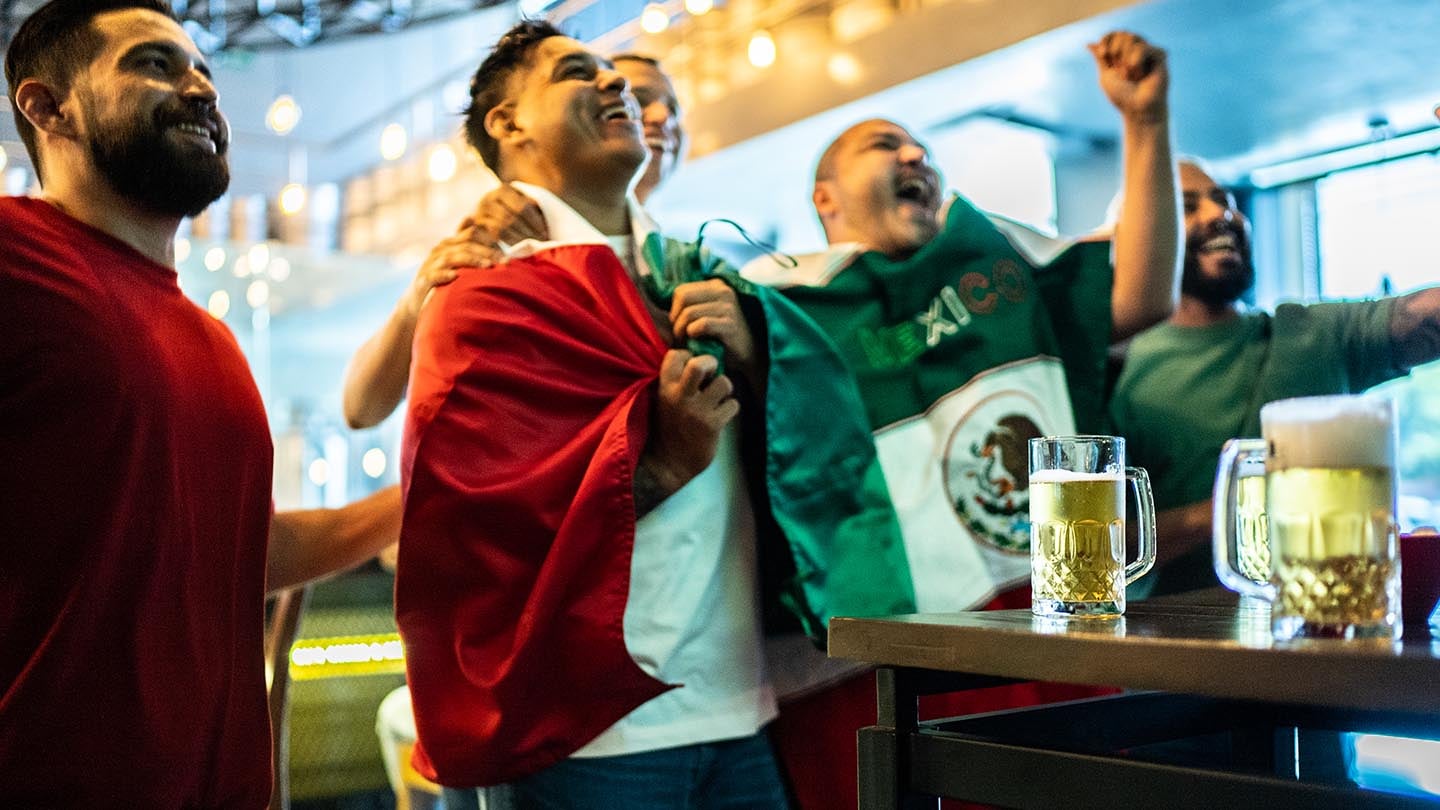
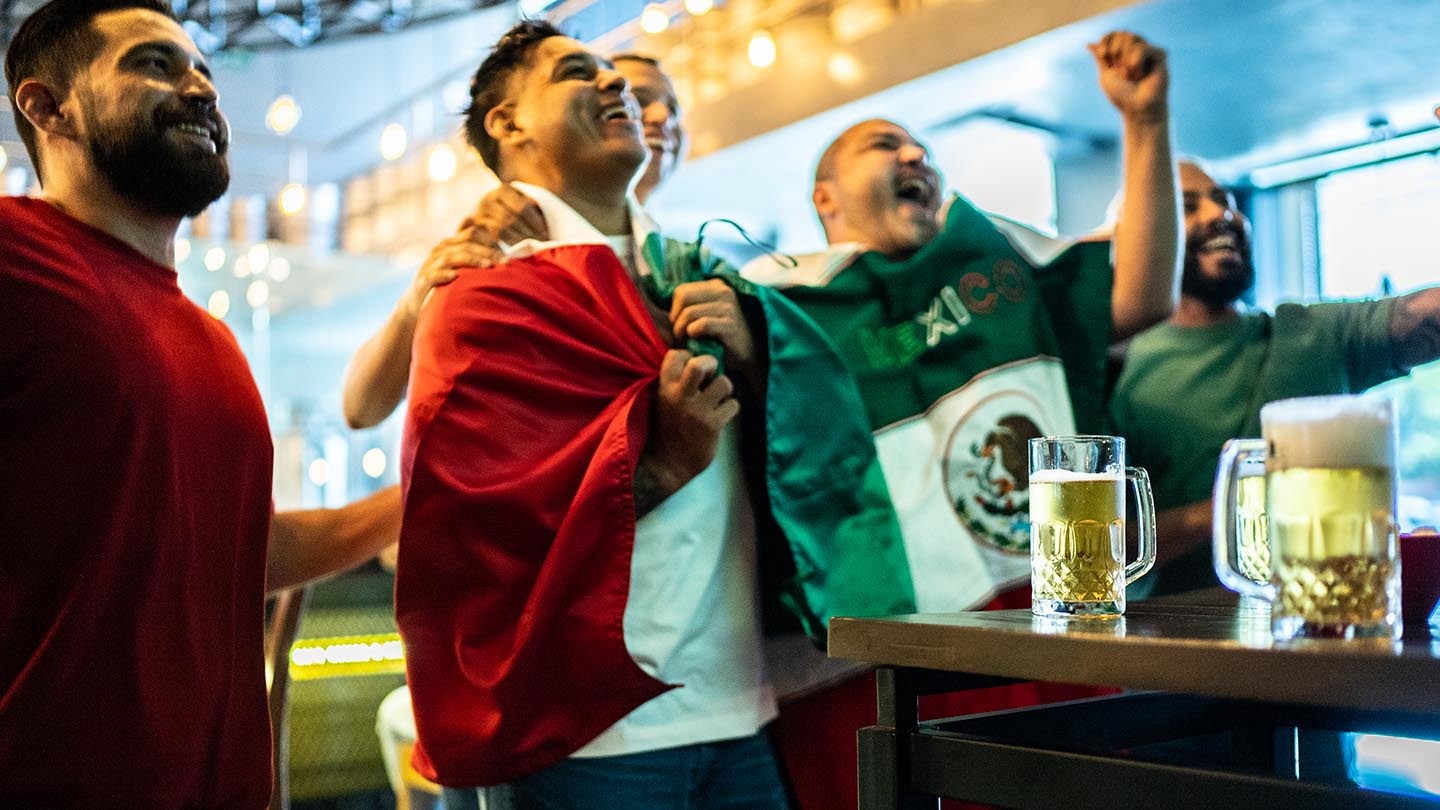
      In this zero-click search environment, sports sponsorships remain one of the few scalable ways to build emotional connection, cultural relevance, and commercial preference—before the moment of purchase.

      This reality is fueling a surge in investment; the global sports sponsorship market is projected to reach $100 billion by 2029, according to Technavio. North America alone accounts for 31.8% of that expansion. Brands are doubling down on sports to anchor their identities in authentic, real-world experiences that algorithms cannot replicate.

      Played right, sports sponsorships are strategic growth levers. Yet, most brands still treat them as visibility plays measured by logo placements and impressions.

      Winning brands treat sponsorships differently: They plan and measure them as strategic investment decisions, not line-item marketing tactics.

      The sponsorship performance gap

      Most CMOs struggle to identify which sponsorships deserve incremental investment and which should be cut. This uncertainty stems from a lack of reliable, performance-linked data. According to Bain’s 2026 Marketing Leaders survey (n=1,397), 58% of CFOs do not trust marketing metrics as reliable for decision making because of quality or consistency issues. Consequently, brands often underinvest in sponsorships that connect with target audiences in cost-effective ways.

      Sponsorships are not standard media buys. They are platforms for “in real life” (IRL) experiences and emotional connections that AI can’t replicate. As AI commoditizes information access, brand differentiation is shifting from information advantage to emotional affinity and remembered experiences.

      When designed correctly, sponsorships build preference and long-term commercial value that outlasts digital campaigns. Sports, in particular, offer an unbeatable triad: sustained attention, emotional investment, and real-world experience at scale.

      The sponsorship opportunity

      AI has fundamentally changed the path to purchase. Sixty-five percent of Google searches are now zero-click. And the number of consumers who start their shopping journeys on an AI platform leveraging a large language model has nearly tripled since December 2025, rising from 5% to 14%, according to Bain’s Generative AI US tracker by Occam.

      Brands can’t count on simply being “found.” Preference must be built before the moment of search.

      Enter sports. Sports sponsorships designed as experiences create emotional memory structures that influence choice long before an algorithm is consulted. For example, rather than running a passive TV ad during Super Bowl LVII (2023), Roblox hosted a Super Bowl concert in the metaverse. It drew 7.5 million visits in one week, building brand affinity through participation rather than observation.

      Sports sponsorships stand out as one of the few remaining environments where:

      • Attention is intentional and sustained.
      • Communities are emotionally invested.
      • Brands can show up physically, experientially, and credibly.

      The shift from exposure to participation

      While sports sponsorships are uniquely suited to anchor IRL strategies, many CMOs struggle to connect cost to impact. That’s because they optimize deals around exposure rather than experience and participation.

      Well-designed sponsorships create emotional resonance and moments customers can feel, not just see. Unlike temporary campaigns, these moments live on through social sharing, earned media, and storytelling—long after the final buzzer sounds.

      Winning sponsorship strategies

      Leading brands design sponsorship strategies around the experience they want customers to feel and remember. Those IRL moments become fuel for ongoing social conversations and earned media attention.

      The American Express/National Football League (NFL) partnership provides a blueprint for this model. As of the 2026 season, American Express is the NFL’s official payments partner. More important than paid logo placements, this strategy gives American Express a direct link to share-of-wallet and transaction frequency.

      Through the partnership, American Express cardholders gain tangible benefits, such as ticket presales, priority stadium entrances, dedicated lounges, and access to special events. Those sponsorship activations:

      • Incentivize spend: Exclusive access is tied to card use, driving interchange revenue.
      • Increase frequency: American Express becomes the top-of-wallet choice for game day (and year-round) purchases.
      • Cultivate lifetime value: High-touch experiences foster loyalty and reduce churn.

      American Express also uses the partnership to build relationships with early-stage high-net-worth (HNW) individuals on athlete and management rosters. It’s capturing the attention and loyalty of elite prospects before their wealth is fully realized.

      Where’s the commercial value?

      Sports sponsorships can directly benefit the bottom line through category growth, direct revenue, and long-term brand equity. Consider:

      • Under Armour and Stephen Curry: By building a signature line around Curry, Under Armour unlocked explosive growth. In 2016, the company reported a 95% increase in fourth-quarter footwear revenue, citing the Curry line as a key player. Even though the partnership has ended, Under Armour estimates its basketball segment will generate $100–$120 million in revenue in fiscal 2026.

      • Home Depot’s Orange Apron Media: Home Depot uses its in-house retail media network to bridge the gap between stadium engagement and checkout, using customer data to connect ESPN College GameDay impressions to specific purchases.

      • P&G “Thank You, Mom”: In a legacy example, P&G shifted from selling commodities to celebrating the shared experience of motherhood during the Olympics. Its 2010 campaign drove $500 million in global incremental sales.

      The new scorecard for sports sponsorships

      Sponsorships “fail” because they lack measurement, not creativity. According to Bain’s 2026 Marketing Leaders survey, more than half (51%) of CFOs cite “reliable measurement and attribution” as one of marketing’s most critical improvement areas.

      This failure often comes from a lack of visibility into total spend across a busy activation calendar. And it’s compounded by the absence of a unified measurement framework to isolate incremental sales. Without a source of truth tailored to the nuances of sponsorships, CMOs often default to traditional metrics—placing too much stock on partner-reported statistics rather than revenue outcomes.

      To close the measurement gap, brands need a three-tiered framework for sponsorship evaluation that considers:

      • Brand impact: Shifts in “share of mind,” measured by brand lift and Net Promoter Scores.
      • Engagement: Measured by participation rates, attendance, and social listening tools.
      • Commercial outcomes: Sales lift, conversion, retention, and lifetime value.

      The burden of proof

      Without a rigorous test-and-control design, sponsorship ROI is merely an opinion. Leading firms test their sponsorship programs against well-defined control groups to gain certainty around their investments.

      Bain & Company used this model to help a leading global wealth management firm evaluate a sports hospitality sponsorship. The firm invited a segment of HNW clients to events while holding back a matched control group. The results were clear: Over several years, attendees’ assets under management increased meaningfully compared to the control group, and repeat attendees showed significantly higher inflows and lower attrition.

      In one year, incremental net new assets attributable to the program exceeded $50 million, more than justifying the sponsorship cost. The study proved that, with discipline, sponsorship is a measurable engine for growth.

      How to create sponsorships that drive business outcomes

      Success requires an IRL-first approach, executed through a disciplined, three-step playbook:

      1. Define the outcome, not the asset

      Pursue partnerships with clear commercial intent, not because a sponsorship is available or a favorite team is located nearby. Before signing, identify business aims, such as building cultural credibility, category preference, lifetime value, or relationship capital.

      Since becoming the Super Bowl Halftime Show sponsor, Apple Music has exemplified this outcomes-first approach. Rather than settle for pure promotion, it has turned the 13-minute broadcast opportunity into a multiweek, music-first experience. Apple Music offers behind-the-scenes access to artists and hypes the show with athlete-curated playlists. It also converts artist albums to enhance at-home listening and adds “karaoke mode” to encourage interaction—using the sponsorship platform to connect its technology to a key cultural moment.

      2. Apply an authenticity test

      Sponsorships should feel like authentic and natural extensions of a brand’s core values. To protect the brand and manage reputation risk, CMOs must apply a rigorous authenticity test, asking: Does this partnership feel like an organic fit?

      Red Bull provides the ultimate case study in authenticity. The brand didn’t just sponsor a cultural phenomenon; it embedded itself inside one. Red Bull staked its reputation on extreme sports early, finding a niche where it could build deep cultural affinity. The approach worked so well it moved from sponsorship to ownership, now controlling its own Formula One team and a global portfolio of proprietary events. By owning the intellectual property, Red Bull protects the brand from being diluted or misaligned.

      3. Design for experiences, not impressions.

      In the new playbook, impressions are a byproduct of experiences that consumers choose to share.

      Experience-led activations often deliver differentiated value (e.g., early or exclusive entry), natural amplification (e.g., Instagram-worthy moments), and hybrid inclusion that bridges the gaps between in-person fans and at-home viewers. Experience-first activations also benefit from extended engagement periods, since narratives start building before and continue long after the main event.

      Next steps for CMOs

      In a zero-click world, experience is the new performance channel. Brands must engineer moments that audiences feel compelled to share, turning passive viewers into active brand advocates.

      The call to action isn’t simply to spend more; it’s to design, activate, and measure sponsorships with a new level of rigor. CMOs who close the measurement gap will do more than justify a line item. They will build brand preference that drives bottom-line performance—and survives an AI-driven sales journey.

      The sponsorship game has changed. Future winners will behave less like traditional advertisers and more like experience architects. Instead of pursuing visibility, they’ll anchor their brands in “uncommoditizable” experiences.

      In an AI-mediated world, high-impact sponsorships determine who captures demand and who is left fighting over an algorithm’s scraps. Brands that win won’t simply be the easiest to find. They will be the hardest to forget.

      Autoren
      • Headshot of Alice Milligan
        Alice Milligan
        Advisor
      • Headshot of Laura Beaudin
        Laura Beaudin
        Partner, San Francisco
      • Headshot of Brian Dennehy
        Brian Dennehy
        Partner, Seattle
      • Headshot of FIRST LAST
        John Beale
        Expert Senior Manager, Minneapolis
      Kontaktieren Sie uns
      Ähnliche Beratungsangebote
      • Brand Strategy
      • Go-to-Market Strategy
      • Kundenstrategie und Marketing
      • Modern Marketing
      Kundenstrategie und Marketing
      New Life for Life Insurance: Revitalizing Industry Growth

      Aligning marketing and distribution can bridge the life insurance coverage gap and boost industry growth.

      Mehr erfahren
      Kundenstrategie und Marketing
      Does a Purpose Help Brands Grow?

      There’s a distinct path to differentiating a brand by delivering higher-order Elements of Value®.

      Mehr erfahren
      Kundenstrategie und Marketing
      Automation Reaches Sales and Marketing Operations

      The technologies are helping to reduce labor costs, cycle times, and errors.

      Mehr erfahren
      Kundenstrategie und Marketing
      Banks’ ESG Efforts Can Boost Sales—Assuming Consumers Know

      Banks that pursue ESG initiatives should crisply define their ambition and selectively step up communications to customers.

      Mehr erfahren
      Kundenstrategie und Marketing
      Corona-Pandemie beschleunigt Digitalisierung bei Haushaltsgeräteherstellern

      Der wachsende Onlinehandel erfordert die Integration digitaler Absatzkanäle.

      Mehr erfahren
      First published in Juni 2026
      Markierungen
      • Brand Strategy
      • Go-to-Market Strategy
      • Kundenstrategie und Marketing
      • Modern Marketing

      Wie wir unsere Kunden unterstützt haben

      Change & Implementation A Go-to-Market Redesign Helps a Tech Company Thrive

      Kundenbeispiel lesen

      Kundenstrategie und Marketing A sweet new branding strategy

      Kundenbeispiel lesen

      Kundenstrategie und Marketing A major retailer rejuvenates sales by thinking local

      Kundenbeispiel lesen

      Möchten Sie mit uns in Kontakt bleiben?

      Wir unterstützen Führungskräfte weltweit, die kritischen Themen in ihrem Unternehmen zu adressieren. Gemeinsam schaffen wir nachhaltige Veränderungen und Ergebnisse.

      Bain Insights. Unsere Perspektive auf die kritischen Themen, mit denen sich international agierende Unternehmen konfrontiert sehen, finden Sie monatlich in Ihrem Postfach.

      *Ich habe die Datenschutzerklärung gelesen und akzeptiere sie.
      Bitte lesen Sie die Datenschutzerklärung und akzeptieren Sie diese.
      Bain & Company
      Contact us Sustainability Accessibility Rechtliche Hinweise Impressum Datenschutz Cookie-Richtlinie Sitemap Log In

      © 1996-2026 Bain & Company, Inc.

      Kontaktieren Sie Bain

      Wie können wir Ihnen helfen?

      • Business inquiry
      • Career information
      • Press relations
      • Partnership request
      • Speaker request
      Alle weltweiten Büros