

Report

Written in collaboration with
Written in collaboration with

Executive summary
This is the 14th consecutive year we have tracked the shopping behaviors of Chinese consumers. Our ongoing research provides a long-term perspective on 27 categories of fast-moving consumer goods (FMCG) purchased for home consumption in China. These categories span the four major sectors of packaged food, beverage, personal care, and home care, reflecting the evolving dynamics of China’s FMCG market.
In this year’s Volume 2 report, we provide updates on the following two topics, followed by the implications for brands:
- Topic 1: Overall FMCG market performance, categories, and pricing in China for the first three quarters of 2025 (year-to-date [YTD] Q3)
- Topic 2: In-depth channel dynamics shaping near-term growth trajectories
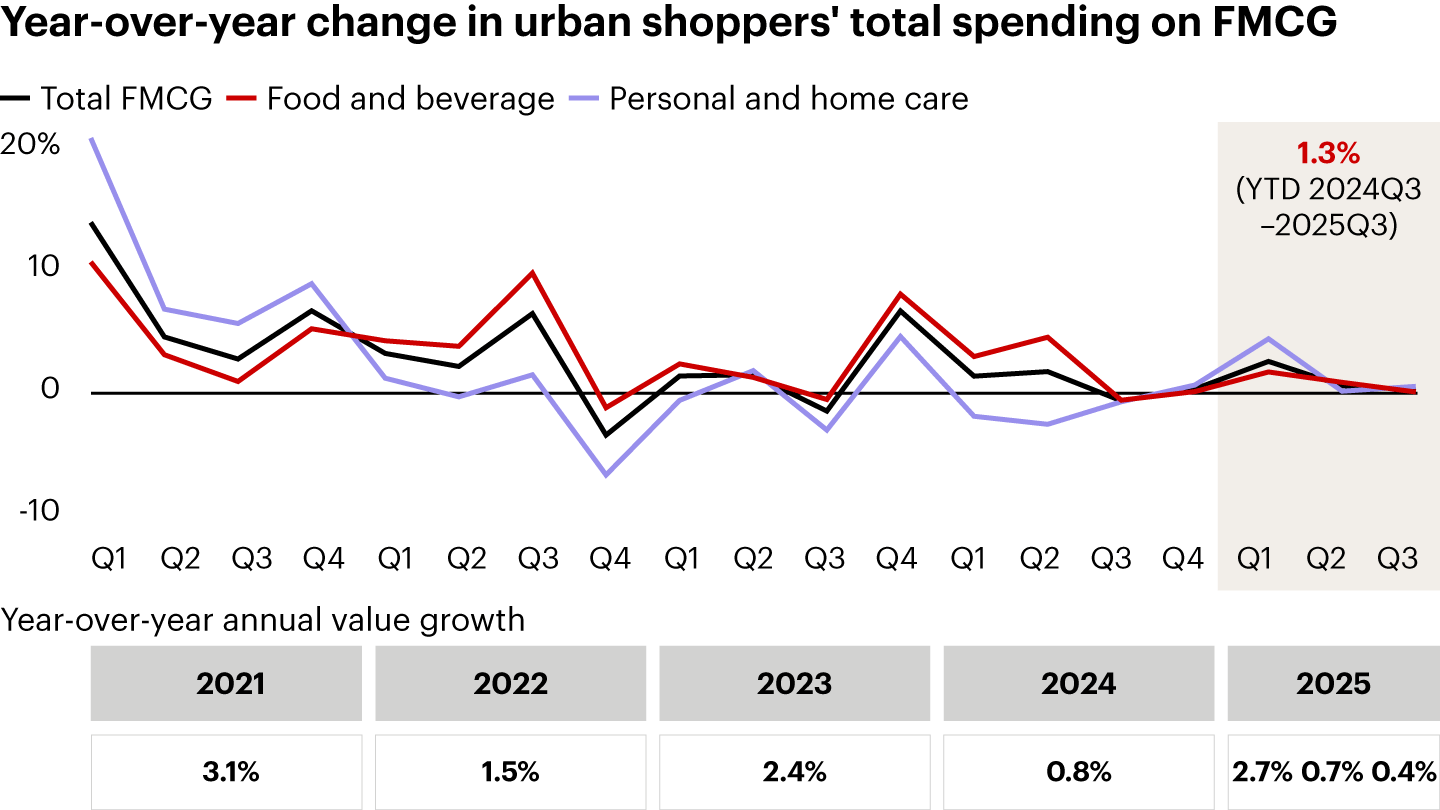
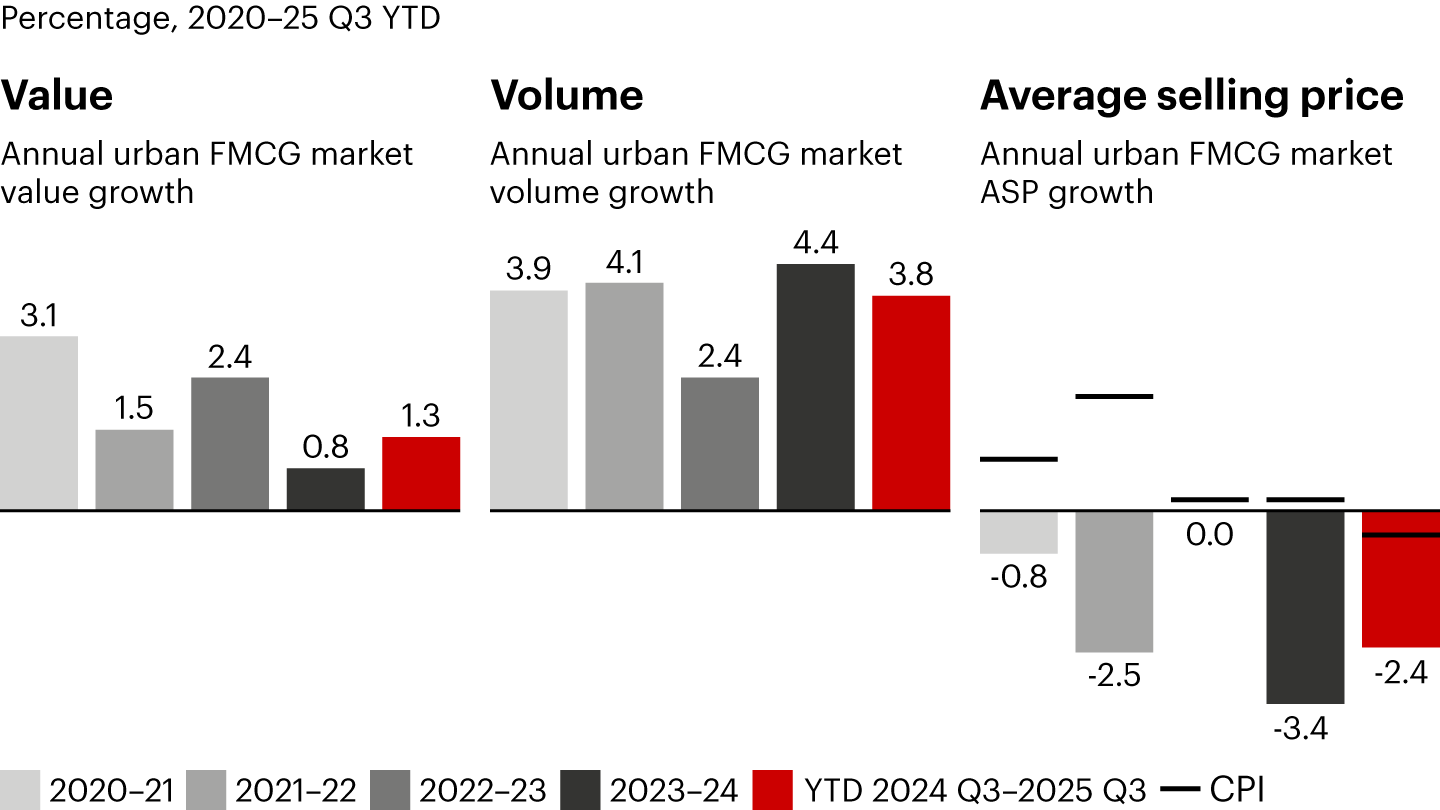
After a weak 2024, China’s FMCG market showed signs of stabilization in 2025. Total FMCG spending grew +1.3% YTD Q3, supported by +3.8% volume growth and a −2.4% decline in average selling price (ASP). After a strong Q1 (+2.7% year over year), FMCG growth moderated to +0.7% in Q2 and +0.4% in Q3. Consumer sentiment remained lukewarm, despite continuous policy support.
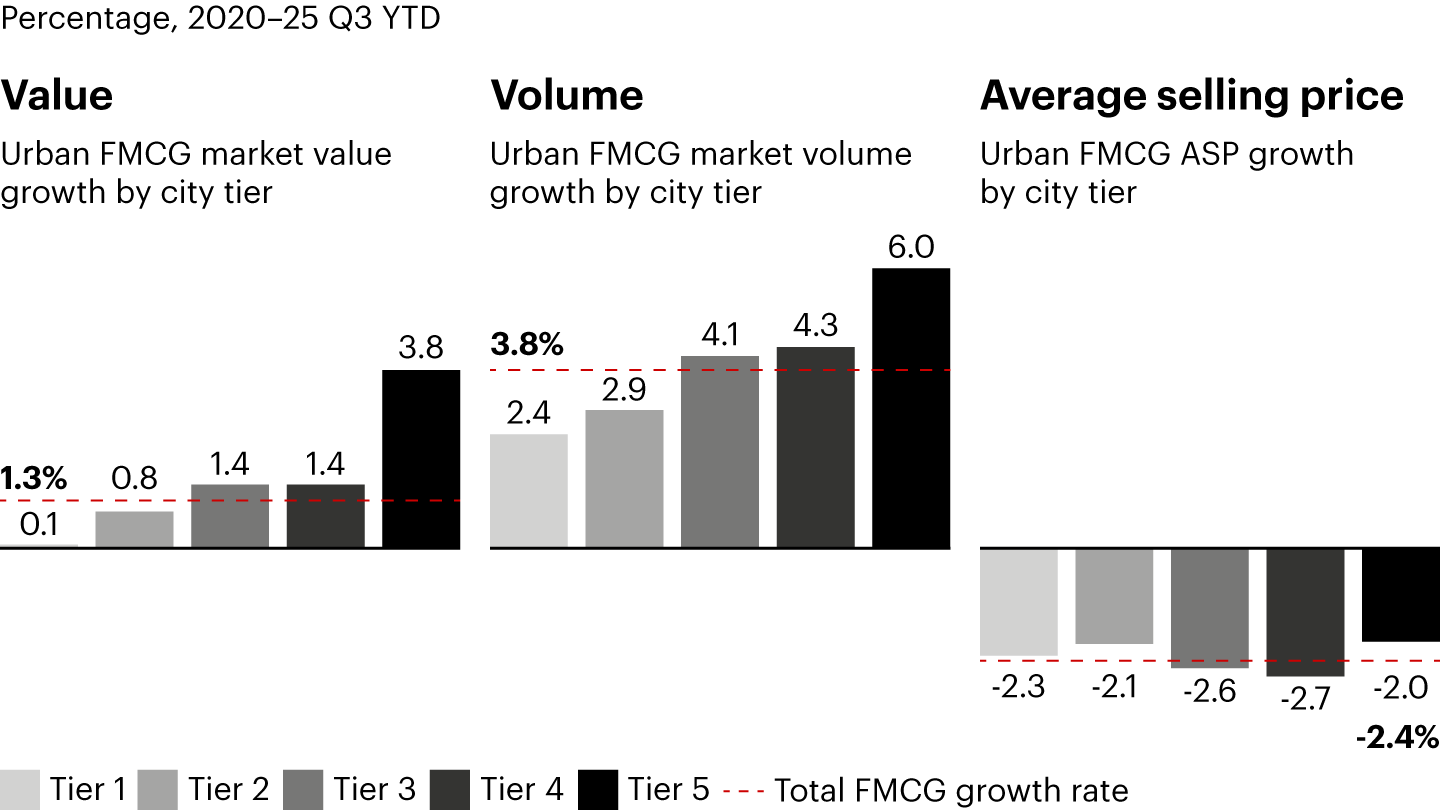
Lower-tier cities (Tiers 3–5) accounted for roughly 80% of market expansion, driven by continued urbanization, deeper brand penetration, and greater access to emerging channels such as snack collection stores and online to offline (O2O). These markets also benefit from relatively lower living costs compared with high-tier cities, further supporting consumption growth. Meanwhile, Tier 1–2 cities remained flat amid slower macro recovery and consumption downgrading.
Across sectors, packaged food (+3.4%) and home care (+3.3%) led market growth, while personal care (+1.1%) saw modest gains and beverages (-1.1%) turned negative in Q2 and Q3 amid rising price competition and increasing substitution by freshly made drinks.
Price deflation, which accelerated through 2024 (−3.4%), began to ease in 2025 (−2.4%), reflecting the emergence of a new normal where consumers balance price and quality more thoughtfully in some categories.
On the channel front, offline formats remained under pressure overall, but emerging demand generation channels—membership stores, snack collection stores, discount stores—expanded rapidly, posting +40%, +51%, and +92% year-over-year growth, respectively. Similarly, O2O channels rebounded strongly in 2025, up +7.9% year over year in Q3 after last year’s decline, driven by rising penetration (+4 percentage points) and higher purchase frequency (from 4.7 to 5.5 per quarter, +17%). Meanwhile, online channels increased by +7%, and online penetration rebounded slightly to 39% (from 37% in 2024), led by Douyin (抖音) and Pinduoduo (拼多多), which now contribute over 40% of total FMCG e-commerce sales.
A look back on the first three quarters of 2025
For the first three quarters of 2025, China’s FMCG market recorded modest YTD growth of +1.3%. Volume rose +3.8%, partially offset by a −2.4% decline in ASP. Quarterly trends show that momentum was strongest in Q1 (+2.7%) as some macroeconomic indicators improved, the government announced policies to support domestic consumption, and there was robust spending during the Chinese New Year period. Growth then moderated to +0.7% in Q2 and +0.4% in Q3, as broader economic activity softened and household sentiment weakened (see Figure 1).
Figure 1

Notes: FMCG is fast-moving consumer goods; Worldpanel updated the consumer universe in 2022 and 2023, leading to some inconsistencies with previous years‘ data; YTD 2024 Q3 refers to 30 Dec 2023 to 6 Sep 2024; YTD 2025 Q3 refers to 28 Dec 2024 to 5 Sep 2025
Sources: Worldpanel; Bain analysisVolume remained the primary driver of growth, while price deflation moderated
There were clear signs of price deflation stabilizing, with the rate improving from −3.4% FY2023–24 to −2.4% YTD 2025 Q3 (see Figure 2). This moderation was supported by a contraction in promotional intensity—overall promotion share fell from 24.1% to 23.0%. Personal care and home care, in particular, saw noticeable declines in promotion rates (−1.8 ppts and −1.4 ppts, respectively), reflecting consumers’ more thoughtful balance between price and quality in some categories, rather than simply seeking the lowest price at all times, and brands’ more disciplined promotion and price management.
Figure 2

Notes: ASP is average selling price based on RMB per kg/L, except that diapers and sanitary pads are per piece, skin care and makeup are per pack, facial tissue and toilet tissue are per 100 sheets/rolls; CPI is consumer price index
Sources: Worldpanel; National Bureau of Statistics; Bain analysisLower-tier cities emerge as pivotal engines for market growth
Tier 3–5 cities accounted for around 80% of total FMCG market expansion in 2025, with volumes rising 4%–6% and helping to offset 2%–3% ASP declines (see Figure 3). This growth was driven by continued urbanization, resilient local consumption, and deeper penetration by retailers and FMCG brands, which increasingly view these low-tier markets as the next key growth frontier. Retail formats such as snack collection stores and O2O have gained traction in low-tier cities, providing new routes to market and accelerating demand conversion. Local consumers have also benefited from lower living costs, compared to consumers in higher-tier cities.
Figure 3

Notes: ASP is average selling price; Tier 1 cities: Beijing, Shanghai, Guangzhou; Tier 2 cities: province capitals excluding Beijing, Shanghai, and Guangzhou, including Tianjin, Chongqing, Shenzhen, Dalian, Qingdao; Tier 3 cities: prefecture-level cities, excluding Dalian and Qingdao; Tier 4 cities: county-level cities; Tier 5 cities: the residences of the county governments
Sources: Worldpanel; Bain analysisTogether, these dynamics are reshaping China’s FMCG growth map, positioning Tier 3–5 cities as the primary drivers of volume recovery while competition intensifies in mature urban centers.
Category update: Packaged food, home care, and personal care sustain growth while beverage downturn deepens
Across the four major FMCG sectors, packaged food led growth in the first three quarters of 2025 with a +3.4% value increase, driven by stable demand in core staples and snacking categories (see Figure 4). Home care followed with growth of +3.3%, supported by resilient hygiene demand and steady household consumption. Personal care showed early signs of recovery (+1.1%) after several years of decline, buoyed by a Q1 rebound (+3.8%) before stabilizing in subsequent quarters. In contrast, beverages saw a notable downturn (−1.1%) as intensified competition and price cuts weighed on overall value growth.
Figure 4
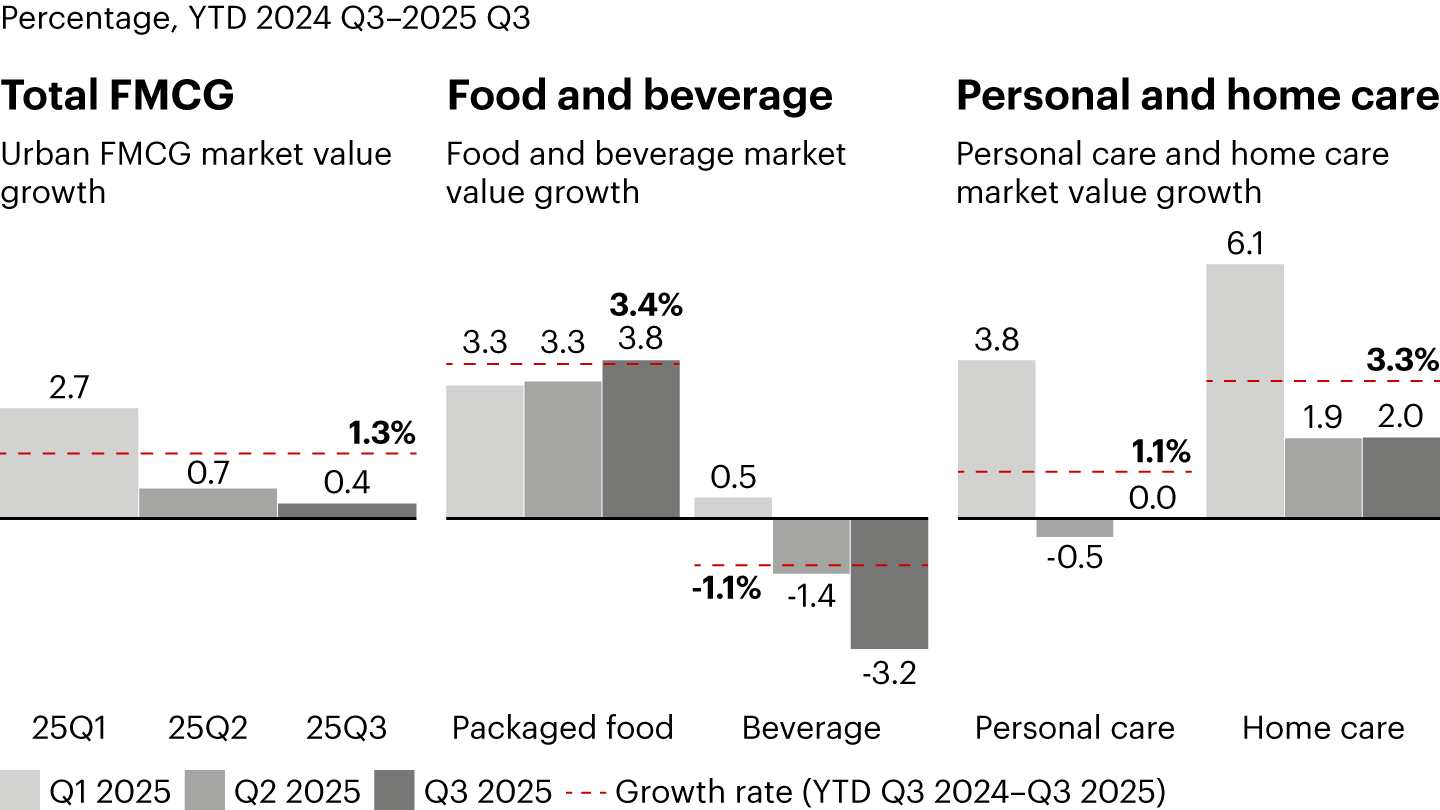

Packaged food maintained overall growth of +3.4%. Volume growth moderated from +4.6% in Q1 and +4.2% in Q2 to +2.9% in Q3 (year over year), signaling early signs of deceleration. Meanwhile, ASP—which had been declining since 2024 (−0.6% in 2024, −1.3% in 2025Q1, −0.9% in Q2)—rebounded to +0.9% in Q3, indicating a gradual recovery in pricing. Growth was supported by steady demand in core staples and snacking categories, but momentum slowed as consumers traded down to more affordable pack options amid lingering price sensitivity.
Instant noodles delivered solid value and volume growth (both +5.9%), supported by rising sales from emerging channels such as snack stores, O2O, and e-commerce. This category has also seen some share gain from other convenient food categories, and new product innovations from brands, such as A-Kuan (阿宽), that capture consumers’ refined demands, driving up the prices despite lower-priced competition. Nutrition supplement sustained its strong growth momentum (+5.3%), driven by continued consumer focus on health and wellness and expanded product penetration. Infant formula showed a modest recovery (+1.7%), reflecting an impact from last year’s baby boom (Year of the Dragon). Chocolate and candy continued to decline (−2.9% and −5.1%, respectively), weighed down by growing health awareness, smaller pack sizes, and reduced purchase frequency. Rising cocoa prices further compressed margins to manufacturers. Over the longer term, a shrinking child population poses additional structural headwinds for these categories.
Beverages recorded the weakest performance among the four major categories (−1.1%). Although volume rose by 3.6% in YTD 2025 Q3, ASP persistently decreased (−4.6%) (see Figure 5). This price deflation was driven by a combination of factors: heightened brand competition, such as in packaged water; growing price pressures from emerging channels; and the ongoing substitution effect of freshly made drinks (FMDs) amid the “O2O delivery war.”
Figure 5
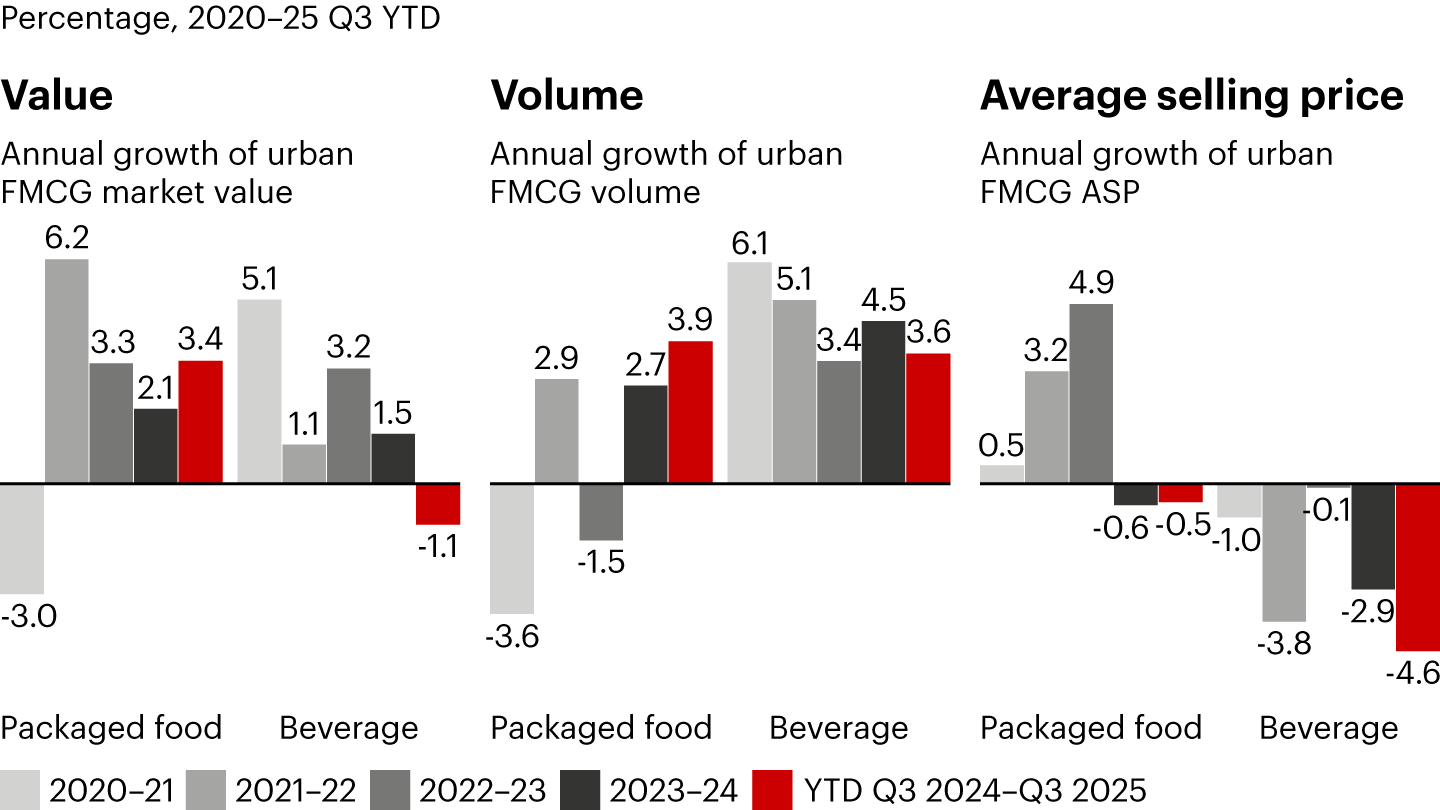

Note: ASP is average selling price
Source: Worldpanel; Bain analysisAmong the beverage categories, milk and yogurt saw the steepest declines (−6.4% and −5.8%, respectively), with volume down −3.3% and −2.3%, and ASP down −3.2% and −3.6%, respectively. Oversupply of raw milk and fierce competition continued to weigh on prices, while consumers traded down or switched toward lighter, plant-based, or juice alternatives in response to softer household spending. Instant coffee recorded a −0.4% decline. While prices remained relatively resilient (+0.7%), volume dropped by −1.1%. This downturn can be attributed to intense competitive pressure from freshly brewed coffee chains and other beverage newcomers, such as tea-based drinks, which are also vying for consumers’ share of throat.
Conversely, juice recorded the strongest growth in the beverage category (+19.2%), up +14.9% in volume and +3.7% in ASP, as consumers continued to favor health-positioned and freshly blended juices such as NFC (not-from-concentrate) and HPP (high-pressure processing) chilled variants. Beer delivered +5.3% growth (+4.6% volume, +0.7% ASP), with a divergence: In-home consumption stayed stable among value-seeking “beer veterans,” while out-of-home growth was driven by younger drinkers seeking lighter styles and social experiences. Premium and craft beer products still outperformed, underscoring the role of quality, packaging, and experience even amid deflation. Packaged water (+4.9%) and ready-to-drink (RTD) tea (+2.4%) both achieved solid volume growth (+8.8% and +4.5%, respectively) but saw ASP declines (−3.6% and −2.0%) amid intensified price competition, as major players further pushed down pack prices in lower-tier cities. At the same time, category boundaries are blurring as RTD tea, instant coffee, and FMDs compete for similar consumption occasions.
Overall, FMDs continued to capture share from packaged beverages, combining freshness, affordability, and O2O convenience. Brands such as Mixue (蜜雪冰城) remained price-competitive with RTD tea and soda, reinforcing the trend toward affordable indulgence and accessible trade-up options among consumers in lower-tier cities.
Personal care recorded +1.1% value growth in YTD 2025 Q3, marking a turning point for the category after three consecutive years of decline (−4.8%, −2.0%, −2.3% in the three years) (see Figure 6). Growth was driven by a strong Q1 rebound (+3.8%), supported by larger pack purchases in affordable segments. The momentum softened through Q2–Q3 (−0.5% and 0%, respectively), but the overall trend still indicates a shift toward recovery rather than continued decline.
Figure 6
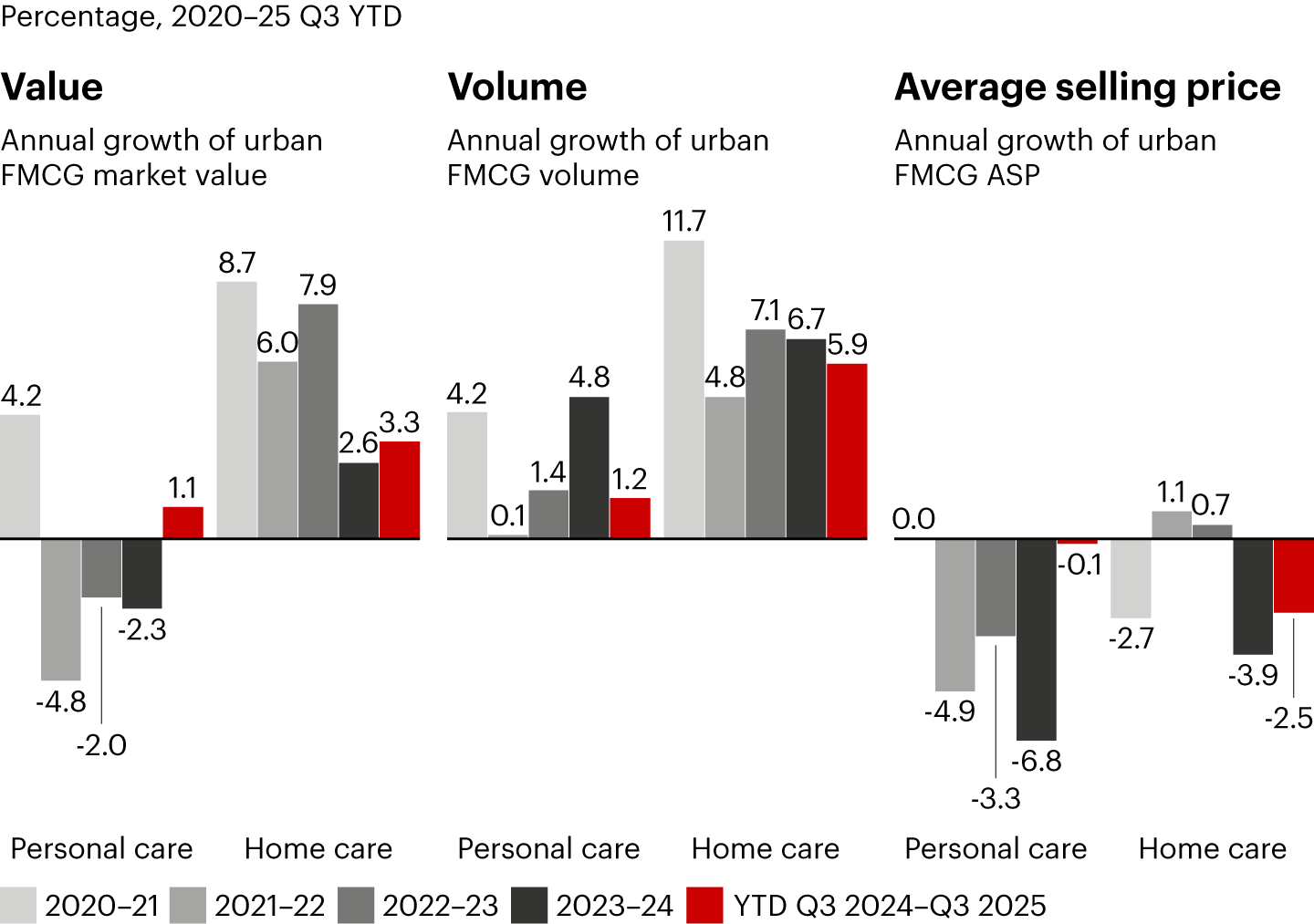

Note: ASP is average selling price
Sources: Worldpanel; Bain analysisMakeup recorded the strongest rebound across personal care (+6.3% in value and +14.5% in volume), driven by the clearance of Covid-era overstock as consumers returned to a normal repurchase cycle and reactivated demand from viral content engines such as Douyin (抖音) and Xiaohongshu (小红书). However, sustained cross-platform discounting and mass brand entry continued to drag down ASPs (−7.2%). Skincare maintained mild growth (+1.5%), with strong volume growth (+7.1%) despite ASP decline (−5.2%). Local brands have gained further traction by promoting their proposition of delivering similar efficacy paired with luxury brands but at more accessible prices, intensifying competition and pressuring ASPs. Toothpaste (+3.8%) was the only exception to the deflationary trend, with growth in both volume (+3.4%) and ASP (+0.4%). Growth was fueled by premiumization, expansion through interest e-commerce platforms like Douyin (抖音), and continuous consumer education to address core pain points, generate new demand, and meet more advanced care needs. Leading brands—including Colgate (高露洁, whitening), Yunnan Baiyao (云南白药, gum care), and Sensodyne (舒适达, sensitivity relief)— led the category with clear functional positioning. Other categories such as shampoo and personal wash, showed moderate volume recovery but continued to face price pressure and slow premium trade-up amid intensified competition and cautious household spending.
Home care maintained a steady growth of +3.3% in YTD 2025 Q3. As with personal care, much of this momentum stemmed from a strong surge in Q1 (+6.1%) supported by increasing household purchases in affordable segments. Despite these gains, ASP across all home care categories declined, reflecting consumers’ ongoing focus on value when purchasing everyday essentials.
Toilet tissue was in decline (−5.8%), with both volume (−2.8%) and ASP (−3.1%) falling year-on-year. The decreases were driven by consumer migration toward emerging subsegments with more specialized functions, like wet tissues, which provide a superior user experience and are reshaping category boundaries. Facial tissue continued to lead category growth (+5.4%), up +8.4% in volume and +5.4% in value, supported by expanded use occasions and rising penetration in lower-tier cities. Fabric detergent (+1.4%) and kitchen cleaner (+3.5%) both maintained solid growth in volume (+3.1% and +5.8%, respectively), benefiting from improved hygiene habits and product innovation (e.g., concentrated liquids and multipurpose cleaners). However, ASP remained under pressure amid intense price competition and frequent online promotions.
Two-speed phenomenon: In 2025 YTD, the two-speed phenomenon persisted in the FMCG market (see Figure 7). Fast-growing categories are now increasingly related to hygiene or in-home cooking such as sesame oil, herb and spice sauces, juice, and functional drinks, with growth mainly driven by volume. Carryover outperformers such as sesame oil and juice remained among the most resilient growth engines, sustaining strong momentum from prior years and further reinforcing consumers’ shift toward health and wellness.
Figure 7
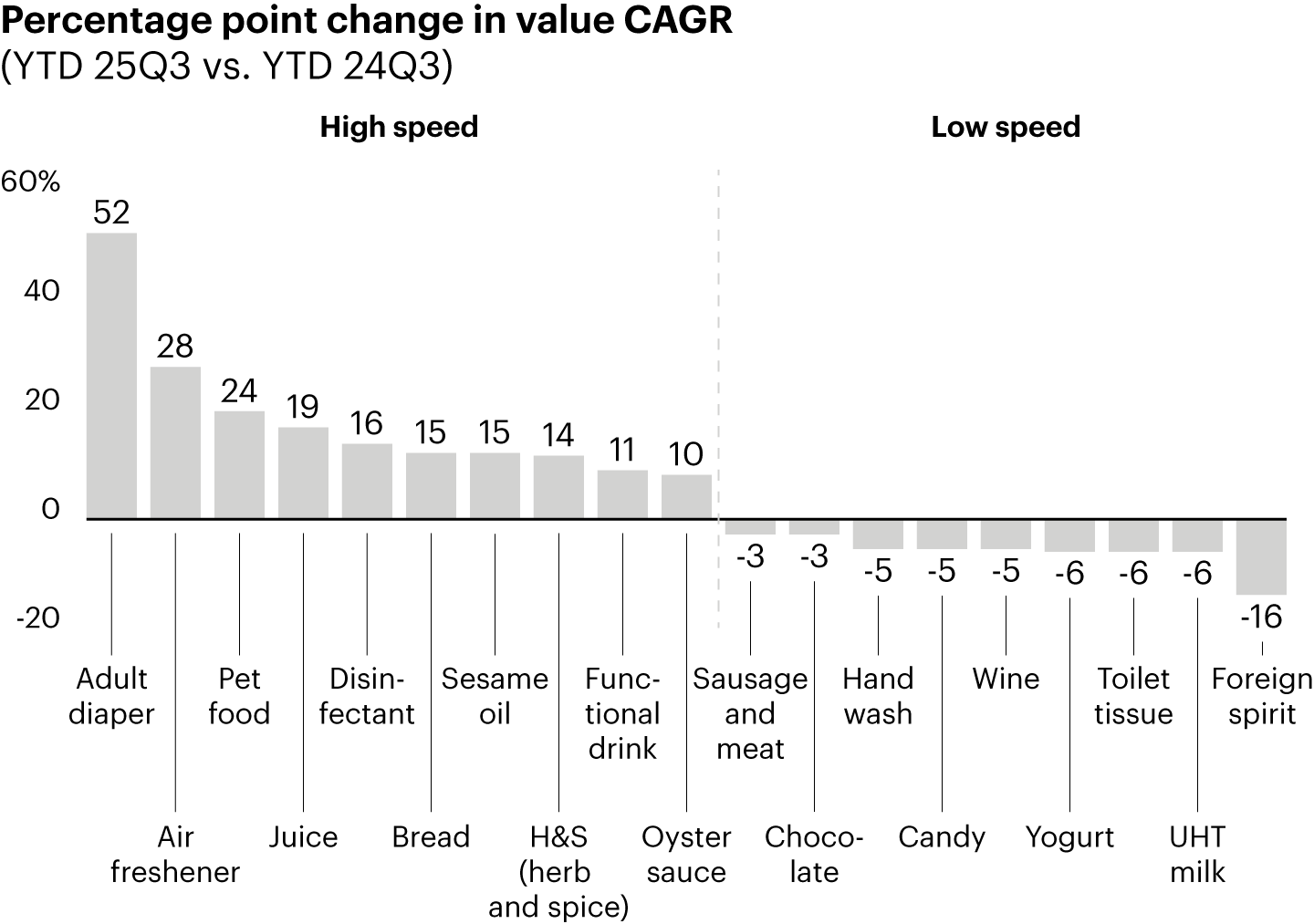

Note: UHT milk is ultra-high temperature milk
Sources: Worldpanel; Bain analysisLow-speed categories continue to see declines in both ASP and volume, such as UHT (ultra-high temperature) milk, toilet tissue, and foreign spirits, reflecting price fatigue and lower consumer engagement. Sausage and meat is the category showing a consistent decline over time.
Pricing update: Deflationary trend continued but showed signs of slowing after an acceleration in 2024
The deflationary trend that began in mid-2021 intensified throughout 2024, with ASP declining by as much as 3.4% (see Figure 8). While this downward trajectory persisted into 2025, it began to stabilize, with the annual rate of decline easing to −2.4%. This shift suggests consumers’ more thoughtful balance between price and quality in some categories, and brands’ more disciplined promotion and price management.
Figure 8
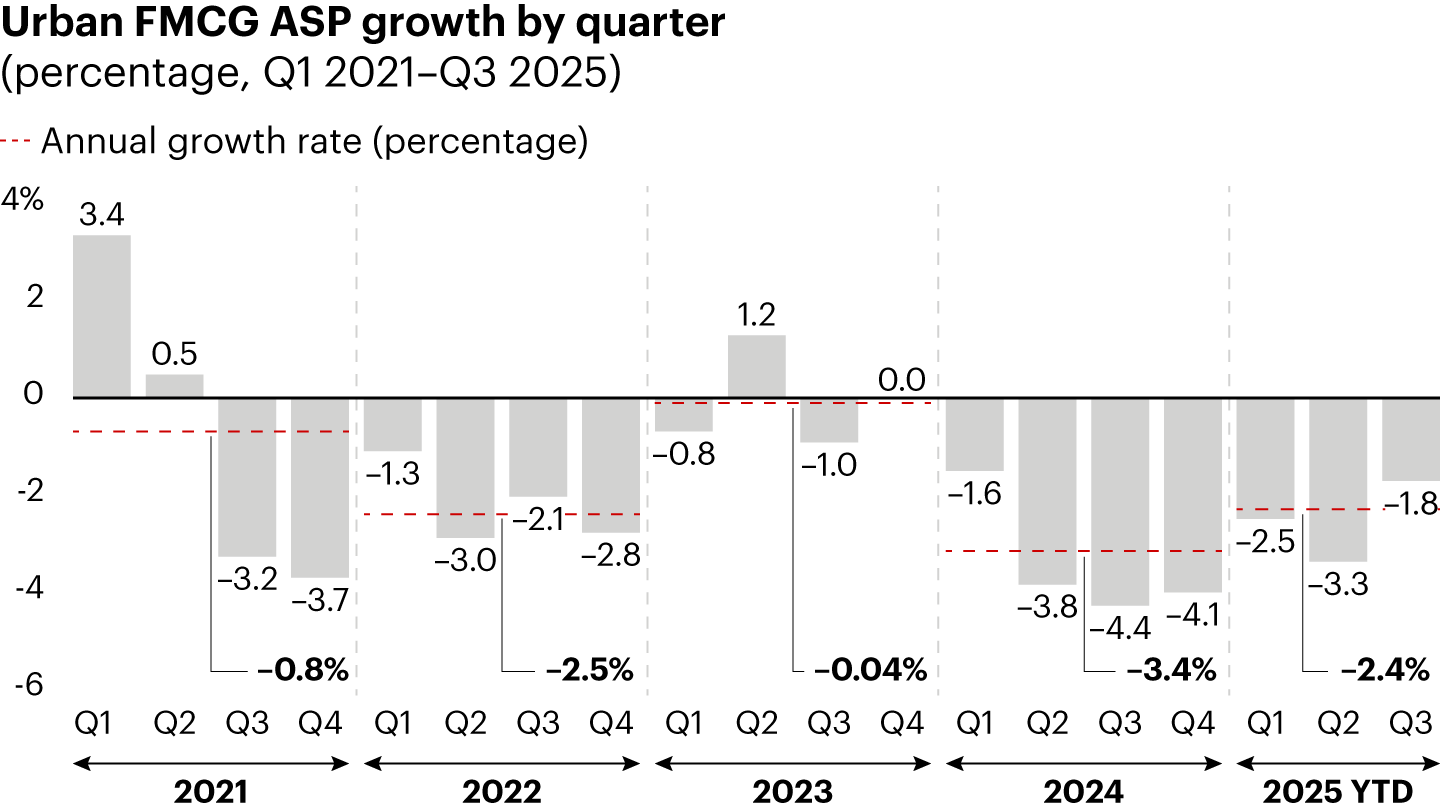

Note: ASP is average selling price
Sources: Worldpanel; Bain analysisNevertheless, price deflation remained prevalent. Out of the 27 FMCG subcategories, 19 continued to face declining prices (see Figure 9). All personal care and home care categories, apart from toothpaste, continued to face declining ASPs. Among beverage categories, around half of them, including milk, yogurt, packaged water, and RTD tea, also experienced ongoing downward pressures. Packaged food was less affected, with only chewing gum and nutrition supplements seeing notable declines; for both, the pace of price drop accelerated in 2025.
Figure 9
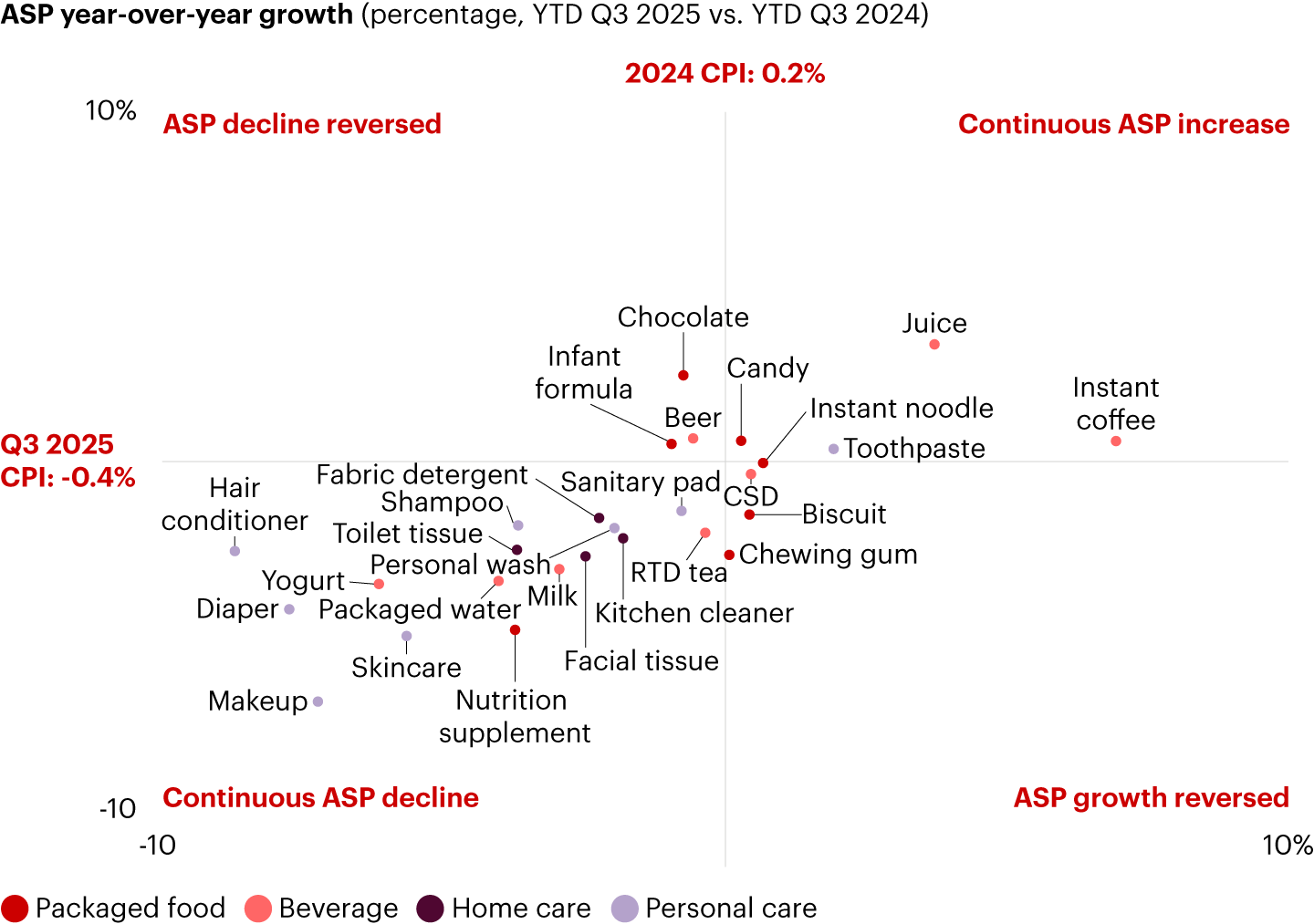

Notes: ASP is average selling price; CPI is consumer price index; CSD is carbonated soft drink; RTD is ready-to-drink
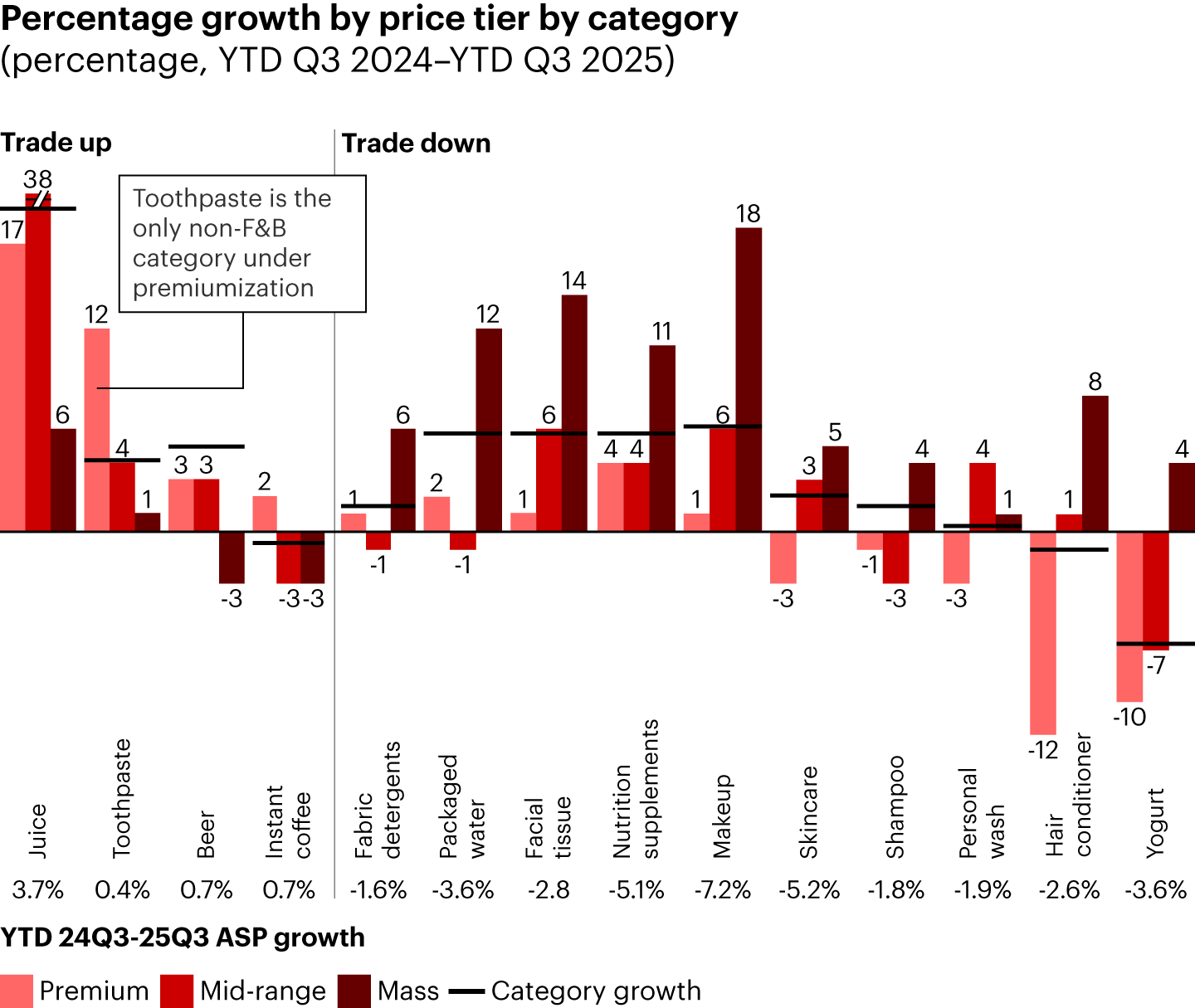
Sources: Worldpanel; Bain analysisAmid the commonly observed price deflation, select categories still maintained momentum toward premiumization. Juice stands out as a clear example, while other food and beverage categories such as chocolate also posted upward trading. Toothpaste, the only non-food category, continued its steady premiumization trend (see Figure 10).
Figure 10

Decoding emerging channel dynamics
China’s FMCG retail landscape is undergoing a structural shift. Channels are no longer passive sales endpoints but active, demand-shaping ecosystems powered by data, technology, and consumer proximity. Emerging formats such as membership stores, snack chains, discount stores, and O2O are redefining where and how consumers engage, while e-commerce continues to diversify through platforms like Douyin (抖音) and Pinduoduo (拼多多).
As consumption occasions fragment and value expectations rise, channels are playing an increasingly strategic role in influencing brand choice, shaping product offerings, and accelerating private-label development. Understanding these dynamics is critical for brands to navigate a fragmented and polarized retail landscape and capture growth in China’s next phase of demand-driven expansion.
The overall channel landscape in 2025 closely mirrors the trends observed in the previous year. Offline channels continued to contract, with traditional hypermarkets and convenience store channels showing a decline in value share within the FMCG retail market. Meanwhile, the largest channel, supermarkets and mini-stores, remained largely flat. In the offline channel, emerging formats such as membership stores (+40%), snack collection stores (+51%), and discount stores (+92%) expanded rapidly, reflecting consumers’ shift toward value-driven and experience-oriented retail formats and signaling continued channel polarization in offline retail. In contrast, e-commerce demonstrated robust momentum, with its growth rate accelerating from 2% to 7% during the first three quarters of 2025 (see Figure 11).
Figure 11
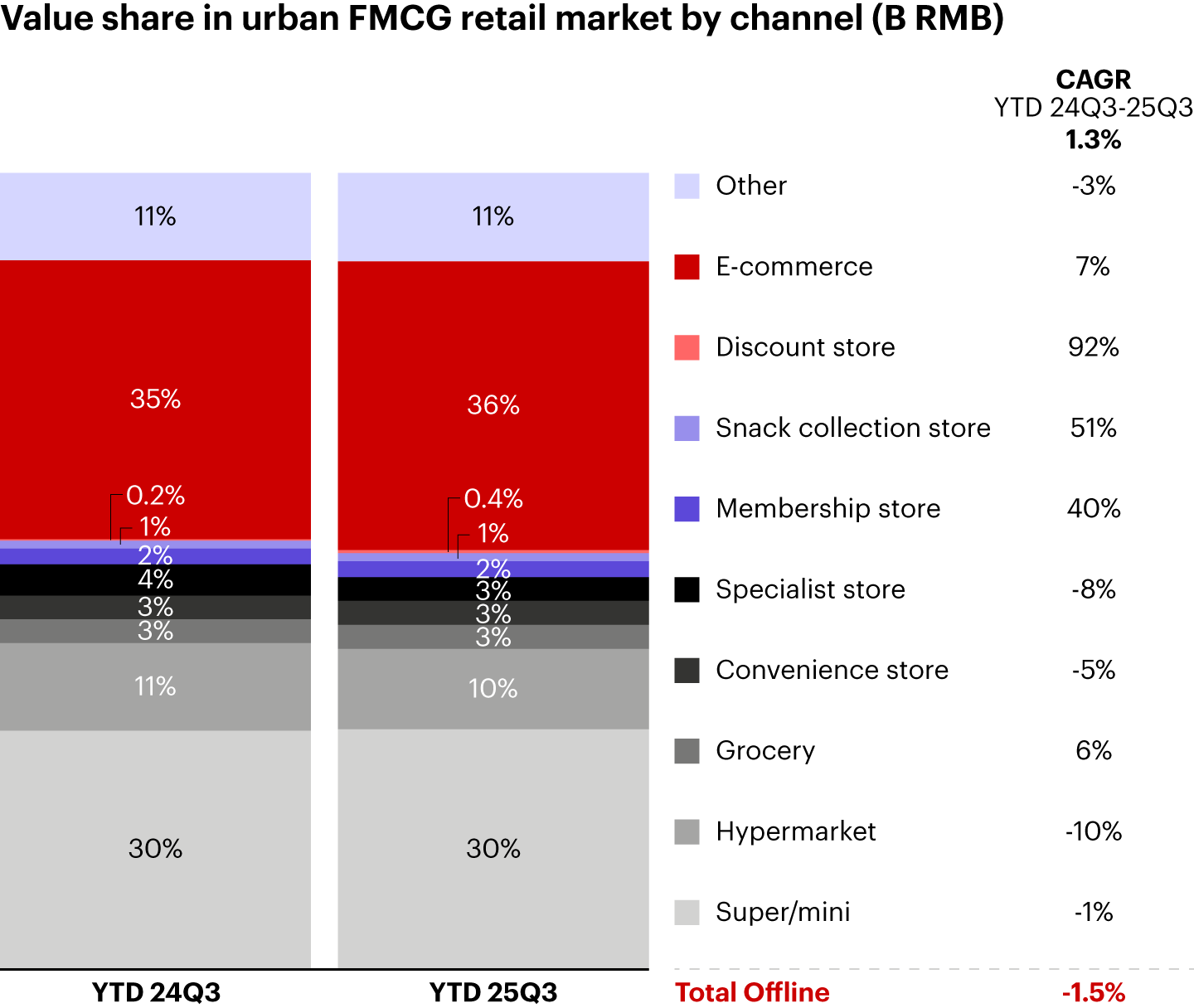

Notes: Data for emerging channels are available only after 2023; prior to 2024 tracking, membership stores were included in hypermarkets, discount stores were included in super, and snack stores were included in specialist store; O2O sales are included under relevant fulfilment channels, e.g., warehouse-fulfilled orders count as e-commerce, while store-fulfilled O2O may appear under offline formats (e.g., hyper, membership store, grocery)
Sources: Worldpanel; Bain analysisOffline channels: Although traditional offline formats such as hypermarkets and convenience stores continued to decline, new emerging channels like membership stores, snack collection stores, and discount stores have demonstrated significant growth momentum in 2025, collectively reshaping China’s offline retail channel landscape.
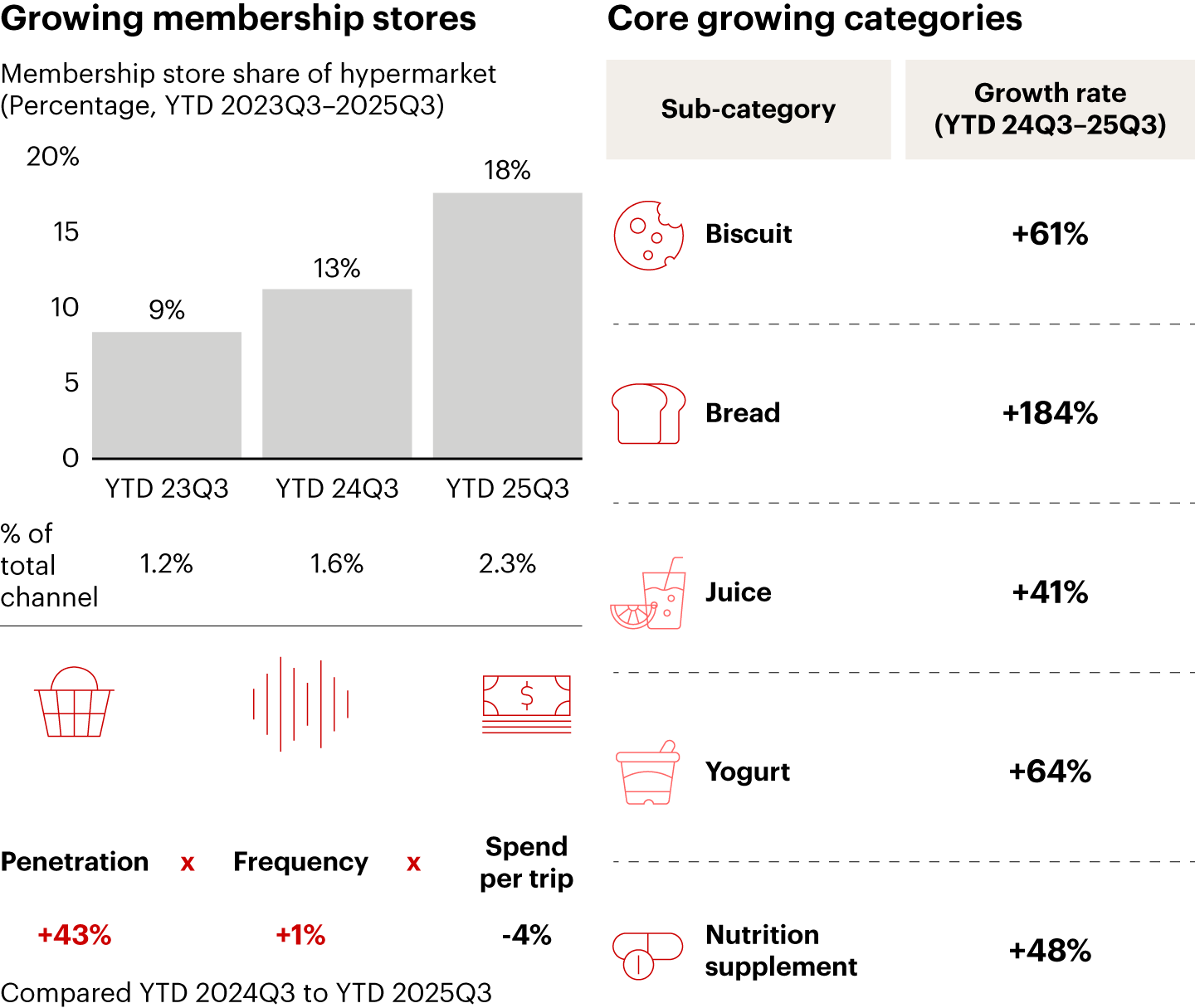
Membership stores have grown to become a significant and rapidly expanding segment, with their share rising from 1.6% in YTD 2024 Q3 to 2.3% in YTD 2025 Q3 in total FMCG sales, now accounting for around 18% of hypermarket sales (see Figure 12). This growth has been driven by strong gains in consumer penetration (+43%) and a modest uptick in purchase frequency (+1%), partially offset by a −4% decline in spending per trip. Top-growing categories include biscuits (+61%), bread (+184%), juice (+41%), yogurt (+64%), and nutrition supplements (+48%). The segment is led by Sam’s Club and Costco, which continue expanding their urban footprints to target upper-middle-class and affluent families valuing both quality and affordability, catering to regular household purchases with delivery service and stockpiling needs. Both retailers are also expanding their private-label portfolios, positioning them as high-quality, high- value alternatives that reinforce loyalty and differentiate their assortments from traditional hypermarkets.
Figure 12

Snack collection stores have demonstrated robust growth, rapidly expanding in 2024 and sustaining strong momentum into 2025 (see Figure 13). Their share increased from 0.6% in YTD 2024 Q3 to 0.8% in YTD 2025 Q3 in total FMCG sales, now accounting for around 20% of specialty store sales, supported by a sharp rise in consumer penetration (+24%) and purchase frequency (+22%), offset by a slight decline in spending per trip (−2%). Top-growing categories include puffed snacks (+53%), yogurt (+57%), UHT milk (+62%), juice (+89%), and instant noodles (+69%). The segment is led by Busy Ming Group (鸣鸣很忙), operator of Busy for You (零食很忙) and Super Ming (赵一鸣零食) stores, and Wanchen Group (万辰集团), operator of Hao Xiang Lai (好想来) stores, each running roughly 15,000–20,000 outlets. These stores target young consumers in lower-tier cities and counties, as well as parents and commuters seeking wide product variety (including small packs, weighted bulk packs, and diverse flavors) and a convenient, relaxation-oriented shopping experience. Purchasing behavior is largely driven by impulse and casual visits aimed at “killing time,” highlighting the channel’s role in fulfilling quick, need-based consumption occasions. These snack chains also have accumulated rich consumer data and insights, allowing brands to tailor their innovation and offerings, while providing a small set of stores to enable agile in-market test and learn. These consumer feedback loops could support a win-win solution for brands and retailers.
Figure 13
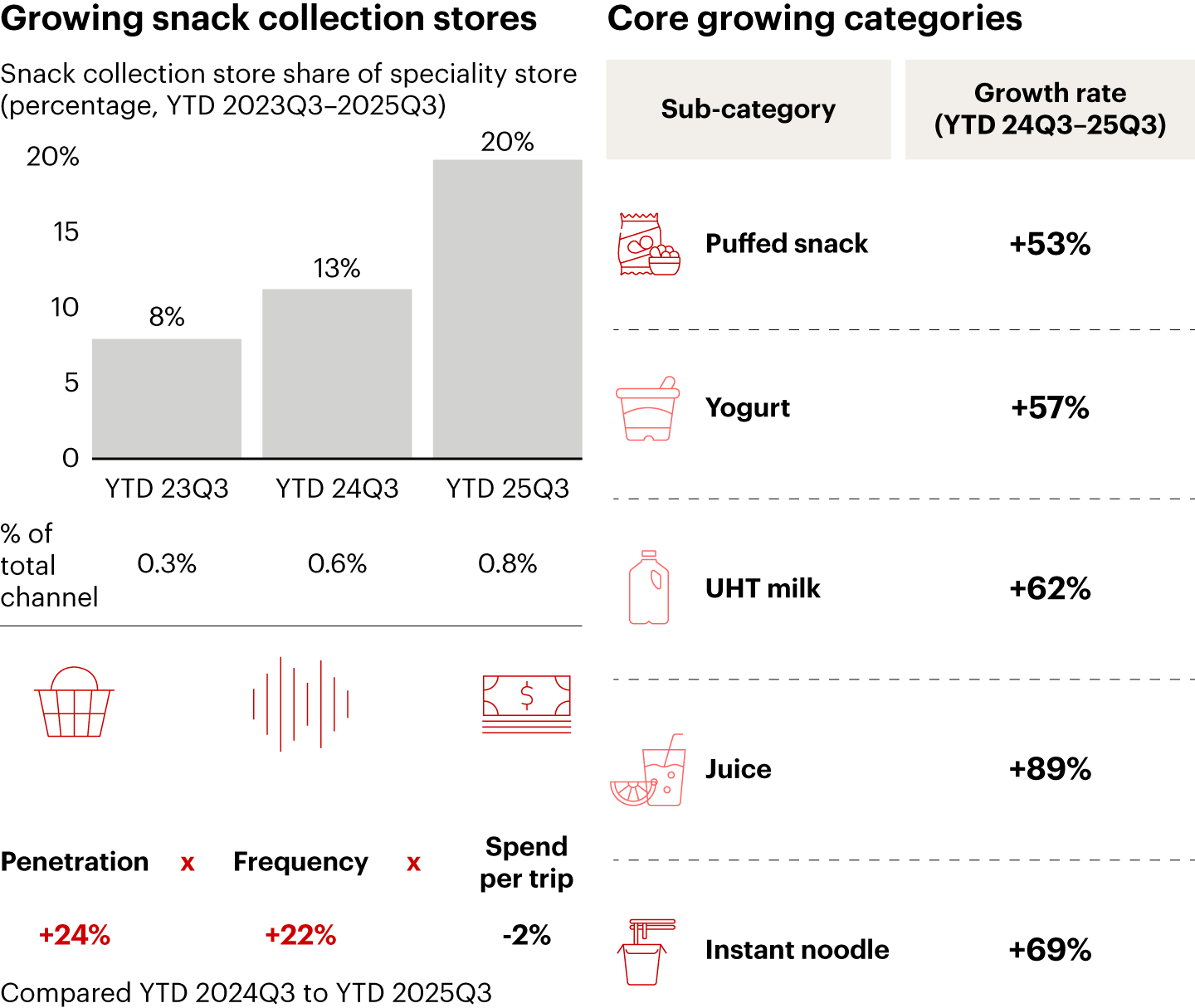

Note: UHT milk is ultra-high temperature milk
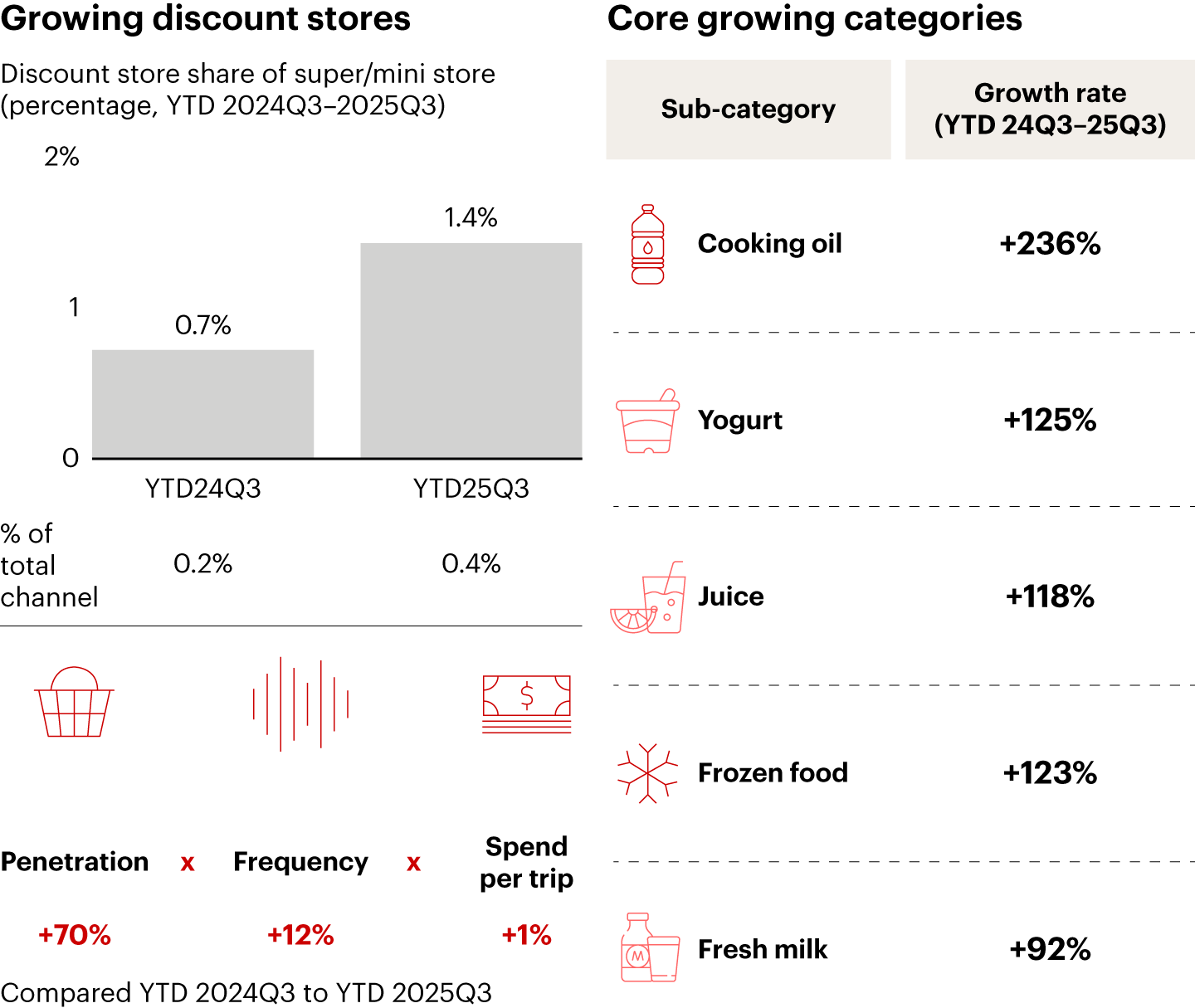
Sources: Worldpanel; Bain analysisDiscount stores, while still a relatively under-scale segment, have demonstrated substantial growth potential in 2025 (see Figure 14). Their share of the channel increased from 0.2% in YTD 2024 Q3 to 0.4% in YTD 2025 Q3 in total FMCG sales, now accounting for around 1.4% of the supermarket/mini-store sales, driven by strong improvements in consumer penetration (+70%) and purchase frequency (+12%), and a slight rise in spending per trip (+1%). Key categories fueling this expansion include cooking oil (+236%), yogurt (+125%), juice (+118 %), frozen food (+123%), and fresh milk (+92%). The segment is led by players such as Aldi (奥乐齐), HitGoo (嗨特购), HotMax (好特卖), and Hema NB (盒马NB), which operate several hundred stores each and primarily target young families and urban white-collar consumers seeking convenient, value-driven, and occasion-based shopping experiences. Purchasing behavior is characterized by high-frequency visits that balance cost savings with practicality and stocking-up habits to reduce long-term household expenses.
Figure 14

Online channels: The online retail landscape is also changing fast. Interest e-commerce such as Douyin (抖音) continued to expand rapidly, rising from 15% in 2023 to 26% in 2025, driven by growing shopper engagement and new consumption occasions across food, beverage, and personal care (see Figure 15).
Figure 15
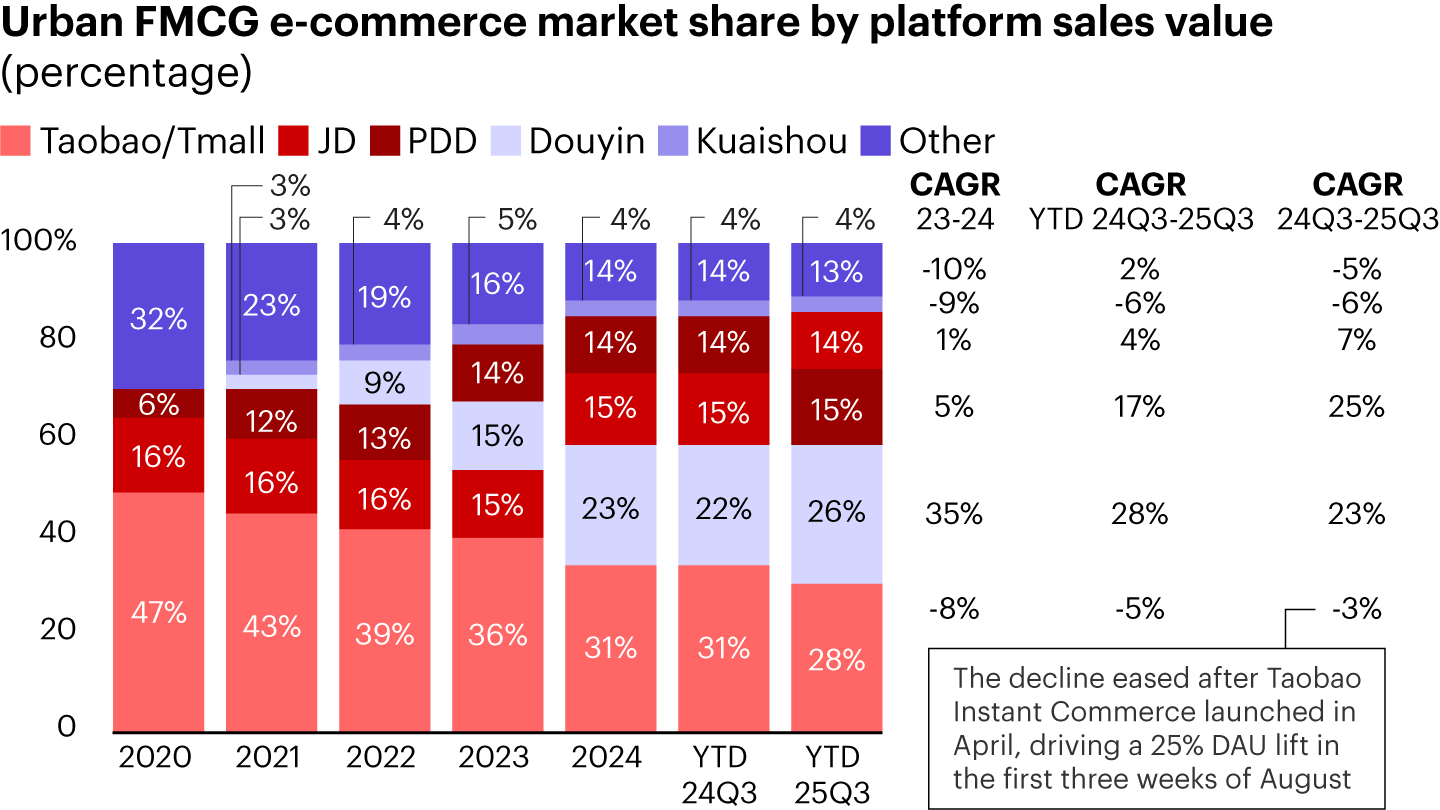

Notes: JD is Jingdong (京东); PDD is Pinduoduo (拼多多); platform sales value data of Douyin (抖音) and Kuaishou (快手) has been tracked since 2021; Other includes WeChat (微信), Red (小红书), VIP.com (唯品会), Suning (苏宁), Yunji (云集), Kaola (考拉海购), and other long-tail platforms
Sources: Worldpanel; Bain analysisValue-focused platforms also accelerated. Pinduoduo (拼多多) strengthened its leadership in affordable FMCG and surpassed JD.com (京东) to become the third-largest platform (15% vs. JD’s 14%), supported by competitive pricing, efficient fulfillment, and higher purchase frequency.
Taobao/Tmall (淘宝/天猫)’s share stabilized at about ~28% in YTD 2025 Q3. The declining trend continued this year but eased in Q3, as the April launch of Taobao Instant Commerce (淘宝闪购) spurred a 25% daily active user (DAU) increase in the Taobao app during the first three weeks of August. This signals the early traction for its quick-commerce model and benefits its e-commerce business.
Overall, the platform landscape is diversifying. Douyin (抖音) and Pinduoduo (拼多多) now account for over 40% of FMCG e-commerce sales combined, offsetting the slowdown in traditional shelf e-commerce and reshaping online category growth dynamics.
Online penetration: In YTD 2025 Q3, FMCG online penetration rebounded to 39%, up from 37% in YTD 2024 Q3 (see Figure 16).
Figure 16
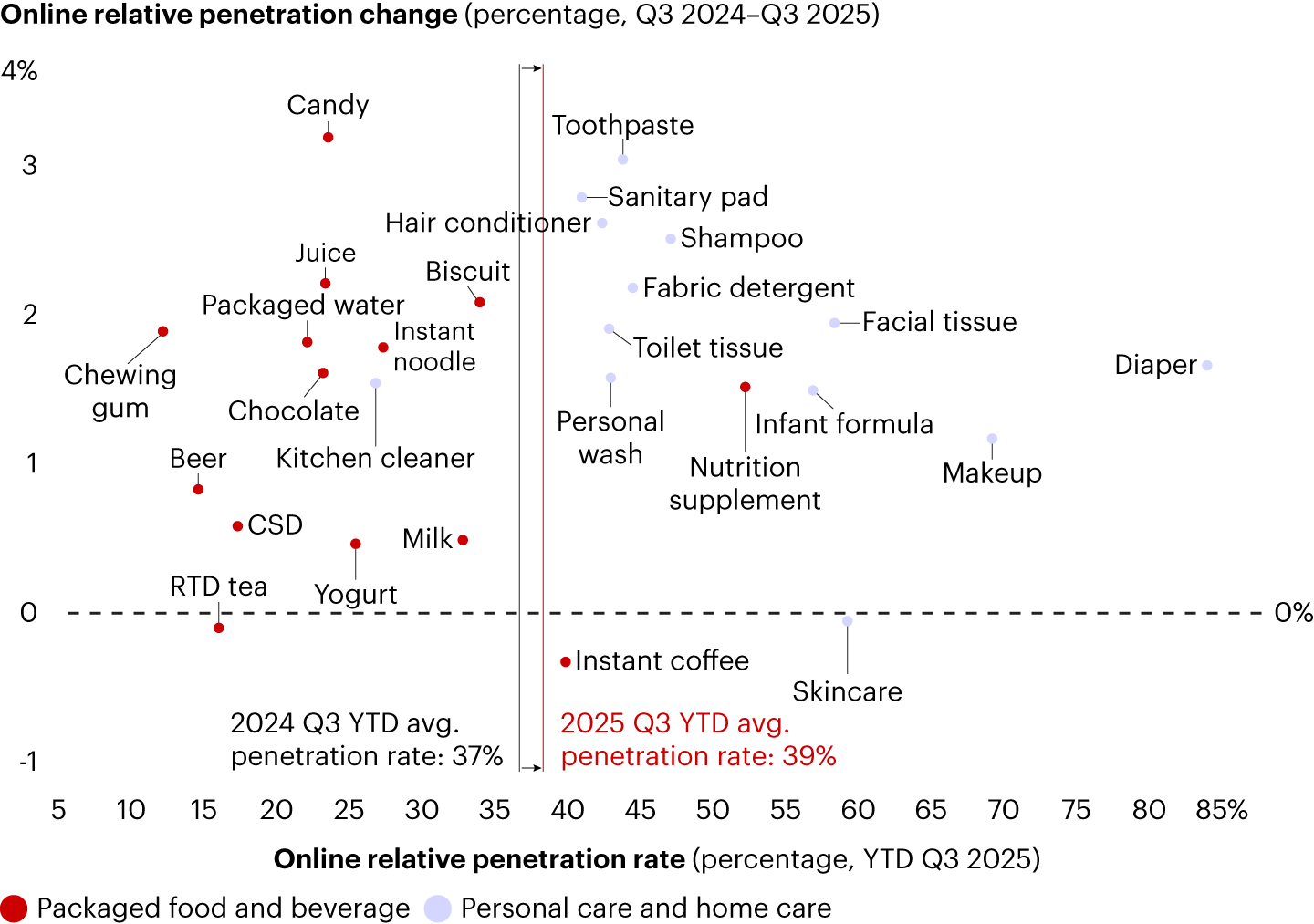

Notes: Online relative penetration is defined as the total number of online purchasers divided by the number of purchasers of the category; CSD is carbonated soft drink; RTD is ready-to-drink
Sources: Worldpanel; Bain analysisLow but increasing penetration (largely packaged food and beverage): Most F&B categories that plateaued or declined in the last year saw broad recovery, with penetration gains across instant noodles (26% in YTD 2024 Q3 to 28% in YTD 2025 Q3), candy (21% to 25%), and packaged water (21% to 23%). Across these mass categories, Pinduoduo (拼多多)’s low-price model and Douyin (抖音)’s short-video marketing reignited trial and frequency, reversing the prior decline.
Traditionally high and still growing (largely personal and home care): High-penetration personal care and home care categories strengthened their digital presence. These categories include shampoo (45% in YTD 2024 Q3 to 48% in 2025 YTD Q3), hair conditioner (40% to 43%), fabric detergent (43% to 45%) and toothpaste (41% to 44%). Diapers remained the most digitized subcategory (84%, +2 ppt year over year).
O2O (Online-to-offline) channels: O2O spending rebounded in 2025, reversing last year’s decline, with a particularly strong increase in Q3 (+7.9% year over year) as consumers embraced faster delivery service and promotions across platforms (see Figure 17). Note that Taobao Instant Commerce (淘宝闪购) was hosted within the Taobao app, so its data cannot be separated from the current Worldpanel statistics. Since its launch at the end of April 2025, the service has significantly driven app traffic growth.
Figure 17
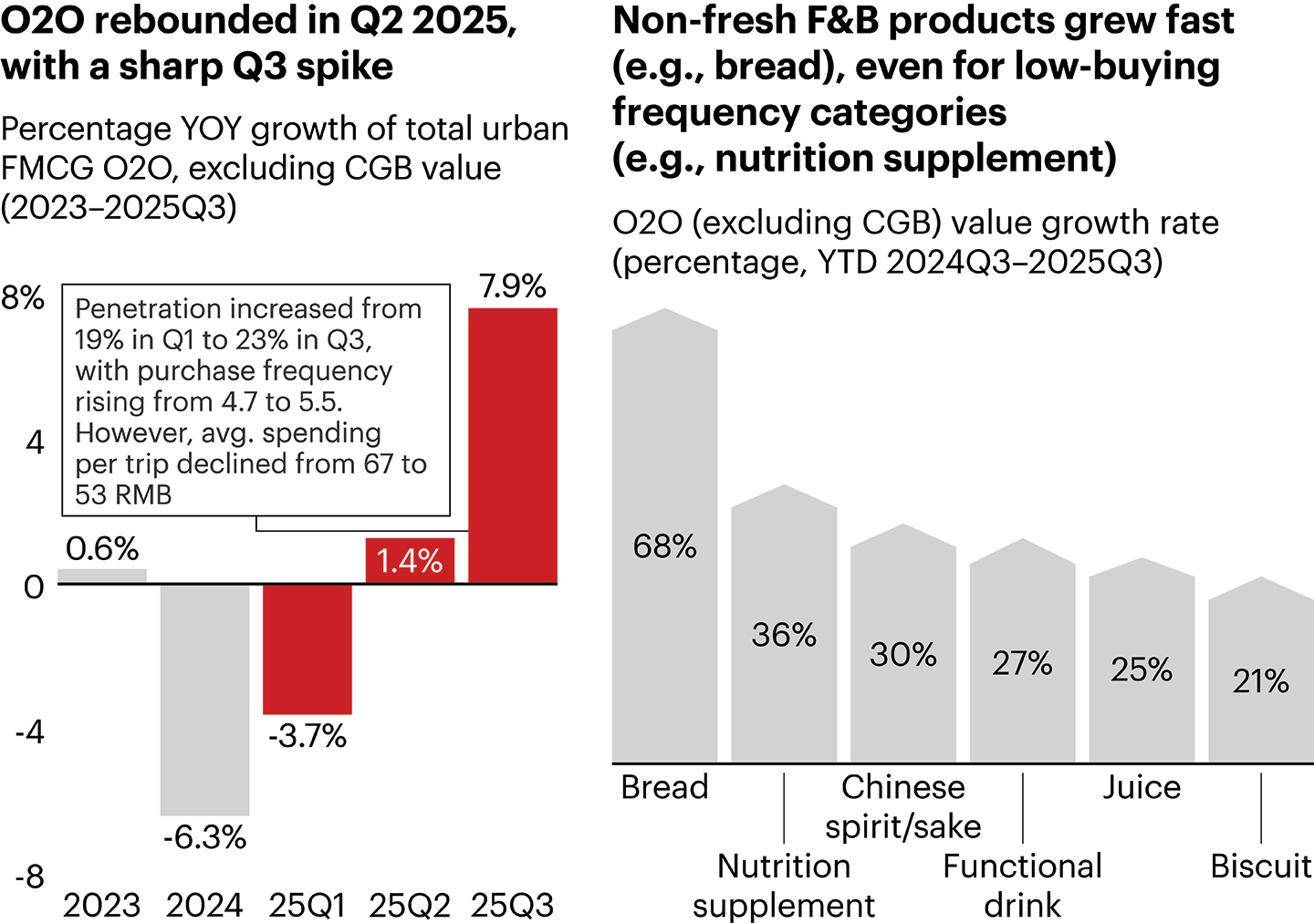

Notes: CGB is community group buy; O2O refers to the shopping journey starting from online platforms (apps), leading to offline purchases and reaching consumers; total urban FMCG O2O value is calculated by O2O value share multiple by total channel value (excluding gift and work unit channel and Taobao Instant Commerce channel); historical data refreshed by Worldpanel based on latest China National Population Census results
Sources: Worldpanel; Bain analysisGrowth is increasingly driven by category expansion of O2O players, encompassing not only fresh produce but also non-fresh FMCG categories. Specially, non-fresh F&B categories led the rebound, with notable momentum in bread (+68%), nutrition supplements (+36%), Chinese spirits (+30%), functional drinks (+27%), juice (+25%), and biscuits (+21%), reflecting platforms’ push into everyday consumption scenarios and even gifting occasions.
To deep-dive on different O2O channel types, aggregators saw their penetration rebound since 2025 Q2 (see Figure 18). The introduction of Taobao Instant Commerce (淘宝闪购), launched at the end of April, has injected new competition and vitality into the aggregator industry. New retail and key account (KA) self-run platforms—including Hema (盒马), Sam’s Club (山姆), and RT-Mart (大润发)—continued to gain traction, growing their penetration through delivery services, store expansion, and select product assortments. Warehouse channels, such as Dingdong Fresh (叮咚买菜), Pupu Supermarket (朴朴超市), and Xiaoxiang Supermarket (小象超市), reached 7% penetration. For other digital platforms, penetration has remained relatively low and stable. Overall, these trends reflect an O2O market in transition toward a more diversified and specialized structure, with growth increasingly driven by differentiated models and demands generated through expanded occasions.
Figure 18
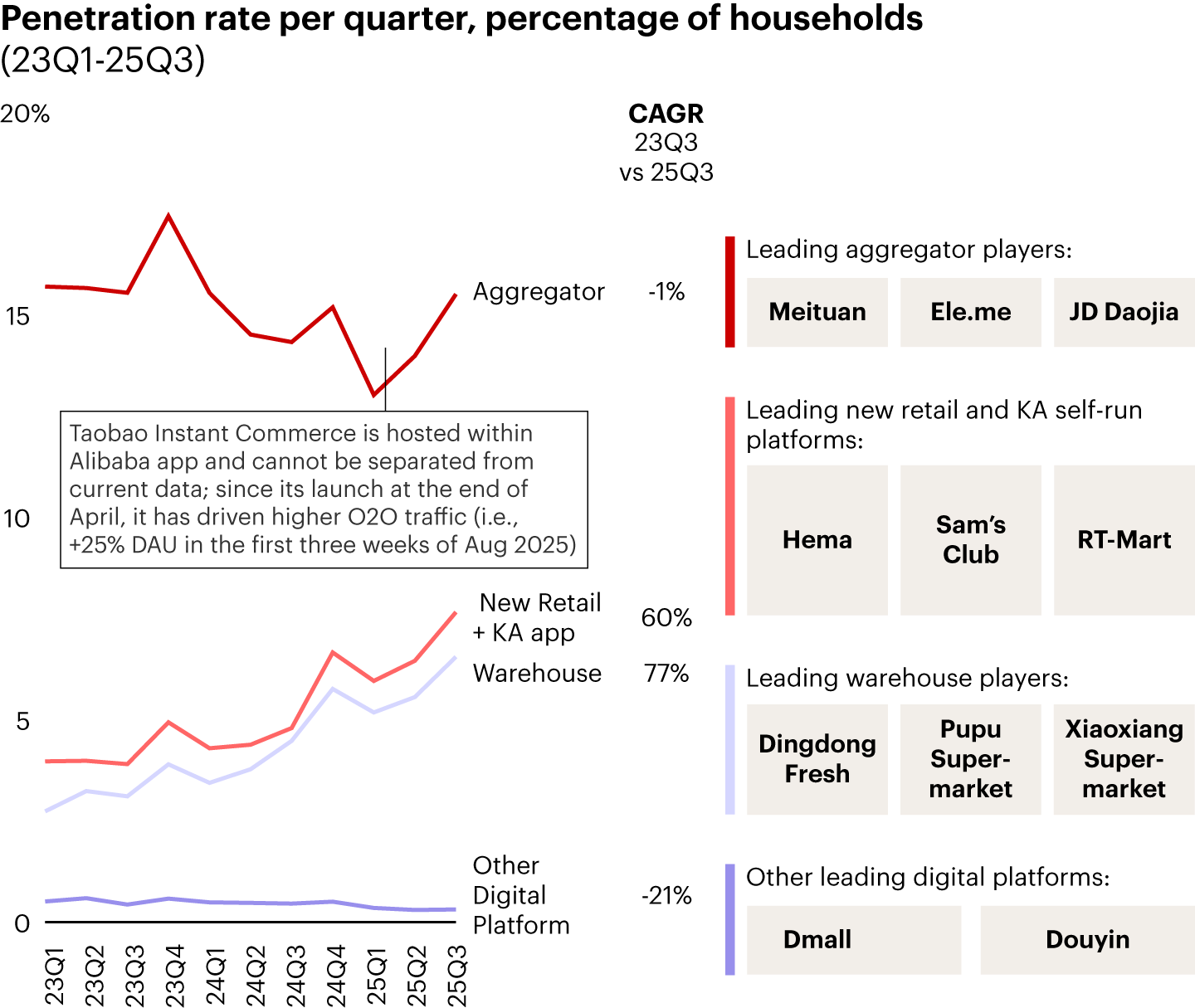

Notes: O2O sales are included under relevant fulfilment channels (e.g., warehouse-fulfilled orders counted as e-commerce, while store-fulfilled O2O appear under offline formats), except Taobao Instant Commerce (e.g., hyper, membership store, grocery); KA is key account
Sources: Worldpanel; Annual reports; Bain analysisAt-home vs. out-of-home: For 11 food and beverage categories that we track in both at-home and out-of-home (OOH) channels, OOH consumption continued to gain share in YTD 2025 Q3, with its share edging up to 49% (+1 ppt vs. YTD 2024 Q3) (see Figure 19). The recovery was led by grocery, convenience stores, and hypermarkets/supermarkets/mini-stores, which captured 78% of total OOH sales. Meanwhile, at-home consumption remained stable: E-commerce sustained modest gains while offline formats such as supermarkets, mini-stores, and hypermarkets came under continued pressure.
Figure 19
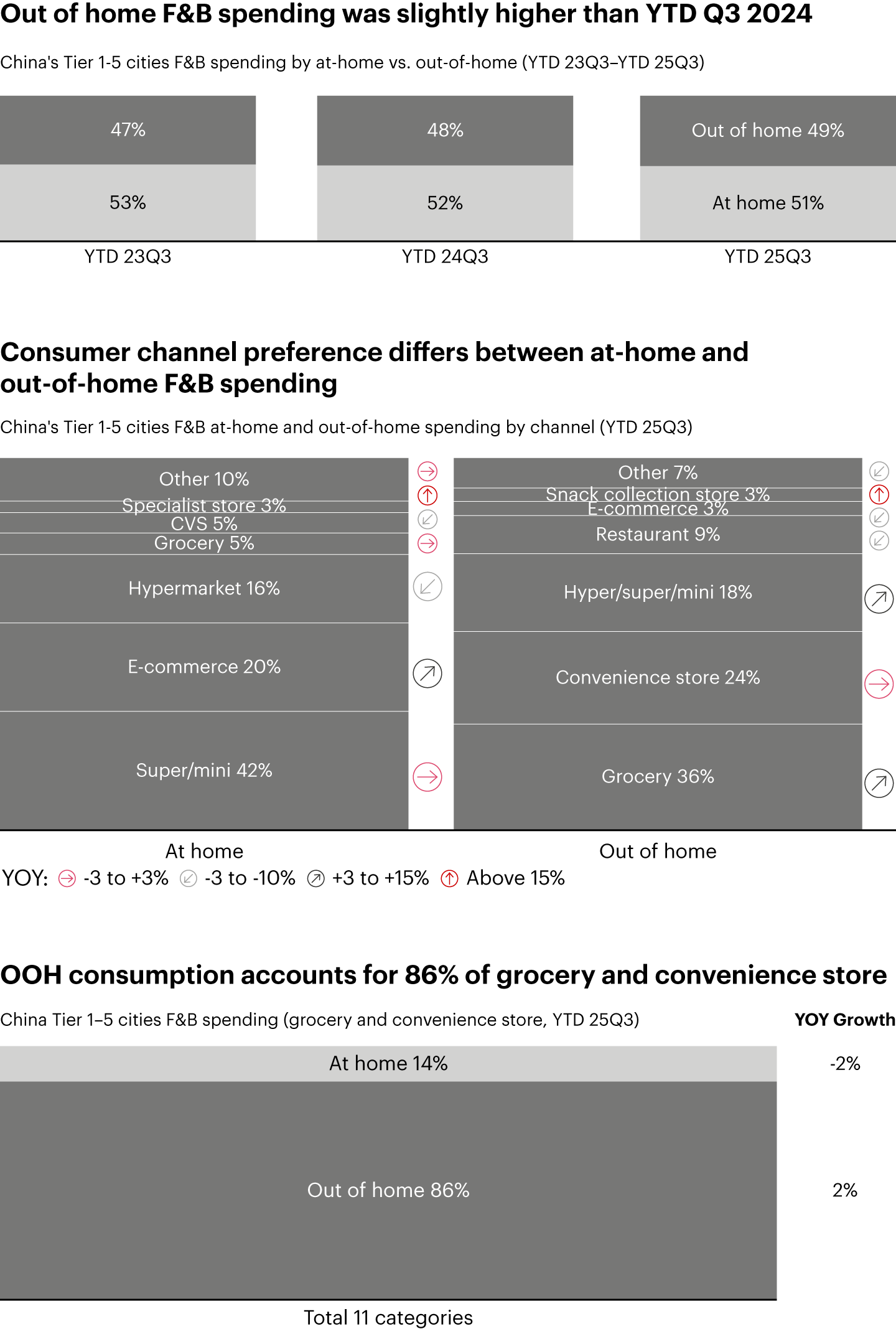

Notes: F&B is food and beverage; AH is at-home; OOH is out-of-home; F&B consumption covers categories overlapped by at-home and out-of-home, including beer, chewing gum, chocolate, yogurt, milk, candy, biscuit, packaged water, ready-to-drink tea, juice, and carbonated soft drink
Sources: Worldpanel; Bain analysisTo summarize, the underlying logic of China retail channels distinguishes between those that generate demand and those that primarily fulfill it. Demand generation channels, such as membership stores, interest-based e-commerce platforms, discount stores, and O2O services, create a “halo” effect by inspiring purchases through product discovery and innovation. In 2025, demand-generation channels are playing an increasingly critical role—not only in driving significant sales conversion, but also in capturing consumer interest and building brand awareness. In contrast, sales conversion channels focus on fulfilling existing consumer demand with efficiency and broad availability.
The strategic playbook for channel structuring is built around three core consumer rationales: to Explore, which requires ensuring availability through differentiated products and innovation; to Select, which is driven by shoppability and enhanced by differentiated packaging and occasion-based education; and to Buy, which prioritizes visibility and is achieved through the effective distribution of standardized products supported by executional excellence.
The evolving channel landscape and fast-growing emerging retailers also spur the growth of private labels (“retailer as a brand”), which already account for 2% of FMCG sales in YTD 2025 Q3, representing 44% annual growth over the past two years (see Figure 20). Leading retailers such as Sam’s Club (山姆), Aldi (奥乐齐), Hema (盒马), Pangdonglai (胖东来), and Dingdong Fresh (叮咚买菜) are all accelerating their private-label development, leveraging firsthand consumer insights and supply chain integration. As channels continue to shift, these retailer-owned labels are not only capturing incremental demand but also intensifying competition for branded manufacturers. This underscores the dual nature of channel evolution—opening new opportunities for growth while simultaneously reshaping the competitive landscape and elevating the need for stronger differentiation.
Figure 20
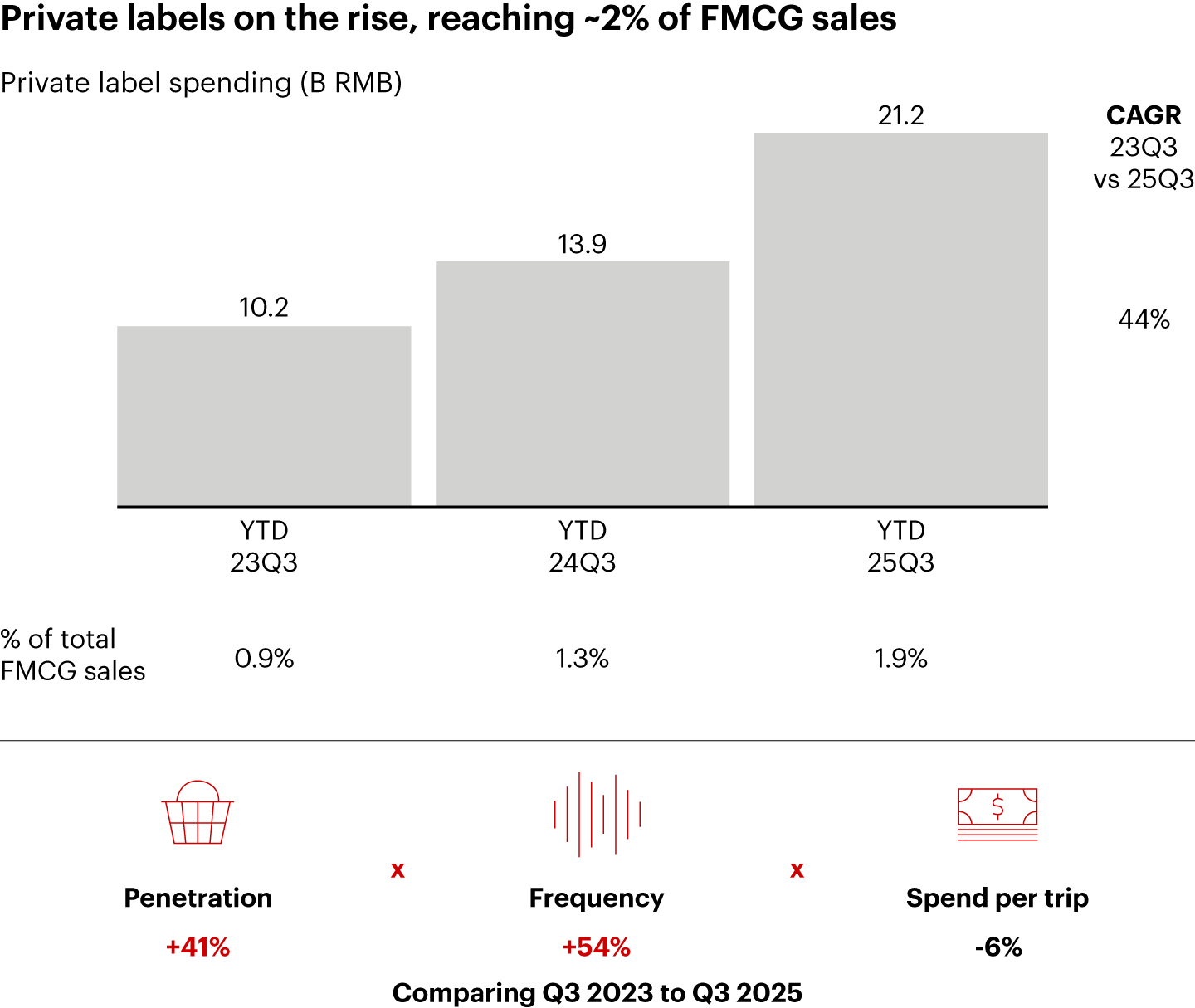

Implications for brands
China’s FMCG retail landscape is undergoing a fundamental transformation. Channels are no longer simple points of sale—they have evolved into active, data-driven ecosystems that both capture and shape consumer demand. Four major shifts are redefining how consumers shop and how retailers compete:
- Hyper-convenience: The rise of O2O, dark stores, and flash delivery is blurring boundaries between online and offline shopping.
- Downsizing: Community and proximity formats are proliferating, bringing everyday convenience closer to consumers.
- Flight to value: The search for affordability is fueling discount stores and value-driven formats.
- Retailer as a brand: Private-label expansion is transforming retailers into product creators, differentiating them through quality and exclusivity.
Together, these trends are reshaping the retail ecosystem, signaling a shift from traditional sales touchpoints to a more consumer-centric approach to product creation. Future channel strategies must focus on convenience, value, and insight-driven innovation to remain competitive in this evolving environment.
However, in today’s market, brand growth can no longer rely on increasing supply or deepening discount strategies. Brands must focus on deeply understanding the circumstances and needs that drive consumers to “hire” a product in different channels, identifying the key moments that trigger purchase behavior and brand choice. By uncovering these needs, brands can create products and experiences that better align with consumer demand, driving genuine market growth.
To win in this new environment, brands need to reframe their strategies around C.O.R.E.—Circumstances, Offerings, Routes, and Execution—a framework that aligns consumer understanding, portfolio design, channel strategy, and pack-price architecture to drive sustainable, demand-led growth.
C—Understand the Circumstances that trigger demand
Understand the when, where, and why to identify the key growing consumption circumstances that drive true demand. In many categories, understanding consumption occasions is a key part of understanding the circumstances. Prioritize the core circumstances based on attractiveness and the brand’s ability to win.
O—Deliver the total Offering that meets real needs
Create the right offerings—which brands, sub-brands, or products best serve functional, emotional, and social needs in core circumstances. Define clear brand and portfolio roles to capture distinct white space and identify development opportunities.
R—Reach consumers through the right Routes
Channel strategies should start from where and how key circumstances are fulfilled. Define each channel’s role along the consumer journey, from demand generation to sales conversion, and ensure offerings are tailored to the unique needs of each route.
E—Execute with fit-for-occasion packs and prices
Deliver the offerings through the right pack and pricing architecture to match key circumstances and channel dynamics. Execution turns strategy into reality and drives conversion at scale.
This report is a joint effort between Bain & Company and Worldpanel. The authors extend gratitude to all who contributed to it, especially Monica Li, Ranqi Liu, Kelly Wong, Yi Zhang, Joanne Xie, Louise Lu, and Hayden Lee from Bain; as well as Tina Qin and Sallian He from Worldpanel.

Worldpanel—Decoding shopper behavior to shape your brand future
Worldpanel provides brands and retailers with a unique, 360-degree understanding of consumer behaviour across the globe. We are shopper-centric, continuously monitoring purchase and usage behavior through the largest omnichannel panel in the world to shape the brands of tomorrow by better understanding people everywhere. With unparalleled datasets, pioneering technology and expert analysts, we partner with brands and retailers of all sizes, empowering them to reimagine what’s possible, and change the landscape to create a better, healthier, more sustainable and inclusive world. In the China market, Worldpanel is one of the services in CTR, covering over 100 FMCG categories, 50,000+ brands, and 100+ retailers, among many others.
First published in dezembro 2025