

Report

Executive summary
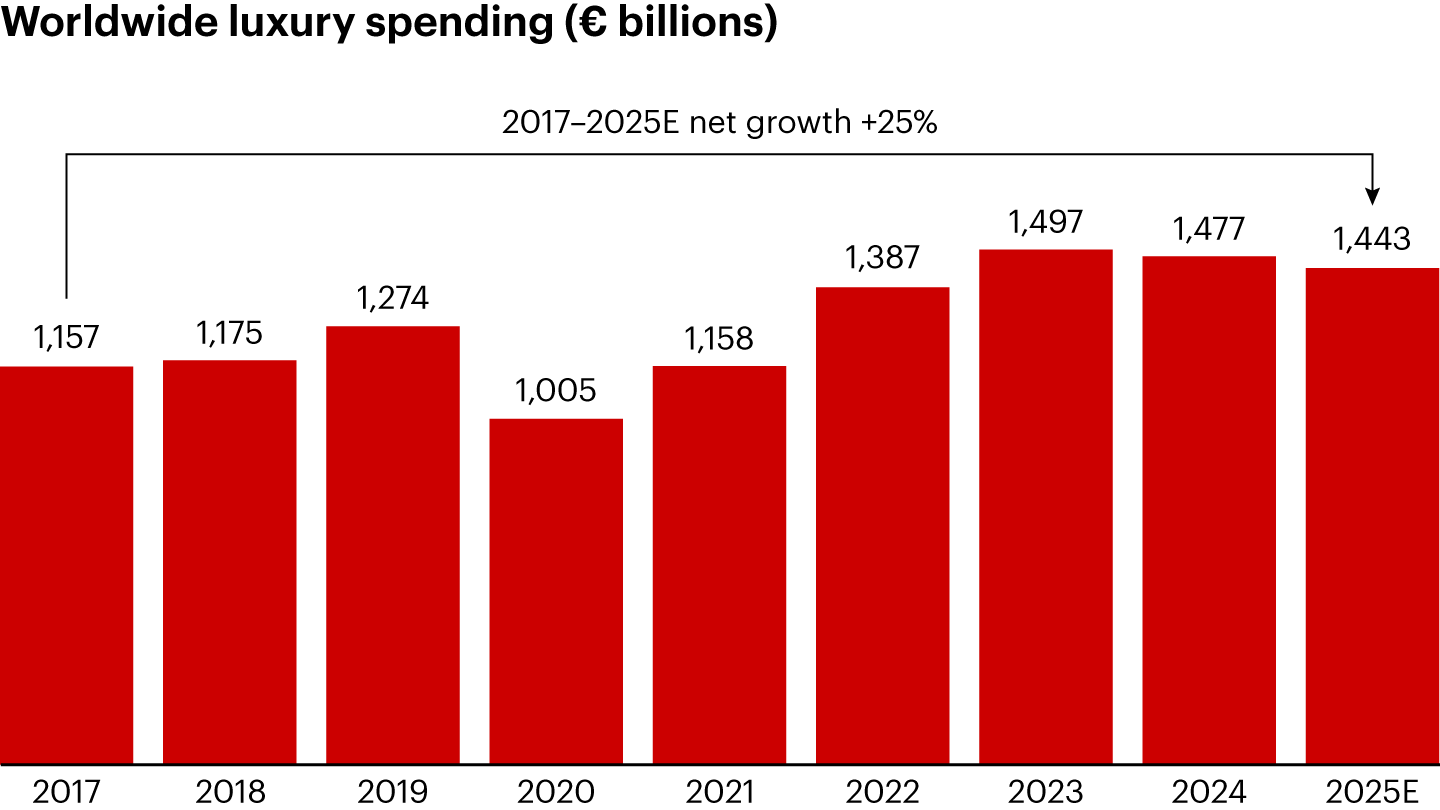
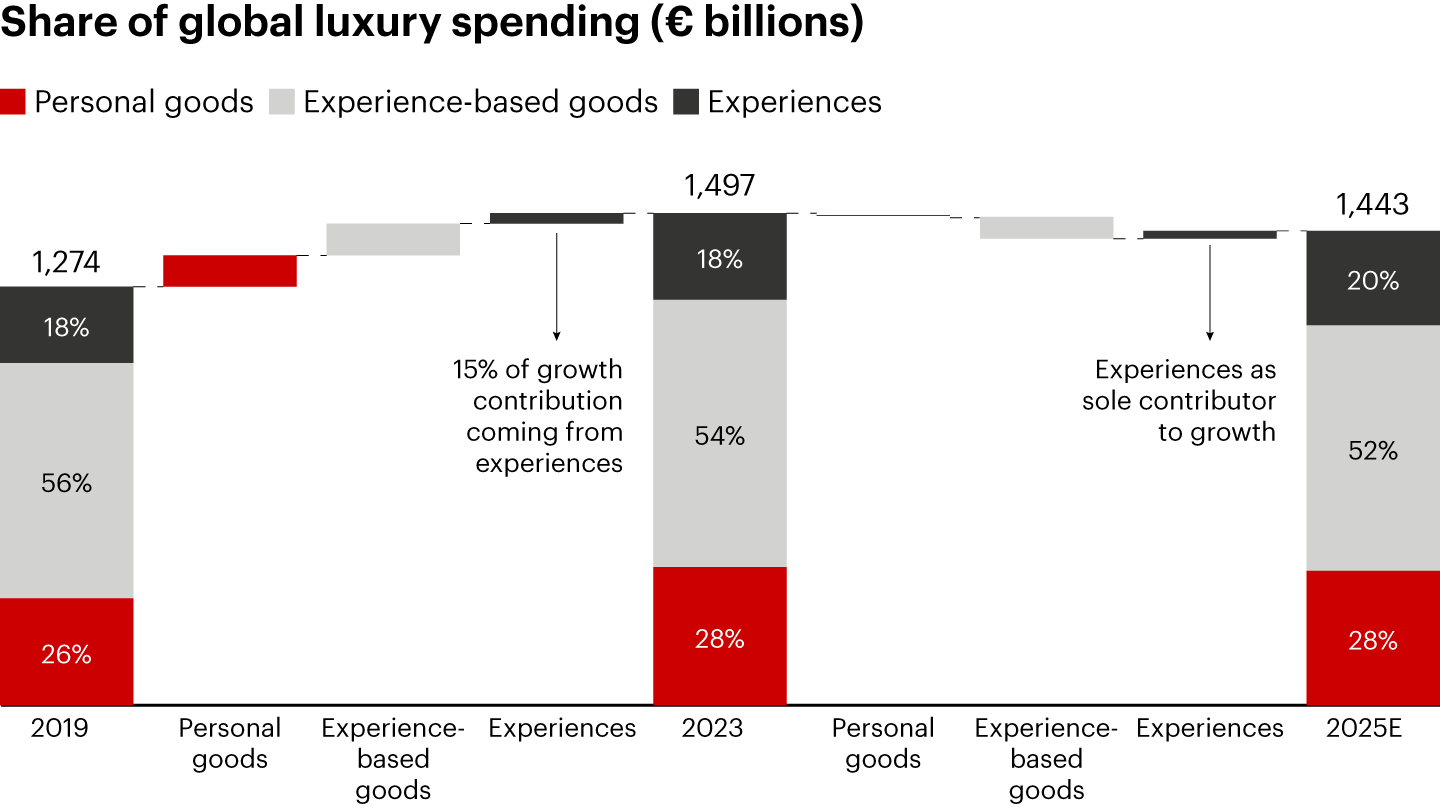
The 24th edition of the annual Luxury Study, released by Bain & Company and Fondazione Altagamma, the trade association of Italian luxury goods manufacturers, estimates that overall luxury spending totaled €1.44 trillion globally in 2025, representing a marginal decline of 1% to 3% from 2024’s total at current exchange rates. At constant exchange rates, the year-over-year performance is poised to be somewhere between a decline of 1% and an increase of 1%. These estimates are in line with the trend observed in 2024, reflecting the continued normalization of the sector following the post-Covid boom. The longer-term trajectory remains positive, with 2025 levels still 12% to 14% above those of 2019.
Overall luxury spending tracked by Bain & Company encompasses both luxury goods and experiences. It comprises nine segments, led by luxury cars, personal luxury goods, and luxury hospitality, which together account for 80% of the total market.
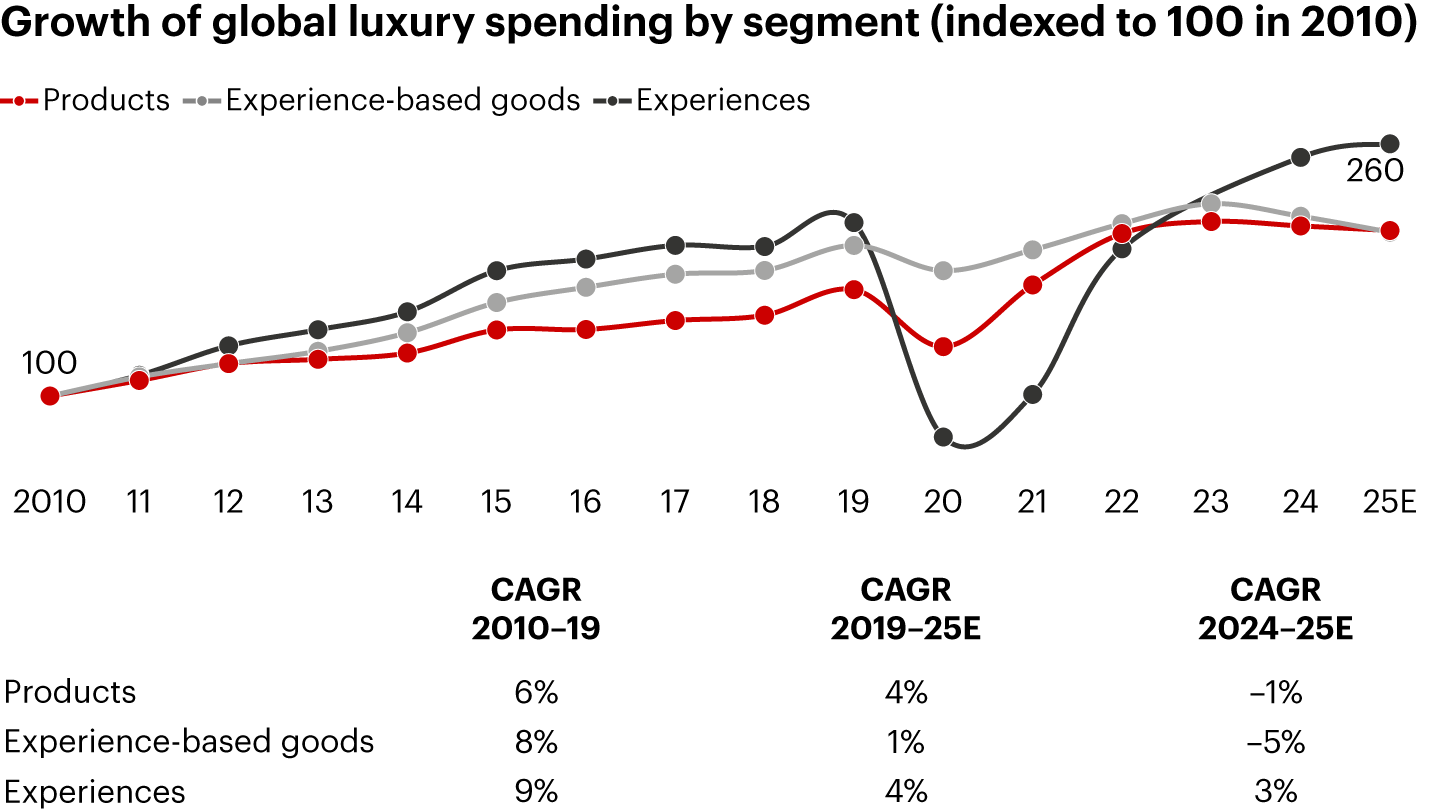
Luxury experiences continued to outpace the broader market, driven by a sustained shift in spending toward wellness, rewarding oneself, and social connection—forms of indulgence that have been increasingly gaining ground on product ownership. In contrast, the market for experience-based goods (such as fine art, luxury cars, and yachts) declined in 2025, as the resilience of ultra-high-end spending was outweighed by a contraction among aspirational consumers amid weaker sentiment and increasing regional polarization.
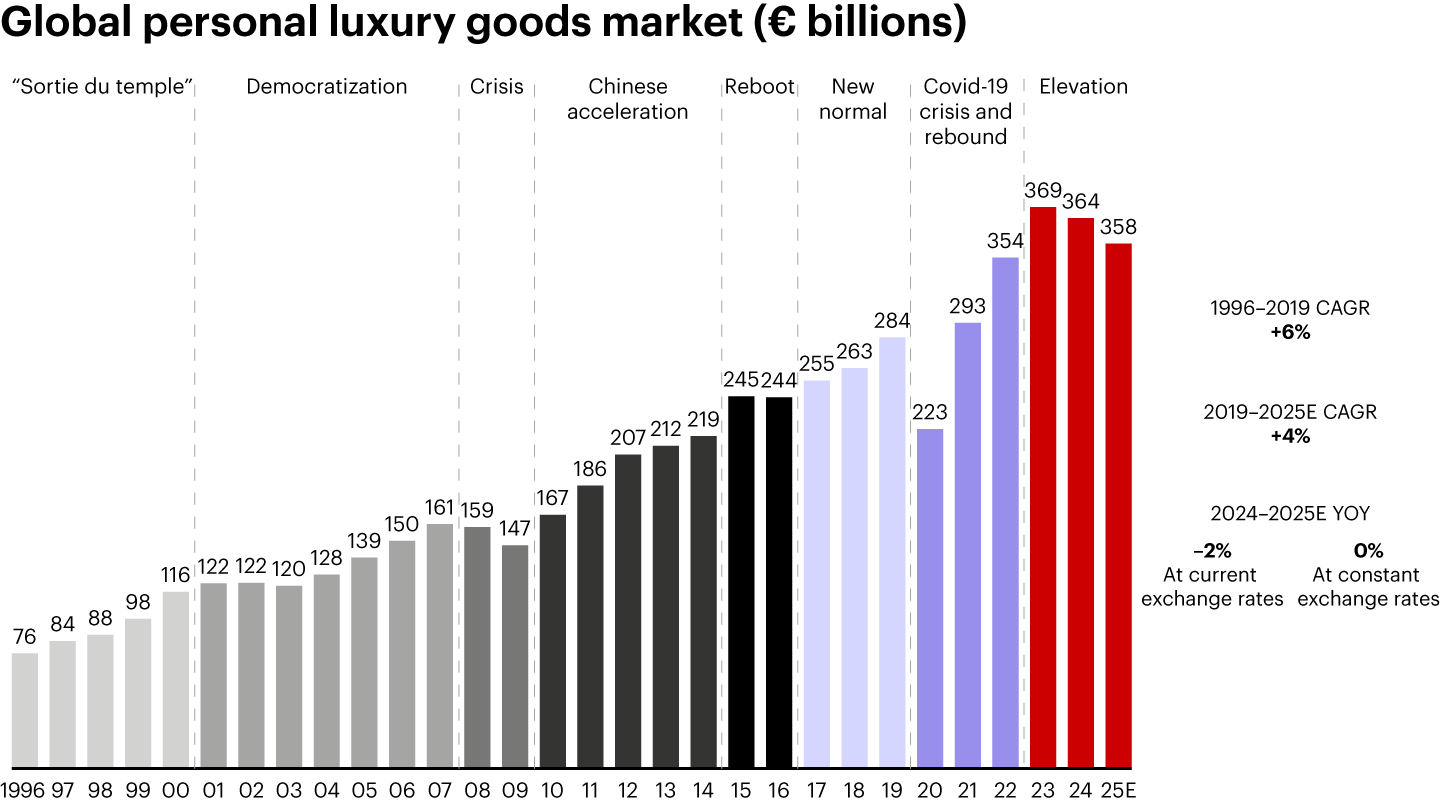
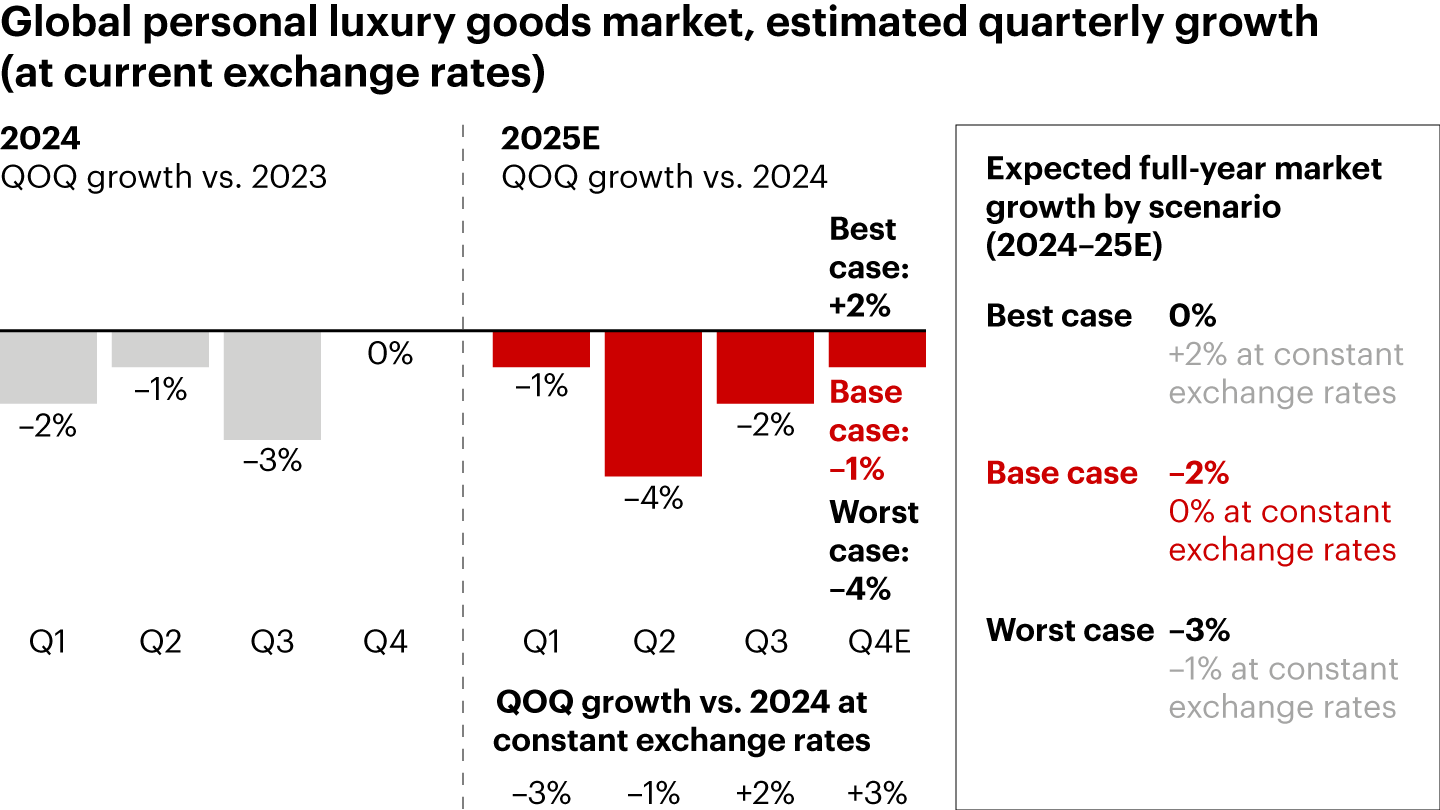
The market for personal luxury goods—at the heart of both the luxury industry and this analysis—held relatively steady against a backdrop of macroeconomic uncertainty and sustained price elevation. After reaching €364 billion in 2024, sales of personal luxury goods are forecast to total €358 billion in 2025, reflecting a mild 2% erosion that would equate to a flat performance at constant exchange rates. The second half of the year saw a sequential improvement in market trajectory.
The luxury consumer base continued to contract, extending the trend observed since 2022. Compared with 2024, the industry lost about 20 million consumers, as shoppers reduced purchase frequency, shifted to smaller indulgences, traded down, or redirected spending toward experiences and preowned luxury.
Accessible luxury showed renewed vitality, emerging as the most dynamic segment. About 50% of brands in this segment are likely to have grown in 2025 (versus roughly 25% in aspirational luxury and 35% in absolute luxury).
Top customers, who expanded their share of the market between 2019 and 2024, stabilized their spending in 2025 (in terms of absolute value). With Gen Z, there were clear winners and losers: Some brands successfully echoed its evolving sense of purpose and identity, but others struggled to keep the cohort engaged.
Brand performance remained highly polarized in 2025, with 40% to 45% of brands reporting positive revenue growth—broadly in line with last year but well below 2022 (when 95% of brands grew) and 2023 (65%). Specialist players outperformed generalists: More than 70% of the brands achieving growth in 2025 were specialists. Conversely, the industry’s largest groups experienced mixed results: Roughly half of those with revenues of more than €5 billion saw revenues decline in 2025.
In this environment, profitability eroded amid shrinking gross margins, due to inflation, tariffs, markdowns, and higher operating costs, combined with top-line softness. As a result, operating margins fell to between 15% and 16%, down from 21% in 2022. This is equivalent to the industry losing 20% of its total profit compared to 2023 levels.
Regional breakdown: Americas stabilizing, Europe and Asia declining
The Americas stabilized in 2025 amid a volatile macroeconomic environment. Local spending strengthened as the weaker dollar encouraged consumers to spend at home rather than abroad. Latin America maintained steady momentum, particularly in Mexico and Brazil, fueled by retail expansion and sustained inbound tourism from nearby countries.
European luxury sales declined slightly as tourism-related spending gradually softened over the course of the year and local consumers showed signs of fatigue. Southern Europe maintained growth momentum while northern markets lost traction. After a first quarter marked by rising tourist sales in Europe, the trend reversed, with sales broadly stable by the end of the third quarter vs. the corresponding period of 2024 but showing a negative trajectory entering the final quarter.
Mainland China remained under pressure this year, though the decline was milder than last year amid a challenging macroeconomic environment. Signs of recovery appeared in the third quarter, supported by improved consumer confidence and renewed interest in key categories and brands. Local competition continued to intensify, with premium domestic brands increasingly competing head-to-head with international players, albeit at lower price points.
Japan’s performance normalized following last year’s exceptional tourist-driven growth. Tourist volumes decreased, and value-focused shoppers dominated, leading to a reduction in average spend per visitor.
The next engines of luxury growth are set to be in emerging regions, with significant potential across Southeast Asia, Latin America, the Middle East, India, and Africa. Collectively, these markets represent an estimated €40 billion to €45 billion in total retail sales value—equivalent to mainland China’s luxury market in 2025.
Distribution trends: Outlets continued to win over full-price stores
All physical formats except outlets saw their performance weaken again this year, driven by continued footfall slowdown. In contrast, outlets remained in growth mode, fueled by consumers’ increasing quest for value.
Online sales held stable overall, with diverging trends: Brand-operated online stores showed encouraging traction among aspirational clients, supported by AI-enhanced user experience and personalization, while multibrand platforms continued to struggle, with a few exceptions.
Meanwhile, secondhand luxury goods sales grew to an estimated €50 billion, rising by 4% to 6%, outpacing sales of new luxury goods. The segment delivered strong results across categories in both hard and soft luxury.
Jewelry shining, eyewear keeping momentum, and beauty slowing
Jewelry was the standout category across regions in 2025, with leading players sustaining growth through focused clienteling and experiential activations, although competition has intensified in Asia.
Eyewear maintained solid momentum, through design-led differentiation and popularity with younger consumers. This category plays a dual role as an entry point for customers and a gateway to other, higher-value purchases. Further growth lies ahead, supported by ongoing innovation and greater integration of technology.
Beauty growth moderated, with high-end brands outperforming the segment overall. Fragrances remained the most dynamic subcategory, led by strong demand for niche fragrances.
Watches and apparel remained broadly stable. The watches segment showed polarized performance across players and price points, with resilience at both the high and entry ends of the market. The secondary market remained active, as tariffs and retail prices pushed some consumers to preowned alternatives.
The apparel market held steady, especially among top customers, with occasion-driven subcategories—such as eveningwear and resort wear—and statement pieces supporting value perception. The more accessible players won over younger shoppers. Brands used capsule collections, limited drops, and newness-focused storytelling to respond to rapid shifts in customer trends and cultural signals.
Leather goods and footwear, by contrast, continued to contract sharply, reflecting growing price sensitivity among aspirational consumers and a perceived lack of creative renewal.
What’s next for luxury in 2026 and beyond?
Our current forecasts suggest a return to moderate growth in 2026, with low- to mid-single-digit growth over 2025 at constant exchange rates, though this should be highly dependent on the macroeconomic scenarios that will unfold in key regions. Looking toward 2035, the market will likely embark on a long-term positive trajectory, anchored in customer base expansion and lasting appetite for luxury.
To fuel this appetite and reignite growth, luxury brands must actively redefine their longevity formula, ensuring that it has a strong ethical component that recognizes the value of inclusivity and self-empowerment, and doesn’t rely too heavily on ever-increasing exclusivity. Brands should decide who are their future target customers; reestablish creativity, quality, and purpose as non-negotiable pillars of their value proposition; and invest in what truly sets them apart through excellence in product quality and assortment curation, talent, and brand storytelling. Precision should prevail over scale, with sharper targeting, forecasting, and operational discipline. Finally, empowering teams to lead—through trust, capability-building, and more local decision making—will be key to sustaining agility and emotional connection in a rapidly evolving market.

1. Luxury spending trends in 2025
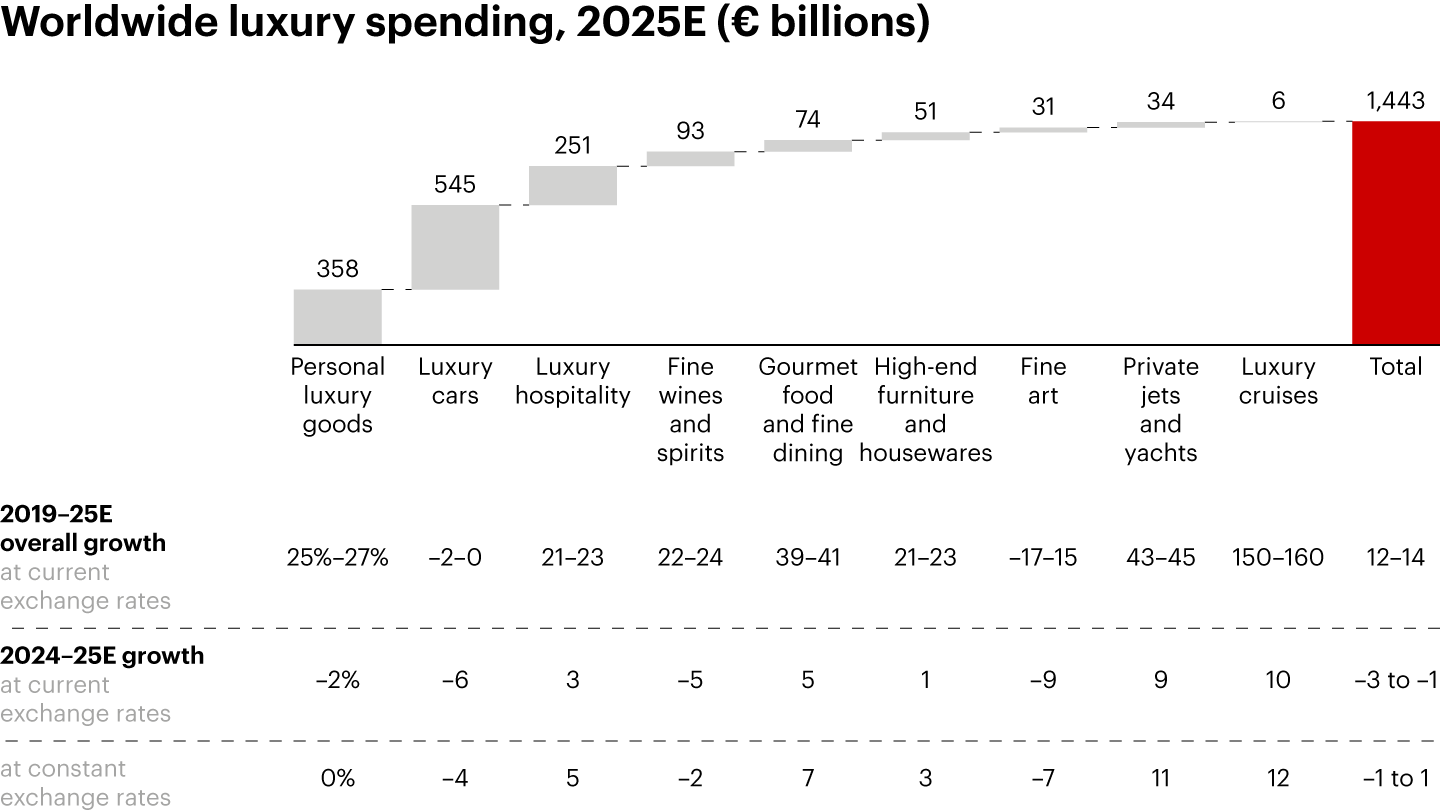
- The overall luxury market tracked by Bain & Company comprises nine segments: luxury cars, personal luxury goods, luxury hospitality, fine wines and spirits, gourmet food and fine dining, high-end furniture and housewares, fine art, private jets and yachts, and luxury cruises. Luxury cars, luxury hospitality, and personal luxury goods together account for 80% of the total market. Overall, we estimate that in 2025 luxury spending remained relatively flat at €1.44 trillion in retail sales value, with the final growth rate likely to fall between a decline of 1% and an increase of 1% over 2024 at constant exchange rates. The segments that recorded the strongest growth were all experience related.
- The luxury car market, the largest segment of the overall luxury industry, declined by 6% at current exchange rates, totaling €545 billion, slightly below 2019 levels. Volumes were lower across segments. In the absolute luxury segment, performance-focused brands grew, powered by iconic models, while comfort-oriented players posted slight declines. Aspirational and accessible segments continued to contract.
- The luxury hospitality market grew by 3% at current exchange rates to reach €251 billion, aided by higher average daily rates and emerging destinations. The rise of luxury villa rentals within five-star resorts showed the appeal of privacy blended with service. Sustainability and regenerative hospitality also moved to the forefront.
- The fine wines and spirits market totaled €93 billion, down 5% at current exchange rates. Fine wines remained broadly flat. Sparkling wines showed signs of recovery, led by champagne, while Italian reds continued to outperform. High prices squeezed out-of-home consumption, increasing demand for smaller bottles. Spirits sales were hit by austerity measures in China. Cognac and whisky disappointed but agave-based spirits stayed on trend.
- The gourmet food and fine dining segment increased by 5% at current exchange rates, hitting €74 billion. Growth remained steady across occasions, supported by the expansion of luxury culinary hubs in the Middle East and Southeast Asia, as well as longer resort seasons. Brands and restaurants with strong identities and immersive narratives are powering ahead.
- The value of the high-end furniture and housewares market rose by 1% to €51 billion in 2025. The luxury contract segment—including residential and hospitality work—grew strongly, despite muted demand in retail.
- The fine art market contracted by 9% to €31 billion—a slowdown that was most pronounced in Asia. Public auctions showed relative resilience while private invitation-only sales gained traction among ultra-high-net-worth collectors. Private galleries and dealers faced widespread closures due to rising operating costs and lower footfall. Demand for contemporary and ultra-contemporary art softened after years of rising prices.
- The private jets and yachts market expanded by 9% at current exchange rates to €34 billion. The luxury yacht segment posted high-single-digit growth in deliveries, supported by a robust order backlog, with demand still strong but partially moderating. The private jet segment once again benefited from rising demand for business aviation, despite supply chain constraints.
- The luxury cruise market expanded rapidly again, growing by 10% at current exchange rates to €6 billion. The strong performance reflected renewed appetite beyond the core North American customer base and the expansion of ultra-luxury fleets.
- In 2025, luxury experiences continued to outperform products, rising by about 3%. They benefited from a sustained shift in spending toward wellness, self-pampering, and social connection. The market for experience-based goods (such as luxury cars, fine art, and yachts) declined by about 5%, as a contraction of entry-level sales more than offset the robustness of the absolute luxury tier. Luxury products fell by about 1%, compounding the post-Covid shift in luxury’s growth model. Between 2019 and 2023, products accounted for around 40% of total growth while experiences contributed just 15%. Since 2023, however, experiences has been the only segment contributing positively to the expansion of luxury spending.
- The market for personal luxury goods—the core of the global industry—remained broadly stable in 2025, continuing its post–Covid normalization. The growth trend turned positive at constant rates in the third quarter. The extent to which this improvement can be sustained in the fourth quarter will determine the level of overall market growth for the year.
Figure 1

Notes: Growth shown at current exchange rates; E indicates estimated value
Source: Bain & Company
Figure 2

Note: E indicates estimated value
Source: Bain & Company
Figure 3

Notes: Growth shown at current exchange rates; E indicates estimated value
Source: Bain & Company
Figure 4

Notes: Growth shown at current exchange rates; E indicates estimated growth; experience-based goods include luxury cars, fine art, private jets and yachts, fine wines and spirits, and gourmet food; experiences include luxury hospitality, cruises, and fine dining; personal goods include high-end furniture/housewares and personal luxury goods
Source: Bain & Company
Figure 5

Notes: Growth shown at current exchange rates; E indicates estimated value; experience-based goods include fine art, luxury cars, private jets and yachts, fine wines and spirits, and gourmet food; personal goods include high-end furniture/housewares and personal luxury goods; experiences include luxury hospitality, cruises, and fine dining
Source: Bain & Company
Figure 6

Note: E indicates estimated value
Source: Bain & Company
Figure 7

Note: E indicates estimated value
Source: Bain & Company
2. Regional highlights
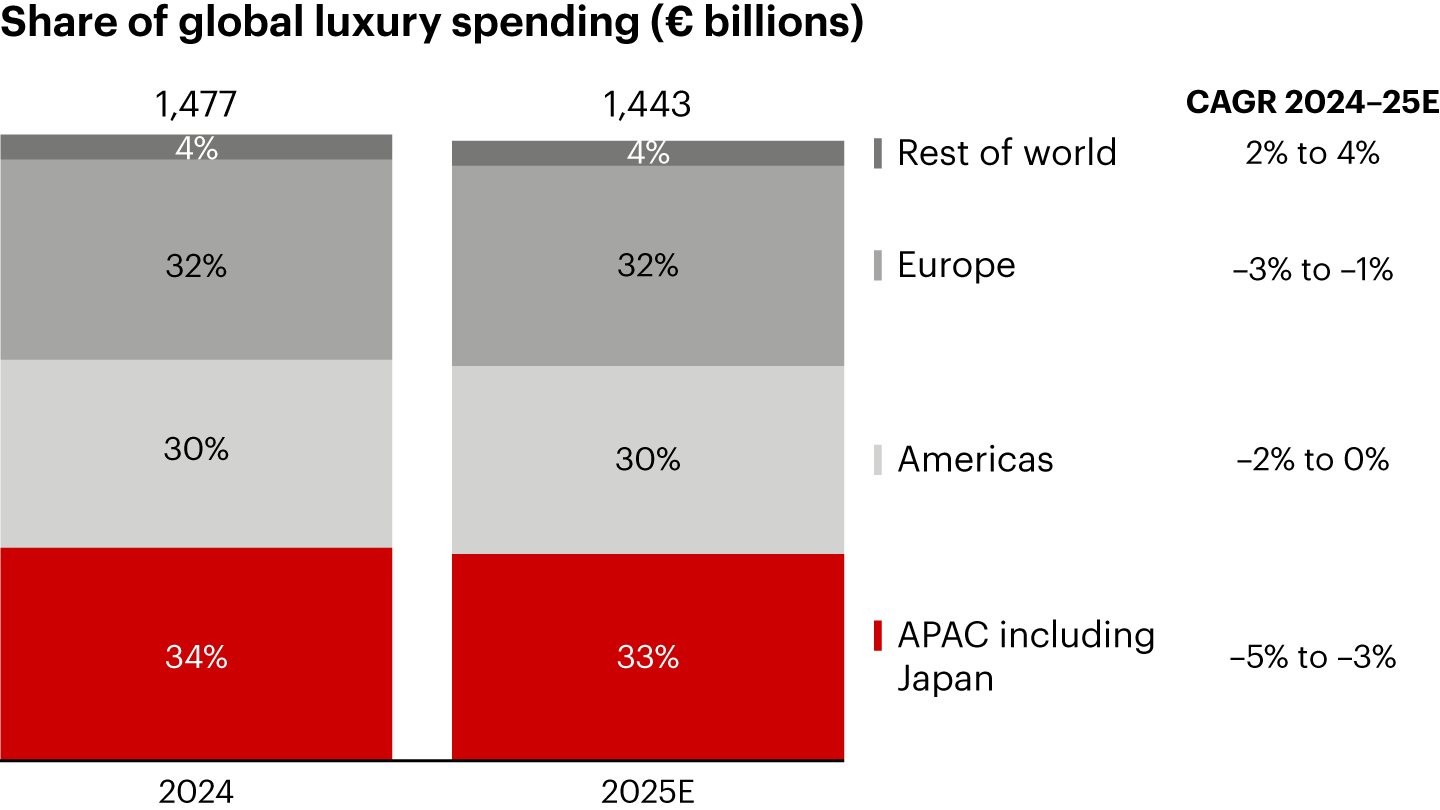
- Europe remained the largest market globally for personal luxury goods, despite a slight contraction in 2025. The Americas held its position as the second-largest region and stood out as the most resilient this year. Mainland China recorded another significant decline—though less pronounced than in 2024—but maintained its third-place ranking. Japan also saw a marked correction following its 2024 record.
- In 2025, the European personal luxury goods market declined by 1% to 3% at current exchange rates, totaling about €108 billion. According to Global Blue, sales of luxury goods to international visitors in Europe were flat in the first nine months of the year against a backdrop of euro strength and geopolitical tensions. Chinese tourist spending fell by about 15%, purchases from Gulf visitors rose by 5% to 10%, and spending from US tourists increased by around 5%. However, the nine-month total masked a deterioration in performance after the first quarter, a trend that continued into October and November. Overall luxury performance diverged sharply by country. Southern Europe recorded growth, supported by robust local demand in key Tier-1 cities. Paris and Milan remained the undisputed leaders in terms of tourist sales while Madrid and Barcelona gained traction. Northern cities lost luxury tourist sales momentum. The UK continued to be constrained by the absence of tax-free shopping. Europe’s affluent consumers kept spending, but aspirational buyers postponed purchases. In line with this trend, outlets gained further traction, putting pressure on full-price channels to sharpen their value proposition.
- Sales in the Americas reached an estimated €101 billion in 2025, up by 0% to 2% at current exchange rates. The average share of total discretionary spending allocated to fashion luxury eased back to pre-Covid levels. The first half of 2025 was constrained by financial uncertainty, but the second half experienced a rebound as the stock market recovered. According to Pyxis by Bain & Company data, the number of US luxury customers declined, shopping frequency remained stable, and average order value increased. Accessible luxury brands thrived. The weak dollar made it more attractive for US consumers to buy some luxury goods domestically, “repatriating” spending that would ordinarily have occurred abroad. US brands also benefited from renewed pride in homegrown labels. Gen Z was drawn back in by the creativity, authenticity, and cultural relevance of winning brands. In Latin America, growth was stable, particularly in Mexico and Brazil, supported by retail expansion and tourism, with Panama also emerging as a hot spot.
- Mainland China significantly slowed in 2025, albeit by less than last year. The market declined by an estimated 6% to 8% at current exchange rates compared with 2024. Persistently low consumer confidence and challenging macroeconomic conditions—including pressure on the real estate market, rising youth unemployment, and a deflationary environment—continued to weigh on domestic spending. International brands faced intensifying competition from local players across categories, as rising cultural pride and confidence fueled the success of Chinese brands offering better value for money and culturally resonant propositions, particularly among younger consumers. The overall market showed signs of stabilization in the second half of the year.
- After an exceptional 2024, Japan sharply decelerated from the second quarter of 2025, ending the year down an estimated 6% to 8%. Tourism slowed, and local demand softened, despite resilience in ready-to-wear and jewelry. Global Blue data indicates that tax-free luxury spending fell by 20% to 25%, while the number of shoppers decreased by only about 5%. The growing share of aspirational Chinese visitors shifted the tourist mix toward more value-conscious shoppers. Even so, tax-free spending on personal luxury goods remained well above pre-Covid levels. The preloved segment maintained strong momentum, reinforcing Japan’s position as a secondhand leader in Asia.
- Excluding mainland China and Japan, Asia-Pacific sales remained broadly stable in 2025, with growth ranging between a decline of 1% and an increase of 1% at current exchange rates. South Korea showed early signs of improvement, supported by favorable currency dynamics and Chinese travelers, though domestic sentiment remained cautious. Hong Kong continued to regain appeal, attracting younger Chinese tourists and a growing ultra-high-net-worth population. Southeast Asia delivered a mixed performance: Thailand lagged, Singapore, and Indonesia held steady, while Vietnam and the Philippines showed strong potential as luxury awareness continued to rise.
- The rest of the world grew by an estimated 4% to 6% at current exchange rates in 2025, reaching €23 billion. Dubai and Abu Dhabi remained solid, supported by diverse tourism and local demand. Saudi Arabia continued to stand out as a market of exceptional potential. Other Gulf markets were mixed. Australia was held back by subdued Chinese tourism.
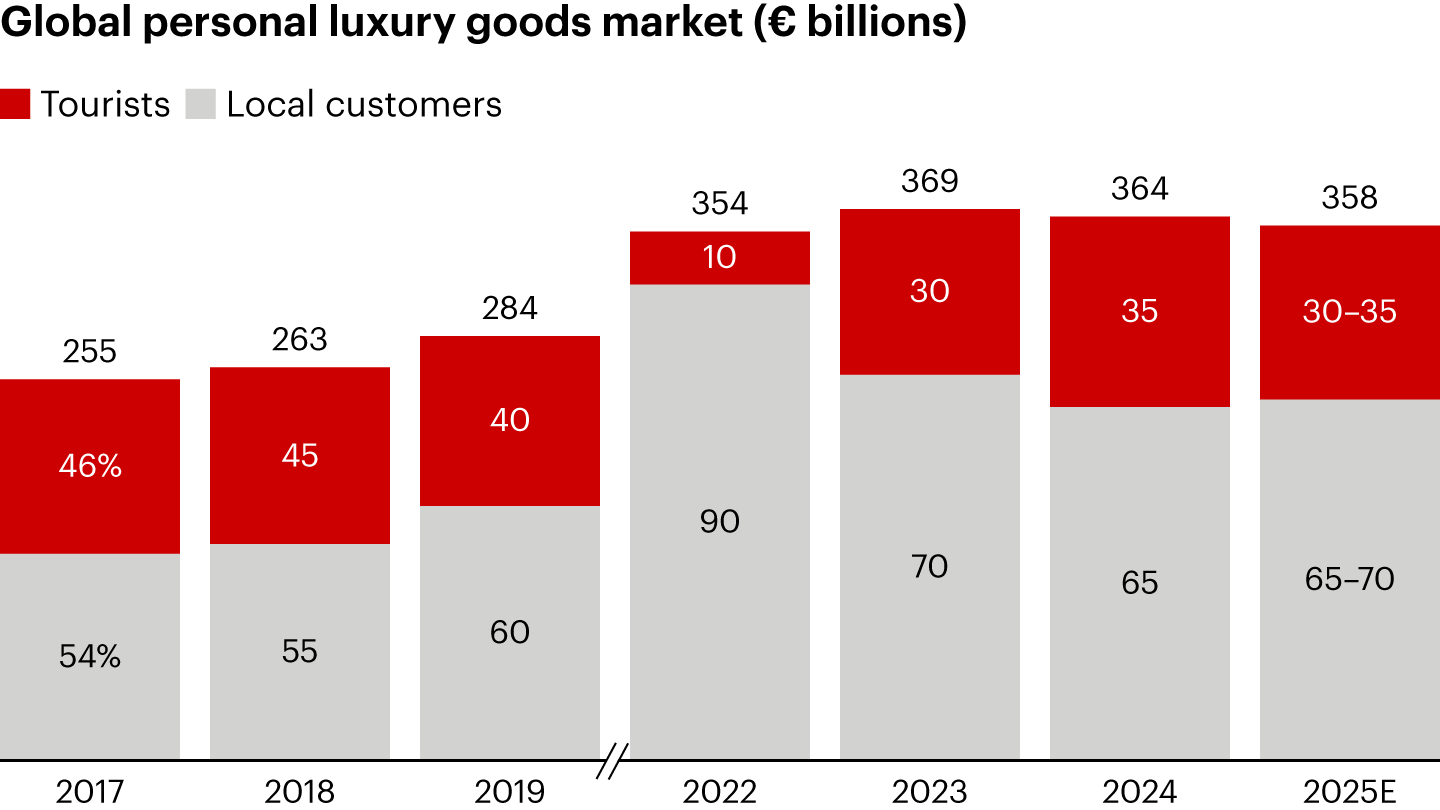
- Globally, tourist spending represented only 30% to 35% of global luxury purchases in 2025, compared with about 40% in 2019.
Figure 8
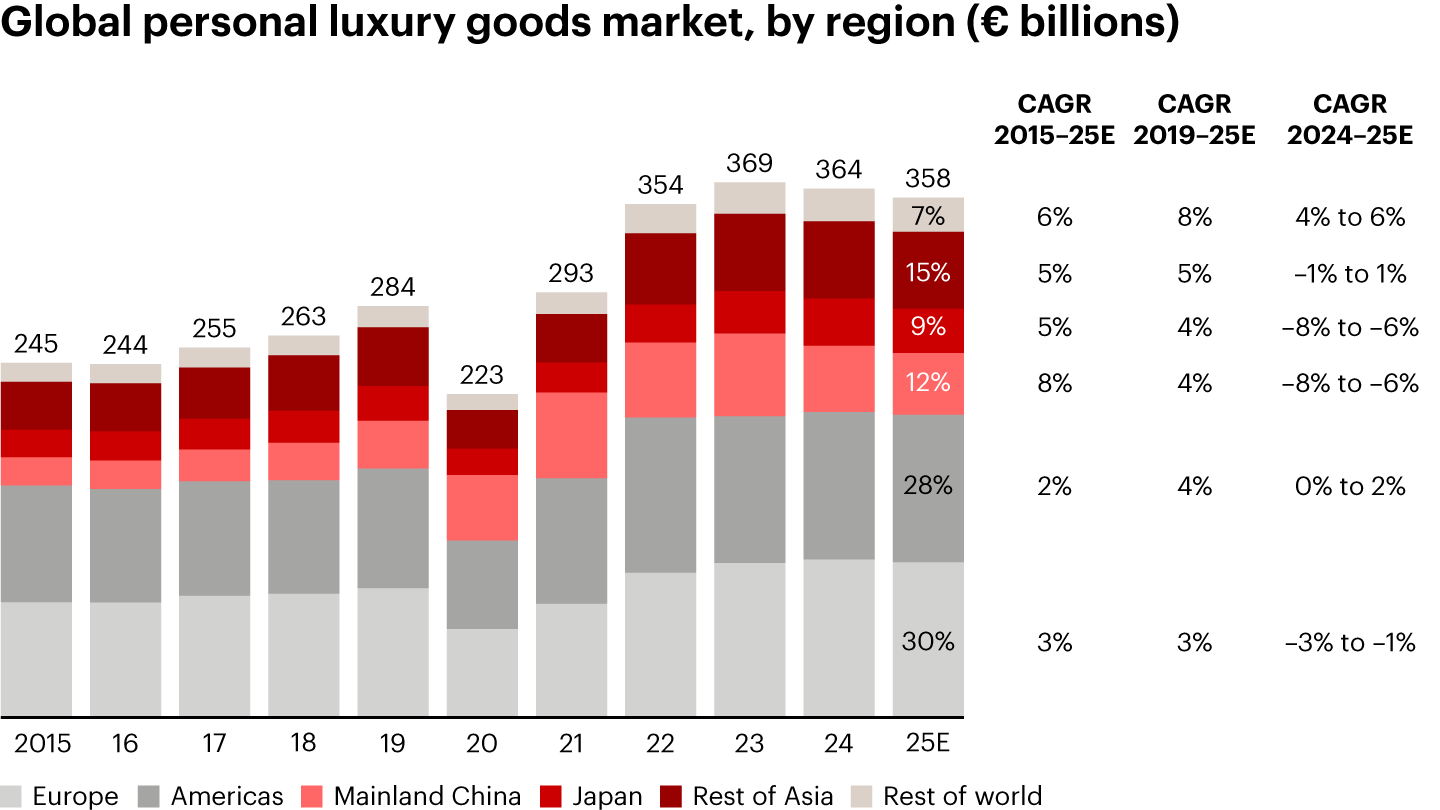

Figure 9

Note: E indicates estimated value
Source: Bain & Company
3. Distribution trends
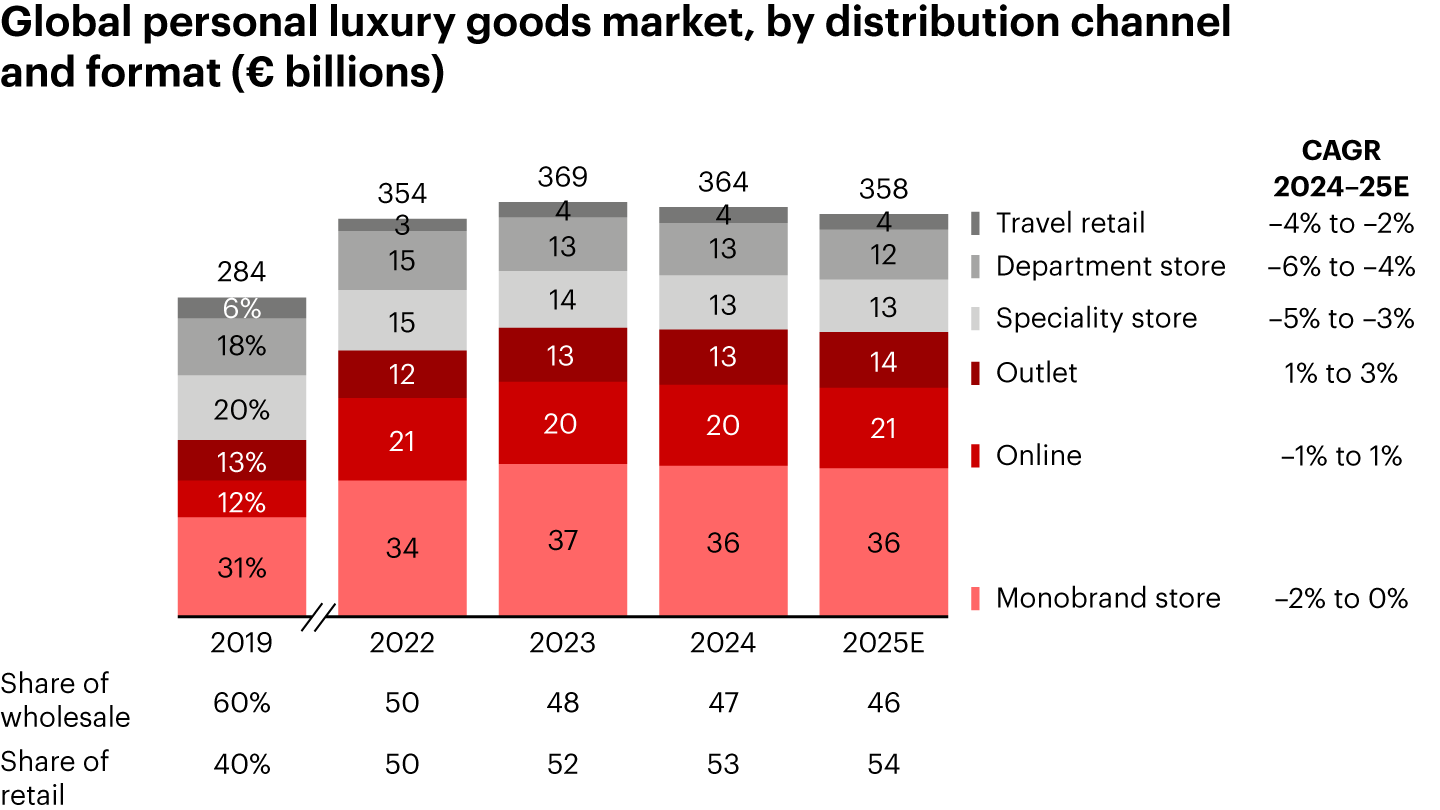
- Distribution trends in 2025 continued to reflect a focus on value, with outlets outperforming full-price retail. Markdown pressure intensified across channels, forcing brands to navigate difficult trade-offs between inventory monetization and margin protection. Stock levels as a share of revenues were 3 to 4 percentage points higher in 2025 than in 2019. At the same time, discounted sales continued to expand, accounting for 35% to 40% of industry revenues in 2025, an increase of about 5 percentage points compared with 2015.
- Monobrand store sales declined by an estimated –2% to 0% at current exchange rates, reflecting subdued footfall. Amid pressure on cash flows, brands took a conservative approach to their store footprint. Closures included the loss of about 25,000 square meters of monobrand space since January. In the first 11 months of 2025, the number of monobrand store openings was 15% to 20% lower than in the corresponding period of 2022, although the new locations were significantly larger as average flagship store size increased by more than 30%. The monobrand model needs a strategic reframing. Rising customer expectations are increasing the cost to serve. Within a typical city, consumers are becoming more fragmented in their needs and behavior. Alternative purchase options are multiplying, too. Reenergizing the store and customer engagement will require investment in hyper-personalization beyond traditional clienteling, more localized and store-level assortment strategies, and deeper human connections that extend beyond transactions.
- The online channel stabilized in 2025, with growth ranging between a decline of 1% and an increase of 1% at current exchange rates as it continued to normalize post-pandemic, slightly increasing share from 20% to 21% of the luxury market. Brand-operated online stores showed encouraging signs, supported by renewed engagement from aspirational clients and AI-powered enhancements to the user experience and interface. Multibrand platforms, however, remained under pressure, with only a limited number of clear winners.
- The offline multibrand retail channel continued to underperform in 2025, relying increasingly on discounts and loyalty programs as traffic remained muted despite brands’ efforts to introduce experiential formats. In the US, department stores continued restructuring their networks, reducing selling space by roughly 10% since 2024.
- The outlet channel outperformed the market again in 2025, growing by an estimated 1% to 3% at current exchange rates. Momentum was driven by strong consumer demand for value-for-money purchases, alongside continued network rationalization.
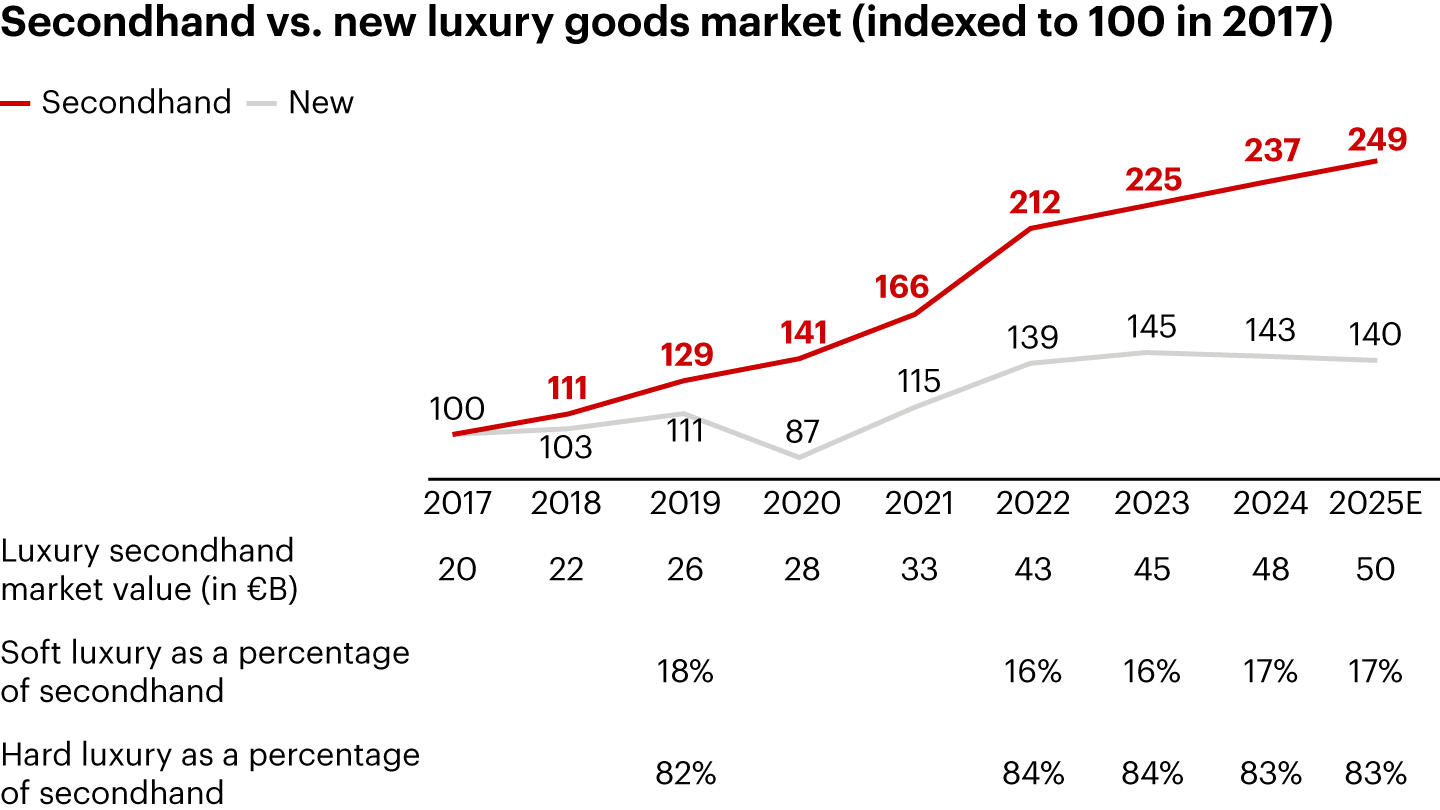
- The secondhand luxury goods market grew to an estimated €50 billion in 2025, with sales rising by 4% to 6%, aided by consumers’ enthusiasm for treasure hunting and iconic archival pieces. The mix between soft and hard luxury remained broadly stable, with hard luxury (watches and jewelry) representing about 83% of total sales. Innovation also supported growth: AI-powered authentication tools and digital product passports increased trust in online platforms, but physical resellers still anchor the credibility of the preloved market.
Figure 10

Note: Growth shown at current exchange rates; E indicates estimated value
Source: Bain & Company
Figure 11

Notes: E indicates estimated value; growth shown at current exchange rates
Source: Bain & Company
4. Individual category performance
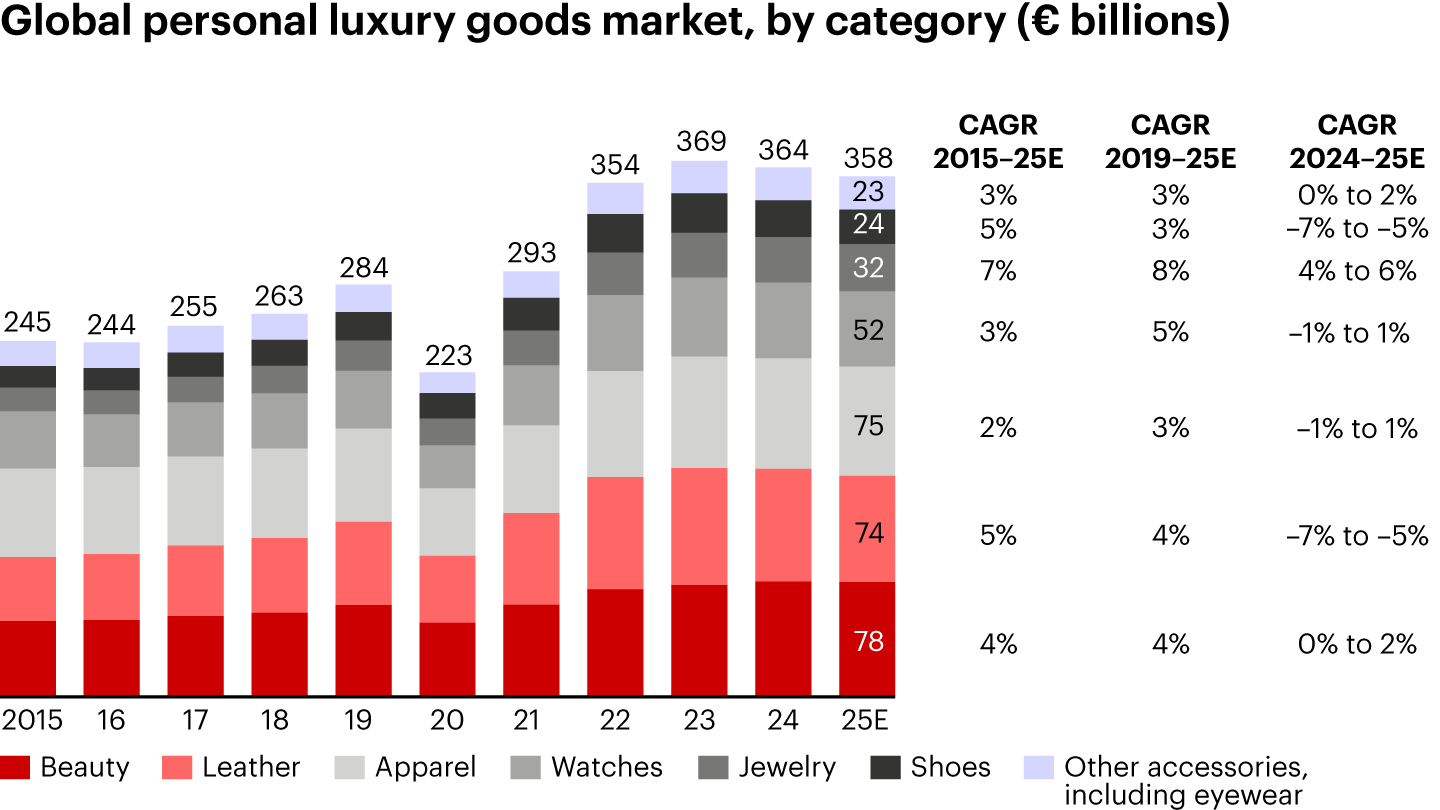
- Only a handful of luxury categories posted growth in 2025 amid a broad slowdown across soft luxury including apparel, leather, and shoes. Category growth patterns have shifted significantly: Although soft goods generated more than 50% of overall growth between 2019 and 2023, they have accounted for more than 110% of the market contraction since 2023. Jewelry and small indulgences (including eyewear and beauty) have been the only positive contributors in the entire personal luxury goods market since 2023.
- Beauty, the largest category, held its ground in 2025, with sales growing by around 0% to 2% at current exchange rates to a midpoint estimate of €78 billion, aided by improved stock availability. High-end brands outperformed while mid- and lower-end players faced intensifying discount pressure. Fragrances remained the most dynamic subcategory, particularly masculine scents. Across the category, AI adoption accelerated, powering hyper-personalized recommendations.
- The apparel category was stable in 2025, likely ending the year somewhere between a 1% decline and a 1% gain at current exchange rates, which would equate to a market size of €75 billion at the midpoint. Performance held steady among top clients, especially in occasion-driven subcategories such as eveningwear, resort wear, and statement pieces. More accessible players continued to gain traction with younger generations. Brands intensified their use of capsules, limited drops, and newness-focused storytelling.
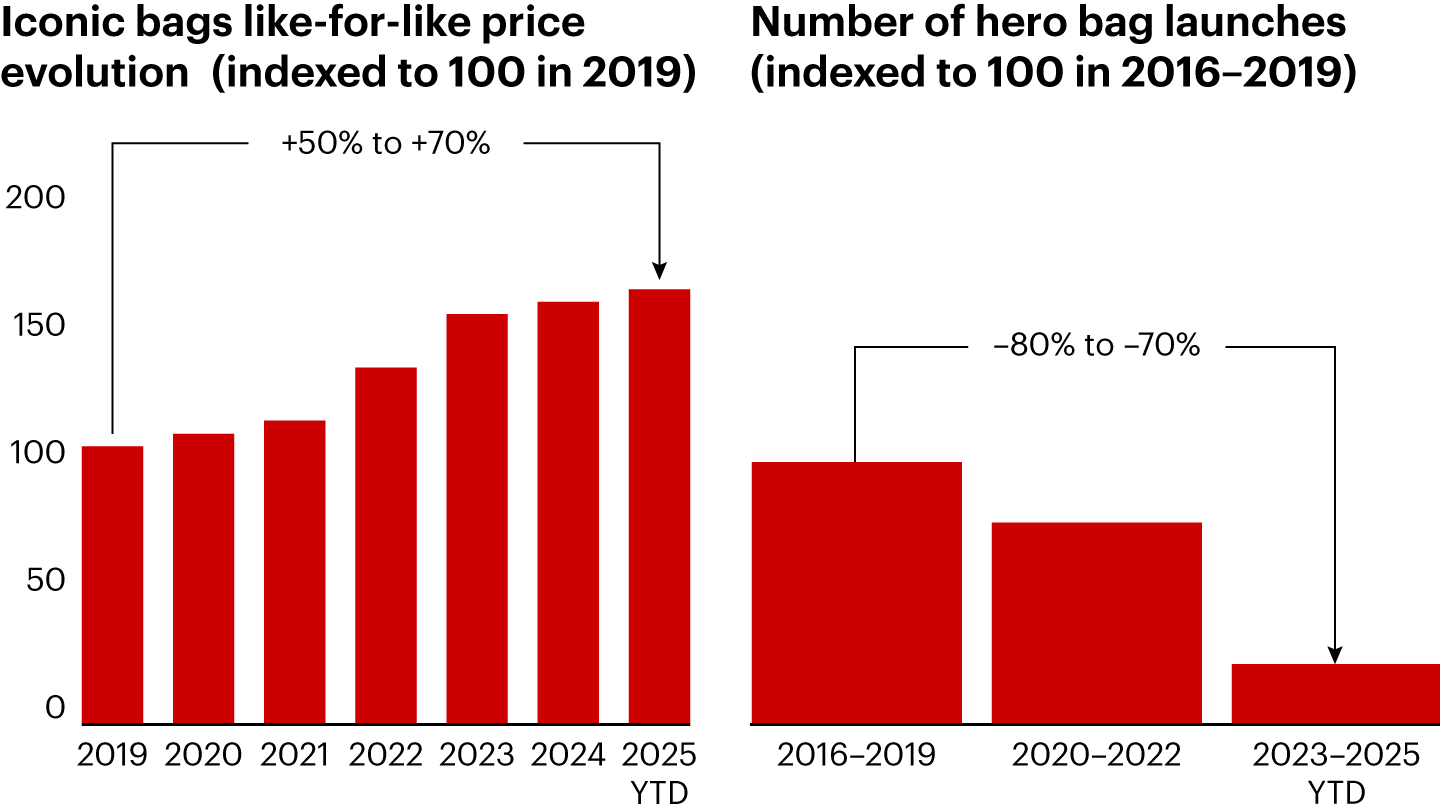
- Leather goods declined again in 2025, down an estimated 5% to 7% at current exchange rates to about €74 billion. The category continues to feel the effects of substantial price increases since 2019 and a consumer perception that the price-to-value equation has broken. The prices of like-for-like iconic bags have risen by between 50% and 70% from 2019 to 2025. That’s happened in conjunction with a sharp drop in product innovation, with 70% to 80% fewer hero-bag launches occurring during the period from 2023 to 2025 compared to the period from 2016 to 2019. The perceived lack of freshness has sparked demand for new and more playful alternatives, particularly among Gen Z. As a result, leather goods remain highly exposed to volatility, with aspirational consumers being increasingly drawn to insurgent brands offering sharper value propositions.
- The watch category remained broadly flat in 2025, with sales of new timepieces likely to be between 1% lower and 1% higher at current exchange rates, totaling an estimated €52 billion. Major brands led growth due to demand for both their entry-price and upper-tier assortments. High-end watch performance was particularly strong for jewelry maisons. Tariffs and rising retail prices encouraged some consumers to shift toward preowned alternatives.
- Jewelry stood out as the clear winner in 2025. Sales grew by an estimated 4% to 6% at current exchange rates, reaching an estimated €32 billion. Momentum remained broad-based across regions. Jewelry further extended its role as an emotion-driven asset with a function beyond traditional gifting. Competition intensified in Asia, with new entrants rapidly scaling in high jewelry. Customizable and modular pieces gained traction among younger consumers.
- The shoe category declined again in 2025, down an estimated 5% to 7% at current exchange rates to €24 billion. The segment remained under pressure from heightened price sensitivity and intensified competition from sportswear. Brands increasingly experimented with entry-level propositions, especially sneakers, as well as capsules and collaborations to stimulate volume. Meanwhile, heels and statement footwear showed early signs of recovery in selected markets.
- Eyewear maintained solid momentum in 2025, expanding by an estimated 2% to 4% at current exchange rates to €17 billion. Gains were driven by design-led differentiation and versatility, with the category benefiting from being an accessible entry point into luxury and a platform for trading up. Innovation focused on custom fit, personalization, and deeper digital integration.
Figure 12

Notes: Growth shown at current exchange rates; E indicates estimated value
Source: Bain & Company
Figure 13
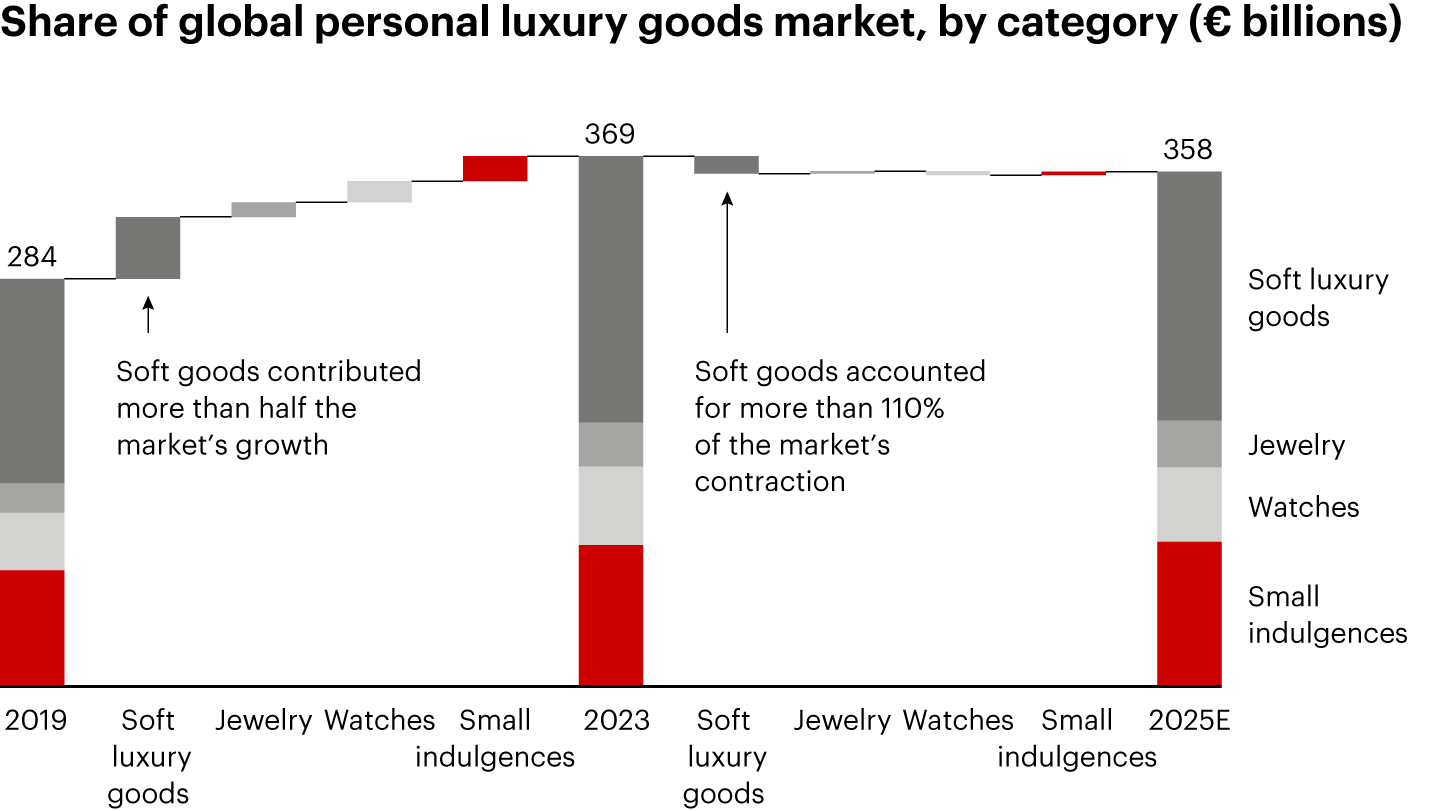

Notes: Growth shown at current exchange rates; E indicates estimated value; soft luxury goods include apparel, leather and shoes; small indulgences include beauty, eyewear, and other accessories
Source: Bain & Company
Figure 14


5. Customer base dynamics
- Last year was the first time in 23 years of our tracking the industry that the luxury market lost customers. Unfortunately, that trend has continued. About 20 million consumers exited the market in 2025, bringing the global active client base to around 330 million, down from 400 million in 2022, effectively returning to its 2013 estimated size. This contraction is striking given that the overall addressable luxury market has expanded steadily from 2013. As a result, the share of addressable consumers who are active buyers is shrinking: Only 40% to 45% of the total addressable consumer base purchased personal luxury goods in 2025, compared to around 60% in 2022. Brand-level data mirrors this dynamic, with new client recruitment down about 5% vs. 2024.
- At the upper end of the market, top customers (those buying more than €20,000 of luxury goods a year) maintained their spending in absolute value, yet their importance slightly increased due to the reduction in total sales. They now account for a little more than 46% of total luxury goods spending, up from 30% in 2019.
- The ongoing contraction of the client base is driven primarily by aspirational consumers, who have been pressured by steep price increases since 2019. Customer satisfaction levels are alarmingly low, highlighting a lack of clear differentiation in brands’ value proposition: 70% of consumers are dissatisfied with today’s in-store experience, and 90% feel the customer experience is similar across brands. Encouragingly, brands that changed their creative director this year saw improved consumer engagement, confirming that change and newness retain a powerful appeal.
- Across generations, the overall spending mix changed little in 2025. Millennials accounted for about 46% of total luxury spending, marginally down compared to 2024. Gen Z offered pockets of promise. Some brands successfully unlocked growth from this cohort, despite the complexity created by its distinct values and expectations. Gen Z is more engaged but also more critical and tends to be more open but less loyal. The cohort prioritizes individual identity over community, evaluating brands on cultural relevance, not status.
- More broadly, the customer landscape is increasingly complex. Personas, journeys, purpose drivers, and demographic profiles are multiplying. Consumers are evolving rapidly, entering the category younger, staying active (and healthier) longer, becoming more knowledgeable and focused on well-being. This is raising the bar for brands as they refine their customer strategies. To win back lost clients and attract new ones into the market, brands must earn back trust by reinvesting in product quality and craftsmanship, reigniting creativity, restoring price integrity, and reclaiming cultural and social resonance. They must also reinvest in relationships and experiences that feel less transactional by scaling one-to-one personalization, designing curated experiences, and executing flawlessly. For top customers, the priority is to create priceless, once-in-a-lifetime moments, innovate across all touchpoints, and empower client advisers to build deep emotional connections that elevate the brand experience.
Figure 15
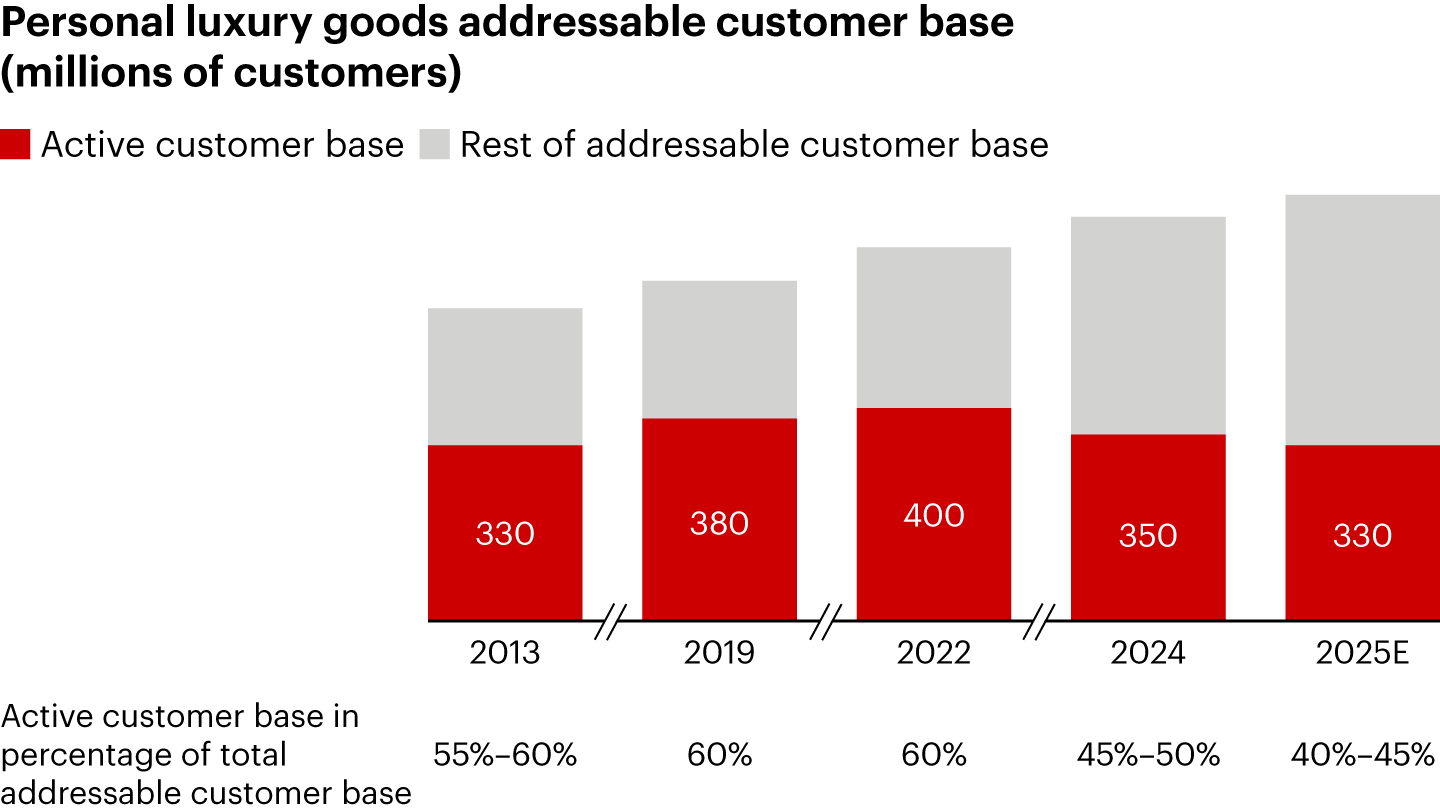

Notes: E indicates estimated value; addressable customer base defined according to disposable income and other demographic variables that differ across countries; some historical customer base data revised after methodological upgrades to improve precision and comparability
Source: Bain & Company
Figure 16
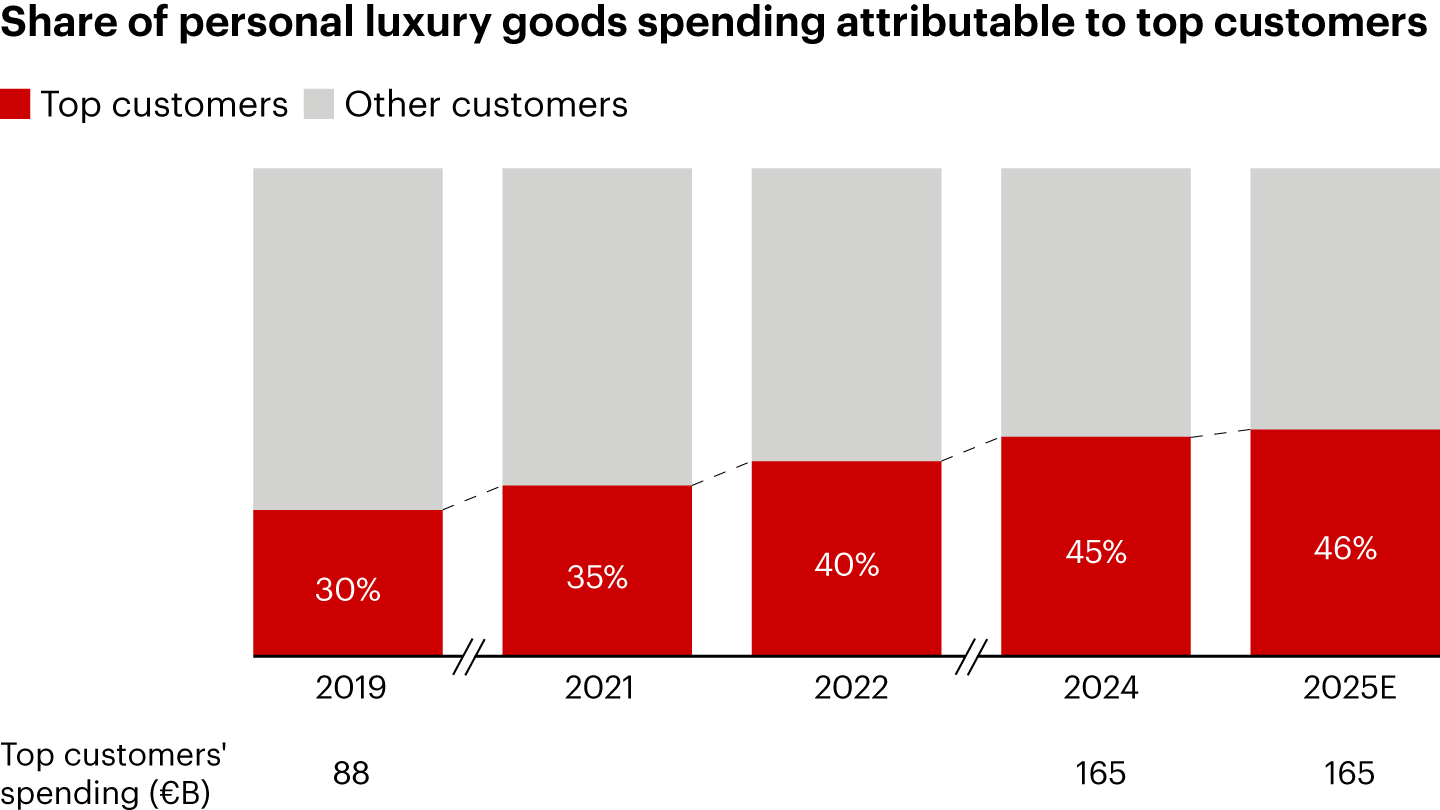

Notes: E indicates estimated value; top customers defined as those spending more than €20,000 a year in personal luxury goods
Source: Bain & Company
Figure 17
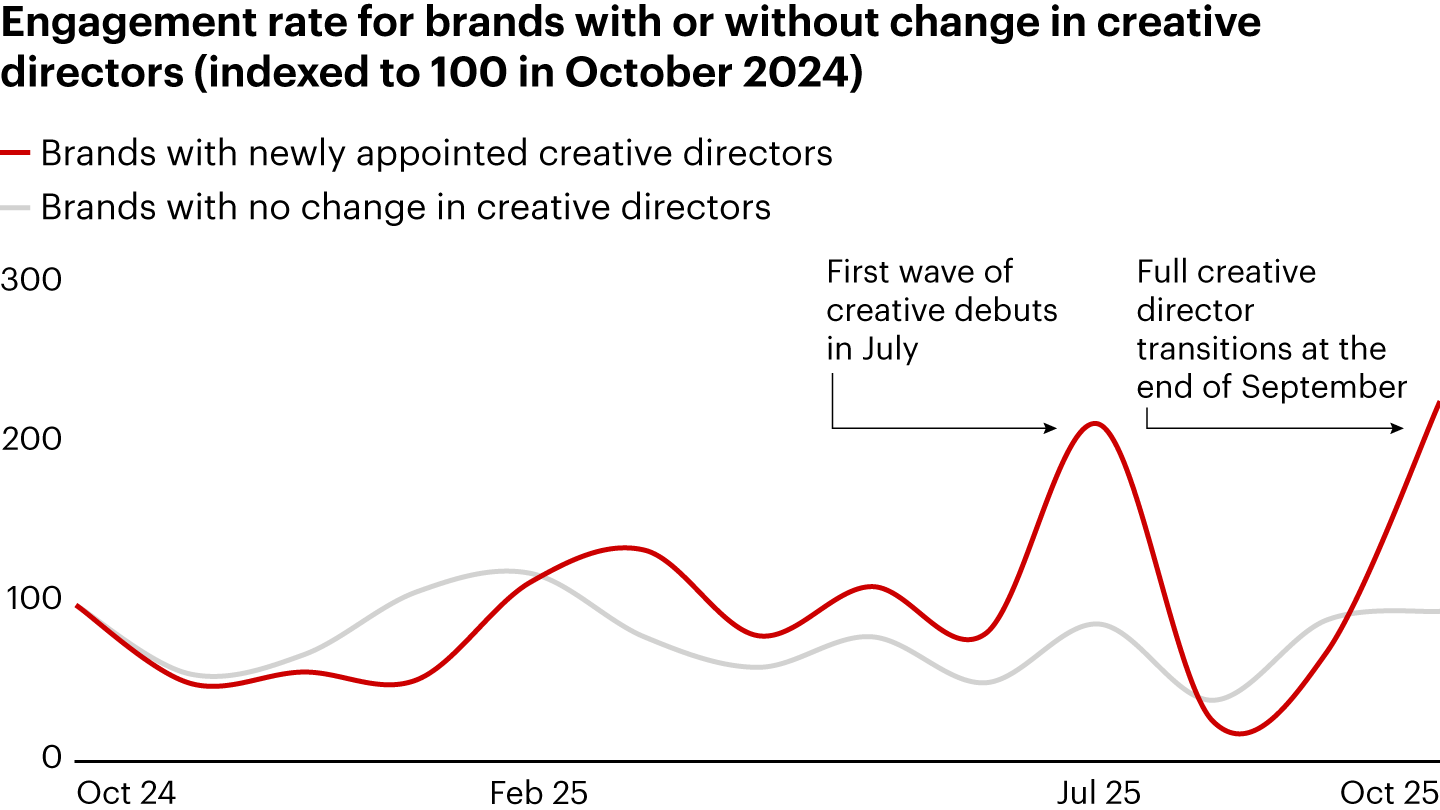

Notes: Engagement rate defined as social media engagement rate measured as number of interactions with each brand’s posts divided by total brand followers
Source: Bain & Company
6. Outlook for the future
- Only 40% to 45% of personal luxury goods brands posted year-over-year revenue growth, broadly similar to 2024 but well below the 65% seen in 2023 and the 95% recorded during the 2022 rebound. Specialist brands stood out, with around 70% achieving growth. Meanwhile, the industry’s giants delivered mixed results: In 2025 only about half the €5 billion-plus players grew.
- After several years of price elevation across the sector, accessible brands emerged as the strongest performers in soft luxury, with roughly 50% of these brands managing to grow in 2025, compared with about 25% of aspirational brands and 35% of absolute luxury players, highlighting tightening price elasticity as consumers become more discerning.
- To offset the past elevation of core luxury categories and attract new clients, particularly aspirational ones, several brands have begun redefining their reach by expanding into adjacent entry-point categories such as gourmet food, fine dining, and spa wellness. These moves are generating genuine consumer interest. However, questions remain about whether these adjacencies will be sufficiently compelling to win back lost customers and whether such expansions risk diluting brand authenticity and overall narrative coherence.
- Industry profitability decreased again in 2025. On an earnings before interest and taxes basis, average margins fell to around 15% to 16%, returning to 2009 levels and down from a record 21% in 2021 and 2022. Over the past 24 months, this deterioration has reduced the industry’s total profit pool by about 20%. Margin compression reflected gross margin decline, inflation, tariffs, and rising markdown intensity, as well as higher operating expenses linked to the war for talent and increased marketing investment. Capital expenditure remained stable overall, with the impact of reduced retail expansion offset by growing investment needs in supply chain and digital capabilities. In this environment, performance improvement and cost control become critical levers for long-term, sustainable growth. Brands must concentrate on business-critical priorities, protect brand-building and competitive advantage, and streamline costs in low-value areas by simplifying processes and automating. Tech-enabled process redesign and capability enhancement can help streamline and craft the right organizational structure.
- Brands must harness the full potential of new technologies, not only to drive operational efficiency but also to build greater resilience and sustainability across their operations. AI offers efficiency gains across both customer-facing and back-office activities; it can accelerate time to market, heighten customer experience, sharpen operations, and free up strategic bandwidth. It also plays a critical role in shaping a new marketing system—one that is more agile, predictive, and integrated—laying the foundation for the next generation of customer engagement models.
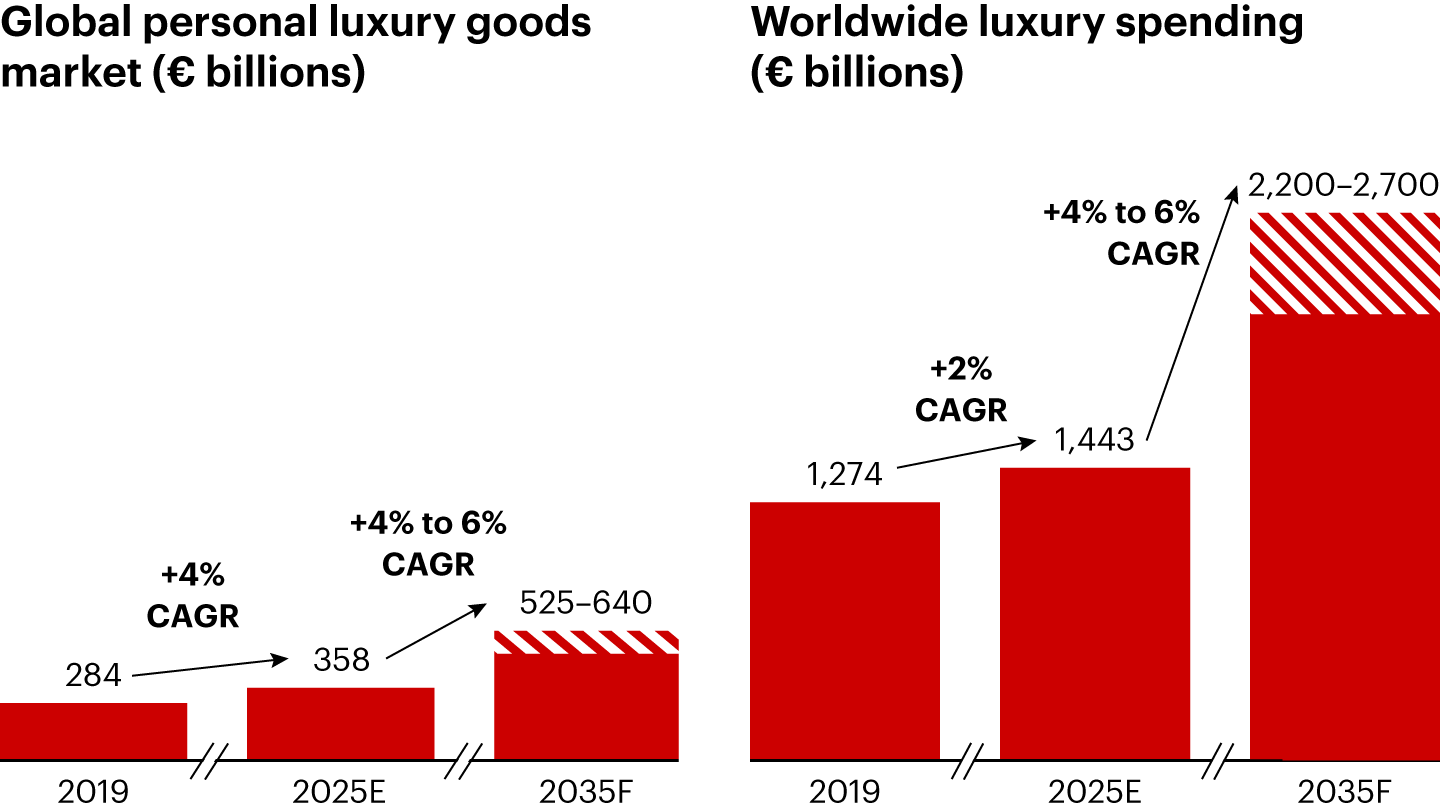
- Over the next decade, we expect overall luxury spending (including goods and experiences) to experience solid growth of 4% to 6% per annum, rising to an estimated €2.2 trillion to €2.7 trillion in 2035.
- In 2026, the personal luxury goods market is expected to return to moderate expansion, with the most plausible scenario pointing to growth of 3% to 5%. This forecast assumes sustained momentum in the US supported by robust financial markets, continued resilience in Europe and in Japan’s local demand, and steady recovery progress in China.
- Looking further ahead, solid structural fundamentals are expected to support annual market growth of 4% to 6% through 2035, bringing the personal luxury goods market to an estimated €525 billion to €640 billion by the end of the period.
- This growth potential is underpinned by what should be a durable and expanding customer base: Younger generations are entering the market earlier, older cohorts are staying engaged for longer, and long-standing clients continue to demonstrate enduring desire for luxury. Indeed, more than 70% of lapsed customers indicate they intend to resume purchasing within the next three years, and 90% of current buyers plan to continue spending, particularly Gen Z and high-net-worth clients.
- Ensuring the market’s longevity will require brands to undertake a strategic reset anchored in a genuinely long-term view. This means recalibrating to thrive over the coming decades, balancing growth ambitions with evolving consumer expectations, rethinking retail formats, client engagement, and cultural relevance, and building a future-proof ecosystem that seamlessly integrates technology, talent, and timeless brand codes.
- As the industry moves beyond its elevation phase, the defining traits of the next era of luxury remain an open question. The coming chapter could be shaped by a renewed emphasis on ethics and responsibility or, conversely, by a return to heightened exclusivity. The outcome will ultimately hinge on the active choices brands make. Staying relevant will require brands to strategically reimagine the playbook to capitalize on the growing base of potential consumers. This will mean making clear choices about whom to serve; returning to the essence of this industry by reinjecting creativity, quality, and purpose as non-negotiable pillars of the value proposition; investing decisively in the elements that truly differentiate the brand; embedding precision and excellence in execution; and, ultimately, building the talent base needed to thrive in the years ahead.
Figure 18
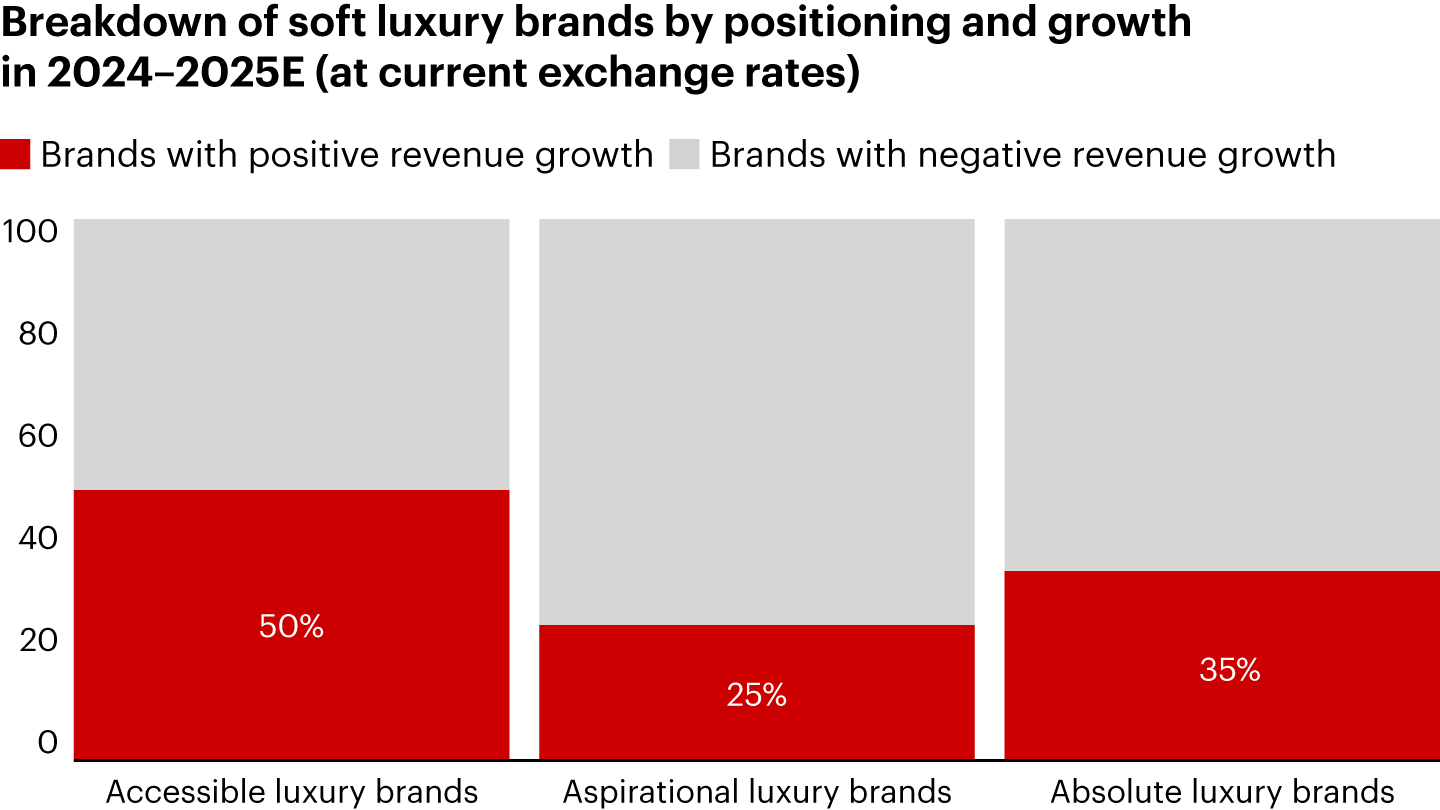

Notes: Accessible luxury refers to entry-to-luxury brands, targeting upper-middle-class consumers; aspirational luxury includes luxury brands with broad appeal to affluent consumers; absolute luxury encompasses higher-end brands recognized as the pinnacle of luxury in their core categories
Source: Bain & Company
Figure 19
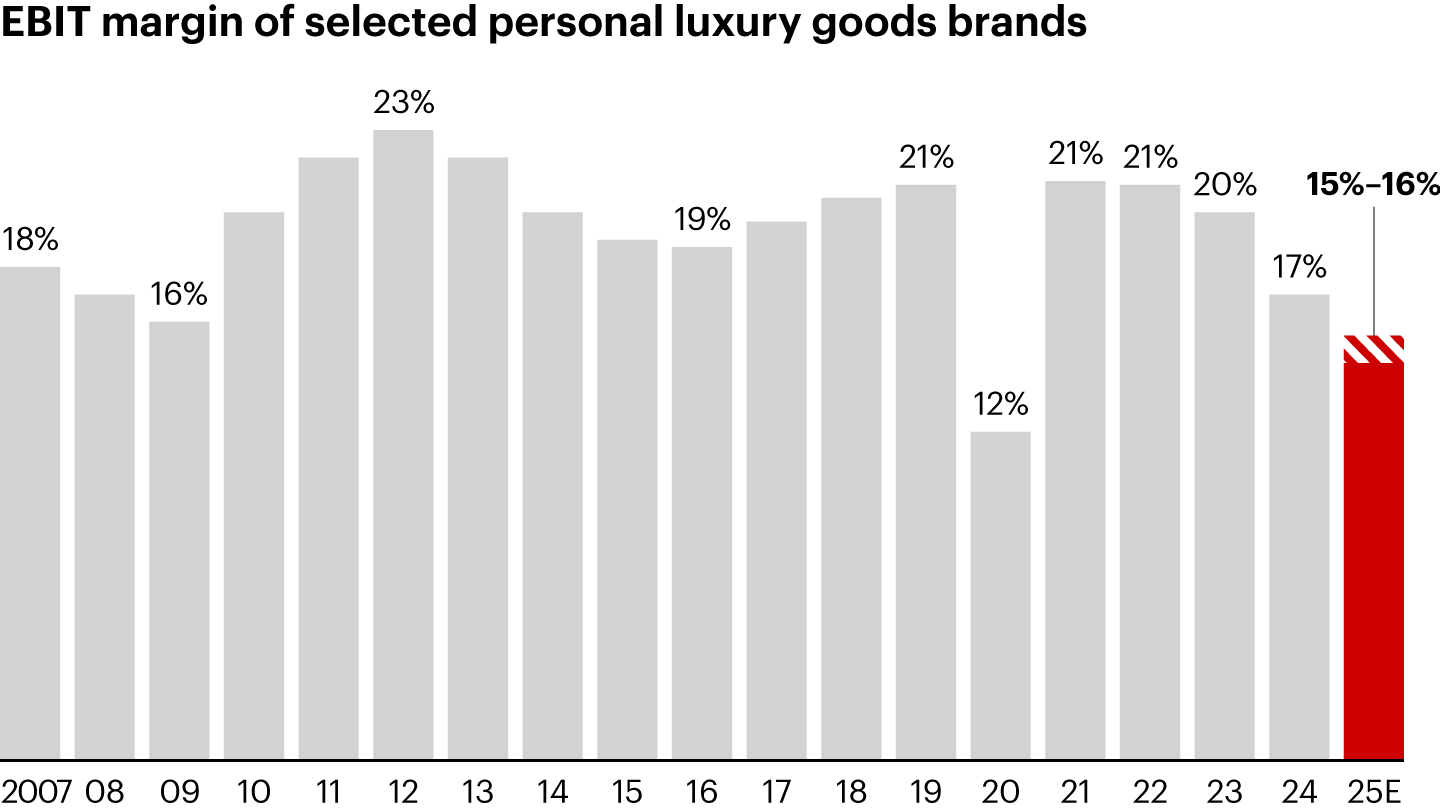

Notes: EBIT is earnings before interest and taxes; E indicates estimated value; includes a representative set of luxury brands across product categories and regions
Source: Bain & Company
Figure 20
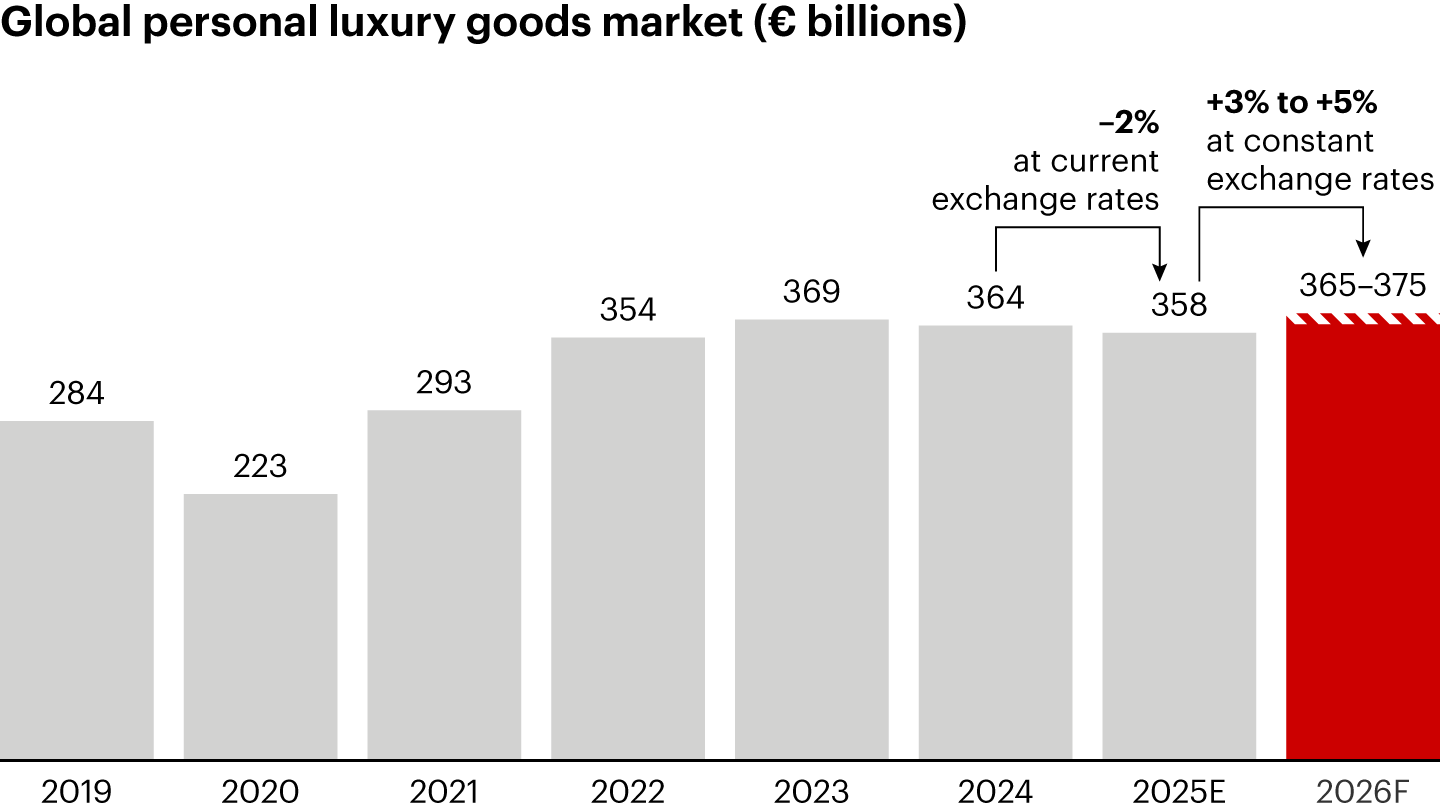

Figure 21

Notes: E indicates estimated value; F indicates forecasted value
Source: Bain & CompanyAbout the Bain Luxury Goods Worldwide Market Study
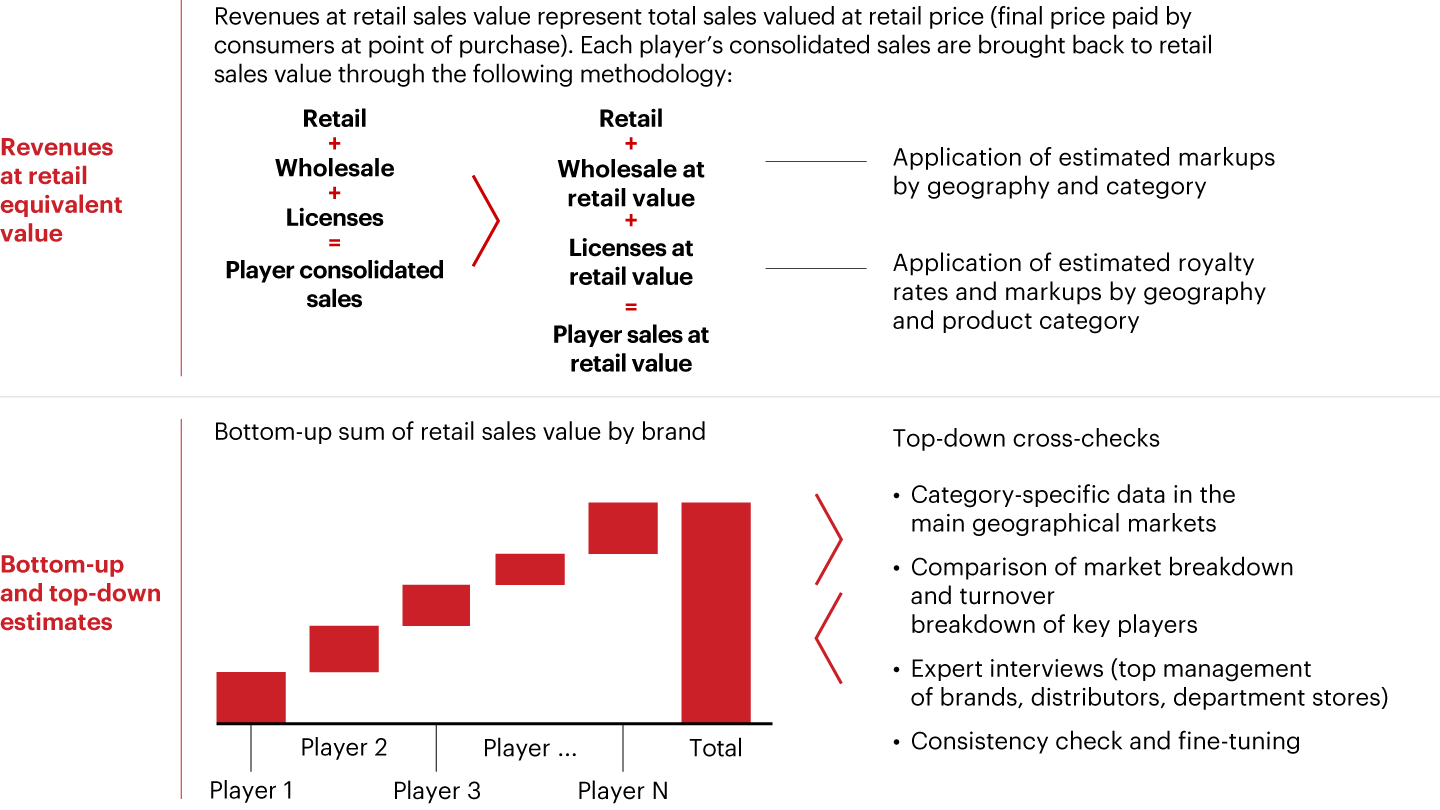
Bain & Company analyzes for Fondazione Altagamma the market and financial performance of more than 280 leading luxury goods companies and brands. This database, known as the Luxury Goods Worldwide Market Observatory, has become a leading and much-studied source in the international luxury goods industry. Bain has published its annual findings in the Luxury Goods Worldwide Market Study since 2000. The study’s lead author is Claudia D’Arpizio, a Bain partner in Milan. Fondazione Altagamma is chaired by Matteo Lunelli, who was named chairman in 2020.
This document contains intelligence on the personal luxury goods market, in particular:
- insight into the performance of the market for the first three quarters of 2025, with expectations for the last quarter;
- estimates for how the luxury market will evolve beyond 2025, with related emerging macro trends; and
- Bain’s recommendations for how luxury players can steer the next phase of growth.
Bain’s insights are based on triangulating information and sources available as of November 18, 2025, including:
- macroeconomic data (e.g., GDP, consumer confidence index) and latest forecasts;
- current trading performance from relevant luxury industry players;
- annual reports, quarterly results, and analyst reports; and
- consensus of 100-plus expert interviews.
The scenarios do not consider disruptive changes due to the current global sociopolitical situation.
Figure 22

First published in dezembro 2025