

Brief


|
|
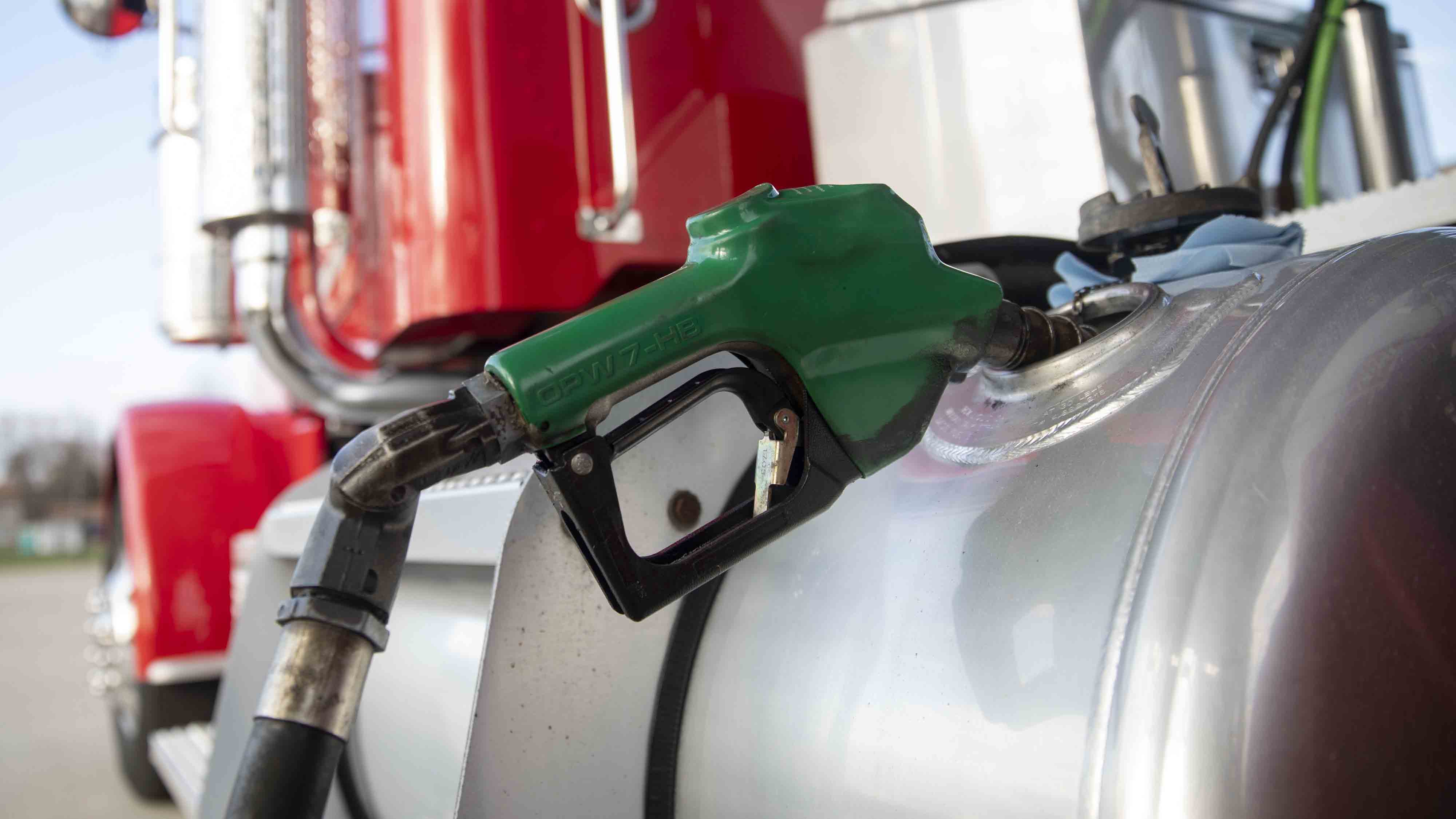
US diesel prices have climbed to more than $6.50 per gallon, surpassing the previous record of $5.81 set in June 2022. The increase has been unusually rapid: Diesel began the year at roughly $3.46 per gallon, meaning prices have risen by about 88% in a matter of months. For companies with freight-intensive supply chains, this creates an immediate P&L challenge. Fuel now accounts for an estimated 25%–30% of trucking operating costs, compared with about 21% in 2024. Carriers can absorb only so much of that increase before passing it to shippers through fuel surcharges. UPS, for example, has raised its fuel surcharge from 21% prior to the conflict with Iran to 29.5% as of September 21 and subsequently adjusted its surcharge mechanism so that rates decline more gradually as diesel prices fall. For shippers, that illustrates an important point: The risk isn’t simply higher fuel prices. It’s how those prices translate into transportation rates, how much exposure companies retain, and how quickly costs come back down. Carriers that have not yet renegotiated their tables will likely follow the same path. From carriers, those costs move to shippers, then retailers, then consumers. The pressure is particularly visible in food, where transportation costs can be quickly passed through the supply chain. Perishables cannot be stockpiled and often travel in refrigerated trucks that consume more diesel per mile. Higher freight costs can also add to broader inflationary pressures, particularly for goods such as appliances or building materials that travel long distances or move through multiple stages of the supply chain. In dollar terms, the potential impact is substantial. Consider a shipper that spends $50 million a year on truckload base rates, before fuel surcharges. At an illustrative 21% fuel surcharge, fuel would add $10.5 million to that bill. At 25%–30%, it would add $12.5 million to $15 million—an increase of $2 million to $4.5 million before any surcharge negotiation. Four key actionsInstead of waiting for fuel prices to normalize, leading companies are taking four steps to help counter the impact of the surge in diesel fuel costs. Take control of fuel surcharges. Shippers can establish their own surcharge schedules in carrier contracts, pegged to the US Energy Information Administration’s published weekly diesel prices. This creates a more predictable, auditable reimbursement mechanism. Companies that use carriers’ surcharge tables can negotiate limits on how frequently those tables change and how large adjustments can be. Shift eligible freight to rail. Rail costs significantly less per mile than truckload shipping, and one railcar can carry the equivalent of four full truckloads. It is slower and less flexible on delivery windows, so it’s most appropriate for nonperishable, time-tolerant freight, not just-in-time or temperature-sensitive goods. Better planning matters, too: Avoiding expedited shipments where possible, particularly premium air freight, can eliminate a significant source of unnecessary expense. Reduce wasted miles and fuel consumption. Leaders work with carriers to find loads for trucks that would otherwise return empty, reducing both empty miles and fuel consumption. Companies operating private or dedicated fleets can also use telematics to identify excessive idling, inefficient routes, driving behaviors, and maintenance issues that increase fuel use. Individually, these actions may appear incremental, but when implemented systematically, they can produce sustained fuel savings. Manage inbound freight as rigorously as outbound. Suppliers may seek price increases as their transportation costs rise. Procurement teams need transparency into the freight component of supplier pricing so they can distinguish legitimate cost pressure from broader price increases. Where scale permits, companies can also evaluate whether managing inbound transportation directly through their own logistics organization creates greater leverage. Diesel volatility is a reminder that freight should be managed as a strategic cost, not simply a transportation expense. Companies that understand their exposure, establish disciplined surcharge mechanisms, and continuously optimize their networks will be better positioned to protect margins through the current spike and whatever comes next. |