

Report

Introduction
More than 10 years ago, many Chinese graduates looked to well-known Western companies for leadership and development opportunities. Many strove to get into formal management development programs at the “best companies to work for” to become well-rounded global leaders.
Many of today’s most sought-after companies to work for in China were not on the top lists 10 years ago.
Written in collaboration with
Written in collaboration with

The rapid growth of local companies is upending career paths. Many Chinese nationals are choosing faster and more rewarding career paths with local companies over formal talent development programs and overseas assignments in multinational corporations.
It appears that local companies are attracting talent away from multinationals at an accelerated pace by giving leaders direct influence over corporate strategy and key decisions. Newer organizations seem to be attracting talent by offering younger leaders the prospects of more influence and the opportunity to leave a legacy.
In partnership with LinkedIn China, Bain & Company examined the current state of business leaders in China. By comparing the results of this study to its prequel completed in 2016, the gravity of trends is more apparent. Given a greater understanding of this generation of Chinese leaders, CEOs and human resource managers can build more sustainable and scalable organizations.
Approach
This is an extension of a report produced by Bain & Company and LinkedIn China in 2016. The research and analysis methodology was the same for both studies. A key difference is the sample size; the sample set increased by more than 60% for this report.
Compared with the 2016 report, more local Chinese companies qualified for the sample set. We used only two criteria to qualify the companies: Each has significant revenue and is a leading player in the industry, and each company has sufficient employee representation on LinkedIn.
Bain & Company analyzed 66,000 business leaders in LinkedIn China’s proprietary member database. The sample set came from 350 major corporations across 18 industries (see Figure 1). These companies represent some of the world’s largest corporations, with about 30% of the companies appearing in the Global Fortune 500 and around 15% in the Global Fortune 100.
Figure 1
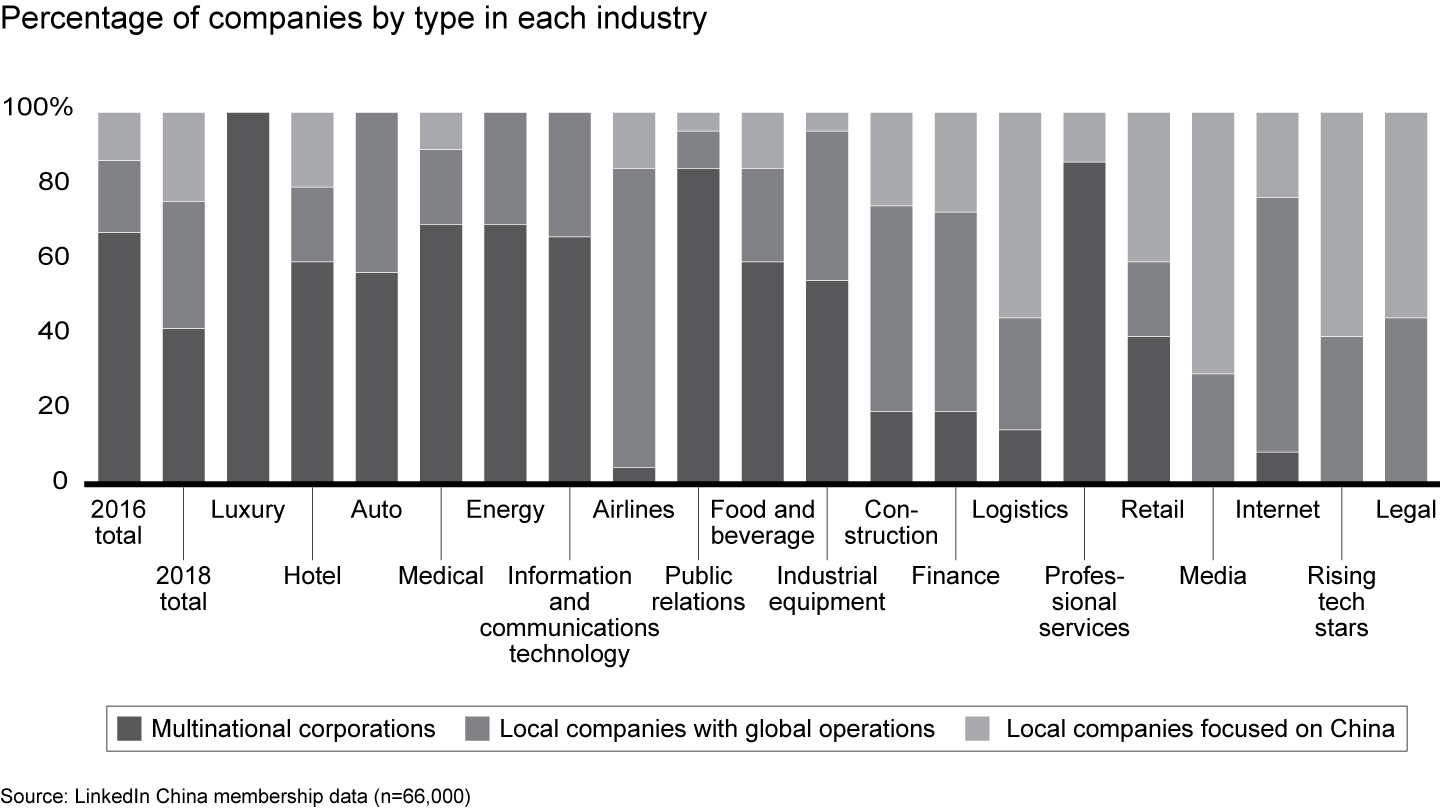

The 18 industries examined for this report are the same industries we examined in 2016. We selected them because they represent both the manufacturing and service sectors of the economy. They are luxury, hotel, auto, medical, energy, information and communications technology, airlines, public relations, food and beverage, industrial equipment, construction, finance, logistics, professional services, retail, media, Internet and legal.
This report focuses on business leaders, so our analysis is limited to individuals whose titles are director and above. We adjusted title conventions across industries and types of companies to reflect the leaders in the sample accurately.
Our research also included interviews with Chinese business leaders with direct experience and broad insight into key leadership trends affecting the market. We spoke with senior human resources professionals or business executives, representing both multinational and local companies operating in China. Select comments are included throughout the report to add professional insight to the statistical findings. This report is also supported by the experiences and insights of professionals at Bain & Company and LinkedIn, based on their work in China.
Research limitations
Analysis for this report is limited to Chinese business leaders who use LinkedIn to self-report their employment status and history. Similar to any study that uses self-reported responses, our research relies on the accuracy and timeliness of users’ LinkedIn profiles.
This research methodology has other known limitations. For example, the sample potentially skews toward younger leaders who are more engaged with technology and social platforms. This analysis also reflects any variances in LinkedIn’s membership vs. the Chinese business leader population in its entirety.
In addition, we may have excluded business leaders with incomplete LinkedIn profiles, such as gaps between education and work experience. The researchers estimated age and gender information because LinkedIn does not require its account holders to publish such details.
Results of analysis
The 2016 report provided a comprehensive overview of Chinese business leaders: among other factors, their education level, amount of work experience, gender and age. In this follow-on report, a richer data set affirmed the snapshot we drew in 2016 (see Figure 2). The broad characteristics and the distribution of leaders across age, industry, educational level and work experience are largely unchanged. Key projections drawn in 2016, such as the flow of talent to local companies over multinational companies, held true.
Figure 2
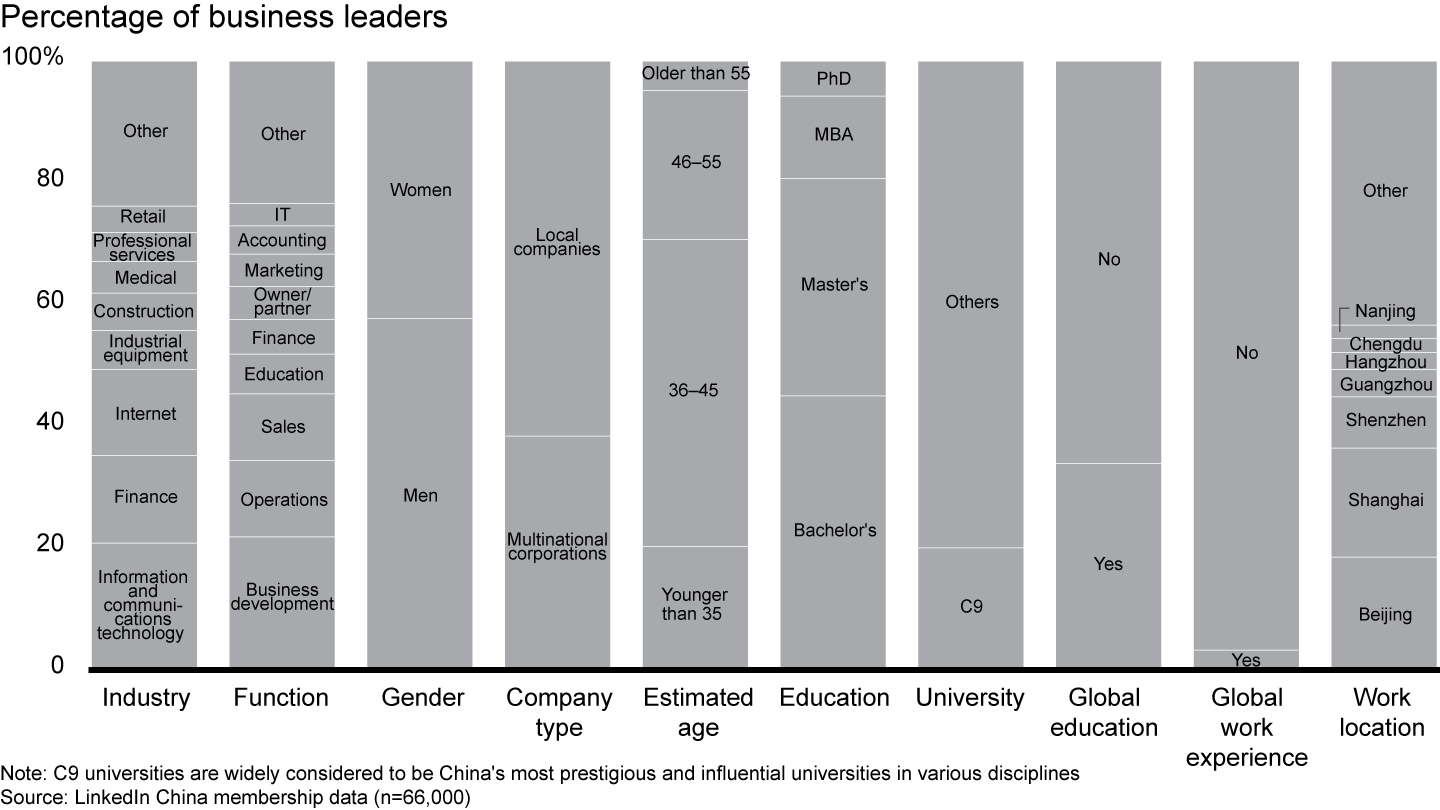

Repeating the study in two years’ time enabled us to measure the pace and intensity of such trends. When comparing our assessments of LinkedIn’s database, three insights stand out.
- Local companies are winning more talent from multinational corporations.
- Rising tech companies are shaping China’s business landscape.
- A new career path to business leadership may be emerging in China.
Local companies are winning more talent
In the sample set for this study, the number of qualifying companies grew by more than 60%. The total asset base used to qualify companies was unchanged since the last study, and the absolute number of multinational corporations included in the sample set was flat. This illustrates the growth experienced by local companies over the past two years.
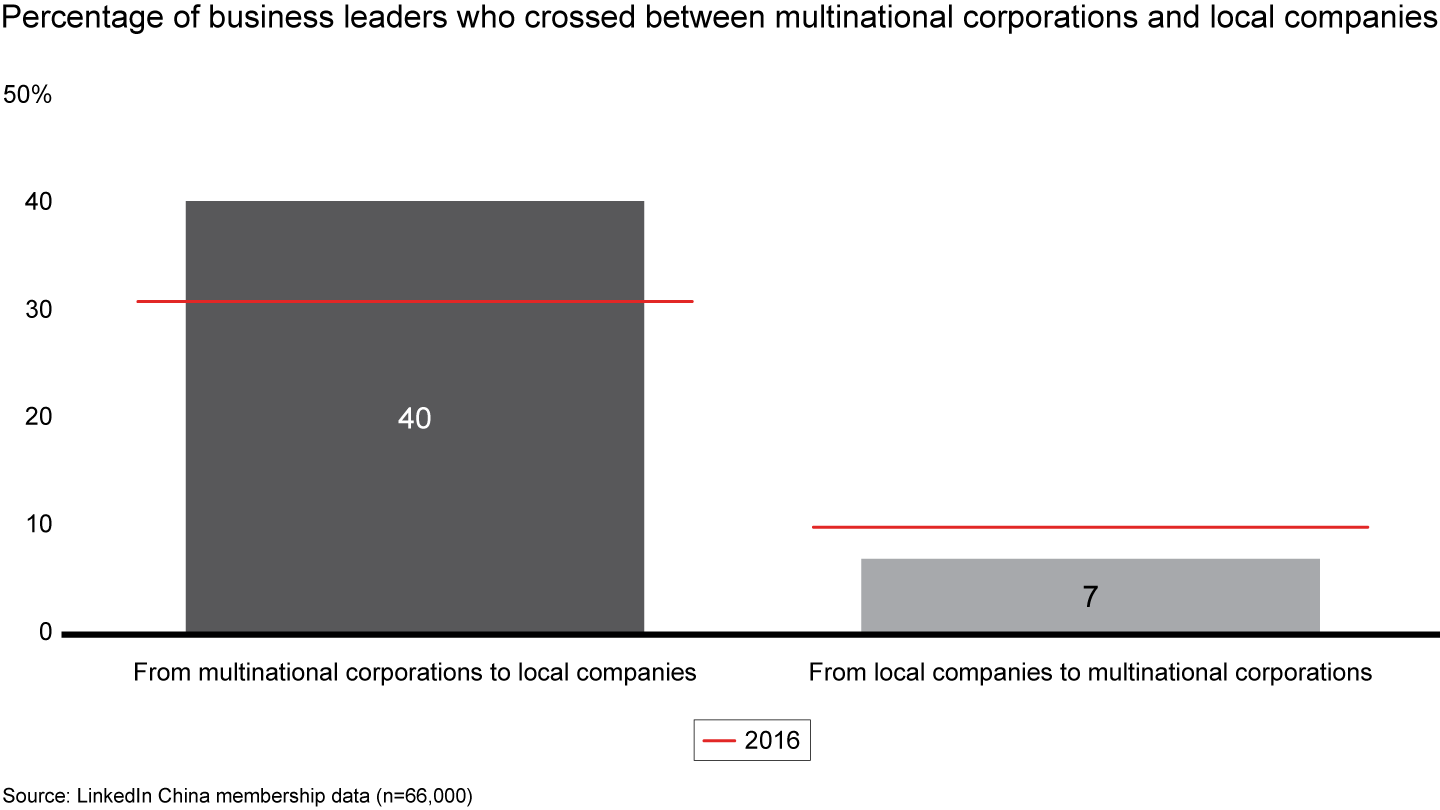
As local companies have expanded, they have drawn talent away from multinational corporations at an accelerated pace. In this most recent study, roughly 40% of business leaders who began a new job at a local company over the past five years transitioned there from a multinational corporation (see Figure 3). For comparison, in our last report, less than one-third of career moves were from multinational corporations to local companies.
Figure 3

Why is this change occurring? “Business leaders want more influence and collaboration,” according to the head of human resources for a multinational healthcare company, adding that Chinese nationals want to make decisions that affect the business; they also want quicker action and less complicated decision-making processes, and more opportunities to explore international markets. This HR head also observed that because China is the global headquarters for local enterprises, they can offer a different value proposition than many multinational companies.
In contrast, some experts said that multinational companies keep Chinese leaders further from the authority they desire. “In multinational companies, Chinese business leaders usually take very operational roles” as opposed to real leadership positions, said a regional human resources head at a global engineering firm with operations in China, adding that Chinese leaders want to contribute ideas, but can feel constrained by global, top-down decisions.
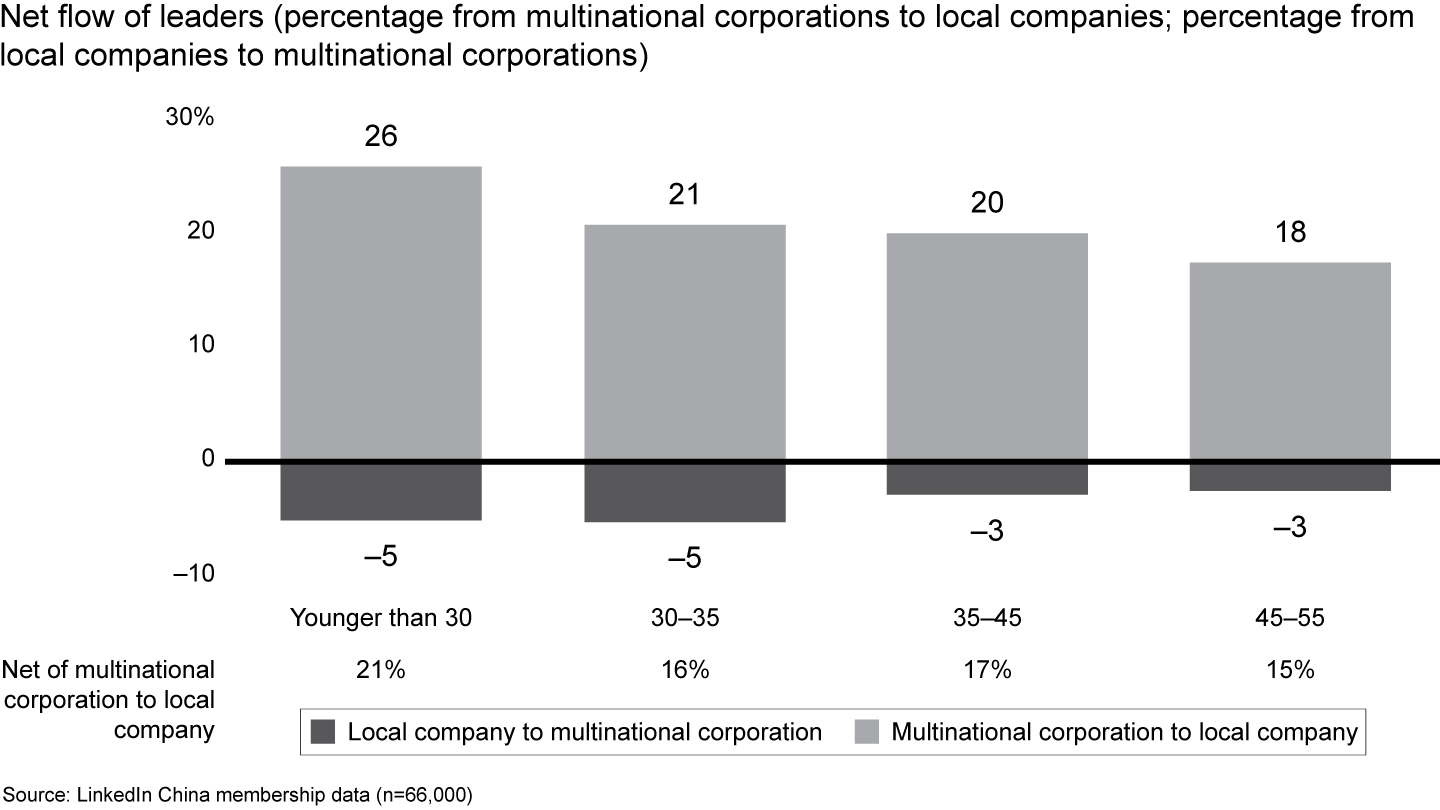
The talent flow is even more pronounced among young leaders, specifically those under 35 years old (see Figure 4). Historically, recent graduates and young leaders have valued formal development opportunities at multinational corporations, where they gain cross-functional and international experience. Human resources professionals and CEOs should note today’s new reality. Many Chinese nationals are finding competitive career growth opportunities at local companies instead.
Figure 4

These trends affect multinational corporations and local businesses in distinct ways.
As local companies expand, efforts to recruit talent with a global mindset will intensify. One HR leader in China noted that “local companies will increasingly need Chinese leaders with global vision and visibility, particularly as they expand their footprint globally.”
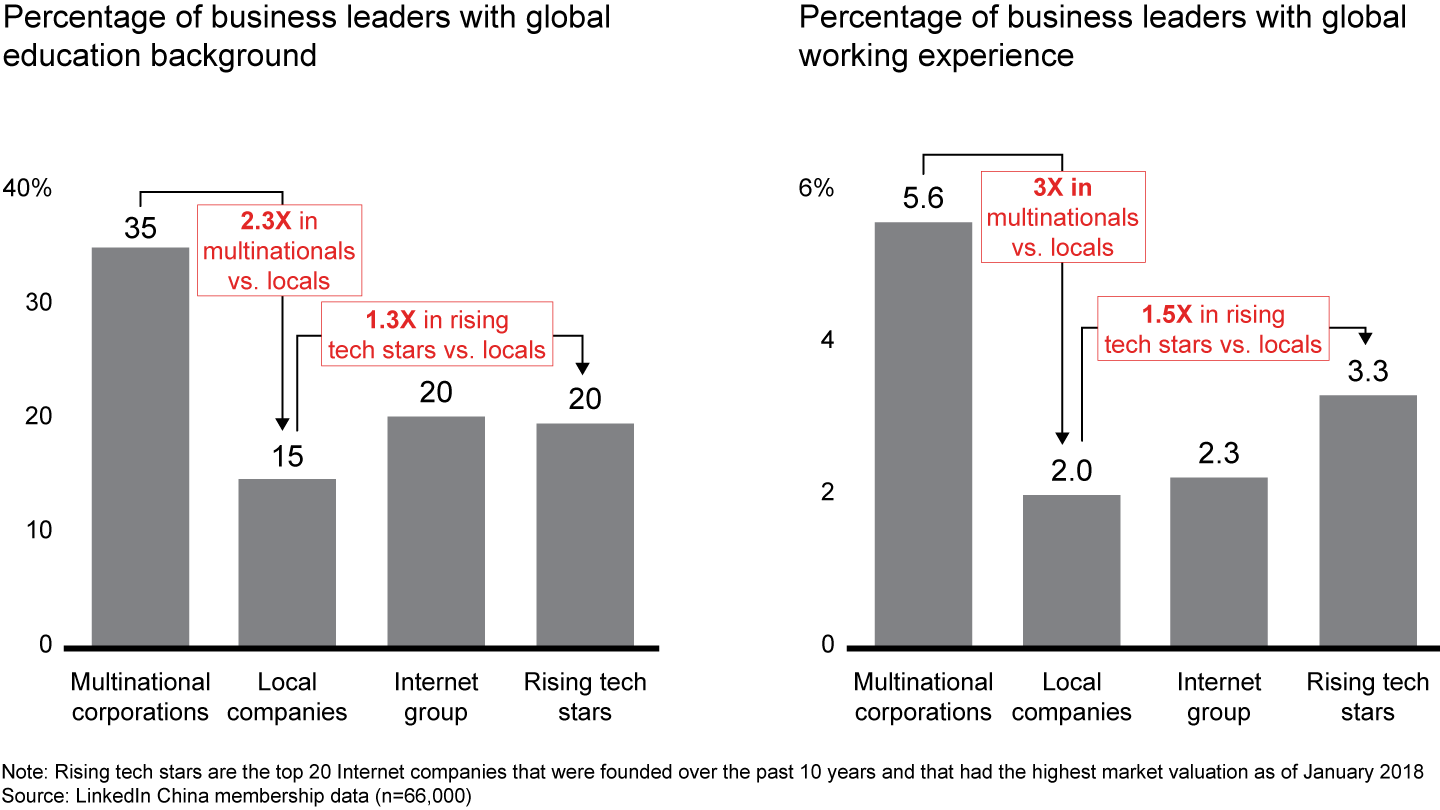
This highlights an important skills gap in local companies, where global experience is less common among leaders. In multinational corporations, leaders have about three times more global work experience than their peers in local companies: Nearly 6% of multinational corporation leaders have global experience compared with only 2% of local company leaders.
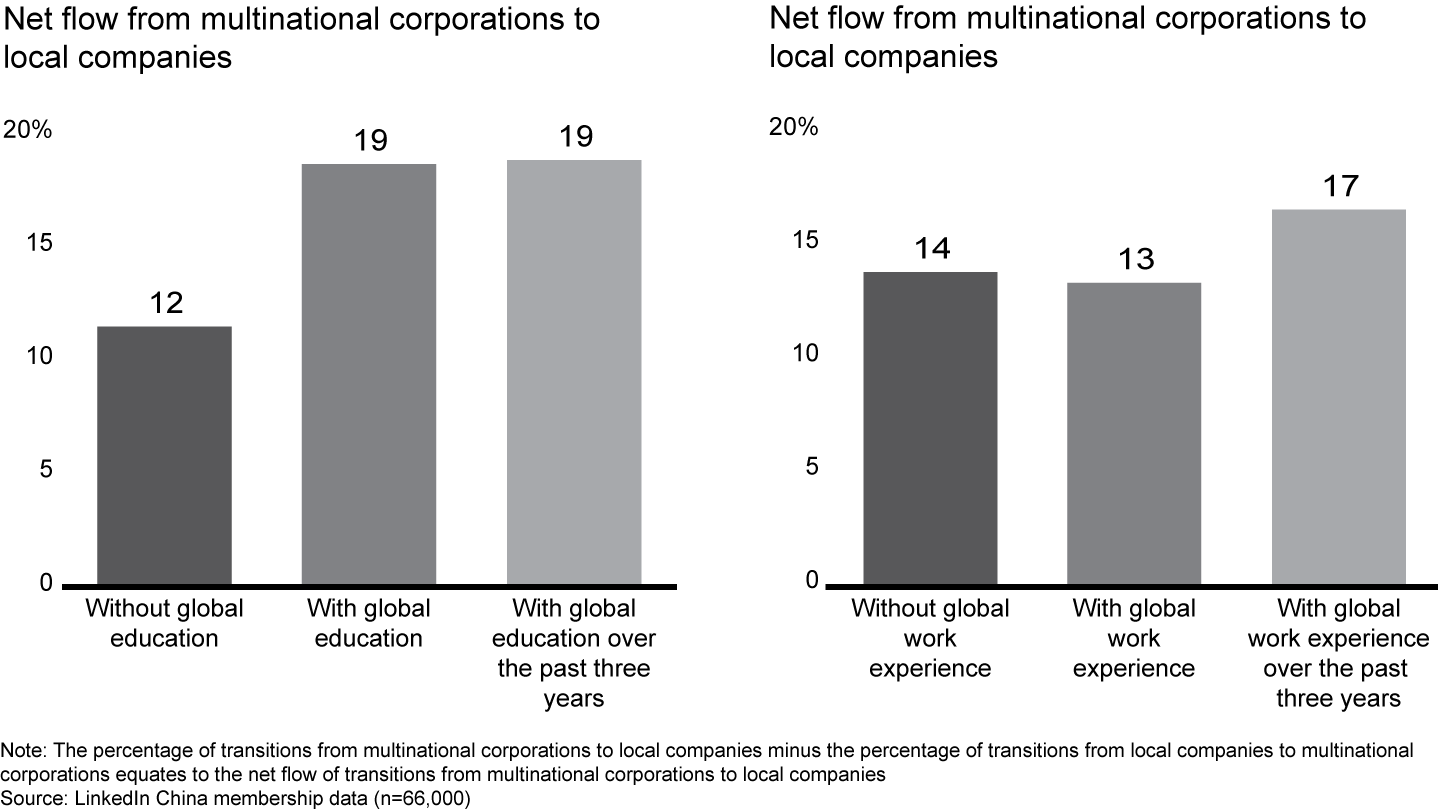
In response, recruitment efforts are intensifying. Leaders with global work and education experiences are leaving multinational corporations for local companies at an increasing rate (see Figure 5).
Figure 5

“Talent with global experience will be in higher demand,” predicted Leichuan Chen, vice president of human resources at BOE Technology Group Company, a leading global supplier in the liquid crystal display industry. “Companies need to think of long-term talent development plans.”
Recruiting and retaining Chinese leadership will be challenging for multinational corporations as local companies grow. The talent development programs, salary and benefit packages, and exposure to international management systems that attracted young professionals to multinational corporations in the past can no longer be counted on to fill open positions. Multinational corporations need a new strategy to reverse the outflow of talent.
“Multinational corporations should make business leaders feel valued and connected to a purpose,” said the regional human resources head with the global engineering firm. “Among global headquarters, there is a stereotype that Chinese people work just for better compensation.”
“To be successful in China, business leaders need to believe in themselves and be purpose driven,” the head of human resources for the multinational healthcare company added, and shared a personal experience of changing jobs: “Earlier in my career, I switched companies for career advancement (title, financial rewards, etc.). Later on, it was more about people and culture. The business and my purpose are highly aligned.”
Experts said that some job changers aren’t prepared for the pace or working styles that are common to local companies. Chinese nationals who leave multinational corporations in favor of local companies may need to adapt their leadership and working styles to succeed.
George Huang, chief human resources officer and head of international business and global major accounts at SenseTime, an artificial intelligence start-up, cautioned leaders to be humble. He said, “Self-awareness is important for business leaders who switch from multinational corporations to local firms. Business leaders need to think clearly about how to bring value to local companies.”
Human resources professionals should understand this transition experience so that they can develop appropriate retention strategies. Both sides—multinational corporations and local companies—will be fighting to keep their talent.
Rising tech companies are shaping China’s business landscape
Among the data, a subset of technology companies stood out. The “rising tech stars,” as we dubbed them, experienced explosive growth and a higher number of leadership changes compared with other industries in the study. These companies generally deliver Internet products and services and other emerging technologies.
Rising tech stars met two criteria: They placed among the top 100 Chinese Internet companies by market capitalization, and they were Chinese companies founded within the past 10 years. Twenty companies made the list, including Didi-Chuxing, iQiyi and ByteDance (among others).
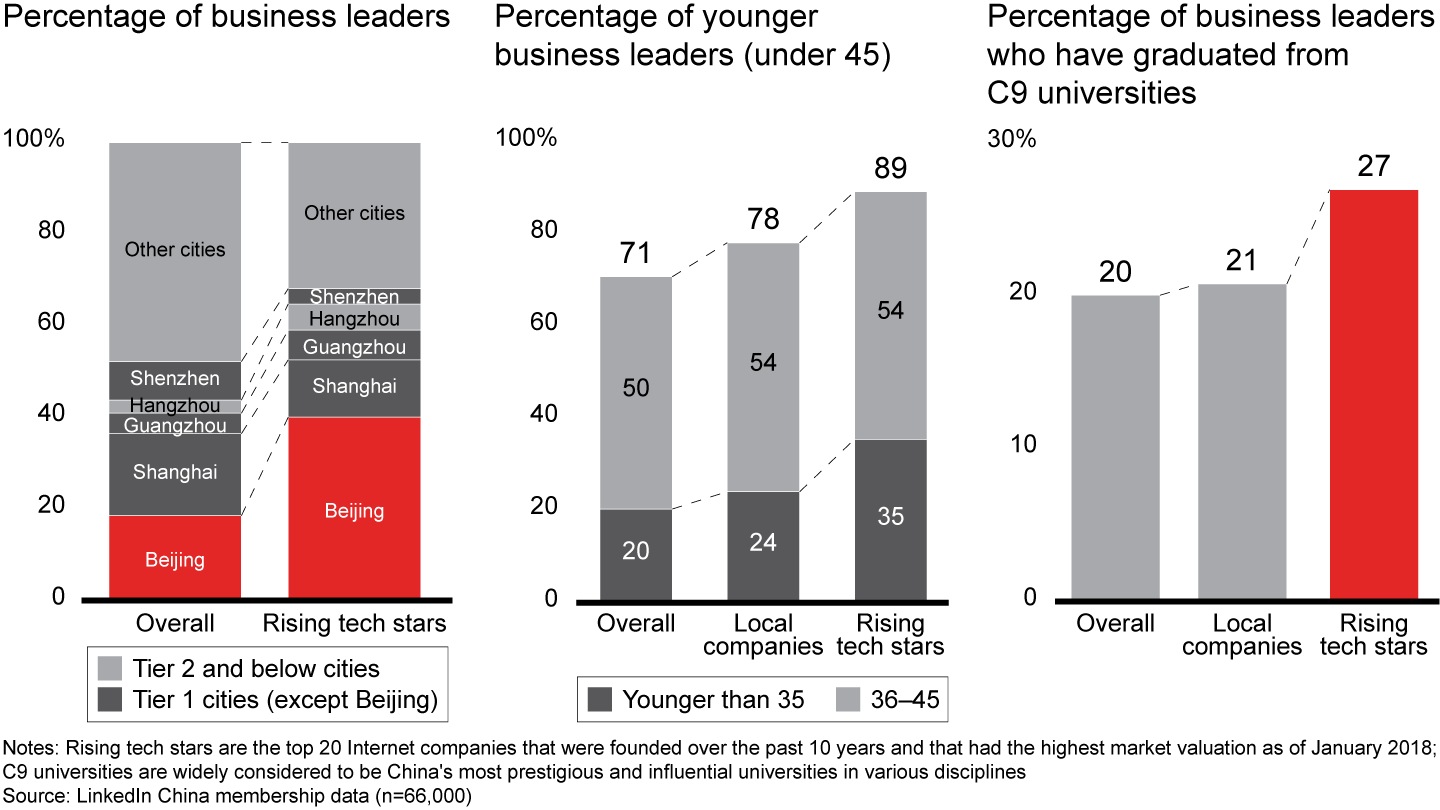
We examined this group separately as it may have bearing on future hiring and recruitment trends across China, not just in the technology sector. Compared with other industries, the rising tech stars had five unique characteristics (see Figure 6).
Figure 6

- They have younger leadership.
- They are strong recruiters from C9 universities, the Chinese equivalent of Ivy League schools in the US.
- Their leaders have more global education and experience compared with other local companies.
- They trade talent from within the Internet sector instead of looking for leaders from outside industries.
- They are predominately located in Beijing rather than historic talent hubs such as Shanghai.
Younger leaders. Local companies commonly have younger leaders, but the predominance is exaggerated among the rising tech stars. Nine out of 10 rising tech star leaders are younger than 45, and more than one-third of the leadership is younger than 35. In contrast, 24% of leaders at local companies in the sample set were younger than 35, and only 20% of leaders in the overall sample set were younger than 35. Instead of guiding companies based on decades of experience, these new leaders will shape the business landscape before them.
Attractive to C9 graduates. Rising tech stars are able to recruit business leaders from C9 universities at a higher rate than other local companies or multinational corporations. More than one-quarter of rising tech star leaders graduated from C9 universities, compared with only 21% of local company leaders and 20% of leaders overall. This suggests that rising tech star positions are highly sought after and rife for competition. As the talent war among rising tech stars increases, some local companies may experience unsustainable outflow, just as some multinational corporations are experiencing at the hands of local companies today.
More global exposure. Rising tech star leaders also have more global exposure than leaders in other local companies. Nearly 20% of rising tech star leaders have a global education, compared with only 15% at other local companies (see Figure 7). Several of the experts we interviewed said that a global mindset will be crucial as these local companies mature. Companies with greater global exposure will be better positioned to expand beyond the Chinese market.
Figure 7

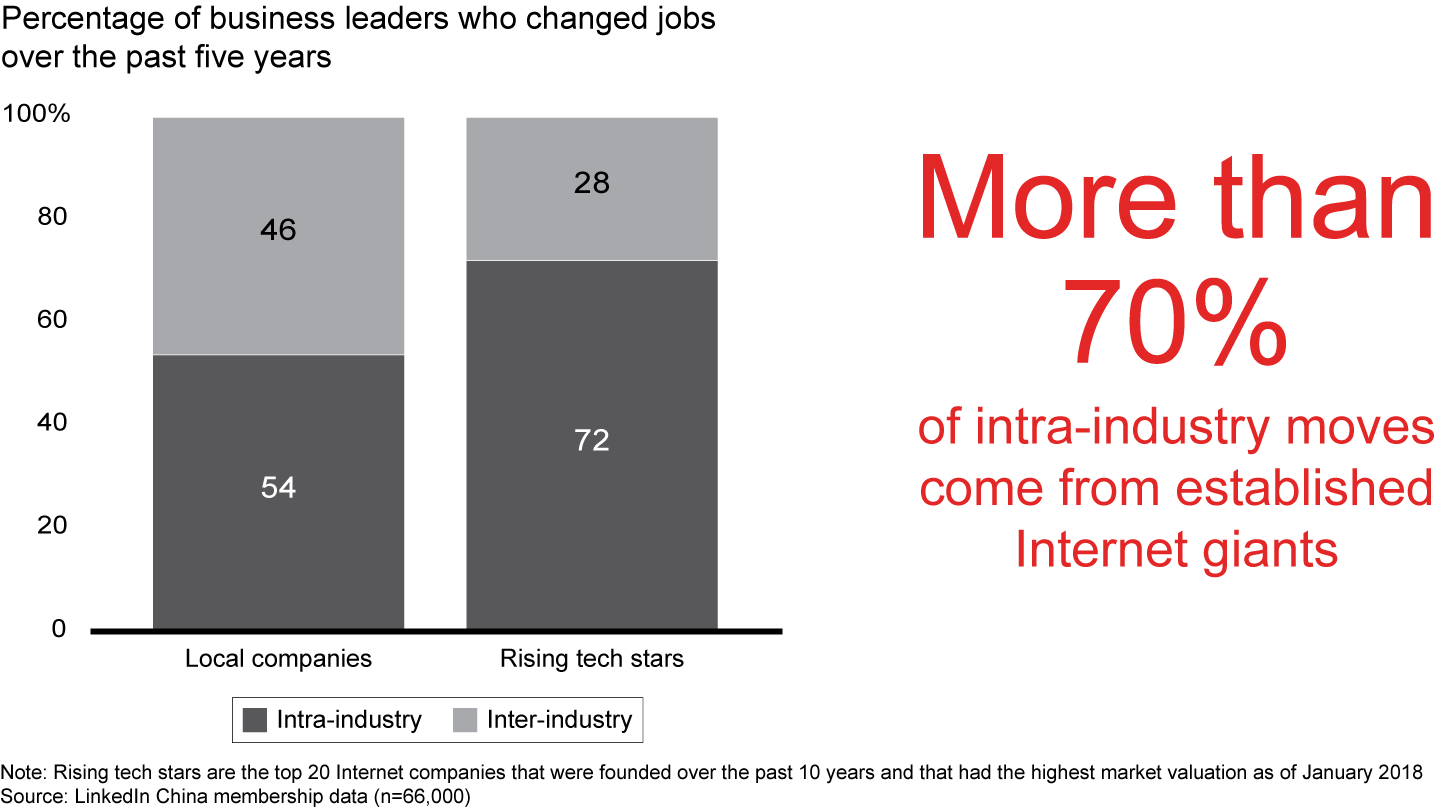
Industry-based talent pools. While most industries poach talent from other industries, the rising tech stars frequently trade talent from within their sector. More than 70% of rising tech star leaders made career transitions within the same industry. Of the intra-industry career moves, nearly 80% involved leaders leaving established Internet companies to join newer ventures (see Figure 8).
Figure 8

Based in Beijing. The rising tech stars are also relocating the geographic hub for talent. Forty percent of rising tech star leaders are based in Beijing, whereas only 20% of leaders in the total sample were based there. As these companies grow, the prominence of Beijing as a talent and technology center could increase as well.
A new career path to business leadership may be emerging in China
While not definitive, the data from LinkedIn suggests that many Chinese business leaders are increasingly interested in lifelong employability rather than lifetime employment at any single company. They may be pursuing a strategy of job security through continuous (and sometimes rapid) skill acquisition and development, as well as career development from frequent company changes and increased impact, rather than tenure at a company.
This shouldn’t be surprising. As consumers, the Chinese have often skipped Western trends. China leap-frogged landline phones and credit cards, for example, jumping directly into the age of smartphones and mobile payment apps. The same trend is possible when it comes to employment. The Chinese workforce may be positioning itself toward a next-generation view of employment, bypassing traditional career models.
Three insights support this idea.
Chinese business leaders continue to change jobs at a frequent pace. Over the past decade, intense talent wars have made job-hopping common. Based on this year’s sample set, the trend continues at an astonishing pace. Half of the job changes reported in this study occurred over the past three years, implicating a steady war for talent. Among the job changers, 45% also changed industries (see Figure 9).
Figure 9
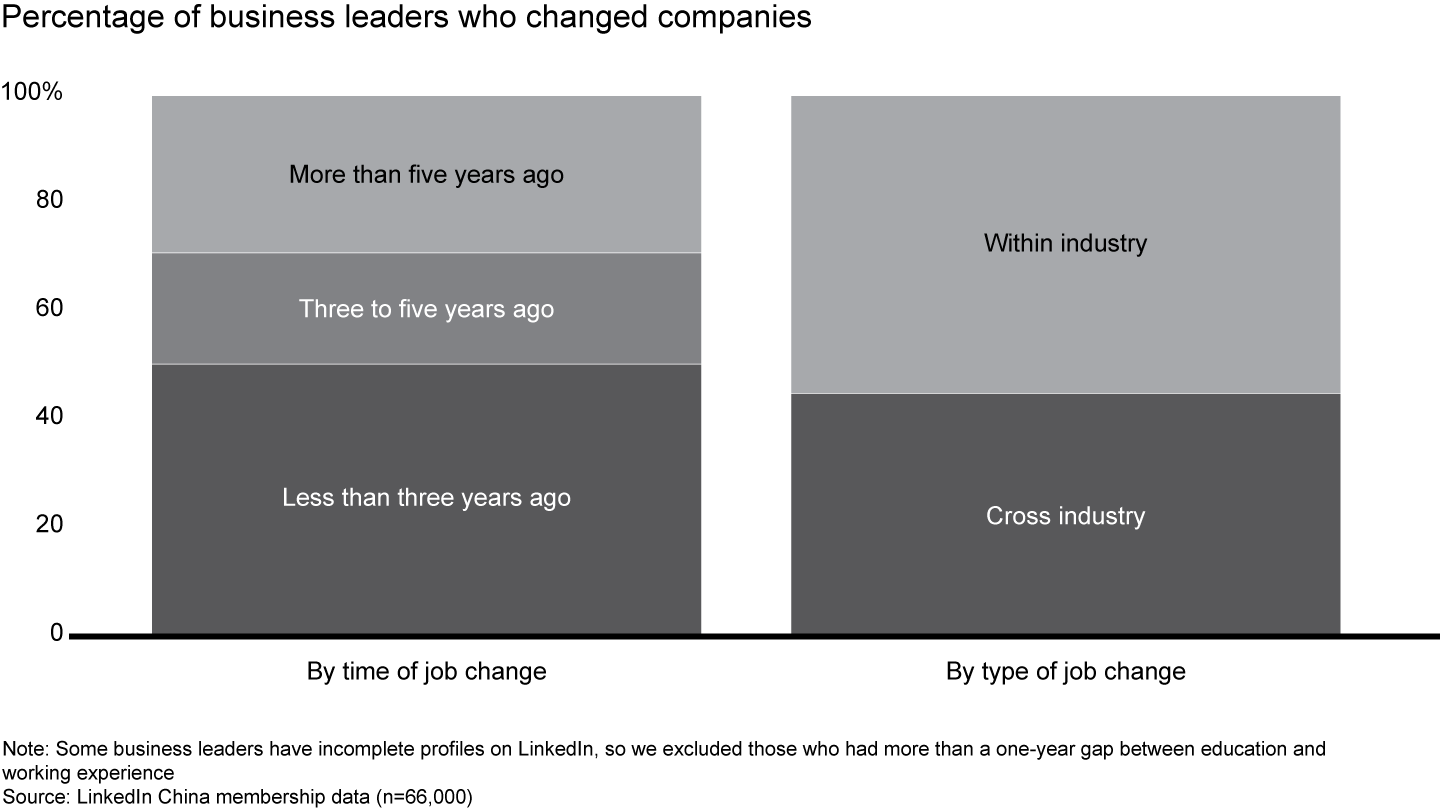

The frequency of job changes, combined with the cross-industry movements, reflects a new pattern of professional development. Rather than rotate through a series of job functions, possibly over years, Chinese nationals are opting for specialized experience in a job function and leveraging that skill set across industry sectors.
Three factors appear to correlate with Chinese leaders’ likelihood to switch companies.
- Turnover is more frequent in Chinese companies, with local companies and rising tech stars being affected nearly equally.
- Younger leaders are also more willing to change companies: More than 70% of leaders younger than 30 switched companies over the past three years, compared with about half in the overall sample.
- Over the past three years, leaders located in Tier 2 cities are about one-third more likely to change jobs than those working in Tier 1 cities. Of note, graduates from C9 schools are mostly located in Tier 1 cities.
Local business leaders are more specialized. Domestic companies are thriving despite their leaders having less cross-functional and global experience than their multinational competitors. In Chinese companies, less than 10% of leaders have work experience in more than four functional areas, and nearly 50% of leaders have experience in only one area (see Figure 10).
Figure 10
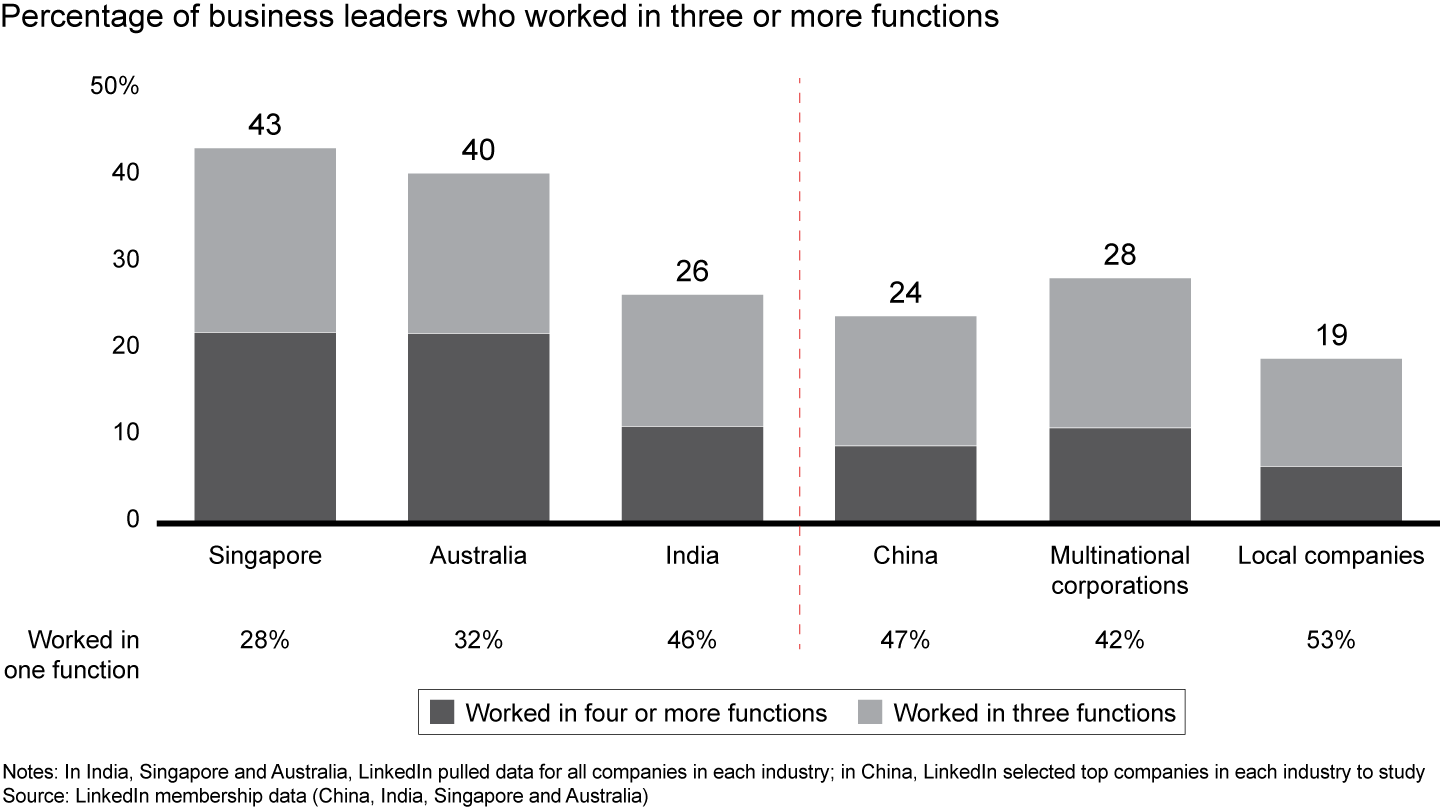

That’s in sharp contrast to the trend found in multinational companies operating in China and in developed markets such as Singapore and Australia, where 22% of leaders are experienced in more than four functional areas, and roughly one-third have experience in only one area. Rather than become “professional managers” with well-rounded business experience, Chinese leaders appear to advance their careers by gaining deeper, more specialized expertise.
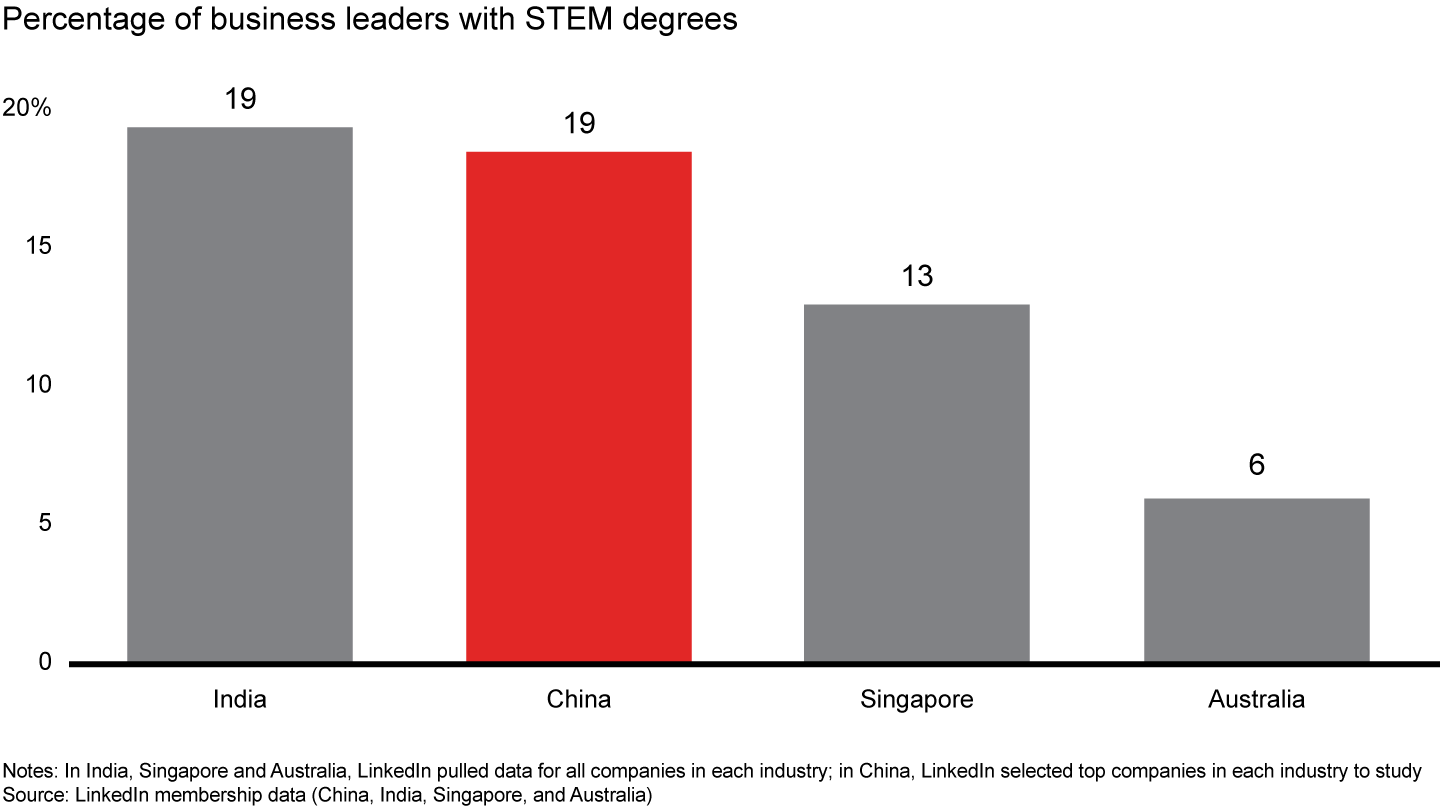
Science, technology, engineering and mathematics (STEM) graduates are in leadership roles across industries. Chinese leaders are drawn from STEM backgrounds at higher rates than in other countries. Nineteen percent of business leaders in China and India have training in STEM-related fields, compared with only 13% in Singapore and 6% in Australia. And STEM-trained leaders aren’t limited to careers in the technology industry; they account for 10% or more of the business leaders within every industry included in the study, aside from legal.
Many of the experts interviewed for this report stressed the importance of digital skills among leaders—irrespective of their function or role. “Data skill is increasingly important to business leaders as data could improve business efficiency and allow leaders to plan for the future,” said Roman Wojdyla, general manager of Home Credit Consumer Finance.
Conclusions and looking forward
From the trends we identified in the 2016 study and reinforced in this report, we conclude that local companies will continue to attract talent from multinational companies in the coming years. We also recognize a new competitor in the talent war: the rising tech stars. These young and thriving Internet companies will intensify the competition and keep all of the established players on their toes.
The uneven flow of leaders from multinational companies to local companies is unsustainable. Multinational corporations must address the outpour head-on, calibrating their value proposition to match the career aspirations and connectedness that Chinese nationals desire. To reverse the leadership departures, multinational companies must be willing to redefine career development for the Chinese population.
Importantly, multinational corporations must find ways to create a sense of ownership and purpose among their Chinese leaders, and to address leaders’ desires to have more direct influence over key strategic decisions. CEOs and human resource executives can apply this information in several ways, particularly as they develop recruitment and retention programs for younger employees. As marketing executives have learned, tactics that work globally will need to be adapted for the Chinese market.
As they grow, local companies must manage the development of their business leaders carefully. While Chinese companies appear to have an advantage, or at least certainly momentum, they also have obstacles to overcome. Their leaders are young and untested, and they display a high propensity to change companies.
Local companies also have skills and experience gaps that will affect their ability to expand geographically. Leaders with global connections and experiences will be increasingly sought after, intensifying the fight over C9 graduates and leaders at multinational companies.
As leaders transition from multinational corporations to local companies, many will experience culture shock as they adapt to the furious pace and leaner organizational structures that are common in newer companies. These job changers should stay open-minded, according to SenseTime’s George Huang. He said, “The reality is that some local companies’ business scale is much larger than multinational corporations in China. Business leaders should not presume the ways of working in multinational corporations are better. They need to think clearly about how to bring value to local companies.”
Longer term, Chinese companies must determine how to develop talent internally. Emerging career paths are becoming focused and narrow rather than immersive and functionally diverse. Human resources teams will be challenged to create development plans that grow global skills quickly and still maintain the hands-on, can-do spirit that lured Chinese nationals away from multinational corporations in the first place.
We will continue to observe Chinese companies and, in particular, the rising tech stars as they gain maturity and sophistication. The flow of leaders from multinational corporations to local Chinese companies is a defining theme in the next chapter of the Chinese talent story—but certainly not the end.
Appendix
Figure 1
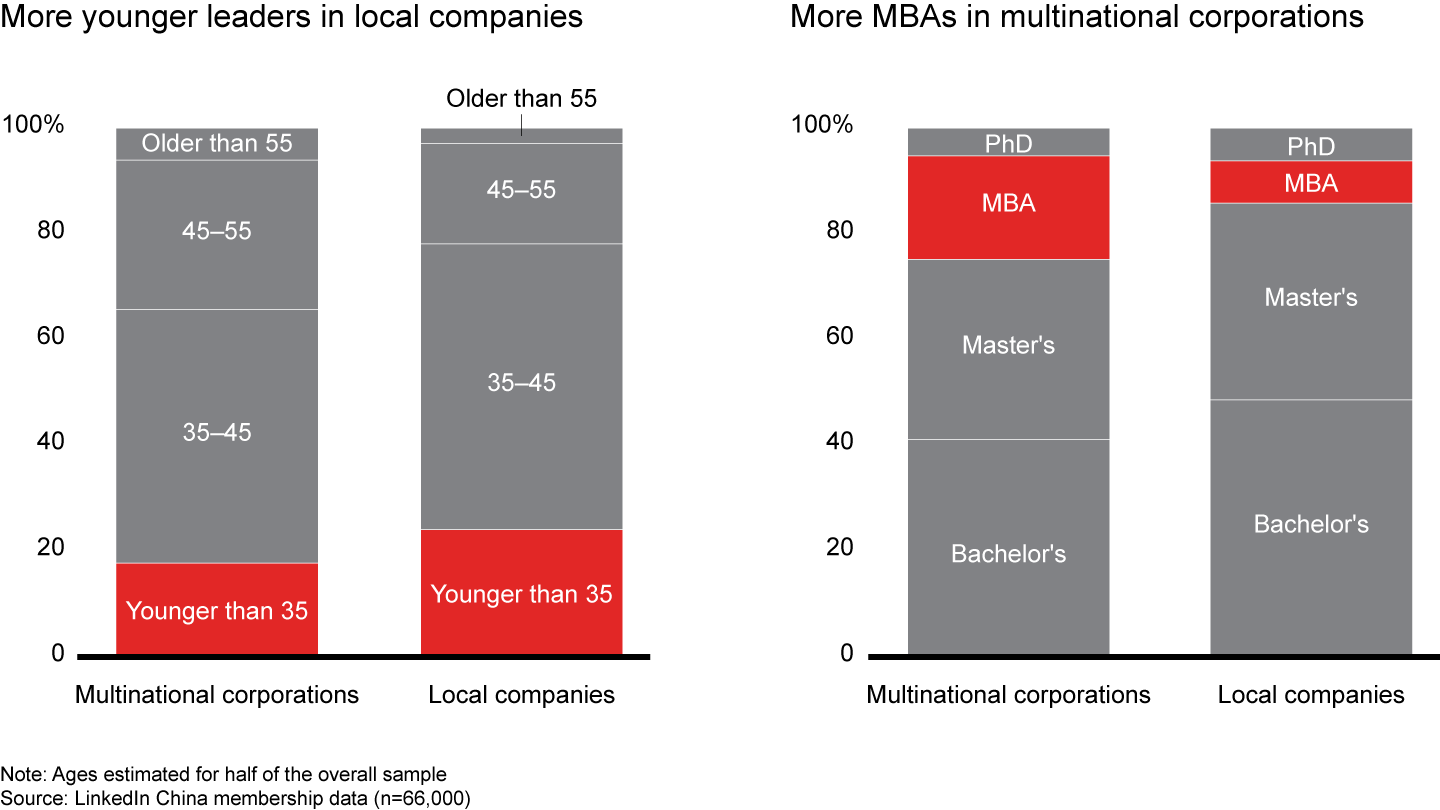

Figure 2
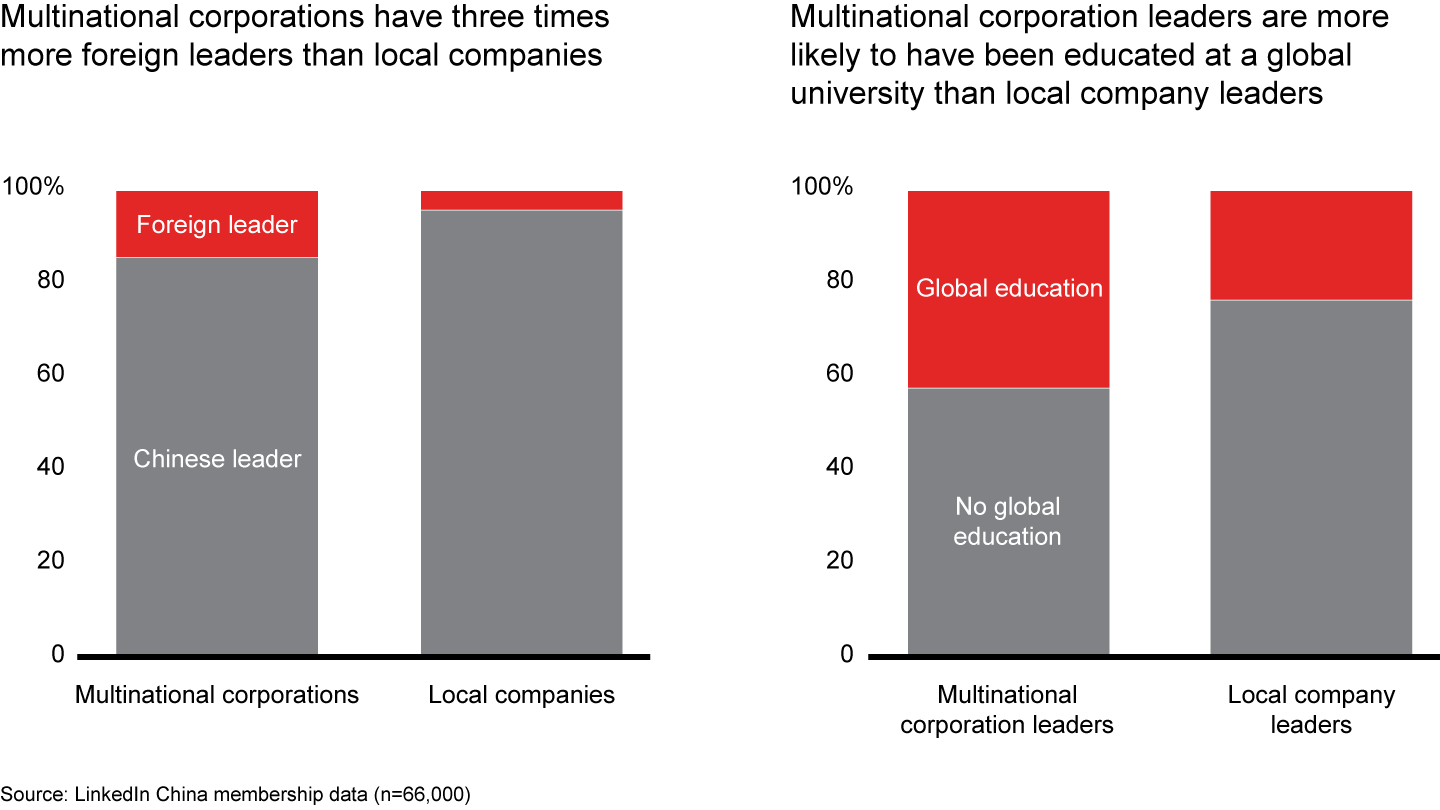

Figure 3
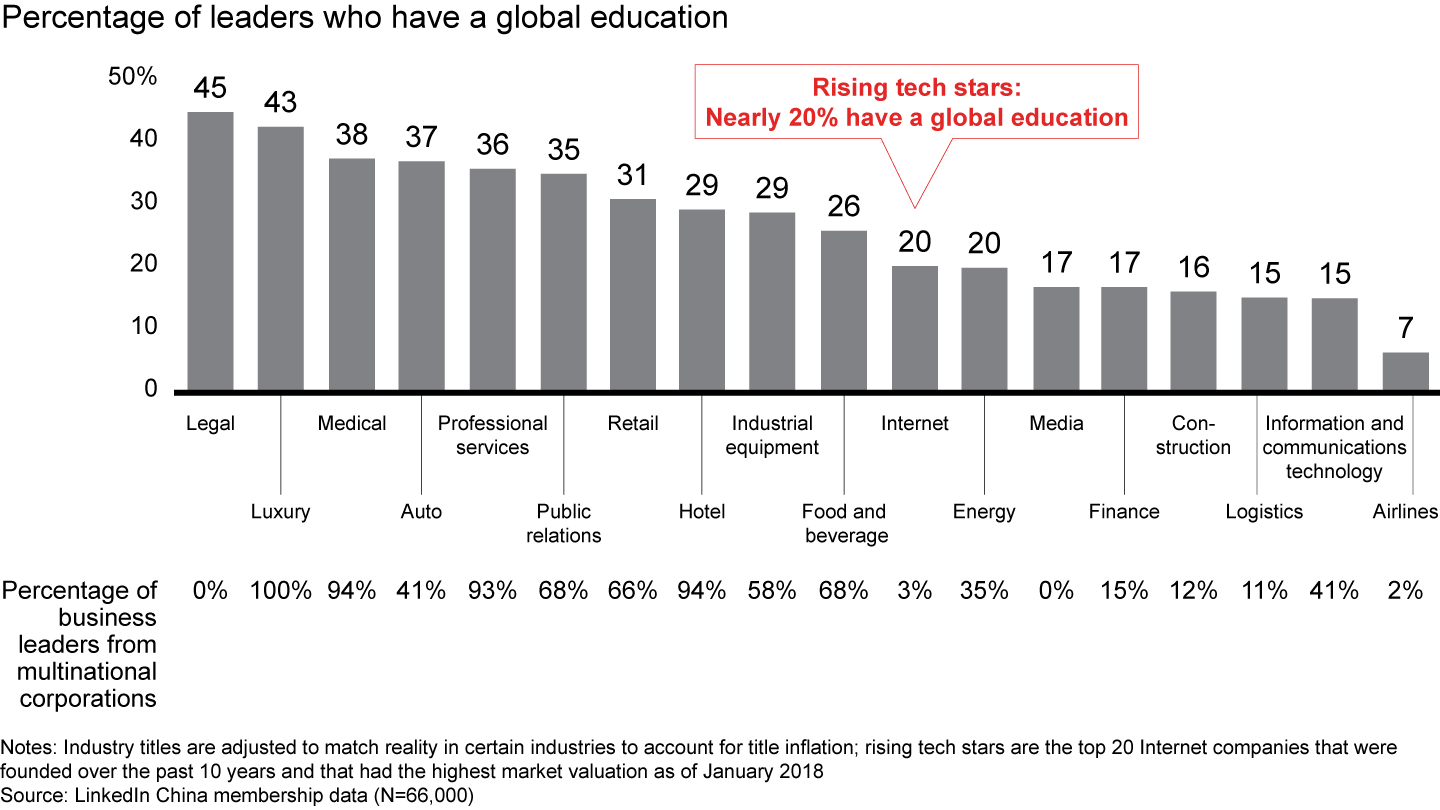

Figure 4
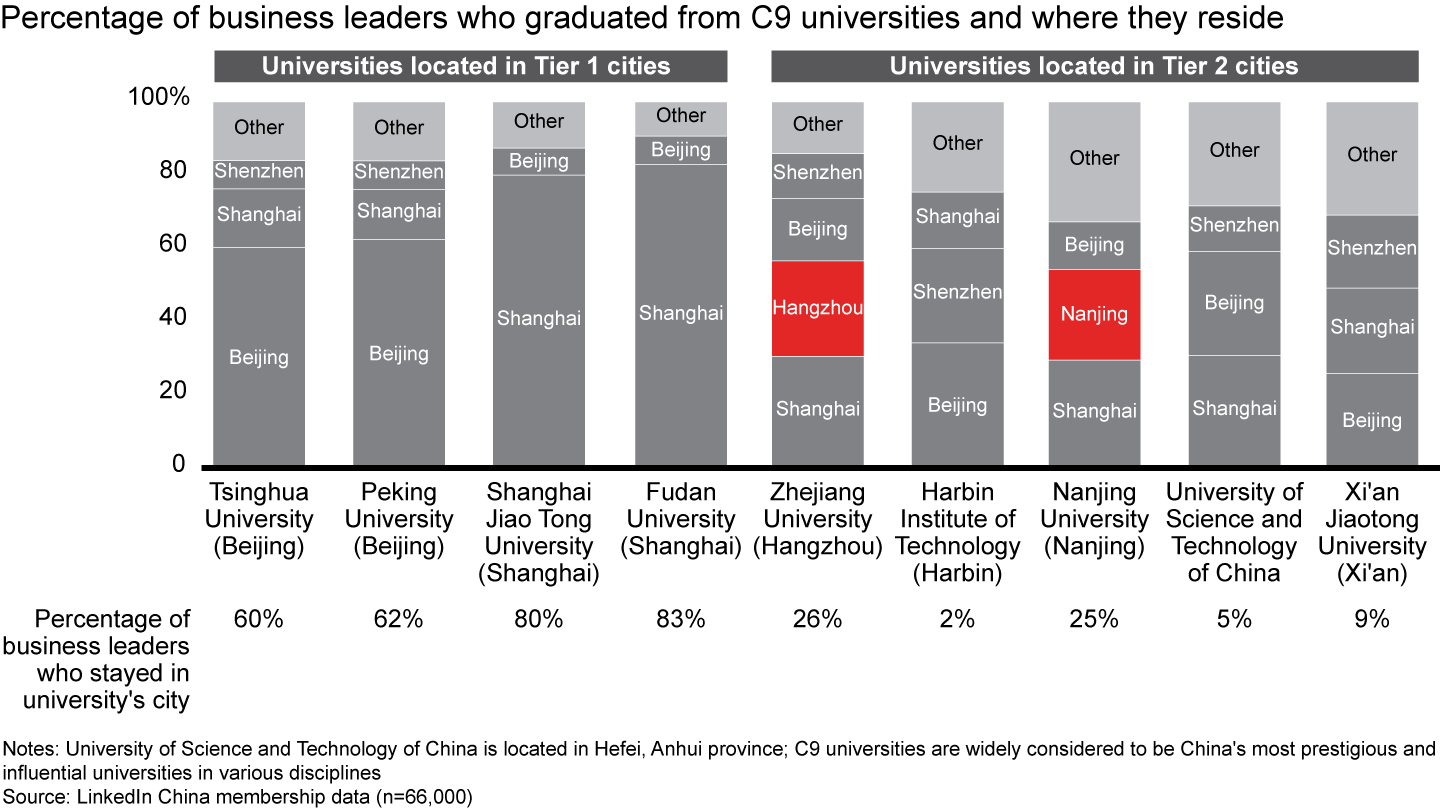

Figure 5
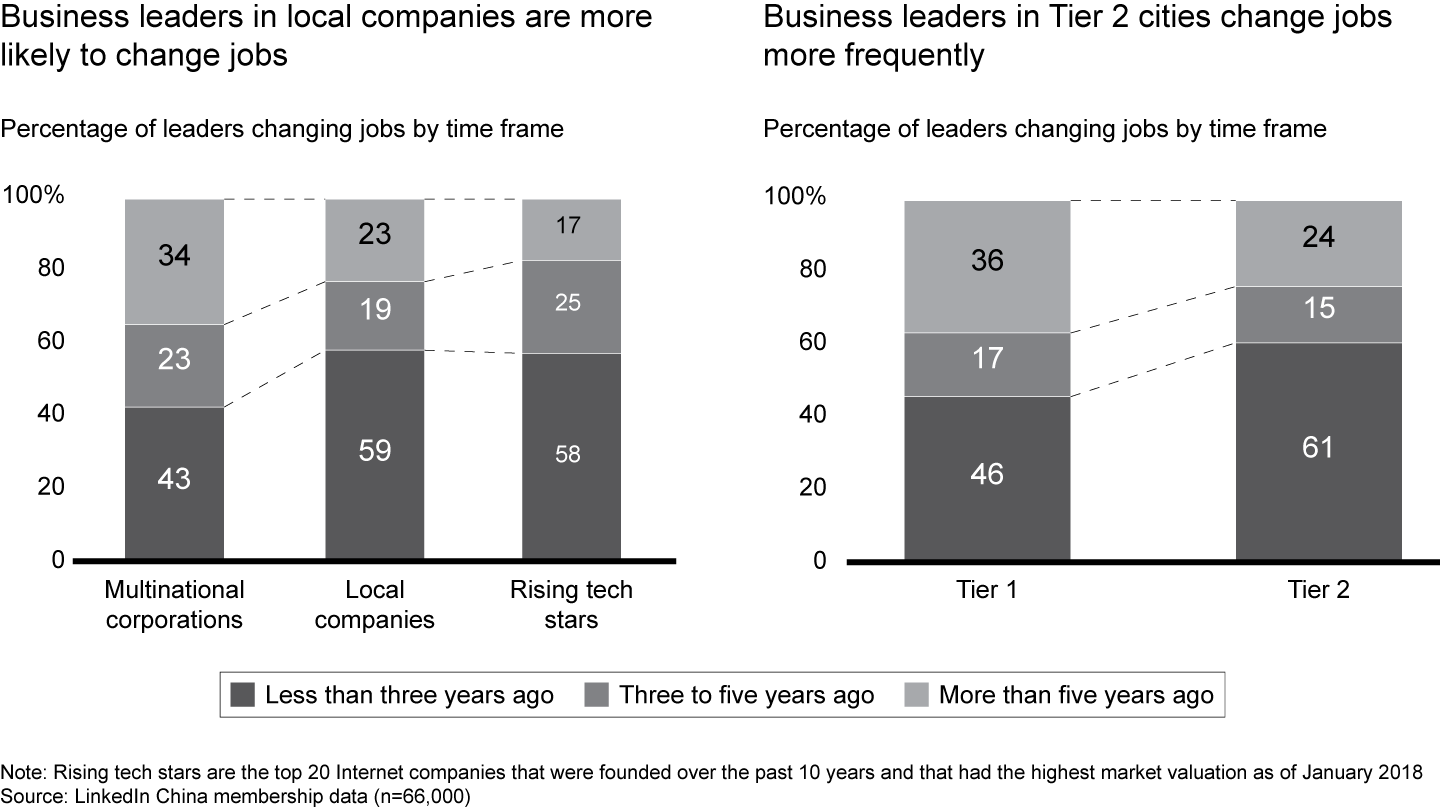

Figure 6
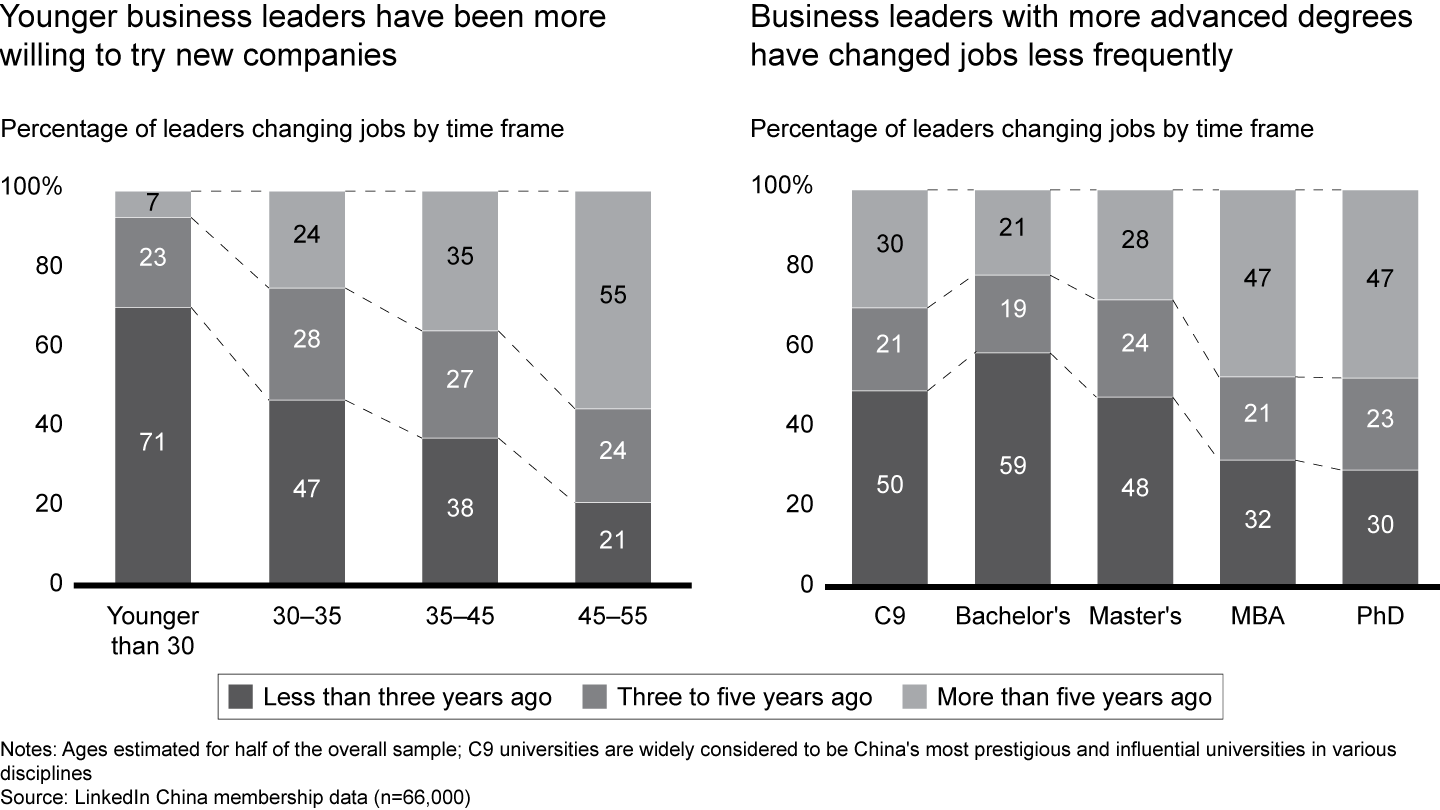

Figure 7
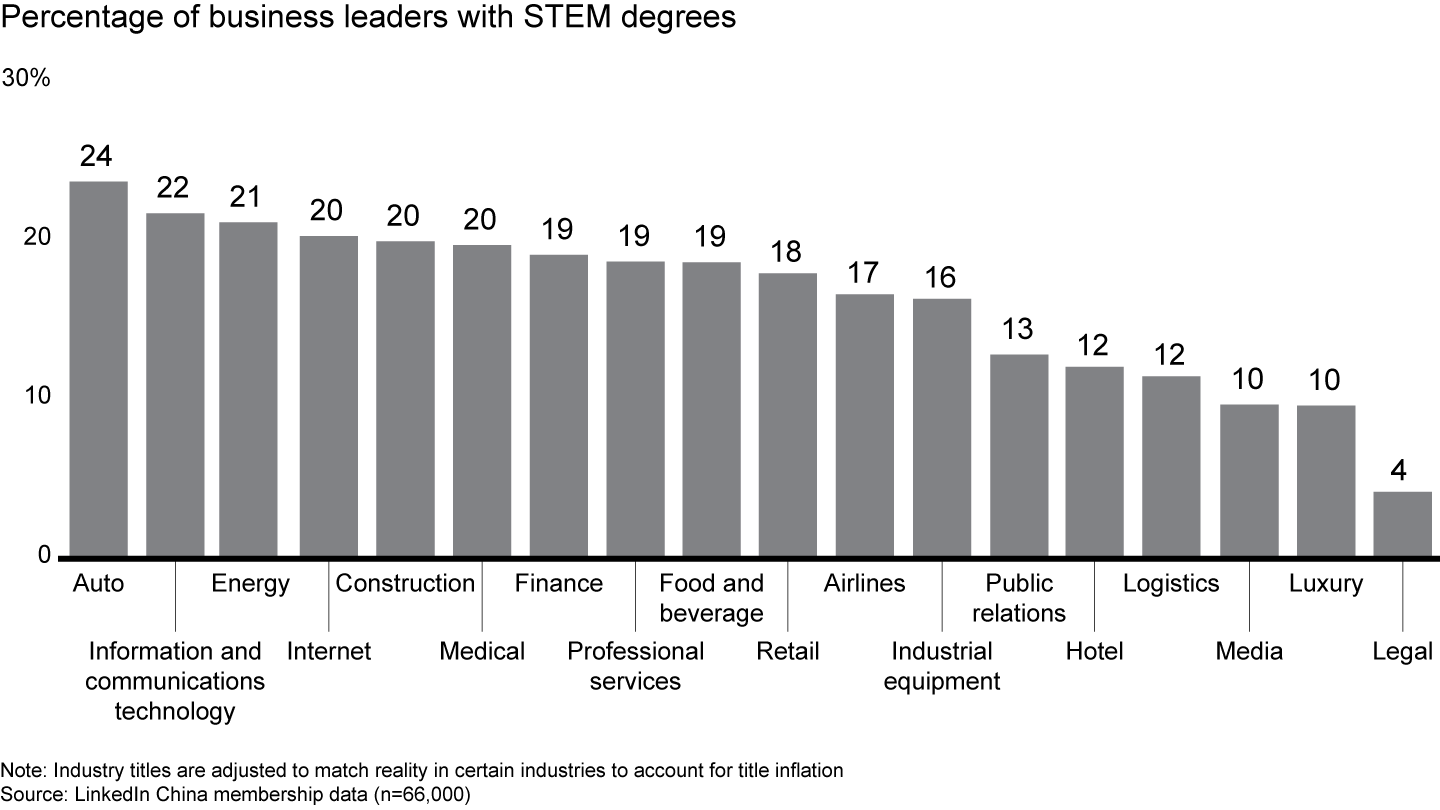

Figure 8

James Root is a partner with Bain & Company’s Organization practice, and he is based in Hong Kong. He can be reached via email at james.root@bain.com. Stephen Shih leads Bain’s Organization practice in Asia-Pacific, and he is based in Shanghai. He can be reached via email at stephen.shih@bain.com. Jian Lu is president of LinkedIn China. He can be reached via email at jianlu@linkedin.com. Cecilia Wang is director of B2B marketing and marketing operations with LinkedIn China. She can be reached via email at cewang@linkedin.com. As leaders of corporate business, they guided LinkedIn China’s content marketing team to complete this research and report. You may contact LinkedIn China Content Marketing Team by email at connectinchina@linkedin.com.
The authors would like to acknowledge Zhen Liu and Jin Lu from Bain & Company and Lily Li from LinkedIn China for their contributions to this report.
This work is based on LinkedIn China’s proprietary membership data, secondary market research, analysis of financial information available or provided to Bain & Company and a range of interviews with industry participants. Bain & Company has not independently verified any such information provided or available to Bain and makes no representation or warranty, express or implied, that such information is accurate or complete. Projected market and financial information, analyses and conclusions contained herein are based on the information described above and on Bain & Company’s judgment, and should not be construed as definitive forecasts or guarantees of future performance or results. The information and analysis herein does not constitute advice of any kind, is not intended to be used for investment purposes, and neither Bain & Company nor any of its subsidiaries or their respective officers, directors, shareholders, employees or agents accept any responsibility or liability with respect to the use of or reliance on any information or analysis contained in this document. This work is copyright Bain & Company and may not be published, transmitted, broadcast, copied, reproduced or reprinted in whole or in part without the explicit written permission of Bain & Company.
Published in December 2018