

Brief

At a Glance
- Momentum is building for autonomous network operations as telcos move beyond traditional network automation.
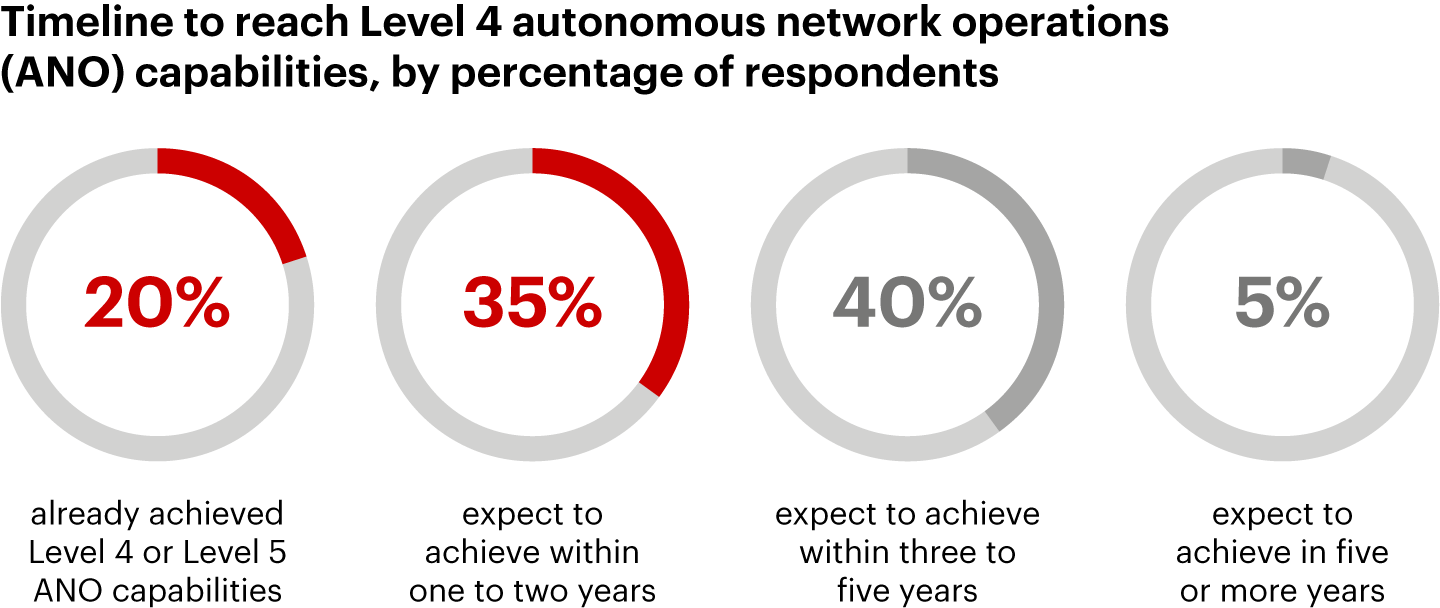
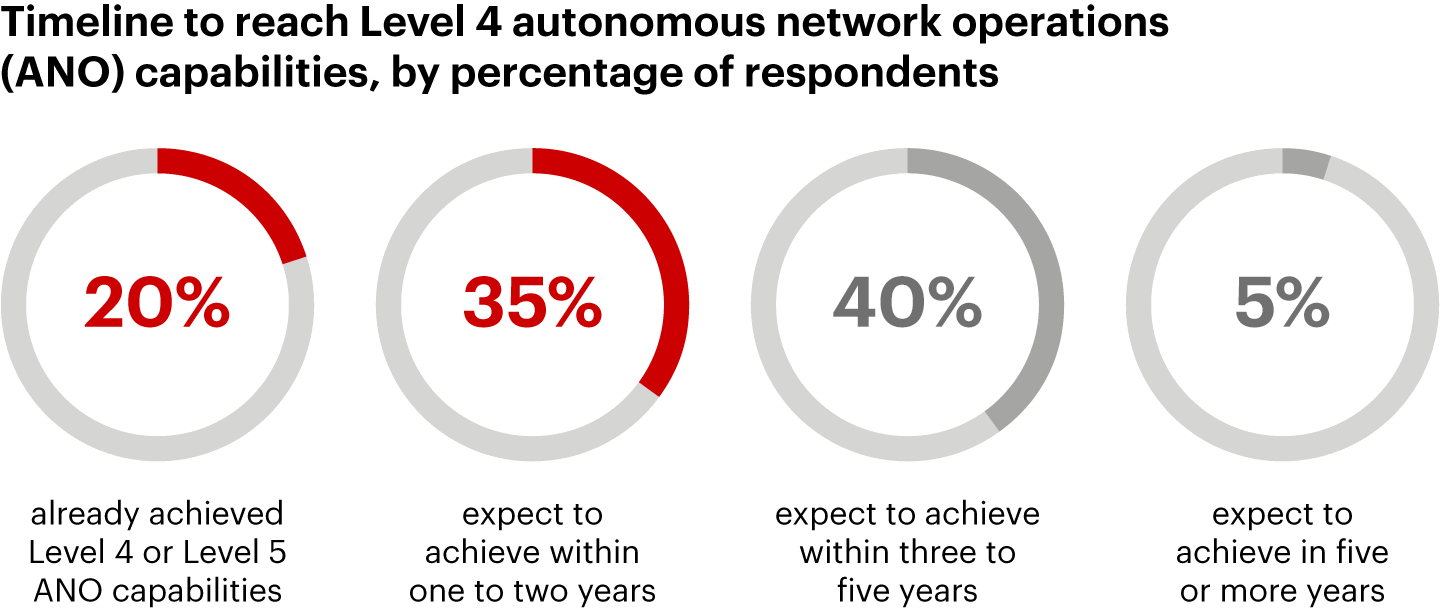
- A Bain–TM Forum survey shows 20% of operators have reached Level 4 or 5 maturity in select domains; 35% expect to do so within two years.
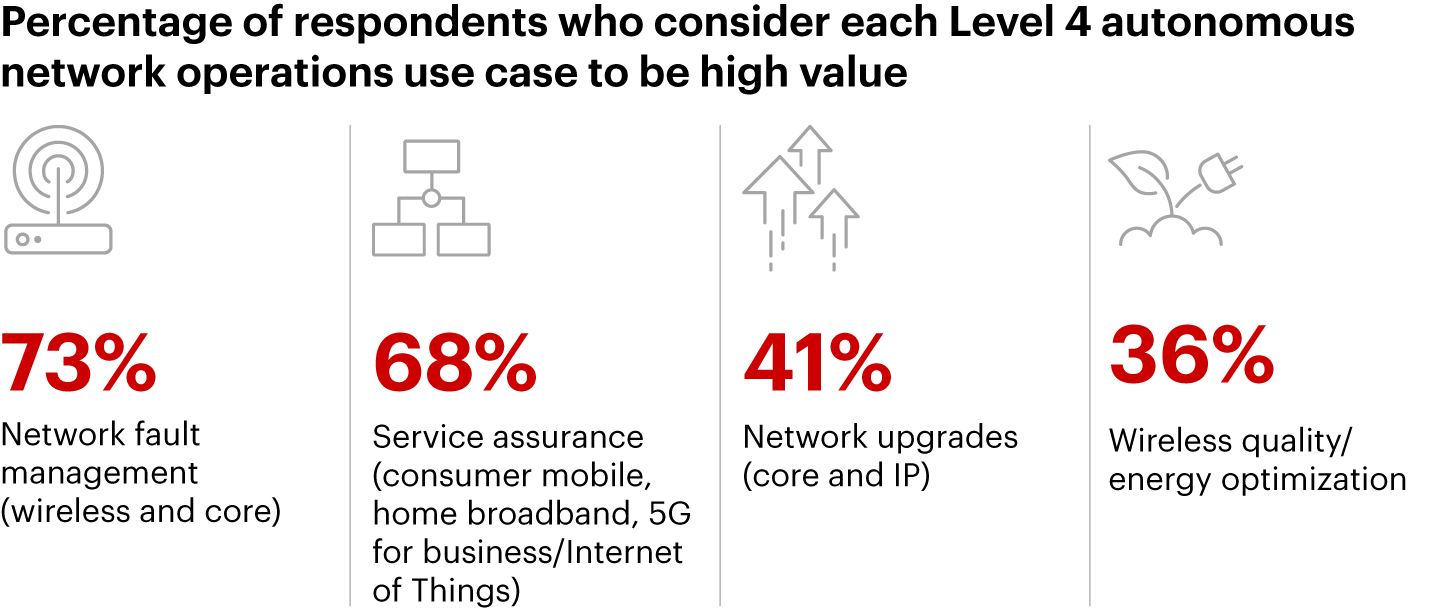
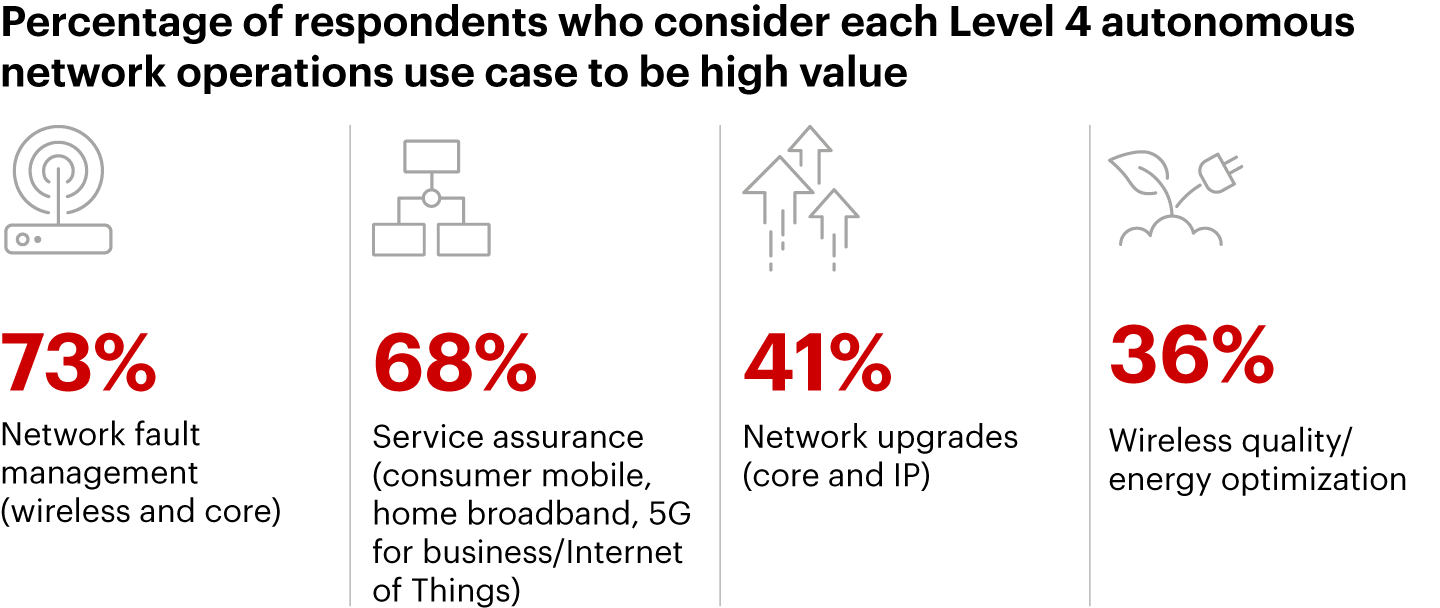
- Network fault management and service assurance are today’s top use cases, with new growth opportunities emerging.
- Technical debt, talent gaps, organizational silos, and cultural resistance remain major hurdles to adoption at scale.
The telecom industry continues to face intense pressure to lower costs, elevate the customer experience, and unlock new avenues of top-line growth. Amid these challenges, autonomous networks have emerged as a critical lever, generating significant attention and strategic debate across the sector.
To understand how talk is translating into action, Bain & Company partnered with TM Forum to assess momentum for autonomous networks. Through a global survey of chief technology and information officers (CTIOs) at leading telco operators, one-on-one conversations with CFOs, and industry sessions at the DTW Ignite conference in Copenhagen in June, we developed a clear snapshot of industry progress across adoption rates, priority use cases, realized benefits, persistent barriers, and emerging best practices.
The bottom line: Momentum is building, early movers are widening the gap, and the greatest return on investment is being realized where automation and AI are reengineering core business processes.
Defining autonomous network operations
We define autonomous network operations (ANO) in telecoms as a set of AI-enabled systems or processes that perform specific activities with little to no human intervention. These go beyond traditional network automation to include customer interactions, care journeys, and field service operations. ANO can also unlock upstream capabilities—such as personalized marketing, dynamic pricing, and AI-assisted sales—powered by data-driven decision making.
Adoption: Momentum is accelerating
More than 70 communications service providers have endorsed TM Forum’s Autonomous Networks Manifesto , with 30 already conducting assessments of their respective organization’s maturity through its Autonomous Network Levels Evaluation Tool (ANLET) framework. Although timelines vary, 20% of surveyed operators report achieving Level 4 or 5 (the most mature levels) in select domains (see Figure 1). Notably, China Mobile has reportedly completed Level 4 trials and plans a full-scale, nationwide deployment over the next three years, while Google Fiber reportedly has ambitions to reach Level 5 autonomy for its backbone network by the end of 2025.
Figure 1
Use cases: Fault management leads as new frontiers emerge
The industry is converging around high-impact use cases, with network fault management and service assurance the most common applications so far, according to our survey (see Figure 2).
Figure 2
Advanced operators are reaping additional benefits such as faster provisioning for private networks, which is already translating into meaningful share gains given the importance of speed to many business customers. Leading operators have also seen dramatic savings in power consumption and increased efficiency in network planning and rollouts. Looking ahead, ANO could enable proactive field repair workflows, real-time technician support, and autonomous customer communications—moving closer to a fully adaptive, self-healing enterprise.
Value creation: Beyond operational efficiency
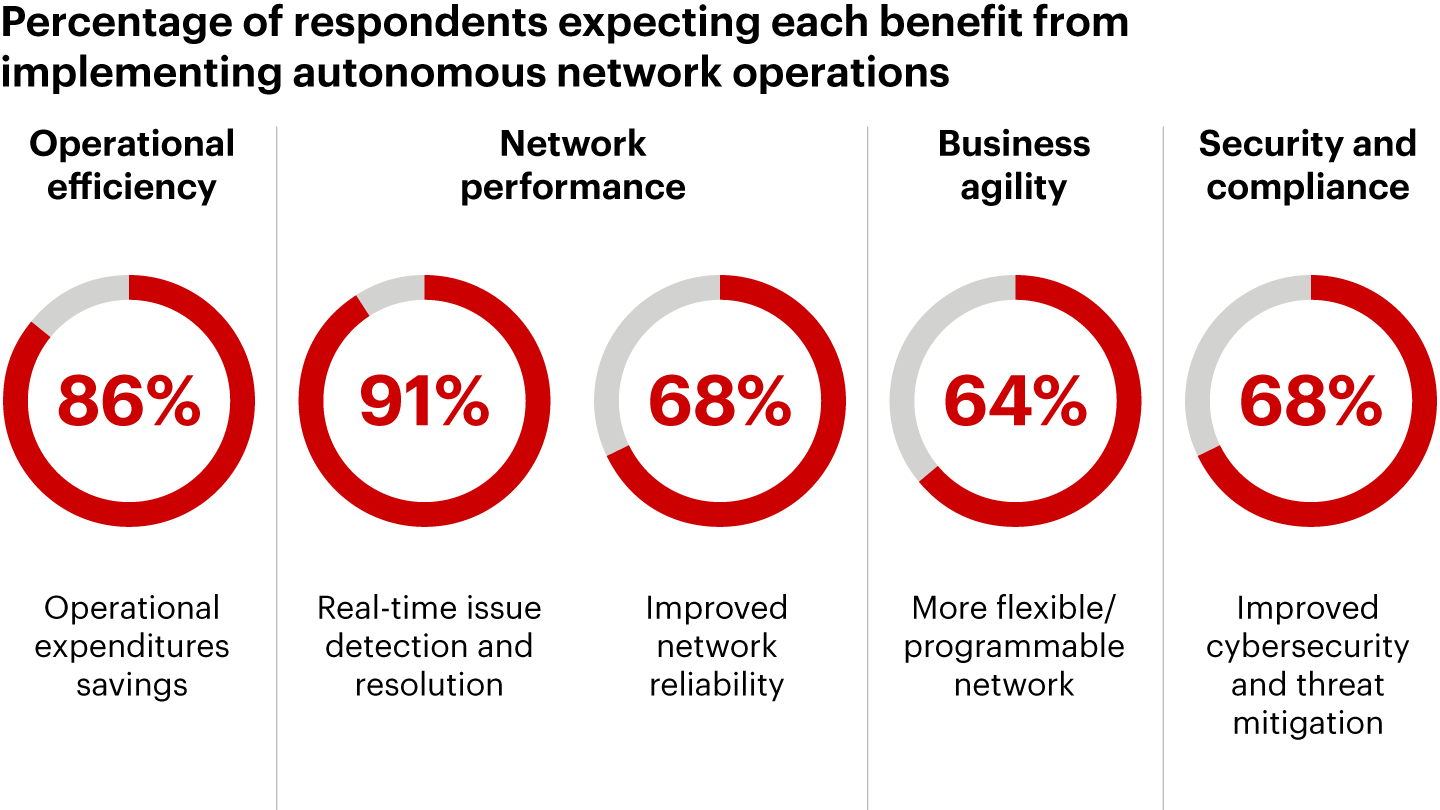
Cost savings are a major motivator, with most operators we surveyed targeting around 30% savings on operating expenditures by 2028. But the potential extends further: improved service quality (fewer errors, more consistent delivery); more resilient operations (faster disruption recovery and better uptime); and strategic advantages (smarter planning, resource allocation, and forecasting) (see Figure 3).
Figure 3

Longer term, ANO paves the way for connectivity-as-a-service, creating new sources of potential growth. Telcos that focus solely on cost miss the broader opportunity: deploying automation to build more adaptive, intelligent organizations.
Barriers: Technical, organizational, and cultural
Despite technology readiness across AI, edge computing, analytics, and 5G, few operators have begun the hard work of stitching these technologies together. A common misconception is that ANO requires wholesale replacement of legacy technology infrastructure. In fact, incremental integration of AI and automation into existing systems can yield early wins with lower disruption and reduced risk.
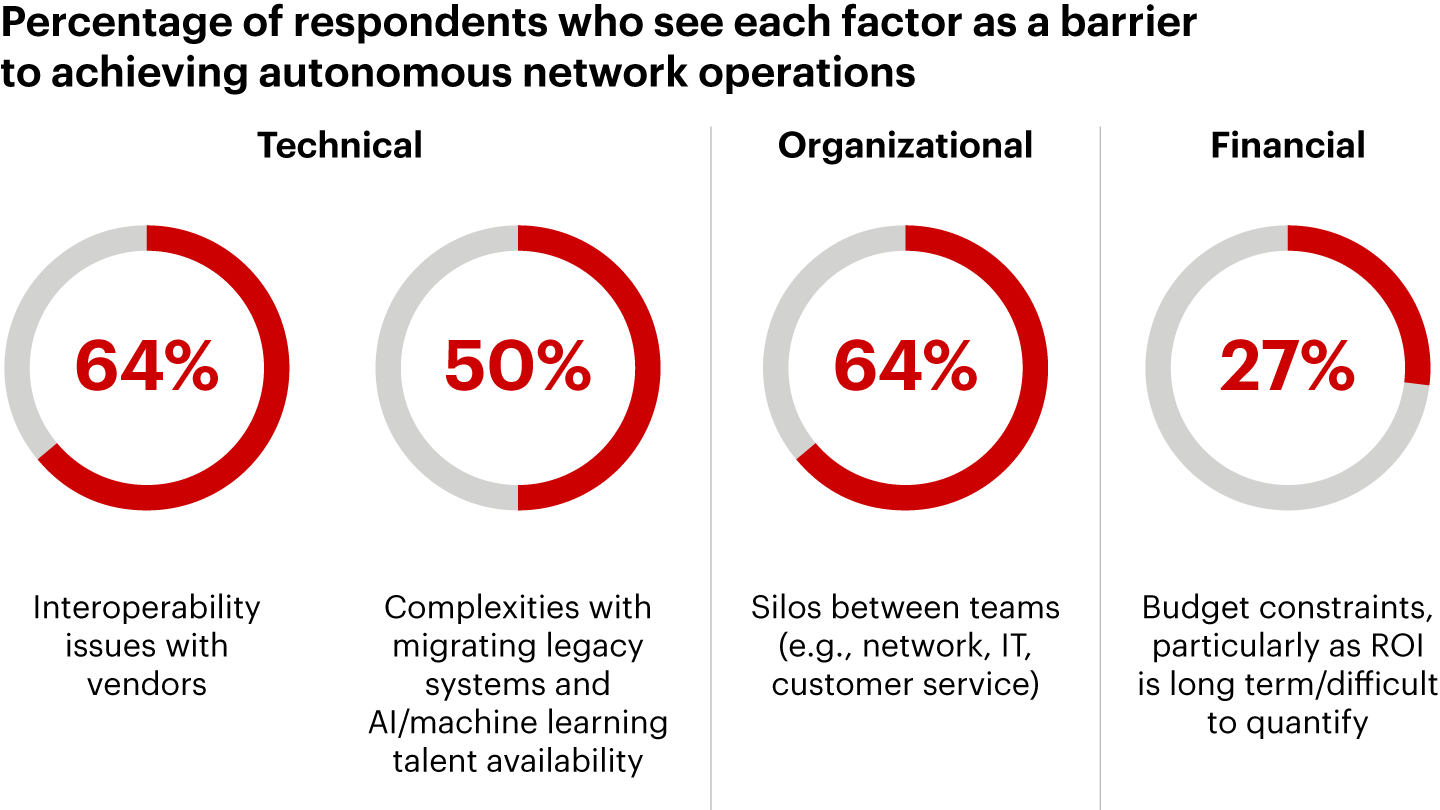
Technological hurdles are real. After technical debt, the most commonly cited obstacles are interoperability issues with vendors, the complexity of migrating legacy systems, and AI talent gaps. Silos between network, IT, and customer service teams have also confounded most operators (see Figure 4).
Figure 4

However, a deeper—and more frequent—challenge is organizational inertia. At the DTW conference, industry leaders pointed to cultural resistance as the primary hurdle to ANO progress. Success requires a bold vision that defines how automation will change the role of the network, with clear articulation of the business case and value mapping for ANO investments. Organizations must be willing to reimagine processes from end to end using an AI-first mindset. Network engineers will have to think like software engineers, pushing for continuous evolution. Companies will fall behind competitors if they don’t take a broader view of autonomous operations beyond the network, including the customer experience and enterprise operations.
Three key actions for executives
To set their ANO journeys on the right path, leading companies tend to focus on three things.
1. Rigorously assess your starting point and track progress. The most effective companies start with a candid view of their organization’s technology maturity and business performance. They use guides such as TM Forum’s ANLET to benchmark technical progress and tools like Bain’s Northstar℠ or NPS® frameworks to identify high-value investment areas.
2. Align business and technology from Day 1. Leading companies bring together business and technical leadership to co-own use case selection and goal setting. Creating value, whether through cost reduction or growth enablement, should guide prioritization and objectives. This may well mean not targeting the highest levels of automation everywhere all at once. There may be some instances where achieving Level 4 maturity gets you 90% of the value with less cost and risk than immediately aiming for Level 5.
3. Govern for business value, not project delivery. This isn’t a traditional systems integration initiative. It’s a full business transformation requiring agile, cross-functional governance. Leaders must enable rapid decision making that grounds choices in delivering measurable value at every step.
While ANO sits squarely within a CTIO’s domain, success depends on deep collaboration across the organization. Customer-facing teams (both consumer and enterprise) bring vital, direct insight into customer needs and market demands. Finance ensures investments are strategic and feasible. Operations, engineering, and marketing help embed automation into the fabric of how work gets done. Cross-functional ownership can help unlock innovation, accelerate execution, and ensure the company captures ANO’s full value. C-suite sponsorship is critical not just for funding but also to break through inertia and align stakeholders across the organization.
Lead the way
Autonomous networks are no longer a future bet—they’re a present-day competitive differentiator. Operators who act decisively today will shape tomorrow’s standards, vendor ecosystems, and customer expectations. By embracing the transformative potential of ANO—and avoiding the traps of organizational inertia, siloed thinking, and narrow cost-cutting—telcos can create faster, smarter, more resilient organizations ready for what’s next. Those who hesitate risk being viewed as less innovative by customers and ecosystem partners.
In this era of AI and automation, the traditional reliance on technical minimum viable products and proofs of concept is becoming less critical. These approaches often focus narrowly on proving feasibility, when the real challenge is no longer whether the technology works, but how it can be aligned with business priorities to deliver meaningful impact.
With AI capabilities advancing rapidly and available as mature, off-the-shelf solutions, the differentiator isn’t technical validation but identifying the right use cases, embedding them into operations, and delivering measurable value.
In short, companies that focus on business outcomes rather than isolated technical pilots are far better positioned to scale AI initiatives and achieve sustainable competitive advantage.
Published in August 2025