

Report

This report is the first edition of an ongoing collaboration between Bain & Company and ABVCAP.
It analyzes recent market developments to establish a comprehensive foundation for understanding the dynamics of Brazil’s private equity ecosystem. Certain sections revisit fundamental concepts and historical contexts that, while familiar to seasoned industry participants, are included to ensure a shared baseline and clarity for all readers.
The insights presented here are based on extensive research and interviews with market participants, including general partners, limited partners, and other key stakeholders across the private investment value chain. Their contributions have been instrumental in shaping the analysis.
Private equity in Brazil
The market has evolved over more than three decades from an early, incipient stage into a consolidated and professionalized industry. Local managers have emerged during this journey and gained scale, standing alongside global players that entered the country. This maturation process fostered greater professionalism, stronger governance, and the ability to adapt to economic and political cycles.
Today, the ecosystem is characterized by a wide diversity of managers and investment models General partners (GPs) that are generalists operate alongside sector specialists, while strategies range from traditional buyouts to growth equity and venture capital.
This plurality reflects the market’s evolution and allows different types of companies, at various stages of maturity, to access capital. As a result, private equity (PE) in Brazil has become a dynamic, competitive, and essential driver of economic development (see Figure 1).
Figure 1
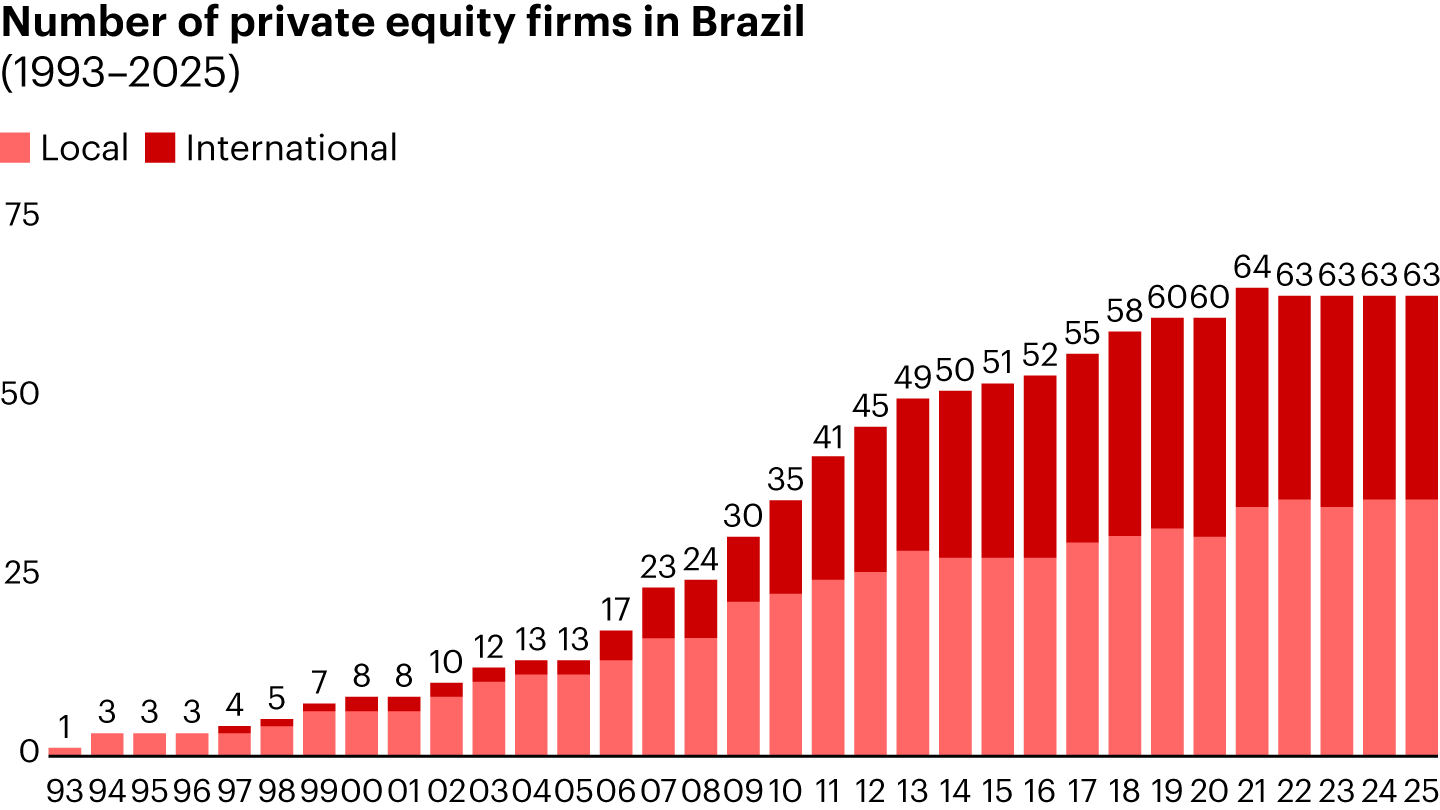

Notes: A private equity firm is considered to be in Brazil if it holds Brazilian assets in its portfolio; from 1990 to 2025, PE firms exited the Brazilian market, but the overall number of firms grew in the sector; the start year of a PE firm is the year of its first deal, when not officially declared by the company
Sources: Industry reports; companies’ websites; lit. searchThe introduction of a capital gains tax exemption for foreign investors in FIPs attracted international capital and helped put Brazil firmly on the global PE map. This reform proved to be a true win-win for the country; it led to stronger inflows, improved governance practices, and job creation for investors. It provided additional incentives to reach targeted returns.
The principle of limited liability for fund investors, ensuring that their exposure is capped at the amount invested, bolstered confidence and stimulated greater institutional participation.
More recently, CVM Resolution 175 played a central role by consolidating fund regulations into a single framework. Previously, the market operated under multiple overlapping rules (such as Instruction 555 for funds in general and Instruction 391 for FIPs), which created unnecessary complexity. The new framework simplified the landscape, increased clarity for investors and managers, and aligned Brazil more closely with international best practices.
Together, these regulatory improvements reduced interpretive ambiguities and strengthened legal certainty, firmly positioning Brazil as one of the leading PE hubs in Latin America. As a result, Brazil’s PE industry has invested across diverse sectors (e.g., financial services, food, healthcare), pursued multiple theses (e.g., market growth, share growth, buy-and-build), and achieved successful exits.
Sector-wise, there is a broad set of investments across multiple industries: financial services (Nubank, EBANX); food and restaurants (Domino’s, Grupo Alife Nino); healthcare (Fleury, Rede D’Or); industrials (Tigre, Ultra); retail (Hering, Cobasi); education (Cogna, Vitru); consumer products (Cimed, Lola); wellness (Bio Ritmo, Bluefit); energy (Órigo Energia); agribusiness (Agrichem, Alvorada); sanitation (Iguá, BRK Ambiental); and telecom (Winity, Vero).
From an investment thesis perspective, investments span a wide range of private equity theses, including growth (Vivo, Arklok, Óticas Carol, AGV Logística), market share expansion (Farmax, Frasle, NotreDame Intermédica, Aegea), buy-and-build (Sinqia, Alloha, Cruzeiro do Sul, Smart Fit), international expansion (VTEX, Skala, Fogo de Chão), and operational and performance improvement (Acelen, Walmart).
Exit activity has also been robust, with numerous successful outcomes through sales to strategic buyers (Afya, Grupo CRM, Grupo BIG, Zee.Dog, Casa do Adubo, Easynvest), financial sponsors (Entrevias, Camil, Leveros, WeVets), public markets via IPOs and follow-ons (Grupo GPS, XP Inc., Petz, Hidrovias do Brasil), as well as management- and founder-led buyouts (Chilli Beans, Oba Hortifruti).
Taken together, these examples highlight Brazil as a highly attractive and resilient market for PE investment.
The transformations that shaped Brazil into what it is today
Parallel to the PE industry growth, Brazil itself has transformed. Since the 2000s, the country has grown substantially and is the world’s 10th-largest economy. This growth stems from sociodemographic, economic, and regulatory factors.
Sociodemographics
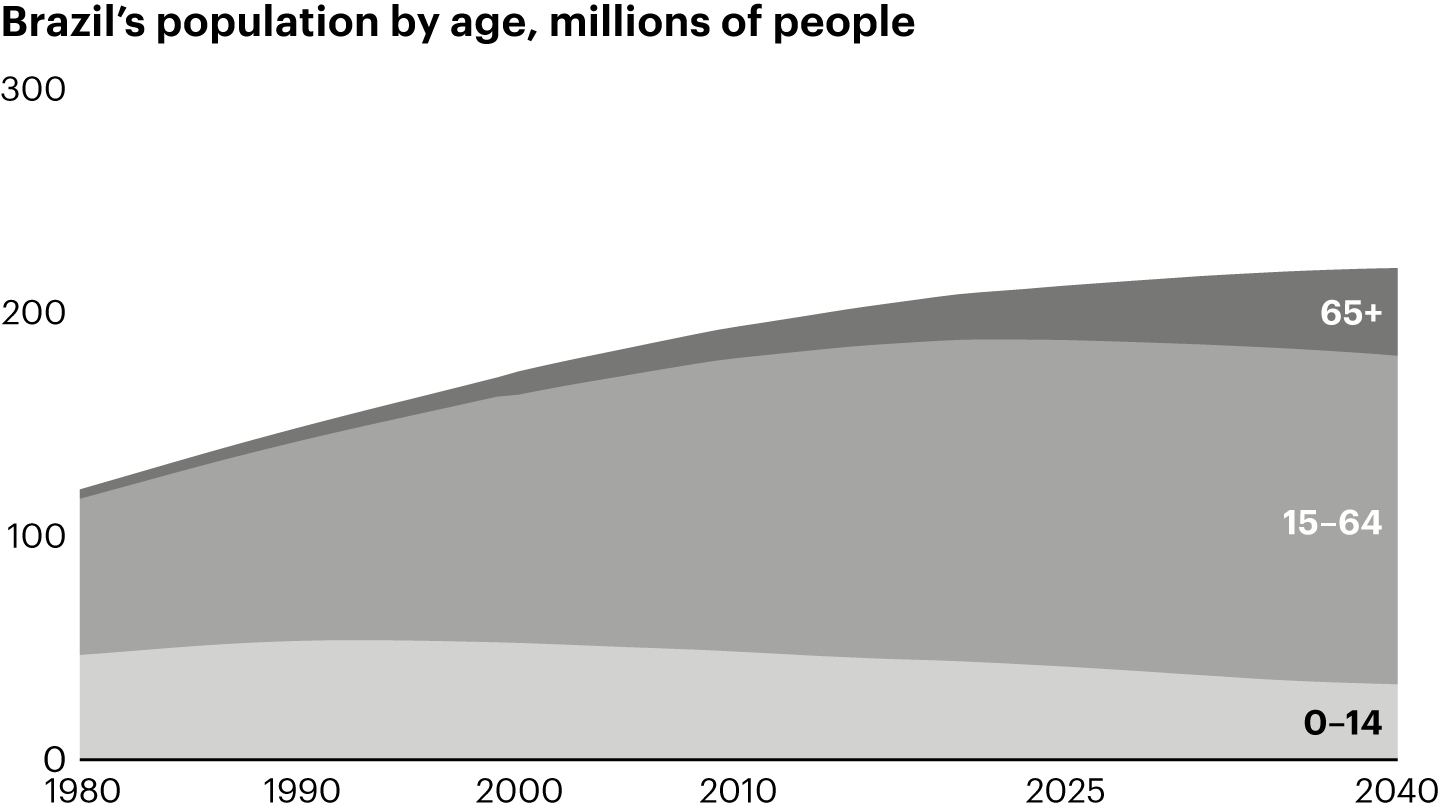
Brazil’s demographic profile has been a key driver of economic expansion over the past few decades and remains a source of long-term growth. With a population of over 210 million, Brazil is the seventh-largest country in the world.
On the supply side, Brazil benefits from a growing and increasingly qualified labor force. The economically active population is expected to continue expanding for at least two decades, providing sustained support for GDP growth (see Figure 2).
Figure 2

In addition, education levels have improved markedly: The number of higher-education graduates quadrupled since 2000, and the share of the population holding a university degree doubled over the past 20 years.
On the demand side, Brazil represents a large and dynamic consumer market. Rising urbanization, social mobility, and the expansion of the middle class fueled consumption. Financial inclusion improved significantly: Adult access to banking services increased from 68% in 2014 to 86% in 2024, while credit card usage jumped from 28% to 52% between 2018 and 2023, surpassing the US over the same period.
Digital connectivity is another defining feature: Internet penetration rose from about 20% of households in 2010 to over 75% in 2024, making Brazil the second-largest country globally in time spent online and third in time spent on social media. This combination of labor supply, education gains, mass consumption, and a digitally connected population positions Brazil as a market with production capacity and purchasing power.
Economic
Brazil’s GDP has shown consistent long-term growth, increasing at a CAGR of more than 10% in nominal terms (see Figure 3).
Figure 3
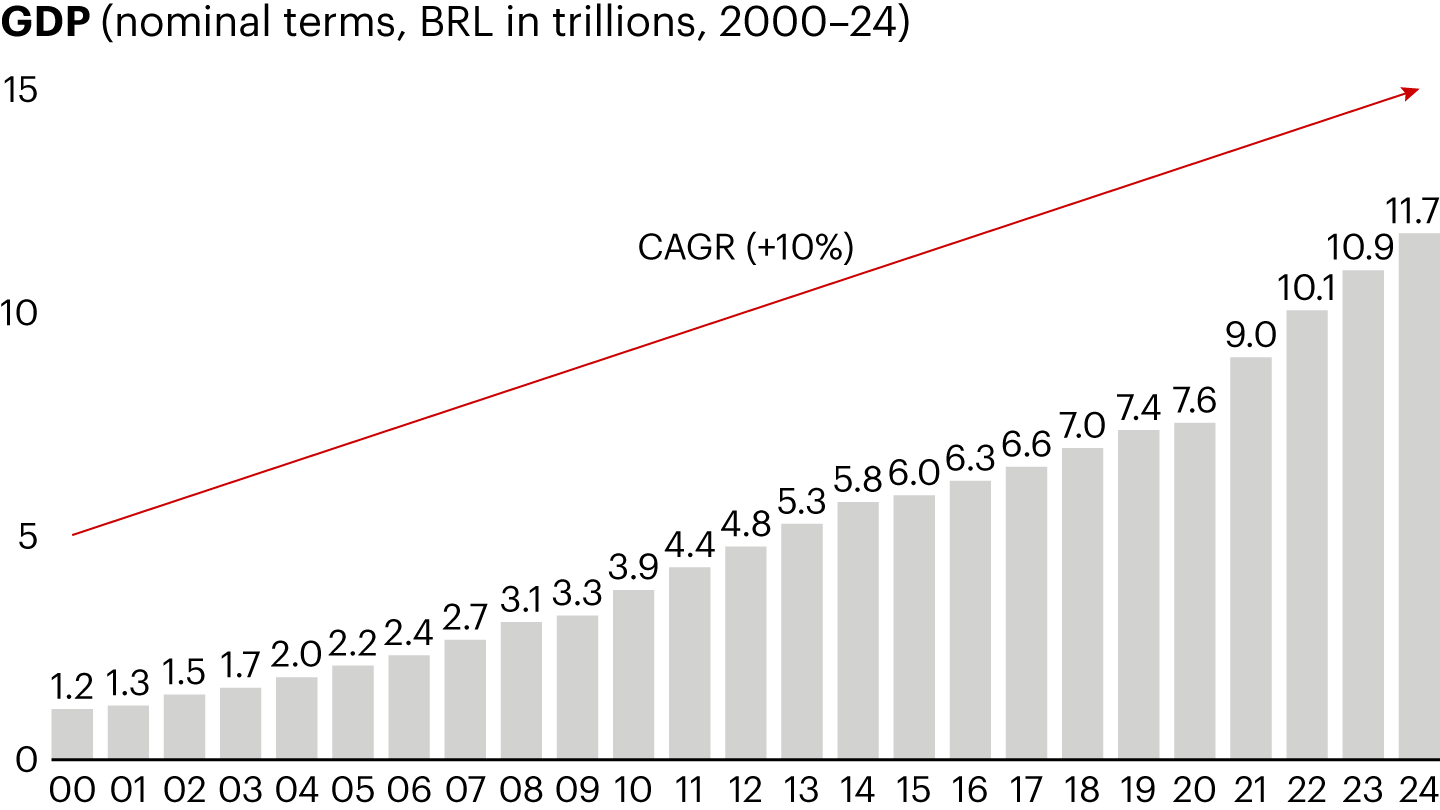

Note: BRL is Brazilian real
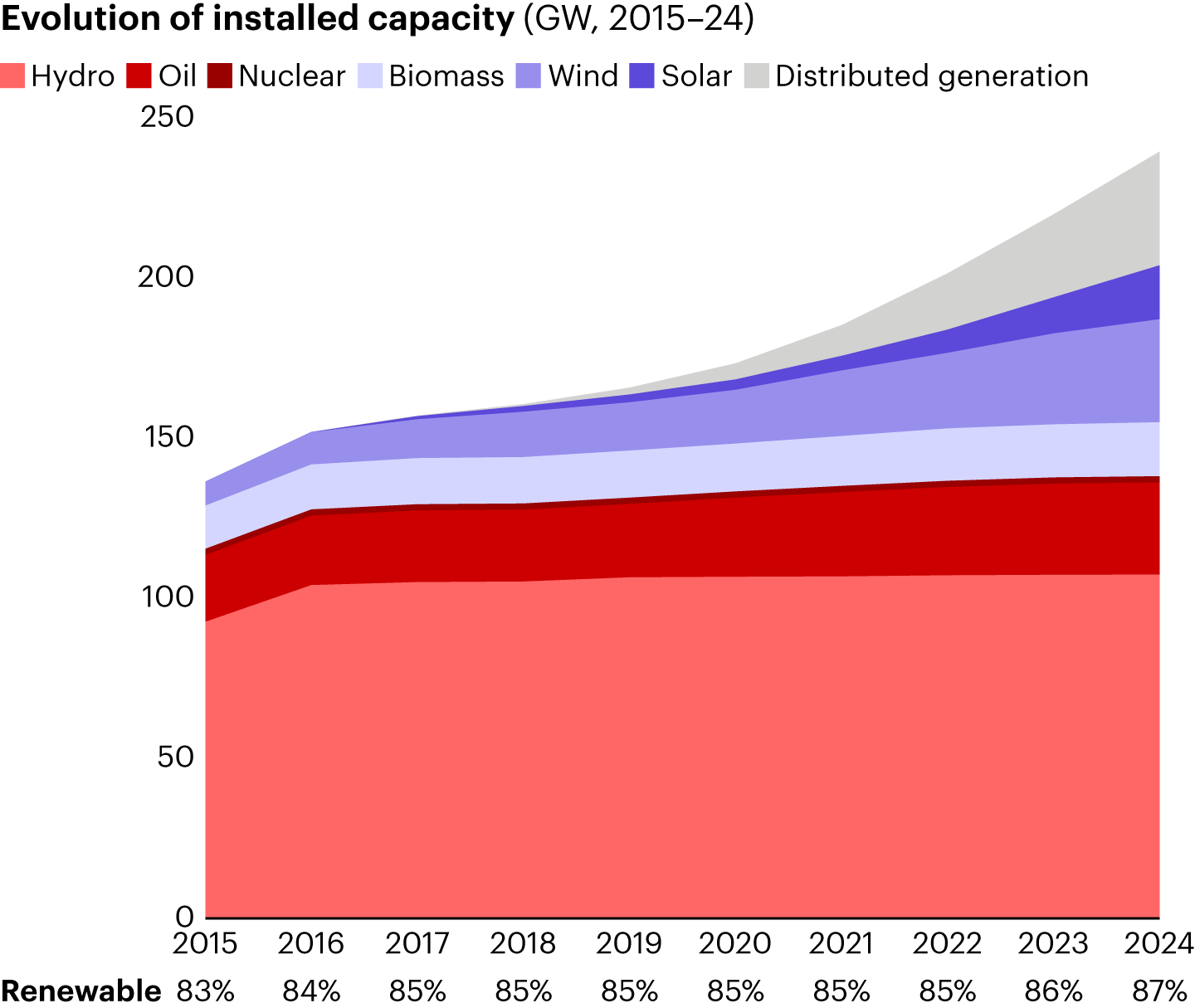
Source: LCAHistorically central to Brazil’s growth story, the role of natural resources has been reinforced by a transition to sustainability. Between 2015 and 2024, the country added more than 100 GW of installed power capacity, mainly from renewable sources such as wind, solar, hydro, and biomass. Today, Brazil boasts the cleanest energy matrix among G20 countries, with close to 90% of electricity generation coming from renewables (see Figure 4).
Figure 4

Beyond energy, the country is one of the largest producers of food and grains, the second-largest producer of iron ore, and the eighth-largest producer of oil.
The entrepreneurial environment combines innovation capacity with capital market maturity. Brazil hosts a well-established innovation ecosystem in Latin America. By 2025, more than 25 unicorns had emerged across sectors such as financial services, e-commerce, logistics, and health.
Capital markets have also matured: The consolidation of exchanges to form B3 (BM&F and Bovespa, which later merged with Cetip) created one of the largest stock exchanges globally, while the debt market has tripled since 2018 (see Figures 5 and 6). This ecosystem provides financing channels for growth companies and reinforces Brazil’s position as a hub for private investment in emerging markets.
Figure 5
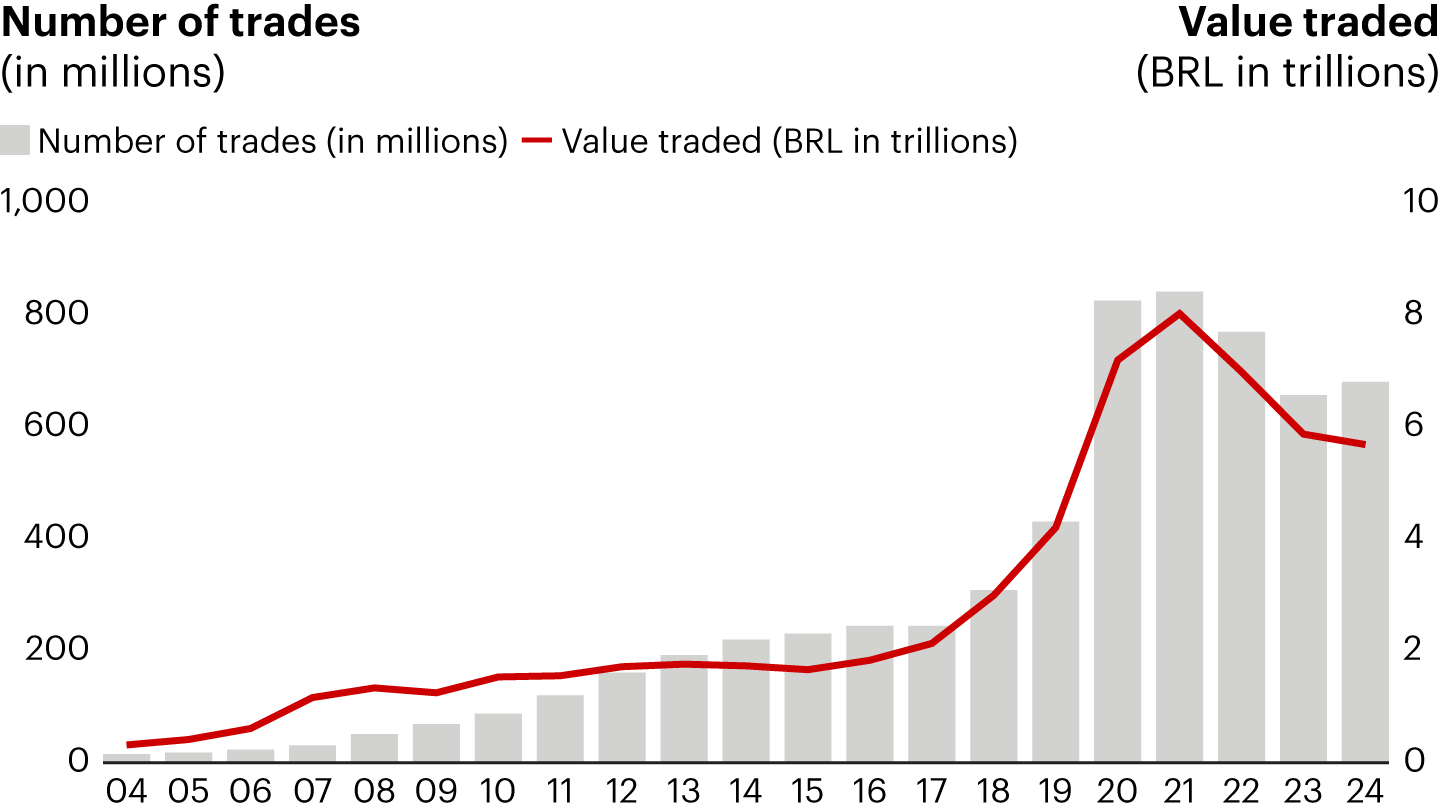

Note: BRL is Brazilian real
Source: Anbima
Figure 6
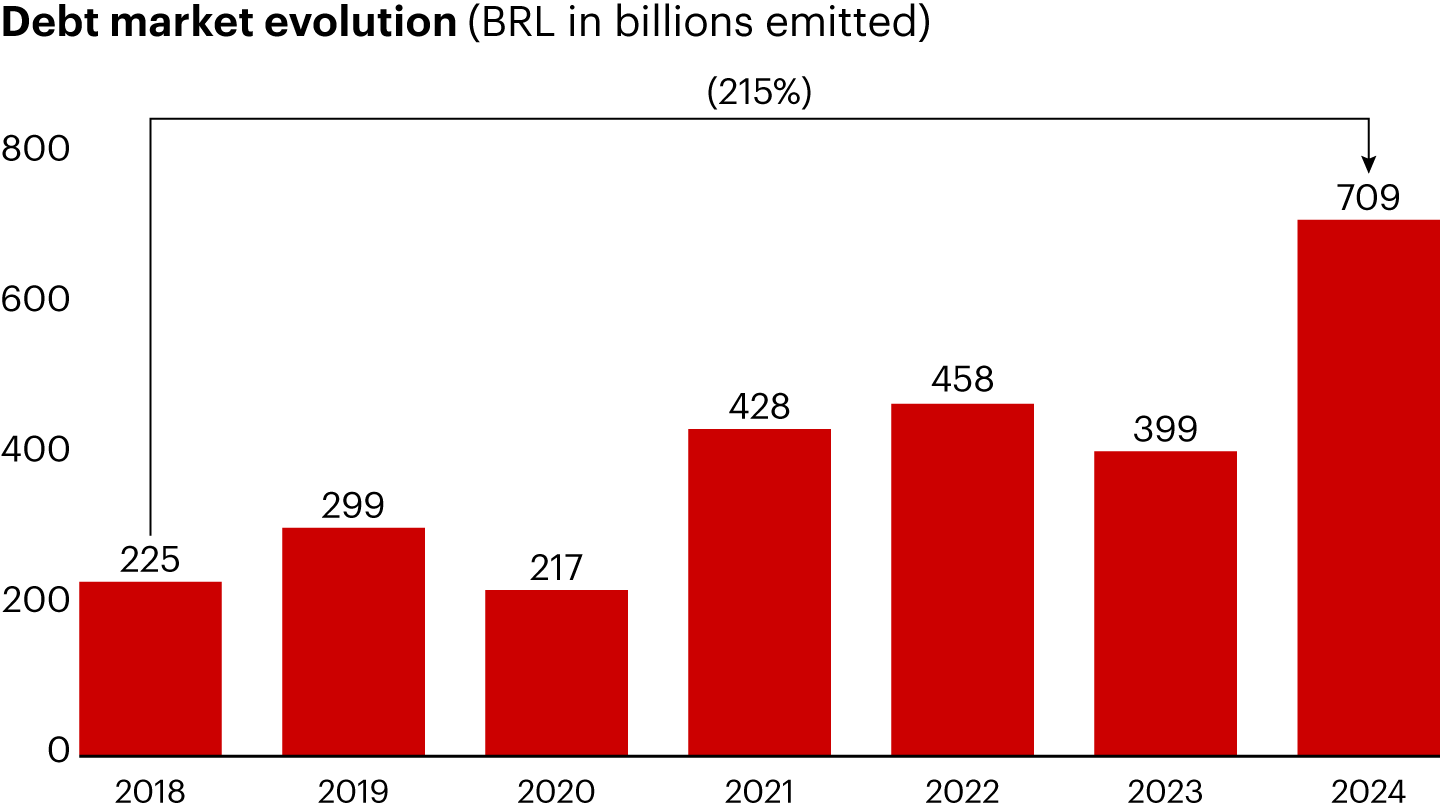

Note: BRL is Brazilian real
Source: AnbimaRegulatory
Brazil has advanced a wide range of structural reforms over the past three decades that significantly strengthened its institutional framework and investment environment. Collectively, these reforms represent a substantial leap forward from the 1990s.
Following the Plano Real in the mid-1990s, initiatives such as the Basel Accord (1994) and the Financial System Restructuring Program (1995) stabilized the banking sector and restored confidence in the financial system. The creation of the Credit Guarantee Fund (1995) provided further protection for investors. Large-scale privatizations between the 1990s and early 2000s, as well as those from 2022 to 2024, reduced the state’s role in the economy, transferring key companies such as Vale, Eletrobras, and Sabesp into private hands.
From the mid-2010s, a new wave of reforms focused on governance, fiscal sustainability, and competitiveness. The SOE Law (2016) strengthened governance standards in state-owned enterprises, while labor reform (2017) modernized contracts and reduced litigation costs. Pension reform (2019), which raised the retirement age and tightened rules to ease long-term fiscal pressure, was a landmark achievement in fiscal consolidation.
Recent reforms addressed strategic sectors and legal frameworks critical to investment activity. The Legal Sanitation Framework (2020) opened the door for private participation in an underfunded sector, while bankruptcy reform (2020) streamlined restructuring processes, improving recovery prospects for creditors and investors. Tax reform (2023) simplified Brazil’s complex tax structure by unifying indirect taxes into a dual-VAT model, enhancing efficiency and predictability.
Brazil’s highly volatile macroeconomic environment
Despite structural progress in regulation, demographics, and economy, Brazil remains a highly volatile market. This volatility has shaped how investors approach the country and has been a defining feature of the local PE landscape.
Over time, GPs have had to navigate four recurring challenges: (1) structurally high inflation and interest rates; (2) a historically volatile currency; (3) political uncertainty that directly affects the business environment; and (4) a capital market with cycles of high and low liquidity.
Structurally high interest and inflation rates in Brazil
Structurally high inflation and interest rates are pressing issues. Between 2000 and 2024, Brazil recorded average inflation rates of 6.3% and average interest rates of 12.2%, levels above those of other emerging and developed economies (see Figures 7 and 8).
Figure 7
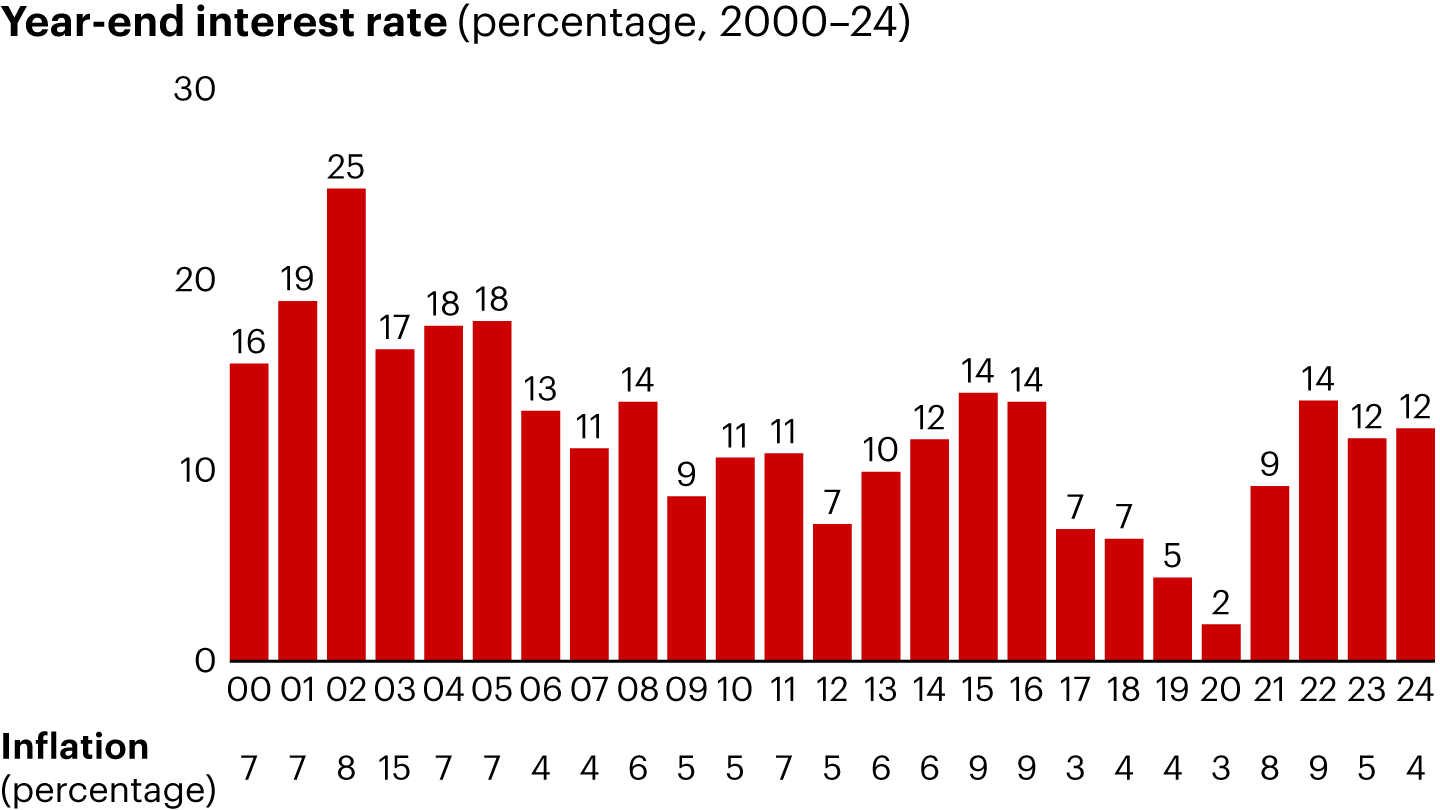

Figure 8
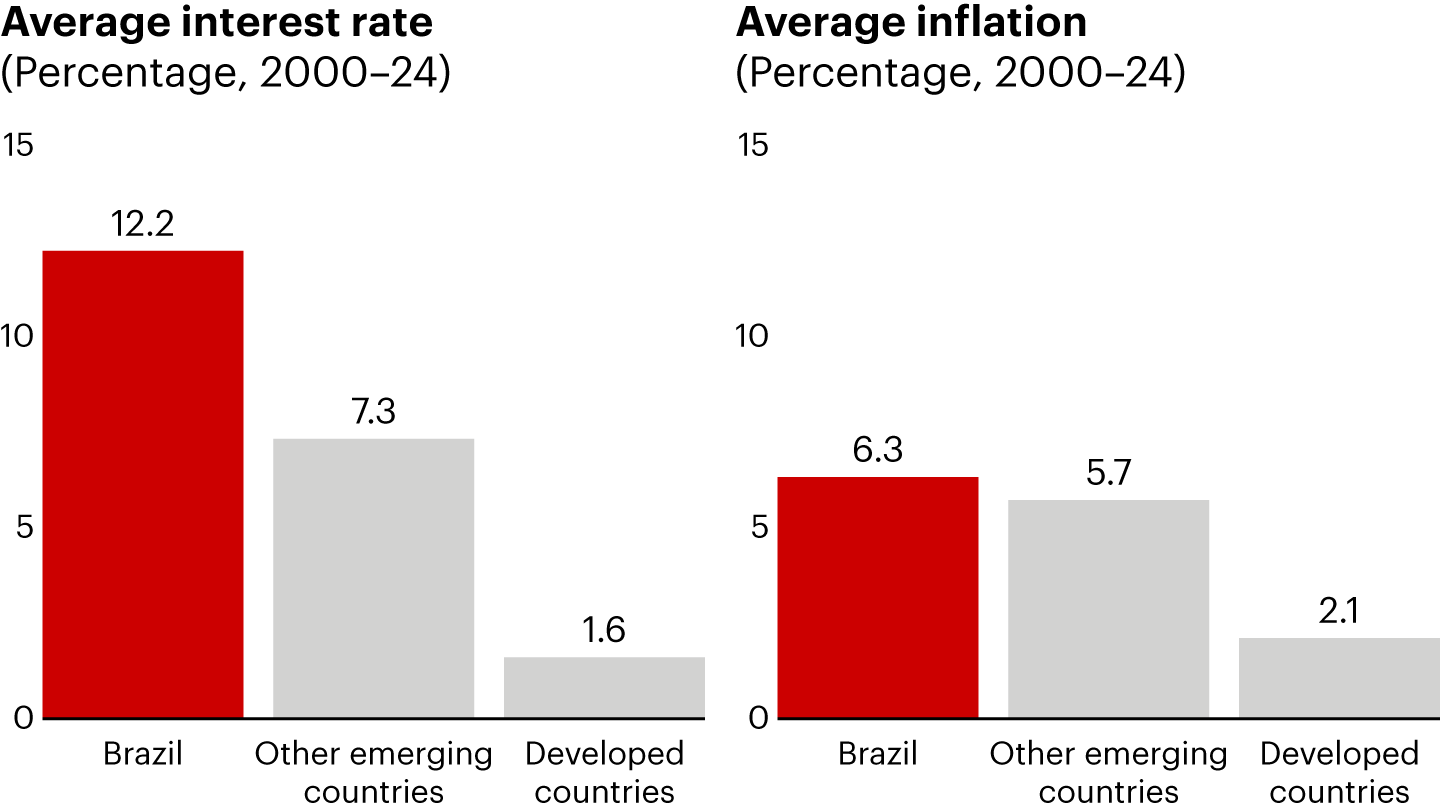
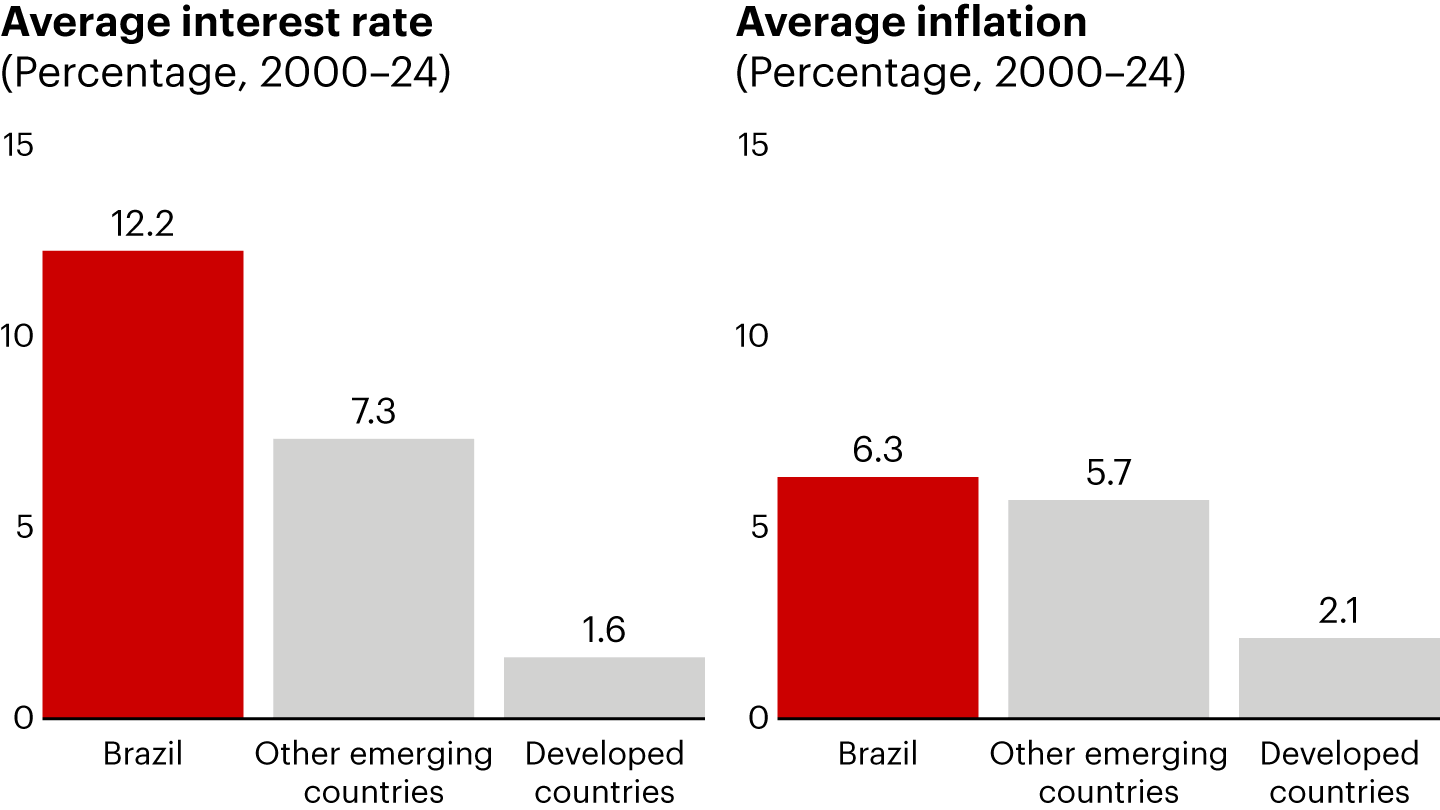
Notes: Calculated considering year average; emerging countries include China, Russia, Mexico, India, South Africa, and Indonesia; developed countries include US, Germany, France, UK, Japan, Australia, Canada, and Singapore
Sources: LCA; S&P GlobalHigh inflation and elevated interest rates create a challenging environment for companies. Inflation increases costs across the value chain while making it harder to fully pass them on to consumers.
At the same time, high interest rates raise the cost of borrowing, limiting access to credit and making investments in expansion, innovation, or acquisitions more expensive. Together, these factors compress margins, reduce profitability, and slow down growth.
For investors, particularly in PE, this dynamic reduces the appeal of using leverage to enhance returns, thus increasing reliance on operational improvements and value creation within portfolio companies.
Volatility in currency
Currency volatility adds risk. The BRL has historically been one of the most volatile emerging market currencies (see Figure 9). Exchange rates against the US dollar (USD) have shown sharp fluctuations influenced by global risk sentiment, shifts in interest rate differentials, commodity price cycles, and external shocks. Periods of appreciation have often been followed by steep depreciations, creating greater unpredictability than comparable markets.
Figure 9
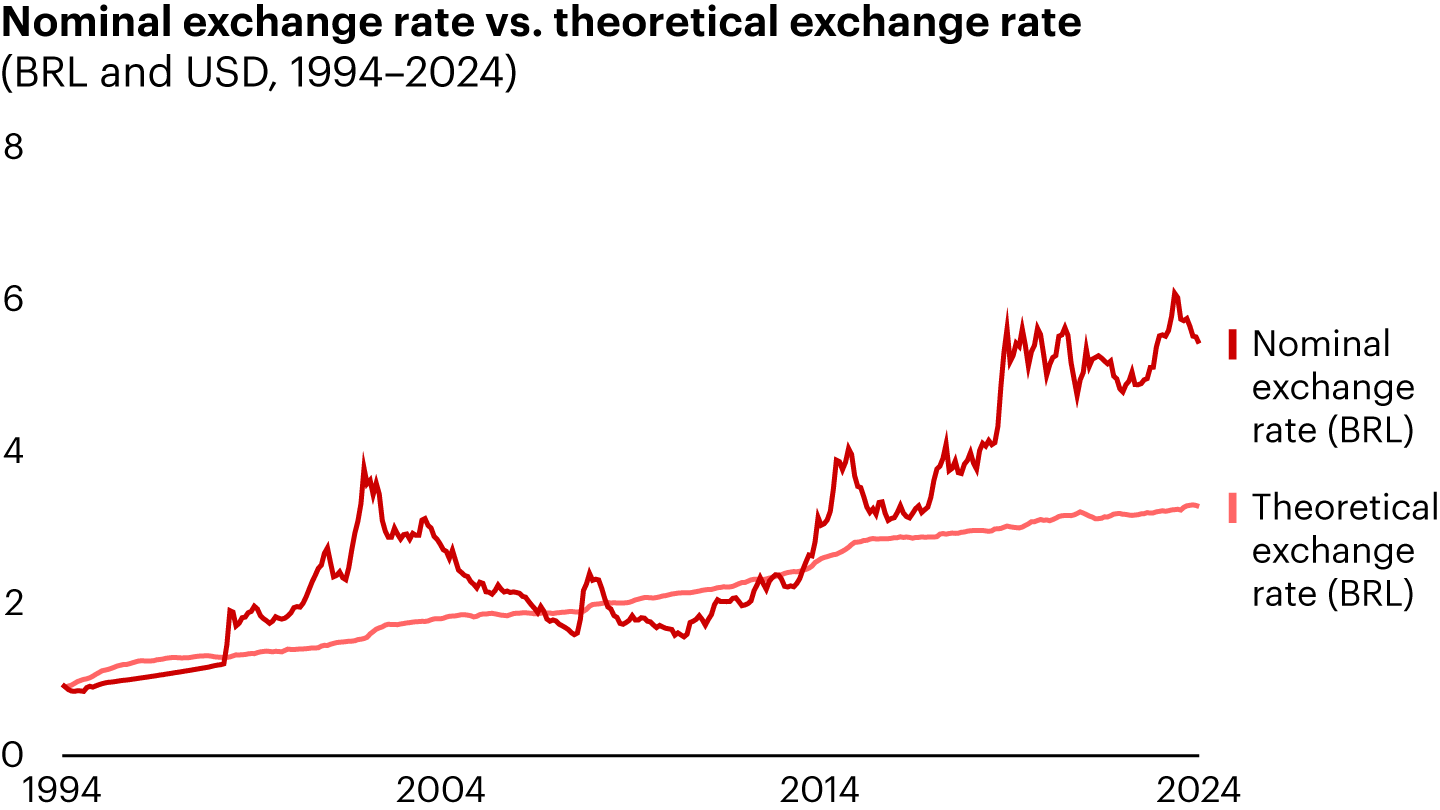

Notes: Theoretical exchange rate considers exchange rate adjusted for Brazilian and American inflation (IPCA, CPI); BRL is Brazilian real
Source: LCAFor PE investors, this volatility directly impacts returns. Even when portfolio companies perform well in local currency terms, exchange rate swings can erode value when proceeds are converted into USD at exit. This uncertainty complicates valuation models and exit planning, as it is difficult to predict the effective dollar outcome at the end of the holding period. As a result, foreign exchange (FX) risk is a critical factor in structuring deals.
Political uncertainty directly affects the business environment
Shifts in government priorities, regulatory changes, or delays in structural reforms often introduce uncertainty for companies and investors. Entire sectors, such as energy, infrastructure, or education, have experienced abrupt regulatory changes that reshaped competitive dynamics overnight. This unpredictability raises the overall risk profile and complicates long-term planning.
Understanding how political cycles and policy decisions influence specific industries has become a critical part of due diligence. PE managers must manage financial performance in the institutional and regulatory landscape. Funds that succeed in Brazil often anticipate regulatory trends, maintain close engagement with stakeholders, and build resilience into portfolio companies to withstand potential shocks.
Capital market with cycles of high and low liquidity
Periods of high liquidity in Brazil’s capital markets tend to be short-lived, driven by global risk appetite and favorable domestic conditions, while downturns can last for several years.
The last major IPO cycle, between 2020 and 2021, saw a wave of companies going public as valuations rose and investor optimism peaked. Soon after, however, rising interest rates and global uncertainty shut the IPO window, leaving many companies without access to equity markets in Brazil (see Figure 10).
Figure 10
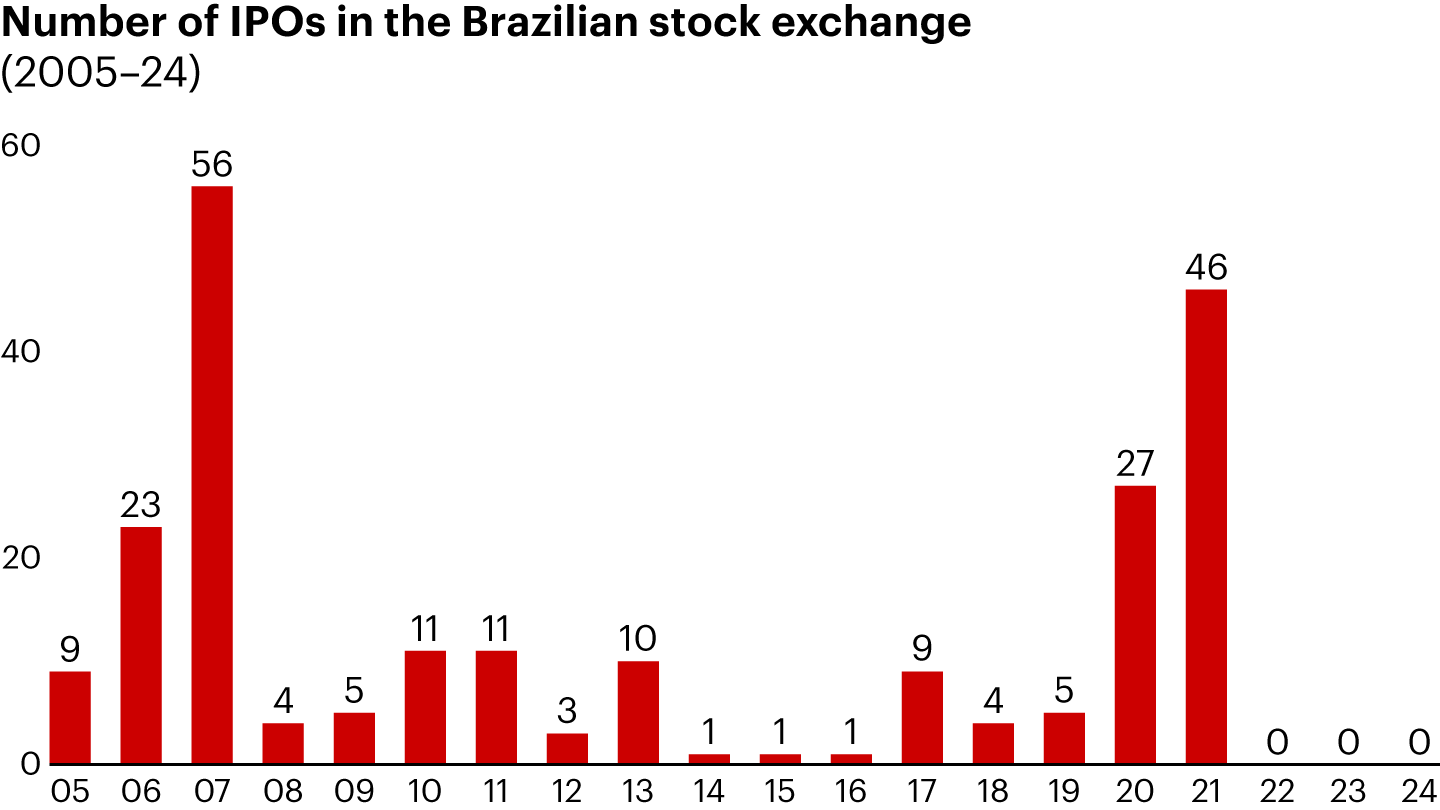

Note: Includes listed companies in the local market (B3) and international listings of Brazilian companies
Source: Industry reportsLooking ahead, the outlook for IPOs in Brazil remains uncertain. After the intense activity of 2020 to 2021, the window has remained closed, and most market participants do not expect a meaningful reopening in the next two years. Persistent macroeconomic challenges, coupled with global risk aversion, limit liquidity for new listings. As a result, IPOs are unlikely to serve as a reliable near-term exit route, reinforcing the need for managers to prepare alternative strategies.
Even when the IPO market does reopen, exiting through the public markets is rarely immediate. Investors typically face lock-up periods that prevent them from selling their shares immediately after the listing. It can take several years before a meaningful position can be divested without sending a negative signal to the market. A premature exit may raise concerns among other shareholders and depress valuations. This dynamic makes IPOs a more gradual and complex path to liquidity, requiring patience and careful planning from PE managers.
GPs developed a playbook to operate effectively within Brazil’s macroeconomic context
Over time, not all managers were able to withstand Brazil’s volatility. Some left the market or were consolidated; those that remained developed a distinctive playbook to succeed in the country.
Among several actions taken, four stand out consistently as the main pillars of this approach: (1) conservative use of leverage; (2) gradual deployment of capital over time; (3) deep expertise in the sector and in the company; and (4) focus on revenue growth and margin expansion, preparing the investment for an opportune moment of liquidity.
Conservative use of leverage
The first pillar of this playbook has been the conservative use of leverage. Unlike in more developed markets, where debt financing is widely accessible at lower costs, in Brazil, structurally high interest rates make leverage expensive and risky.
As a result, leading managers focused on creating value through operational improvements and growth, rather than financial engineering. This discipline has helped portfolio companies remain resilient and reduce risk, even in periods of tighter credit conditions.
Gradual deployment of capital over time
The second key strategy has been the gradual deployment of capital over time. Currency volatility, particularly the swings in BRL and USD exchange, can erode returns if investments are concentrated in a single vintage or a single year.
By pacing capital commitments across different years, managers have reduced exposure to specific FX shocks and positioned themselves to take advantage of more favorable entry points during downturns, while reducing concentration risk in any single moment of the cycle. It also provides flexibility to adjust deployment as new macro and sector dynamics unfold.
Managers apply a similar approach within individual deals, structuring investments in stages rather than committing the entire amount upfront. Tools such as earn-outs, follow-ons, and contingent payments align capital deployment with company performance, goals, or predefined conditions.
This phased approach helps protect against downside risk and strengthens alignment with management teams. It also ensures that capital is released as the business delivers results and growth opportunities materialize.
Deep expertise in the sector and in the company
Managers have built deep sector expertise over time. Many GPs in Brazil specialize in industries where they can bring differentiated knowledge, networks, and capabilities.
This specialization allows GPs to identify value-creation levers beyond financial oversight, helping portfolio companies improve operations, expand into adjacent markets, or adopt best practices in governance. Sector depth has been important in building credibility with entrepreneurs, coinvestors, and LPs.
Before making an investment, managers dedicate significant time and resources to detailed due diligence. This goes beyond financial analysis, encompassing a close look at how the company operates, its market dynamics and competitive positioning, and the quality of its management team. Understanding the leadership’s vision, alignment, and execution capacity is often as important as assessing the numbers.
The best-performing investors differentiate themselves by conducting fully integrated due diligence that combines commercial, technical, and operational insights into a single view of performance and potential. GPs underwrite risk with greater conviction, identify concrete value-creation opportunities, and translate the growth story into a practical roadmap from day one.
Focus on revenue growth and margin expansion, preparing the investment for an opportune moment of liquidity
Finally, successful managers have consistently focused on driving revenue growth and margin expansion to prepare companies for the right liquidity event. Given the unpredictable nature of IPO windows and the cyclicality of local capital markets, Brazilian managers know that portfolio companies must be resilient to attract interest from a range of exit alternatives.
Whether through a public listing, a strategic acquirer, or another financial sponsor, by prioritizing operational strength, GPs in Brazil ensure that companies are well positioned when liquidity windows open, increasing the likelihood of successful exits. A critical part of preparation is developing a clear and robust value-creation plan from the outset.
The best-performing investors cocreate plans alongside portfolio management teams as early as possible after investment, translating strategic ambition into a concrete set of operational and financial initiatives. These plans define the sequencing, ownership, and metrics to deliver measurable impact. This collaborative approach ensures alignment across stakeholders and embeds the discipline needed to achieve sustainable value creation.
Executing these ambitious plans often requires strengthening management teams and building new capabilities, something Brazilian GPs have consistently prioritized. This can involve bringing in seasoned executives, adding expertise in areas such as digital transformation, supply chain, or professionalizing governance structures. By making these enhancements early, managers increase the company’s ability to deliver on the value-creation plan, improve credibility with potential buyers, and unlock higher valuations at exit.
In line with global trends, fund-raising has been challenging
Fund-raising
Fund-raising has become difficult in Brazil recently due to the lack of exits—in Brazil and across the globe. Many funds have yet to return capital to their LPs, which makes it harder for the fund-raising cycle to restart.
Without distributions, the flywheel of PE struggles to turn, and investors are reluctant to commit new money while outstanding commitments remain locked. This dynamic has been a major bottleneck for the industry, amplifying the impact of closed IPO windows and slower M&A activity in Brazil. Still, several funds continue to raise resources successfully, showing that there is appetite for Brazil when the right ingredients are in place.
Among the factors that stand out, a strong and proven track record remains the single most important credential. LPs want to see evidence that managers can navigate Brazil’s cycles and still deliver consistent returns. Long-term relationships with investors are also important, often built over decades, which create trust and confidence even in uncertain times. Finally, sector specialization has become a decisive differentiator: LPs value managers who can demonstrate deep expertise and repeatable value creation in industries where Brazil offers structural growth opportunities.
When pitching to investors, successful Brazilian GPs combine these pillars into a compelling story: a track record of resilience, trusted partnerships, and a clear strategy anchored in sector knowledge.
Investments
Over time, Brazil’s PE has evolved steadily, with the number of deals increasing consistently. This growth reflects the industry’s gradual maturation and the asset class’s growing relevance in Brazil.
The peak of this expansion came in 2020 to 2021, when abundant global liquidity and a favorable domestic environment fueled a surge in deals. Capital was widely available, valuations reached record levels, and investment activity accelerated at an unprecedented pace, reflecting investor optimism and the momentum of Brazilian companies seeking growth.
Since then, the industry has entered a more cautious phase. Higher interest rates, tighter capital conditions, and the closure of IPO windows have reduced deal flow. In this new environment, managers have become more selective, especially after the exuberance of 2021, and are increasingly focusing on investment theses in sectors where they have deep specialization and proven know-how to generate value within their portfolio companies (see Figure 11).
Figure 11
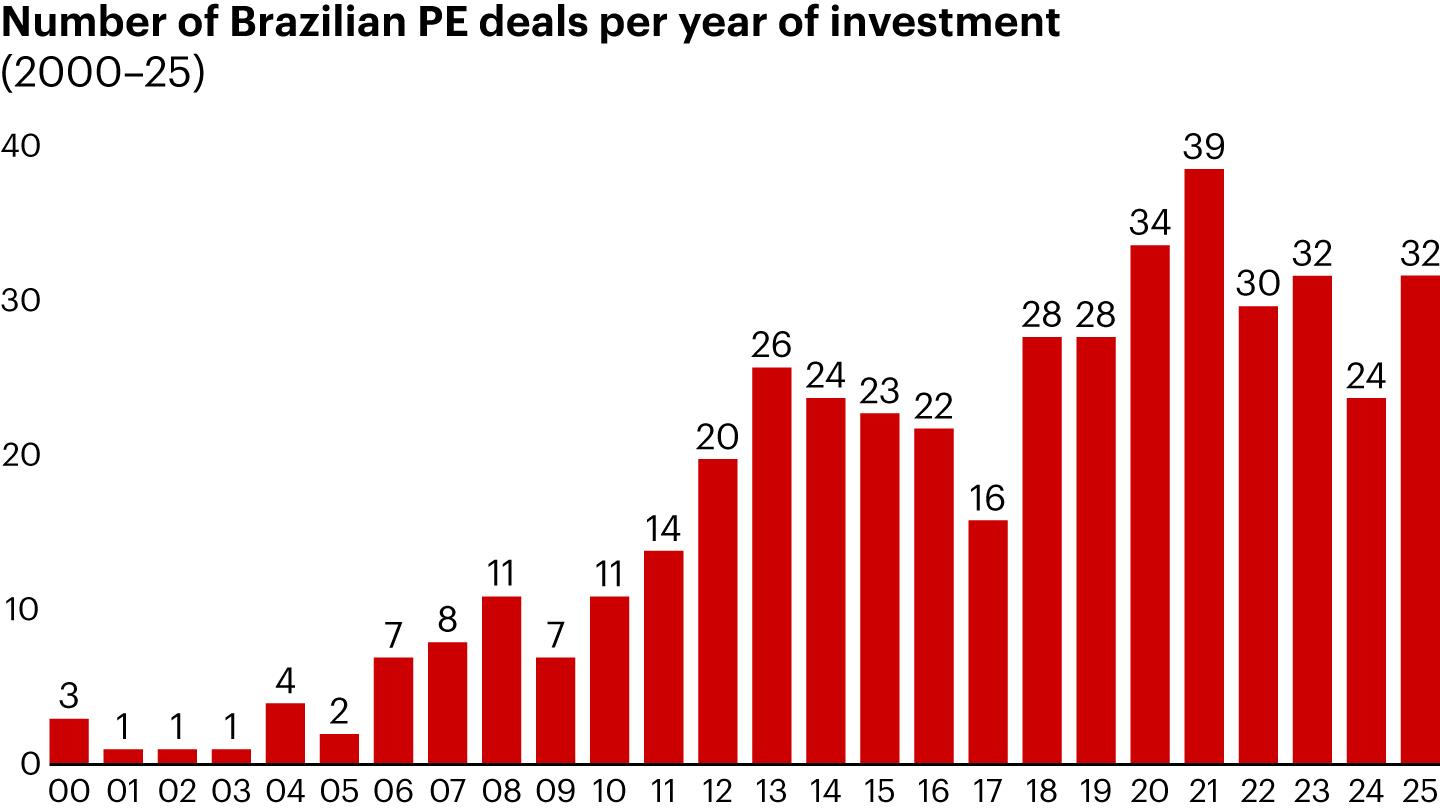

Notes: Not exhaustive, sample of about 450 deals with about 200 exits; does not consider add-ons, real estate, or infrastructure
Source: Industry reportsDespite the more cautious environment, Brazilian GPs maintain significant capital to deploy when attractive opportunities arise. Valuations, which had spiked during the exuberance of 2020 to 2021, have since normalized, creating more favorable entry points for disciplined investors. This adjustment helped bring expectations closer between buyers and sellers, improving the overall deal-making environment.
Even so, the search for high-quality assets remains highly competitive. Strong companies with resilient business models, robust management teams, and clear growth potential continue to attract significant interest from multiple investors. As a result, while opportunities may be more attractive from a pricing perspective, differentiation continues to depend on demonstrating sector expertise, value-creation capabilities, and strong relationships with entrepreneurs.
Exits
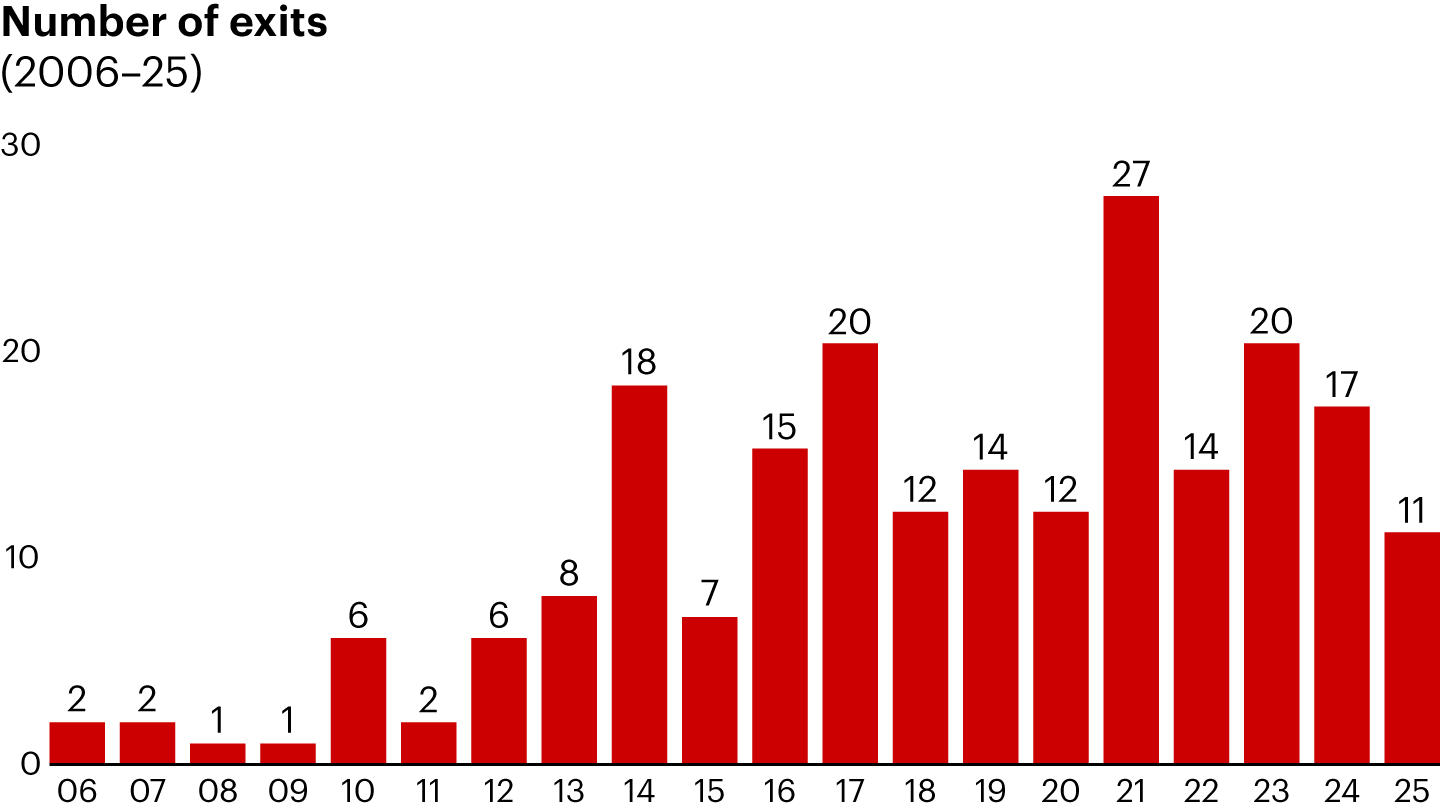
Even in a challenging environment for IPOs, Brazil has seen a steady flow of exits in the past three years (see Figure 12). Strategic sales and secondary transactions have remained active, indicating that liquidity is possible even when public markets are effectively closed.
Figure 12

Notes: Not exhaustive, sample of about 450 deals with about 200 exits; does not consider add-ons, real estate, or infrastructure
Source: Industry reportsThese exits demonstrate the adaptability of managers, who have sought alternative routes to realize value despite tighter capital markets. GPs in Brazil have increasingly turned to sales to strategic acquirers, secondary sales to other PE firms, founder or family buybacks, and even partial exits.
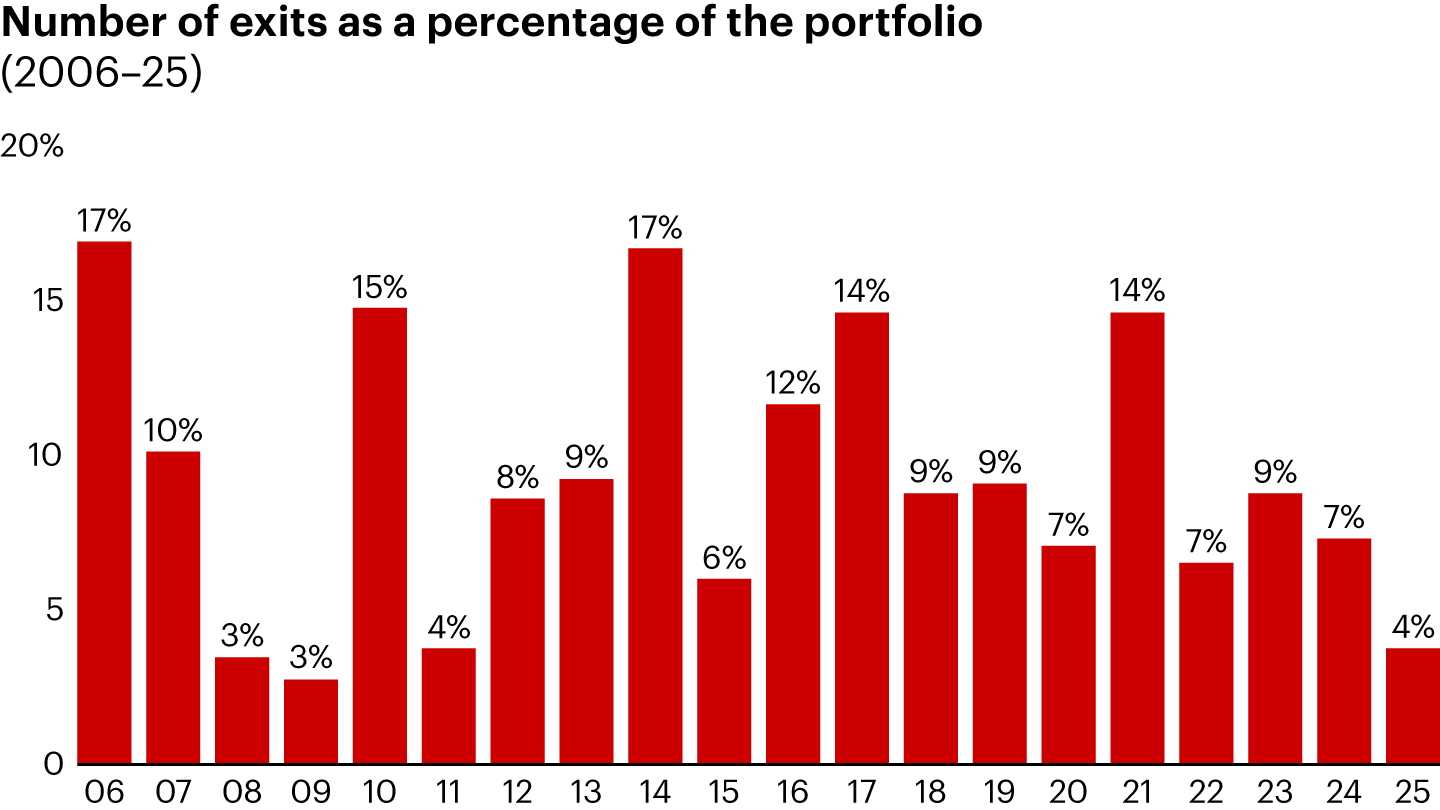
Exit activity has not been sufficient to recycle the growing portfolio of companies under management (see Figure 13). The pace of new investments in recent years has outpaced the number of exits, creating a backlog of assets waiting for liquidity events. This imbalance puts pressure on managers to find creative solutions for divestments and weighs on fund-raising, since LPs expect cash distributions before committing fresh capital.
Figure 13

Notes: Not exhaustive, sample of about 450 deals with about 200 exits; does not consider add-ons, real estate, or infrastructure
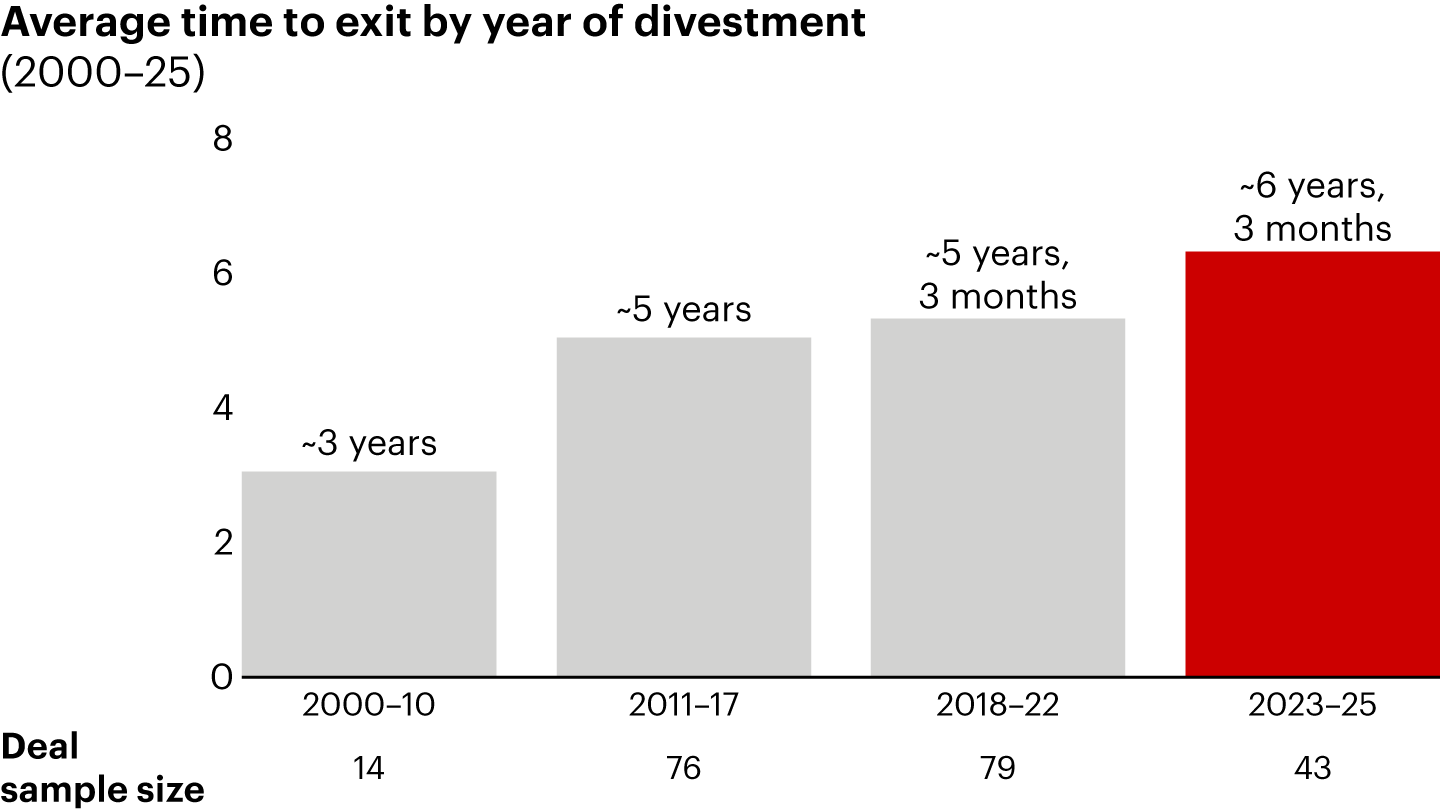
Source: Industry reportsHolding periods have become longer as managers wait for more favorable windows.
Historically, companies were typically held for four to five years, but this figure has gradually increased. Data now shows an average of five years and three months for exits between 2018 and 2022, rising to six years and three months for exits between 2023 and 2025 (see Figure 14).
Figure 14

Notes: Not exhaustive, sample of about 450 deals with about 200 exits; does not consider add-ons, real estate, or infrastructure
Source: Industry reportsThe trend highlights the importance of patience and careful planning in the Brazilian market, where liquidity events are less predictable and require flexibility across multiple exit routes.
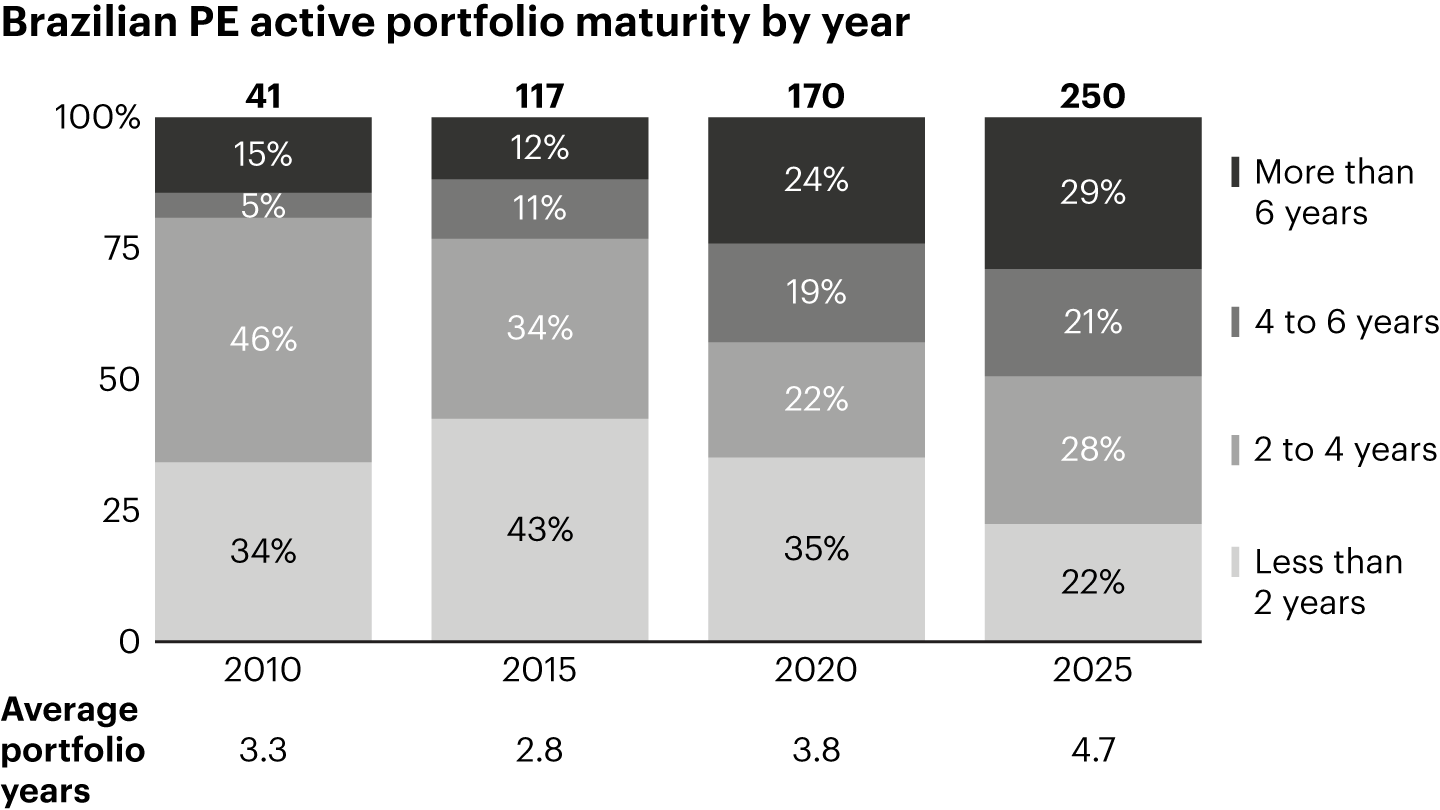
This same trend can be observed in the current portfolio, which shows a larger share of companies held for more than six years and a smaller proportion of recently invested assets.
Between 2010 and 2015, most companies were relatively recent investments: Around 40% of the portfolio had been held for less than two years and around 15% for more than six years. This data indicated a faster turnover cycle, with GPs deploying and recycling capital more quickly.
In recent years, however, the profile looks very different. The share of assets held for over six years increased to 24% in 2020 and 29% in 2025, showing that exits are taking longer to materialize.
At the same time, the representativeness of newer companies has declined: Investments under two years have decreased to 35% in 2020 and to 22% in 2025 (see Figure 15).
Figure 15

Notes: Not exhaustive, sample of about 450 deals with about 200 exits; does not consider add-ons, real estate, or infrastructure
Source: Industry reportsThe shift in this mix reflects the slowdown in exit activity in recent years and the extension of holding periods. The reduced flow of new deals highlights the industry’s more selective stance, reinforcing the focus on actively managing and preparing existing portfolio companies for successful exits.
Brazilian GPs have been actively pursuing liquidity events to maintain higher distributions to paid-in capital (DPI) levels, while remaining disciplined in their approach. Rather than rushing into distressed sales or accepting unfavorable terms, managers have focused on securing fair valuations for their assets. This balance reflects a commitment to capital recycling without compromising long-term value creation or the credibility of the asset class.
Returns
Although comprehensive data is limited, it is widely recognized that returns in the last 15 years were significantly affected by the depreciation of the BRL against the USD, while looking at a shorter time frame of five years, the FX has been somewhat neutral, with a significantly lower impact on returns in USD. For international LPs, this currency effect often eroded dollar-denominated performance,
even when portfolio companies delivered solid growth in local terms. As a result, some investors left Brazil disappointed as FX volatility materially hurt performance and confidence in the market.
Looking at the drivers of value creation, most of the increase in enterprise value has historically come from top-line growth and margin expansion, rather than multiple arbitrages. GPs in Brazil focus heavily on growing revenues and improving operational efficiency to deliver results, underscoring the importance of active value-creation strategies in the Brazilian market and real performance improvements within portfolio companies.
LPs are optimistic about Latin American and Brazilian PE
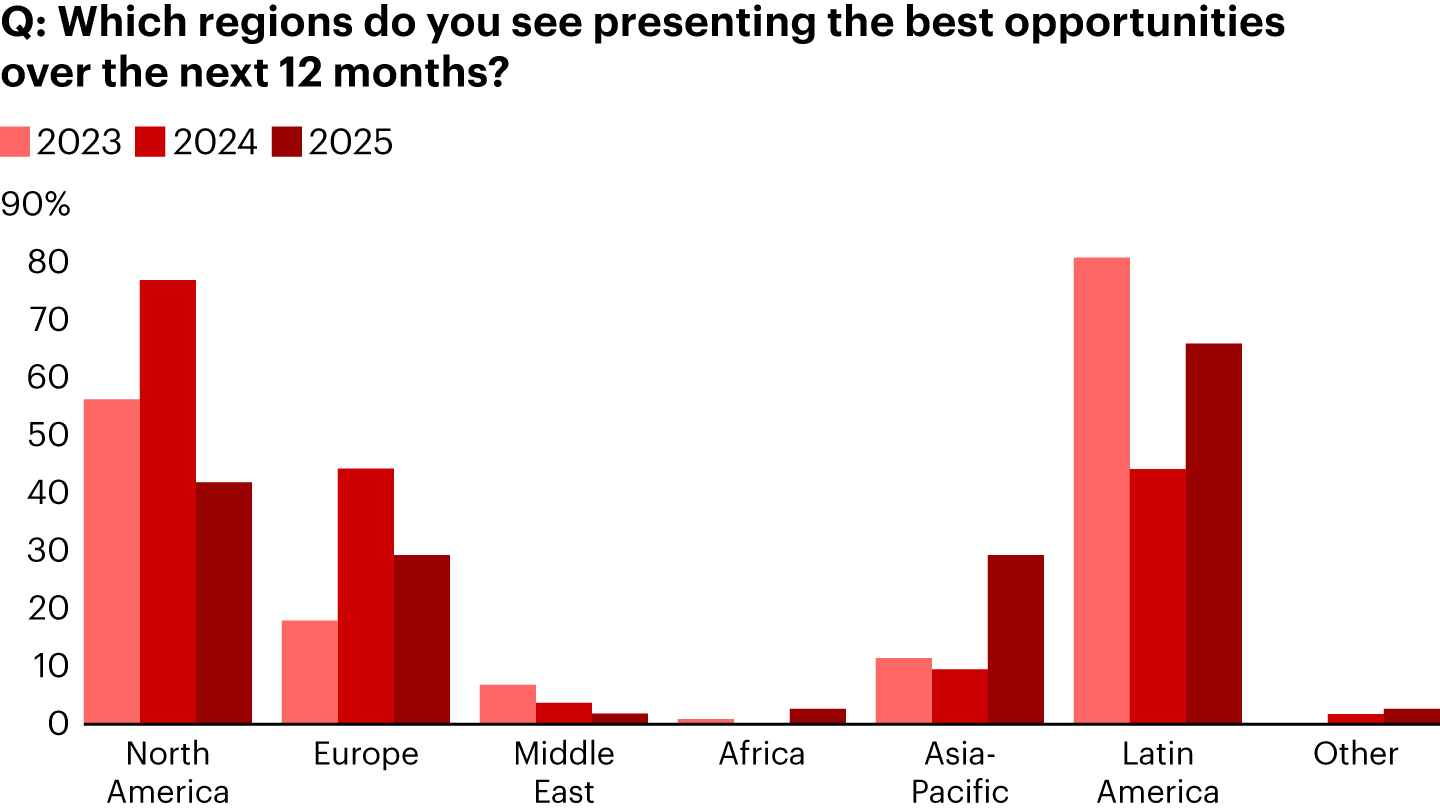
Investors are showing a clear pivot toward regional opportunities. A recent Latin American investors’ survey shows this reversal: Nearly 70% of participants view Latin America as offering good investment prospects for the year ahead (see Figure 16).
Figure 16

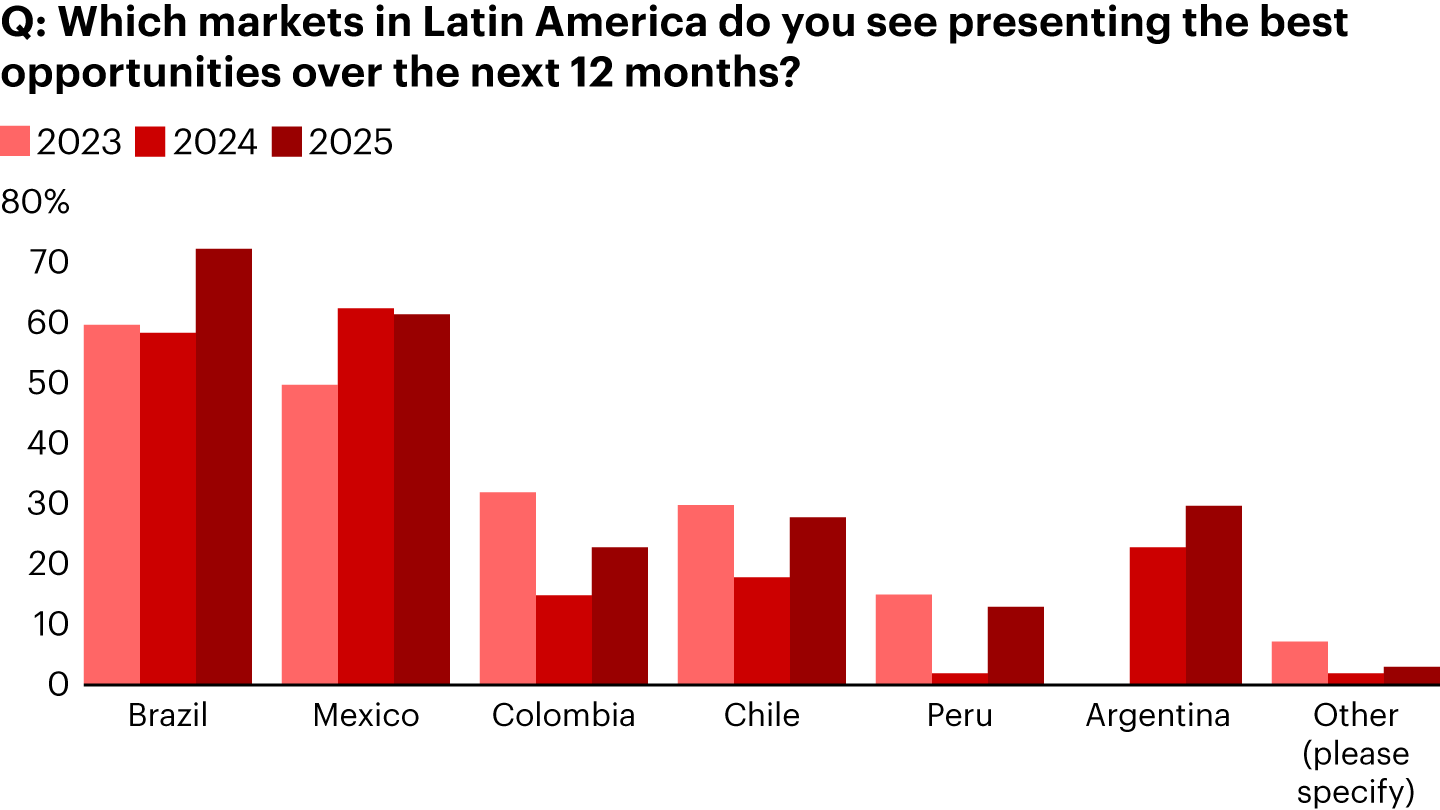
Within the region, Brazil stands out, cited by more than 70% of investors as providing the most compelling opportunities (see Figure 17). This renewed focus on local markets signals a broader rebalancing of capital flows toward the region’s long-term growth engines.
Figure 17

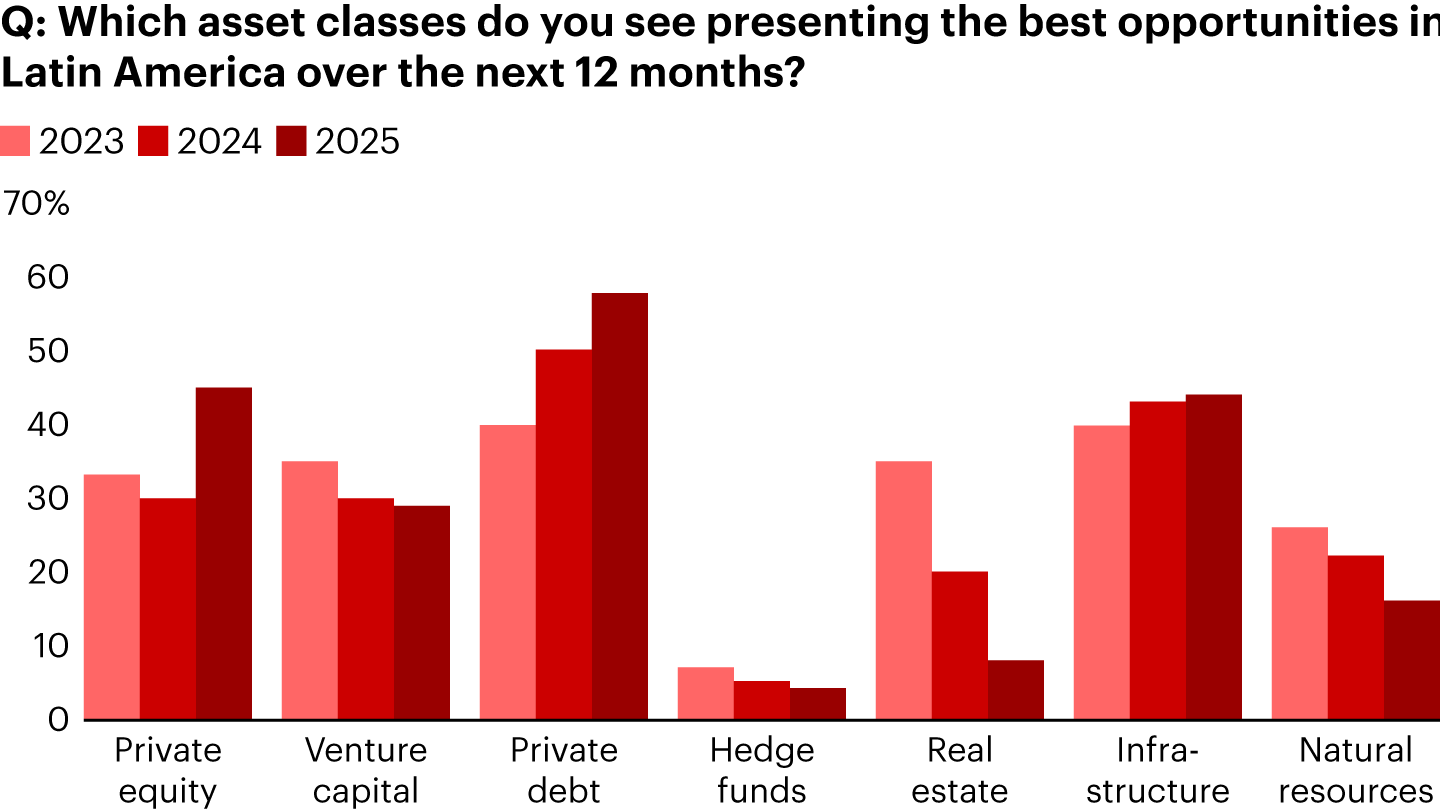
At the same time, investor sentiment within private markets has strengthened across asset classes, alongside private debt and infrastructure. Nearly half of respondents identify PE as offering the most attractive investment prospects over the next 12 months, marking the largest improvement versus the previous year (see Figure 18).
Figure 18

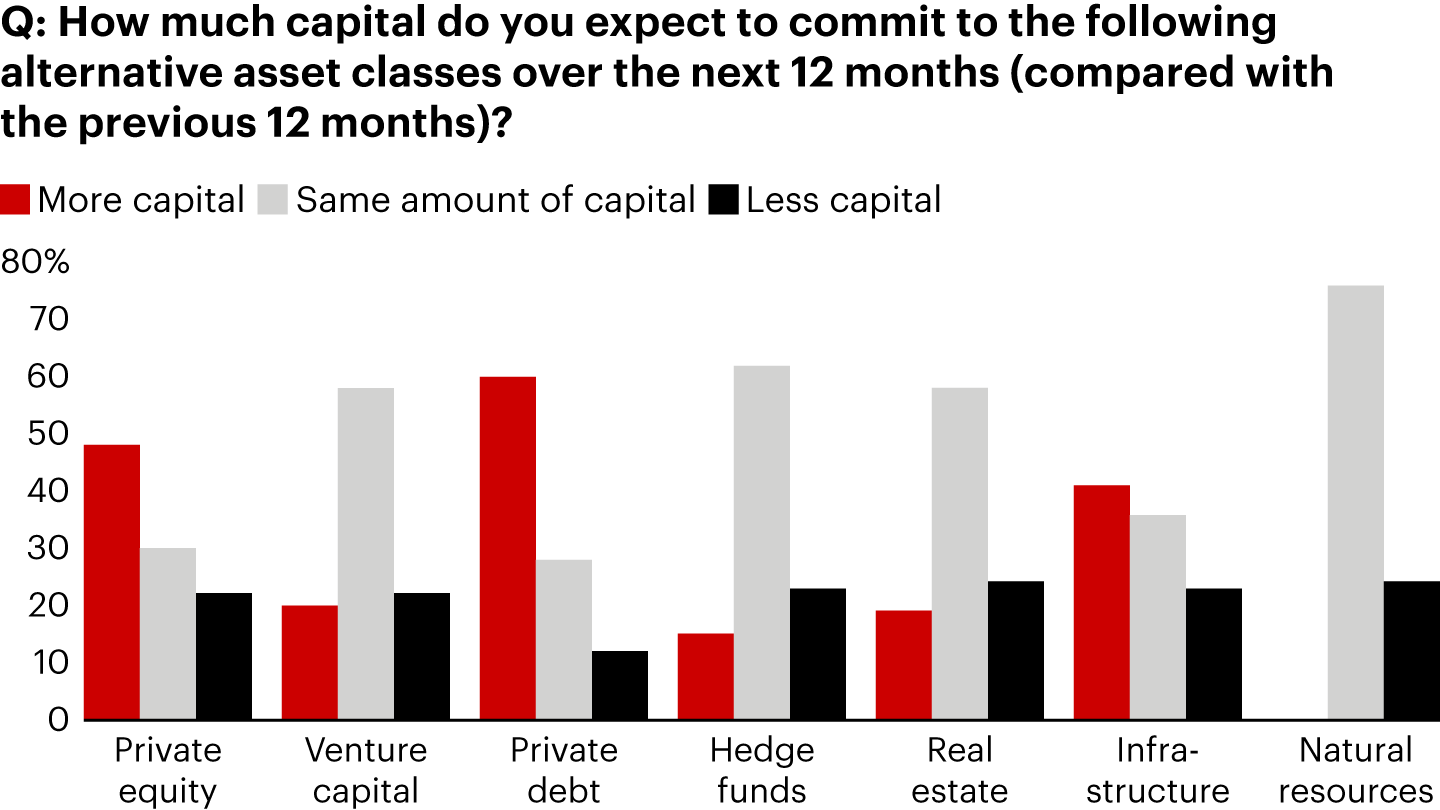
When asked about their capital commitments for the coming years, roughly 50% of LPs indicated plans to increase allocations to the asset class, a sign of a broader recovery in investor confidence (see Figure 19).
Figure 19

Brazil offers many opportunities for private investors
Looking to the future, Brazil offers an attractive landscape for private investors. Macroeconomic indicators are showing signs of stabilization, with inflation in mid-single digits and interest rates, although high, are stable and market consensus indicates a potential reduction going forward.
The currency dynamic may add further support. The neutral exchange rate for the BRL is estimated below current levels, suggesting a potential for appreciation in the medium term. For international investors, this appreciation opportunity offers an upside that complements value creation, making returns even more compelling when translated back into their currency.
Beyond these cyclical factors, Brazil continues to advance on a structural reform agenda that has been unlocking value for decades. Reforms in pensions, taxation, and regulation have steadily improved competitiveness and transparency, while ongoing initiatives are expected to create new opportunities across sectors.
Brazil adds diversification benefits to global portfolios. In a world where developed markets are increasingly correlated, Brazil provides differentiated exposure to sectors with unique growth drivers, such as agribusiness and renewable energy, and a large consuming population.
This exposure diversifies risk and opens avenues for growth that are hard to replicate elsewhere. For investors willing to embrace the opportunities, the market holds the potential for strong returns and for private capital to play an even more relevant role in the next phase of growth (see Figure 20).
Figure 20
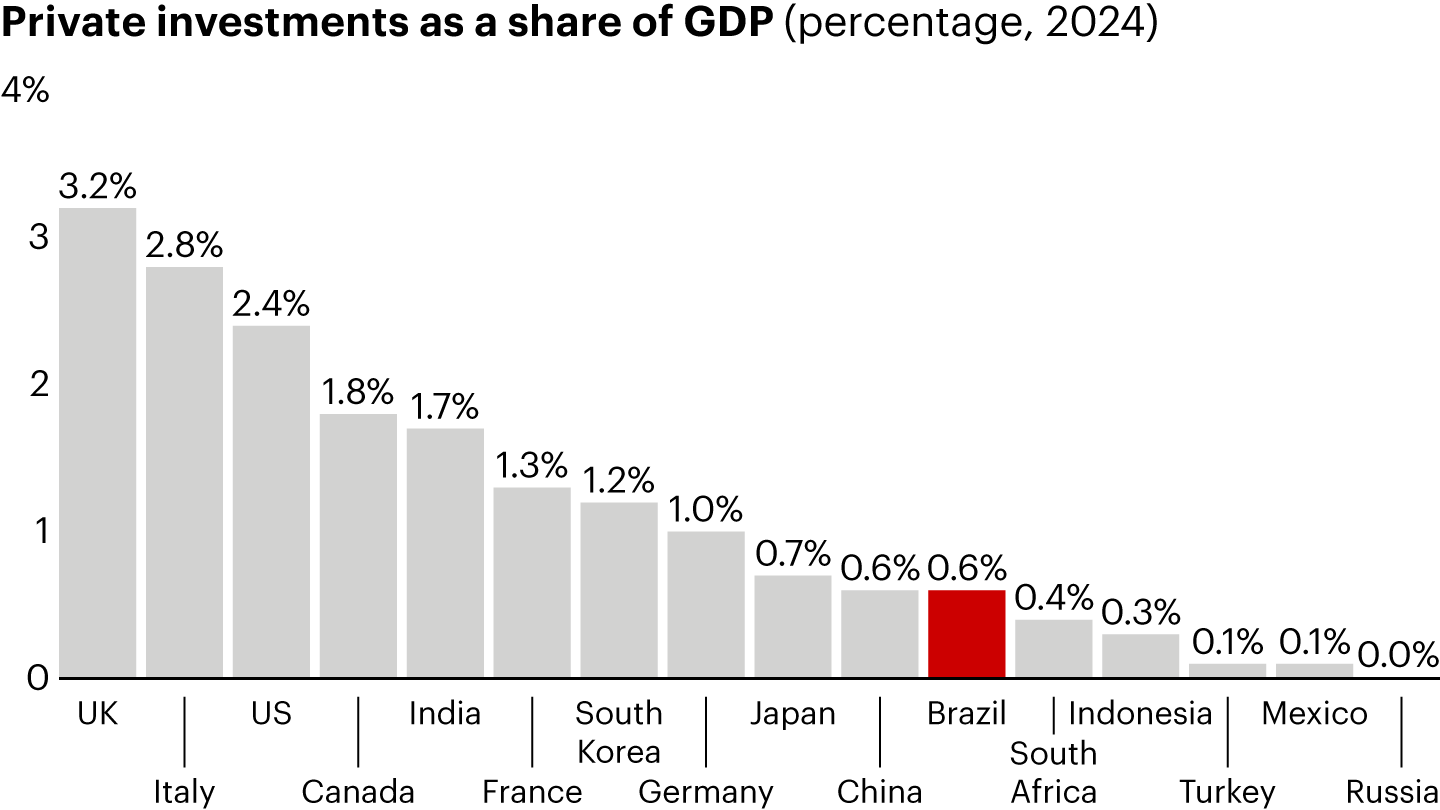

Note: Both private equity and venture capital are considered investments
Source: IMFThis report is a result of the partnership between Bain & Company and ABVCAP.
The authors would like to express their sincere gratitude to the members of ABVCAP for their unconditional support throughout this work, and to all the fund managers who generously contributed over the past months by sharing their time, data, insights, and perspectives in multiple interviews. Their collaboration was fundamental in enriching the analysis and bringing depth and relevance to this study.
The authors would also like to thank Pedro Nakachima, manager in the Private Equity practice, as well as Yug Santana, Iago Mameri, Ignacio Musitu, Janio Junior, Victoria Gonçalves, and Bain’s Research and Data Services department for their invaluable contributions in preparing this report.
Published in February 2026