Skip to Content
  • Offices

    Offices

    North & Latin America
    • Atlanta
    • Austin
    • Bogota
    • Boston
    • Buenos Aires
    • Chicago
    • Dallas
    • Denver
    • Houston
    • Los Angeles
    • Mexico City
    • Minneapolis
    • Monterrey
    • Montreal
    • New York
    • Rio de Janeiro
    • San Francisco
    • Santiago
    • São Paulo
    • Seattle
    • Silicon Valley
    • Toronto
    • Washington, DC
    Europe & Africa
    • Amsterdam
    • Athens
    • Berlin
    • Brussels
    • Copenhagen
    • Dusseldorf
    • Frankfurt
    • Helsinki
    • Istanbul
    • Johannesburg
    • Kyiv
    • Lisbon
    • London
    • Madrid
    • Milan
    • Munich
    • Oslo
    • Paris
    • Rome
    • Stockholm
    • Vienna
    • Warsaw
    • Zurich
    Middle East
    • Doha
    • Dubai
    • Riyadh
    Asia & Australia
    • Bangkok
    • Beijing
    • Bengaluru
    • Brisbane
    • Ho Chi Minh City
    • Hong Kong
    • Jakarta
    • Kuala Lumpur
    • Manila
    • Melbourne
    • Mumbai
    • New Delhi
    • Perth
    • Seoul
    • Shanghai
    • Singapore
    • Sydney
    • Tokyo
    See all offices
  • Alumni
  • Media Center
  • Subscribe
  • Contact
  • Global | English

    Select your region and language

    Global
    • Global (English)
    North & Latin America
    • Brazil (Português)
    • Argentina (Español)
    • Canada (Français)
    • Chile (Español)
    • Colombia (Español)
    Europe, Middle East, & Africa
    • France (Français)
    • DACH Region (Deutsch)
    • Italy (Italiano)
    • Spain (Español)
    • Greece (Elliniká)
    Asia & Australia
    • China (中文版)
    • Korea (한국어)
    • Japan (日本語)
  • Saved items (0)
    Saved items (0)

    You have no saved items.

    Bookmark content that interests you and it will be saved here for you to read or share later.

    Explore Bain Insights
  • Industries
    Main menu

    Industries

    • Aerospace & Defense
    • Agribusiness
    • Chemicals
    • Construction & Infrastructure
    • Consumer Products
    • Financial Services
    • Healthcare & Life Sciences
    • Industrial Machinery & Equipment
    • Media & Entertainment
      Industries
      Media & Entertainment
      • Media Lab
    • Metals
    • Mining
    • Oil & Gas
    • Paper & Packaging
    • Private Equity
      Industries
      Private Equity
      • Due Diligence
      • Exit Planning
      • Firm Strategy & Operations
      • Portfolio Value Creation
    • Social Impact
    • Retail
    • Technology
    • Telecommunications
      Industries
      Telecommunications
      • Capital Expenditure
      • Telco Digital Transformation
    • Transportation
    • Travel & Leisure
    • Utilities & Renewables
  • Consulting Services
    Main menu

    Consulting Services

    • Customer Experience
    • Sustainability
    • Innovation
    • M&A
    • Operations
    • People & Organization
    • Private Equity
    • Sales & Marketing
    • Strategy
    • AI, Insights, and Solutions
    • Technology
    • Transformation
  • Digital
  • Insights
    Main menu

    Insights

    • Industry Insights
    • Services Insights
    • Bain Books
    • Webinars
    • Bain Futures
    View all Insights
    Featured topics
    • Tariff Response
    • Artificial Intelligence
    • Thriving in Uncertainty
    • Executive Conversations
    • Macro Trends
    • M&A Report
    • Healthcare Private Equity Report
    • Paper & Packaging Report
    • Technology Report
    • CEO's Guide to Sustainability
    • CEO Insights
    • CFO Insights
    • COO Insights
    • CIO Insights
    • CMO Insights
    View all featured topics
  • About
    Main menu

    About

    • What We Do
    • What We Believe
    • Our People & Leadership
    • Client Results
    • Awards & Recognition
    • Global Affiliations
    Further: Our global responsibility
    • Sustainability
    • Social Impact
    • World Economic Forum
    Learn more about Further
  • Careers
    Main menu

    Careers

    • Work with Us
      Careers
      Work with Us
      • Find Your Place
      • Our Work Areas
      • Integrated Teams
      • Students
      • Internships & Programs
      • Recruiting Events
    • Life at Bain
      Careers
      Life at Bain
      • Blog: Inside Bain
      • Career Stories
      • Our People
      • Where We Work
      • Supporting Your Growth
      • Affinity Groups
      • Benefits
    • Impact Stories
    • Hiring Process
      Careers
      Hiring Process
      • What to Expect
      • Interviewing
    FIND JOBS
  • Offices
    Main menu

    Offices

    • North & Latin America
      Offices
      North & Latin America
      • Atlanta
      • Austin
      • Bogota
      • Boston
      • Buenos Aires
      • Chicago
      • Dallas
      • Denver
      • Houston
      • Los Angeles
      • Mexico City
      • Minneapolis
      • Monterrey
      • Montreal
      • New York
      • Rio de Janeiro
      • San Francisco
      • Santiago
      • São Paulo
      • Seattle
      • Silicon Valley
      • Toronto
      • Washington, DC
    • Europe & Africa
      Offices
      Europe & Africa
      • Amsterdam
      • Athens
      • Berlin
      • Brussels
      • Copenhagen
      • Dusseldorf
      • Frankfurt
      • Helsinki
      • Istanbul
      • Johannesburg
      • Kyiv
      • Lisbon
      • London
      • Madrid
      • Milan
      • Munich
      • Oslo
      • Paris
      • Rome
      • Stockholm
      • Vienna
      • Warsaw
      • Zurich
    • Middle East
      Offices
      Middle East
      • Doha
      • Dubai
      • Riyadh
    • Asia & Australia
      Offices
      Asia & Australia
      • Bangkok
      • Beijing
      • Bengaluru
      • Brisbane
      • Ho Chi Minh City
      • Hong Kong
      • Jakarta
      • Kuala Lumpur
      • Manila
      • Melbourne
      • Mumbai
      • New Delhi
      • Perth
      • Seoul
      • Shanghai
      • Singapore
      • Sydney
      • Tokyo
    See all offices
  • Alumni
  • Media Center
  • Subscribe
  • Contact
  • Global | English
    Main menu

    Select your region and language

    • Global
      Select your region and language
      Global
      • Global (English)
    • North & Latin America
      Select your region and language
      North & Latin America
      • Brazil (Português)
      • Argentina (Español)
      • Canada (Français)
      • Chile (Español)
      • Colombia (Español)
    • Europe, Middle East, & Africa
      Select your region and language
      Europe, Middle East, & Africa
      • France (Français)
      • DACH Region (Deutsch)
      • Italy (Italiano)
      • Spain (Español)
      • Greece (Elliniká)
    • Asia & Australia
      Select your region and language
      Asia & Australia
      • China (中文版)
      • Korea (한국어)
      • Japan (日本語)
  • Saved items  (0)
    Main menu
    Saved items (0)

    You have no saved items.

    Bookmark content that interests you and it will be saved here for you to read or share later.

    Explore Bain Insights
  • Industries
    • Industries

      • Aerospace & Defense
      • Agribusiness
      • Chemicals
      • Construction & Infrastructure
      • Consumer Products
      • Financial Services
      • Healthcare & Life Sciences
      • Industrial Machinery & Equipment
      • Media & Entertainment
      • Metals
      • Mining
      • Oil & Gas
      • Paper & Packaging
      • Private Equity
      • Social Impact
      • Retail
      • Technology
      • Telecommunications
      • Transportation
      • Travel & Leisure
      • Utilities & Renewables
  • Consulting Services
    • Consulting Services

      • Customer Experience
      • Sustainability
      • Innovation
      • M&A
      • Operations
      • People & Organization
      • Private Equity
      • Sales & Marketing
      • Strategy
      • AI, Insights, and Solutions
      • Technology
      • Transformation
  • Digital
  • Insights
    • Insights

      • Industry Insights
      • Services Insights
      • Bain Books
      • Webinars
      • Bain Futures
      View all Insights
      Featured topics
      • Tariff Response
      • Artificial Intelligence
      • Thriving in Uncertainty
      • Executive Conversations
      • Macro Trends
      • M&A Report
      • Healthcare Private Equity Report
      • Paper & Packaging Report
      • Technology Report
      • CEO's Guide to Sustainability
      • CEO Insights
      • CFO Insights
      • COO Insights
      • CIO Insights
      • CMO Insights
      View all featured topics
  • About
    • About

      • What We Do
      • What We Believe
      • Our People & Leadership
      • Client Results
      • Awards & Recognition
      • Global Affiliations
      Further: Our global responsibility
      • Sustainability
      • Social Impact
      • World Economic Forum
      Learn more about Further
  • Careers
    Popular Searches
    • Agile
    • Digital
    • Strategy
    Your Previous Searches
      Recently Visited Pages

      Content added to saved items

      Saved items (0)

      Removed from saved items

      Saved items (0)

      Report

      Digital Philanthropy in China: Activating the Individual Donor Base

      Digital Philanthropy in China: Activating the Individual Donor Base

      Digital is unlocking new avenues for individual participation in philanthropy, promising significant development of the sector.

      By Yin Chen, Weiwen Han, Ming Wong and Jiakai Yuan

      • min read
      }

      Report

      Digital Philanthropy in China: Activating the Individual Donor Base
      en
      At a Glance
      • China’s RMB 156 billion philanthropy sector has been growing at a brisk pace, but donations from individuals comprise only about 20% of the total.
      • Digital fund-raising accounts for slightly more than 2% of China’s total donation value, but it is growing rapidly, driven by younger people attracted to supporting specific projects with compelling stories.
      • Government regulations and self-reporting will also support continued development of the philanthropy sector, ensuring transparency and nurturing public trust.
      • To capture the opportunities, stakeholders across the sector need to develop integrated digital strategies, including identifying potential ecosystem partners.

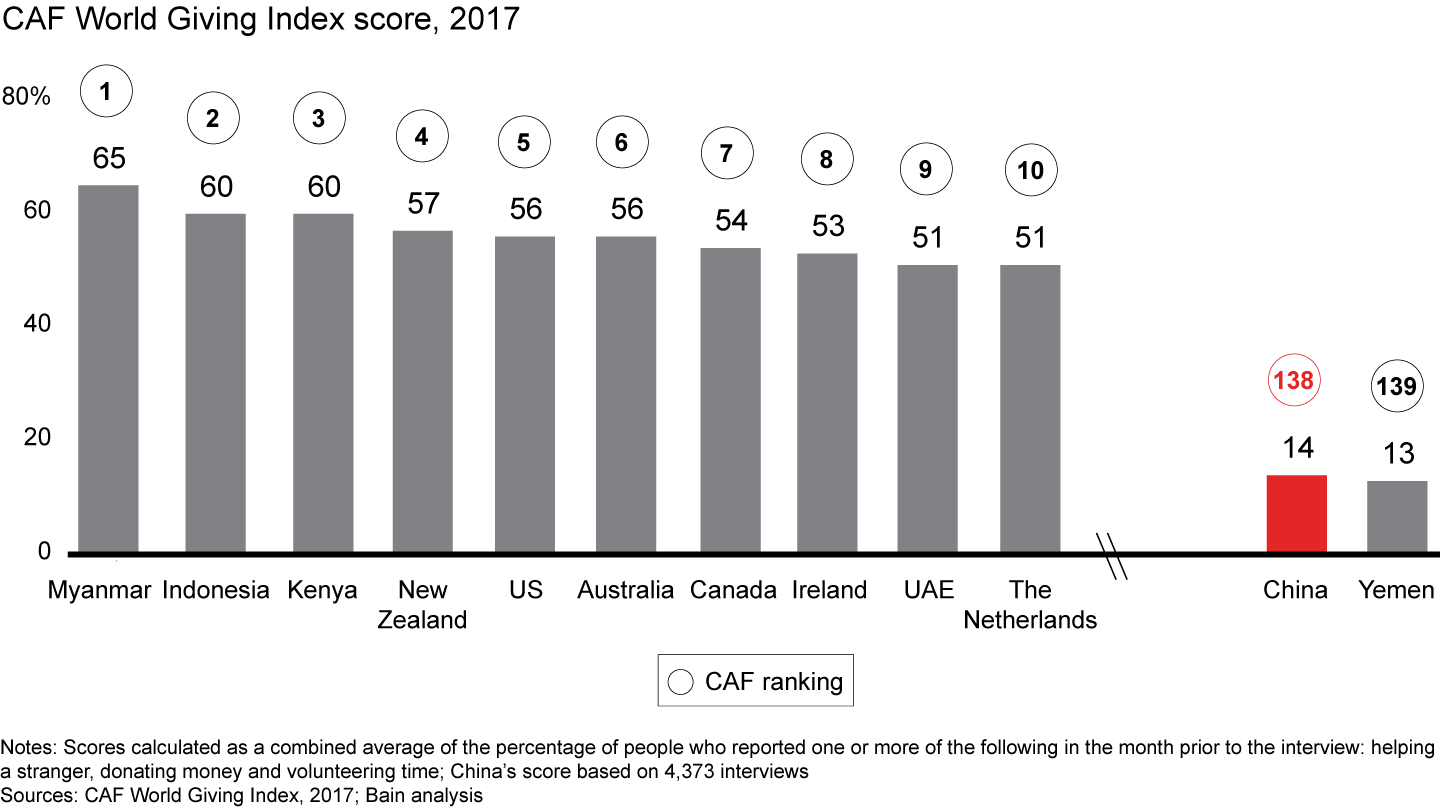
      Philanthropy in China has grown rapidly over the past three decades, in tandem with the development of the economy as a whole. However, China’s overall culture of philanthropy is still emerging as individual awareness and participation increase.

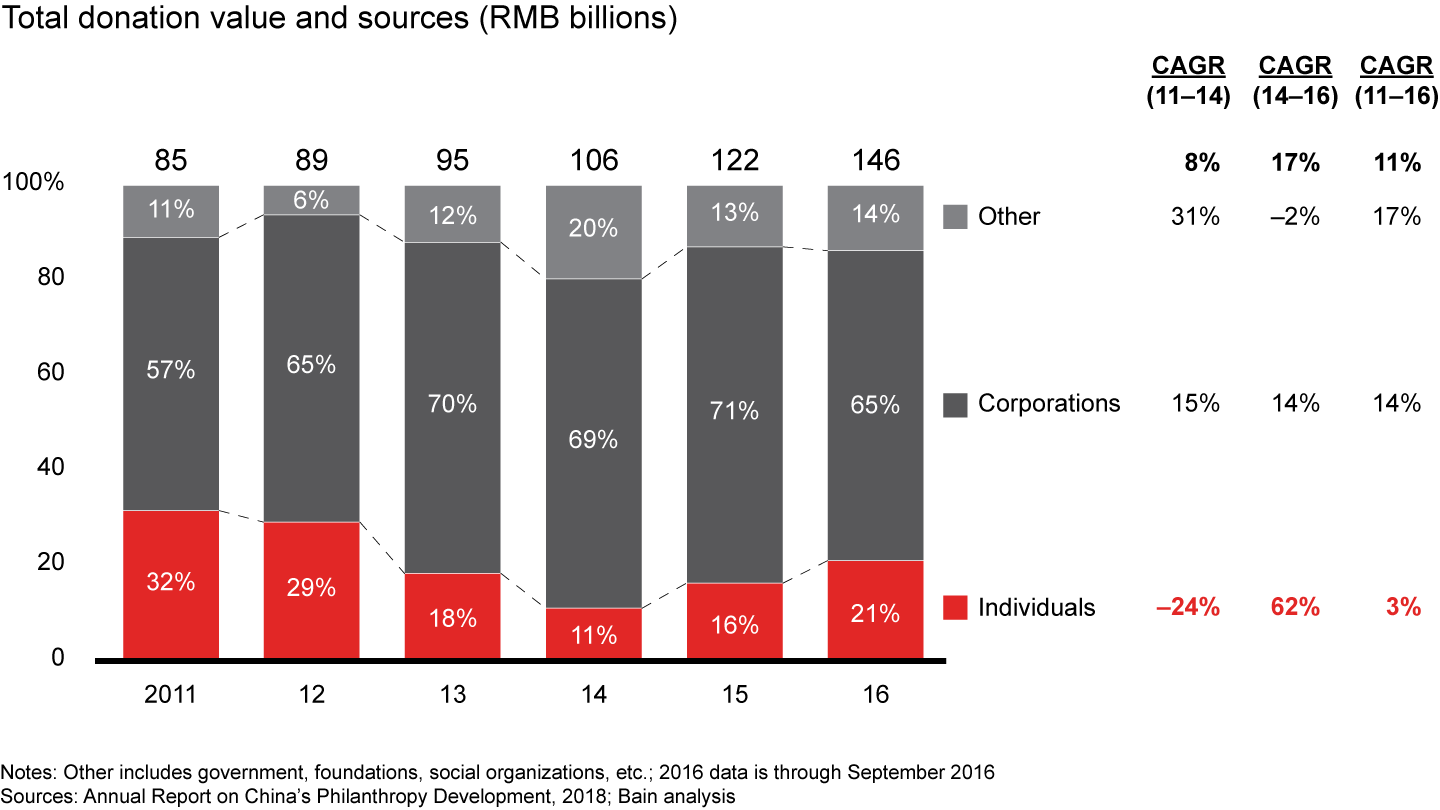
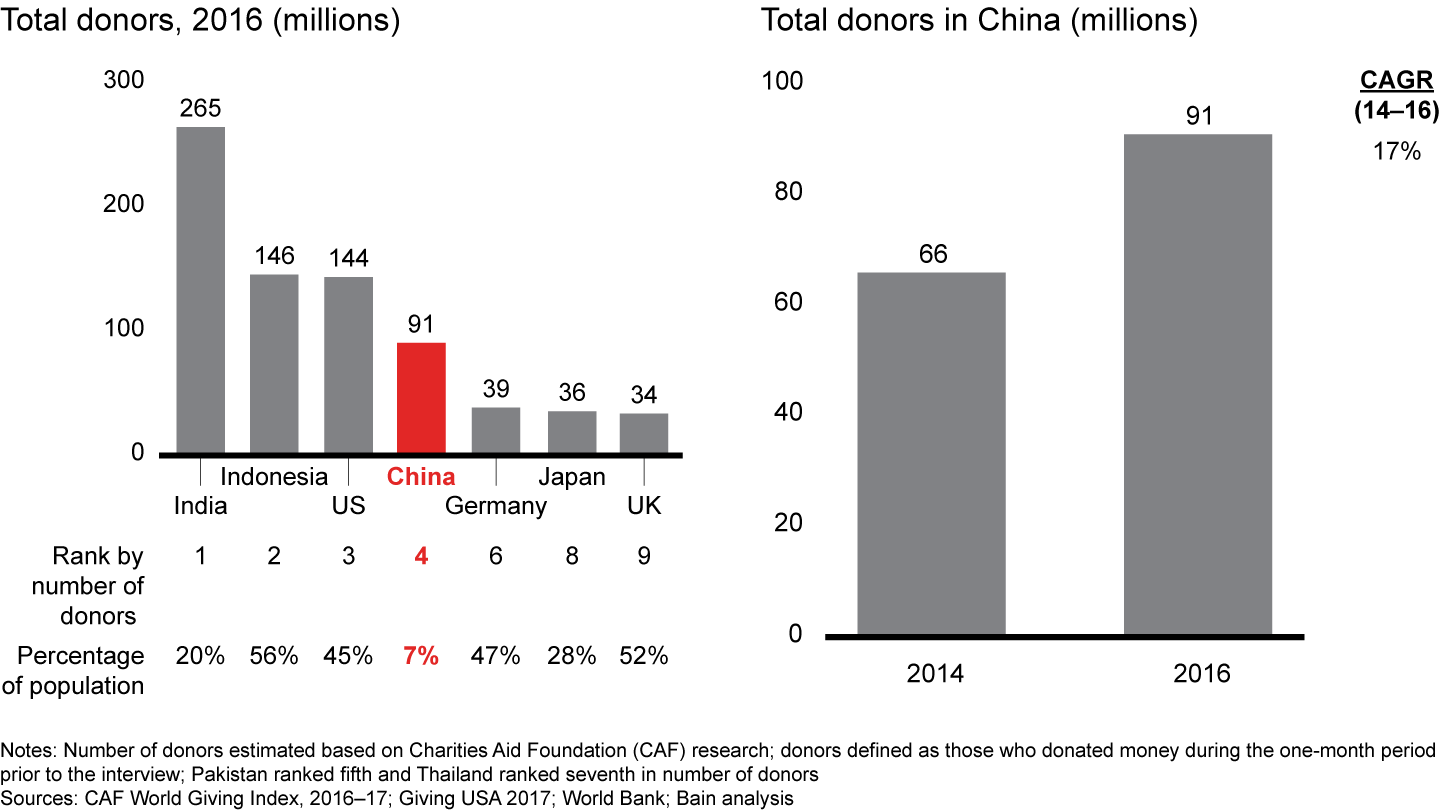
      Total charitable donations in China reached RMB 156 billion in 2017, having grown at a compound annual rate of 11% from 2011 to 2016. China’s philanthropic sector has developed primarily through corporate giving, which contributes approximately 60%–70% of total donation value, while donations from individuals make up about 20% of the total market. Although China has the fourth-largest number of individual donors in the world (91 million in 2016), this represents only 7% of the Chinese population, suggesting significant room for growth.

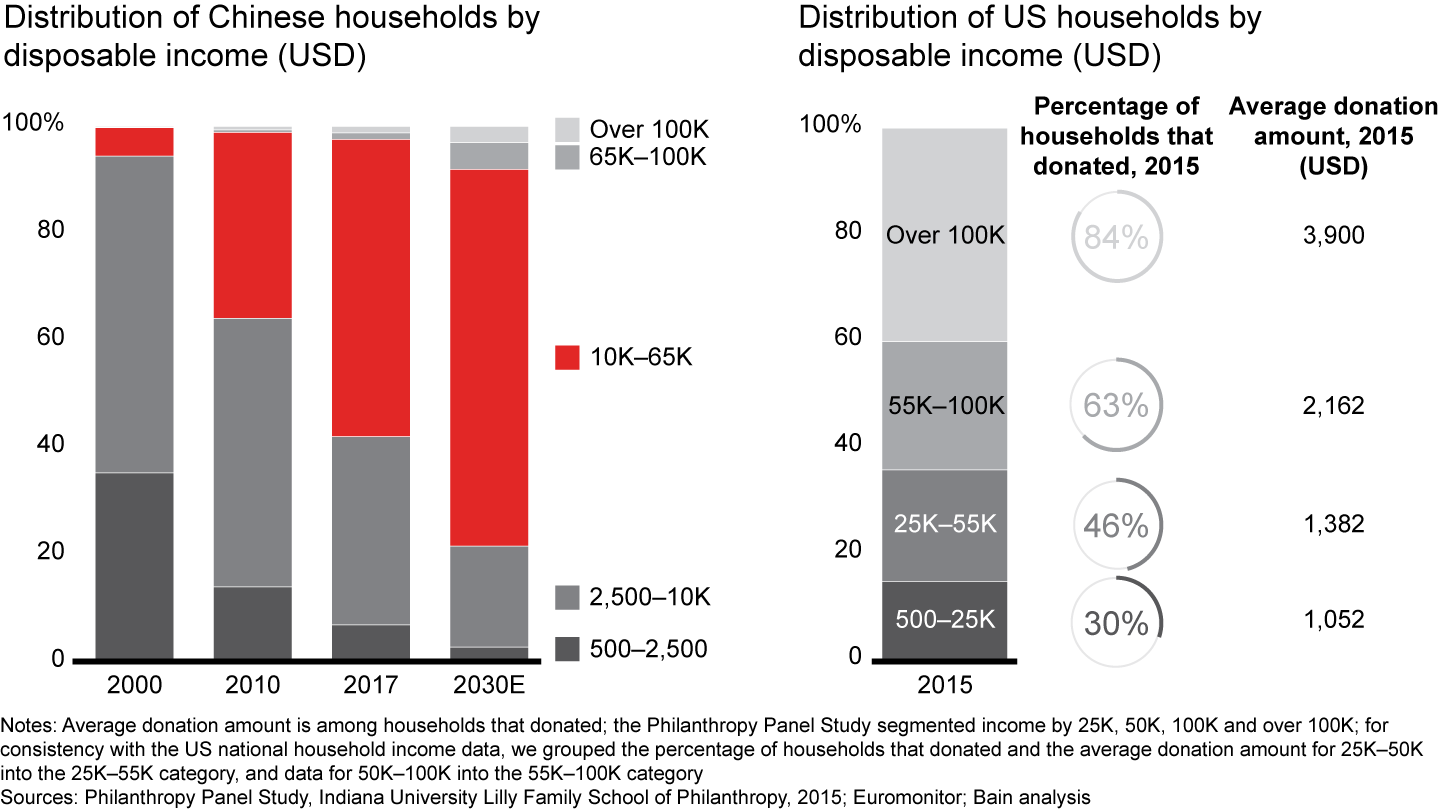
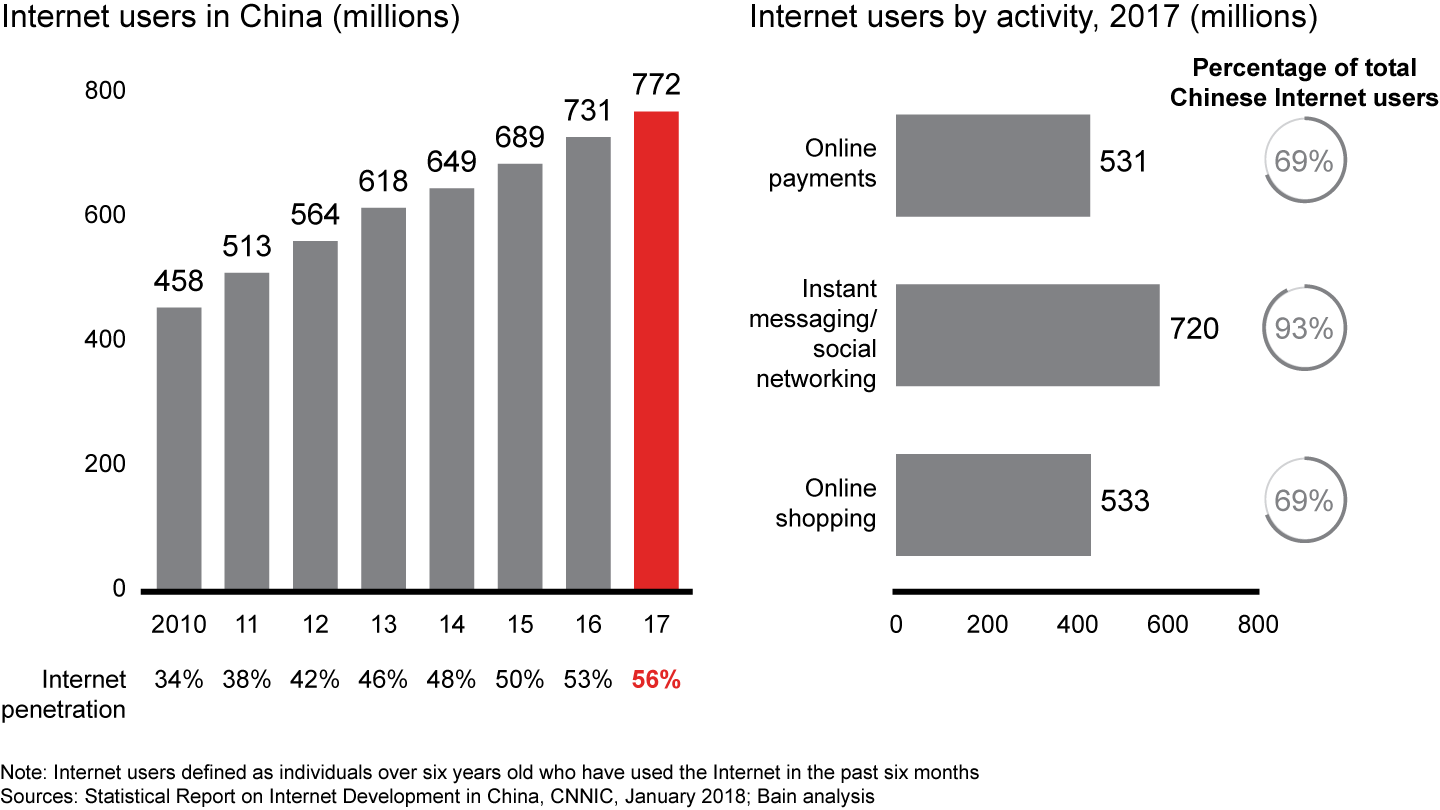
      Individual participation in philanthropy has fluctuated over the past several years. The sector has been affected by natural disasters, which spur short-term donations, as well as by scandals, which deflate the public’s trust and willingness to donate. Total donations from individuals fell by 60% from 2011 to 2014 but have since recovered, growing at a compound annual rate of more than 60% from 2014 to 2016. This trend is poised to continue as rising disposable income boosts donor participation and donation amounts, and as rapid development of digital infrastructure (e.g., Internet/mobile penetration, digital payments) increases individuals’ access to charities.

      Digital—and especially digital fund-raising—is set to transform China’s philanthropy sector, bringing both unparalleled access and transparency. This shift presents meaningful opportunities for stakeholders with the resources and capabilities to take advantage of new digital channels. At the same time, the sector continues to face traditional challenges, such as finding and attracting top talent, which are only exacerbated in the new digital environment.

      Rise of digital philanthropy

      Digital technology is rapidly changing how China’s philanthropy sector operates—from diversifying and engaging the sources of funds, to better promoting and enabling fund-raising, to driving improved fund utilization. This report focuses on the most developed of these areas: online fund-raising.

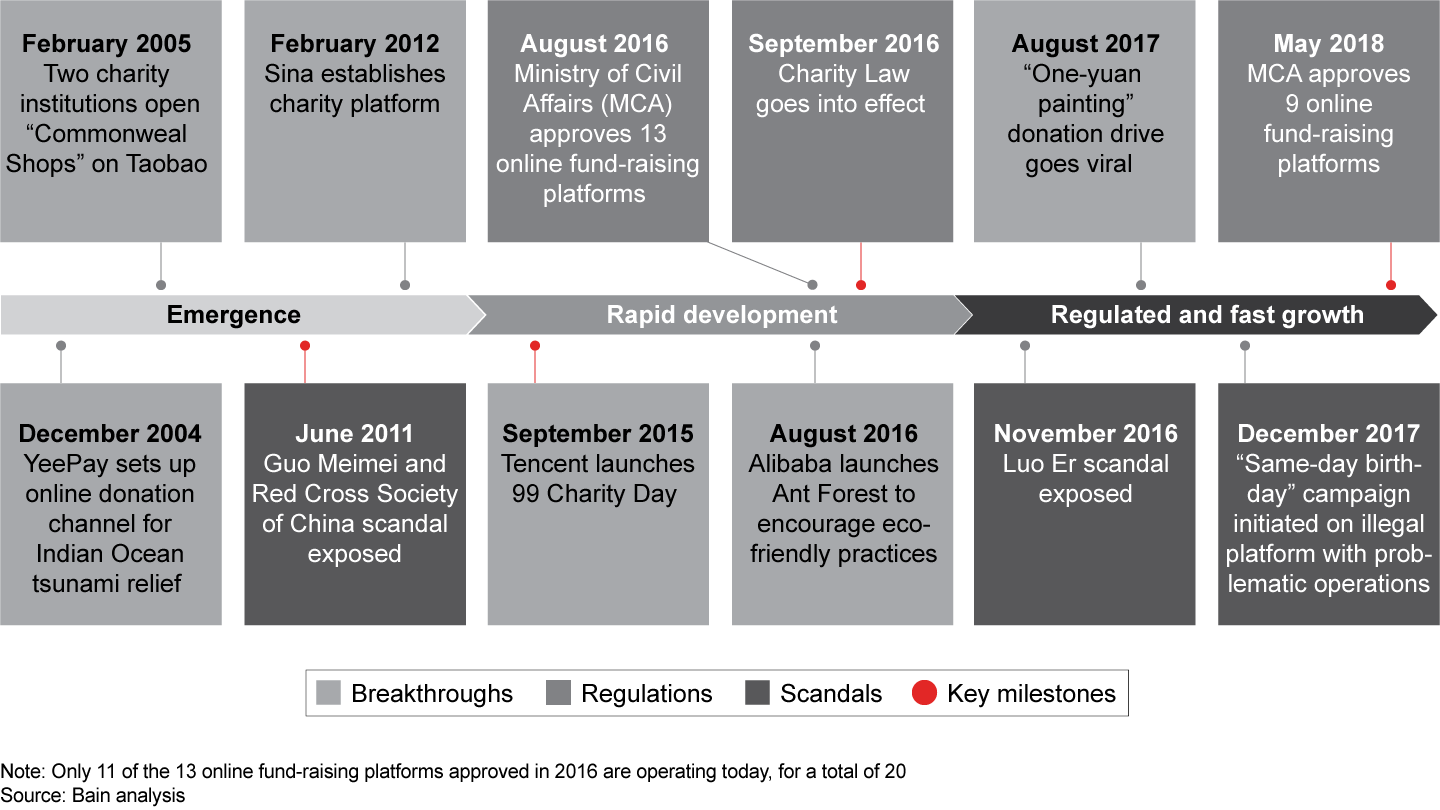
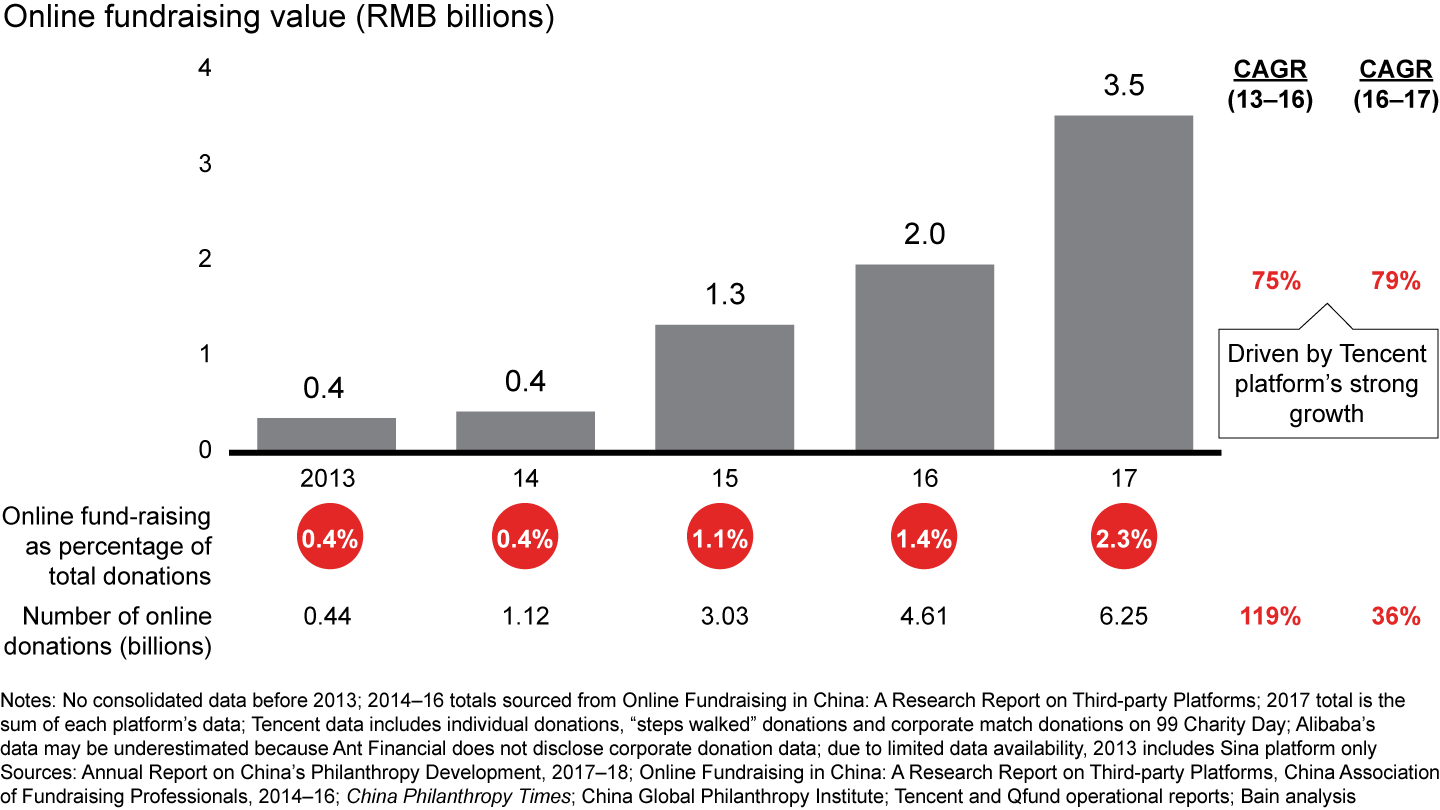
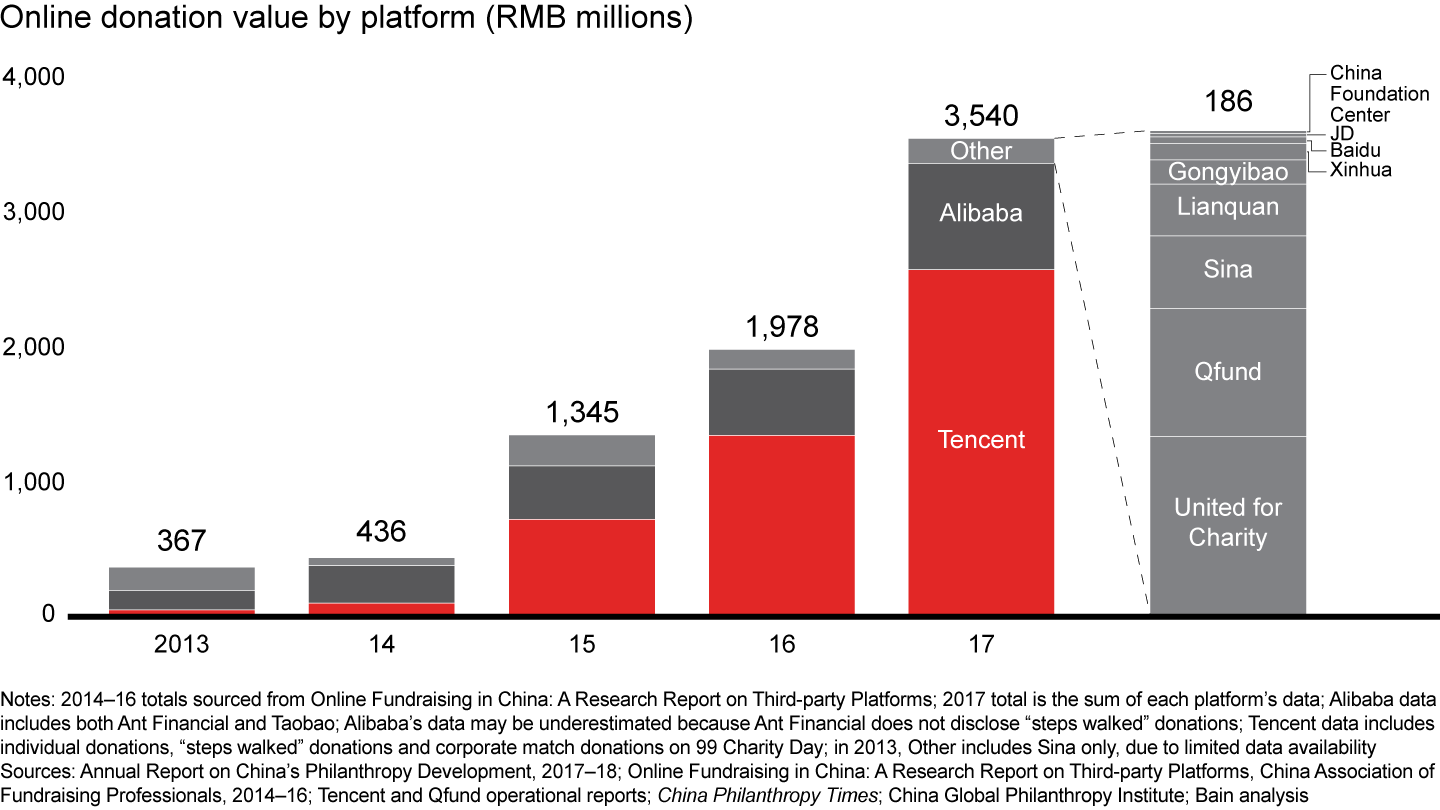
      Over the past 15 years, online fund-raising has evolved through three distinct stages. During its period of emergence, from 2004 to 2013, the market saw the rise of new charities and online channels leveraging commercial platforms like Taobao. From 2013 to 2016, innovations by Alibaba and Tencent (including the 99 Charity Day campaign) marked a period of rapid development, ushering in exponential growth in online fund-raising. And from 2016 to the present, it has seen regulated but fast growth, with China’s Charity Law—the first comprehensive legislation governing the sector—coming into effect. Online fund-raising has soared over the past five years, both in terms of participation and total donation value.

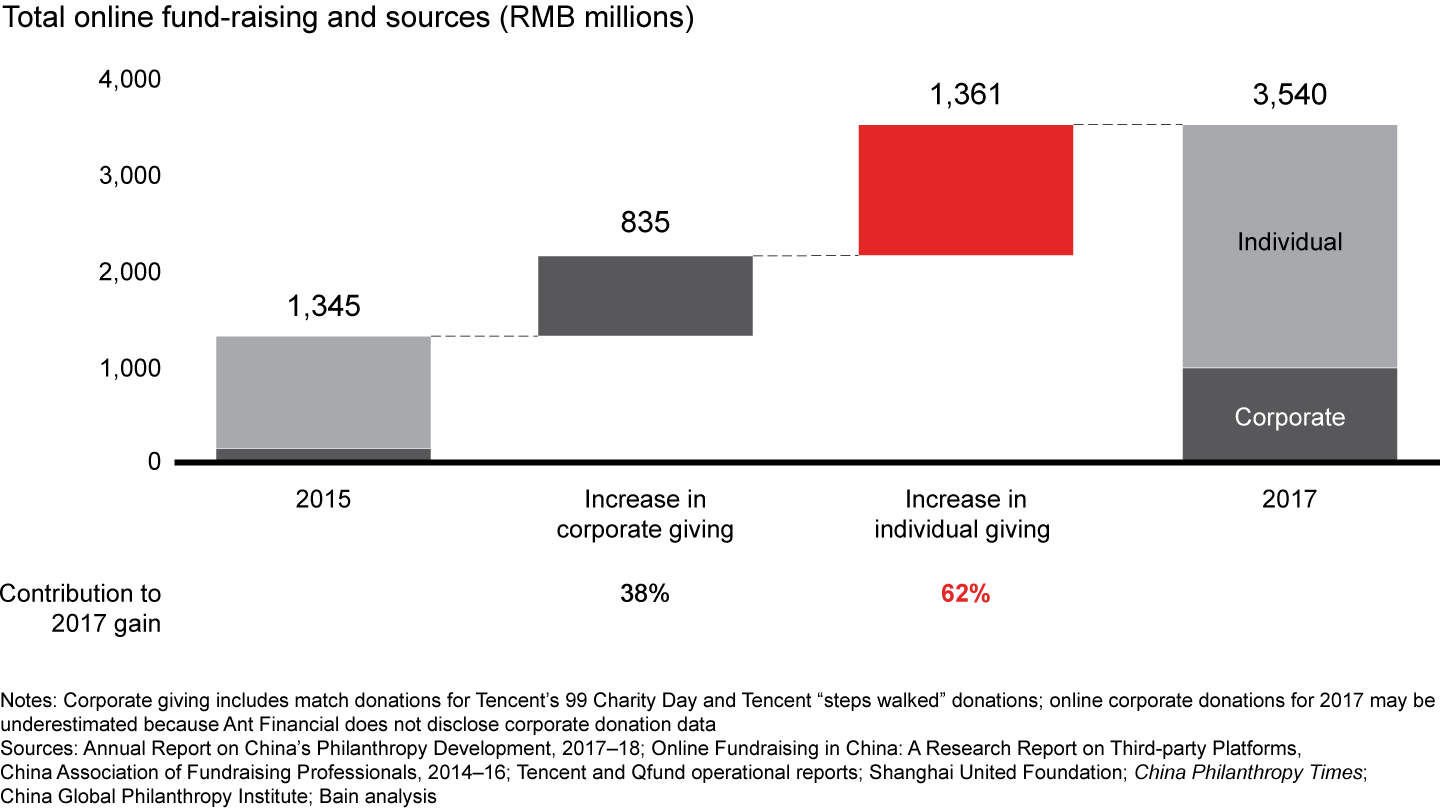
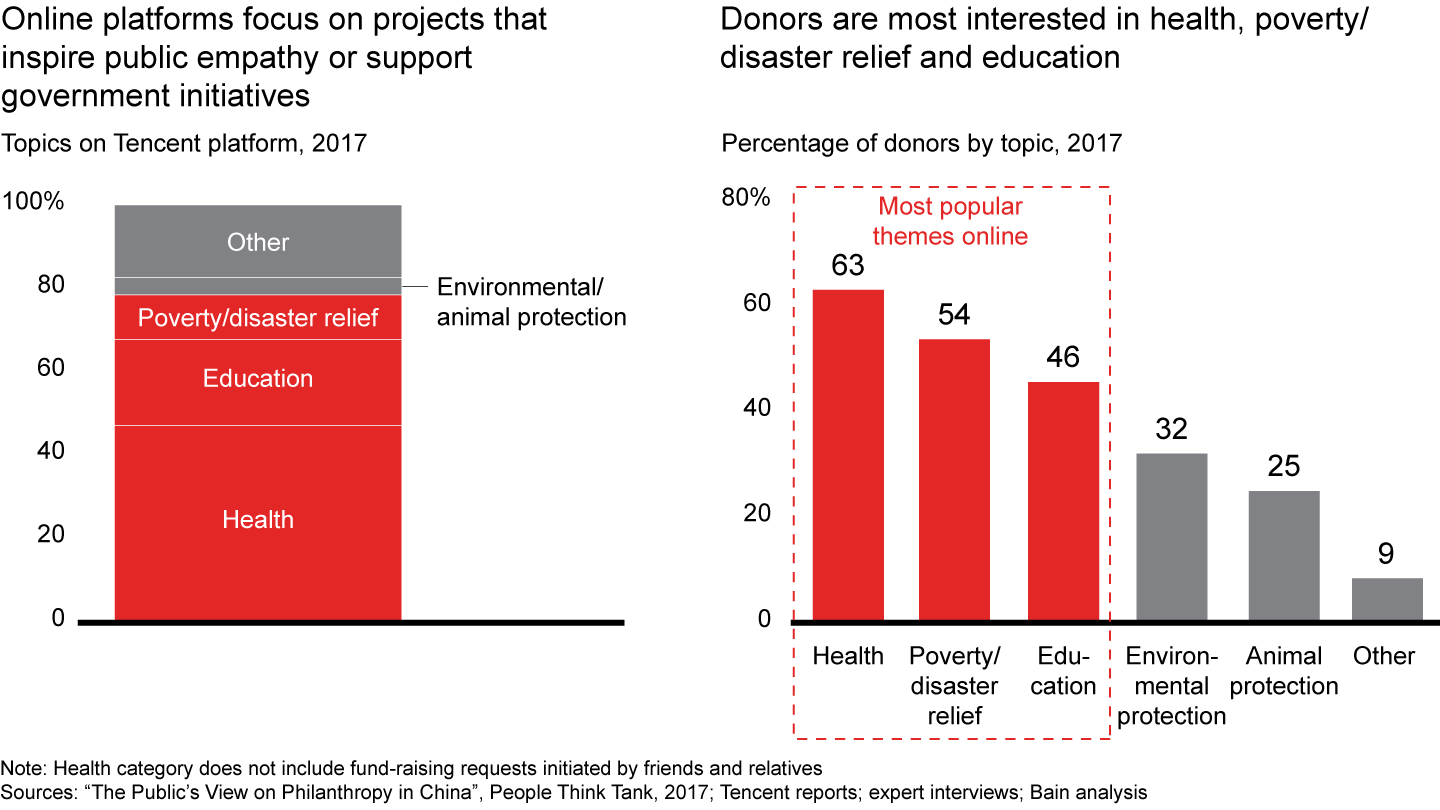
      By making philanthropy increasingly accessible, digital has activated giving by individuals, which represented more than 60% of online donations in the past three years, vs. about 20% of donations overall. Online donations come primarily from younger donors, who have a growing interest in philanthropy and ability to donate. Engaging this population is becoming a must-win battle for all stakeholders. Health, poverty alleviation and education are the most popular themes of online projects, driven both by platforms’ push and by donors’ pull.

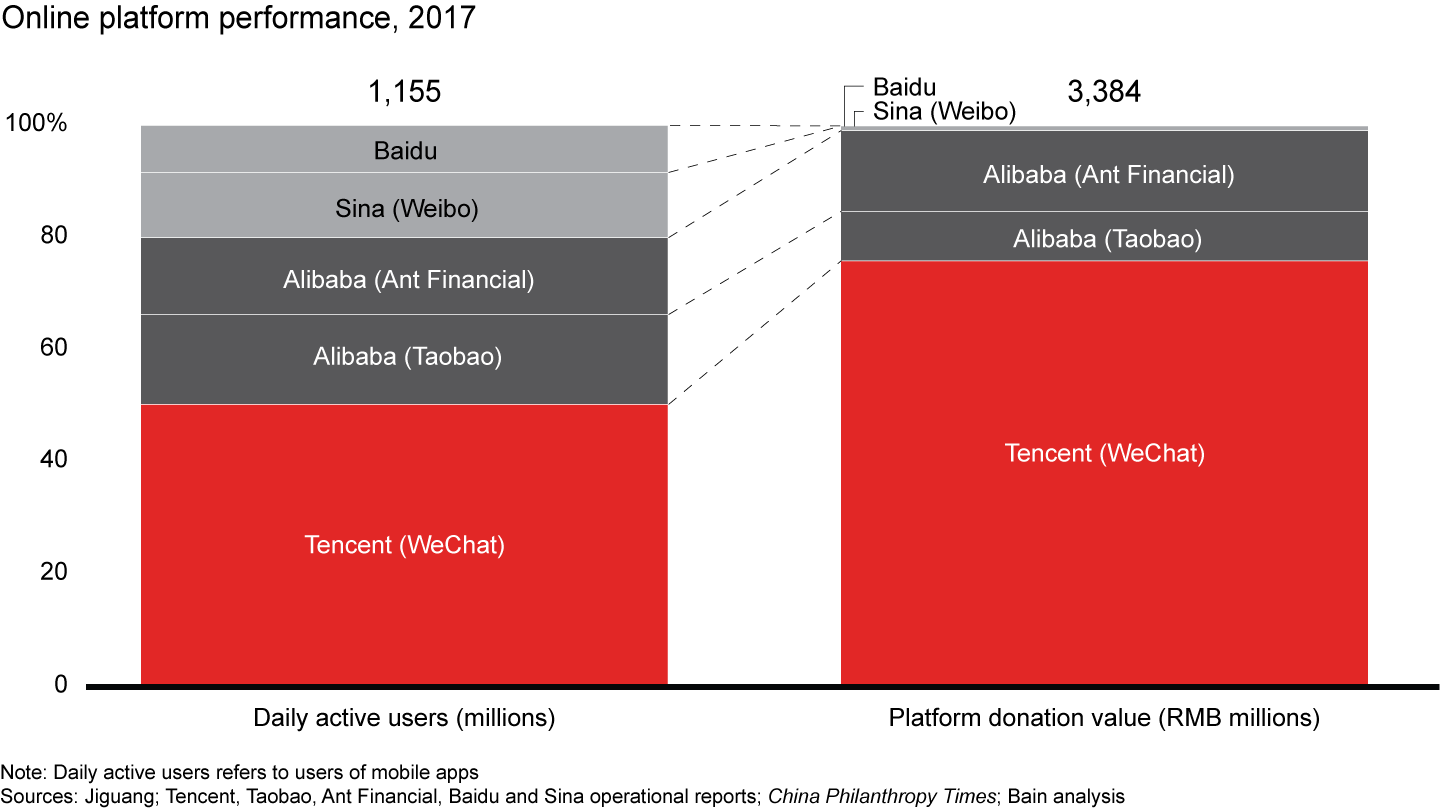
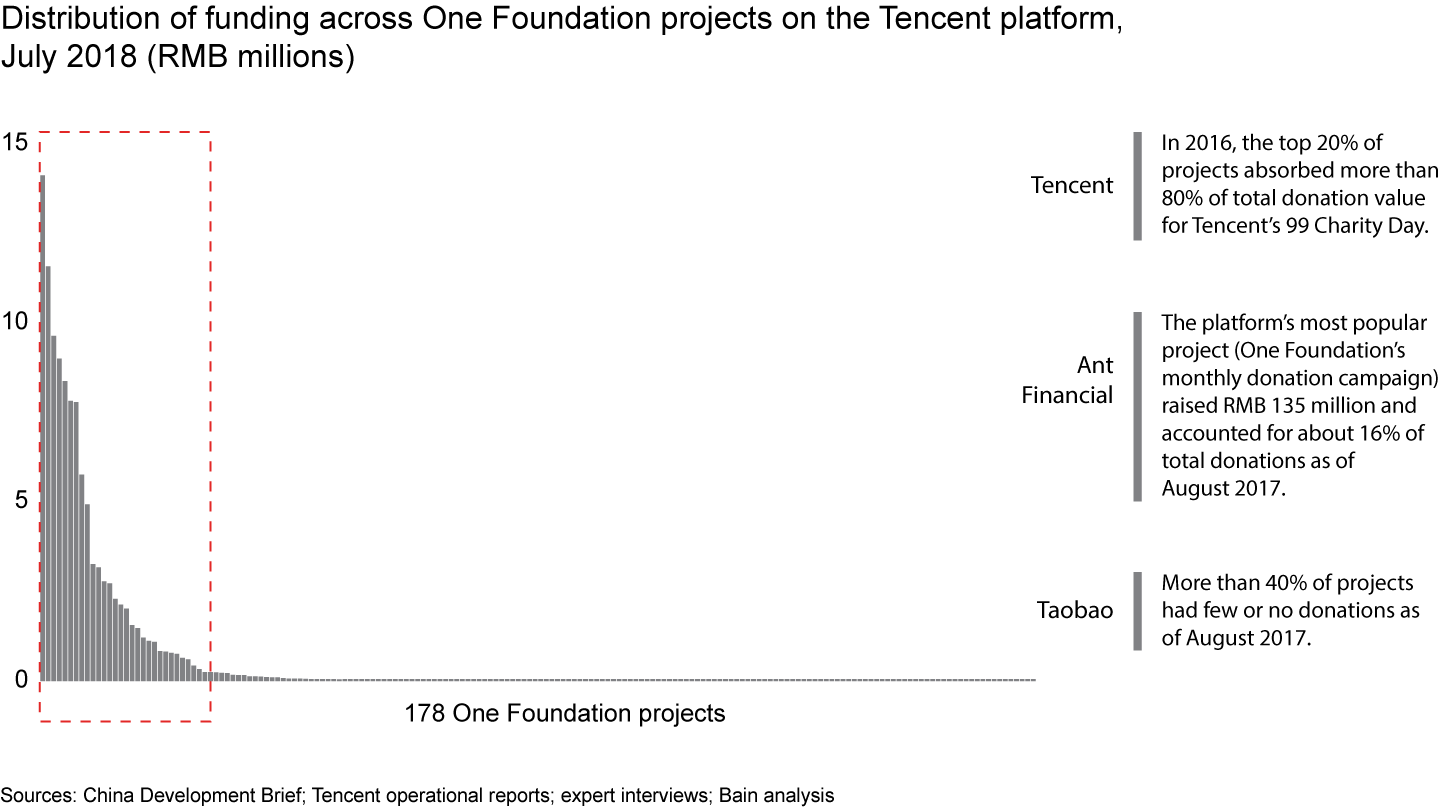
      Across the sector, online giants Tencent and Alibaba dominate the market today, but the competitive landscape will continue to evolve as more platforms are approved to engage in public fund-raising. The ability to generate and drive traffic is a key differentiator within the overall online fund-raising ecosystem. Departing from the traditional model, where public foundations are by far the largest players, these platforms empower NGOs and individuals to raise funds and enhance their profiles online. Thus far, however, funding distribution for online projects reflects the Pareto principle, with the top 20% of projects absorbing most of the donation value.

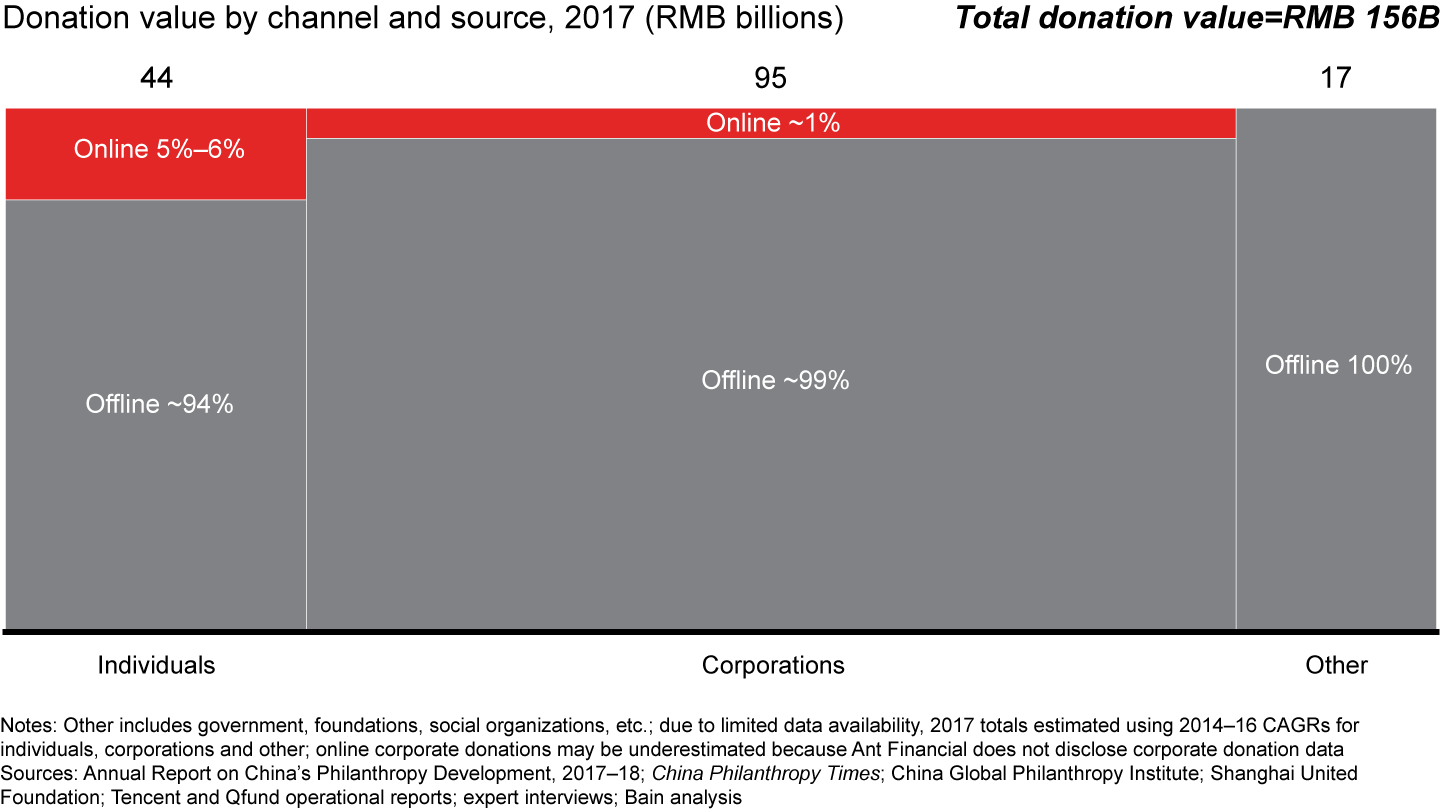
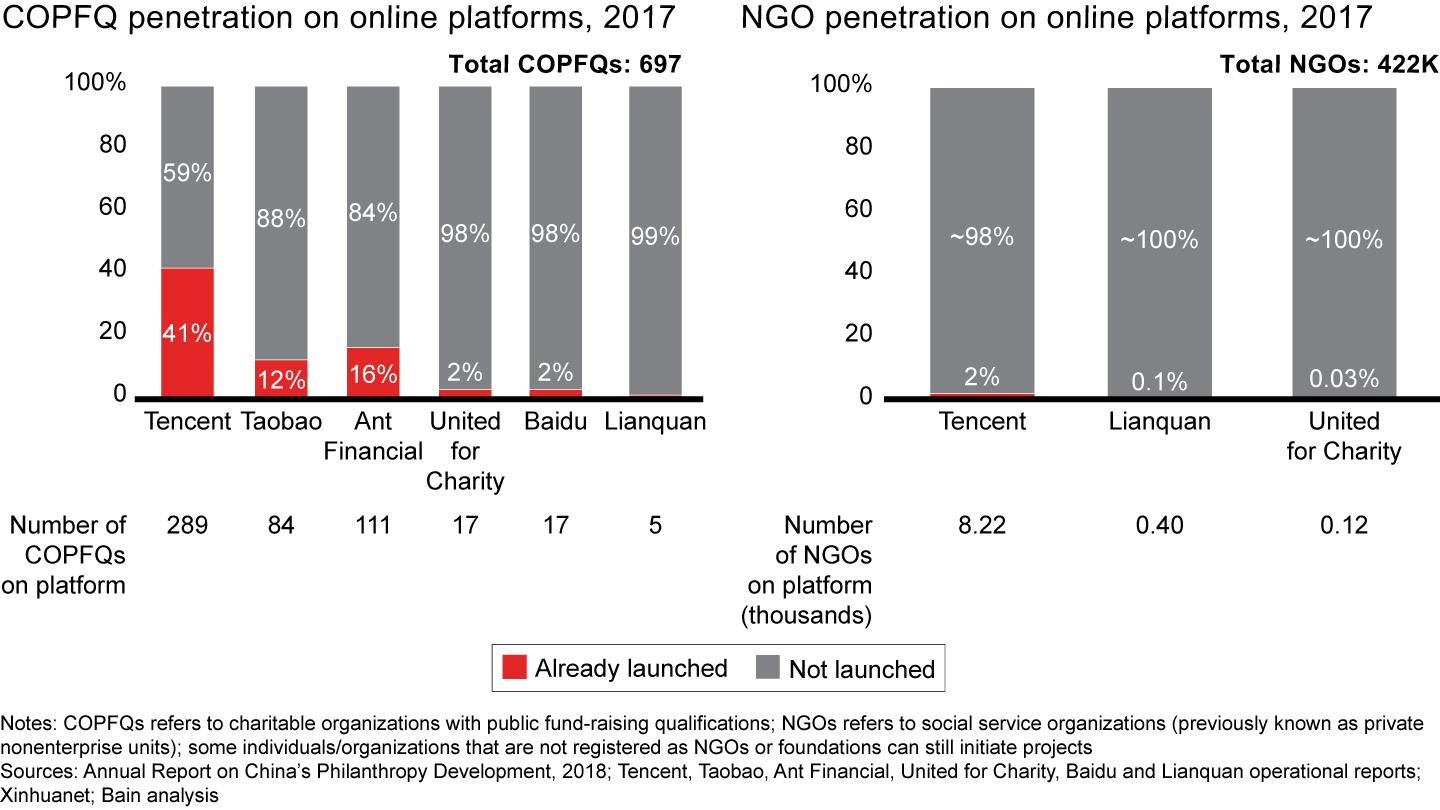
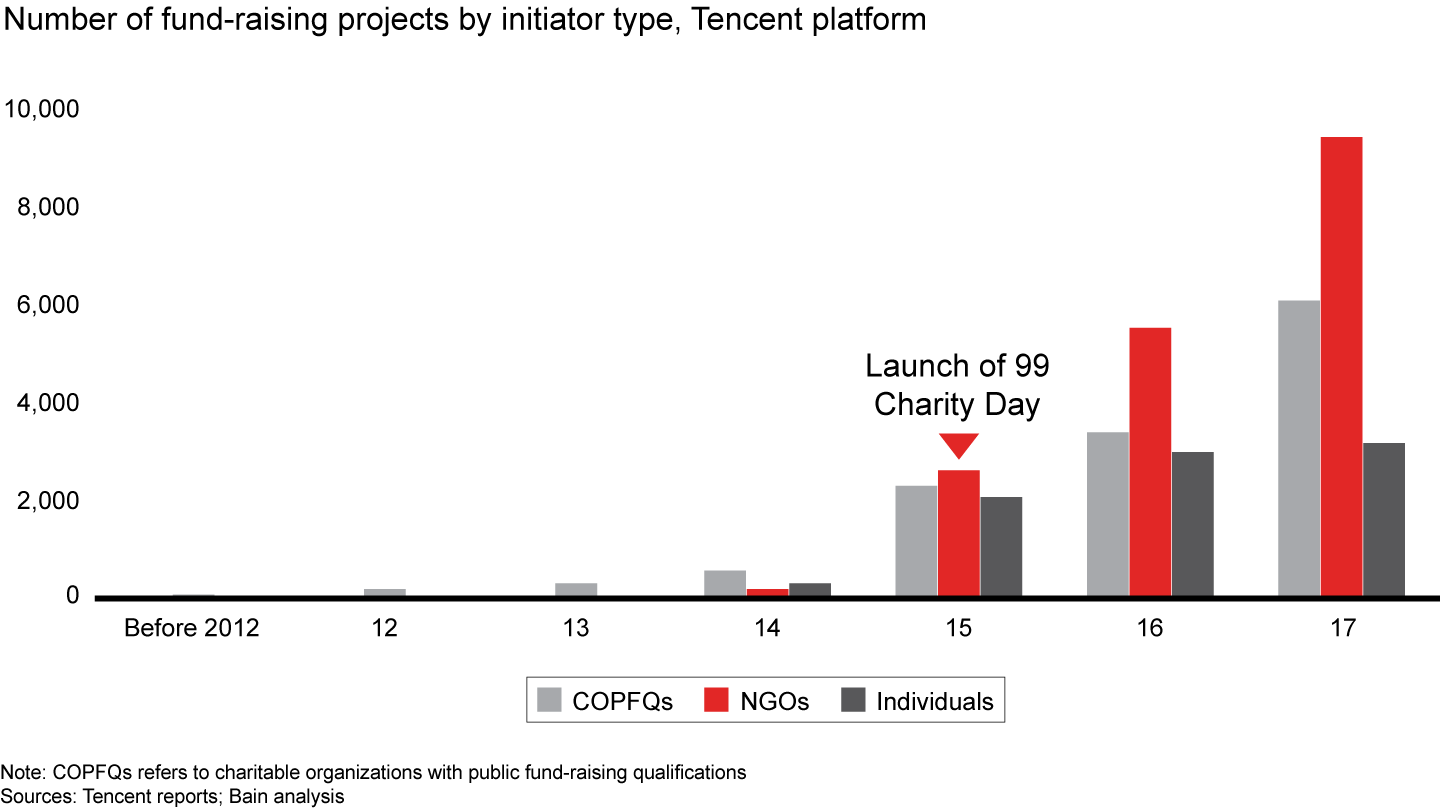
      Digital fund-raising’s potential growth is significant, as online donations still account for less than 6% of donations from individuals. On the demand side, charitable organizations with public fundraising qualifications (abbreviated as COPFQs in this report) and nongovernmental organizations (NGOs) also have a relatively limited online presence; only about 40% of COPFQs and 2% of NGOs were represented on Tencent’s charity platform in 2017.

      Implications for industry stakeholders

      The rapid rise of digital philanthropy in China creates significant opportunity for stakeholders to make a mark in the sector. At the same time, foundations and NGOs need to conquer some key challenges, including gaining and maintaining the public’s trust through more efficient operations and established, transparent reporting standards. The Chinese government is actively providing the philanthropy industry with guidelines and policies to manage fraud, as well as drafting clear guidance on charitable organization reporting. However, the overall regulatory environment is still in a nascent stage and must continue evolving to keep pace with innovation.

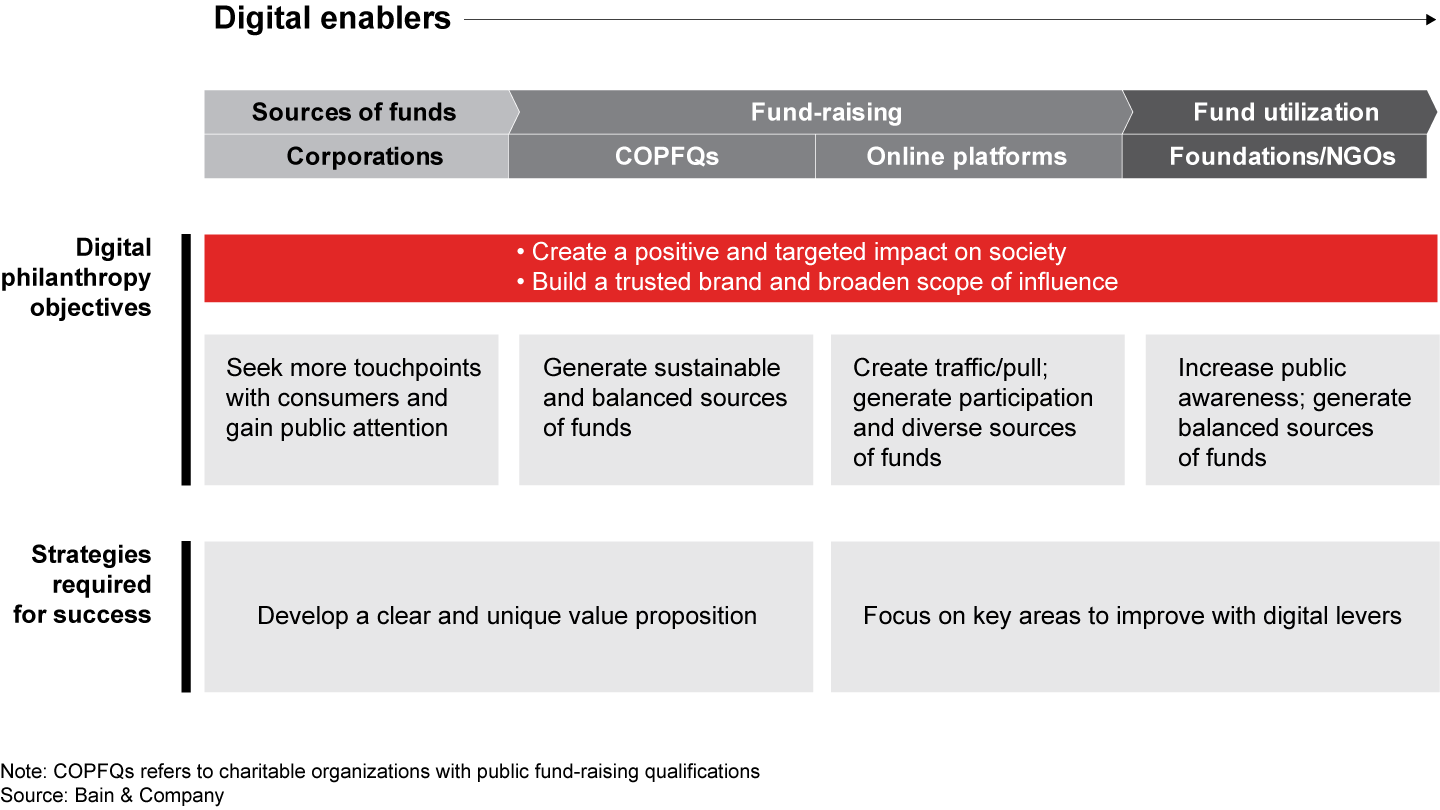
      Digital can accelerate the development of China’s overall philanthropy culture, but this requires stakeholders to define their objectives and develop corresponding strategies. Common digital objectives include creating a positive and targeted impact, building a trusted brand and broadening the scope of influence. Still, individual stakeholders have different objectives and need to develop their own differentiated perspectives on how to participate in the market. Even digital philanthropy leaders like Tencent and Alibaba are improving their operations along these lines, developing clear and unique value propositions, and focusing their digital efforts on key areas in order to achieve their objectives.

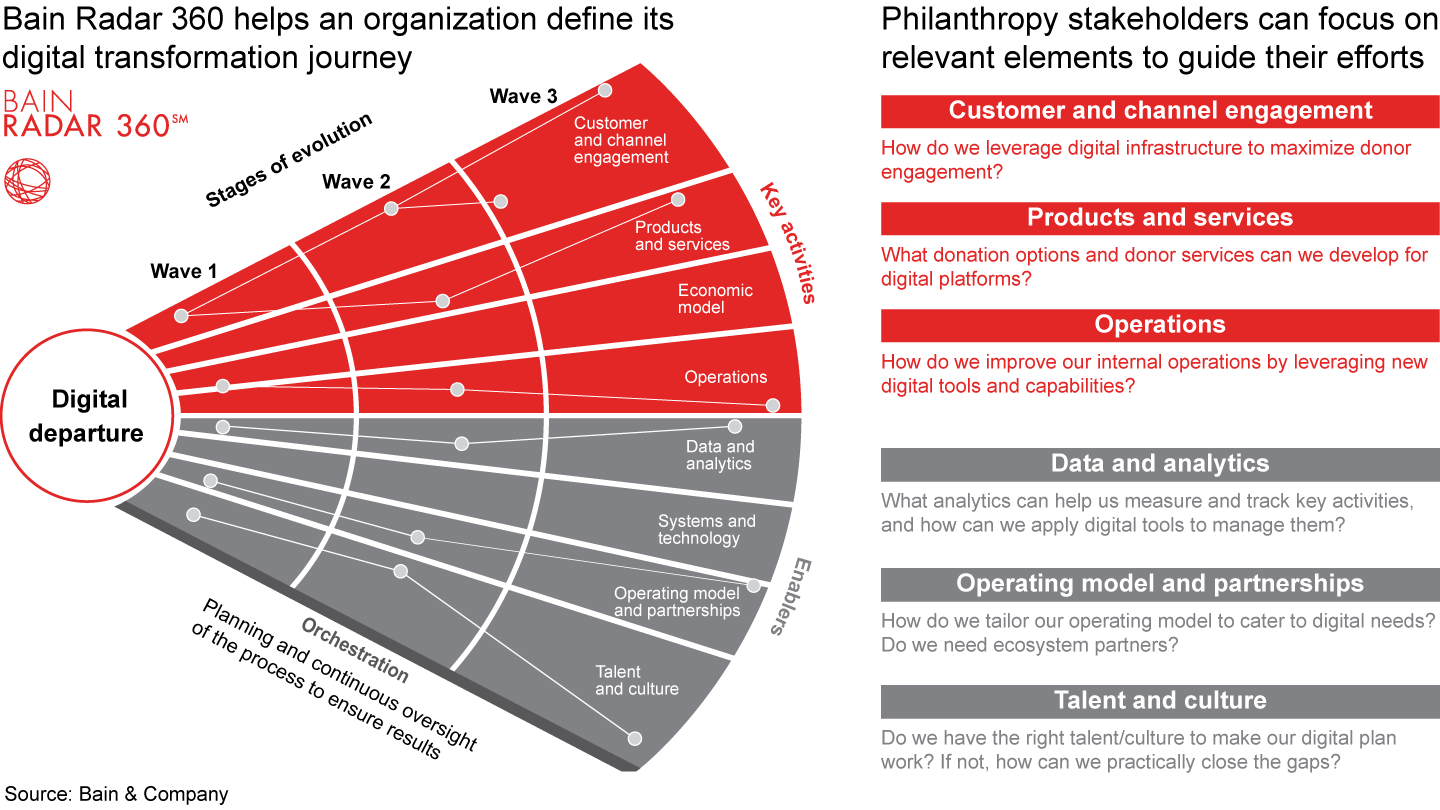
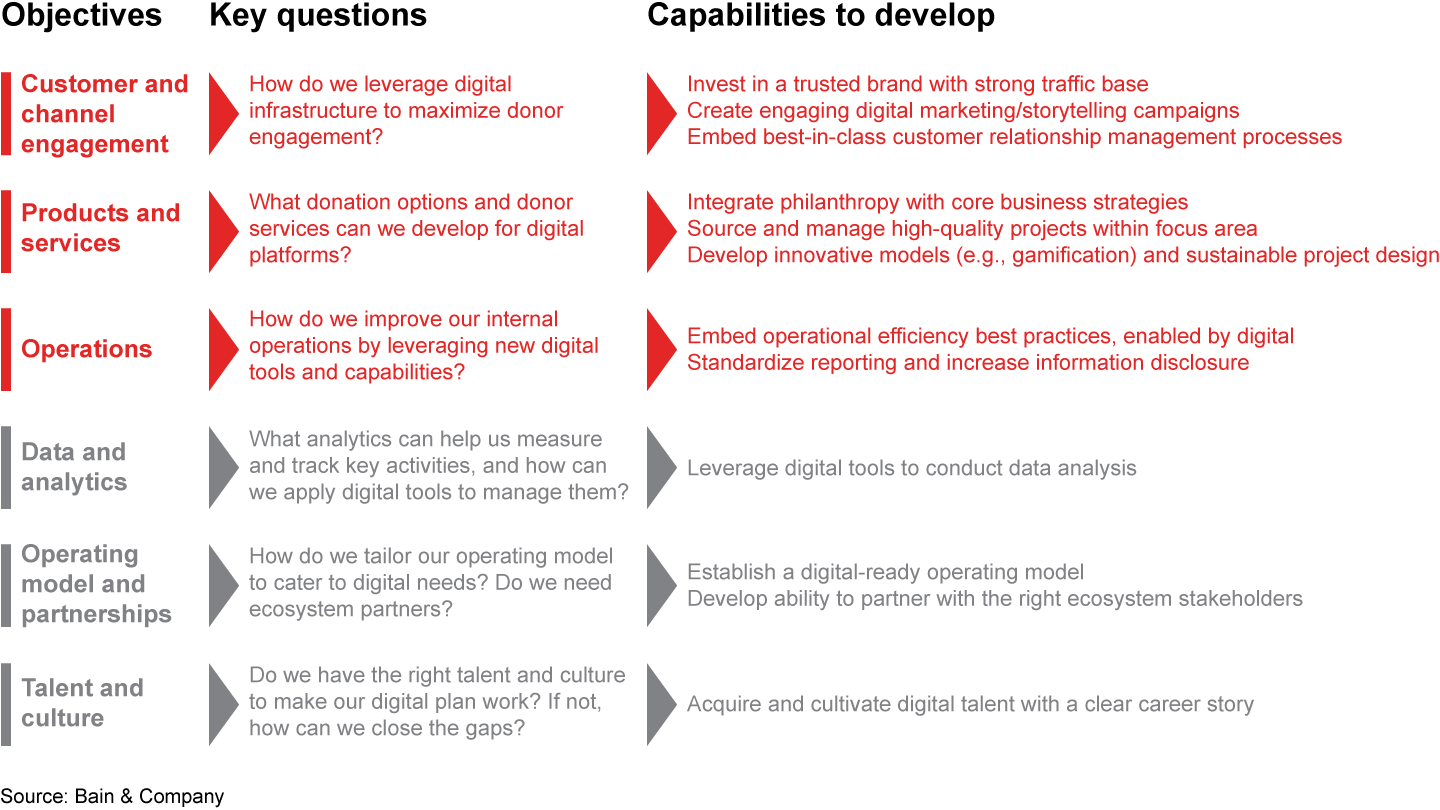
      There is no single path to success, but based on our study and the Bain Radar 360 SM framework, philanthropy stakeholders should ask themselves a set of key questions as they begin to develop their digital strategies.

      • Customer and channel engagement: How do we leverage digital infrastructure to maximize donor engagement?
      • Products and services: What donation options and donor services can we develop for digital platforms?
      • Operations: How do we improve our internal operations by leveraging new digital tools and capabilities?
      • Data and analytics: What analytics do we use to measure and track key activities, and how can we apply digital tools to manage them?
      • Operating model and partnerships: How do we tailor our operating model to cater to digital needs? Do we need ecosystem partners?
      • Talent and culture: Do we have the right talent and culture to make our digital plan work? If not, how can we practically close the gaps?

      Not all of these challenges and opportunities can be met by individual stakeholders alone; the need for true partnerships in various forms will increase. However, given the trajectory of the market and the potential to make a meaningful impact, philanthropic organizations must prioritize their digital strategies if they want to stay relevant and engaged with an increasingly active population of individual donors.

      1. China’s philanthropy sector: Potential and challenges

      • China’s philanthropy sector has emerged over the past 30 years, with significant fluctuation between 2007 and 2011 as a result of major natural disasters and scandals. Thanks to increasing transparency and government regulation, the sector is now entering a phase of steady growth.
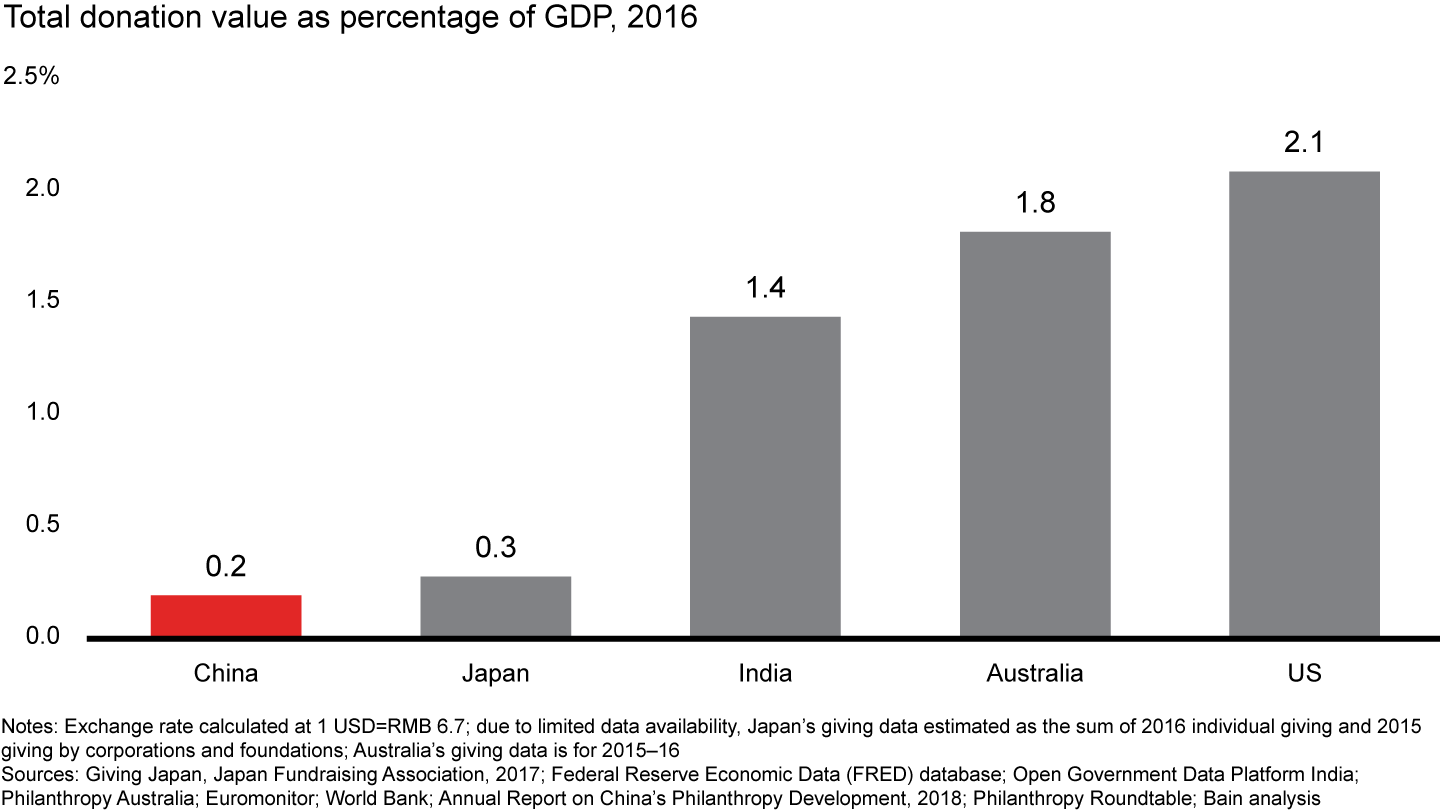
      • Despite its rapid rise, philanthropy in China has not kept pace with the overall economy. China’s total donation value currently accounts for only 0.2% of its GDP.
      • Individual donor penetration is relatively low at only 7% of the total population, but participation continues to grow rapidly as the younger generation slowly embraces the concept of giving back through charity.
      • The sector is ripe for continued growth as disposable income increases, digital infrastructure enbles easier access to charities, and the government actively participates by creating guidelines and policies.
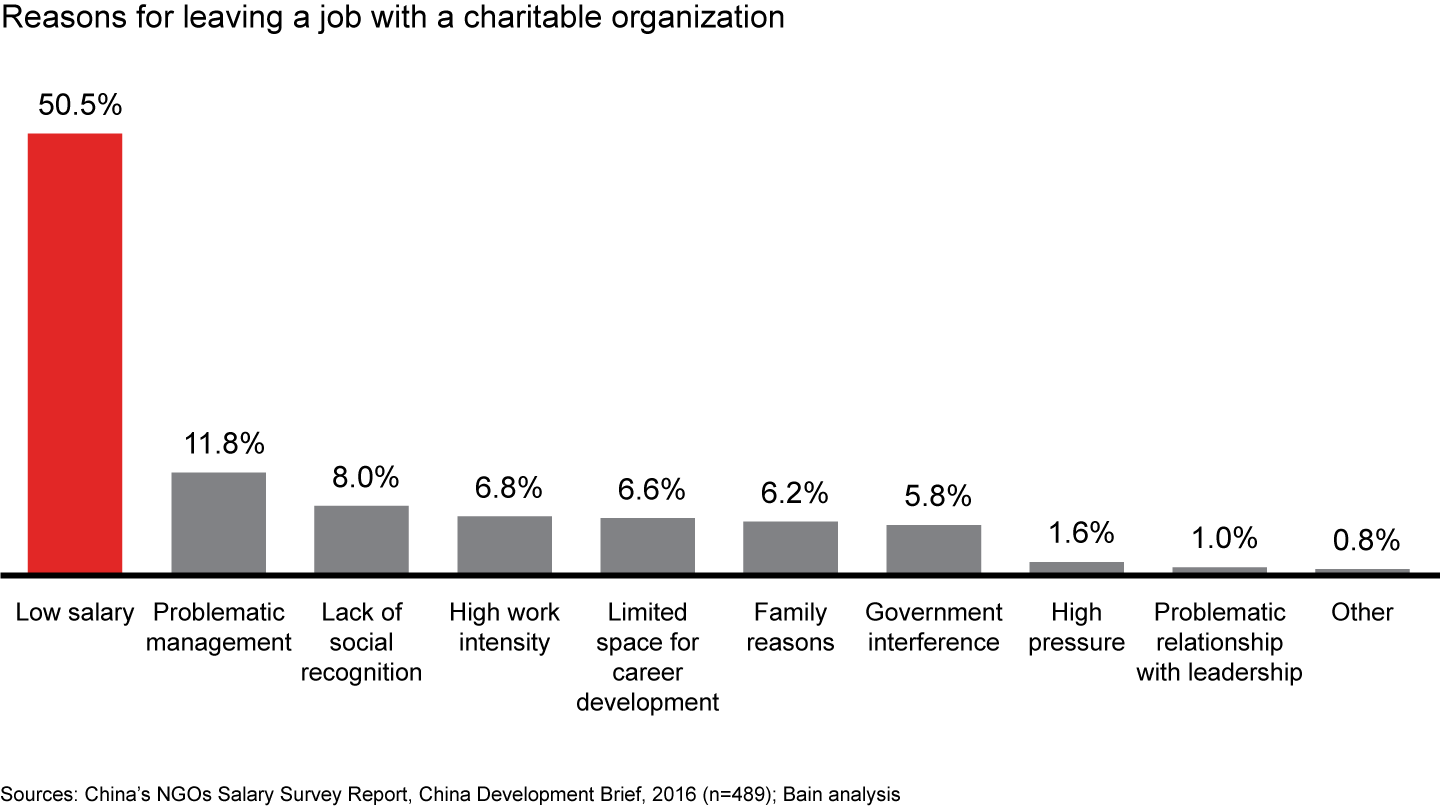
      • However, the industry also needs to tackle a set of challenges, including winning and maintaining public trust, establishing efficient operations and transparent reporting standards, and recruiting and retaining top talent.
      Figure 1
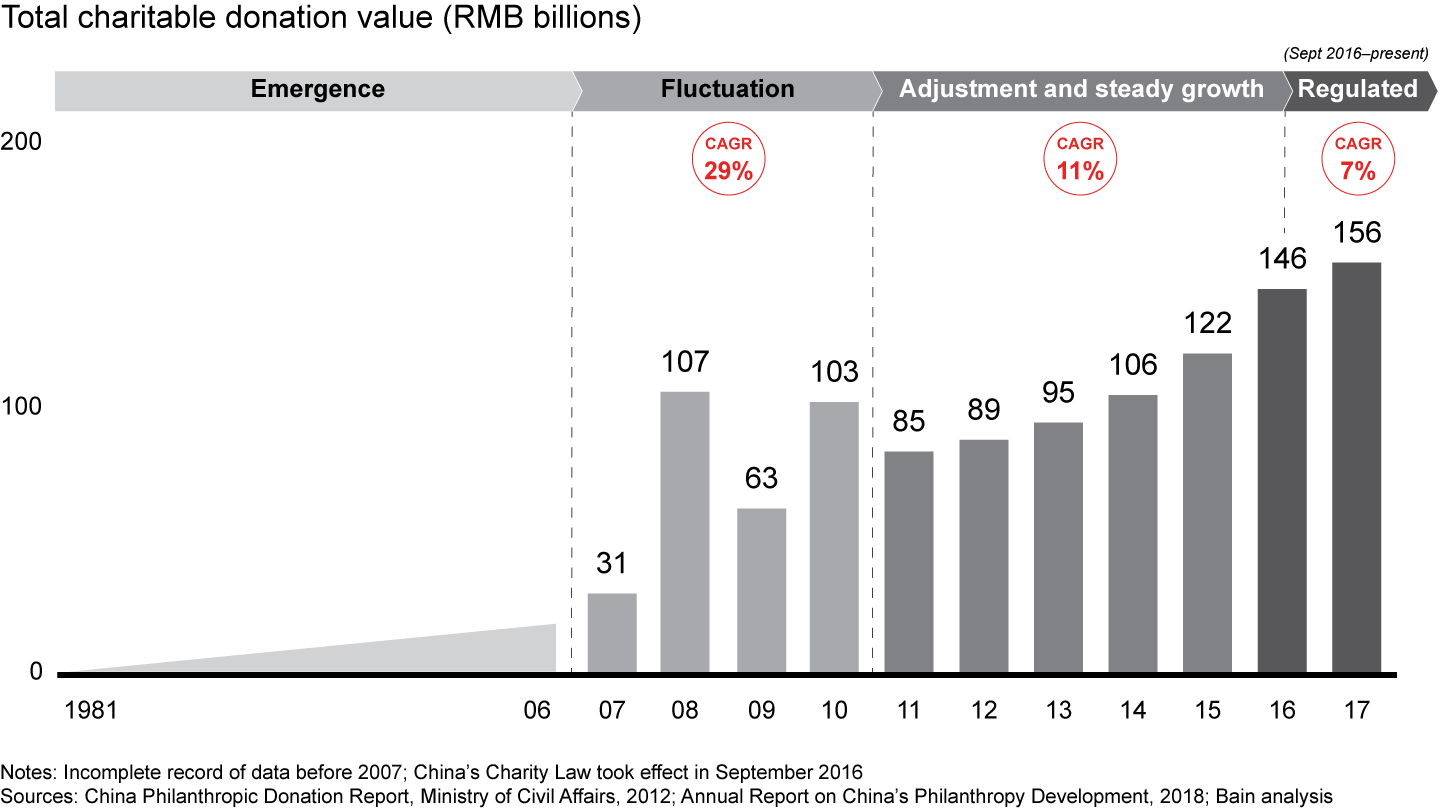
      After periods of fluctuation and adjustment, China’s philanthropy sector is steadily becoming a powerful force for good
      After periods of fluctuation and adjustment, China’s philanthropy sector is steadily becoming a powerful force for good
      After periods of fluctuation and adjustment, China’s philanthropy sector is steadily becoming a powerful force for good
      Figure 2
      Charitable donations account for a very small share of China’s GDP, indicating future growth potential
      Charitable donations account for a very small share of China’s GDP, indicating future growth potential
      Charitable donations account for a very small share of China’s GDP, indicating future growth potential
      Figure 3
      Corporations have been the major source of funding, but donations from individuals are on the rise
      Corporations have been the major source of funding, but donations from individuals are on the rise
      Corporations have been the major source of funding, but donations from individuals are on the rise
      Figure 4
      Chinese donor penetration is relatively low but increasing rapidly
      Chinese donor penetration is relatively low but increasing rapidly
      Chinese donor penetration is relatively low but increasing rapidly
      Figure 5
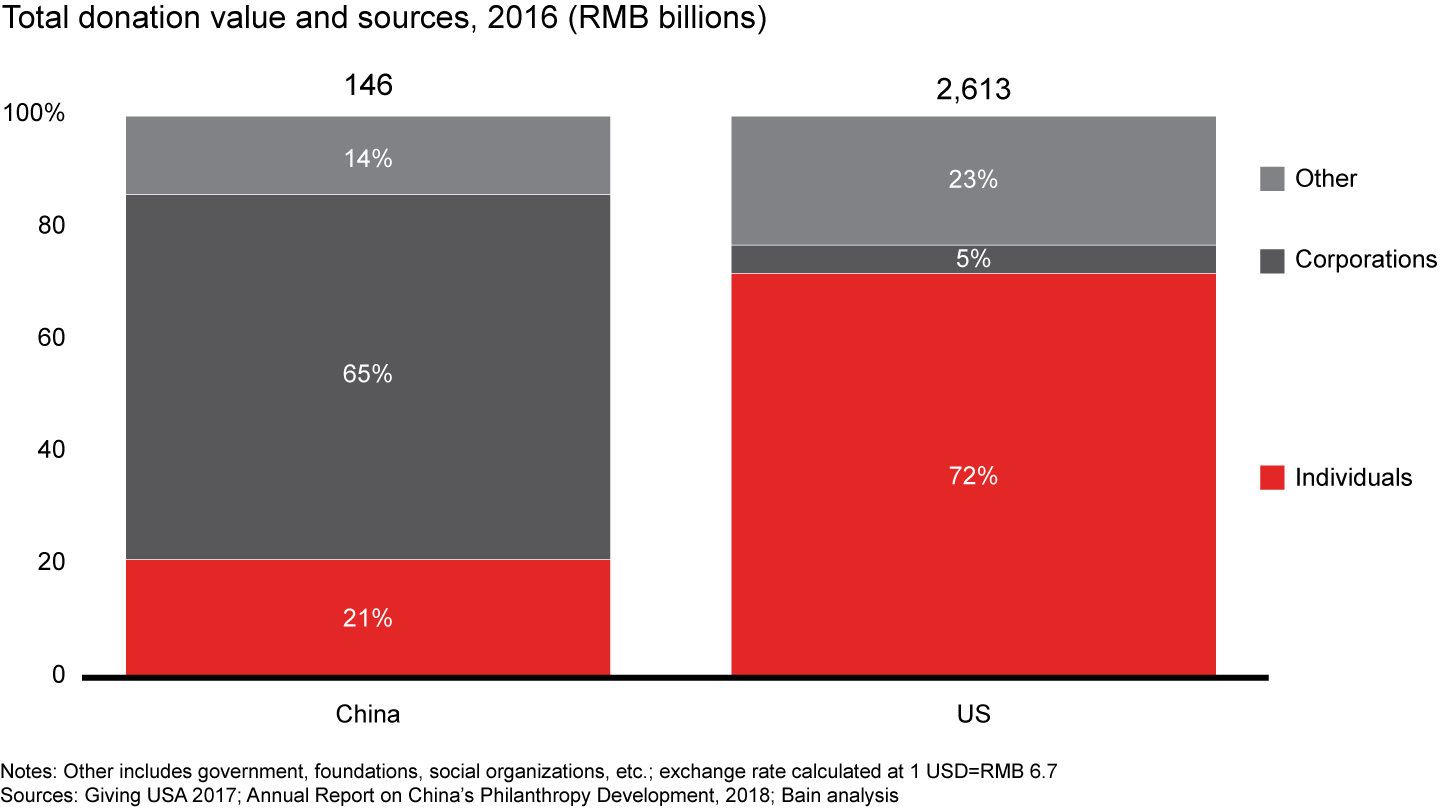
      Based on a comparison with the US philanthropy market, donations from individuals could grow significantly
      Based on a comparison with the US philanthropy market, donations from individuals could grow significantly
      Based on a comparison with the US philanthropy market, donations from individuals could grow significantly
      Figure 6
      Rising income levels in China could help boost charitable donations and philanthropy participation
      Rising income levels in China could help boost charitable donations and philanthropy participation
      Rising income levels in China could help boost charitable donations and philanthropy participation
      Figure 7
      Tapping China’s huge base of Internet users represents a major opportunity for charities
      Tapping China’s huge base of Internet users represents a major opportunity for charities
      Tapping China’s huge base of Internet users represents a major opportunity for charities
      Figure 8
      Despite its spectacular growth, China’s philanthropy culture is still in a very early stage
      Despite its spectacular growth, China’s philanthropy culture is still in a very early stage
      Despite its spectacular growth, China’s philanthropy culture is still in a very early stage
      Figure 9
      Low salary is the biggest talent-retention challenge that China’s charities face
      Low salary is the biggest talent-retention challenge that China’s charities face
      Low salary is the biggest talent-retention challenge that China’s charities face

      2. Digital philanthropy: Evolution and characteristics

      • Digital technology is rapidly changing how China’s philanthropy sector operates—creating new bridges between stakeholders, and closing the distance between donors and specific projects.
      • Overall donation value and participation have both soared over the past five years. Still, given the popularity of online donations and increasing confidence among individual donors, there is significant room for growth.
      • Currently, the landscape is highly concentrated; 20 online platforms are licensed to link individual donors to projects, but 90% of total donation value goes through Alibaba and Tencent. However, competition may intensify as other players apply for licenses to participate
      • Overall, digital philanthropy in China today is characterized by a few key attributes. Young people are the major donor group online, and engaging young donors will be an important battle for all stakeholders. We also find that platforms are encouraging NGOs and individuals to fund-raise online, and that a relatively small percentage of projects are capturing the bulk of the donation value. In addition, health, poverty alleviation and education are the most popular themes of online projects.
      Figure 10
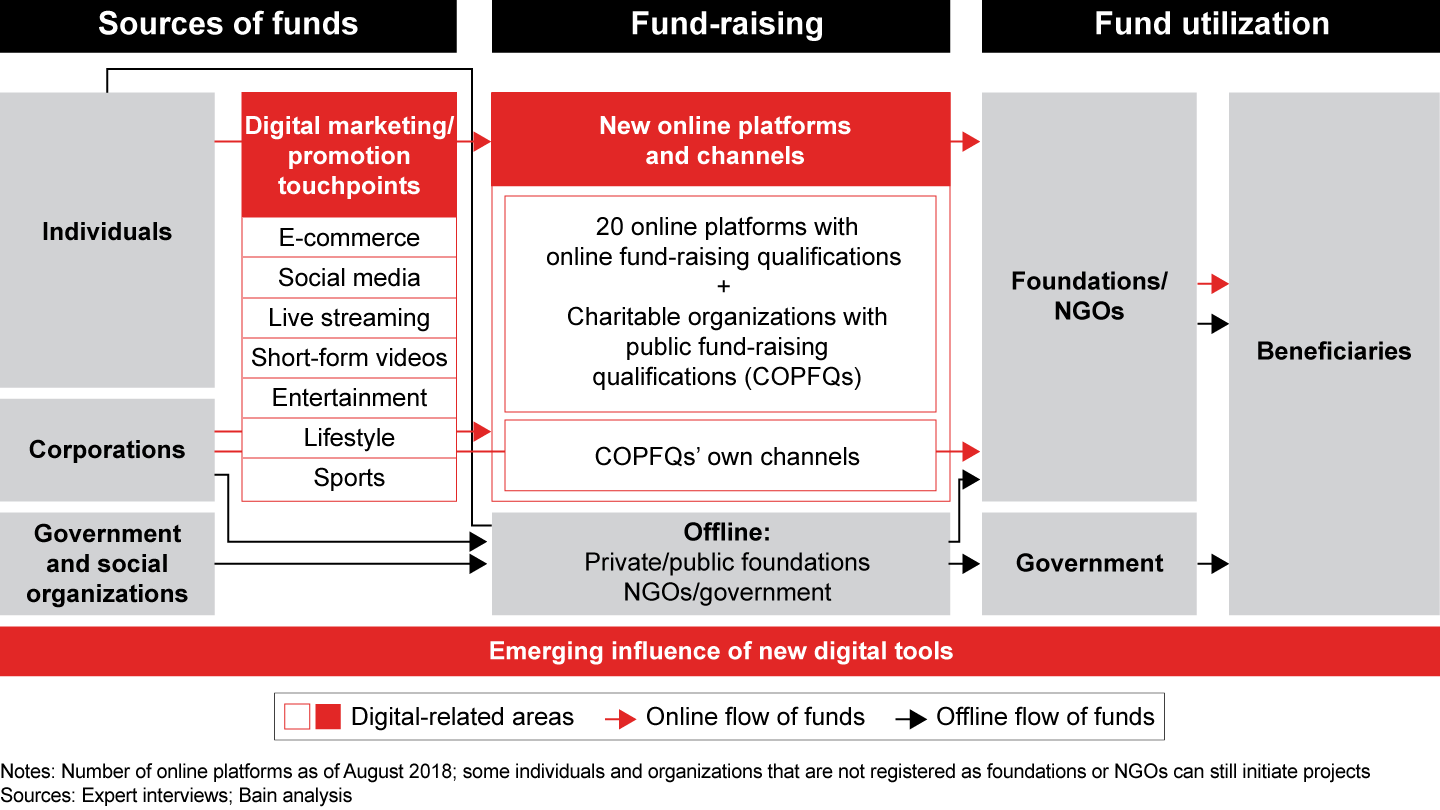
      Digital is changing how China’s philanthropy sector operates
      Digital is changing how China’s philanthropy sector operates
      Digital is changing how China’s philanthropy sector operates
      Figure 11
      Online fund-raising in China has developed in three stages
      Online fund-raising in China has developed in three stages
      Online fund-raising in China has developed in three stages
      Figure 12
      Online fund-raising value and participation have soared over the past five years
      Online fund-raising value and participation have soared over the past five years
      Online fund-raising value and participation have soared over the past five years
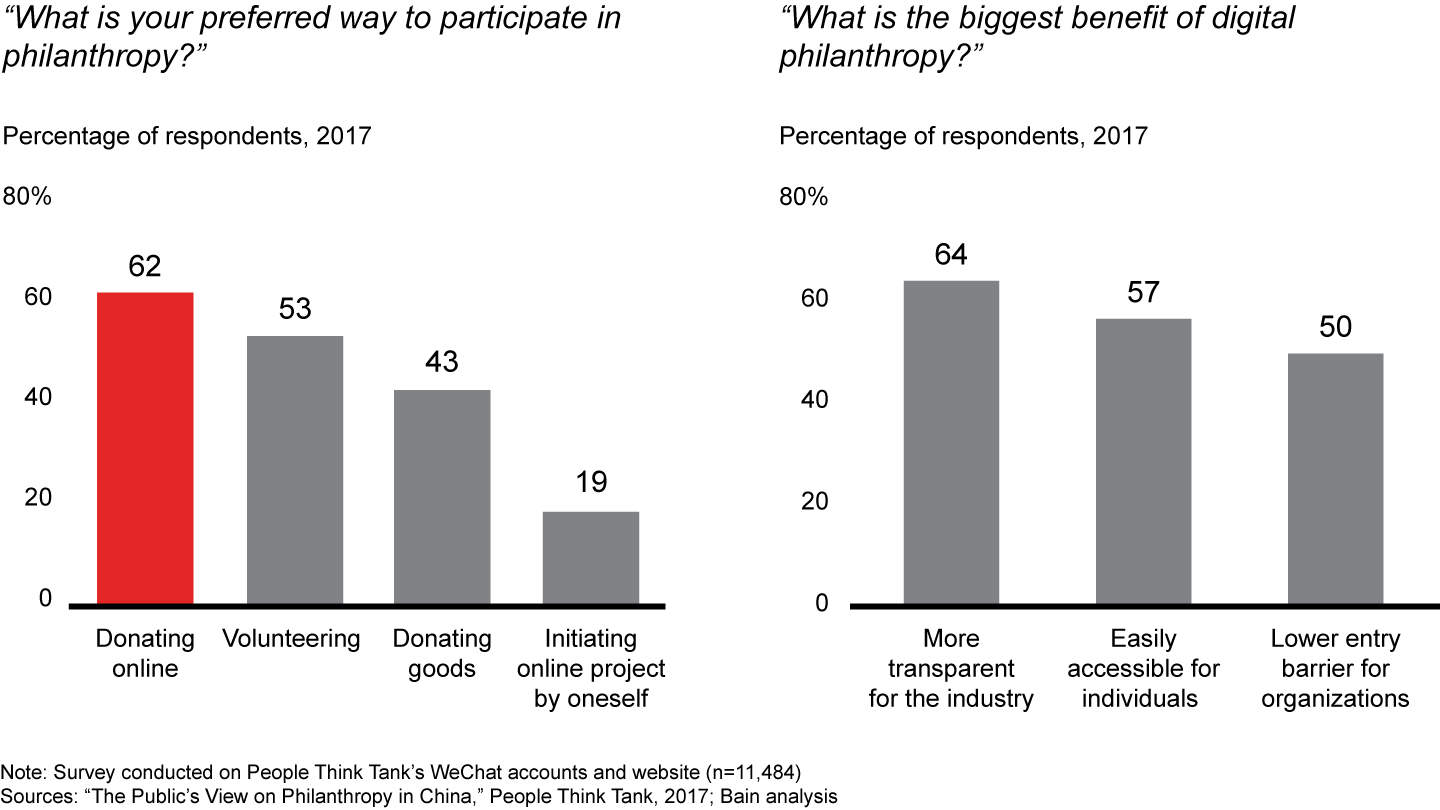
      Figure 13
      Donating online is the preferred participation method, valued for its transparency and convenience
      Donating online is the preferred participation method, valued for its transparency and convenience
      Donating online is the preferred participation method, valued for its transparency and convenience
      Figure 14
      Online fund-raising has plenty of room to grow across donor categories
      Online fund-raising has plenty of room to grow across donor categories
      Online fund-raising has plenty of room to grow across donor categories
      Figure 15
      Digital has activated donations from individuals
      Digital has activated donations from individuals
      Digital has activated donations from individuals
      Figure 16
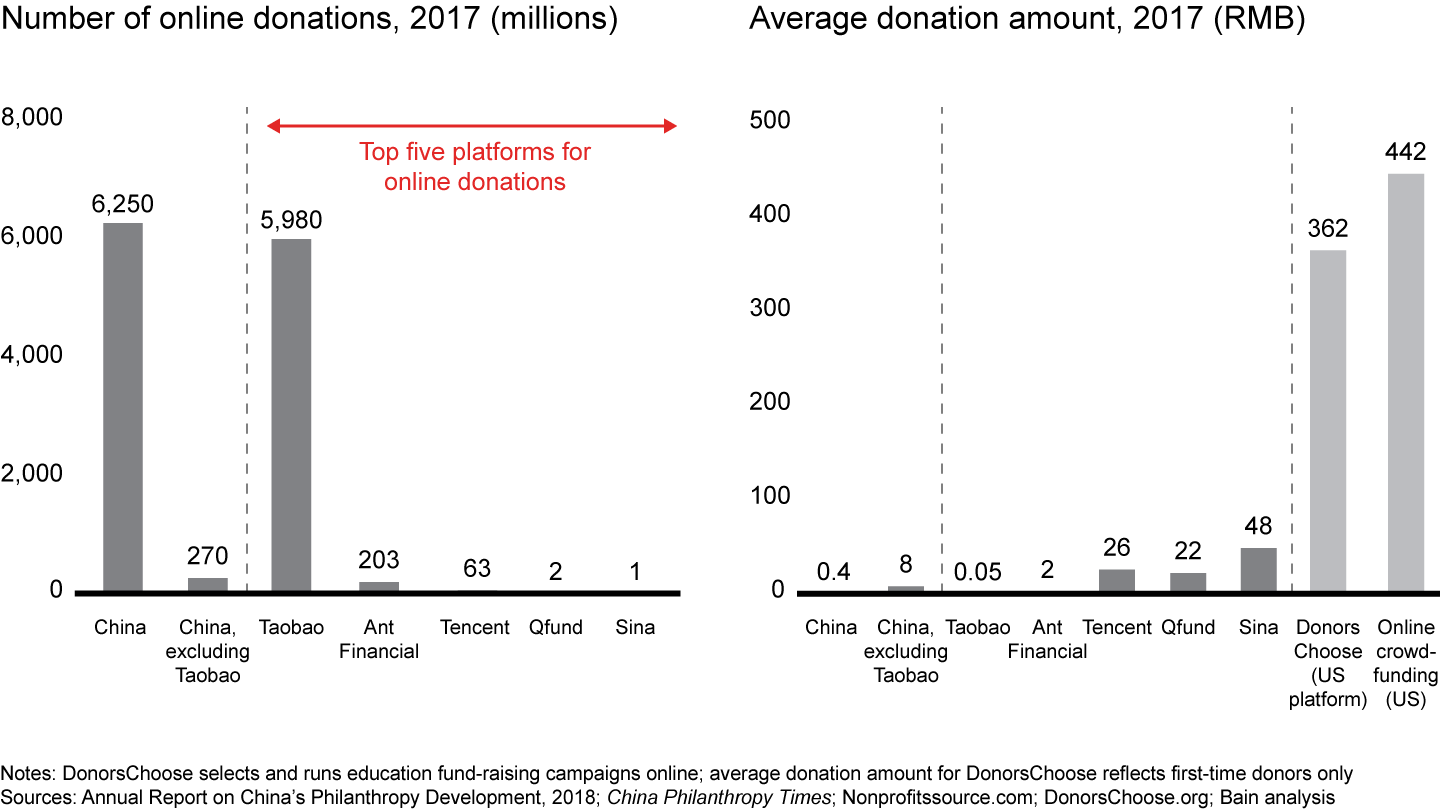
      Small average donation amount indicates huge potential for online fund-raising among individuals
      Small average donation amount indicates huge potential for online fund-raising among individuals
      Small average donation amount indicates huge potential for online fund-raising among individuals
      Figure 17
      NGOs and charities with public fund-raising qualifications have a limited presence on online platforms
      NGOs and charities with public fund-raising qualifications have a limited presence on online platforms
      NGOs and charities with public fund-raising qualifications have a limited presence on online platforms
      Figure 18
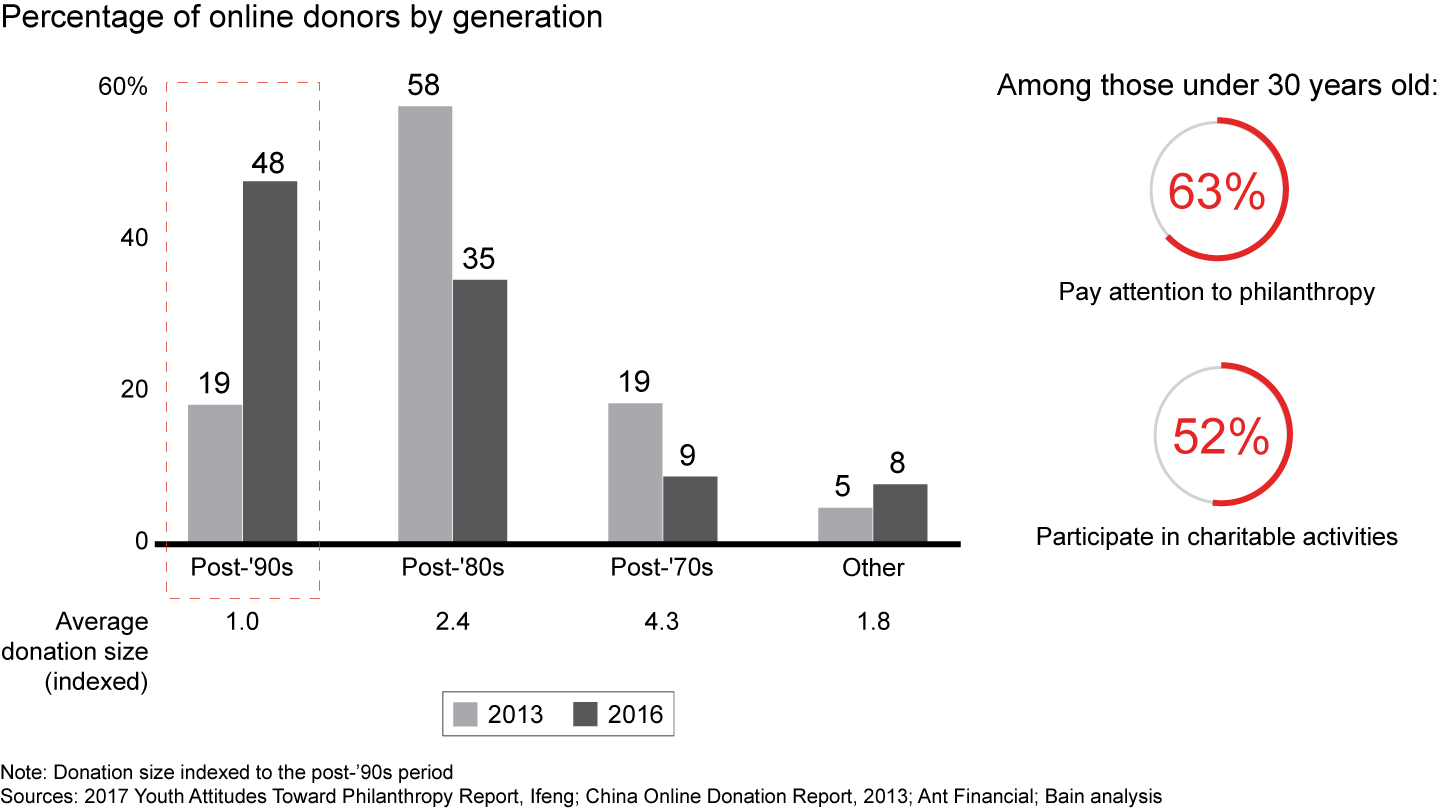
      China’s younger generation shows a strong interest in philanthropy
      China’s younger generation shows a strong interest in philanthropy
      China’s younger generation shows a strong interest in philanthropy
      Figure 19
      Tencent and Alibaba currently dominate among online fund-raising platforms
      Tencent and Alibaba currently dominate among online fund-raising platforms
      Tencent and Alibaba currently dominate among online fund-raising platforms
      Figure 20
      Tencent and Alibaba outperform other platforms by better leveraging their business traffic
      Tencent and Alibaba outperform other platforms by better leveraging their business traffic
      Tencent and Alibaba outperform other platforms by better leveraging their business traffic
      Figure 21
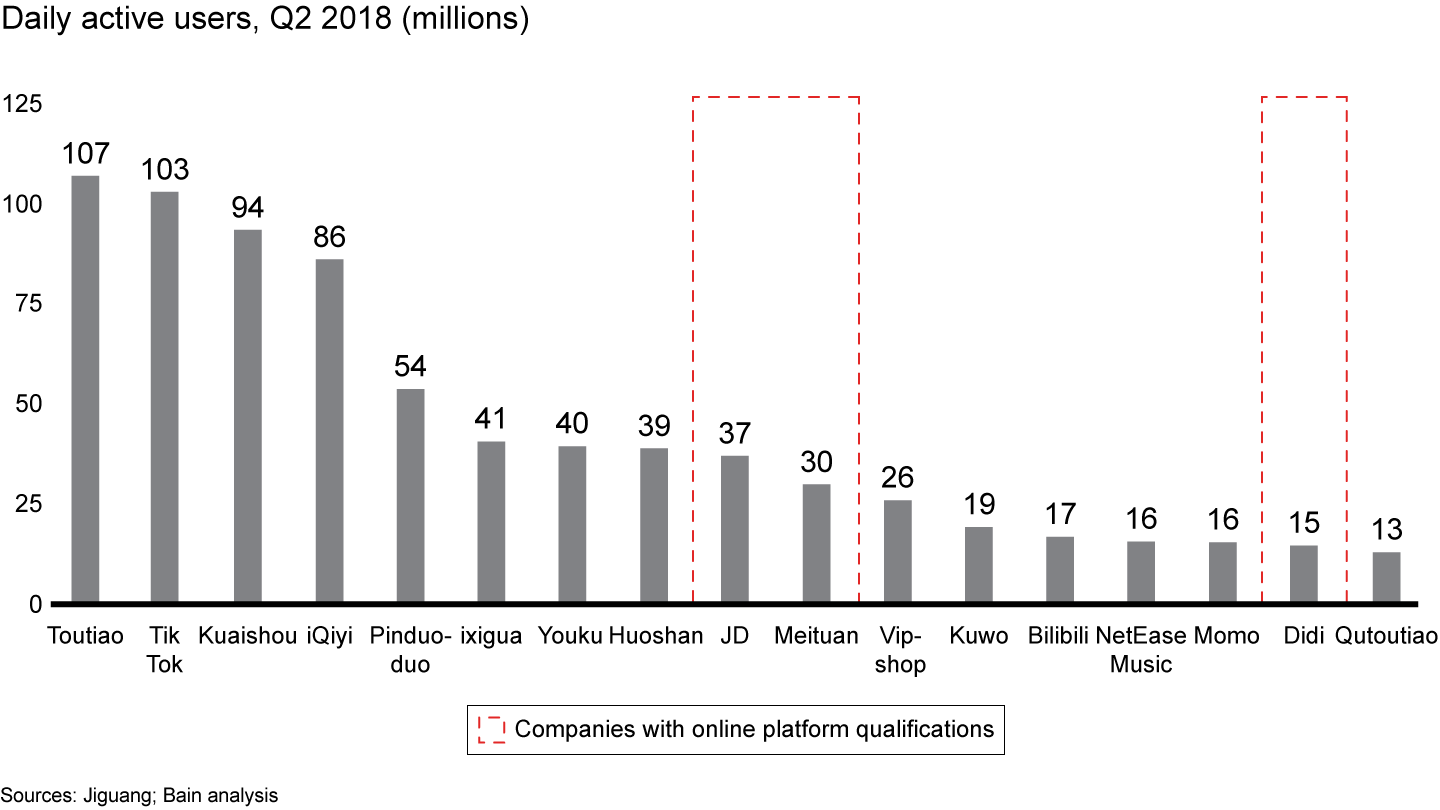
      Other Internet players can harness their traffic to create innovative philanthropic models
      Other Internet players can harness their traffic to create innovative philanthropic models
      Other Internet players can harness their traffic to create innovative philanthropic models
      Figure 22
      As online platforms empower NGOs and individuals, public foundations are no longer the sole major player
      As online platforms empower NGOs and individuals, public foundations are no longer the sole major player
      As online platforms empower NGOs and individuals, public foundations are no longer the sole major player
      Figure 23
      Relatively few strong projects claim an outsize share of online donations
      Relatively few strong projects claim an outsize share of online donations
      Relatively few strong projects claim an outsize share of online donations
      Figure 24
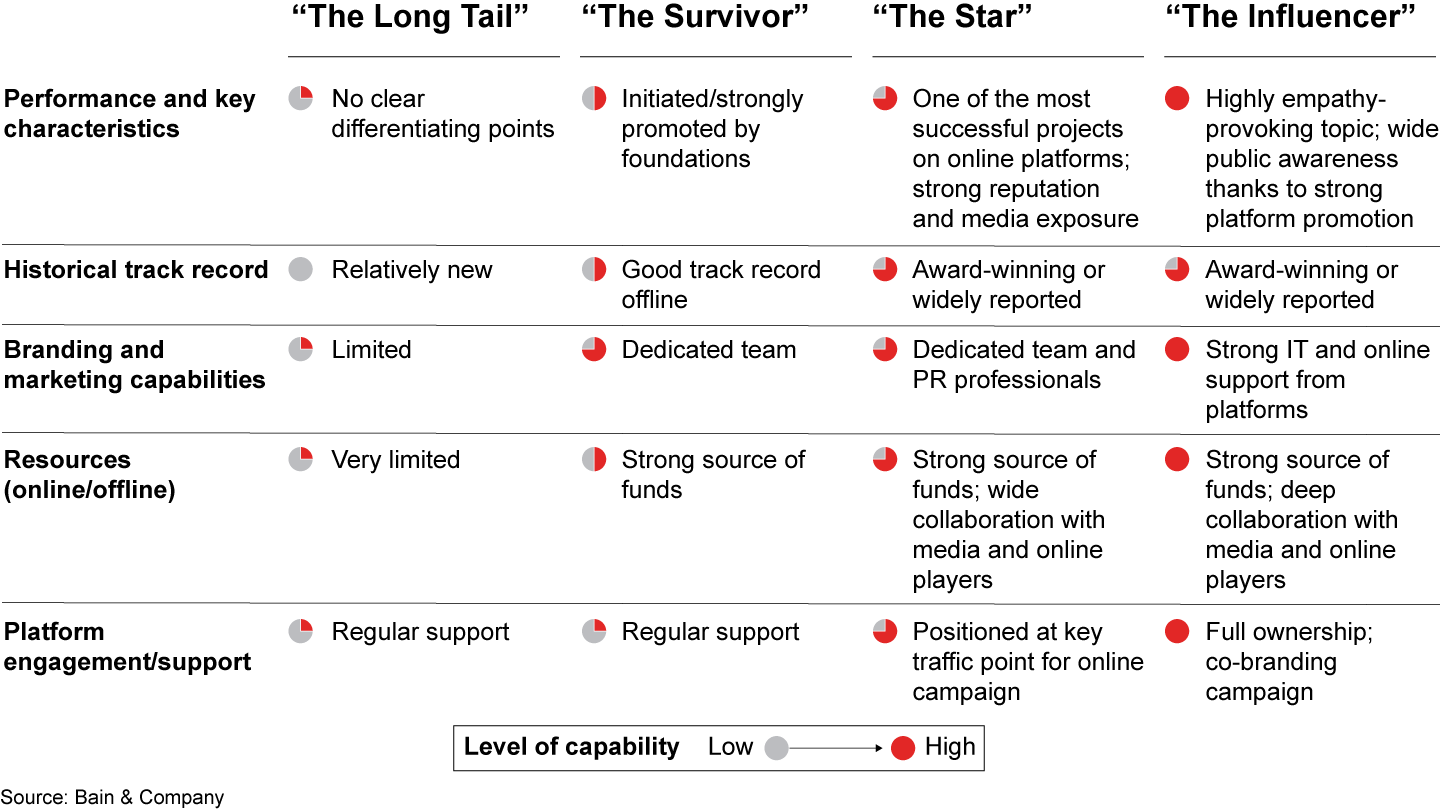
      Four categories of online fund-raising projects have emerged
      Four categories of online fund-raising projects have emerged
      Four categories of online fund-raising projects have emerged
      Figure 25
      Health, poverty alleviation and education are the most popular themes of online projects
      Health, poverty alleviation and education are the most popular themes of online projects
      Health, poverty alleviation and education are the most popular themes of online projects

      3. Digital fund-raising: Vision and implications

      • As digital reshapes a wide range of industries, China’s philanthropy sector is positioned to lead the world in innovation given its unique combination of digitally savvy users and large ecosystem players.
      • China’s philanthropy sector can harness digital to accelerate the development of its overall culture. To do so, stakeholders will need to clearly define their objectives and develop corresponding strategies.
      • Digital philanthropy in China is still in its infancy, and there will be no single path to success in the market. As stakeholders assess the opportunity, it is important for them to ask several key questions, with a focus on how they will engage customers, manage operations, leverage data and analytics, and grow their internal talent pool.
      • Even for the most mature organizations, these are not easy tasks, and they can be even more challenging for nonprofits. Finding partners to supplement capability gaps will be an important part of any winning strategy.
      Figure 26
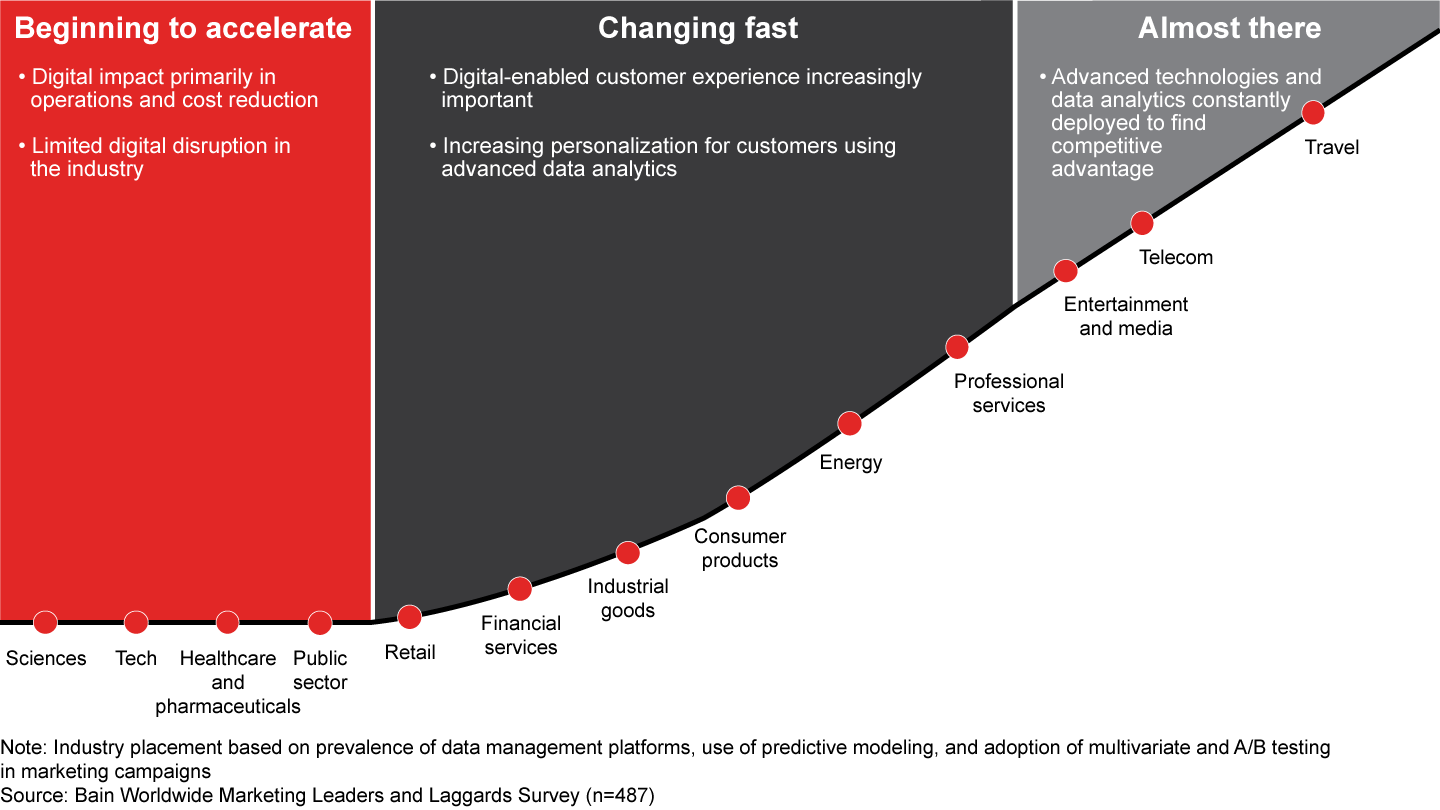
      Industries further along the digitalization curve can shed light on China’s digital philanthropy journey
      Industries further along the digitalization curve can shed light on China’s digital philanthropy journey
      Industries further along the digitalization curve can shed light on China’s digital philanthropy journey
      Figure 27
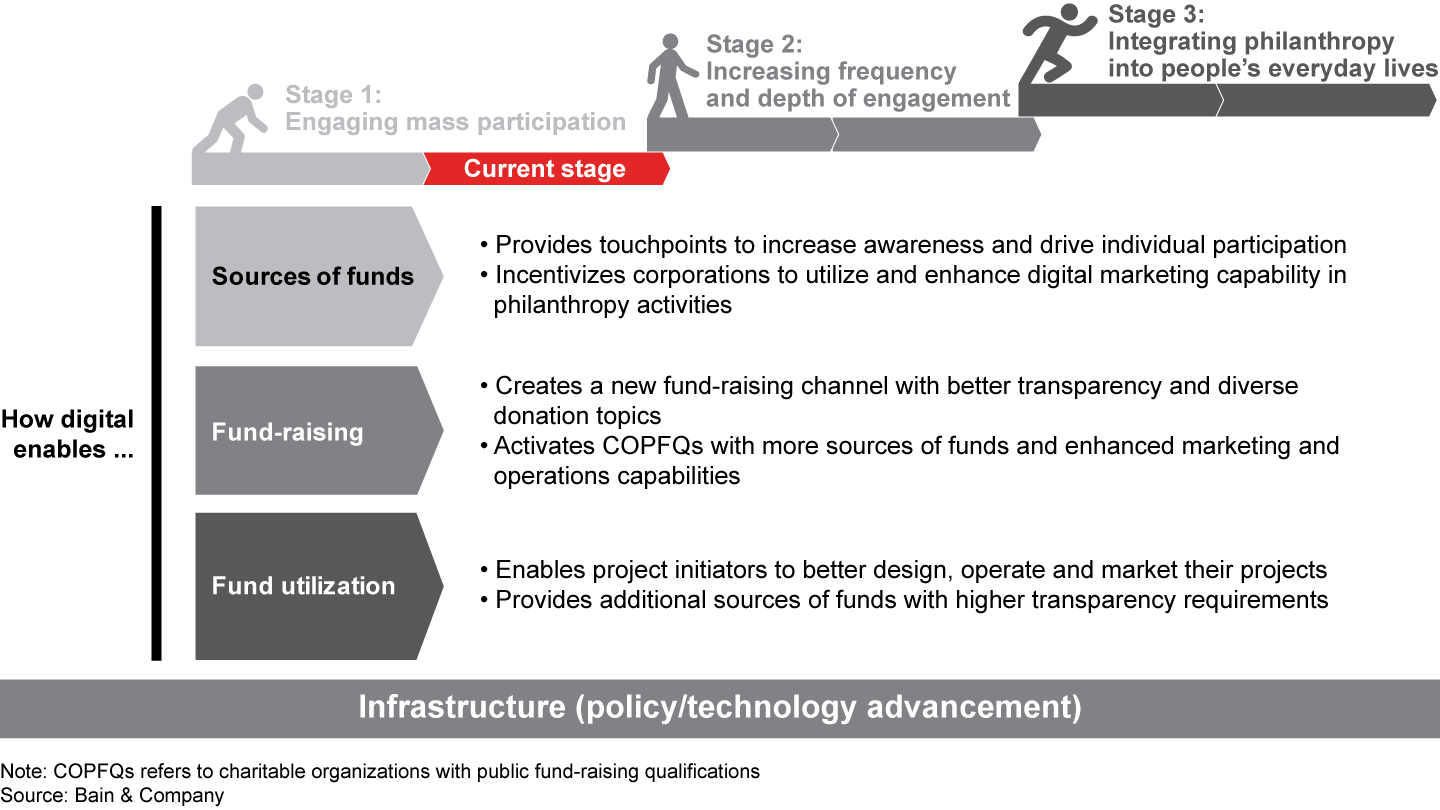
      China’s philanthropy sector can leverage digital to increase its impact and cultivate a donation culture
      China’s philanthropy sector can leverage digital to increase its impact and cultivate a donation culture
      China’s philanthropy sector can leverage digital to increase its impact and cultivate a donation culture
      Figure 28
      Philanthropy stakeholders need to define clear digital objectives and develop corresponding strategies
      Philanthropy stakeholders need to define clear digital objectives and develop corresponding strategies
      Philanthropy stakeholders need to define clear digital objectives and develop corresponding strategies
      Figure 29
      Asking a set of key questions can help stakeholders focus their efforts and develop digital strategies
      Asking a set of key questions can help stakeholders focus their efforts and develop digital strategies
      Asking a set of key questions can help stakeholders focus their efforts and develop digital strategies
      Figure 30
      To pursue their digital philanthropy objectives, stakeholders should identify critical areas for development
      To pursue their digital philanthropy objectives, stakeholders should identify critical areas for development
      To pursue their digital philanthropy objectives, stakeholders should identify critical areas for development

      This report was authored by Yin Chen, Weiwen Han, Ming Wong and Jiakai Yuan. Yin Chen is a Bain & Company partner in Shanghai and leads the firm’s social impact efforts in Greater China. Also based in Shanghai, Weiwen Han leads Bain’s Greater China offices. They can be reached via email at yin.chen@bain.com and at weiwen.han@bain.com.

      Ming Wong is a Hong Kong-based vice president with United Way Worldwide and leads UWW’s Asia-Pacific practice. Jiakai Yuan is the chief China representative for United Way Worldwide and is based in Shanghai. They can be reached via email at ming.wong@uww.unitedway.org and at jiakai.yuan@uww.unitedway.org.

      Bain Radar 360 SM is a service mark of Bain & Company, Inc.

      Authors
      • Yin Chen
        Former Partner, Shanghai
      • Headshot of Weiwen Han
        Weiwen Han
        Partner, Hong Kong
      Contact us
      Related Industries
      • Social Impact
      Social Impact
      The Rise of the Canadian Venture Scientist

      This is Canada’s moment to turn AI pioneers into venture builders.

      Read More
      Social Impact
      Educated but Underprepared: Closing the Career Readiness Gap

      Both young Americans and potential employers are navigating a rapidly evolving job market. Career-connected high school experiences lay the foundation for success.

      Read More
      Social Impact
      Can Food Companies Unwrap a New Strategy?

      Industry relevance is up for grabs as macro forces disrupt the old order. Bold moves will herald the sector’s future leaders.

      Read More
      Social Impact
      India Philanthropy Report 2025

      The evolving role of families in India’s development story

      Read More
      Social Impact
      Cattle Traceability in Pará Is a $1 Billion Opportunity for Brazil’s Livestock Production

      A study by Bain & Company and The Nature Conservancy predicts that the initiative could boost exports, reduce the informal market, and increase productivity.

      Read More
      Published in November 2018
      Tags
      • Social Impact

      How We've Helped Clients

      Transformation Turning around a pioneering service for working parents with sick children

      Read case study

      Performance Improvement Supporting excellence at Charlestown High School

      Read case study

      Performance Improvement Toronto Symphony gets in tune with customers

      Read case study

      Ready to talk?

      We work with ambitious leaders who want to define the future, not hide from it. Together, we achieve extraordinary outcomes.

      Stay ahead in a rapidly changing world. Subscribe to Bain Insights, our monthly look at the critical issues facing global businesses.

      *I have read and understand Bain’s Privacy Notice.

      Please read and agree to the Privacy Policy.
      Bain & Company
      Contact us Sustainability Accessibility Terms of use Privacy Modern Slavery Act Statement Cookie Policy Sitemap Log In

      © 1996-2026 Bain & Company, Inc.

      Contact Bain

      How can we help you?

      • Business inquiry
      • Career information
      • Press relations
      • Partnership request
      • Speaker request
      See all offices