

Report

At a Glance
- The Middle East and North Africa (MENA) region is a bright spot in the global consumer packaged goods (CPG) market.
- However, CPGs in MENA are facing shifts in consumption patterns, rising cost pressures, and regulatory complexity.
- Three strategic imperatives can help CPGs succeed in MENA. They must rethink growth algorithms, pursue continuous productivity, and redefine AI’s role in their business model.
The inaugural Middle East Consumer Products Report summarizes Bain’s perspective on the market and its expected evolution. The research and findings focus on four key markets: the Kingdom of Saudi Arabia (KSA), the United Arab Emirates (UAE), Egypt, and Iraq.
The analysis within draws from multiple sources: a survey of 3,500 consumers from across the targeted geography who represented a range of demographic segments; interviews with 20 consumer packaged goods (CPG) executives in the region; publicly available corporate and economic data; Bain’s global Consumer Products Report 2025; and, of course, Bain’s extensive experience in the region.
The global state of CPGs
Bain’s most recent global Consumer Products Report revealed a sector in distress.
In 2024, weak demand caused a decline in global growth (see Figure 1). Inflation drove retail sale prices up 5.9%, masking a tepid 1.7% increase in actual volume.
Figure 1
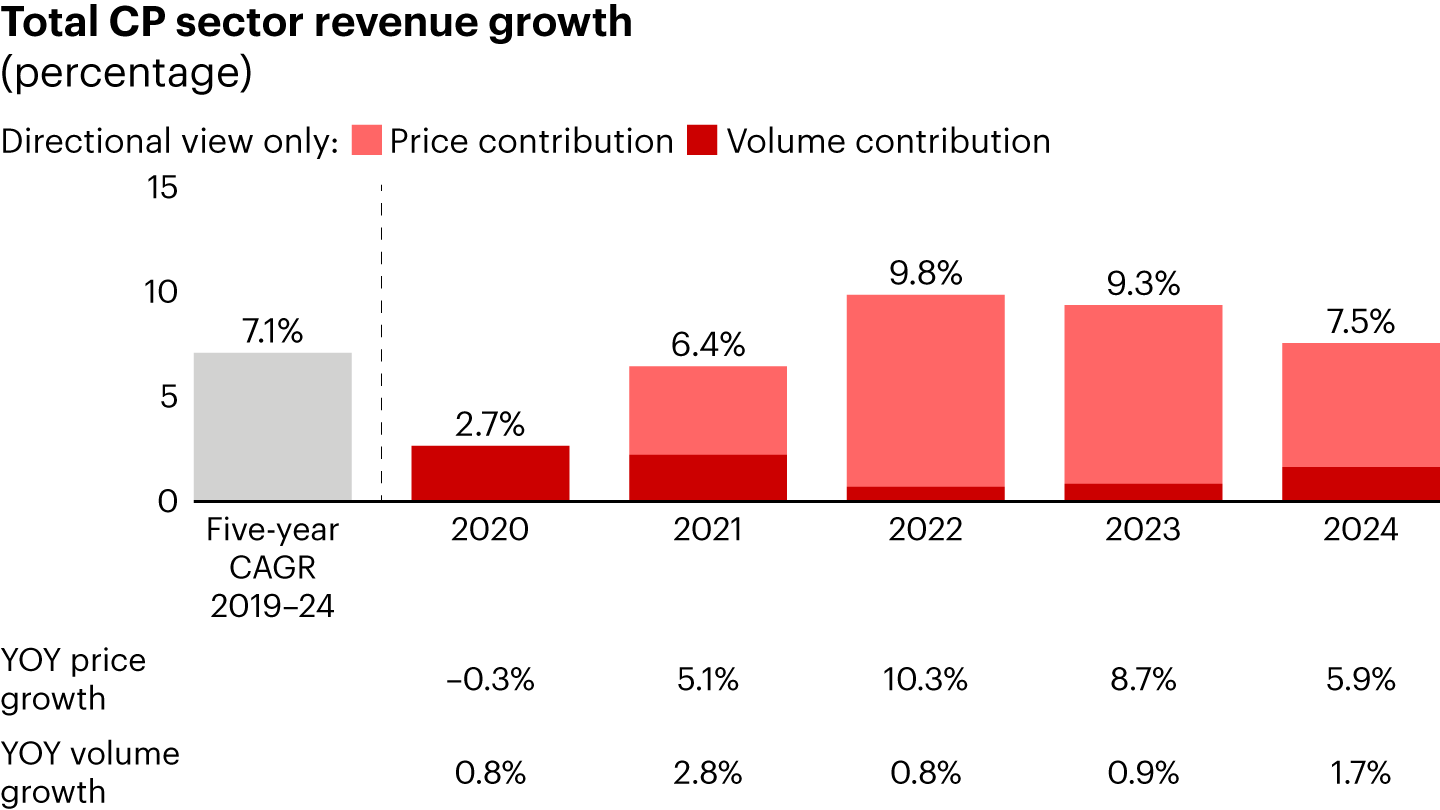

Notes: Categories exclude consumer health and tobacco; alcoholic beverages and soft drinks manufacturer selling price (MSP) data inclusive of off-trade (retail) and on-trade (B2B) sales; for all other categories, MSP data reflects off-trade sales only; market data based on MSP value for all categories; price and volume growth percentage and contributions based on retail selling price values, with contributions calculated by applying growth percentage proportionally to overall market growth—both should be considered directional only; YOY is year over year
Sources: Euromonitor; Bain analysisIndia, China, and Middle Eastern countries have experienced the highest sales growth, driven by volume growth; developed countries have seen below-average sales growth, driven by a volume growth below the world average of 1.7%.
Operating margins (EBIT) showed modest improvement but still failed to reach pre-Covid-19 pandemic levels. Lower input costs reduced cost of goods sold (COGS), but gains were offset by rising selling, general, and administrative expenses, compressing overall profitability.
Perhaps most telling, the CPG sector’s total shareholder return (TSR) dwindled to 6%, down from 14%–16% between 2009 and 2019. For comparison, companies in the technology and cloud sector achieved 30%–35% TSR (see Figure 2).
Figure 2
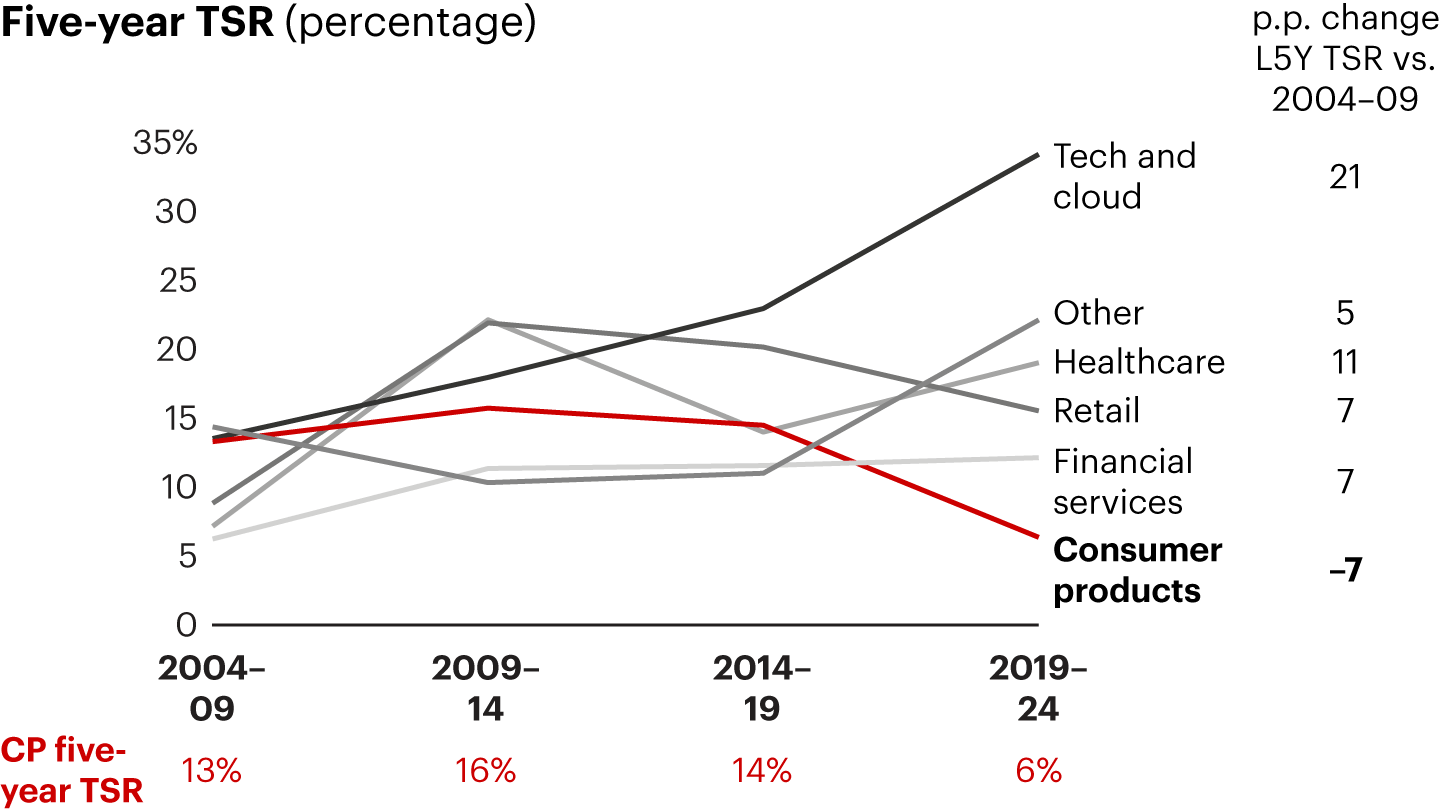

Notes: TSR is total shareholder return; L5Y is last five years; analysis of top 2,000 companies by market capitalization as on the last date of each end period, categorized by industry; TSR calculated using local currency for all companies, and TSR displayed as weighted average of end period market cap in USD (exchange rate December 31 end period or September 30 end period); “Other” includes advanced manufacturing and services, services, energy and natural resources, and communications and media sectors
Sources: S&P Global Market Intelligence; Bain analysisEven the world’s 50 largest CPG firms found themselves under considerable strain in 2024, posting less than 2% year-over-year revenue growth. Volume contributions were flat again, continuing a trend that has persisted since 2022. Insurgent brands fared better, emerging as winners, especially in developed markets.
MENA’s role in the global CPG sector
In recent years, the Middle East and North Africa (MENA) region has emerged as a significant contributor to CPG growth, with the UAE and the KSA leading the way (see Figure 3). The UAE recorded approximately 6% volume growth in the sector—well above the 1.7% global average—and the KSA followed closely with around 4%. Both countries posted solid value growth alongside volume gains, signaling a strong ability to manage inflation pressures that continue to surge in many parts of the world.
Figure 3
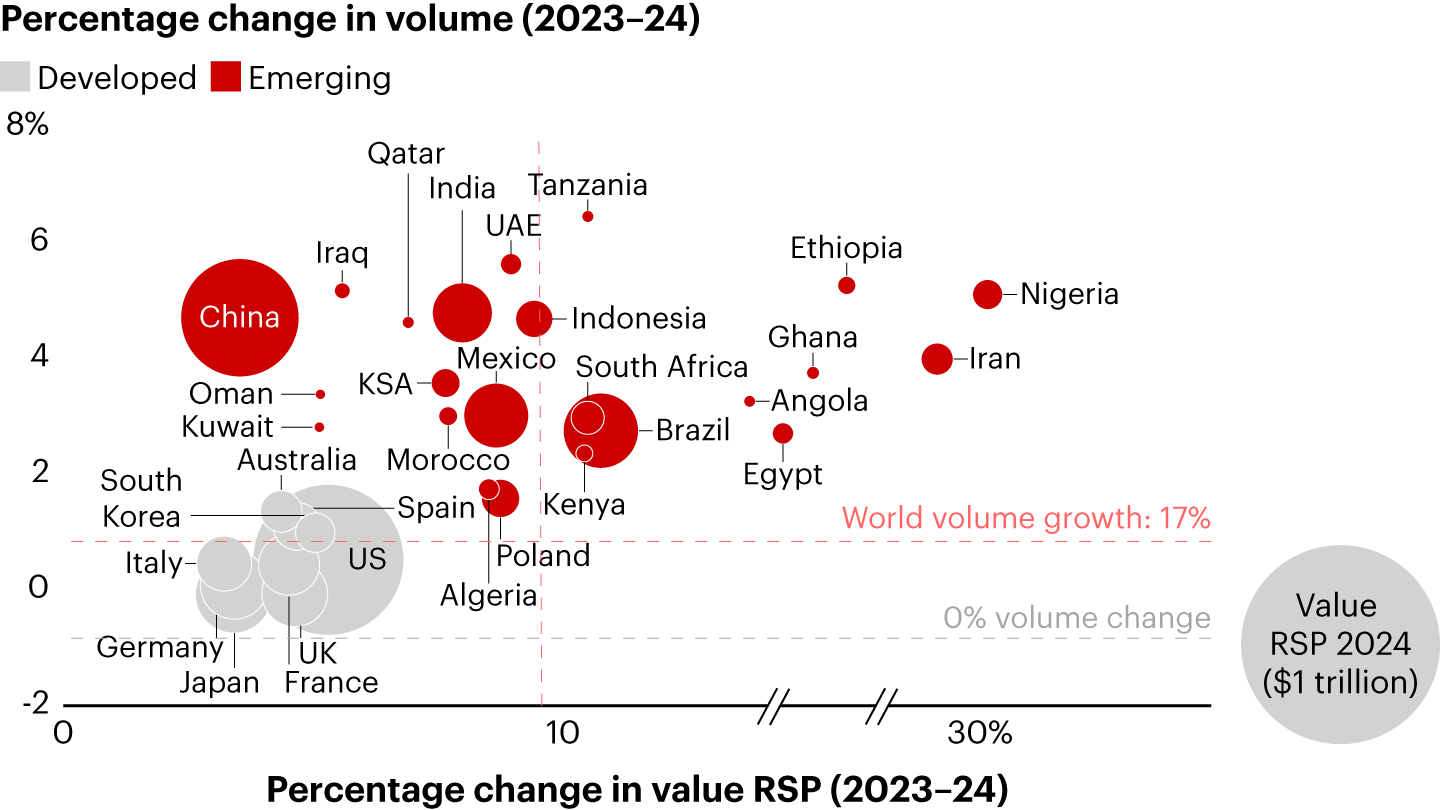

Notes: RSP is retail selling price; size of bubble and percentage change in value RSP and volume are based on Euromonitor data, except India and China (which rely on Kantar) and Australia (Circana); Euromonitor categories exclude consumer health and tobacco; alcoholic beverages and soft drinks RSP data is inclusive of both off-trade (retail) and on-trade (B2B) sales; percentage change in volume is calculated as weighted average of change in volume of subcategories (based on 2024E, last 12 months from September 2024, or last 12 months from June 2024 value sales, depending on data source)
Sources: Euromonitor; Kantar; Circana; Bain analysisMarket size and structure
MENA’s CPG market is robust (see Figure 4). As of 2024, the MENA CPG market totals more than $450 billion in fast-moving consumer goods sales, comprising around $200 billion in food and beverage (F&B) and $250 billion in non-F&B categories (including personal care, home care, and related segments). Egypt, having recently rebounded from macroeconomic turbulence, is now leading the regional CPG market with an estimated $67 billion in sales, closely followed by Saudi Arabia at around $65 billion.
Figure 4
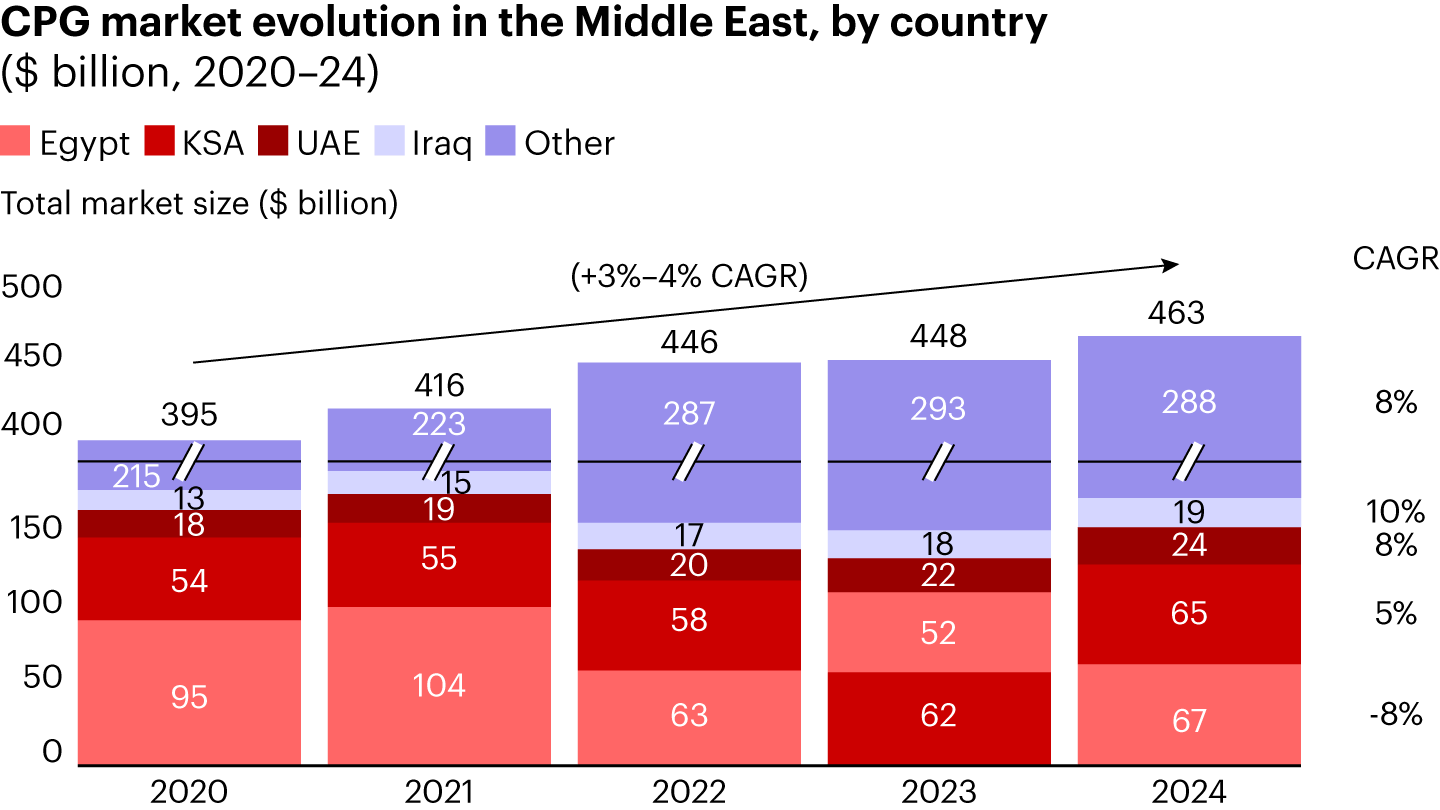

Note: Other includes Bahrain, Oman, Qatar, Kuwait, and Syria; market size at December 2025 values; the decline observed in the Egypt CPG market is primarily due to the 2021–23 currency depreciation
Sources: Financial data of listed companies; EuromonitorThe region’s growth has been supported by robust structural fundamentals. For example, population size is on a steady upward trajectory, laying the groundwork for sustained long-term demand. Easing inflation and anticipated interest rate cuts have enhanced disposable income and improved consumer spending. Government-led initiatives to lessen dependence on oil have paid off, creating new economic opportunities with the intent to lower unemployment rates.
CPG executives are feeling the effects of the favorable environment. In interviews, most CPG leaders reported that their companies outperformed expectations. More than three-quarters said EBIT performance improved over the previous year, and two-thirds said it exceeded their forecasts.
Revenue growth was observed in every main CPG category, and profit grew in absolute terms. However, the news wasn’t all positive—margins are still getting squeezed.
Rising cost pressures
Several regional factors have increased costs for CPGs. On the logistics side, costs continue to rise—and may increase further as government subsidies progressively disappear. Labor costs are escalating due to regional wage inflation, requirements to hire local workers (particularly in the KSA), and the higher skill level these jobs require.
Governments are updating industry-specific regulations frequently, introducing more complexity and higher compliance costs. Certain countries, such as Egypt, are also managing currency volatility and its effects on import costs and consumer purchasing power.
The MENA region has not been insulated from global disruptions or macroeconomic headwinds. Inflation has weighed on margins around the world, contributing to increasing costs in raw materials, energy, and production. The Red Sea crisis disrupted vital shipping lanes, increasing logistics costs and delivery timelines for imports and exports. These factors add pressure to supply chains and operating margins, particularly for CPGs that rely on smooth cross-border trade.
The new US reciprocal tariff policy (effective April 2025) subjects most non-excluded goods from the UAE and Saudi Arabia to a 10% tariff, in addition to existing US Section 232 tariffs (e.g., 25% on steel and aluminum, later increased to 50% as of June 2025). However, export of energy and energy products are explicitly excluded from the reciprocal regime, moderating direct impacts on oil exports. The layered tariff regime and policy uncertainty pose a headwind, which CPG and supply-chain executives must monitor closely. Both the UAE and KSA are engaging with US negotiators to seek adjustments—particularly on metals—and are attempting to position themselves as alternative nodes in shifting global supply chains.
Despite these challenges, the MENA market is expected to continue expanding steadily, and regional executives remain confident. About 77% of the leaders interviewed expressed a positive growth outlook, with nearly a quarter describing their expectations as “extremely positive” (see Figure 5). Indeed, the MENA market is projected to reach up to $650 billion by 2030, at a growth rate of 5% per annum (see Figure 6).
Figure 5
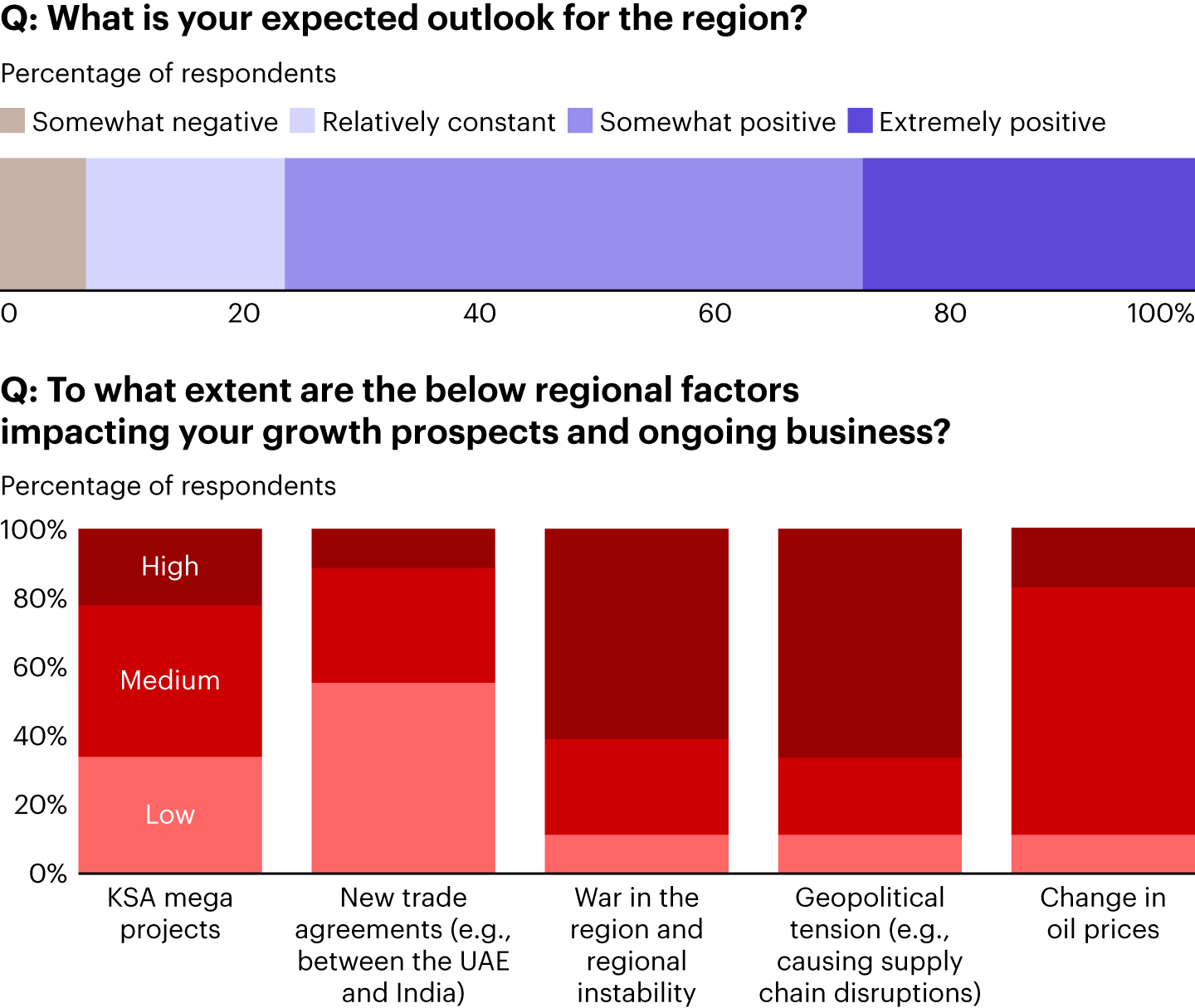

Figure 6
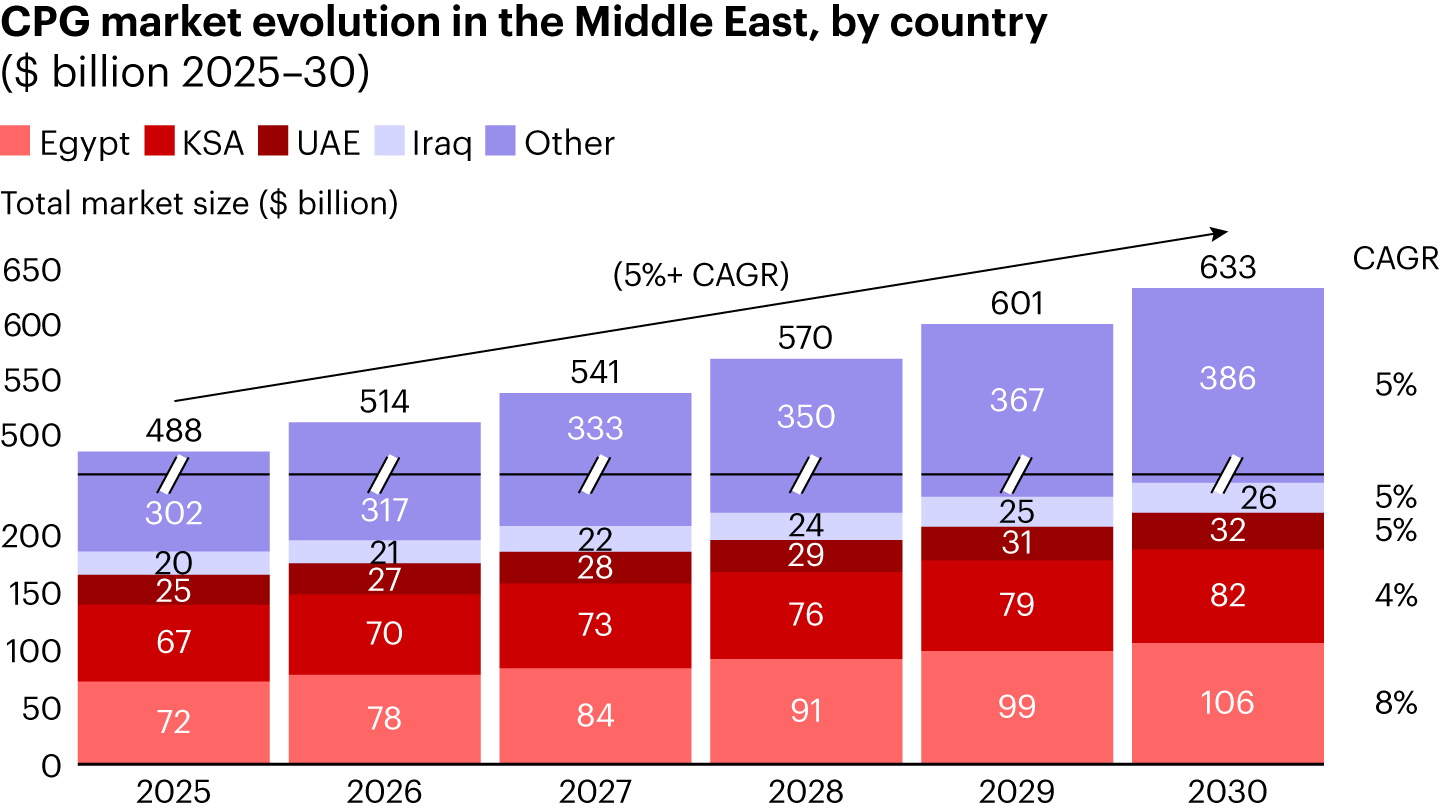

Note: Other includes Bahrain, Oman, Qatar, Kuwait, and Syria; the KSA is at an inflexion point as a considerable share of the CP spend is driven by government support programs. While there is cause for optimism, the KSA forecast seems uncertain as the level of government investment expected for the next few years will have a big impact on the evolution of the CP industry
Sources: Financial data of listed companies; EuromonitorRegional market dynamics
Within the MENA region, notable disparities exist, particularly between Gulf Cooperation Council (GCC) countries and Egypt.
GCC countries: growth markets
In the coming years, Gulf Corporateion Council (GCC) countries are positioned to benefit from favorable demographics, rising disposable incomes, and government-led reforms. Population growth is expected to climb steadily at around 2% year over year. More than half of the GCC’s population is under 30, and rapid urbanization is fueling demand for consumer products, modern retail formats, and global brands.
Increased salaries in the UAE and the KSA are also driving consumption. The average monthly household income for Saudis exceeds 18,000 SAR (approximately $4,800), providing purchasing power for more discretionary spending.
Government oil diversification agendas, such as the UAE’s industrial strategy and Saudi Vision 2030, are reshaping local economies. GCC governments have invested in the retail, manufacturing, and tourism sectors while implementing supportive regulatory and infrastructure reforms.
The UAE: A mature and diverse market
The UAE presents unique opportunities and challenges for CPGs.
Dubai’s population is still on a rapid growth trajectory and could reach 5.8 million people by 2040, driven by the city’s urban master plan and global positioning. Notably, Emiratis comprise only about 12% of the population.
Expatriate flows fluctuated during the pandemic, then surged with the Russia-Ukraine conflict. Hundreds of thousands of Russians and Ukrainians have fled the conflict and moved to the UAE. Demographic changes are reshaping the consumer base and prompting firms to develop tailored offerings for diverse national groups.
GDP per capita and wages are both expected to rise in the UAE, strengthening consumers’ purchasing power. However, the UAE market is more mature and consolidated than other markets, including the KSA—and that changes the growth equation. In the UAE, CPGs can pursue growth through premiumization, innovation, and channel evolution rather than structural modernization.
The UAE’s e-commerce penetration is already 12%–14% of retail sales, which is among the highest in the MENA region. It’s expected to climb to 20%–25% by 2030, capturing roughly 60% of incremental growth. Fashion, beauty, and online grocery delivery are leading the charge in terms of expected growth.
Meanwhile, inflation and cost-of-living pressures are increasing demand for cash and carry (C&C) formats. Discounters and private-label offerings are poised to expand, particularly in grocery and household categories.
The UAE’s food service sector experienced a strong post-Covid rebound. Casual and fine dining have benefited from affluent consumers and a constant inflow of tourists. Growth is forecast in the mid-single digits through 2030, with chains and premium international brands growing faster than independent proprietors.
Egypt: A high-volume, value-focused opportunity
Egypt offers significant long-term potential as one of the region’s largest consumer markets. It has more than 100 million people and is projected to reach approximately 130 million by 2030. However, Egyptian consumers and investors face severe financial pressures and ongoing subsidy reforms.
The Egyptian pound has undergone substantial depreciation in recent years, especially following repeated devaluations since 2019, and inflation is often culminating near 20%. GDP growth projections are expected not to exceed 3%–4% CAGR from 2024 to 2030.
While a sizeable middle class is emerging, most Egyptian households remain in lower-income brackets. Average monthly salaries are estimated at around $250–$300, limiting discretionary spending among much of the population and reinforcing the importance of affordability and value positioning.
About 70%–80% of Egypt’s CPG volume moves through wholesalers. However, modern trade channels are emerging, mostly concentrated in Cairo, Giza, and Alexandria. Currency depreciation makes importing costly, driving many CPGs toward domestic production.
A growing segment of younger urban households is beginning to drive demand for packaged goods and modern retail formats. This polarization—between a price-sensitive mass market and a smaller but aspirational middle class—mirrors Egypt’s consumption outlook: high-volume value categories are likely to dominate, balanced by selective growth in branded and premium offerings.
MENA’s evolving consumer landscape
Despite macroeconomic uncertainty, MENA consumer sentiment is considered resilient, earning a 6.0 out of 10 rating, on average, in Bain’s recently conducted consumer study. That’s comparable to Europe and just below US levels. The KSA and UAE scored highest in the region at 6.8 and 6.6, respectively. Egypt and Iraq rated lower (5.0 and 4.9, respectively), reflecting their countries' structural pressures.
MENA’s consumers are navigating a world where time, values, and identity matter just as much as price and product. Brands must recalibrate their strategies to address shifting routines, heightened scrutiny, and deeper personal values.
Time scarcity is a universal challenge
Time scarcity is emerging as a regional pressure point. About 37% of MENA consumers said they don’t have enough time for daily essentials—making them more time-strapped than global peers. Millennials feel this pressure acutely, while older generations report the opposite, marking a clear generational divide. For brands, convenience and simplicity are no longer differentiators—they have become table stakes.
Selective, values-driven spending
Consumer spending behaviors reflect a shift from broad-based consumption to more intentional choices. Consumers are not pulling back—in fact, total spend continues to grow—but they are becoming more selective about how and where they shop.
Core categories such as groceries, housing, and personal care remain strong, while discretionary segments, such as dining out, fashion, and entertainment, show different behaviors across consumer groups. Lower-income households anchor their spending in essentials, whereas middle- and high-income consumers increasingly seek out premium, purposeful, and aspirational products and experiences. Consumers aren’t spending less; they’re spending more selectively, rewarding brands that deliver the most value, trust, and relevance.
Channel evolution and digital adoption
In the grocery segment, in-store shopping remains the dominant channel, but online continues to grow, especially among urban, younger, and higher-income consumers. Satisfaction with online grocery still trails global benchmarks due to stock and delivery issues, yet adoption is rising quickly as MENA consumers embrace hybrid shopping habits.
Health and wellness aspirations increasingly influence purchasing decisions. Most consumers say health is a top priority, but follow-through is inconsistent. This creates opportunities for brands that can help consumers translate intent into achievable, everyday behaviors.
Identity-driven brand relationships
Identity is a core driver of new purchasing decisions and shopping habits. MENA consumers anchor themselves in family, spirituality, education, and work, with Gen Z leaning into self-betterment and older generations emphasizing legacy and stability.
Belief-driven consumption is especially pronounced in the region. More than half of MENA consumers have boycotted brands over value misalignment—three times the rate of their US or EU peers—making value alignment a top factor in brand choice alongside price and quality.
MENA consumers are not retreating from consumer products; they’re reengaging. They are more discerning, more vocal, and more empowered—and they’re redefining what relevance means. For CPGs, the mandate is clear: Reduce friction, elevate value, and align deeply with identity and values. Those that succeed will capture CPG spending. Equally important, they’ll build trust and cultural resonance in one of the world’s most dynamic consumer landscapes.
A closer look at the KSA’s CPG market
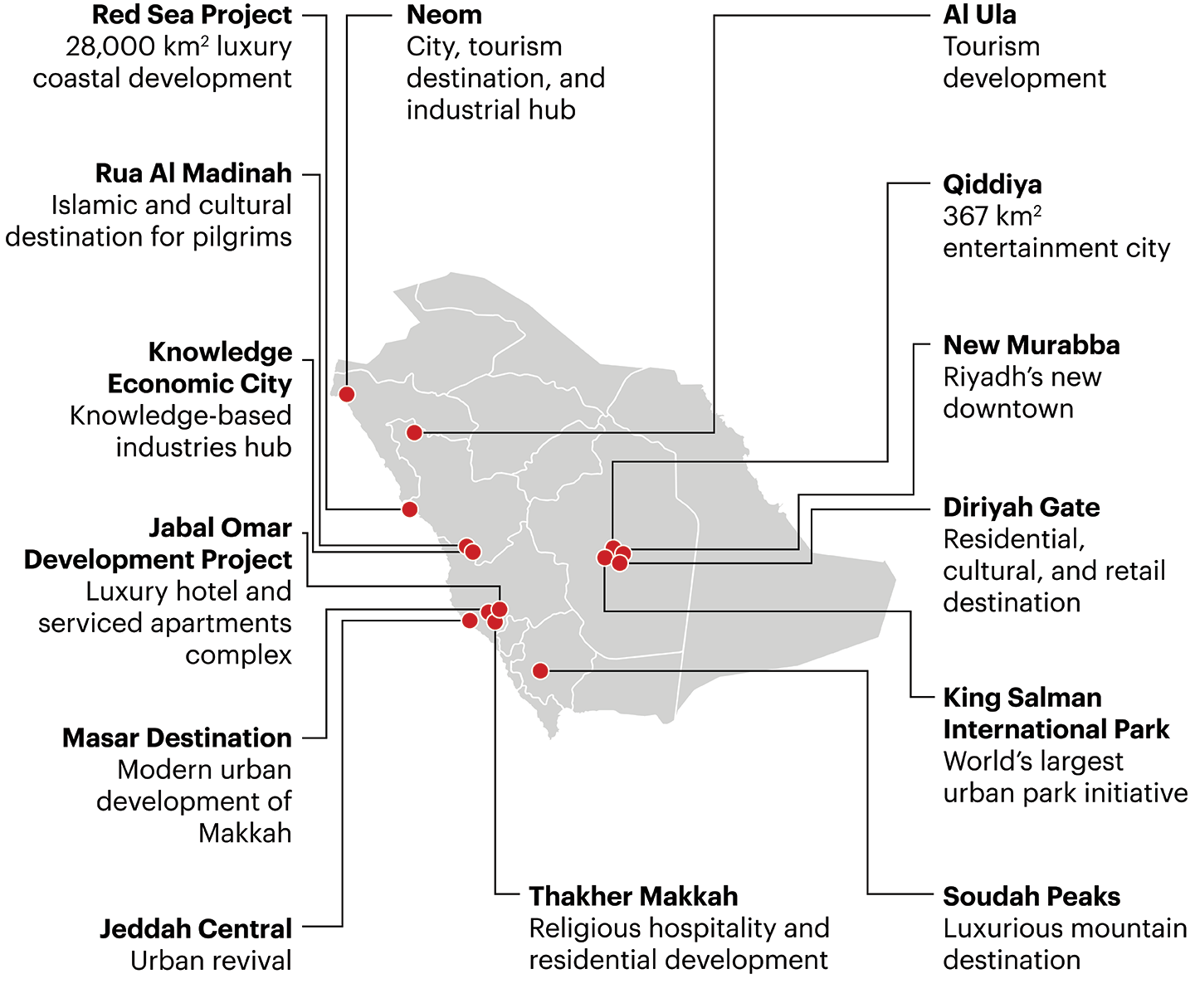
The KSA is experiencing a profound and multifaceted transformation, propelled by strategic ambitions outlined in Saudi Vision 2030. Large-scale infrastructure investments are central to this change, designed to reposition the KSA as a global economic and cultural hub (see Figure 7). High-profile international events, including Expo 2030 Riyadh and the 2034 FIFA World Cup, underscore the country’s aspirations for an elevated global presence.
Figure 7

Demographic shifts
Massive transformations undertaken by the KSA are likely to have an impact on both the population and the tourist inflow expected in the next 10 years (see Figures 8 and 9).
Figure 8
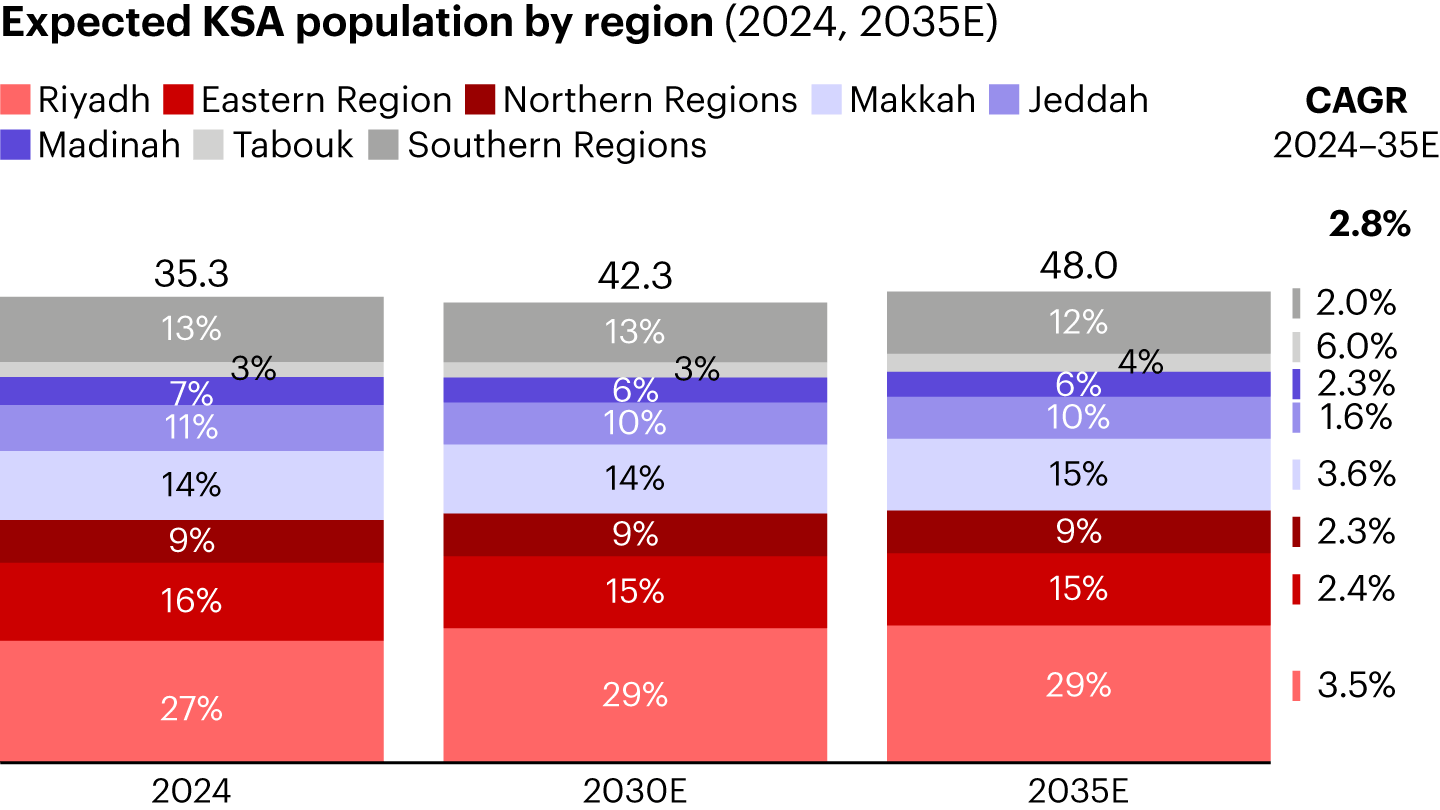

Figure 9
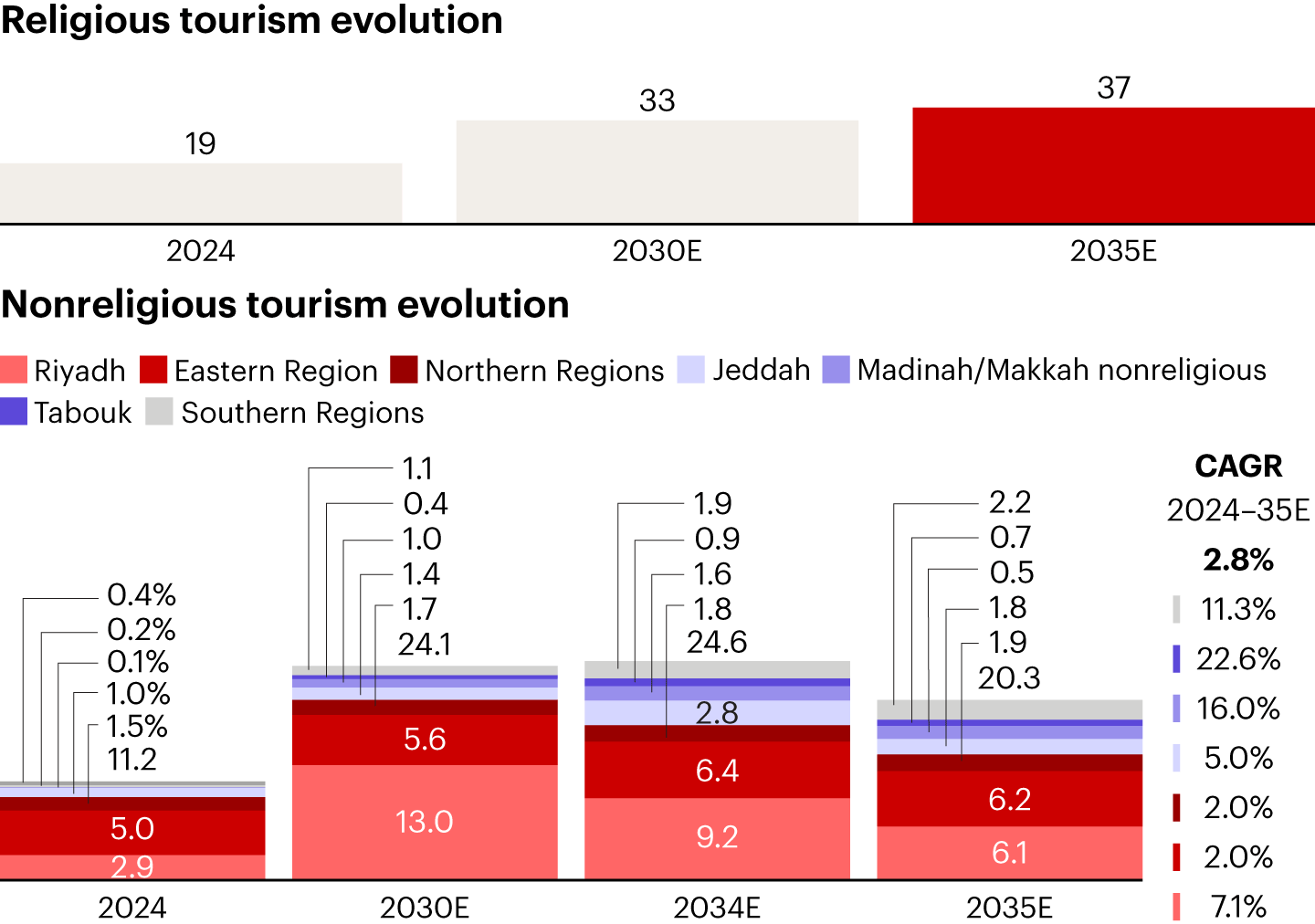

Notes: 1) Includes projections for Expo 2030 Riyadh; 2) Includes projections for the 2034 FIFA World Cup
Sources: Bain elaboration on Ministry of Umrah and Hajj; expert interviews; lit. searchRapid modernization is profoundly reshaping the KSA’s sociodemographic landscape, creating increasingly diverse consumer segments. One of the most notable changes is the substantial increase in female education and workforce participation. Nearly 75% of university students are women, and female workforce participation has reached nearly 35%.
Traditional household structures are also evolving. Fertility rates declined from 5.9 children in 1990 to 2.3 in 2020 and are projected to fall to 1.8 by 2040. Meanwhile, the population is aging. The median age is expected to more than double—from 18 in 1990 to 39 by 2050. By then, 20% of Saudis are projected to be over 65.
Parallel to these shifts, the population mix is rapidly transforming. Expats and tourists are expected to comprise nearly half of the total population by 2030.
Economic pressures and opportunities
Structural pressures overlay these demographic changes. Wage growth lags inflation, youth unemployment stands at around 17%, and household debt is often rising. About 42% of consumers are already using buy now, pay later (BNPL) solutions.
These demographic shifts contribute to more varied and segmented consumer behaviors, preferences, and priorities (see Figure 10).
Figure 10
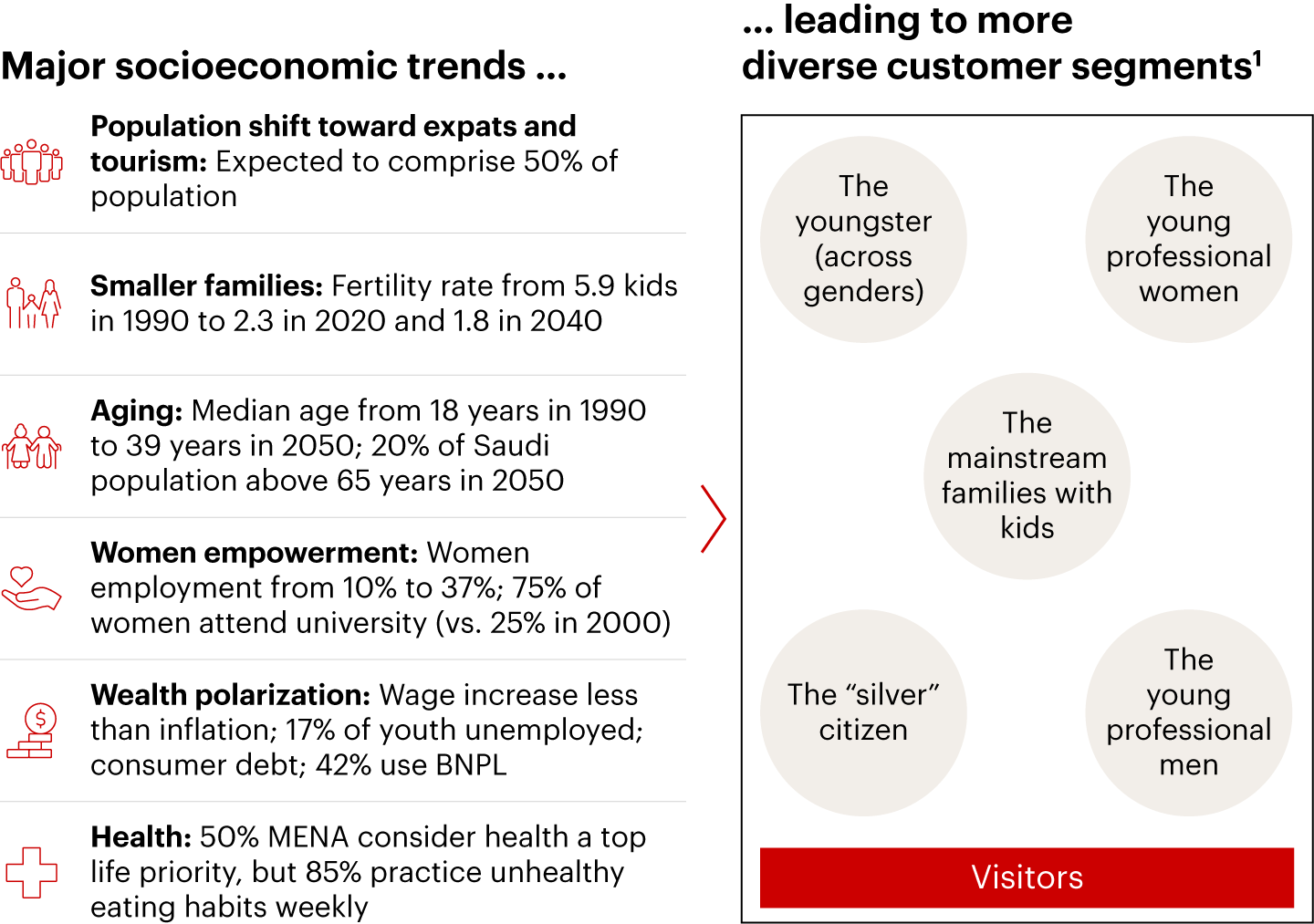

Notes: 1) The diversification of customer segments is seen across all income levels; BNPL is buy now, pay later
Source: Bain analysisChannel transformation
Evolving consumer needs are also driving channel shifts. Between now and 2030, 70% of incremental growth in F&B is expected to come from e-commerce (growth of 20 billion SAR) and food service (growth of 15 billion SAR) channels.
E-commerce in F&B is expected to grow 30%–35%, fueled by digital infrastructure improvements, enhanced logistics, and increasing demand among young, tech-savvy consumers. More broadly, the e-commerce channel currently accounts for about 14% of total F&B retail sales in the KSA—but claims 70%–90% of retail growth.
Within e-commerce, e-grocery is a particularly promising segment, with penetration expected to reach roughly 3% by the end of 2025 and 12% by 2030. If those projections hold, e-grocery would represent 70% of total market growth by 2030.
Food service is forecast to grow at 4%–6% CAGR, driven by busier households and tourism expansion (see Figure 11). Restaurant sales have grown approximately 7% year over year over the past three years. Casual and fine dining are currently underdeveloped but poised to grow as domestic tourism increases. Consumer tastes are also evolving, and premium international brands are entering the market. Chains are expected to outpace independent establishments.
Figure 11
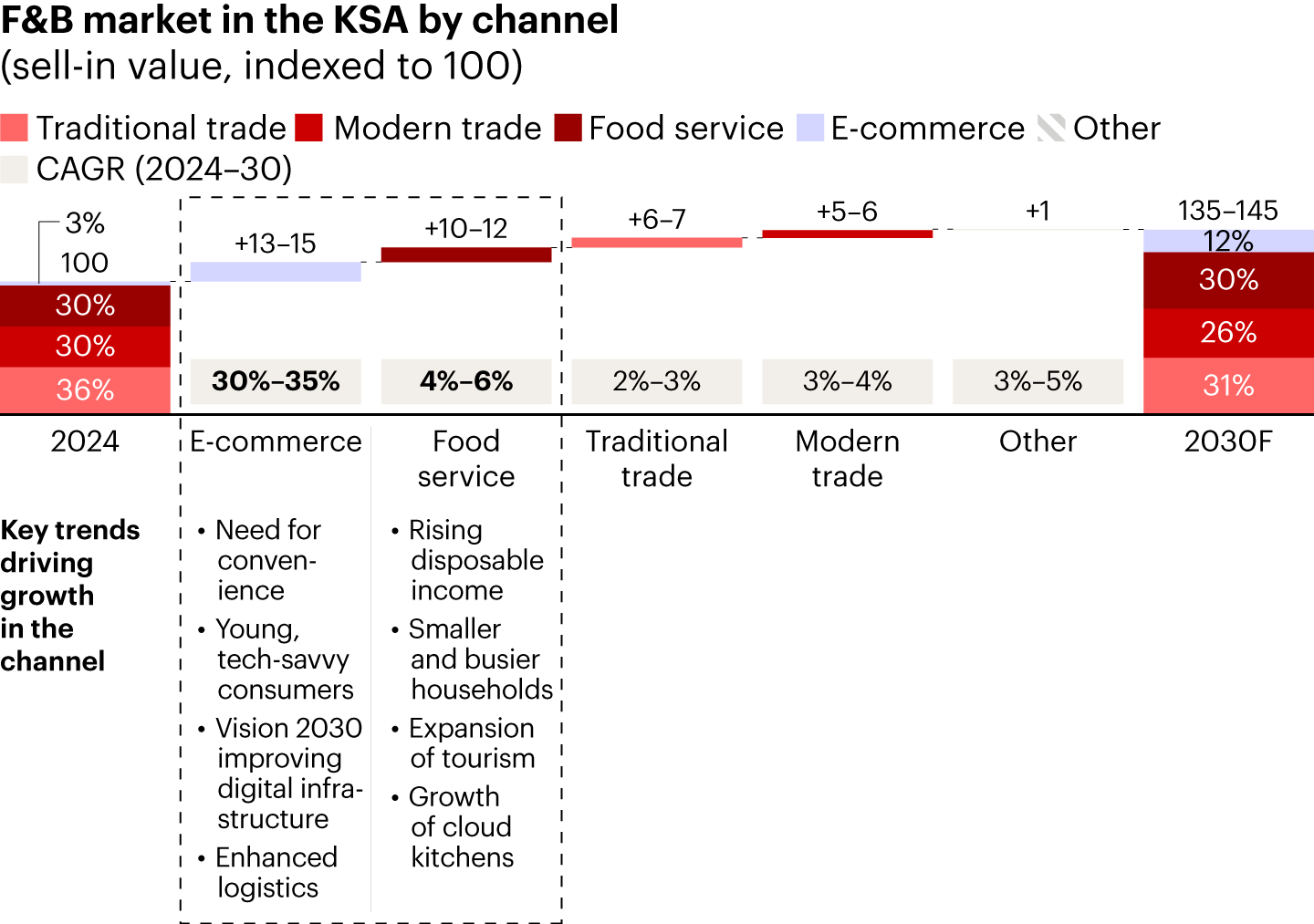

Notes: Other includes specialist outlets (e.g., butcher shops, confectionery stores) and vending machines; methodology: 2024 sell-out market values aggregated from multiple sources and applied COGS percentage and CAGR by channel to estimate 2024 and 2030 sell-in market values
Sources: Euromonitor; Bain analysisRetail modernization
Organized retail has been expanding steadily in the KSA, gaining nearly 10 percentage points in market share over the past decade. Government-led reforms, rapid urbanization, and consumer demands for quality, assortment, and reliability have contributed to the shift. Compared to markets with similar GDP per capita, organized retail is still relatively low in the KSA.
As the retail market matures, organized trade is likely to consolidate. The top five retail players currently control around 44% of the organized market—a relatively low percentage compared to more developed economies. M&A activity is likely to intensify, with local chains such as Al Raya emerging as potential acquisition targets. Steep capital requirements and tight margins have limited the threat of new entrants, except in discount formats.
Discount C&C retail formats are nascent in the KSA but show promise. The KSA has a sizable market, increasingly price-sensitive consumers, and pronounced income polarization. Together, these form a strong foundation for value-oriented retail growth. Local C&C players, such as Economic Hall and Aofarlk, have emerged, but there are no major global players in the space yet.
The competitive landscape
The KSA’s competitive environment is becoming increasingly dynamic. Regulatory reforms have made it easier for both local and foreign businesses to enter and operate within the market, resulting in a significant influx of new players. Many established companies are pursuing localization strategies—about 26% of the companies surveyed plan to localize their manufacturing operations within the KSA.
However, companies undergoing localization will have to navigate a “new normal.” The cost of doing business is rising as government subsidies phase out. Requirements to localize the workforce (Saudization programs) are also driving labor costs, and regulatory frameworks have become increasingly complex.
Strategic and operational fundamentals are also shifting. Historically, the UAE—particularly Dubai—functioned as a central commercial hub for MENA operations. This model is losing some relevance. As the KSA positions itself as a regional business and investment center, some companies are reassessing their regional footprints, supply chains, and governance models.
Local and insurgent brands
Nationalistic consumer sentiment has also played a pivotal role in reshaping market dynamics. Local brands have gained substantial momentum, benefiting—at least in the short term—from consumer boycotts targeting Western brands, particularly US-based companies. This environment has given local firms a boost in market share and visibility, enabling rapid scaling and enhanced competitiveness.
Similar to global trends, the KSA is witnessing a rise of insurgent consumer brands carving out distinctive positions. Emerging players are delivering clear value propositions, cultural relevance, and the ability to address specific lifestyle and demographic shifts. Notable examples include Lamsa Chocolate, whose upscale confectionery items align with the KSA’s gifting culture, and Ola, a hair care brand gaining traction through digital-native, youth-focused marketing.
Three strategic imperatives for CPGs in MENA
CPGs operating in the MENA region face complex challenges: They must simultaneously win back investors and customers, revive volume growth, and reclaim ground lost to insurgents and local incumbents. Success requires investing in productivity programs that improve margins while freeing up cash to support investments in technology, advertising, and promotion.
Three strategic approaches can help CPGs navigate this transformation successfully:
- Rethink the algorithm for sustainable growth.
CPGs need to make bold moves and execute flawlessly to maximize core market profit pools and expand categories and geographies to access new profit pools. - Reinvent around continuous productivity.
This imperative goes beyond traditional cost-cutting. CPGs must simplify their portfolios and operations so they can focus on growth and develop distinctive competitive advantages for the future.
About one-third of the regional executives interviewed intend to overhaul their route-to-market models to optimize distribution and lower costs. - Redefine AI and technology’s role in the business model.
CPGs must scale value-generating digital tools today while simultaneously reimagining their business models for tomorrow.
About 91% of the global executives interviewed recognized the long-term strategic importance of generative AI solutions, yet only 6% reported having a clear and actionable roadmap to activate their ambitions by the end of 2025. This gap between aspiration and execution reflects a broader challenge: Many CPG executives acknowledge generative AI’s transformative potential but struggle to identify specific problems it should solve.
The challenge is compounded by the pace of technological change. Steep upfront integration costs can also negate short-term returns. However, CPGs that crack the code can use AI to develop new solutions and engage directly with highly targeted consumer segments.
Conclusion
The MENA region stands out as one of the most dynamic frontiers for consumer products globally. Structural fundamentals remain strong, fueling long-term demand even as short-term headwinds such as inflation, supply chain pressures, and geopolitical uncertainty intensify.
The region’s consumers are not retreating. They’re becoming more selective, values-driven, and digitally engaged. This evolution is reshaping not only what people buy, but also how, when, and why they engage with brands.
Winning in this environment requires more than importing global playbooks. CPGs must tailor their approach to MENA’s unique context by:
- Rethinking growth algorithms to protect core profit and win local consumers while boldly expanding into new categories and geographies.
- Pursuing continuous productivity to free up resources and reinvest in strategies that fuel topline growth.
- Redefining the role of AI and technology. It’s time for CPGs to move from aspiration to execution, using digital solutions to unlock customer intimacy and operational excellence.
CPGs that resonate with MENA consumers will do more than capture growth—they will shape the region’s consumer future. With decisive leadership, bold strategies, and disciplined execution, CPGs can secure both resilience and relevance, positioning themselves as trusted partners in the everyday lives of MENA consumers.
The opportunity is significant. The only question is how quickly and how boldly CPGs can transform to win.
Published in December 2025