

Report

At a Glance
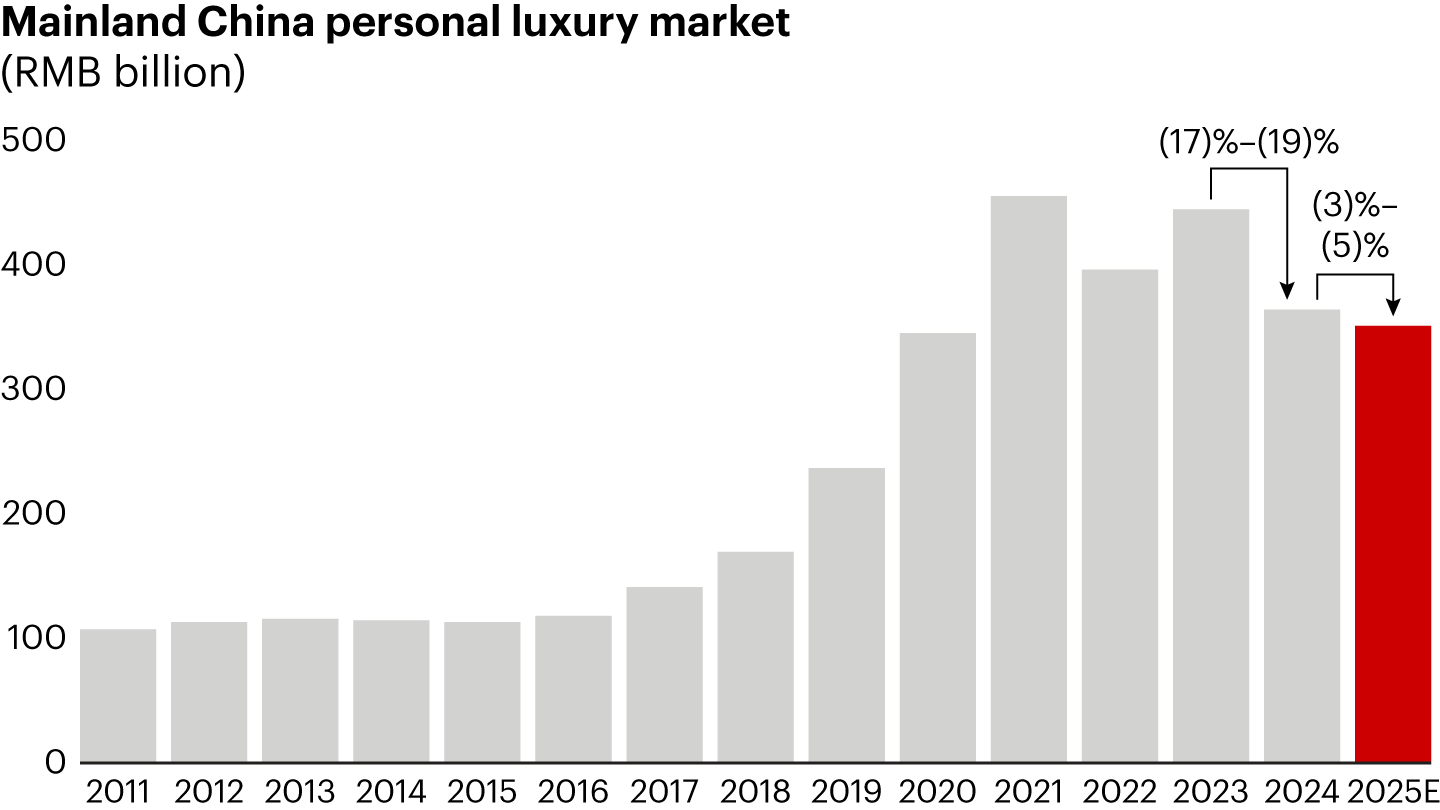
- In 2025, the mainland Chinese personal luxury market contracted 3%–5% but showed signs of recovery, starting in Q3.
- Category performance was mixed. Beauty rebounded, while other categories, such as watches, continued to struggle, and fashion outperformed leather goods and bags.
- Overseas luxury spending declined sharply. Weak currency and narrowing price gaps between mainland China and key luxury markets curbed demand for spending abroad. Daigou sales increased slightly but were restrained by brand-protection measures.
- Domestic brands captured more share by appealing to cultural connections and local preferences.
- Although it is a small portion of the total luxury market, the secondhand market showed strong growth (15%–20%). Livestreaming played a key role in the market’s expansion.
- More cautious and knowledgeable consumers are driving a transition to a slow growth pattern. Signs of continued recovery are expected in 2026, and the potential for long-term recovery remains great as overall domestic consumption improves.
In 2025, the Chinese luxury market continued to recalibrate, starting a gradual recovery as consumer confidence remained cautious. Discretionary spending was still restrained as consumers became more selective and prioritized value-driven luxury items that balanced quality, exclusivity, and practicality. The trend toward experience-based consumption—including travel and wellness purchases—held steady, reflecting an ongoing preference for emotional and sensory experiences over material goods.
In general, brands catering to affordable luxury and ultra-premium segments emerged as winners, delivering perceived “true value.” These brands demonstrated strong connections with affluent young consumers or ultra-wealthy individuals.
In contrast to 2024, the share of overseas spending declined in 2025. A weaker renminbi narrowed cross-market price gaps, diminishing the appeal of international shopping. In addition, ongoing shopping mall promotions and the expansion of domestic tourism boosted consumption repatriation.
As a result of these multiple trends, the mainland Chinese personal luxury market experienced a more moderate decline of 3%–5%, after a steep decline of 17%–19% in 2024 (see Figure 1).
Figure 1

Note: RMB is renminbi
Sources: Bain-Altagamma 2025 Worldwide Luxury Market Monitor; Bain analysisQuarter-by-quarter performance
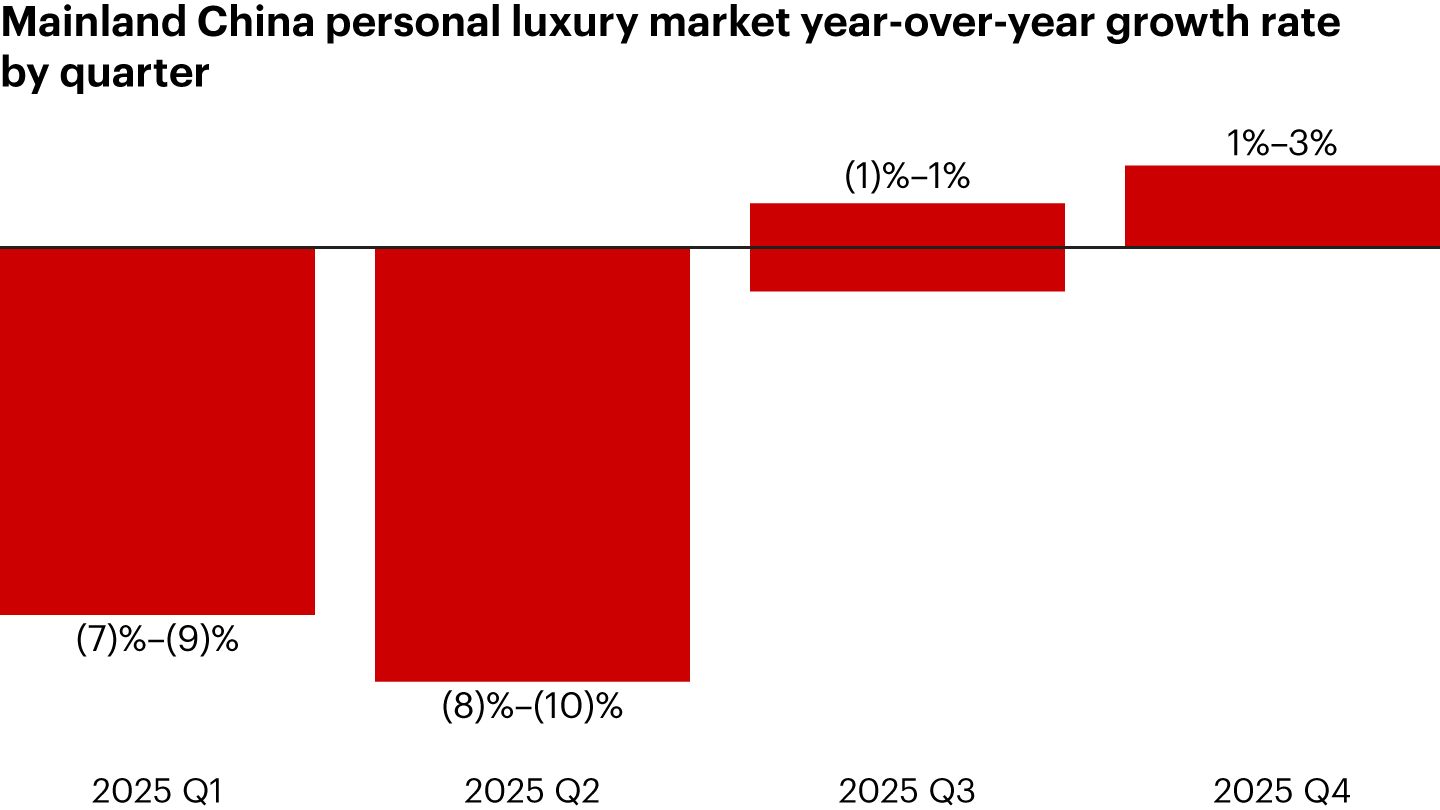
The slowdown persisted through the first half of the year, though the market saw a modest Spring Festival boost. Sequential declines persisted through June.
However, a recovery started to emerge in the third quarter. Recovery in the second half was supported by favorable base effects (second half of 2025 vs. second half of 2024), a robust stock market and a resurgence in consumer confidence.
The trajectory of the recovery was confirmed in the fourth quarter, particularly in the fashion and leather categories (see Figure 2).
Figure 2

Beauty is the strongest performer among segments
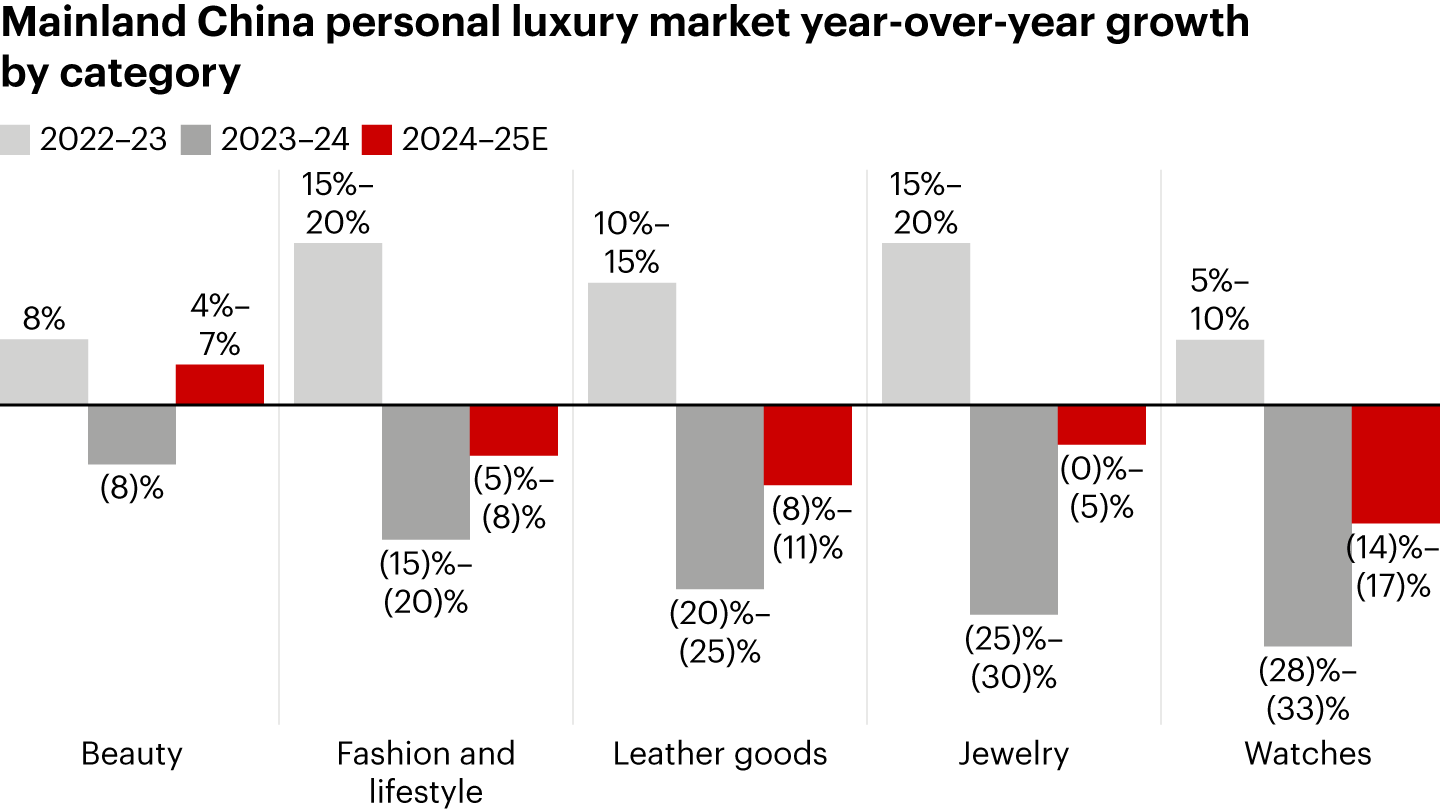
Luxury market performance varied by category. The beauty sector, a standout performer, rebounded with 4%–7% growth (see Figure 3). The demand for ultra-premium skin care and fragrances has kept steady as consumers increasingly seek emotional and sensory experiences, which remain highly valued even amid economic uncertainty.
The fashion segment demonstrated stronger resilience than leather goods, driven by a higher degree of innovation and stronger engagement with both top and aspirational consumers. Other amplifying factors included accelerated digitalization across the entire value chain and shorter product life cycles. These factors particularly benefited the ready-to-wear category, which aligned itself with consumer demand for self-expression and social experiences. This segment’s resilience reflects the increasing maturity of China’s luxury market.
Leather goods, a segment relatively more dependent on aspirational buyers, continued to struggle, with an estimated decrease of 8%–11% (see Figure 3). The category suffered from past and ongoing price increases and limited innovation, making it difficult for consumers to justify purchases.
Jewelry also showed strong improvement compared to 2024, with its expected decrease narrowed to 0%–5%. Consumers, particularly those focused on value preservation, continued to gravitate to jewelry purchases, especially fine jewelry. The increasing price of rare metals also reinforced the asset value represented by jewelry.
Watches, however, remained under severe pressure, with an estimated decline of 14%–17% (see Figure 3). Consumers became more rational in their watch purchases, influenced by a shift in preferences toward other investment assets, the availability of secondhand alternatives, and the growing appeal of sporty and smart-device alternatives.
Within these categories, the most resilient brands maintained strong brand equity and desirability through innovation and targeted pricing strategies.
Figure 3

Luxury market grows with wealth creation
In China, personal luxury market penetration is closely linked to consumer confidence and has advanced alongside wealth creation. Over the past 25 years, the first wealth-creating generation has enabled luxury market penetration and expansion, shifting the motivation for consumption from having luxury items to increase status to developing more refined preferences.
This evolving landscape is further shaped by an increasingly discerning, sophisticated, and highly segmented luxury consumer base, with three key segments influencing market dynamics:
- Top consumers: Continues to account for a large share of sales for premium brands across the jewelry and ready-to-wear categories
- Middle-aged, upper-middle-class consumers: Remains deeply rooted and active in the market, with incremental buyers coming from lower-tier cities
- Next generation of aspirational consumers: Faces limited economic opportunities and weaker upward mobility, and has delayed entry into the luxury category, which is the key factor curbing new consumer acquisition and slowing overall luxury penetration growth
Overseas shopping decreases
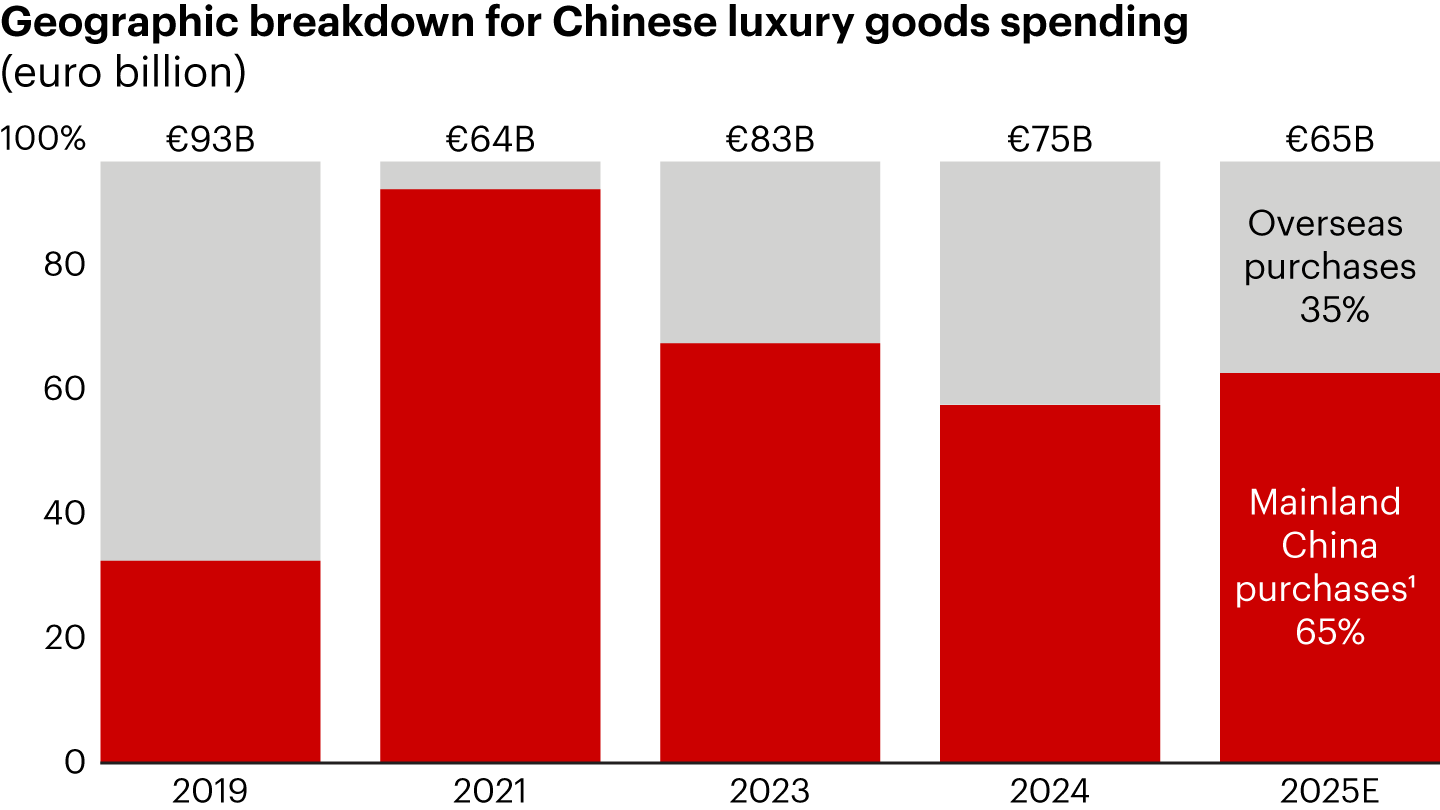
In 2025, overseas shopping continued to play a significant role, but overall cross-border spending decreased, with only 35% of mainland Chinese luxury purchases made abroad (see Figure 4). Despite a strong recovery in overseas tourism, 65% of Chinese luxury spending occurred within mainland China, reflecting a growing preference for domestic luxury purchases and for travel experiences outside the mainland.
Figure 4

Note: 1) Excludes duty-free sales from inbound tourists
Sources: Bain-Altagamma 2025 Worldwide Luxury Market Monitor; Global Blue; Bain analysisFurther reducing the incentive for Chinese consumers to shop abroad was a significantly narrowed price gap between mainland China and key luxury markets (such as Europe and Japan).
Conversely, because of the no-visa policy for many countries, the more fluid tax refund policy, and the broad product choices and shopping experience offered in mainland stores, some foreign consumers bought luxury products in mainland China. However, these inbound travelers’ purchases represented a very small portion of the total mainland China personal luxury market.
Daigou market remains strong, but uneven across brands
Overall, daigou activity remained elevated in 2025 despite the increased efforts of brands to regulate gray market sales, protect brand equity, and maintain pricing integrity in mainland China. The top 45 brands on daigou platforms tracked by Re-Hub showed a slight increase in sales of 3% in 2025, compared to 5% in 2024. Brands have ramped up anti-daigou measures, narrowing price gaps, controlling their overseas supply chains, implementing ID-based controls, amplifying official offline channels, and limiting access to unofficial sales channels.
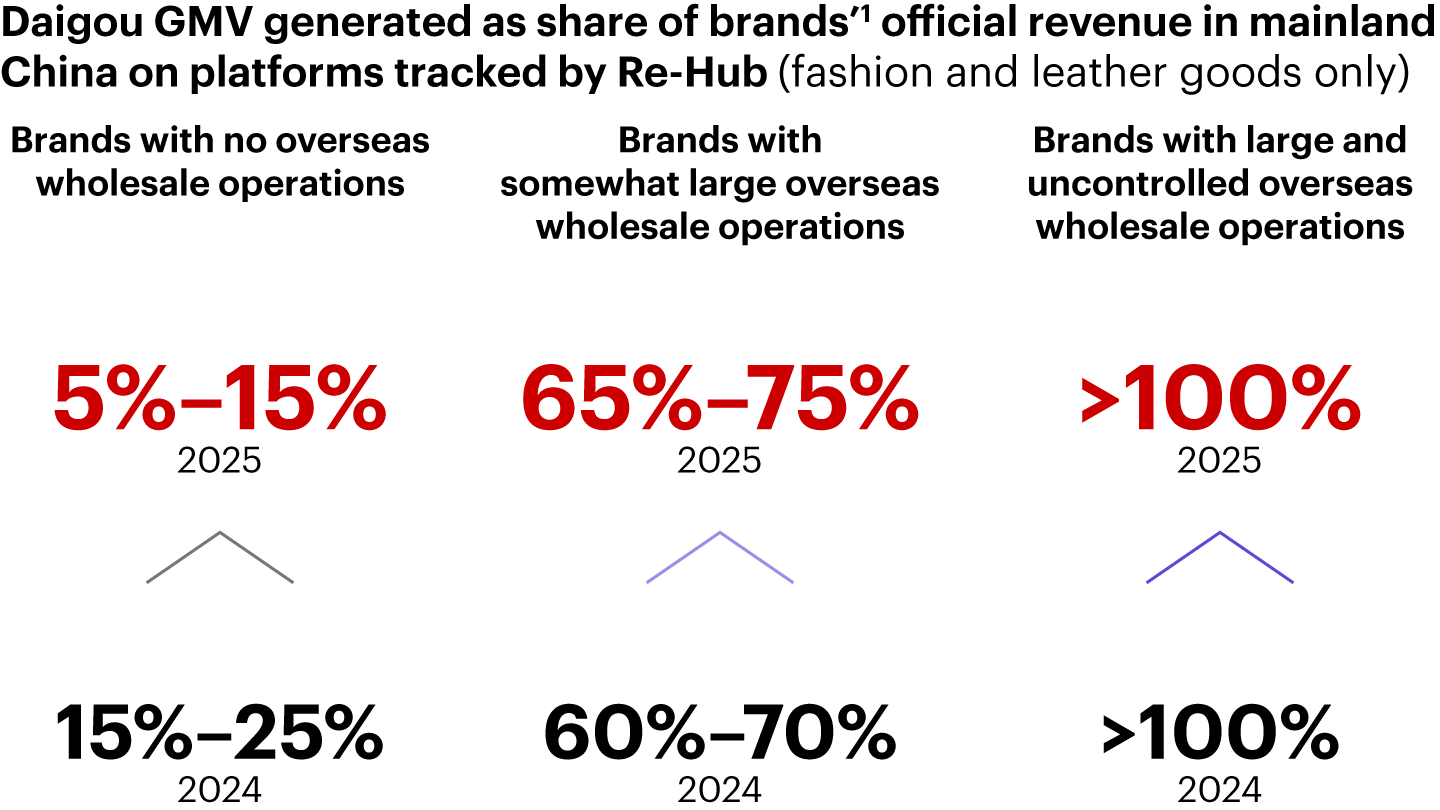
To examine the effect of daigou sales on specific brands, fashion and leather goods luxury brands were clustered into three buckets according to their degree of control of the daigou channel, in particular their overseas supply chains. Not surprisingly, brands with limited or tightly controlled wholesale overseas channels have seen their daigou sales decline compared to 2024, and daigou sales represent only 5%–15% of their official sales in mainland China (vs. 15%–25% in 2024) (see Figure 5).
In contrast, for brands with larger and less regulated wholesale overseas channels, daigou sales may represent 65%–75% or even more of their total sales in mainland China (see Figure 5). Deeper discounts for less desirable brands (compared to 2024) have not consistently translated into increased revenue, however, because sales in the daigou market are closely tied to overall brand desirability. Demand can fluctuate, and brand appeal remains the decisive factor.
Figure 5

Notes: 1) Selectively tracked brands; GMV is gross merchandise value
Sources: Re-Hub; Bain analysisSecondhand-market opportunities
Looking ahead, brands can no longer depend on broad market growth and must instead compete through differentiated value in an increasingly stable and regulated landscape. Success will hinge on clear brand differentiation, innovative product offerings, strategic pricing, and an elevated customer experience, all while remaining competitive in an additional critical battlefield: the secondhand luxury market.
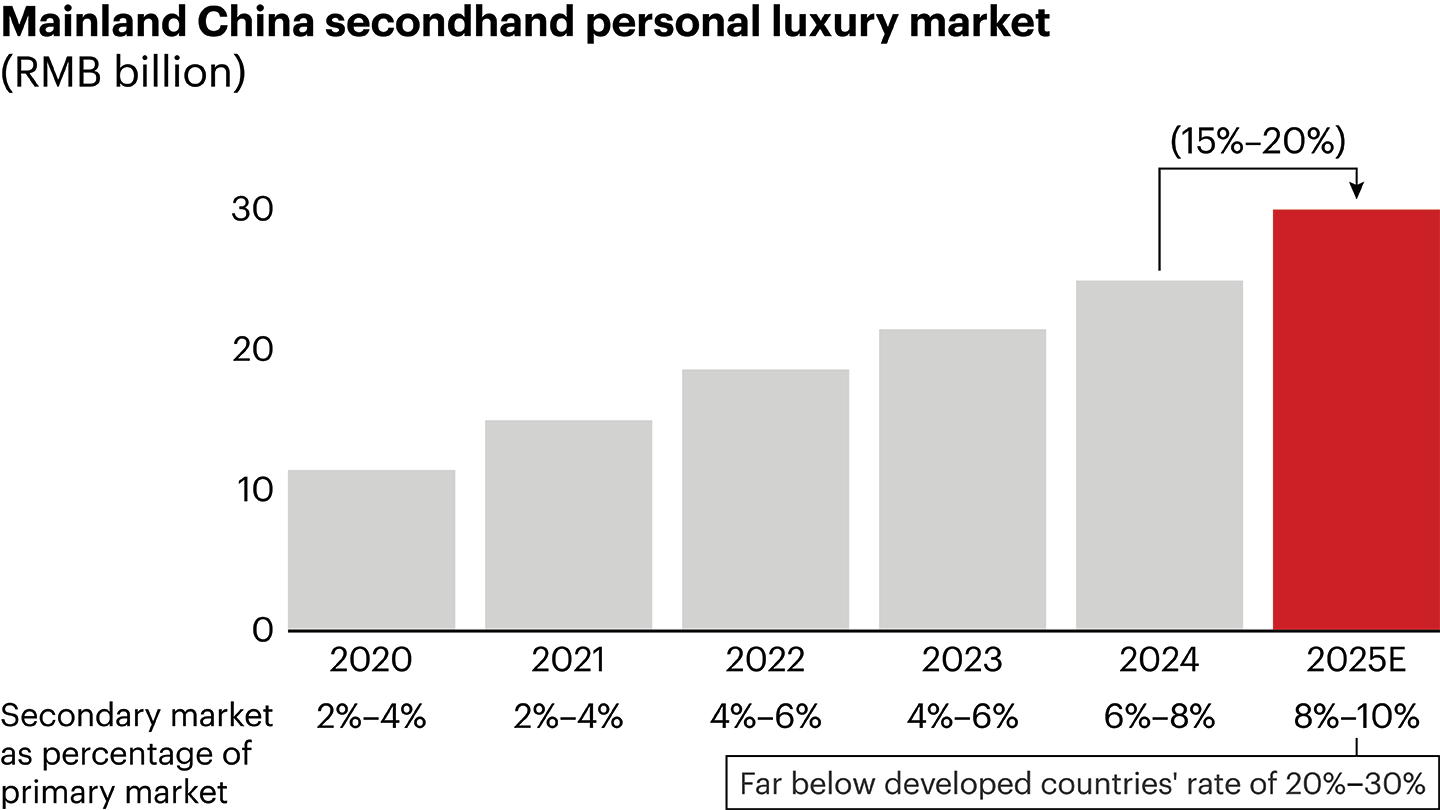
In 2025, the secondhand luxury market in China remained significantly underpenetrated, accounting for less than 10% of the total luxury market (well below the levels seen in developed markets: 20%–30%) (see Figure 6). Yet it reshaped the luxury landscape. While the primary luxury market faced challenges, the secondhand market continued to show strong gains, maintaining a 15%–20% growth rate in 2025. This ongoing expansion underscores the increasing importance of the secondhand segment as luxury prices in the primary market continue to rise and drive consumers to seek more affordable alternatives.
Figure 6

Note: RMB is renminbi
Sources: Analyst reports; literature research; Bain analysisBetween 2020 and 2022, the secondhand luxury market experienced its initial and explosive growth, starting from a low base. Covid-19 travel restrictions, the rise of livestreaming, and overall growing interest in secondhand goods fueled a surge in consumer demand. Significant capital investment by secondhand players enabled them to scale their operations as these platforms emerged as serious players in the broader luxury ecosystem.
However, the market experienced a slowdown in 2023 and 2024, influenced by macroeconomic pressures, regulatory tightening, and the delisting of certain platforms. Despite these challenges, the secondhand market remained resilient, with continued growth in luxury goods liquidity and rising consumer awareness.
In 2025, a combination of factors readied the secondhand luxury market for renewed growth. The supply of pre-owned luxury goods increased. High-net-worth individuals and middle-class consumers continued to sell assets to optimize their portfolios, and resellers offered lower prices to off-load excess inventory under price pressure. In addition, consumer behavior shifted, particularly among younger, price-sensitive buyers who prioritize cost-effectiveness and sustainability over the prestige of new luxury items. This changing mindset is increasing the appeal of pre-owned goods, positioning them as a rational and desirable alternative to new items.
Another significant factor in the market’s growth was the widespread adoption of livestreaming. Livestreaming platforms enable real-time interaction and product verification, building consumer confidence in the authenticity of secondhand luxury goods. This medium has become particularly crucial for engaging consumers in lower-tier cities, where access to luxury items has traditionally been limited.
In 2025, online platforms continued to dominate the market, accounting for the majority of its total share, with livestreaming platforms representing a significantly growing portion. However, the online marketplace has resulted in stronger price transparency, which in turn has eroded the profit margins of purely online players.
As a result, top players are expanding into offline channels. These stores are viewed as key to personalized services, authentic product verification and guarantees, and enhanced customer engagement, helping bridge the gap between online convenience and tangible, experience-driven retail. Furthermore, these spaces function as both sales touchpoints and recycling hubs, foster a circular ecosystem in which consumers can trade in items, and help brands cater to a broader consumer base.
Secondhand-market success by category
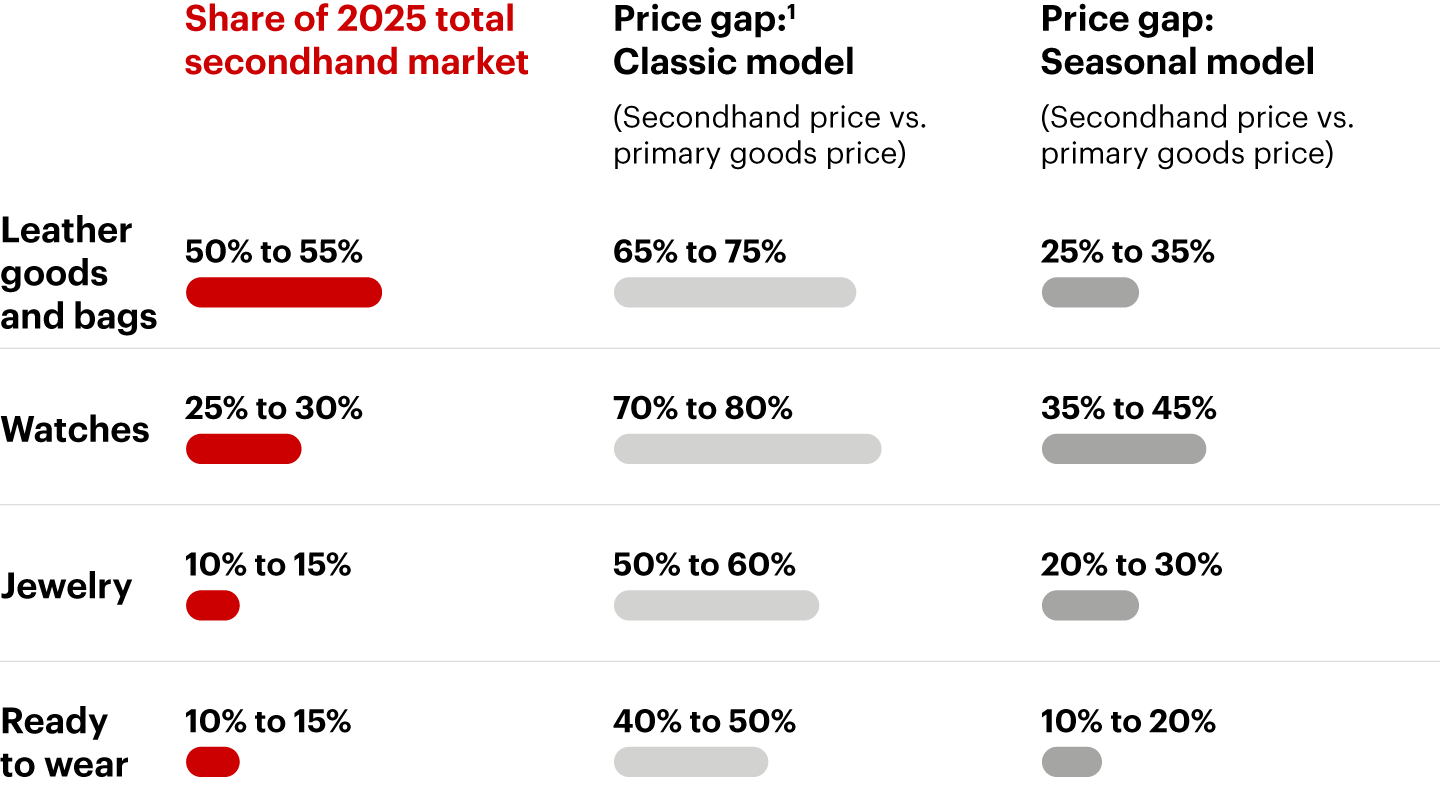
In 2025, the secondhand luxury market in China was concentrated in leather goods and bags, along with watches. Leather goods and bags accounted for 50%–55% of the total market. Watches held the second-largest share at 25%–30%, followed by jewelry and the ready-to-wear segment, each contributing 10%–15% to the market (see Figure 7).
Figure 7

Note: 1) Compared top three SKUs selected for leading brands in each category from online platform; price data recorded in December 2025
Sources: Online e-commerce platform; Bain analysisThe secondhand market also features varying price gaps between classic and seasonal models by category. The classic models maintain strong resale value (lower price gaps with primary market prices) because of their timeless appeal, making them the preferred choice for investment-minded buyers. In contrast, the value of seasonal models tends to drop more quickly because of their reliance on shifting fashion trends.
- Leather goods and bags: The leather goods and bags segment is characterized by strong demand and stable supply, thanks to large primary market sales. Classic models in this category are seen as strong value holders. Their long-term appeal and investment value help them maintain high time value.
- Watches: In the watches segment, consumers consider classic models solid investment pieces. Rare models are especially valued and can command higher resale prices. Seasonal watches, however, see lower value retention and contribute to greater transaction volume.
- Jewelry: Jewelry suffers from quick depreciation and a short resale window, largely because of its fragility and vulnerability. Unlike watches, which tend to hold their value better, jewelry’s market performance is more influenced by fashion cycles. Unless these pieces possess artistic or collectible merit, or unique craftsmanship, they generally lack the same long-term investment appeal and staying power in the secondhand market.
- Ready-to-wear items: Secondhand-market penetration in the ready-to-wear segment remains relatively low, despite the large primary market. Expansion is difficult because cheaper alternative channels exist and consumers are often more reluctant to purchase these items, because their appeal is more subjective and a personal fit is hard to ensure. Recently, the ready-to-wear segment has seen rapid growth as increased supply has expanded product variety, lowered price transparency vs. other categories, and enabled stronger margins.
China’s secondhand luxury market is set for sustained growth, acting as an unofficial outlet for some new products and with strong potential to mirror Japan’s mature model, where resale reaches 30%–35% of the primary market. Improving authentication and retailer guarantees will further build trust and accelerate mainstream adoption.
Local players emerge across luxury categories
Another key 2025 trend was the rise of local players. These emerging Chinese brands are capturing consumer attention with offerings that blend innovation and cultural relevance, positioning them as strong competitors in the luxury landscape (see Figure 8).
Figure 8
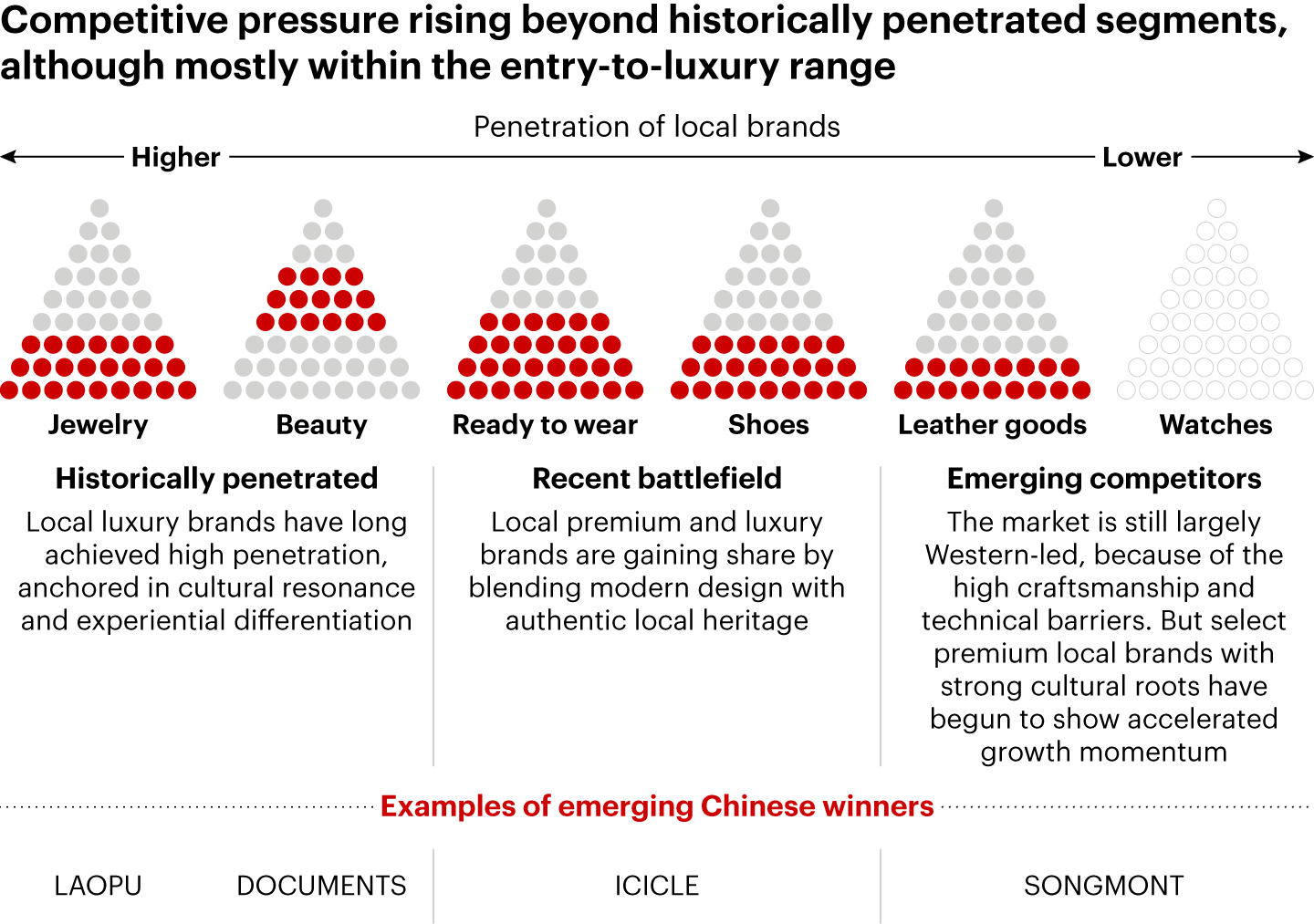

They differentiated from international brands through (i) a better understanding of unmet local demand, expressed through product aesthetic, brand values, and storytelling; (ii) tailored (Chinese first) go-to-customer strategies that are digital first, chat native, and engagement oriented; and (iii) increased local access to relevant inputs and raw materials, enabling them to offer lower price points than those of international brands.
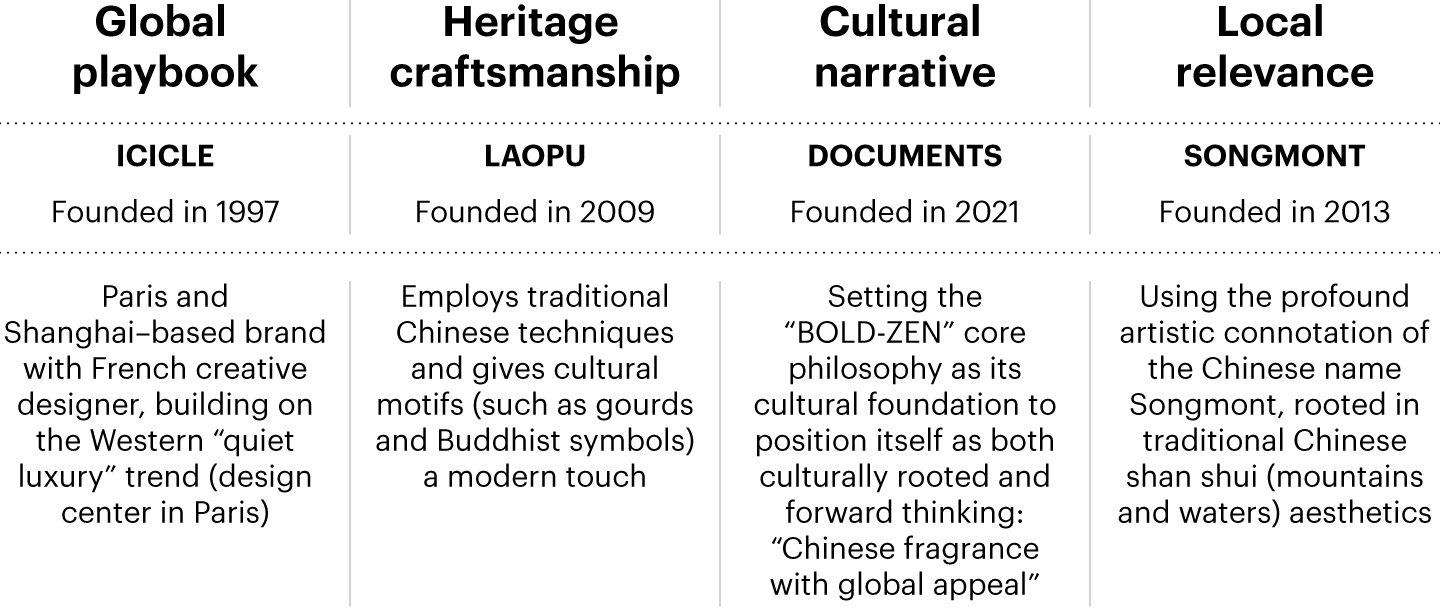
Chinese luxury brands have evolved from challengers to market shapers. They are transforming the China luxury landscape with their distinctive fusion of global appeal and authentic Chinese identity and redefining what luxury means for modern Chinese consumers (see Figure 9).
Figure 9

A look ahead
After riding the recovery momentum in the second half of 2025, the personal luxury goods market is expected to show more positive signs in 2026, albeit with continued volatility and uncertainty. It will have help from domestic policy support and geopolitical factors, which are directing more luxury consumption back to the mainland.
The secondhand luxury market—still below the global average in market penetration—is positioned for sustained growth, with an almost stable foundational structure. As a complementary pillar to the primary market, it will enhance the maturity of China’s luxury ecosystem.
Growth remains highly category and brand dependent. More brands are expected to post single-digit gains, while those delivering “true value” will capture stronger consumer advocacy. In a low-growth environment, softer spending widens the gap between winners and laggards, accelerating consumer consolidation toward a few preferred brands.
Adding competition to the market, local luxury players are closing the gap through originality-driven strategies that incorporate distinctive Chinese elements. In parallel, global luxury brands are deepening their local cultural relevance through cross-cultural infusion, including collaborations with local artisans, to better resonate with domestic consumers.
Looking ahead, China will remain a cornerstone of global luxury market growth, despite ongoing macroeconomic challenges and broader societal shifts.
The authors would like to express their gratitude to Xiaowen Zhang, an associate consultant in Bain’s Shanghai office.
Published in January 2026