


Report


|
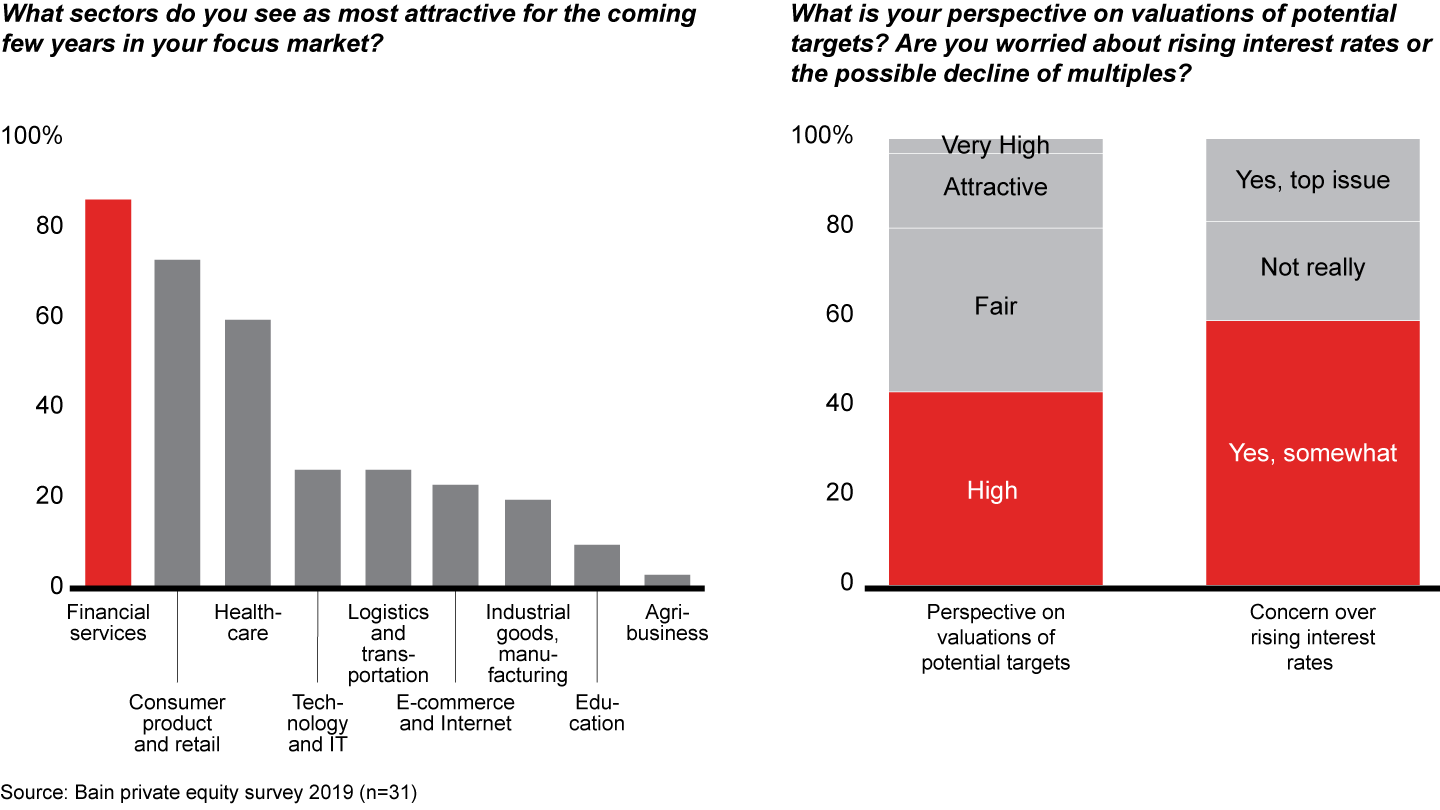
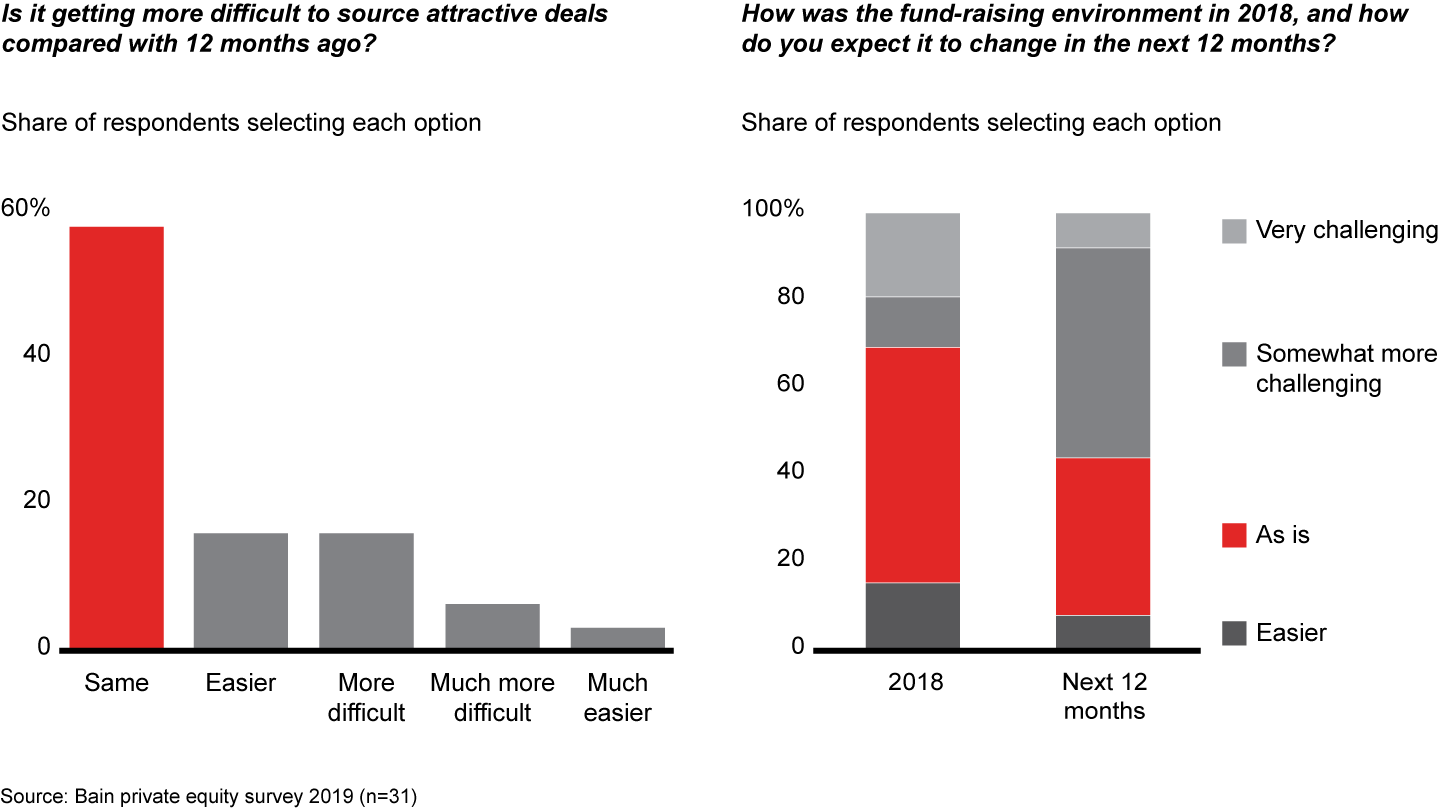
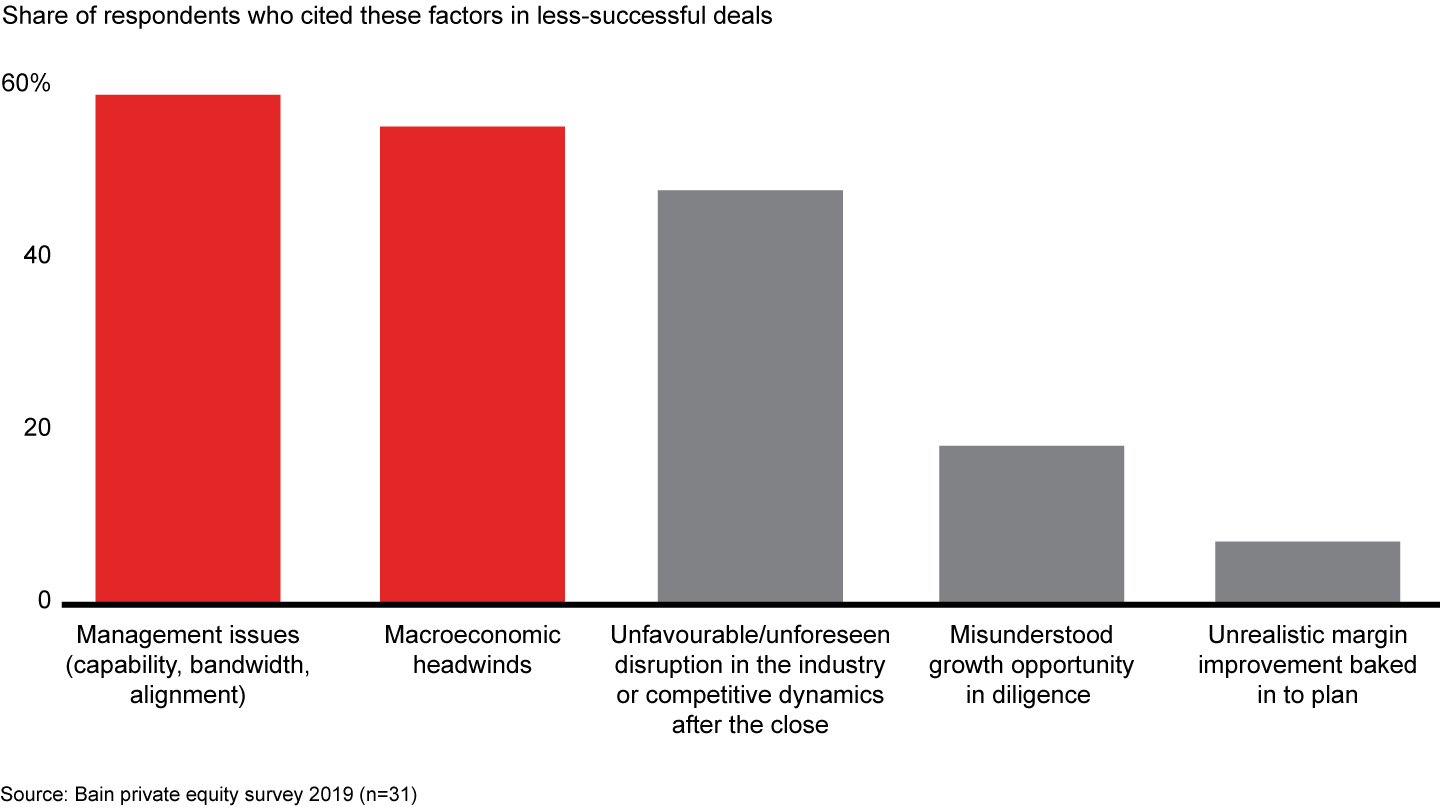
Executive SummaryLooking back at 2018Private equity in India enjoyed an excellent year in 2018. Growth momentum continued, with investment value reaching the second-highest level of the last decade. While the usual sectors such as banking, financial services and insurance (BFSI) continued to grow, investments also spurted in varied sectors like consumer/retail, healthcare and energy. Consumer technology investments backed winners in both horizontals and specific verticals, while BFSI continued to see investments in nonbanking financial companies (NBFCs). Average deal size remained stable overall, even as deal size in consumer tech declined almost 30%. This was largely driven by the scarcity of consumer tech megadeals like the ones we saw in 2017, such as SoftBank’s $2.5 billion investment in Flipkart. While local and global PE firms are still super active in the country, sovereign wealth funds (SWFs) and pension funds also continue to invest in a variety of sectors. New asset classes, which include alternative investment funds (AIFs), also continue to scale. One primary way to assess investor confidence in a market is to look at exit momentum and how it is trending. In that regard, the Indian PE market performed very well, with the highest exit values in the last decade. This was led by the $16 billion Flipkart sale to Walmart, but exit momentum was high even excluding that event. Consumer technology, IT and IT enabled services (ITES), and BFSI drove most of the exit values in the last year. These are also the sectors in which investments have grown during the past four to five years. Consumer tech and IT and ITES (including SaaS companies) have been relatively attractive sectors for funds and have demonstrated the highest returns (multiple on invested capital) over the last five to six years. Public-market sales were the most preferred route of exits, although strategic sales spiked in 2018, driven largely by consumer tech exits. Overall, exit momentum highlights investors’ confidence in the Indian ecosystem and the public markets, and signals an overall maturation of the Indian PE landscape. We believe there is sufficient India-focused dry powder to ensure high-quality deals don’t lack capital. Our surveyed funds identified BFSI, consumer/retail and healthcare as attractive investment sectors in the future. Consumer tech will also continue to see investments into scaled players. Going forward, funds believe that cost improvement and capital efficiency will become an even more important driver of returns. While most surveyed funds believe that returns will remain about the same, they continue to be concerned about high (and increasing) valuations and rising interest rates. Investments: Continued momentumIndia remained a hotbed for dealmaking in 2018. Investment momentum was robust for a second consecutive year, with total investment of $26.3 billion from approximately 793 deals during the year. While the deal volume was higher than in 2017, the average deal size was flat. The result was a small decline in total investment value, which still was the second-highest in the last decade. Consumer tech and BFSI remain the largest sectors for investment by value, and contributed about 40% of the total deal value in the year. While consumer tech investment was still large at $7 billion, it shrank from more than $9 billion in 2017. This is typical of the sector, where investment values have fluctuated over the last five to six years. After a boom in 2014–15, when India saw a flurry of investments in early-stage Internet and e-commerce companies, investment value declined in 2016 as consumer tech companies struggled to find the right product-market fit and a path to profitability. Over the last couple of years, the sector has staged a resurgence of sorts, with clear winners emerging in such subsectors as horizontal e-tailing (Flipkart), vertical e-tailing (Bigbasket, Lenskart, Pepperfry), food (Zomato, Swiggy) and travel/hospitality (OYO Rooms, Ola). As a result, over the past few years, we are seeing fewer but higher-quality deals in consumer tech, with investors backing winners to scale further. The other sector to remain dominant is BFSI, which attracted almost $5 billion of investments in 2018. As in previous years, BFSI investments were fuelled by deals in banks as well as a rising class of NBFCs that continue to flourish in the ecosystem. NBFCs have thrived in segments that are either inaccessible or unattractive for traditional banks. NBFC business models demand heavy infusions of capital, and investors were ready to deploy capital in strong-performing pure-play NBFCs, housing finance companies and microfinance institutions. We also witnessed increased investment activity in consumer/retail, with multiple deals in food (Ching’s Secret, Gemini Edibles) and apparel (V-Bazaar Retail). Competitive intensity in the market continues to increase with a growing number of funds. From 474 active participating funds in 2014–16, active players in India increased to 491 funds during 2015–17. Consequently, investors believe that competition has increased, with local and global PE firms viewed as the biggest competitive threats. Average deal size in 2018 was flattish. A decrease in small-ticket deals of less than $25 million exerted upward pressure on the average deal size, but the average size decreased for transactions greater than $100 million. Furthermore, the average deal size in consumer tech declined approximately 30%. This was primarily due to the absence of large “Flipkart-esque” deals (such as SoftBank’s investments of $2.5 billion in Flipkart and $1.4 billion in Paytm) that pushed up the average size in 2017. The top 15 deals constituted about 40% of total investment value in 2018. This is similar to the previous year, when the top 15 deals made up 50% of total value. Clearly, most funds are valuing quality over quantity, and dry powder is not being allowed to pile up. The number of larger deals (greater than $50 million) increased in 2018 from 2017, though their average size came down marginally. Notable large investments in 2018 included investments in HDFC Bank, Star Health and Allied Insurance, Swiggy, OYO Rooms, Paytm and Byju’s. As in previous years, the total share of late-stage investments and buyouts increased, with an increase in majority deals as well. These featured a few large individual buyouts like Star Health and Allied Insurance ($930 million) and Prayagraj Power Generation Company ($830 million). In the coming months, funds expect further investment activity in BFSI and consumer/retail, even though the valuations are still perceived to be high. Healthcare is another sector of rising interest, with funds looking at players across the spectrum—pharmaceuticals, equipment, single-specialty hospitals and clinics, diagnostics and others. Interest in technology and IT will be largely driven by rapidly growing enterprise tech (SaaS) companies that operate out of India and sell globally. Fund-raising: No lack of capital for good dealsThe global PE industry raised $714 billion from investors during the year, the third-largest amount on record—bringing the total capital raised since 2014 to $3.7 trillion. Buyout funds continued to draw the biggest share of capital, but investor interest during this record stretch has been broad and deep, benefiting a variety of funds. Investors looking for diversification continue to be drawn to Asia-Pacific’s relatively healthy long-term growth profile. However, after a few strong years, fund-raising has slowed across the region. Only 14% of funds raised globally were focused on Asia-Pacific in 2018, compared with 23% in 2017. This decline in fund-raising largely reflected the Chinese government’s decision to tighten rules on PE investment, which is part of an ongoing effort to rein in debt and reduce financial risk. However, India-focused dry powder remains healthy at $11.1 billion, indicating that high-quality deals are not lacking capital. New asset classes like AIFs and distressed-asset management have further grown in the Indian market, aided by government regulations and tax breaks. Funds raised by AIFs more than doubled from approximately $2.4 billion in 2016 to approximately $5.5 billion in 2017, and are estimated to have exceeded $7 billion in 2018. The number of AIFs registered in India almost doubled from 268 in 2016 to 518 as of February 2019. Fund-raising will continue being a key priority for most investors in India, although most expect it to become more challenging in the next 12 months. Exits: A record yearAn excellent year for exits signalled investor confidence in the Indian ecosystem and healthy public markets. Exits have increased consistently in the last two years, and totaled 265 exits valued at nearly $33 billion in 2018. Almost half of this exit value resulted from the Flipkart sale to Walmart. However, even excluding the Flipkart exit, 2018 was one of the best years for exits in the last decade. Exits increased in most sectors, with consumer tech, IT and ITES, and BFSI as the primary contributors to exit values. A few large exits dominated in 2018, with the top 10 exits accounting for 70% of total exit value. Apart from Flipkart, these included Intelenet Global Services Pvt. (Blackstone), GlobalLogic (Apax), Star Health and Allied Insurance (multiple funds) and Vishal Retail (TPG). The public market remained the most preferred mode for exits—though there was a spike in strategic exits, primarily driven by consumer tech. Over the last five years, funds have made reasonable returns across most sectors, with consumer tech, IT/enterprise tech and BFSI having the highest multiples on invested capital. Top-line growth and cost and capital efficiency are expected to be the biggest creators of future value, according to our survey of investors. Exits which haven’t been as successful have been attributed primarily to management issues and macroeconomic headwinds. Keen buyers and strong management teams stood as major contributors to successful exits. A majority of our survey respondents felt that net returns in the next three to five years will stay in the same ballpark as today. Given how India’s economy is poised for growth in the coming year, and with capital markets on an upswing, many more exits are expected during the next few months. However, rising valuations and interest rates continue to pose concern for most investors. 1. Investments: Continued momentum
Figure 1.1
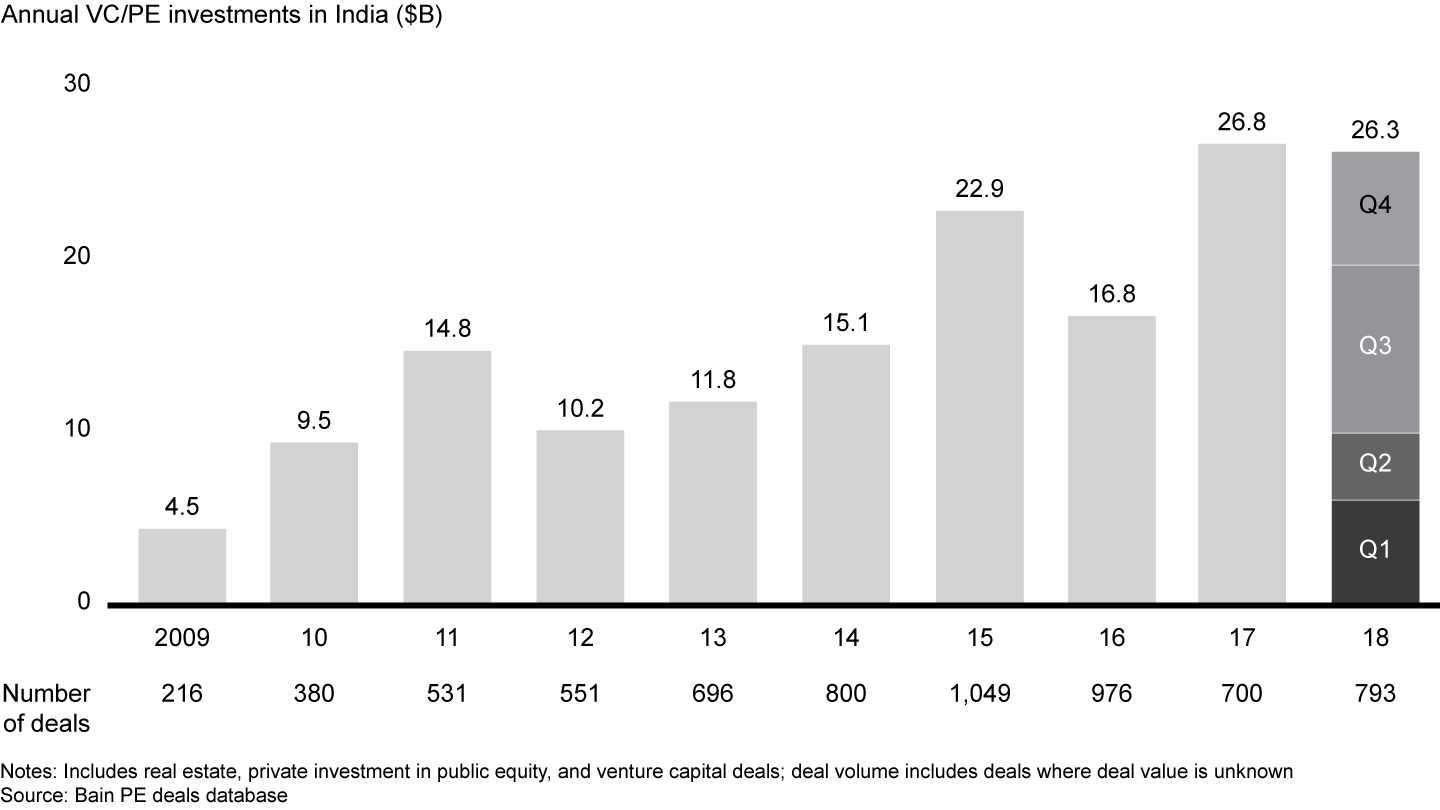

Figure 1.2
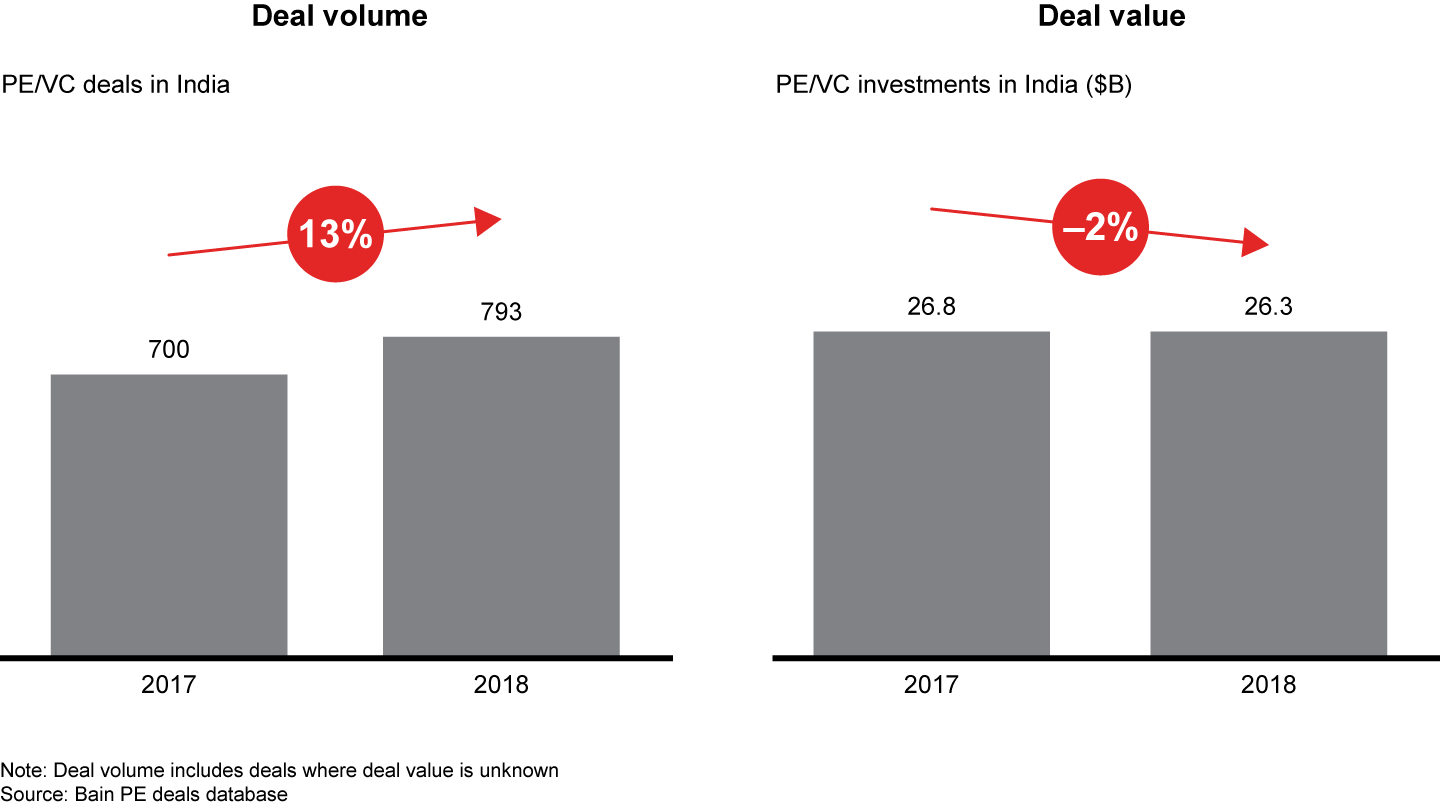

Figure 1.3
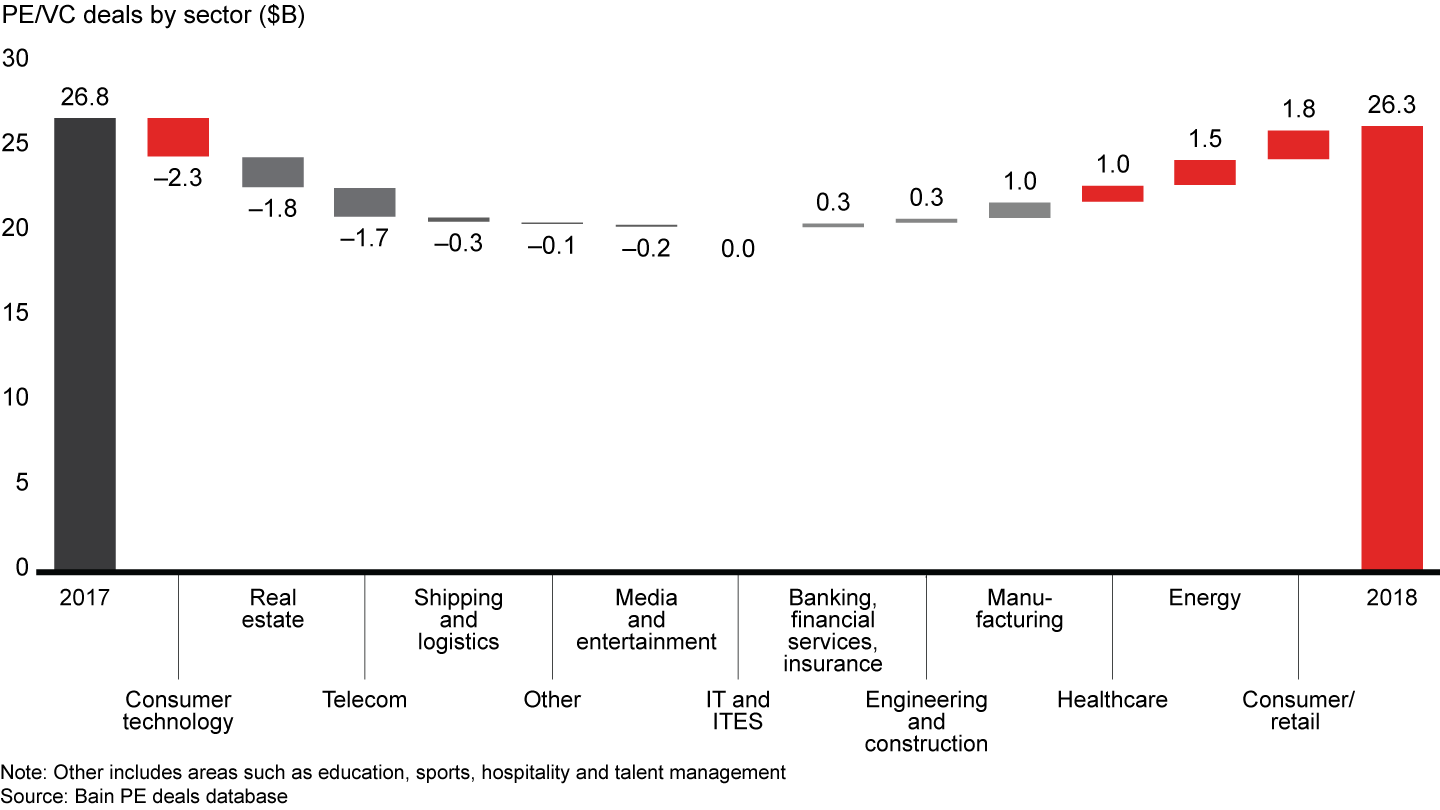

Figure 1.4
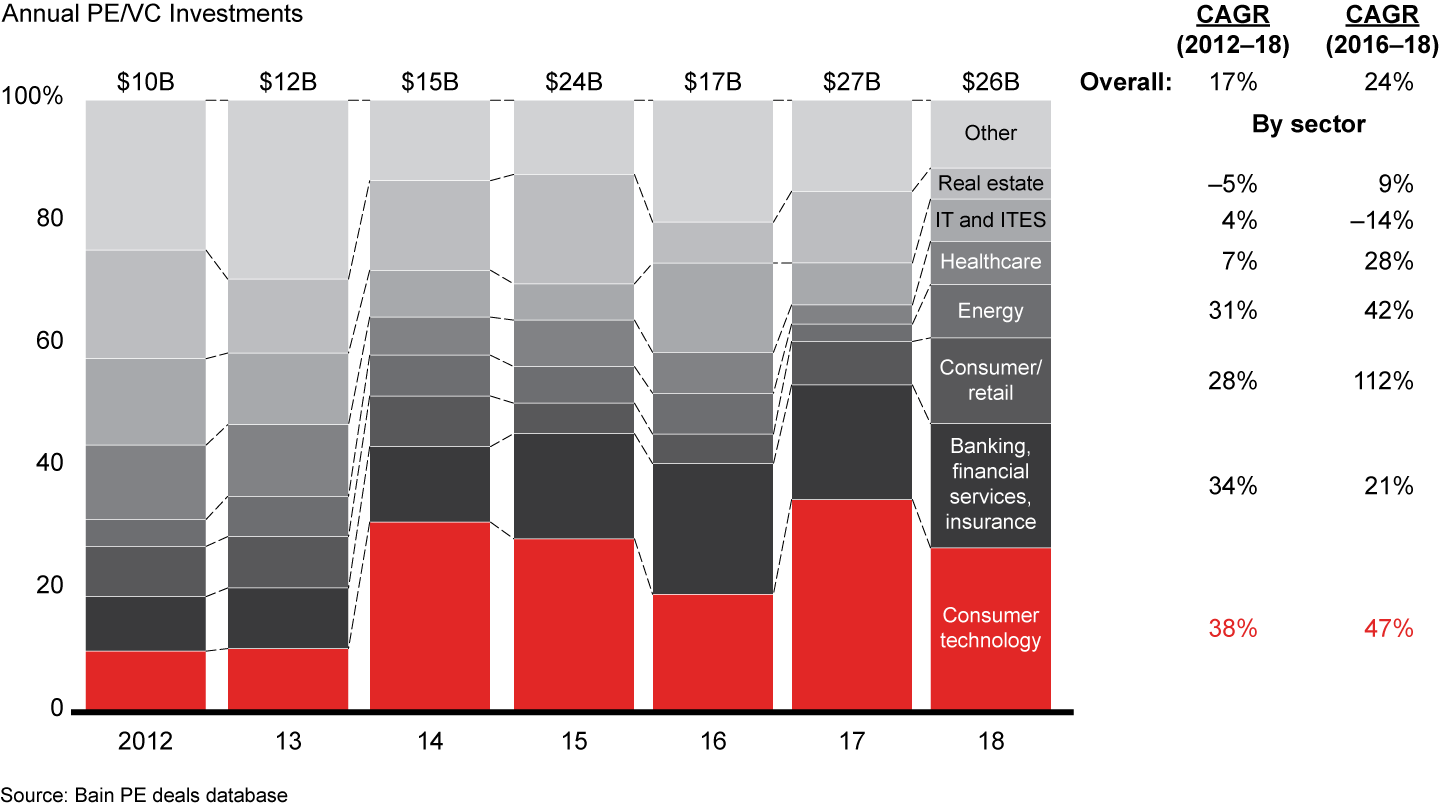

Figure 1.5
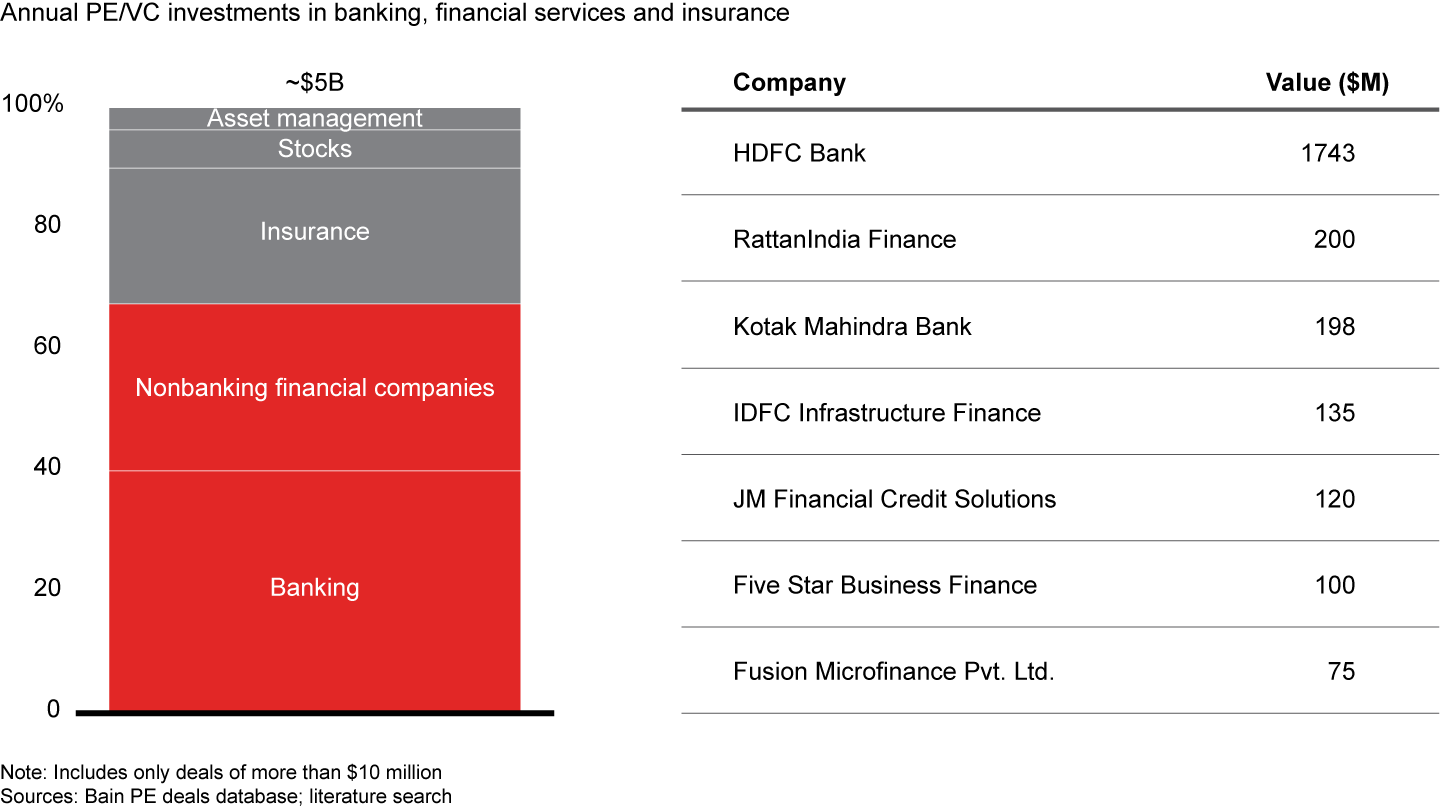

Figure 1.6
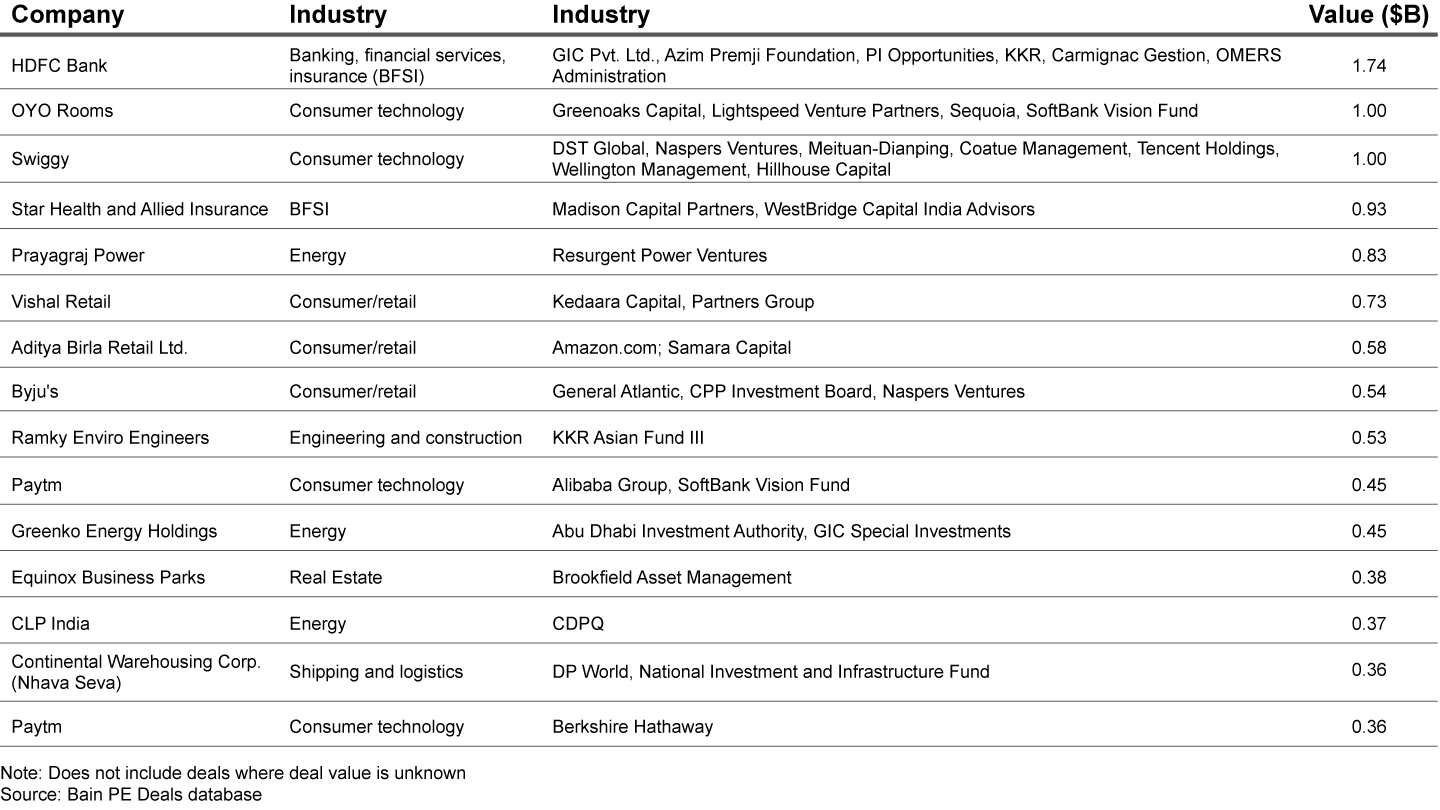

Figure 1.7
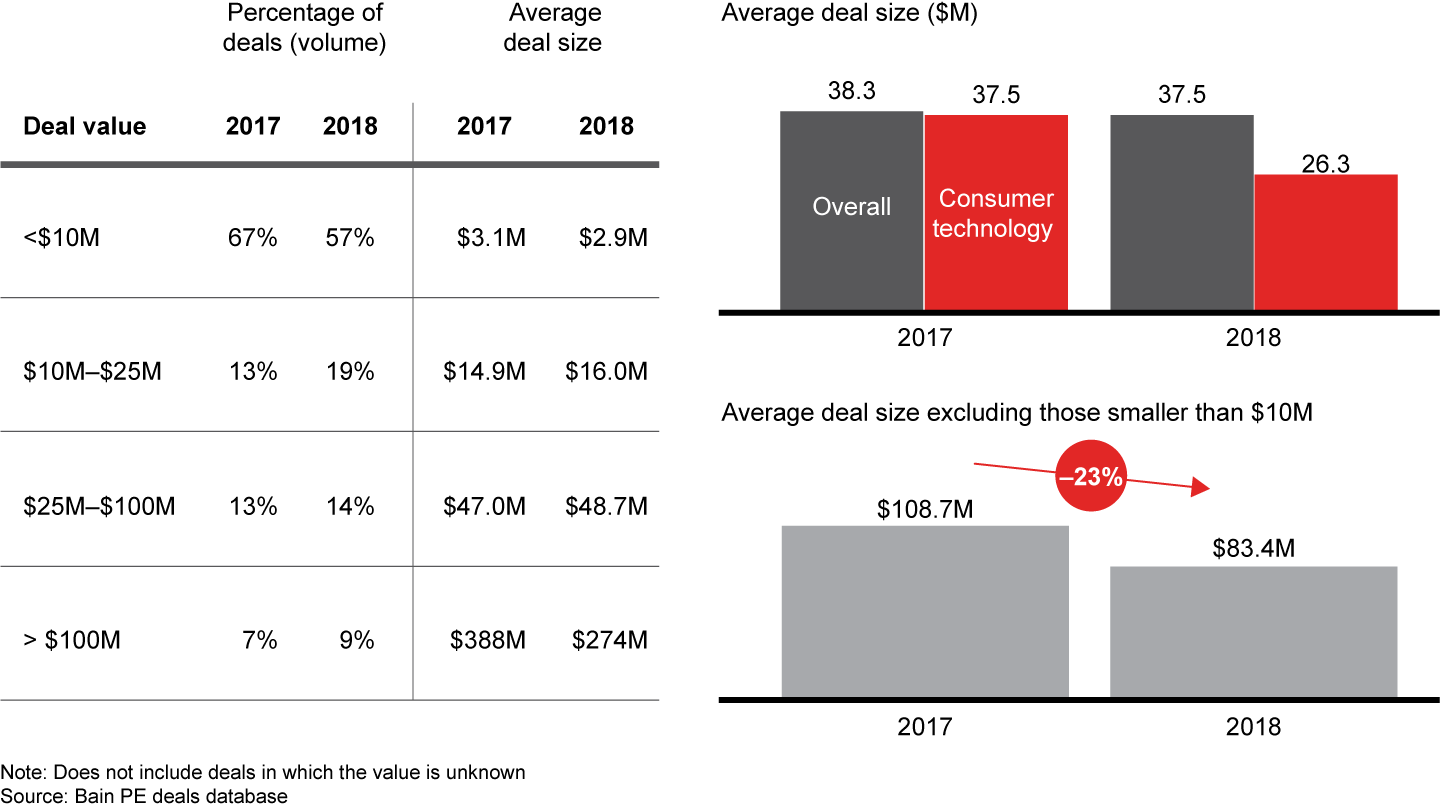

Figure 1.8
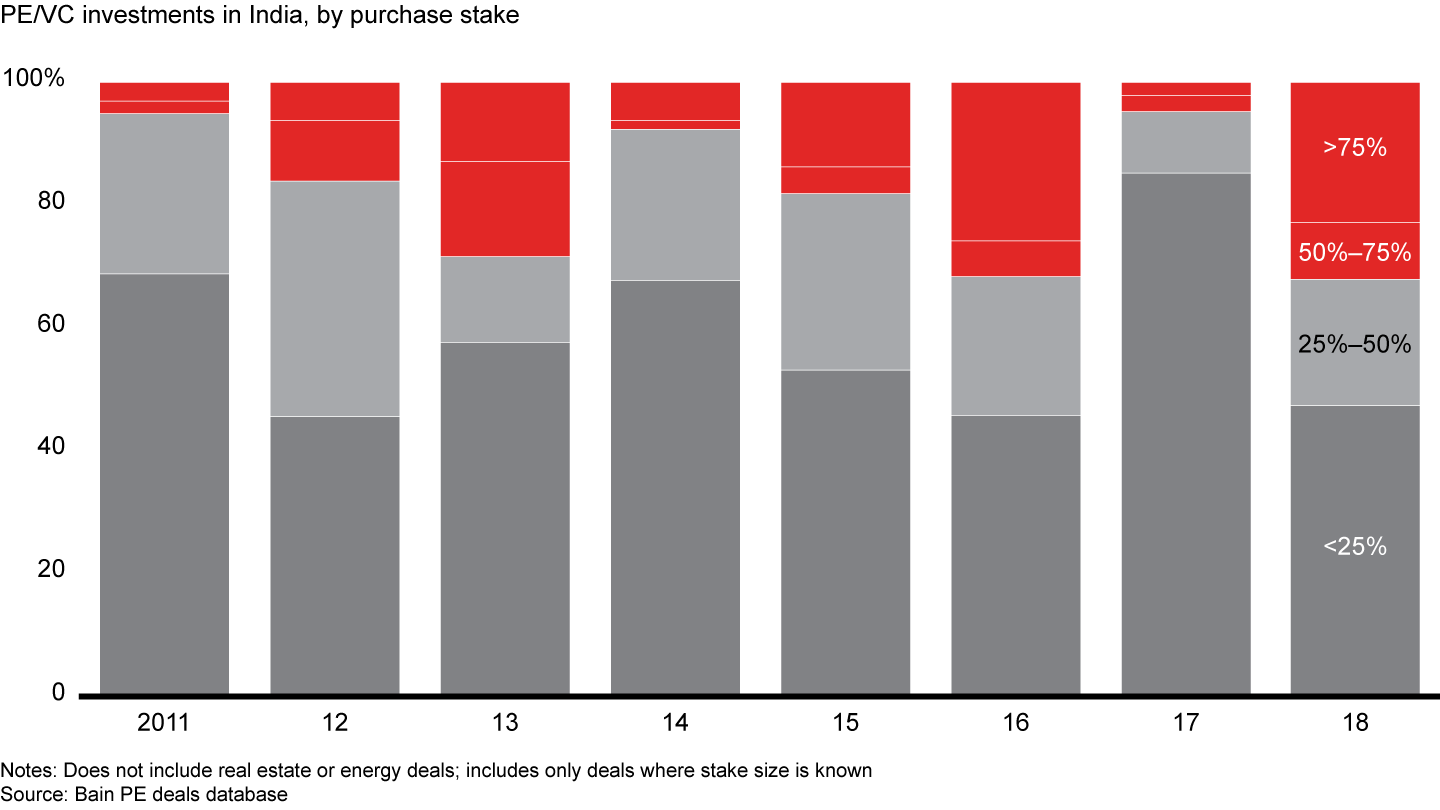

Figure 1.9
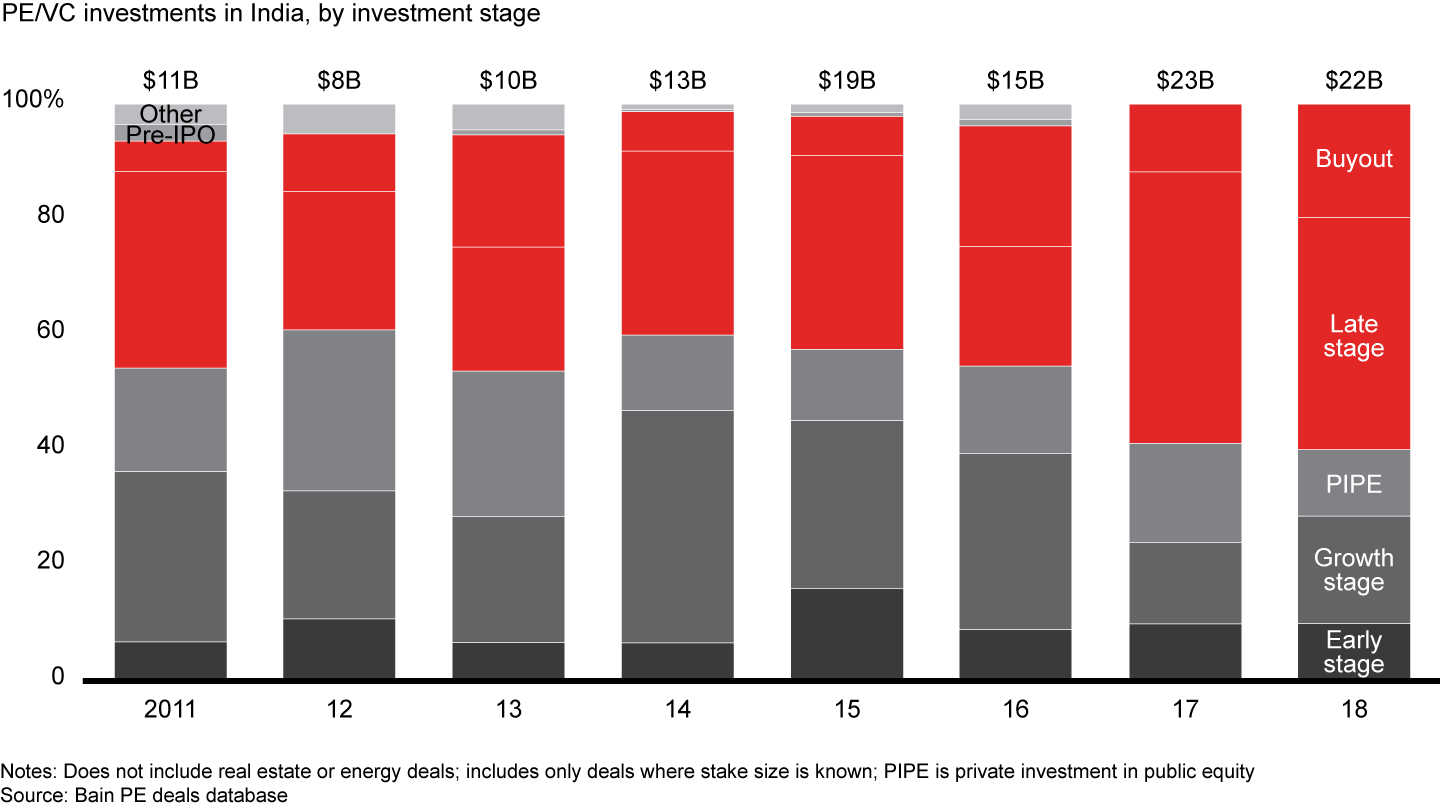

Figure 1.10
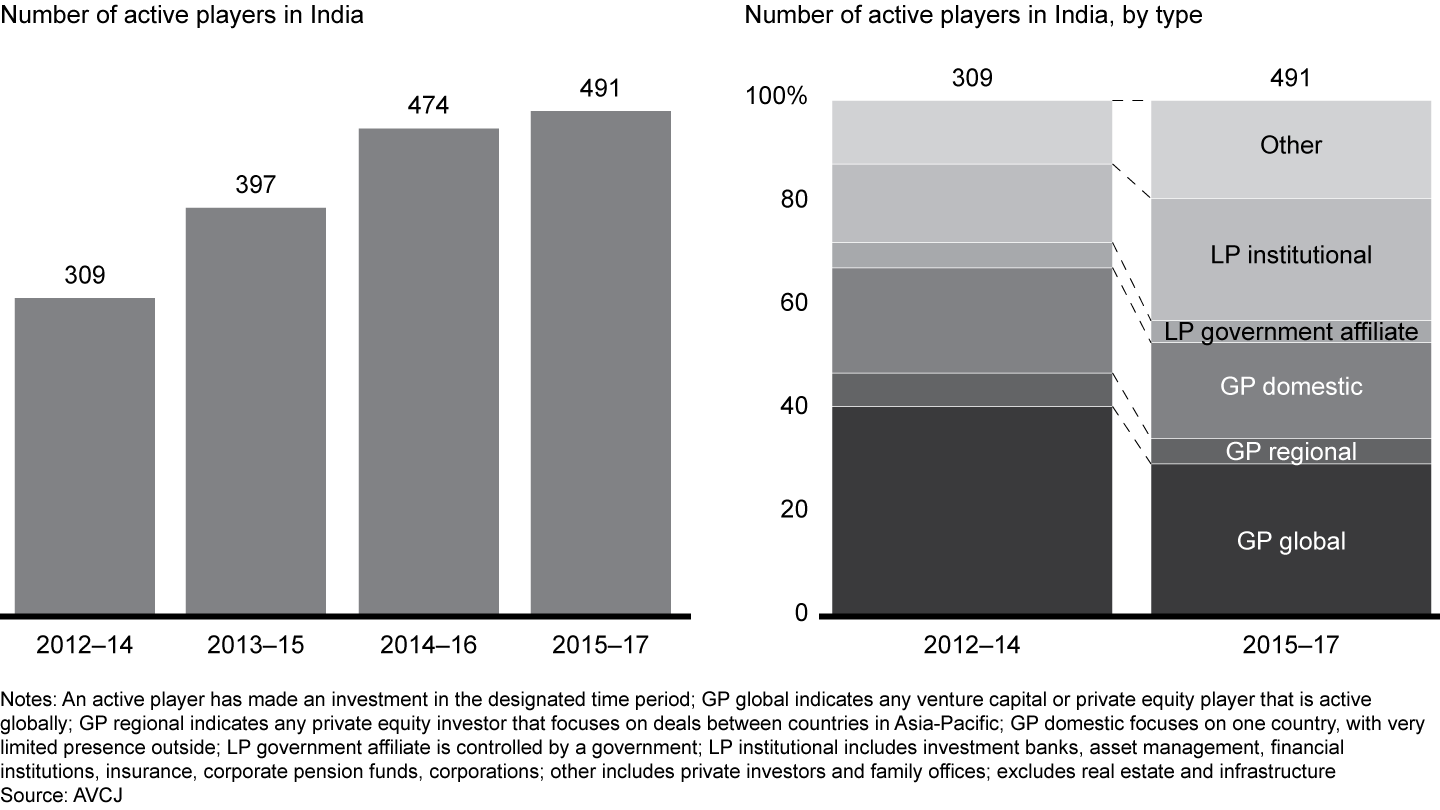

Figure 1.11
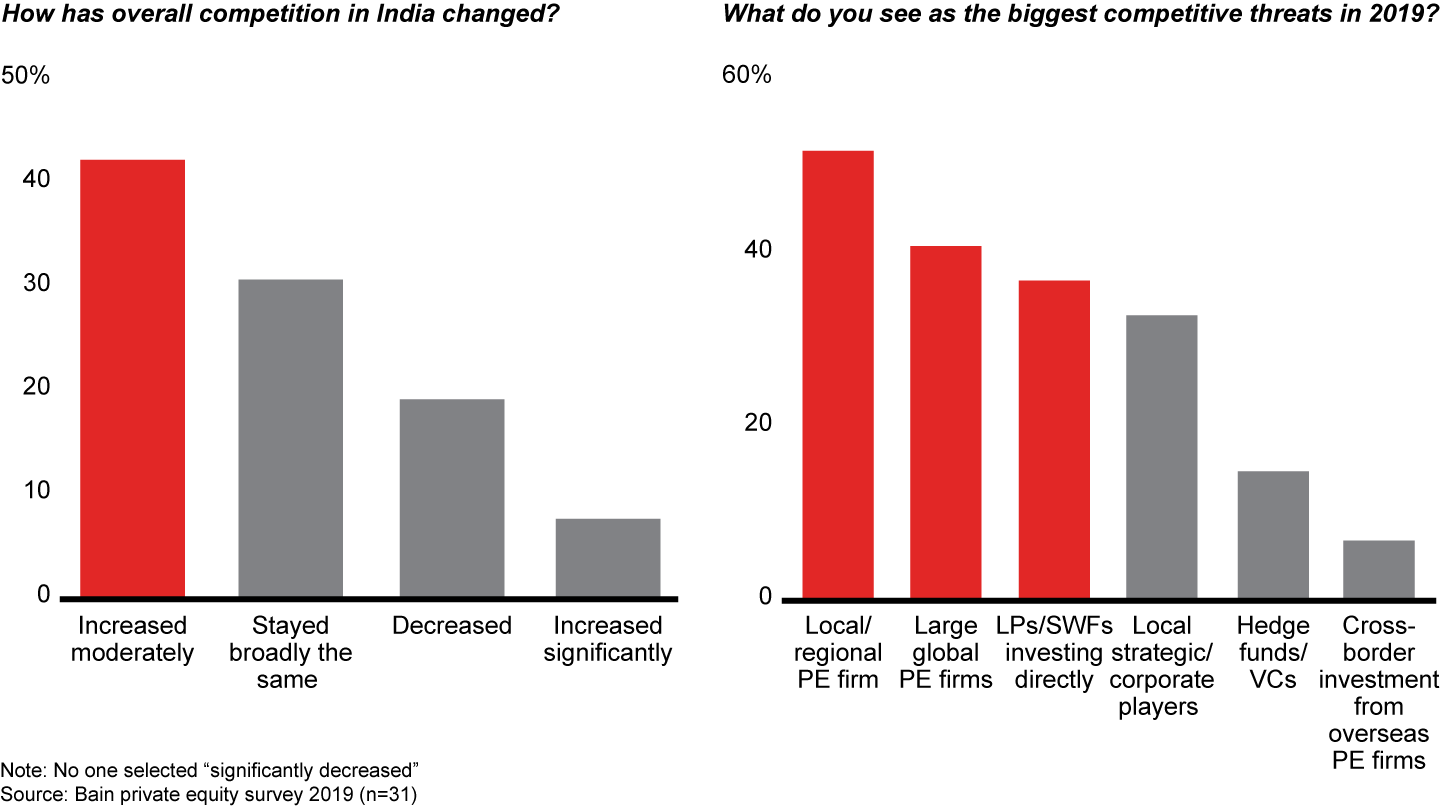

Figure 1.12

Figure 1.13

2. Fund-raising: No lack of capital for good deals
Figure 2.1
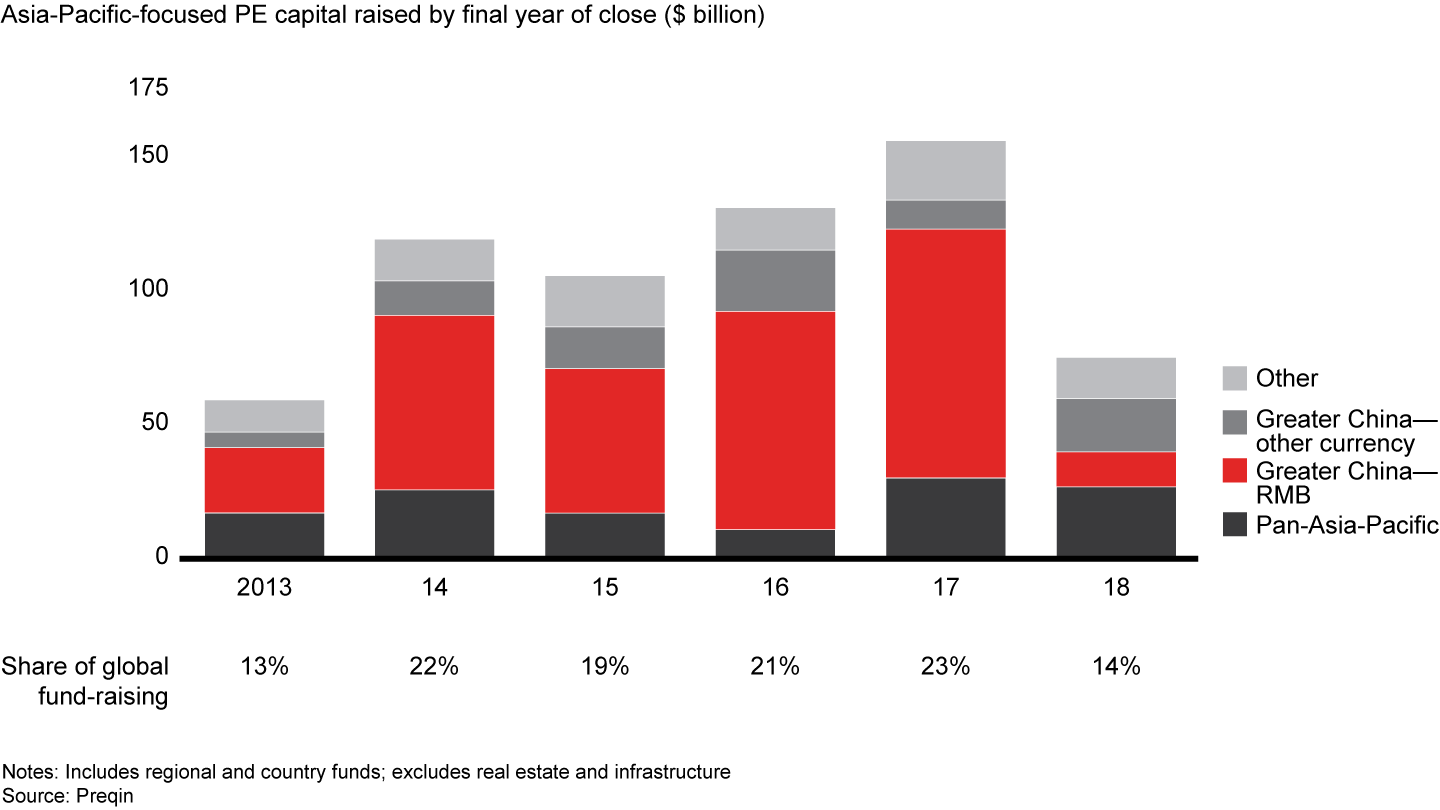

Figure 2.2
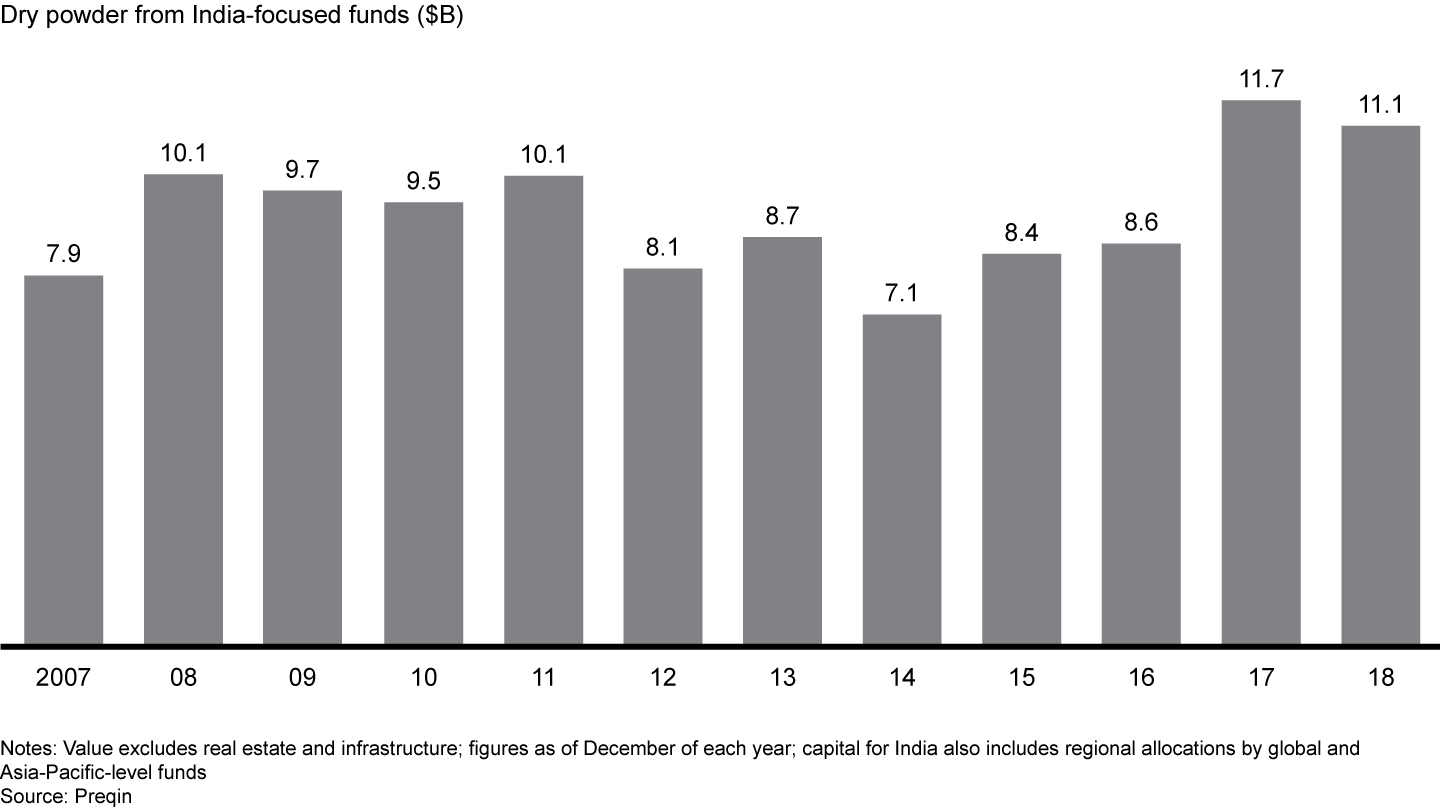

Figure 2.3
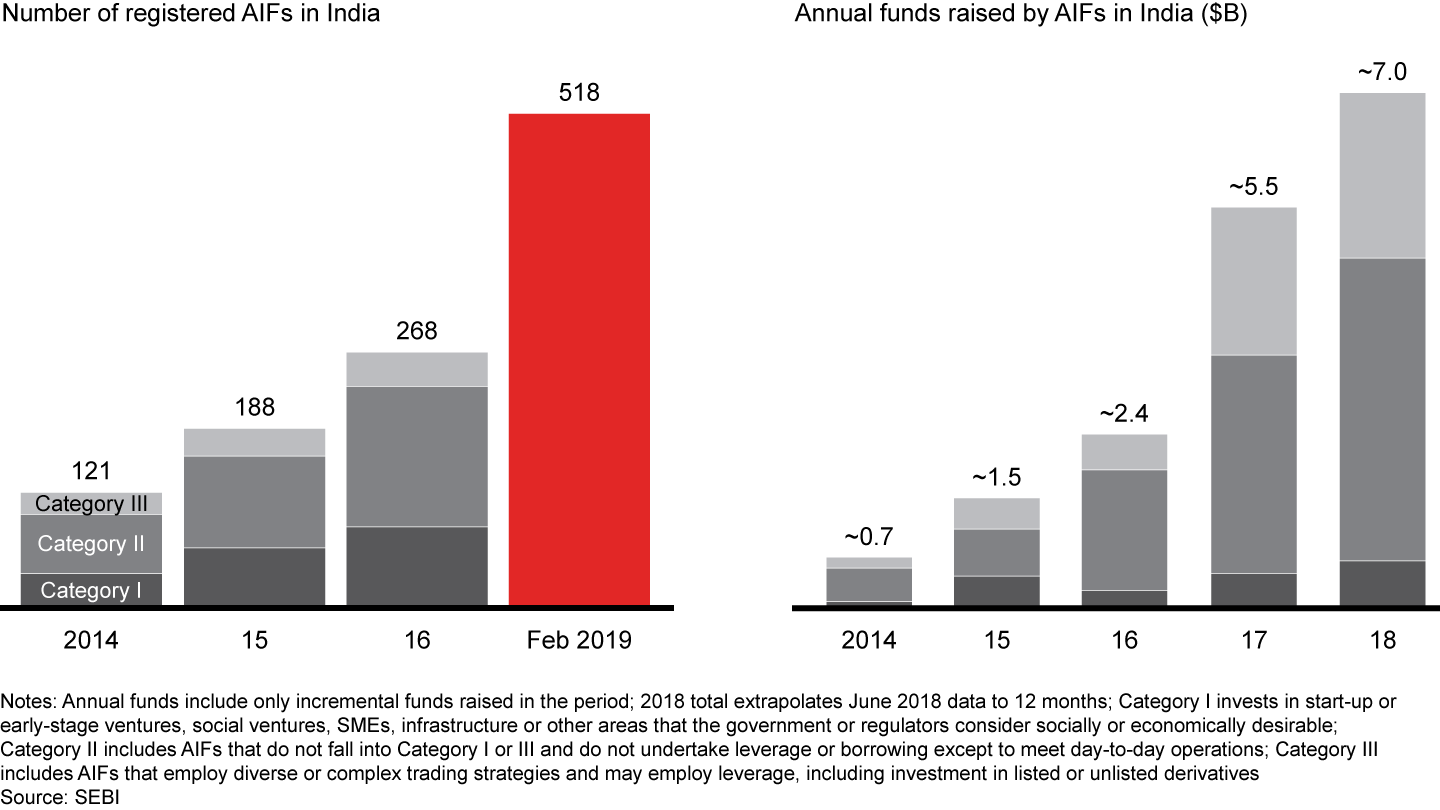

Figure 2.4

3. Exits: A record year
Figure 3.1
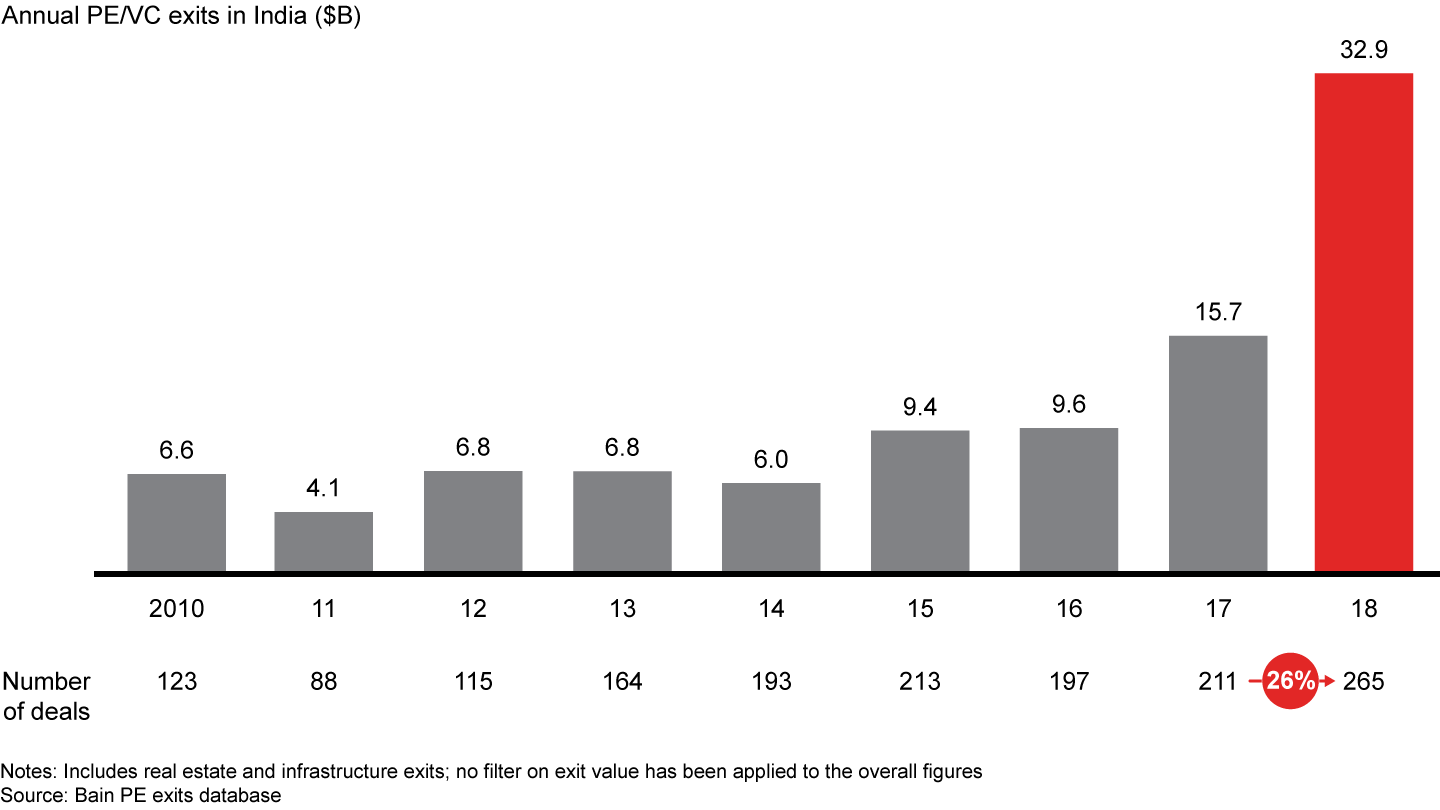

Figure 3.2
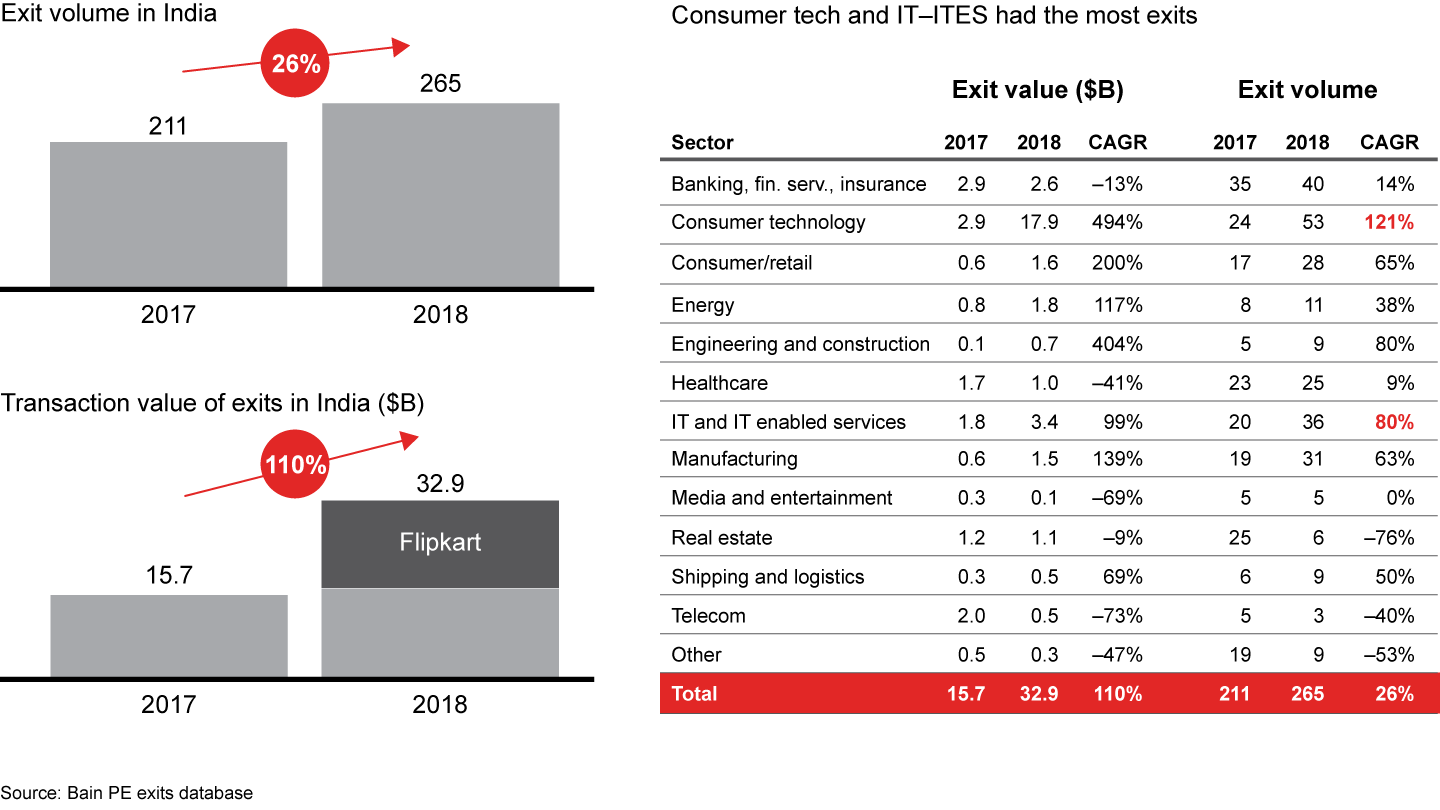

Figure 3.3
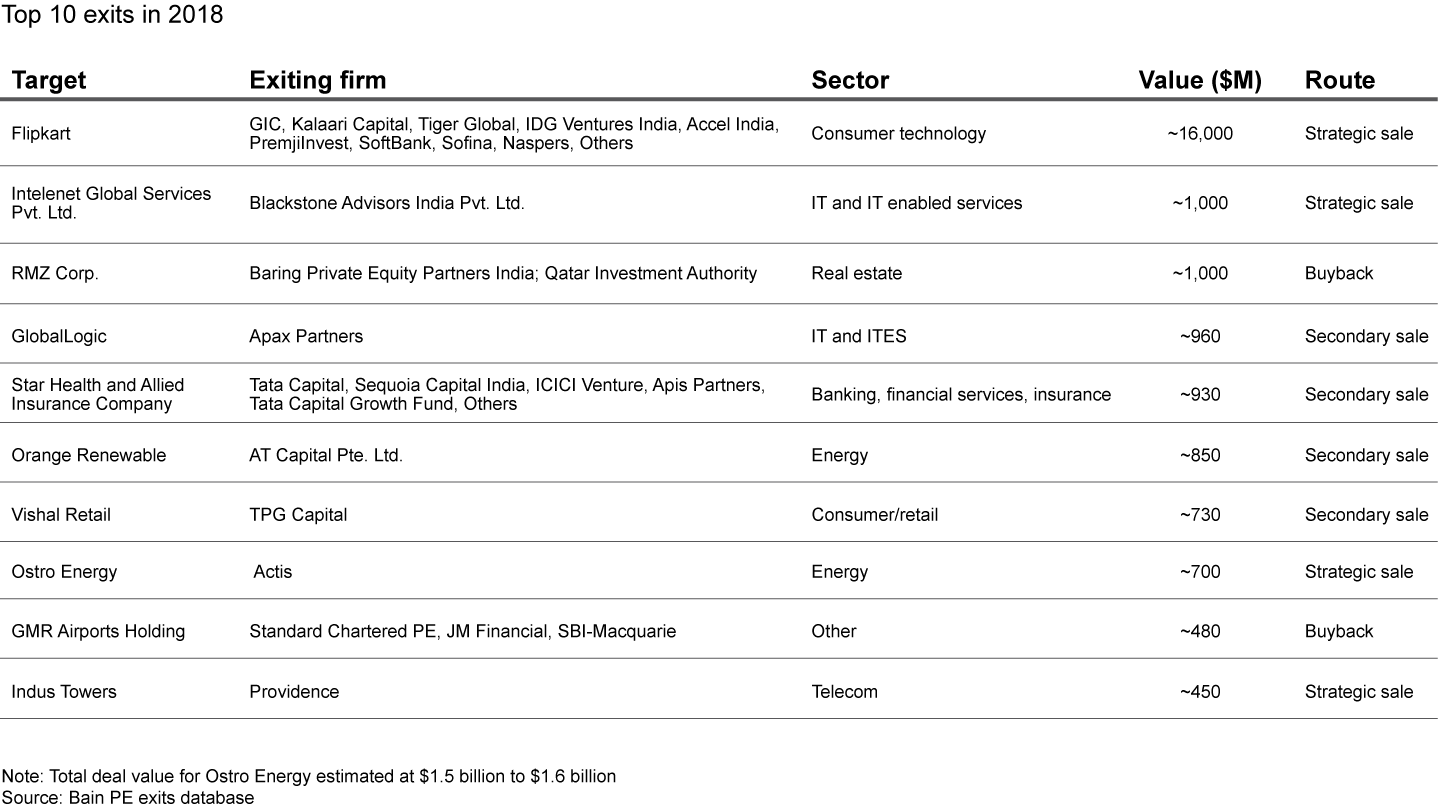

Figure 3.4
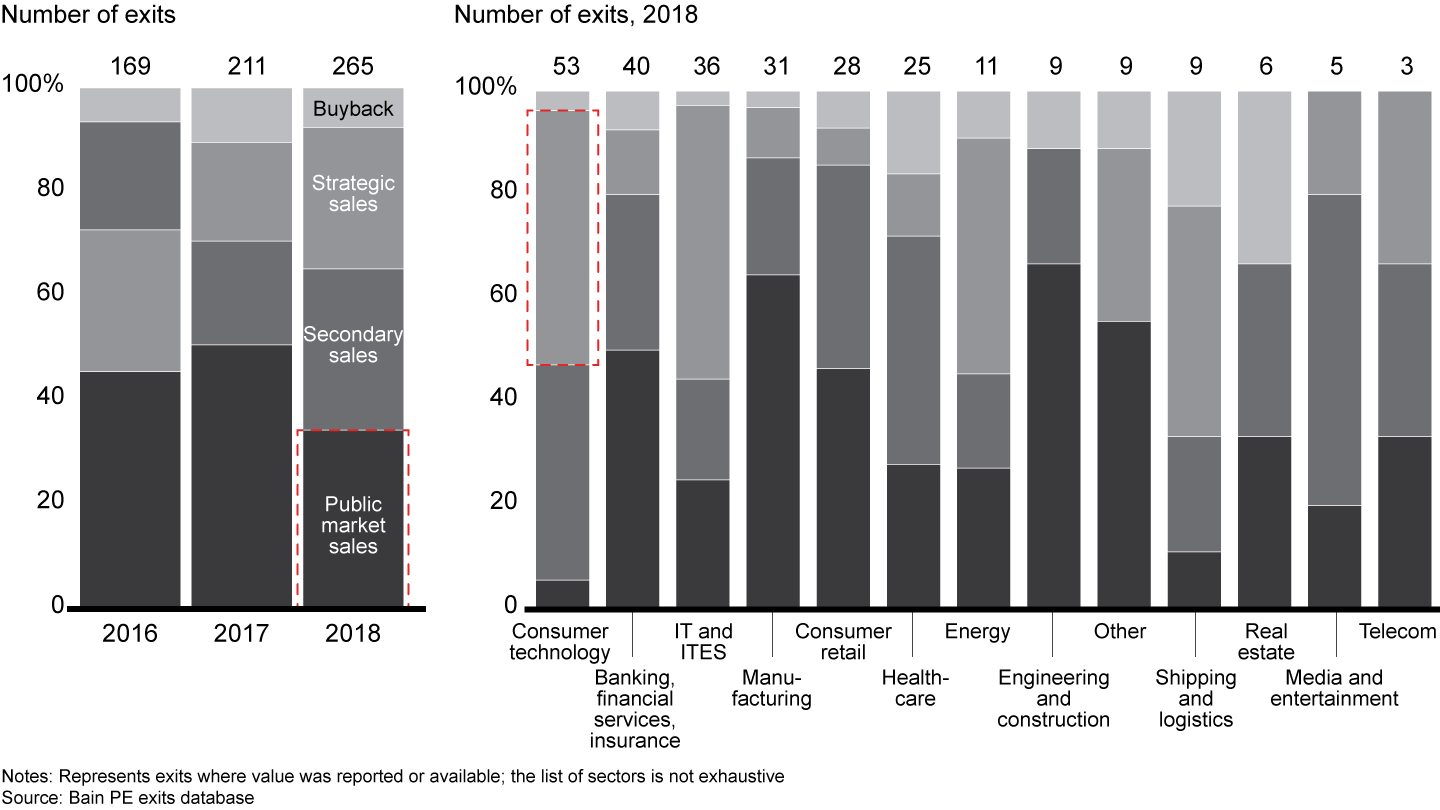

Figure 3.5
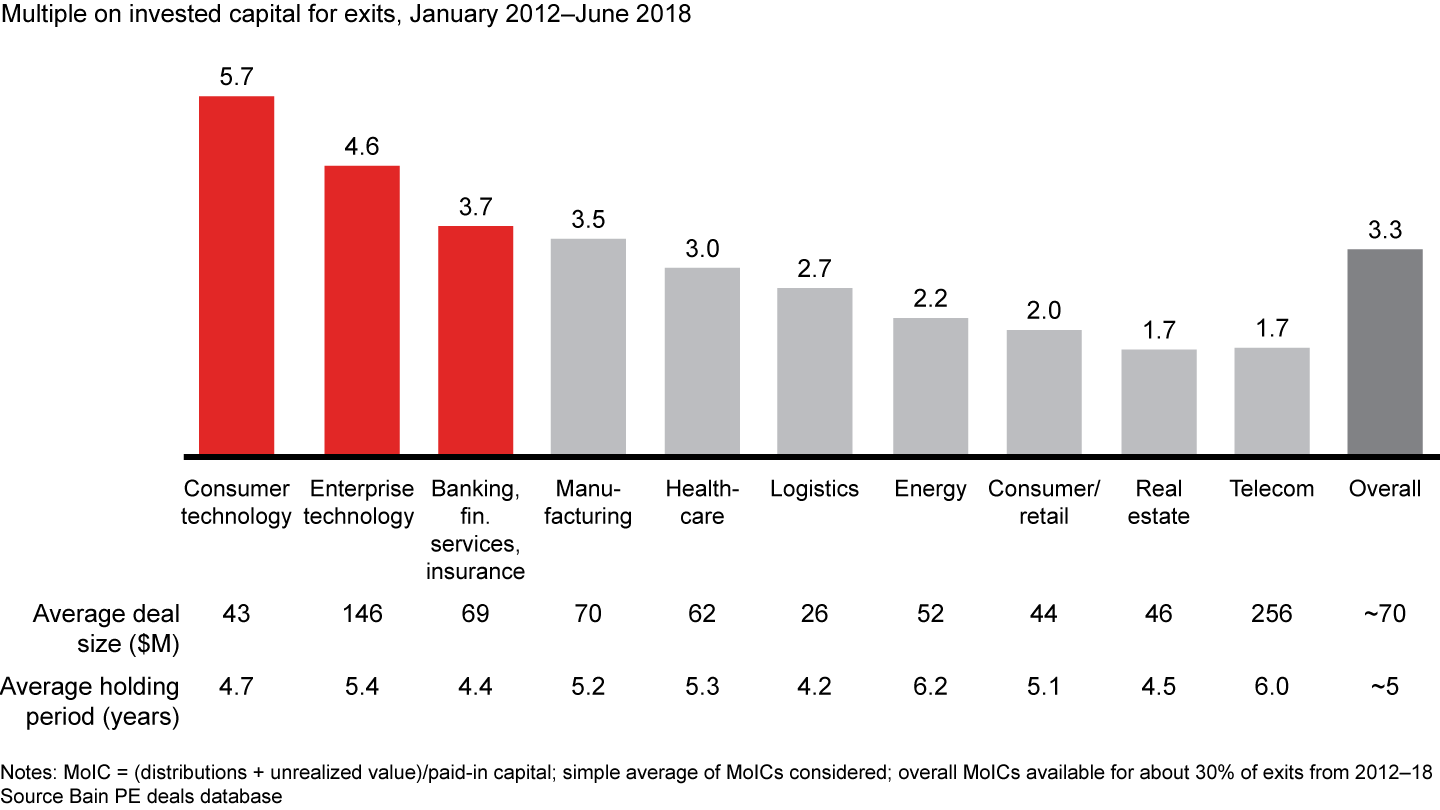

Figure 3.6
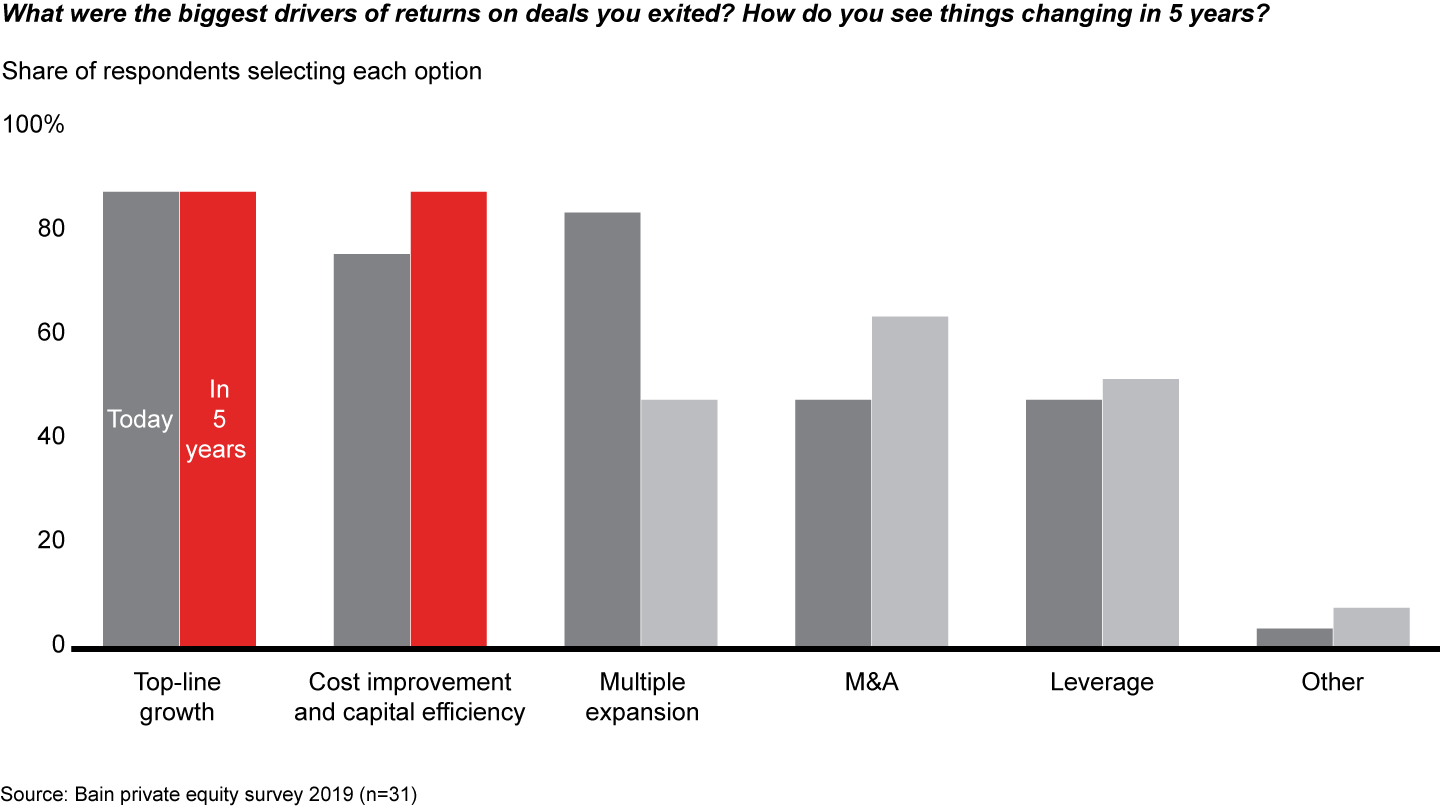

Figure 3.7
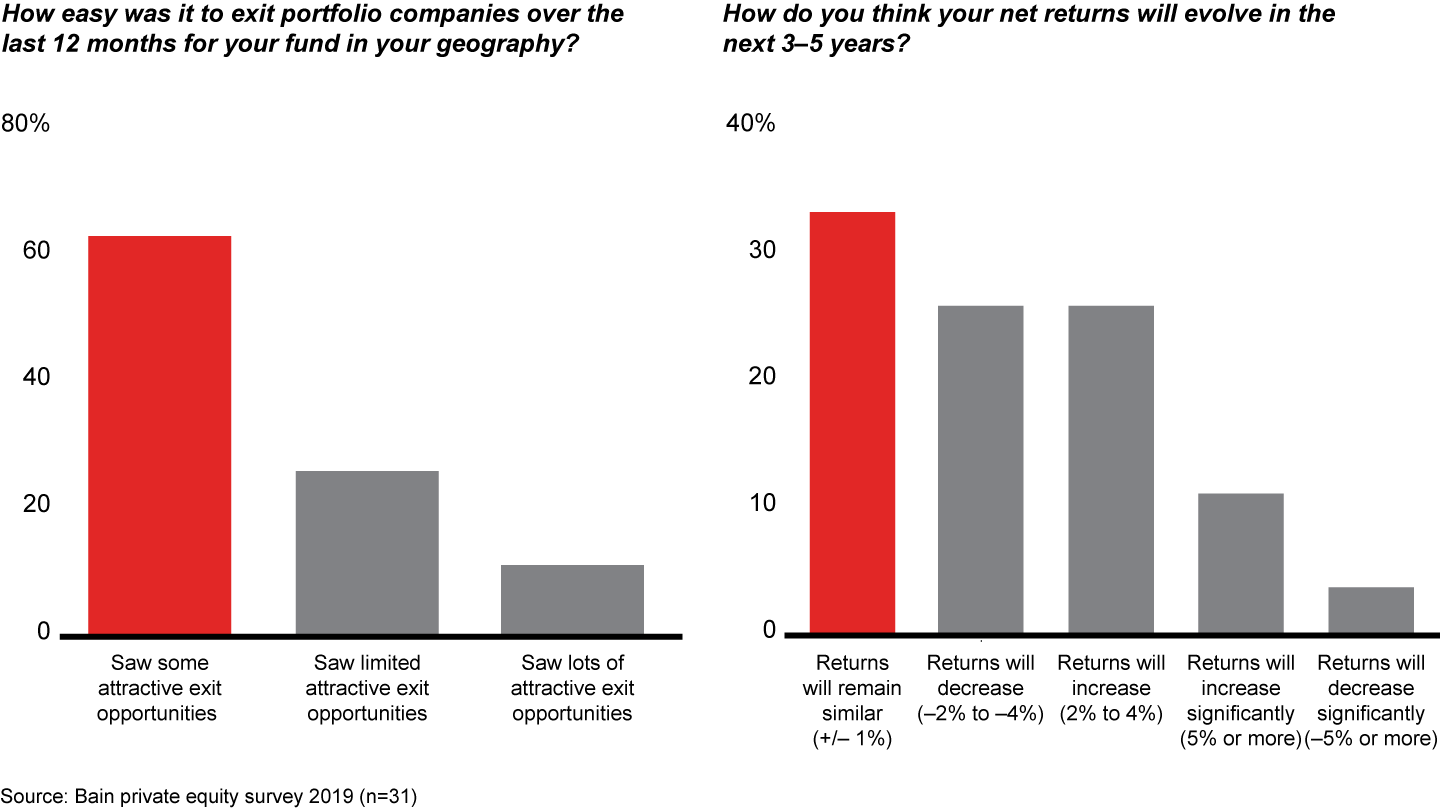

Figure 3.8
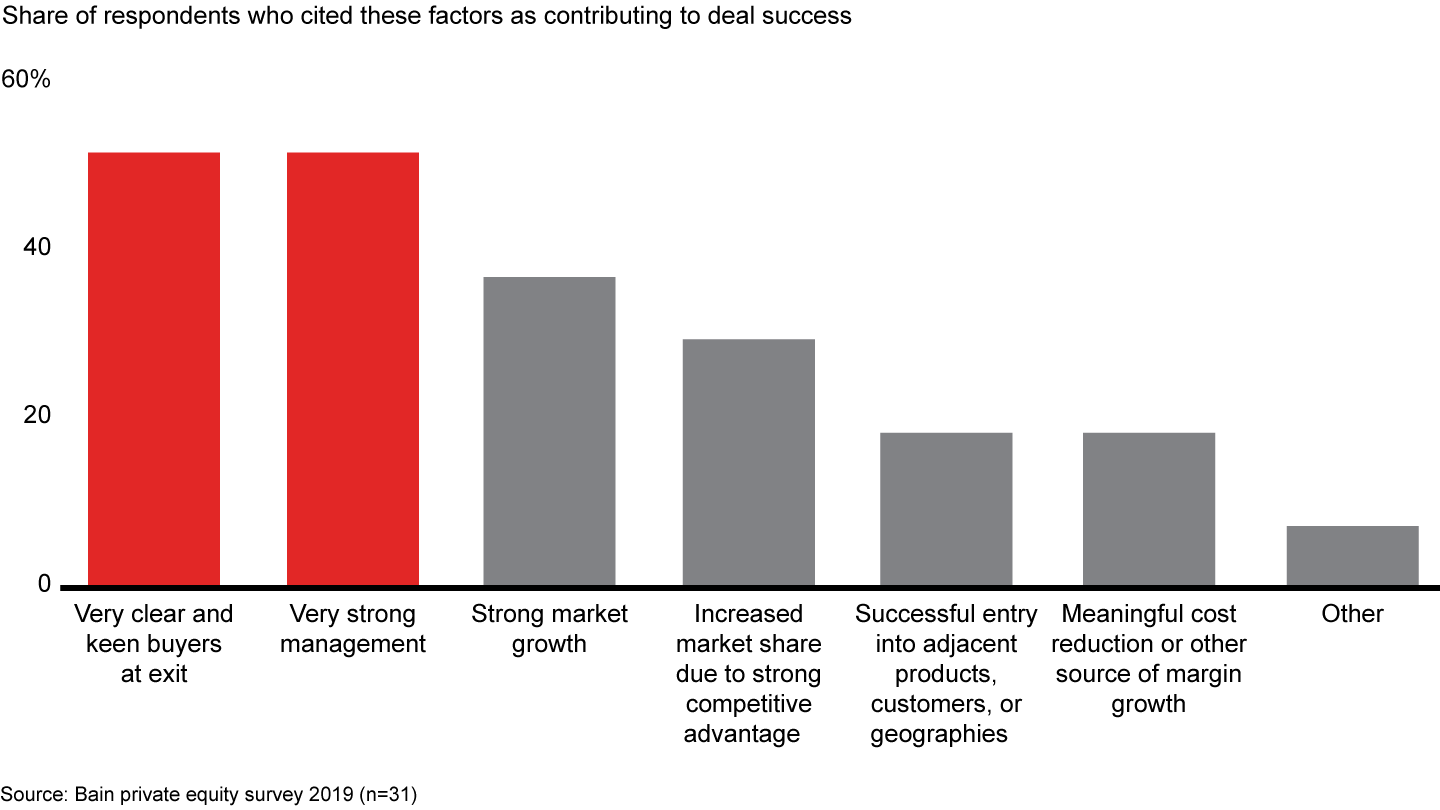

Figure 3.9

About Bain’s Private Equity practiceBain & Company is the management consulting firm the world’s business leaders come to when they want enduring results. Together, we find value across boundaries, develop insights to act on and energise teams to sustain success. We’re passionate about always doing the right thing for our clients, our people and our communities, even if it isn’t easy. Bain advises clients on strategy, operations, technology, organisation, private equity, and mergers and acquisitions. We develop practical, customised insights that clients act on and transfer skills that make change stick. Founded in 1973, Bain has 57 offices in 36 countries as well as deep expertise and a long client roster across every industry and economic sector. Our clients have outperformed the stock market 4 to 1. Bain is also the leading consulting partner to the private equity industry and its stakeholders. Private equity consulting at Bain has grown eightfold over the past 15 years and now represents about one-quarter of the firm’s global business. We maintain a global network of more than 1,000 experienced professionals serving PE clients. In India, we have a leadership position in PE consulting and have reviewed most of the large PE deals that have come to the market. Our practice is more than triple the size of the next-largest consulting firm serving private equity firms both globally and within India. Bain’s work with PE firms spans fund types, including buyout, infrastructure, real estate and debt. We also work with hedge funds, as well as with many of the most prominent institutional investors, including sovereign wealth funds, pension funds, endowments and family investment offices. We support our clients across a broad range of objectives: Deal generation. We help develop differentiated investment theses and enhance deal flow, profiling industries, screening companies and devising a plan to approach targets. Due diligence. We help support better deal decisions by performing due diligence, assessing performance improvement opportunities and providing a post-acquisition agenda. Immediate post-acquisition. We support the pursuit of rapid returns by developing a strategic blueprint for the acquired company, leading workshops that align management with strategic priorities and directing focused initiatives. Ongoing value addition. We help increase a company’s value by supporting revenue enhancement and cost reduction and by refreshing strategy. Exit. We help ensure funds maximise returns by identifying the optimal exit strategy, preparing the selling documents and prequalifying buyers. Firm strategy and operations. We help PE firms develop their own strategy for continued excellence by devising differentiated strategies, maximising investment capabilities, developing sector specialisation and intelligence, enhancing fund-raising, improving organisational design and decision making, and enlisting top talent. Institutional investor strategy. We help institutional investors develop best-in-class investment programmes across asset classes, including PE, infrastructure and real estate. Topics we address cover asset-class allocation, portfolio construction and manager selection, governance and risk management, and organisational design and decision making. We also help institutional investors expand participation in PE, including through coinvestment and direct investing opportunities. About IVCA
|