

Brief


|
|
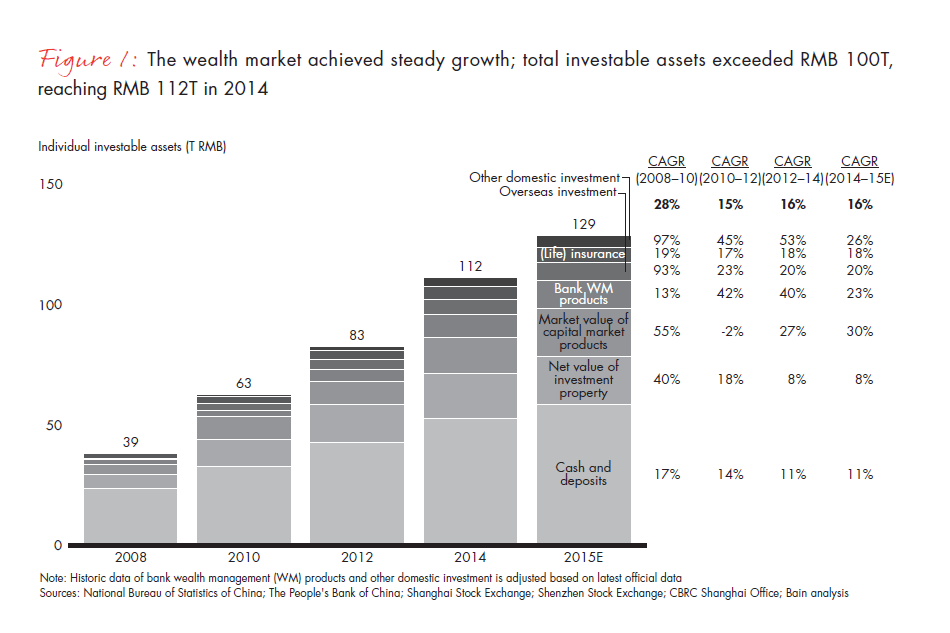
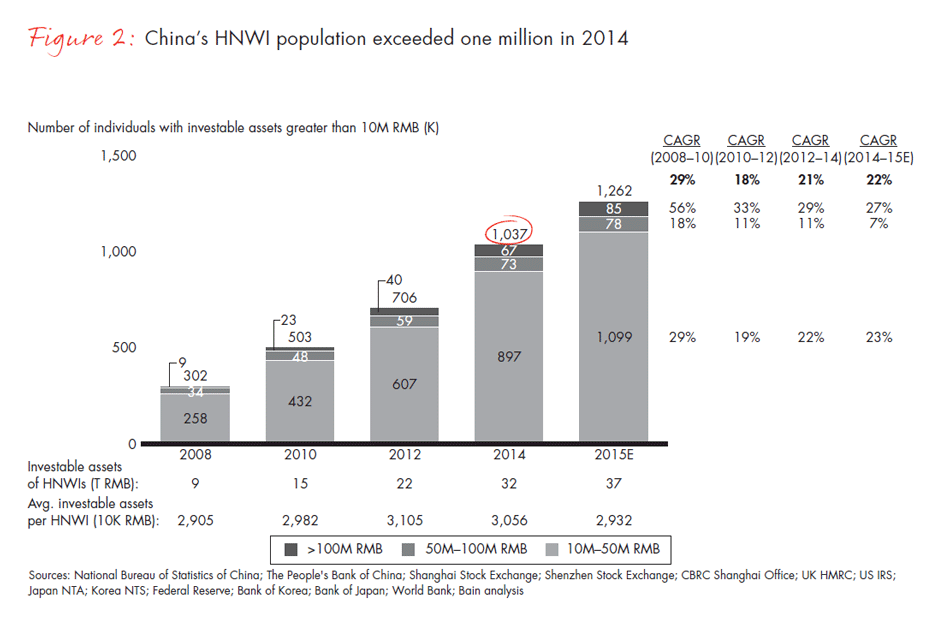
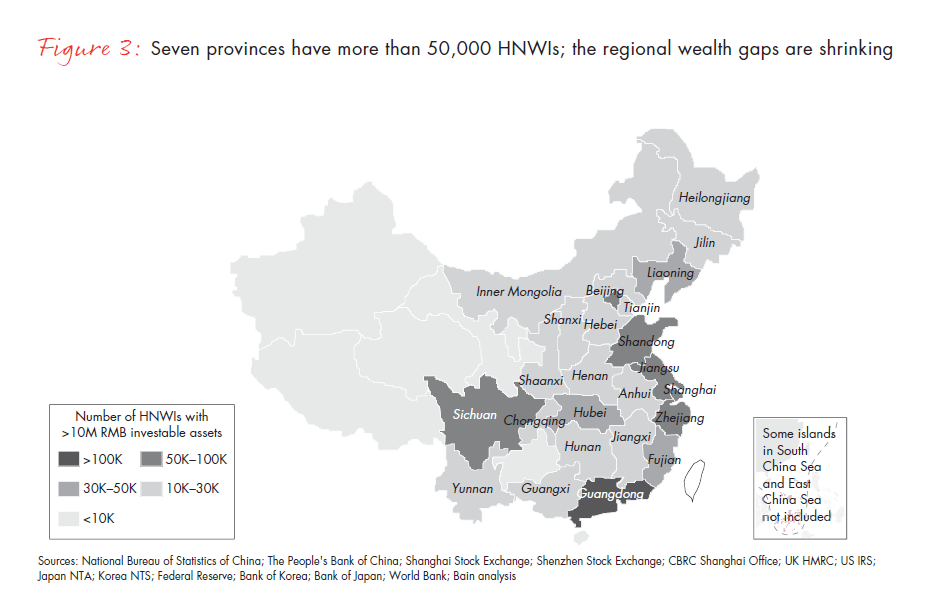
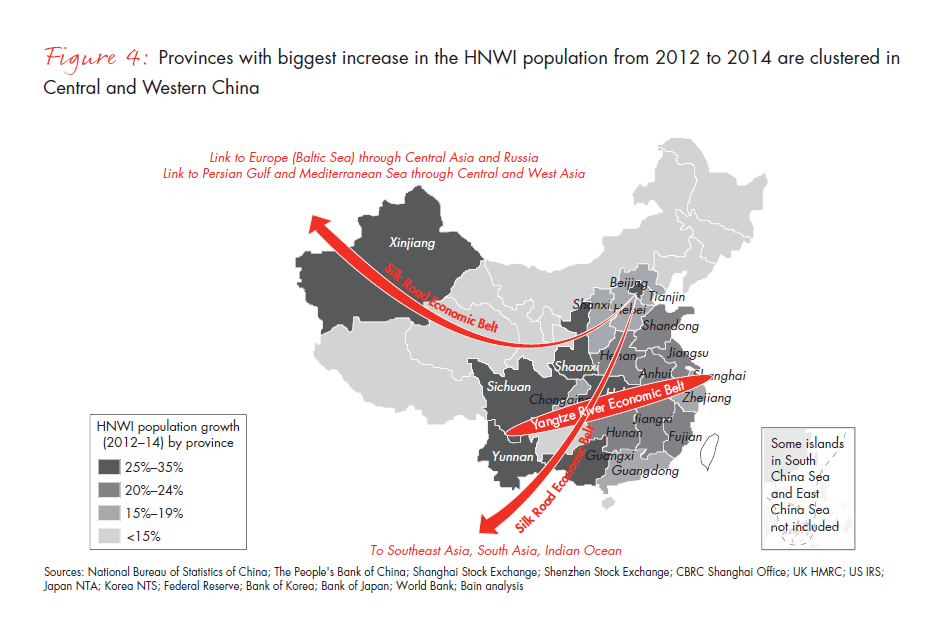
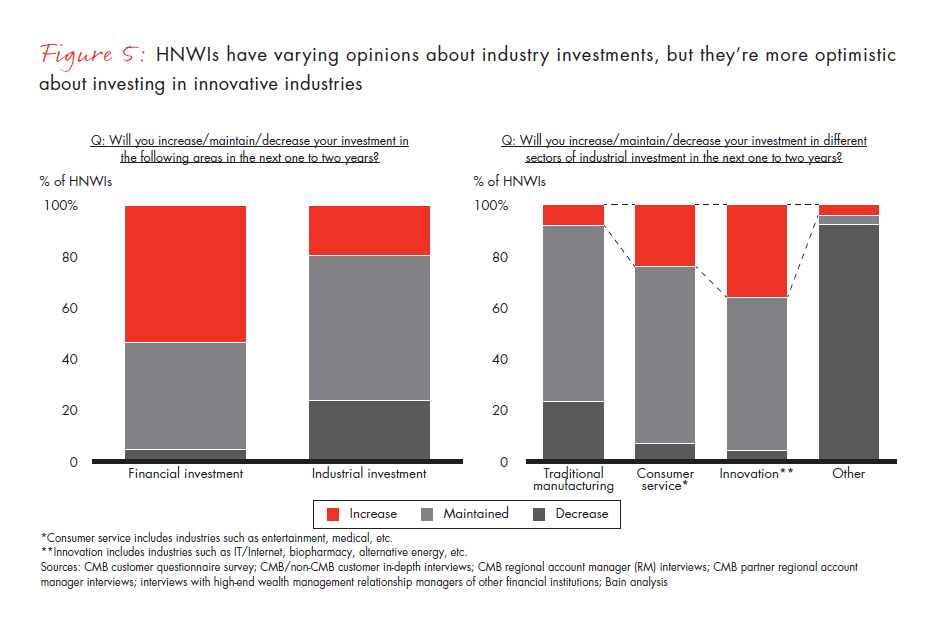
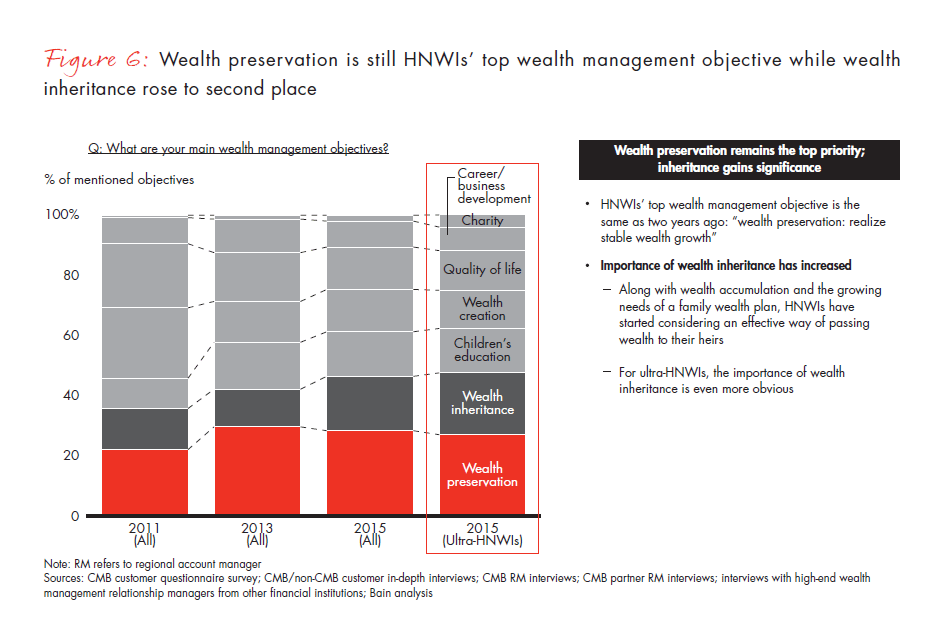
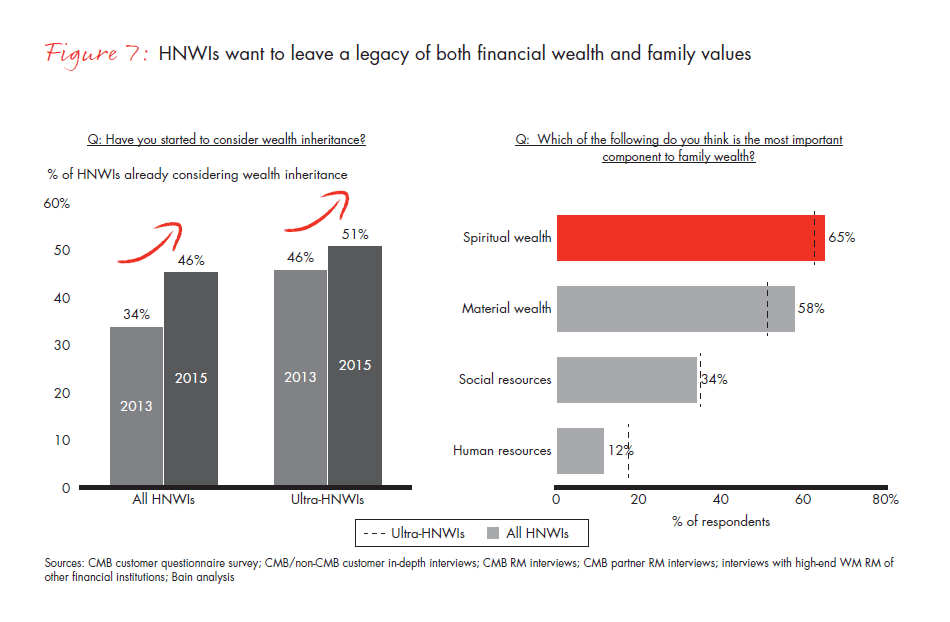
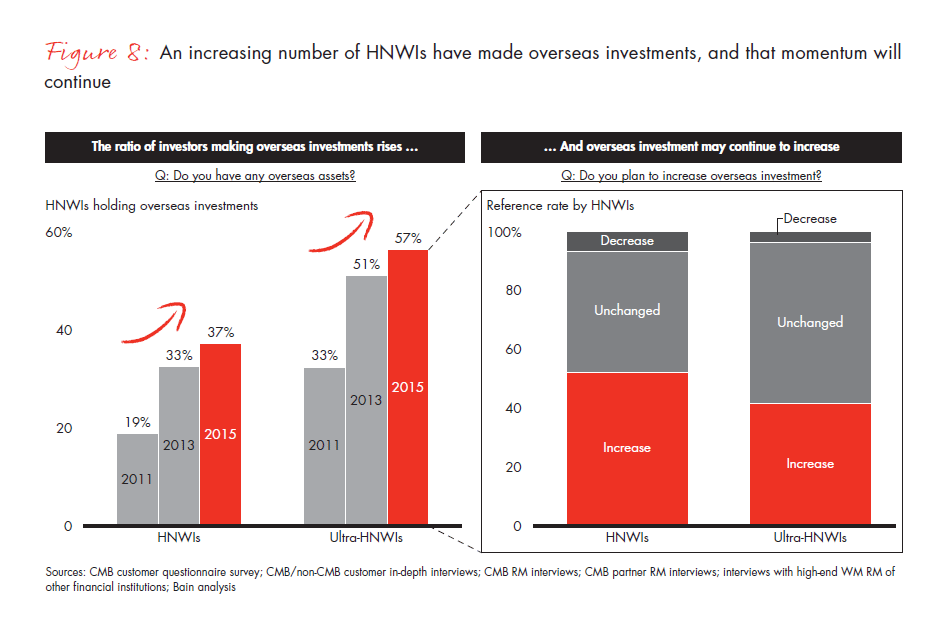
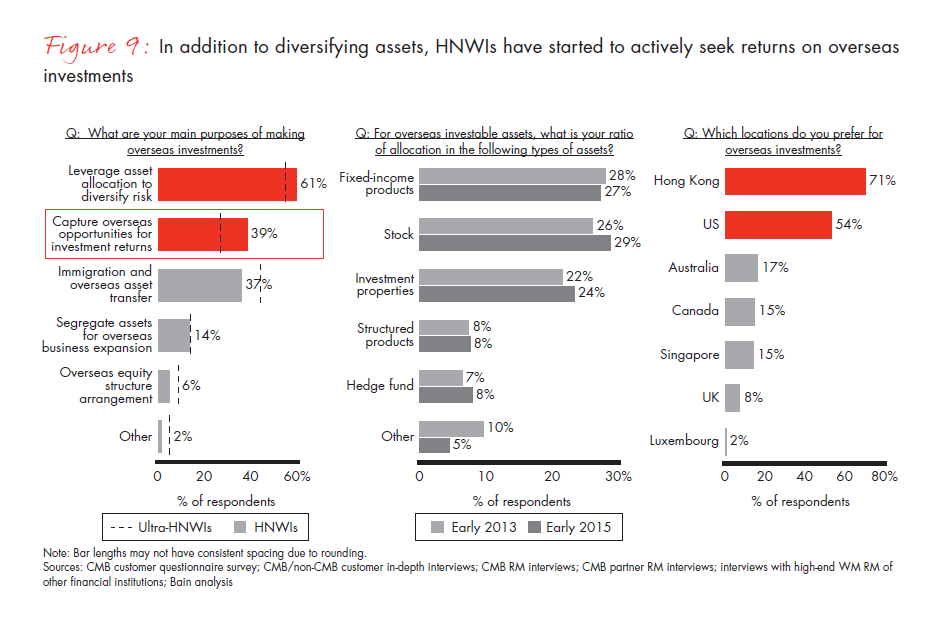
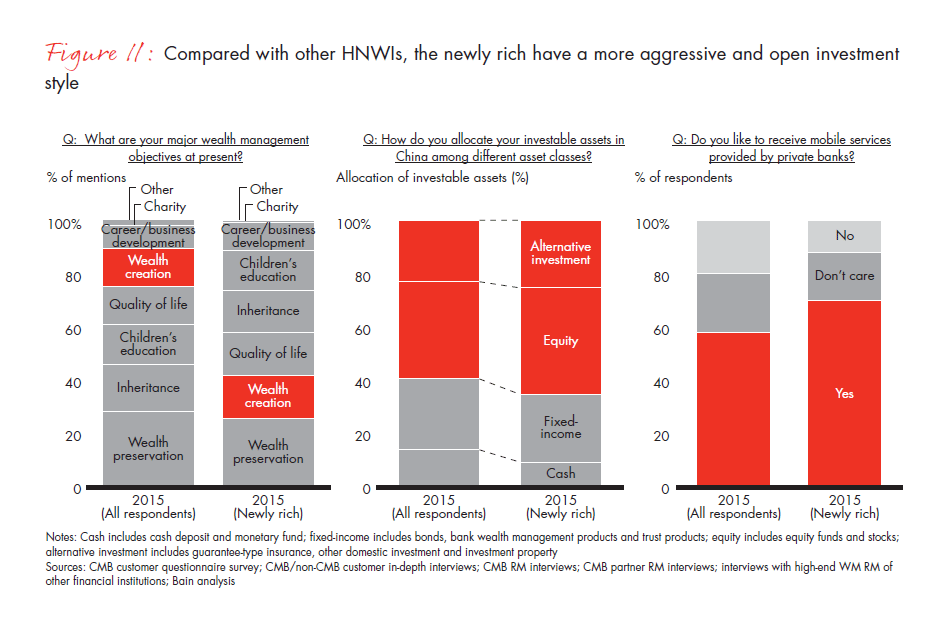
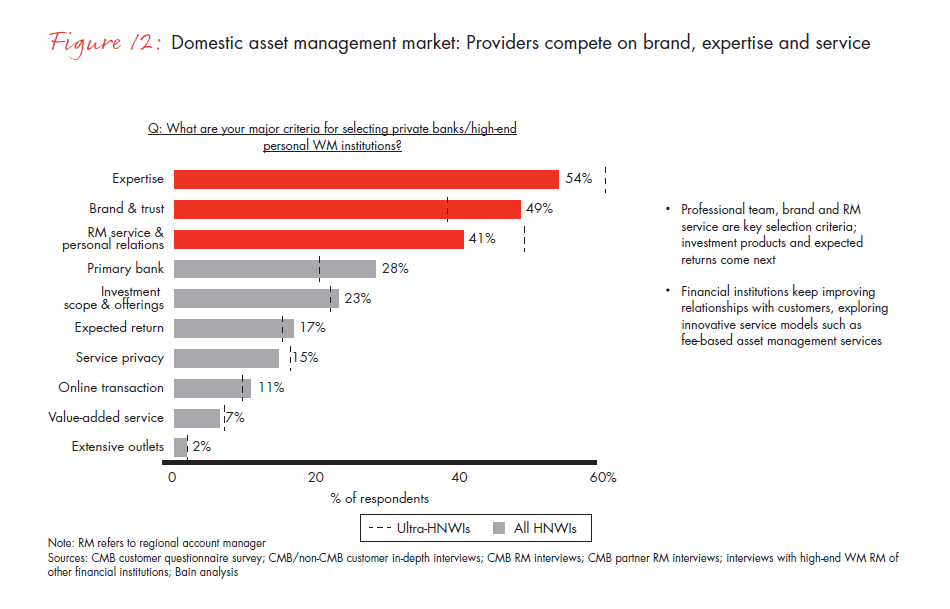
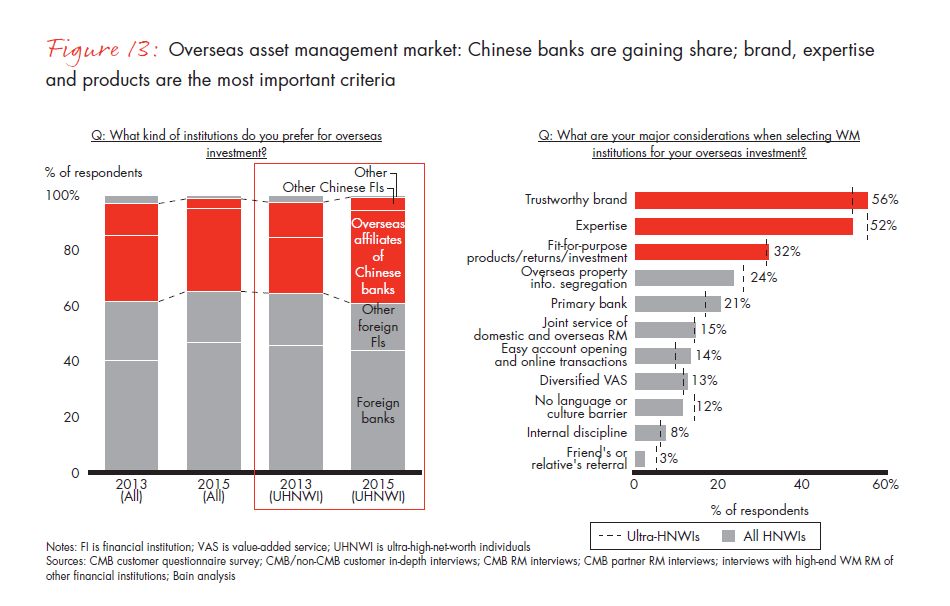
China is now home to one million high-net-worth individuals (HNWIs)—twice as many as in 2010. This is a key finding of the 2015 China Private Wealth Report, jointly published by Bain & Company and China Merchants Bank (CMB). We surveyed approximately 2,800 Chinese HNWIs (those with individual investable assets in excess of RMB 10 million, or approximately US $1.6 million). We conducted our first survey in 2009 and have conducted three follow-ups since then. Our latest survey found that the country’s total private wealth market grew by 16% annually between 2012 and 2014, reaching RMB 112 trillion in 2014. This market should reach RMB 129 trillion in 2015. The HNWI population is expanding throughout China. While only the seven provinces of Guangdong, Shanghai, Beijing, Jiangsu, Zhejiang, Shandong and Sichuan claim more than 50,000 HNWIs, the numbers are increasing rapidly in provinces like Xinjiang, Hubei and Shaanxi, where the number of HNWIs rose by 25% to 35% annually between 2012 and 2104, contributing to a more balanced geographic distribution of wealth. In addition to determining the size and growth trajectory for China’s HNWI population and private wealth market, the survey produced insights into how these individuals gained wealth, where they live, how their priorities are changing and how they invest today. For example, the growth of innovative industries such as IT, biotechnology and alternative energy led to the creation of a newly rich, a segment of HNWIs who are younger and adopt a more aggressive and open investment style than their more established counterparts among the wealthy. Fully 80% of the newly rich are under 50 years of age and add diversity to the HNWI population, which now includes both entrepreneurs who opened factories decades ago and younger professionals in the technology sector and other emerging industries. Unlike more established wealthy individuals, the newly rich prioritize wealth creation over wealth inheritance. Their presence and success is changing how wealthy Chinese invest outside of the capital markets. According to Bain’s research, China’s HNWIs are adjusting their investment strategies based on domestic reforms. More than one-third of HNWIs surveyed said that they expect to increase their investment in innovative industries such as IT, biotechnology and alternative energy. In addition, less than 10% of HNWIs expect to increase their investment in more traditional manufacturing industries. Wealth preservation remains the top wealth management objective, followed by wealth inheritance planning, which surged from the fifth priority in 2013 to the second in our 2015 survey. It shares its ranking among ultra-HNWIs (those with investable assets in excess of RMB 100 million). HNWIs’ interest in overseas investment continues to increase. Nearly 40% of HNWIs and almost 60% of ultra-HNWIs indicated that they have overseas investments—a sizable jump from 20% and more than 30%, respectively, in 2011. About half of the HNWIs said they plan to boost their overseas investments in the next year or two, attracted by the more diverse cross-border investment opportunities. HNWIs are entrusting a larger share of wallet—or a percentage of their investable assets—to private banks or other high-end wealth management institutions. In 2015, HNWIs put 65% of their investable assets in the hands of private banks or other high-end wealth management institutions, a significant increase from 25%, on average, in 2009. As China’s private wealth market grows and changes, all wealth management institutions are discovering the importance of adapting to their customers’ shifting needs and preferences. This includes continually improving customer relationships and actively exploring innovative service models. Chinese private banks remain the first choice for HNWI onshore wealth management requirements. Now, many are investing heavily to expand their overseas service platforms and capabilities in order to capture the growing market for overseas investments. 1. China’s private wealth market
2. Investment mindset and behaviors
3. Private banking: Competitive landscape
Jennifer Zeng, Alfred Shang and Sameer Chishty are partners with Bain & Company. For a copy of the full Evolution of China’s Private Wealth Market report, please contact the authors. |