


Report


|
Auf einen Blick
Asia-Pacific Front Line of Healthcare 2026 is Bain & Company’s fourth biennial report on healthcare trends and opportunities in the region. For this report, we surveyed 600 doctors in Australia and the Philippines and 6,300 consumers across nine Asia-Pacific markets.1 The results reveal widening tensions across the healthcare system: consumer expectations are rising faster than experience can keep up, clinicians are ready to walk away from overburdened systems, and artificial intelligence (AI) capabilities are outpacing organisational readiness. Our data reflects a reality already underway and surfaces critical choices to help CEOs prioritise and execute their strategy for the next 18 months. Persistent pain pointsThe friction consumers and clinicians are experiencing is an expression of a deeper, structural imbalance between surging demand and constrained supply. The Asia-Pacific region is home to 60% of the world’s population and bears a disproportionate share of the global disease burden, yet it accounts for only 22% of global healthcare spending. Health worker density remains critically low: On a population-weighted basis, emerging Asia-Pacific countries average roughly 1.6 doctors per 1,000 people. Excluding China, this average drops near 0.9 doctors per 1,000 people. For reference, the World Health Organization recommends a minimum of 2.5 physicians per 1,000 people, while many Organisation for Economic Co-operation and Development nations average 3.7. Long wait times remain the top consumer frustration, consistent with our three previous reports (see Figure 1). This issue cuts across mature and emerging systems, privately and publicly funded alike, and mirrors patterns seen in the US and UK.
Figure 1
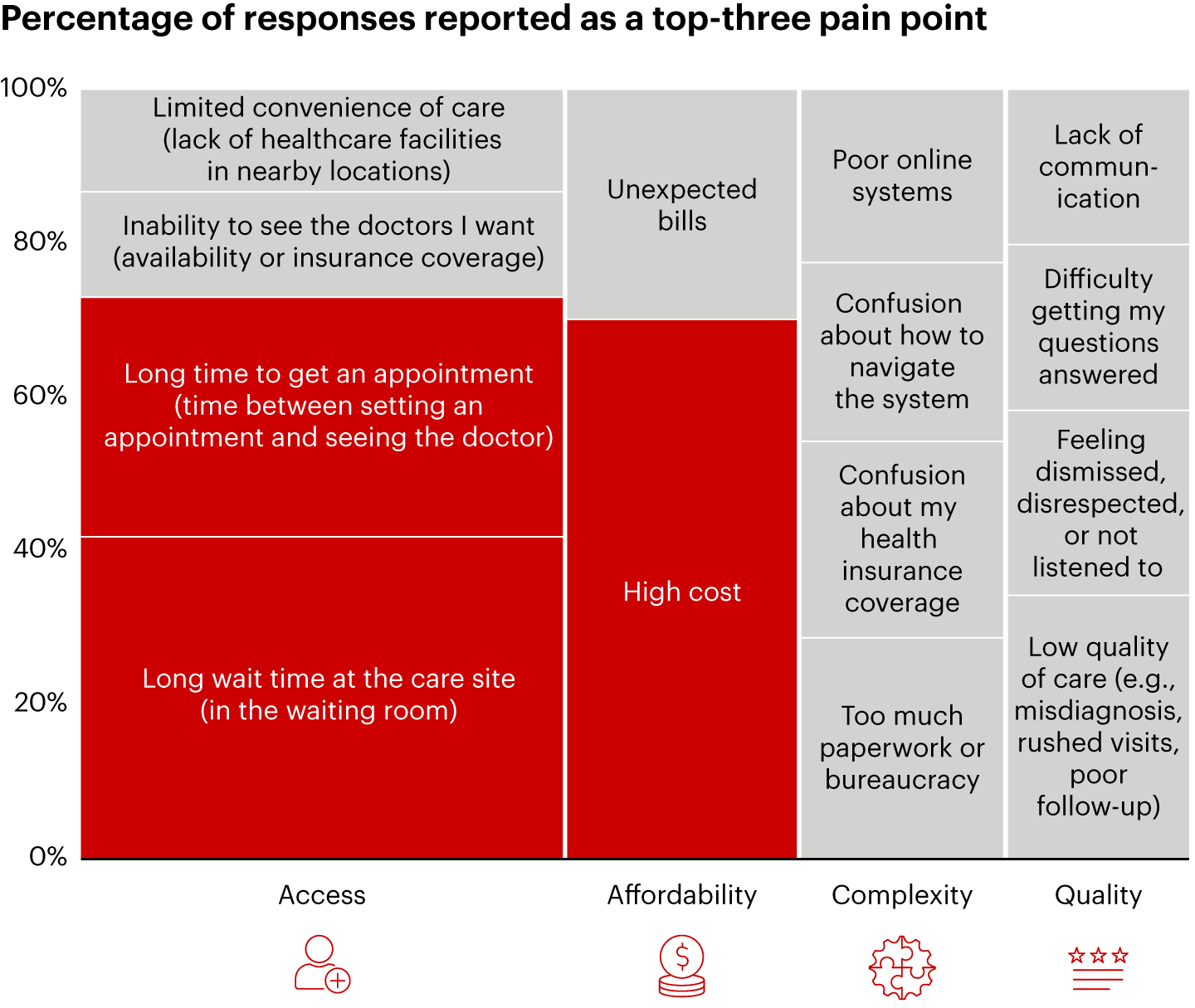

Note: Q15: What were the greatest pain points you experienced with the healthcare system over the past 12 months? Please select up to three choices. Quelle Bain Asia-Pacific Front Line of Healthcare Survey, December 2025 (providers n=600; consumers n=6,300)Cost and complexity compound the problem. High out-of-pocket costs often deter or delay care, even among insured populations, while billing and coverage complexity add friction and erode trust. The consequences are tangible: Fewer than 70% of chronic patients report having regular check-ups, citing high cost as their primary barrier. Doctors are feeling the strain too, particularly in public systems, where they reported significantly lower job advocacy compared to physicians in private hospitals. In both mature (Australia) and emerging (the Philippines) markets, doctors ranked “professional development” and “technology and tools” as their most valued professional dimensions—ahead of compensation. Yet only about 30% of doctors reported feeling very satisfied with either dimension. Our longitudinal, cross-region research on the frontline of healthcare suggests a strong correlation between physician involvement in strategic decision-making and employee Net Promoter Scores (eNPS), which measure the extent to which clinicians would recommend their organisation as a place to work to a friend or colleague. Asia-Pacific doctors who feel engaged reported eNPS up to 36 points higher than those who do not. Approximately 30% of doctors believe recruitment and retention at their organisations have become more difficult since 2023, and 20% say they’re actively considering switching organisations. These sentiments are driven not by compensation, but by excessive workloads, a lack of recognition, and burnout (see Figure 2).
Figure 2
Notes: Q19: To what extent do you agree with the following statements? (Statements were “Considering switching careers” and “Considering switching employers”); Q20: What is contributing to you considering switching employers? Source: Bain Asia-Pacific Front Line of Healthcare Survey, December 2025 (providers n=600; consumers n=6,300)Frontline trendsSeveral forces are reshaping how care is sought and delivered across the region, including consumerism, expanded care sites, fragmentation, and AI. These trends are also changing what it takes to secure a competitive advantage. ConsumerismAsia-Pacific patients are becoming consumers. Eighty-four percent expect healthcare to be more convenient today than two years ago, and 71% expect doctors to be more responsive via phone, WhatsApp, or email vs. waiting for a next appointment (see Figure 3). This shift is being amplified by the rapid global adoption of AI-based tools. Nearly 70% of the Asia-Pacific consumers we surveyed reported using AI tools to better understand a medical diagnosis or treatment plan.
Figure 3
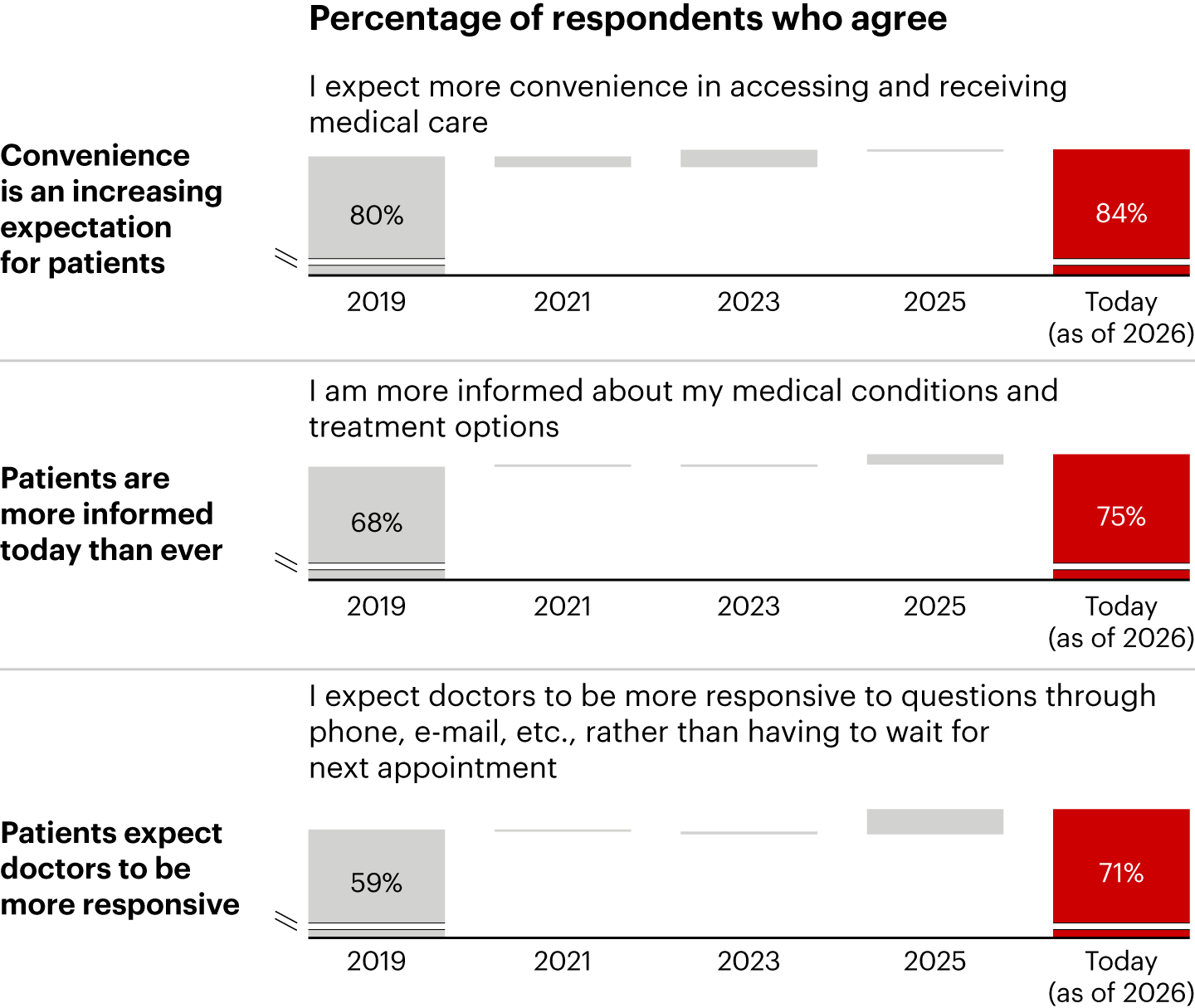

Note: Q14: Compared to two years ago, to what extent do you agree with the following statements about you today? Sources: Bain Asia-Pacific Front Line of Healthcare Survey, December 2025 (providers n=600; consumers n=6,300); 2023 (n= 2,300); 2021 (n=1,750); 2019 (n= 1,823)Preventive care increased decisively compared to prior surveys. Sixty percent of consumers reported scheduling regular check-ups and screenings in 2025, compared to only 47% in 2023. Every country except India and Indonesia reported a steep increase in preventive care; China led the region, with 76% of consumers scheduling regular check-ups (see Figure 4).
Figure 4
Note: Q20: Which statement best describes your approach to preventive healthcare? Sources: Bain Asia-Pacific Front Line of Healthcare Survey, December 2025 (providers n=600; consumers n=6,300); 2023 (n= 2,300)Consumers also reallocated personal budgets toward health and wellness. Net spending increased across every consumer health category over the prior 12 months. Nutrition supplements saw the biggest jump (43%), followed by fitness and exercise (34%) and oral healthcare (31%). Care everywhereIn 2019, roughly 50% of patients supported moving nonemergency care to alternative sites. That intent has translated into action. Today, nearly 60% of consumers receive care in alternative settings such as walk-in clinics and patient homes, and via phones and wearables. Uptake varies by market: Walk-in clinics in retail or pharmacy settings are the top alternative care sites in Malaysia, Australia, and the Philippines; walk-in and after-hours clinics lead in Indonesia and Hong Kong; home based care leads in India and Vietnam; and telehealth dominates in China and Singapore (see Figure 5).
Figure 5
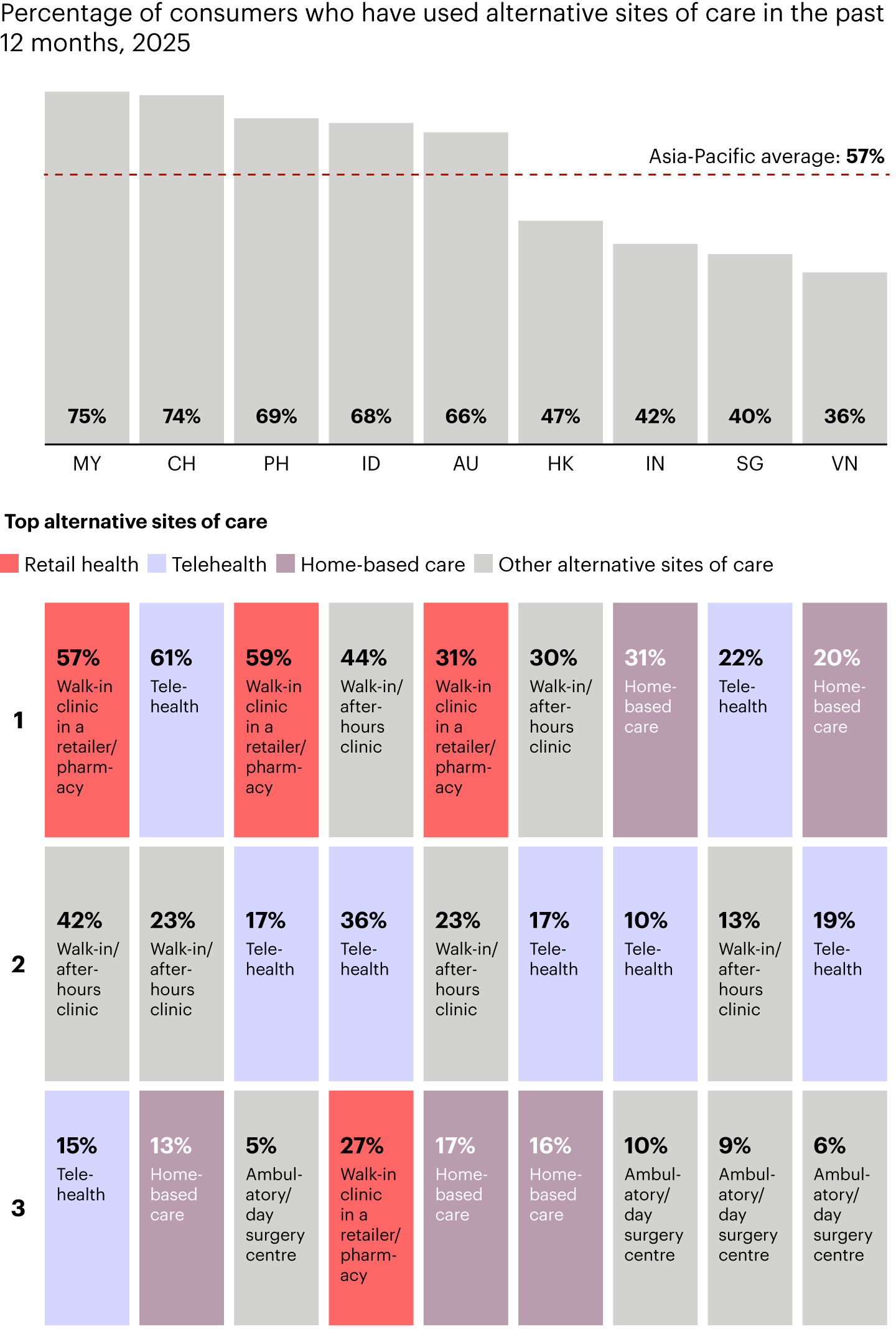

Note: Q13: Have you used any of the following medical facilities for yourself/your immediate family members in the past 12 months? Quelle Bain Asia-Pacific Front Line of Healthcare Survey, December 2025 (providers n=600; consumers n=6,300)This shift has strong physician support. Across specialties, surgeons said they would ideally perform 30%–42% of procedures in ambulatory surgical centres (ASCs); only 15%–25% are performed in ambulatory settings today (see Figure 6). Even in medical oncology—where hospital-based care remains dominant—clinicians indicated a clear intent to move care into lower-acuity environments. Clinicians cited “patient preference” as the primary driver for shifting care to an ASC. They also perceive ASCs as more willing to invest in cutting-edge equipment and believe the shift would increase the volume of care delivered overall.
Figure 6
Note: Q45: Of all the procedures you perform today, what percentage would you ideally like to perform in a day surgery centre/ambulatory surgery centre (ASC) if you could? Source: Bain Asia-Pacific Front Line of Healthcare Survey, December 2025 (providers n=600; consumers n=6,300; n=20 general surgeons, n=20 orthopaedic surgeons, n=21 medical oncologists)Telehealth adoption doubled across the Asia-Pacific region between 2019 and 2021, then moderated everywhere except India and China. In India, telehealth adoption plummeted below its 2019 baseline, dropping to 10% penetration in 2025. Telehealth continues to be used for non-acute cases. However, because the market remains largely cash pay, payer-driven steerage toward tele-consultations has been limited. China was an outlier on the upside. There, telehealth adoption reached 61% in 2025, rising 37 percentage points from 2019 (see Figure 7). A majority of doctors (65%) and consumers (70%) agree on an important boundary: telehealth is a complement to, not a substitute for, in-person care. Even with strong digital adoption, roughly 76% of consumers in China hold this view.
Figure 7
Note: Q28: For which of the following services have you used digital health tools/apps in the past 12 months? Sources: Bain Asia-Pacific Front Line of Healthcare Survey, December 2025 (providers n=600; consumers n=6,300); 2021 (n=1,750); 2019 (n= 1,823)FragmentationAs the number of channels, providers, and touchpoints multiply, fragmentation is becoming an increasing challenge. For many patients, the care journey is a series of disconnected episodes plagued by repeated information requests, duplicated diagnostics, and challenging navigation. Half of the consumers we surveyed were sent to multiple providers and locations before receiving the right diagnosis or treatment, and more than 40% received inconsistent advice across clinicians. It’s even worse for patients with chronic conditions; 55% of those consumers reported having to see multiple doctors to fulfil their healthcare needs. Coordination gaps also burden clinicians. In both mature and emerging markets, about one in three doctors has observed significant waste and inefficiency in their organisations. Excessive forms and paperwork were a chief complaint, and roughly 40% said they perform low-value, repetitive tasks that could be automated or simplified. Physicians also reported spending a substantial amount of time waiting for administrators to complete necessary tasks (see Figure 8).
Figure 8
Note: Q29: How much do you agree or disagree with each statement about efficiency and waste at your organisation? Source: Bain Asia-Pacific Front Line of Healthcare Survey, December 2025 (providers n=600; consumers n=6,300)The consumers we surveyed were clear about what they want: 95% prefer a single touchpoint for managing their healthcare, up from 70% in 2019. Excluding China, approximately 60% to 75% of respondents prefer in-person interaction as their primary coordination point. More than 80% of consumers believe a primary care physician should serve as the first point of contact—maintaining patients’ longitudinal health history, guiding prevention, and coordinating referrals. However, access to primary care is far from universal. About a quarter of consumers in the region lack a primary care physician, with Malaysia (39%), Hong Kong (38%), Indonesia (33%), and China (27%) reporting the largest gaps. However, patients are increasingly open to working with alternative care coordinators. Consumer trust has eroded across healthcare stakeholders overall, although non-traditional providers have moved up in the consumer trust rankings. Indonesia saw the biggest lift: Only one stakeholder type—hospitals—was trusted by 65% or more Indonesian consumers in 2019, compared to five today. Traditional providers (GPs/clinics and hospitals) remain the most trusted entities across the region, followed by governments, health insurers and pharmacies. However, stakeholder trust has shifted differently across markets (see Figure 9):
Figure 9
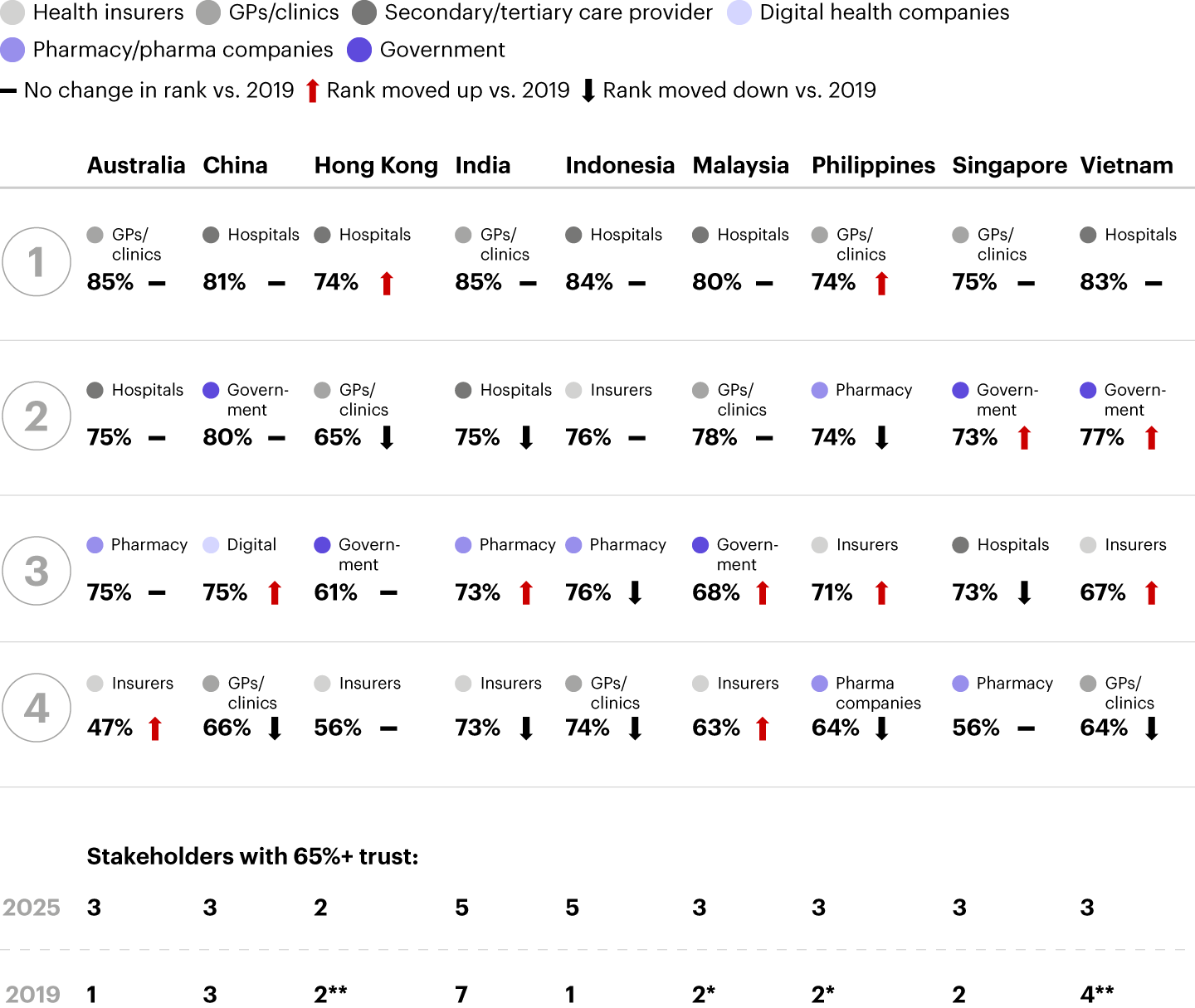

Anmerkungen Q17: How much do you trust the following to manage your overall healthcare and coordinate your treatment with other healthcare providers in your country?; (*) Comparison with 2021; (**) Comparison with 2023 Sources: Bain Asia-Pacific Front Line of Healthcare Survey, December 2025 (providers n=600; consumers n=6,300); 2019 (n= 1,823)AI-enabled careAI-enabled care is gaining ground across the Asia-Pacific region but with an important caveat: consumers want technology to make healthcare more accessible, responsive, and reliable—not less human. Consumer acceptance of AI is generally higher in the Asia-Pacific region than in the US, with nearly three-quarters of Asia-Pacific consumers reporting they feel comfortable with at least one AI-enabled healthcare application. Consumers are most comfortable with use cases that support clinicians and improve efficiency, such as AI-assisted documentation, clinical decision support, and automated analysis of medical exams and test results. Support is stronger for AI adoption that enhances human interactions rather than replacing them. Still, more than 35% of Asia-Pacific consumers reported feeling comfortable with AI-only call centres, medical advice, diagnoses, and treatment plans (see Figure 10).
Figure 10
Note: Q46: To what extent are you comfortable with each of the following applications of generative artificial intelligence in healthcare? Sources: Bain Asia-Pacific Front Line of Healthcare Survey, December 2025 (providers n=600; consumers n=6,300); Bain US Consumer Survey, 2025 (n=500)In-person appointments remain the preferred channel when caring for a minor illness or non-acute symptom like a cold, sore throat, or rash (see Figure 11). Consumers are least likely to prefer chatbot-led diagnoses or treatment.
Figure 11
Notes: Q18: When you need a sick visit for a minor illness/non-acute symptoms (e.g., cold, sore throat, rash), which type of medical care below would you most prefer and which would you least prefer?; net preference is the difference between the percentage of respondents who rated each type of visit as “most preferred” and the percentage responding “least preferred” Source: Bain Asia-Pacific Front Line of Healthcare Survey, December 2025 (providers n=600; consumers n=6,300)Doctor sentiment closely mirrors patients’. Physicians reported optimism about integrating AI into healthcare, hoping it will reduce their administrative burden and workload, while remaining concerned it could undermine the value of the patient-clinician relationship (see Figure 12). These views were consistent across the US, the UK, and the Asia-Pacific region.
Figure 12
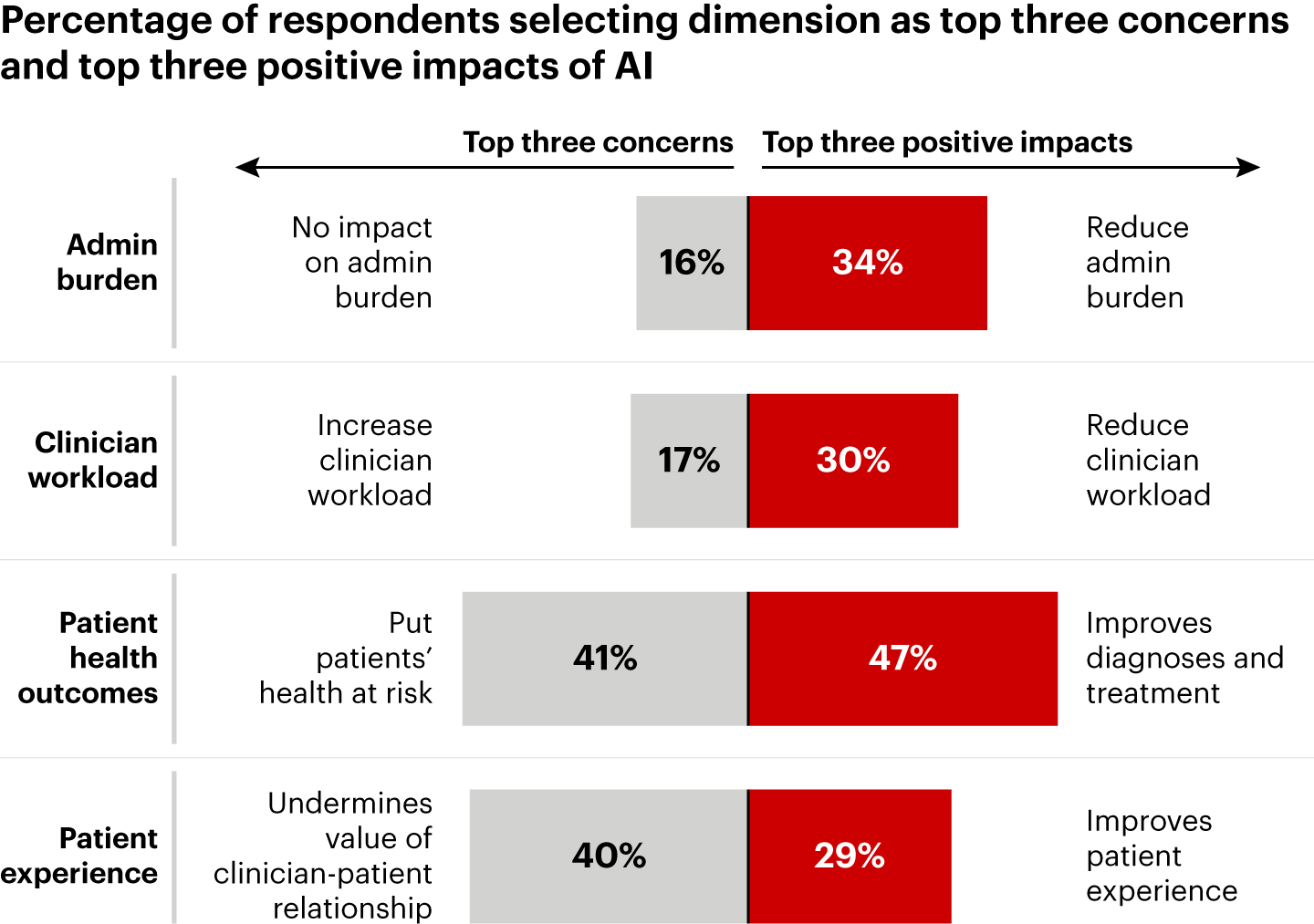

Anmerkungen Q53: What positive impacts do you believe the incorporation of generative AI tools/use cases may have on your organisation?; Q54: What are your greatest concerns with incorporating generative AI tools/use cases at your organisation? Quelle Bain Asia-Pacific Front Line of Healthcare Survey, December 2025 (providers n=600; consumers n=6,300)While consumers and clinicians are becoming more comfortable with AI-enabled care, their healthcare organisations aren’t keeping pace. Approximately one in three doctors said their organisations are not prepared to deploy AI at scale, held back by unclear strategies, limited training, and insufficient clinician involvement. This readiness gap is compounded by broader digital maturity constraints. Beyond telehealth, foundational technology adoption remains limited across the region. Even in Australia, the adoption of care management systems, workforce and workflow management tools, and revenue cycle management solutions remains low (see Figure 13). A plurality of Australian doctors expressed interest in using these technologies but noted that progress is stalled by a lack of funding and resources.
Figure 13
Note: Q47: From the list of digital health technologies below, which (1) have you/your organisation used in the past 12 months, (2) have you/your organisation not used in past 12 months and would start to use in the next two years if able to, or (3) have you/your organisation not used and would not want to use in the next two years? Source: Bain Asia-Pacific Front Line of Healthcare Survey, December 2025 (providers n=600; consumers n=6,300)Strategic opportunitiesAsia-Pacific healthcare companies can leverage these trends to their advantage by focusing on five key opportunities: 1. Become a trusted coordination point for your customersPatients’ desire for a single, trusted, in-person touchpoint to manage their healthcare needs is nearly universal (see Figure 14). Preference for in-person visits remains strong across markets, even as digital adoption rises overall. Human relationships remain a core aspect of care delivery. To treat customers how and where they want to be seen, healthcare leaders must build connected outpatient ecosystems to attract patients early and keep them engaged over time. This means moving beyond episodic interactions and integrating primary and specialty care, diagnostics, pharmacy, and day surgery across channels into a coordinated model with shared data and clear accountability. In markets where competition is intensifying, outpatient-led acquisition and longitudinal retention can reduce referral leakage, increase share of wallet, and lift patient lifetime value.
Figure 14
Notes: Q19: Thinking about how you prefer to access healthcare services, which of the following options would you most and least prefer?; Q36: Do you have a preferred primary care doctor or general practitioner to look after your healthcare needs? Sources: Bain Asia-Pacific Front Line of Healthcare Survey, December 2025 (providers n=600; consumers n=6,300); 2023 (n= 2,300); 2021 (n=1,750); 2019 (n= 1,823)Who should own this role and become the singular touchpoint? Primary care has inherent potential but has long been underinvested in and constrained by capacity. General practitioners are often stretched too thin to manage complex patient panels, track referral outcomes, or stay current on evolving clinical evidence. AI has the potential to change this equation with tools designed to handle administrative tasks, track longitudinal views, and support clinical decision-making. However, because primary care access is not uniformly strong across the region, alternative touchpoints may serve as stronger coordinators. A specialist hub, pharmacy-led clinic network, payer-sponsored navigation platform, or digital front door could fill the role. In China, for example, most consumers prefer using a digital app or hotline—contrary to the in-person-anchored preferences that dominate elsewhere in the region. While the format may vary by market, one principle is consistent: someone must own the patient relationship, guide referrals, and remain connected between visits. In a fragmented system, the competitive advantage will go to the default starting point—and the continuous thread—across the patient journey. 2. Redesign care journeys around moments that matter mostConsumers have more care choices today, and positive experiences translate directly into higher retention and share of wallet. Across the region, patients who are “promoters” of their healthcare provider (based on Net Promoter Score, or NPS) are 2.5 times more likely to stay with their provider and twice as likely to expand their use of services compared to “detractors” (see Figure 15). In markets such as Indonesia, the Philippines, and China, retention and increased share of wallet are up to four times higher for promoters.
Figure 15
Notes: Q41: How likely are you to switch healthcare providers after this experience?; Q42: How likely are you to use other services from the same provider, provider office, or health system after this experience? Source: Bain Asia-Pacific Front Line of Healthcare Survey, December 2025 (providers n=600; consumers n=6,300)However, not all touchpoints are equal: a small number of high-impact interactions disproportionately impact a consumer’s likelihood to recommend their healthcare provider. In our research, billing and coverage-related interactions are the strongest creators of detractors in the Asia-Pacific region—and the lowest-performing experiences. Moments with the highest potential to create promoters or detractors—which we call “moments of truth”—vary by market, underlining that there is no one-size-fits-all solution (see Figure 16).
Figure 16
Anmerkungen Q38: Which of the following activities have you personally experienced with a healthcare provider in the past 12 months, including assisting/accompanying an individual you are a caregiver for?; Q40: To what extent did this experience increase or decrease your likelihood of recommending that healthcare provider to a friend or colleague? Quelle Bain Asia-Pacific Front Line of Healthcare Survey, December 2025 (providers n=600; consumers n=6,300)Improving the customer experience requires moving beyond isolated satisfaction scores to redesigning end-to-end journeys around the moments that matter most. It also requires real-time feedback loops to address root causes and drive continuous improvement. Embedding digital tools and AI can help providers rewire complex workflows rather than simply layering automation onto broken processes. However, fewer than 60% of doctors in Australia believe their organisations have systems in place to address recurring patient pain points. Even fewer believe the patient experience is deeply embedded in their organisation’s culture. Ultimately, organisations that position customer experience at the centre of their strategy—and link it to financial outcomes—will be best positioned to convert rising consumer expectations into a sustainable competitive advantage. 3. Implement value-based care (VBC) principlesHigh cost remains one of the most persistent consumer pain points across the region, and more than 70% of doctors acknowledge the need to balance clinical outcomes with affordability. Structural pressures, including ageing populations and an accelerating chronic disease burden, cannot be resolved through incremental efficiency gains. Leaders need a fundamentally different approach to financing and measuring care and for creating accountability. Value-based care (VBC) may be the key to driving this transformation, as it encompasses a range of reimbursement models that progressively shift accountability from volume to value. International examples demonstrate that moving from cost-based to outcome-linked reimbursement consistently drives shorter stays, greater pathway standardisation, and a sharper focus on care efficiency. Reform momentum is building across the region. Examples include diagnosis-related groups and bundled payment adoption in China and India, as well as prevention-focused capitation through Singapore’s Healthier SG initiative. However, most markets remain in the early-to-mid stages of VBC adoption. Only a handful of countries have started embedding outcome-level or population-level accountability into their payment architecture. The willingness is there. More than half of the doctors we surveyed (56%) are more interested in VBC models today than they were two years ago, citing VBC’s ability to drive efficiency in patient care, improve patient satisfaction, and deliver higher-quality care (see Figure 17). Doctors also noted they would be more willing to shift to VBC if there were evidence-based protocols, more reliable data systems, and a lower reporting burden—factors that make VBC models measurable, attributable, and administratively workable. The bottleneck isn’t clinician resistance; it’s the operational backbone VBC requires to succeed. Less than a third of doctors reported broad implementation of value-based payment models in their organisations.
Figure 17
Notes: Q40: What is your current view of value-based care models (more interested, less interested, or view hasn’t changed compared to two years ago)?; Q41: Why are you more interested in value-based payment models today? Source: Bain Asia-Pacific Front Line of Healthcare Survey, December 2025 (providers n=600; consumers n=6,300)Building organisational readiness requires action on three fronts:
4. Treat AI as a business transformationSignificant opportunities are ahead for payers and providers in the Asia-Pacific region that:
Ninety-five percent of healthcare leaders believe AI will significantly transform revenues, costs, or administrative burdens. More than half of organisations already deploying AI report achieving a meaningful ROI within 12 months. Patients are equally optimistic. In our survey, consumers believed AI could improve how they research and select providers (65%), resolve billing and coverage questions (58%), navigate care (55%), manage payments (50%), and schedule appointments (49%)—covering many of their recurring pain points. Early waves of adoption have centred around clinical documentation, ambient scribing, medical coding, and administrative productivity tools. Meanwhile, many of the highest-opportunity areas remain largely untapped—such as revenue cycle processes, workflow gaps in triage, provider contracting, and stop-loss management on the payer side. Still, we can see what high-impact AI investment looks like in practice. Apollo Hospitals built a self-learning clinical decision support platform covering 1,300 conditions, which is maintained by more than 500 in-house clinicians. Similarly, Singapore General Hospital’s PErioperative AI CHatbot (PEACH) encodes perioperative guidelines into a large language model, enabling clinicians to triage preoperative patients, generate care plans, and navigate more than 400 pages of guidelines with 98% documented accuracy. Across 25,000 preoperative patients, PEACH has saved an estimated 660 doctor hours annually. Ping An Good Doctor’s AI agents handle up to 4 million consultation requests per day, reducing the average service cost by roughly 52% per doctor. These examples all share a commitment to proprietary clinical assets and deliberate workflow redesign, rather than layering AI on top of existing processes. The readiness gap is primarily driven by leadership, workforce, and operating model issues—not the technology itself. To avoid getting stuck in unscalable pilots, organisations must advance technology readiness and people readiness together. On the technology side, organisations require modern data foundations; connected, real-time clinical data; and robust AI governance. On the people side, it means investing in training and change management. Employee value propositions must be reinforced to build workforce trust and buy-in, not as a follow-on to deployment, but as a prerequisite for it. Leading organisations are concentrating on a small number of bigger bets, fully reimagining the workflows that matter most, and modernising their workforce in lockstep. Leadership needs to develop both the skills and the mindset to lead AI-powered transformations—including revised human-agent decision rights, blended functional boundaries, and management systems that dynamically link workflow and workforce changes. Ecosystem partnerships can also help them combine speed with clinical safety. 5. Elevate your clinician engagementThe clinician experience is one of the most urgent strategic priorities for healthcare leaders across the Asia-Pacific region. It is the connective tissue that determines whether strategic opportunities are realised or stalled. The issue extends well beyond talent retention. There is a direct, well-documented link between clinician experience, the quality of the patient experience, and clinical outcomes. Research consistently shows that higher nurse burnout correlates with elevated patient mortality and failure-to-rescue rates. Conversely, positive clinician experience is associated with higher patient satisfaction, improved treatment adherence, stronger physician–patient relationships, and better overall quality of care. Clinician experience is not a parallel priority to patient experience—it is a precondition for it. Our survey findings reinforce this dynamic. In Australia, nearly 90% of doctors in public hospitals agree that clinician experience materially impacts the patient experience. Yet fewer than 45% believe their organisations have systems in place to solve recurring patient pain points, or that their leadership is visibly committed to the patient experience. Likewise, less than half said clinician experience is routinely measured or actively managed in their organisations. Clinician engagement matters deeply to the future of healthcare. The shift to AI-enabled operating models requires clinicians to be co-architects of workflow redesign. VBC depends on clinicians adhering to standardised pathways and sharing risk. And the opportunity to create a single, trusted coordination point is only as strong as the clinician relationships that anchor it. Fortunately, the factors that drive clinician satisfaction are largely within an organisation’s control. High-performing organisations invest in career growth; provide adequate staffing flexibility; equip clinicians with tools to practice at the top of their licence; build a culture of recognition, teaming, and inclusion; and involve doctors meaningfully in shaping the direction of the organisation. However, our survey found that foundational enablers of care delivery—such as seamless technology, integrated information systems, and effective teaming and workflows—frequently fall short in the Asia-Pacific region. In Australia, a significant number of doctors (35%) said they do not always have what they need to operate at their full potential. About one-third also reported inadequate staffing and ineffective workflows, and 29% said they are unable to work at the top of their licence for most of their workday. Redesigning the clinician value proposition requires a structured approach across three interconnected areas:
With clinician engagement and trust, transformation is possible. Organisations that attempt to transform without clinical buy-in will likely face resistance, low adoption, and accelerating attrition. In a region where healthcare demand is rising and clinical talent is increasingly scarce, elevating the clinician value proposition is a strategic imperative. Implications for payersStop administering claims. Start owning care. Insurers have a unique opportunity to play the role of the single, trusted healthcare coordinator. If they continue to operate primarily as claims processors, they will be progressively commoditised while providers, retailers, and digital disruptors move in to fill the coordination vacuum. What belongs on your agenda now:
The cost of inaction: Payers that remain transactional will lose relevance to providers and digital platforms that move faster to own the patient relationship. In a consumer-driven system, the coordinator wins. Implications for providersThe relationship is the asset. Protect and extend it. Patients aren’t leaving healthcare; they’re leaving fragmented, episodic experiences in search of continuity. Providers that optimise only for isolated procedures and inpatient volume will plateau as valuable patients leave for stronger, more consistent coordinators. What belongs on your agenda now:
The cost of inaction: Healthcare providers that remain episodic and hospital-centric will face intensifying competition from payers, retailers, and integrated platforms that move faster to own the patient relationship. Implications for pharmaciesShift from transactional dispensing to coordinated care platforms. Pharmacies combine physical reach in underserved areas with strong consumer trust, ranking among the top three most trusted stakeholders in Australia, India, Indonesia, and the Philippines. The question is whether they will capture this rising consumerism momentum or remain a dispensing stop in someone else’s care path. What belongs on your agenda now:
The cost of inaction: Pharmacies that remain transactional dispensers will face margin pressure from e-pharmacy, generic competition, and payer-driven channels. ConclusionAcross the region, consumer expectations are rising faster than healthcare systems can respond, and clinicians are burned out. AI offers a solution that both patients and physicians want, yet most organisations aren’t ready to scale it. These trends are both persistent and accelerating—but the outcome is not inevitable. Every opportunity outlined in this report is actionable now for leaders who commit to building the right operational muscle. Technology-driven advantages cannot scale without the workforce. Organisations that earn clinician trust and position doctors as co-architects of the transformation will earn patient trust as well. Satisfied patients stay with their providers and use more services—creating a compound competitive advantage. We’d like to thank IncQuery for their support with our survey coding and design. We would also like to thank the Bain & Company team that worked tirelessly to develop this report: Mayank Puri, Sudhanshu Sharma, Pushpal Tayal, Sakshi Vohra, Almira Rajwani, Karan Bajaj, Harshet Pushoula, and Amolika Verma. Anmerkungen
|
