

Report

In evidenza
- Deal value declined moderately in all markets except Japan; exits rebounded strongly in Greater China from a low base, and fund-raising dropped to a 12-year low.
- Net distribution turned positive after three years of net outflows.
- General partners are more optimistic about future returns, but substantial exit overhangs remain, including underperforming assets held for several years.
- Leading funds are starting to run rigorous diligence on the impact of AI on targets and help portfolio companies harness AI to reach full potential.
Asia-Pacific Private Equity: A year of start-stop dealmaking
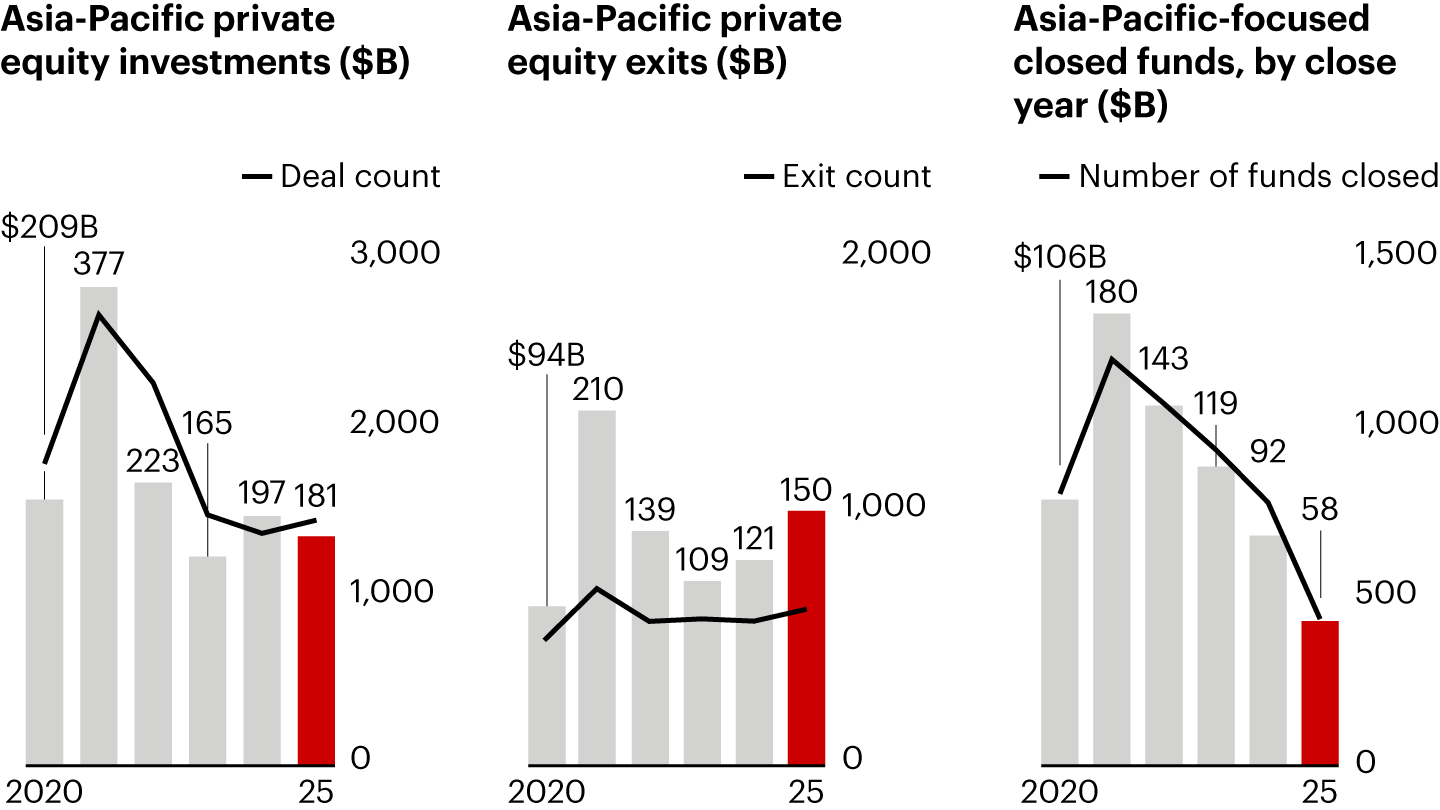
The market rebound that many anticipated in 2025 failed to gain broad traction. Instead, persistent uncertainty led to an uneven recovery. Deal value declined, and fund-raising continued its downward trajectory (see Figure 1), but several positive signs emerged. Exit value rebounded for a second consecutive year, and net cash flows to investors turned positive for the first time since 2021. Funds made progress in reducing the exit overhang, but clearing the backlog of assets will require sustained exit momentum.
Figure 1

Appunti: Excludes real estate and deals/exits with a value under $10 million; fund-raising data excludes RMB-denominated funds
Sources: AVCJ; Preqin; Bain analysisDeal performance diverged by market. Japan again stood out, generating growth in both deal value and count. Corporate governance reforms, ample carve-out and privatization opportunities, and supportive financing conditions helped enable dealmaking. Greater China recorded double-digit growth in deal count from a relatively low base, supported by improved policy visibility and market sentiment.
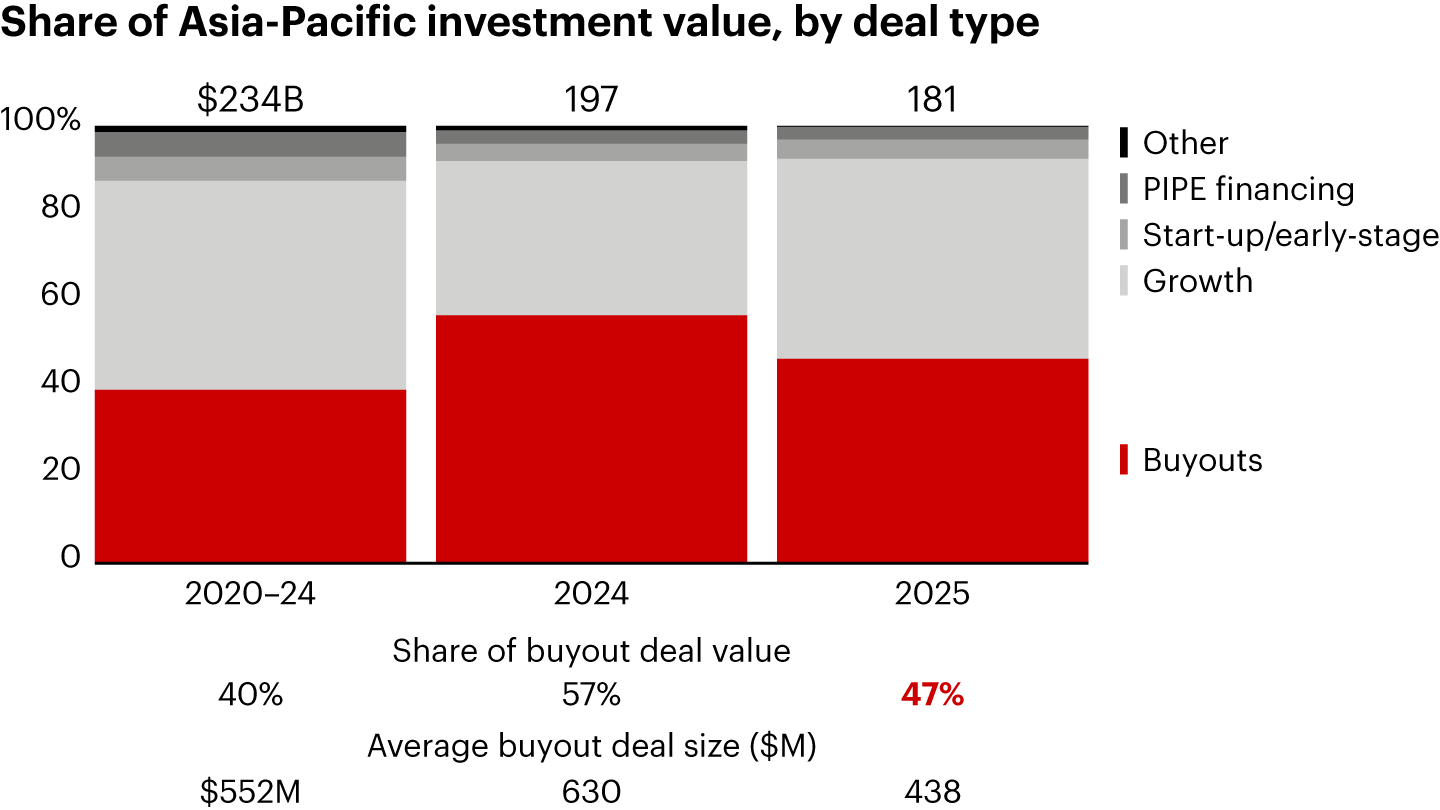
Buyouts maintained a roughly 50% share of total value, but average buyout transaction size declined, driven by a lack of blockbuster deals. Australia–New Zealand, Japan, and South Korea remain traditional buyout-dominant markets, each with a buyout share of more than 60%.
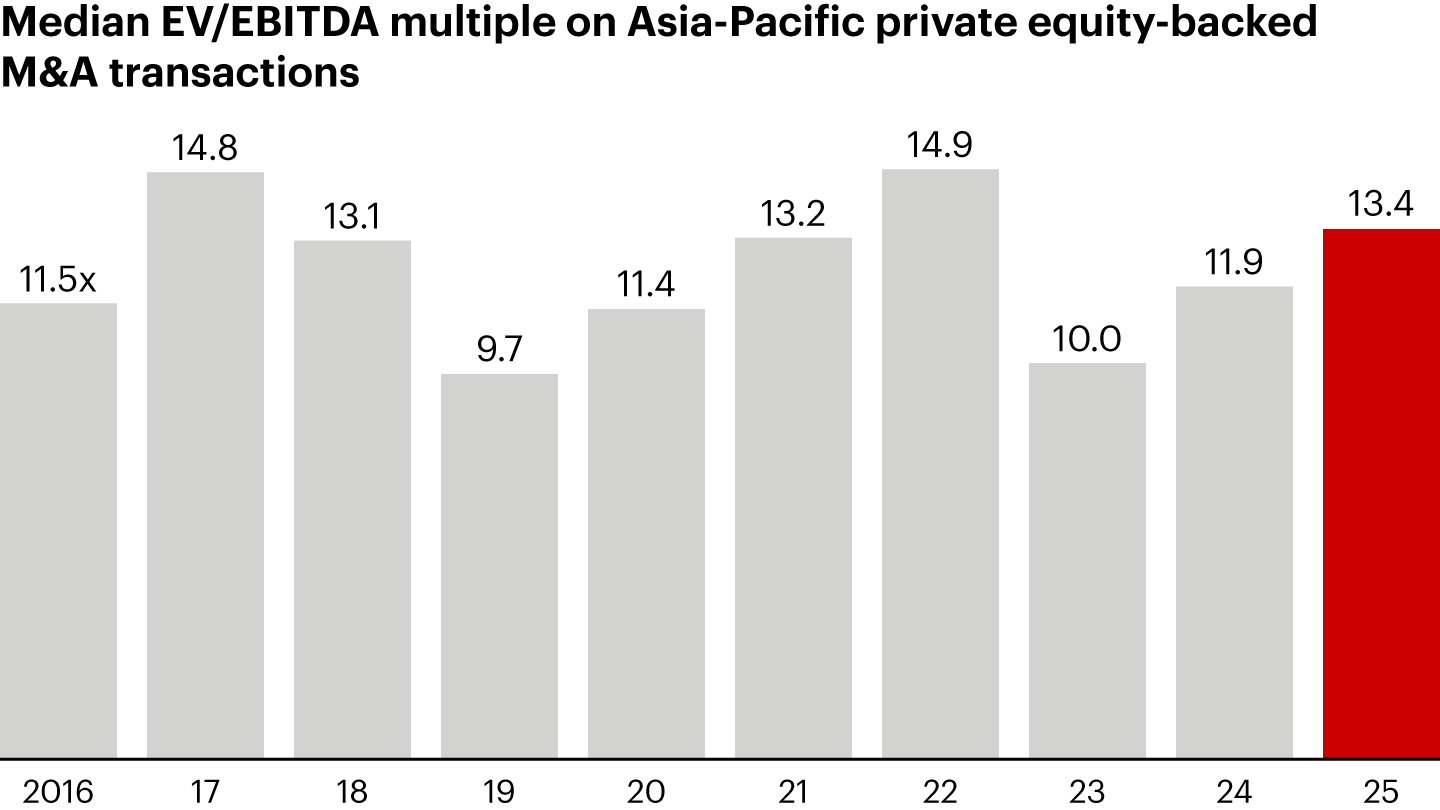
Deal multiples—the ratio of enterprise value to EBITDA—increased to 13.4 times. Elevated valuations, partially fueled by public market rallies, remain the second-highest concern for general partners (GPs). To justify higher valuations, funds must deliver solid business fundamentals and clear forward earnings visibility.
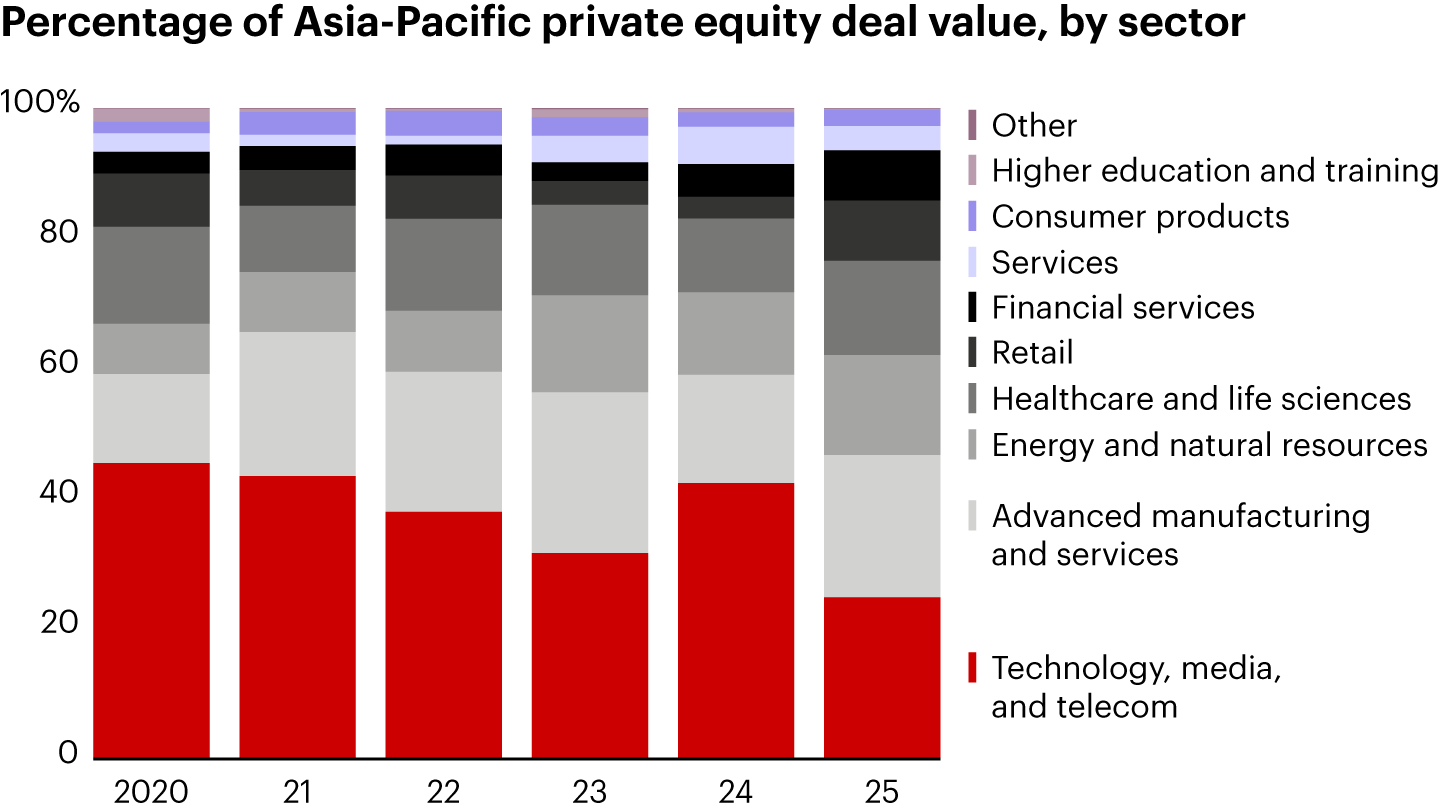
Sector activity was more diversified in 2025. Technology, media, and telecommunications remained the largest sector, but its share fell to a 10-year low. At the same time, retail emerged as a focus for large transactions across multiple markets as post-pandemic operations normalized and government policies helped bolster domestic consumption.
GPs have made exit and portfolio management key areas of focus, and the results are starting to show. Exit value grew in 2025 for the second year in a row, helping ease portfolio overhang pressure. As initial public offering markets revived in several countries, IPOs again became the primary source of exits, ahead of trade and secondary exits. We expect the positive exit momentum to continue, given GPs' increasingly strong desire to return capital to investors.
Portfolio holding periods grew longer: The number of portfolio companies held for more than five years rose 18% vs. 2024. Funds’ increasing share of mid-tenure assets (2020–2022 vintages) is pushing GPs to expand value creation efforts beyond early-stage ownership.
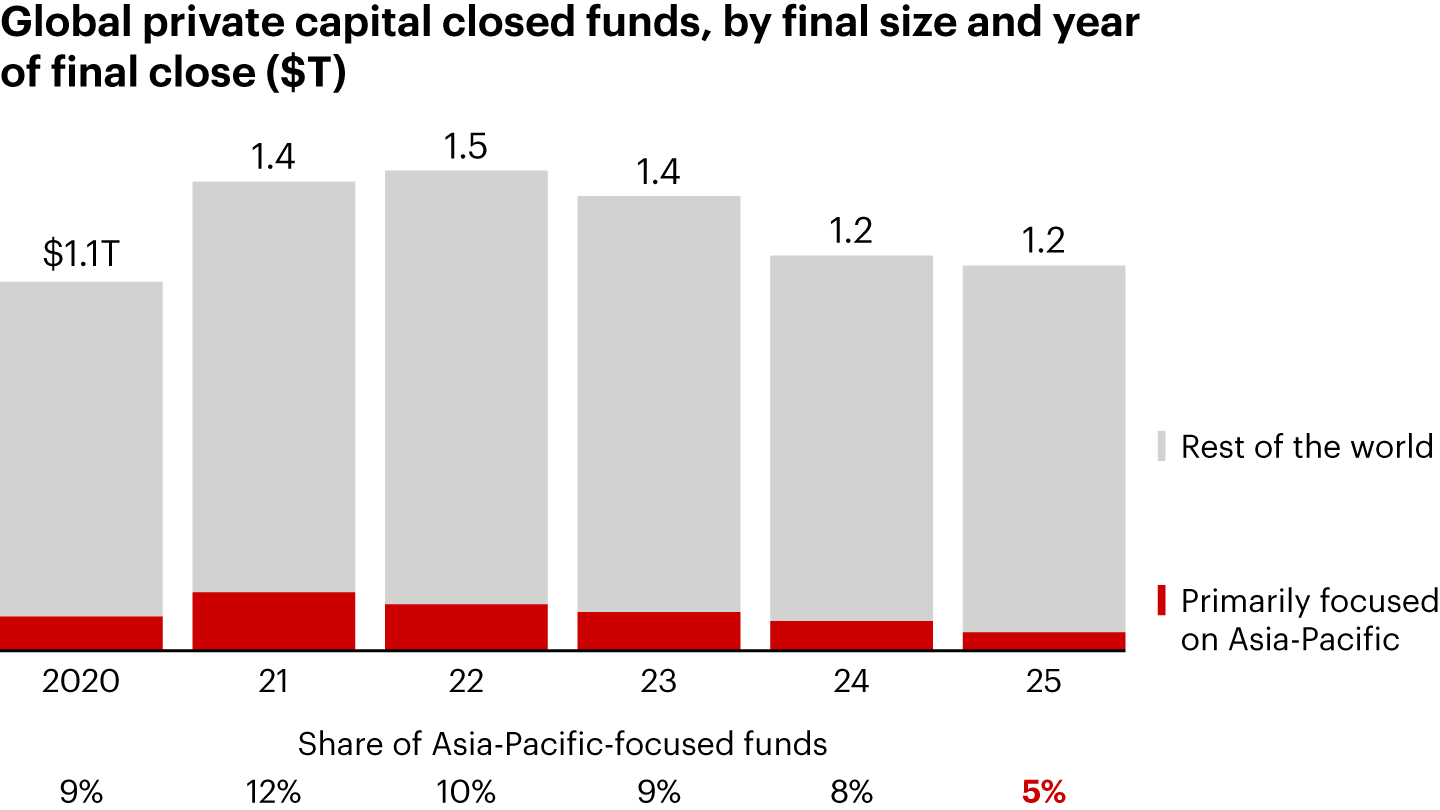
The fund-raising environment remained challenging. Total capital raised in the region fell sharply to a 12-year low of $58 billion (excluding RMB-denominated vehicles). Asia-Pacific’s share of global fund-raising slipped further to 5%. However, several major Asia-Pacific-focused funds are on the road with strong limited partner (LP) commitment, pointing to a potential rebound in 2026 based on commitments received to date. The fund-raising landscape continued to diverge. In recent years, LPs have increasingly favored established managers with strong track records and differentiated strategies. In 2025, that preference was even more pronounced, reinforcing a two-speed market.
Net distributions turned positive after three years of net outflows, offering partial relief to LP liquidity pressures. The shift underscores GPs’ focus on exit execution. Cost improvement and top-line growth were key to achieving returns, while inorganic expansion through M&A bolstered strategic value.
The industry’s fundamentals remain solid at the outset of 2026, including value creation opportunities for private companies, ample dry powder, and sustained LP appetite for private market investments. Those conditions support measured optimism. With intensified competition for investments, realizations, and capital raising, performance matters more than ever. Funds with a differentiated investment strategy and robust portfolio management capabilities have a strong competitive edge. Uncovering AI risks and opportunities in both due diligence and portfolio value creation is also becoming increasingly critical.
What happened in 2025?
Deals: Volatile swings
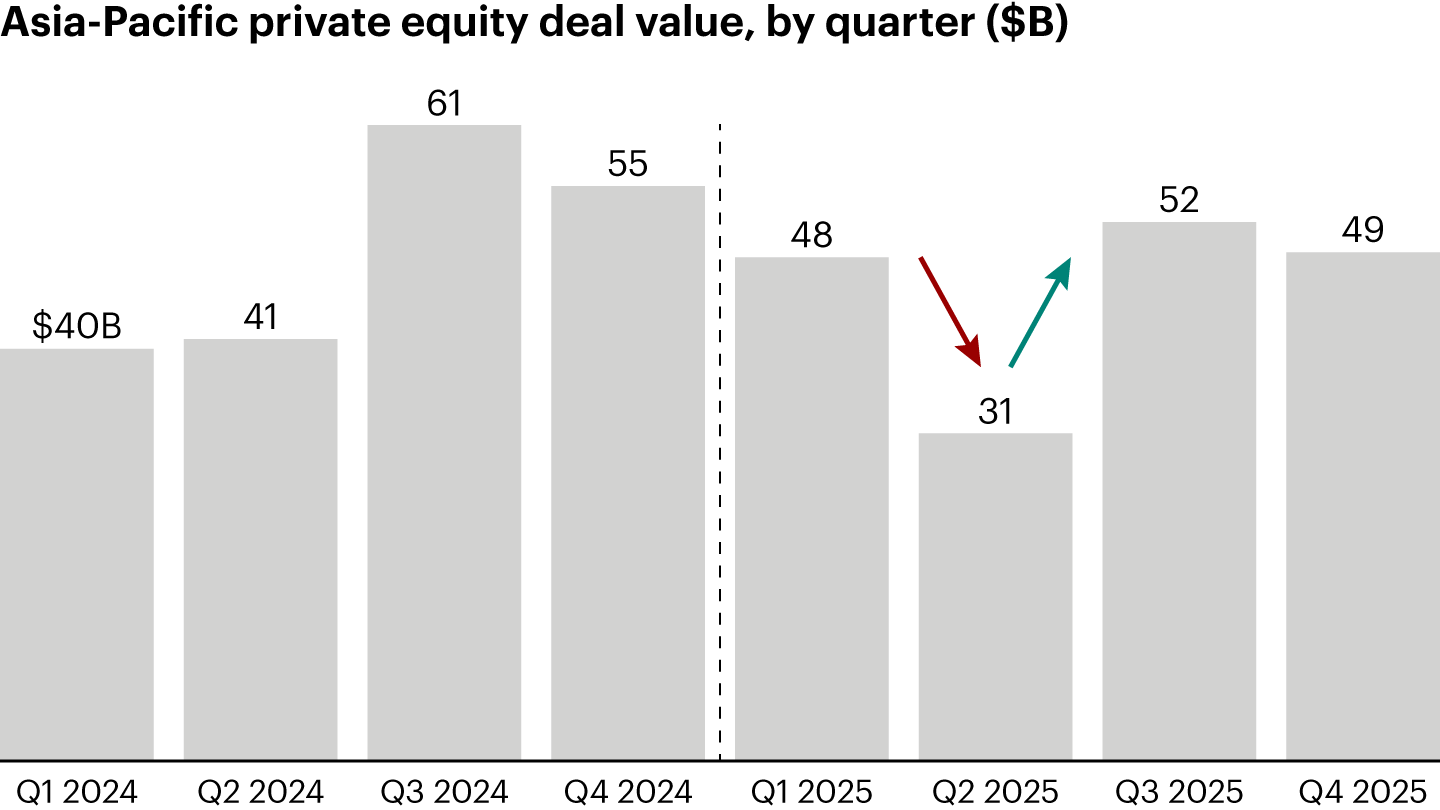
Asia-Pacific GPs navigated a turbulent start-stop market in 2025, with deal value rising sharply and then falling from quarter to quarter (see Figure 2). Total deal value for the year dropped by 8%, and deal count grew by a modest 6%.
Figure 2

Appunti: Excludes real estate and deals with a value under $10 million; bar values are rounded up to nearest whole number
Sources: AVCJ; Bain analysisAsia-Pacific dealmaking in the first quarter built on momentum at the end of 2024, with deal value up more than 20% over the same quarter a year earlier. But in the second quarter, the shock over global tariffs chilled private equity markets, with quarterly deal value dropping to its lowest level since the Covid-19 disruption in 2020. Overall, the negative effect of “liberation day” was more pronounced in the Asia-Pacific market than globally, given the importance of the US as a trade partner for Asia-Pacific-produced goods.
Dealmaking surged again in the third quarter as many trade disputes were temporarily settled. Third-quarter deal value rose 15% over the same quarter the previous year, when excluding the blockbuster 2024 AirTrunk deal. Easing financing conditions and GPs’ continued efforts to deploy aging dry powder contributed to the boost in activity. Yet, the year ended on a down note, with fourth-quarter deal value declining more than 10% against the fourth quarter of 2024. The lesson from a turbulent year: GPs’ ability to refine strategy, identify the right markets and sectors, and continue deploying capital is vital to navigating market volatility.
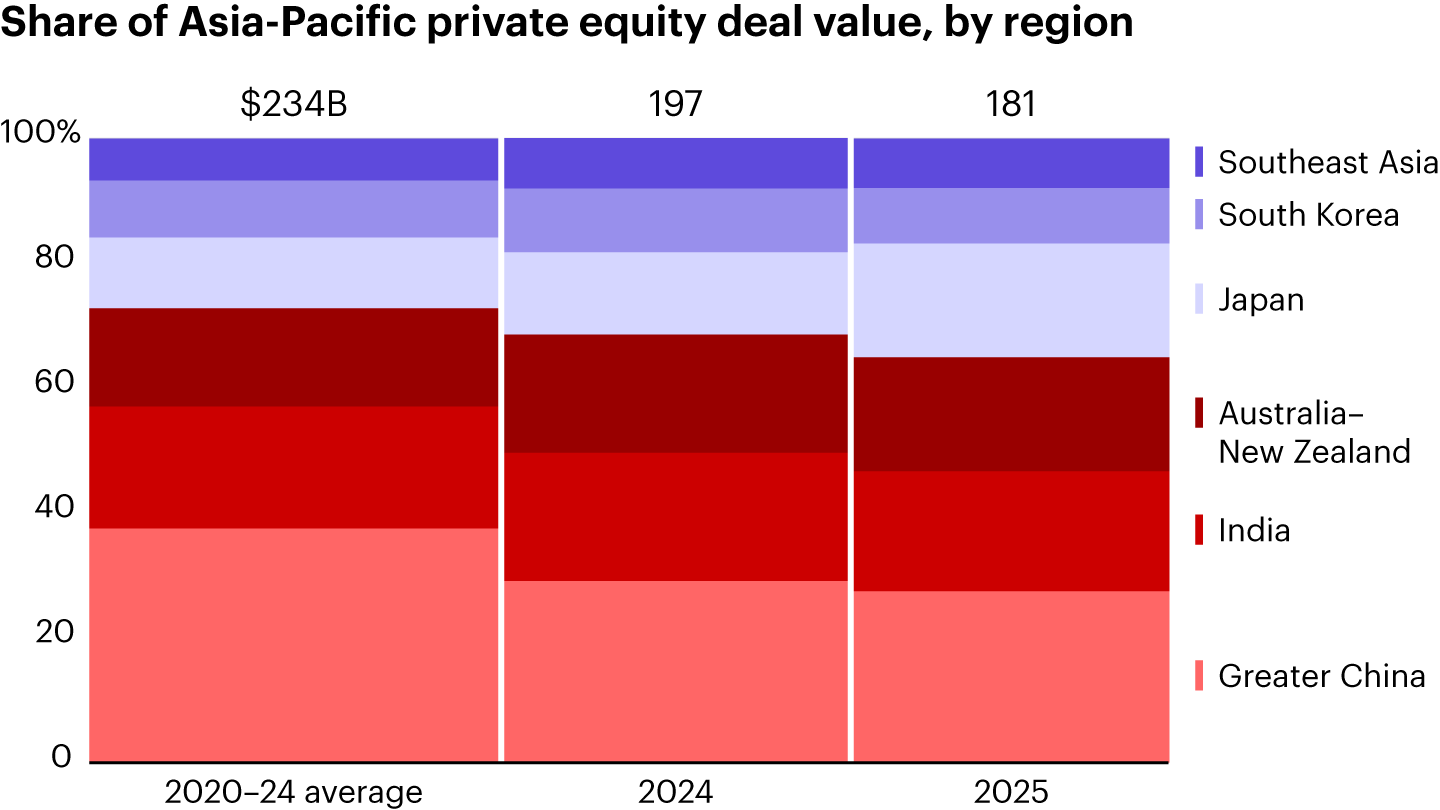
Japan ranked again as the region’s deal hotspot: It was the only market to deliver growth in both deal value and count. Ongoing governance reforms and balance sheet optimization by Japanese corporates have continued to unlock carve-outs and opportunities to take companies private. Strong historical returns, capital investment from local and global GPs, along with favorable financing conditions, have enabled large-scale transactions, helping increase Japan’s market share (see Figure 3). Japan’s GPs were also the region’s most optimistic in Bain’s annual survey of Asia-Pacific GPs: One-third said conditions in 2025 were “much better than last year,” compared with 13% for the entire region.
Figure 3

Appunti: Greater China includes China, Hong Kong, and Taiwan; excludes real estate and deals with a value under $10 million
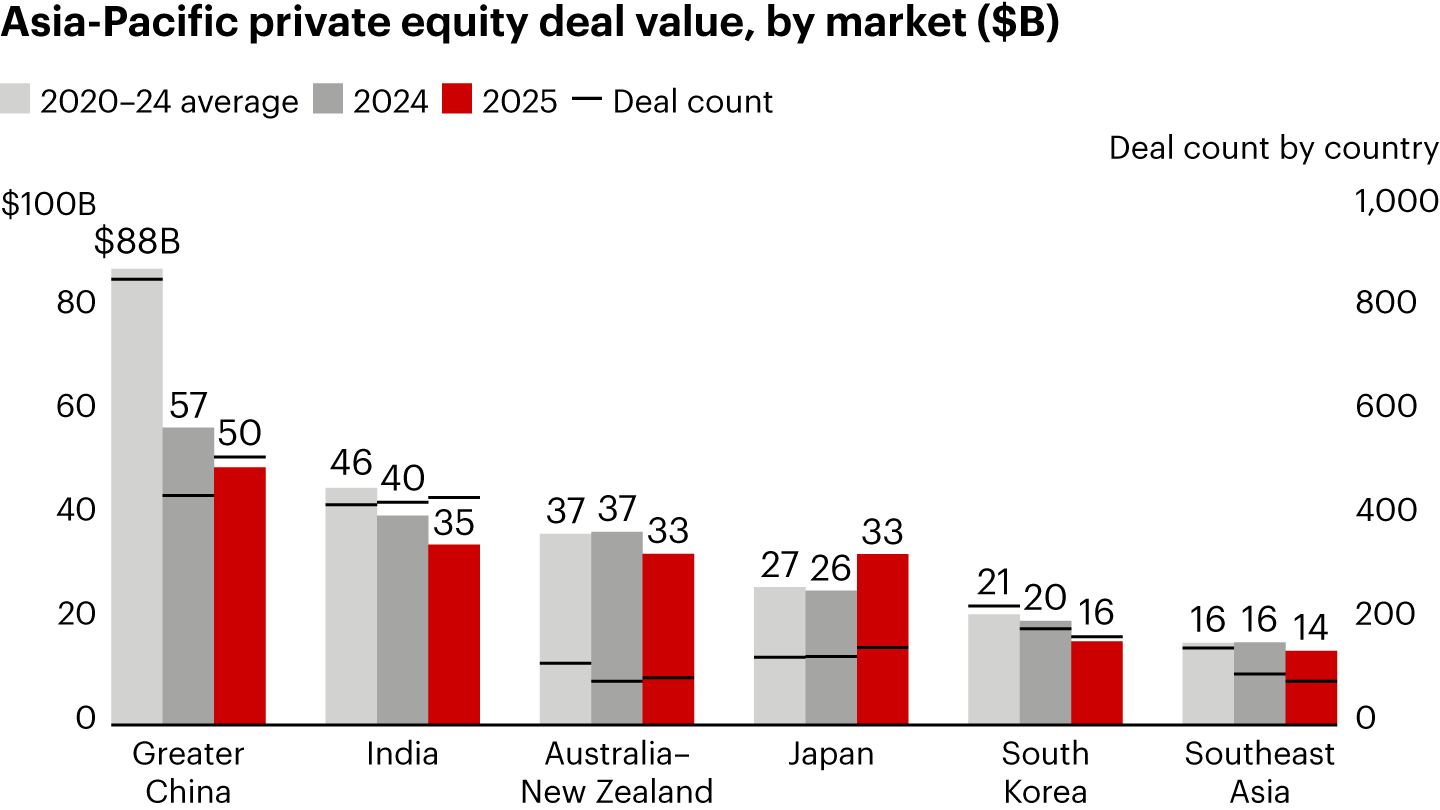
Sources: AVCJ; Bain analysisIn Greater China, still the largest deal market in the region with more than a 25% share, deal count rose sharply after three consecutive years of decline. Overall, the Greater China market is rebounding from a low point, following increased policy clarity and reengagement by a range of investors. Deal value declined in most other Asia-Pacific markets (see Figure 4). In our survey, 87% of Greater China participants said 2025 was “at least somewhat better” than 2024. That was a sharp improvement from a year earlier, when 57% rated 2024 worse than 2023.
Figure 4

Note: Excludes real estate and deals with a value under $10 million
Sources: AVCJ; Bain analysisIndia deal value softened. Higher valuations following several years of strong expansion gave investors pause. In Australia–New Zealand, deal activity was broadly flat compared with 2024. But the region racked up several large-scale deals in energy and infrastructure-adjacent sectors, including Kinetic ($1.8 billion), Zenith Energy ($1.1 billion), and TransGrid Energy ($1.4 billion through two rounds of investment).
In South Korea, deal value and count declined. Investors pulled back amid political turmoil and growing public scrutiny of the industry. South Korean GPs have turned cautious, especially on large, leveraged deals. Southeast Asia deal value declined slightly. Sectors with substantial export exposure were hit harder by tariff uncertainty.
The share of buyout deals in the region remained around 50%, underscoring investors’ preference for control deals that offer greater value creation opportunity (see Figure 5). The average size of buyout deals declined to a five-year low: $438 million, down from $630 million in 2024. The number of mega buyouts (those greater than $1 billion) dipped to 22 (from 25 a year earlier), and there were fewer deals greater than $10 billion, such as AirTrunk in 2024 and Toshiba in 2023. The average deal size for buyout deals greater than $1 billion declined by 25% year over year. Australia–New Zealand, Japan, and South Korea remain buyout-dominant markets, each with a buyout share of more than 60%. Australia–New Zealand’s buyout share dropped to 62%, down sharply from 87% in 2024, as the two countries produced many non-control deals greater than $1 billion, including Novotech ($1.9 billion), CDC Data Centres ($1.3 billion), and DBG Health ($1 billion).
Figure 5

Appunti: Excludes real estate and deals with a value under $10 million; PIPE financing is private investment in public equity; start-up/early-stage investments use financing for product development and initial marketing; the company may be in the process of being organized or may have been in business for a short time but hasn’t sold its product commercially; growth includes expansion, growth, mezzanine, and pre-IPO capital deals
Sources: AVCJ; Bain analysisPrivate equity investments are growing more balanced across industry sectors (see Figure 6). Technology, media, and telecoms is still the largest Asia-Pacific sector; however, its share dropped to only 25%, a ten-year low, down from a five-year average of 41%. Advanced manufacturing and services was the second largest (22%), followed by energy and natural resources (15%) and healthcare and life sciences (14%).
Figure 6

Appunti: Other includes deals tagged under government/public sector, private equity, conglomerate, other industry, and no industry; excludes real estate and deals with a value under $10 million
Sources: AVCJ; Bain analysisThe retail sector gained significant share, to 9.2% of total deal value, as retail foot traffic and earnings stabilized post-pandemic. That shift has made it easier for investors to identify value creation opportunities. A number of major retail deals occurred across the region, particularly in quick-service restaurants. In Japan, funds completed transactions involving York Holdings and Burger King Japan. In Greater China, notable deals included Starbucks China, RT-Mart, and Burger King China. South Korean transactions included KFC Korea, while in Australia–New Zealand, El Jannah was the stand-out transaction. Government policies to help boost domestic consumption have also made the sector attractive to private equity investors, giving them the confidence to pursue larger, control-oriented transactions.
Deal multiples rebounded in 2025, with the median deal multiple rising to 13.4 times from 11.9 times in 2024 (see Figure 7). Several factors contributed to the increase, including a rally in public equity markets in several Asia-Pacific markets, which in turn raised comparable valuations and seller expectations. For example, the Hang Seng Index’s trailing 12-month P/E ratio rose 31% to 11.77 times at year-end, from 8.96 times on the first trading day of 2025. At the same time, capital deployment has gravitated toward assets with strong fundamentals, more predictable earnings profiles, and clearer exit visibility. All those factors help justify valuations and control risk amid market uncertainties.
Figure 7

Appunti: EV is enterprise value; equity contribution includes contributed equity and rollover equity; based on pro forma trailing EBITDA; excludes multiples less than 1 or greater than 100 and transaction stakes equal to or smaller than 5%
Fonte: S&P Capital IQ as of January 2026Roughly 40% of GPs said they don’t expect valuations to change much in the next one to two years, but high entry valuations are still the No. 2 concern for Asia-Pacific GPs, especially in India, where 80% of participants say it’s a top worry.
At the end of 2025, more than half of survey participants (57%) expressed positive sentiment about the market, reflecting a belief that the industry's fundamentals remain intact and that conditions will improve further in 2026. A significant number of private companies are still operating below their full potential, dry powder is abundant, and LP demand for private market investments remains strong.
Exits pick up
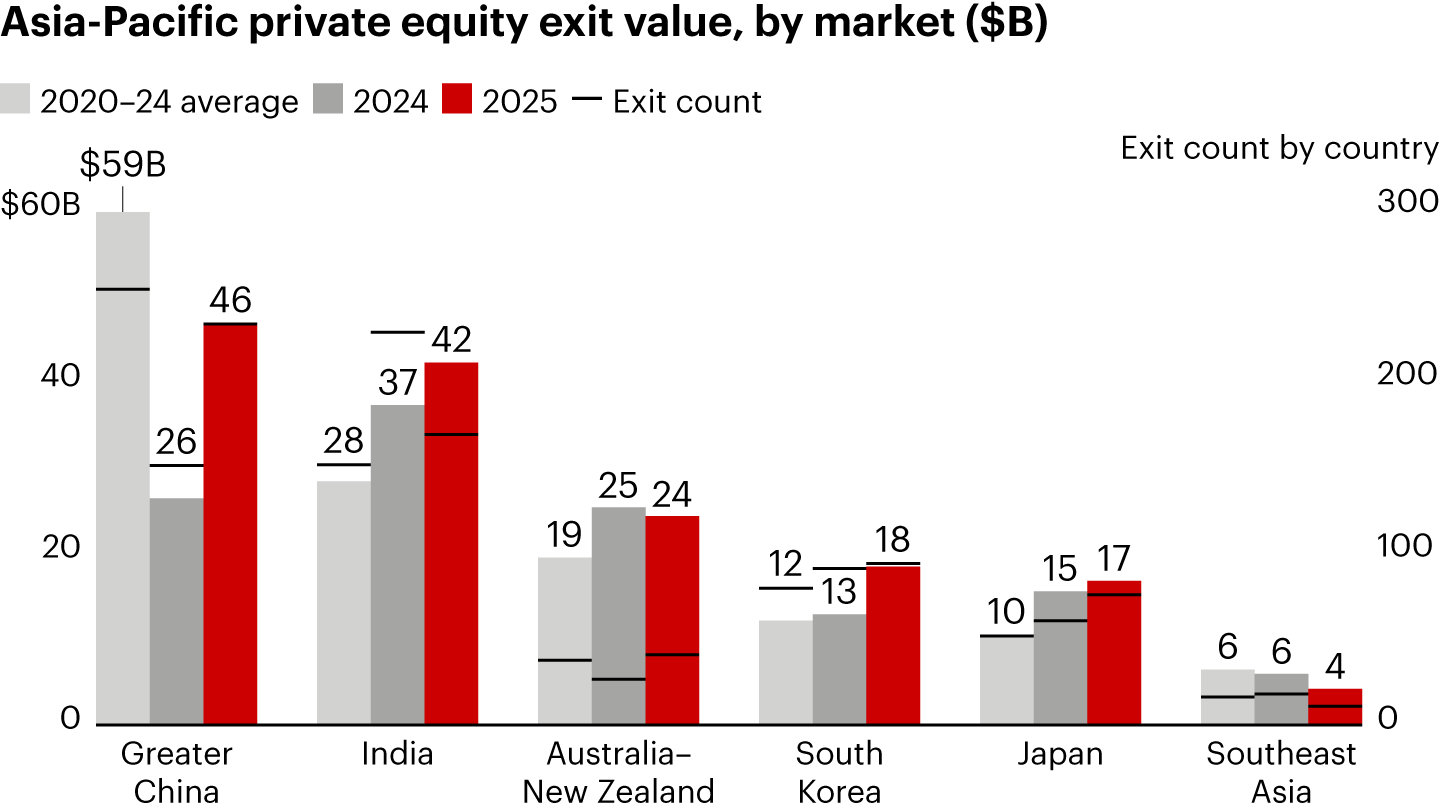
In a positive shift, GPs’ multi-year efforts to increase liquidity are paying off (see Figure 8). Asia-Pacific exit value rose 24% in 2025, and exit count was up 8%. Outcomes varied across the region, but increased exit opportunities emerged in most markets. One-third of GPs said the exit market had become more favorable, and around 50% met or exceeded planned exits—up from just 36% in the prior year—signaling a narrowing gap between buyer and seller price expectations. Still, many funds continued to struggle with liquidity, and restoring a healthy exit market will require sustained effort. In our 2025 year-end survey, challenging exit conditions remained investors’ No. 1 concern for the second year running. GPs now cite exits—ahead of portfolio management—as the primary area of differentiation.
Figure 8

Appunti: Greater China includes China, Hong Kong, and Taiwan; excludes real estate and exits with a value under $10 million
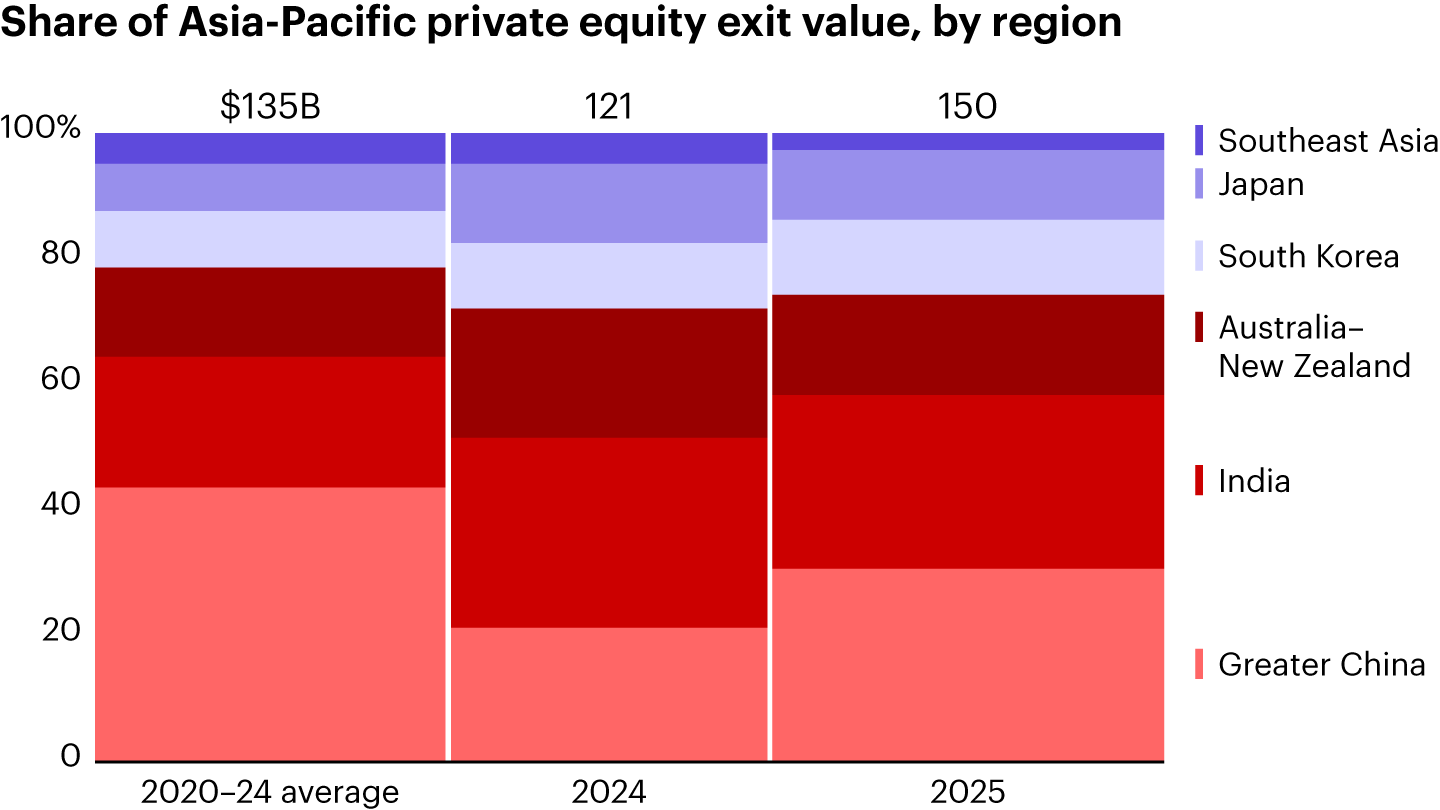
Sources: AVCJ; Bain analysisIn 2025, Greater China overtook India to reclaim its position as the region’s largest exit market (see Figure 9). Greater China and South Korea led the growth in exit value, with high double-digit year-on-year increases. Greater China was the region’s bright spot this year as exit volume and value surged, and investor sentiment improved. India's exit value grew as investors capitalized on richly valued public markets and pursued a select number of large deals. South Korea benefited from a depreciating local currency, which helps make some assets’ pricing attractive for trade and secondary sales to global investors. Japan and Australia–New Zealand produced more exits, but the exit value for Australia–New Zealand was flat. Southeast Asia's exit count remained muted amid tariff uncertainty, which dampened demand for export-oriented manufacturing assets.
Figure 9

Note: Excludes real estate and exits with a value under $10 million
Sources: AVCJ; Bain analysisOverall, the region delivered strong results despite the absence of large-scale technology exits, which have historically represented a significant share of value. Their return would further strengthen activity.
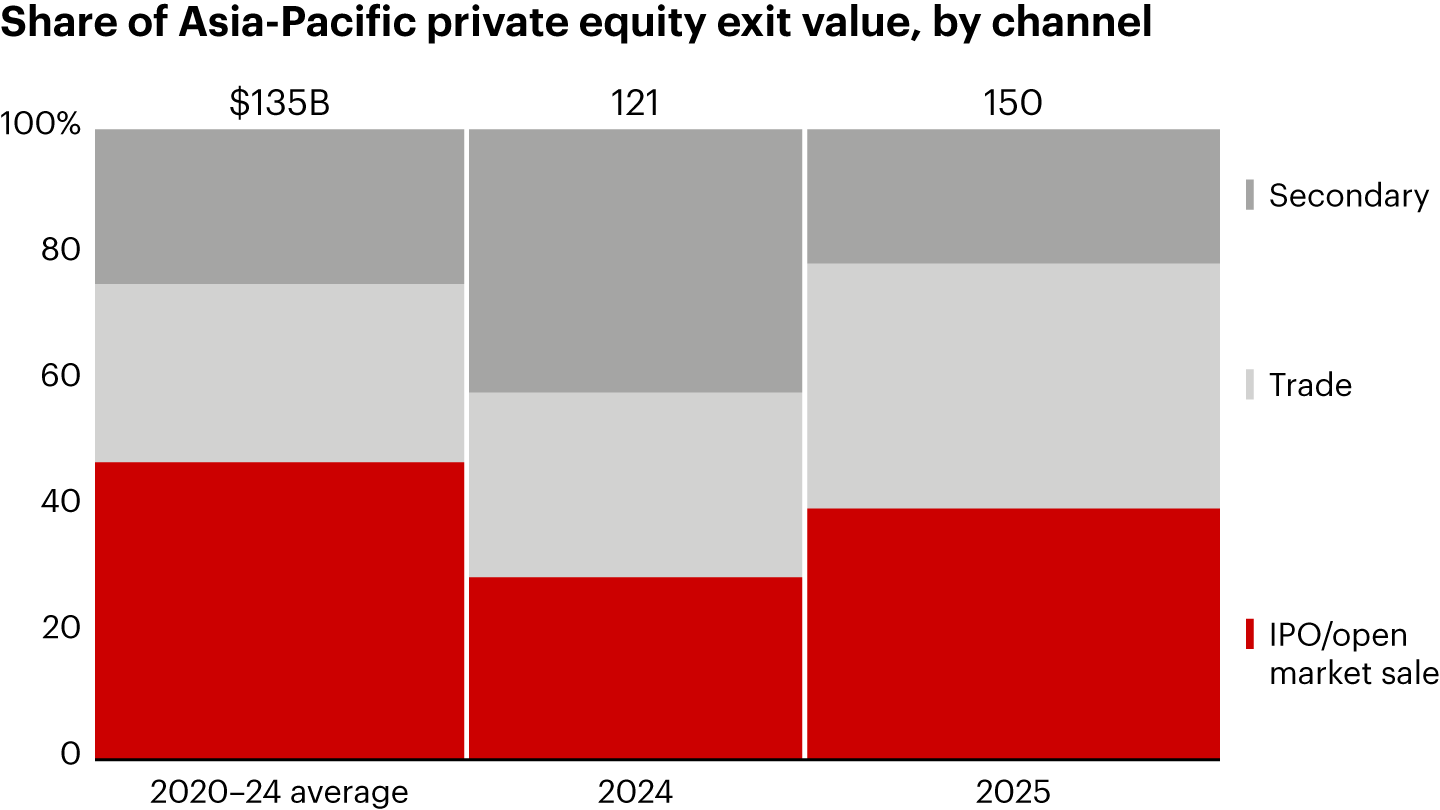
Robust IPO markets and strong public market performance were the main catalysts for increased exits, cited by 56% of GPs. Exit value by channel reinforces this view: IPO value increased by more than 70% vs. 2024 and reclaimed the largest share of exit value, ahead of secondary and trade exits (see Figure 10).
Figure 10

Note: Excludes real estate and exits with a value under $10 million
Sources: AVCJ; Bain analysisGreater China’s exit market, historically reliant on IPOs, rebounded in 2025. Its IPO and open market sale exit value doubled year over year, accounting for more than half of the region’s total IPO and open market sale value. Hong Kong Exchanges and Clearing (HKEX) had an exceptionally strong year: Its Main Board recorded 74% more new listings in 2025 and raised nearly three times the proceeds generated in 2024.
Larger-scale exits returned in 2025, with a sharp increase in both IPOs and open market sales. The value and number of exits greater than $1 billion increased roughly fourfold year over year, reaching their highest level since 2021. Notable transactions included the $1.2 billion Vishal Mega Mart open market sale, Hexaware Technologies’ $1.0 billion IPO on India’s Bombay Stock Exchange (BSE) and National Stock Exchange (NSE), Moore Threads Technology’s $1.1 billion IPO on Shanghai’s STAR Market, and Tekscend Photomask’s $1.0 billion IPO on the Tokyo Stock Exchange.
Trade exits remained strong in 2025, growing more than 60% year over year and ranking as the second-largest exit channel. Large-scale trade transactions occurred across most markets, including Temasek’s $6.4 billion sale of Schneider Electric India, Bain Capital’s $4.0 billion sale of WinTriX DC Group in Greater China, Macquarie’s $3.3 billion sale of DIG Airgas in South Korea, KKR’s $2.6 billion sale of Seiyu in Japan, and Brookfield’s $2.5 billion sale of Aveo in Australia–New Zealand.
With IPO markets open only to a limited set of quality issuers, trade sales have emerged as a reliable alternative exit path. GPs face continued pressure to monetize assets. At the same time, corporates maintain a strong appetite for acquisition-led growth, deploying capital toward strategic assets that deliver operational and financial benefits amid ongoing macroeconomic uncertainty.
Solid exit activity in 2025 helped ease the exit overhang and partially relieved pressure on distributions to paid-in capital (DPI). However, these exits were not sufficient to offset the aging of portfolios accumulated during the prior deal cycle. The number of portfolio companies held for more than five years increased by 18% vs. 2024, and the average age of current holdings rose from 3.7 years at year-end 2024 to 4.0 years by the end of 2025.
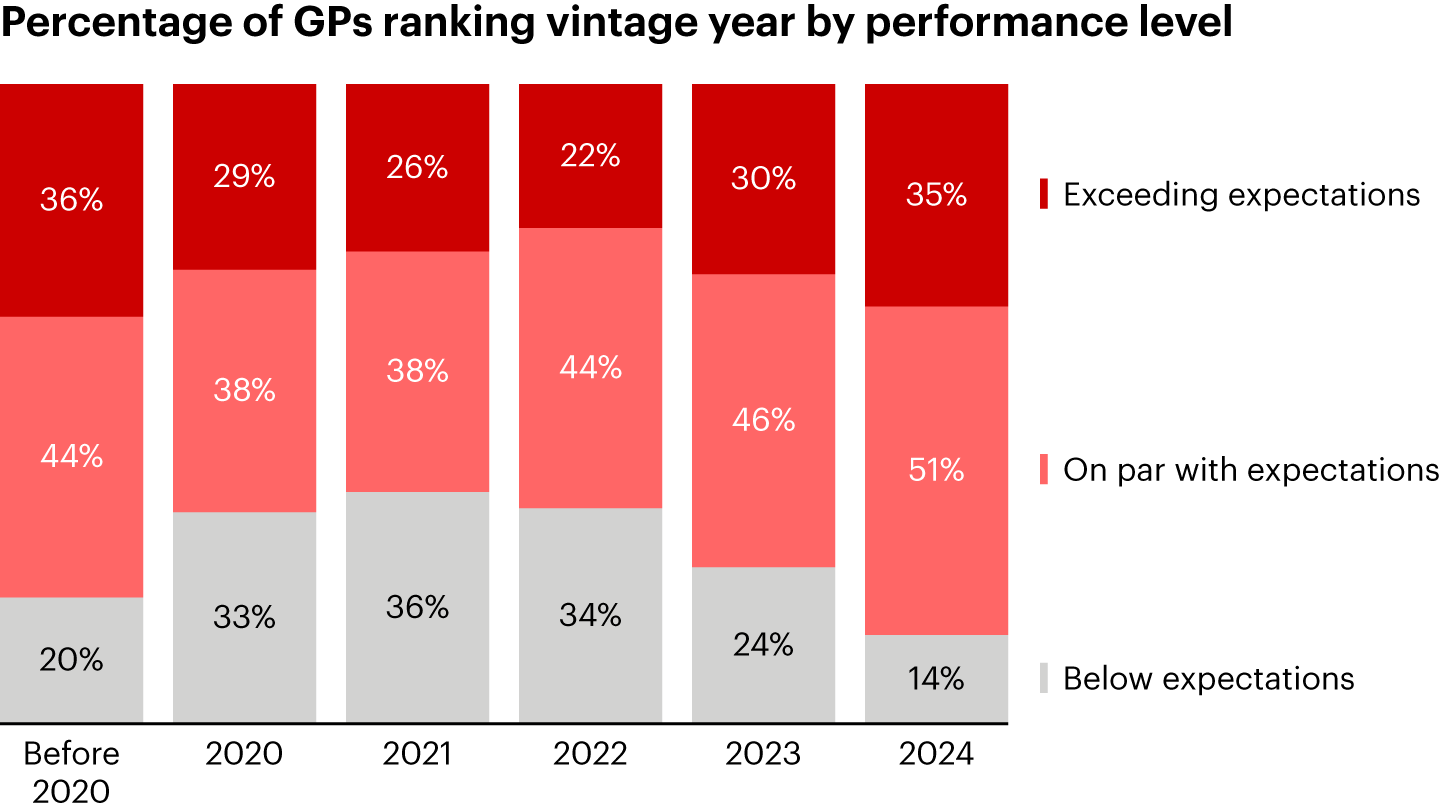
The rise in aging holdings stems from vigorous dealmaking between 2020 and 2022. Many of these assets were acquired at elevated valuations, and performance has lagged expectations in more challenging post-Covid economic conditions. Our survey indicates that more than one-third of investments made during the 2020–2022 period are underperforming, compared with both older holdings and more recent acquisitions, which are more likely to be tracking in line with or above expectations.
As a result, GPs face a shifting portfolio management challenge. Historically, value creation efforts centered on ensuring strong starts for new investments and preparing mature assets for exit. Going forward, GPs will need to improve performance across a growing cohort of underperforming mid-tenure assets to prepare for timely and successful exits (see Figure 11).
Figure 11

Appunti: Based on respondents calculated as the weighted aggregate of responses across regions (using number of weighted responses); excludes responses of “no investments made”
Fonte: Bain & Company Asia-Pacific Private Equity Report survey, 2026 (n=121)Fund-raising challenges persist
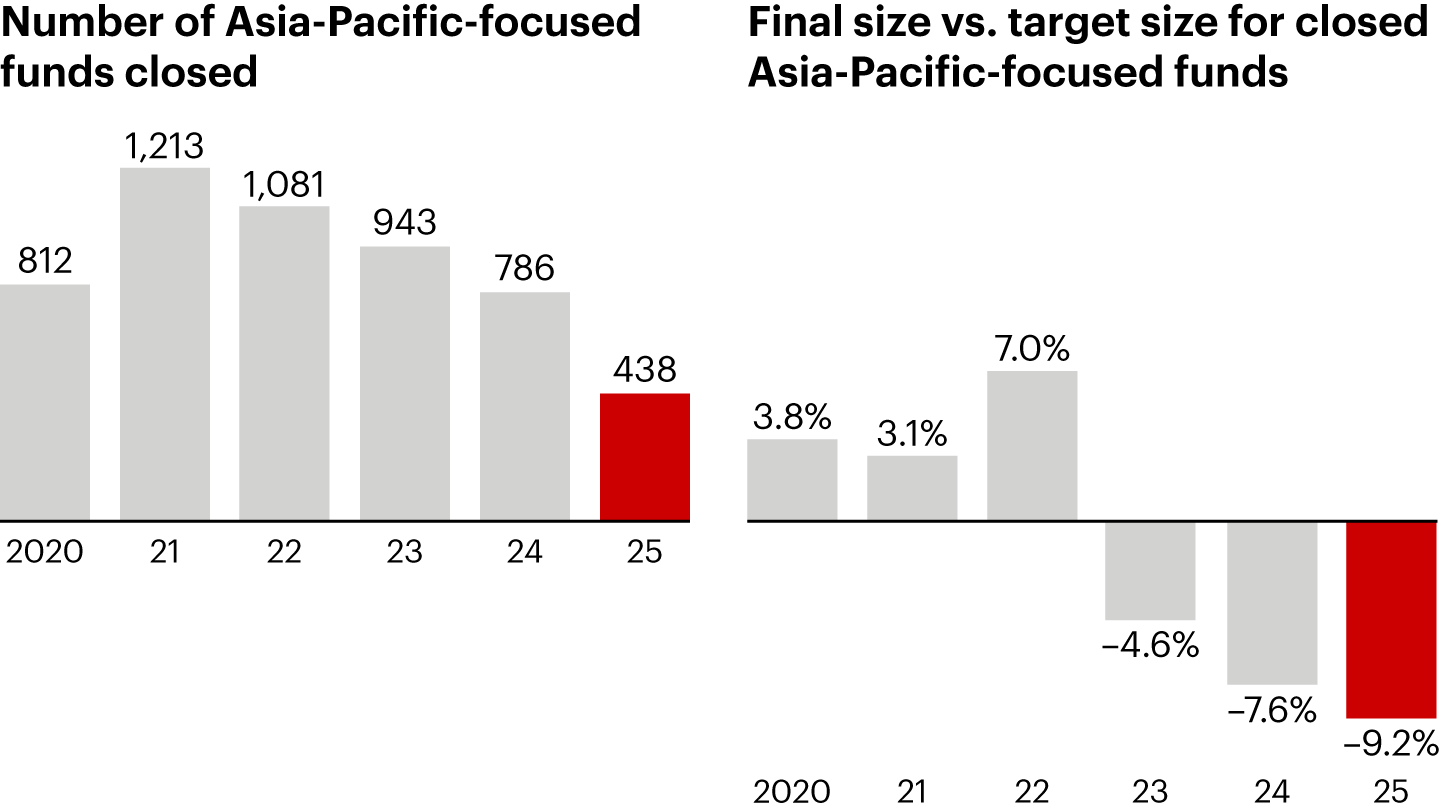
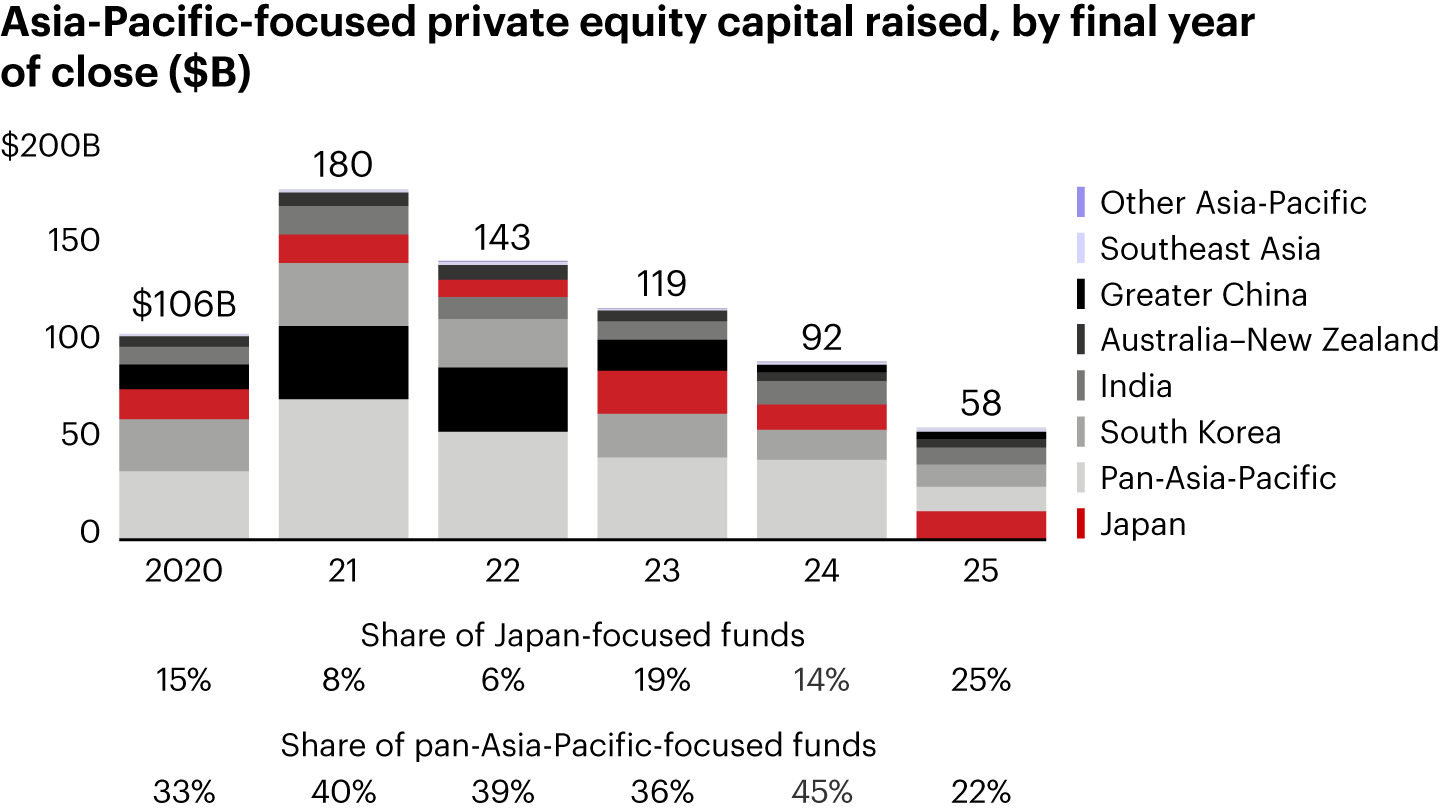
Fund-raising for Asia-Pacific-focused funds continued to weaken in 2025, marking the fourth consecutive year of decline (see Figure 12). Total capital raised fell to $58 billion—a 12-year low—down 37% in value and 44% in fund count vs. 2024.
Figure 12

Appunti: Excludes real estate and RMB-denominated funds; closed fund data includes funds with final close and represents the year in which they held their final close
Sources: Preqin; Bain analysisThe number of funds reaching a final close has also declined steadily over the past four years (see Figure 13). In 2025, the number of closed funds was just over one-third of the 2021 level. The contraction in Asia-Pacific has been particularly pronounced. The region’s share of global fund-raising fell to 5%, down from 12% in 2021. Sentiment among GPs reflects these conditions, with roughly half of survey respondents reporting that fund-raising in 2025 was more challenging than in 2024.
Figure 13

Appunti: Funds closed include those focused only on the Asia-Pacific region; excludes real estate and RMB-denominated funds
Sources: Preqin; Bain analysisRaising capital to target fund sizes has become increasingly difficult, with conditions deteriorating further in 2025. On average, Asia-Pacific funds closed the year at 9% below their stated goals—the widest gap between announced fund sizes and final closes observed in the past decade.
Japan stood out as the region’s bright spot in 2025. It led in deal activity and captured the largest share of fund-raising (see Figure 14). Japan-focused funds raised $15 billion, up 12% year over year, making Japan the largest contributor to Asia-Pacific-focused fund-raising.
Figure 14

Appunti: Funds closed include those focused only on the Asia-Pacific region; excludes real estate and RMB-denominated funds
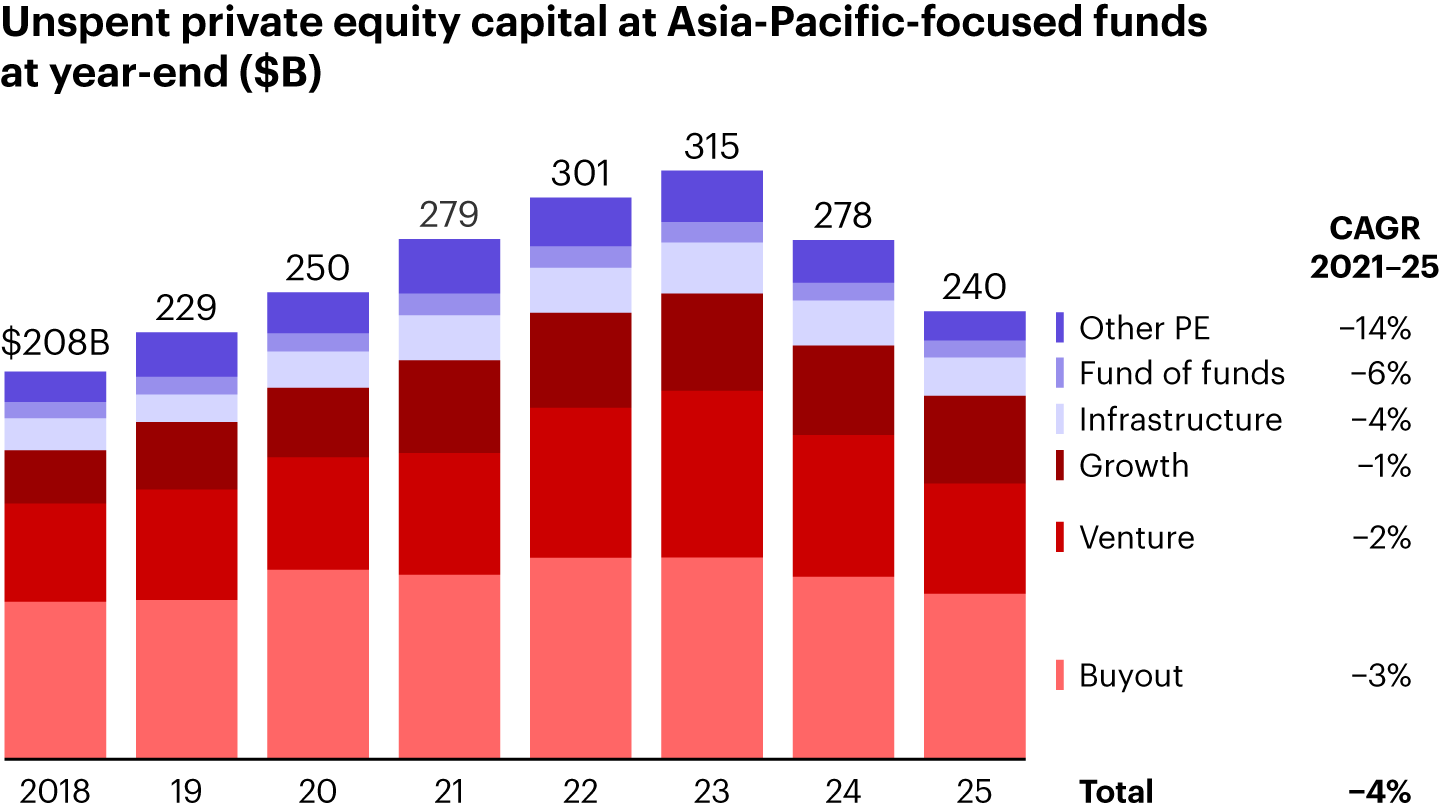
Sources: Preqin; Bain analysisAcross the broader region, weaker fund-raising and slower deal activity continued to reduce dry powder (see Figure 15). Uninvested capital in Asia-Pacific declined from its 2023 peak of $315 billion, extending the downward trend that began in 2024, and fell to $240 billion by the end of 2025.
Figure 15

Note: Excludes real estate and RMB-denominated funds
Fonte: PreqinDespite a challenging fund-raising environment, a large number of Asia-Pacific funds are on the road raising capital. Approximately 60 Asia-Pacific-focused funds with target sizes greater than $1 billion remain in the market. Together, these funds represent more than 10% of global fund-raising targets—well above the region’s 5% share of recently closed funds. This gap suggests a possible rebound in 2026 while also highlighting intensified competition for capital as LPs remain selective in allocating to the region. Early commitments to several large funds, however, provide an encouraging signal that fund-raising will begin to recover in 2026.
The six largest funds launched in 2025 alone are targeting a combined $61 billion. These include KKR Asian Fund V ($15 billion target), EQT’s BPEA Fund IX ($12.5 billion), Blackstone Asia Fund III ($10 billion), KKR Asia Pacific Infrastructure Investors III ($9 billion), Bain Capital Asia Fund VI ($7 billion), and Hillhouse’s latest Asia private equity fund ($7 billion). By the end of 2025, these funds had disclosed approximately $25 billion in secured commitments. If all close at target in 2026, these funds alone would collectively exceed the $58 billion raised by all the region’s funds in 2025.
GP sentiment suggests cautious optimism. Nearly one-quarter of survey respondents expect fund-raising conditions to improve in 2026, signaling early confidence that market conditions may begin to ease.
Scale wins
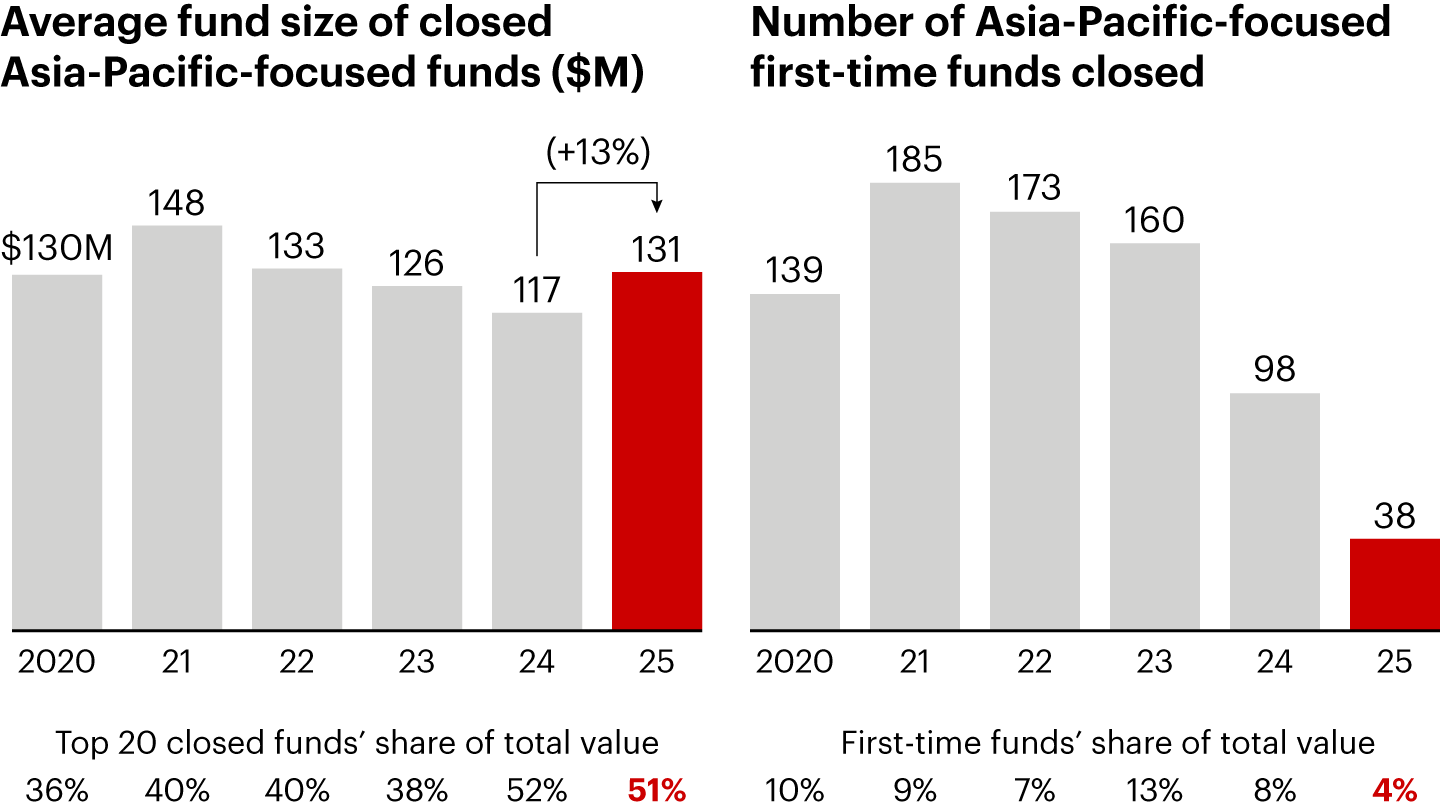
Despite the overall slowdown, fund-raising outcomes continue to diverge sharply (see Figure 16). LPs have further tightened scrutiny on manager performance, with 62% of GPs citing the requirement for a strong track record as the most pressing fund-raising challenge—up from 45% in 2024 and 35% in 2023. The pressure is particularly acute given the underperformance of 2020–2022 vintage assets.
Established managers are raising larger funds and capturing a growing share of capital. Average fund size increased by 13% in 2025, while the 20 largest funds accounted for more than 50% of total capital raised, up from an average of 41% between 2020 and 2024. Leading global managers with proven track records—including Bain Capital, EQT, and KKR—are targeting their largest Asia-focused private equity funds to date. CVC and TPG reached record sizes for their most recent Asia funds, with CVC’s Asia VI closing at $6.8 billion, more than 50% larger than its predecessor, and TPG Asia Fund VIII closing at $5.3 billion, almost 15% larger than TPG Asia Fund VII. Top-performing regional managers also raised their largest funds to date, including India’s ChrysCapital (ChrysCapital X, $2.2 billion), Australia’s Pacific Equity Partners (PEP VII, $2.1 billion), and South Korea’s Glenwood Private Equity (Glenwood PE Fund III, $1.1 billion).
Figure 16

Appunti: Funds closed include those focused only on the Asia-Pacific region; excludes real estate and RMB-denominated funds
Sources: Preqin; Bain analysisBy contrast, less established managers continue to face significant headwinds. First-time funds had an especially difficult year in 2025: The number reaching final close fell 75% relative to the 2020–2024 average, and they accounted for just 4% of total capital raised—the lowest share in the past decade.
Returns diverge
Asia-Pacific fund managers grew more optimistic by the end of 2025. Eighty-eight percent of respondents expect returns to hold steady or improve over the next three to five years, up from 61% in 2023. However, the gap between top- and lower-performing managers continues to widen (see Figure 17). Top-quartile funds from the 2017–2019 vintages delivered internal rates of return of 22% to 24%, extending their lead over third-quartile peers. This divergence is reshaping fund-raising as LPs increasingly concentrate capital with proven, high-performing managers. For GPs, the ability to consistently create value, compound performance, and ultimately convert gains into realized returns has become the defining factor for sustained success.
Figure 17
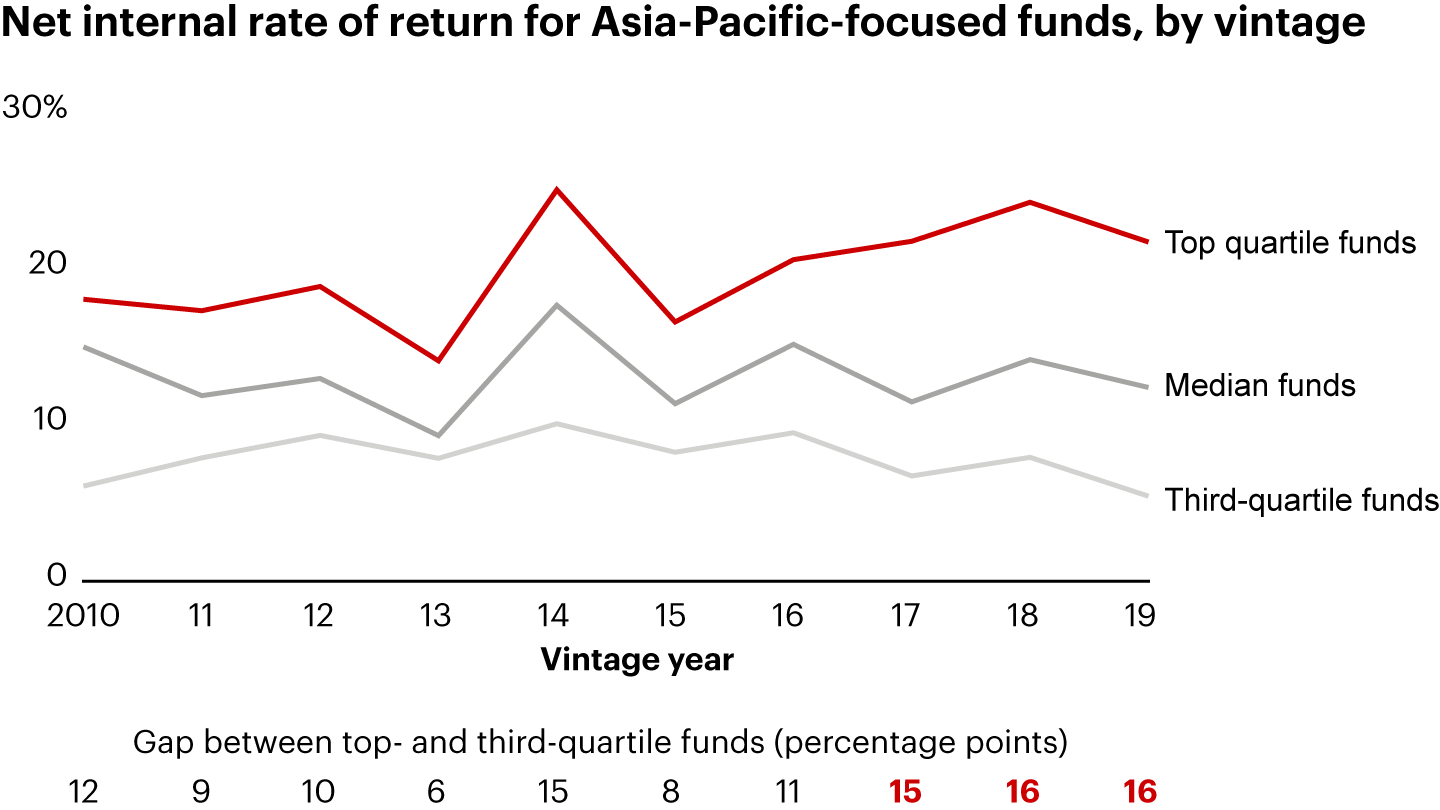

Appunti: Vintage year refers to year of initial investment; excludes real estate, infrastructure, and funds with no value or no available IRR; data is as of January 2026
Fonte: PreqinOperational improvements remain the primary source of returns. As in 2023 and 2024, cost reduction (cited by 56% of respondents) and revenue growth (51%) were the most important contributors to deal-level performance and are expected to remain so. Over the next five years, GPs anticipate a greater role for mergers and acquisitions in generating returns, with 40% citing it as a key contributor, compared with 27% today and 10% five years ago. This shift reflects a move away from reliance on financial tools—such as leverage and multiple expansion—toward operational execution and strategic scaling as organic growth becomes harder to sustain amid macroeconomic uncertainty (see Figure 18).
Figure 18
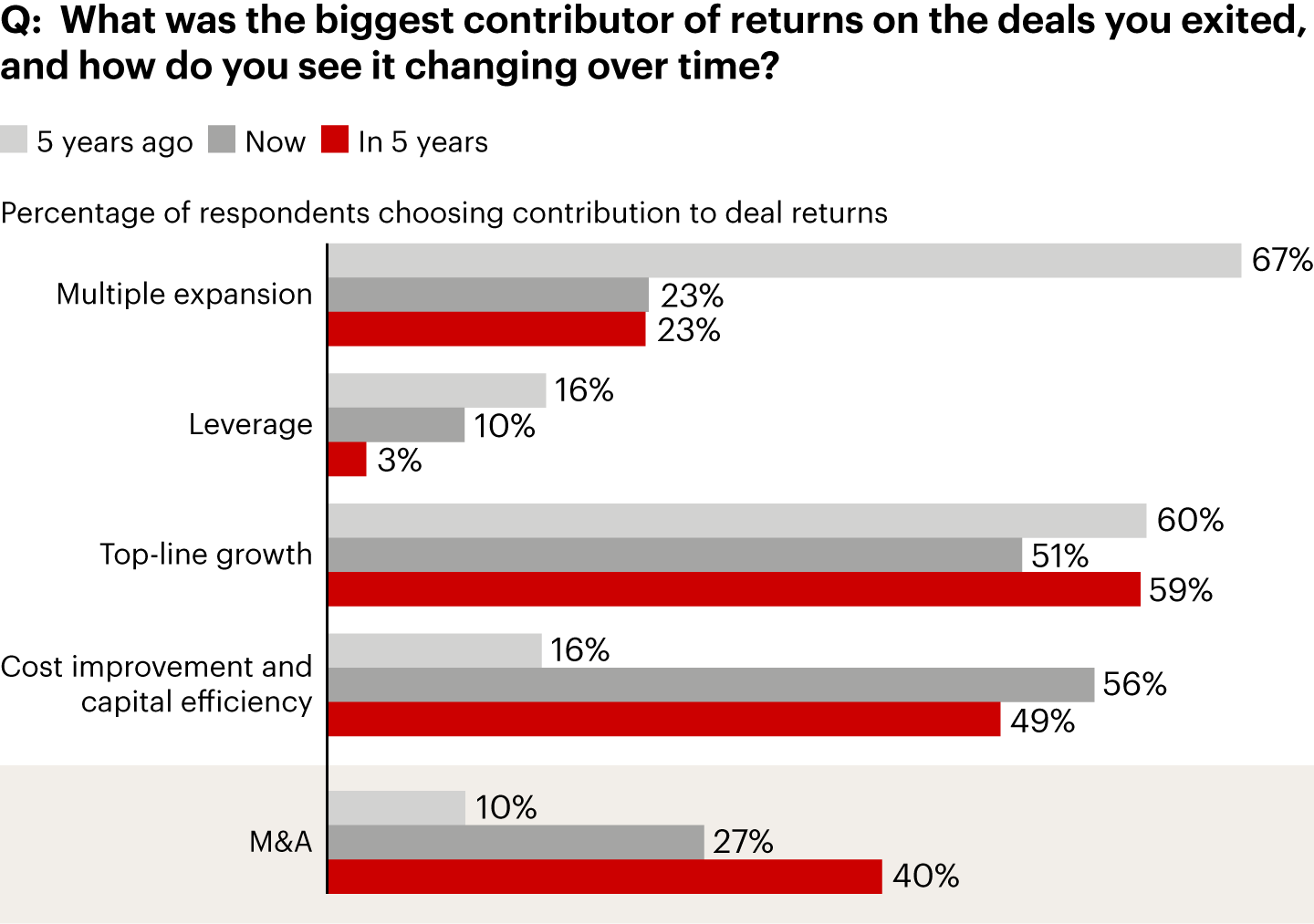

Appunti: The chart captures the percentage of respondents who chose a given factor as top 2 reasons per time period; arrows depict the trend from now to the next 5 years; based on respondents calculated as the weighted aggregate of responses across regions (using number of weighted responses)
Fonte: Bain & Company Asia-Pacific Private Equity Report survey, 2026 (n=121)Distributions began to recover in 2025. Net cash flows to LPs turned positive by the third quarter, reversing three consecutive years of outflows (see Figure 19). While recent efforts to accelerate exits and strengthen portfolio management have supported this improvement, the urgency to convert value into realized returns has not eased. Fund managers continue to prioritize the DPI ratio as a core performance metric.
Figure 19
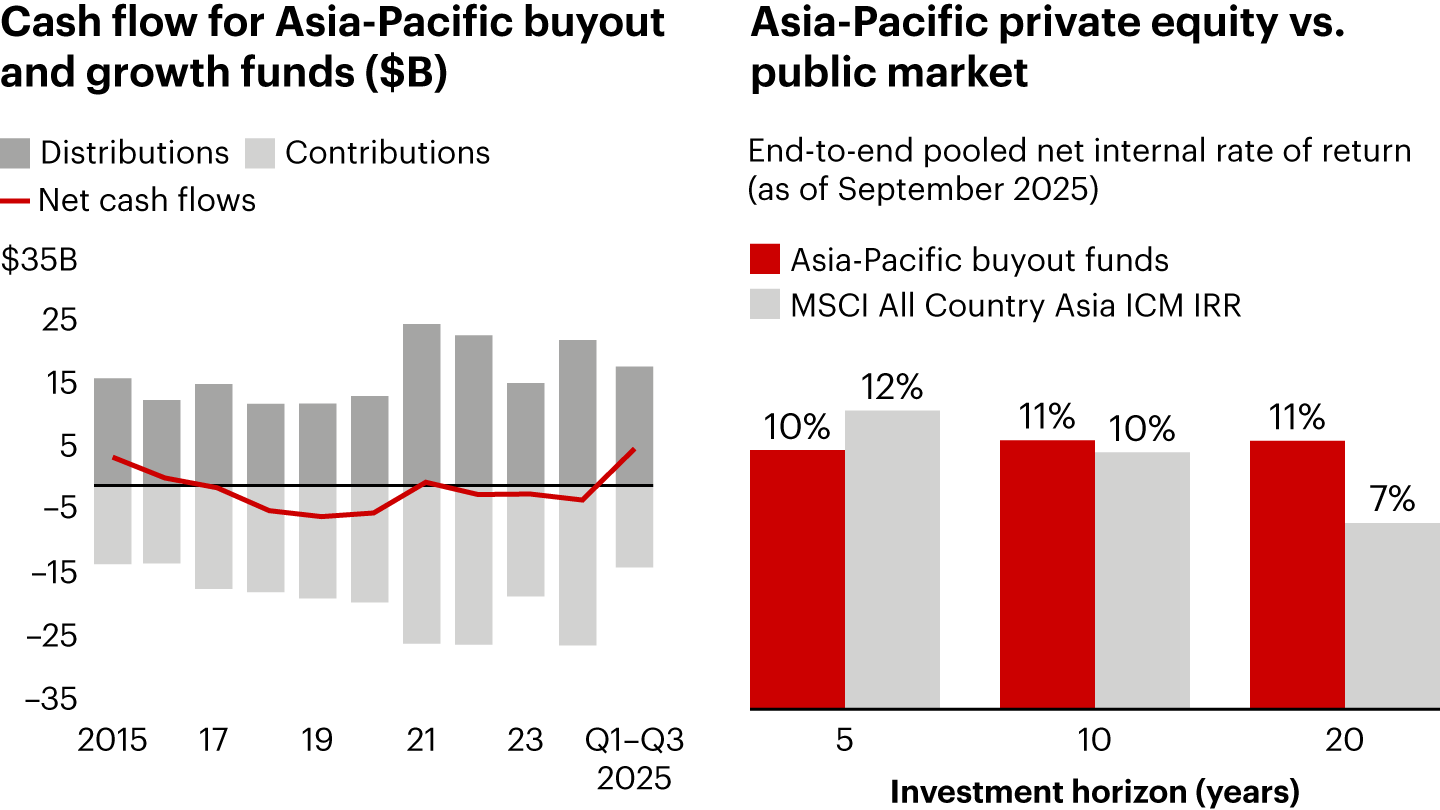

Appunti: Data for Asia-Pacific calculated in US dollars; MSCI All Country Asia ICM IRR is a proprietary private-to-public comparison from MSCI that evaluates what performance would have been had the dollars invested in private equity been invested in public markets instead
Fonte: MSCI (as of September 30, 2025)Private equity’s long-term performance advantage remains intact. Based on the MSCI proprietary market index, Asia-Pacific buyout funds continued to outperform public markets over 10- and 20-year horizons as of the third quarter of 2025. Over shorter periods, however, strong public market performance has narrowed the gap, weighing modestly on five-year private equity returns.
Looking forward, Asia-Pacific private equity investors face a higher bar for success. The coming years will reward funds that can navigate uncertainty with conviction, create value from operational insights, and realize exits that bring attractive returns to LPs. As capital becomes more discerning and competition intensifies, sustained outperformance will depend less on market timing and more on investors’ capabilities, judgment, and resilience.
How AI is rewriting the rules for private equity funds
Artificial intelligence has taken on a central role in due diligence. Both private equity investors and corporate buyers now evaluate AI’s potential impact on acquisition candidates as a critical step in a full potential diligence. In a recent Bain survey, Asia-Pacific GPs said their No. 1 focus for generative AI is assessing its impact on targets during due diligence (see Figure 20). Most acquirers tell us that AI diligence has convinced them to walk away from deals—and helped them be more selective in bringing deals to their investment committees. But smart deal teams are also using diligence to uncover how the technology could improve a target’s efficiency, accelerate growth, and even map out new business models.
Figure 20
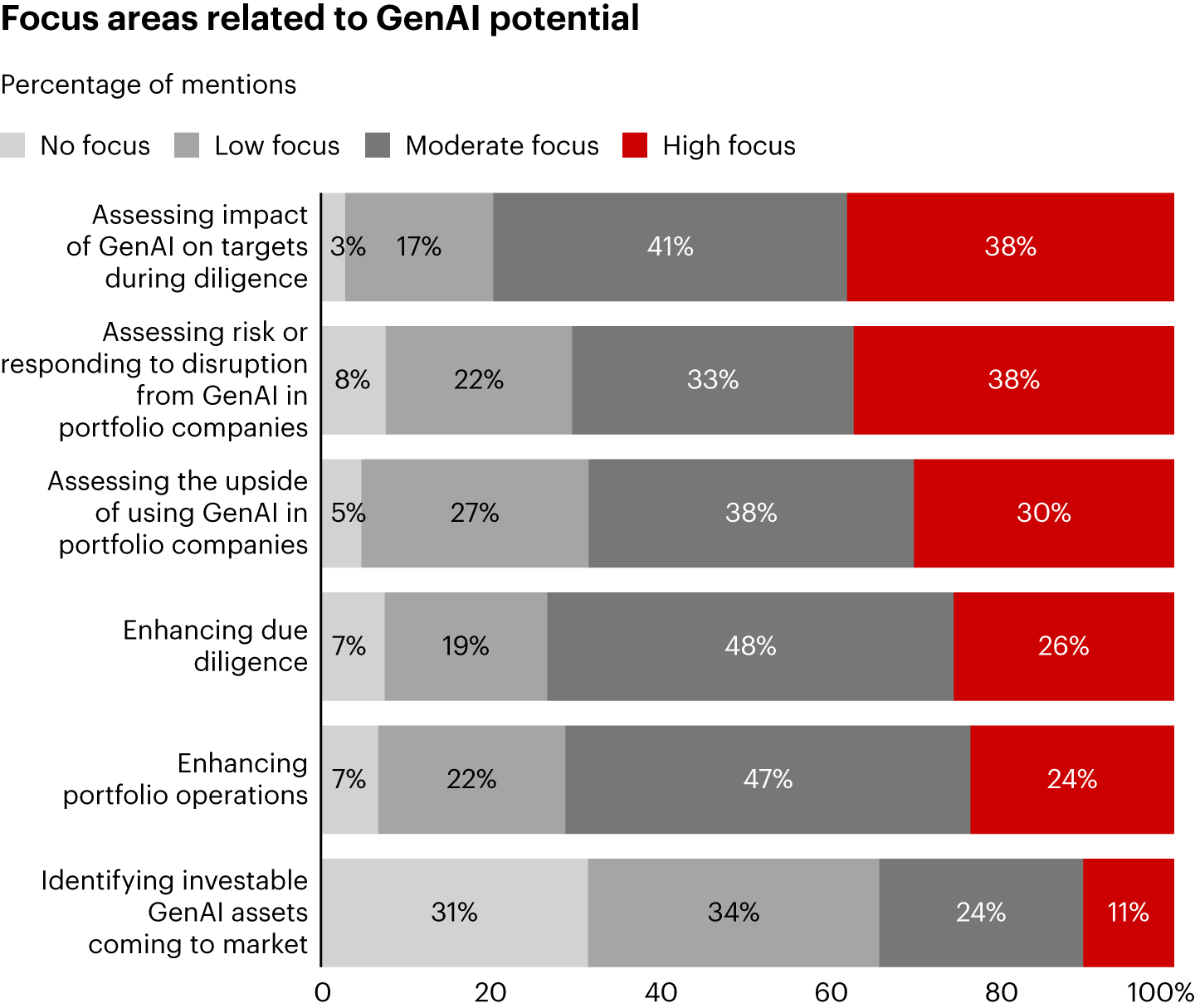

Note: Totals may not equal 100% due to rounding
Fonte: Bain & Company Asia-Pacific Private Equity Report survey, 2026 (n=121)When a financial sponsor performed diligence on an AI-native healthcare company it hoped to acquire, the Bain diligence team was able to build and test a prototype tool “outside in,” which convinced the sponsor that the target’s technology might be more easily challenged by incumbents or new entrants.
By contrast, an Asia-Pacific IT services company determined during diligence that AI was more of an opportunity than a risk for the company it was considering buying. Although it was clear that productivity improvements supported by GenAI would have a negative impact on manpower requirements, the diligence revealed a talent shortfall across the sector. That gap created a significant backlog of demand for projects that GenAI improvements could help unlock. The diligence also indicated that the target would capture a sizable portion of the value created by GenAI.
In a third example, AI-based diligence revealed that an Asia-Pacific recruiting platform was outpacing rivals in applying GenAI—especially in how it matched candidates to roles, helped job seekers build résumés, and supported recruiters with smarter tools. The diligence team paired model performance data with customer input to confirm the technology was delivering substantial value. The recruiting company showed a clear edge in data depth and quality, with automation reducing manual tasks such as tagging and cleaning. It was also well positioned to roll out new AI features—from prescreening tools for recruiters to interview prep for applicants. Research confirmed these capabilities were resonating with users and creating meaningful efficiency gains. Recruiters were saving time and working more effectively, suggesting the company was poised to gain share and create new revenue streams through AI.
Assessing the scale of AI’s impact
Leading investors and corporate dealmakers use diligence to determine how exposed each target is to AI disruption or opportunity based on its value proposition, market, product offering, and cost structure. As a starting point, they assess whether the business falls into one of three broad categories: augmentation, transformation, and revolution (see Figure 21).
Figure 21
Notes: Totals may not equal 100% due to rounding; augmentation companies are those that can save costs, improve operations, and open opportunities for new revenue streams; transformation companies are those in which a business model will need substantial changes; revolution companies are those in which a fundamental business model is at risk
Source: Bain AI Disruption Assessments (2023–2025, n=307)Revolution. In these businesses—such as translation services and outsourced customer support—AI can fully disrupt the core business model. Survival often requires a fundamental reinvention of products or services.
Transformation. AI poses significant change for these companies, but also substantial upside. AI can create new revenue streams and improve efficiency while also requiring major shifts in process and strategy. For example, in healthcare, AI tools can analyze medical images and patient data faster and more accurately than clinicians, speeding diagnoses and enabling more personalized treatments. Capturing this value requires investment in technology and training, as well as rapid execution. Companies that delay risk losing market share and falling behind.
Success in this category depends on executing product and service improvements while reshaping the cost base. AI adoption is not just about deploying tools; it requires using the right technology in the right places, redesigning roles and processes, strengthening proprietary data assets, and managing change across the organization.
Augmentation. Roughly half of the companies we analyzed fall into this group. For them, AI does not redefine the business but delivers measurable gains without major disruption. These companies can reduce costs, improve efficiency, and enhance the customer experience. AI supports the development of better products, improved services, and new revenue opportunities without altering the core business model.
How common is disruption?
AI offers most companies substantial benefits. Across more than 1,000 diligences, we find relatively few true revolution cases, and they are usually easy to identify. In a formal study of more than 300 companies, fewer than 10% fell into this category. Full disruption usually takes longer than originally anticipated. And companies facing likely disruption most often have the time to boldly reinvent their own products or strategy and lead change.
AI’s impact varies widely by subsector and by a company’s specific products and positioning. Most software companies face transformation-level impact, while most industrial companies fall into the augmentation category. Healthcare companies often span both transformation and augmentation, with a small subset facing full disruption. This variation makes deeper diligence essential. Buyers often need to study competitor strategies, conduct detailed customer research, and even build prototypes that replicate key product features. Such efforts help refine investment theses and value creation plans before committing to a deal.
Effective deal teams focus on five key questions to assess AI risk and opportunity.
- Could the business model be upended?
- How might market volumes and pricing change?
- Will competition increase?
- How might AI improve the product offering?
- Will AI deliver substantial cost savings for the business?
AI in the portfolio
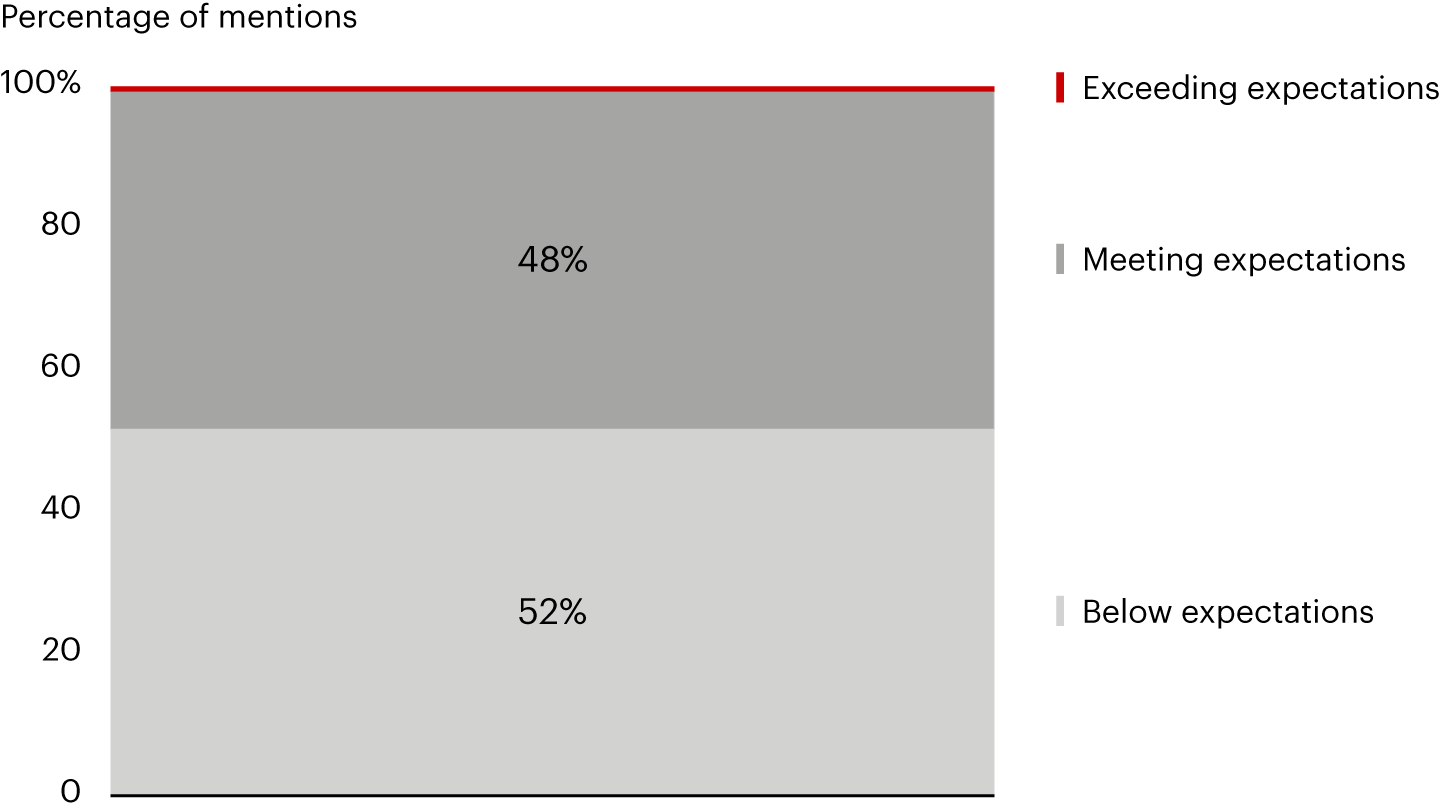
Leading GPs are applying the same lens to their existing portfolios. While AI assessment in due diligence remains the top priority, many firms are equally focused on managing AI-related risk and capturing upside within current holdings. Bain survey results show mixed outcomes so far (see Figure 22). About half of GPs report that AI initiatives in portfolio companies are meeting expectations, while the rest say results have fallen short. Even so, several early successes are beginning to emerge.
Figure 22

Note: Excludes responses from survey participants who replied “N/A”
Fonte: Bain & Company Asia-Pacific Private Equity Report survey, 2026 (n=121)Healthcare diagnostics. A PE-owned diagnostics company recognized that automation was reshaping its industry and that AI could accelerate change. After prioritizing initiatives based on impact and feasibility, the company launched two programs: an AI transcription tool that doubled to quadrupled typist productivity and cut report turnaround times by 35%, and automation of online booking and call center workflows, which saved agents time on more than half of bookings and is expected to reduce annual contact center costs by 11%.
IT services. Blackstone portfolio company Mphasis, an IT services provider, saw AI as more of an opportunity than a threat. To focus efforts, a management team surveyed customers to understand where disruption was most likely and benchmarked the company’s AI capabilities against competitors—in services as well as products. Based on the results, the company developed enhancements to existing services and launched new AI-led offerings. Early results are strong: More than two-thirds of recent contract wins were AI led, and the sales pipeline has reached record levels.
For private equity investors, the challenge is balancing AI-related upside and downside. Equally important is assessing management’s readiness, including the company’s AI strategy, data and technology foundation, talent, operating model, and ability to manage change. In today’s market, the advantage goes to investors who can run rigorous AI diligence and help portfolio companies harness AI effectively.
First published in marzo 2026