

Brief

In evidenza
- Southeast Asia’s demand for recycled plastics is growing—in an optimistic case, penetration will reach 14%–16% by 2030.
- Major markets like Indonesia, Thailand, and Vietnam capture just 8%–25% of plastic waste for recycling in major urban areas, indicating significant headroom to boost recycling rates.
- High collection and sorting costs—1.5–2x raw waste price—limit participation, despite policy-driven recycling initiatives; key interventions are required to economically augment feedstock supply.
- Governments, brands, and recyclers should align on policies, incentives, and technology to scale circularity.
A quiet revolution is happening in the plastics industry. Stakeholders across sectors are becoming more conscious of the importance of plastic circularity and the practice of recycling plastic in a way so that it re-enters the economy. As their awareness grows, more stakeholders are integrating circularity principles into their business operations.
Southeast Asia has become a vital center for this movement. Through 2030, demand for recycled plastics is expected to experience double-digit growth.
The growing demand for recycled plastic
In our strategic forecast, we developed three scenarios—ranging from conservative to optimistic—to project the penetration of recycled plastics in Southeast Asia by 2030, reflecting varied degrees of market adoption and demand. These scenarios anticipate recycled plastic penetration rates of 7%–9%, 10%–12%, and 14%–16%. The pace of this transition toward plastic recycling is influenced by several key factors, including legislative mandates, corporate commitments to sustainability, and shifting consumer behaviors. These elements collectively determine the scale and speed at which recycled plastics are integrated into the regional market.
Across Southeast Asia, countries are starting to promote reduction of plastic usage (e.g., single-use plastic bans) and encourage higher recycling rates and use of recycled plastic content. Extended producer responsibility, a policy approach under which producers are given a significant responsibility—financial or physical—for the treatment or disposal of post-consumer products, has been introduced in multiple countries such as Vietnam, Philippines, Malaysia, and Indonesia.
Brands committed to environmental sustainability have also accelerated the demand for recycled materials. Notably, some leading fast-moving consumer goods brands have set ambitious targets to incorporate 20%–50% recycled content in their products.
Consumer awareness of environmental issues is another powerful driver of demand. In a Bain ESG survey, nearly half of Southeast Asia consumers indicated willingness to pay more than a 10% premium for sustainable products, demonstrating a strong preference for environmentally friendly purchasing choices.
The plastic circularity challenge landscape
Traditional virgin material operations face increasing supply chain vulnerabilities and pressure from decarbonization and sustainability interests. This risk is driving market participants, including major petrochemical companies, to strategically enhance their plastic recycling capacity. As a result, the concept of plastic circularity is gaining traction as a more sustainable and appealing alternative.
A universal challenge these market participants face—beyond the significant technological and capital investments required—is securing a consistent, high-quality, and cost-effective supply of plastic waste. Despite the generation of plastic waste at unprecedented levels, a substantial portion remains uncollected, often ending up in landfills. For instance, in Southeast Asian countries with high plastic demand, such as Indonesia, Thailand, and Vietnam, only 8%–10%, 15%–20%, and 20%–25% of plastic waste in major urban areas, respectively, is captured for recycling (see Figure 1). This indicates that a significant volume of plastic waste remains largely untapped.
Figure 1
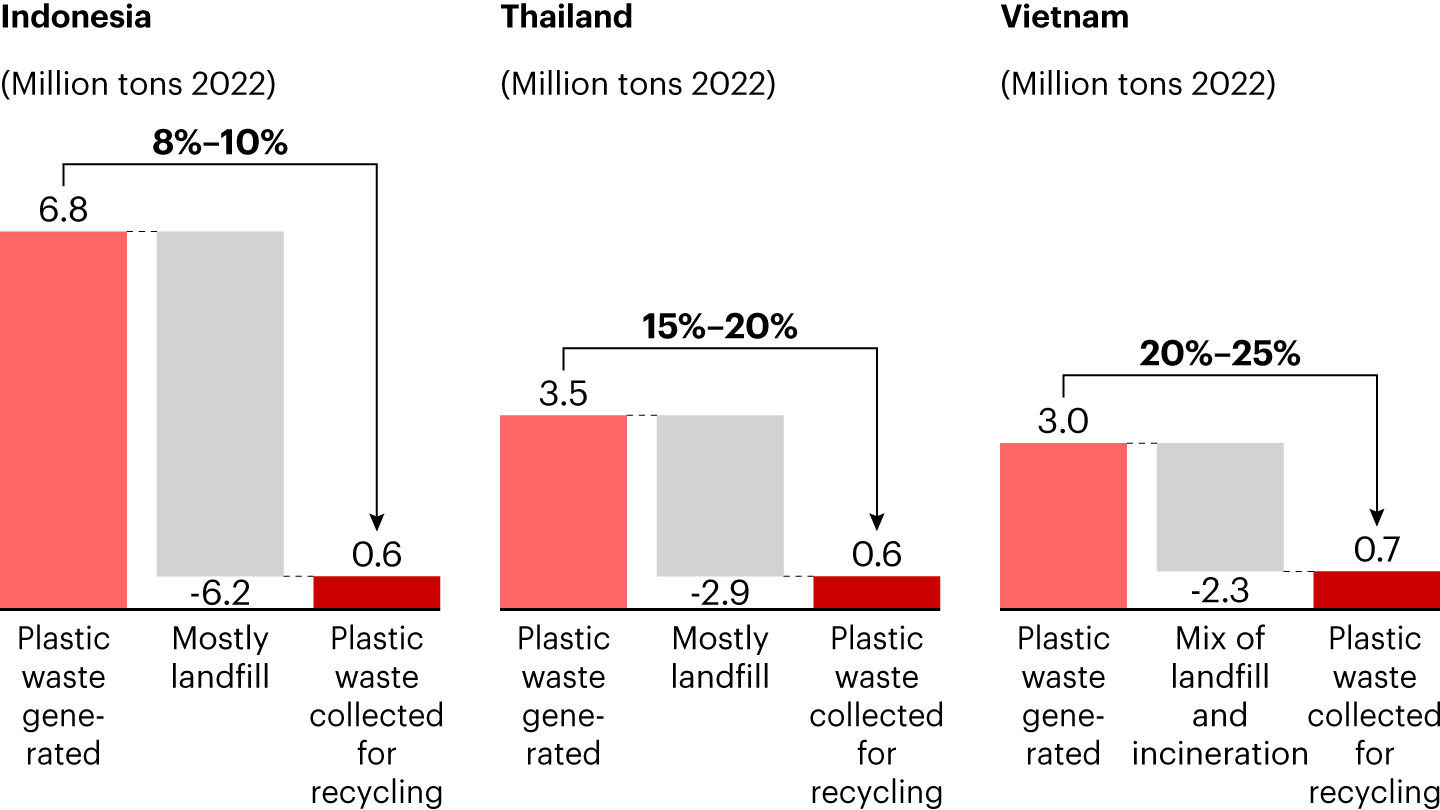

Adding to the challenge, total collection and sorting costs (with multiple steps of handling) often add up to 1.5–2 times the raw waste price. These added costs create a significant limitation because brand owners are usually unwilling to pay premium prices despite ambitious targets.
In our analysis of the Southeast Asian recycling value chain, we’ve identified several key phenomena that highlight the region’s challenges: The value chain is notably fragmented, with a heavy reliance on informal players; there is a significant disparity in the recycling rates of various types of plastics, with flexible plastics recycling being particularly underdeveloped; and the plastic waste trade in the region is undergoing significant changes. These complex factors together underscore the urgent need for more cohesive and efficient recycling solutions in Southeast Asia.
The unique state of the plastic waste value chain in Southeast Asia
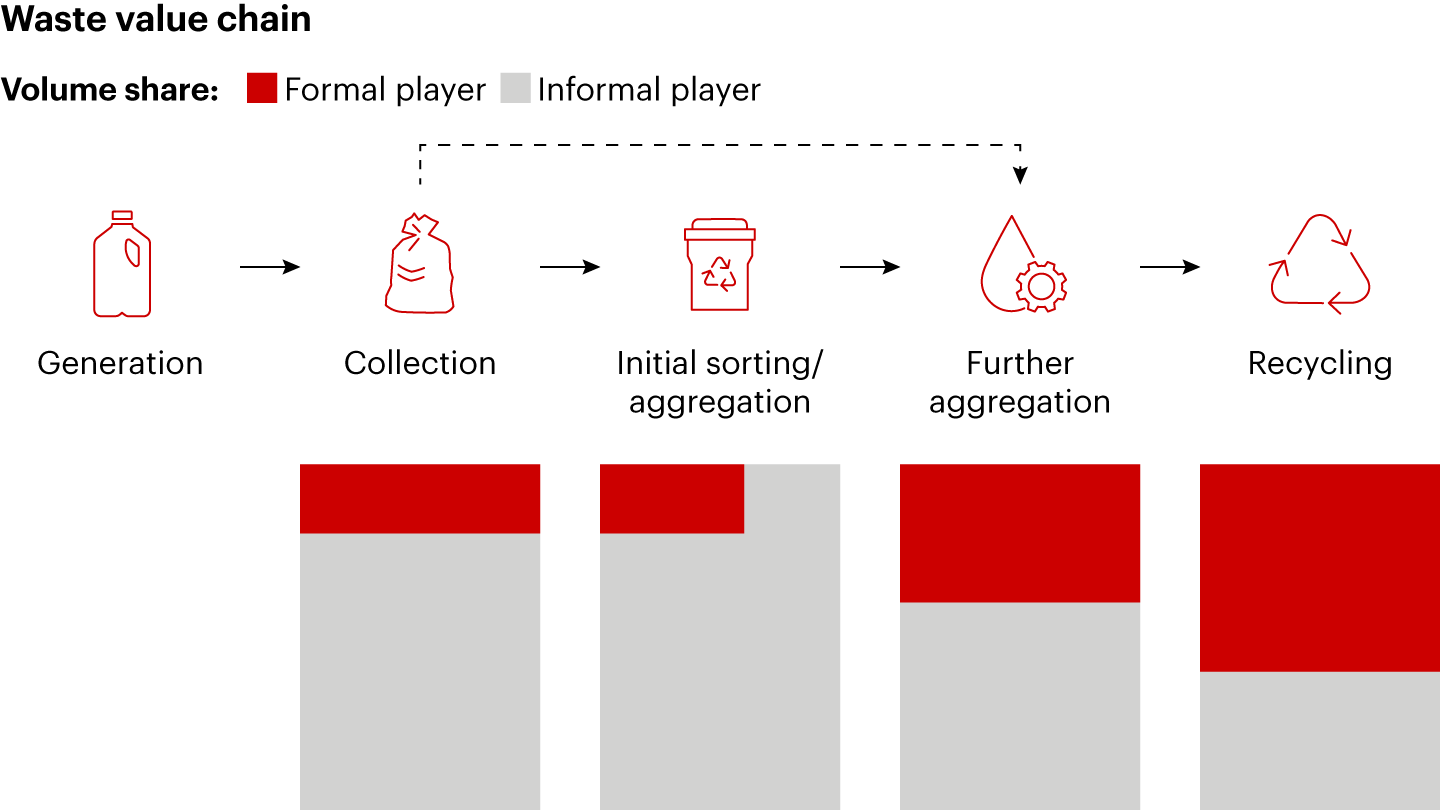
At the heart of the recycling system in Southeast Asia is the informal sector, which plays a critical role at multiple stages of the recycling process (see Figure 2). This is a lifeline for individual collectors who rely on gathering and selling plastic waste to support their families. However, this reliance also contributes to a highly fragmented value chain, where the lack of formalization and coordination leads to inefficiencies and missed opportunities.
Figure 2
Different types of plastics face varying fortunes in their recycling journeys (see Figure 3). PET, the material commonly used in water and soda bottles, boasts the highest recycling rate among plastics because of its high demand and the relative ease of processing. On the other hand, the recycling of flexible materials such as plastic bags and films significantly lags. These materials pose unique challenges; they are lighter and voluminous, prone to contamination, and more costly to process, making their recycling less economically attractive without significant technological and process innovations.
Figure 3
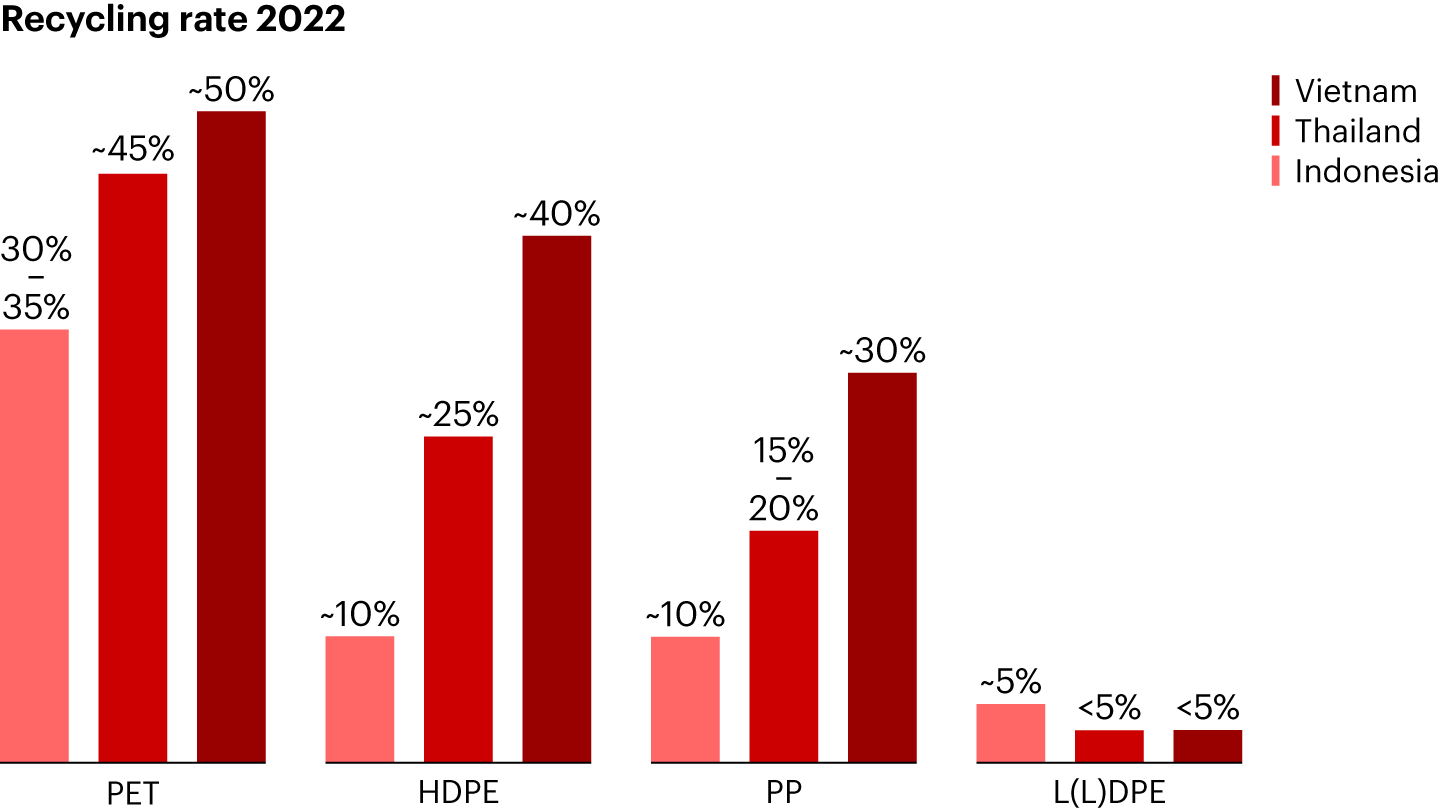

Appunti: PET = polyethylene terephthalate; HDPE = high density polyethylene; PP = polypropylene; L(L)DPE = linear (low) density polyethylene
Sources: Industry participant interviews; Bain analysisThe dynamics of waste importation also shape the supply-and-demand landscape. For years, many countries in the region have depended on imported waste to supplement their local recycling feedstock (see Figure 4). However, as international regulations tighten, Southeast Asia is compelled to rethink its reliance on imports. The EU, for example, plans to ban plastic waste exports to countries that are not members of the Organization for Economic Cooperation and Development by 2026, potentially impacting about 140 kilotons of annual waste import into Malaysia and Vietnam. The anticipated decline in waste importation makes bolstering domestic capabilities more urgent so the region can establish a reliable supply of recyclable materials.
Figure 4
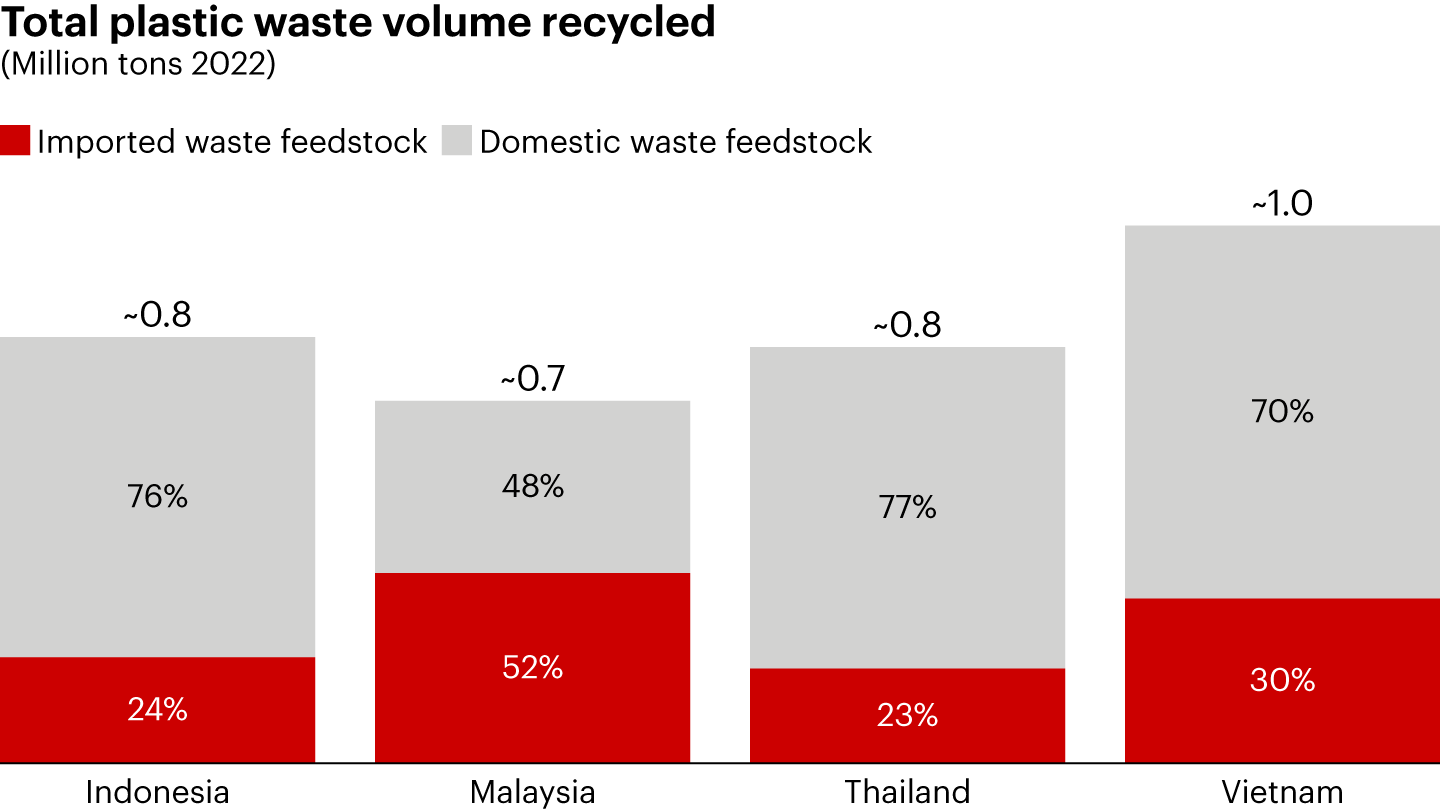

Facing these pressures, enhancing domestic waste collection has become a critical priority. In Malaysia, for example, where significant volumes of waste are imported, local collection mechanisms need to be scaled up over the medium-to-long term. This involves investing in infrastructure and community education and engagement to ensure more plastic waste is captured for recycling rather than ending up in landfills or oceans.
Key interventions to augment feedstock supply and enhance recycling rates
To navigate the complexities of plastic waste sourcing, stakeholders should implement strategic interventions to transform the region’s plastic recycling capabilities. This transformation must involve a multifaceted approach, encompassing education, incentives, and innovative practices that could enhance recycling operations’ effectiveness and sustainability.
Multi-pronged educational efforts are necessary to improve plastic circularity in Southeast Asia. Stakeholders should focus on elevating the public’s consciousness about why recycling is important, what plastic circularity is, and the consumers’ role in the process. Educational efforts should also help consumers and other stakeholders understand what can be recycled. This includes spreading awareness about flexible materials—traditionally less likely to be recycled due to contamination and economic factors—and the preparation required to make their collection effective. Educating the public and clarifying these nuances can increase the quantity and quality of collected recyclables.
Introducing incentives in the value chain is also pivotal in motivating and enhancing recycling behaviors. For rigid plastic waste, various countries in the Association of Southeast Asian Nations have introduced automated reverse vending machines in top metropolitan areas, where consumers can earn rewards by returning containers. Southeast Asia can also take lessons from more developed markets such as the UK, where governments and companies provide funding and support for pilot programs that aim to promote a circular economy for flexible plastics. By making the economics of recycling more attractive, stakeholders can encourage greater participation from both businesses and individuals. Levers here might include financial rewards for delivering high-quality, well-sorted recyclables or subsidies for businesses that invest in technologies that aid in recycling.
Innovation is also a cornerstone of bolstering recycling. Opportunities for innovation abound, including streamlining collection times and reducing associated costs. Successful projects start with small pilot projects that adopt a test-and-learn approach, allowing for pragmatic innovation. Some such projects, for example, provide smartphone apps that allow households and businesses to connect with plastic waste collectors, complete with doorstep pickup services or designated drop-offs. Projects like these can increase collectors’ reach, reduce barriers in collection, and refine logistical operations with advanced technologies to process recyclables more efficiently.
Lastly, Southeast Asia’s recycling evolution should acknowledge the crucial role informal workers play. These individuals are deeply woven into the fabric of the waste management practice, often serving as the primary collectors and sorters of recyclable materials. As the region advances its recycling industry, it is imperative to consider the safety and economic viability of these informal workers and uplift them.
Southeast Asia will set a foundation for a more robust, efficient, and sustainable plastic recycling system through these combined efforts—educating the public, incentivizing quality recycling practices, innovating collection processes, and empowering informal workers. This holistic approach promises environmental benefits and regional social and economic improvements.
Stakeholders’ roles in Southeast Asia’s plastic circularity
To propel plastic circularity in Southeast Asia, local governments, industry leaders, and recyclers each have a crucial role to play.
Local governments should be at the forefront of this transformation, reinforcing and expediting environmental targets and policies. Recognizing the challenges associated with recycling flexible materials, Southeast Asian governments can offer incentives to promote effective collection and recycling behaviors. Creating a more favorable regulatory and financial environment can also catalyze participation from communities and businesses and drive significant recycling rate improvements.
Brand owners should also commit to their circularity targets, incorporate circularity into product packaging design, and close the loop on the plastic used via collaboration with original equipment manufacturers and channels. Centrally managed coordination of plastic waste disposal from operation sites could also help brands achieve larger-scale efficiencies, reducing waste and enhancing their operations’ sustainability.
Recyclers—both specialized entities and those branching into new business areas within larger corporations—are encouraged to persist in advancing their technologies. The goals are to manage a broader spectrum of waste quality and to reduce the costs associated with feedstock processing and the production of recycled plastics. As technology improves, recyclers can process plastic wastes with different qualities more efficiently and at lower costs, making recycled plastics more competitive with virgin materials and, thus, more attractive for broader use.
Partnerships among governments, brand owners, and recyclers throughout the value chain are also becoming a prevalent model in driving research, pilot programs, and plastic circularity ecosystem development. These collaborations use different players’ diverse expertise to create an environment that is challenging to replicate independently, as stakeholders share knowledge, resources, and technologies.
Advancing plastic recycling in Southeast Asia
To bolster Southeast Asia’s efforts in accelerating plastic recycling, key interventions such as enhanced education, introduction of incentives, and continuous innovation are essential to secure and increase the availability of quality, reliable, and economically viable feedstock. Governments should prioritize implementing robust policies that incentivize recycling and promote reducing virgin plastic use. Recyclers are encouraged to innovate and invest in technologies that improve the effectiveness and economy of sorting and processing of plastic waste. Brand owners, for their part, have a significant role in driving demand for recycled plastics through their commitments to sustainability, which should be integrated deeply into their operational practices.
This multifaceted strategy is crucial for addressing the immediate challenges in plastic circularity and setting a sustainable path forward. By fostering a cooperative environment among these key stakeholders, Southeast Asia can significantly advance its plastic recycling capabilities, contributing to a cleaner and greener planet.
First published in febbraio 2025