

Brief


|
In evidenza
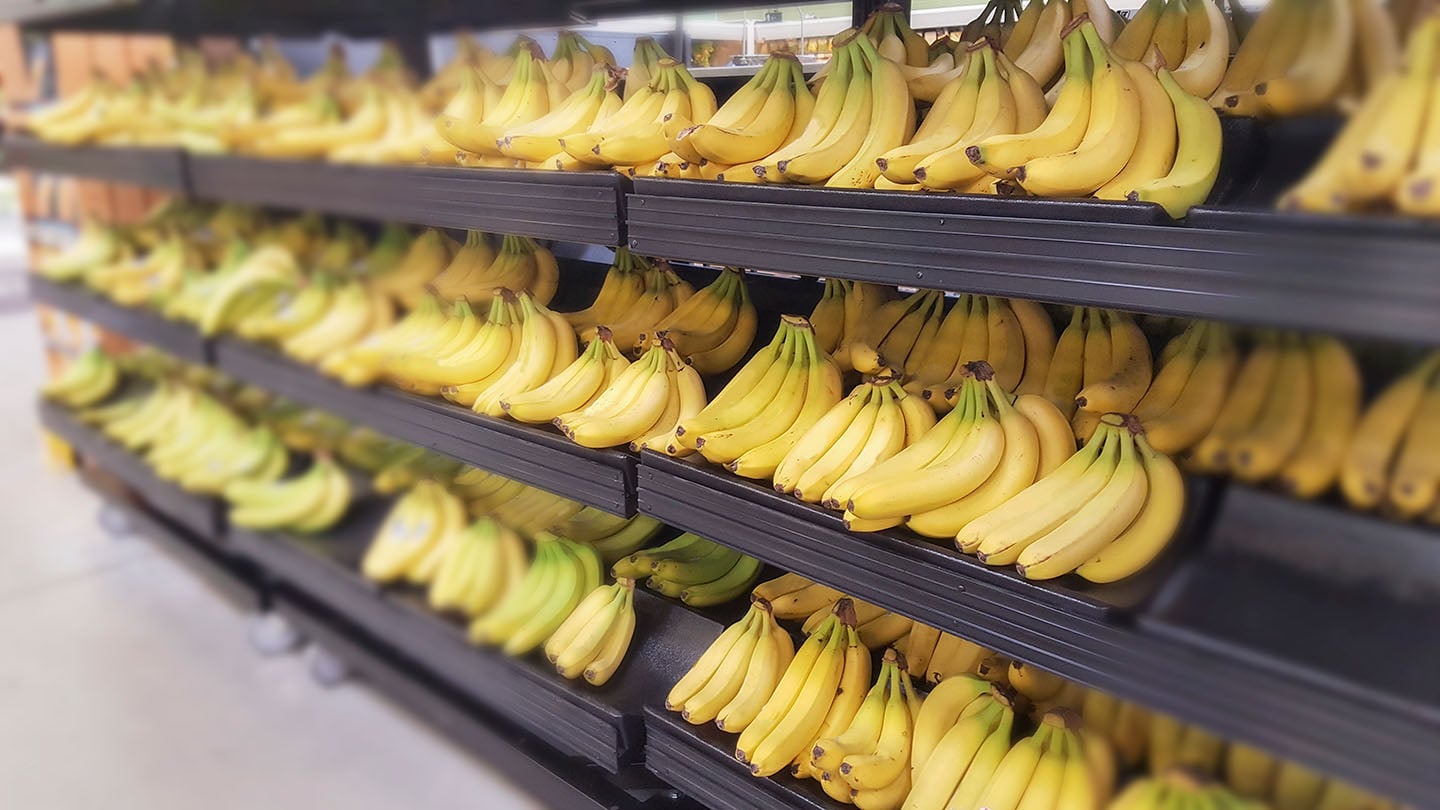
Grocers must get ready to compete for two fundamentally different types of online shoppers: humans and AI agents. That’ll mean rethinking some of the basics of pricing and promotion, which were founded on human psychology alone. AI shopping agents have made a strong start. Bain research shows that almost half of US shoppers use them to compare grocery prices or find deals. Penetration should only increase as AI agents become more powerful. For instance, the next wave of agentic AI will source items from multiple vendors and place them in a single cart, ready for the human shopper to confirm the purchase (or not). Google recently announced the launch of such a service in the US this summer. However, humans aren’t about to vanish from the picture, even when full automation of grocery shopping becomes possible. Sure, some shoppers are likely to be willing to delegate everything to a bot to save time. But it’s a fair bet that others, particularly those from older generations, will remain fully hands-on, shunning AI even as its capabilities grow. Many shoppers will probably be somewhere in between: happy for AI to build a multi-vendor basket for them to approve, but reluctant to let agents check out autonomously. We can already see this pattern emerging internationally, with grocery shoppers showing less enthusiasm as the prospective level of delegation to AI increases. To win in what’s almost certain to be a hybrid future of people and bots, grocers will need to ensure that their pricing and promotional strategy continues to appeal to human shoppers while accommodating the relentless, outcome-focused logic of AI agents—all without worsening the fragile economics of online grocery. That’ll be some juggling act, further complicated by the cost-of-living pressures that have made affordability a priority across the sector. However, we’re confident that grocery pricing and promotions can be successfully rebooted for the agentic AI era through a combination of tactical and strategic moves. The most pressing of these actions is to mitigate the threat that AI agents will soon pose to online basket building. But industry leaders are likely to go further by finding new ways to create differentiated value beyond price, boosting their resilience in the process. The threat to online basket buildingMany business models in grocery rely on basket building. Grocers sell some products at ultra-low prices (or a loss) to generate traffic. They do this knowing that, once inside the store or on the grocer’s website, shoppers will pick up other items or perhaps trade up to premium products in some cases. The mix of items that ends up in the basket makes the order viable (or, for many online baskets, less loss-making than it would have been). This model works because it helps shoppers navigate complexity. Faced with thousands of prices, humans tend to anchor their value perception on a manageable subset of known-value items (such as bananas, milk, and bread), promotional deals, and total basket cost. In this sense, low-priced KVIs and highly visible promotions are a loud promise of value. Even though the grocer will recover some margin on other items, that value promise tends to be upheld across the whole basket (as grocers’ low-single-digit operating margins attest). The rise of non-human shoppers is poised to challenge this basket-building approach. Consider a situation in which a shopper inputs a grocery list into a third-party AI agent and instructs it to find the cheapest way to purchase and deliver all the items within 24 hours, splitting the order between multiple grocers if needed. Unlike humans, bots are built to evaluate infinite stock-keeping units (SKUs). They will grab loss-leading deals in the same way that we do. But they won’t “feel” value from a few familiar prices. Instead, they will optimize the overall outcome based on the goal given to them. That’ll often mean cherry-picking the edgiest deals from different grocers, rather than building the mixed basket that the high-low model relies on. Grocers that rely on low-priced KVIs and compelling promotions will need to keep offering them, unless they want to lose their human shoppers. The risk for these high-low grocers is that AI agents only choose low-margin or loss-generating items from their assortment. Everyday low price (EDLP) players, while less exposed, won’t be immune to AI-related order fragmentation, either. Their scale model might rely on a 30-item basket; if they leak 10 of those items to heavily discounted deals from rivals in a split order, that could be a margin killer, too. Tackling AI-related order fragmentationBasket building was already under pressure in online grocery, with a visible trend toward order fragmentation, even before any mainstream adoption of AI shopping agents. AI agents are likely to add to this strain, in turn threatening the broader profitability of many grocers—both omnichannel players and pure play online operators. To defend themselves, grocers need to find new ways to incentivize basket building. That could mean offering additional discounts that only kick in above a certain basket size, or faster delivery slots for fuller baskets. Encouraging in-store pick-up could also counter fragmentation; tying discounts to collection could make it impractical for an AI agent to split an order if doing so would require additional deliveries. Costco-style membership fees could also encourage single-grocer loyalty. Grocers will need to liberate funding for these and other basket-building incentives by dialing back the least effective single-item promotions. The most effective tactic to counter basket fragmentation might well be to offer a unique assortment containing items that AI agents can’t find elsewhere. Private-label products are a particularly powerful way to deliver that uniqueness while directly supporting profitability, as the likes of Costco’s Kirkland Signature brand have shown. Grocers should also consider making some deals store-only. Given the extra costs involved in servicing online orders, some promotions just don’t make sense online. AI agents are likely to cause even more to fail the “Is it worth it?” test once picking, packing, and shipping are factored in. Grocers should therefore consider reserving some promotions for in-store shoppers only. After all, some grocers—such as Trader Joe’s—have thrived by making their entire assortment store-only. And shoppers are already habituated to some deals occurring in-store only (such as markdowns on short-dated food). Creating differentiated value beyond priceThe agentic AI era is likely to be hard going for grocers that don’t stand out on at least one individual purchase criteria. Agents will optimize their choices based on the agenda of the human shopper instructing them. That won’t always be price. In some cases, it’ll mean prioritizing the highest quality or the fastest delivery. Grocers that have gotten by on being a solid third-place contender on a range of criteria might struggle to get picked at all, with orders instead being divided among rivals that genuinely stand out on one or more individual measures. Fresh produce offers fertile territory for differentiated value beyond price. For one thing, fresh products can resist price-focused, standardized comparison by AI agents, given variations in quality, ripeness, size, and more. Not all strawberries are equal. Prepared foods are similarly promising, if grocers can find a way to stand out (for instance, by ensuring that hot food is delivered hot, rather than lukewarm). In the US, time-pressed consumers tend not to look to online grocers when they want a delivery service to solve the question: “What can I serve for dinner?” There’s a big opportunity for grocers to offer them a value-added answer—and build a resilient profit stream in the process. Online grocers will each have their own path to differentiated value, spanning these and other areas, including private label and loyalty programs. But it’s worth bearing in mind how easy it is to overlook simple reliability and excellent service. Grocers can win enormous customer goodwill by making sensible substitutions, delivering orders on time (and with a smile), and generally avoiding letting down their customers. They can also win on “schedulability”: making time slots work for the individual needs of each customer. Don’t wait for full agentic automation before actingGrocers need to prepare for a world in which their online customers order more frequently and across a wider range of banners due to the introduction of agentic AI. That shift is likely to put further pressure on basket size and the industry’s already slim profit margins. It’s crucial that executive teams don’t delay action in the hope that the threat will only solidify if a lot of shoppers give AI agents the power to check out autonomously. The impact on basket building is likely to be significant even if agents are only working on a partially delegated basis where they must still get approval to check out. And that semi-autonomous moment is very much upon us. 
PyxisPyxis, Bain’s consumer analytics division, helps businesses navigate complex consumer landscapes and stay ahead of the competition. With one of the world’s largest ecosystems of transactional data, Pyxis has completed over 2,000 projects, delivering SKU-level visibility and uncovering shifts that drive growth, market share, loyalty, product development, M&A, and more. |