
Report


|
Executive summaryThe year 2022 saw a global tempering of the peak activity witnessed in 2021, triggered by tightening monetary policies across American and European markets as economies emerged from a Covid-19-induced suppression in economic activity. Countries coped with high inflationary pressures on the back of an extended loan moratorium, Covid-19 stimulus, and supply-demand gaps. These gaps were exacerbated by the mounting geopolitical tensions (Russia-Ukraine conflict, US-China decoupling), which led to trade sanctions and global shortages. Resulting market volatilities cast a shadow over global private equity and venture capital (PE-VC) activity, with investments declining by 15% to 30% across regions. Indian PE-VC investments surpassed $60 billion for a third time, as India demonstrated some resilience in the face of global headwinds. Investment value closed at $61.6 billion, with a moderate decline of 12% from 2021’s peak of $69.8 billion, supported by a positive economic outlook, driven by structural enablers such as large consumption opportunity, improved digital infrastructure, and China + 1 tailwinds. Amid a significant contraction in the region, India’s share of PE-VC investments in Asia-Pacific strengthened from less than 15% to approximately 20%. Written in collaboration withWritten in collaboration with
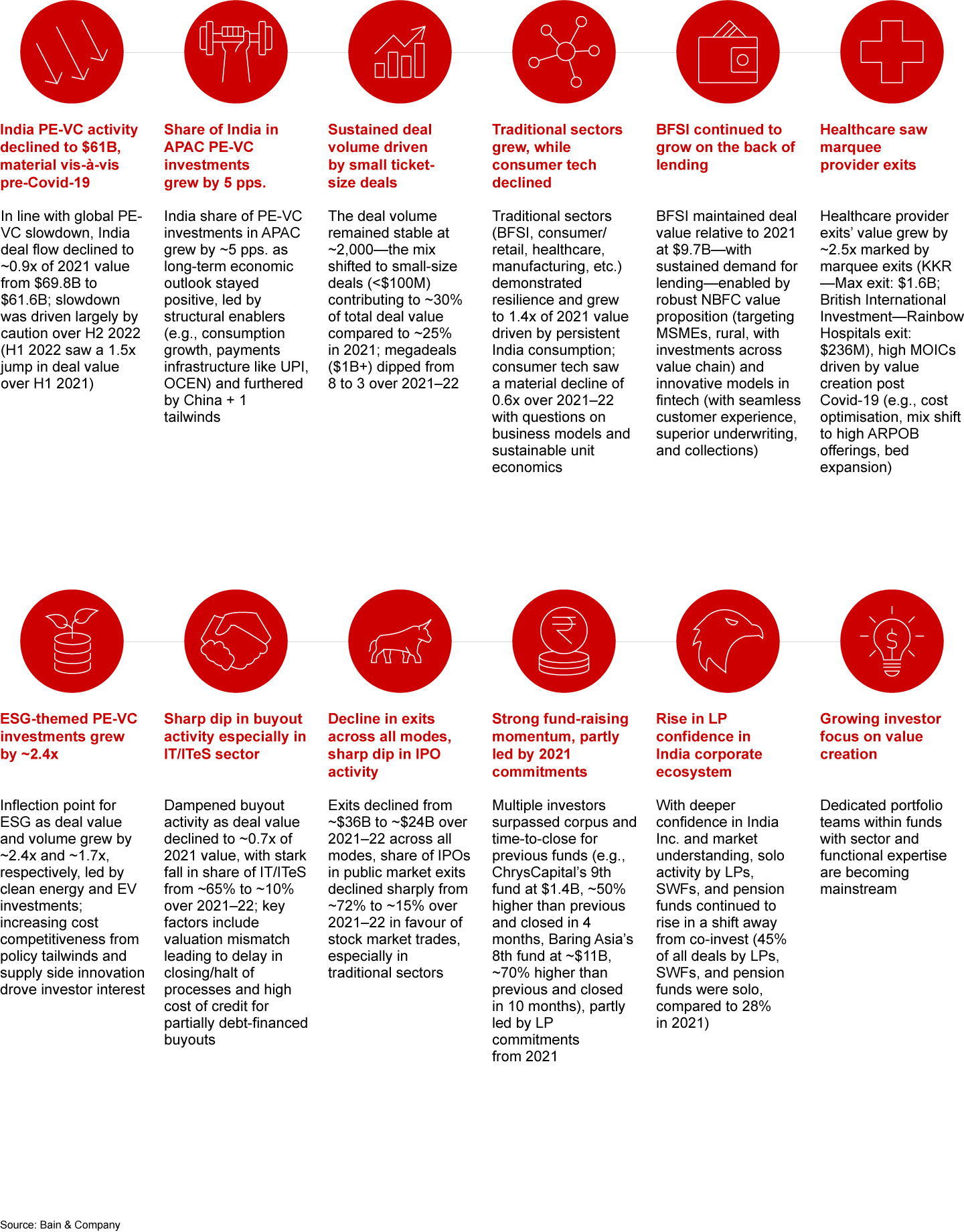
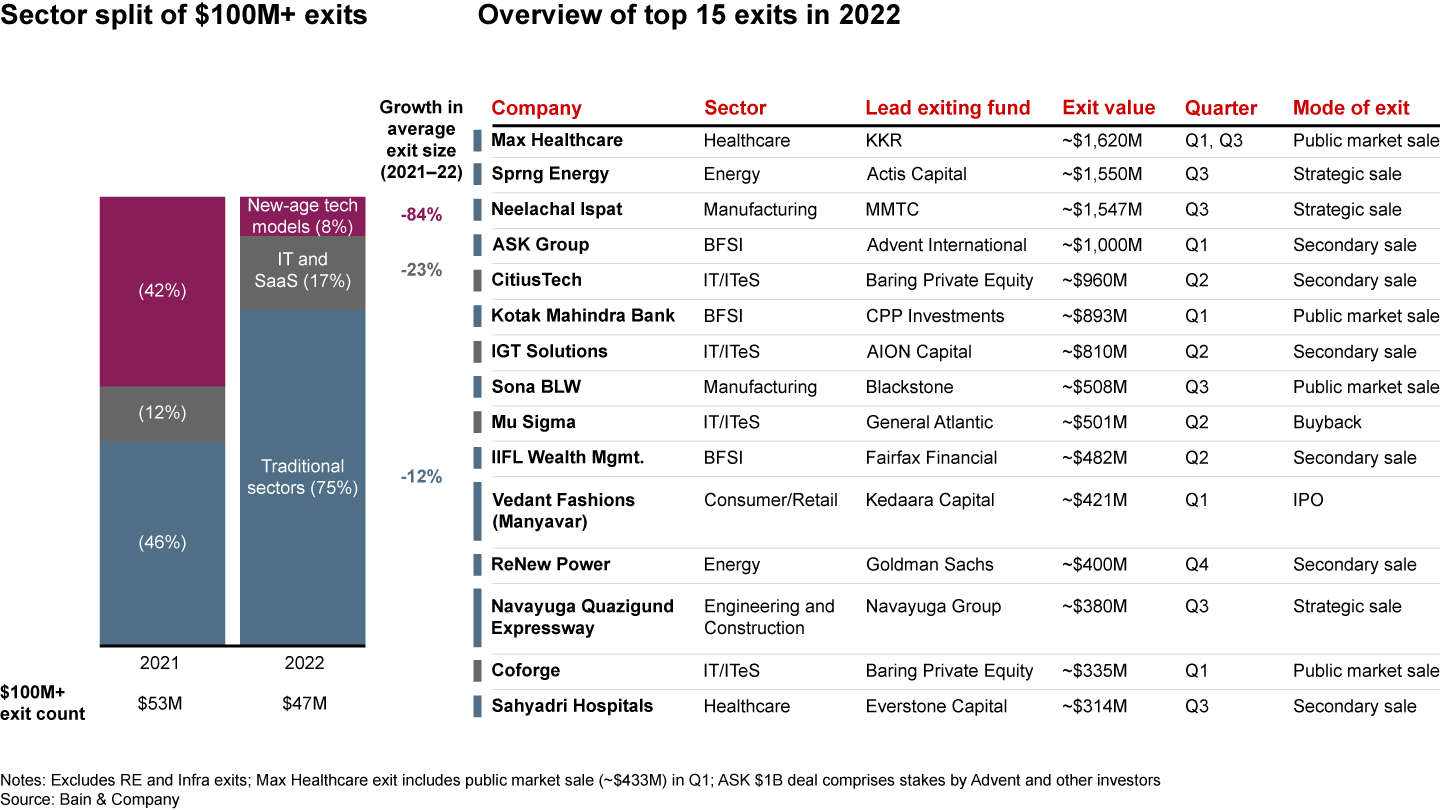
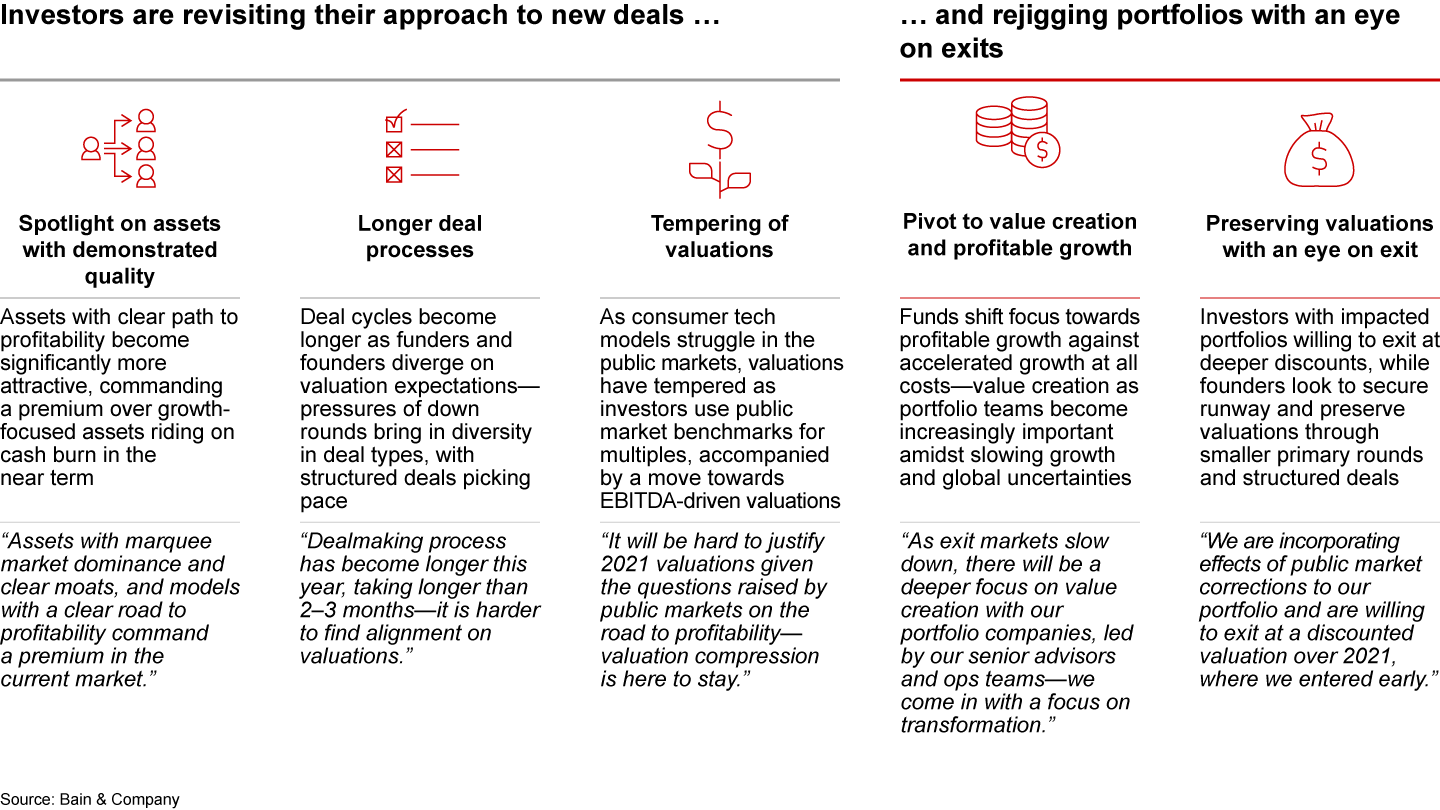
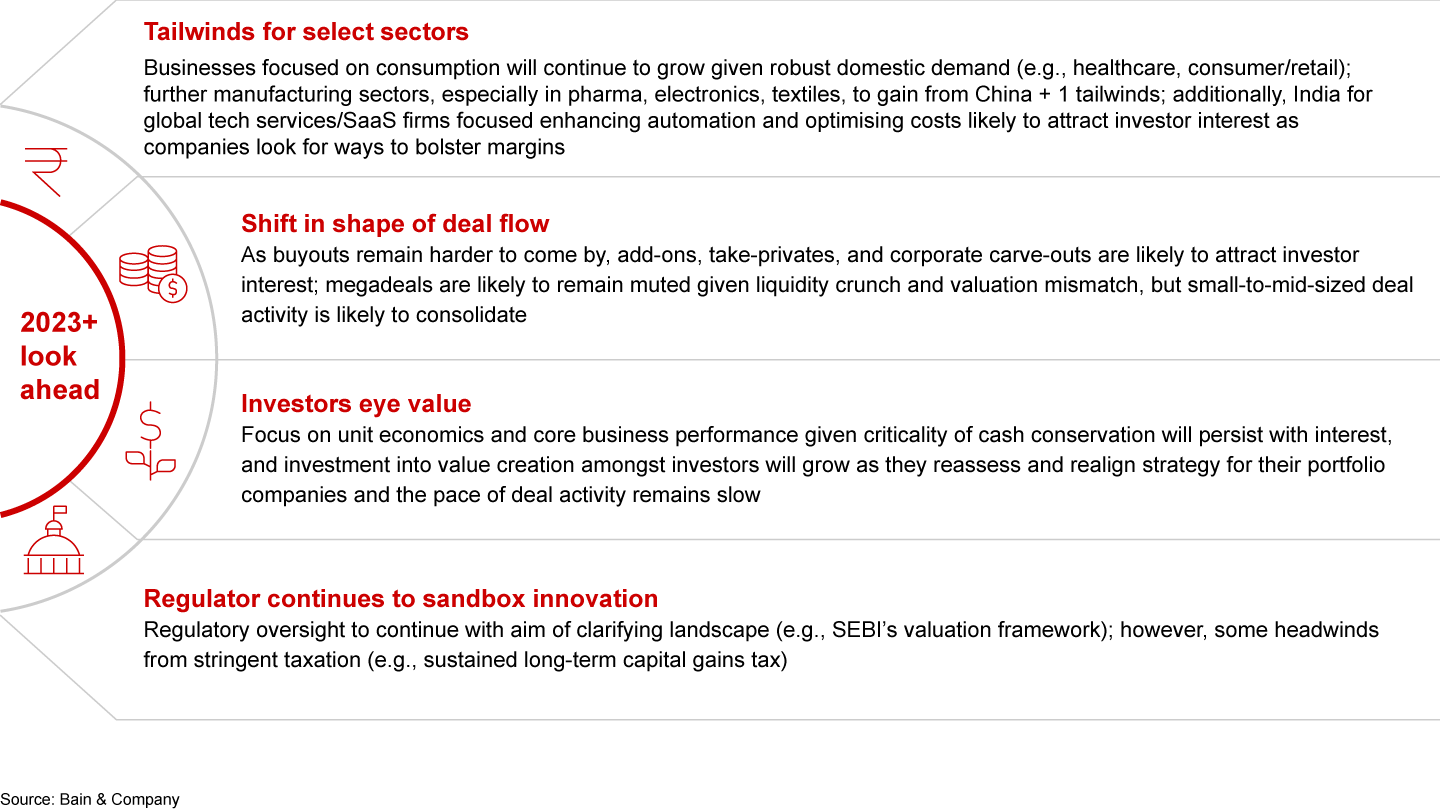
Indian PE-VC activity rode the momentum seen in H2 2021 till H1 2022, which saw dealmaking of close to $83 billion in 12 months. The exuberance at the start of the year, with record dealmaking of close to $40 billion in the first 6 months, was followed by decelerating deal activity closing at $21 billion. Different trends impacting distinct sectors show a clear rationale for these developments. Traditional sectors such as banking, financial services, and insurance (BFSI), energy, healthcare, and manufacturing, grew by approximately 50% due to robust domestic demand and accounted for around 60% of deals greater than $100 million. In contrast, the boom in consumer tech and internet stocks riding on Covid-driven shifts in consumption slowed through the year, accompanied by a public market rout in tech stocks that challenged valuations. The latter half of the year saw public market valuations spilling into the private markets, making dealmaking more challenging as the gap in valuation expectations slowed investment activity. As a result, consumer tech and information technology (IT), which drove around 60% of deal value in 2021, contracted to ~30% in 2022. On aggregate, the expansive base of deal volume of 2021 was sustained this year with more than 2,000 deals, as small and mid-sized deal activity continued. Venture capital and growth equity continued to contribute significantly to deal volume with almost 90% of deals, albeit with reduced cheque sizes. Share of VC investments slowed from 2021’s seminal annual value of $39 billion to $26 billion in 2022 (55% to 43%)—but retained the breakout compared to pre-Covid era deal values of approximately $10 to $12 billion a year. PE deal value stayed relatively robust with lower volumes. There was a shift in the contribution of megadeals as $1 billion investments slowed, with buyouts slowing significantly amidst tighter credit markets and mismatched valuations delaying deal closures. Exits followed a similar decline, slowing to $24 billion from an all-time high of $36 billion in 2021. Here as well, traditional sectors dominated the share of exits greater than $100 million, with healthcare and manufacturing showing the largest increase in exit value. The exuberance around new-age internet start-up listings waned as initial public offerings (IPOs) of 2021 didn’t meet public market expectations—cascading into delays and eventual cancellations of many planned IPOs of consumer tech firms, such as OYO, MobiKwik, PharmEasy, BoAt, and others. However, IPOs of traditional sectors continued, with listings such as Rainbow Hospitals and Medanta Medicity outperforming the market index. In an interesting contrast, the buoyancy in the Indian stock markets (with Nifty reaching its all-time high in November) allowed traditional sectors to find support and enabled strong exit opportunities in follow-on public market exits. Secondary markets dampened towards the second half of the year after 12 months of heated activity. Dry powder for private equity surged on the back of a flurry of fund-raises following 2021’s activity. General partners (GPs) closed fresh rounds in record time and were flush with funds as limited partners (LPs) dedicated capital to chase growth opportunities, with Indian allocations of Asia-Pacific funds by top GPs increasing. Leading Indian GPs, such as Kedaara Capital and ChrysCapital, increasingly competing with global counterparts on large deals, crossed $1 billion in new fund-raises. Additionally, LPs and sovereign wealth funds (SWFs) have demonstrated a marked shift towards solo dealmaking from their earlier co-investing playbook. With mature LPs deepening play in the Indian markets and newer LPs setting up dedicated teams and offices, solo dealmaking by select LPs expanded to 30+ deals with investments worth approximately $6 billion. Investors also accelerated sector diversification this year with more funds expanding into traditional sectors such as healthcare, BFSI, energy, and manufacturing, overriding a continued trend of tech sector expansion in the previous 3 years. At the same time, amidst abundant dry powder, funds became increasingly conservative and judicious as the sentiment shifted through the year—focus has narrowed to fewer, quality assets and towards driving value creation within their portfolios with a dedicated focus on profitability. BFSI, which experienced a slump due to Covid-19, lower growth, extended loan moratoriums, and an increased risk of default, is witnessing a resurgence in interest. BFSI, including fintech, saw investments of $9.7 billion, with the sectors commanding 18% of India’s PE-VC investments. India’s outstanding credit has doubled since 2014 to reach $2 trillion, driven by increasing consumption (with a growing middle class), low credit penetration today, increasing openness to credit including for discretionary expenses, and digital adoption accelerating financial access. Non-banking financial companies (NBFCs) are at the forefront of the growing opportunity and have expanded their market share from ~21% in 2014 to ~27% in 2022, focused on growing segments such as personal loans, consumer durables, and two/three-wheeler (2W/3W) finance. They have increased presence in rural markets, developed seamless user journeys, driven quicker disbursements leveraging alternate data, and established robust collection processes—taking away share from public sector banks. Fintech has also experienced sustained deal momentum amidst evolving regulatory changes, with multiple players capitalising on the tailwinds and innovations within lending and wealthtech. Investors are increasingly looking at India’s healthcare sector for secular returns amidst turbulent tides, with an increase in interest in health providers, pharma, diagnostics, and single-specialty providers since 2020. India’s healthcare sector saw deal values reach $4.3 billion in 2022, at approximately 8% of total investments. However, 2022 was a year where healthcare delivered, expanding to nearly 16% of total exit value at $3.5 billion. In a year that saw marquee public market exits, IPOs, and secondary sales, KKR’s exit from Max Healthcare grabbed headlines with an exit value of $1.6 billion in 4 years driven by a significant EBITDA expansion, followed by other large exits such as Everstone’s exit from Sahyadri Hospitals and Carlyle’s and British International Investment’s IPOs of Medanta Medicity (Global Health) and Rainbow Hospitals. Healthcare providers continue to focus on growth led by scale expansion through consolidation by large players and brownfield expansion, increased specialisation in service mix, and cost optimisation initiatives, which have resulted in high average revenue per occupied bed (ARPOB), improved utilisation, and increased margins. With robust and streamlined models emerging out of Covid, listed health providers have generated two to three times the returns of the Nifty index in recent years. This year also witnessed an accelerated pace of ESG-driven investing, which shifted from mind-share towards wallet-share. With environmental, social, and governance (ESG) investments more than doubling from $3 billion to $8 billion, the share of ESG has elevated from 5% to 13% of total PE-VC investments in a single year. India has seen close to $19 billion in ESG-aligned investments in the last 5 years, with clean energy driving more than 60% share at $12 billion, and electric vehicle (EV) manufacturers commanding around 20%. The year 2022 saw marquee deals such as Mubadala and Blackrock’s investment in Tata Power, KKR’s investments in Serentica Global and Hero Future Energies, and TPG Rise in Tata EV. Players like Actis, British International Investment, and OTPP are also expanding clean energy and EV play as part of their focus on responsible investing. Clean energy saw robust deal activity in 2022, as improved efficiency, climate agenda (COP27 accord—2022 UN Climate Change Conference) and government’s focus on utilities-scale investments improved the cost competitiveness of renewables. The EV segment has also seen increasing deal traction with total deal activity of close to $4.2 billion and 10 deals of more than $50 million over the past 5 years. With ESG becoming more central to investors’ value creation and exit plans, improved ESG traction is here to stay. Looking back, India’s private equity industry has evolved significantly, with a broadened investor base that quadrupled from 200 to 800 active investors since early 2010s, diverse pools of capital, and acceleration in buyout capital for quality assets. The industry has benefited from a supportive regulatory landscape, innovative digital infrastructure, and deepening maturity of founders and talent. This has enabled tremendous growth in exit opportunities, complemented by the growth in strategic sales and secondary markets, resulting in value capture of 10x to 20x for multiple investors across investment cycles since the 2010s. The recalibration of 2022, characterised by cautious capital deployment and a shift in the shape of deal flow after a watershed year in 2021 is likely to extend into 2023. Domestic consumption-led sectors such as healthcare and consumer/retail will sustain momentum, manufacturing will benefit from China + 1 tailwinds, and export-oriented IT and software as a service (SaaS) will stay resilient. In addition, regulatory changes and investor focus on unit economics are likely to contribute to clearer sector landscapes and better articulation of value roadmaps. Indian private equity, bolstered by a maturing ecosystem, demonstrates confidence and resilience to navigate the turbulence ahead and continue its accelerating flywheel of growth.
Figure 1
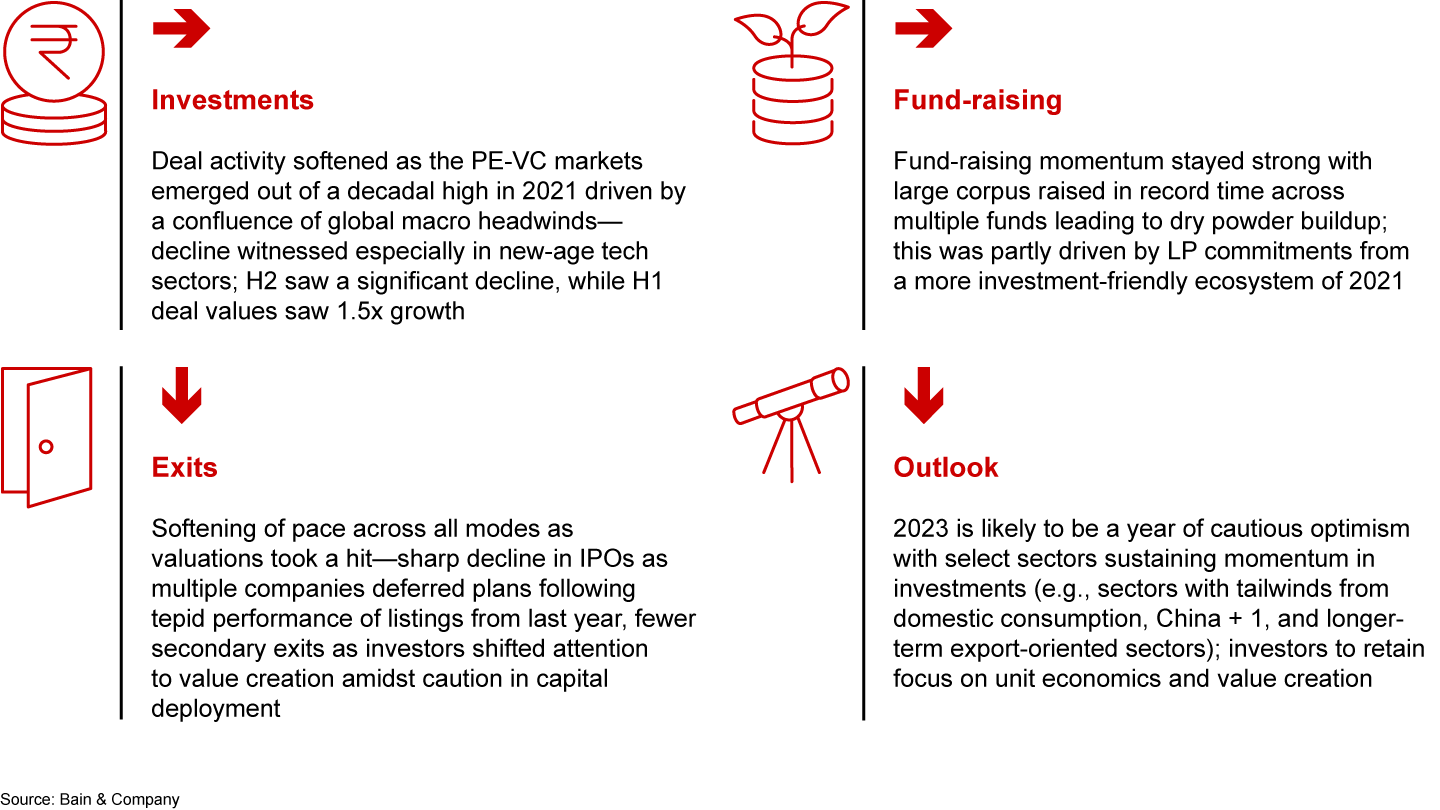

Figure 2

Dealmaking and exits: A year of reckoning
Figure 3
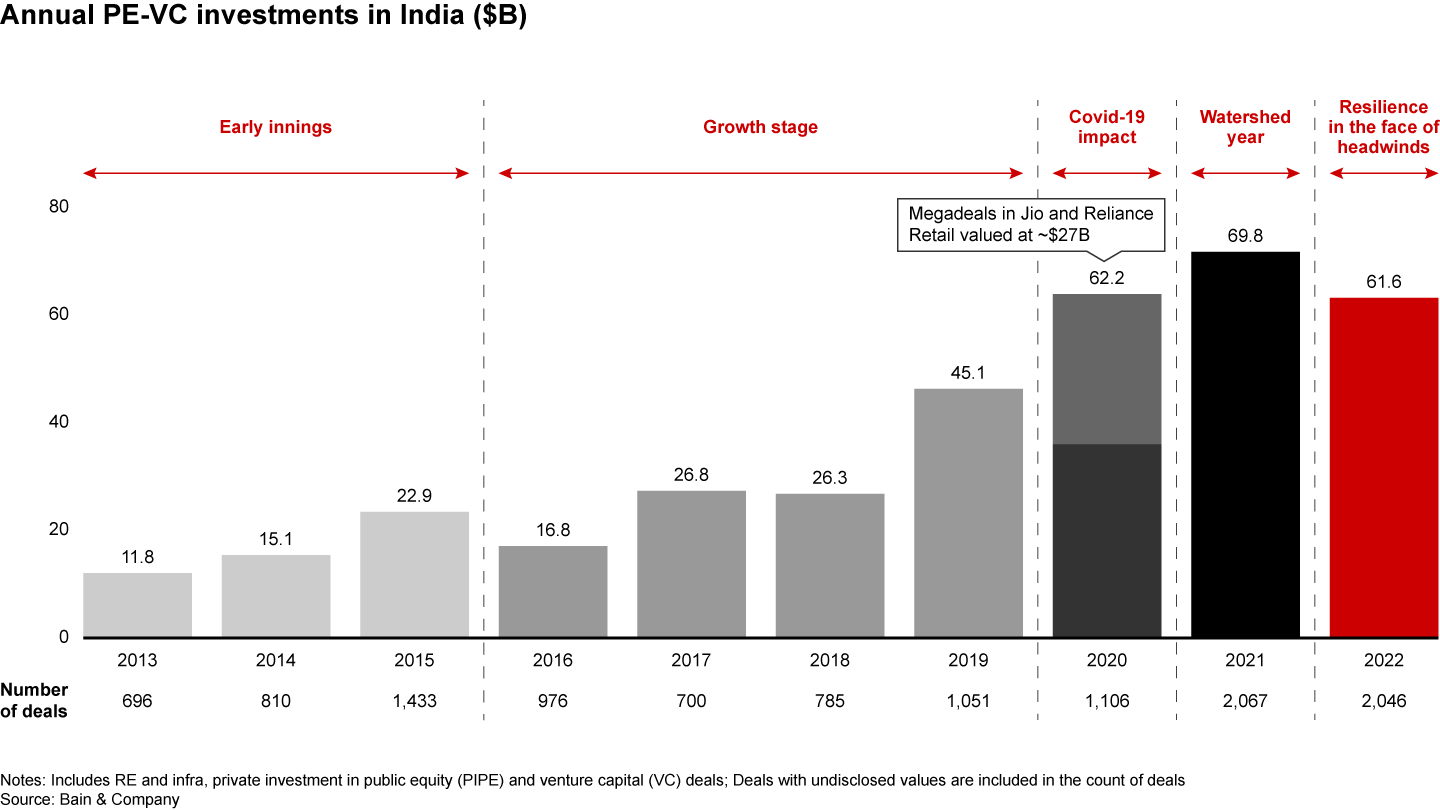

Figure 4a
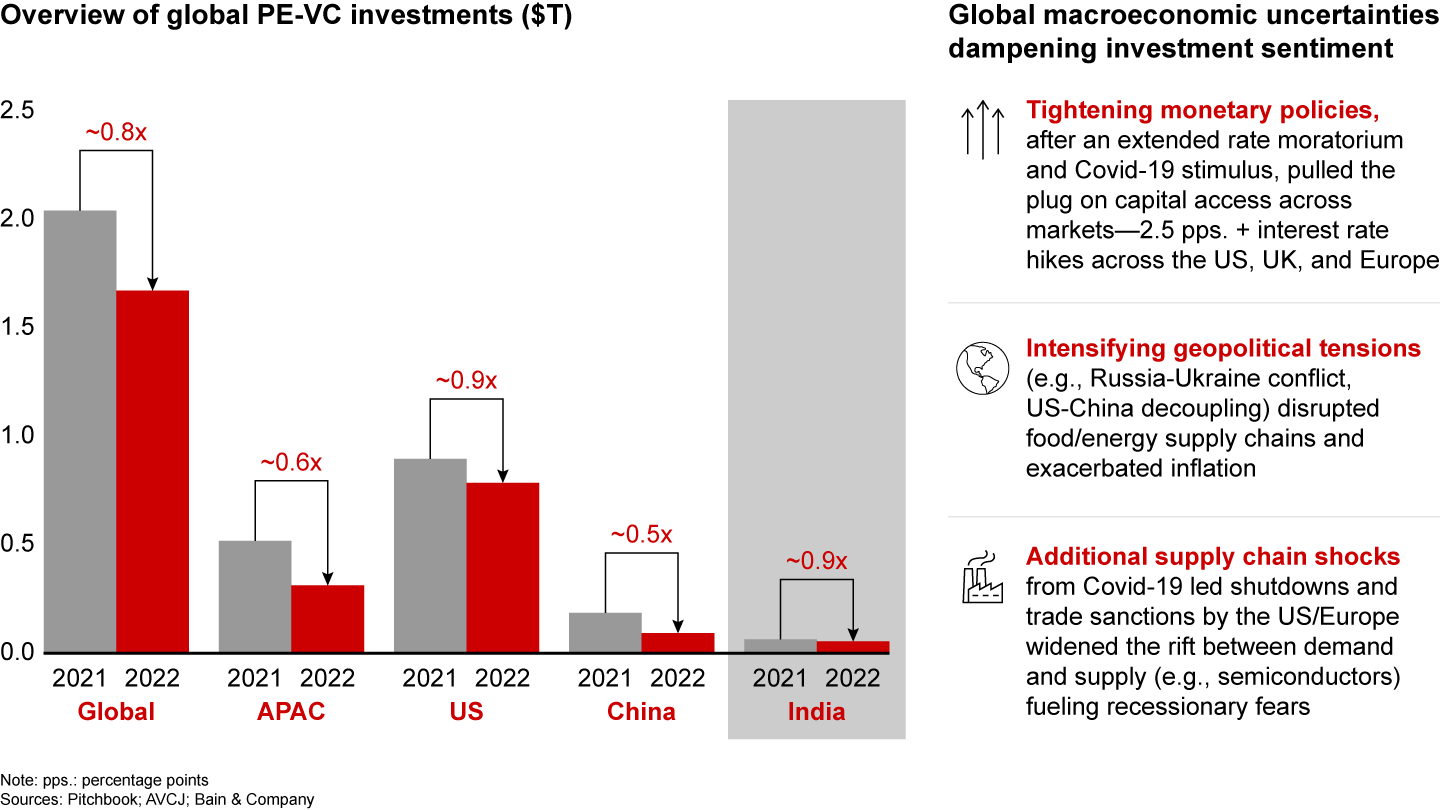

Figure 4b
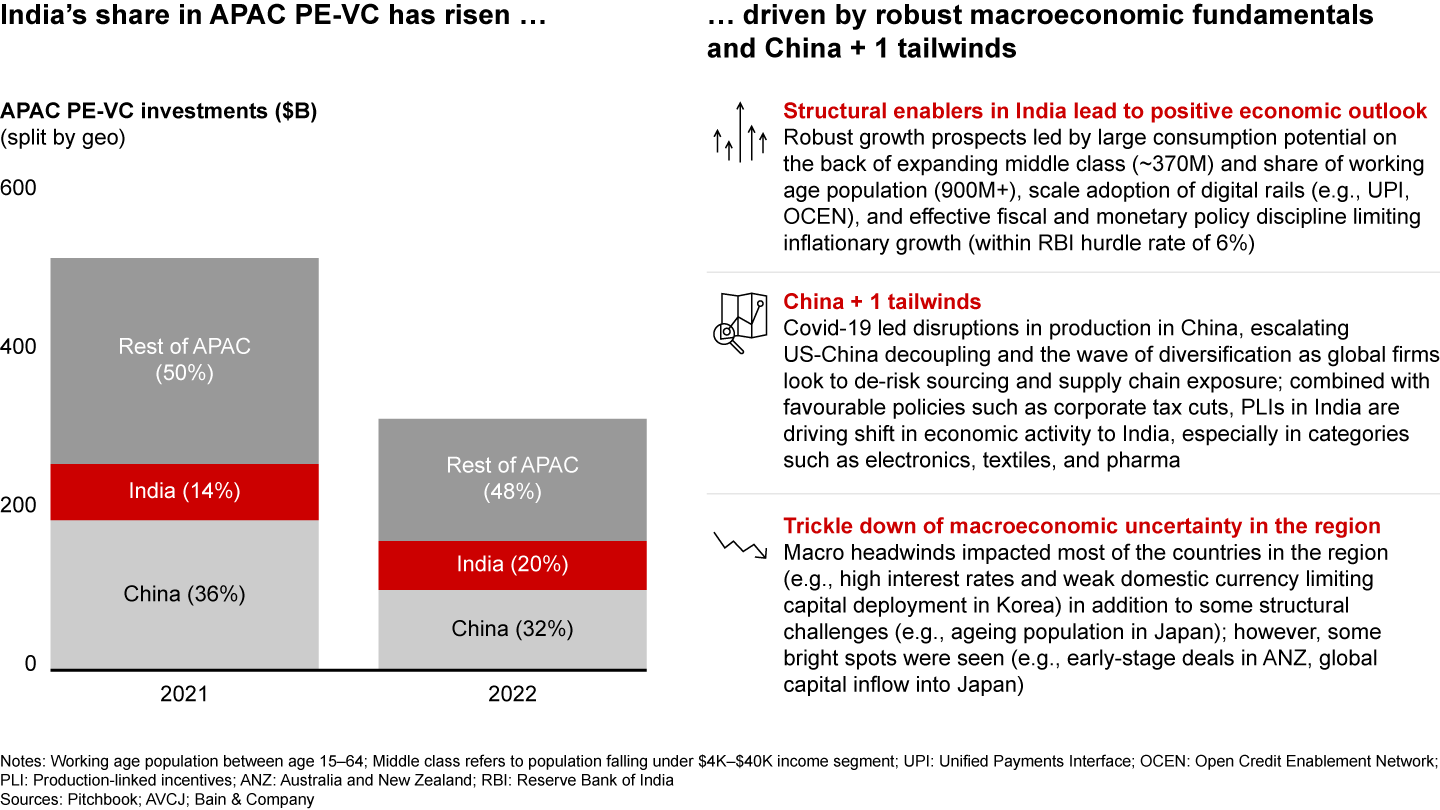

Figure 5
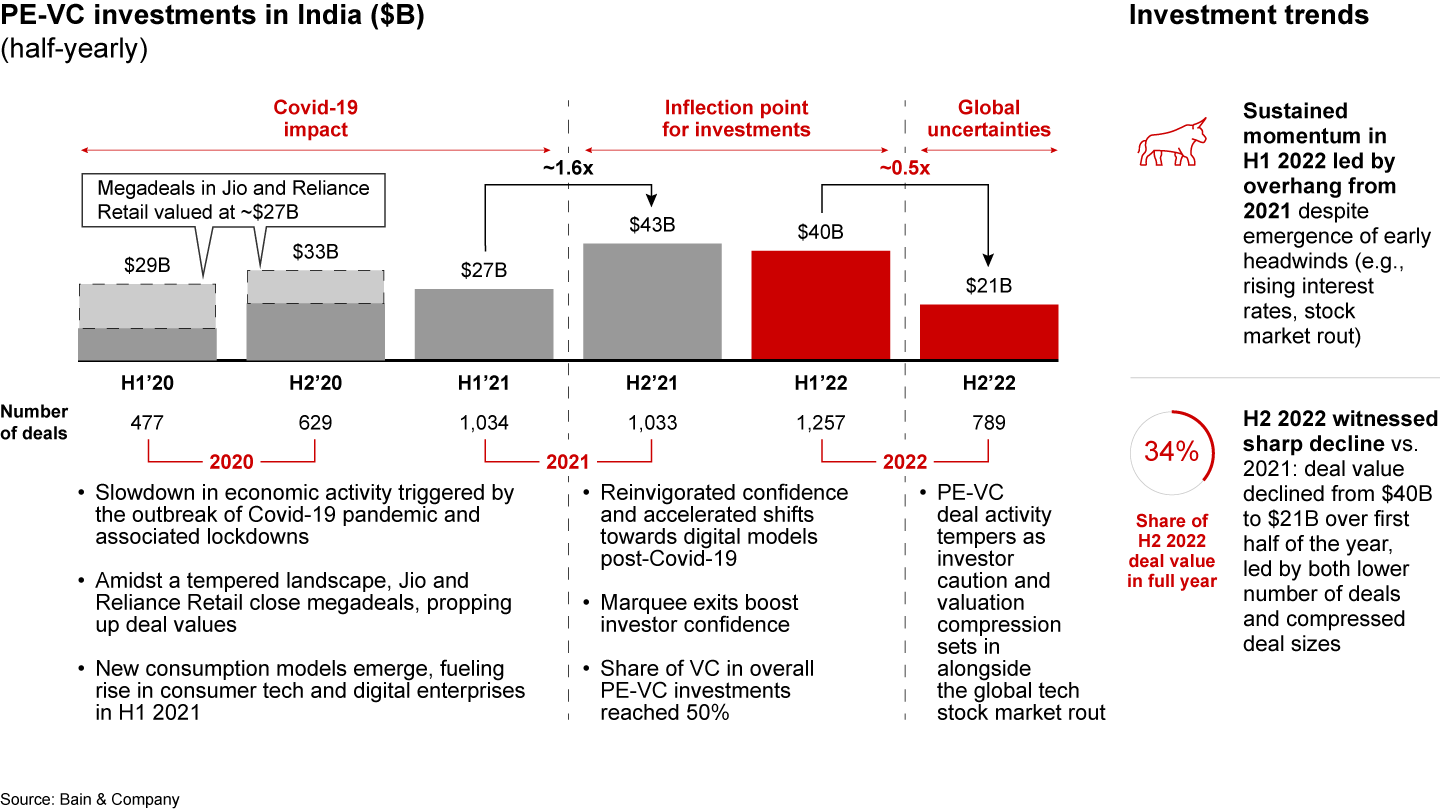

Figure 6
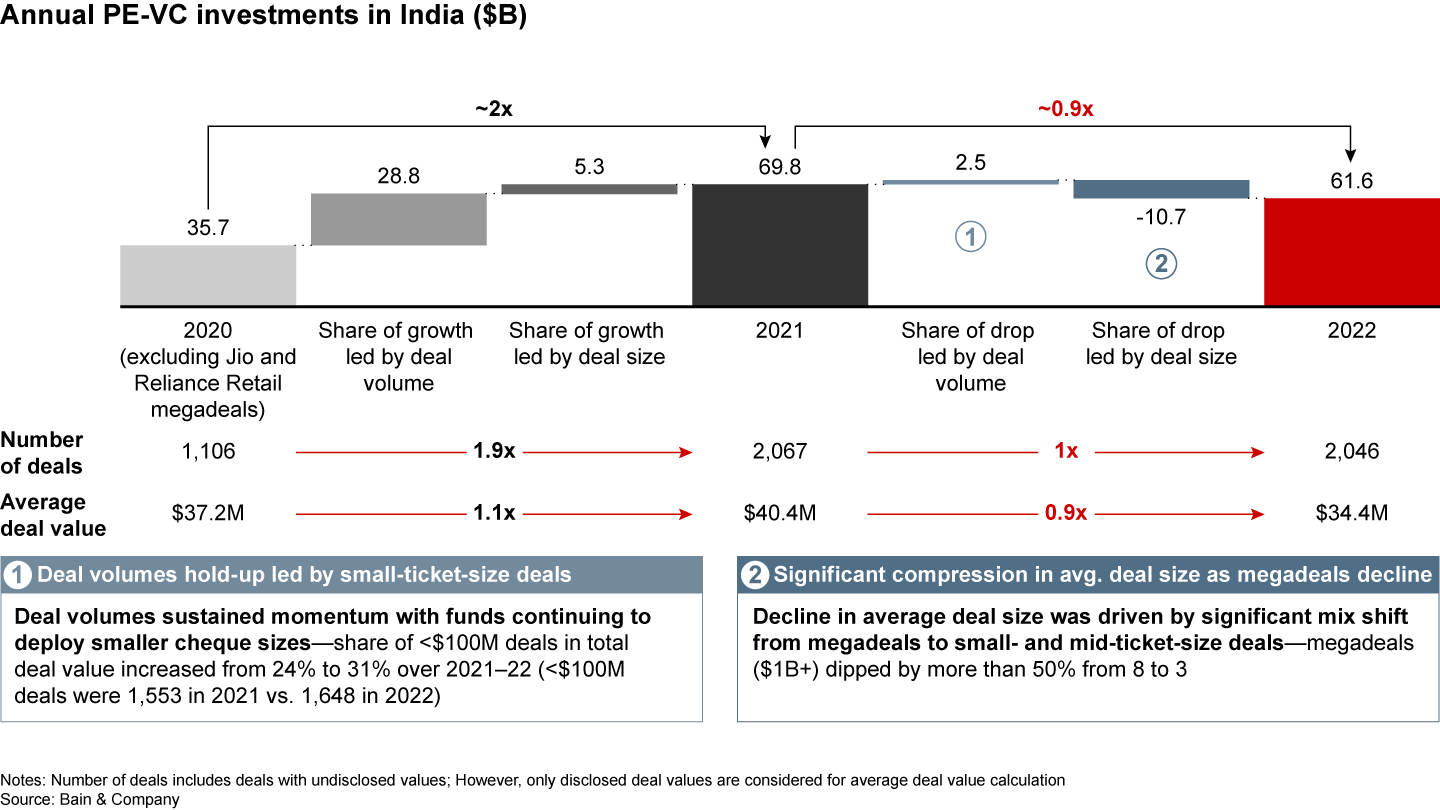

Figure 6a
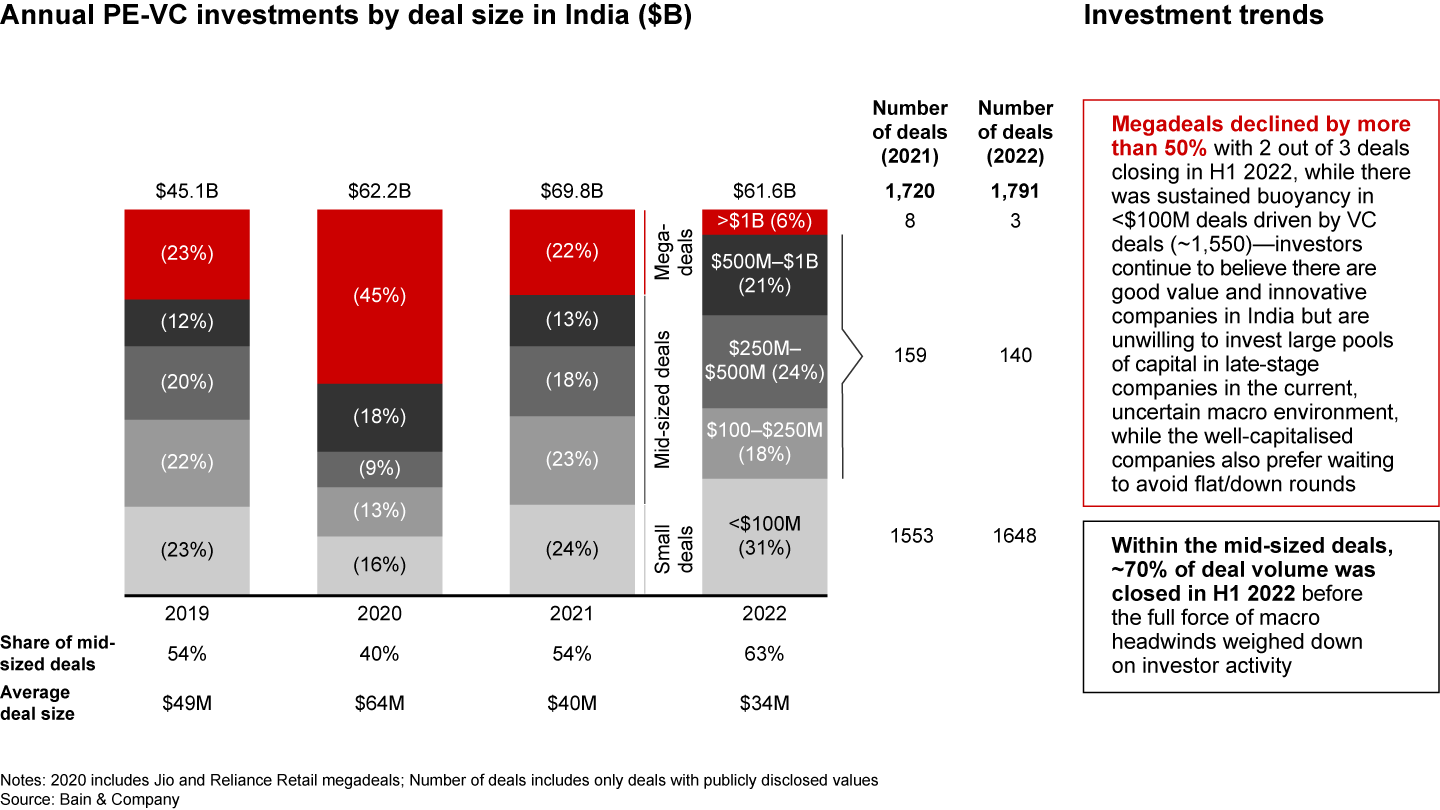

Figure 7
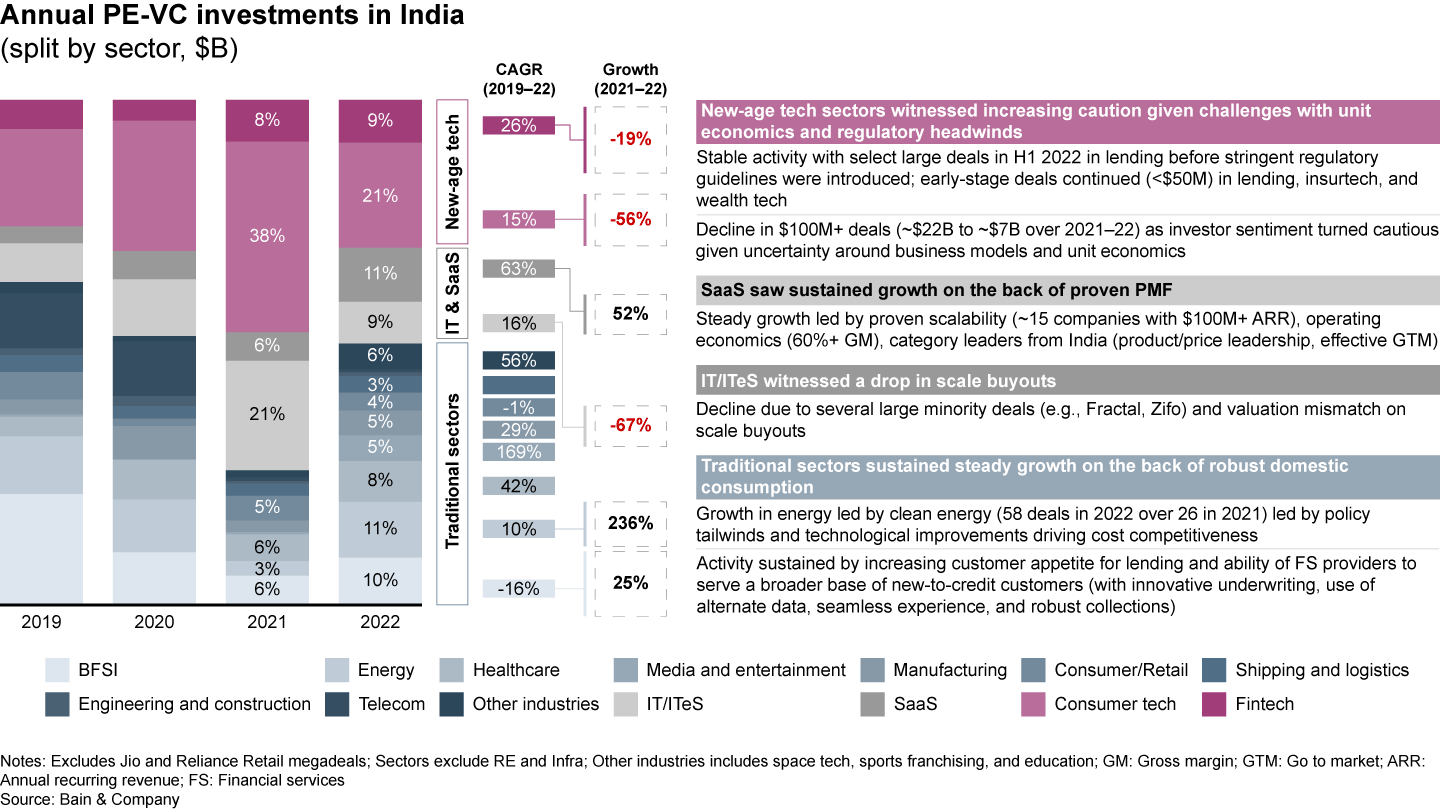

Figure 7a
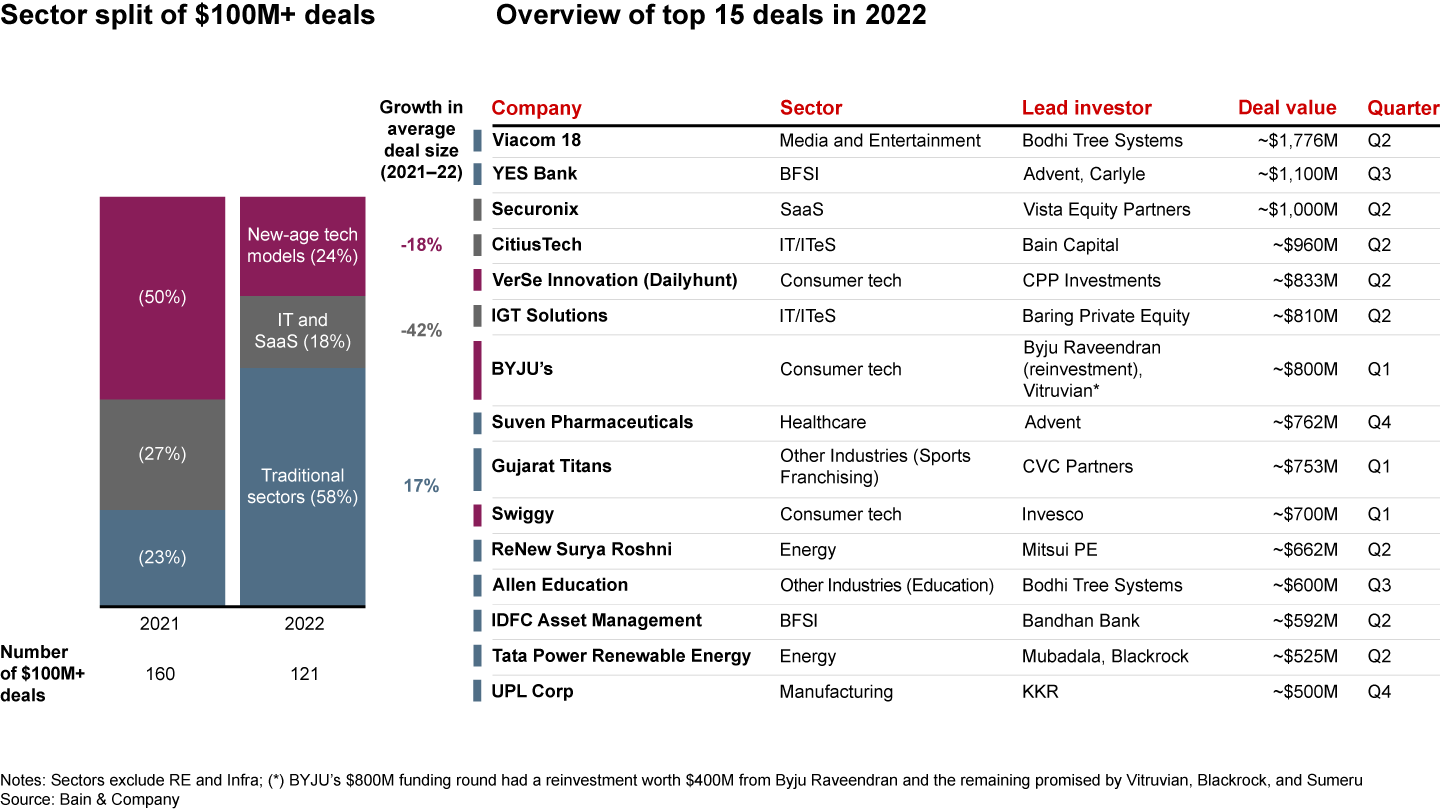

Figure 8
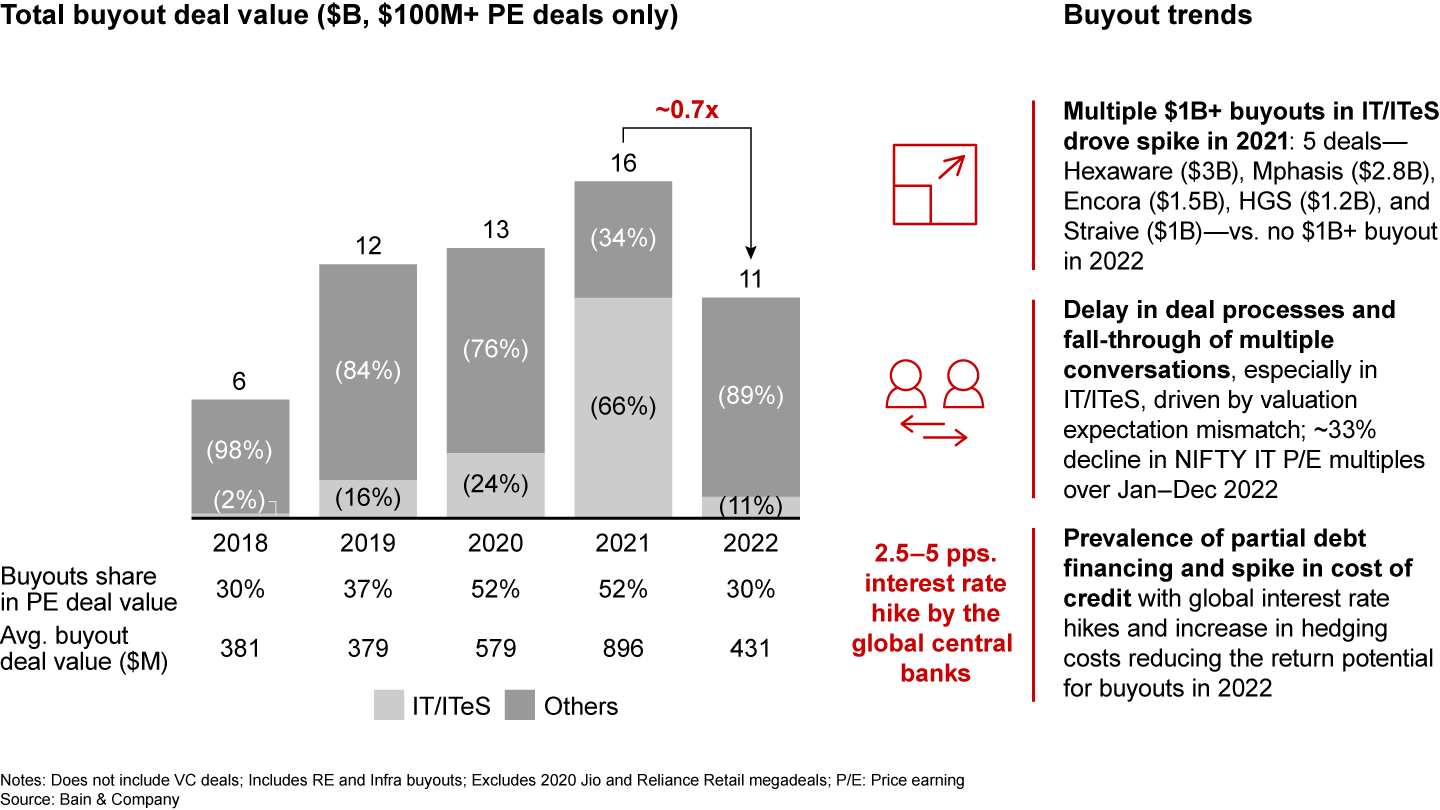

Figure 9
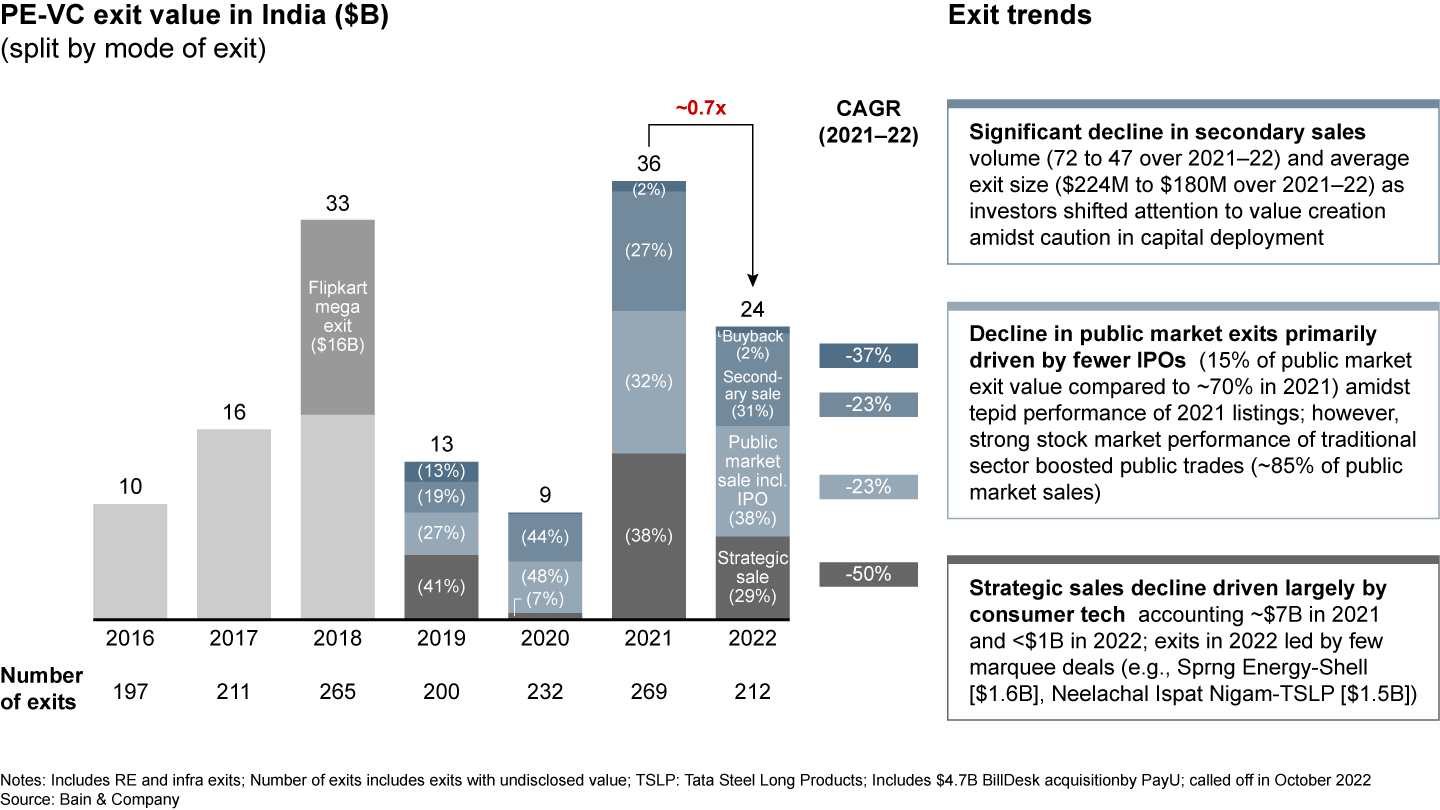

Figure 9a
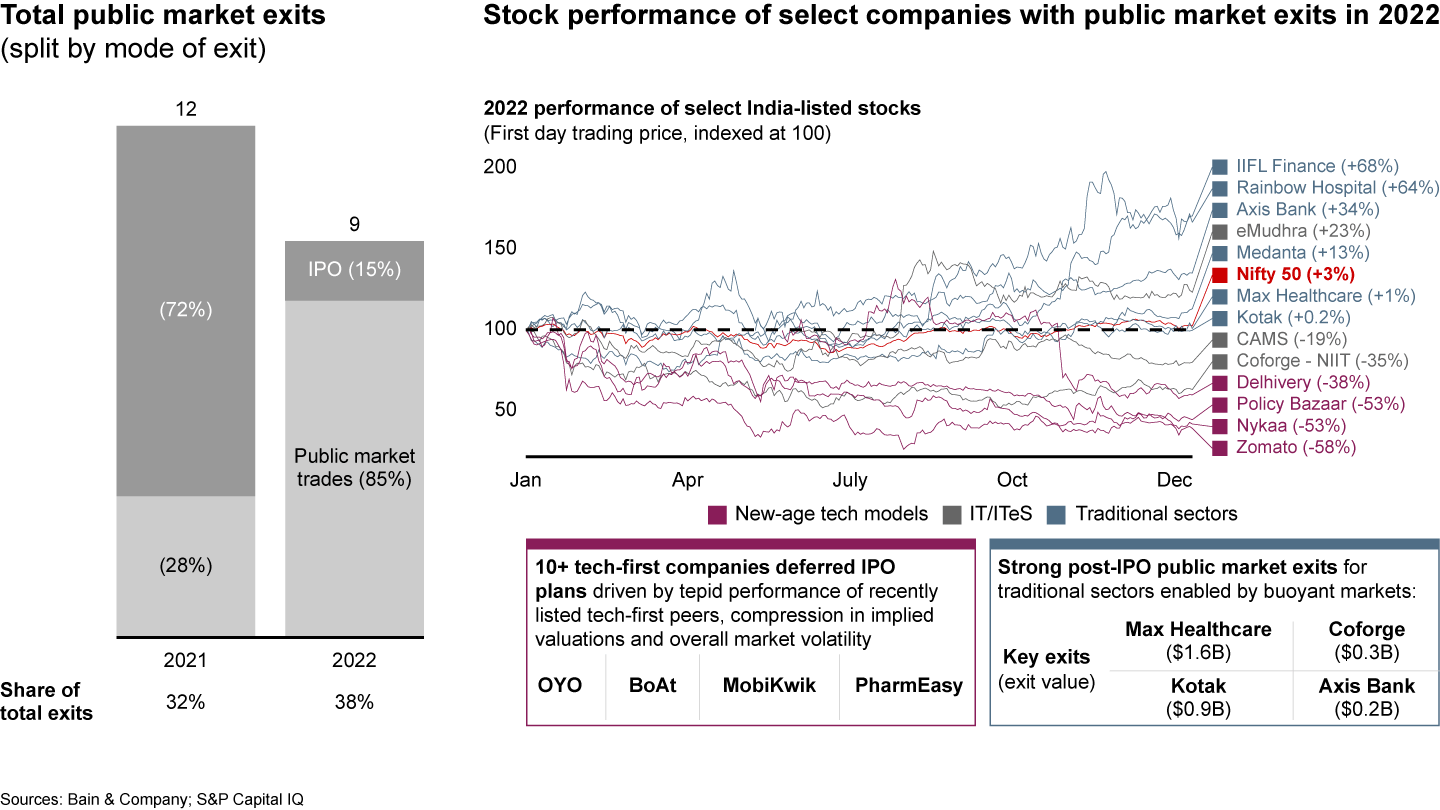

Figure 10
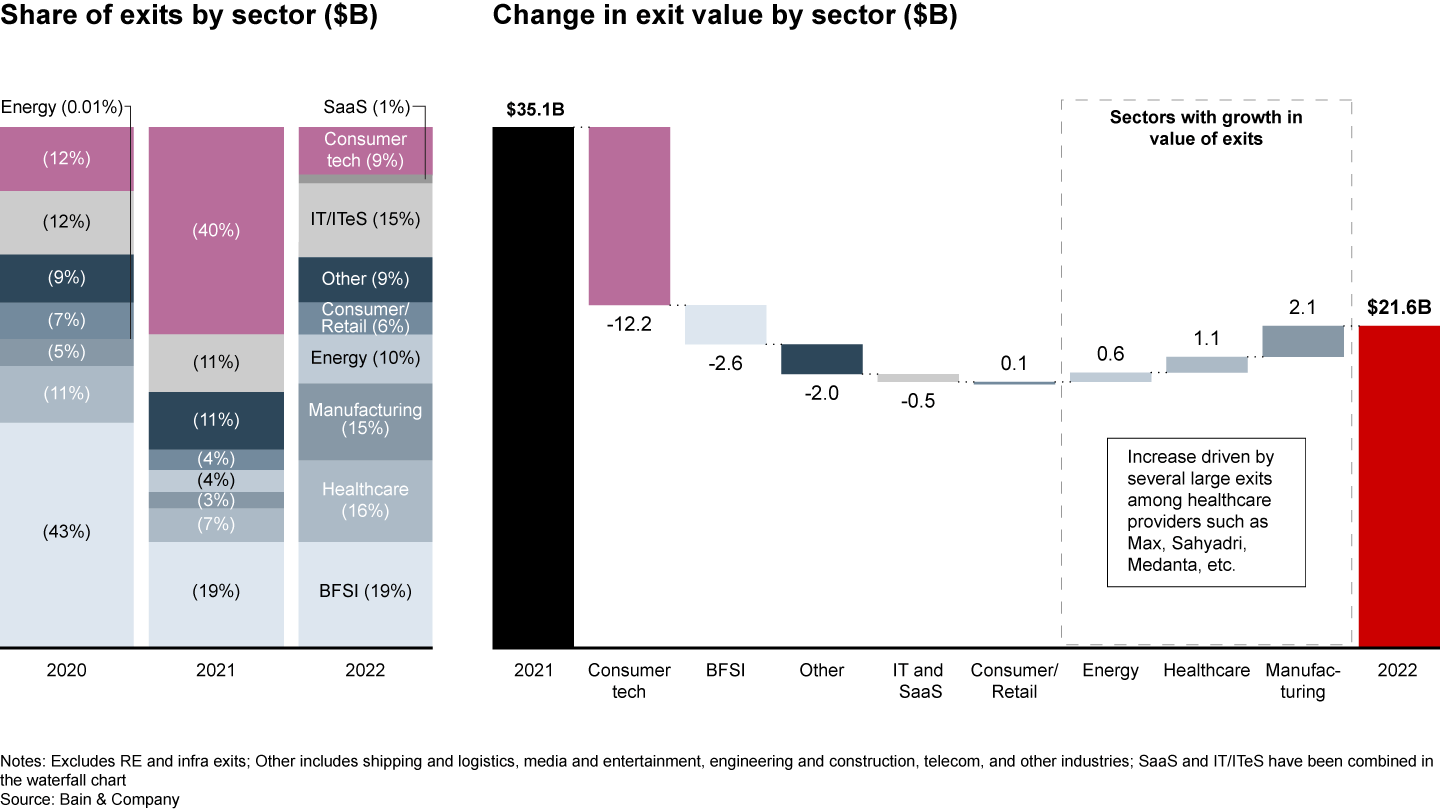

Figure 10a

Sectors in focus: BFSI and healthcareBFSI
Healthcare
Figure 11
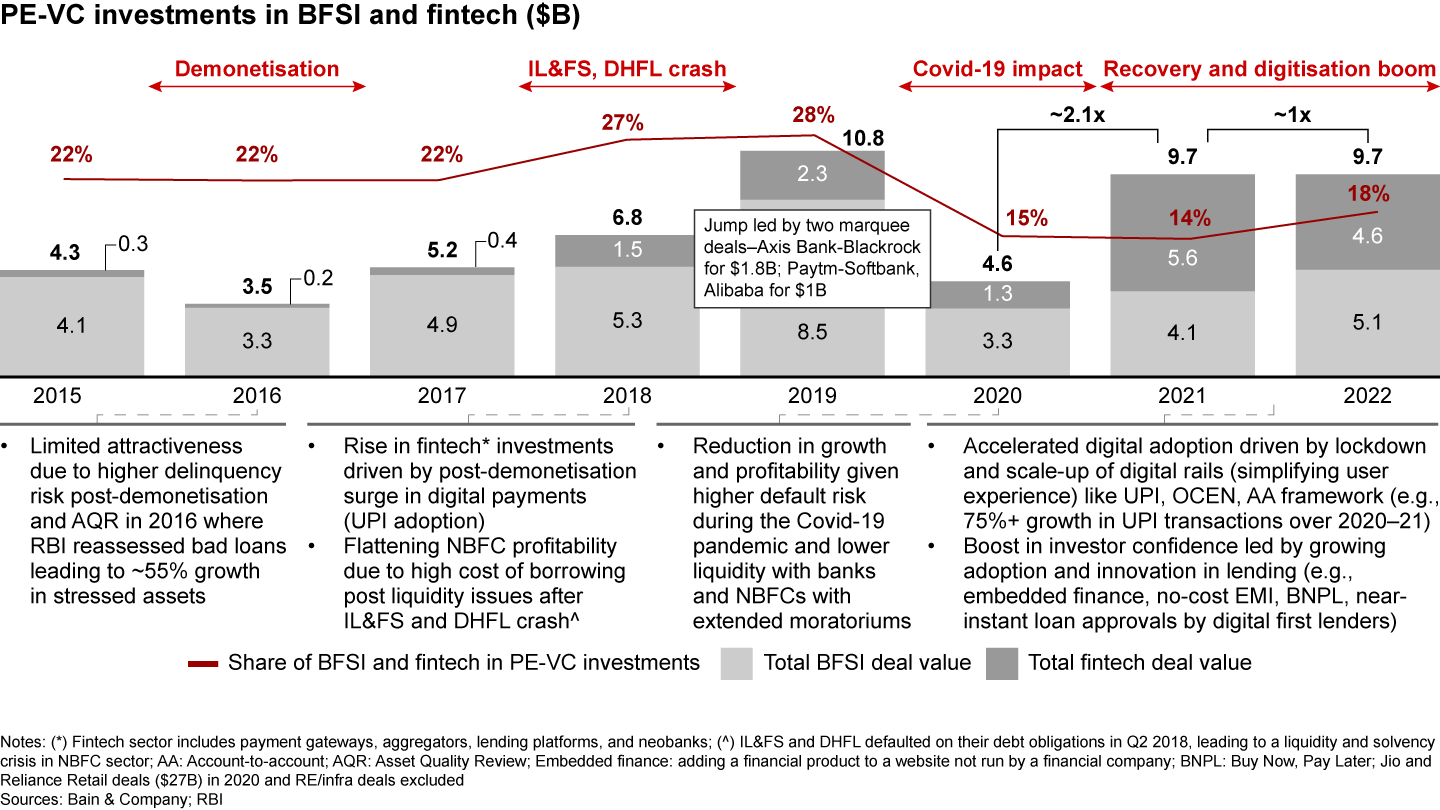

Figure 12a
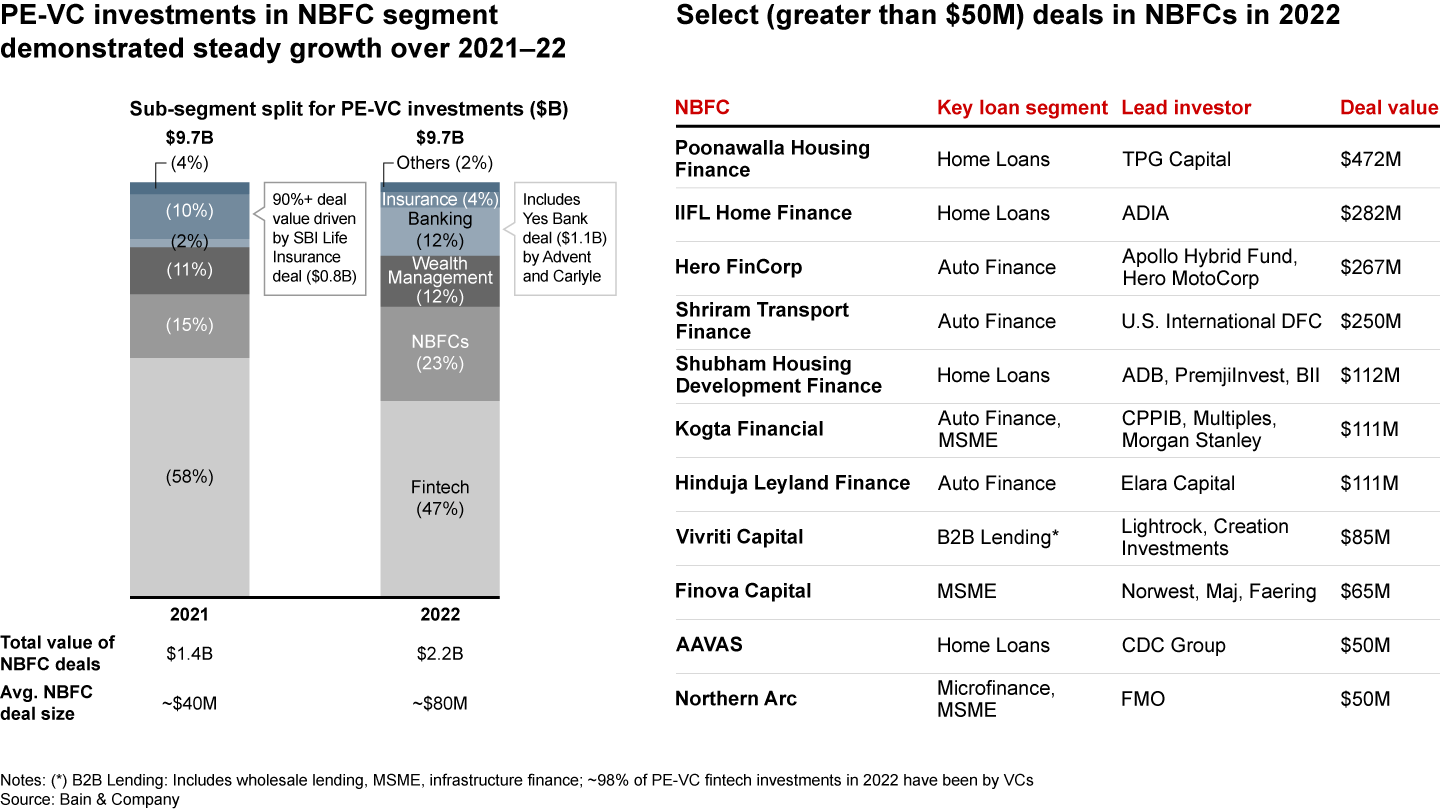

Figure 12b
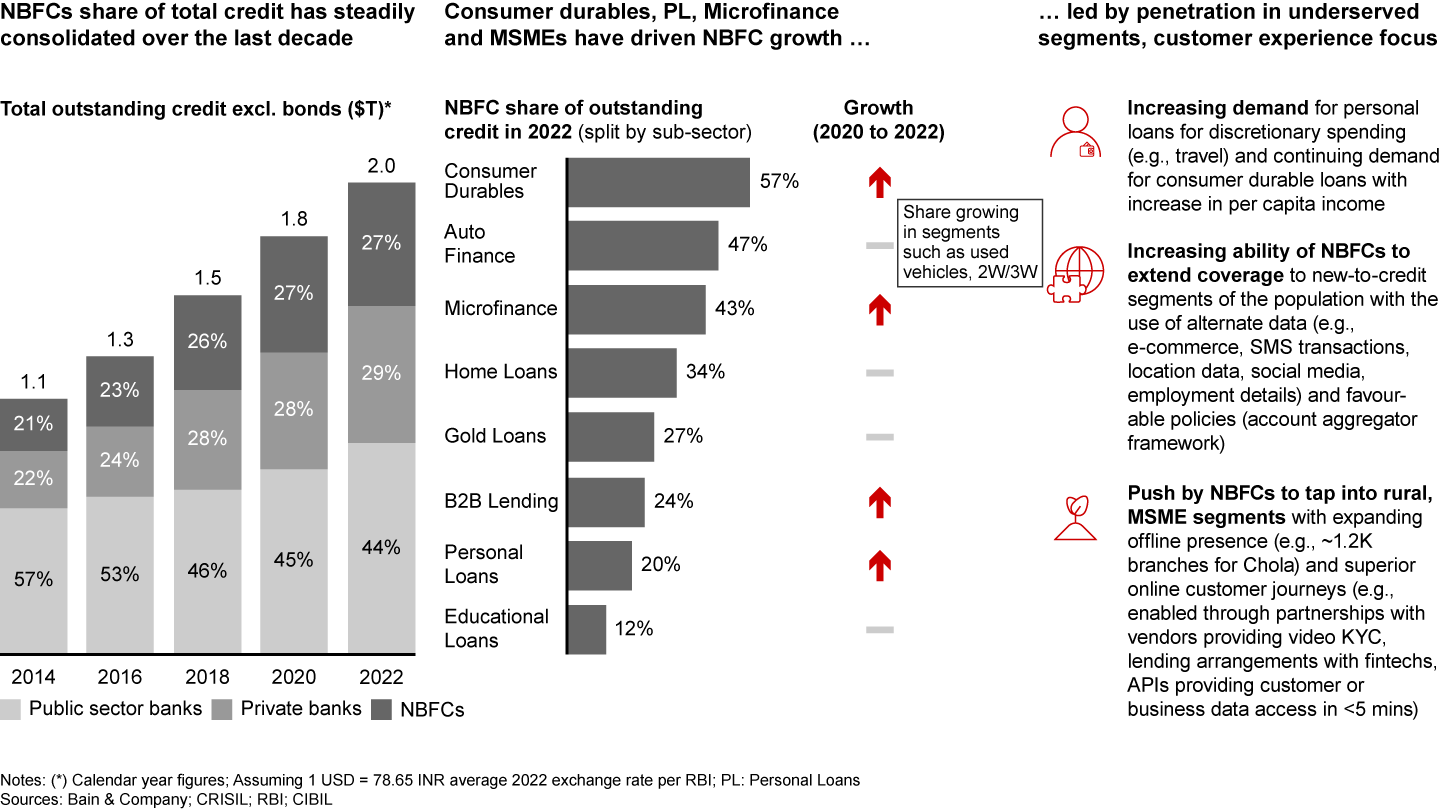

Figure 12c
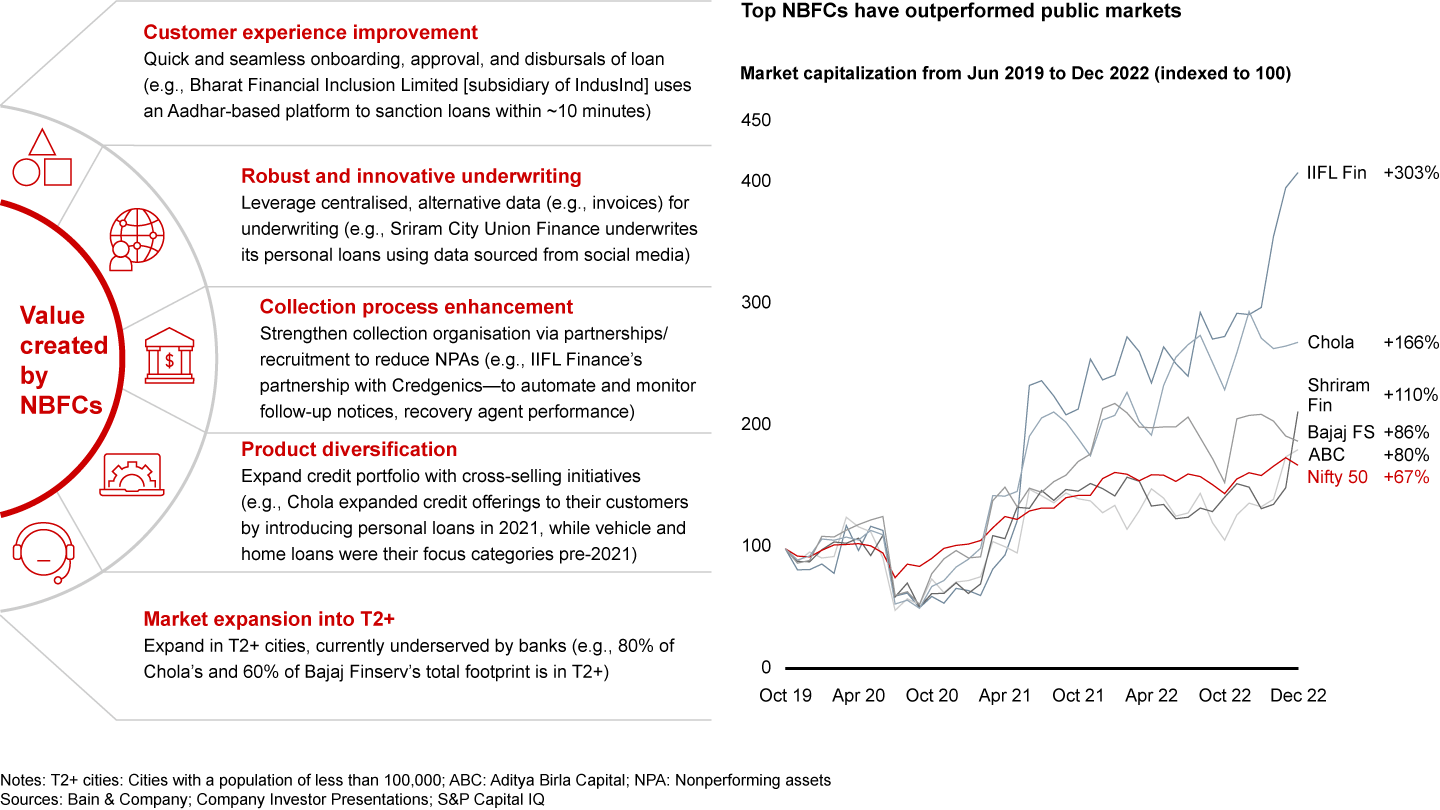

Figure 13
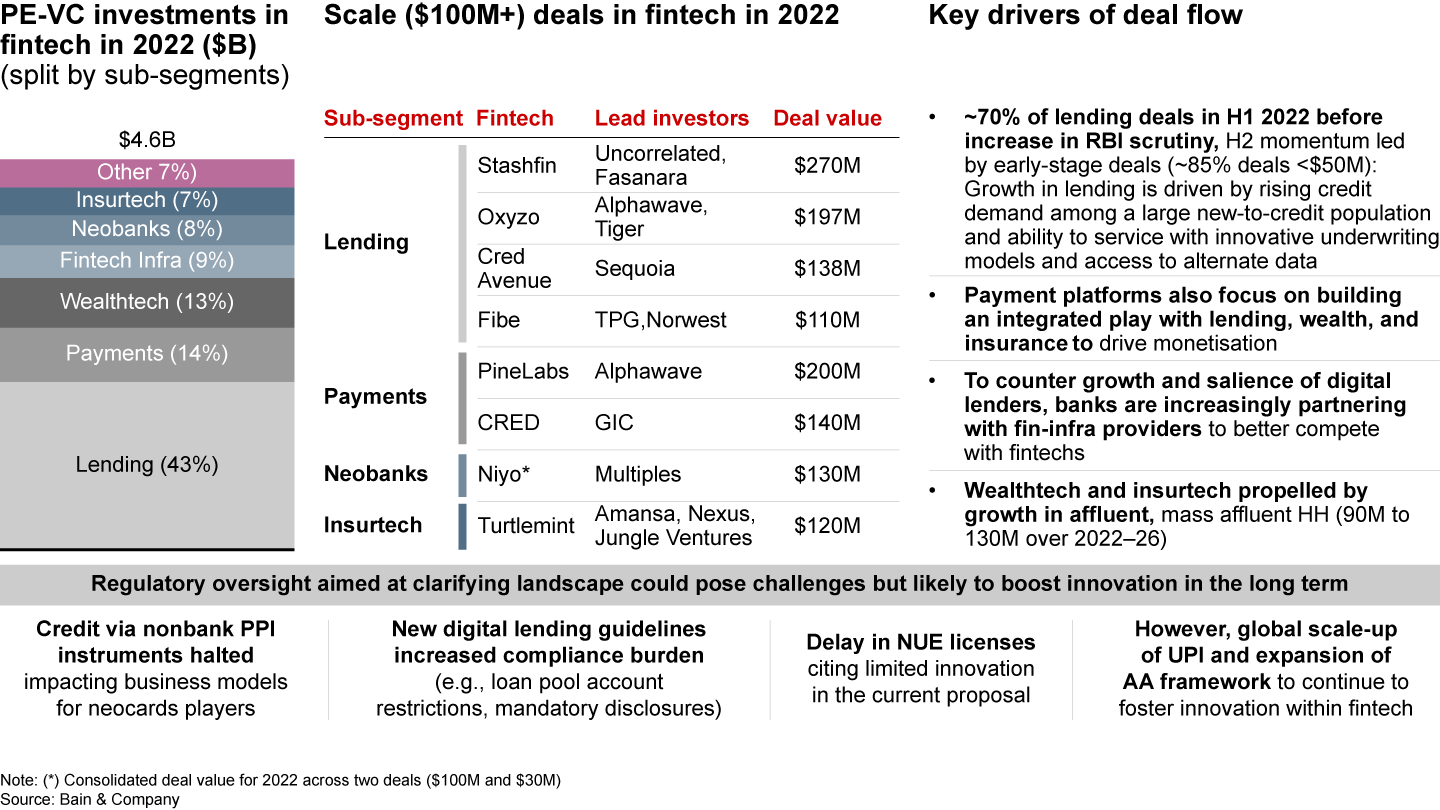

Figure 14
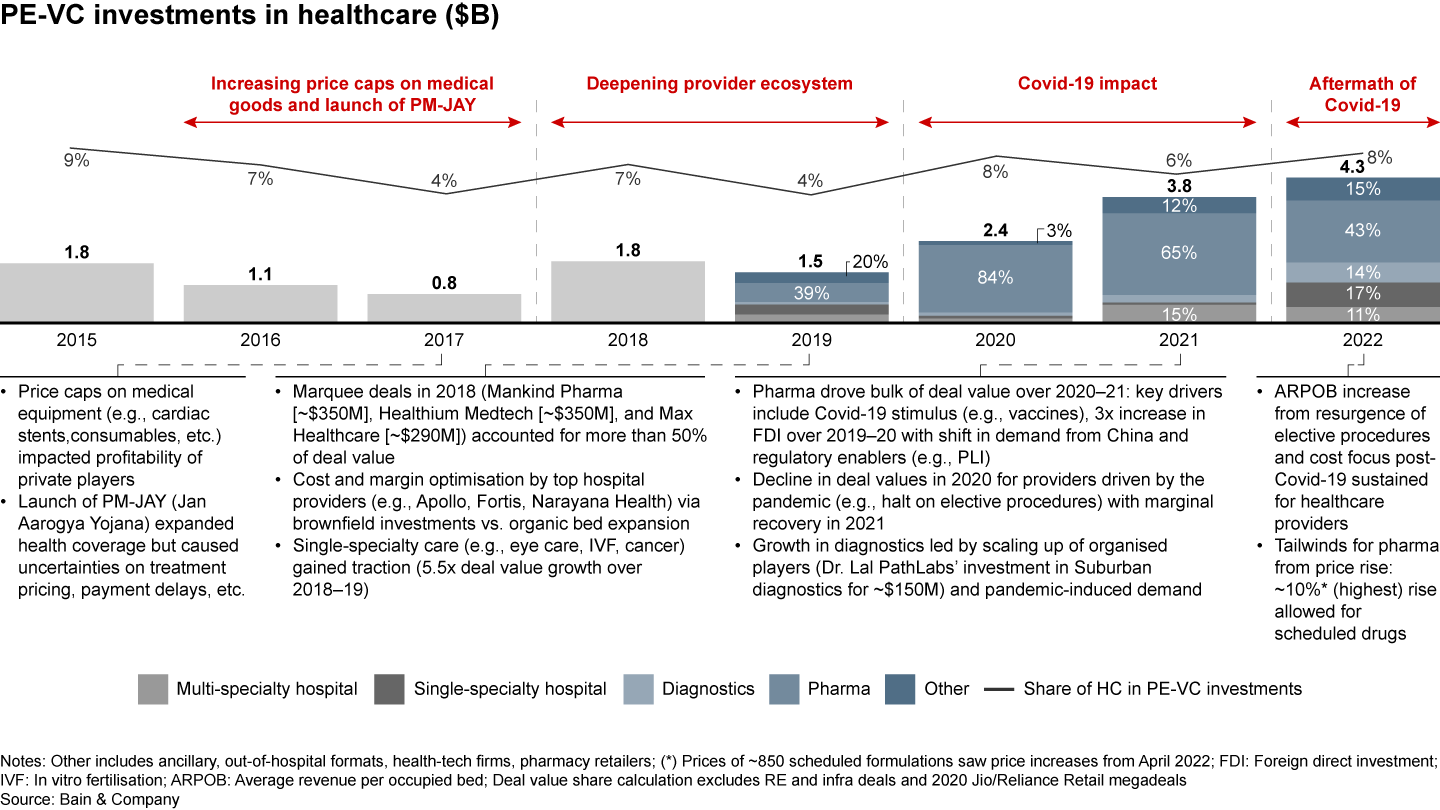

Figure 15
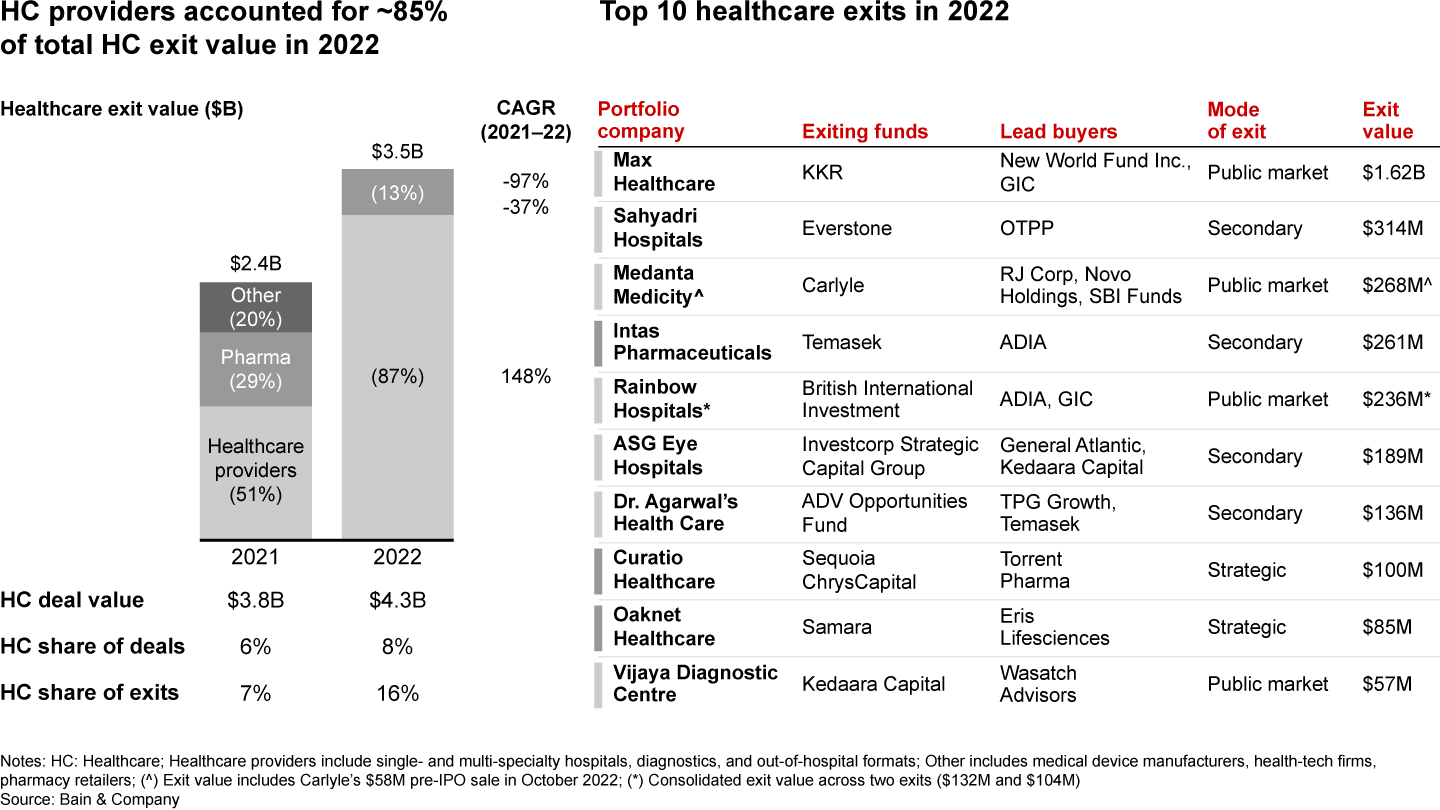

Figure 16
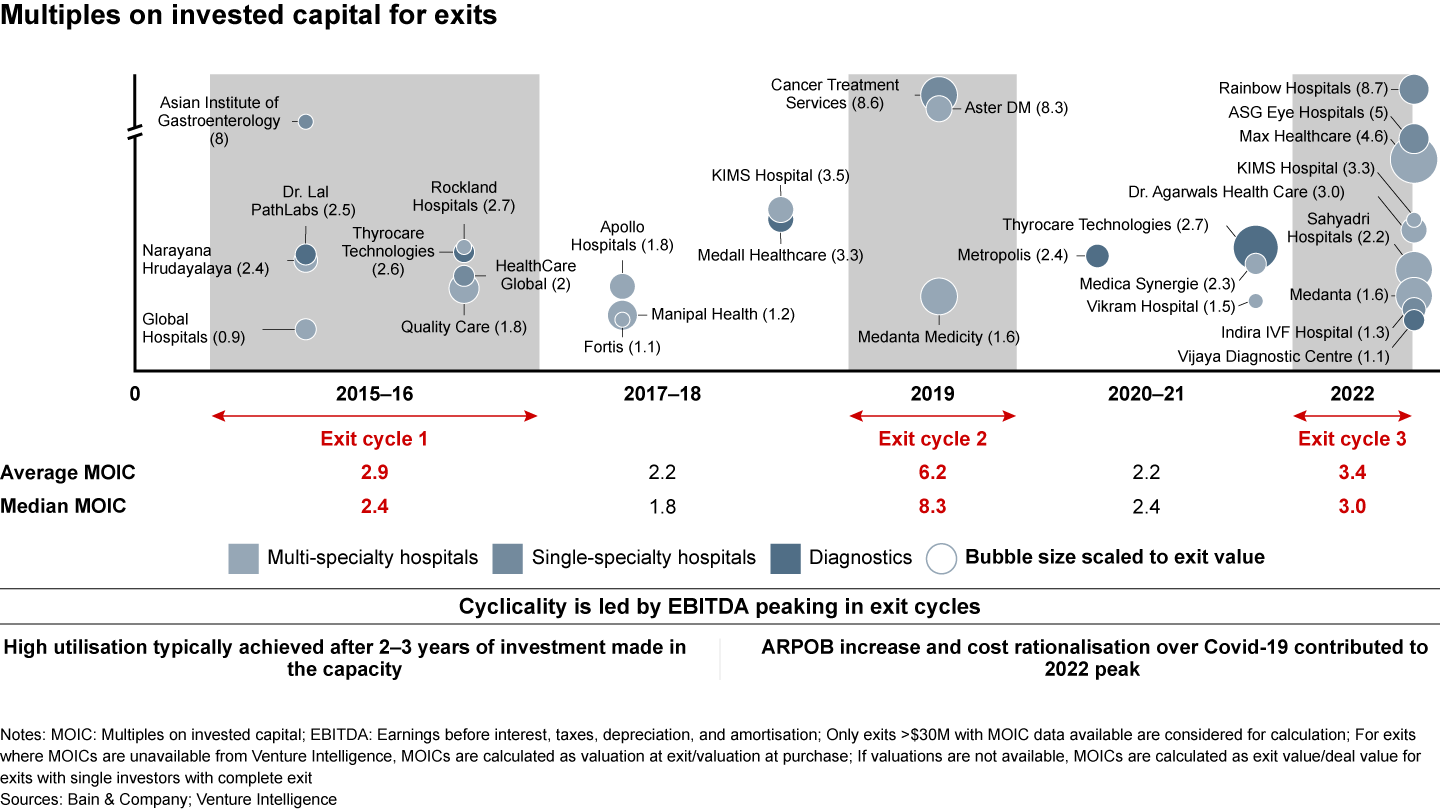

Figure 17
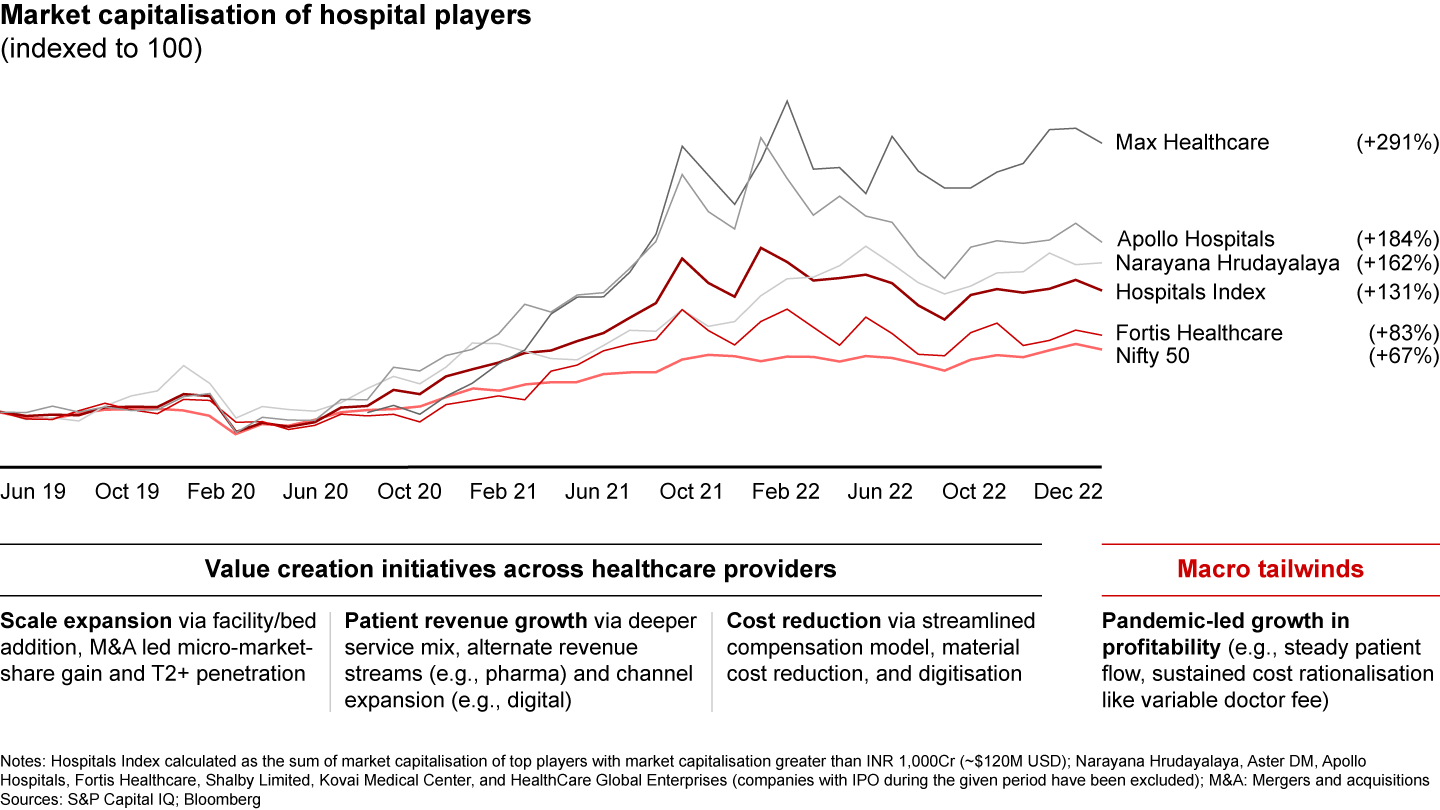

Figure 18a
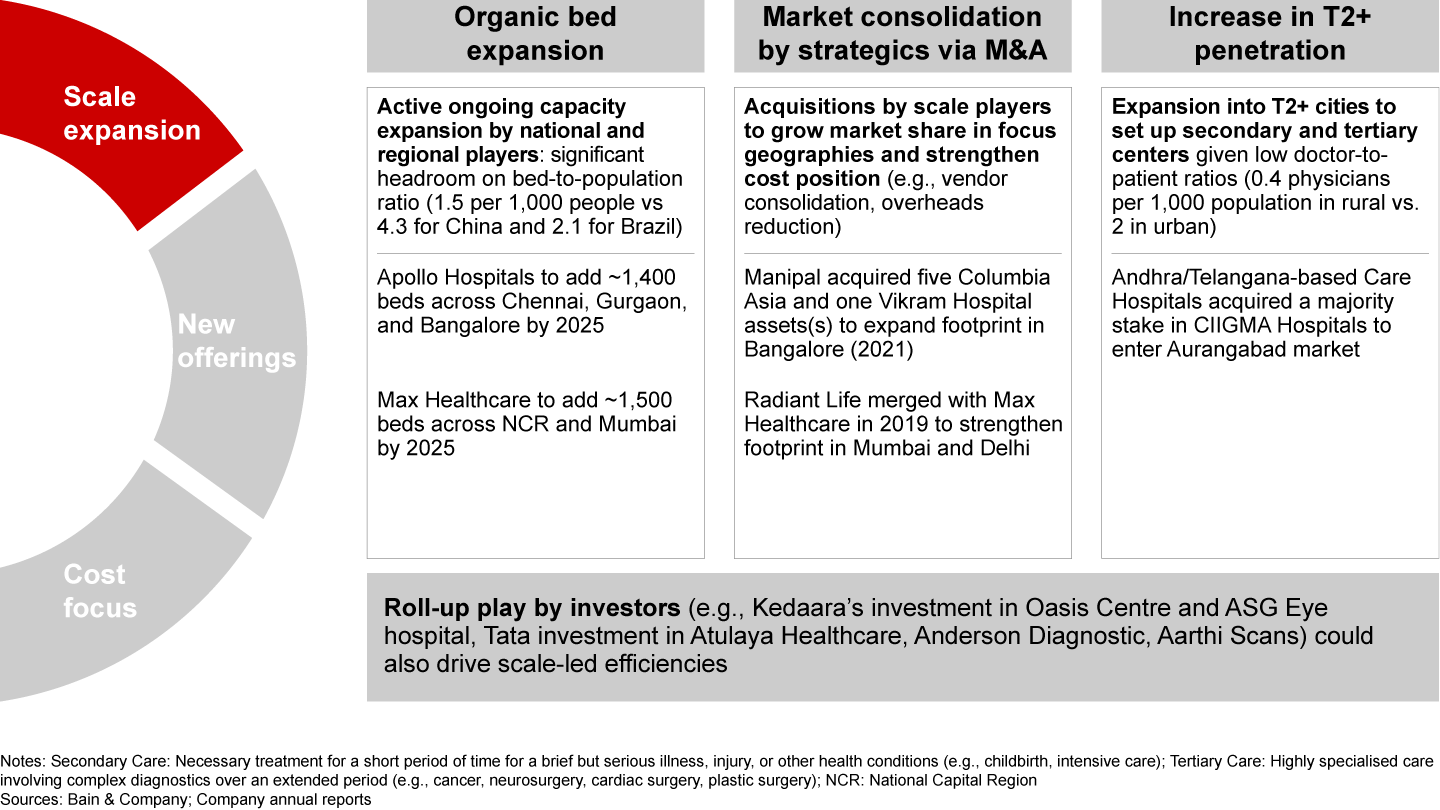

Figure 18b
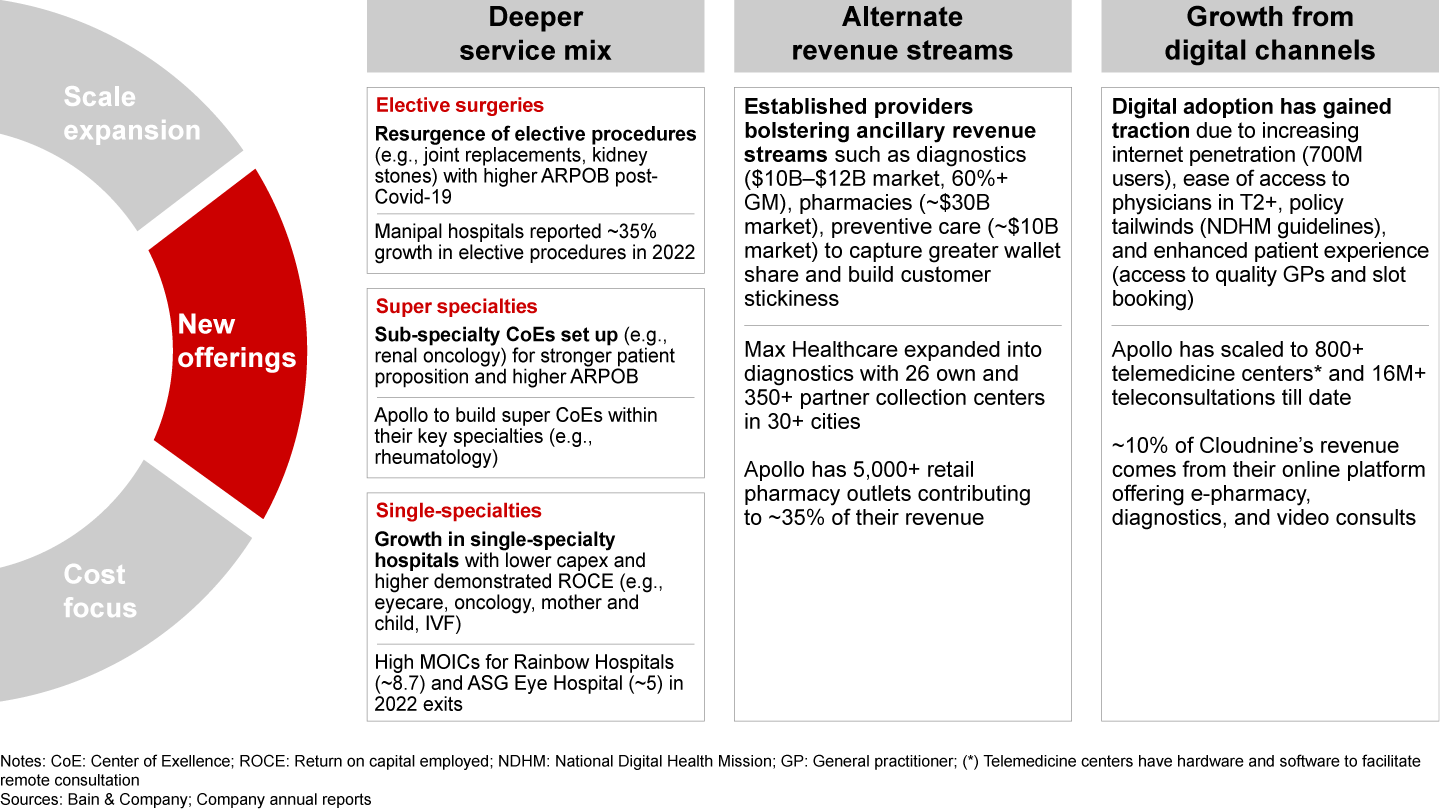

Figure 18c
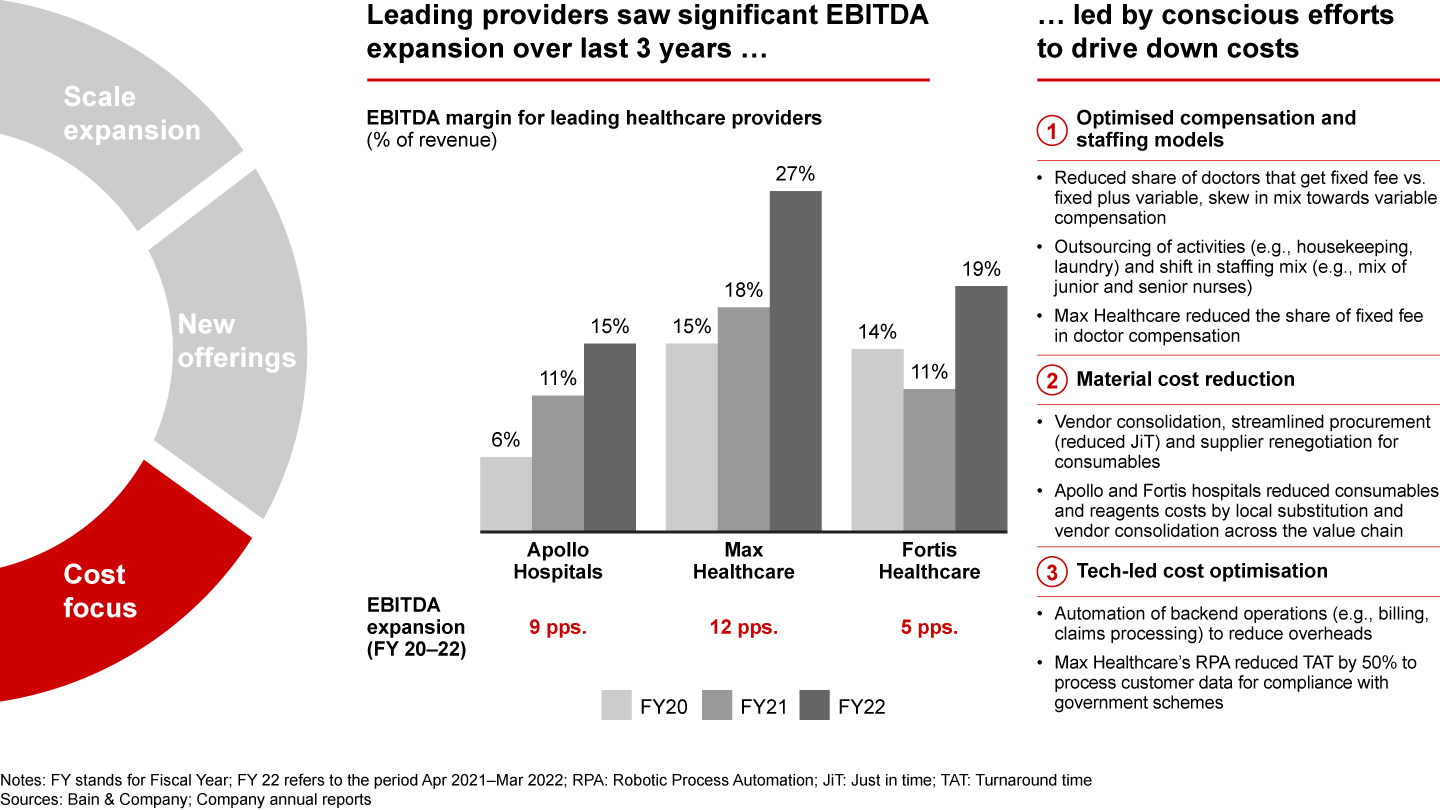

Figure 19

ESG: Moving from mind-share to wallet-share
Figure 20
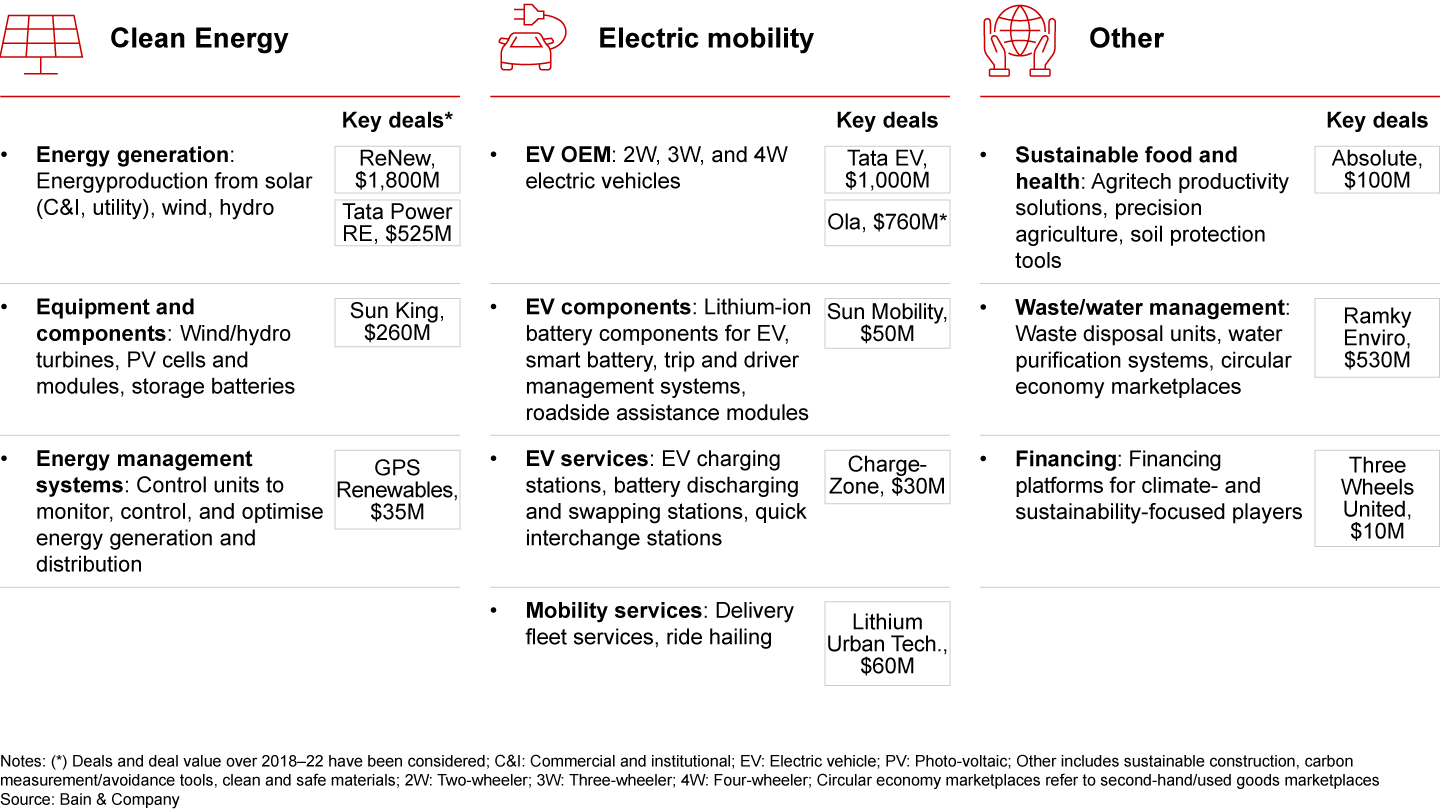

Figure 21
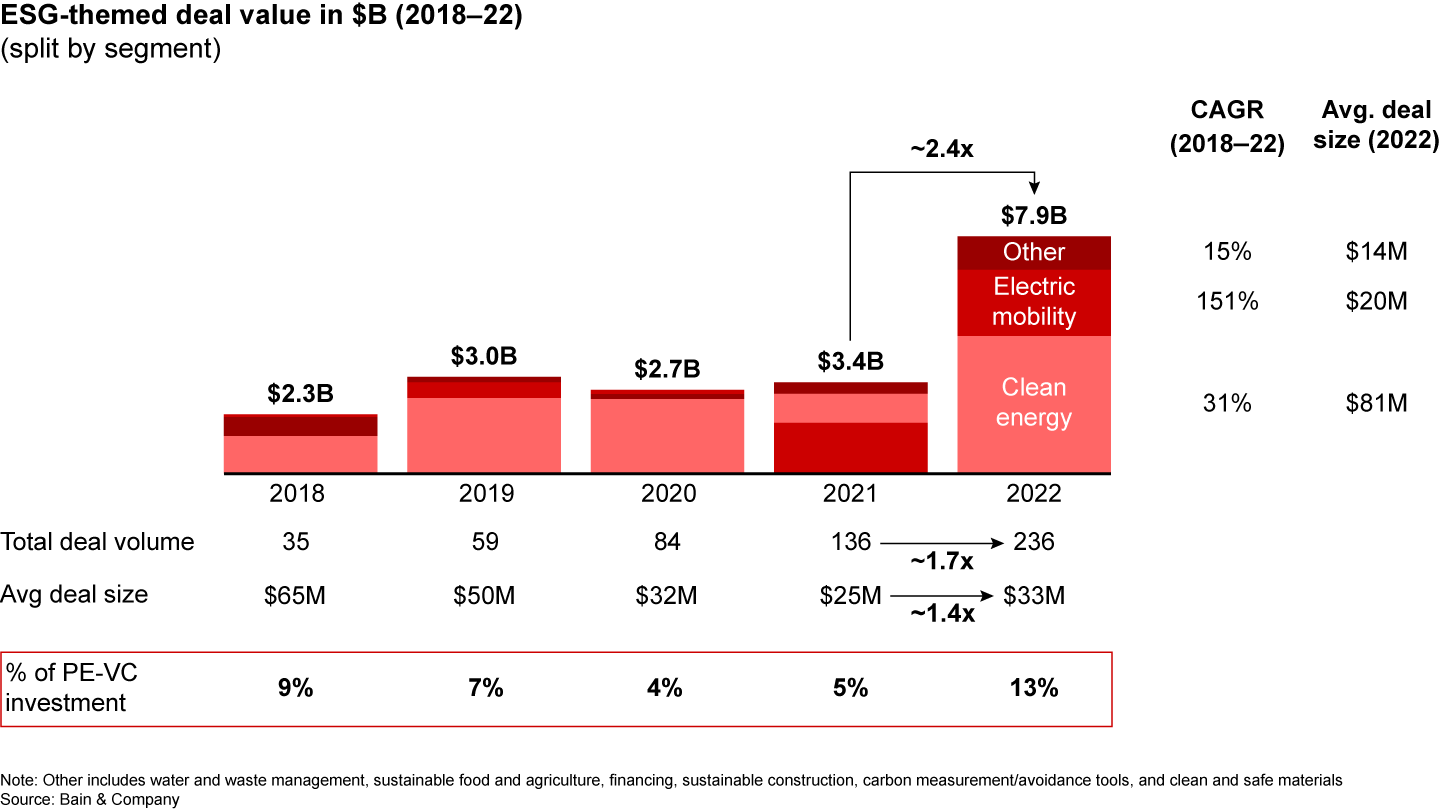

Figure 22
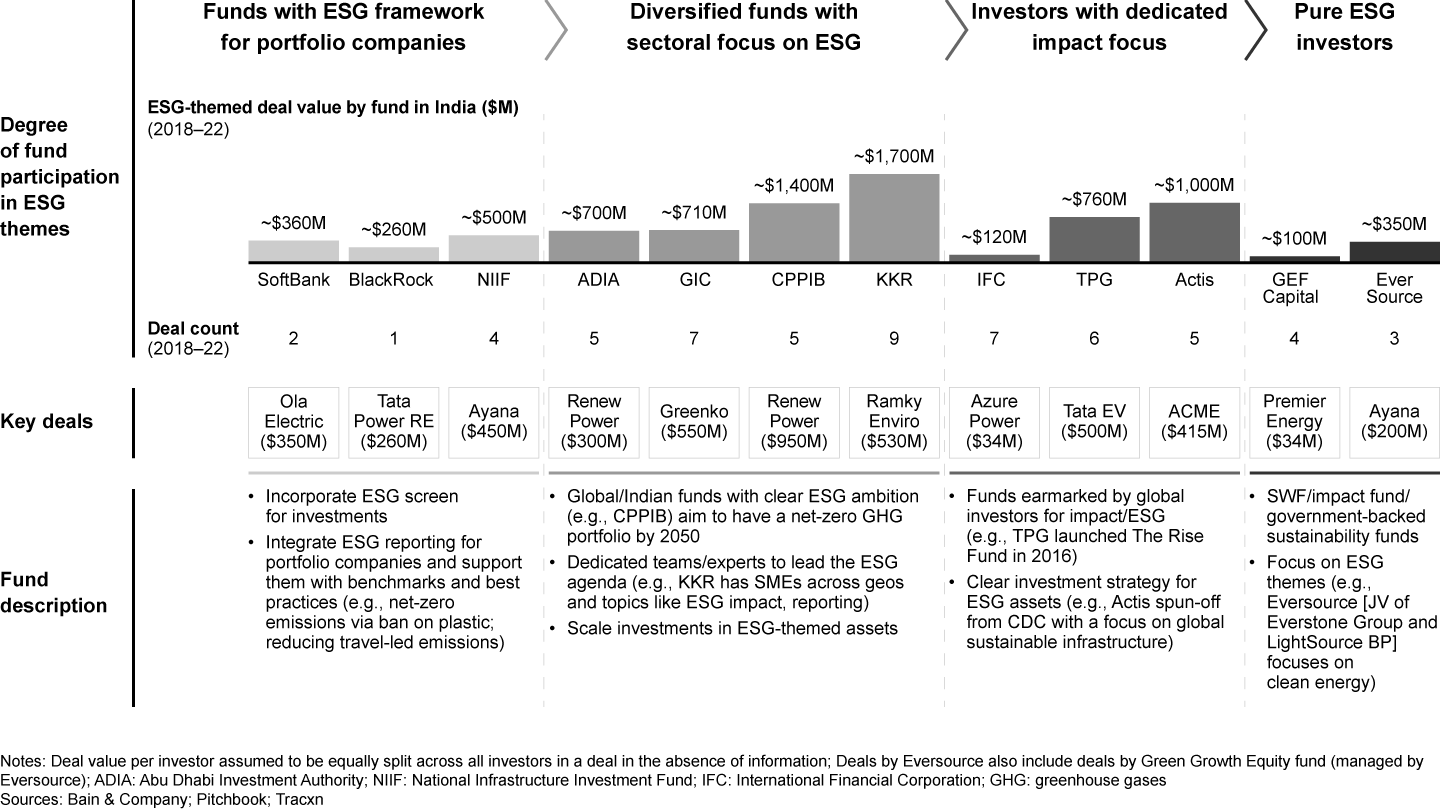

Figure 23
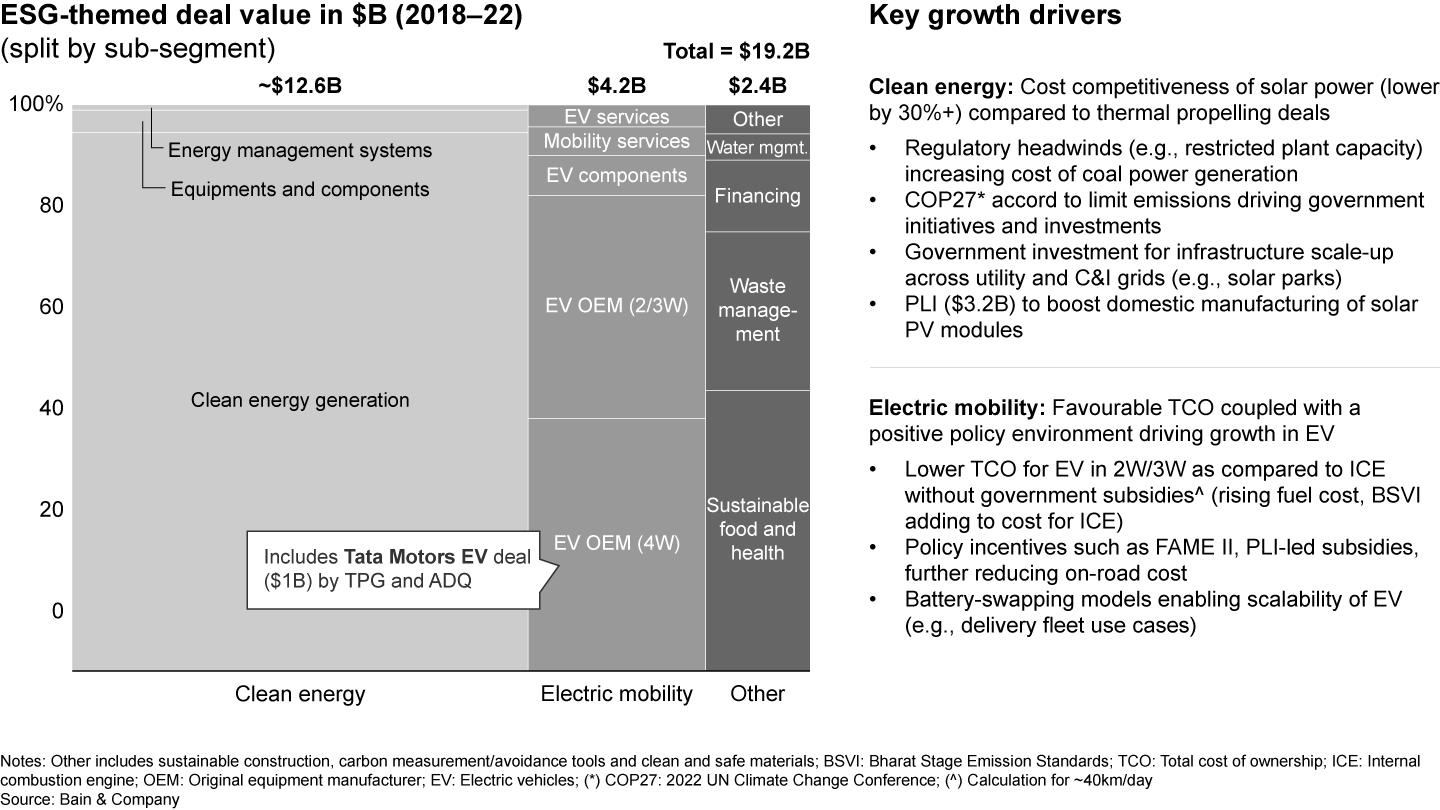

Figure 23a
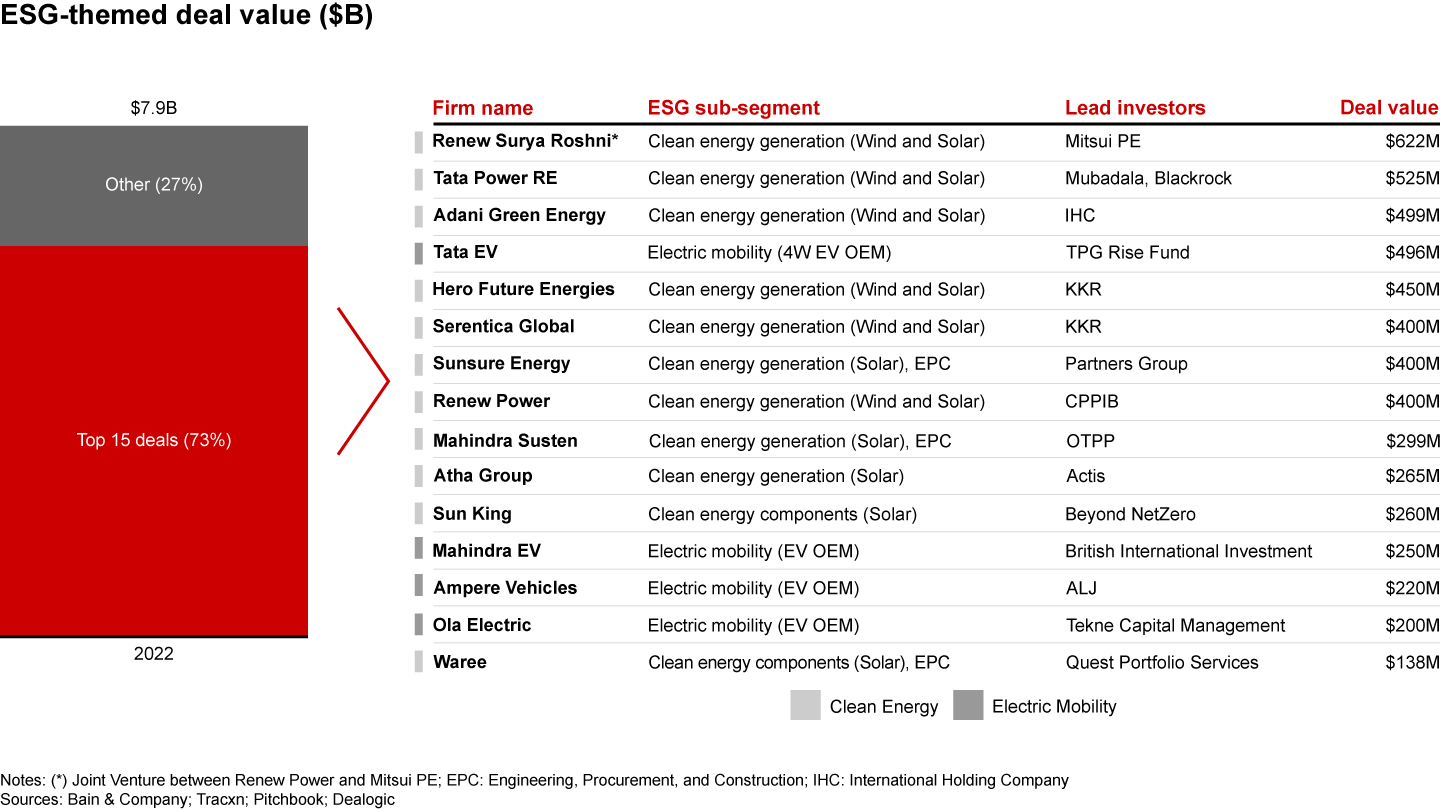

Figure 24
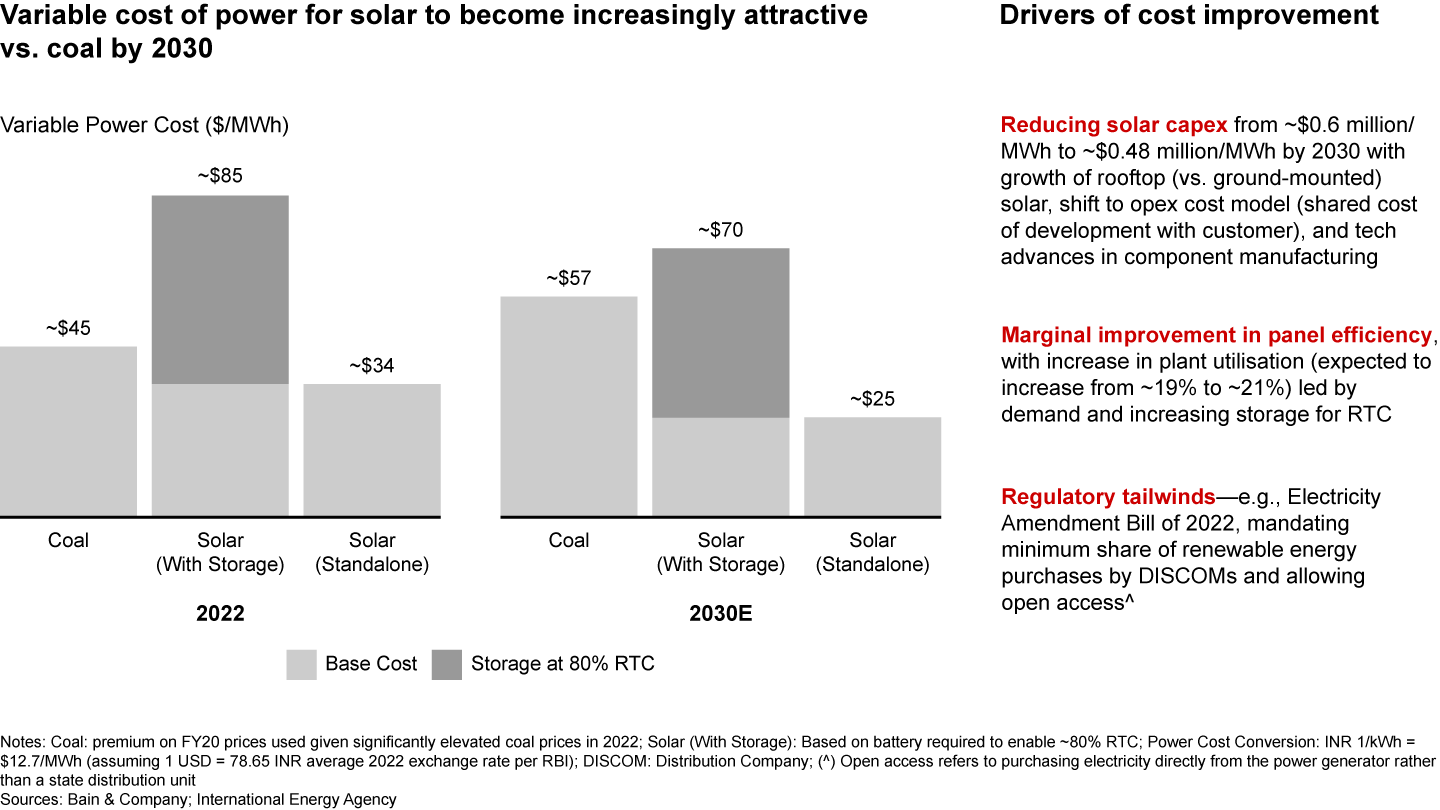

Figure 25a

Figure 25b
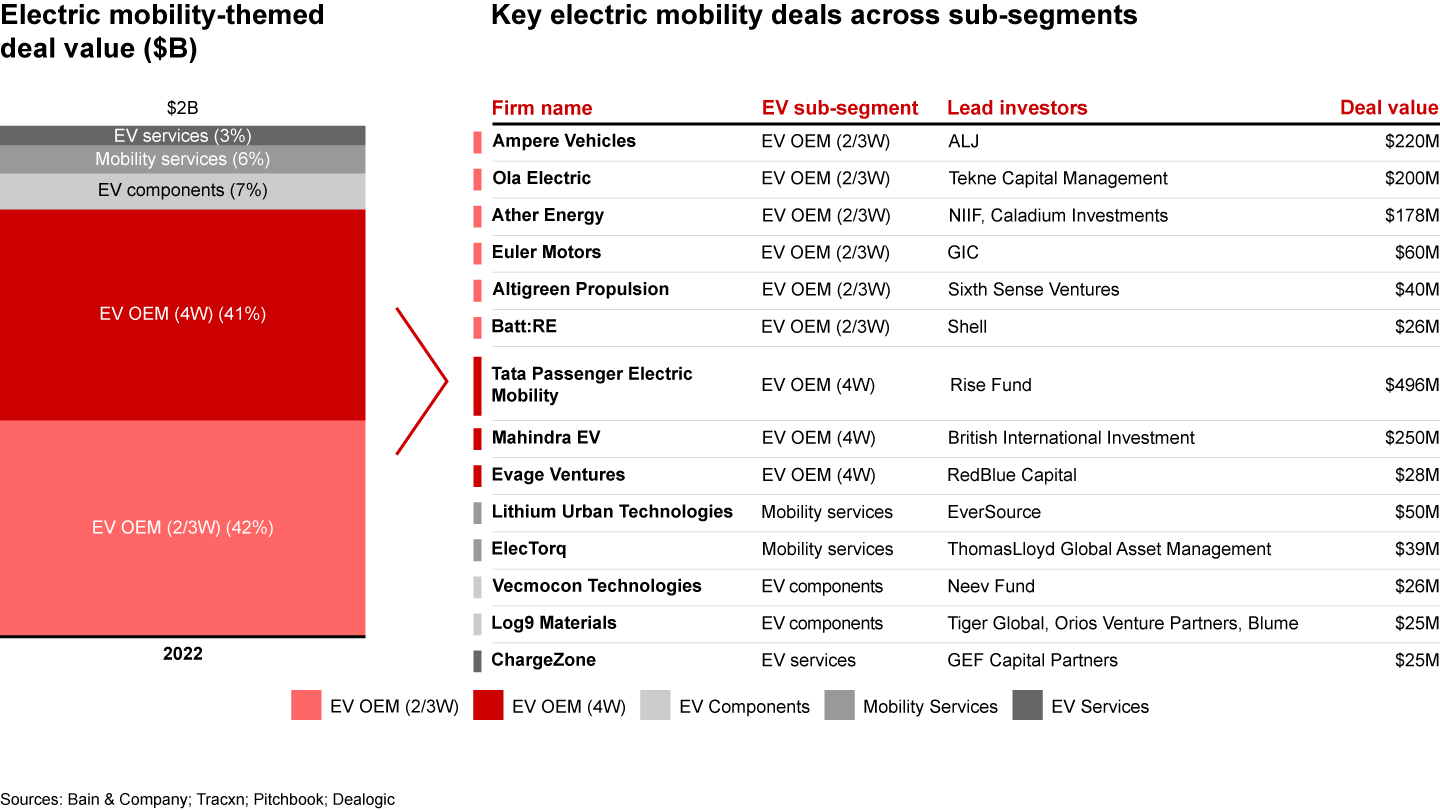

Figure 25c
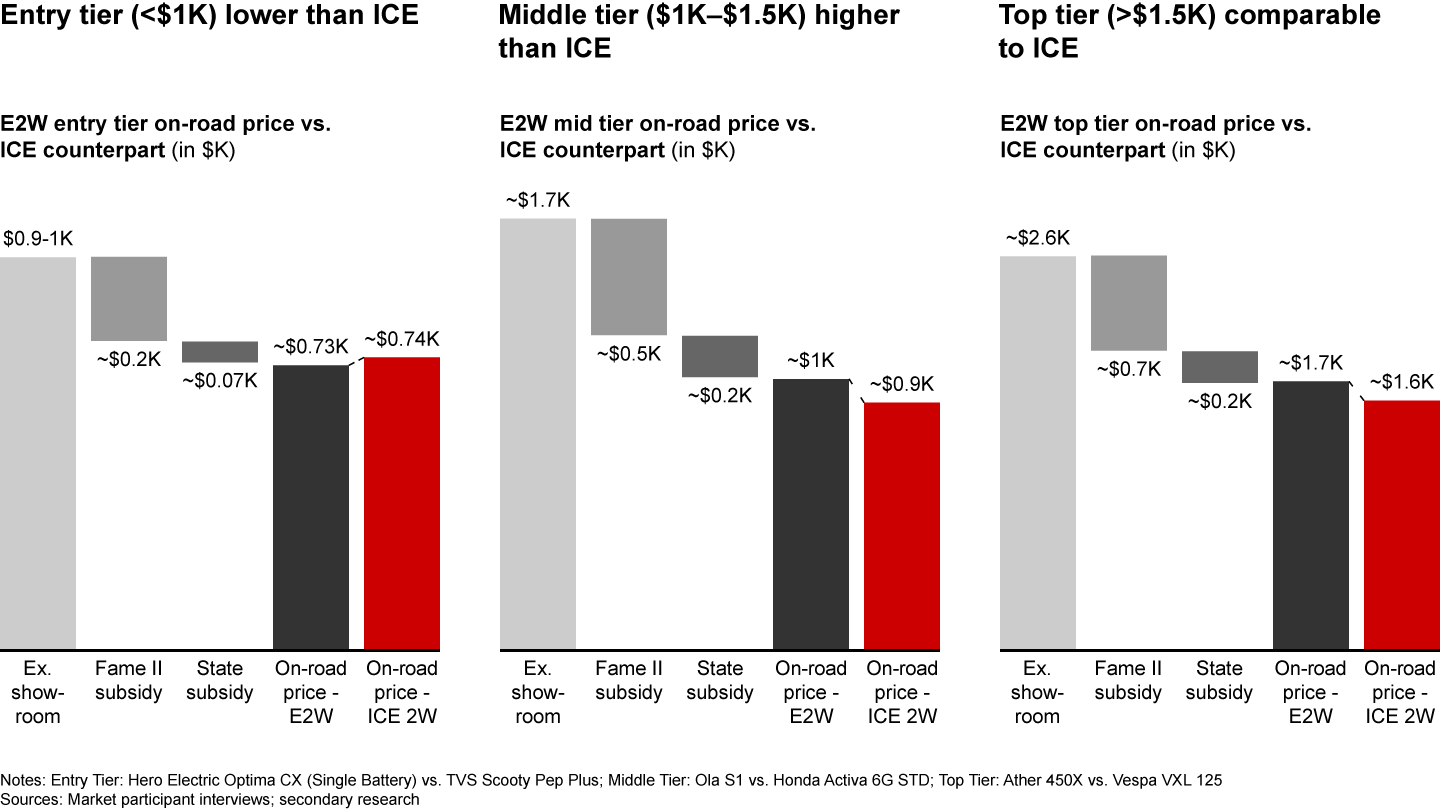

Figure 25d
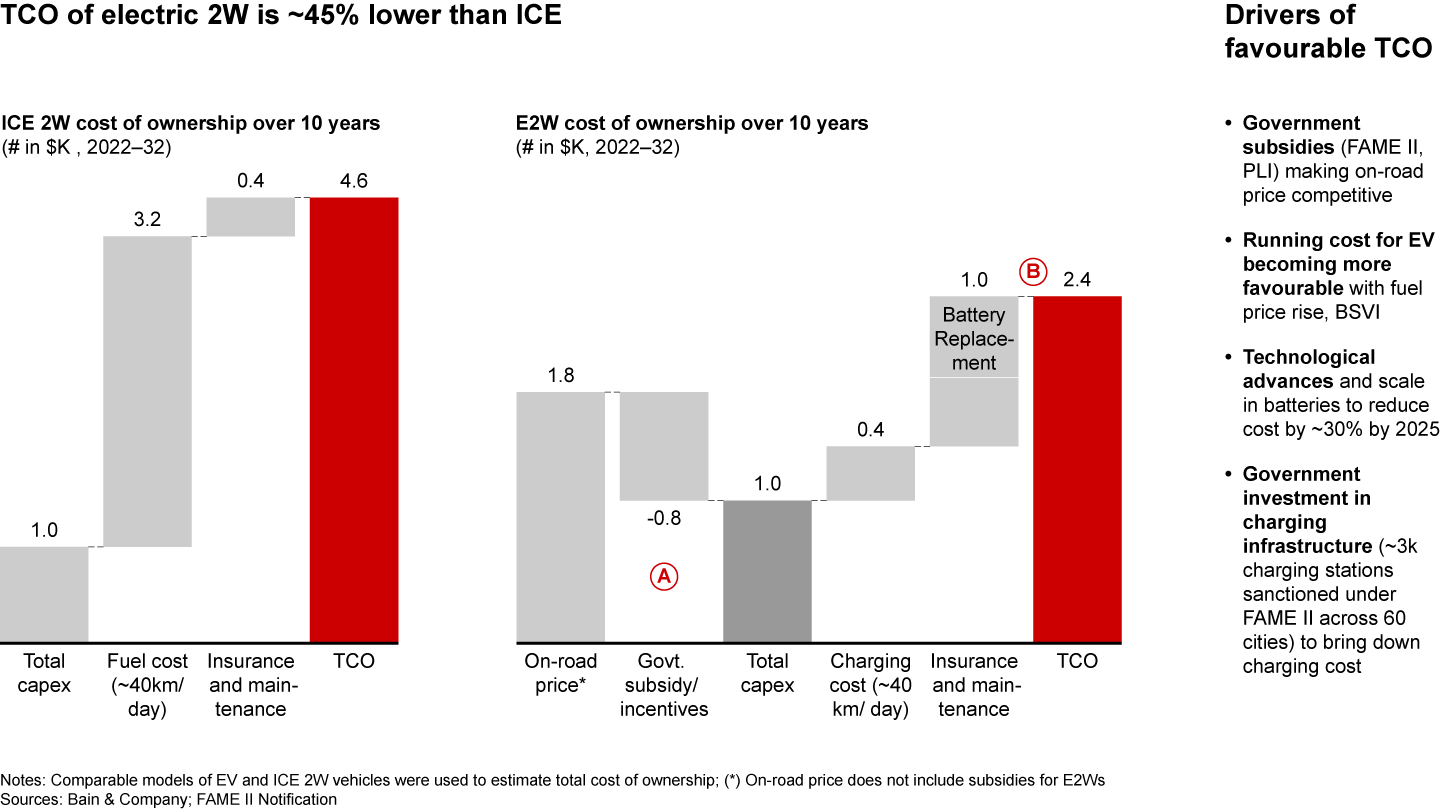

Figure 25e

The investor perspective: Resilience with an eye on wins
Figure 26
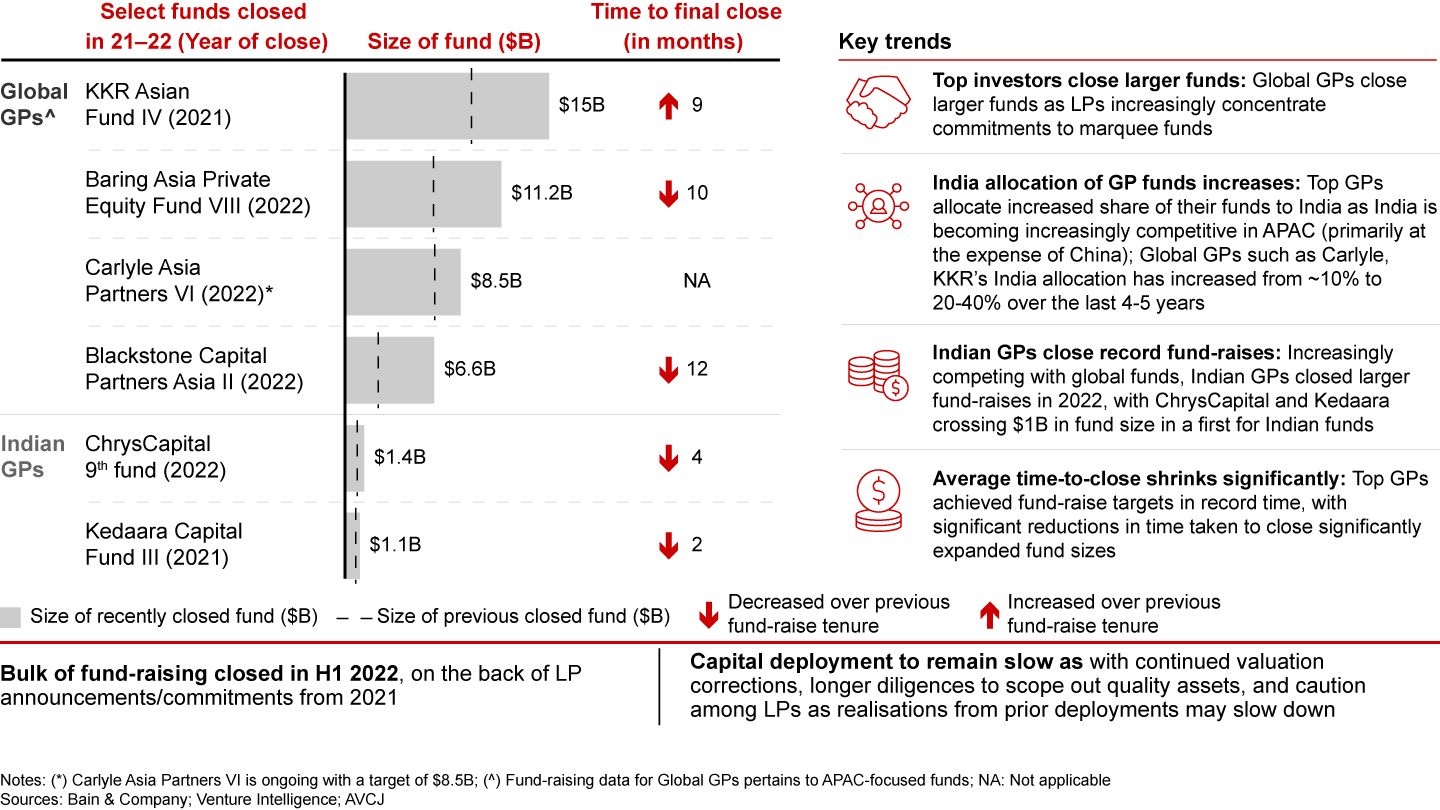

Figure 27
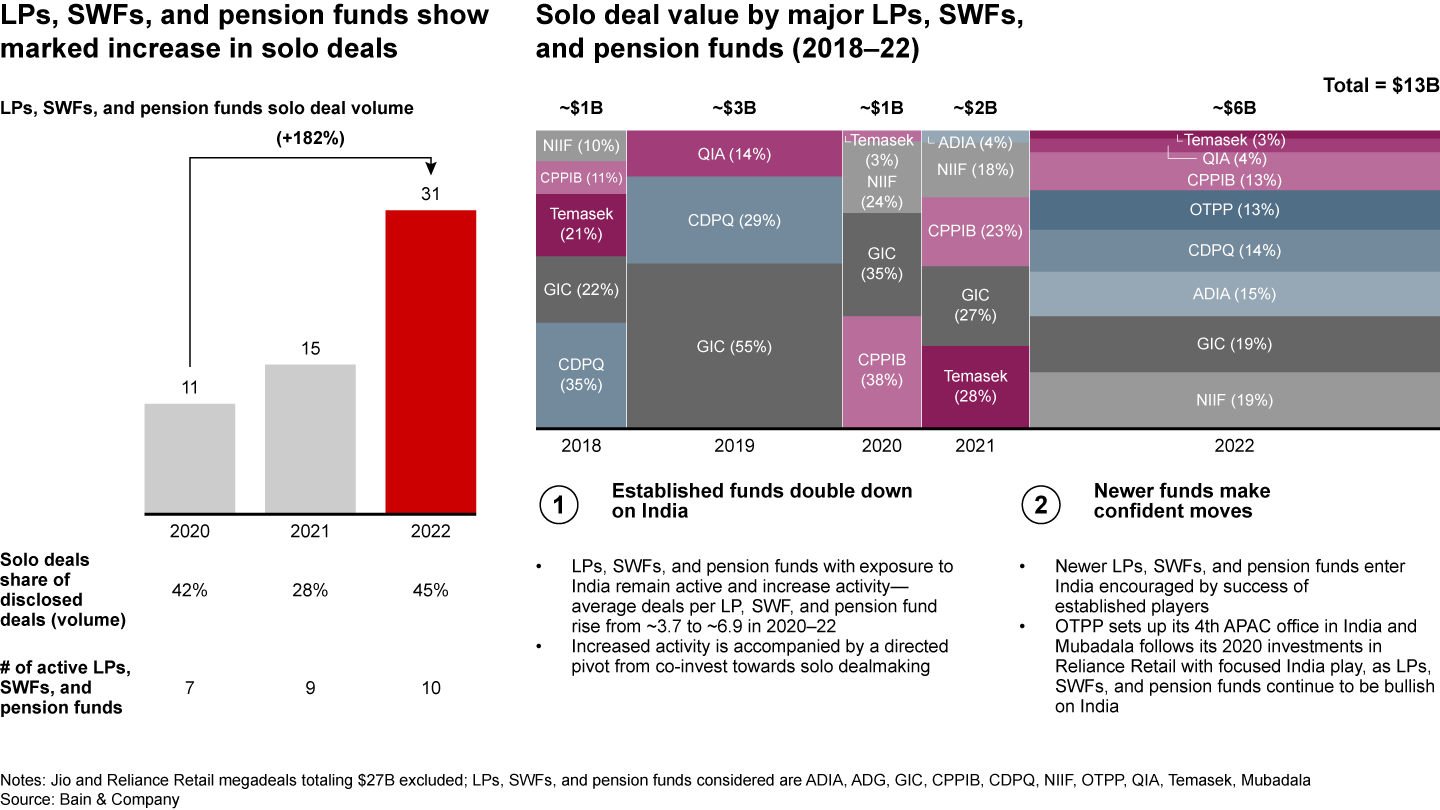

Figure 28
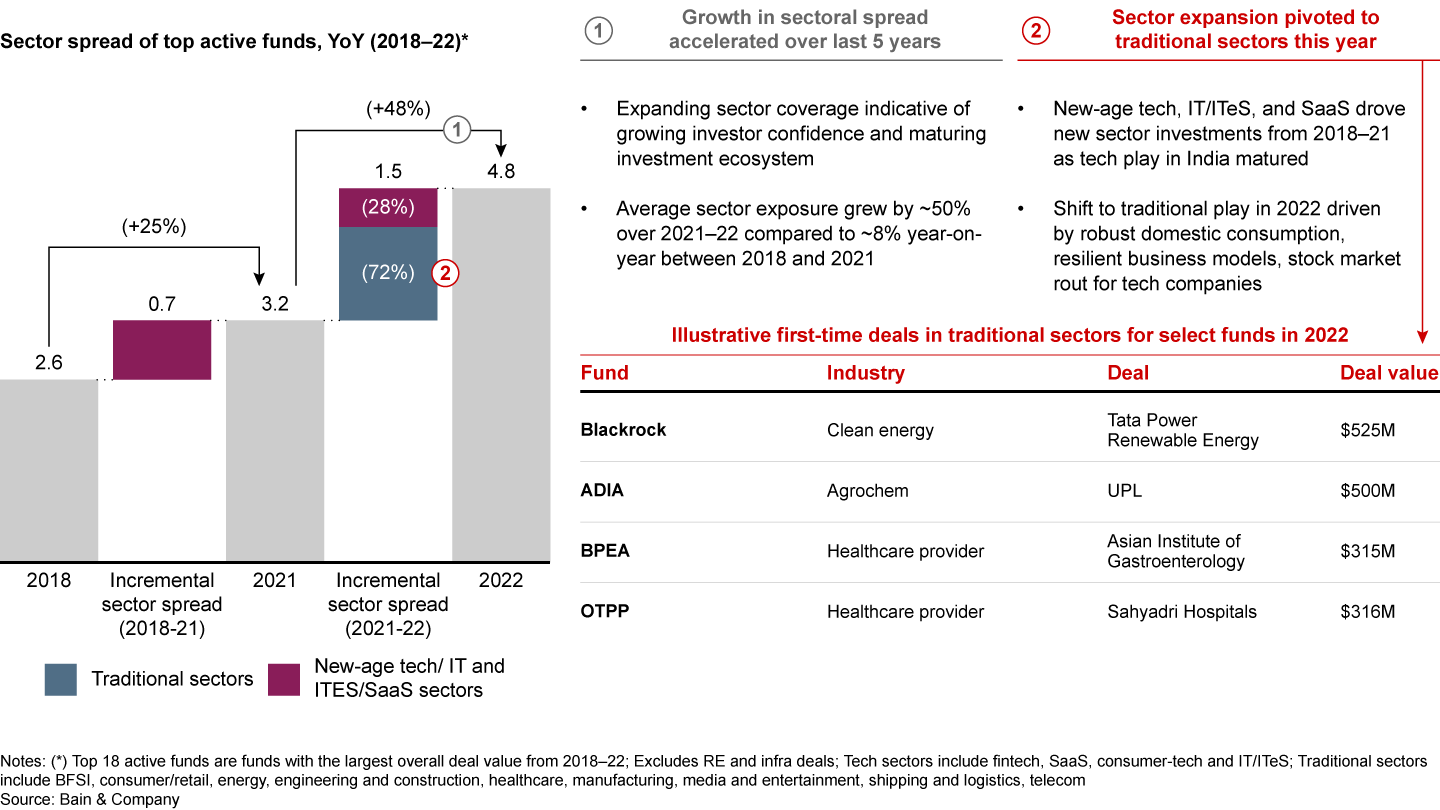

Figure 29

Looking back to look ahead: India’s accelerating flywheel
Figure 30

Figure 31
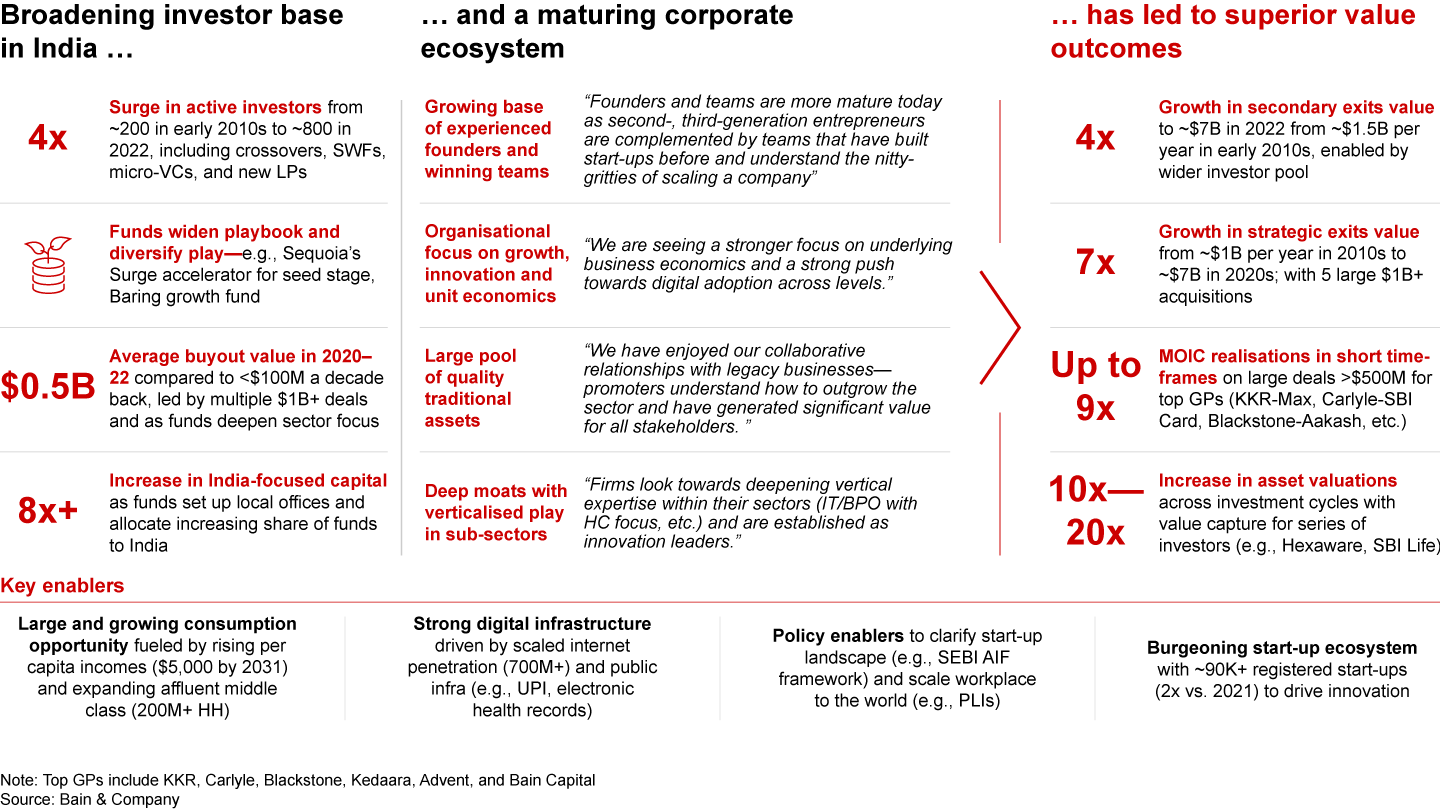

Figure 32

About IVCAThe Indian Venture and Alternate Capital Association (IVCA) is a not-for-profit apex industry body that promotes the alternate capital industry and fosters a vibrant investment ecosystem in India. IVCA is committed to supporting the ecosystem by facilitating advocacy discussions with the Government of India, policymakers, and regulators, thereby contributing to the growth of entrepreneurial activity, innovation, and job creation in the country, and supporting the development of India as a leading fund management hub. IVCA represents 490+ funds with a combined AUM of over $350 billion. Our members include some of the most active domestic and global venture capital and private equity funds, as well as funds focused on infrastructure, real estate, and credit. The association also includes limited partners, investment companies, family offices, corporate venture capital investors, and knowledge partners. These funds invest across a wide spectrum of strategies, including early-stage and emerging companies, venture growth, buyouts, special situations, distressed assets, credit, and venture debt, among others. |