

Brief

Fast-moving consumer goods (FMCG) companies that operate in the GCC have faced unprecedented challenges in recent years. A significant slowdown in market growth has led to an intense fight among players to gain market share. In parallel, the global rise in raw materials and transportation prices, in addition to a structural increase in the cost of doing business in the region, has put FMCG companies’ margins under significant pressure.
Written in collaboration with
Written in collaboration with

Our conversations with industry executives have highlighted that the business model once proven for the region no longer fits for the new normal. Winners of the future will need to evolve and embed a new set of capabilities to turn trends and challenges into a competitive advantage.
This report is the first in a series that will look at innovative approaches to achieving profitable growth and effective cost strategies. Recognizing and understanding the changes in the market and adapting to deal with them will allow companies to maximize their opportunities in this new environment.
Defining the new normal
Structural change in market foundations
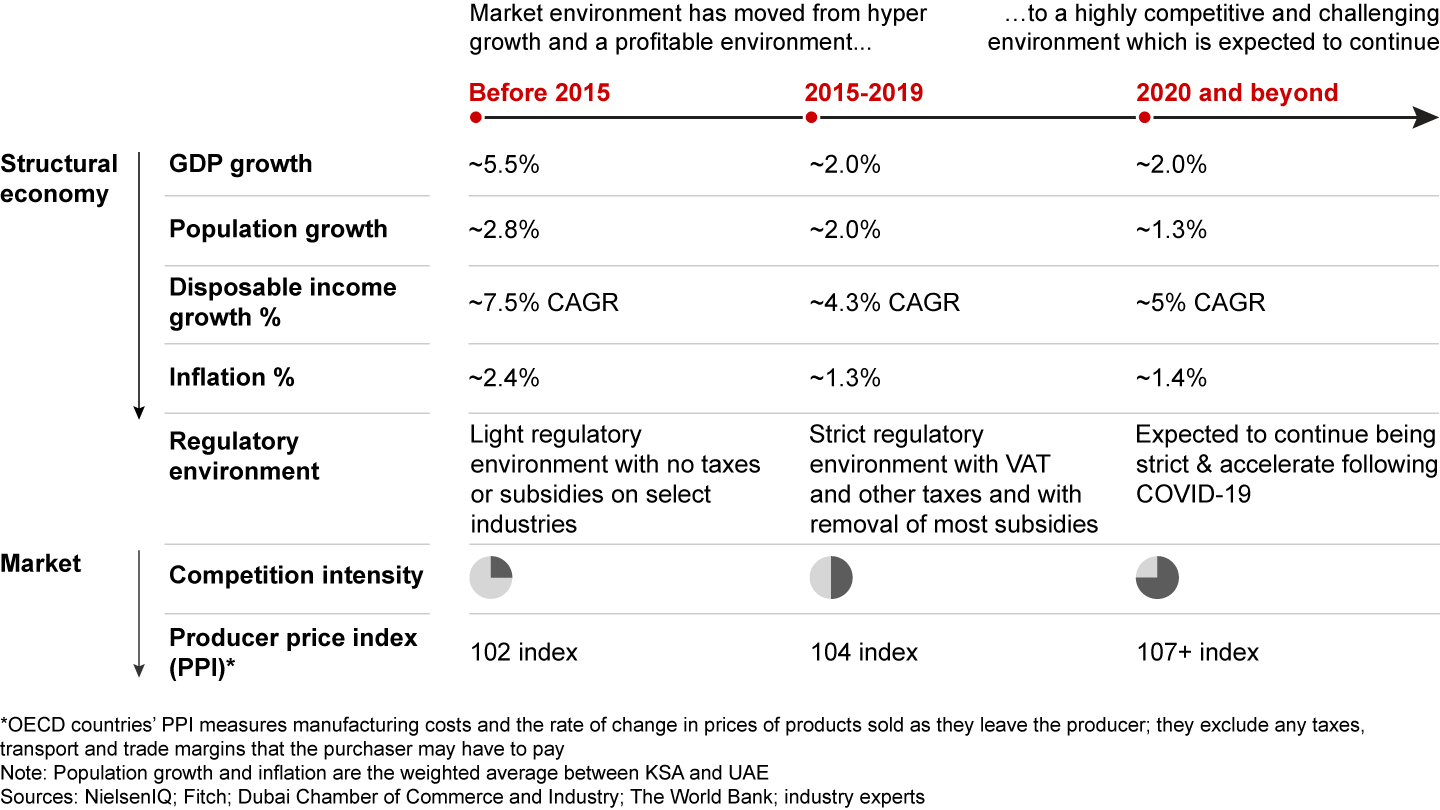
The regional FMCG market, up until 2015, enjoyed a series of tailwinds with positive effects on profits and revenue. The market experienced strong GDP and high population growth; disposable income net of inflation was growing, and there was a light regulatory environment with subsidies aimed at selected industries and absence of taxes, such as value-added tax (VAT). This helped to produce a period with a low competitive market intensity as many companies were experiencing acceptable growth and attractive margins.
A structural shift in the market became evident post-2015 as FMCG companies faced a series of headwinds. GDP and population growth slowed; disposable income net of inflation went down. The regulatory environment started to get stricter with the introduction of VAT and the removal of most of the subsidies, contributing to an increased pressure on consumers. Companies that were used to reporting growth to their headquarters or board were now facing challenges, and competition started to intensify.
Since 2020, the competitive intensity has accelerated. GDP growth continues at 2%, but population growth has slowed. Disposable income has improved but not to where it was pre-2015. The changes in the regulatory environment for business are putting pressure on control, risk, and compliance functions while the region is experiencing a shift to a higher level of VAT, with Saudi Arabia leading the way in increasing the levy from 5% to 15%.
The market has moved from hyper-growth and profitability to a competitive and challenging environment, which is expected to continue to put pressure on FMCG companies. There are pressures on margins with higher costs of doing business, which includes a spike in raw material prices and increases in transportation costs. This is compounded by cost inflation due to the competitive intensity that’s increasing the scale of promotions and a shift from profitable channels, such as traditional trade, toward lower profit modern trade and digital channels (see Figure 1).
Figure 1

Sustained market contraction and pressure on margins
The impact of these structural changes since 2015 is a sustained market contraction that is inflicting an extra pressure on growth. The combined Saudi Arabia/UAE market was valued at USD$25.8 billion in 2016. It then declined to $24 billion in 2018 with a gradual recovery up to 2021, reaching $26.1 billion.
On the surface, it looks like consumer spending has returned to 2016 levels, but VAT now needs to be factored in. When VAT is excluded, today’s market is valued at $23 billion, a reduction of 2% since 2016 on a CAGR basis.
Understanding the new normal
Consumers in the region have changed and are changing
Market trends are showing a fragmentation of the type of consumers the sector has traditionally provided for. This is reflected by the change in the size and type of households throughout the region.
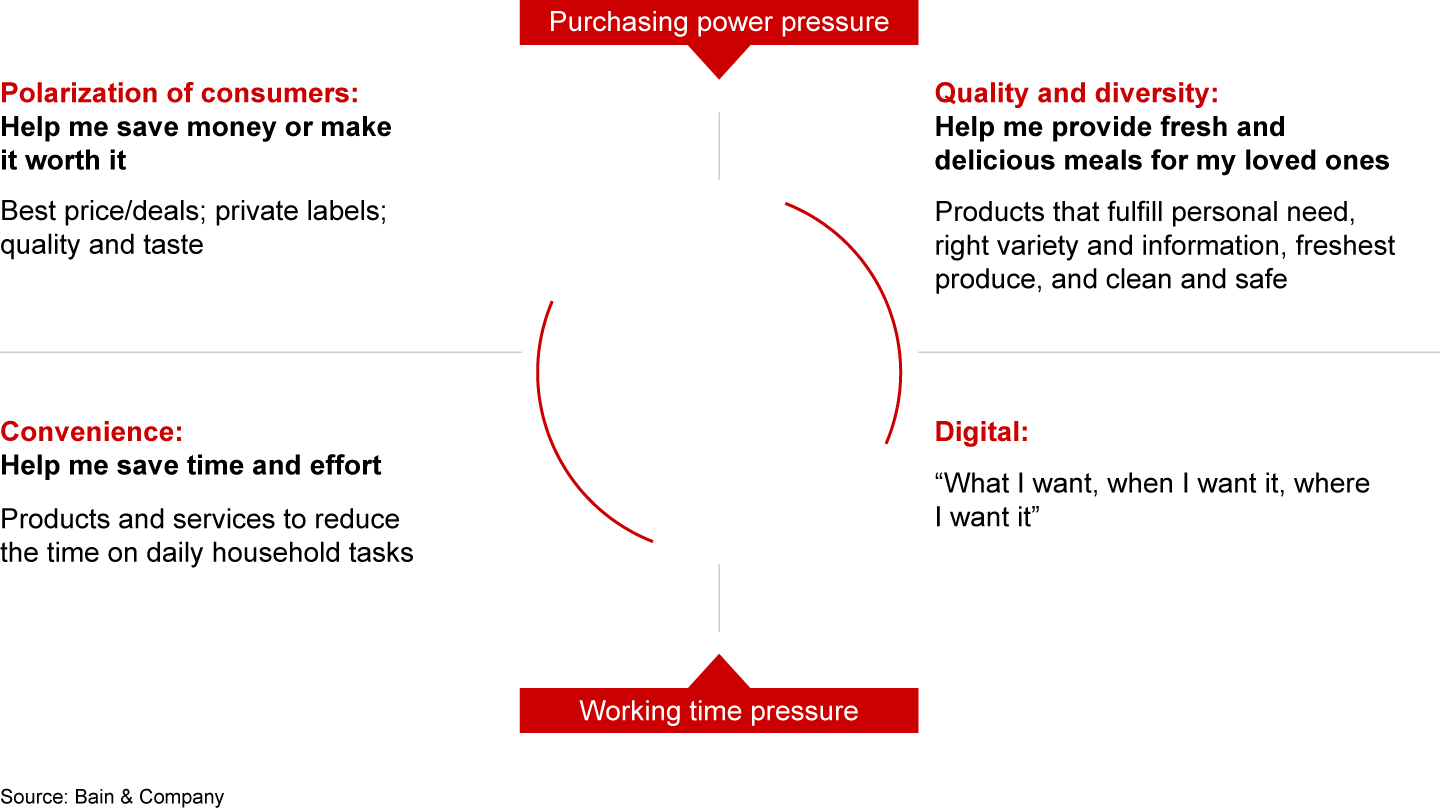
Research shows that consumer sentiment in the region is reflecting having to deal with purchasing power pressure, a result of the decline in growth compared to previous years. In addition, sentiment about increased working time pressure reflects the changing workforce: 19% of females in Saudi Arabia worked in 2016, and that number grew to 33% in 2020. These two pressures are underlying reasons for the four key consumer regional trends (see Figure 2).
Figure 2

Research conducted by Bain this year shows that identified trends in GCC consumer behaviors are broadly like the US. Consumers in the region care about health, affordability, and taste, and are more satisfied by convenience and e-commerce but less satisfied with taste and freshness.
The research looked at the type of conversations consumers are having online. This is based on data that categorized 1.4 billion posts over the past three years across Twitter, online forums, reviews, and blogs, covering the US, Saudi Arabia, UAE, and Egypt. Convenience, e-commerce, health, affordability, taste, and indulgence are the trends that resonated.
Polarization of consumers
Consumers have been impacted by the pandemic, accentuating the structural changes post-2015, yet many are still willing to spend more for the right returns. Shopper studies of consumer types have identified constrained consumers as insulated spenders. Constrained consumers are those who have been significantly impacted during the pandemic by the fear of or actual job loss and changing circumstances, while insulated spenders are those who are confident in their employment and income levels.
The emerging trend is that constrained consumers are looking for value but are not inhibited to pay a premium occasionally when the right deal comes along.
Premium segments across many categories are growing, and that growth is driven by downward pressure on the mid-segment. After a brief lull in 2020 brought on by Covid constraints, when brand promotions in the market had reduced due to supply-side reasons and some panic buying, promotions are rebounding this year. This is a reaction to consumers looking for value and being drawn to private labels. The percentage of volumes sold on deal or promotions in the UAE and Saudi Arabia across categories is growing significantly.
Consumers are looking to optimize their budgets without compromising much on quality. Those who identify as value-conscious consumers are accentuating a shift from brands to private labels. Approximately 46% of the value-conscious consumers in the UAE always opt for private label where possible and are driving significant growth rates, especially in food and beverage categories (albeit from a low base).
This polarized behavior is putting pressure on the ability of companies to innovate and connect with specific consumer needs. Interestingly, many of the midsize or local players are better able to make this connection. Category leaders, though, are not fully insulated from these changing consumer preferences. For example, the top three meal-maker manufacturers in the past two years have lost nearly 5% value share, which is going to midsize companies or the local giants in the category.
Consumer needs are becoming more fragmented and are delivering a polarized response. Smaller brands as well as insurgents can satisfy those premium niches of changing tastes where companies are struggling to connect with these trends. At the same time, the constrained are drawn to value and private label.
Quality and diversity
Approximately 69% of consumers in the UAE and 63% in Saudi Arabia are willing to put a premium on quality and pay more. This trend can be seen in those willing to put a premium on health benefits. Since 2020, nearly 75% of UAE consumers have purchased a healthy alternative while shopping, 33% have purchased an organic product, and 23% chose to buy a sugar-free alternative.
This health and wellness trend is driving growth in many categories, such as milk and tea, where health-promoting offerings are growing much faster in relation to the overall category.
Convenience
The pandemic has made convenience paramount. In recent shopper studies, many consumers put convenience ahead of price as an attribute, and they are paying a premium for that convenience. Households are facing working time pressure, with changes in working patterns in the region continuing to evolve as more women enter the workforce. Parents have also had to spend more time supporting their children’s education. This and other factors are contributing to a time pressure where consumers are prioritizing convenience and looking for convenient products that help them save time and effort.
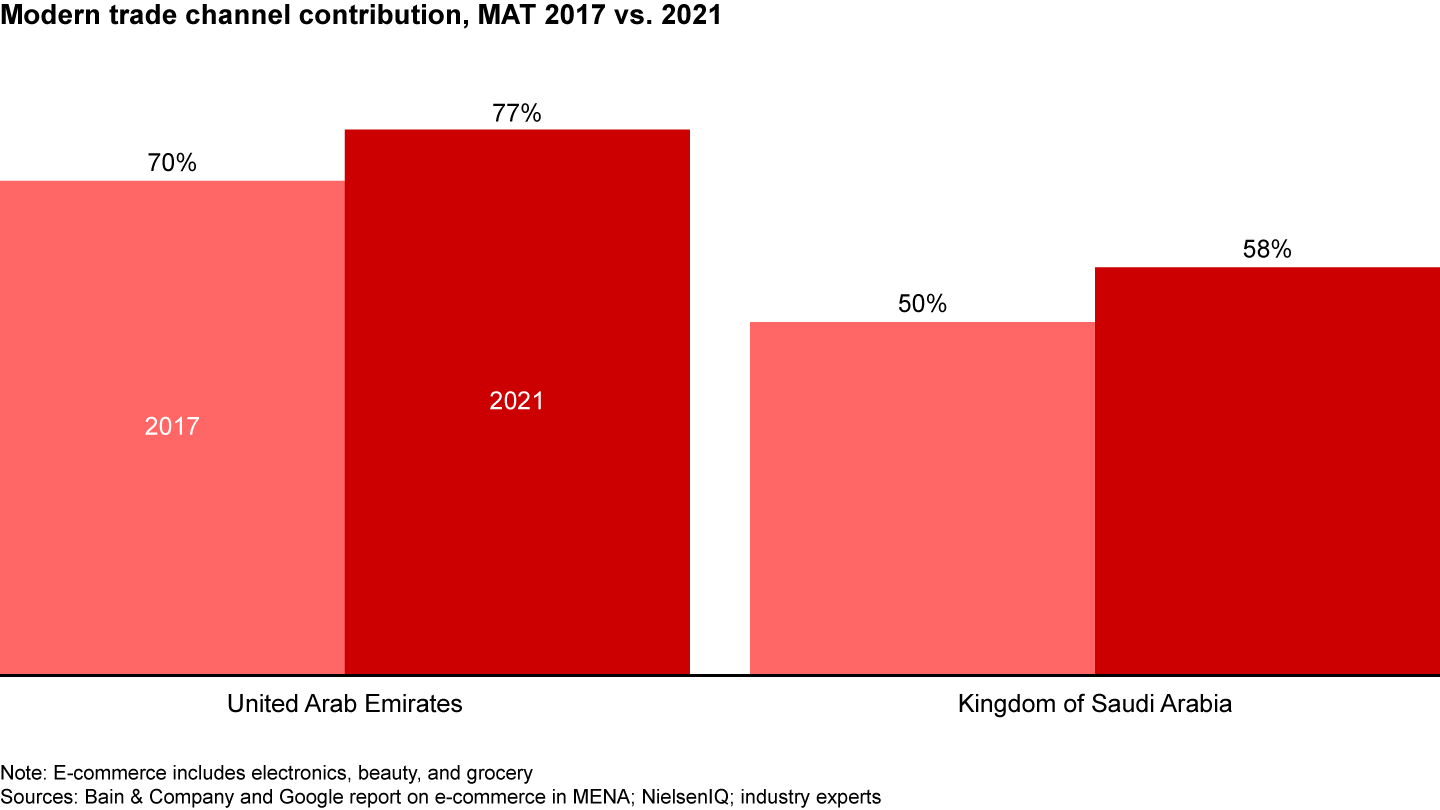
Modern trade in both the UAE and Saudi Arabia continues to gain in prominence. In the brick-and-mortar world, the convenience and mini market format—sized between 100 and 400 square meters and stocking possibly 25 to 40 categories—is driving growth (see Figure 3).
Figure 3

Digital
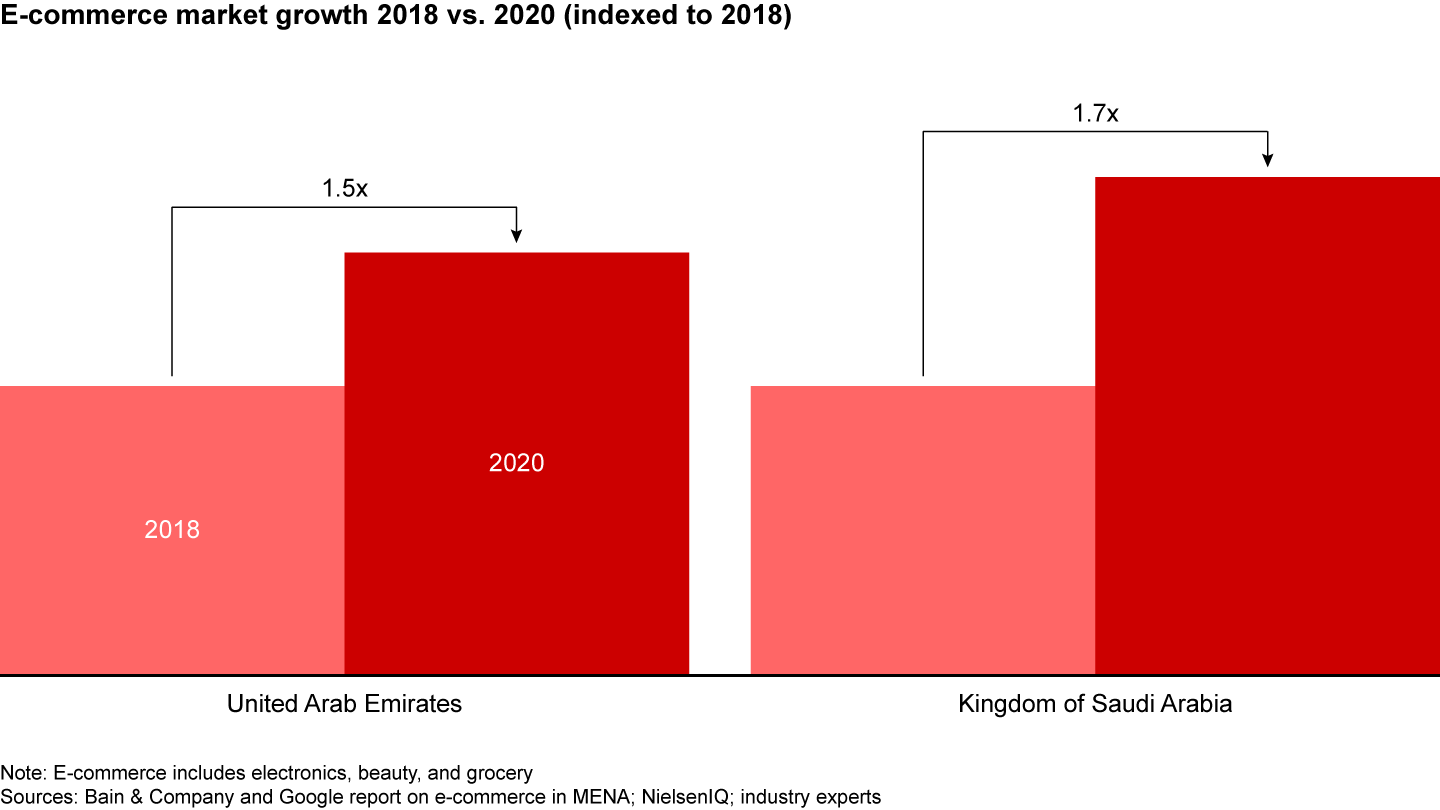
The pandemic has accelerated the rise of digital beyond merely looking for information. The FMCG e-commerce market has nearly doubled in the past three years. Nearly 50% of shoppers in the UAE have visited an e-commerce site in the past seven days, a significant increase from last year (see Figure 4).
Figure 4

Implications of the new normal
What does it mean for FMCG companies?
While the region has entered a new phase post-2015, the virtuous cycle of profitable growth still holds—but with a few twists (see Figure 5).
Companies need to adopt two distinct strategies in today’s environment. First, companies need to define avenues of growth at a partition level: where to invest to strengthen the brand and accelerate top-line growth. The traditional way to define the avenue of growth in the region was at a country level and then at a category level. Now is the time to start looking at the partition level and understand what is critical to how consumers and shoppers engage with a category. Partitions are defined by consumer behaviors and needs, using advanced analytics to determine the most effective partition segmentation, such as category overlap, brand penetration, and switching price point.
Figure 5
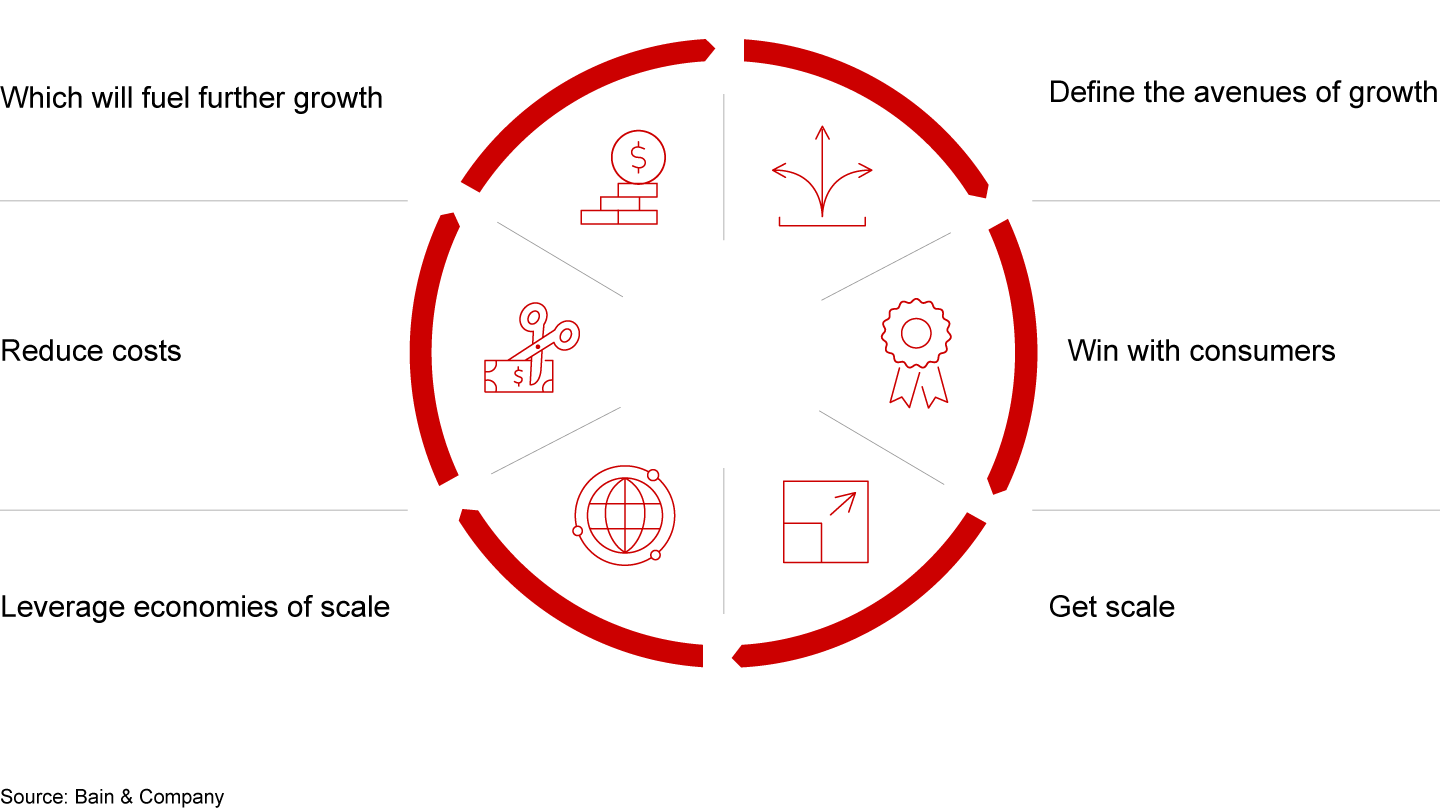

Second, companies need to win consumers in the relevant market partitions to achieve market leadership. Micro-segmentation of the market is key. Analyzing and then winning in those micro-segmented markets will lead to a higher relative market share in the wider category. Micro-segments are forming as consumer demographics and attitudes shift, creating ultra-niche consumer needs, such as local produce, health and wellness attributes, and vegan or free-from products.
Further, in the new normal, the concept of scale does not refer only to the absolute size of the business. In fact, scale is intended as the combination of elements defining the company competitive advantage. Scale is about all the capabilities and tools that company can deploy to win in the market, such as digital technology and data.
It’s important to understand that this approach still requires a strong focus on the cost side.
What tools do FMCG companies have to deploy?
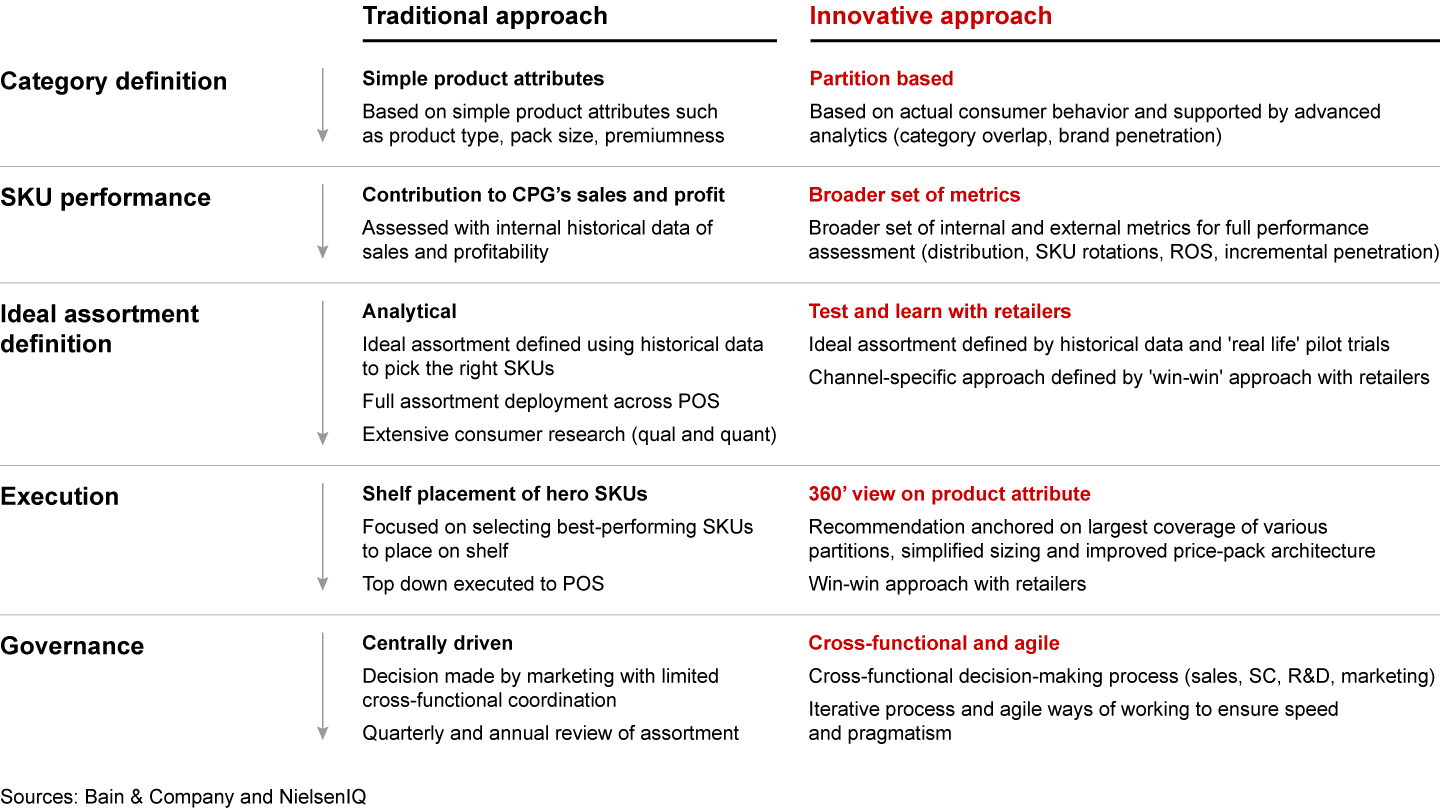
Ideal assortment: Establish a continuous process of rationalizing schedules, using partition analysis with a strategy of adding value, not just cutting the tail.
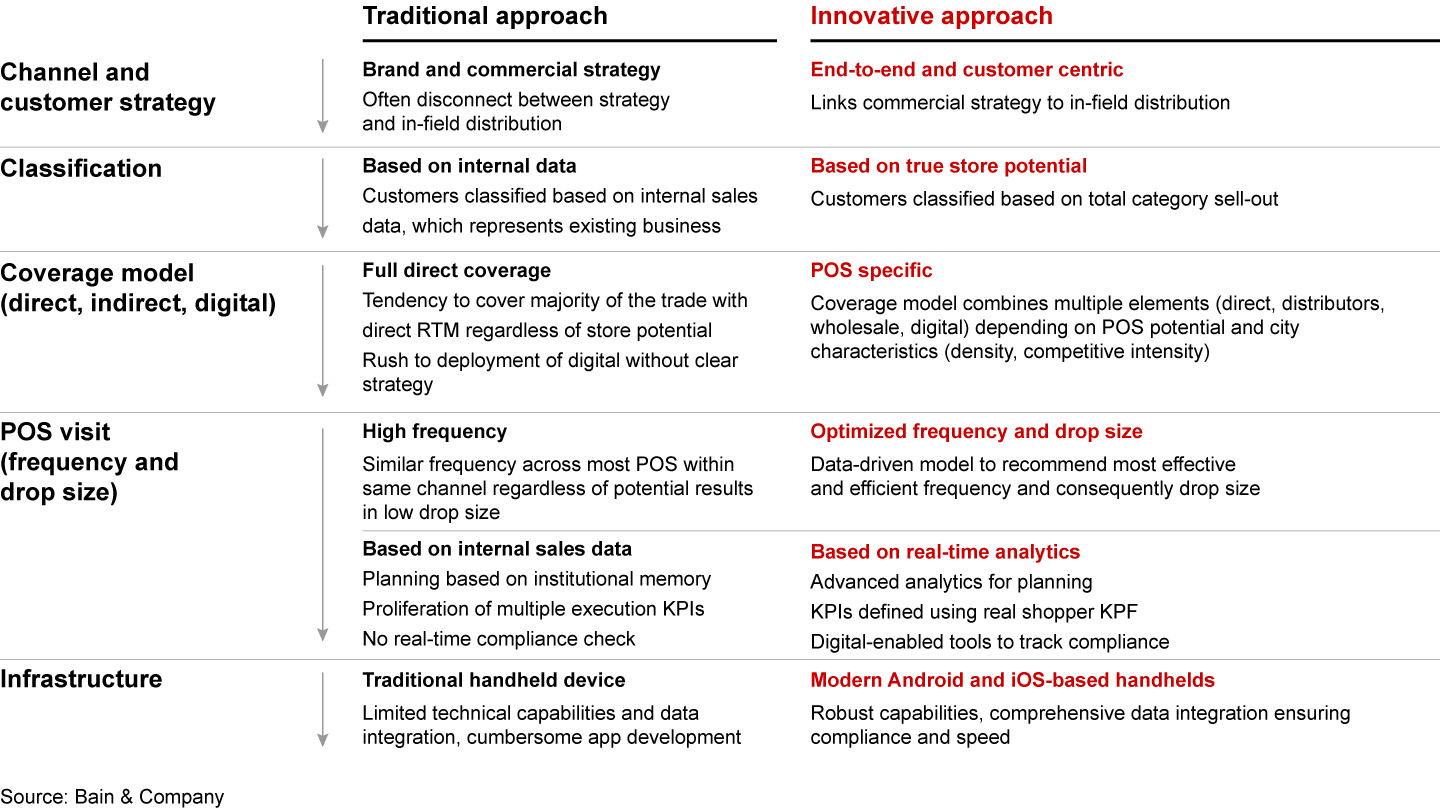
Route to market: Define and set up a route-to-market strategy given the changes in the channel to drive profitable growth. Fixing gaps, the lack of availability, and in-store execution are big drivers of lost sales.
Key account management: Work with the modern trade channel to create a win-win solution. Do fewer things, undertake bigger initiatives, and use a tailored approach.
Underpinning all of this is having the right category vision as well as an adaptable operating model plus the best data, tools, and technology.
Innovative approaches to drive profitable growth: the ideal assortment
Partition: Having the right partition in place helps deliver the right brand strategy. Micro-segmentation is the key to understanding performance in the broader category and where market share and profit can be increased. Rationalizing assortment is not about cutting the lowest sales volume products, it must be done by microanalysis.
Metrics: Adopt a broader set of metrics. Internal and external factors have an impact on the performance of a category, and this can be further amplified when assessing at a micro-segmented partition level.
Test and learn: Pick a set of stores, do your analytics and pilot trials. This will lead to much faster execution and, ultimately, results.
Product attribute: Make sure consumers, when they are in front of the shelves, understand the message you are trying to give. Work with the retailer on the layout of the shelves to be able to translate the partition to make it a lot clearer for the consumers. Adopt a triple lens: What is right for the consumers? What is right for the retailers? And what is right for the company?
Cross-functional and agile: Deciding what to do, how to do it, and how to keep it alive as an ongoing process of maintenance of the SKU rationalization strategy requires a cross-functional approach. Align the process, bringing together all the different viewpoints of the functions to drive the right outcome in an iterative and agile way for the company (see Figure 6).
Figure 6

Route-to-market strategy
Choices made in-store: 59% of consumers globally make the decision on a brand purchase in-store. Lost sales happen when products are not available on the shelf.
Optimize for the wrong picture of success: Lost sales from not solving consumer needs.
Poor PICOS compliance: Compliance typically no better than 15% in traditional trade (TT); lost sales from not being visible to consumers.
Strategic regional importance of getting availability and distribution right: A company that is effective in fixing gaps can reach up to two to three times revenue growth compared with the rest of the market. Getting the strategy right for individual countries is key.
The UAE is a modern trade market consolidated around a few chains and with Western FMCG characteristics. Getting the right reach and how to execute in-store is important. Saudi Arabia has more than 50,000 points of sales in traditional trade spread across a very large territory. The priority there should be distribution and availability.
The right analytics at the right time: Align the digital input regardless of the point of sale. The use of data by frontline workers at point of sale to enable decisions in-store requires a high level of connection between different technology tools.
When it comes to store effectiveness and profitability, it’s important to have store-level customer classification to look at the true potential of the store compared with other stores. Companies must understand what the profit is from the customer and the cost of serving that customer. Make sure whatever digital capability and big data available are connected and integrated to give the front of the store the best information to make the right decision (see Figure 7).
Figure 7

Key account management
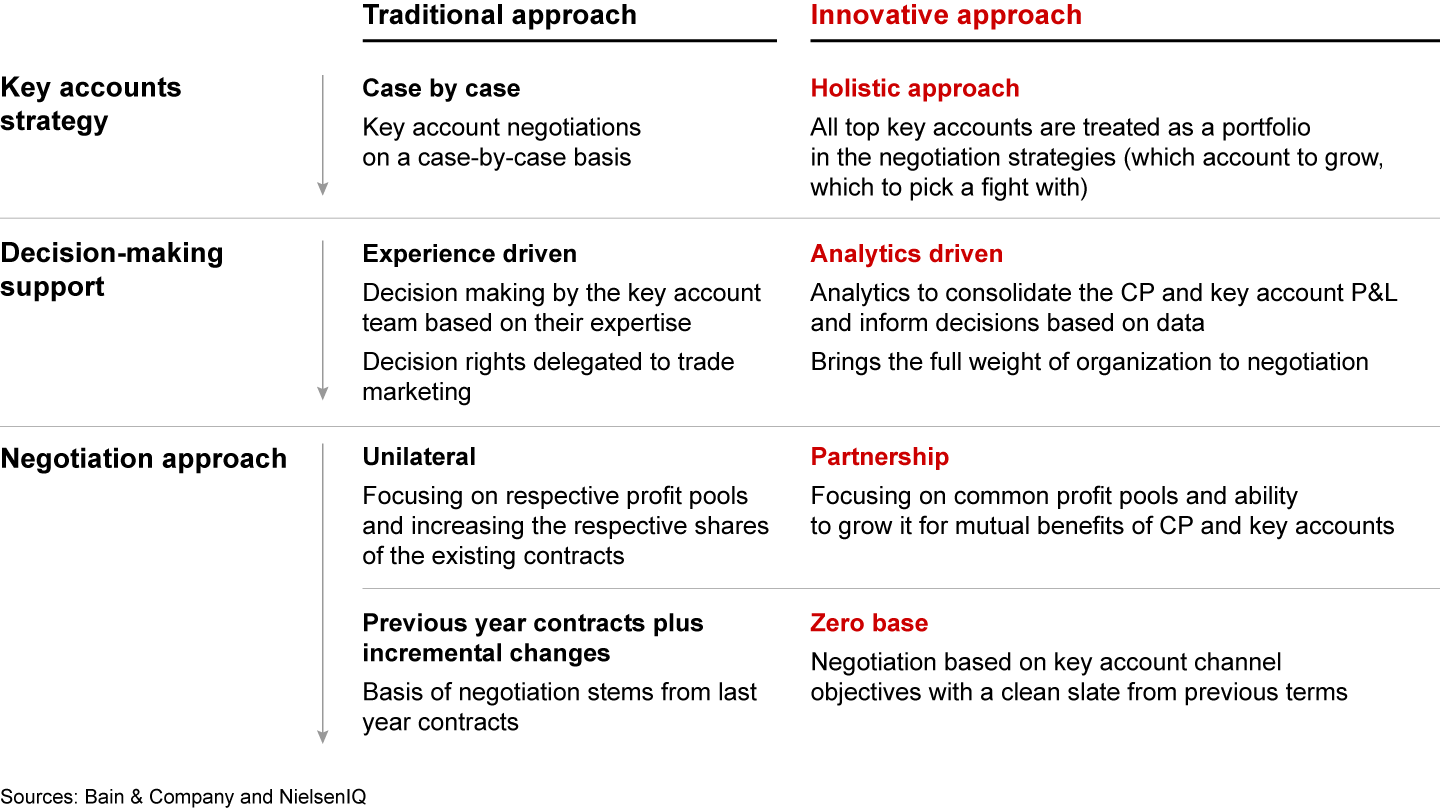
Holistic approach: The traditional approach is case by case, looking at each client one by one, and is mainly driven by past experiences. It's therefore often delegated to the key account managers and trade marketing managers. In this new normal, consider taking a holistic approach to the channel: What are the different customers that you have in the modern trade channel? What is the total profit investment you want to have across all the different customers within that channel?
Then start to segment those customers. Those you want to overinvest in, those you want to underinvest in, those you want to maintain, and those you want to really negotiate hard with.
Analytics driven: Have a data-driven approach. Managers can be reluctant to have a tough conversation with the retailers. When they do, they often lack the data and facts to substantiate and support that discussion. To have an open and honest conversation with the retailer, it’s important to have a full set of facts, a full set of data, and a full understanding of what the value chain margin looks like.
Partnership: Retailers that are willing to partner with you will be open to a discussion. The ones that are not are unlikely to be worth investing in. Have a partnership view, focus on common goals, and focus on how you can help each other.
Zero base: Don't use last year’s contract as the basis for this year’s discussion. You must start with a zero-based approach. Look at what will work for the retailer but will equally work for you and use that as the basis for negotiation (see Figure 8).
Figure 8

As companies accelerate their journey to meet the evolving needs of consumers in the region, those that make the best-informed decisions for the overall category strategy and assortment decisions will be the ones that outperform. The flow of transaction data is intensifying, and companies need to take a rigorous and systematic approach to turn that data into profitable growth.
Finally, here’s our insight for companies starting the journey of driving profitable growth in the new normal:
Companies need to up their game: Some already have global expertise that should be brought to the region, while others will need to recruit.
Speed is important: Companies don’t have the luxury of time as pressures on profit increase. They need to get ahead of the competition to gain market and category share.
Market will reward those that deploy these strategies: Companies can achieve competitive advantage and drive scale and profits. Those that don’t implement these strategies will continue to struggle and will be left behind.

About NielsenIQ
NielsenIQ (NIQ) is a leading consumer intelligence company, delivering the most complete understanding of consumer buying behavior and revealing new pathways to growth. NIQ’s global reach spans more than 90 countries, covering approximately 85% of the world's population and more than $7.2 trillion in global consumer spending. With a holistic retail read and the most comprehensive consumer insights—delivered with advanced analytics through state-of-the-art platforms—NIQ delivers the Full View. For more information, please visit www.niq.com.
First published in Februar 2022