

論説

概要
- The UK plans to transition to a low-carbon economy at unprecedented speed. Where the Industrial Revolution took 100 years, the majority of the changes in this transition will need to occur in the next 10 years.
- Most commentators focus on the 500,000 green jobs that will be created during the transition. But the change is far bigger than that: 4 million workers—one in eight—will need retraining.
- The UK's training ecosystem is not designed for this "once in a generation" level of reskilling. It will require a partnership between the government and businesses to train the skilled "green" workers needed to deliver net zero.
The next decade is critical
All economic transitions are disruptive. The Industrial Revolution depopulated farms and overpopulated new urban areas over the span of a century. Manchester, for example, went from a village of less than 10,000 people to a city of 300,000 over the 18th century.
The net-zero transition will happen significantly faster: To achieve net zero on schedule, UK power generation needs to switch to 100% low-carbon generation by 2035 whilst also quadrupling its electricity generation capacity in about a decade as use of both gas-powered heating and fossil fuel- powered vehicles declines. In line with the Paris Agreement, UK legislation aims to reach net zero by 2050 and has enacted carbon budgets out to 2037 to achieve its goal. However, there’s still a long way to go. Today, fossil fuels constitute about 80% of the UK’s total energy supply.
The pace of energy transition needed to decarbonise by 2035 is unprecedented. It took the UK 60 years to reduce its coal usage 90%. And the transition from coal to gas as a primary fuel had a profound and lasting impact on the nation’s economy, politics, and communities, especially in the North, Midlands, and South Wales.
This time, the transition is about more than energy. The energy sector represents only about 25% of the UK’s total CO2 emissions, meaning the UK’s net-zero transition and decarbonisation need to play out in parallel across several themes: power generation, transportation, homes, and the broader economy.
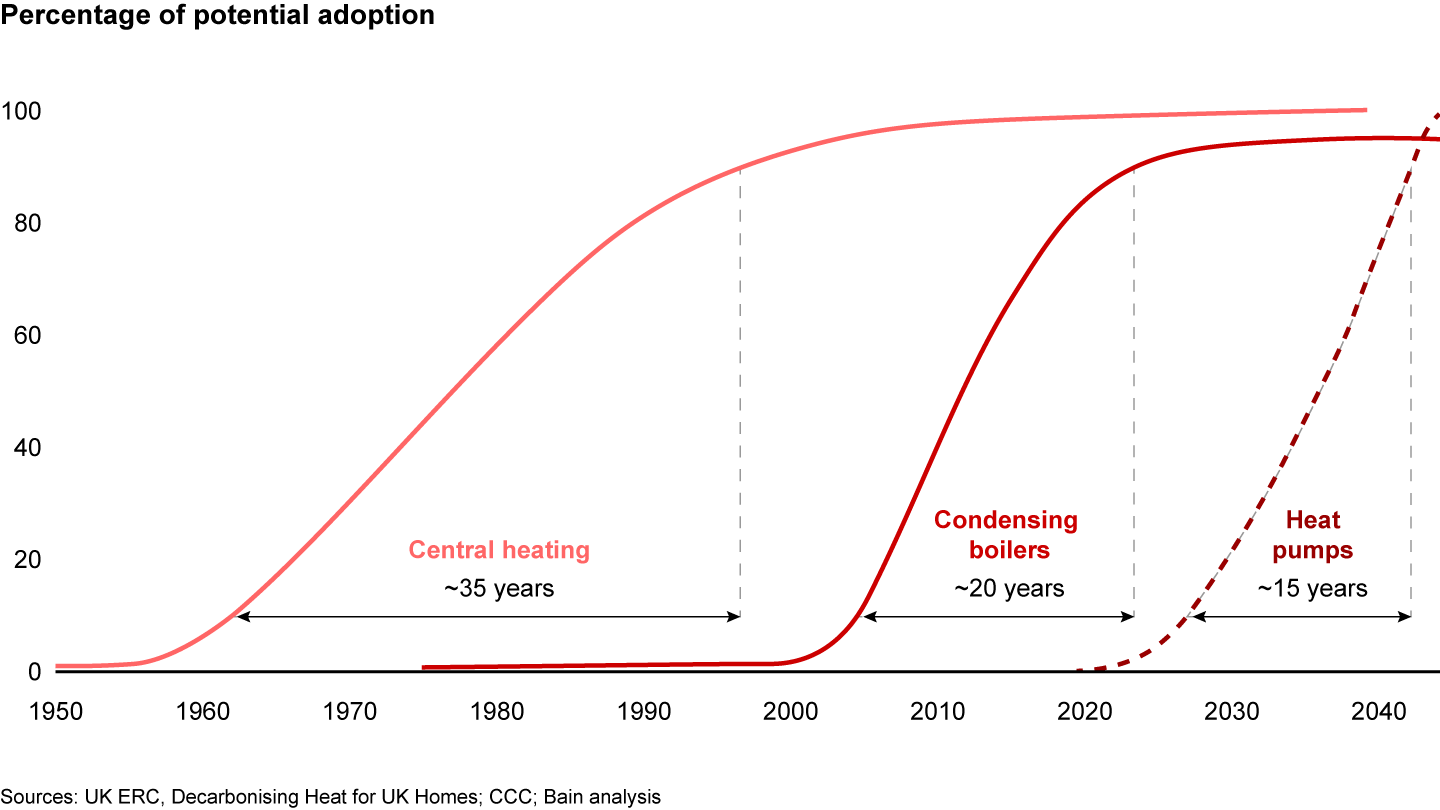
Consider home heating as an example. By 2040, many UK consumers will need to switch from gas boilers to heat pumps to meet the nation’s carbon budget. This adoption curve is steeper than the 20-year switch to condensing boilers, which was driven by the product’s natural lifecycle and mandated by regulation. The adoption of central heating, a more radical change that relied on consumer preference, took about 35 years (see Figure 1).
Figure 1

To meet its carbon budgets, the UK will need to reduce its carbon emissions by two-thirds by 2035. That means investment needs to peak in the early 2030s, with the impact of the net-zero transition felt disproportionately over the next 10 years.
Over 4 million workers will be impacted
The impact on workers has been significantly understated. Most of the focus is on job creation and how 400,000 to 500,000 new roles will be created in green sectors. In reality, about 4 million workers—more than one-eighth of the UK workforce—must be reskilled by 2030 (see Figure 2).
Figure 2
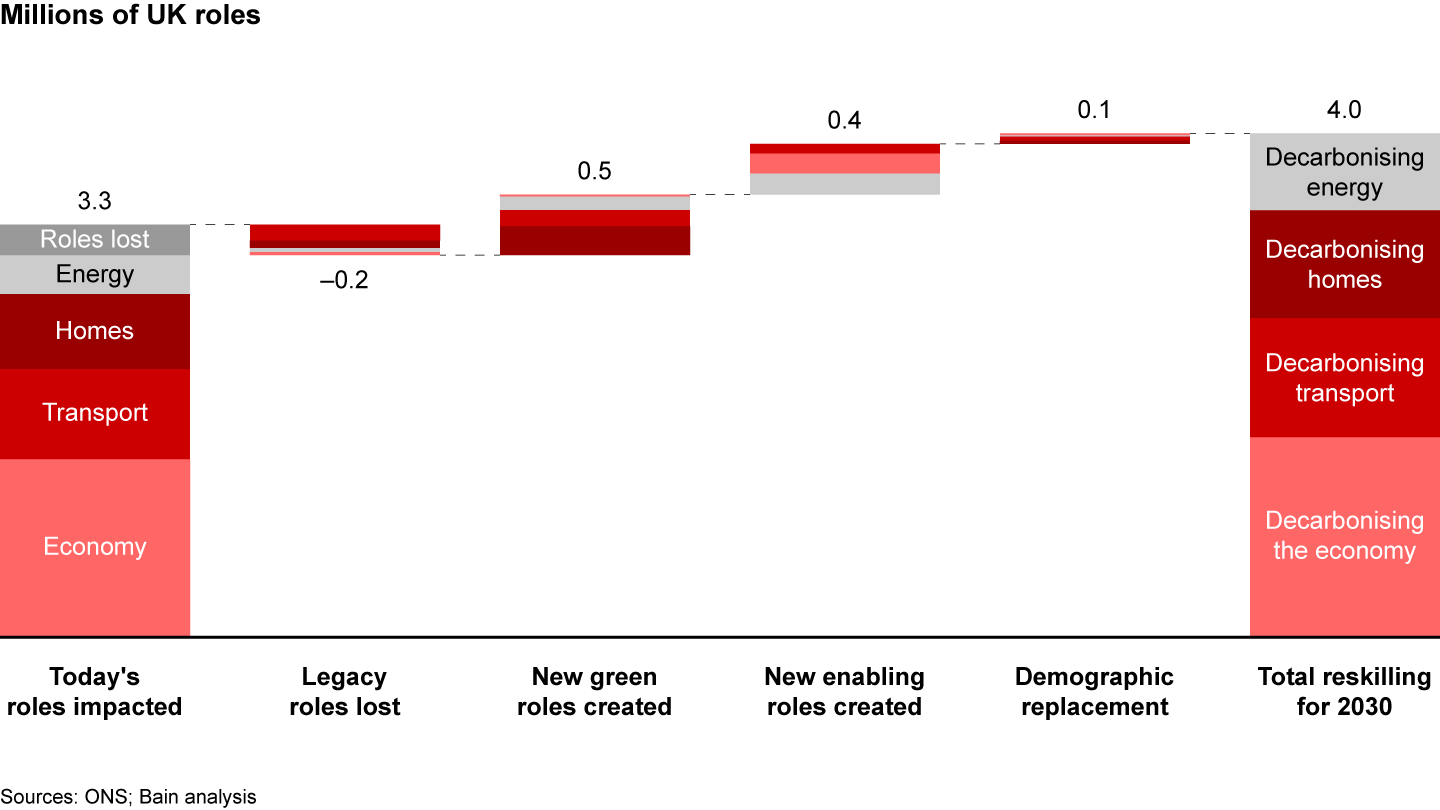

The net-zero transition will affect workers in three ways:
- Reskilling will be required for workers keeping their current roles but performing them in a more sustainable way (e.g., farmers will need to evolve their crops to grow in a more sustainable way, using lower-emission technologies).
- Legacy roles will be lost, especially in positions that today focus on producing or exploiting fossil fuels (e.g., oil well engineers, liquefied natural gas transportation).
- New roles will be created in “green” sectors as well as new sectors that enable or support green activities.
The vehicle manufacturing industry will be the biggest driver of gross and net role losses, as low-emission vehicles (LEVs) are less labour-intensive to manufacture and service than their internal combustion engine (ICE) equivalents (see Figure 3a).
The job-creation story is more positive in the home heating sector. Up to 170,000 new heat pump installer roles will be required, which outweighs the 60,000 installation jobs that will be lost as gas boilers are phased out. Retraining is relatively simple and quick too—it takes about three days to retrain a gas boiler engineer to install heat pumps.
Another net positive: As the UK shifts towards electric power, it will need to increase the capacity of its electricity network and add about 130,000 workers (see Figure 3b).
Figure 3a
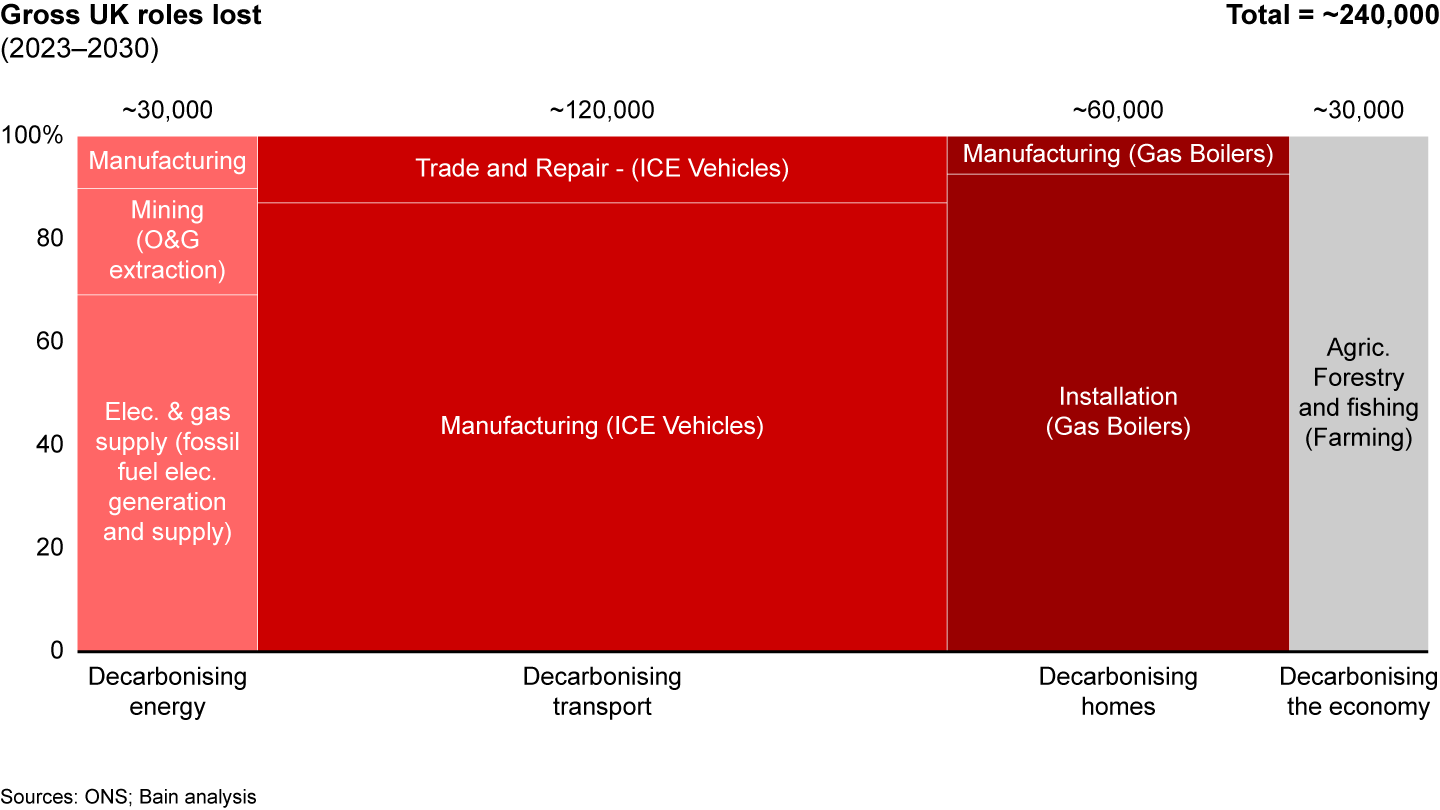

Figure 3b
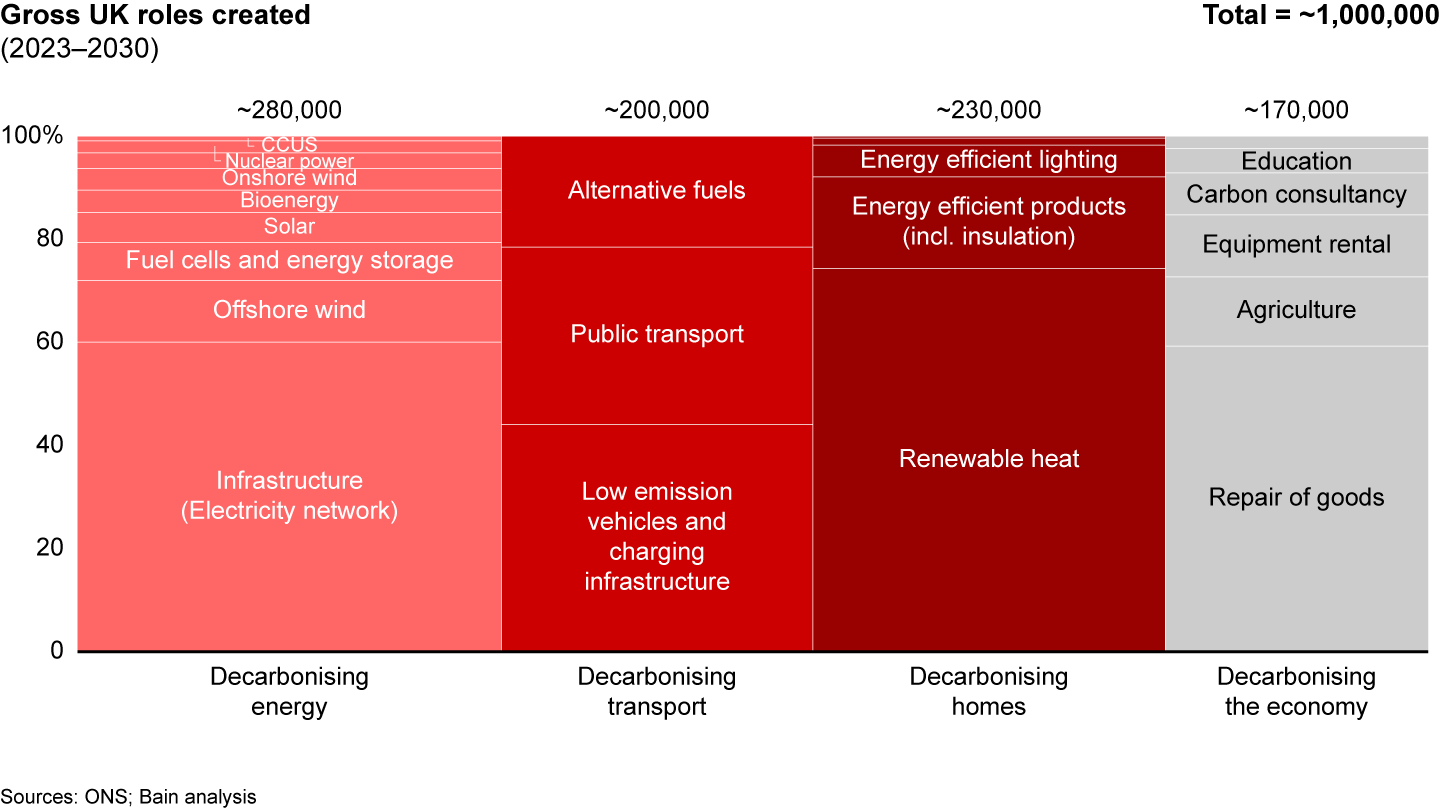
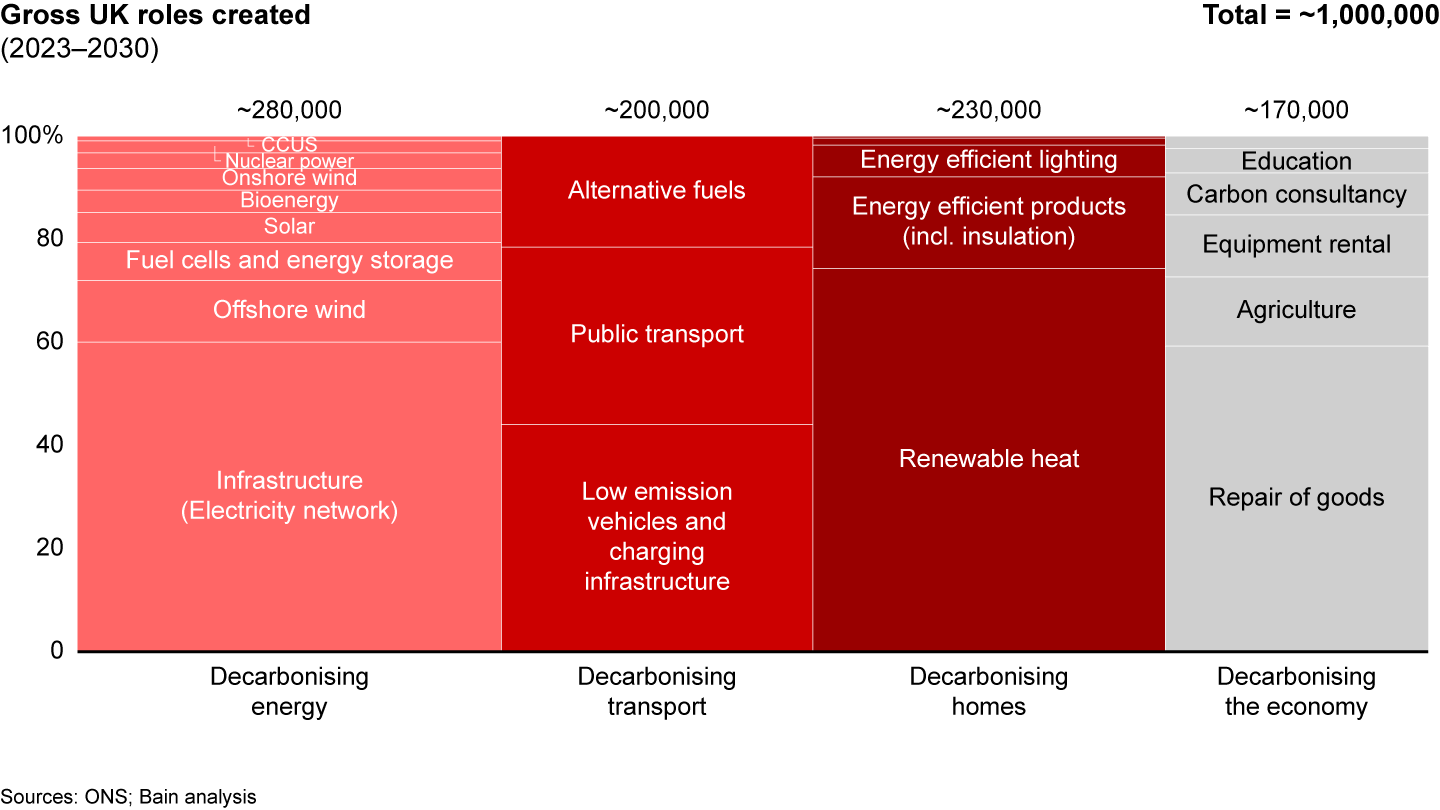
Over 80% of new roles created by the energy transition will be added by 2030. Workers are needed immediately to install energy efficiency measures, build electricity infrastructure, and manufacture and repair LEVs—well ahead of 2050. These new, on average higher-paying roles could result in a 2% to 3% increase in UK gross value added (GVA) by 2030.
It’s worth noting that only 15% of reskilling is directly related to decarbonising energy. The UK’s transition will be economy-wide (see Figure 4).
Figure 4
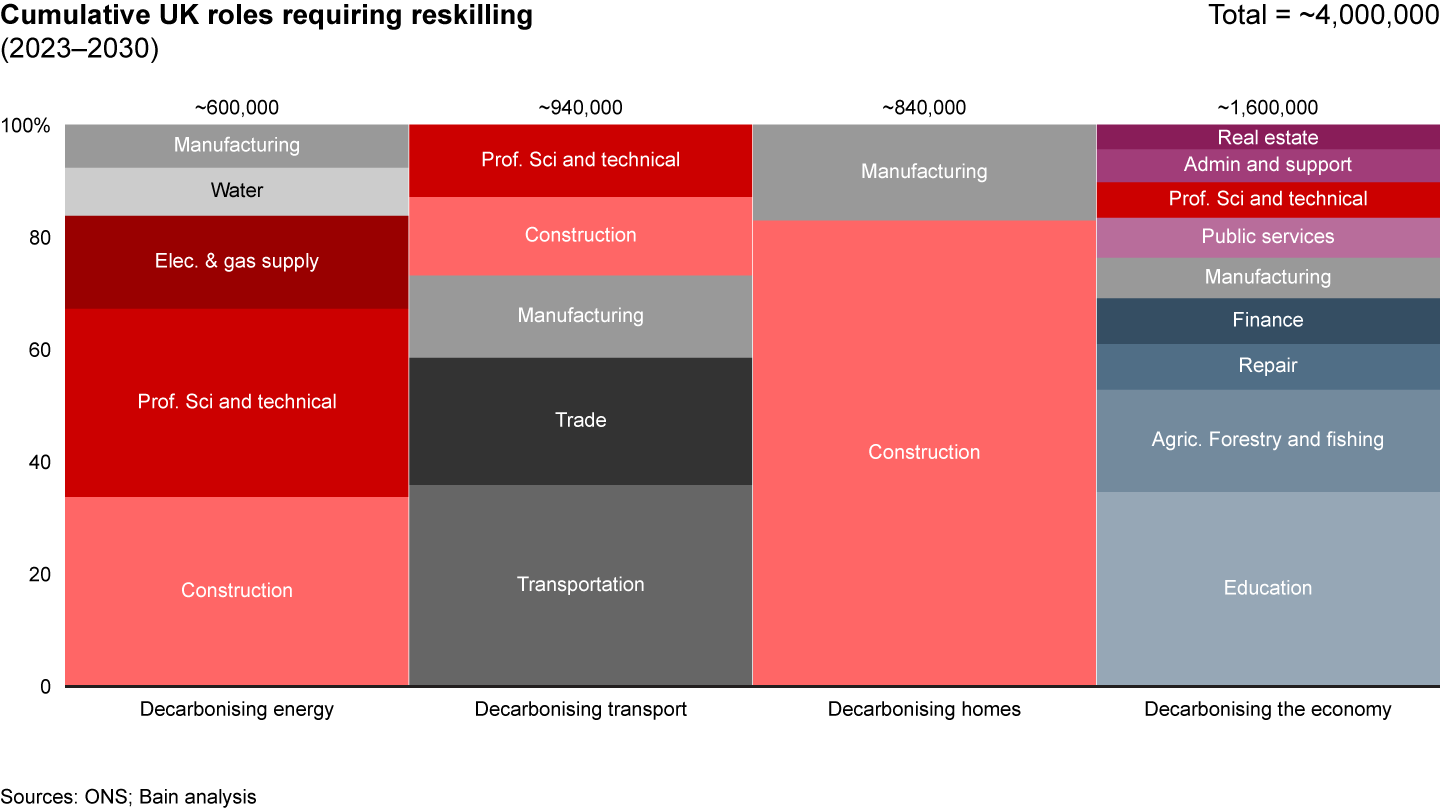

The scale and speed of the required reskilling is unprecedented. The decline in coal mining in the UK saw the loss of roughly 1.1 million roles over a 70-year span. The net-zero transition will impact four times as many people in a tenth of the time frame. About 4 million workers need to be reskilled in the next seven years to enable the energy transition.
The net-zero transition poses distinct challenges
Like previous economic transitions, the net-zero transition comes with challenges: 1) geographic mismatch, 2) skills misalignment, 3) training capacity, and 4) limited incentives.
1. Geographic mismatch
New green roles are needed in different areas than those where potential workers live and work
today. Every part of the UK can benefit from the net-zero transition. On average, each region could see about a 2% increase in employment.
Reflecting their industrial heritage and consistent with previous industrial transitions, the West Midlands and Scotland regions will experience greater “churn” among job roles since the transition impacts vehicle manufacturing and offshore oil and gas production in particular (see Figure 5).
Figure 5
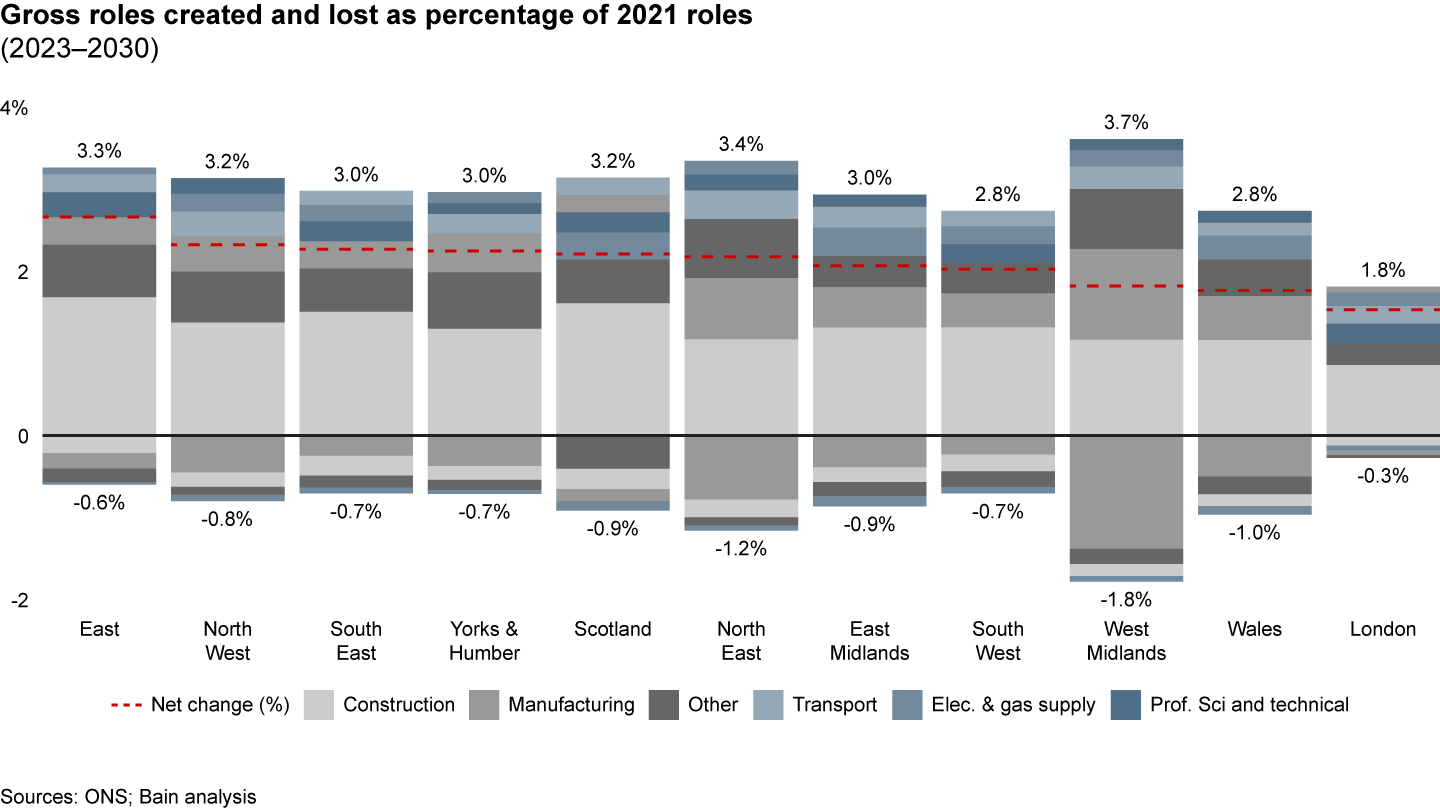

Timely reskilling is most important in regions such as these, which have the greatest turnover of roles. With reskilling, they can capture opportunities from the transition.
The West Midlands is home to about a third of the UK’s vehicle assembly and supply chain roles. Major manufacturers like Jaguar Land Rover and Aston Martin have announced plans to transition their sites in the West Midlands to LEV production. However, these roles remain at risk.
Electric vehicles are typically less labour-intensive to manufacture, and new lines can introduce greater automation. Many of the potential new positions rely on battery gigafactories. Negotiations are ongoing for a new gigafactory in West Midlands that would create up to 6,000 jobs. However, Tata Motors chose Somerset for its gigafactory to supply Jaguar Land Rover vehicles.
The transition also carries the risk of supply chains moving outside the UK. In 2022, a 500-employee GKN plant in Edrington, Birmingham, closed and roles relocated to Poland.
About 85% of the UK’s offshore oil and gas roles are based in Scotland, where new roles should outweigh those lost through 2030. Oil and gas decommissioning activity remains high, whilst construction roles also need to ramp up sharply to stand up offshore wind and carbon capture, utilisation, and storage (CCUS) facilities (see Figure 6).
Figure 6
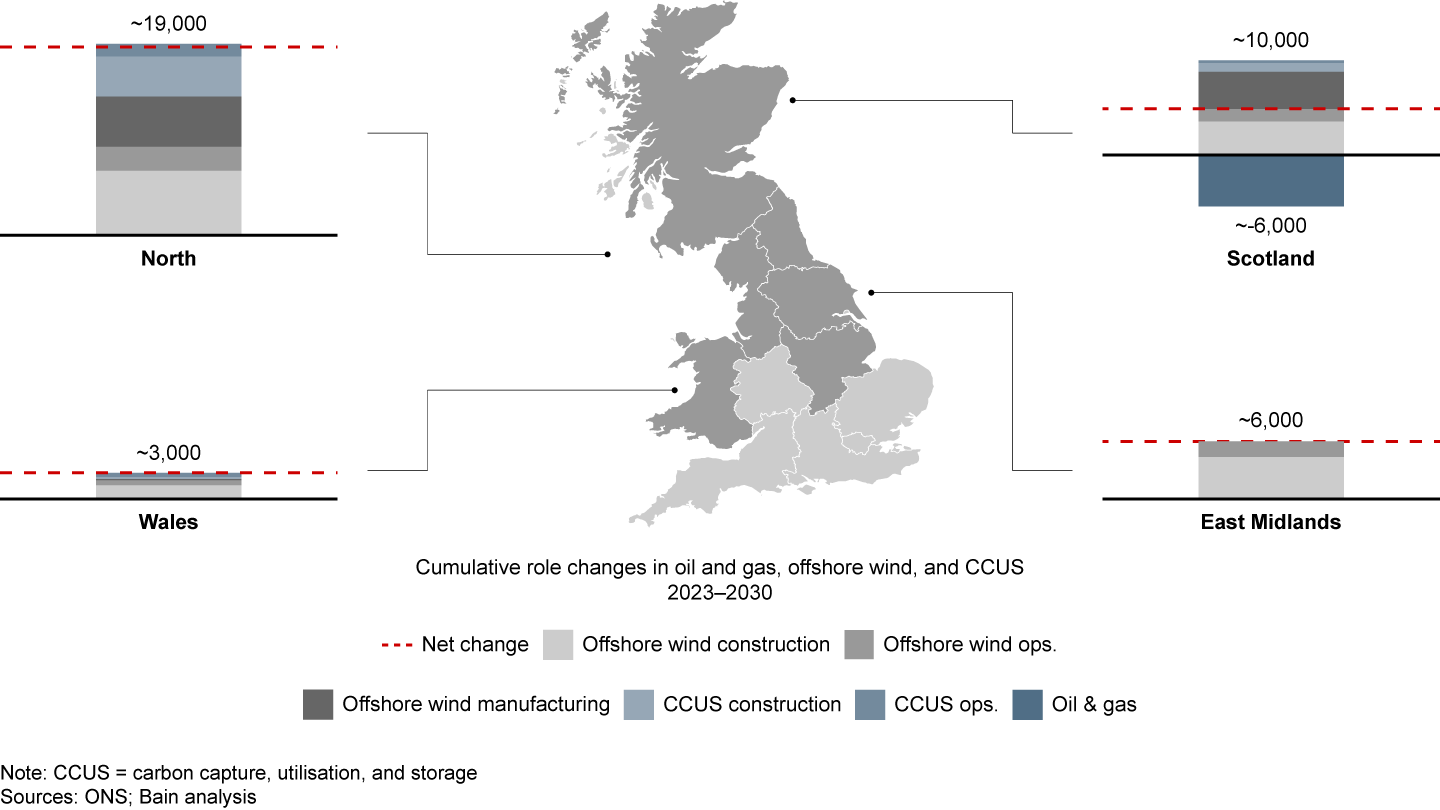
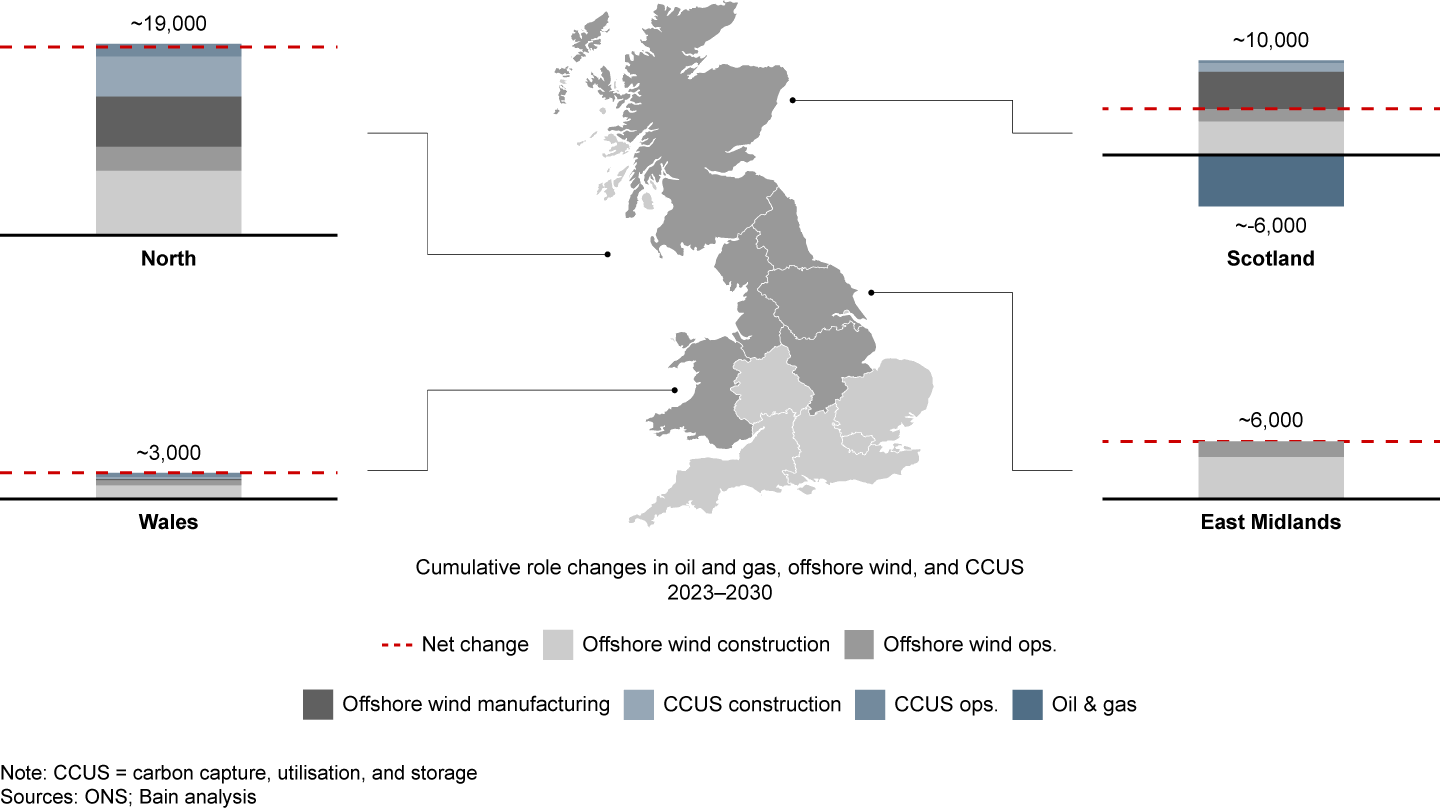
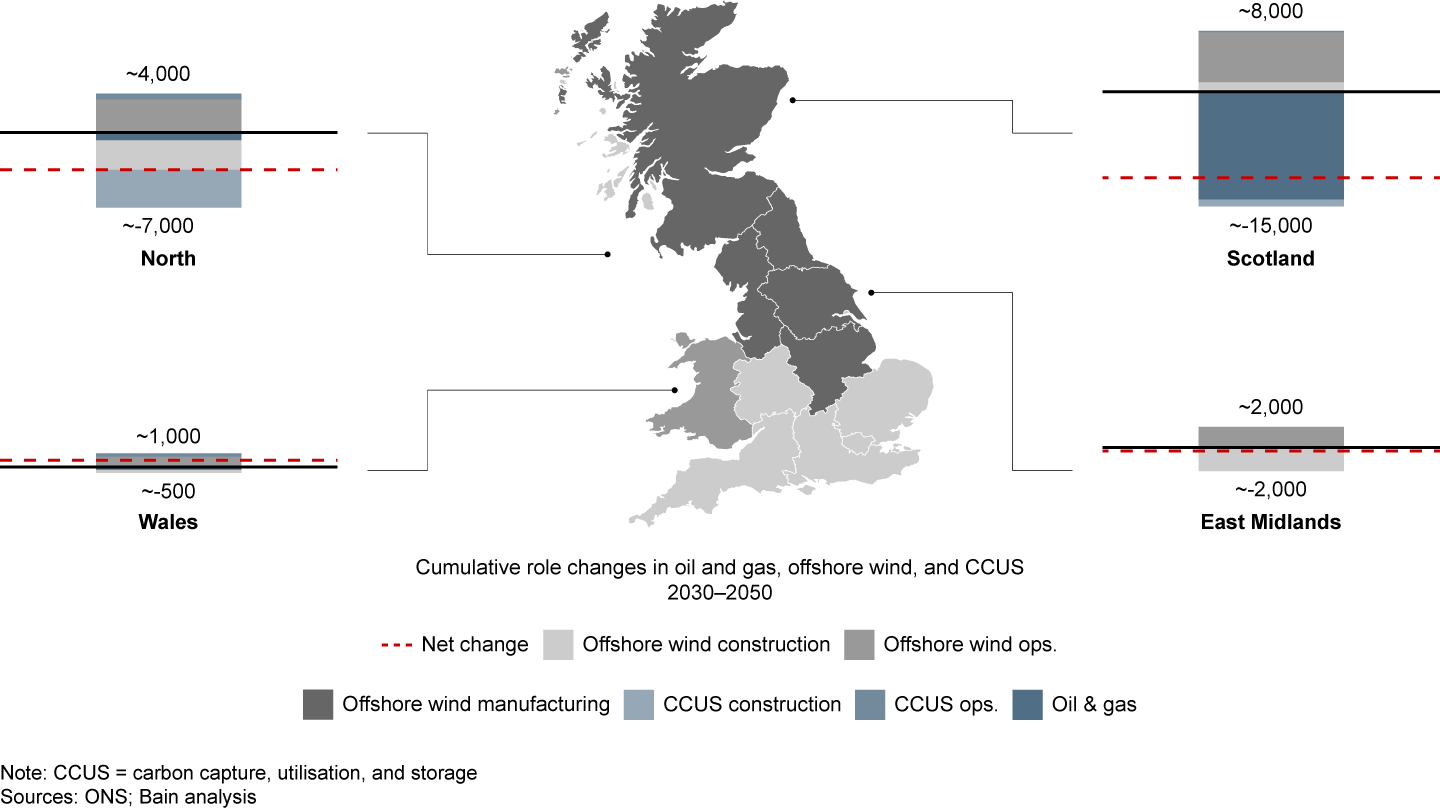
After 2030, the situation becomes more challenging. The bulk of oil and gas role losses will coincide with a slowdown in construction for offshore wind and CCUS facilities. On an ongoing basis, oil and gas production is also more labour-intensive than offshore wind. If oil and gas workers were to only transition to offshore wind or carbon capture roles, Scotland could see a net loss of about 7,000 roles between 2030 and 2050 (see Figure 7).
Figure 7

2. Skills misalignment
New green roles require different skills and qualifications than those that the workers who need the roles currently possess.
Only about a third of legacy roles will have a clear replacement in the net-zero transition, such as gas boiler installers switching to heat pump installation. There may be some overlapping skill sets between legacy and green roles, but some degree of retraining is typically required.
Often there are challenges around the “portability” of qualifications. For example, workers switching from manufacturing ICE vehicles to LEVs need training to learn how to work with high-voltage systems, but many of their existing skills remain relevant.
3. Training capacity
The UK’s training ecosystem was not designed for the scale or pace of reskilling that’s required. Up to 800,000 workers will need some reskilling at the peak of the transition (see Figure 8).
Figure 8
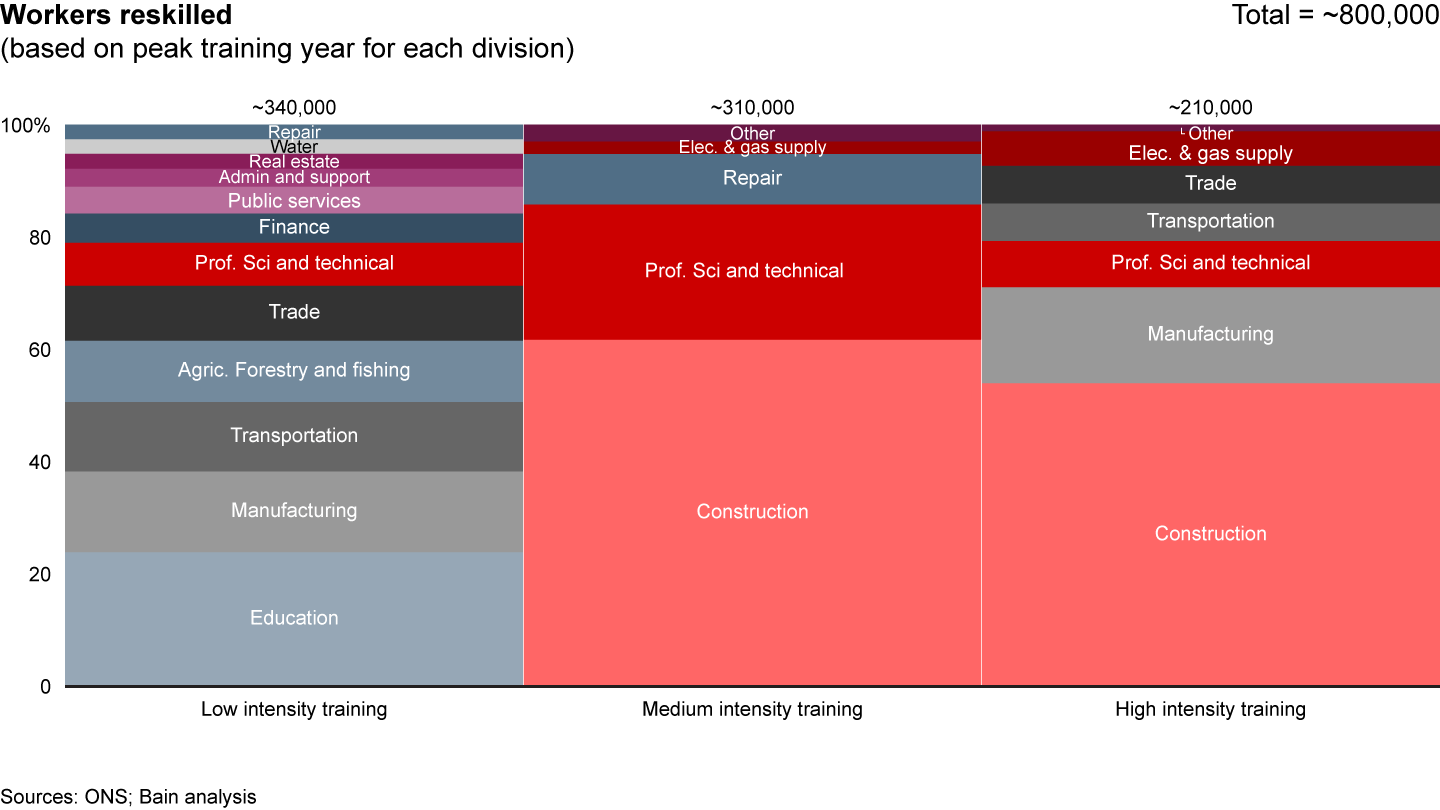

About 40% of reskilling will be relatively low intensity: “topping-up” knowledge among people who are already in roles. Most often, this level of training can be provided by employers.
Some sectors, however, will see steep adoption curves (which could lead to capacity shortfalls). For example, about 300% to 500% more heat pump installers need to be trained in order to ramp up capacity. Training capacity needs may also be exacerbated by demographics, such as the aging profile of the electrician workforce.
At the peak of the transition, the UK will need about 8,000 trainers to support net-zero reskilling. About half the trainers will be employed within industries or by employers. The remaining half will be spread across colleges, universities, and other independent training providers. Many workers will also require on-the-job supervision and guidance from a sufficient ratio of more experienced workers.
4. Limited incentives
Companies and workers may be faced with an unattractive or uncertain return on investment (ROI) for the time and money they invest in training. However, most green roles should be financially attractive to workers. On average, they are associated with about 30% higher salaries than other positions in the UK.
To incentivise reskilling, employers and workers need additional confidence in four areas. They want:
- Green skills and technologies to stay relevant. Companies don’t want to train or re-train workers for roles that could become obsolete.
- Sufficient demand for the products and services their new skills will support.
- The right, supportive dependencies in place so they can apply their knowledge. For example, companies need the highly specialised know-how to run gigafactories or access to input materials, such as lithium for battery manufacturing.
- Green activity to be economically viable to support well-paid roles and deliver a rapid ROI for the reskilling investment, especially for SMEs who may be less able to invest ahead of need.
The UK needs innovative ideas to close the reskilling gap
The UK’s Green Jobs Taskforce has given considerable thought to what policies and measures could address the skills gap. However, at the speed and scale that reskilling needs to be accomplished, the policies and measures the Taskforce identified may not be sufficient.
In the US, the Servicemen’s Readjustment Act (the “G.I. Bill”) upskilled millions of World War II veterans to address post-war labour needs. The UK’s net-zero ambition requires the same level of radical thinking and policy innovation.
Based on our research and experience, various levers can help close the skills gap and accelerate the UK’s progress toward net zero, for example green champions, “fit-for-the-future” training pathways, relocation incentives, and green reskilling demand incentives. These strategies are not exhaustive.
Green champions
To boost training capacity, we propose a “green champions” scheme that incentivises companies to retrain workers beyond their own requirements. Existing skills bootcamps could be expanded or refined to “top up” employees’ green skills and prepare people who are self-employed, unemployed, or underemployed.
Companies that are “green champions” could provide green skills training (subsidised by the government) for their own employees as well as the public. For example, they could offer training courses for people without any electrical or plumbing experience to become qualified heat pump installers. It may also be worth considering the introduction of skills reporting metrics for all employers to prompt greater attention to the skills gap, and create a reputational incentive for employers to play their part in the transition.
A further “train the trainer” program could support the need for more teachers and training specialists with green skills.
This approach is being employed to different degrees internationally. In Australia, a New Energy Apprenticeship program offers incentives for companies to hire green-skilled apprentices in target areas. In Canada, a workforce solutions program is funding municipal government, nonprofit, and for-profit projects that “build talent for the clean economy.” And in France, a “transitions collectives” identifies workers who may be susceptible to disruption and offers them opportunities to retrain with their existing employer or with a new employer in a growing sector (e.g., net zero, digital, healthcare).
Fit-for-the-future training pathways
The UK needs an overarching review of qualifications and training pathways to ensure qualifications are transferable and relevant. Participants need assurance their training efforts will lead to attractive job opportunities. A “skills passport” could enable cross-industry recognition and make it easier to transfer skills and qualifications.
The Scottish government is developing its own skills passport to support oil and gas workers who are transitioning into offshore wind or carbon capture roles. It’s based on mutually recognised training standards that span legacy industries (oil and gas), growth industries (offshore wind), and nascent industries (carbon captures and hydrogen).
A skills passport that covers the entire UK and a range of industries could speed up reskilling. The government could coordinate with industry bodies to ensure cross-industry recognition of qualifications that have similar skills. Incremental training programs can be developed to award credit for existing skills. For example, a short course for trained mechanics can give them additional skills they need to maintain and repair an LEV.
Relocation incentives
To address geographic mismatches, there need to be incentives to relocate training capacity to areas with a significant number of vulnerable legacy roles. For example, an offshore transition skills hub is being created in Aberdeen.
Green reskilling demand incentives
It is critical that there is clarity and consistency on policy and regulatory frameworks that underpin demand for new green products and services and the roles that enable them. To further incentivise workers and employers to reskill, public procurement processes can include green reskilling criteria. Under the Inflation Reduction Act and other measures, the US Federal Government (as the largest procurer globally of products and services) is driving green demand, for example by mandating use of lower-carbon materials in Federal procurement.
We can accelerate the transition together
The UK is facing unprecedented challenges—but they bear enormous opportunities. The whole economy must decarbonise. The entire country—its workers, employers, trainers, unions, and government—needs to make a united and concerted effort to prepare the workforce for the energy transition and drive for net zero.
Our net zero ambitions and retooling of the UK economy are achievable. But it will require a different mindset and velocity of action, with government and business working together, including to inspire and excite people about the opportunity ahead. This green industrial revolution demands an effort more akin to a “national war effort” to deliver the scale and speed of the economic transition.
First published in 1月 2024