
Skip to Content
  • オフィス

    オフィス

    北米・南米
    • Atlanta
    • Austin
    • Bogota
    • Boston
    • Buenos Aires
    • Chicago
    • Dallas
    • Denver
    • Houston
    • Los Angeles
    • Mexico City
    • Minneapolis
    • Monterrey
    • Montreal
    • New York
    • Rio de Janeiro
    • San Francisco
    • Santiago
    • São Paulo
    • Seattle
    • Silicon Valley
    • Toronto
    • Washington, DC
    ヨーロッパ・中東・アフリカ
    • Amsterdam
    • Athens
    • Berlin
    • Brussels
    • Copenhagen
    • Doha
    • Dubai
    • Dusseldorf
    • Frankfurt
    • Helsinki
    • Istanbul
    • Johannesburg
    • Kyiv
    • Lisbon
    • London
    • Madrid
    • Milan
    • Munich
    • Oslo
    • Paris
    • Riyadh
    • Rome
    • Stockholm
    • Vienna
    • Warsaw
    • Zurich
    アジア・オーストラリア
    • Bangkok
    • Beijing
    • Bengaluru
    • Brisbane
    • Ho Chi Minh City
    • Hong Kong
    • Jakarta
    • Kuala Lumpur
    • Manila
    • Melbourne
    • Mumbai
    • New Delhi
    • Perth
    • Shanghai
    • Singapore
    • Sydney
    • Tokyo
    全てのオフィス
  • アルムナイ
  • メディア
  • お問い合わせ
  • 東京オフィス
  • Japan | 日本語

    地域と言語を選択

    グローバル
    • Global (English)
    北米・南米
    • Brazil (Português)
    • Argentina (Español)
    • Canada (Français)
    • Chile (Español)
    • Colombia (Español)
    ヨーロッパ・中東・アフリカ
    • France (Français)
    • DACH Region (Deutsch)
    • Italy (Italiano)
    • Spain (Español)
    • Greece (Elliniká)
    アジア・オーストラリア
    • China (中文版)
    • Korea (한국어)
    • Japan (日本語)
  • Saved items (0)
    Saved items (0)

    You have no saved items.

    後で閲読、共有できるようにするためにブックマークしてください

    Explore Bain Insights
  • 業界別プラクティス
    メインメニュー

    業界別プラクティス

    • 航空宇宙、防衛、政府関連
    • 農業
    • 化学製品
    • インフラ、建設
    • 消費財
    • 金融サービス
    • ヘルスケア
    • 産業機械、設備
    • メディア、エンターテインメント
    • 金属
    • 採掘・鉱業
    • 石油、ガス
    • 紙、パッケージ
    • プライベートエクイティ
    • 公共、社会セクター
    • 小売
    • テクノロジー
    • 通信
    • 交通
    • 観光産業
    • 公益事業、再生可能エネルギー
  • 機能別プラクティス
    メインメニュー

    機能別プラクティス

    • カスタマー・エクスペリエンス
    • サステイナビリティ、 社会貢献
    • Innovation
    • 企業買収、合併 (M&A)
    • オペレーション
    • 組織
    • プライベートエクイティ
    • マーケティング・営業
    • 戦略
    • アドバンスド・アナリティクス
    • Technology
    • フルポテンシャル・トランスフォーメーション
  • Digital
  • 知見/レポート
  • ベイン・アンド・カンパニーについて
    メインメニュー

    ベイン・アンド・カンパニーについて

    • ベインの信条
    • 活動内容
    • 社員とリーダーシップ
    • プレス・メディア情報
    • クライアントの結果
    • 受賞歴
    • パートナーシップを結んでいる団体
    Further: Our global responsibility
    • ダイバーシティ
    • 社会貢献
    • サステイナビリティへの取り組み
    • 世界経済フォーラム(WEF)
    Learn more about Further
  • キャリア
    メインメニュー

    キャリア

    • ベインで働く
      キャリア
      ベインで働く
      • Find Your Place
      • ベインで活躍する機会
      • ベインのチーム体制
      • 学生向けページ
      • インターンシップ
      • 採用イベント
    • ベインでの体験
      キャリア
      ベインでの体験
      • Blog: Inside Bain
      • キャリアストーリー
      • 社員紹介
      • Where We Work
      • 成長を後押しするサポート体制
      • アフィニティ・グループ
      • 福利厚生
    • Impact Stories
    • 採用情報
      キャリア
      採用情報
      • 採用プロセス
      • 面接内容
    FIND JOBS
  • オフィス
    メインメニュー

    オフィス

    • 北米・南米
      オフィス
      北米・南米
      • Atlanta
      • Austin
      • Bogota
      • Boston
      • Buenos Aires
      • Chicago
      • Dallas
      • Denver
      • Houston
      • Los Angeles
      • Mexico City
      • Minneapolis
      • Monterrey
      • Montreal
      • New York
      • Rio de Janeiro
      • San Francisco
      • Santiago
      • São Paulo
      • Seattle
      • Silicon Valley
      • Toronto
      • Washington, DC
    • ヨーロッパ・中東・アフリカ
      オフィス
      ヨーロッパ・中東・アフリカ
      • Amsterdam
      • Athens
      • Berlin
      • Brussels
      • Copenhagen
      • Doha
      • Dubai
      • Dusseldorf
      • Frankfurt
      • Helsinki
      • Istanbul
      • Johannesburg
      • Kyiv
      • Lisbon
      • London
      • Madrid
      • Milan
      • Munich
      • Oslo
      • Paris
      • Riyadh
      • Rome
      • Stockholm
      • Vienna
      • Warsaw
      • Zurich
    • アジア・オーストラリア
      オフィス
      アジア・オーストラリア
      • Bangkok
      • Beijing
      • Bengaluru
      • Brisbane
      • Ho Chi Minh City
      • Hong Kong
      • Jakarta
      • Kuala Lumpur
      • Manila
      • Melbourne
      • Mumbai
      • New Delhi
      • Perth
      • Shanghai
      • Singapore
      • Sydney
      • Tokyo
    全てのオフィス
  • アルムナイ
  • メディア
  • お問い合わせ
  • 東京オフィス
  • Japan | 日本語
    メインメニュー

    地域と言語を選択

    • グローバル
      地域と言語を選択
      グローバル
      • Global (English)
    • 北米・南米
      地域と言語を選択
      北米・南米
      • Brazil (Português)
      • Argentina (Español)
      • Canada (Français)
      • Chile (Español)
      • Colombia (Español)
    • ヨーロッパ・中東・アフリカ
      地域と言語を選択
      ヨーロッパ・中東・アフリカ
      • France (Français)
      • DACH Region (Deutsch)
      • Italy (Italiano)
      • Spain (Español)
      • Greece (Elliniká)
    • アジア・オーストラリア
      地域と言語を選択
      アジア・オーストラリア
      • China (中文版)
      • Korea (한국어)
      • Japan (日本語)
  • Saved items  (0)
    メインメニュー
    Saved items (0)

    You have no saved items.

    後で閲読、共有できるようにするためにブックマークしてください

    Explore Bain Insights
  • 業界別プラクティス
    • 業界別プラクティス

      • 航空宇宙、防衛、政府関連
      • 農業
      • 化学製品
      • インフラ、建設
      • 消費財
      • 金融サービス
      • ヘルスケア
      • 産業機械、設備
      • メディア、エンターテインメント
      • 金属
      • 採掘・鉱業
      • 石油、ガス
      • 紙、パッケージ
      • プライベートエクイティ
      • 公共、社会セクター
      • 小売
      • テクノロジー
      • 通信
      • 交通
      • 観光産業
      • 公益事業、再生可能エネルギー
  • 機能別プラクティス
    • 機能別プラクティス

      • カスタマー・エクスペリエンス
      • サステイナビリティ、 社会貢献
      • Innovation
      • 企業買収、合併 (M&A)
      • オペレーション
      • 組織
      • プライベートエクイティ
      • マーケティング・営業
      • 戦略
      • アドバンスド・アナリティクス
      • Technology
      • フルポテンシャル・トランスフォーメーション
  • Digital
  • 知見/レポート
  • ベイン・アンド・カンパニーについて
    • ベイン・アンド・カンパニーについて

      • ベインの信条
      • 活動内容
      • 社員とリーダーシップ
      • プレス・メディア情報
      • クライアントの結果
      • 受賞歴
      • パートナーシップを結んでいる団体
      Further: Our global responsibility
      • ダイバーシティ
      • 社会貢献
      • サステイナビリティへの取り組み
      • 世界経済フォーラム(WEF)
      Learn more about Further
  • キャリア
    人気検索キーワード
    • デジタル
    • 戦略
    前回の検索
      最近訪れたページ

      Content added to saved items

      Saved items (0)

      Removed from saved items

      Saved items (0)

      論説

      Are You Organized to Reap Value from Generative AI?

      Are You Organized to Reap Value from Generative AI?

      The right operating model can speed up return on investment.

      著者:Bhavi Mehta, Iacopo Mancini, Mohan Jayaraman, Marta Alves, and Liza Selyavina

      • min read
      }

      論説

      Are You Organized to Reap Value from Generative AI?
      en
      概要
      • Speed of adoption is essential to realizing value from generative AI initiatives, and moving quickly depends on making the right organizational choices.
      • Bain’s analysis of about 20 financial services firms shows how they are making decisions across four dimensions: program sponsorship, governance, staffing, and funding.
      • The C-suite must govern early efforts because centralized governance improves coordination.
      • But initiatives should also span functions across the enterprise to engage the business units and spread lessons from successful deployments.

      Generative artificial intelligence (AI) has caught fire in the business world. A recent survey by Bain & Company finds that 75% of financial services companies are achieving or exceeding their expected value with generative AI initiatives. That exceeds the success rates of other technology implementations, and it is spreading quickly. Many companies are moving from experimenting to putting generative AI into users’ hands at an impressive pace.

      Indeed, speed is essential to thriving with AI, and the primary catalyst for speed is an effective operating model. Therefore, it’s critical for companies to make the right choices about how they organize for AI innovation and deployment. “Right” will not be the same for all financial services companies, given their different circumstances. However, in our work with companies globally, we have recognized emerging patterns that point the way to best practice for most companies.

      Specifically, our analysis of about 20 banks, insurers, and payment firms shows how organizations make decisions across four dimensions: program sponsorship, governance, staffing, and funding (see Figure 1). Across these four dimensions, we typically see the most ambitious companies, which aspire to use generative AI at a large scale, centralize their core capabilities and governance, with a plan to decentralize down the road. Let’s review each dimension in turn.

      Figure 1
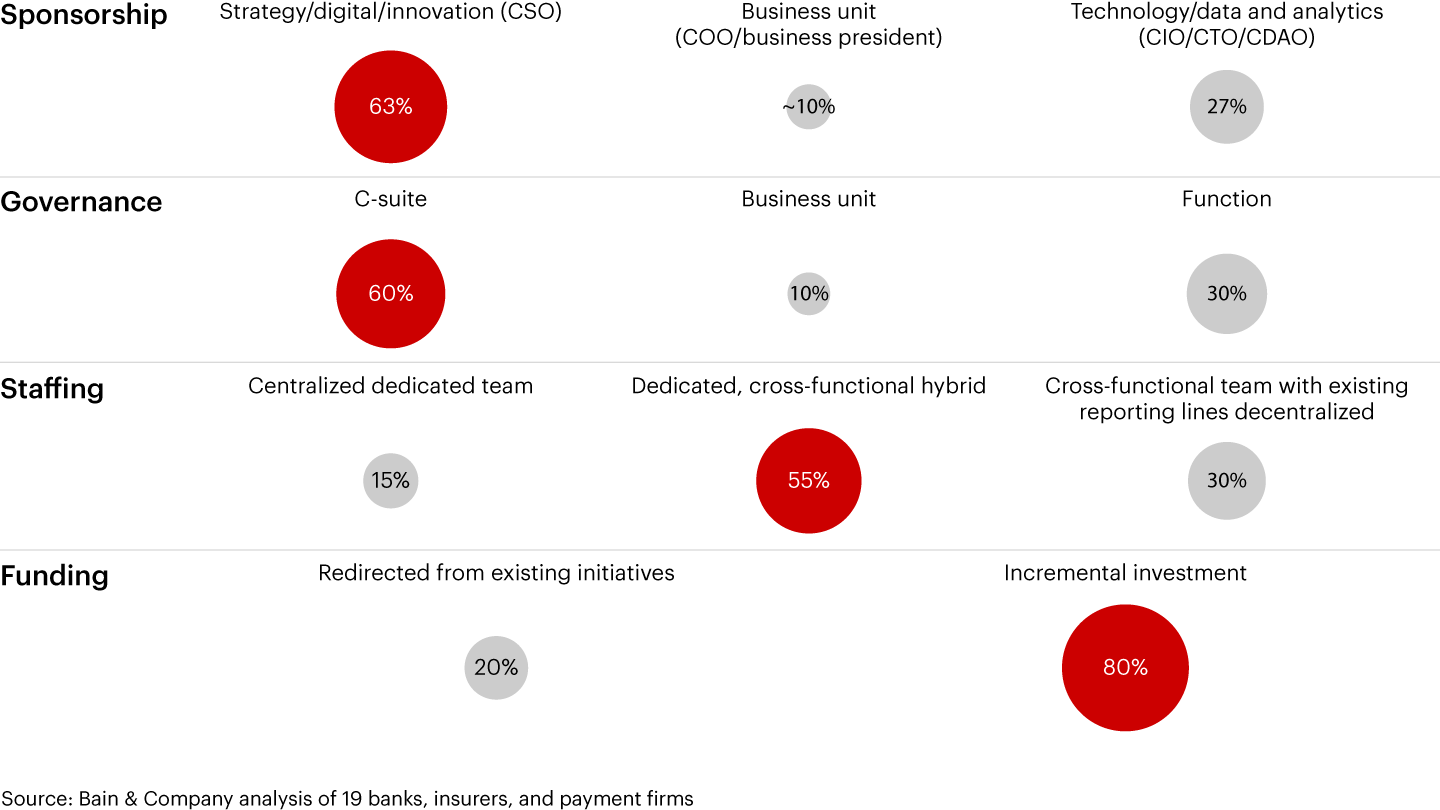
      Financial services companies are making decisions along four dimensions around organizing for generative AI

      Assigning the ideal sponsor

      Given the technical intensity and risks of generative AI, sponsorship typically comes from the senior executives overseeing digital, innovation, or strategy, with 63% of respondents structuring sponsorship that way. Initially, this often comes in close collaboration with the chief technology officer (CTO). In about one-quarter of cases, the CTO or CIO leads the program. The challenge here is to ensure the right level of business unit involvement.

      Either way, most of the companies we surveyed involve the CEO to build momentum and bring all C-level executives from the business units and risk, HR, finance, and technology groups on board.

      One asset management company we interviewed as part of the analysis created a full-time role to lead the AI hub with a dotted line to the CEO. An executive at this company noted, “You need a senior role to have peer conversations with other C-suite executives.”

      By contrast, a heavy emphasis on technology or AI teams for sponsorship might lead to initiatives that are too focused on technological capabilities, potentially neglecting broader business impacts and opportunities across the organization. If a CTO builds and runs a generative AI platform independently while business units build their strategic business plans and roadmaps, it will take substantial time and effort to align on the bank’s priorities and infuse them in the new technology platform.

      Arranging governance to span functions

      For most companies, governance makes sense at the C-level so that all the functions can work together to address the challenges in using a new technology effectively. For that reason, some 60% of respondents have established a governance council involving C-level executives who make strategic decisions around the generative AI program. They often maintain a separate hub at the corporate center to identify and prioritize use cases.

      At one insurance company, the AI council composed of C-level executives sets the guidelines and overall strategy, while an AI hub team prioritizes use cases identified by the business units and makes recommendations to the council. This arrangement is particularly important early on, because companies have limited technical resources capable of building generative AI use cases.

      Fewer than one-third of respondents have all governance decentralized, though one or two business units take the lion’s share of governance; where this occurs, the organization tends to be more decentralized overall. The risk here is a fragmentation of effort and resources.

      When centralizing, companies should address two potential pitfalls. One is the risk of bottlenecks in decision making, especially in large organizations with many potential generative AI applications. The process of reviewing and prioritizing use cases might slow down innovation and responsiveness to market changes.

      A second concern is potentially limited user engagement. Insights and innovative ideas from throughout the organization might not be adequately captured or considered. That could restrict the diversity of applications and innovation, as well as the pace of adoption once the technology is rolled out. One way to mitigate this risk is to embed AI stewards, who can source and validate ideas, in each business unit.

      Staffing through the center and business units

      The structure of staff resources highly depends on how companies have organized their existing AI and analytics capabilities. For companies with a hub-and-spoke model, staff resources are centralized through the hub or AI factory. The hub takes responsibility for developing the generative AI platform or application, with business units developing specific use cases, building the business case, and validating with end users.

      For companies with decentralized capabilities, a more effective structure typically will have teams operating within existing reporting lines. Here, the center focuses on foundational capabilities and making sure the generative AI platform and infrastructure are available across the wider enterprise.

      More than half of survey respondents operate with a hybrid staffing model—a dedicated team plus cross-functional, decentralized teams. This model requires balancing business unit autonomy to innovate with the company’s overall generative AI strategy and standards.

      In addition to allocating resources to developing use cases, the center plays an important role in ensuring a coordinated approach. This matters especially in the beginning, as much of the underlying technology can be reused in other use cases. In addition, if a company has limited technical resources, the center should support the most complex use cases. An executive at one bank commented, “Business units have tried to build proof of concepts on their own, but don’t currently have the scale. The central function is building blueprints that can be replicated by business units in the future.”

      As the platform matures, the role of the center will evolve. The central hub will focus mainly on maintaining the platform, while the business units will have their own resources, such as data scientists, to develop use cases. Over the long term, resourcing will become more federated, with business units leading development, implementation, and delivery of use cases.

      To ensure a coordinated approach, most companies are allocating risk, HR, and change management resources from the center. This helps to spur adoption and commitment from all employees and functions. Some companies have chosen to introduce a new generative AI champion role that involves taking responsibility for spurring adoption in the transition phase—a role that might not be needed in the long run.

      Shifting the sources of funds over time

      Given that generative AI came on the scene in 2023 after the budgets for 2024 had already been established, 80% of our respondents redirected funding from existing initiatives in 2023. But in 2024, companies did make incremental investments. Companies are mostly relying on their center to build the infrastructure and platform early on, as they want to move quickly on this opportunity, rather than wait for a new budget cycle.

      Over the long term, however, a common goal is for generative AI to be self-funded. One executive noted, “GenAI is funded by incremental investment that is expected to be recovered by [higher agent productivity, handling a greater debtor workload].”

      As companies allocate incremental investments, tracking ROI will be crucial. This involves assessing the impact of initiatives on operational efficiency, customer satisfaction, and new revenue streams.

      *     *     * 

      With speed of adoption being so important to realizing value from generative AI, the C-suite must govern early efforts. At the same time, initiatives should span functions across the enterprise because there are many moving parts to coordinate, and lessons from successful experiments will travel more quickly to teams starting on a new experiment. Finding that balance, with continual adjustments, will allow companies to raise their level of value, and see more types of value, through this powerful new technology.

      著者
      • Headshot of Bhavi Mehta
        Bhavi Mehta
        パートナー, New York
      • Headshot of Iacopo Mancini
        Iacopo Mancini
        パートナー, Milan
      • Headshot of Mohan Jayaraman
        Mohan Jayaraman
        パートナー, Singapore
      • Headshot of Marta Alves
        Marta Alves
        Practice Director, Lisbon
      • Headshot of Liza Selyavina
        Liza Selyavina
        パートナー, Amsterdam
      関連業種
      • 金融サービス
      関連するコンサルティングサービス
      • Digital
      • IT
      • Operating Model & Org Design
      • アドバンスド・アナリティクス
      • 組織
      コンサルティングサービス
      • Artificial Intelligence
      Artificial Intelligence Insights
      Taking a Globally Orchestrated Approach to Digital Disruption

      New technologies such as generative AI, quantum computing, and climate technology require unique but complementary managerial muscles.

      詳細
      Artificial Intelligence Insights
      Four Ways Leaders Can Make AI Redesigns Stick

      As companies redesign to scale AI, these four lessons help leaders ensure their organizations actually live the new operating model.

      詳細
      金融サービス
      Rethinking Transformation: Lawrence Lam on Leading Change at Prudential

      Frankie Leung speaks with Lawrence Lam, CEO of Prudential Hong Kong, about organizational transformation and sustaining change through a people-led approach.

      詳細
      Artificial Intelligence Insights
      What Business Leaders Need to Know About AI Sovereignty

      Aligning business strategy with national AI priorities is necessary to compete and scale.

      詳細
      Artificial Intelligence Insights
      The 2026 Retail Executive Agenda

      Here are letters to the C-suite to help strengthen strategy, catalyze collaboration, and expand value creation in the AI age.

      詳細
      First published in 6月 2024
      Tags
      • Artificial Intelligence
      • Artificial Intelligence Insights
      • CIO Insights
      • Digital
      • IT
      • Operating Model & Org Design
      • アドバンスド・アナリティクス
      • 金融サービス
      • 組織

      クライアント支援事例

      Digital Reimagining Insurance for the AI Era

      ケーススタディを見る

      サステイナビリティ、社会貢献 Voluntary Carbon Markets: A Bank Moves Early to Seize the Opportunity

      ケーススタディを見る

      業績改善 Lean Six Sigma solves a commercial bank's growth problem

      ケーススタディを見る

      お気軽にご連絡下さい

      私達は、グローバルに活躍する経営者が抱える最重要経営課題に対して、厳しい競争環境の中でも成長し続け、「結果」を出すために支援しています。

      Digital is a service mark of Bain & Company, Inc.

      ベインの知見。競争が激化するグローバルビジネス環境で、日々直面するであろう問題について論じている知見を毎月お届けします。

      *プライバシーポリシーの内容を確認し、合意しました。

      プライバシーポリシーをご確認頂き、合意頂けますようお願い致します。
      Bain & Company
      お問い合わせ Sustainability Accessibility Terms of use Privacy Cookie Policy Sitemap Log In

      © 1996-2026 Bain & Company, Inc.

      お問い合わせ

      How can we help you?

      • ビジネスについて
      • プレス報道について
      • 採用について
      全てのオフィス