
Skip to Content
  • オフィス

    オフィス

    北米・南米
    • Atlanta
    • Austin
    • Bogota
    • Boston
    • Buenos Aires
    • Chicago
    • Dallas
    • Denver
    • Houston
    • Los Angeles
    • Mexico City
    • Minneapolis
    • Monterrey
    • Montreal
    • New York
    • Rio de Janeiro
    • San Francisco
    • Santiago
    • São Paulo
    • Seattle
    • Silicon Valley
    • Toronto
    • Washington, DC
    ヨーロッパ・中東・アフリカ
    • Amsterdam
    • Athens
    • Berlin
    • Brussels
    • Copenhagen
    • Doha
    • Dubai
    • Dusseldorf
    • Frankfurt
    • Helsinki
    • Istanbul
    • Johannesburg
    • Kyiv
    • Lisbon
    • London
    • Madrid
    • Milan
    • Munich
    • Oslo
    • Paris
    • Riyadh
    • Rome
    • Stockholm
    • Vienna
    • Warsaw
    • Zurich
    アジア・オーストラリア
    • Bangkok
    • Beijing
    • Bengaluru
    • Brisbane
    • Ho Chi Minh City
    • Hong Kong
    • Jakarta
    • Kuala Lumpur
    • Manila
    • Melbourne
    • Mumbai
    • New Delhi
    • Perth
    • Shanghai
    • Singapore
    • Sydney
    • Tokyo
    全てのオフィス
  • アルムナイ
  • メディア
  • お問い合わせ
  • 東京オフィス
  • Japan | 日本語

    地域と言語を選択

    グローバル
    • Global (English)
    北米・南米
    • Brazil (Português)
    • Argentina (Español)
    • Canada (Français)
    • Chile (Español)
    • Colombia (Español)
    ヨーロッパ・中東・アフリカ
    • France (Français)
    • DACH Region (Deutsch)
    • Italy (Italiano)
    • Spain (Español)
    • Greece (Elliniká)
    アジア・オーストラリア
    • China (中文版)
    • Korea (한국어)
    • Japan (日本語)
  • Saved items (0)
    Saved items (0)

    You have no saved items.

    後で閲読、共有できるようにするためにブックマークしてください

    Explore Bain Insights
  • 業界別プラクティス
    メインメニュー

    業界別プラクティス

    • 航空宇宙、防衛、政府関連
    • 農業
    • 化学製品
    • インフラ、建設
    • 消費財
    • 金融サービス
    • ヘルスケア
    • 産業機械、設備
    • メディア、エンターテインメント
    • 金属
    • 採掘・鉱業
    • 石油、ガス
    • 紙、パッケージ
    • プライベートエクイティ
    • 公共、社会セクター
    • 小売
    • テクノロジー
    • 通信
    • 交通
    • 観光産業
    • 公益事業、再生可能エネルギー
  • 機能別プラクティス
    メインメニュー

    機能別プラクティス

    • カスタマー・エクスペリエンス
    • サステイナビリティ、 社会貢献
    • Innovation
    • 企業買収、合併 (M&A)
    • オペレーション
    • 組織
    • プライベートエクイティ
    • マーケティング・営業
    • 戦略
    • アドバンスド・アナリティクス
    • Technology
    • フルポテンシャル・トランスフォーメーション
  • Digital
  • 知見/レポート
  • ベイン・アンド・カンパニーについて
    メインメニュー

    ベイン・アンド・カンパニーについて

    • ベインの信条
    • 活動内容
    • 社員とリーダーシップ
    • プレス・メディア情報
    • クライアントの結果
    • 受賞歴
    • パートナーシップを結んでいる団体
    Further: Our global responsibility
    • ダイバーシティ
    • 社会貢献
    • サステイナビリティへの取り組み
    • 世界経済フォーラム(WEF)
    Learn more about Further
  • キャリア
    メインメニュー

    キャリア

    • ベインで働く
      キャリア
      ベインで働く
      • Find Your Place
      • ベインで活躍する機会
      • ベインのチーム体制
      • 学生向けページ
      • インターンシップ
      • 採用イベント
    • ベインでの体験
      キャリア
      ベインでの体験
      • Blog: Inside Bain
      • キャリアストーリー
      • 社員紹介
      • Where We Work
      • 成長を後押しするサポート体制
      • アフィニティ・グループ
      • 福利厚生
    • Impact Stories
    • 採用情報
      キャリア
      採用情報
      • 採用プロセス
      • 面接内容
    FIND JOBS
  • オフィス
    メインメニュー

    オフィス

    • 北米・南米
      オフィス
      北米・南米
      • Atlanta
      • Austin
      • Bogota
      • Boston
      • Buenos Aires
      • Chicago
      • Dallas
      • Denver
      • Houston
      • Los Angeles
      • Mexico City
      • Minneapolis
      • Monterrey
      • Montreal
      • New York
      • Rio de Janeiro
      • San Francisco
      • Santiago
      • São Paulo
      • Seattle
      • Silicon Valley
      • Toronto
      • Washington, DC
    • ヨーロッパ・中東・アフリカ
      オフィス
      ヨーロッパ・中東・アフリカ
      • Amsterdam
      • Athens
      • Berlin
      • Brussels
      • Copenhagen
      • Doha
      • Dubai
      • Dusseldorf
      • Frankfurt
      • Helsinki
      • Istanbul
      • Johannesburg
      • Kyiv
      • Lisbon
      • London
      • Madrid
      • Milan
      • Munich
      • Oslo
      • Paris
      • Riyadh
      • Rome
      • Stockholm
      • Vienna
      • Warsaw
      • Zurich
    • アジア・オーストラリア
      オフィス
      アジア・オーストラリア
      • Bangkok
      • Beijing
      • Bengaluru
      • Brisbane
      • Ho Chi Minh City
      • Hong Kong
      • Jakarta
      • Kuala Lumpur
      • Manila
      • Melbourne
      • Mumbai
      • New Delhi
      • Perth
      • Shanghai
      • Singapore
      • Sydney
      • Tokyo
    全てのオフィス
  • アルムナイ
  • メディア
  • お問い合わせ
  • 東京オフィス
  • Japan | 日本語
    メインメニュー

    地域と言語を選択

    • グローバル
      地域と言語を選択
      グローバル
      • Global (English)
    • 北米・南米
      地域と言語を選択
      北米・南米
      • Brazil (Português)
      • Argentina (Español)
      • Canada (Français)
      • Chile (Español)
      • Colombia (Español)
    • ヨーロッパ・中東・アフリカ
      地域と言語を選択
      ヨーロッパ・中東・アフリカ
      • France (Français)
      • DACH Region (Deutsch)
      • Italy (Italiano)
      • Spain (Español)
      • Greece (Elliniká)
    • アジア・オーストラリア
      地域と言語を選択
      アジア・オーストラリア
      • China (中文版)
      • Korea (한국어)
      • Japan (日本語)
  • Saved items  (0)
    メインメニュー
    Saved items (0)

    You have no saved items.

    後で閲読、共有できるようにするためにブックマークしてください

    Explore Bain Insights
  • 業界別プラクティス
    • 業界別プラクティス

      • 航空宇宙、防衛、政府関連
      • 農業
      • 化学製品
      • インフラ、建設
      • 消費財
      • 金融サービス
      • ヘルスケア
      • 産業機械、設備
      • メディア、エンターテインメント
      • 金属
      • 採掘・鉱業
      • 石油、ガス
      • 紙、パッケージ
      • プライベートエクイティ
      • 公共、社会セクター
      • 小売
      • テクノロジー
      • 通信
      • 交通
      • 観光産業
      • 公益事業、再生可能エネルギー
  • 機能別プラクティス
    • 機能別プラクティス

      • カスタマー・エクスペリエンス
      • サステイナビリティ、 社会貢献
      • Innovation
      • 企業買収、合併 (M&A)
      • オペレーション
      • 組織
      • プライベートエクイティ
      • マーケティング・営業
      • 戦略
      • アドバンスド・アナリティクス
      • Technology
      • フルポテンシャル・トランスフォーメーション
  • Digital
  • 知見/レポート
  • ベイン・アンド・カンパニーについて
    • ベイン・アンド・カンパニーについて

      • ベインの信条
      • 活動内容
      • 社員とリーダーシップ
      • プレス・メディア情報
      • クライアントの結果
      • 受賞歴
      • パートナーシップを結んでいる団体
      Further: Our global responsibility
      • ダイバーシティ
      • 社会貢献
      • サステイナビリティへの取り組み
      • 世界経済フォーラム(WEF)
      Learn more about Further
  • キャリア
    人気検索キーワード
    • デジタル
    • 戦略
    前回の検索
      最近訪れたページ

      Content added to saved items

      Saved items (0)

      Removed from saved items

      Saved items (0)

      レポート

      Buying Boosts Building in Tech M&A

      Buying Boosts Building in Tech M&A

      Companies are increasingly using scope deals to add capabilities and supplement organic innovation.

      著者:Adam Haller and Chris Johnson

      • min read
      }

      レポート

      Buying Boosts Building in Tech M&A
      en

      This article is Chapter 13 of Bain’s global Technology Report 2020. Explore the contents of the report here or download the PDF to read the full report. 

      Over the past five years, the fundamental thesis for technology mergers and acquisitions has changed. Now, the vast majority are geared toward one thing: expanding the scope of the business.

      In 2019, 82% of technology mergers and acquisitions were scope deals, through which the buyer enters faster-growing business segments or acquires new capabilities, intellectual property or talent to generate future growth. The rest were scale deals typically aimed at strengthening the company’s market position and reducing costs.

      Just five years ago, there was an even split between scope and scale deals in the technology industry (see Figure 1).

      Figure 1
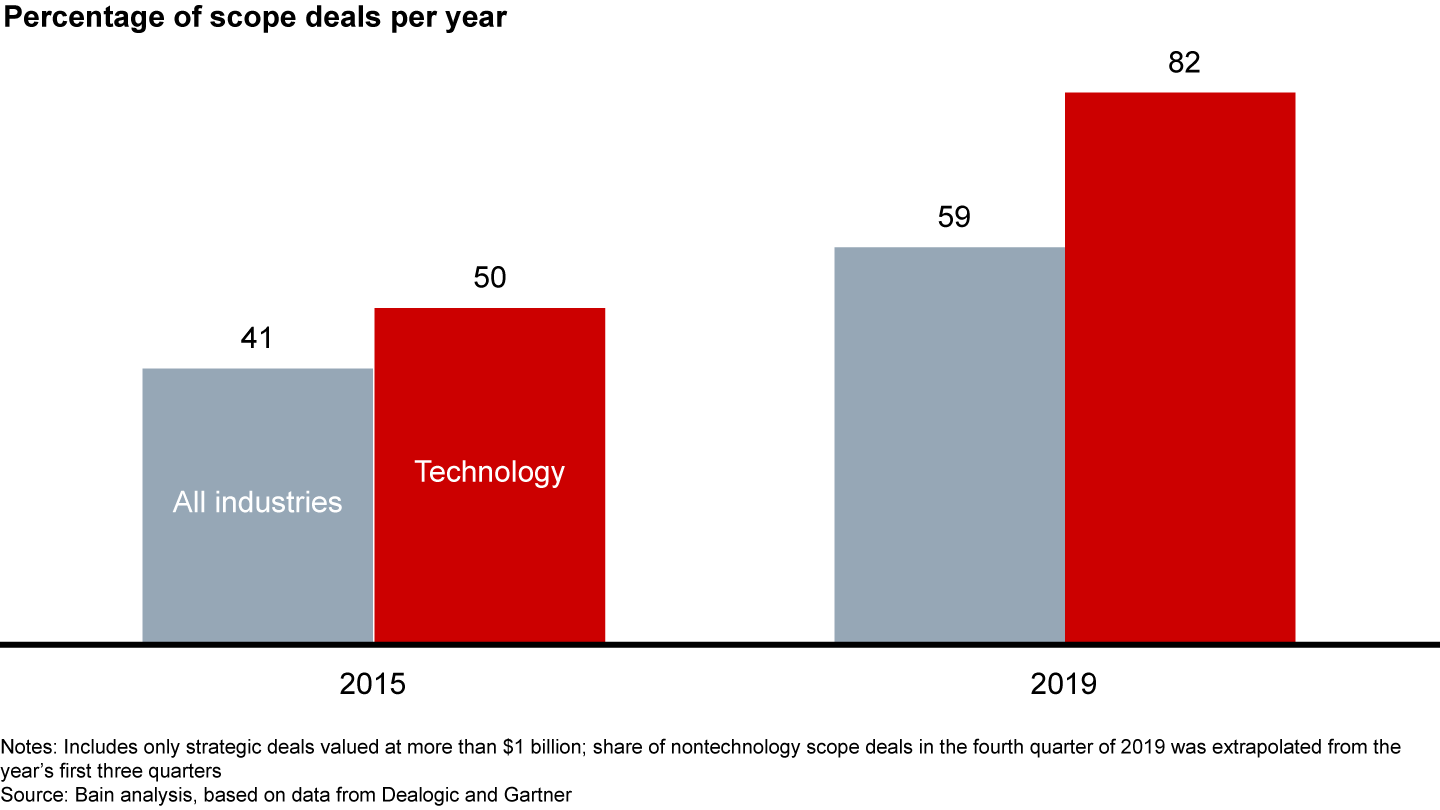
      Scope deals now make up the vast majority of technology M&A
      Chart showing that scope deals now make up the vast majority of technology mergers and acquisitions
      Chart showing that scope deals now make up the vast majority of technology mergers and acquisitions

      This growing pursuit of scope acquisitions is happening in all sectors, but it’s much more pronounced in technology. Scope transactions for all industries grew from 41% in 2015 to 59% in 2019.

      The emphatic swing toward scope deals in technology is one way that companies are positioning themselves to keep up with unprecedented rates of technology transitions, shifting boundaries of competition, expanding customer expectations and a fierce talent war.

      A key to successful scope deals is adding capabilities that improve the value proposition of a company’s existing business. Salesforce’s $16.3 billion purchase of Tableau Software last year gave customers access to Tableau’s data visualization platform, which strengthened the analytics capabilities of Salesforce’s customer relationship management offering. Scope M&A can also help companies diversify revenue sources and expand into new markets. This year, Infineon Technologies acquired Cypress Semiconductor for $10 billion to add microcontrollers and connectivity products to its lineup of offerings. This broadened Infineon’s customer base and gave it new cross-selling opportunities. Analysts expect the deal to achieve €750 million of annual revenue synergies by 2025. And some scope deals accomplish both aims: They add capabilities and move the company into faster-growing segments.

      The other reason for the shift toward scope deals is structural. Simply put, there are fewer opportunities for scale acquisitions these days because the technology sector has become highly concentrated. Segments such as semiconductors and software have gone through years of consolidation. Other areas, such as cloud services, are inherently prone to a small number of winners.

      This scope M&A bent will likely accelerate. Technology deals came to a standstill in the second quarter of this year, due to the Covid-19 pandemic and tightening credit markets. But the landscape is ripe for renewed M&A activity. Many technology companies’ share prices have been resilient during the recent economic downturn, and they’re sitting on large cash reserves that could fund deals (see Figure 2). Those with the means will use this opportunity to add new capabilities and reposition their organizations for the postpandemic world.

      Figure 2
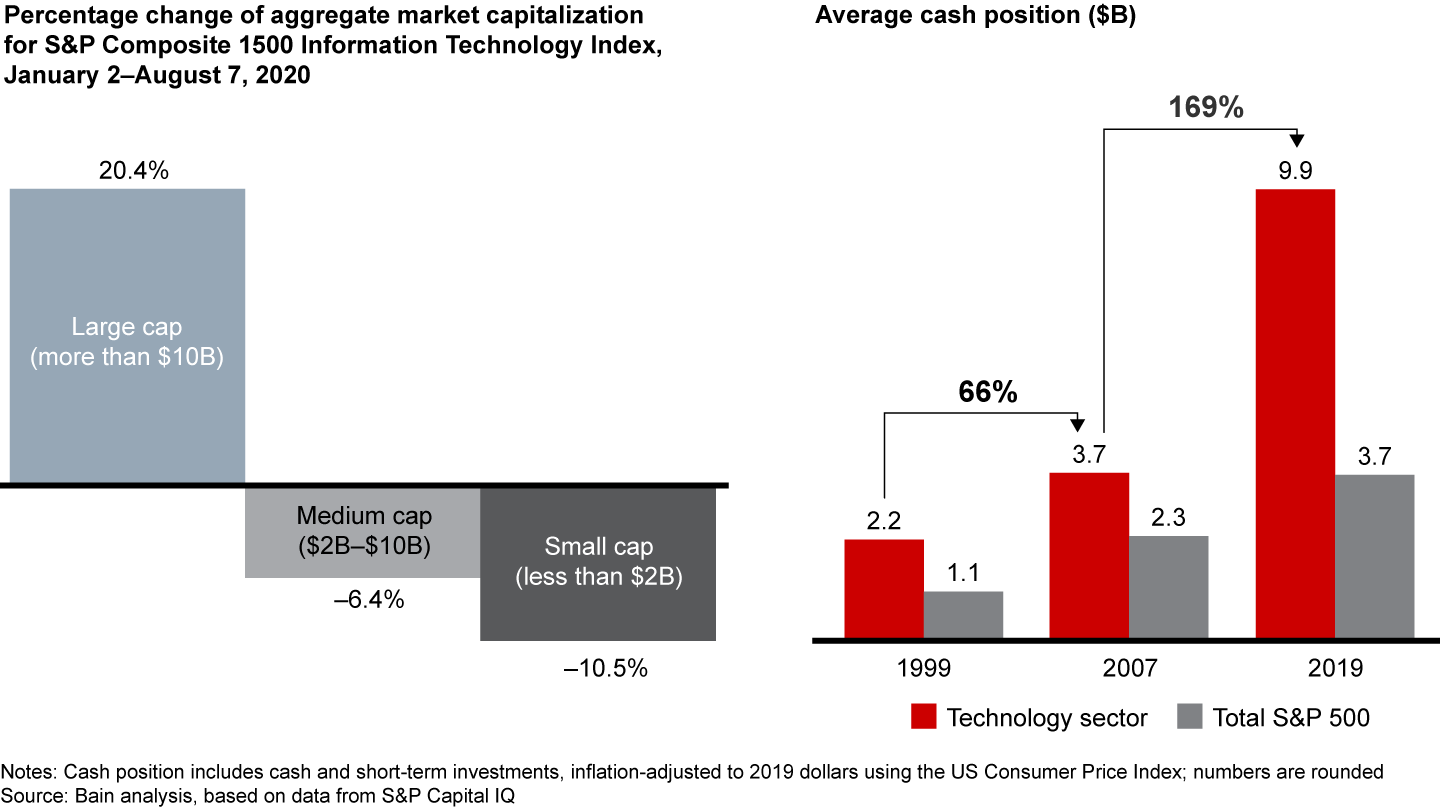
      Large technology companies thrived through the pandemic, and they have large cash reserves that could fund deals
      Chart showing how large tech companies have thrived through the pandemic and have large cash reserves that could fund deals
      Chart showing how large tech companies have thrived through the pandemic and have large cash reserves that could fund deals

      This was the case during the Great Recession. Technology deal volume increased 9% from 2007 to 2010. Several technology companies inked strategic scope acquisitions during the downturn. For example, Adobe laid the foundation for its transition to a cloud-enabled business with its 2009 acquisition of web analytics company Omniture for $1.8 billion.

      How to get the most out of the deal

      The powerful benefits of scope deals come with a price, of course. They’re typically more expensive than scale deals and deliver fewer cost benefits. From 2015 through 2019, technology scope deal premiums were 51% higher than scale acquisitions, and cost synergies were 42% lower than for scale deals during that period. Once again, this trend is true across all sectors, but is more pronounced in technology. Part of the reason for the disparity is that synergies in scope deals are typically more revenue-based, often less controllable for the buyer than concrete cost synergies frequently targeted in scale acquisitions. In addition, scope deals tend to target innovative companies working in rapidly growing sectors, so the acquired company has more leverage to demand a higher premium.

      In addition, scrutiny of technology deals is intensifying as regulatory oversight evolves beyond issues of market concentration to include consumer data and privacy, national interest and security, and future competition. All of this places greater demands on preparing for consultations with regulators and broader stakeholder communications during the deal diligence and negotiation phases.

      The most successful scope deals start with proper screening. Leading companies proactively and frequently scan sectors for companies that fit their strategy. Once the target is in sight, they develop a bespoke integration strategy that articulates precisely what should—and, just as important, should not—be integrated in order to realize the expected deal value. There must be alignment among the leadership team for the plan to work.

      This is where many scope deals go wrong. Buyers have a tendency to overintegrate the acquired company. Some purchasers apply their well-honed processes, operating model and overhead levels on what is often a very different business model, which can have the unintended consequences of squashing the acquired company’s capabilities or even putting its business at risk.

      Business integration teams typically don’t have extensive experience with scope M&A. So, once a deal closes, leading companies assign senior general managers to provide extra oversight and assistance to ensure the integration goes as planned.

      Lastly, don’t forget about the people. Culture clashes between the two organizations can lead to business stagnation, loss of focus and talent defection. All of a sudden, acquirers can find they have unwittingly diminished the value of the new asset.

      The most successful scope buyers spend as much time and effort on retaining talent and smoothly combining teams with different cultures as they do on hitting financial targets. Getting this right can be the difference between a bad deal and a good one—or even a massive success.


      著者
      • Headshot of Adam Haller
        Adam Haller
        パートナー, San Francisco
      • Headshot of Chris Johnson
        Chris Johnson
        Alumni, San Francisco
      関連業種
      • テクノロジー
      関連するコンサルティングサービス
      • Divestitures and Spin-offs
      • Post-Merger Integration
      • 企業買収、合併(M&A)
      コンサルティングサービス
      • M&A Strategy
      M&A Strategy
      Building Products M&A

      Why more companies are acquiring for scope.

      詳細
      Technology Report
      Will Agentic AI Disrupt SaaS?

      Disruption is mandatory. Obsolescence is optional.

      詳細
      テクノロジー
      Why SaaS Stocks Have Dropped—and What It Signals for Software’s Next Chapter

      A sharp reset in valuations reflects AI-driven disruption, slowing retention, and a growing divide between incumbents and future winners.

      詳細
      M&A Strategy
      Consumer Products M&A

      In their quest for profitable growth, more companies are divesting brands or buying insurgents.

      詳細
      Technology Report
      State of the Art of Agentic AI Transformation

      Tech-forward enterprises have cracked the code on ROI for AI. Falling behind is riskier than ever as the next wave of agentic AI raises the stakes.

      詳細
      First published in 10月 2020
      Tags
      • Divestitures and Spin-offs
      • M&A Strategy
      • Post-Merger Integration
      • Technology Report
      • テクノロジー
      • 企業買収、合併(M&A)

      クライアント支援事例

      サステイナビリティ、社会貢献 Can Microchips Turbocharge Sustainability Improvement?

      ケーススタディを見る

      Helping a Midsize ERP Player Compete against the Giants

      ケーススタディを見る

      Divestitures and Spin-offs A holding company lets go to grow

      ケーススタディを見る

      お気軽にご連絡下さい

      私達は、グローバルに活躍する経営者が抱える最重要経営課題に対して、厳しい競争環境の中でも成長し続け、「結果」を出すために支援しています。

      ベインの知見。競争が激化するグローバルビジネス環境で、日々直面するであろう問題について論じている知見を毎月お届けします。

      *プライバシーポリシーの内容を確認し、合意しました。

      プライバシーポリシーをご確認頂き、合意頂けますようお願い致します。
      Bain & Company
      お問い合わせ Sustainability Accessibility Terms of use Privacy Cookie Policy Sitemap Log In

      © 1996-2026 Bain & Company, Inc.

      お問い合わせ

      How can we help you?

      • ビジネスについて
      • プレス報道について
      • 採用について
      全てのオフィス