

論説

概要
- Bain and the International Association of Credit Portfolio Managers (IACPM) surveyed 55 financial services firms globally about how they are responding to ESG pressures from regulators, shareholders, and customers.
- Views differ on whether ESG pillars primarily represent downside risks to be managed or upside opportunities to be captured, with European respondents most bullish on the opportunities.
- While institutions are making progress, they’re hampered by a lack of consensus on frameworks and methodologies, as well as unclear decision rights and different regulatory priorities among the regions.
- Four areas merit attention: aligning stakeholders on decarbonization, deciding transition finance priorities, defining strategies to address customer demand, and augmenting climate-risk data analytics capabilities.
For several years, pressure has grown on financial institutions to clarify their environmental, social, and governance (ESG) commitments and strategies. While their internal and external stakeholders do not always share the same agendas, calls have been mounting for institutions to play a more active role in supporting the transition of the economy away from fossil fuels. Many are already taking steps to do just that.
But when it comes to devising and executing a longer-term strategy that responds to ESG imperatives, two perspectives have taken shape. Bain & Company and the International Association of Credit Portfolio Managers (IACPM) surveyed 55 member financial services firms globally, mainly banks, representing more than $40 trillion in assets.
Written in collaboration with
Written in collaboration with

Some of the respondents view ESG activities in largely defensive terms, as downside risks to manage. Others view these activities from a more offensive stance, as upside opportunities that their companies should try to capture in order to create strategic value (see Figure 1).
Figure 1
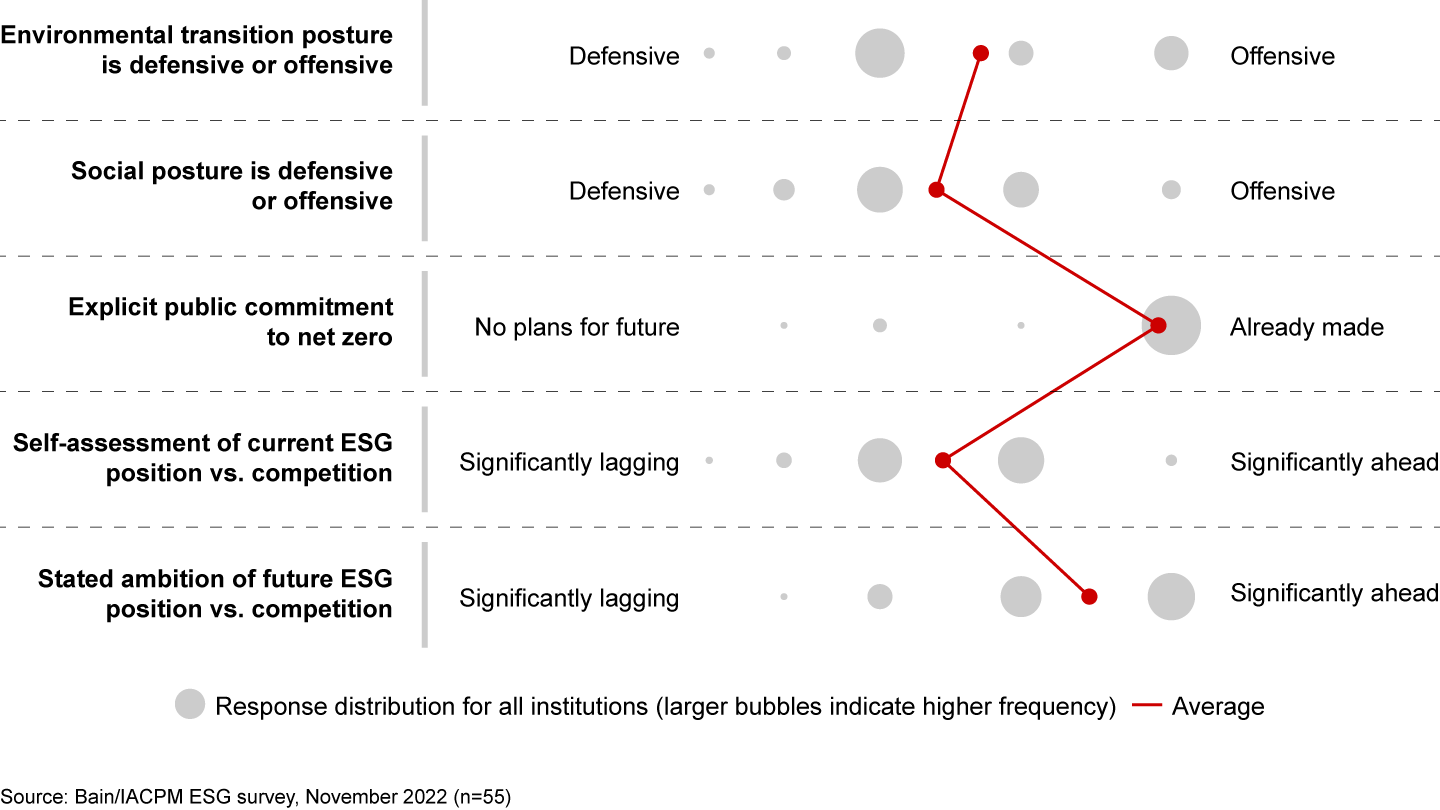

The divergence results in part from uncertainties around the extent and shape of certain risks. For instance, how climate change will affect individual consumers and businesses, including their demand for financial products and services, as well as the time frame for material changes in temperatures, water levels, and so on, has yet to be determined.
There’s also a dearth of data and a lack of consensus on transition risks pertaining to changes in policy and customer preferences. Such transition risks include the speed of a shift in lending from heavily polluting industries and projects to cleaner ones, and the effect on revenues and profits.
Getting good data on the likelihood of these risks and the potential effects would allow financial institutions to reprice credit risk and strengthen capital buffers to absorb credit and operational losses from future events. To better understand how the industry is responding to ESG pressures, Bain recently conducted the survey of IACPM member firms, augmented by conversations with respondents and the group’s advisory council, as well as senior executives in risk, finance, and sustainability functions. The survey goes into detail on climate change, with rich data on disclosures, strategic planning, governance, operating models, and implementation.
Regional differences and lessons from Europe
Globally, external pressures for more ESG activities will only increase, with 83% of respondents expecting more influence from regulators, vs. 67% from customers and 53% from shareholders.
There’s an important regional component as well. European and Asian respondents feel more influence from regulators than their counterparts in the Americas do, while shareholders have greater sway in the Americas. Many European banks have supplemented their customer data with external data and relied on sophisticated modeling techniques to estimate potential losses from climate change. While regulatory expectations differ markedly between Europe and the Americas, and the experiences are not directly transferable, Europe can serve as a robust source of insights in supporting the transition to manage climate risks.
The balance of managing risks and seizing opportunities
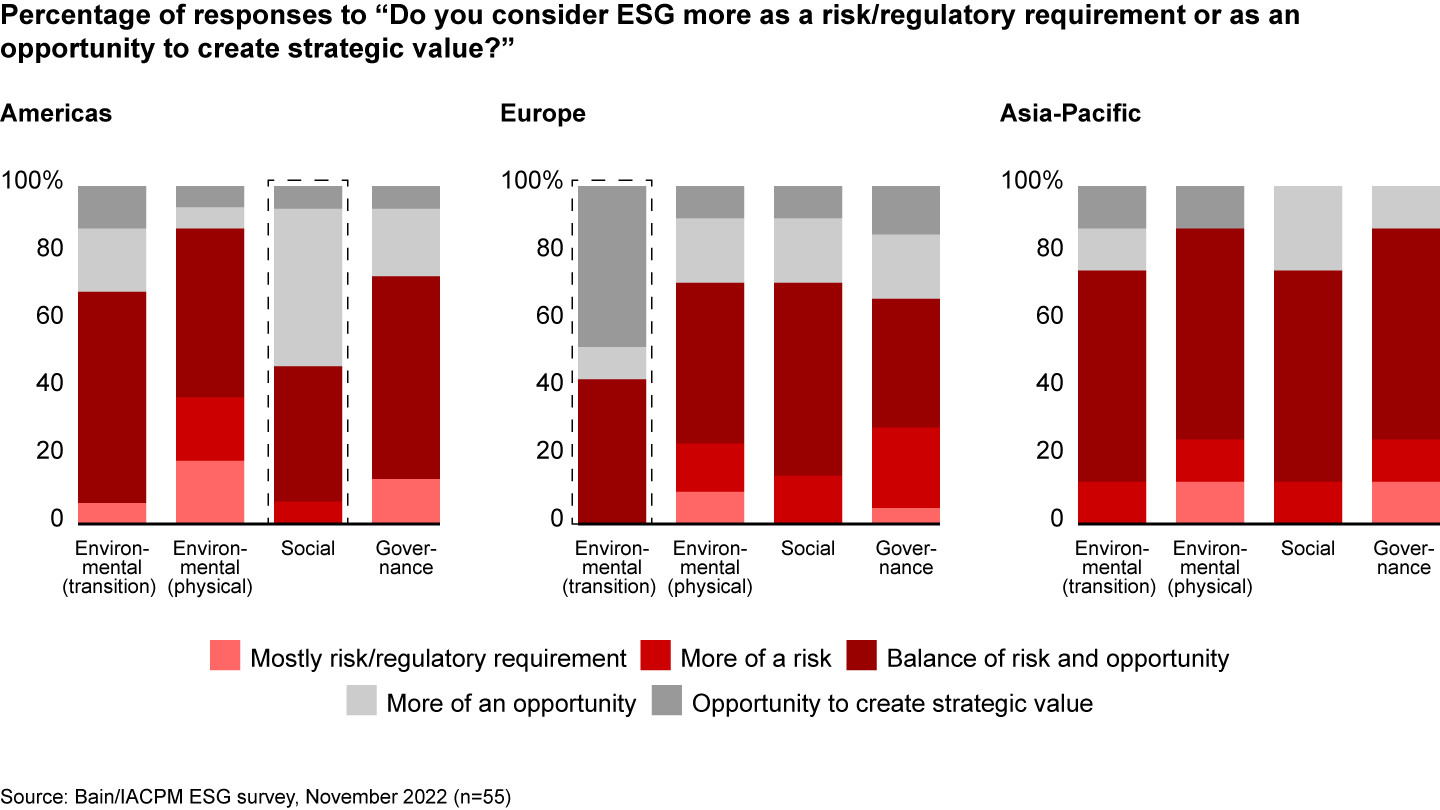
Views differ on whether ESG pillars primarily represent downside risks to be managed or upside opportunities to be captured, on which pillars create the most value, and on how much value could be created.
For instance, only about 55% of respondents believe a net-zero carbon emission strategy reduces the cost of risk, and only 40% believe it will reduce the cost of funding in three years. Such a strategy might involve the introduction of green products and services, which could both enhance returns and introduce higher risk that would need to be reflected in the pricing of products.
In Europe, respondents identified opportunities to create value across a wider spectrum of environmental concerns, including climate risk and the transition to a cleaner economy. In the Americas, financial institutions are more likely to recognize social issues (including diversity, equity, and inclusion), along with the socioeconomic implications of managing and mitigating climate issues, including the effects on financially marginal households. Asia-Pacific financial institutions have a more balanced view among the ESG categories and between risks and opportunities (see Figure 2).
Figure 2

How financial services firms are responding
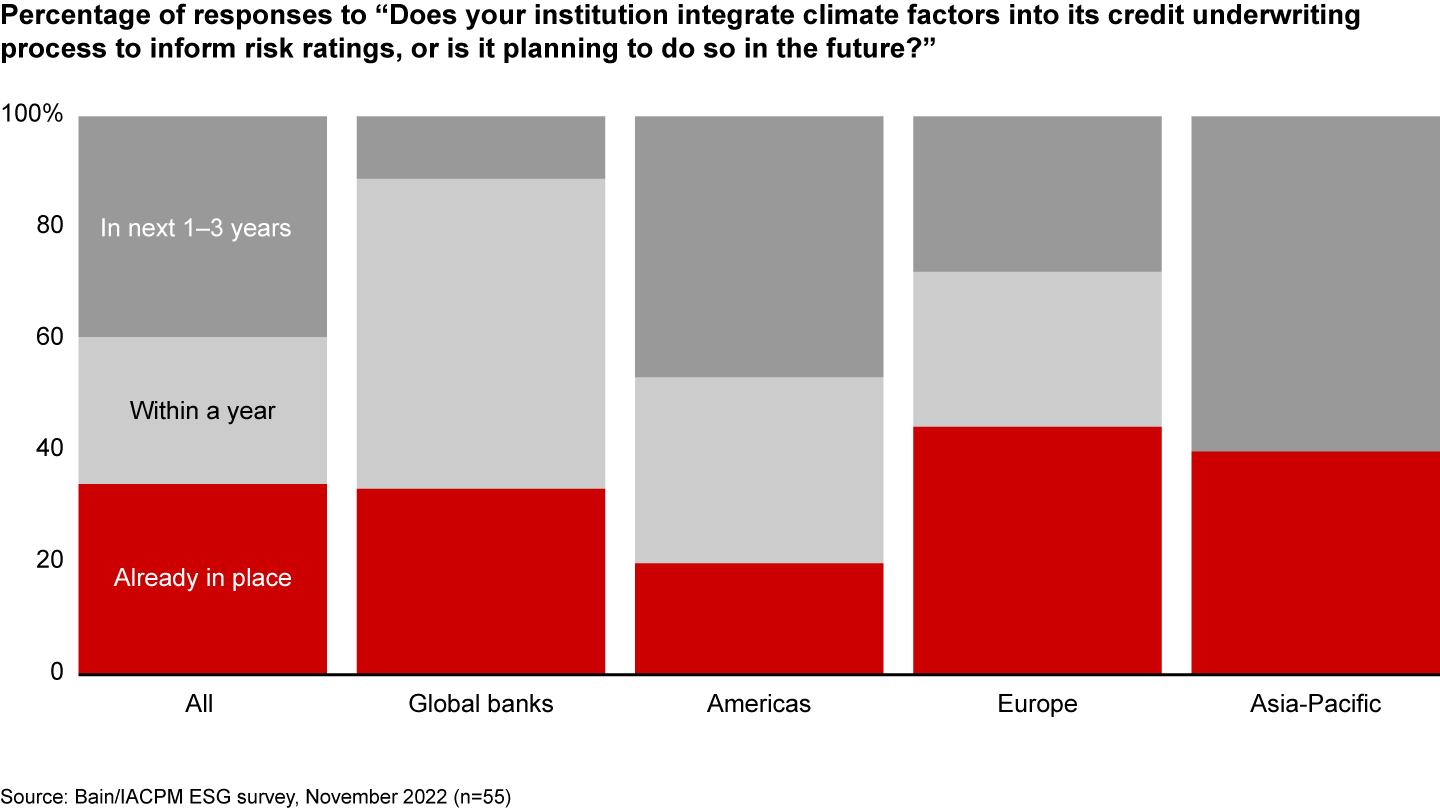
Most major financial services firms are starting to incorporate responses to environmental pressures into their operations. In every region, they’re launching green products, such as clean-energy project financing in commercial markets, and many expect to expand the consumer portfolio to car loans, mortgages, and deposits over the next three years (see Figure 3). Recognizing that climate-related perils may contribute to credit risk across their portfolios in ways that aren’t yet fully understood, they are also starting to incorporate climate risk factors into strategic planning, credit origination, and insurance underwriting, in addition to credit portfolio management and stress-testing scenarios (see Figure 4).
Figure 3
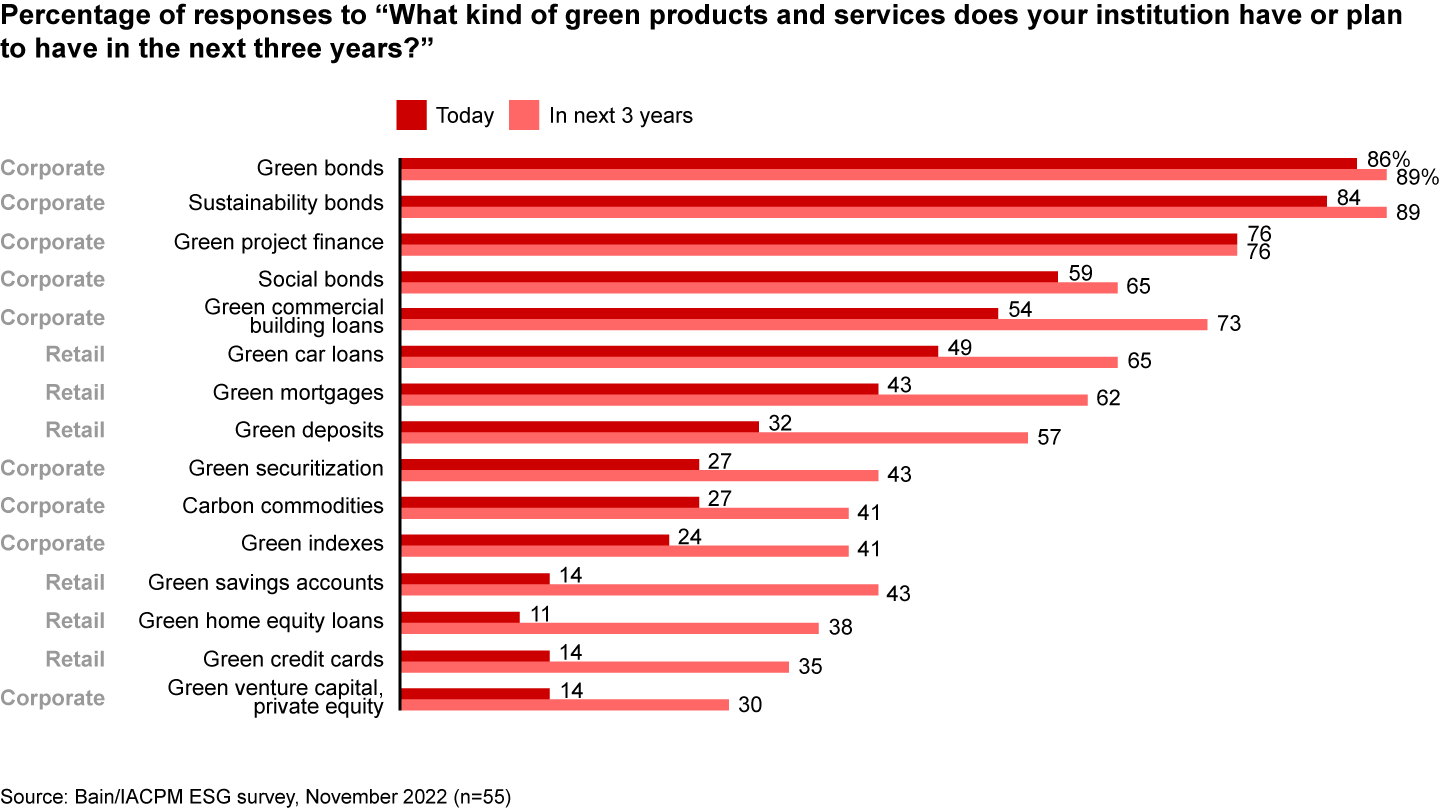

Figure 4

The great majority of respondents say they consider both physical and transition risks when performing portfolio management and capital planning analyses. The most common scenarios they consider are extreme rainfall and flooding, along with climate policy and regulation.
However, while respondents indicate they increasingly look to integrate ESG factors into core processes, it’s still early days. There is a substantial gap between their growth plans and the extent to which they operationalize ESG factors. Some 65% of respondents have yet to incorporate climate data and metrics into credit underwriting processes, with European banks being the furthest along. And while 81% of respondents have identified physical and transition risks, approaches to measurement are still evolving, with half of respondents having quantified their risk exposure.
A lack of consensus on frameworks, methodologies, and tools has hampered their full incorporation into respondents’ operations; this is exacerbated by different regulatory priorities among the regions.
Many respondents expect to shift to proprietary methodologies for identifying and managing physical and transition risks—for the latter, going from 58% of respondents today to 68% in three years. Consensus is limited on the types of targets, with respondents using a mix of relative or absolute targets. Industry experience suggests there’s questionable value in using 10- to 30-year forecasting horizons. Still, 46% of respondents expect to limit credit underwriting to low-carbon, ESG-aligned customers by 2050.
Who makes decisions?
Unclear accountability, decision authority, and other operating model issues also weigh on respondents. While most institutions have built central sustainability teams, many have not yet fully integrated these capabilities and ESG strategies into lines of business. Some 40% of respondents report they coordinate and execute ESG initiatives through a centralized team, rather than the best practice of embedding accountability for targets and initiatives within the business line (see Figure 5).
Figure 5
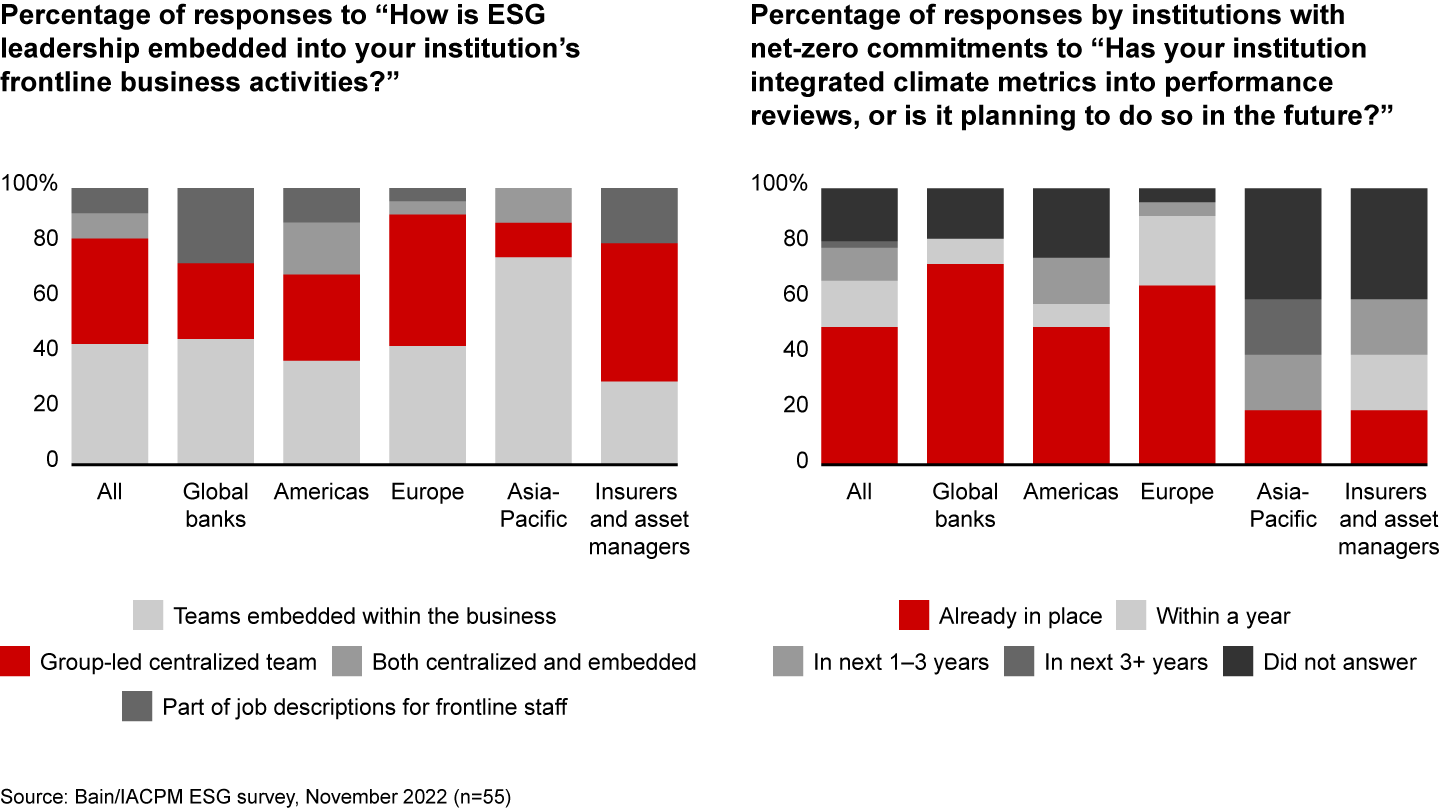

Indeed, many respondents want to better engage frontline teams in identifying risks and defining targets. They also aim to hold frontline risk managers accountable for identifying and mitigating these risks. This is a work in progress, as 65% have yet to define who has primary accountability for identifying and addressing climate risk. And 55% of financial institutions cite unclear roles and accountabilities for managing climate risk between business and corporate functions. European respondents have made the most progress in these areas of governance.
Further, only half of respondents that have made public net-zero commitments have integrated climate metrics into staff performance objectives.
Four areas that merit attention and resources
As banks and other financial institutions consider their next steps with climate change strategy, they can most usefully focus on four critical areas.
Managing stakeholders to align views in support of decarbonization. Financial institutions will want to align external and internal expectations on how to realize value creation from climate strategy.
They can do this by, among other things, defining decarbonization plans and investing in transition finance capabilities. Total shareholder return tied to future profits from the greening of products and services is the most quantifiable metric. In commercial lending, this can be achieved by ensuring that credit spreads reflect a borrower’s ability and willingness to repay (captured in the probability of default) based on climate risk factors over the life of the loan. Collateralization can be defined in a way that allows the bank to preserve coverage of the loan if a borrower defaults.
To the extent that banks integrate climate risk factors into credit underwriting, internal risk ratings will evolve into climate risk–adjusted ratings. These will allow credit risk to be structured, priced, and managed at an individual borrower level and an aggregated portfolio level.
In such a scenario, banks will no longer be able to rely primarily on industry classification codes to manage sector concentrations. Instead, they will need expanded data sets to evaluate industries’ transition from brown to green under different macro and climate scenarios over longer time horizons. They’ll also need to enhance and validate loss-estimation models to reflect a greater number of variables and assumptions.
Making decisions on transition finance priorities. Financial institutions must sharply define decision rights so that they can effectively execute their strategy. Opportunities to create value in fields such as transition finance often are based on emerging technologies or funded by earlier-stage ventures. Typically, these require extensive deliberations to inform the bank’s strategy, align core activities, and manage the risks. At times, it’s not clear who among the executive team should make decisions on how to deploy capital—and that needs to change.
Boards will also play a vital role in informing strategic priorities and providing risk oversight on the design and implementation of these plans.
Defining strategies to address customer demand. In the transition to decarbonization, the leaders will be those financial institutions that heed the logic of the business and customers’ priorities.
Government directives and financial regulations will spur substantial growth in transition-related investment, requiring up-front financing. While central sustainability teams may be well placed to assess stakeholder demands, a business-led, customer-first perspective is most useful for addressing client needs in transition finance. Commercial opportunities include green products and services that appeal to discerning customers, or financing structures, such as green bonds, tailored to investor requirements.
Augmenting climate-risk data analytics capabilities. Integrating climate risk factors into core banking processes and pursuing sound governance practices will make value creation more sustainable over the long term.
Financial services firms are seeking to efficiently tap their own client data and leverage external data that can help inform group-level and business-level strategies. In areas such as credit portfolio management and real estate financing, credit providers have used sector data to estimate potential losses under different macro and climate scenarios. Increasingly, they can use other data sources to estimate transition risk and physical risk, which then factor into climate risk models. This can help financial services firms anticipate losses and enhance preventative programs.
Financial services firms will need to extend their data analytics capabilities so they can identify and validate the new data elements and draw statistical correlations relevant to a range of potential climate-related outcomes.
* * *
When it comes to financial institutions’ ESG efforts, the gap between aspirations and results has widened. Bridging this gap entails more focused strategies, decision making, and analytics savvy. That’s what it will take to realize tangible value from climate-related products, services, and advice.

About IACPM
The IACPM is an industry association established to further the practice of credit exposure management by providing an active forum for its member institutions to exchange ideas on topics of common interest. The Association represents its members before regulatory and administrative bodies in the US and internationally, holds biannual conferences and regional meetings, conducts research on the credit portfolio management field, and works with other organizations on issues of mutual interest relating to the measurement and management of portfolio risk. Currently, there are over 130 financial institutions based in 30 countries that are members of the IACPM. More information is available at www.iacpm.org.
First published in 5月 2023